Following the resignation, President Paul Kagame named Dr. Kalinda as his successor on 6th January 2023.
Dr. Kalinda was elected as the Senate President after swearing-in on Monday 9th January 2023.
His candidature to the position was proposed by Senate Vice President, Esperance Nyirasafari.
“I know him for over 25 years. He holds a PhD in Law , spend long time serving as a lecturer at the University of Rwanda- School of Law, taught many who are currently assuming different duties, and I am pretty sure that he taught many present in this room including me,” she said.
“He is an honest man, who was and is still appreciated by all students from their respective locations. They commend him for integrity and having shared with them knowledge that served as the cornerstone helping them to fulfill their responsibilities,” added Nyirasafari.
She explained that Dr. Kalinda is not new in parliament as he served as a member of the East African Legislative Assembly (EALA) for the past seven years and requested all the 26 senators to vote him.
Senator Niyomugabo Cyprien proposed the candidature of Umuhire Adrie describing her as a woman with virtues, knowledge and expertize in politics and governance. She serves as the Chairperson of Senatorial Standing Committee on Social Affairs and Human Rights.
Senator Umuhire said that the senate has a large number of women serving as chairpersons of different committees and asked the President of the Republic to accept the withdrawal of her candidature to allow for gender balance.
After withdrawing her candidature, Dr. Kalinda was unanimously elected by all 26 senators.
Dr. Kalinda was born in Kitabi Sector of Nyamagabe District. He holds a PhD in Business Law acquired from Ottawa University in Canada.
He pursued undergraduate and Master’s courses at the National University of Rwanda.
In 2015, Dr. Kalinda was elected to represent Rwanda in the East African Legislative Assembly (EALA) replacing Parliamentarian Céléstin Kabahizi who had resigned.
He once served as a lecturer and Dean of School of Law at University of Rwanda.
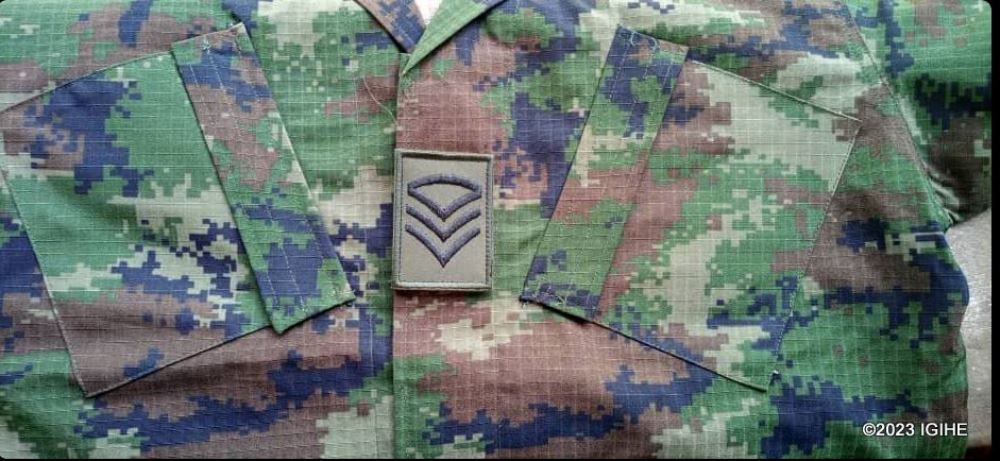
The changes went into effect from Monday 9th January 2023.
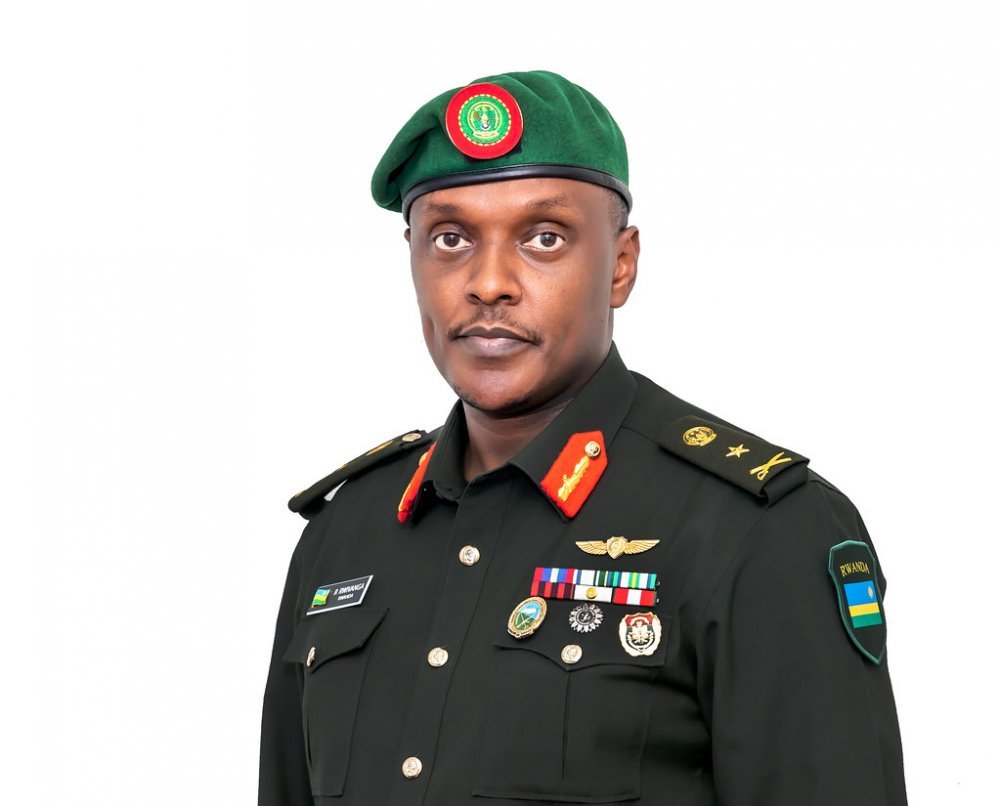
Despite the development, the rank insignia on office or ceremonial dress will remain on the shoulders.
This style is already adopted other countries including the United Kingdom (UK) and the United States (US)’s armies.
Military experts highlight that placing the rank insignia at the chest is better for concealment as the enemy can hardly identify the commander of troops during insecurity or fighting.
However, some Western media ignore the facts, choosing instead to apply double standard and even spread misinformation, while making unwarranted accusations against China’s epidemic fight, confusing the public and misleading the world as a consequence. However, in the face of facts and data, these lies are evident and untenable.
{{Fallacy 1: “New COVID policy brings chaos”}}
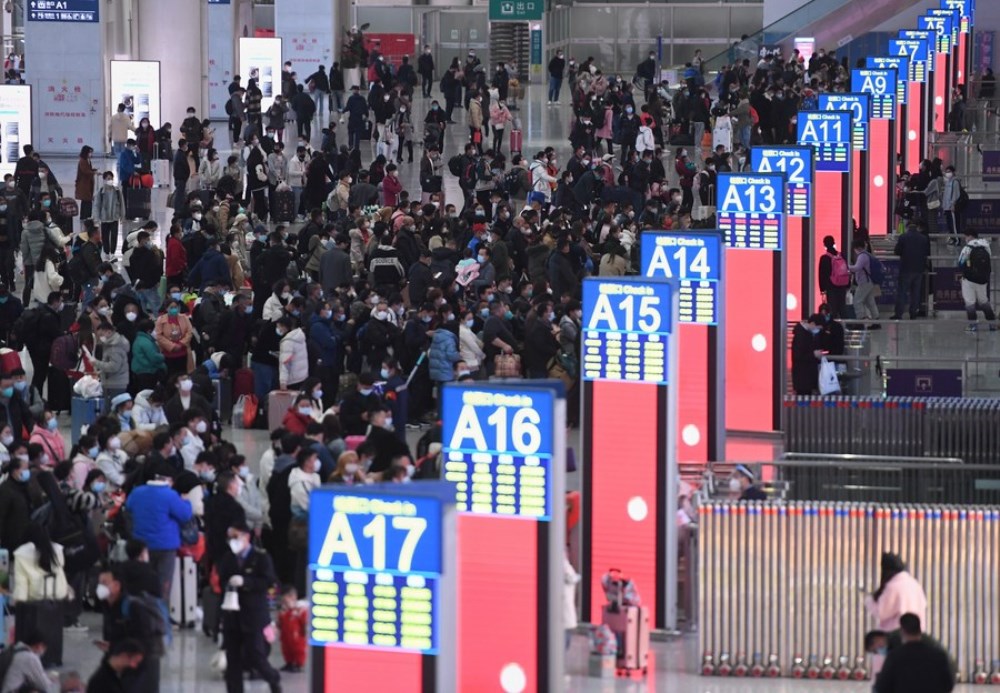
The real situation is: Grand Tang Dynasty Ever Bright City, a commercial pedestrian street in Xi’an of Shaanxi Province, was packed with people; residents in Shijiazhuang of Hebei Province and Wuhan of Hubei Province released balloons; locals in Xiangtan, Hunan Province, enjoyed a fireworks show during the New Year celebrations. “Seeing so many people celebrating the New Year together, I was nearly moved to tears,” one netizen wrote.
More than 50 million people traveled in China during the New Year holiday. On Jan. 1, 10,640 cinemas opened for business nationwide, a new high in nearly 10 months. Many people are planning to return to their hometowns for family reunions or travel in the forthcoming Spring Festival. Bookings of domestic air tickets and hotels have increased significantly.
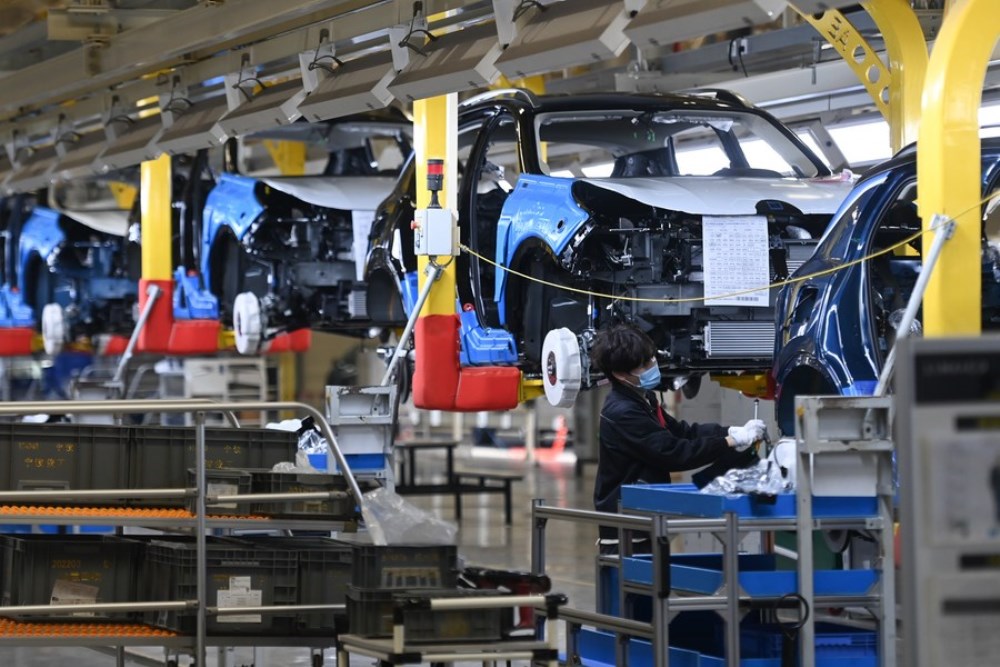
Traffic is getting heavier, more factories are running at full capacity, while the construction of new projects is underway.
China has put the people first and put life first all along, with prevention and control measures adjusted and optimized in light of evolving situations, and done its utmost to protect people’s lives and health.
So far, the focus of China’s epidemic prevention and control has shifted from preventing infections to beefing up treatment of severe cases. From coordinating drug production to strengthening the treatment of severe cases, and from promoting vaccination to speeding up the resumption of production, China has effectively coordinated epidemic prevention and control and economic and social development needs.
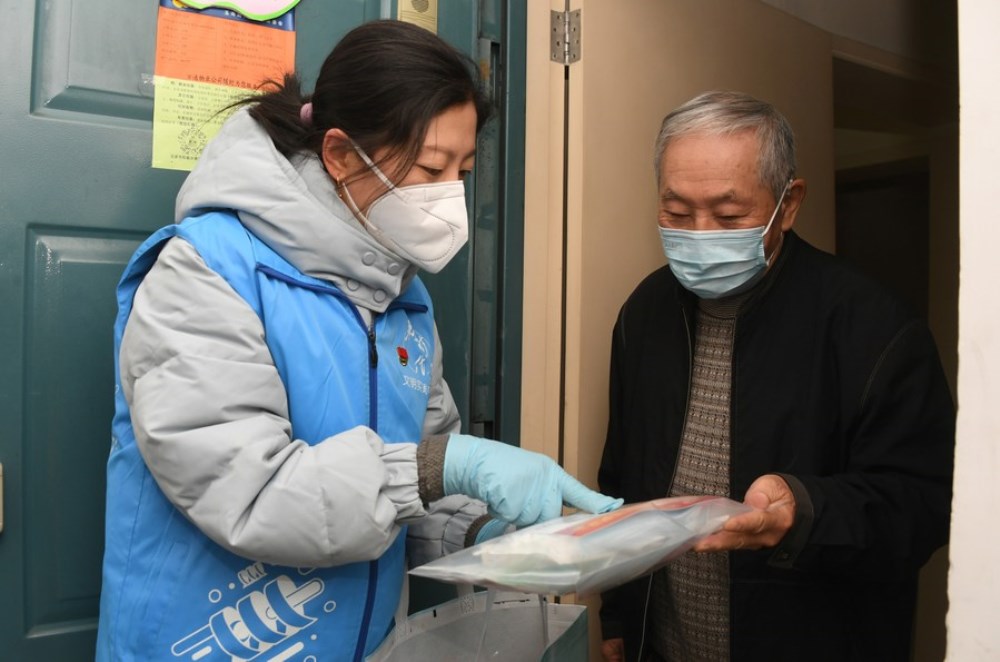
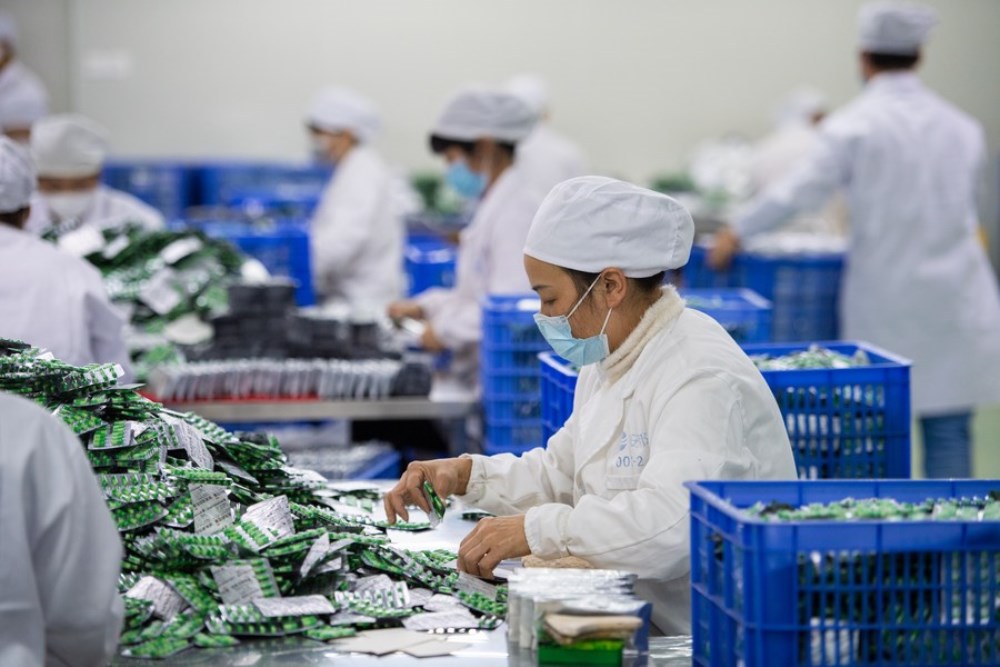
Under the assistance of the government, pharmaceutical enterprises are running at full capacity. China has also optimized the circulation of drugs, testing reagents and protective goods for better epidemic control. Authorities in many regions provided the elderly with free “health kits,” which usually include fever drugs and other anti-epidemic items.
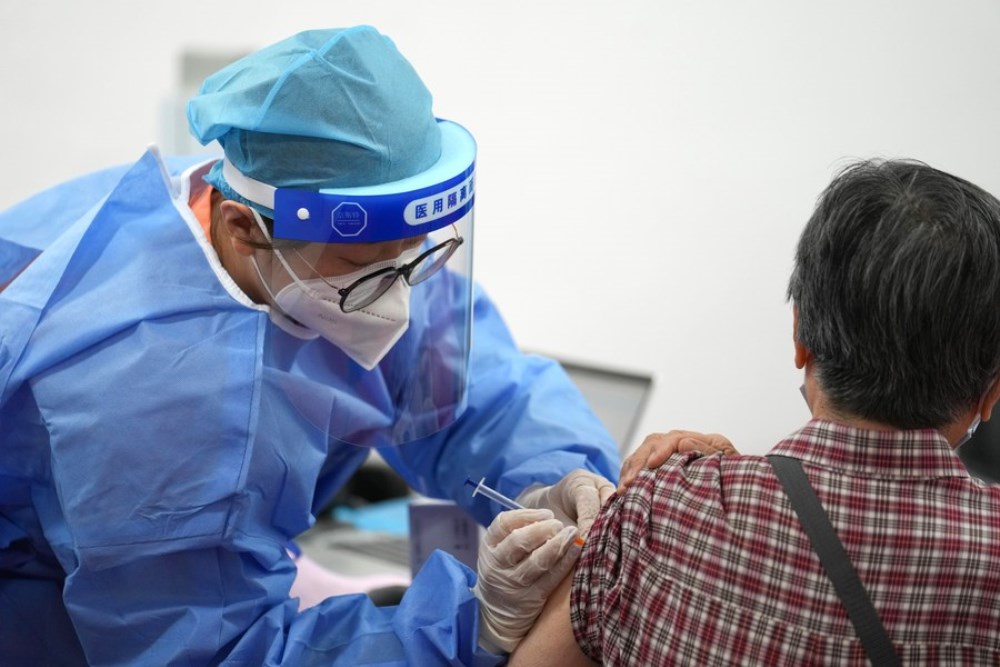
By the middle of December 2022, more than 3.47 billion COVID-19 vaccine doses had been administered on the Chinese mainland, with over 90 percent of the population fully vaccinated. A total of 86.6 percent of people aged 60 or above had been fully vaccinated and the rate among people aged 80 or older was 66.4 percent. China also vowed to further ramp up vaccination efforts aimed at the elderly.
Wang Huaqing, an expert from the Chinese Center for Disease Control and Prevention (China CDC), said the COVID-19 vaccines currently used in China are effective in preventing severe conditions and deaths. Data shows that during the epidemic outbreak period from March to June last year in Shanghai, compared with those who had not been vaccinated, the death risk of those over 60 who had received the booster doses of vaccines decreased by 98.08 percent.
The China CDC has also strengthened the monitoring of virus mutation nationwide. Each provincial-level region carries out genome sequencing and analysis every week and uploads the data in time in order to dynamically monitor virus subtypes.
{{Fallacy 2: “China’s COVID response a failure”}}
During the past three years, China launched a war against COVID-19, effectively handled more than 100 cluster outbreaks, and protected the lives and health of more than 1.4 billion people to the greatest extent.
Every country would and should adjust its anti-COVID-19 policies according to the changing situation of the epidemic and go through periods of adaptation following such adjustments.
The pathogenicity and virulence of the Omicron strain have weakened significantly, while China’s medical treatment, pathogen detection and vaccination levels have all improved significantly — which means that it is indeed scientific, timely and necessary to proactively optimize anti-epidemic measures.
The elderly are the key population group being targeted by health services. During the battle in Wuhan in early 2020, medical workers cured more than 3,600 COVID-19 patients over the age of 80. In the past three years, a number of infected centenarians have recovered and been discharged from hospitals. Similar stories are still unfolding during this new wave of infections in China.
Tian, a 100-year-old woman from Hefei, Anhui Province, was diagnosed with novel coronavirus infection after she showed symptoms such as fever and coughing for three days, and was sent to the hospital by her family.
Her doctor said that fortunately, Tian had been vaccinated and showed no severe symptoms such as chest tightness and asthma, although she had some underlying health issues. After 11 days of treatment including anti-virus, anti-infection, improved immunity and nutritional support, she was discharged from the hospital.
China has managed to keep its severe cases and death rates of COVID-19 among the lowest in the world. Deliberately distorting the adjustment of China’s anti-COVID-19 policies highlights the double standard and hypocrisy of some in the West. If China’s COVID-19 response failed, what about some countries where the death toll far exceeds that of China? In fact, the label of failure should be attached to those countries whose incompetence, inaction and chaos in epidemic response had caused their people to suffer.
Striving to effectively coordinate the epidemic response with economic and social development, China had won the tough battle against poverty on schedule and finished building a moderately prosperous society in all respects, getting off to a good start in the 14th Five-Year Plan period (2021-2025), and the average life expectancy of Chinese people increased from 77.3 years to 78.2 years.
Some Western media rarely reflect profoundly on the chaotic COVID-19 situations in their own countries. But when it comes to China, they always hold a stereotypical view and focus only on finding fault, which underlines their attempt to distort, exaggerate and fabricate.
“In fact, China has innovated control methods, improved them, and demonstrated their efficacy by saving millions of lives,” said Josef Gregory Mahoney, a professor of politics and international relations at East China Normal University. The professor noted that some countries look at China through a perverse lens: they fail to acknowledge the country’s successes because they politicize everything about China ideologically.
{{Fallacy 3: “China’s economic outlook is DIM”}}
China’s optimized COVID-19 response has triggered a lot of ups and downs in terms of predicting the impact on the Chinese economy. A topsy-turvy time and a drag on global growth were among the typical labels foreign pessimists put on the future of the Chinese economy.
Some foreign naysayers, bothered by the “unfortunate side-effects” of China’s recovery, even warned that China’s reopening may burden the rest of the world, not with higher growth, but with higher levels of inflation or interest rates.
Are the prospects of China’s economic recovery bright or dim?
Over the past three years, China has effectively handled the impact of five rounds of global pandemic outbreaks.
Balancing its epidemic response and economic and social development, China not only emerged as the first major economy to return to growth, but also maintained an average annual growth rate of about 4.5 percent, significantly higher than the world average.
In 2022, China was expected to boost its GDP to over 120 trillion yuan (17.41 trillion U.S. dollars). Its grain output stayed above 650 million tonnes for the eighth consecutive year. In the first 11 months of last year, 1.16 trillion yuan of foreign investment went into the country, exceeding the level of 2021.
At the tone-setting Central Economic Work Conference in December, Chinese leaders aimed to promote overall recovery and improvements in the country’s economic performance this year.
From a global perspective, China’s strengths are also clear. Its economy accounts for 18.5 percent of the world’s total and serves as an important growth driver. Its foreign exchange reserves top the world, helping ensure the stability of its currency the yuan and financial security.
Businesses remain optimistic about the Chinese market. Axel Weber, chairman of the Institute of International Finance, said the Chinese economy remains a massive opportunity for Western companies.
The capacity of Foxconn’s plant in Zhengzhou, Henan Province has returned to its peak season levels with about 200,000 workers, shaking off the impact of the epidemic.
“Now, all the production lines of Foxconn’s plant in Zhengzhou are running normally, and we have taken various measures to motivate our employees,” said Wang Xue, deputy general manager of Foxconn Technology Group.
The optimized response China adopted to deal with COVID-19 is expected to have a “J-curve effect” on the economy, said Han Wenxiu, executive deputy director of the office of the Central Committee for Financial and Economic Affairs. “It may cause disruptions to the economy in the short-term, but from the perspective of a whole year outlook, it is a boon.”
{{Fallacy 4: “Patients going short of medicine and treatment”}}
The truth is: Chinese medical institutions at all levels are taking all the necessary measures to increase resources and personnel. The reality is that they are busy but functioning smoothly.
The First Affiliated Hospital of Harbin Medical University in Harbin, Heilongjiang Province, has received over 140 critically ill COVID-19 patients in recent days.
“Many doctors continued working and caring for patients while they themselves were ill, and we are going all out to save every severe patient,” said Yu Kaijiang, president of the hospital.
The hospital has increased the number of intensive care beds from 132 to 143, and has actively sought ventilators from various channels, with a group of 60 nurses working shifts to cope with the surge in COVID-19 patients.
As of Dec. 25, 2022, the number of fever clinics in second-grade hospitals and above had reached 16,000 in China, and the number of such clinics in grassroots medical institutions totaled 41,000.
China is one of the largest producers of fever medicines, and its total production capacity is sufficient to meet demand.
The daily output of ibuprofen and acetaminophen, two key antipyretic analgesics, had reached 202 million tablets and 190 million tablets, respectively, by the end of 2022, said Wang Jiangping, vice minister of industry and information technology.
“We quickly adjusted the variety of drugs we produce, increased the output, and went all out to ensure the market demand of antipyretic and analgesic drugs such as ibuprofen and aspirin,” said Kou Zuxing, deputy general manager of Shandong Xinhua Pharmaceutical Co., Ltd., based in the city of Zibo, Shandong Province.
As the world’s leading producer of ibuprofen materials, the company’s tablet capacity has been raised threefold, while its ibuprofen production has climbed to more than 10,000 tablets a minute.
The total number of beds in second-grade medical institutions and above in China is 5.616 million, and the utilization rate of beds has fluctuated around 60 percent recently. The total number of intensive care beds in China has reached 150,000, meaning there are 10.6 beds per 100,000 people. The country has a reserve of 70,000 adaptable intensive care units (ICU).
As for the equipment used to treat COVID-19 patients, there were 151,100 hemodialysis units, 19,700 continuous renal replacement therapy units, 2,300 extracorporeal membrane oxygenation machines, and over 192,000 invasive and non-invasive respirators in second-grade hospitals and above as of late December.
“Overall, China has adequate medical resources, including beds and equipment, to meet the demand of patients in critical condition,” said Jiao Yahui, head of the Bureau of Medical Administration under the National Health Commission (NHC).
China will put more effort into tracking the spread of the epidemic, strengthen coordination between cities and regions, and upgrade and expand relevant resources to meet people’s medical demands, Jiao said.
{{Fallacy 5: “‘Dark COVID Winter’ for villagers”}}
The truth is: China has made rural areas a focal point in the country’s current COVID response, boosting medical capacities and providing timely support.
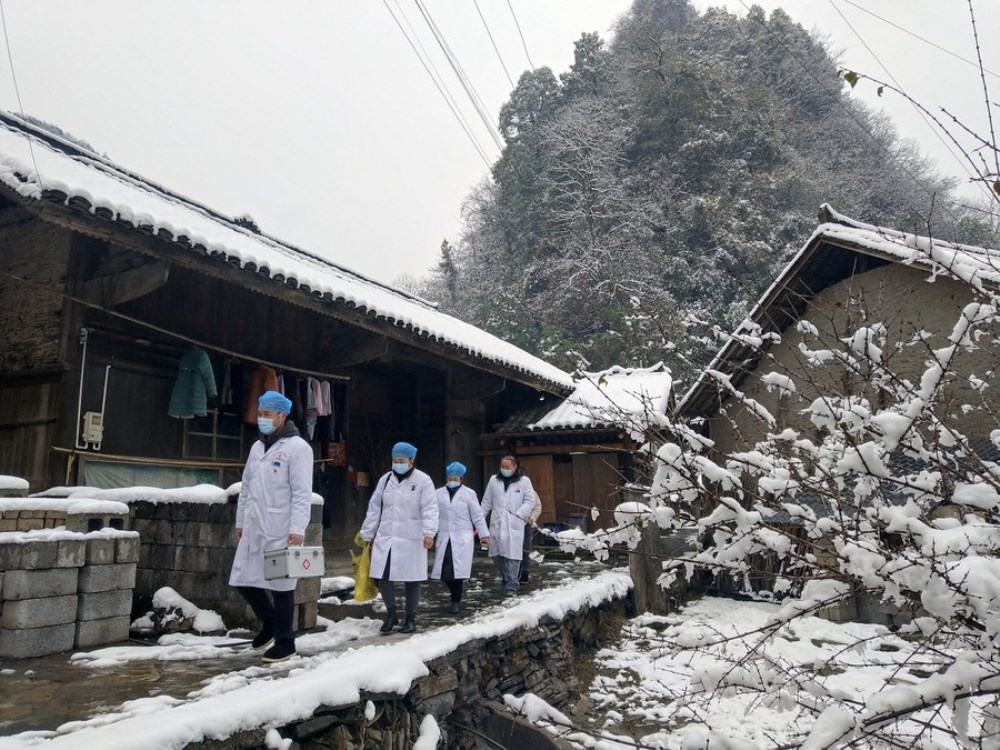
The country’s 23,000 county-level medical institutions, 35,000 township hospitals and 599,000 village clinics have formed a closely collaborative and efficient health protection system so that rural patients can enjoy tiered, timely and convenient medical services.
“At present, medicines for fever and cough relief have been prepared, which can meet the needs of the whole village for two months,” said Fu Xiangpeng, a doctor from the mountainous Liguanying Village in Zhenxiong County, southwest China’s Yunnan Province. “People with mild symptoms can go to village clinics to get drugs, and medicine will be sent to the elderly people with difficulties.”
Jiao Yahui, the NHC official, said that drug supply must be ensured in rural areas and cover the Spring Festival travel rush period or even longer. More importantly, severe cases should be transferred to at least county-level hospitals.
Jiao said that counties and towns had been ordered to prepare standby vehicles to transport severe patients as quickly as possible. Internet hospitals and roving medical teams have also ramped up rural medical capacity.
{{Fallacy 6: “Official COVID death toll unreliable”}}
The fact is: China has always published information on COVID-19 deaths and severe cases in the spirit of openness and transparency.
The global criteria for judging COVID deaths are divided into two categories. Some countries count only cases of people who tested positive for COVID-19 and died of respiratory failure induced by the virus. Other countries count all the deaths as COVID deaths as long as the deceased had tested positive for the virus in the past 28 days.
Since 2020, China has been adopting the first criterion, counting a death from respiratory failure caused by the novel coronavirus after a positive COVID-19 test as a COVID death.
China has also published cases in which the patients were infected by novel coronavirus but the direct causes of the death were underlying diseases. In such cases, the causes of the death were attributed to underlying diseases.
China canceled mass nucleic acid tests following the adjustments to its COVID response policy, making it very difficult to obtain accurate data on the infection caseload in the first place. This is the normal de facto situation in other countries.
Wu Zunyou, chief epidemiologist of the China CDC, pointed out that there is a calculation method called “excess death” in the field of public health, which can evaluate possible underestimation. Regarding the “excess death” that may be caused by this wave of epidemic, the team is already doing the relevant work and will release the results later.
China’s war against COVID-19 is still underway, and victory shall come for the 1.4 billion Chinese people. The fallacies and their fabricators will prove to be wrong.
Former Tanzanian President, late John Magufuli, Rwandan President, Paul Kagame, former Nigerian President, Goodluck Jonathan, and a host of many others would be honoured at the event which is slated for April 1, 2023, in Kigali, the capital of the Republic of Rwanda.
According to the organizers, the event, is intended to celebrate and honour personalities of African heritage who have distinguished themselves through remarkable achievements across the globe. This, the organizers says have become imperative to foster the African culture of excellence and promote Afrocentrism.
The African Heritage Awards and Concert will be a celebration and global recognition of outstanding achievements made by Africans, including those residing in diaspora in Business, Politics, Philanthropy, Entertainment/Arts and Culture, Science and Technology, and Social Innovation.
Aside bestowing international prestige and recognition, the award will focus on the critical importance of culture and leadership, which the organizers believe lies at the core of any shared advancement of socioeconomic and political development in Africa.
The Award will also cast a spotlight on individuals who, under challenging circumstances, have empowered their people and impacted their sphere of influence to pave the way for sustainable and equitable development.
Bearing in mind that Africa is root to a plethora of people all over the world who continue to thrive and evolve despite the many issues and challenges stemming from stereotypes, the organizers strongly affirm that the event will contribute immensely to changing the global perception of Africans, and also spur the needed critical mass for the attainment of cultural evolution and revolution in sustainable development.
The highpoint of the event will include creative performances from some African best and presentation of awards to diligently selected individuals who have made remarkable impact to humanity. It will feature presentations by notable persons and leaders, Award conferment, performances by musicians, comedians and poets, and a Party to cap it off.
The choice of the cosmopolitan city of Kigali to play host to the maiden edition of the African Heritage Concert and Awards, the organizers say, was premised on the many successes of Rwanda as a Country that has now elevated her, in many respects, as the pride and face of Africa.
At the core of the Afri-Heritage event is the agenda to counter stereotypes by creating a new African narrative; galvanizing and showcasing the true African heritage and recognizing outstanding achievements by Africans.
The event is also expected to Promote cultural exchanges and peer review activities; Build multi-stakeholder engagement in community participation; Harness cultural, political and developmental ideas; Foster partnerships and international support for development; Showcase Africa’s prospects and potentials.
Participation at the event would be open to persons willing to attend. Attendance will be based on registration and invitation. While attendance is free for award recipients and their spouse’s, the cost effect for Regular Ticket would be $100, VIP Ticket-$1000, and VVIP Ticket-$2000.
For table reservations, Jubilee Table would go for $5,000, Heritage Table-$10,000, and Royalty Table-$15,000. For sponsorships, Silver Package goes for $20,000, Gold Package-$30,000, and Platinum Package-$40,000.
The Afri-Heritage event is organized by Heritage Times [HT], an integrated media communications company.
The development is expected to eliminate the necessity for physical land title deeds to citizens and other institutions requiring them to serve citizens.
The Minister of Local Government, Jena Claude Musabyimana recently said that the digital land title will make land related services more efficient.
“Technology reduces the process and time required to get services. It also enhances transparency in service delivery and reduces related cost to citizens and the government,” he said.
“The introduction of electronic land title is a great milestone in land services because it is part of the government’s plan to help citizens get the most needed services online without need to make walks,” added Musabyimana.
He explained that the electronic land title comes to expedite services delivery and reduce related cost as the price for printing will no longer be a prerequisite.
This article focuses on main things Rwandans and land buyers in Rwanda need to know on the issuance of e-Title deeds.
For far too long, the country has been issuing land titles in non-digital format; on printed certificates, which is costly due to high printing expenses, and paperwork.
There was also the possibility of fraud or loss of land titles and damage due to numerous reasons. These are among problems the new digital land title comes to address.
{{What is the E-Title?}}
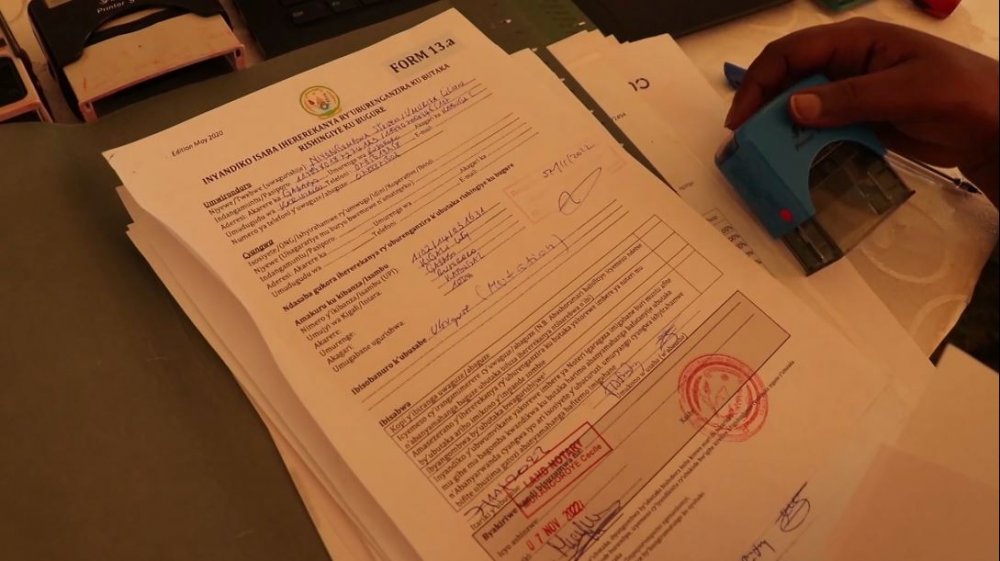
E-Title is an electronic record of land ownership given to the individual seeking to get his/her parcel registered. It is issued via laptop or phone without necessity to pick printed certificates as it happened in the past.
The certificate comes to reinforce the digitization of land services and make them accessible to beneficiaries at their fingertips without incurring much expense.
The decree No 1/NLA/2022 of 21 October 2022, regarding the electronic land title published in the Official Gazette No 43 of 24 October 2022, determines the processes through which it will be issued and monitored.
After applying for land registration, the dossier will transferred to the land registrar through sector, district land registration office or licensed private notary.
After accepting the request and signing the land title deed, the applicant will receive a notification that his/her application has been processed and get a link through which the electronic land title can be downloaded via laptop or phone.
{{Who is the beneficiary of electronic land title?}}
The electronic land title deed will be offered to all individuals requesting the service, be it the person seeking the land ownership for the first time or making any adjustments at the registrar’s office.
{{How individuals without phones or internet will access the land title?}}
Individuals without mobile phones will seek assistance from land registrars in sectors or district where the land is located to get their land title deeds printed. They will also be able to get the services from Irembo Agents in the near future.
People with unconnected phones will receive a short message that their application has been approved and get a link through which they can download the soft copy assisted by Irembo Agents or other persons with access to internet.
{{Can anyone print a land title belonging to others?}}
Only a land registrar is allowed to print the electronic land title for individuals without phones or others experiencing hurdles to print them. No one else can do so unless he/she gets a go ahead from the land owner.
To print the electronic land title, one needs the Unique Parcel Identifier (UPI), the identity card of the land owner and phone number registered on his/her names.
While printing the electronic certificate, the land owner receives a code enabling him/her to proceed.
This means, printing the certificate requires the land owner to be present or share the received code.
{{Importance of the electronic title deed}}
The electronic land certificate will eliminate costs associated with walks to sector or district offices to pick the hard copy.
Land owners will no longer have worries over lost or damaged documents as they can access the soft copies from wherever at any time.
On behalf of the government, it will eliminate the cost of printing paper-based documents.
The time spent to get final copies of land titles will be dedicated to other services.
The electronic land certificate will also enhance transparency and curb fraudsters who would forge documents. Among others, it will reduce illegal land ownership transfers.
{{Are paper-based land titles becoming obsolete?}}
Land titles issued before will remain relevant as long as contained information matches with records of the land registrar.
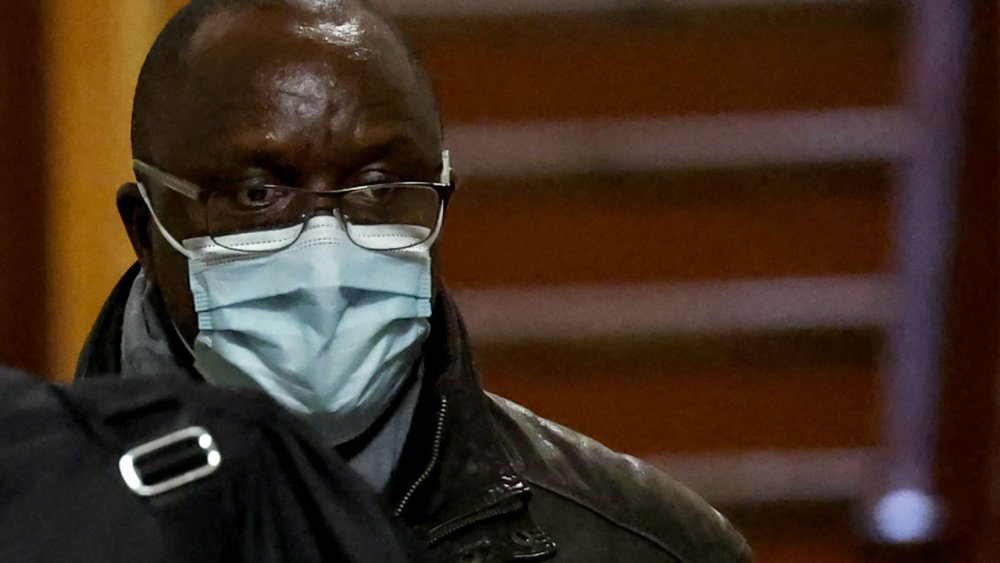
According to the Agency, the former driver for a Guest House in Kibuye, who has appealed his conviction, was referred to the investigative division of the Paris Court of Appeal, which ruled on 30th November that the extension of his pre-trial detention did not appear to be “essential either for the needs of the proceedings pending the hearing, or as a security measure”.
Muhayimana was released from detention on 21st December and placed under judicial supervision pending his appeal.
“I find this decision wise and particularly justified, since we have no idea when the appeal will be held,” said his lawyer Philippe Meilhac, stressing that his client had “remained free during most of the investigation, without ever posing a problem.
Muhayimana who became a naturalised French citizen in 2010, is accused of having transported gendarmes and Interahamwe militiamen, the armed wing of the Hutu genocidal regime, to the sites of massacres of Tutsis between April and July 1994 in Kibuye and the surrounding hills, where tens of thousands of people were killed.
In December 2021, he was found guilty by a majority of votes of complicity in genocide and complicity in crimes against humanity in the hills of Karongi, Gitwa and Bisesero over the period from 7 April to the end of June 1994, and of complicity in crimes against humanity in July in the hills of Bisesero.
Muhayimana is released at a time when Genocide survivors in Karongi have been expressing dissatisfaction with the sentence handed to him.
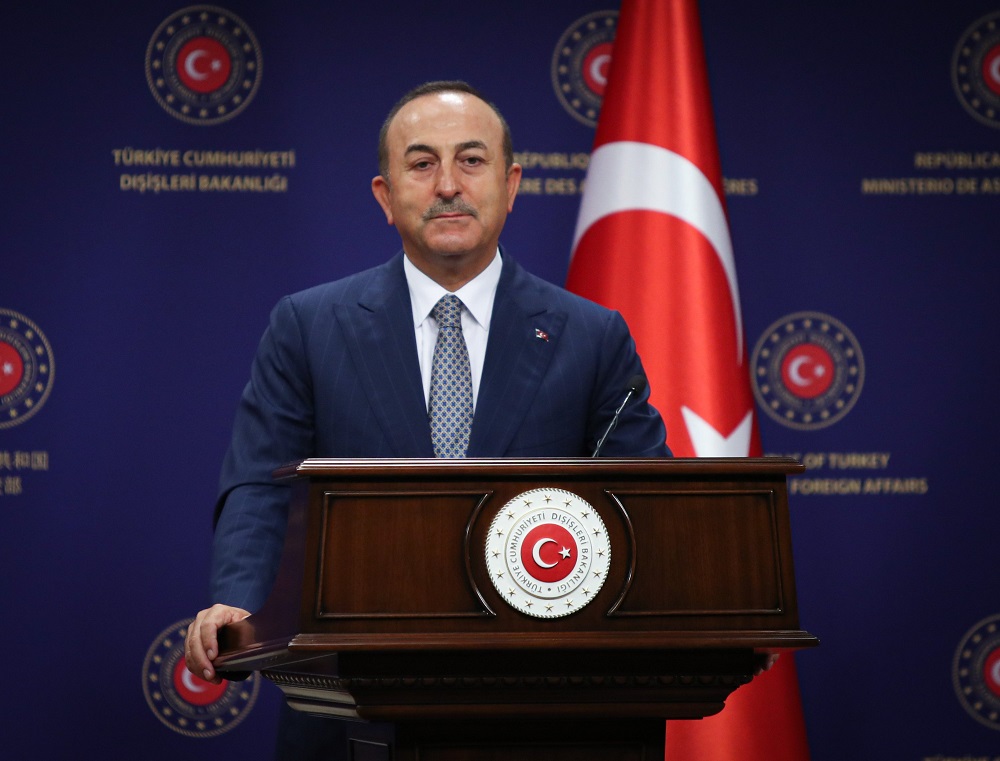
The official will arrive in Rwanda on Thursday 12th January 2022. He will also visit other African countries including South Africa, Gabon, Zimbabwe and São Tomé and Príncipe.
A statement released by Turkish Ministryof Foreign Affairs, indicates that Çavuşoğlu will conduct bilateral meetings during which aspects of bilateral relations will be elaborated with the aforementioned countries.
It further reads that regional developments as well as Türkiye’s Africa Partnership Policy will be reviewed during the visit.
Rwanda and Turkey enjoy existing cooperation in different areas including security.
In February 2020, both countries police institutions signed agreement to strengthen cooperation in varied policing disciplines especially in the areas of capacity building.
The two Police institutions renewed the commitment when Inspector General of Police (IGP) Dan Munyuza visited Turkey for a three-day visit since February 26, at the invitation of his Turkish counterpart, Dr. Mehmet Aktas purposely to enhance the existing cooperation between the two police forces.
In 2015, the Governments of Rwanda and Turkey signed security agreements to reinforce the existing bilateral cooperation between the two countries.
Also signed in the same event held in Ankara, was a memorandum of understanding between Police institutions of the two countries to cooperate in areas of training, focusing on counter terrorism, cybercrimes, Special Forces training and Training of Trainers (ToT) courses, among others.
The security pact between the two countries rested much on strengthening partnership in areas of capacity building, sharing of information on combating transnational and organized crimes and exchange programmes, among others.
Towards the beginning of 2021, Turkey offered scholarships to 200 Rwandan students to Rwandan students for undergraduate, Master’s and PhD degrees under the “Türkiye Scholarships Program”.
Since Turkey opened embassy in Kigali eight years ago, both countries relations improved significantly and have so far signed 20 agreements in the areas of education, trade and investment among others.
In 2020, RIB received 33 cases involving 36 human trafficking victims (seven male and 29 female).
The number increased in 2021 where RIB registered 17 cases involving 66 trafficked individuals including 22 men and 44 women.
In 2022, the number dropped as RIB recorded 48 human trafficking victims (six men and 42 women) in 33 cases.
The Bureau has also revealed that 68 of the 150 human trafficking victims were aged below 18, 68 were aged between 18-30 while the remaining 14 individuals were aged above 30.
In 2020, human trafficking victims aged below 18 were 15, 17 were aged between 18 and 30 while four were aged above 30.
Meanwhile, 27 individuals aged below 18 were trafficked in 2021, 32 were aged between 18 and 30 while seven were aged above 30.
As for last year, RIB indicates that 26 victims were aged below 18, 19 were aged between 18 and 30 while three were aged above 30.
RIB indicates that 41 victims have been repatriated (19 in 2022, 11 in 2021, and 11 in 2020) and sent back from different countries in Asia, the Middle East, and West Africa. Meanwhile, 24 victims were intercepted at airports and borders heading to Asian countries, the Middle East and West Africa.
Speaking to The New Times, RIB spokesperson, Thierry Murangira, disclosed that some people repatriated, or intercepted, “change tricks to find their way to those countries again.”
He said that these victims are counseled when they are brought back because “some feel that RIB is against their chances” and end up finding other ways to go back.
Commenting on tactics used by perpetrators to con the victims, Murangira mentioned promises of a better job, and internship, among others.
Murangira said the number is not alarming and that there are measures in place to fight human trafficking, seen in the decreasing number.
RIB urges people to be very careful and conscious whenever someone approaches them with job promises, internships, and marriage abroad, and inform authorities whenever they come across such people.
The Permanent Secretary in the Ministry of Justice, Théophile Mbonera, recently told IGIHE that the issue of human trafficking requires strict measures even though it is not alarming.
“The issue of human trafficking has existed for long but is currently manifested with new tricks that it is difficult to be detected. Testimonies from victims narrating their ordeal convince us that the problem exists and requires us to take action,” he said.
Two of the suspects were arrested Thursday in Mataba, Mageragere Sector in Nyarugenge District where they were attempting to cut and steal electricity wires from poles.
“Security personnel on patrol found them climbing electricity poles to cut wires, at night,” Chief Inspector of Police (CIP, Sylvestre Twajamahoro, the Police spokesperson for the City of Kigali, said.
In Gasagara District, one Mugabe Albert was arrested at his home in Gikonko Sector, Gikonko Cell in Gahabwa Village where 6kgs of bolts and 20 pieces of crossarms stolen from pylons, were recovered.
Chief Inspector of Police (CIP) Emmanuel Habiyaremye, the Police spokesperson for the Southern region, said that Mugabe was reported by a resident.
“Following information that metals stolen from power lines were kept at a house in Gikonko; Police and other security organs went to the same house where the 20 pieces of crossarms and 6kgs of bolts all stolen from pylons, were recovered and Mugabe arrested,” CIP Habiyaremye said.
He added that Police is also still searching for another person only identified as Mwizerwa, Mugabe’s accomplice, who allegedly brought the items earlier that morning and left them there.
All the suspects were handed over to RIB for further investigations.
Article 182 of the law relating to offences and penalties in general in Rwanda, states that “any person, who maliciously demolishes or damages in any way, in whole or in part of construction, building, bridge, dams, water pipes and their routes, railway rails or any other means of communication or electric power infrastructure, wells or any other constructions, which do not belong to him/her, commits an offence.
Upon conviction, he/she is liable to imprisonment for a term of not less than three (3) years and not more than five (5) years with a fine of not less than Rwf3 million and not more than Rwf5 million.
It is not unachievable though it may be hard depending on the career choice but better to try to reach what you love hence some tips to help you on that journey.
Identify your career options, instead of jumping from one job to another without much thought about your long-term career aspirations. It would be better to determine what career you’d like to pursue, considering your career interests and research career options within that field to guide you.
List your current skills, after researching what it takes to get into that career. First check how many of the required skills you already have, work from there and figure out if they need polishing or if they are at a sufficient level. You can use online assessments to evaluate yourself like on LinkedIn.
Think of your weaknesses, you need to be aware of what you are not good at so that you can start working on them because they are ways to grow and add to your skill set.
Consider your personal value, whether or not you have found the company you want to join or not, you should check that what value in the workplace is fulfilled or matched. Otherwise, there may be consequences later like if the company does not respect the employees’ work-life balance which can cause you to get burnout and such can be a good reason for you to consider before joining.
Lastly, seek career guidance. Be it from a certified career counselor or from a trusted mentor or advisor because two heads are better than one, plus there are things that they could help you discover about yourself and your career decisions.
Remember, ‘when you do what you love, you will never have to work a day in your life’.