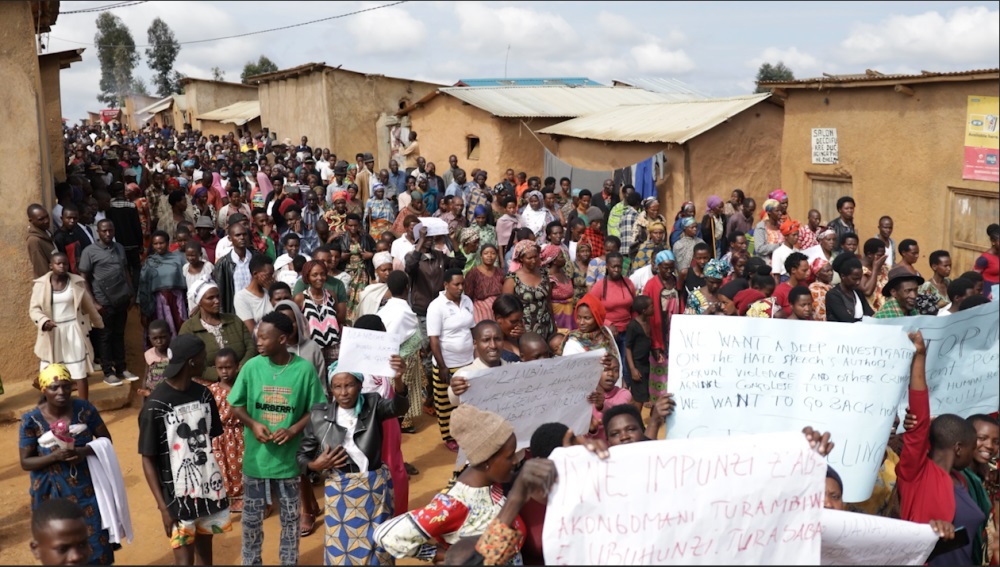
As of today, around 30,326 individuals have been displaced and are currently being accommodated at various provisional sites.
Several countries including China, France, Turkey, China, Barbados, Saudi Arabia, UAE, Qatar, Israel, Mozambique, Zimbabwe and Senegal among others sent their condolences following the floods and landslides.
Moussa Faki Mahamat, Chairperson of the African Union Commission, Coumba Dieng Sow, the Country Representative of the Food and Agriculture Organization of the United Nations (FAO) in Rwanda and Rolande Pryce, the World Bank Group Country Manager for Rwanda are among other leaders who sent their condolences to Rwandans.
On Monday 15th May 2023, President Kagame took to Twitter to commend the leaders and friends of Rwanda for their ongoing expressions of solidarity during this difficult period.
“Thank you to all the leaders and friends who sent condolence messages following the loss of lives from the devastating floods and landslides in Rwanda. We are grateful for your solidarity and support to the people of Rwanda. As we work to rebuild and provide assistance to the survivors, your messages are a reminder that we will overcome these challenges,” he tweeted.
Rwanda continues to receive support from individuals and private institutions to bolster its emergency response to the recent disasters.
Philippe Habinshuti, the Permanent Secretary in the Ministry of Emergency Management (MINEMA), has told IGIHE that the country is receiving assistance in the form of various essential items and cash donations.
MINEMA has reported that approximately Rwf119 million in funding has been raised through contributions via mobile money and bank accounts to aid the affected individuals.
Last week, President Kagame visited the disaster-hit areas in Rubavu District, including Mahoko, Pfunda, and Nyundo. He also visited the affected residents temporarily housed at the Inyemeramihigo, Nyamyumba, Kanyefurwe, and Vision Jeunesse Nouvelle sites, where he assured them of government support in returning to normalcy.
According to the Ministry of Infrastructure, the Rwandan government requires about Rwf110 billion (approximately 98 million U.S. dollars) to rebuild the infrastructure damaged by the heavy rains across the country.
In response, the cabinet recently approved the National Disaster Risk Reduction and Management Policy, which aims to strengthen the legal and institutional framework for disaster management and enhance disaster management capacity at all levels.
Additionally, an emergency response plan was approved to reinforce efforts in providing urgent relief to communities affected by disasters, as stated in a recent announcement by the Office of the Prime Minister.
The resolution was reached following a tripartite meeting held in Geneva, Switzerland on 15th May 32023 at the United Nations (UN) headquarters to discuss the perspectives for voluntary repatriation of Congolese refugees in Rwanda and Rwandan refugees in the DRC.
The meeting was convened by Filippo Grandi, the UN High Commissioner for Refugees, and attended by delegations from both countries.
The purpose of the meeting was to discuss the modalities for voluntary repatriation of refugees in both countries and facilitate reintegration for those who choose to stay. The resolutions of the meeting, released through a joint communiqué on May 15, 2023, acknowledged the provisions of the tripartite agreement signed in 2010 involving the DRC, Rwanda, and UNHCR.
Both countries agreed to engage in constructive dialogue to create conditions conducive to the sustainable return of refugees and to uphold the principles of safe and dignified voluntary returns. They also resolved to address challenges related to security for returnees, exchange comprehensive information on areas of return, and ensure support for sustainable reintegration.
Additionally, they agreed to ensure continued access to asylum for those in need of international protection according to relevant international conventions. The parties decided to hold a technical tripartite meeting in Nairobi within one month to define practical modalities for reactivating commitments and structures contained in the 2010 Tripartite Agreements and develop a Comprehensive Roadmap for voluntary repatriation.
Since 1999, Rwanda has received thousands of Congolese refugees. However, there has been no coordinated voluntary repatriation for these refugees by the DRC or UNHCR.
The recent Luanda Roadmap, signed on January 11, 2023, demanded the DRC to facilitate the voluntary repatriation of Congolese refugees, but the DRC officials including Minister of Education, Muhindo Nzangi Butondo and Patrick Muyaya, Minister of Communication and government spokesperson, Patrick rejected their refugee status.
This rejection indicates that the DRC government does not consider the request to provide a dignified life and opportunities for its citizens across different camps in the region. Rwanda, on the other hand, remains open for Congolese refugees but has repeatedly called on the international community to take responsibility for finding a sustainable solution for these “forgotten” refugees.
Rwanda has proven to be a safe place that offers protection to people in need of emergency assistance. The country has received over 130,000 refugees from various countries, including more than 80,000 from the Democratic Republic of Congo. The Congolese refugees in Rwanda are residing in different towns and camps, with specific figures indicating the distribution among various locations.
The majority of Congolese refugees in Rwanda are aged 17 and below, accounting for 50% of the refugee population. Those aged between 18 and 59 represent 45% of the population, while the remaining refugees are above the age of 59. Most of these refugees fled from the Northern Kivu Province (86.6%), with smaller percentages coming from the Southern Kivu Province, Haut Katanga (1.6%) , and other areas (1.4%).
After many years of rejecting them, the DRC government announced in March 2023 that the parliament would approve a resolution in the near future to determine the modality for repatriation of refugees accommodated in Rwanda.
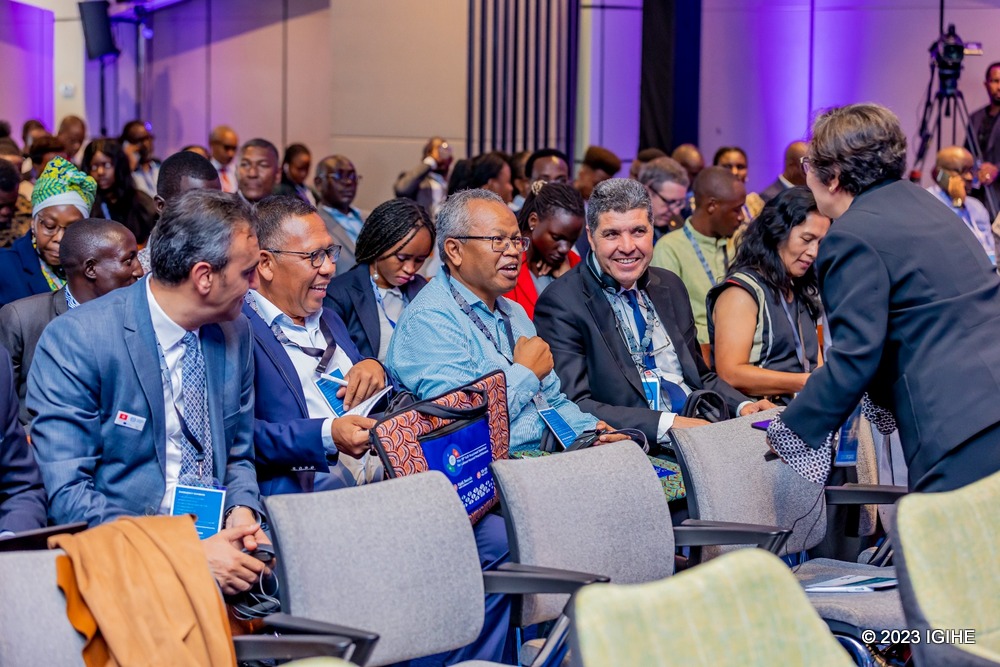
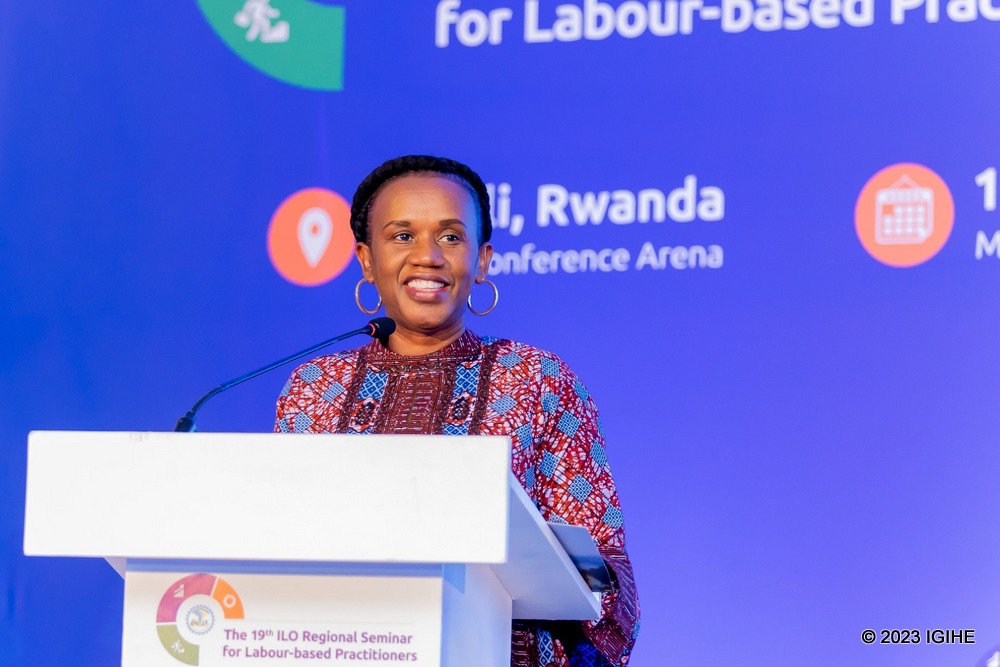
At the opening of the 19th International Labor Organization (ILO) Regional Seminar for Labor-based Practitioners which kicked off on Monday in Kigali, the capital of Rwanda, Fanfan Rwanyindo, the Rwandan Minister of Public Service and Labor, emphasized the need to integrate employability skills development and job creation initiatives into national plans.
“Skills mismatch remains the primary barrier to job creation and labor productivity, posing a serious threat to the economies of countries,” she said.
To tackle this issue, Rwanyindo said that the Rwandan government is implementing a national skill development and employment promotion strategy, aiming to bridge the gap between labor market demand and supply.
Hendrina Doroba, the Division Manager for Education and Skills Development at the African Development Bank (AfDB), stressed the catalytic role of skills development and entrepreneurship in empowering and promoting sustainable growth in Africa.
Doroba emphasized the importance of creating an enabling environment for the private sector to generate sufficient job opportunities, as currently, a significant percentage of young people entering the labor market in sub-Saharan Africa remain unemployed or underemployed in the informal sector.
Cynthia Samuel-Olonjuwon, the ILO Assistant Director-General and Regional Director for Africa, emphasized the significance of skills development and increased employment-intensive infrastructure investments in addressing employment challenges among both youth and adult workers in Africa. She underscored the need for innovative approaches and tools in policy and program development related to employment.
“African continent is working on developing an employment-intensive investment strategy, in collaboration with the African Union Commission and other key partners, to complement the ongoing youth employment strategy and address youth unemployment in Africa,” said Olonjuwon.
According to the ILO, although unemployment rates in sub-Saharan Africa remain relatively low, a significant proportion of employable youth face underemployment and lack decent working conditions.
Among the estimated total working poor in sub-Saharan Africa, young people account for 23.5 percent. Young girls often face greater disadvantages in accessing work and experience worse working conditions compared to their male counterparts, with employment in the informal economy being the norm.
The seminar, which will run until May 19, has attracted more than 1,000 people from across Africa and beyond.
“A large logistical supply of weapons, ammunition and fuel belonging to the rebel militia has been dealt with in a qualitative operation that targeted some areas in Sharq Al-Neel (eastern Nile) locality and bases around the East Nile Hospital,” the army said in a statement.
The statement said there were no civilian casualties during the operation, but the RSF said the bombardment resulted in the “death and injury of dozens of innocent citizens and the destruction of a large part of the hospital.”
Also on Monday, the Sudanese Foreign Ministry condemned what it called the “RSF attacks” on a number of diplomatic missions in Khartoum.
“The Rapid Support Forces attacked and forcibly entered the diplomatic missions of the Kingdom of Jordan, the Embassy of South Sudan, the Embassy of the Republic of Somalia, the Embassy of the Republic of Uganda, the Military Attache of the Kingdom of Saudi Arabia and the Military Attache of the State of Kuwait,” the ministry said.
The statement said that the RSF damaged documents and furniture, and stole valuables, including computers and diplomatic vehicles without regard to international law.
Meanwhile, the National Human Rights Commission in Sudan on Monday issued a statement on the development of the situation in Sudan.
The commission condemned the use of air force and heavy weapons in the vicinity of civilian residences, which resulted in civilian casualties.
The commission further demanded the evacuation of all health and civilian facilities, urging the conflicting parties not to deal with these facilities for military purposes or as military targets under any circumstances.
On Sunday, the United Nations Office for the Coordination of Humanitarian Affairs (OCHA) said in a report that at least 676 people have been killed since the clashes broke out on April 15.
According to the report, over 936,000 people have been newly displaced by the conflict since April 15, including about 736,200 internally displaced, and about 200,000 taking refuge in neighboring countries.
According to the United Nations, it is estimated that about 15.8 million Sudanese, or about one-third of Sudan’s population, will need humanitarian aid in 2023, and the figure is likely to increase as a result of the war.
On May 11, the Sudanese warring parties signed in the Saudi port city of Jeddah the Declaration of Commitment to Protect the Civilians of Sudan to facilitate the delivery of emergency humanitarian aid and guarantee the safe evacuation of civilians.
However, the two sides accused each other of breaching the deal and continuing the armed clashes.
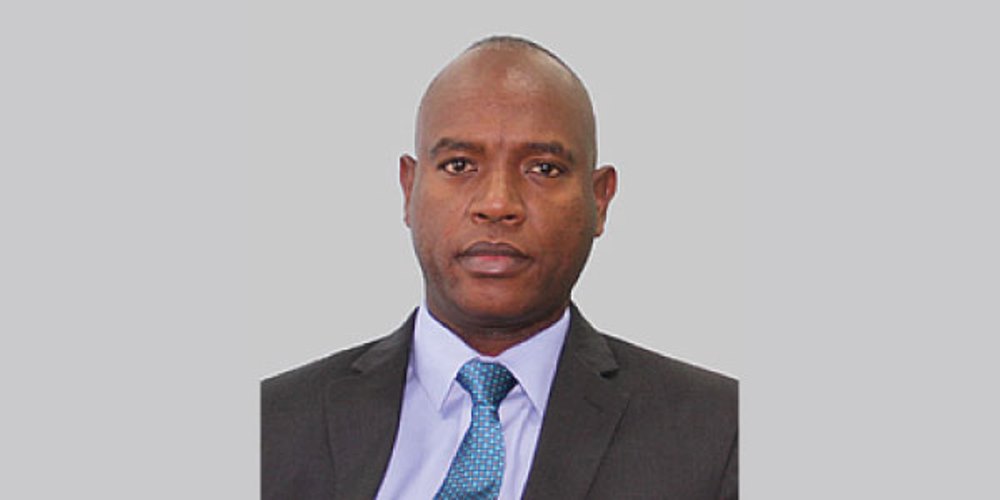
The appointment of Félix Gakuba was announced through a letter signed by Dr. Didacienne Mukanyiligira, Chairperson of the Board at REG, on 15th May 2023.
Before his appointment as the interim CEO of REG, Gakuba held the position of Managing Director at the Energy Development Corporation Limited (EDCL).
EDCL is a public entity responsible for increasing investments in new energy generation projects, improving energy distribution through appropriate transmission infrastructure, and implementing energy access projects to meet national targets.
With over 18 years of experience in the energy sector, Gakuba has been involved in electrification programs, generation and transmission planning, and project management in the Great Lakes Region.
Prior to joining EDCL, Félix Gakuba coordinated regional and transnational infrastructure programs funded by multiple organizations at the Economic Community of the Great Lakes Region.
He has also worked for ELECTROGAZ, a former Energy and Water utility, where he contributed to various line rehabilitation and construction projects.
Ron Weiss, Gakuba’s predecessor at REG, had served as the CEO since May 2017.
Before joining REG, Weiss held the position of Senior Vice President in the Engineering Projects and Business Development Group at the Israel Electric Corporation (IEC).
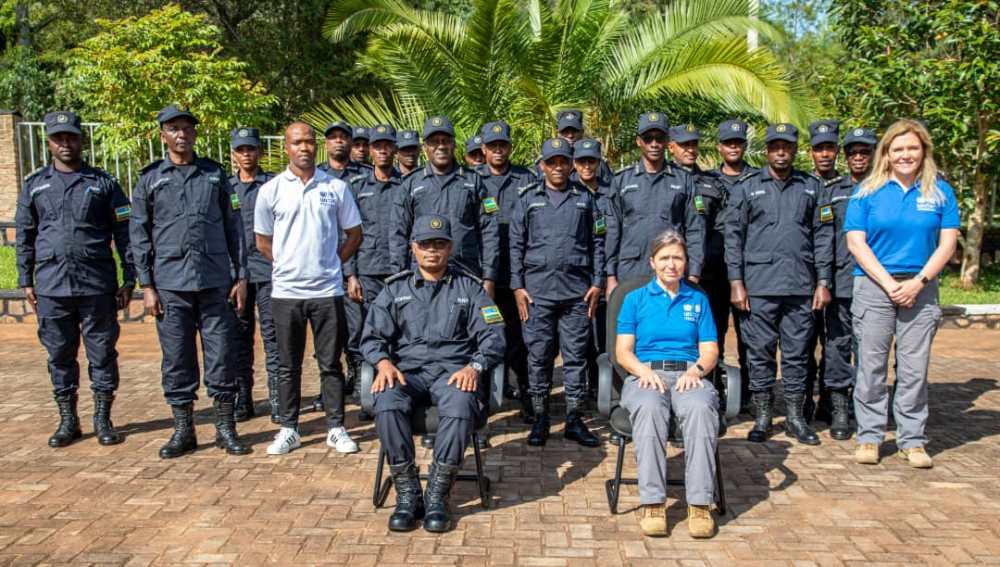
The course on peacekeeping is conducted by Rwanda National Police (RNP) in partnership with the UN Institute for Training and Research (UNITAR).
The PTS commandant, Commissioner of Police (CP) Robert Niyonshuti, while officially opening the course, commended the existing partnership between the RNP and UNITAR in capacity development.
“Through this partnership, we have conducted various course in peace support operations.
Rwanda National Police has always put training at the forefront in capacity building to address contemporary security threats either in Rwanda or in other countries, whenever required,” CP Niyonshuti said.
He added that in order to proactively address security challenges, there is need for competent trainers to drive a knowledge-based and skilled force.
“Peacekeepers require pre-deployment training, which cannot be acquired if you don’t have enough and skilled trainers. This demanding course was, therefore, organized in that line to have competent trainers,”CP Niyonshuti said.
Rwanda currently deploys Police peacekeepers in various countries, including four contingents in Central African Republic (CAR) and two in South Sudan.
Others are deployed as Individual Police Officers (IPO), who work as advisors and mentors, as well as professionals, who include the current Head of Police component for the UN Multidimensional Integrated Stabilization Mission in CAR (MINUSCA), CP Christophe Bizimungu, and the Chief of Operations for the UN Mission in South Sudan UNMISS), ACP Felly Bahizi Rutagerura.
Elaine Maisonneuve from the Peacekeeping Training Programme Unit at UNITAR, said that they aim to increase the capacity of beneficiaries to respond to global evolving security challenges.
“UNITAR aims to step away from traditional methods of teaching; instead, rely on research to adopt best practices required by the Police forces to ensure they have the knowledge relevancy in dealing with the emerging security threats,” Maisonneuve said.
Speaking from the Seychelles today, the Secretary-General called for “swift and decisive action” to curb the illicit flow of money out of Commonwealth countries and to “build confidence that our institutions and systems in the Commonwealth are corruption-free”.
The COVID-19 pandemic created an environment that was ripe for embezzlement, false claims, kickbacks, and other forms of corruption. The post-pandemic global downturn, rising costs and pressure on resources, has made Commonwealth countries, particularly small states and developing nations, even more vulnerable to the impact of corruption. This crime often sees aid money lost to crime, undermining social and economic development.
{{‘Corruption costs quality of life’}}
On Monday 15th May, the Secretary-General joined Anti-Corruption heads from across Commonwealth Africa for the start of the 13th Annual Commonwealth Regional Anti-Corruption Conference.
The conference, organised by the Commonwealth Secretariat in partnership with the Seychelles Anti-Corruption Commission, is a focal point for the Association of Anti-Corruption Agencies in Commonwealth Africa (set up by the Commonwealth Secretariat in 2013) to meet, discuss and formulate actions to collaboratively tackle systemic corruption and the illicit flow of funds out of the continent.
Opening the event, the Secretary-General said: “While we tend to think of corruption in purely monetary terms, the truth is that it costs us the quality of our lives. No country, region or community is immune.
“It damages education, health, justice, democracy, prosperity and development – and it is one of the biggest impediments to achieving the Sustainable Development Goals.
“Tackling corruption brings multiple benefits; poverty is reduced, economic stability and growth are increased, and standards of living are raised.”
{{Trillion-dollar cost of corruption}}
Each year corruption and illicit financial flows cost the global economy US$3.6 trillion, according to the UN.
A trillion US$ is paid in bribes while an estimated US$2.6 trillion are stolen annually through corruption – a sum equivalent to more than five per cent of the global GDP.
In developing countries, according to the United Nations Development Programme, funds lost to corruption are estimated at 10 times the amount of official development assistance.
It was estimated that Africa loses more than US$50 billion a year to illicit flows, although this could be as high as $89 billion a year, or 3.7% of its GDP, according to UNCTAD’s Economic Development in Africa Report 2020.
Over the past 50 years, Africa has lost more than US$1 trillion equivalent to all the official development assistance received during the same period.
Since women and girls often have less access to health and education, they suffer most from the impact of corruption on aid budgets and government spending.
{{‘Decisive action’ needed to make Commonwealth corruption free}}
The Secretary-General added: “We need to take swift and decisive action to improve transparency and accountability, and to build confidence that our institutions and systems in the Commonwealth are corruption-free.
“Together, we can work towards… an approach which allows us to examine how tax authorities, anti-money laundering authorities and anti-corruption agencies can collaborate to solve this monumental challenge.
“And an approach which can enable international collaboration to track ill-gotten money and following through more opaque jurisdictions.”
The opening of the conference was attended by President of the Seychelles, Wavel Ramkalawan.
He said: “The challenges we face in combatting corruption call for a broad collaboration of agencies, stakeholders, experts and citizens. We do this well, but we could always do it better.
“I look to every individual in this room today, as well as those watching and listening at home and at work around the Commonwealth for help and support in that quest. We are all gathered for a reason: To come together as one family united through common aspirations; that is, the fight against corruption and the battle we endure when corruption tries to fight back.”
Also speaking at the opening, May de Silva, Head of the Seychelles’ Anti-Corruption Commission, said: “It is important for us to fight corruption, but it is equally important for us to unite when corruption fights back. Let us unite in sharing our experience, skills and resources.”
{{Commonwealth anti-corruption work}}
The Commonwealth Secretariat is providing practical technical assistance and development support to help national anti-corruption agencies in Commonwealth countries build their effectiveness in dealing with corruption.
This began in 2013 with the creation of the Association of Anti-Corruption Agencies in Commonwealth Africa to enable the collaborative sharing of expertise and best-practices.
The same year the Commonwealth Secretariat and the Government of Botswana opened the first continent-wide Commonwealth Anti-Corruption Centre in Gaborone to provide practical guidance and training to officials across Commonwealth Africa.
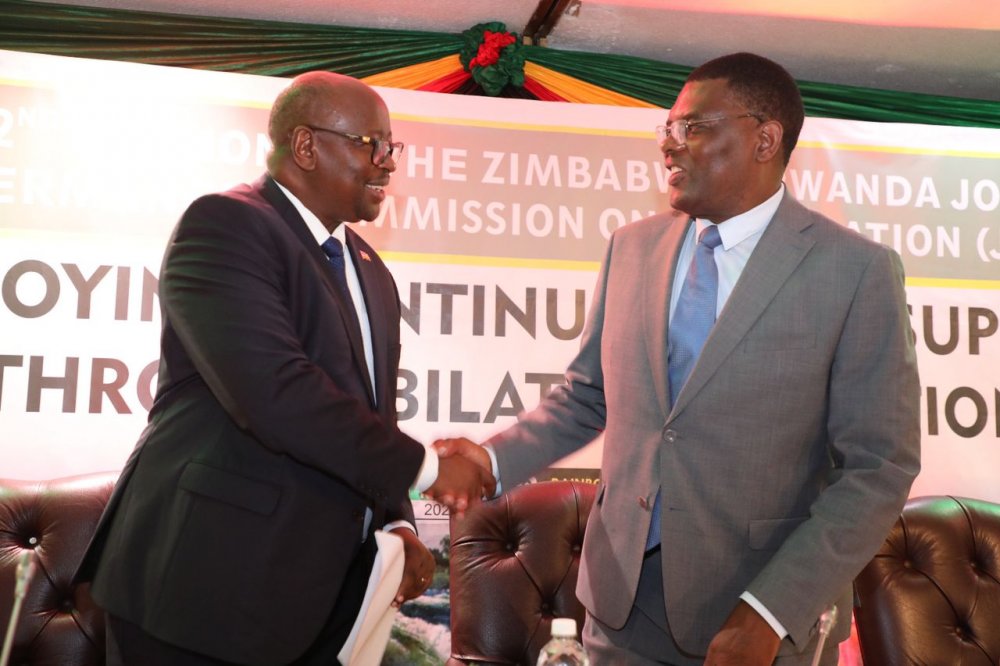
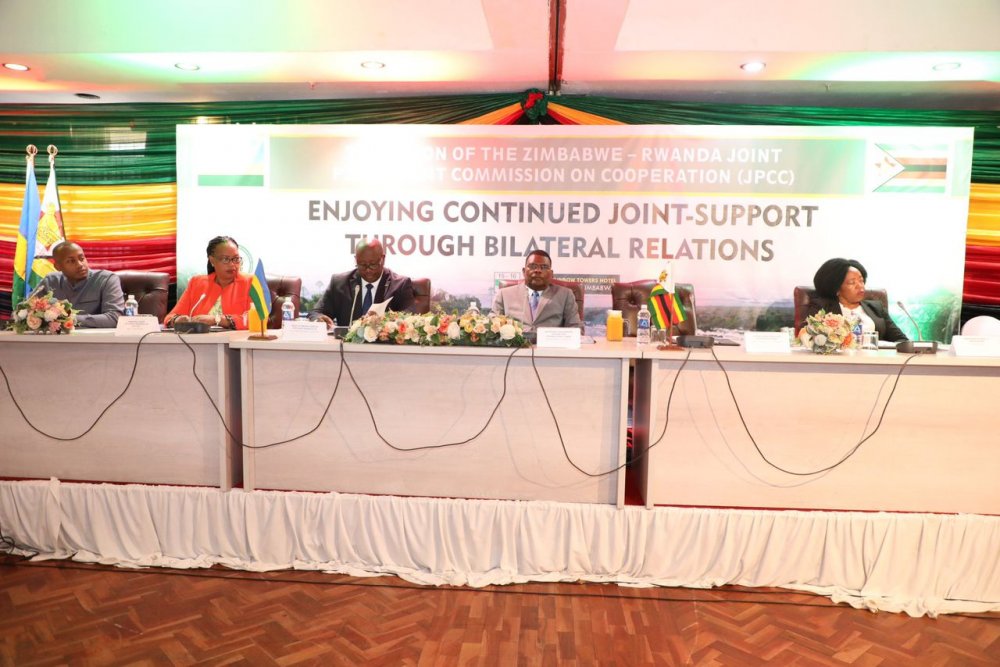
He made these remarks on Monday 15th, during the opening of the second session of the Zimbabwe-Rwanda Joint Permanent Commission on Cooperation (JPCC) in Harare.
The two-day meeting between Zimbabwe and Rwanda will primarily focus on finalizing the details for collaboration in sectors such as health, science and technology development, women’s affairs and child development, as well as housing.
These efforts will build upon the existing areas of cooperation, which include agriculture, educational exchange, information and communication technology (ICT), environment, and tourism.
Amb. Musoni stated that this meeting is a pivotal event for bilateral ties, underscoring the commitment of both countries to foster cooperation.
He urged the participants to expedite the implementation of the blueprint proposed by the heads of state of both countries, President Paul Kagame and President Mnangagwa, in order to bring about socio-economic transformations in the lives of their people.
Amb. Musoni also disclosed that the majority of the more than 20 agreements signed between Rwanda and Zimbabwe are being implemented with commendable progress.
Zimbabwe’s Minister of Foreign Affairs, James Manzou, highlighted the significant achievements made during the two years of cooperation in various areas, including trade, investment, cooperation, tourism, and energy, among others.
One day prior to the meeting, Zimbabwe’s Ministry of Foreign Affairs and International Trade stated that the convening of the JPCC reflects the deepening ties between Zimbabwe and Rwanda, as well as their shared commitment to advancing common developmental goals.
The ministry’s spokesperson, Livit Mugejo, expressed that over the past five years, both countries have made notable strides in strengthening their economic and political bonds. The objective of this JPCC session is to further enhance cooperation in key areas of development.
The first session of the Zimbabwe-Rwanda JPCC took place virtually in March 2021, resulting in the signing of several Memoranda of Understanding (MoUs) covering a wide range of fields.
These MoUs addressed legal mutual assistance in criminal matters, cooperation in prisons and correctional services, partnership between the Rwanda Development Board and ZimTrade, as well as collaboration in media, information, and publicity.
In addition to strengthening the existing areas of cooperation, the two countries explored new avenues for collaboration in finance, defense, environment, natural resources, agriculture, science and technology, and tourism. They also expressed their commitment to enhancing multilateral cooperation.
Towards the end of last year, Rwanda received over 150 teachers from Zimbabwe through existing agreements regarding the exchange of expert teachers. It is expected that Rwanda will receive an additional 477 teachers under this program.
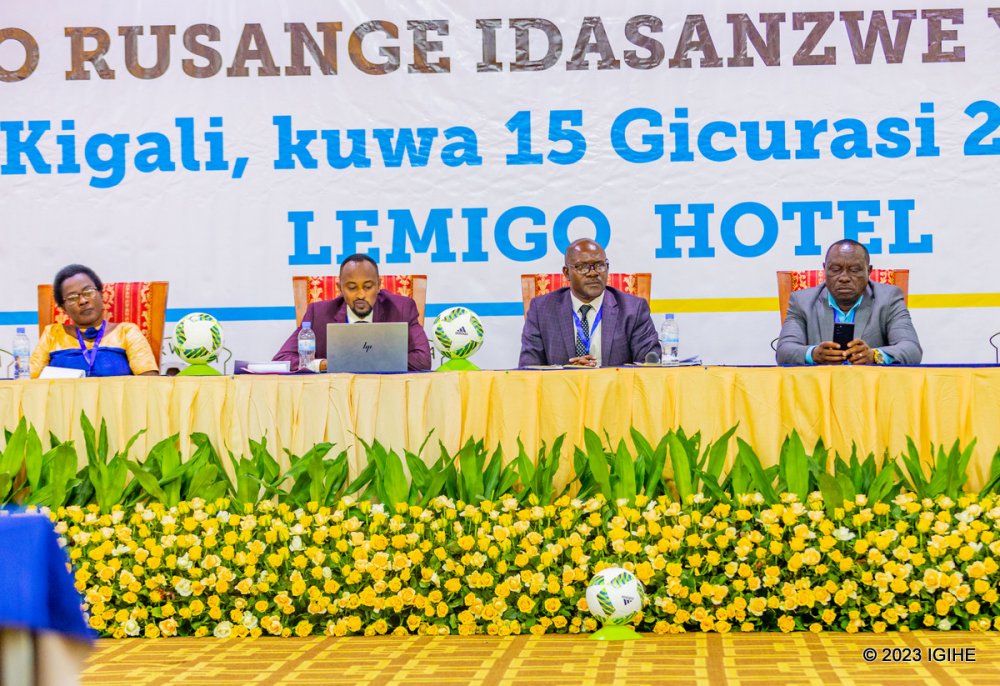
He assumed the role of FERWAFA’s interim president following the resignation of Olivier Mugabo Nizeyimana who left the office in April citing personal reasons.
This decision was reached during an extraordinary General Assembly held on May 15, 2023.
Among others, Ancille Munyankaka and Mudaheranwa Yussufu have been appointed as members of the executive committee and will assist Habyarimana in his responsibilities.
The committee had previously been dissolved due to the resignations of majority members.
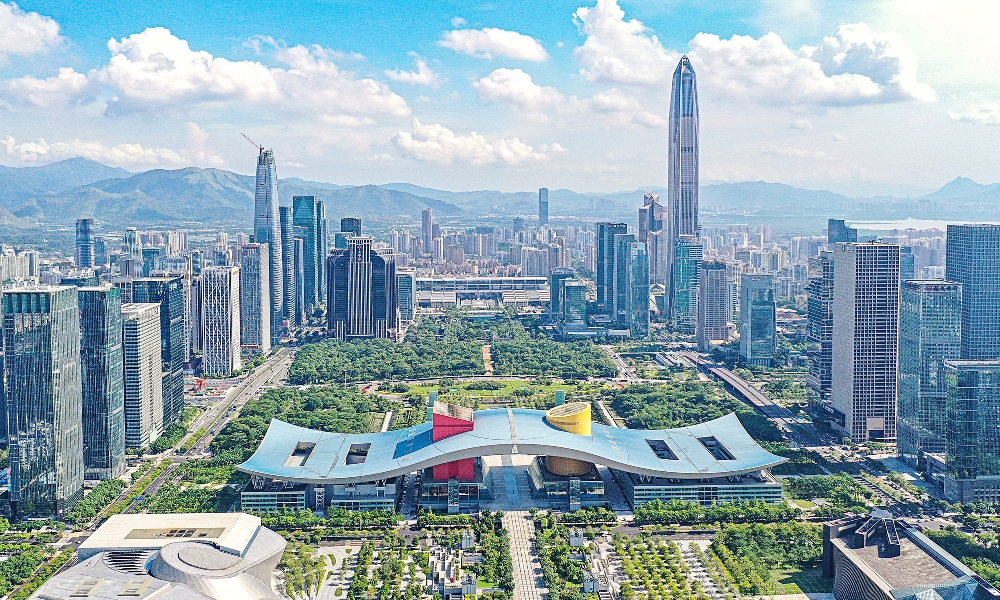
China’s transformation proves that with belief and the right mindset, countries can overcome any challenge and achieve greatness.
These are 7 lessons that Rwanda can learn from China in order to ensure economic transformation.
{{Lesson 1: A nation must create its own economic and political system guided by its national interests.}}
After the founding of the People’s Republic of China in 1949, the country’s leadership chose a political system allows multiparty cooperation under the stewardship of Chinese Communist Party (CCP).
China’s economy has been defined as a “’socialist market economy”, and does not fit into any one system. Rather, it takes various parts of other systems and combines them to create a system that best serves its national interests.
Similarly, Rwanda adopted a political system of consensus whereas no political party dominates all branches of government.
Home-growth initatives and systems that are rooted in the Rwandan culture and work for the Rwandan people ensure that national interests are met.
{{Lesson 2: A nation must always have clear programmes that are bold and have vision.}}
Throughout China’s history, there have been bold national programmes. One such programme is the Five-Year Plan. The goal of the latest 5 year plan, launched in 2021, is to reduce the reliance on foreign technology and dependence on imported resources, and to double down on existing plans for industrial modernization and technological innovation.
Another bold programme is the Belt and Road Initiative. Today, The Belt and Road Initiative contributes towards transforming Africa through infrastructure development, unemployment reduction and improved trade, among others
In similar vein, Rwanda’s leadership created Vision 2020 and followed it up with Vision 2050.
Launched in 2000, Vision 2020’s main objective was transforming the country into a knowledge-based middle-income country, by impoving goverance, human capital, infrastructure and the private sector.
Vision 2050, which was launched in December 2020 by President Paul Kagame, aims to transform Rwanda into an Upper-Middle Income Country by 2035, and into a High-Income Country by 2050.
{{Lesson 3: A nation must train its youth in skills that serve the national interests.}}
In China, each year, university admissions for various disciplines are allocated in proportion to what skills the country requires most at that point in time. If China needs more engineers, then there will be more university admissions for engineering than other disciplines.
Students who do not make it into university usually end up in a vocational skills training college that educates them in line with the needs of the country, to ensure employment on completion.
Similarly, Rwanda has invested billions of francs in educating young people through IPRCs, Coding Academies as well as other institutions that teach hands-on skills. This is in addition to the traditional universities as well.
{{Lesson 4: A nation must be proud of its cultural heritage so it can have a strong national identity.}}
China has turned traditional holidays that were celebrated by its ancestors centuries ago, such as the Spring Festival and the Dragon Boat Festival, into public holidays.
On its side, Rwanda has endeavored to do the same with its Umuganura National Holiday that occurs every first Friday of August and Umuganda, the monthly community cleaning exercise.
{{Lesson 5: A nation’s State-Owned Enterprises can be key drivers of the economy.}}
The key drivers of China’s economy are state-owned enterprises (SOEs). Enterprises are identified as SOEs if the state owns, directly or indirectly, over 50.01% of shares in them. The 2022 Global Fortune 500 list, which lists the largest companies in the world, is dominated by Chinese companies, the majority of whom are SOEs.
The Rwandan government also rethought the notion that says governments should not be directly involved in economic activity.
By investing in strategic sectors such as aviation, the MICE industry, and real estate, the Rwandan Government has proved that its active role in the local private sector benefits citizens.
{{Lesson 6: A nation must be proud of and promote its own brands.}}
The Chinese have pride in their good local brands and always make a conscious decision to support them whenever possible. An example of this is the Chinese momentum in the Electric Vehicle industry. Since 2020 the number of electric vehicles sold annually in the country has grown from 1.3 million to 6.8 million.
Chinese models are now becoming popular outside China as well and have started competing with brands such as Tesla.
Similarly, the Government of Rwanda has instituted the ‘Made in Rwanda’ policy’.
The Made in Rwanda was initiated as a strategy to promote the consumption of locally made products. The rationale is to increase exports and reduce import surplus.
{{Lesson 7: A nation that exploits its competitive advantage can become globally competitive.}}
China has capitalised on its strengths to be globally competitive. An example of this strength is in the semiconductor industry.
China aims to take the lead in global semiconductor growth and is steadily building capability to supply domestic demand for semiconductor chips.
Likewise, Rwanda can market its competitive advantage in order to ensure prosperity.
Rwanda is one of the fast-growing developing countries in the world with a projected 7.9% GDP growth in 2023 according to the IMF, as well as a stable inflation and exchange rate.
Rwanda enjoys a remarkable sense of personal security and political stability and businesses located in the country have access to a combined East African Community and Comesa market made up of over 500 million people.