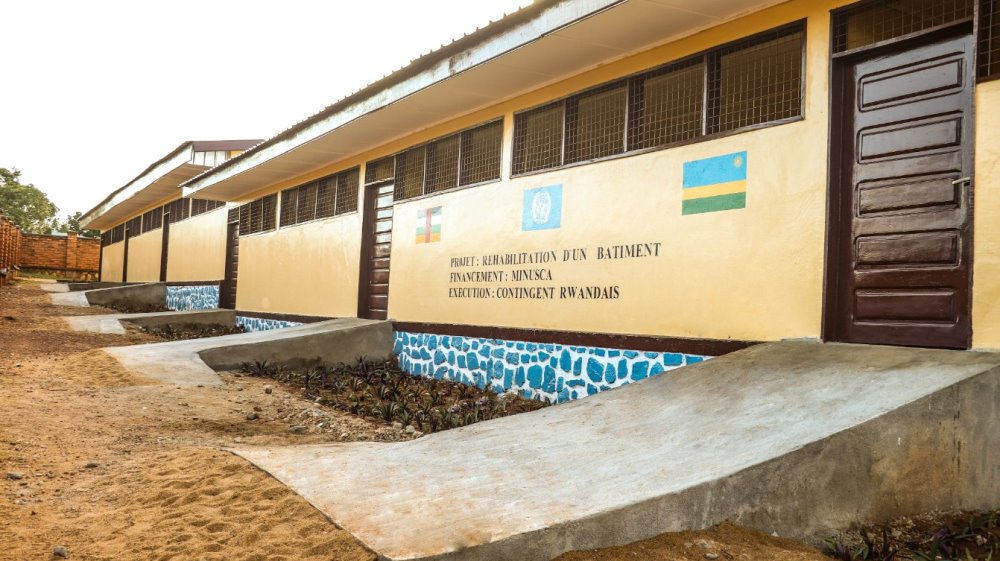
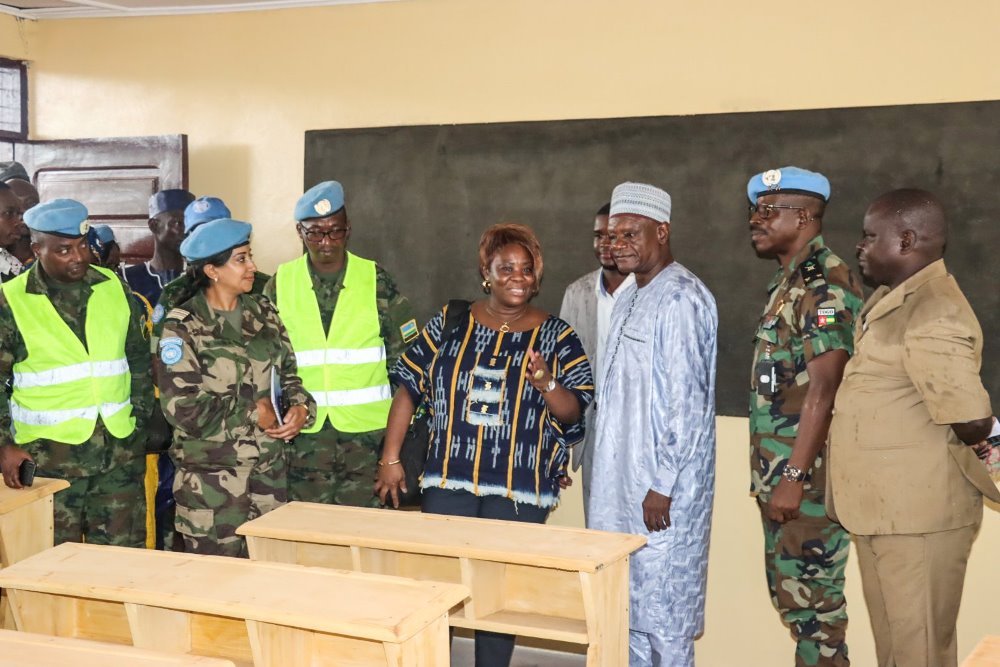
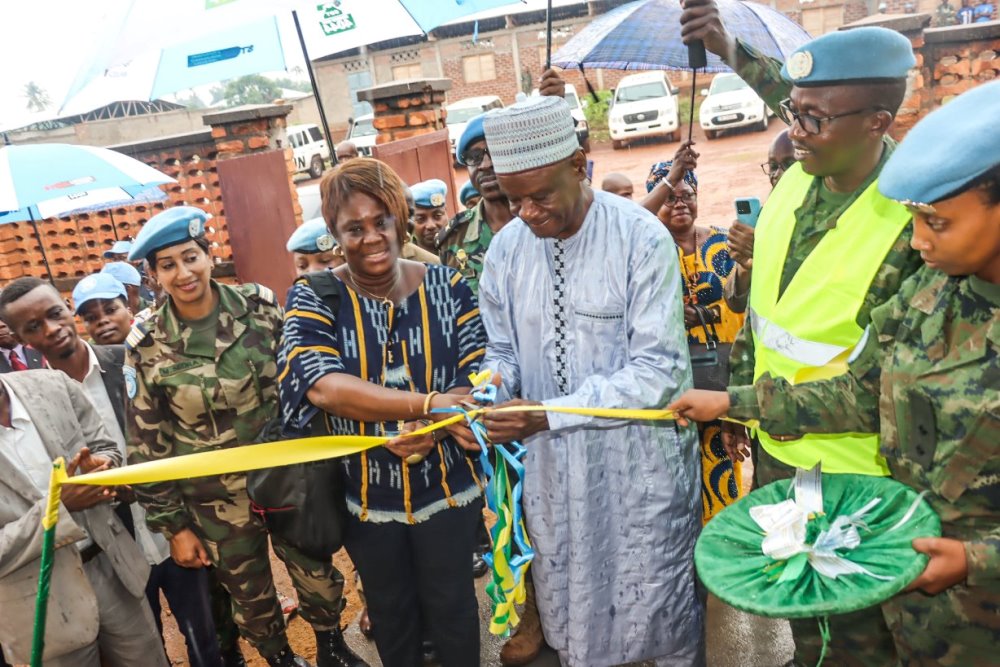
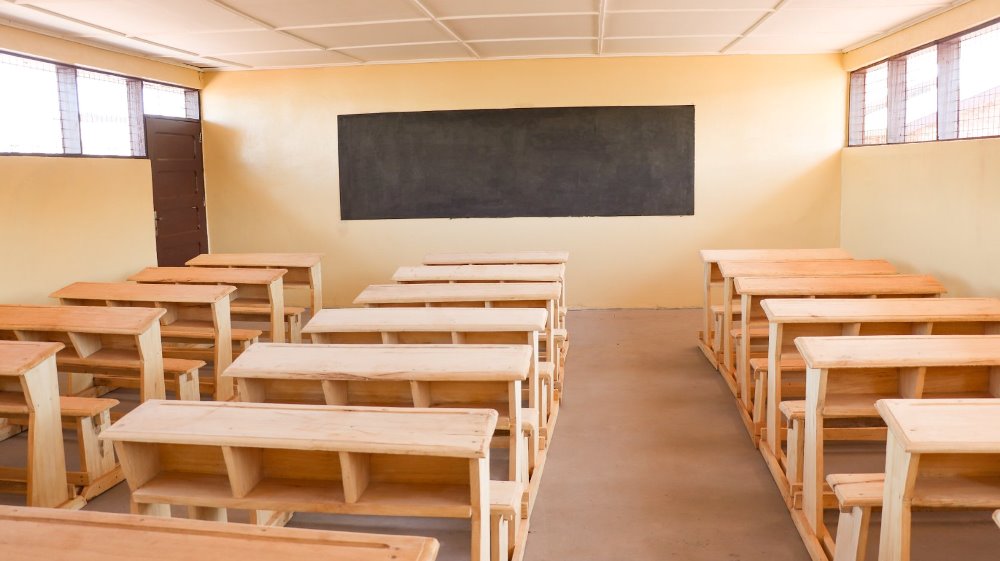
The hand over of classrooms took place on 12th May 2023 in the 3rd Arrondissement, Bangui City. The renovations were sponsored by United Nations Multidimensional Integrated Stabilization Mission in the Central African Republic (MINUSCA)
In his speech, Nourou Moukadasse, the Minister of Education commended the initiative and thanked all stakeholders for their contribution towards this action.
Madam Irene Kouassou, the MINUSCA representative in the ceremony thanked Rwandan peacekeepers (RWABATT10) that partnered in the execution of the project; the expertise and professionalism that led to the completion of the project in a short period of time.
Col Emery Kayumba, the RWABATT10 Commander said that the project is a humble contribution to solving the problem of insufficient classrooms.
The completed classrooms will host 270 pupils, including 121 girls of the Kina School.
One of the significant incidents witnessed by President Kagame is the flooding of River Sebeya, which resulted in the submersion of houses in the area and tragically claimed the lives of some residents.
He also visited Centre Scolaire de Nyundo, a school that has often been vulnerable to such disasters, to check on the well-being of the students.
The President also visited Pfunda Tea Factory, which experienced severe damages as a result of the heavy rainfall.
The Western Province, which was most affected by the floods and landslides, has seen over 5,000 people displaced as rescue interventions continue to prioritize their permanent resettlement.
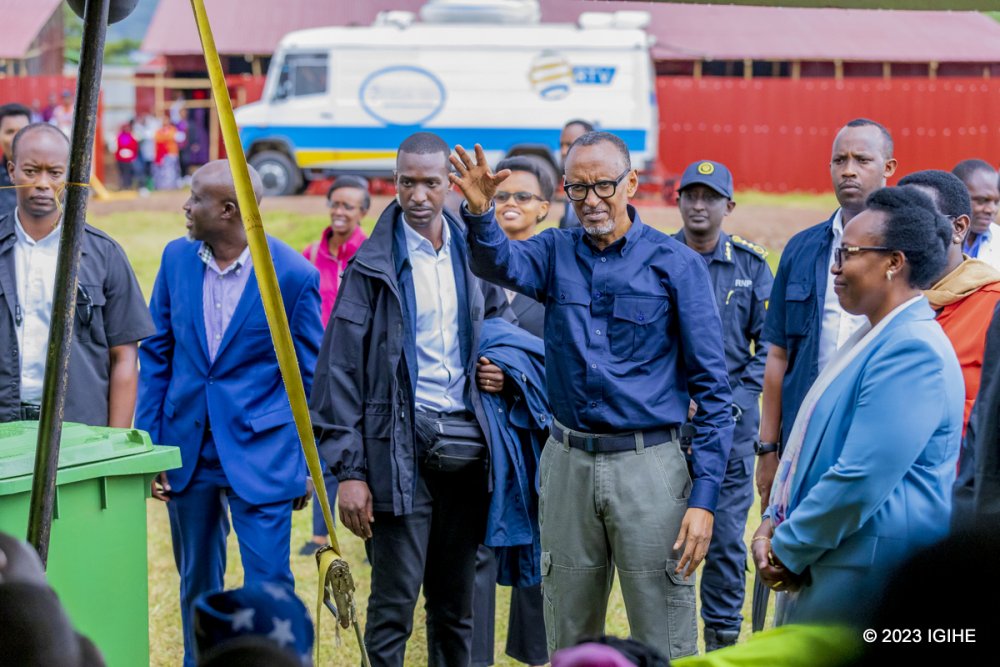
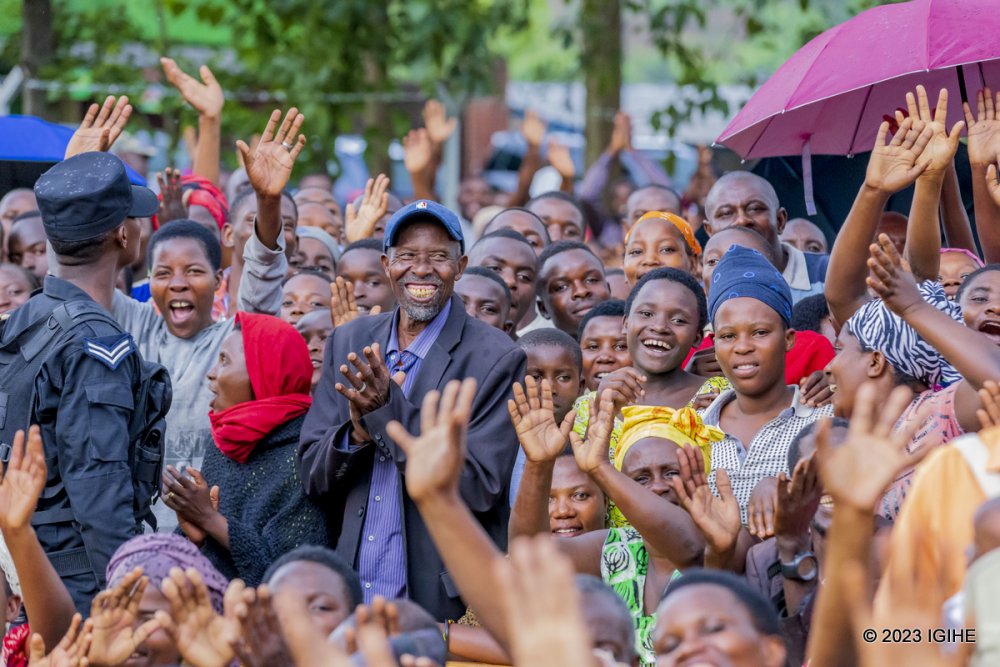
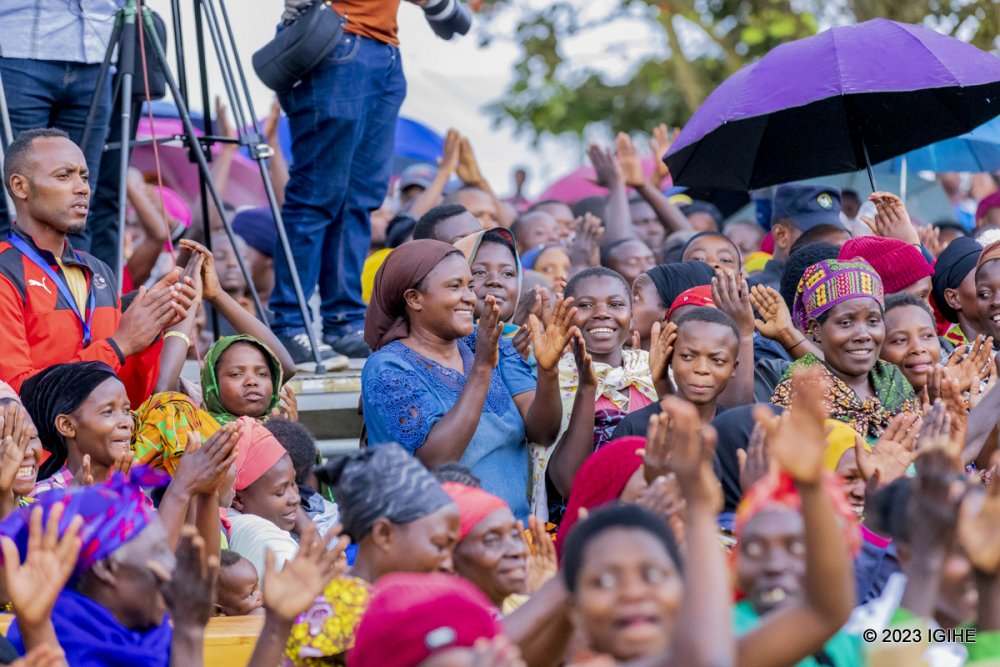
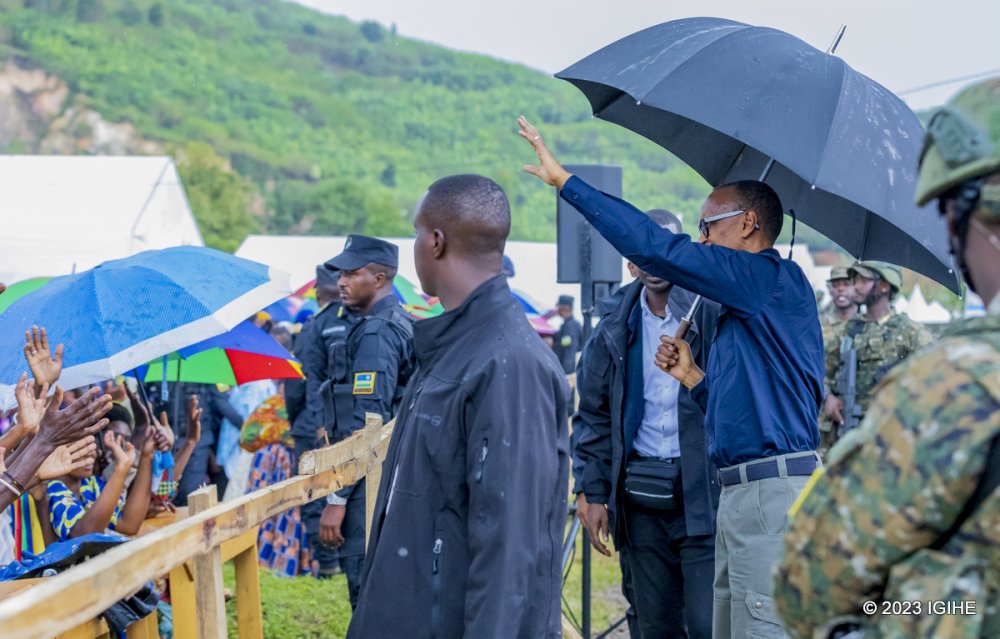
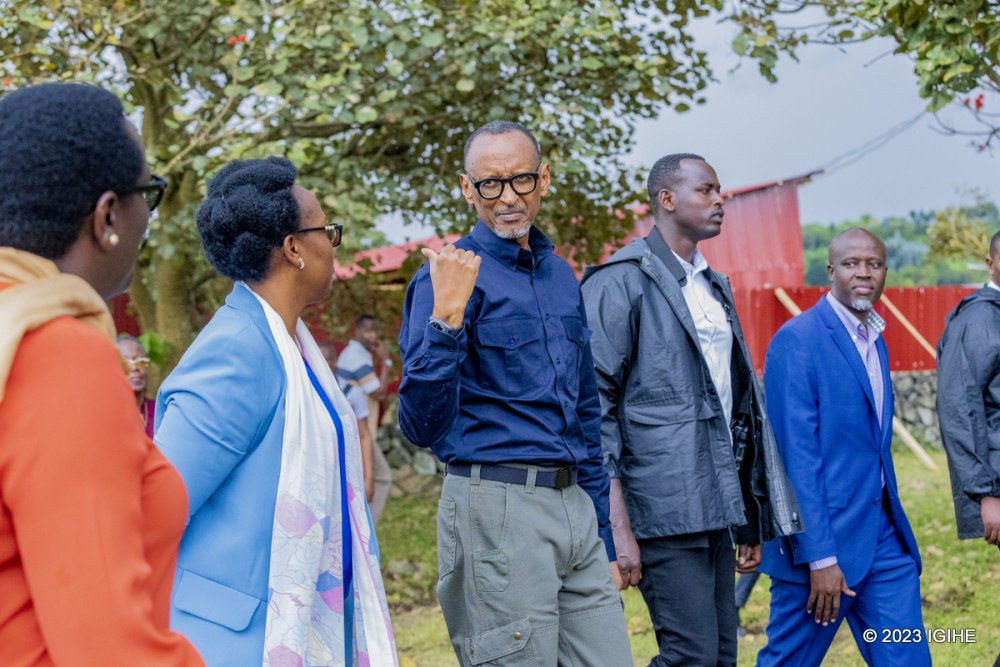
As President Kagame arrived at the Inyemeramihigo site, he was warmly welcomed by the residents, who expressed their appreciation through enthusiastic applause.
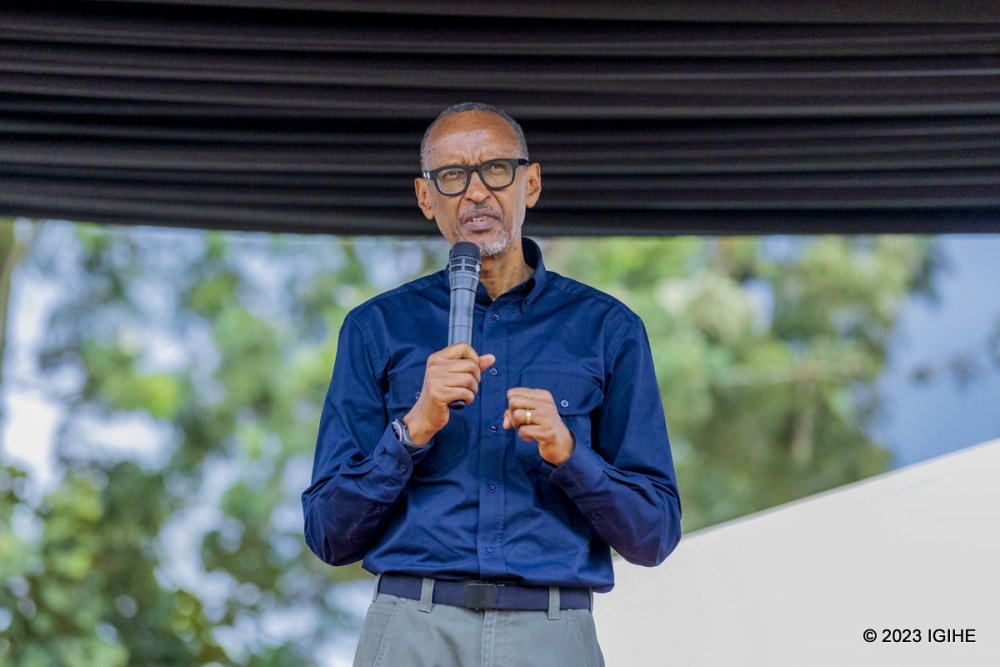
The purpose of his visit, he stated, was to show solidarity with the affected residents, greet them, and convey a message of resilience.
The President emphasized that the country attaches great relevance to their concerns, and assured them that the government is fully committed to providing assistance during these difficult times.
President Kagame further assured the residents that the leaders are prepared to work even harder to facilitate their return to normalcy.
“I am here to stand with you and to tell you that we are thinking about you, we know the suffering this tragedy has caused and we share these concerns for your well being. We are doing everything within our means to help you overcome this difficult time. We will do our best so that those who are able to return to their normal lives can do so in the shortest time possible,” he said.
“We could not have done anything to prevent floods or heavy rains from occurring, but helping those who survived this tragedy is within our ability and we must do it,” added Kagame.
In addition, he pledged that more efforts would be dedicated to the preservation of River Sebeya in order to prevent similar disasters in the future.
Accompanying President Kagame on his visit were several government officials, including the Minister of Emergency Management (MINEMA), Marie Solange Kayisire; the Minister of Local Government, Claude Musabyimana; the Minister of Environment, Jeanne d’Arc Mujawamariya; the Minister of Interior, Alfred Gasana; and the Minister of Infrastructure, Dr. Ernest Nsabimana, among others.
The Chief Defence Staff, Gen Jean-Bosco Kazura; the Inspector General of Police, DCG Félix Namuhoranye; and the Governor of Western Province, François Habitegeko were also present.
Floods and landslides left at least 94 people injured, more than 5,550 houses, 14 roads and over 50 schools were destroyed. The disasters also destroyed crops, and water and power infrastructures.
The Rwandan government needs about Rwf110 billion (about 98 million U.S. dollars) to rebuild infrastructure damaged by disasters as a result of heavy rains across the country, according to the Ministry of Infrastructure.
The cabinet recently approved the National Disaster Risk Reduction and Management Policy, which seeks to strengthen the legal and institutional framework for disaster management and to build capacity for disaster management at all levels.
It also approved an emergency response plan aimed at reinforcing efforts to provide urgent relief to communities affected by disasters, according to a recent statement by the Office of the Prime Minister.
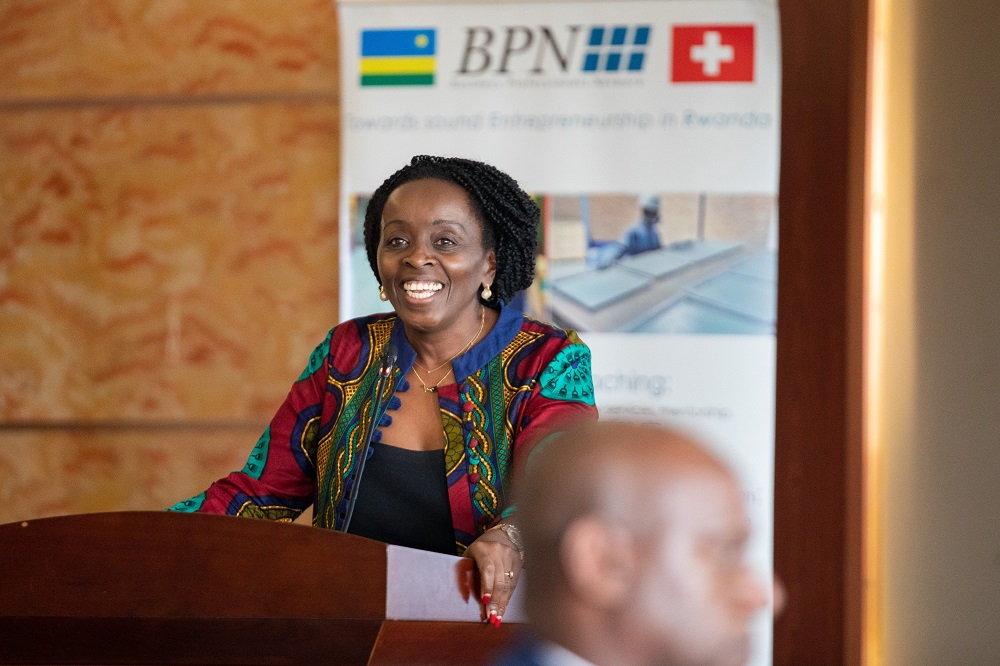
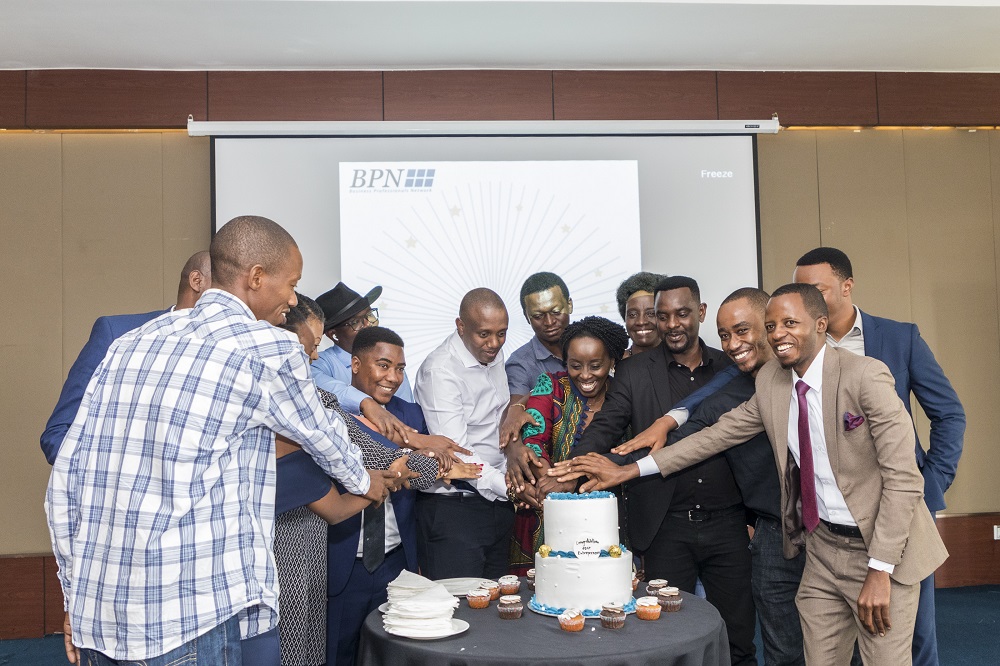
Through its 4 pillars program, BPN Rwanda annually supports 30 businesses showcasing their potential to generate added value, create new employment opportunities, and contribute to the overall growth of the country’s economy.
The two-year program provides entrepreneurs with the necessary tools and knowledge to effectively manage and grow their businesses in a sustainable manner.
Through this program, entrepreneurs are equipped with fundamental business principles and receive training, expert coaching, and ongoing assistance.
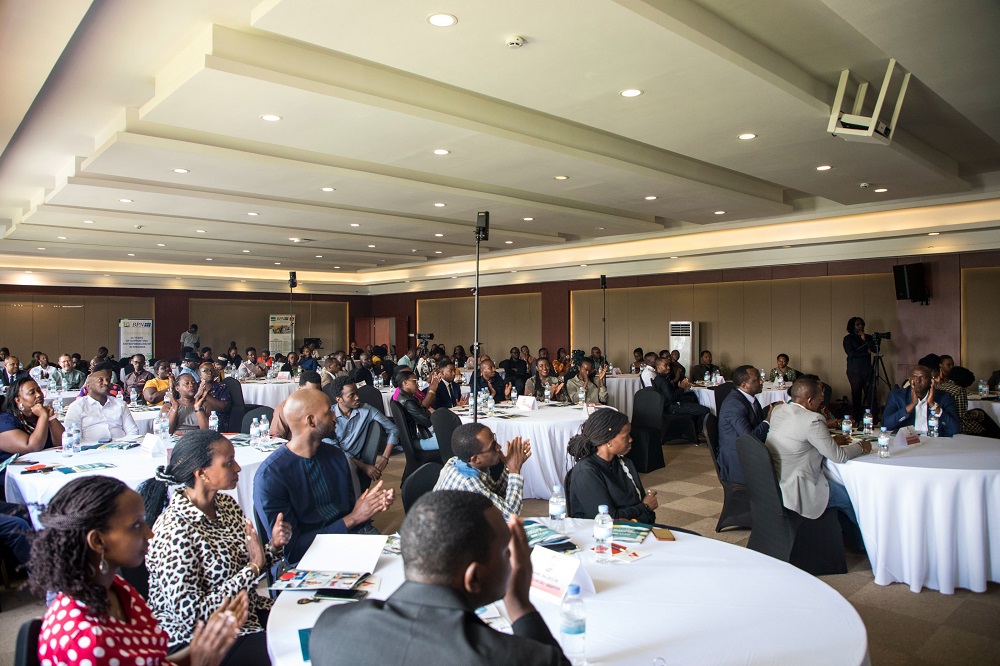
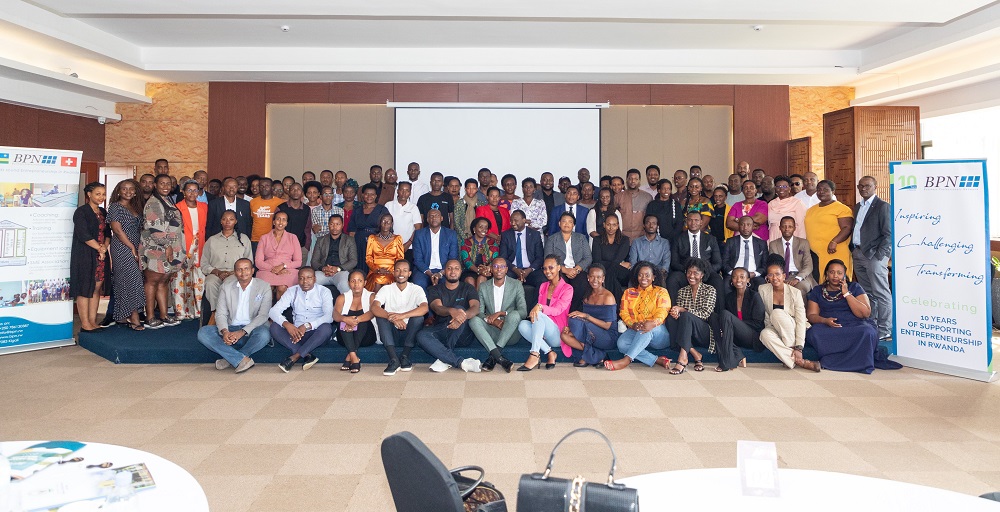
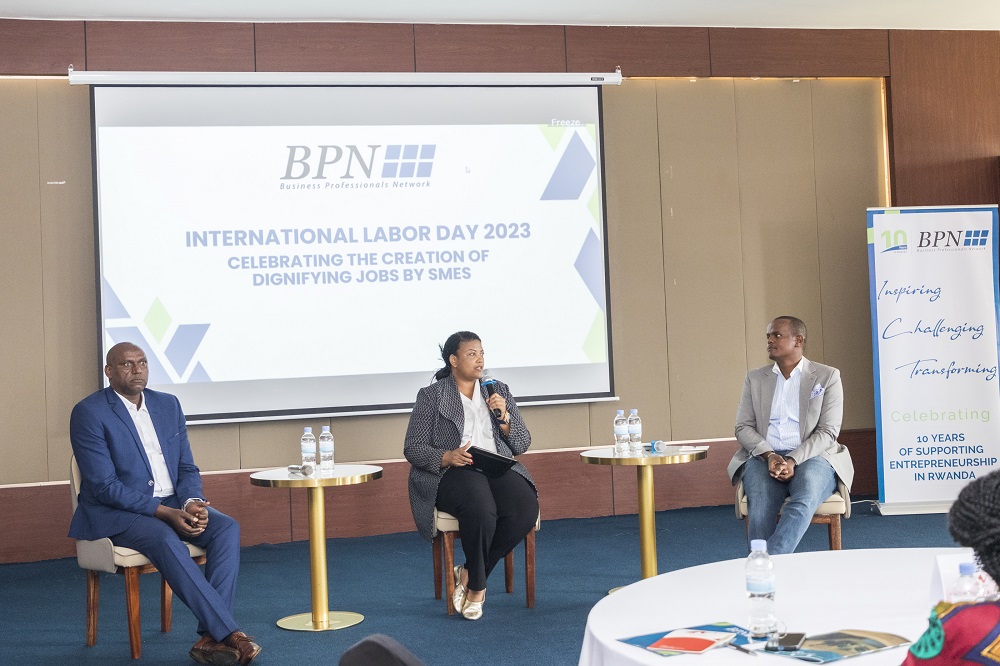
On May 5th, 2023, the organization celebrated Labour Day, recognizing the beneficiaries of its program who have significantly contributed to dignifying job creation in Rwanda. A total of 63 entrepreneurs, after undergoing BPN’s entrepreneurship Development program, have created 1,286 decent jobs, in addition to the 473 jobs they had already created before joining the program.
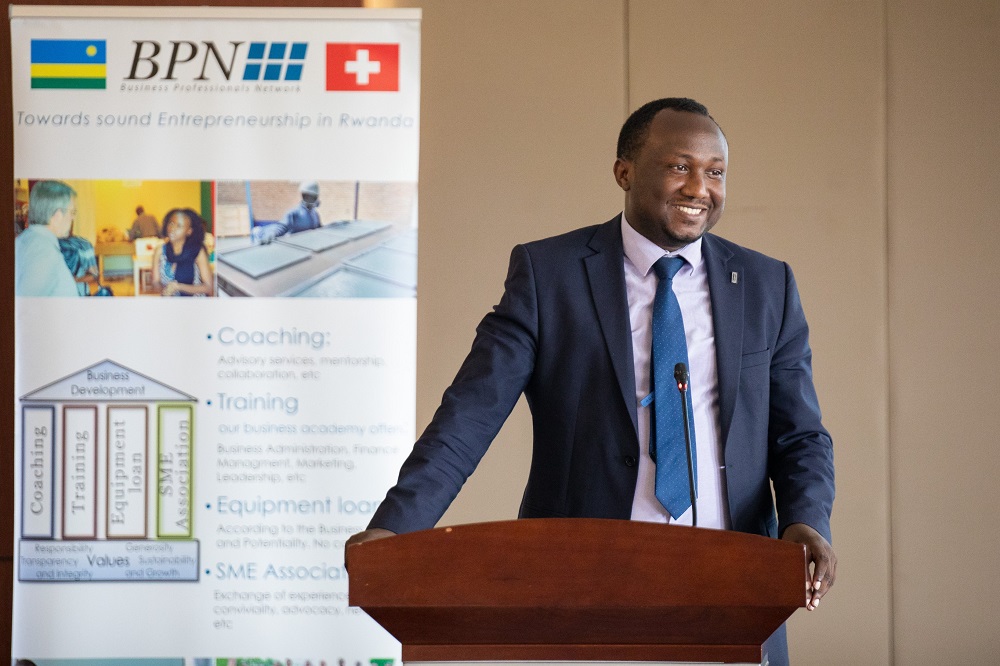
Faustin Mwambari, the Head of Employment Ecosystem Policy and Strategy Department in the Ministry of Public Service and Labour (MIFOTRA), commended BPN for their support for entrepreneurs, which has paved the way for new job opportunities.
He expressed optimism that continuing these efforts would contribute to Rwanda’s ambition of creating 1.5 million dignifying jobs by 2024.
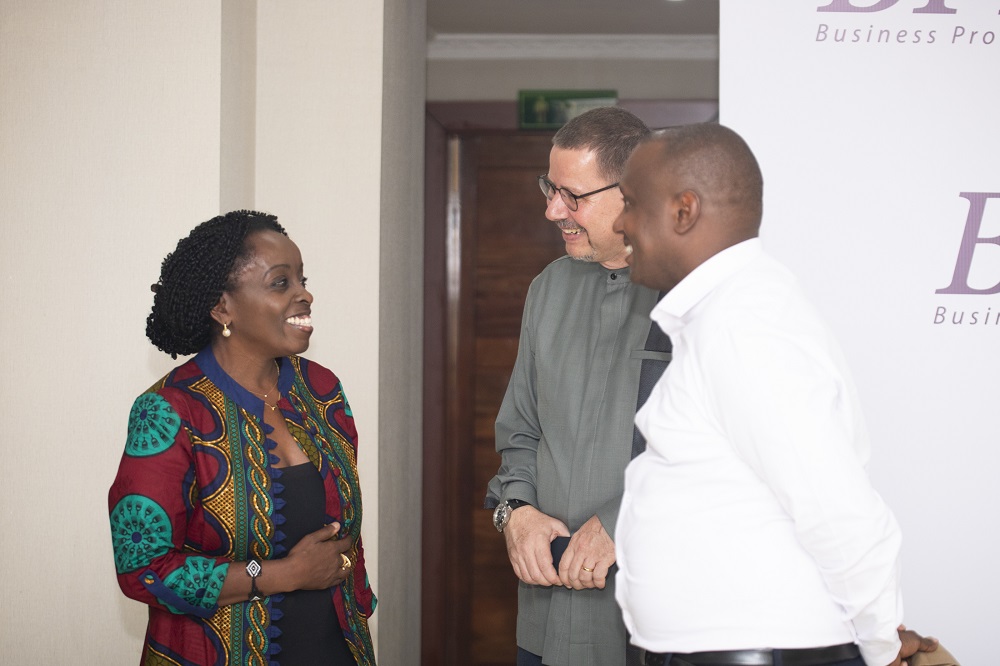
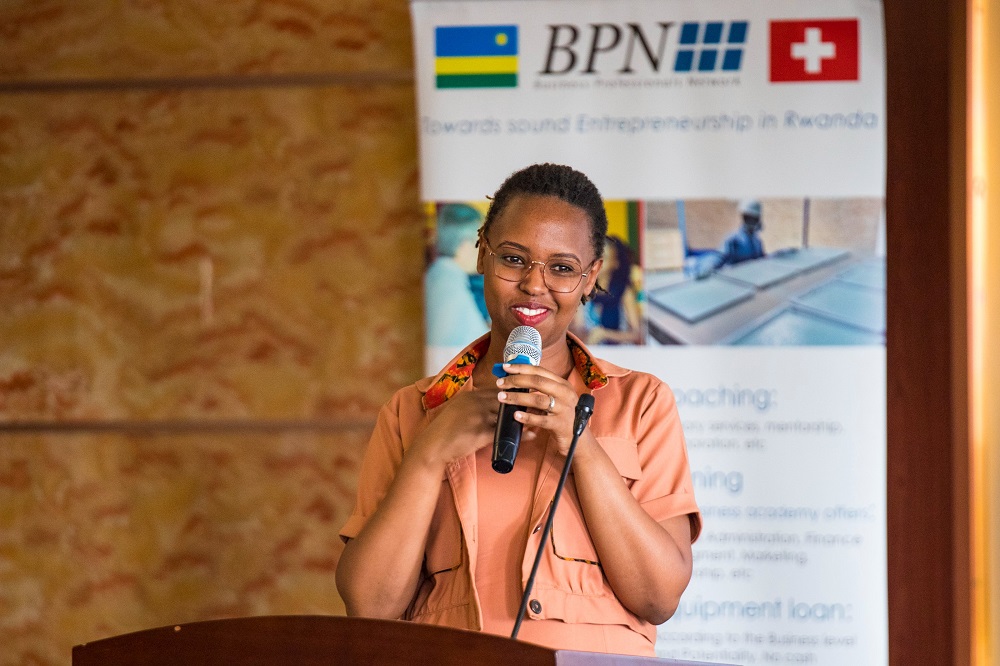
Alice Nkulikiyinka, the Country Director of BPN Rwanda, highlighted the intensive program that hones the entrepreneurial skills of beneficiaries, enabling their businesses to thrive.
The program instills value based-entrepreneurship and encourages entrepreneurs to develop solutions for existing challenges and progress further.
Entrepreneurs who have undergone the program attest to its benefits. Gashugi Jean Pierre, the Manager of Comright Ltd printing house who joined BPN since 2015, extolled the support he received, which helped him prioritize customer loyalty and expand his business. With six employees at the time of joining BPN, the company now has 20 permanent workers.
The training received enabled them to streamline human resources management and experience growth in size and resources.
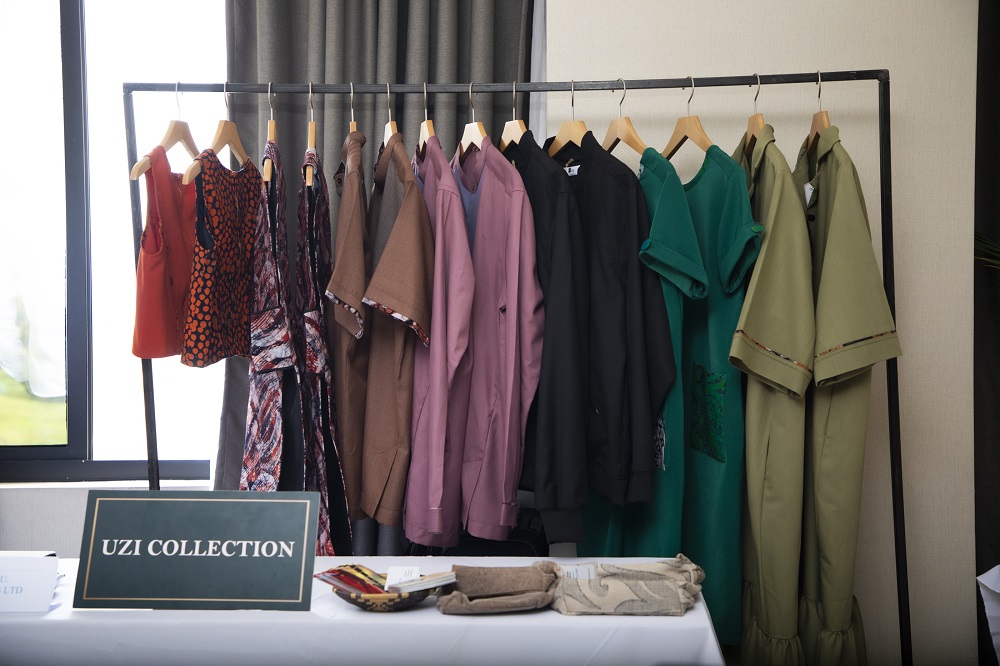
Rwema Umutoni Laurène, the founder of Uzi Collection fashion house, credited BPN for providing a clear vision, understanding customer preferences, navigating the local business environment, and improving resource management.
BPN Rwanda annually selects 30 businesses to undergo its two-year entrepreneurship development program.
The organization uses a rigorous selection process to ensure that only highly committed entrepreneurs are enrolled in the program.
This selection process enables BPN to identify the entrepreneur’s readiness for growth, financial management abilities, and dedication to creating a comprehensive business plan, demonstrating a high level of engagement and commitment to covering the associated program costs.
By the end of the two years program, entrepreneurs are on a path of high growth, and they can join a network of like-minded people.
BPN Rwanda has supported approximately 300 entrepreneurs across over 20 industries in Rwanda since 2011. Additionally, BPN operates in other countries, including Kyrgyzstan, Nicaragua, Mongolia, and Georgia.
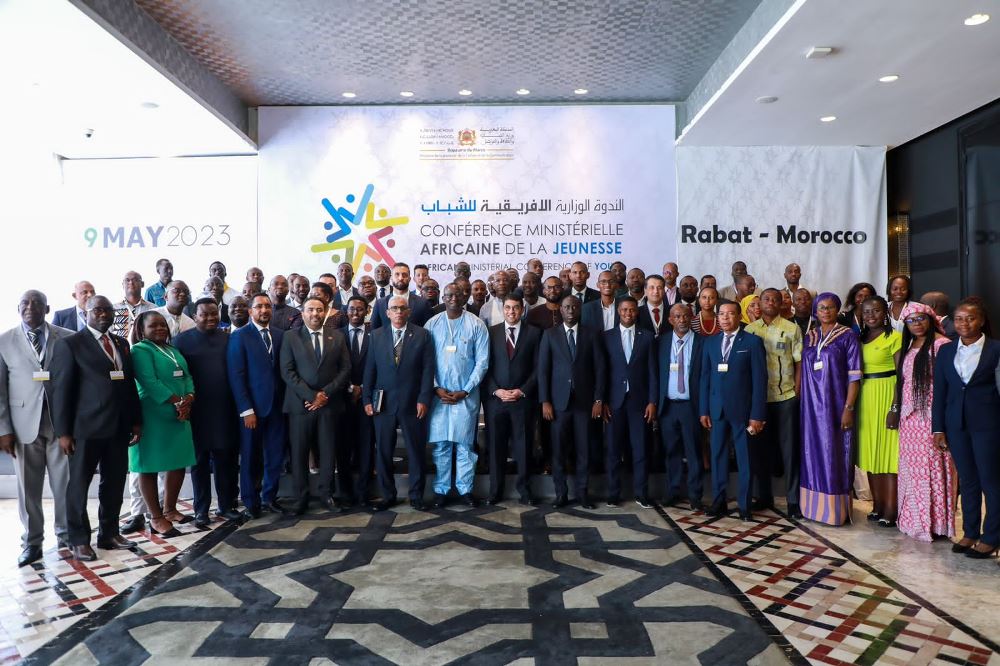
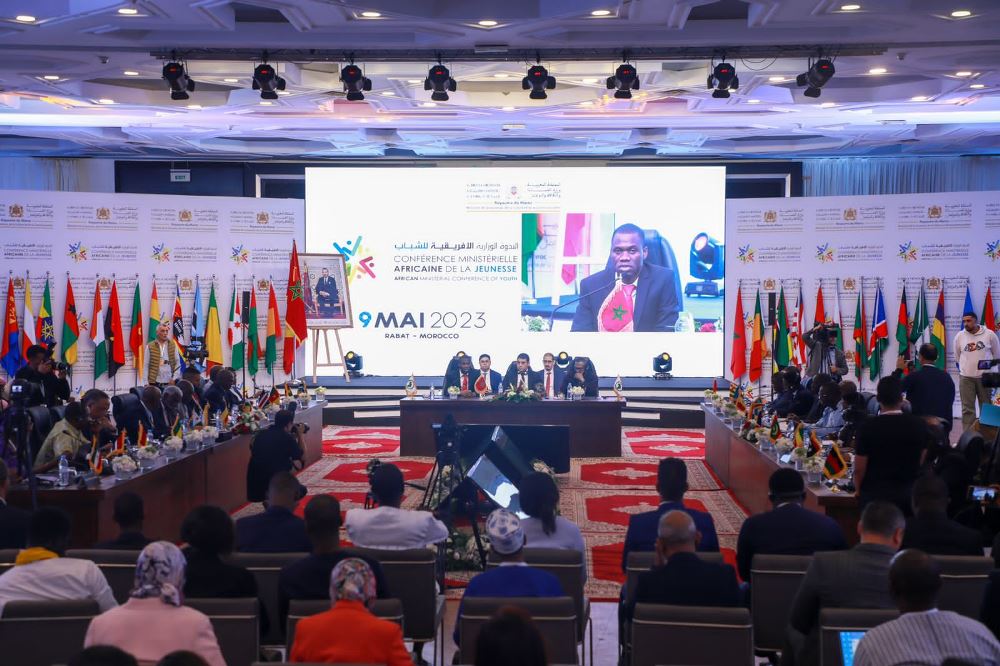
Mr Bensaid spoke at the just-ended African Ministerial Conference hosted by the Kingdom of Morocco this week.
The Ministerial Conference was attended by 100 young leaders, representatives of National Youth Councils, civil society and African youth platforms.
In attendance were several African Ministers of Youth from Burkina Faso, Botswana, Niger, Namibia, Mali, Somalia, Malawi, Ghana, and Senegal, as well as officials from Cameroon and Togo, among others.
The Charter is meant to provide young people with a political and legal framework intended to support the development of youth activities at the continental, regional and national levels in Africa.
In accordance with the edict of His Majesty King Mohammed VI, the North African country aims to strengthen cooperation with fellow African countries to foster the emergence of African youth.
Mr Bensaid, whose Ministry also encompasses Culture and Communication, said they desired to strengthen and consolidate the empowerment efforts of African youth.
He said this could be done by promoting significant participation in the continent’s social, economic and political development agenda.
He also reiterated his country’s commitment to strengthening South-South cooperation, saying it was at the centre of the Kingdom’s foreign policy under the leadership of King Mohammed VI.
He stressed the need to reposition the Pan-African Youth Union as a continental decision-making body to carry the voice of African youth and provide real solutions to their problems.
The President of the Pan-African Youth Union, Moumouni Dialla, said the African Youth Charter “aims to protect young people against discrimination and guarantees them freedom of movement, speech, association, religion, property and other human rights while committing to promote their participation in society.”
He hailed His Majesty King Mohammed VI for the warm welcome given to the participating delegations.
Mr Dialla paid tribute to the Sovereign for his leadership favouring African youth and stressed the importance of projects initiated with the African child in mind.
He further highlighted the importance of the Pan African Youth Union as a continental body advocating for the establishment of sound public policies for African youth.
The African Ministers participating in this ministerial conference and the heads of the delegation stressed the need to preserve this institution and enhance its contribution to continental decision-making further.
The delegates expressed their gratitude to His Majesty King Mohammed VI for his unfailing royal commitment to promoting the conditions of African youth.
In 2018, insurers announced the adjustment of vehicle insurance premiums, claiming they were facing losses.
According to figures from BNR, the cost incurred by compensations for accident damages rose by 18% in 2022.
Tragically, vehicle-related accidents resulted in the loss of 729 lives in 2022, compared to 655 and 687 deaths registered in 2021 and 2020, respectively.
Despite public outcry regarding the disputed vehicle insurance premiums, BNR emphasized that the increase was necessary due to the rising number of accidents.
For instance, the annual premium for motorbike taxis increased from Rwf140,000 to Rwf180,000.
Similarly, the premium for trucks like HOWO, which carry construction equipment, rose from around Rwf300,000 to over Rwf700,000 per year. Taxi cab insurance premiums increased from Rwf179,992 to more than Rwf350,000, while premiums for other vehicles increased from Rwf100,000 to Rwf160,000.
During a press conference on Thursday 11th May 2023, Governor Rwangombwa attributed the higher prices to the increased amount paid in compensation for road accident damages.
He revealed that accidents had been on the rise over the past two years, leading to an increase in losses incurred through compensation.
Vehicle damage-related losses alone rose from Rwf2.6 billion to Rwf4.7 billion. In response to the situation, insurers sought alternative measures to address the issue.
Rwangombwa further explained that the depreciation of currencies on a global scale had also contributed to the elevated prices of spare parts for vehicles.
The incident happened in Duwane Village, Burashi Cell of Kibilizi Sector on Wednesday night.
Neighbours have told IGIHE that they heard a child of the deceased crying around 1:00 a.m. and rushed to intervene but found the mother dead upon arrival.
Previously, Nyiracumi had foiled thieves who wanted to steal his livestock including cows and pigs.
It is said that the woman stepped outside her house when the thieves returned and struck her forcefully on the head with a solid object.
One of his children became suspicious and stepped out where he found her mother bleeding on the head and screaming in distress.
He alerted neighbours who rushed to the scene but unfortunately found her dead upon arrival.
The executive secretary of Kibilizi Sector, Solange Mumararungu has told IGIHE that they alerted law enforces as soon as they learnt about the incident.
“She died around 1:03 a.m. Her body was taken to Kibilizi Hospital for postmortem. Relevant authorities have launched investigation to establish the cause of her death. There are prime suspects who have been arrested including her husband because they had been experiencing clashes,” she said.
Nyiracumi,42, had been experiencing estranged relations with her husband who cohabited with another woman.
She is survived by two children aged 4 and 12 respectively
Xi, also general secretary of the Communist Party of China (CPC) Central Committee and chairman of the Central Military Commission, made the remarks as he inspected Xiong’an in north China’s Hebei Province and presided over a meeting on promoting its development.
Xi was accompanied by Premier Li Qiang, Cai Qi, who is director of the General Office of the CPC Central Committee, and Vice Premier Ding Xuexiang. Li, Cai and Ding are all members of the Standing Committee of the Political Bureau of the CPC Central Committee.
In April 2017, China announced the plan to set up the Xiong’an New Area, which is situated approximately 100 km southwest of Beijing. The goal, according to authorities, is to develop it to a level comparable to that of the Shenzhen Special Economic Zone and the Shanghai Pudong New Area.
Xi has been personally involved in making decisions and plans to develop Xiong’an. In the past six years, he paid two visits to the area.
During Wednesday’s inspection, Xi said Xiong’an has entered a phase of advancing large-scale construction and at the same time taking on functions nonessential to Beijing’s role as China’s capital.
On Wednesday morning, Xi took a high-speed train to Xiong’an where he first inspected the Xiong’an Railway Station, a key infrastructure project of the area with great symbolic importance.
The railway station is designed as a transportation hub, Xi said, emphasizing the need to improve the connectivity of the station with various places.
He stressed developing the zone of Zan’gang, where the railway station is located, into a high-end and high-tech industry cluster area.
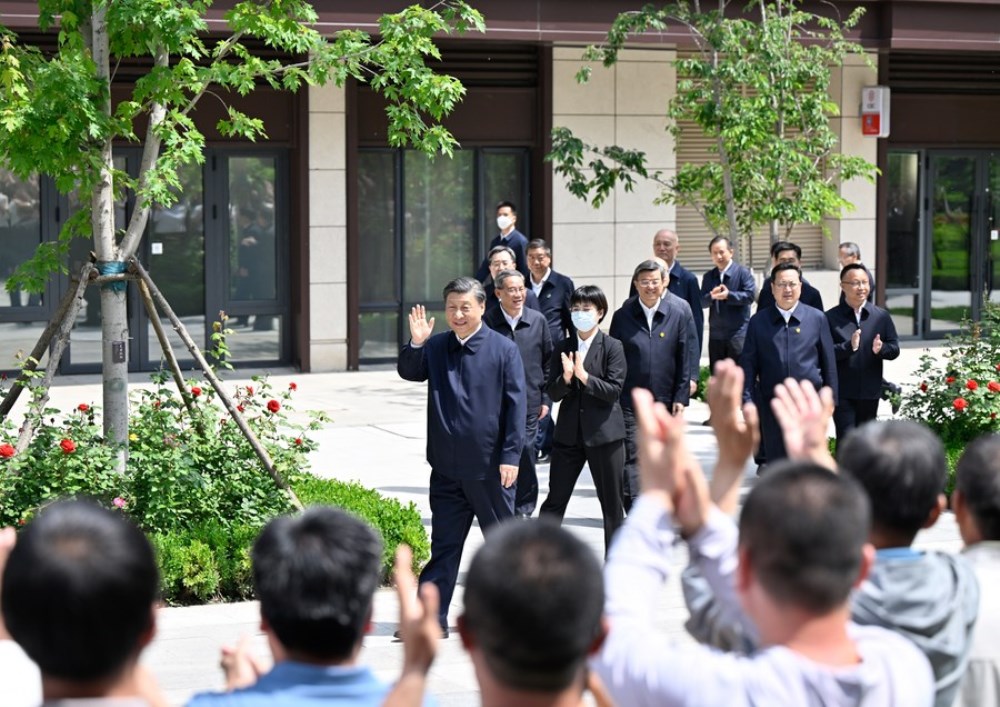
In addition to the railway station, Xi also visited a residential community that is home to 5,000-plus relocated residents. There, Xi chatted with community workers and residents, expressing his satisfaction with the good living conditions of the residents.
He also highlighted the importance of ensuring the relocated residents live well and have satisfactory jobs.
Promoting equal access to basic public services is crucial in building a people’s city that is both livable and conducive to doing business, Xi noted.
He visited the home of resident Li Jinghe. Xi said building the Xiong’an New Area is a major strategic decision made by the Party’s central authorities and the relocated residents had made their contributions.
{{Miraculous transformation}}
The development of the Xiong’an New Area is a national project of millennial significance and should be pushed forward with concrete actions and sustained efforts, Xi said.
At the construction sites of an inter-city railway station and an international trade center, he learned about the development of key infrastructure projects and major projects launched for the purpose of relieving Beijing of functions nonessential to its role as the capital.
Xi said more efforts should be made to develop a multifaceted and integrated transportation network and make full use of underground space so as to build a “city of the future” free of urban maladies.
At a convention center, Xi was briefed about the progress of the overall design and development of the Xiong’an New Area and efforts to restore and conserve the eco-environment of Baiyangdian Lake.
At the convention center, Xi convened a meeting on advancing the high-quality construction of the Xiong’an New Area to a high standard.
Xi remarked that the transformation of the Xiong’an New Area from ground zero to an emerging sophisticated modern city within a mere six years is miraculous.
{{Mapping out future of Xiong’An }}
It has been demonstrated that the major decision of the CPC Central Committee to construct the Xiong’an New Area is entirely correct, Xi said.
He stressed efforts to fully, faithfully and comprehensively carry out the CPC Central Committee’s strategic plans for building the Xiong’an New Area and to make sure the area is built and developed in the right direction.
Xi called for the solid implementation of tasks related to relieving Beijing of functions nonessential to its role as the national capital.
He urged the planning of another round of transfers of the headquarters of state-owned enterprises directly under the central government in Beijing as well as their subsidiary companies.
The planning of the transfer of financial institutions, research institutes and public institutions should also begin, Xi said.
The integration of market mechanisms and the government’s guidance should be strengthened to add to the internal impetus for the transfer, Xi said.
He noted that pioneering policies and measures in reform and opening up, as well as forward-looking trial and demonstration innovation projects shall be carried out in the Xiong’an New Area, so that it can become a fertile ground for innovation and business ventures.
Xi underlined efforts to build a world-class business environment that is market-oriented, law-based and internationalized and widely apply advanced science and technology, in a bid to make smart, green and innovative development the trademark of the Xiong’an New Area.
He stressed the need to give the people a more concrete sense of fulfillment and happiness through the development of the new area. He also called for enhancing policies that guide employment and entrepreneurship, as well as bolstering employment training programs.
He encouraged the area to blaze a new path in narrowing the gap between urban and rural areas, advancing integrated urban-rural development, and promoting common prosperity for all.
Other senior leaders also spoke at the meeting.
Li Qiang urged the Xiong’an New Area to accelerate efforts to help relieve Beijing of functions nonessential to its role as China’s capital, steadily advance infrastructure construction and modernize the industrial system.
Ding Xuexiang said scientific and technological innovation should be the foundation of the high-quality development of the Xiong’an New Area, calling for carrying out high-standard scientific and technological innovation.
Stretching over 4 km from east to west and some 2.7 km from north to south, the city wall was built as a military defense system over 600 years ago on the foundation of a prior structure dating back to the Sui and Tang Dynasties (581-907). It is up to 14 meters wide at the top and consists of a series of military facilities including watchtowers and crenels.
The city wall encircles the old town of Xi’an, where a cluster of relics has borne witness to the past glories of the capital of Shaanxi Province, also the starting point of the ancient Silk Road. Overlooking the city wall, highrises have emerged to demonstrate the city’s ongoing efforts to embrace modernization.
For a long time in history, there had been a lack of adequate protection for the city wall. Some parts of the wall had sustained damage, and certain interior spaces had been occupied by individuals with no fixed abode.
Things started to change in the 1980s when China’s leadership was alerted about the precarious situation and an extensive preservation project was launched. Thanks to the preservation efforts, the lost splendor of the wall was gradually restored.
On Feb. 15, 2015, days before the Chinese New Year, Xi, also general secretary of the Communist Party of China (CPC) Central Committee and chairman of the Central Military Commission, climbed up the city wall during an inspection tour of Shaanxi and learned about its preservation work.
Describing the Xi’an city wall as a “world-class treasure,” he stressed the importance of ensuring its protection and preservation.
“I could feel that the city wall means a lot to President Xi,” said Geng Hongmei, an official with the Xi’an city wall management committee who was on site that day.
Geng said she vividly remembers Xi walking on the wall, pausing to engage with a cheering crowd and extending his warm wishes for a happy Chinese New Year and a joyful life.
Three months later, Xi was at the Xi’an city wall again with visiting Indian Prime Minister Narendra Modi. Modi was accorded a traditional Tang Dynasty welcome at the city wall and Xi greeted him at a watchtower of the wall. They also enjoyed a brilliant art performance staged by Chinese artists.
Xi has on many occasions stressed the significance of protecting cultural and natural heritage. “History and culture are the soul of a city, and people should cherish historical and cultural heritage as treasuring their own lives,” he once said.
China will put more effort into protecting cultural artifacts and heritage, and better protect and preserve historical and cultural heritage in the course of urban and rural development, Xi said in the report to the 20th CPC National Congress.
Encouraged by Xi’s words, Xi’an has in recent years stepped up efforts to protect the city wall, creating a mechanism with detailed regulations and innovative measures, according to Wu Chun, deputy director of Xi’an city wall management committee.
For example, a tiered warning system has been established, and quick response measures are taken to curb any potential damage. Regular patrols are conducted and over 8,000 monitoring points have been set up at the city wall.
After years of preservation work, the wall, alongside the surrounding scenic area with lush greenery and clear moat water, has been integrated into the urban life of Xi’an and become a popular recreational and tourism destination.
In the recently concluded May Day holiday, this spot received nearly 240,000 visits in five days, according to the management committee.
For 36 years, the city wall of Xi’an has been illuminated by a spectacular lantern festival, which has become a hallmark Spring Festival celebration. Additionally, a variety of other cultural activities, including kite-making and Tang poetry recitals, are regularly held here, helping to preserve and celebrate the rich and vibrant traditions of Chinese culture.
The warring parties stressed that the interests of the Sudanese people are a priority, agreeing to allow all civilians to leave the besieged areas, according to the report.
The agreement affirmed Sudan’s sovereignty and unity and welcomed the mediation efforts of other countries. It also called for a stop to all attacks that would harm civilians, the report noted.
The two parties began talks on Saturday in Jeddah over reaching a cease-fire to facilitate emergency humanitarian assistance to the conflict-ravaged country.
On Thursday, Saudi Arabia sent its fourth relief plane to Port Sudan, carrying more than 10 tons of food and medical materials, among other relief items, the Saudi Press Agency reported.
Sudan has been witnessing deadly armed clashes between the Sudanese army and the RSF in the capital city of Khartoum and other areas since April 15, with the two sides accusing each other of initiating the conflict.
The deadly clashes have left at least 550 people dead and 4,926 others wounded, according to the figures released by the Sudanese health ministry in early May.
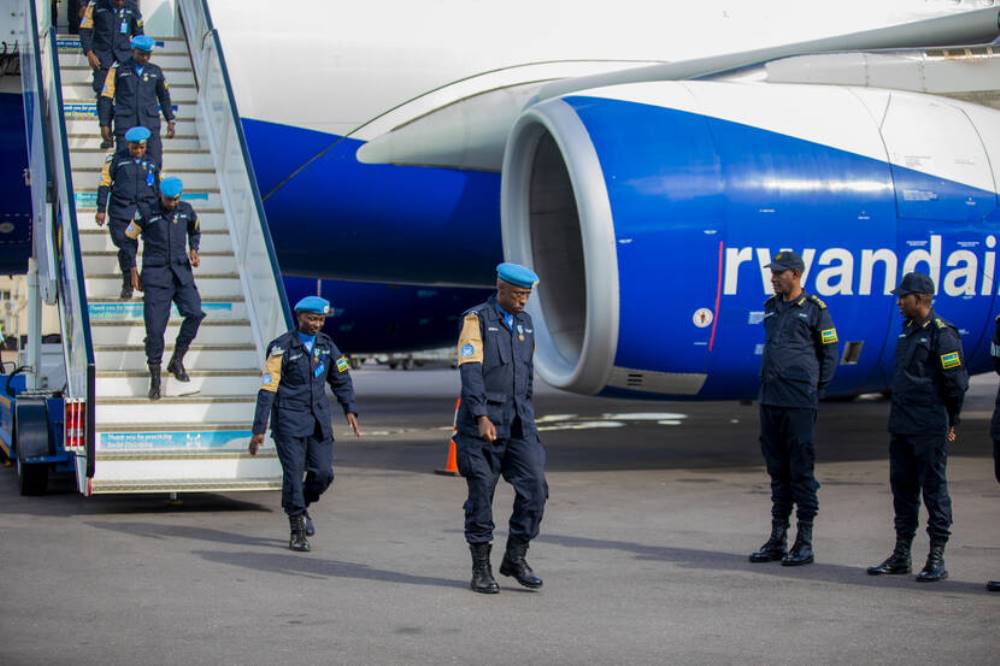
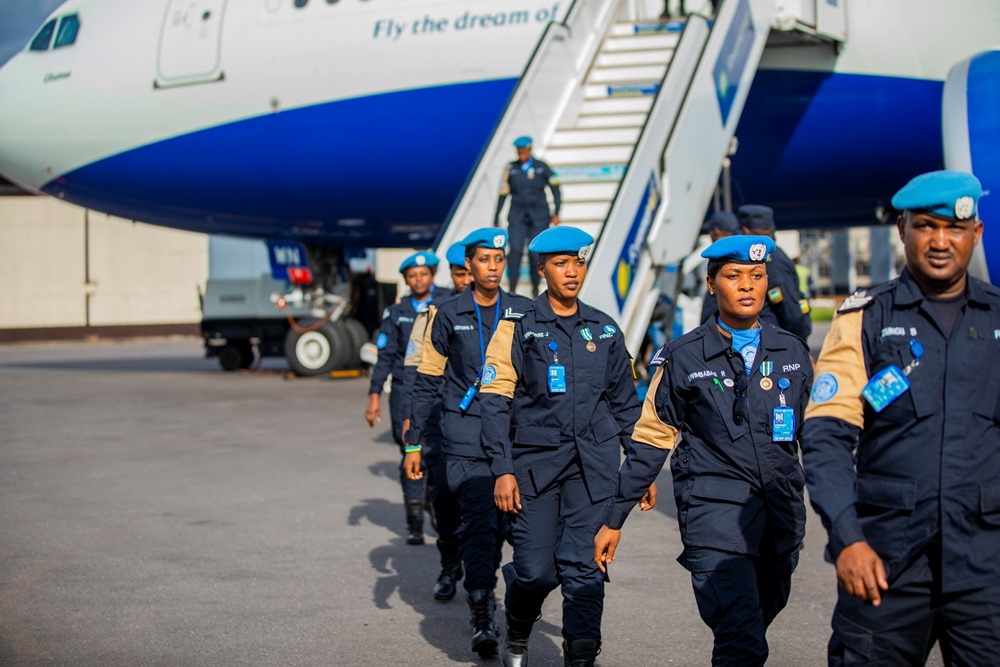
It is the eighth rotation since the maiden contingent was deployed in Malakal, Upper Nile State in 2015.
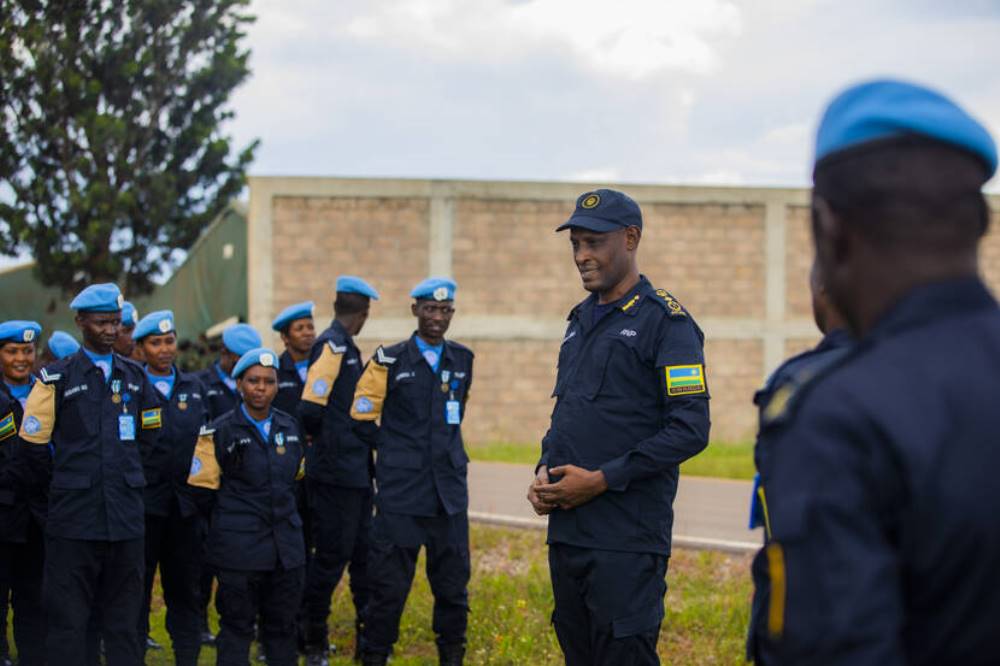
Rwanda FPU1-8 contingent of 240 officers commanded by Senior Superintendent of Police Mudathir Twebaze left early in the morning to replace FPU1-7, which returned home later in the afternoon after a successful one-year tour-of-duty.
Commissioner of Police (CP) Bruce Munyambo saluted off the deployed officers and received the replaced contingent at Kigali International Airport (KIA).
The FPU is charged with ensuring the security of civilians in Protection of Civilians (PoC) camps in Malakal as well as escort duties, among others.
The replaced contingent, during its peacekeeping mission, also engaged in humanitarian activities to support the welfare of civilians, including communal work (Umuganda), tree planting to protect the environment, donated scholastic materials to the displaced pupils, and gumboots to teachers and community watch group in the PoC.