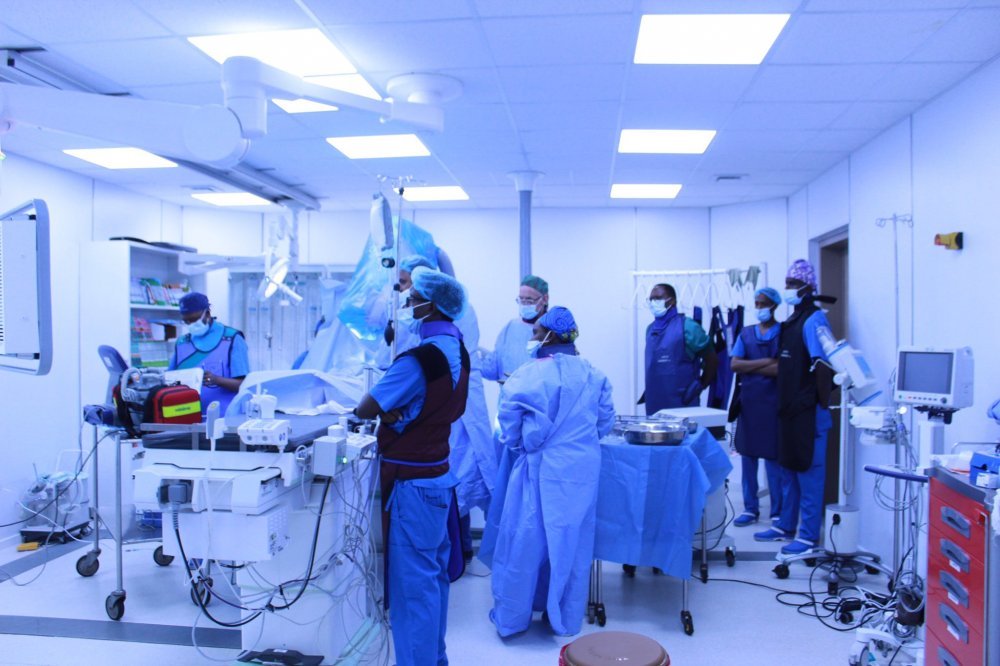
The development has been confirmed through a statement released by the Ministry of Health.
Over the past seven years, a total of 67 Rwandan patients were transferred overseas for kidney transplants, incurring an estimated cost of approximately Rwf900 million.
By establishing a program to conduct these procedures domestically, Rwanda aims to not only save significant financial resources but also enhance the quality and efficiency of its healthcare system.
According to the Ministry of Health, this initiative is poised to provide a sustainable solution that meets the growing demand for specialized medical services within the country.
The newly launched kidney transplant program at KFH this week, will operate on a monthly basis, with the visiting surgical team collaborating closely with the local team for the next two years.
This collaborative effort aims to transfer knowledge, skills, and expertise to the local specialists, enabling them to independently manage and sustain the program in the long run. By empowering local medical professionals and nurturing their capabilities in complex care procedures such as kidney transplants, Rwanda is building a self-reliant healthcare system that can cater to the needs of its population effectively.
KFH operates subspecialty fellowship programmes through the University of Rwanda’s School of Medicine and Pharmacy.
These programs, focusing on nephrology and renal transplant surgery, aim to increase the number of health professionals trained in highly specialized areas. By investing in education and professional development, Rwanda is nurturing a pool of skilled medical experts who can contribute to the ongoing advancements in healthcare within the country.
King Faisal Hospital, a multi-specialist quaternary hospital, stands as a beacon of excellence in Rwanda and the region. Equipped with state-of-the-art technology, a highly skilled medical team, and a patient-centered approach, the hospital is dedicated to providing world-class medical services. With the successful implementation of the kidney transplant program, KFH further solidifies its position as a leading healthcare institution, capable of delivering specialized care that was previously only available abroad.
The leadership at King Faisal Hospital has extended its gratitude to the Government of Rwanda for its extensive support in the health sector, which has made this significant undertaking possible. By investing in the healthcare system and supporting initiatives like the kidney transplant program, the government demonstrates its commitment to improving the well-being of its citizens and providing them with accessible, high-quality healthcare services.
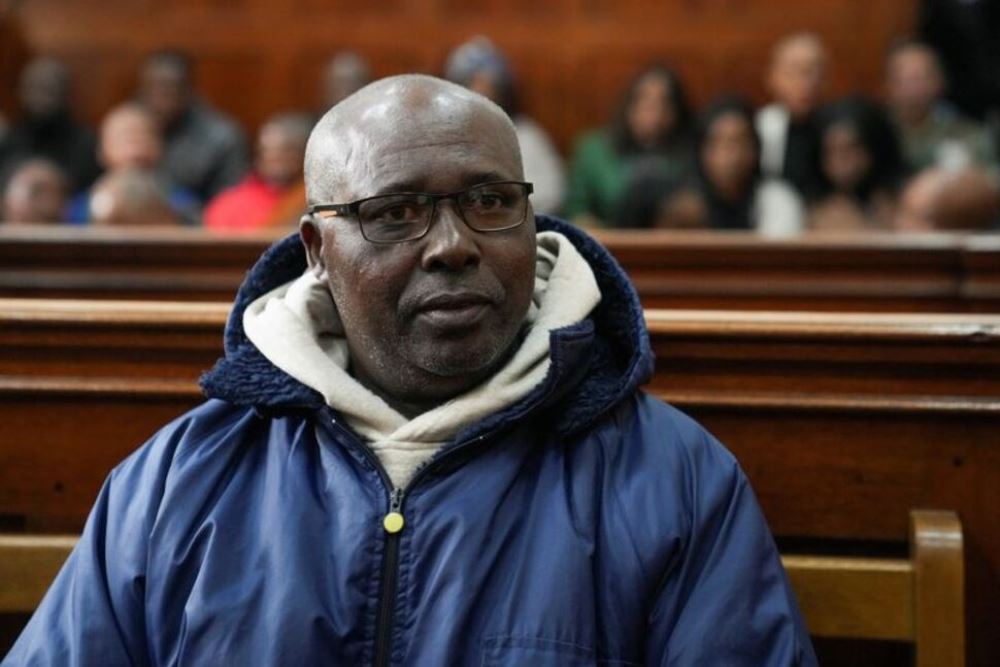
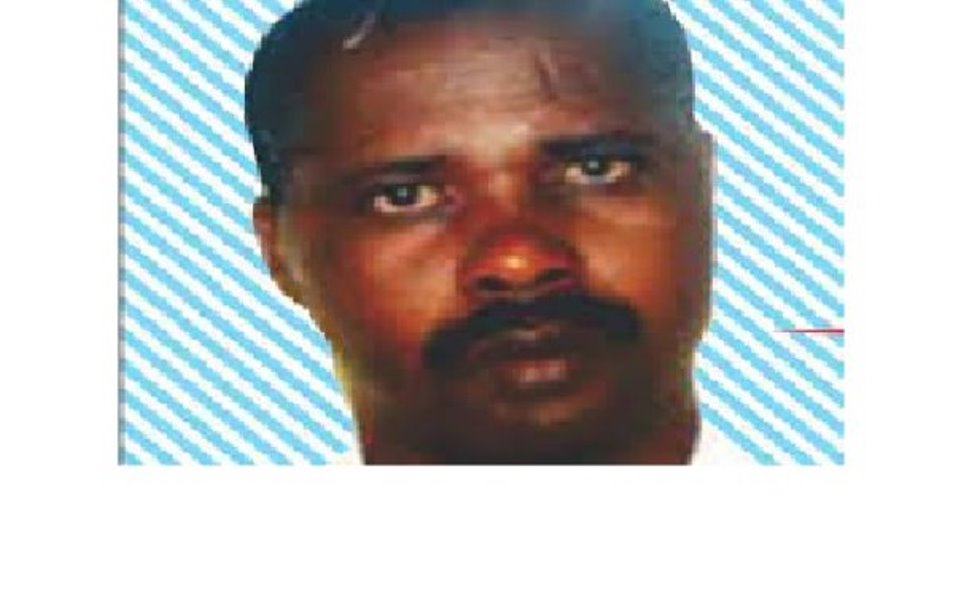
According to Reuters, Kayishema was presented before the Cape Town Magistrates’ Court on Friday May 26th where he was remanded in custody at Pollsmoor Prison in Cape Town, pending possible extradition to Rwanda. The court has adjourned the case to 2nd June.
Kayishema, who had been one of the world’s most wanted genocide fugitives, was arrested on Wednesday May 24th, 2023, in Paarl, South Africa, as a result of a joint operation involving the International Residual Mechanism for Criminal Tribunals (IRMCT) Office of the Prosecutor (OTP) Fugitive Tracking Team and South African authorities.
He stands accused of orchestrating the massacre of approximately 2,000 Tutsis, including women, men, children, and the elderly, at Nyange Catholic Church during the 1994 Genocide against the Tutsi in Rwanda. It is alleged that Kayishema directly participated in the planning and execution of this atrocity, including the procurement and distribution of petrol to set the church on fire while the victims were inside.
When this initial attempt failed, Kayishema and others reportedly used a bulldozer to collapse the church, burying and killing those seeking refuge. Over the following two days, Kayishema and accomplices supervised the transfer of bodies from the church grounds to mass graves.
The investigation leading to Kayishema’s arrest spanned multiple countries across Africa and elsewhere, in strong cooperation with many national law enforcement and immigration agencies.
During his flight from justice, Kayishema utilized many aliases and false documents to conceal his identity and presence. He further relied upon a network of trusted supporters, including family members, members of the ex-Forces Armées Rwandaises and ex-Forces démocratiques de libération du Rwanda, and those aligned with the genocidal Hutu Power ideology.
Kayishema was located and arrested through an analysis-driven investigation exploiting multi-source evidence with both traditional and leading-edge methodologies.
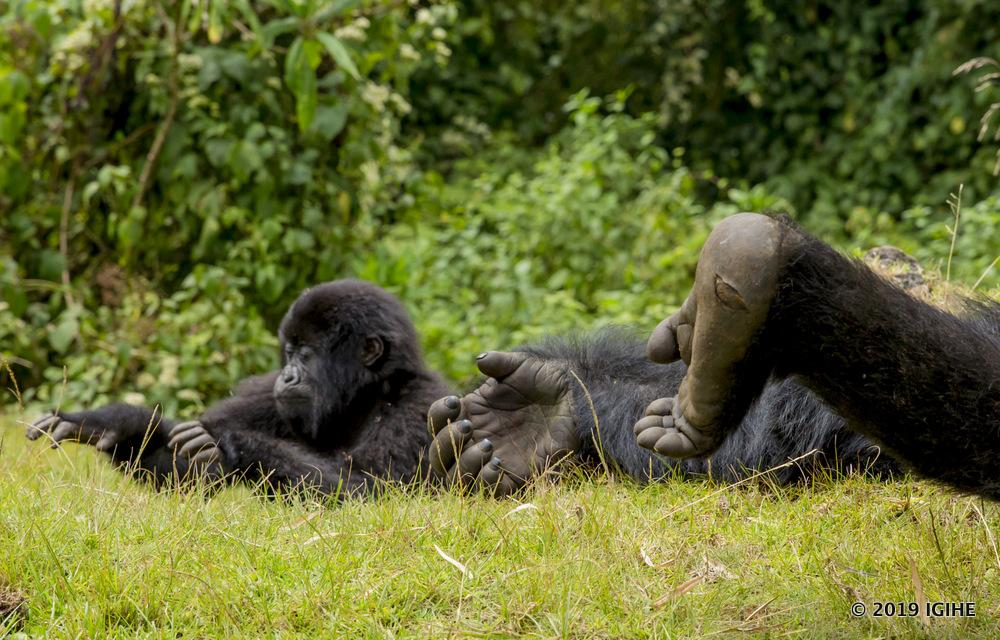
Rwanda Development Board (RDB) has announced this change through a tweet, stating that all tourists, including children over 5 years old, are no longer required to present a negative COVID-19 test when visiting national parks. However, it is important to note that the use of face masks remains mandatory for individuals visiting primates.
The previous COVID-19 test requirement for visitors to national parks in Rwanda was implemented in February 2020 as a precautionary measure during the pandemic. However, with the global lifting of travel restrictions and improved connectivity by RwandAir and other airlines to Kigali International Airport, Rwanda’s tourism industry has experienced significant growth.
According to the 2022 annual report by the Rwanda Development Board, the country’s tourism revenue rose by 171%, reaching US$445 million in 2022 compared to US$164 million in 2021. This represents an 89% recovery from the decline experienced in 2020 when tourism revenue dropped to US$121 million due to the impact of the COVID-19 pandemic. In 2019, before the pandemic, Rwanda’s tourism revenue amounted to US$498 million.
The report highlights that Rwanda welcomed over 1.1 million international visitors in 2022, with more than 60% of them coming from African countries. This demonstrates Rwanda’s increasing popularity as a destination within the continent. Additionally, nearly half of the visitors came for business purposes, indicating Rwanda’s positioning as a hub for business activities.
Rwanda’s national parks attracted 109,800 tourists in 2022, generating US$27 million in revenue, marking a 142% increase compared to 2021. The revenue generated from gorilla tourism, which drives high-end tourism in the country, reached US$113 million, surpassing the performance in 2019 by 6%.
The report also highlights several conservation achievements in Rwanda, including the operationalization of Gishwati-Mukura National Park, the involvement of the World Bank in the Volcanoes National Park expansion project, and the inauguration of the Ellen DeGeneres Campus of the Dian Fossey Gorilla Fund.
Overall, the removal of the COVID-19 test requirement for tourists visiting national parks, including those interested in gorilla tourism, is expected to further boost Rwanda’s tourism industry and contribute to its post-pandemic recovery.
Africa Day, observed by Africans across the continent and the diaspora, provided an opportunity for the AU to pay tribute to the visionary Founding Fathers and Mothers of the OAU/AU. These remarkable leaders made significant strides in achieving sovereignty for African nations and laid the groundwork for the establishment of the AU. The decision to transition from the OAU to the AU was adopted by African Heads of State and Government in the Sirte Declaration of 1999, which aimed to accelerate the process of continental integration.
The commemoration of the 60th anniversary of the OAU-AU serves as a milestone that showcases the continent’s unwavering commitment to solidarity, peace, security, and economic integration. It is worth noting that the OAU was founded on May 25, 1963, in Addis Ababa, Ethiopia, with the objectives of promoting unity, solidarity, and contributing to the economic, social, and political development of Africa. Over the past 60 years, the OAU-AU has played a vital role in fostering collective action, promoting shared values, and facilitating collaboration among African nations.
The celebrations at the AU headquarters were graced by the presence of esteemed guests, including Dr. Abiy Ahmed, the Prime Minister of the Federal Democratic Republic of Ethiopia; Azali Assoumani, the President of the Union of Comoros and Chairperson of the African Union; Moussa Faki Mahamat, the Chairperson of the AUC; Dr. Monique Nsanzabaganwa, the Deputy Chairperson of the AUC; Dr. Nkosazana Dlamini-Zuma, the former Chairperson of the AU Commission, AU Commissioners, Members of the Permanent Representative Committee, AUC staff and their families, Representatives from AU Organs and RECs, as well as the media and other invited guests.
In his welcoming remarks, Moussa Faki Mahamat, the Chairperson of the AU Commission, highlighted the significance of May 25 in African history. He emphasized the importance of honoring the visionary leaders of the OAU-AU who laid the foundation for the African renaissance and socio-economic and political development. Chairperson Faki also called for solidarity with African brothers and sisters who have been displaced or forced into exile due to conflicts on the continent. He reminded everyone of the ambitious goal of “Silencing the guns by 2020,” as articulated in the Agenda 2063 adopted during the 50th anniversary of the OAU in 2013. Chairperson Faki underscored Africa’s resilience and urged unity, stating that Africa has the capacity to overcome any adversity it faces.
Speaking at the event, Dr. Abiy Ahmed, the Prime Minister of the Federal Democratic Republic of Ethiopia, reflected on the historic event that took place 60 years ago in Addis Ababa. He acknowledged the progress made by the African Union in promoting and defending an African common position on issues of continental interest. However, he also recognized that much work remains to be done to fulfill the aspirations of the founding charter and Agenda 2063.
President Azali Assoumani, the Chairperson of the African Union and the President of the Union of Comoros, expressed pride in the achievements of the past six decades of the organization. He highlighted the OAU’s success in ending colonialism in Africa and apartheid in South Africa between 1963 and 2002.
President Azali emphasized the need to pursue together the ambitions for unity, peace and development to succeed in creating the conditions for the free movement of goods and people in the continental space, through the establishment of the African Continental Free Trade Area (AfCFTA). “Let us ratify the Agreement, for those who are still hesitating, in order to make this ambition a reality, and give our continent a chance, to experience sustainable economic growth and to nourish the hope of becoming one of the largest markets in the world, in the years to come”, urged the President.
Other events which took place during the celebrations included Honouring the OAU founders Fathers, Planting trees to mark the 60th Anniversary, Exhibitions , various games and activities for children and Cultural evening.
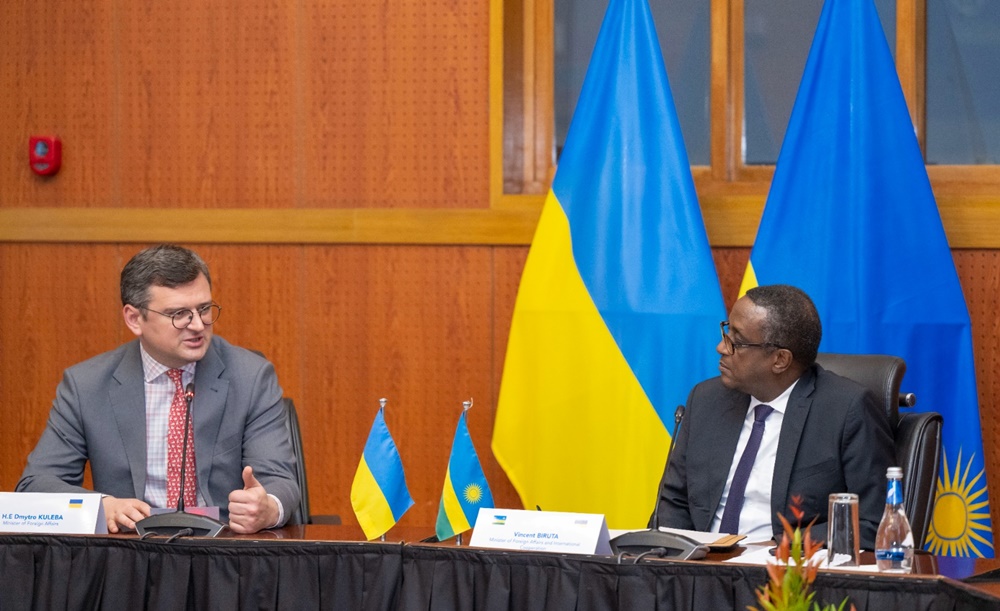
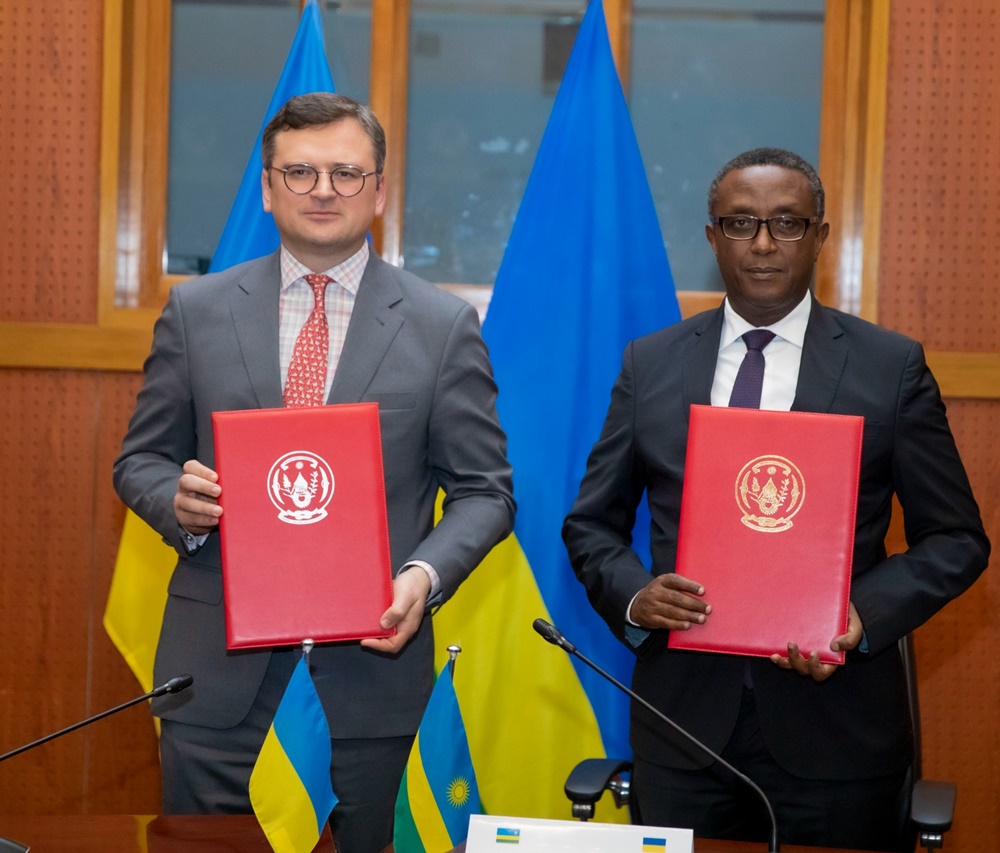
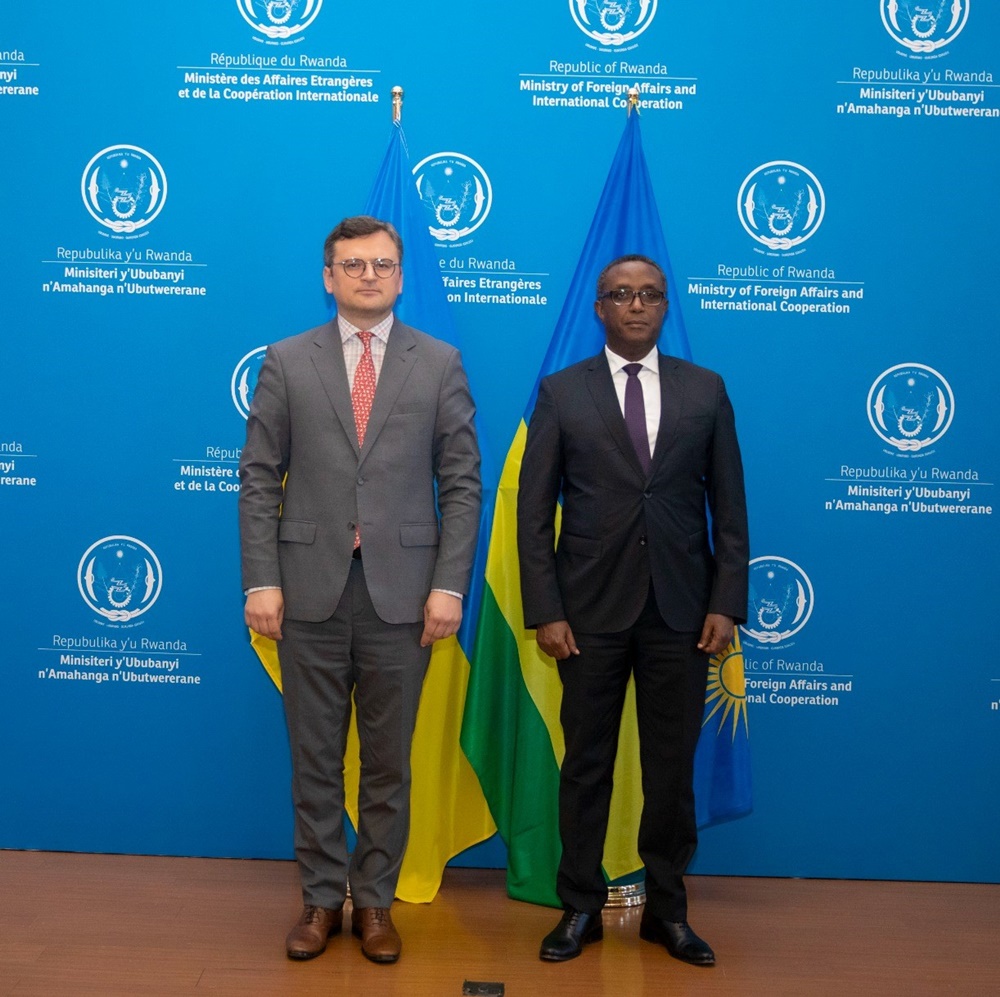
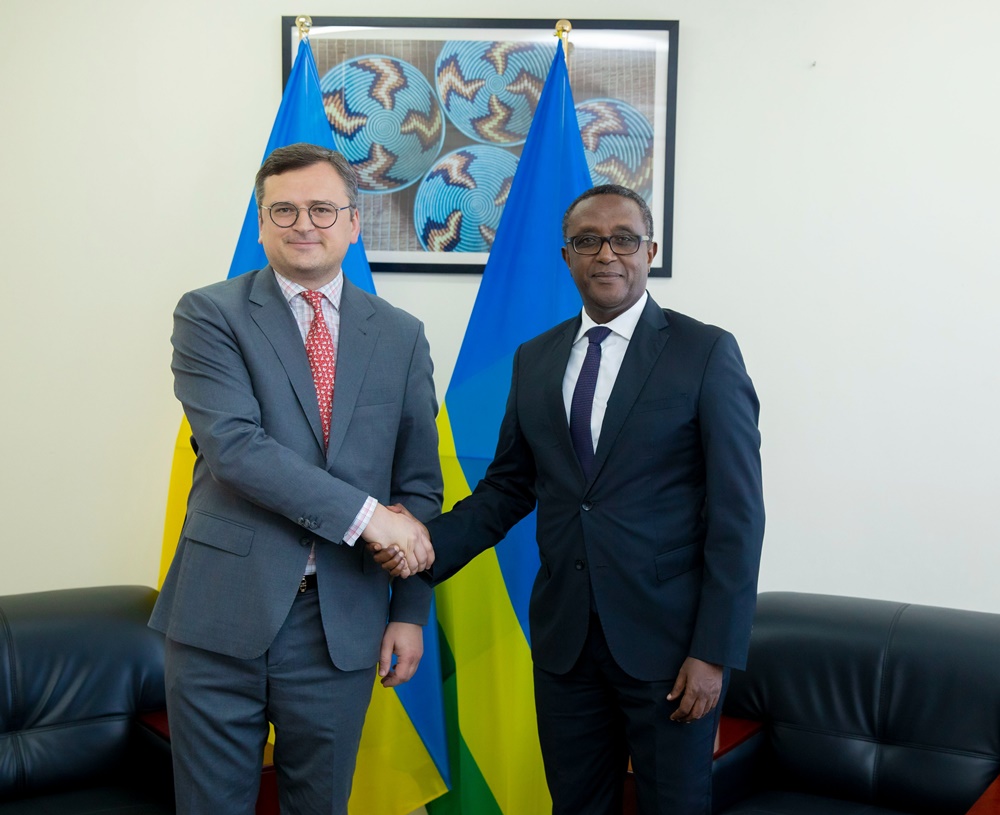
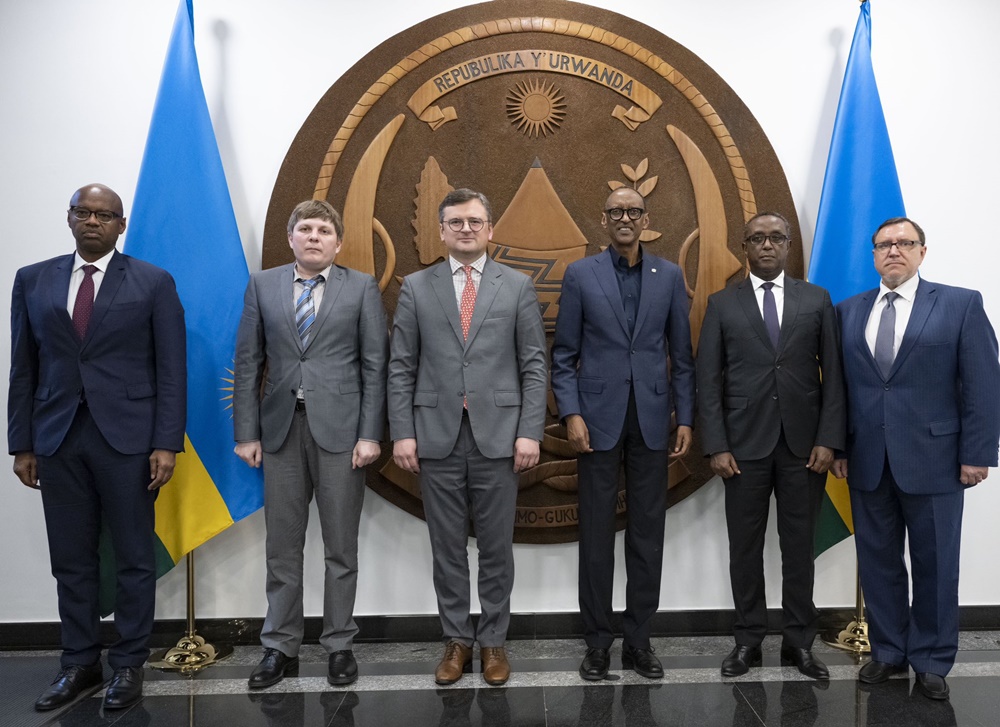
Minister Kuleba disclosed that the discussions with Dr. Biruta encompassed Ukrainian President Zelensky’s Peace Formula and food security. The Peace Formula consists of several key points, ranging from nuclear security and territorial integrity restoration to energy security and the repatriation of prisoners of war and deportees held on Russian territory.
“We intend to enhance cooperation in various sectors such as trade, digitalization, aerospace, construction, education, and pharmaceuticals. Ukraine is also planning to establish an embassy in Rwanda,” Minister Kuleba tweeted.
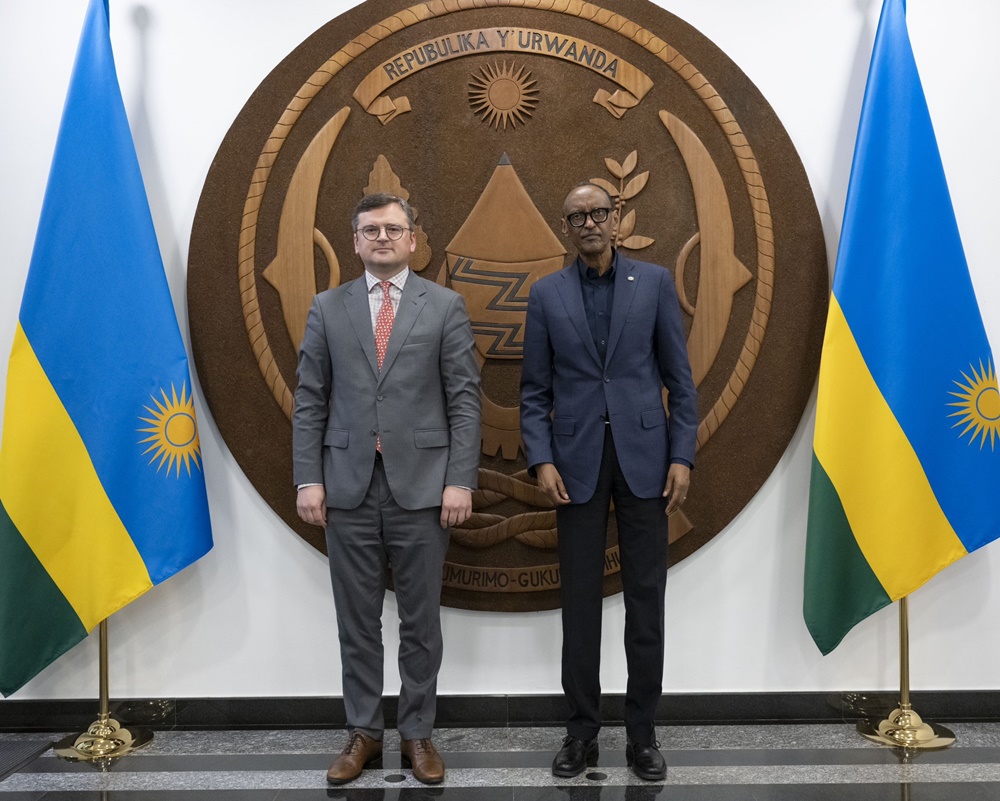
During his visit, Kuleba also met with President Paul Kagame and conveyed a message on behalf of President Zelensky. His visit to Africa occurred amidst the ongoing war between Russia and Ukraine, which commenced in February 2022. The Rwandan Presidency has revealed that Kuleba and Kagame discussed the conflict in Ukraine and explored ways to support peace initiatives aimed at resolving the crisis.
On the same day, Kuleba visited the Kigali Genocide Memorial, where he paid tribute to the victims of the 1994 Genocide against the Tutsi who laid to rest there.
Kuleba’s visit to Rwanda followed his trip to Ethiopia on May 24, where he met with various officials, including Moussa Faki Mahamat, the Chairperson of the African Union Commission (AUC), and Azali Assoumani, the President of Comoros, who currently serves as the Chairperson of the African Union.
During their meeting, Minister Kuleba reiterated Ukraine’s commitment to reinvigorate relations with African states based on mutual respect and mutual benefits.
While in Ethiopia, Kuleba also attended and [{{delivered remarks}} ->https://mfa.gov.ua/en/news/address-minister-foreign-affairs-ukraine-dmytro-kuleba-africa-day-2023] at the celebrations marking the 60th anniversary of the Organization of African Unity (OAU) and the subsequent establishment of the African Union (AU).
Africa Day, observed on May 25 by Africans on the continent and in the diaspora, provided an opportunity for the AU to honor the Founding Fathers and Mothers of the OAU/AU for their remarkable achievements in securing sovereignty across the African continent. It also commemorated the decision made by African Heads of State and Government to transition from the OAU to the AU, as outlined in the Sirte Declaration in Libya in 1999. The declaration called for the establishment of an African Union with the aim of expediting the process of continental integration, among other objectives.
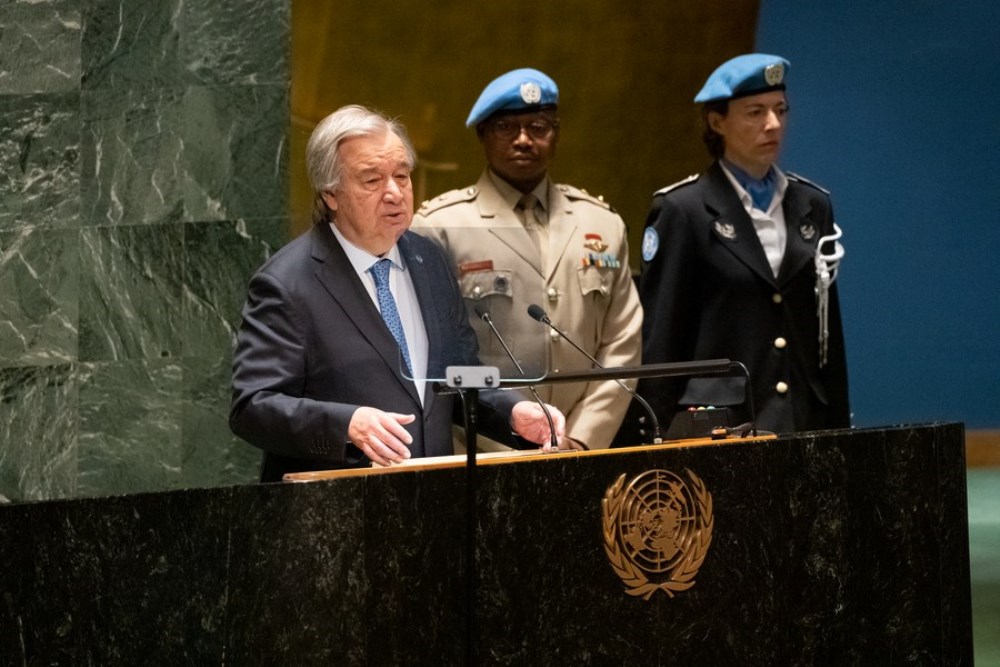
UN Secretary-General Antonio Guterres laid a wreath at the Peacekeepers Memorial in honor of the more than 4,200 UN peacekeepers who have lost their lives since 1948.
Moments later, he presided over a ceremony in the General Assembly Hall at which Dag Hammarskjold Medals were awarded posthumously to 103 military, police and civilian peacekeepers who lost their lives serving under the UN flag in 2022.
In remarks at the ceremony, Guterres said that for civilians caught in conflict, UN blue helmets who support security, stability and the rule of law in host countries are seen as “a beacon of hope and protection.”
“They represent the beating heart of the United Nations’ commitment to peace,” he said. “By bringing peacekeepers together from around the world, peacekeeping has also become an inspiring symbol of multilateralism in action.”
Thursday’s ceremonies were staged to observe the International Day of UN Peacekeepers, which falls on May 29, and to mark the 75th anniversary of UN peacekeeping.
The first UN peacekeeping mission was established in May 1948, when the UN Security Council authorized the deployment of a small number of UN military observers to the Middle East to form the United Nations Truce Supervision Organization to monitor the Armistice Agreement between Israel and its Arab neighbors.
According to a UN press release, more than 2 million peacekeepers from 125 countries have since served in 71 operations around the world. Today, 87,000 women and men are serving in 12 conflict zones across Africa, Asia, Europe and the Middle East.
Guterres pointed out that peacekeepers face a daunting array of rising global tensions and divides, and “are increasingly working in places where there is no peace to keep.”
“Despite all obstacles, our personnel persevere, risking their own lives in service of others,” said the UN chief. “I pay tribute to their service and sacrifice, which inspire our work every day.”
He expressed the commitment that the United Nations will do its utmost to support the peacekeepers, including improving their safety and security and the effectiveness of peacekeeping.
Guterres also presented the 2022 Military Gender Advocate of the Year Award to Captain Cecilia Erzuah, a military officer from Ghana who served with the UN Interim Security Force for Abyei.
Created in 2016, the award recognizes the dedication and effort of an individual peacekeeper in promoting the principles of UN Security Resolution 1325 on women, peace and security.
The resolution is a reminder that there can be no lasting peace without involving women at every step, Guterres said, noting that many negotiating teams and peace processes today are totally dominated by men.
“It’s up to all of us — governments, communities and local officials — to ensure that women play their full part, including as leaders, in building and maintaining peace,” he said.
Teachers and students from the Macau University of Science and Technology,
I’ve received your letter. From between the lines of what you said in your letter, I could feel your enthusiasm and sense of responsibility to devote to the country’s development of science and technology and building the country’s strength in aerospace. I was very delighted to hear about the successful launch of the “Macao Science 1” space exploration satellites in which you have put your efforts, and I would like to extend warm congratulations!
In recent years, the deepening scientific and technological cooperation between Macao and the mainland in areas such as aerospace has achieved commendable results. Efforts to make China a global leader in science and technology and to advance Chinese modernization have opened up broader prospects for universities in Macao as well as local scientific and technological personnel. I hope you will continue to carry forward the fine tradition of loving both the motherland and Macao, integrate your own development into the overall development of the country, actively take part in the development of the Guangdong-Hong Kong-Macao Greater Bay Area, and help with Macao’s efforts to appropriately diversify its economy so as to make new contributions to the successful practice of “one country, two systems” in Macao.
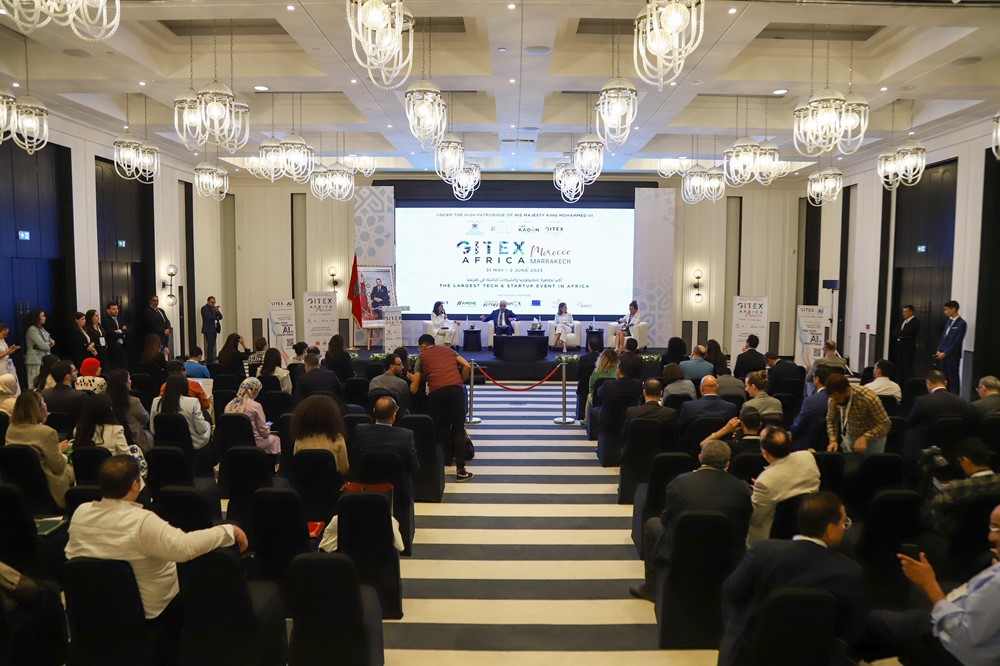
GITEX Africa 2023, now the largest tech and start-up show in the African continent, will make its highly anticipated debut from 31 May-2 June, with the final preparations underway across ten halls and 45,000sqm of exhibition space in a purpose-built super venue at Place Bab Jdid, Bd Al Yarmouk in the Red City of Marrakech. It will welcome 900 big tech companies, government entities, start-ups and participants from more than 100 countries, while attracting tens of thousands of attendees from all over the world.
GITEX Africa is the largest business event launch of any industry in the Middle East and Africa in recent years, and is affiliated with GITEX Global in Dubai, the world’s largest tech and start-up show, rated by global tech executives as the world’s best global tech event.
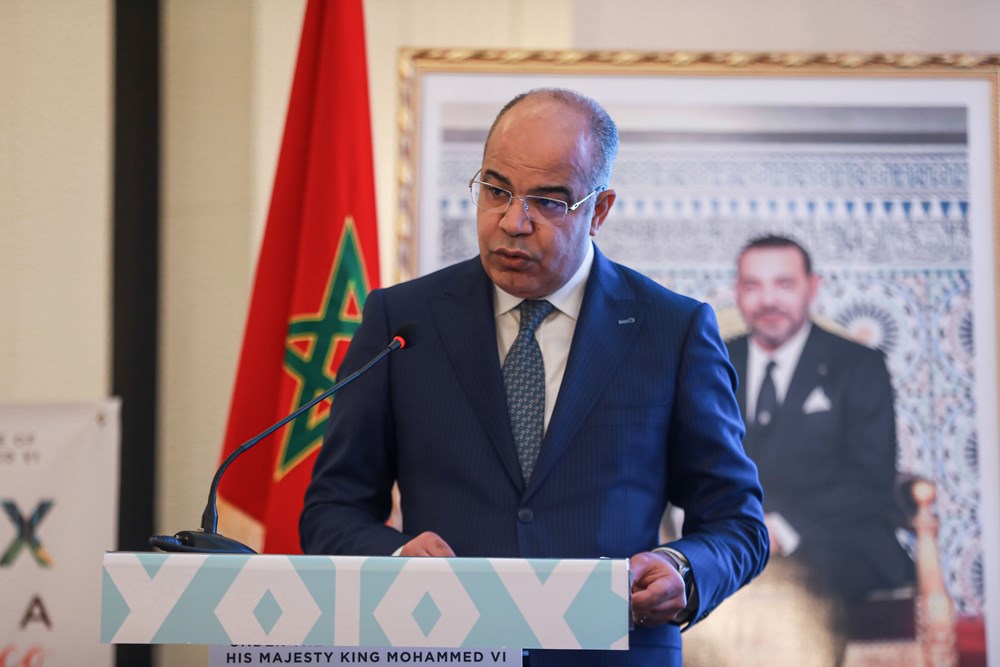
Held under the High Patronage of His Majesty King Mohammed VI, GITEX Africa is hosted by the Digital Development Agency (ADD), under the authority of the Moroccan Ministry of Digital Transition and Administration Reform.
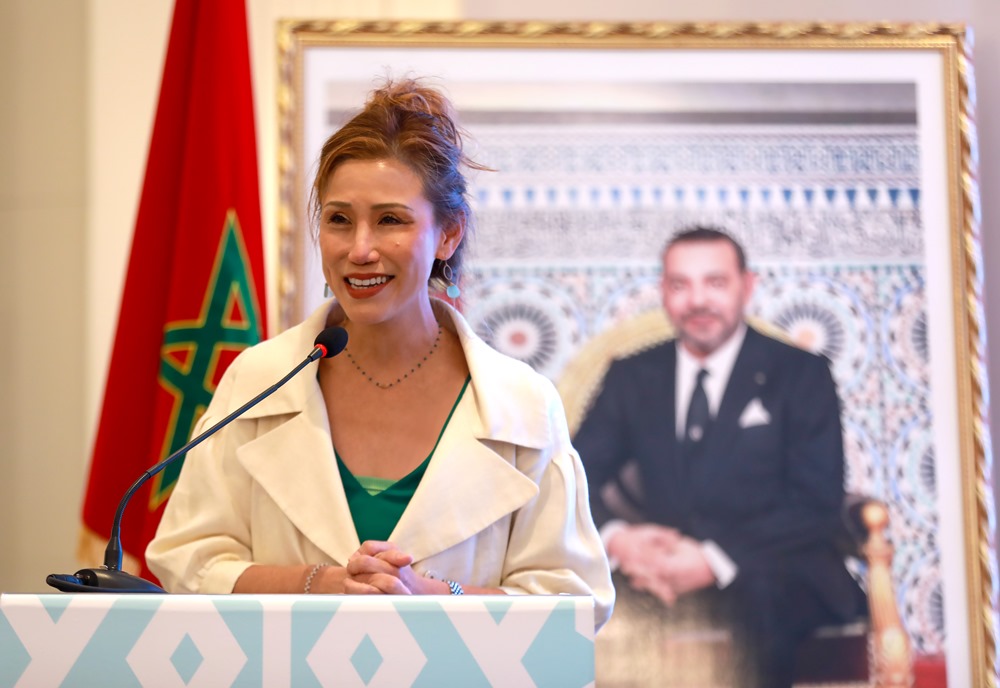
Addressing media at the show’s official preview press conference today was H.E Dr Ghita Mezzour, Minister of the Moroccan Ministry of Digital Transition and Administration Reform; Sidi Mohammed Drissi Melyani, the General Director of ADD; and Trixie LohMirmand, CEO of KAOUN International, GITEX Africa’s organiser.
In attendance were GITEX Africa’s official institutional partners the ANRT (Moroccan National Telecommunications Regulatory Agency), AMDIE (Moroccan Investment and Export Development Agency), ONMT (Moroccan National Tourist Office), ONDA (National Airports Office), Royal Air Maroc, and ONCF (Moroccan National Railway Office).
“The Kingdom of Morocco is proud to host GITEX Africa under the High Patronage of His Majesty King Mohammed VI, may God assist Him,” said H.E. Dr Mezzour. “We’re witnessing a historic event, the first ever edition of GITEX Africa, and the largest tech networking and learning business event in the African continent.
“GITEX Africa will be an opportunity for Moroccan and African start-ups owners and young programmers to get in touch with regional and global investors and business incubators. An opportunity as well to networking with actors in both public and private sectors.”
Mr. Sidi Mohammed Drissi Melyani, the General Director of ADD, added that hosting GITEX Africa underlines Morocco’s commitment to work alongside the private and public sector to accelerate Africa’s digital infrastructure development while promoting cross-continental e-governance policies that improve digital transparency, openness and process integration: “The Kingdom of Morocco as well as the whole African continent is so honoured to host the first edition of GITEX Africa Morocco, which will take place in Marrakech from May 31st to June 2nd, 2023,” said Mr. Melyani.
“This big event, organised under the high patronage of his Majesty the King Mohammed VI, is an important opportunity to value the efforts deployed by all the Moroccan stakeholders in the field of digital development. It is also a platform of networking between exhibitors, investors, researchers and tech operators around innovative solutions and digital transformation. This first edition will definitely contribute to enhance digital transition in Africa as a future innovation hub, led by its young talents and competitive start-ups.”
{{Magnifying Africa’s collective digital innovation ambitions and achievements}}
GITEX Africa’s impressive scale in its debut edition reflects the ambitions of Africa’s digital movement, with cross-continental initiatives such as Smart Africa’s vision to create a single digital market in Africa by 2030 propelling the continent to the forefront of the global digital economy.
“For too long, the world’s second largest continent has been under-stated and overlooked for its profound digital opportunities and aspirations,” commented Ms. LohMirmand, CEO of KAOUN International.
“At GITEX Africa, our mission is to curate an event that will serve the purpose of the African community in accessing business development, investment and learning opportunities. We focus on empowering the new generation of tech and creative talents to augment the culture of entrepreneurship and provide a single occasion that shall bring together the public and private sector leaderships to build tangible meaningful outcomes.”
That GITEX Africa hoisted the sold-out sign fuelling further expansion months before its grand opening is testament to the world’s confidence and optimism in the African digital opportunity, amplified by figures that underline the aspirations of African countries in their quest for digital excellence.
Africa’s vibrant start-up ecosystem also continues to grab headlines with the creation of seven unicorns over the last few years while according to analysts Briter Bridges, African start-ups raised a total of US$5.4 billion across 900-plus deals in 2022.
The influx of global interest will see GITEX Africa 2023 host more than 400 disruptive start-ups from 30 countries, including 200 international award-winning start-ups and 11 unicorns eager to share their achievements and access the promising African innovation hub.
All will have the opportunity to connect with 250 investors from 34 countries with US$200 billion worth of assets under management. As the ultimate start-up incubator and magnet for flourishing VC funds, GITEX Africa will deliver a structured and carefully curated scouting platform for these investors, of which 70 percent are coming from outside of Africa.
Added Ms. LohMirmand: “GITEX integrates Africa strategically into the hyper-connected tech ecosystem across 100 countries. It now firmly plugs Africa into the global entrepreneurial innovation economy boasting of resources imperative for the region to dynamize its digital transformation mission.”
{{Accelerating the Moroccan digital development strategy }}
GITEX Africa 2023 will also accentuate the progress of Morocco’s digital development strategy, strengthening its position among the top three African countries with the best ICT infrastructure, and underlining its status as having one of the continent’s most advanced telecommunications markets.
According to analysts IDC, Morocco’s IT market, comprising hardware, software and IT services, is expected to reach a value of US$1.7 billion in 2023, growing at a CAGR of 4.3 percent to reach US$1.9 billion in 2026. In 2023, growth is expected to be driven by enterprise and service provider spending in the North African country as organisations increasingly look to adopt hybrid cloud as a step towards their digital transformation initiatives.
{{World’s best minds gather at Africa’s most impactful leadership conference agenda}}
Africa’s most impactful leadership conference programme will meanwhile gather 250-plus speakers from 50 countries to share valuable exchanges and insights with a curious business audience motivated to draw on international experience applied to an African-centric context.
The GITEX Africa Digital Summit will lead ten conference tracks comprising 140-plus hours of mind-stretching content exploring the most pertinent transformational topics advancing Africa’s digital agenda, from generative AI and digital cities, or Fintech and agritech, to healthcare, energy, innovation, sustainable development goals, and a spotlight on the world’s most exciting start-up ecosystem.
GITEX Africa 2023 is open from 11:30am to 6:00pm on 31st May, and from 10:00am to 6:00pm on the 1st and 2nd June. Admission is for trade professionals only with a special invitation for students aged 16 years and older on day three.
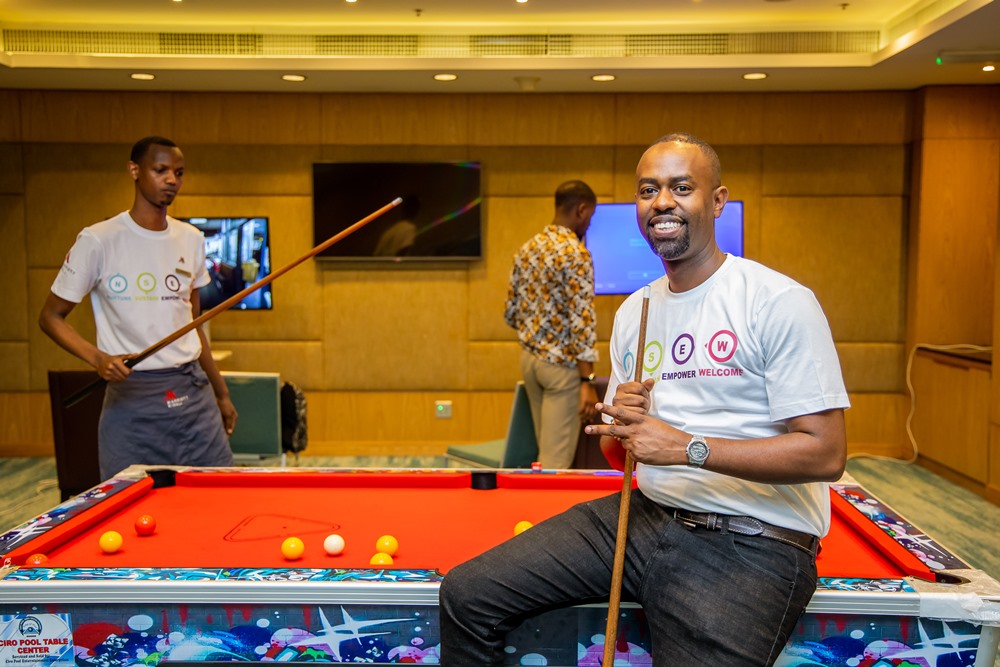
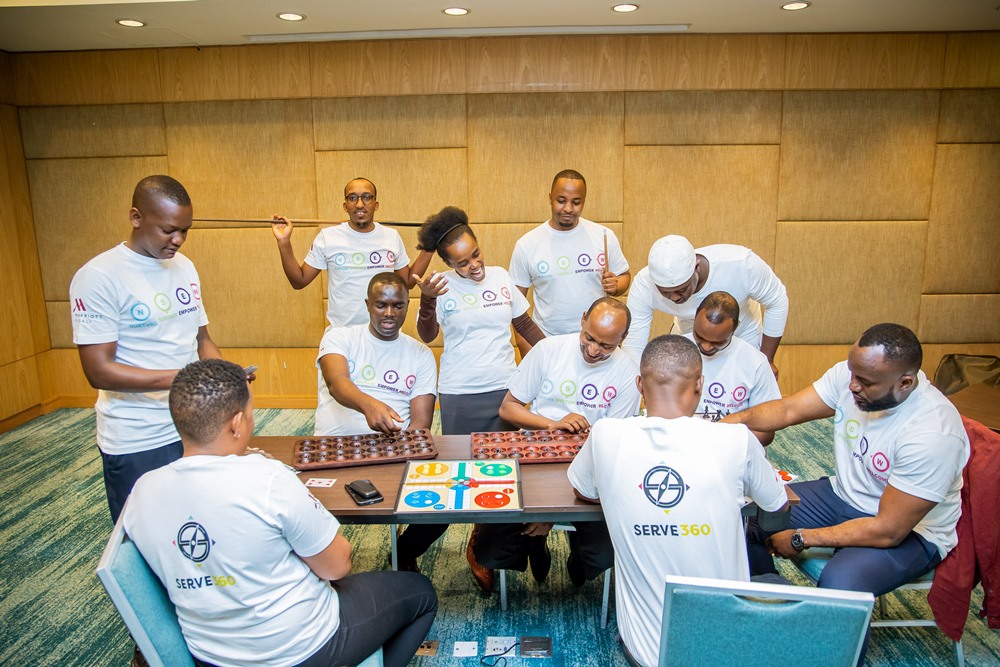
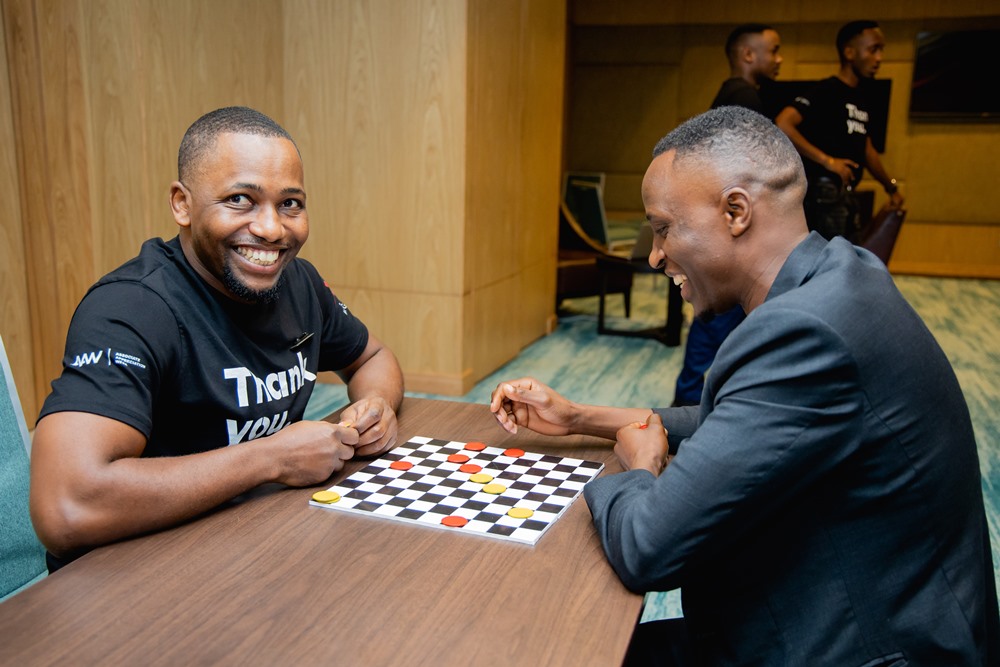
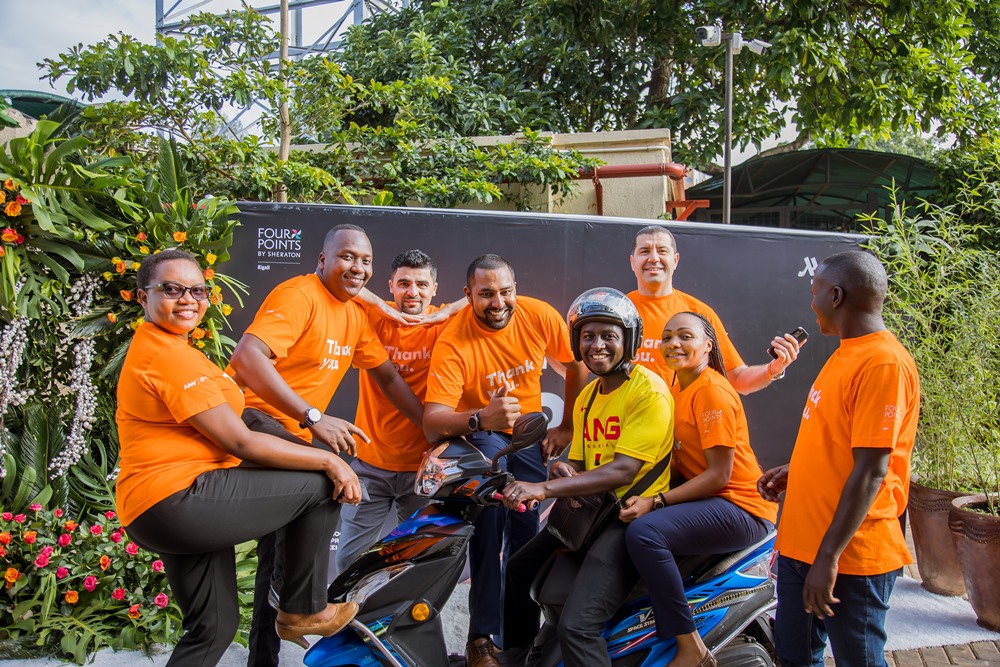
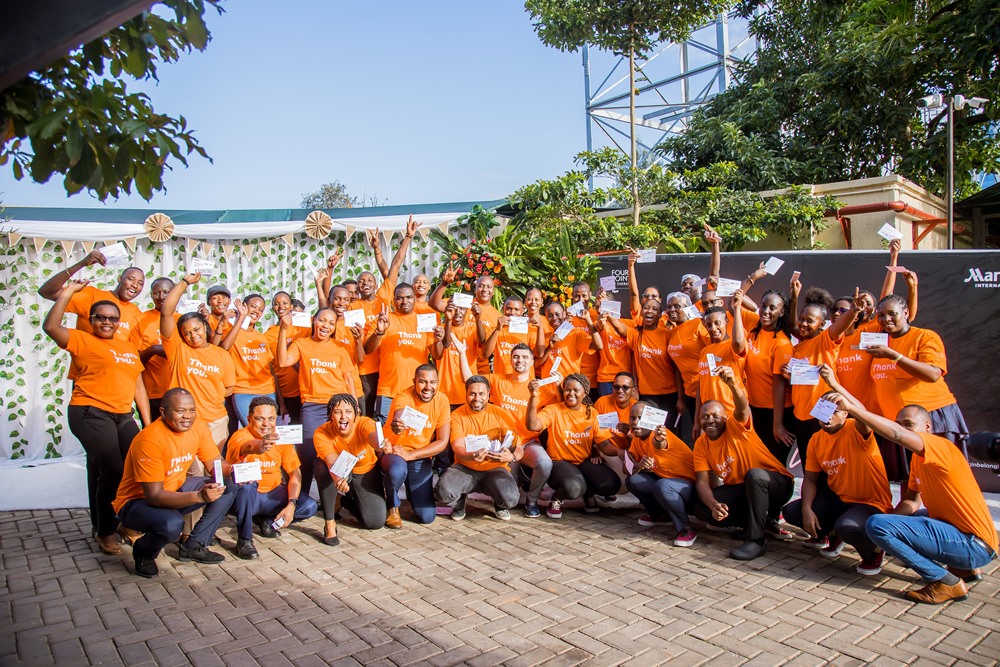
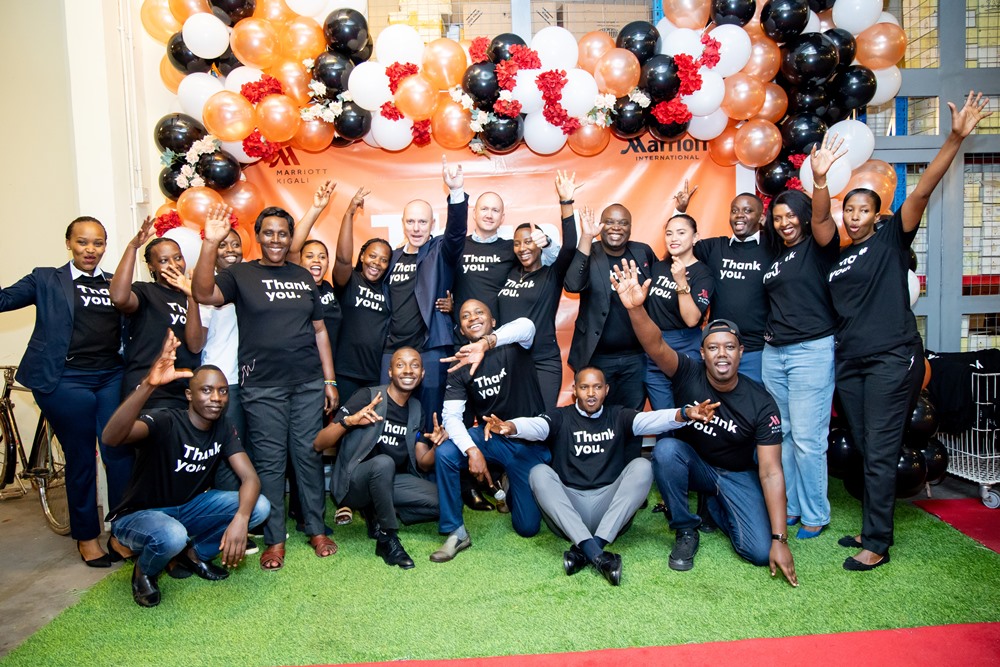
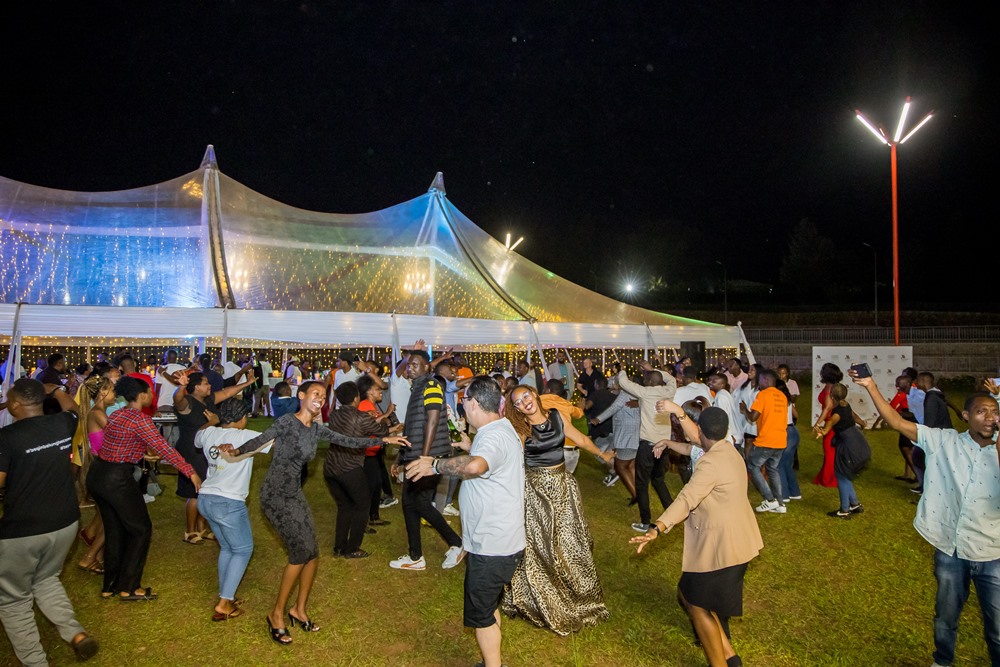
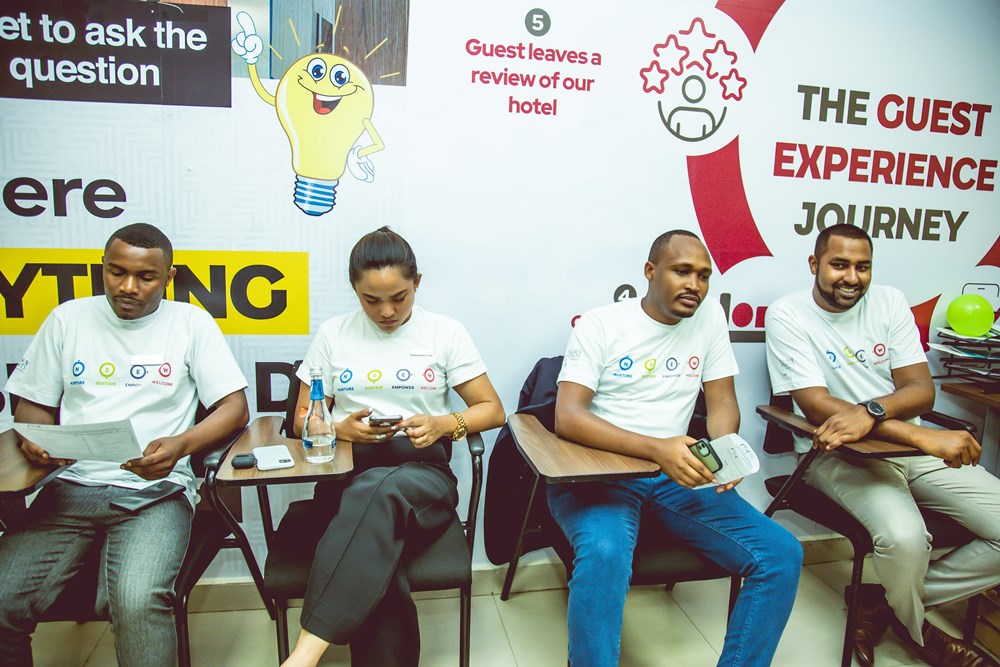
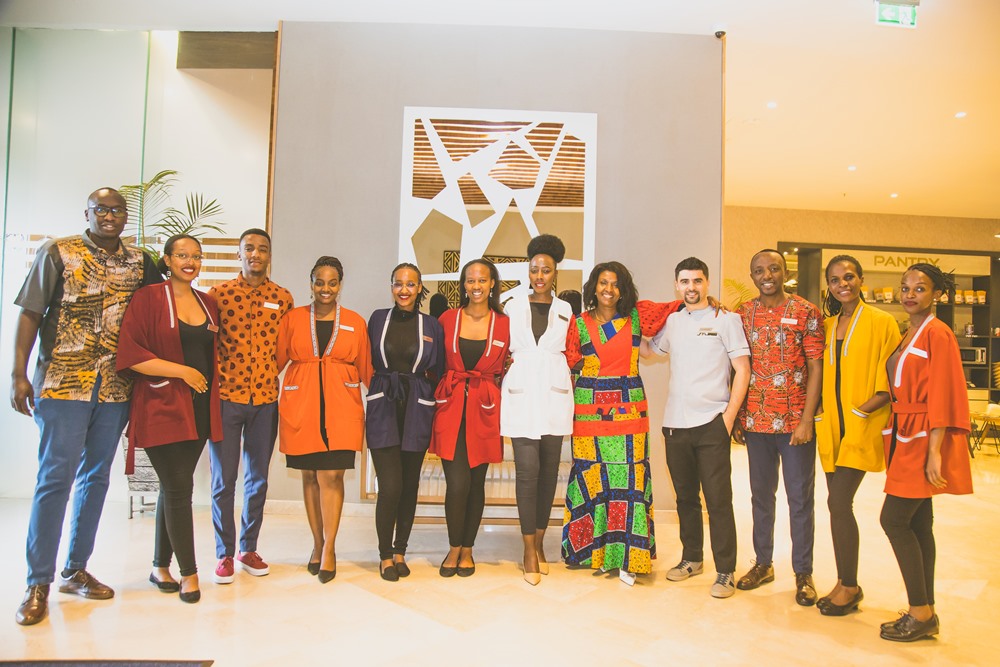
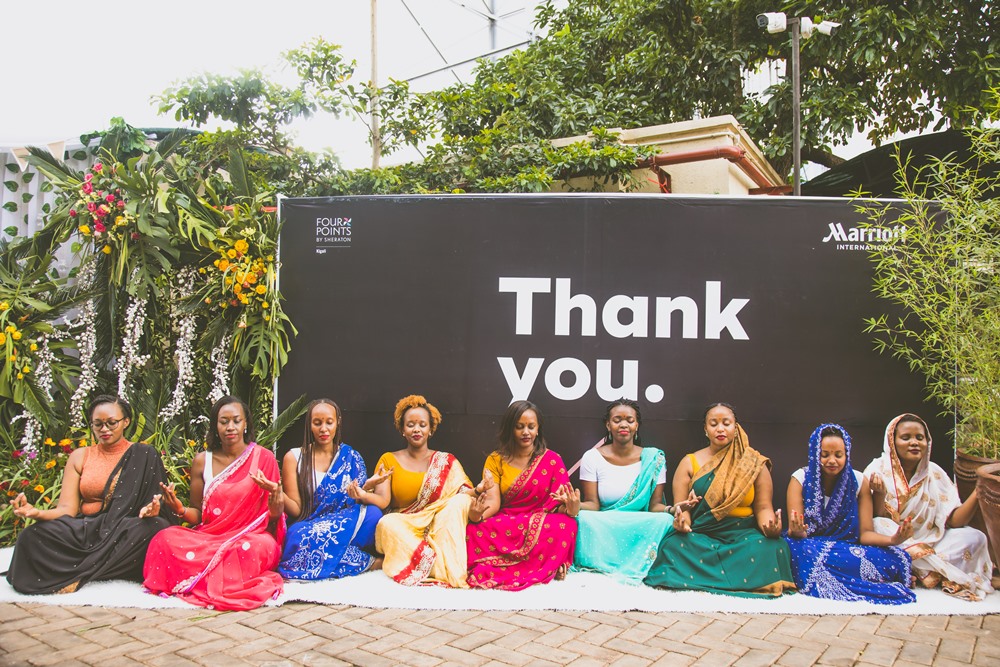
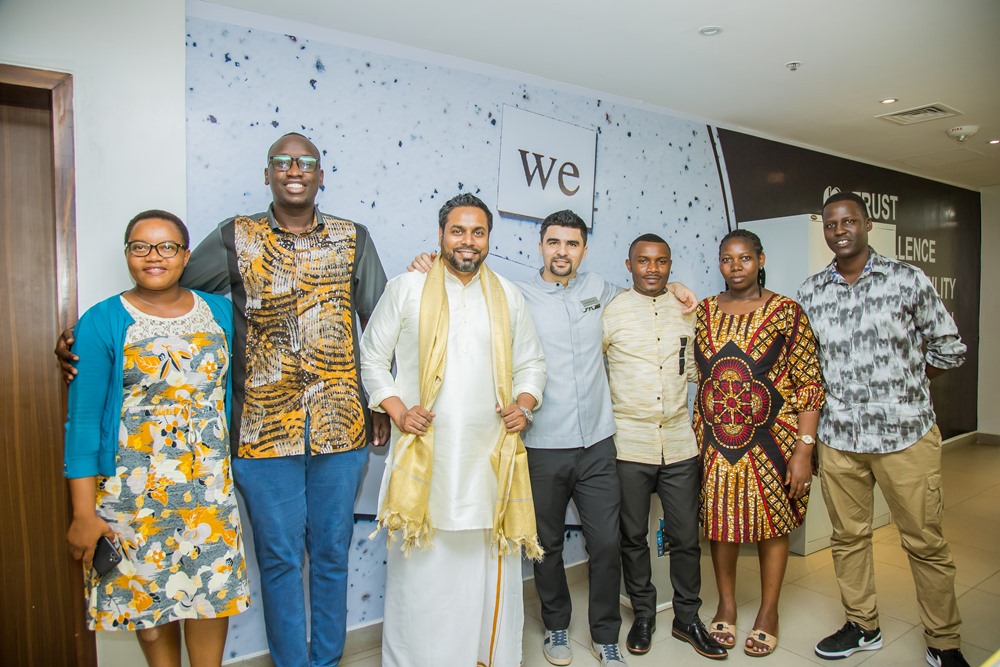
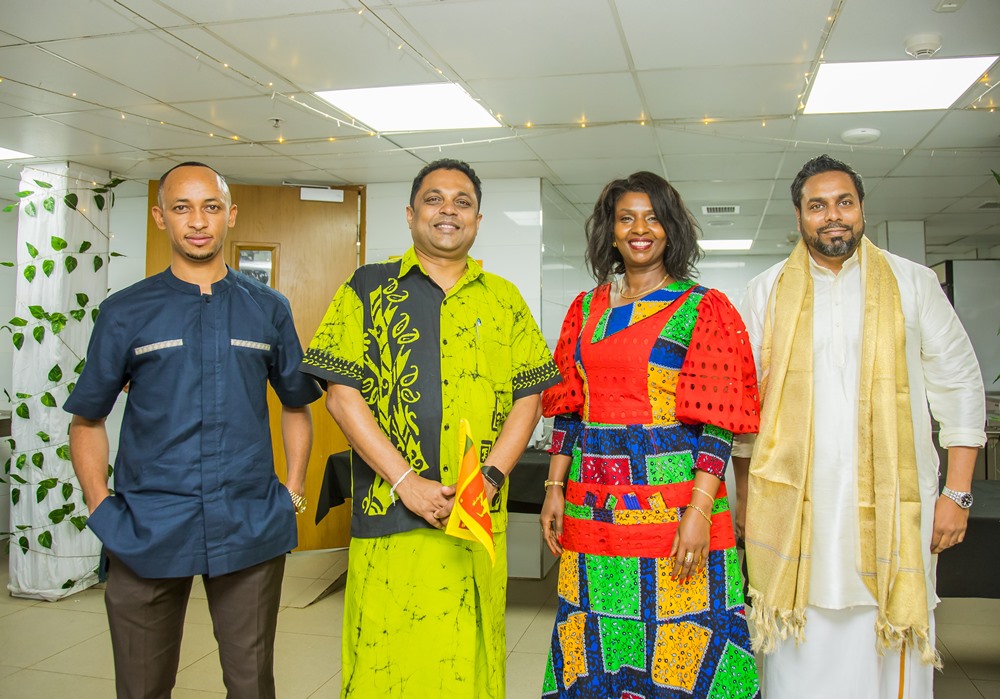
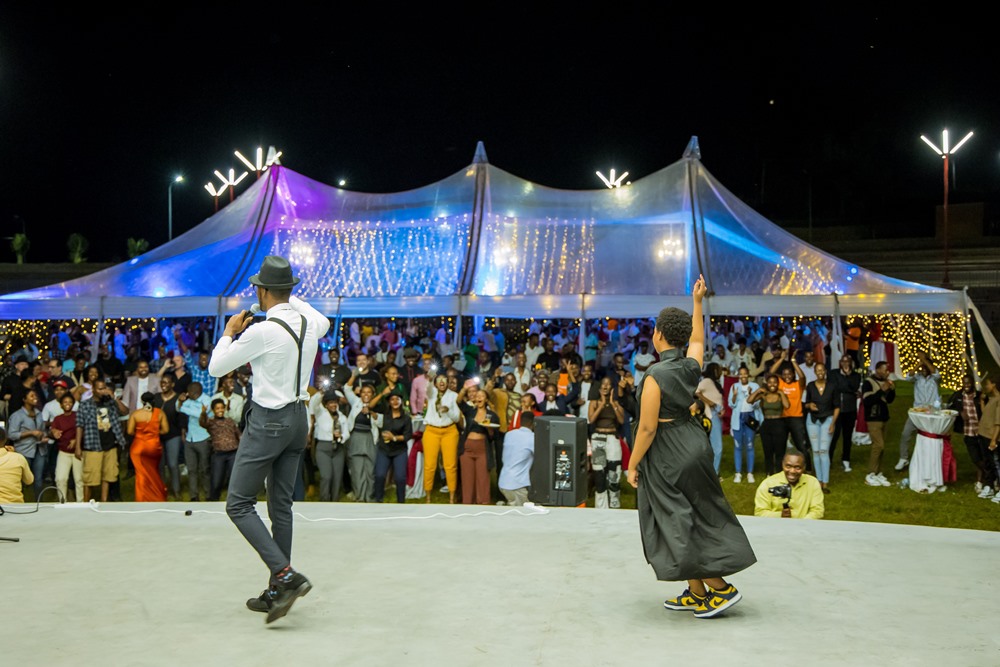
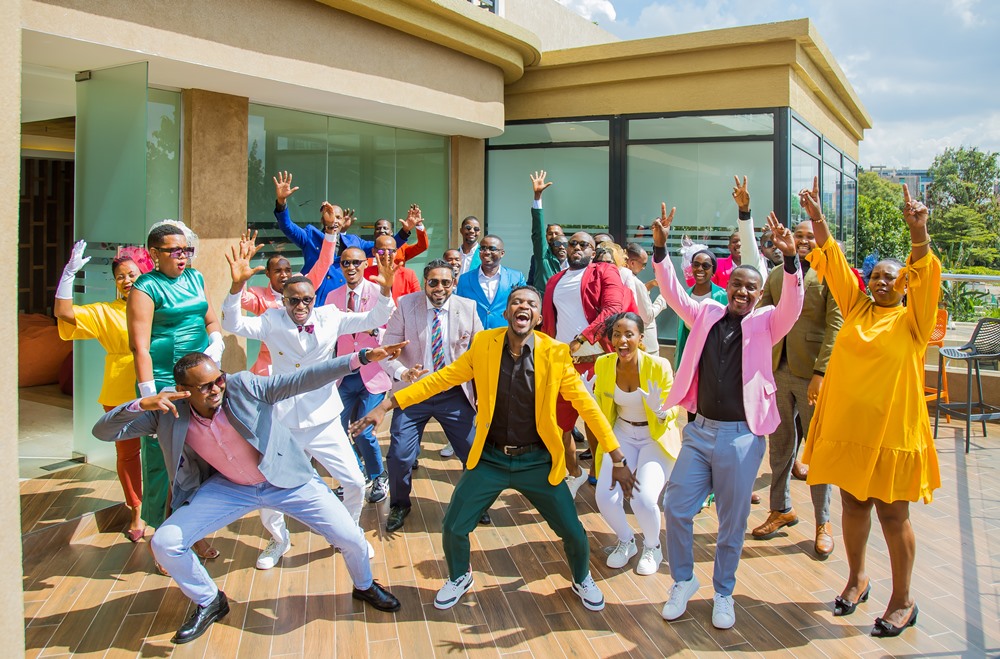
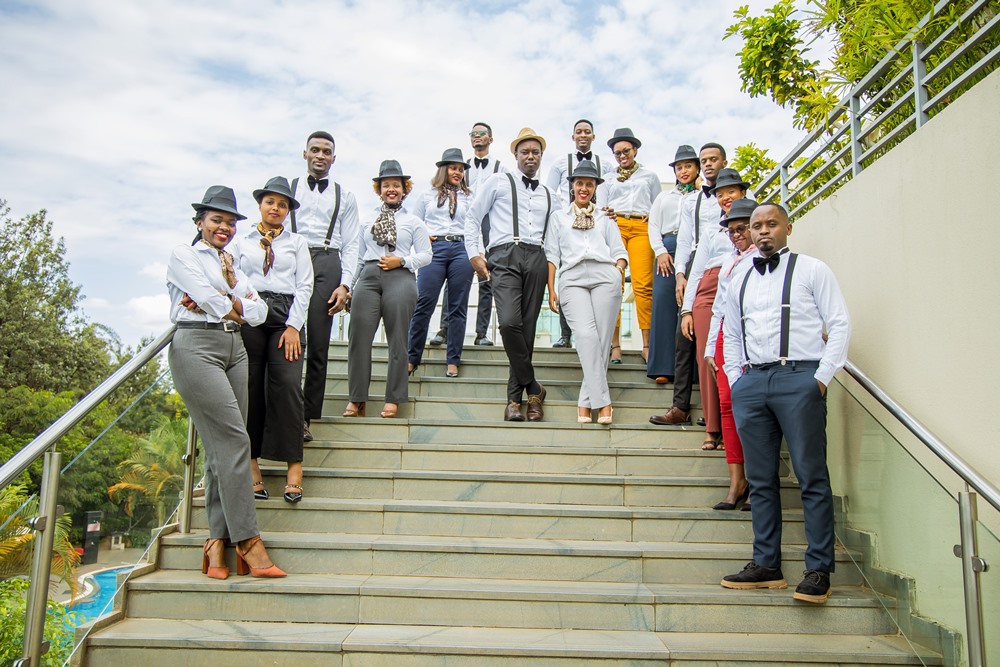
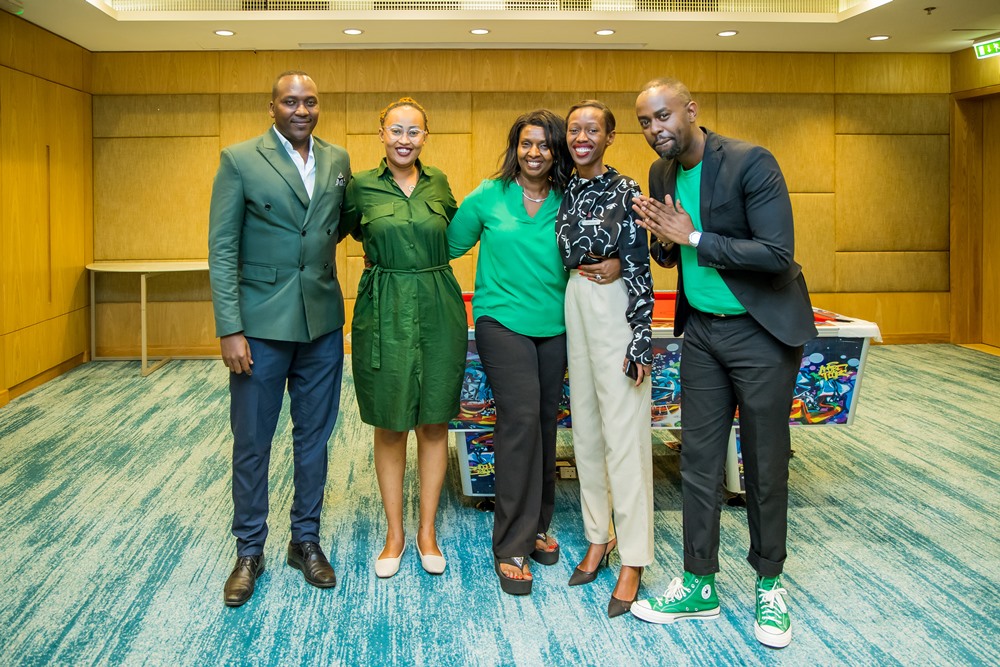
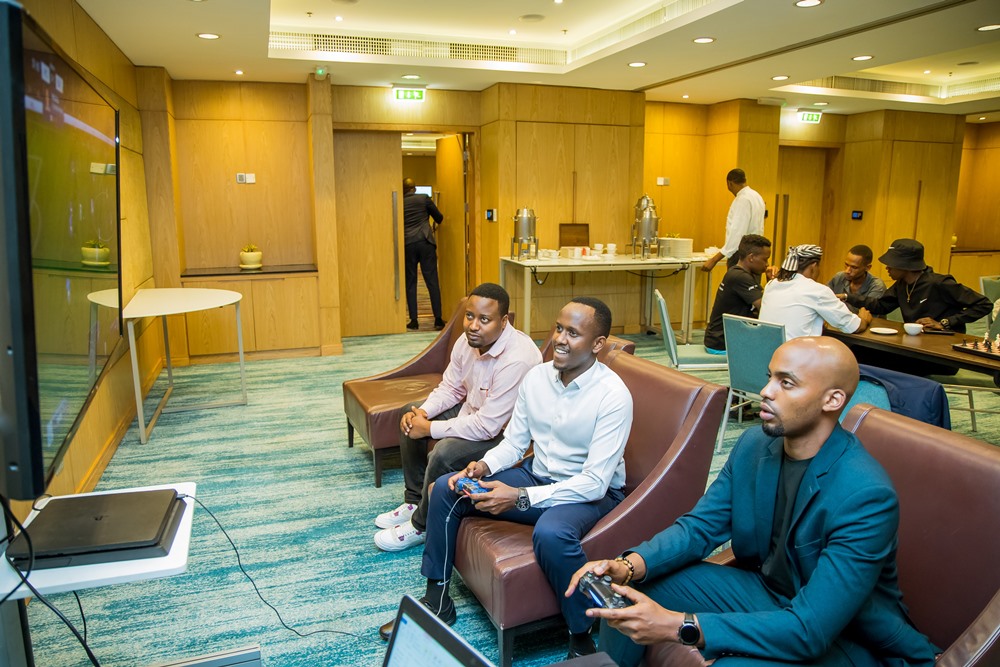
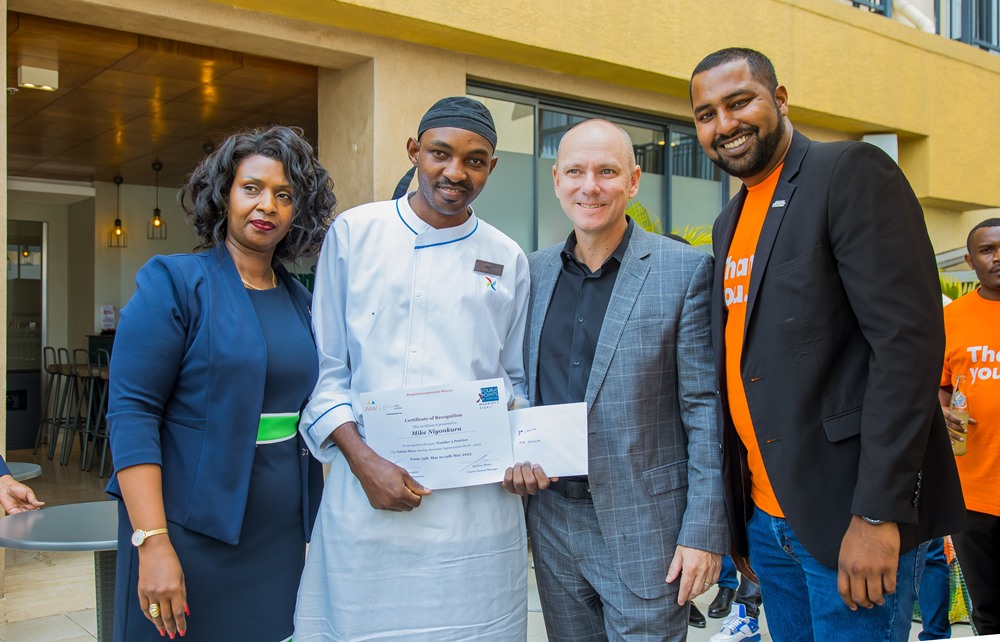
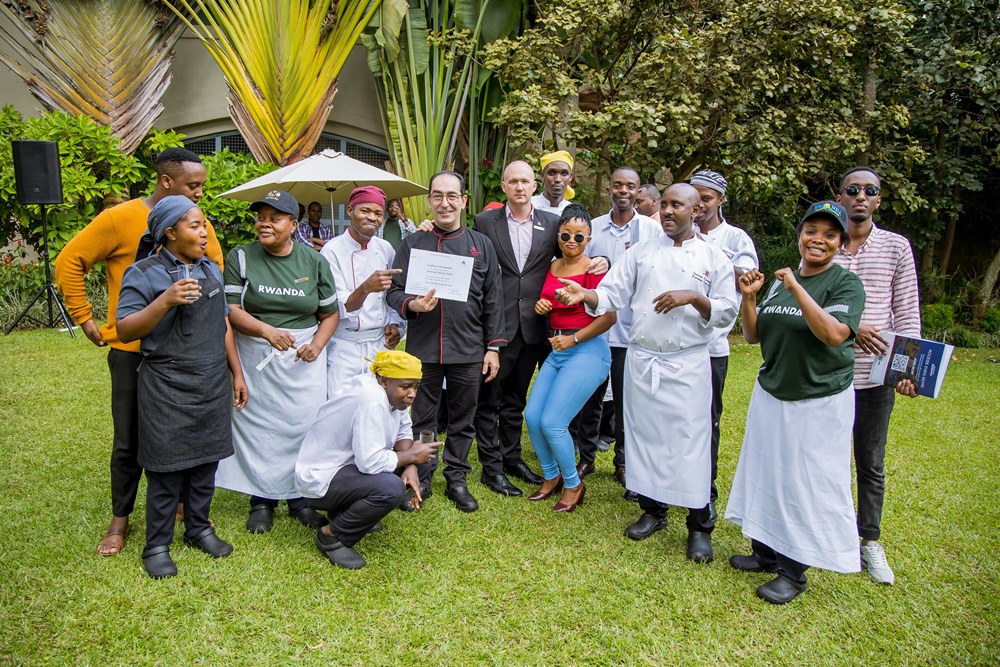
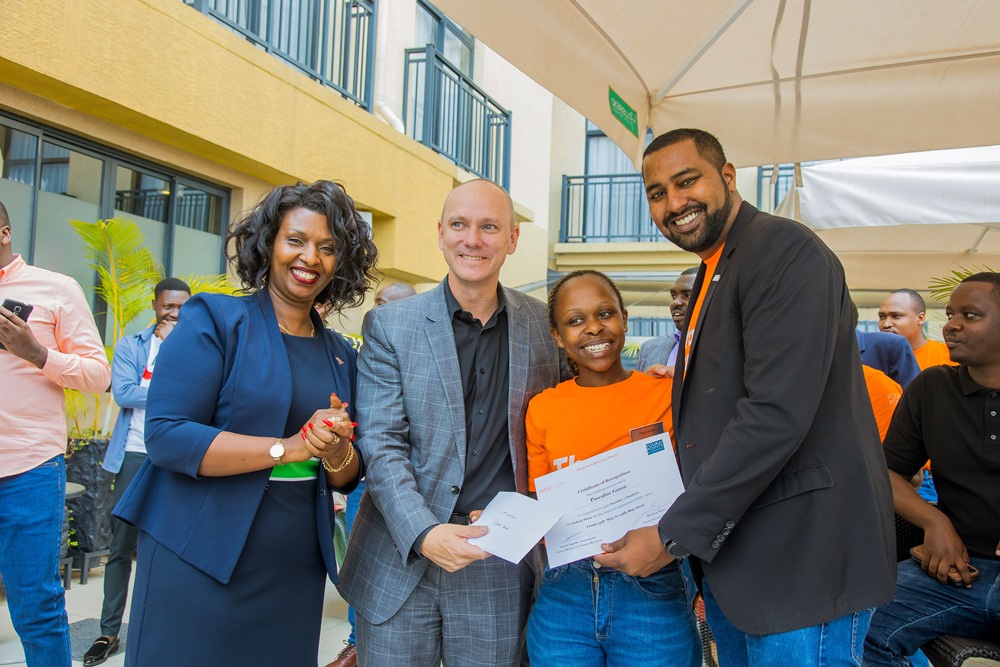
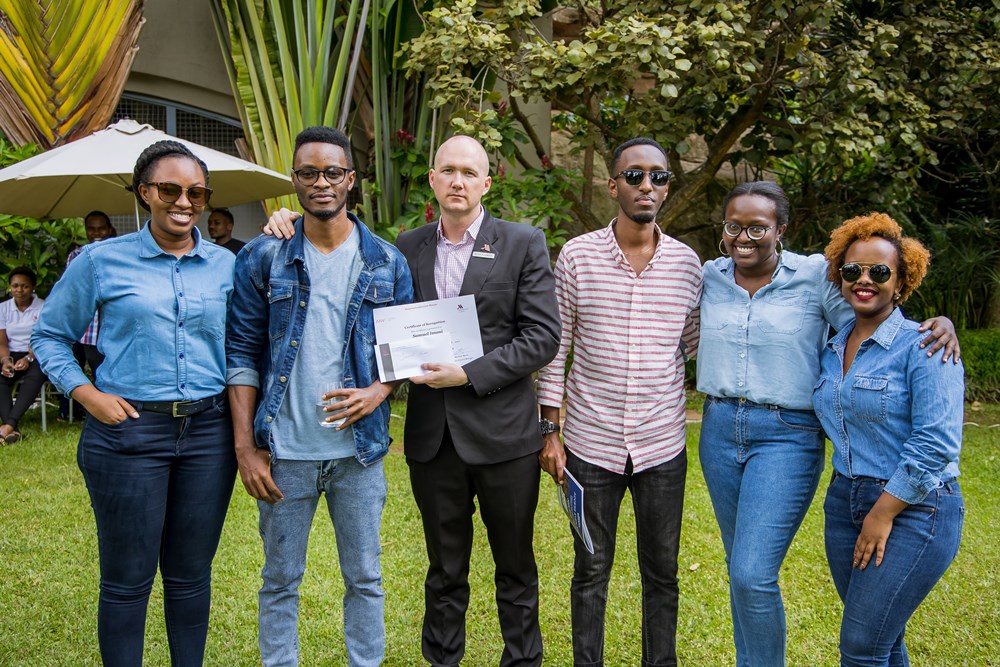
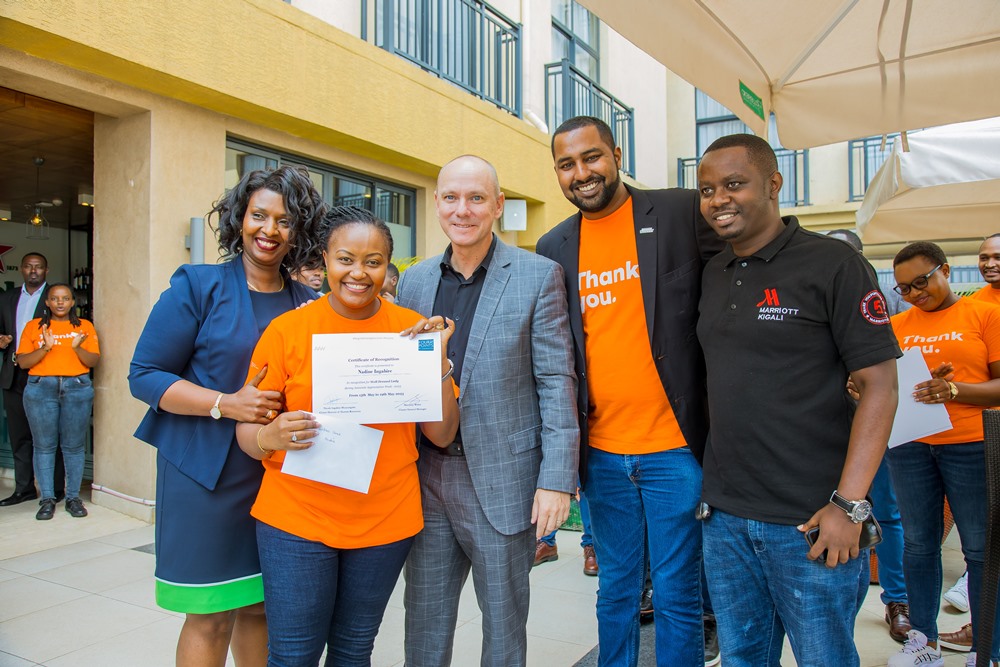
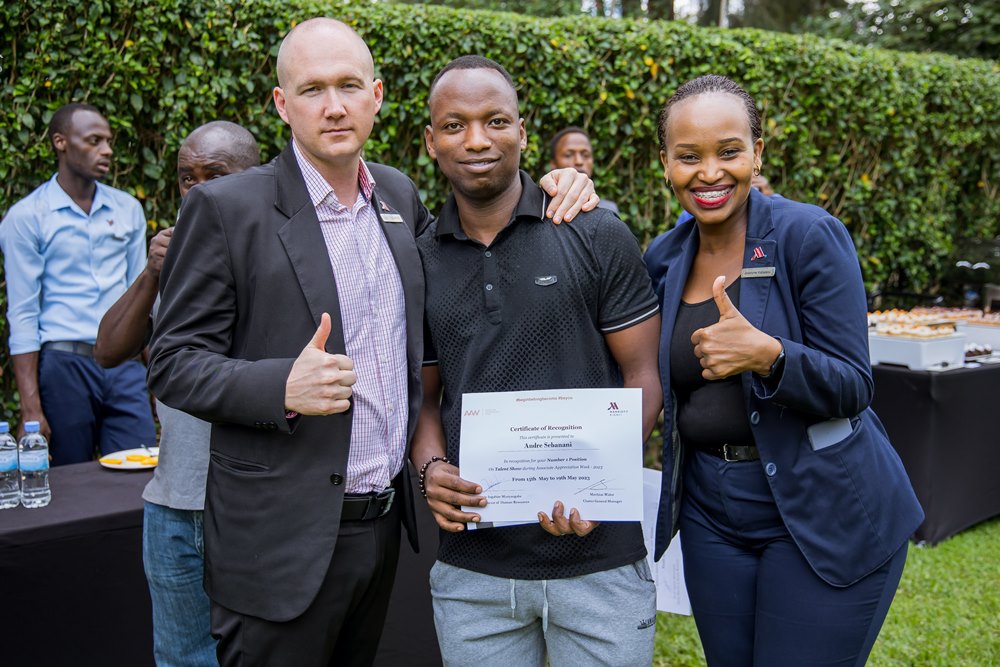
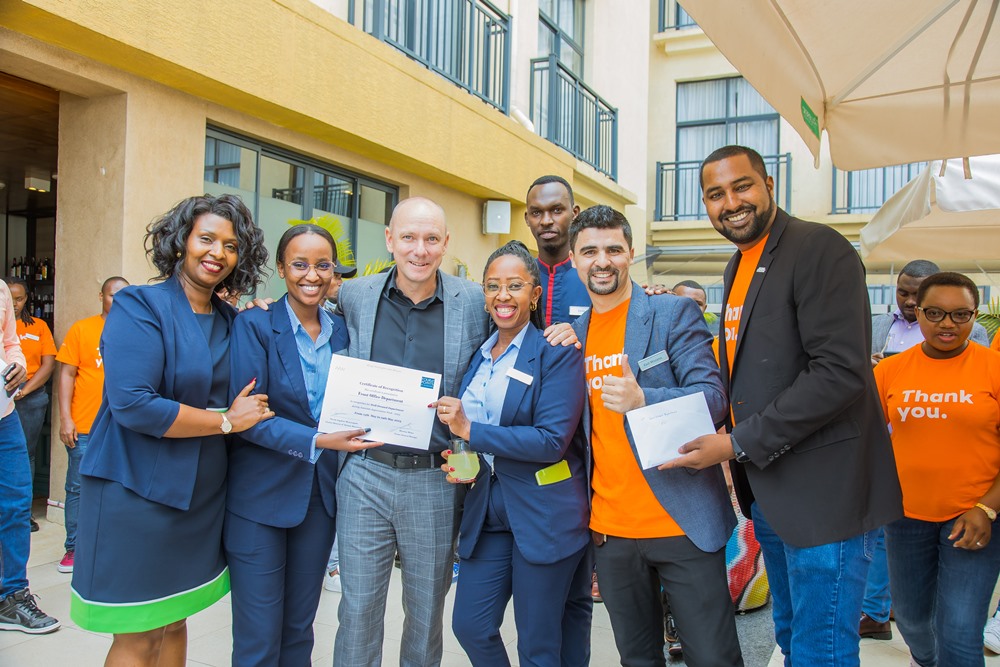
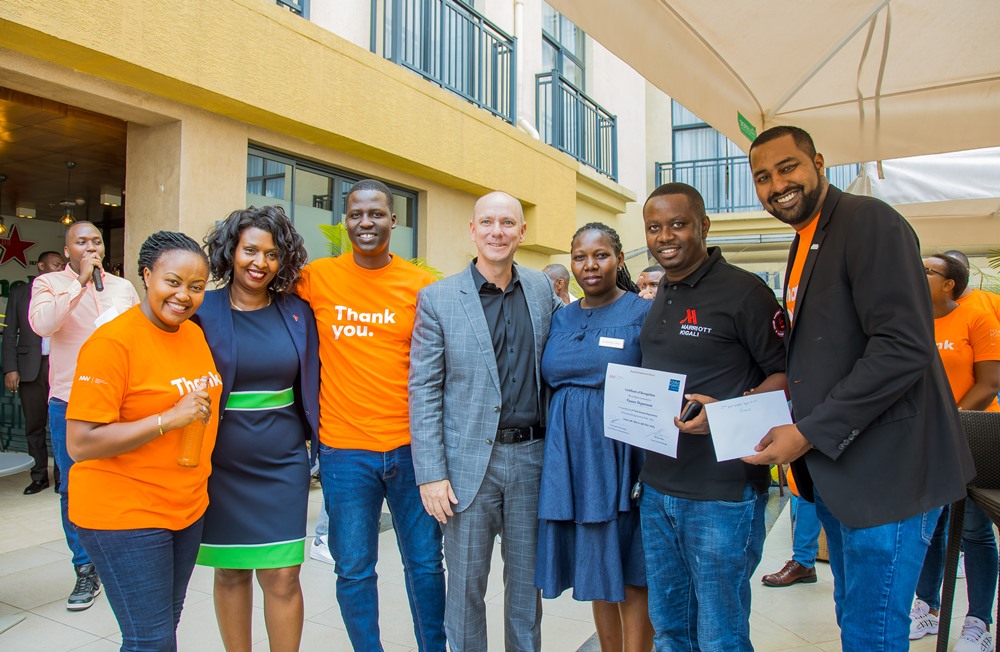
The first day of the event, known as “Take Care,” focused on demonstrating the hotel’s value of caring for its associates. This value is central to Marriott’s philosophy: when associates are taken care of, they, in turn, take care of the guests, leading to guest satisfaction and loyalty.
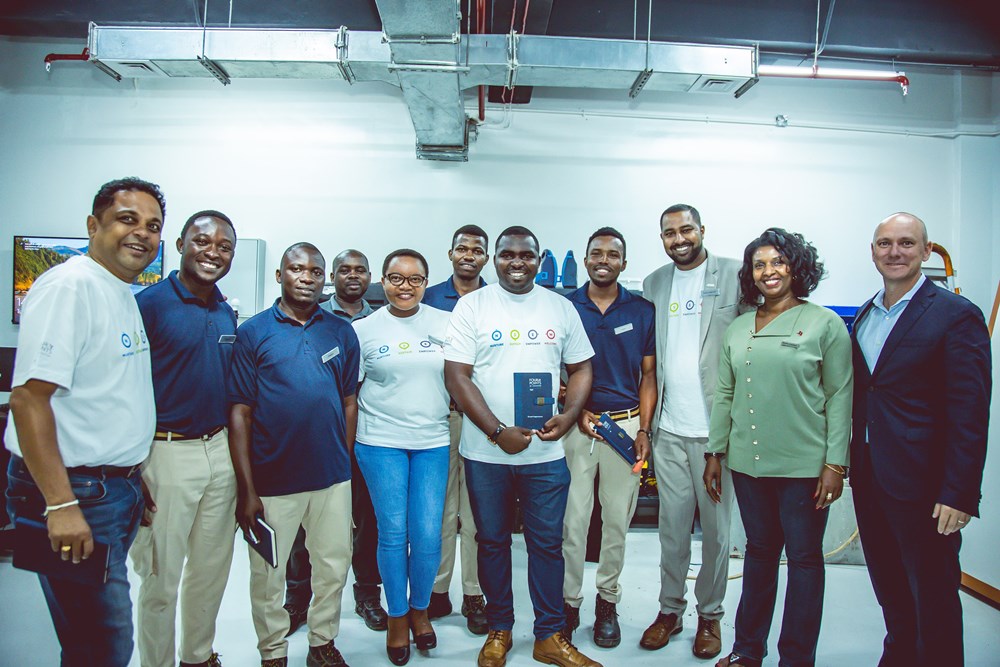
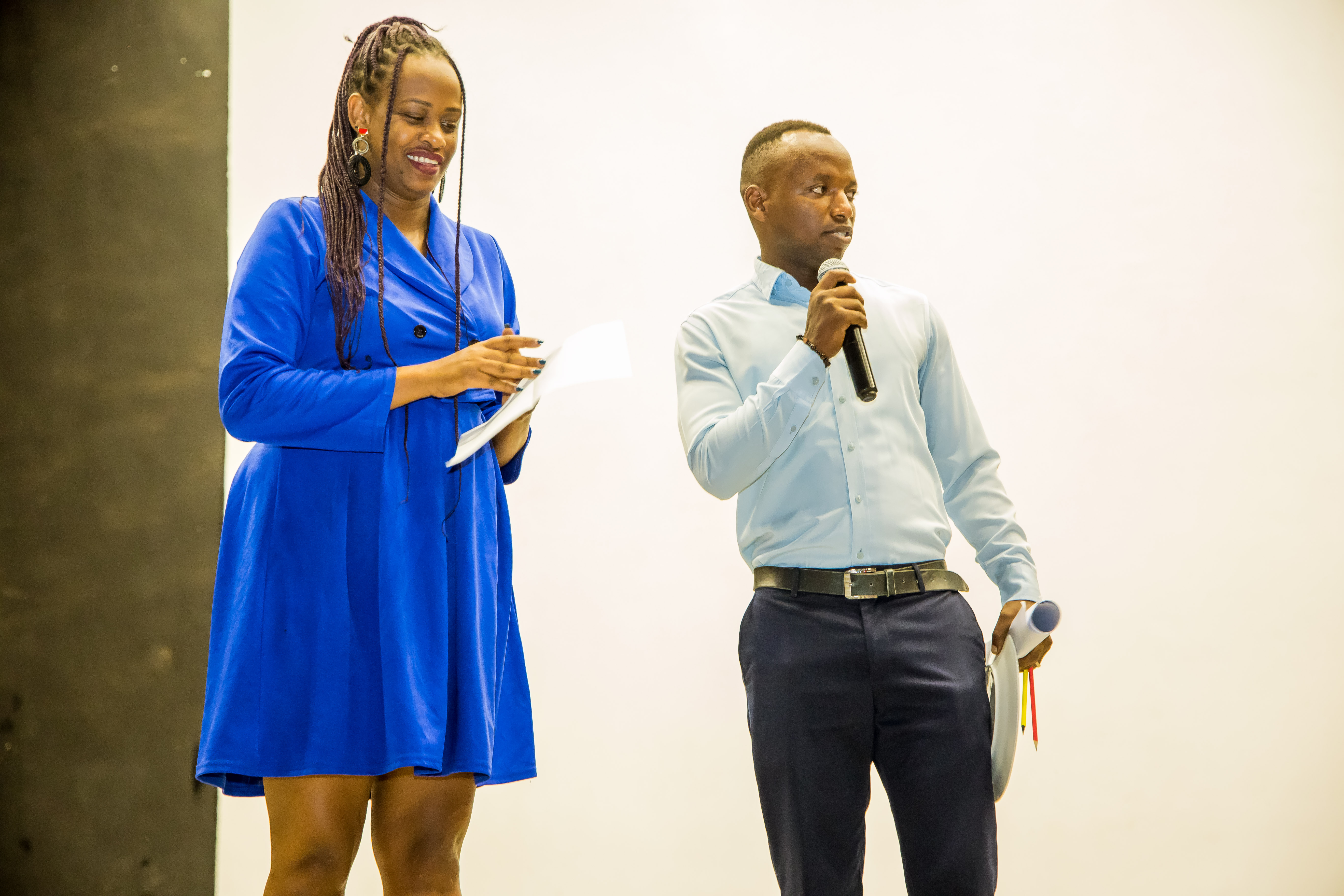
During this significant occasion for Marriott, the Cluster General Manager, Mr. Matthias Widor, and the Cluster Director of Human Resources, Ms. Nicole Ingabire Munyangabe, kicked off the event.
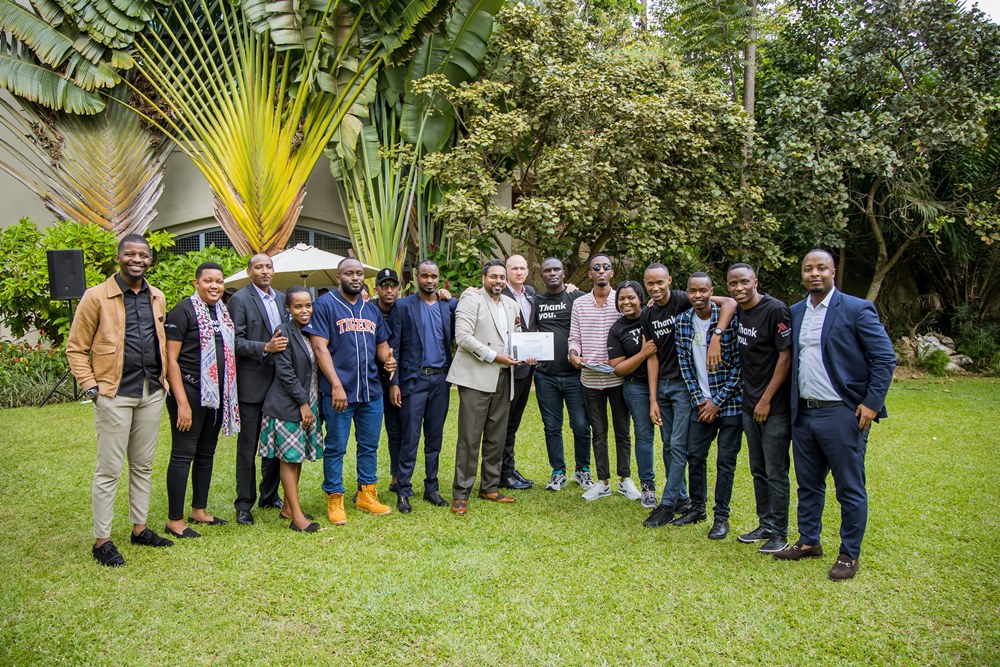
Mr. Matthias Widor expressed his gratitude to the associates, reflecting on the past year’s accomplishments and the hotel’s growth. He mentioned notable achievements such as the opening of the Four Points by Sheraton, hosting the CHOGM in June 2022, surpassing expectations after the pandemic, and hosting the 73rd FIFA Congress in March of this year. He credited the dedication and passion of the associates for making all these achievements possible.
Mr. Widor expressed his pride in being part of the winning team and extended his heartfelt thanks to everyone, emphasizing his love for Rwanda and the warm welcome he and his family have received.
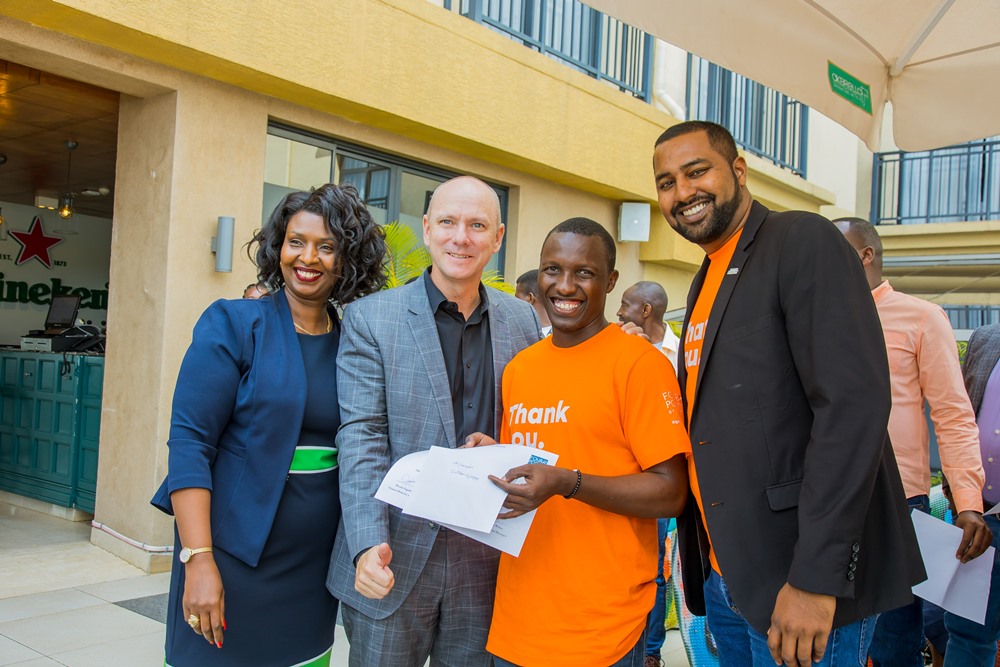
The Cluster Director of Human Resources, Ms. Nicole Ingabire Munyangabe, spoke about the AAW (Associates Appreciation Week) and the exciting plans for the enjoyable week ahead.
She conveyed her wishes for a happy AAW and expressed excitement in celebrating and acknowledging the associates for their hard work and positive energy that drive the success of the business.
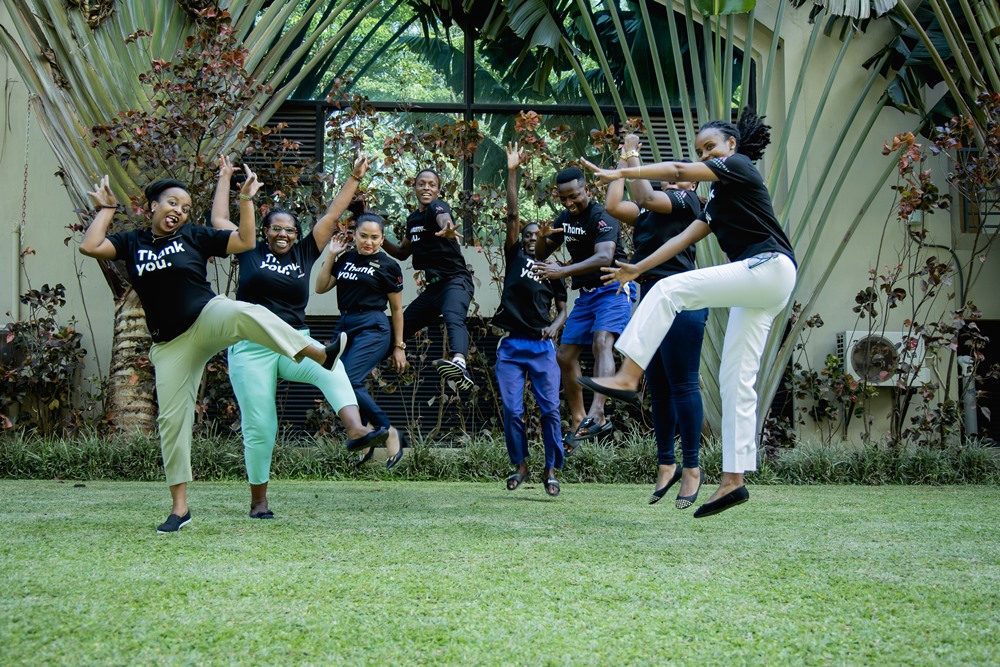
Ms. Munyangabe emphasized that the associates are integral to the operation of the hotels and conveyed a big thank you to them for their contributions.
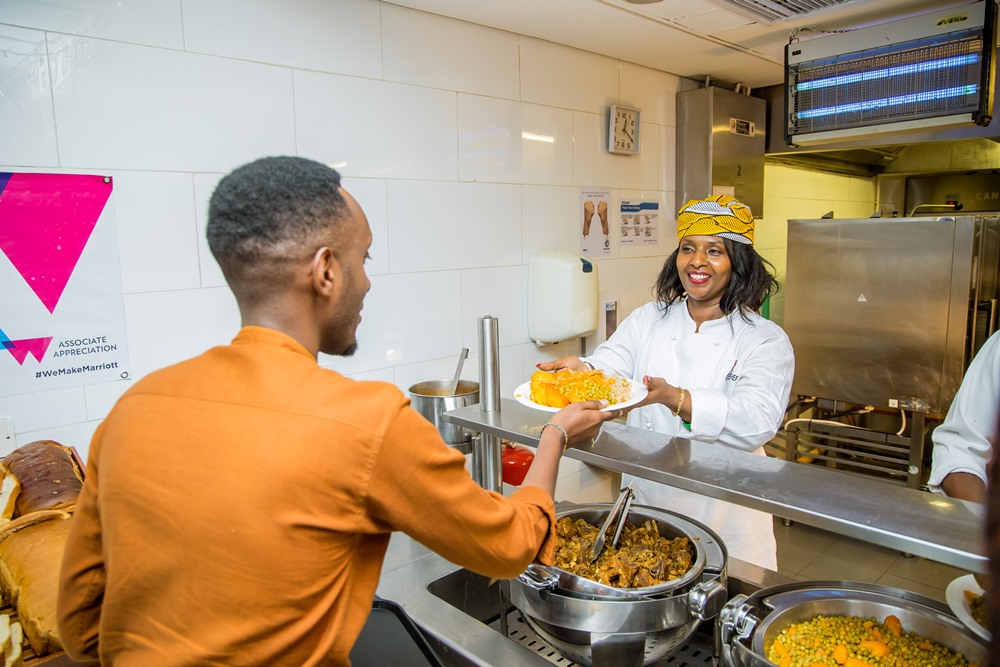
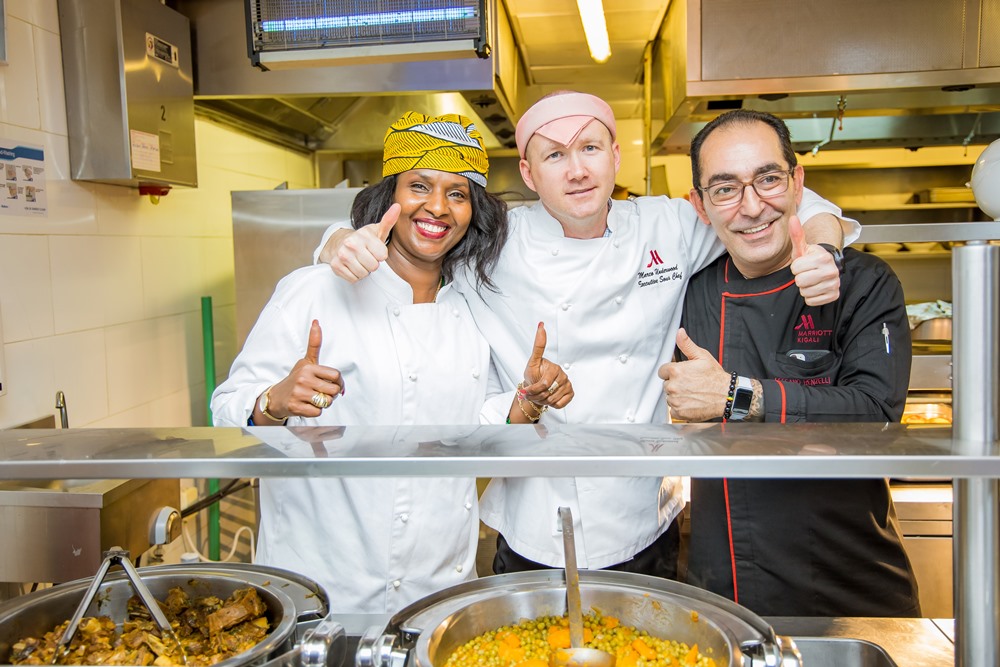
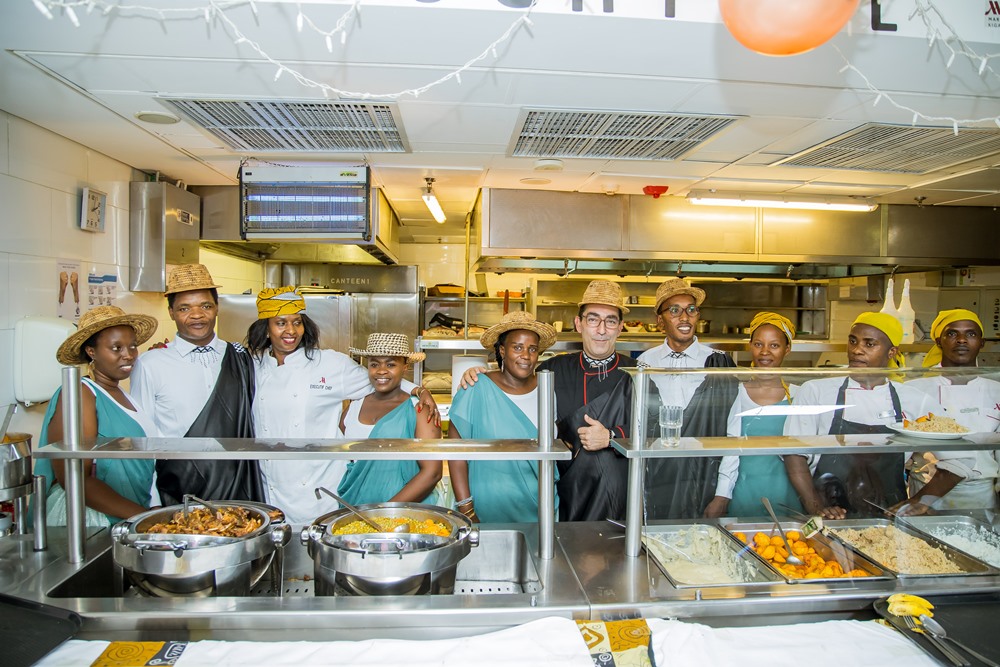
{{Day 1: Take Care}}
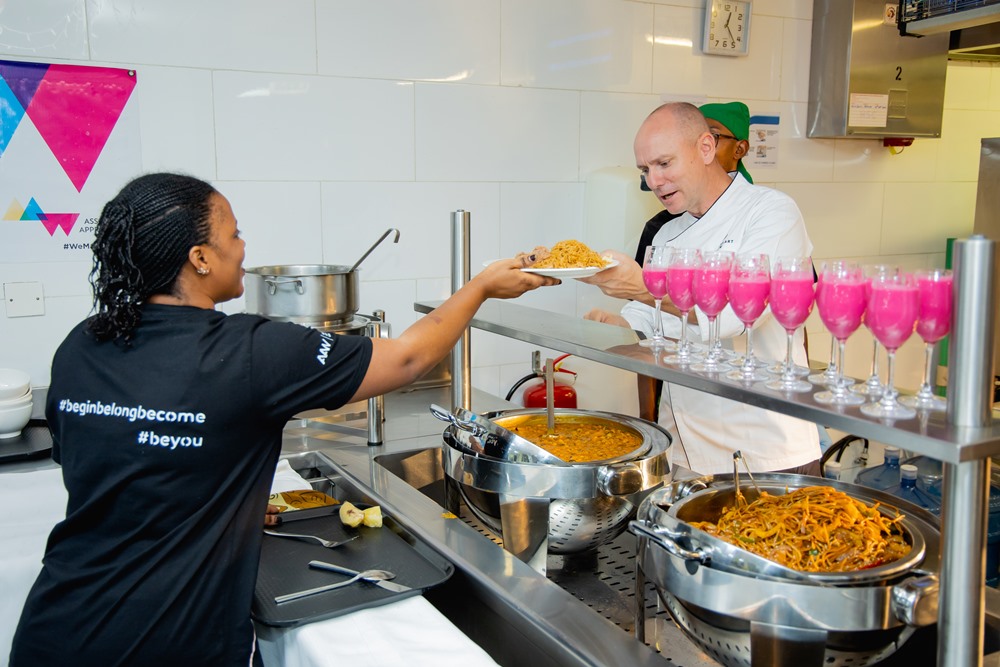
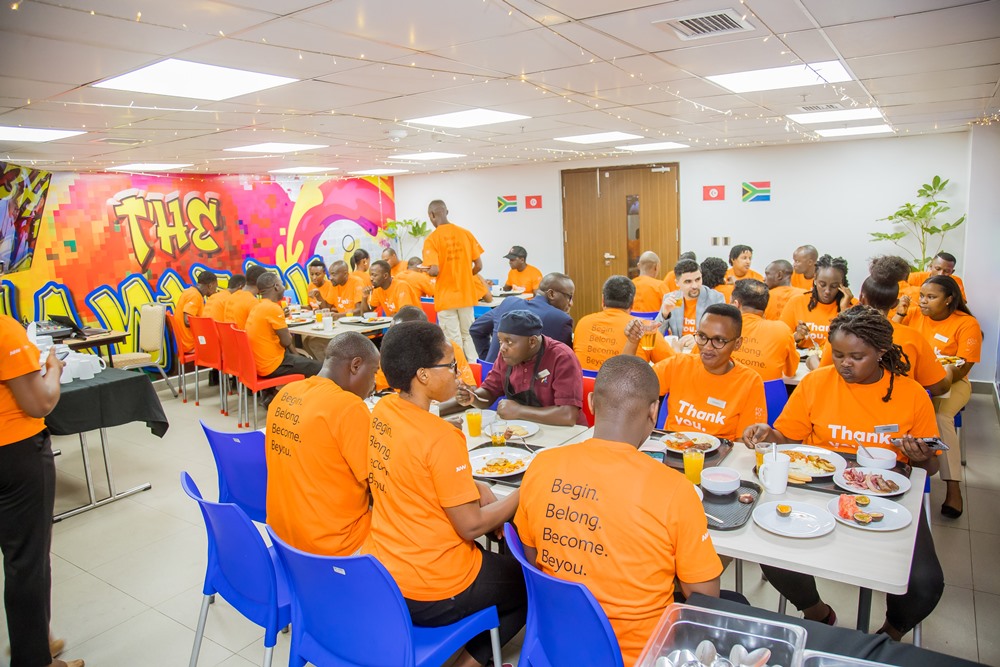
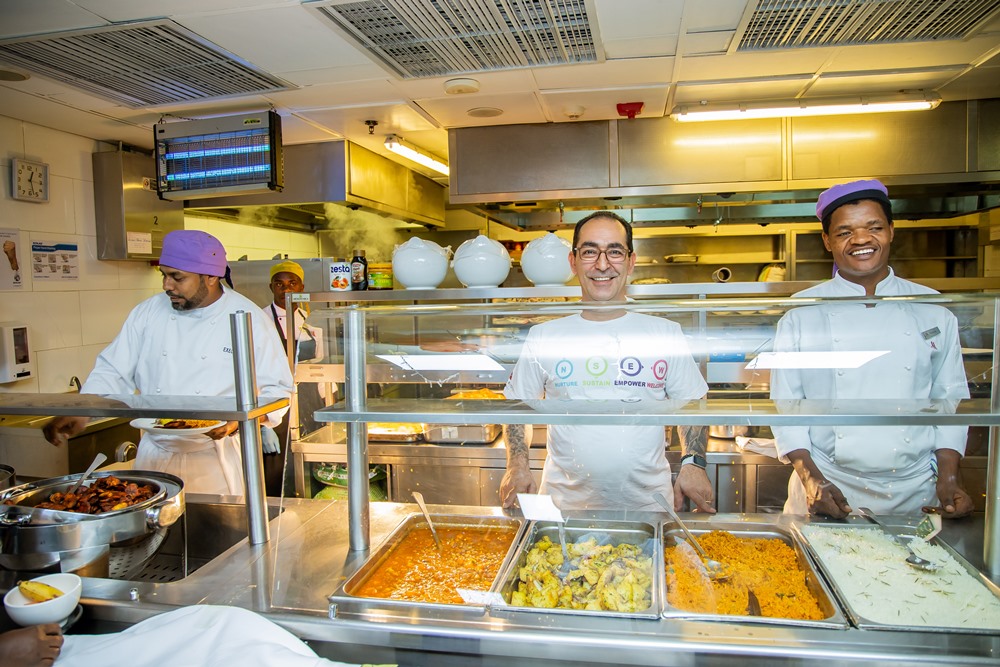
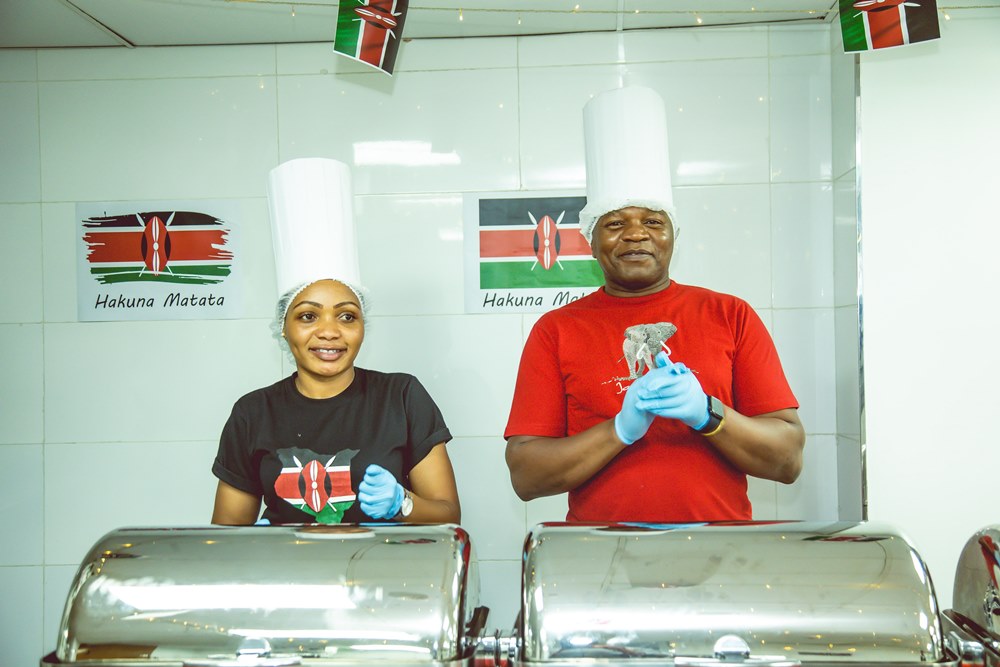
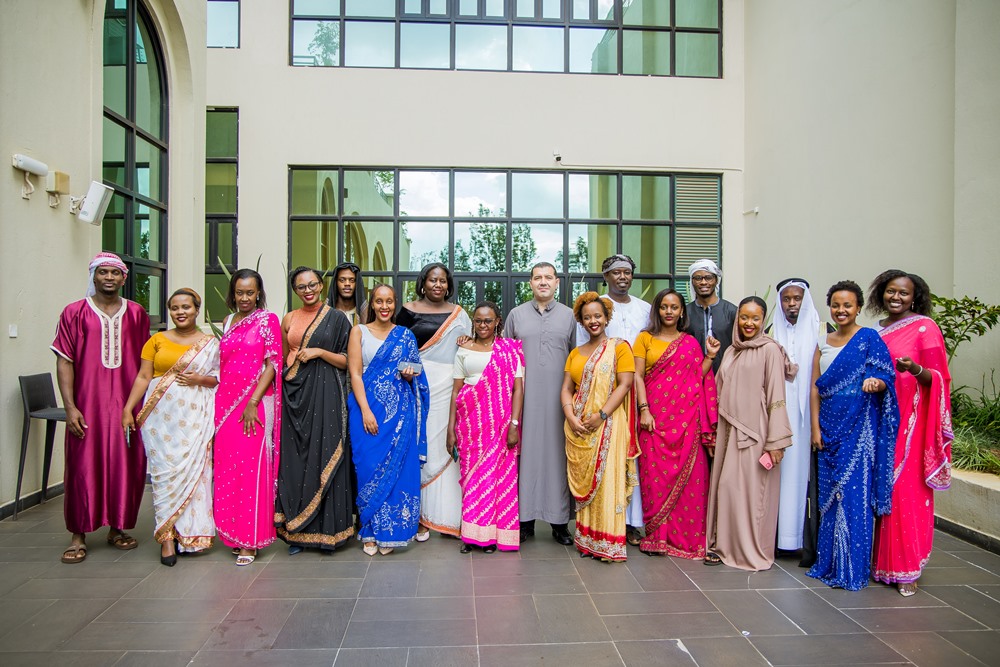
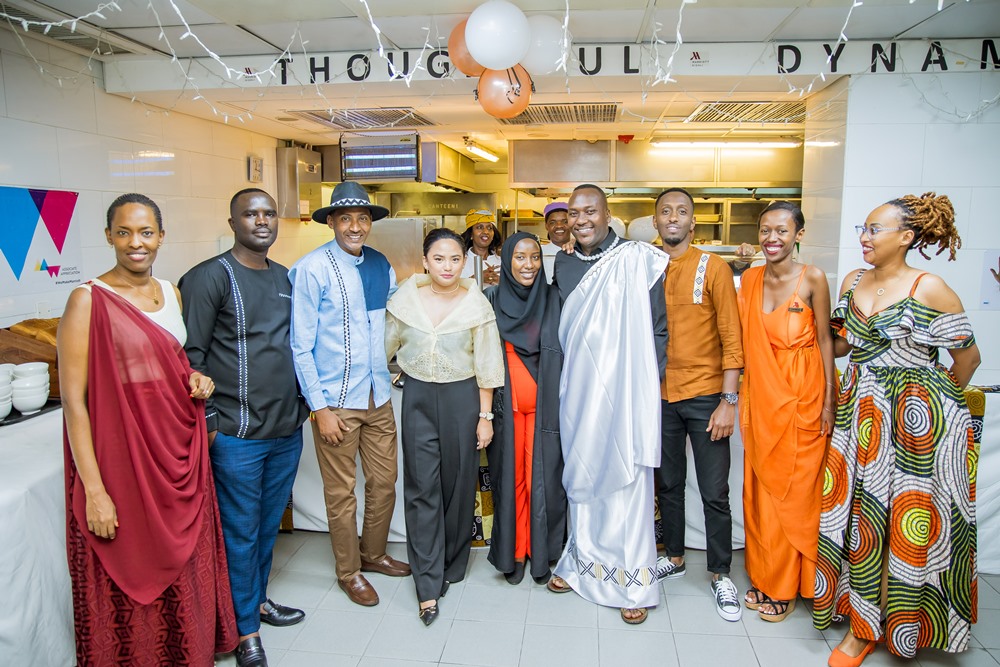
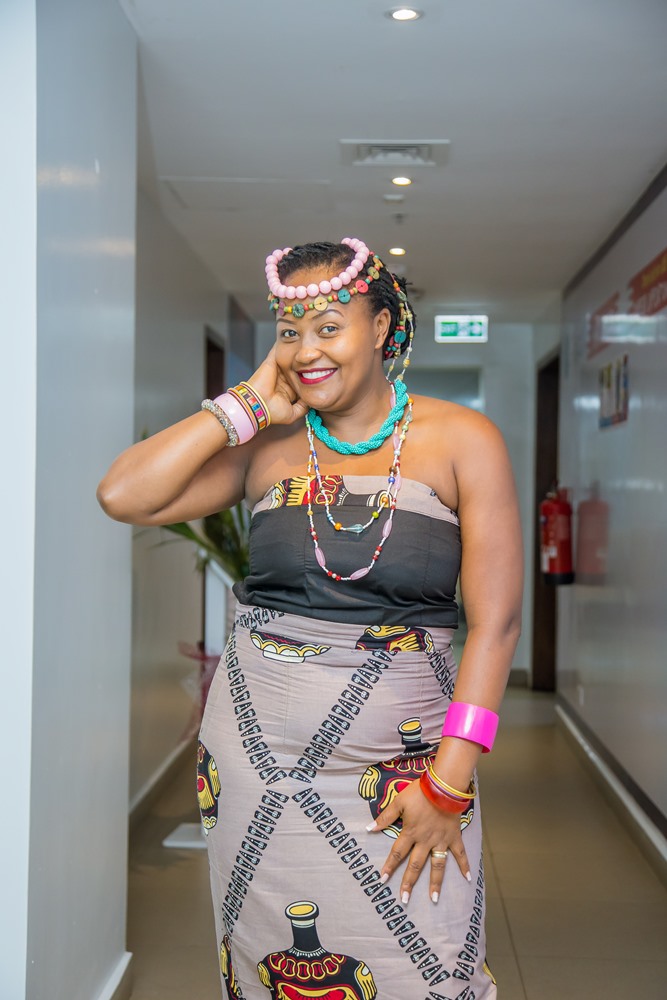
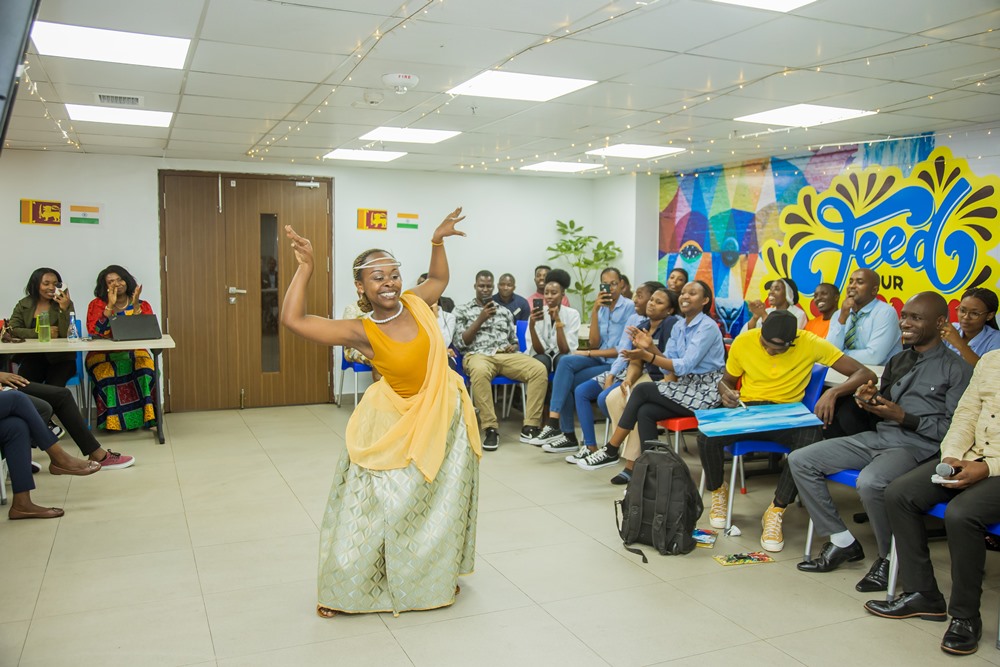
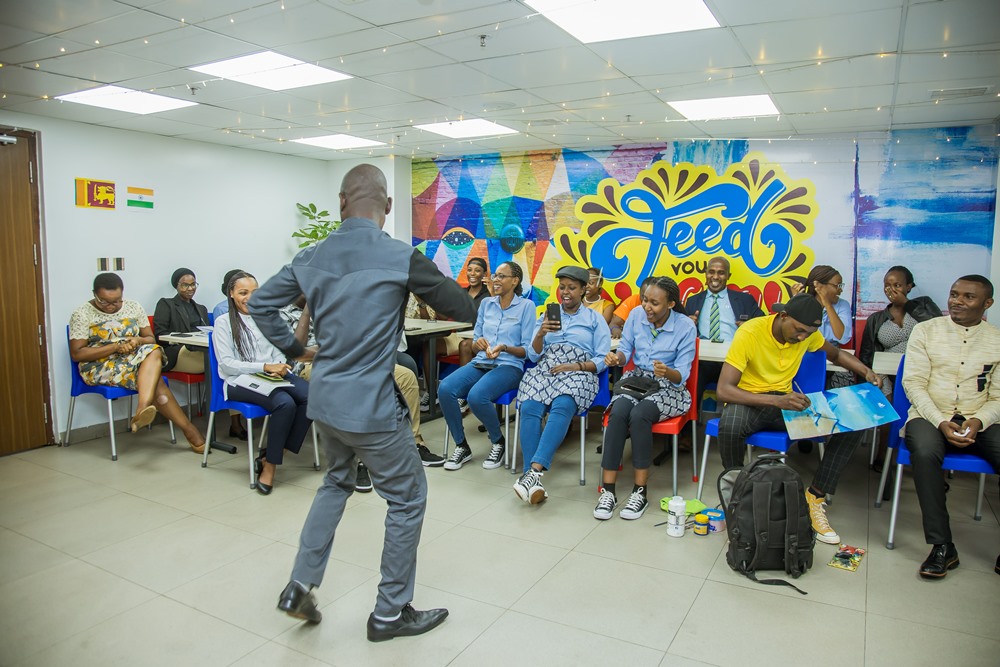
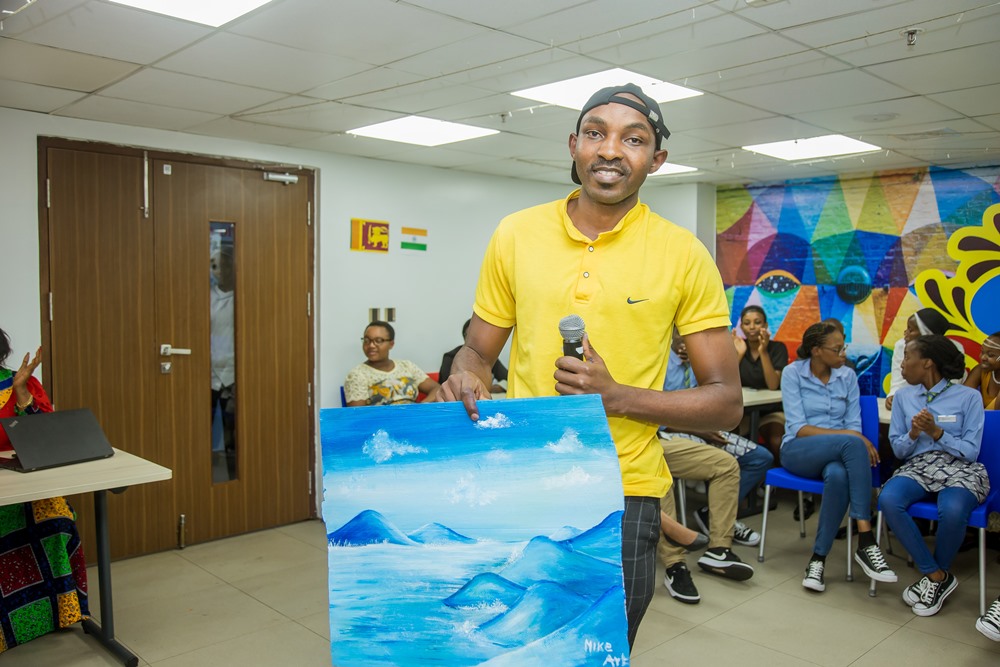
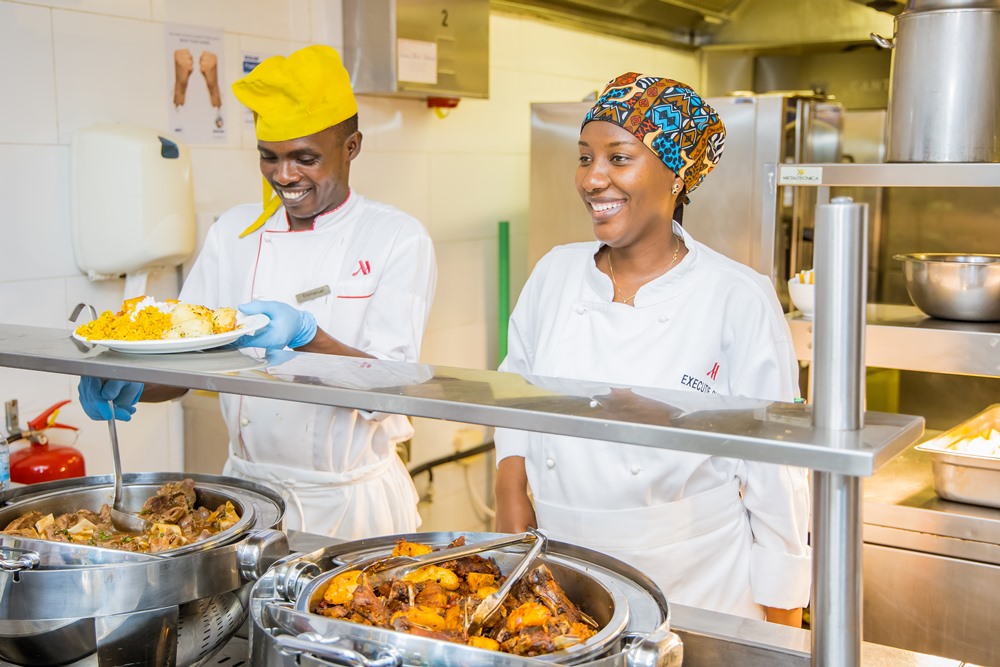
{ {{The general manager together with the heads of departments shared a special lunch with associates at both Hotels prepared by them to show their skills in traditional cuisine.}} }
He is alleged to have orchestrated the killing of approximately 2000 Tutsis including women, men, children and elderly at Nyange Catholic Church during the 1994 Genocide against the Tutsi in Rwanda. He has been at large since 2001.
In reaction to the arrest, IRMCT Chief Prosecutor Serge Brammertz stated: “Fulgence Kayishema was a fugitive for more than twenty years. His arrest ensures that he will finally face justice for his alleged crimes.”
Genocide is the most serious crime known to humankind.
According to a statement released by IRMCT, the international community has committed to ensure that its perpetrators will be prosecuted and punished where this arrest ‘is a tangible demonstration that this commitment does not fade and that justice will be done, no matter how long it takes’.
IRMCT has revealed that the thorough investigation that led to this arrest was made possible through the support and cooperation of the Republic of South Africa and the Operational Task Team established by President Ramaphosa to assist our Fugitive Tracking Team.
More support was received from similar Task Forces in other African countries, notably the Kingdom of Eswatini and the Republic of Mozambique among others.
Rwandan authorities under the leadership of Prosecutor General Aimable Havugiyaremye also continued to be strongest partners and provided essential assistance.
Kayishema’s arrest demonstrates yet again that justice can be secured, no matter the challenges, through direct cooperation between international and national law enforcement agencies.
“Today is a day to think of the victims and survivors of the 1994 Genocide against the Tutsi. While twenty-nine years have passed, they continue to bear the physical and mental scars of their suffering. My Office reaffirms that we will not rest in our efforts to secure justice on their behalf, and by carrying out our mandate contribute to a more just and peaceful future for the Rwandan people,” said IRMCT Chief Prosecutor through a statement.
Kayishema was indicted by the United Nations International Criminal Tribunal for Rwanda (ICTR) in 2001 and charged with genocide, complicity in genocide, conspiracy to commit genocide, and crimes against humanity for killings and other crimes committed in Kivumu Commune, Kibuye Prefecture during the 1994 Genocide against the Tutsi in Rwanda.
The indictment alleges that on 15 April 1994, Kayishema, together with other co-perpetrators, murdered more than 2,000 men, women, elderly and children refugees at the Nyange Church in Kivumu commune.
Kayishema is accused to have directly participated in the planning and execution of this massacre, including by procuring and distributing petrol to burn down the church with the refugees inside. When this failed, Kayishema and others allegedly used a bulldozer to collapse the church, burying and killing the refugees inside. Kayishema and others then supervised the transfer of corpses from the church grounds into mass graves over the next approximately two days.
The investigation leading to Kayishema’s arrest spanned multiple countries across Africa and elsewhere, in strong cooperation with many national law enforcement and immigration agencies.
During his flight from justice, Kayishema utilized many aliases and false documents to conceal his identity and presence. He further relied upon a network of trusted supporters, including family members, members of the ex-Forces Armées Rwandaises and ex-Forces démocratiques de libération du Rwanda, and those aligned with the genocidal Hutu Power ideology. Kayishema was located and arrested through an analysis-driven investigation exploiting multi-source evidence with both traditional and leading-edge methodologies.
His arrest marks a further step forward in the OTP’s strategy to account for all remaining fugitives indicted for genocide by the International Criminal Tribunal for Rwanda.
Since 2020, the OTP Fugitive Tracking Team has accounted for the whereabouts of five fugitives, including Félicien Kabuga, Augustin Bizimana, Protais Mpiranya, and Phéneas Munyarugarama.