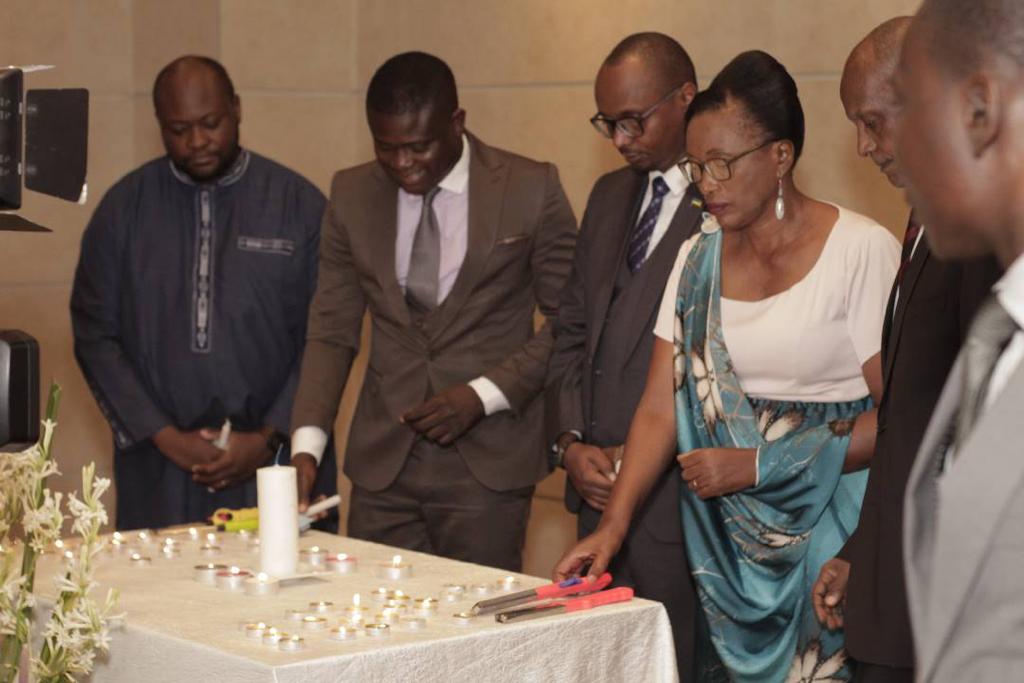
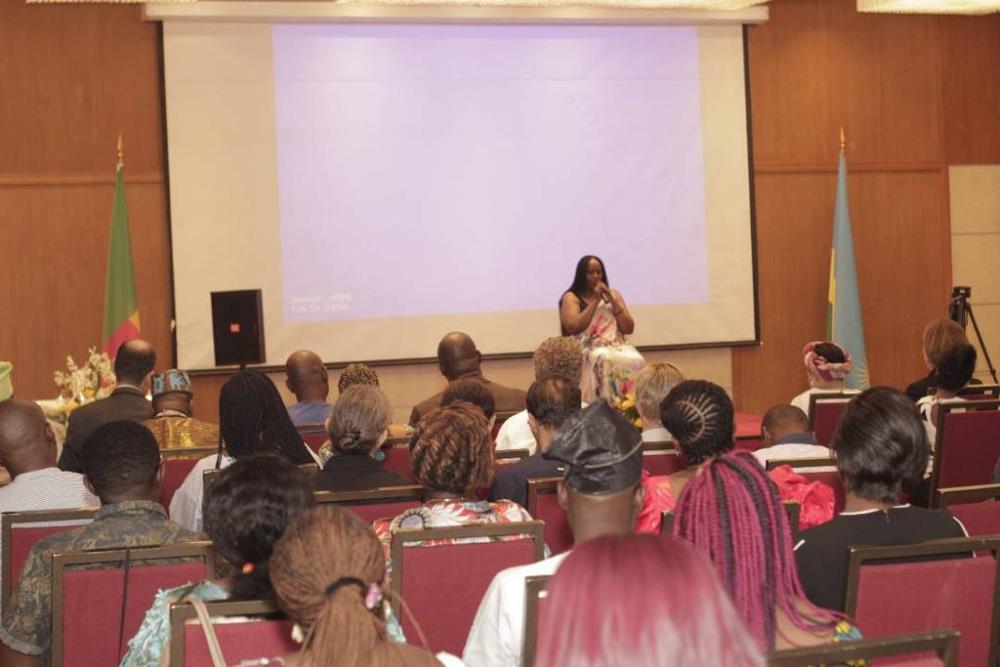
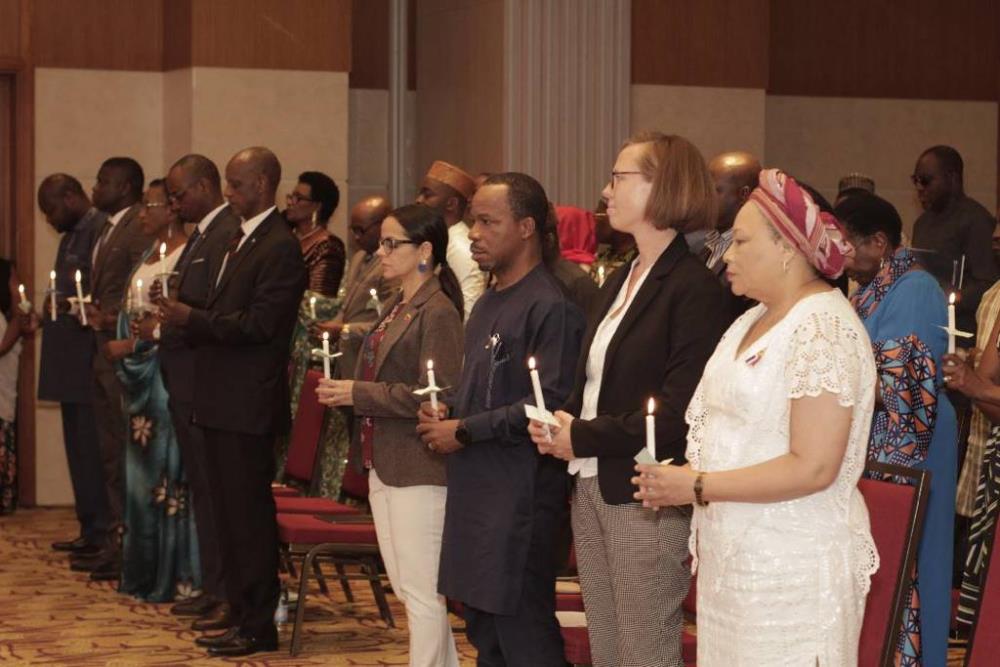
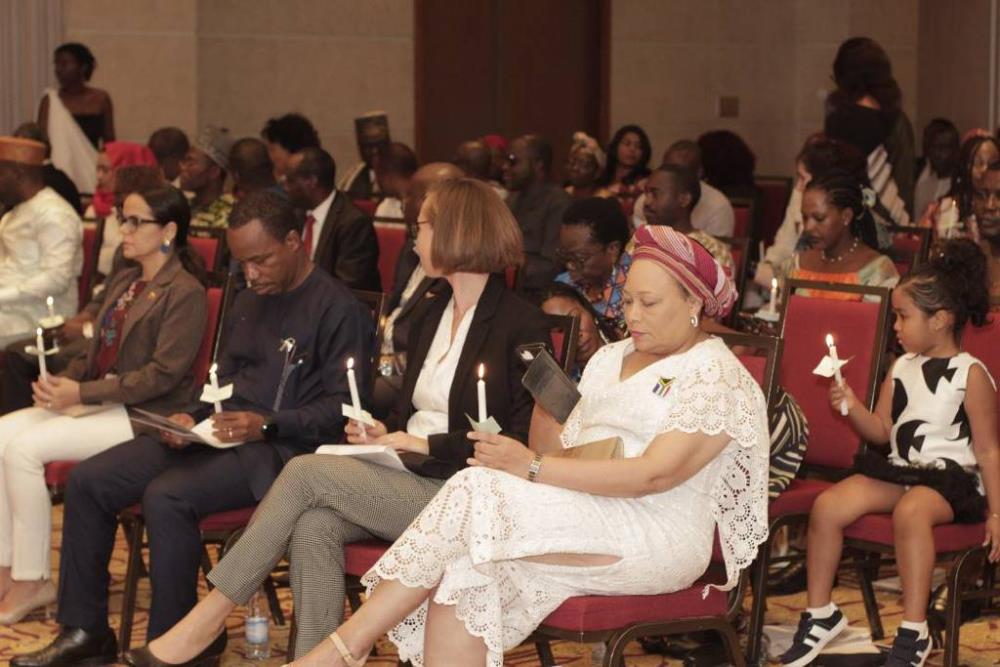
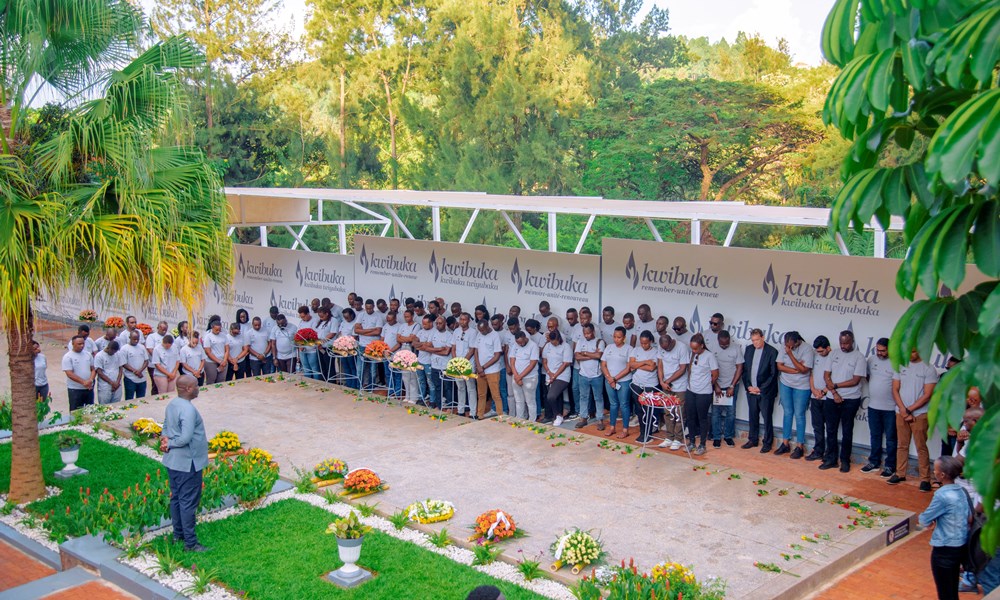
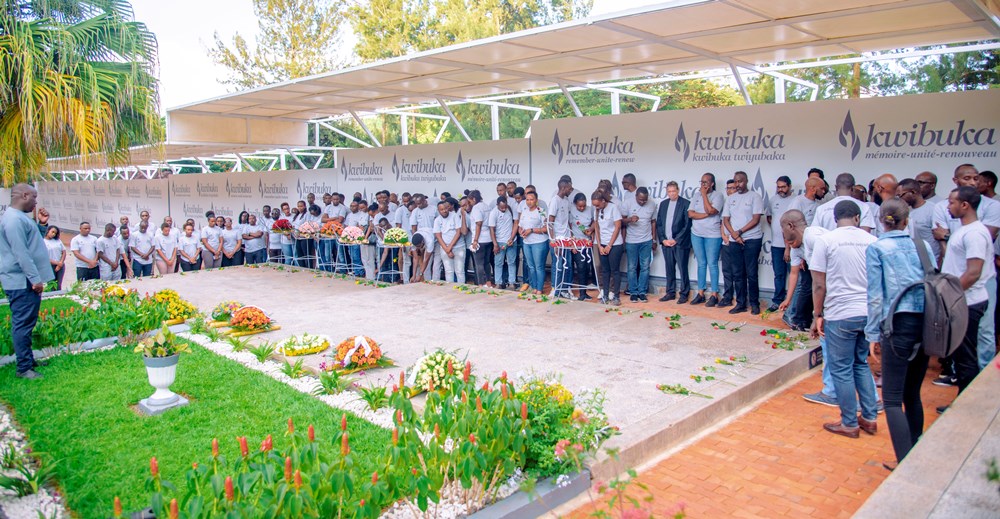
The event held in the Beninese Commercial Capital of Cotonou on Sunday May 28, 2023, was attended by officials of the Government of Benin, members of the Diplomatic Corps, UN family, Friends of Rwanda and the general members of the Rwandan community living and working in the country.
It was held under the commemoration theme: ‘Remember, Unite, Renew’.
Referred to as Kwibuka in Kinyarwanda, remembering the Genocide against the Tutsi offers a platform to honour the lives of the over a million lives lost and to accord them the dignity they were stripped of by the cold-hearted manner in which they were killed, and to recommit to the resolve to prevent similar atrocities anywhere in the world.
Mr. Theophile Rurangwa, Chargé d’Affaires at the High Commission of Rwanda in Ghana, who represented the Government of Rwanda at the event, thanked the participants for joining Rwandans in honoring the memory of the over one million innocent lives lost to the genocide against the Tutsi.
He also emphasized the need for all leaders to strive for justice and ensure that all perpetrators of the 1994 genocide against the Tutsi who are living in impunity three decades later are brought to book.
In this, he also highlighted the growing prevalence of genocide denial and revisionism and asked the International Community to uphold the fight against the ideology of genocide, particularly that which continues to be directed at the Tutsi including currently in Eastern Democratic Republic of Congo.
Rwanda has over the last few decades been firm on the protection of civilians in any armed conflict including many where the country has been a troop contributor and calls upon the world to always stand with targeted communities and prevent genocide before it becomes too late like was the case when Rwandans were abandoned by the International Community in 1994.
The commemoration of the 1994 Genocide against the Tutsi in Rwanda also provides an opportunity to learn about Rwanda’s story of reconciliation and nation building, which has been led by Rwandans with the support of friends and partners.
In Rwanda, a national week of mourning for the over a million innocent lives starts every year on 7th-13th April, while commemoration activities continue throughout the 100 days period ending on July 3rd.
April 7th has also since 2018 been designated the International Day of Reflection on the 1994 Genocide against the Tutsi in Rwanda by the United Nations and is commemorated every year at the African Union level in honor of the innocent lives massacred.
Only 31 percent of South Africans feel either “mostly safe” or “completely safe” in the country, the association said in its latest state of security report released Tuesday.
The association said they conducted the survey in March and April this year with 1,438 respondents to determine direct feedback on personal security in South Africa. About 76 percent of the respondents reported being a victim of a crime in South Africa, according to the findings.
About 88 percent of the respondents said they believe crime will increase in the future, with many spending money on personal security such as more burglar bars, alarm systems and security cameras at their homes, said Willem Groenewald, chief executive officer of the association.
Official data released Tuesday by the South African police authority showed that a total of 6,289 people were murdered in the country in the first quarter of 2023, a 3.4-percent increase from the level recorded in the same period last year.
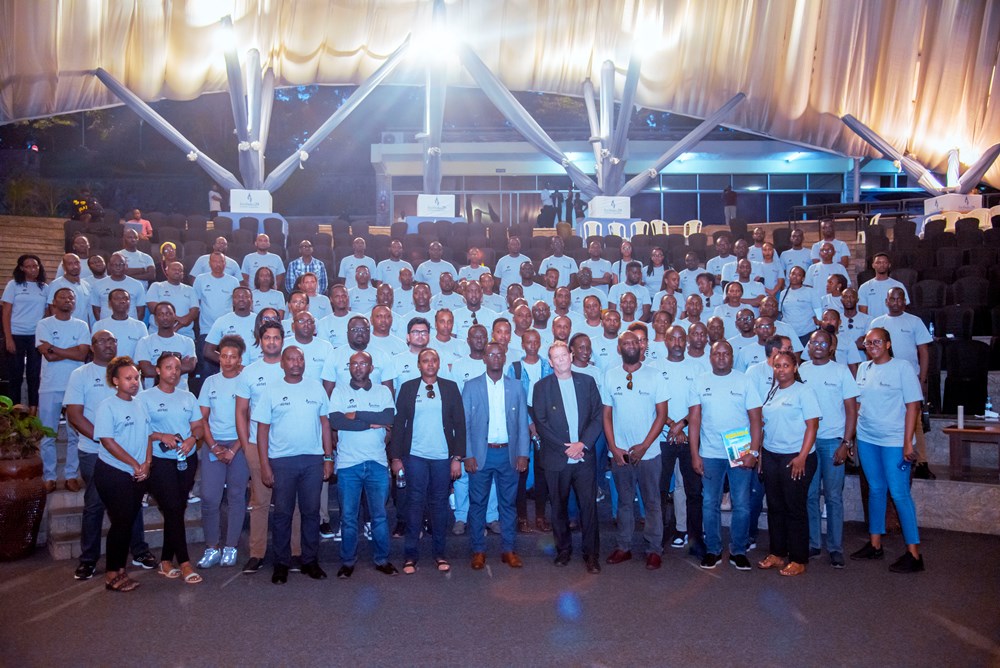
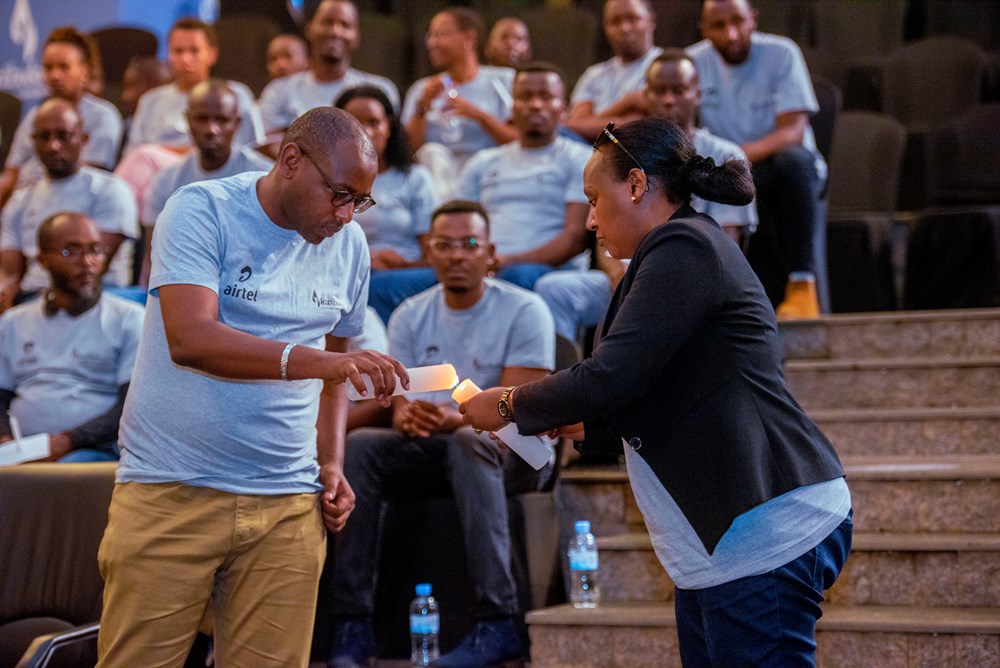
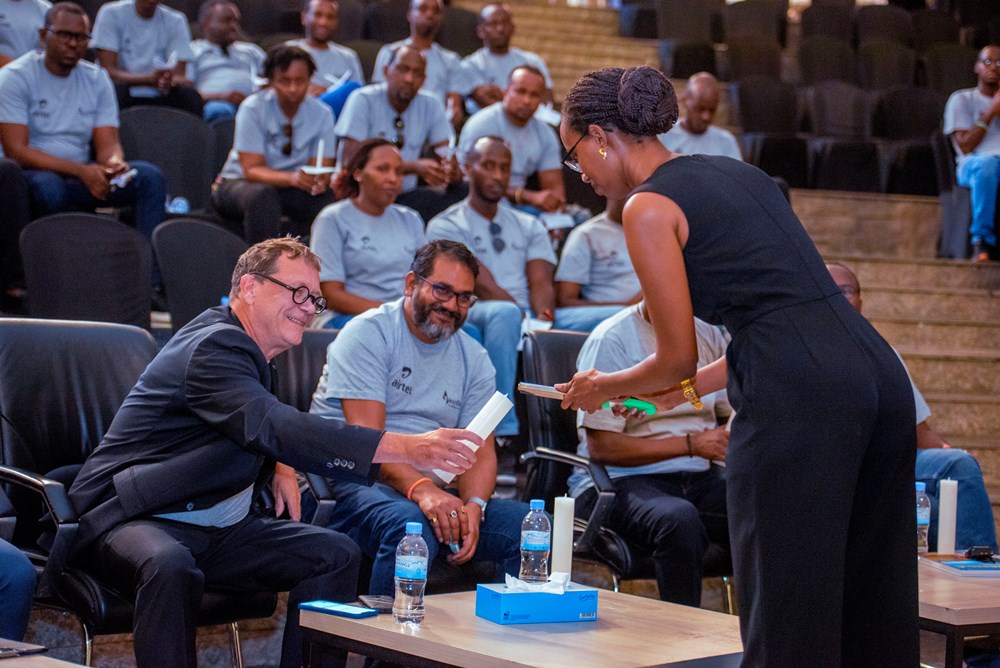
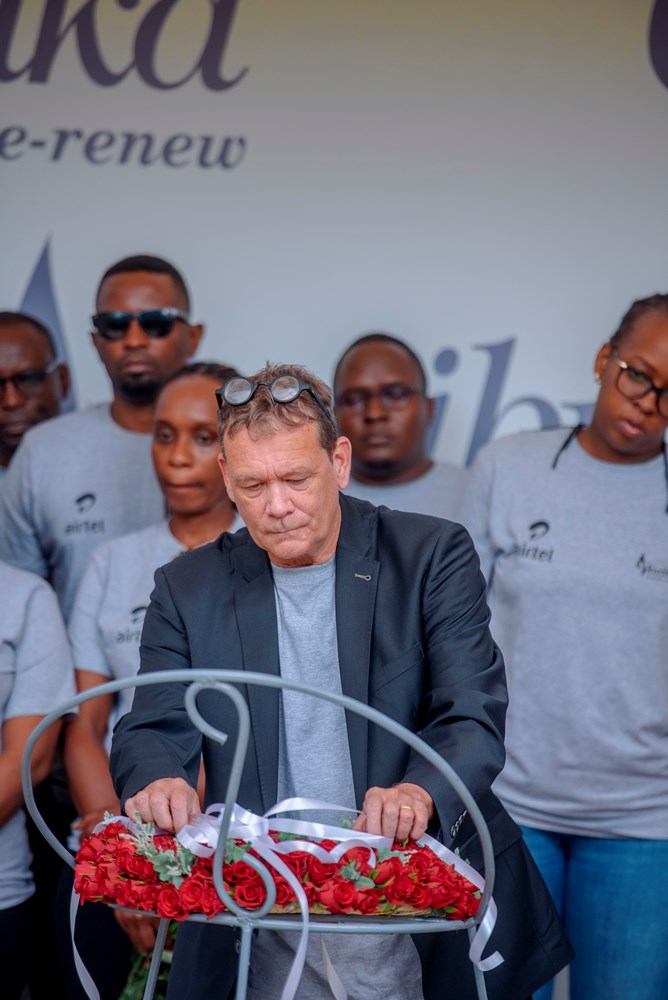
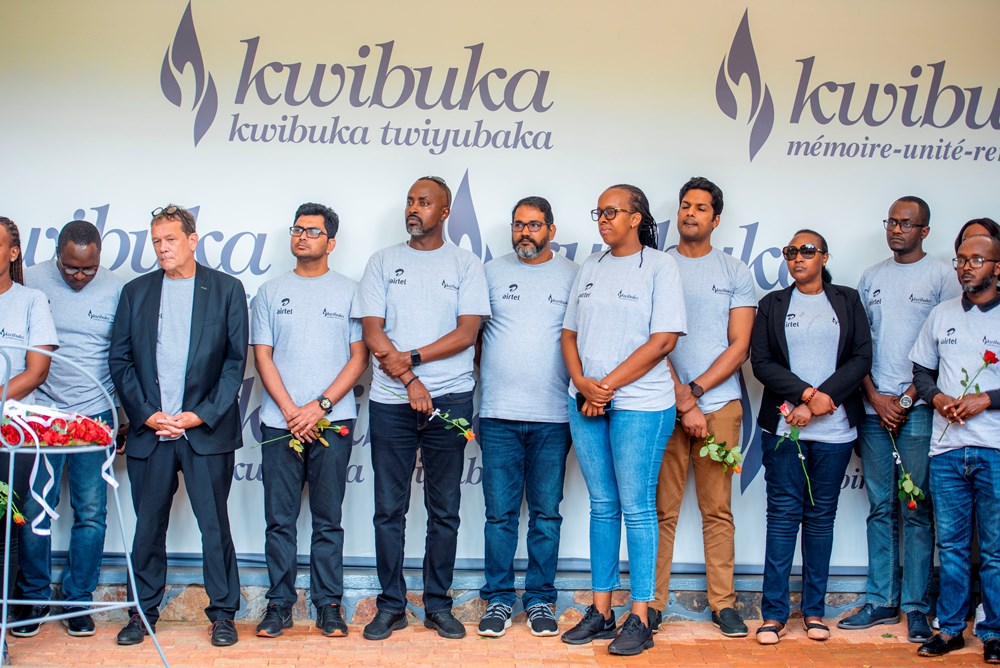
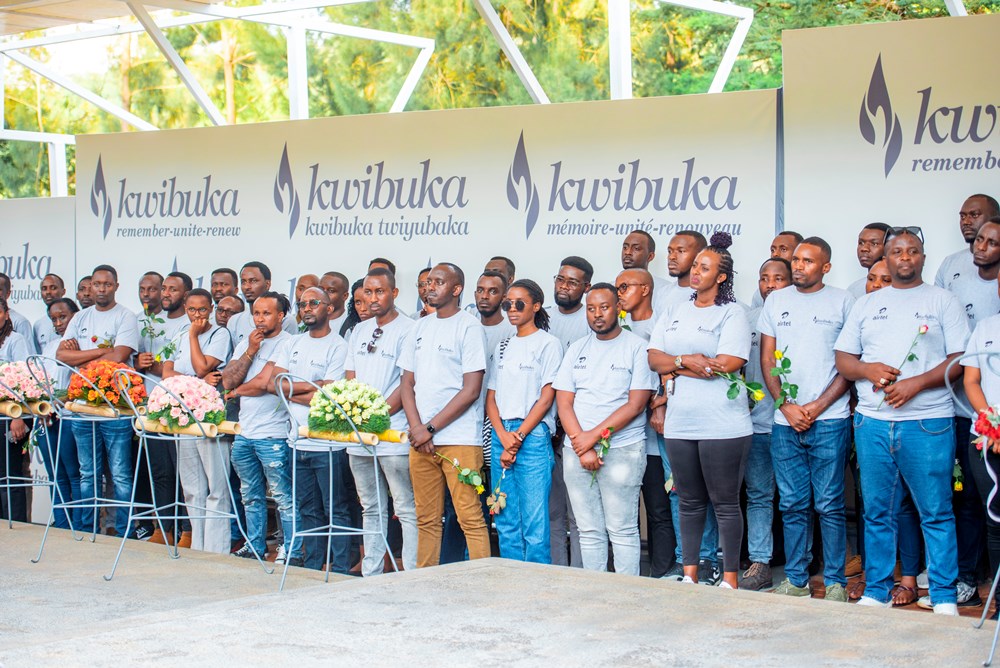
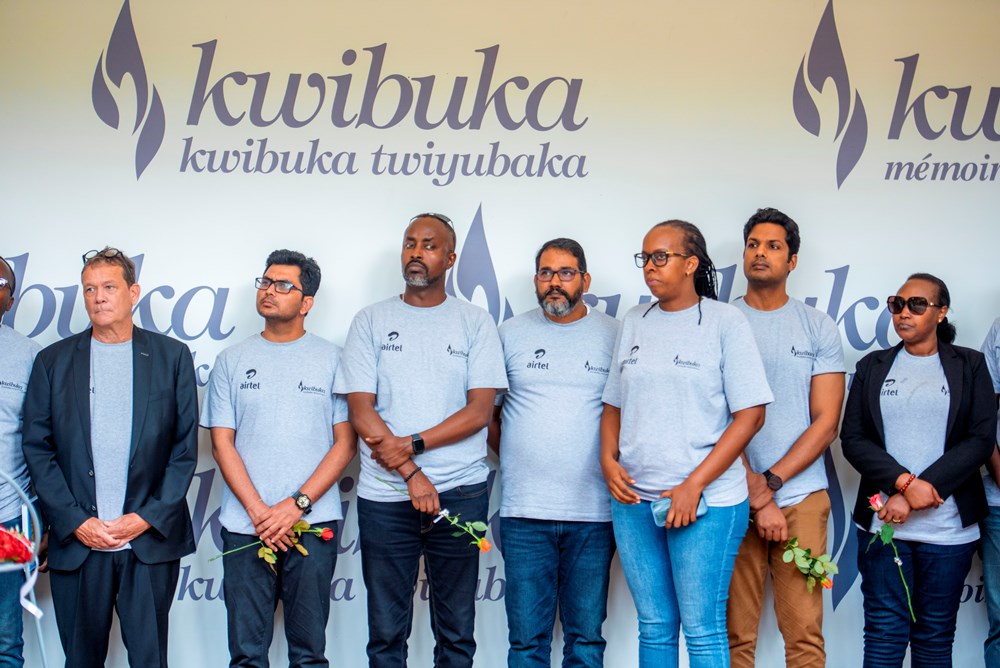
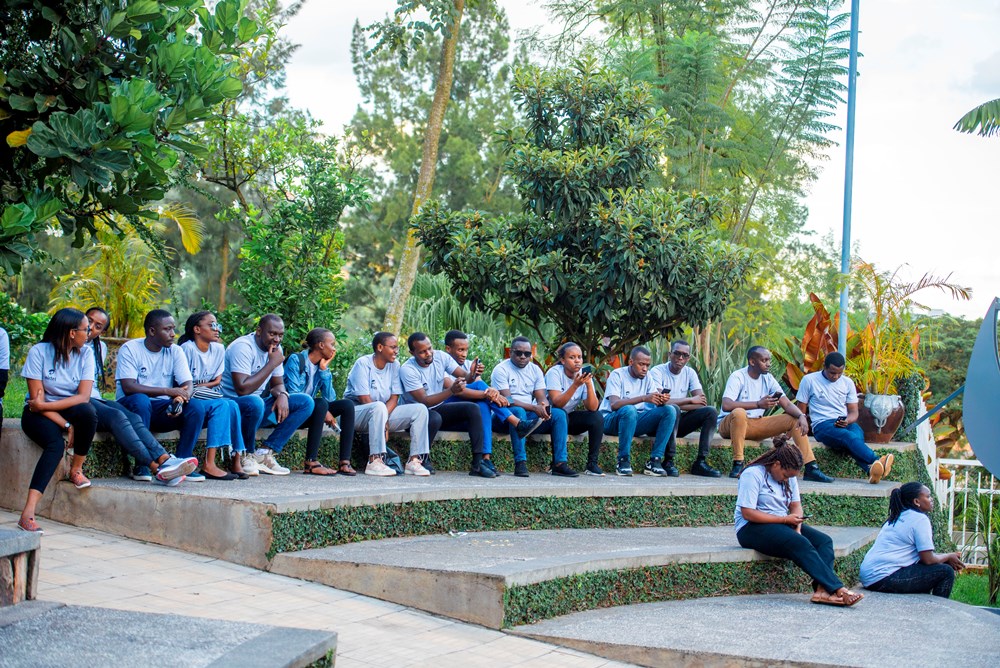
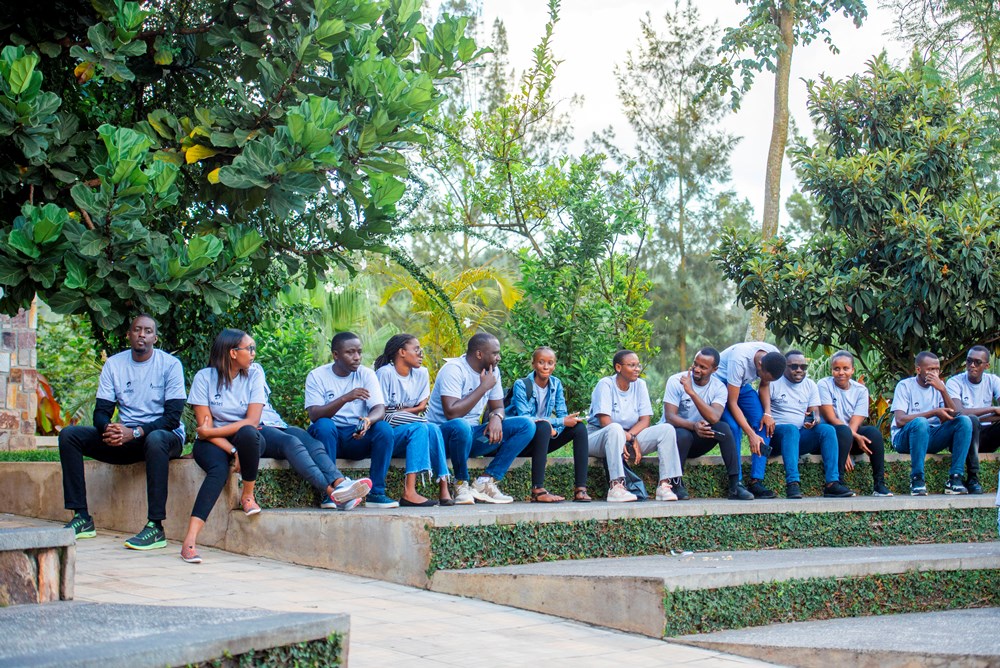
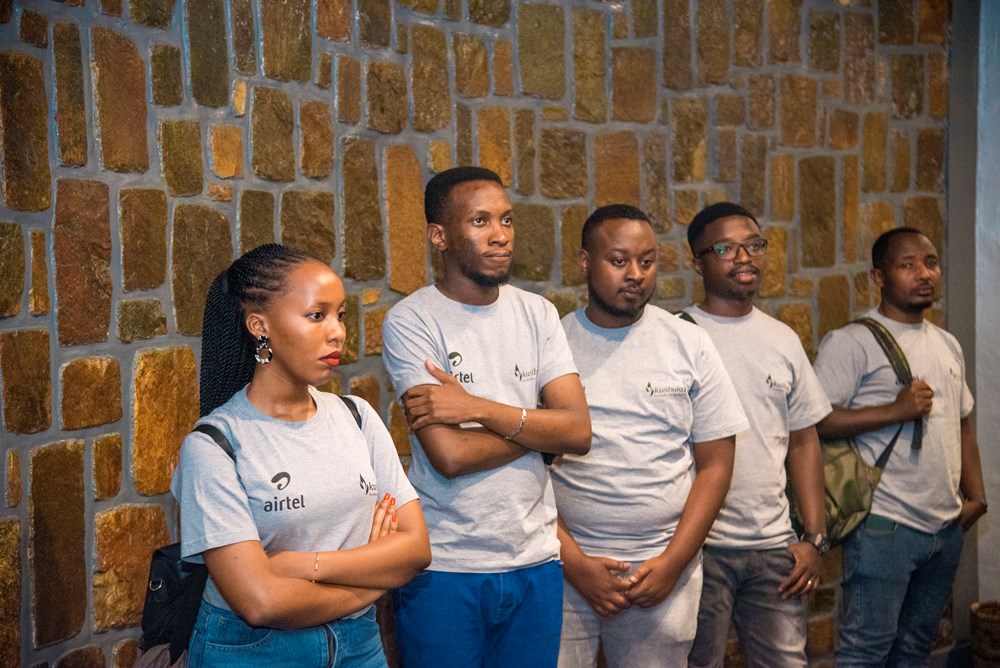
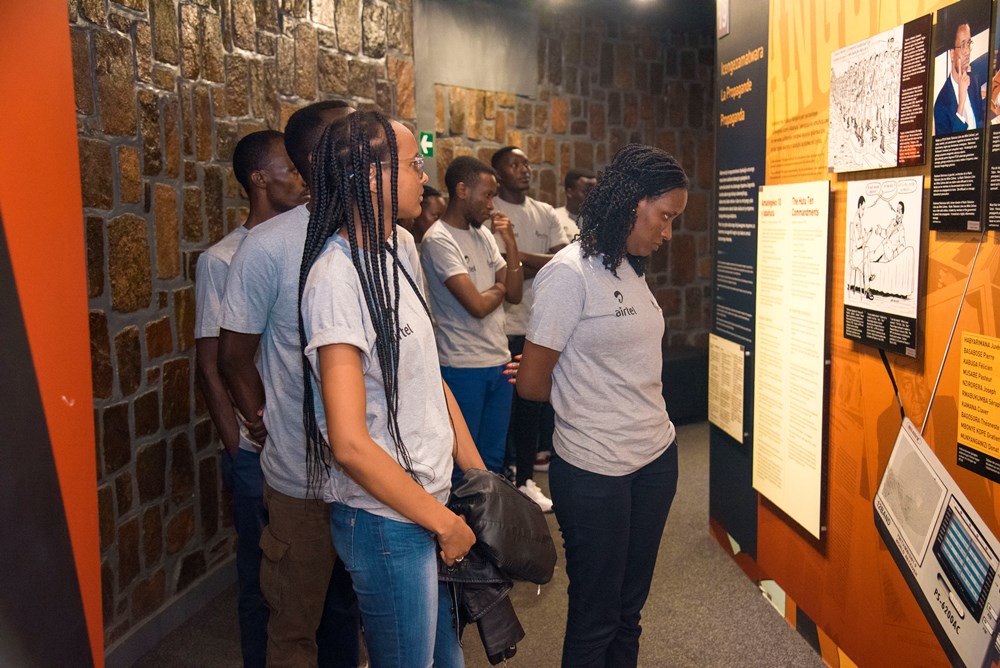
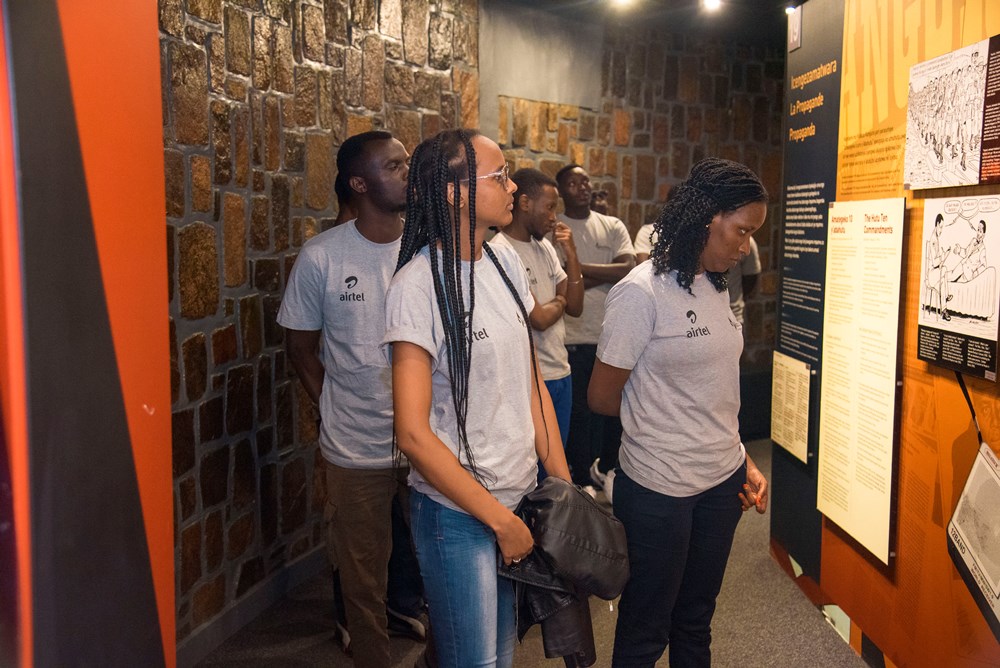
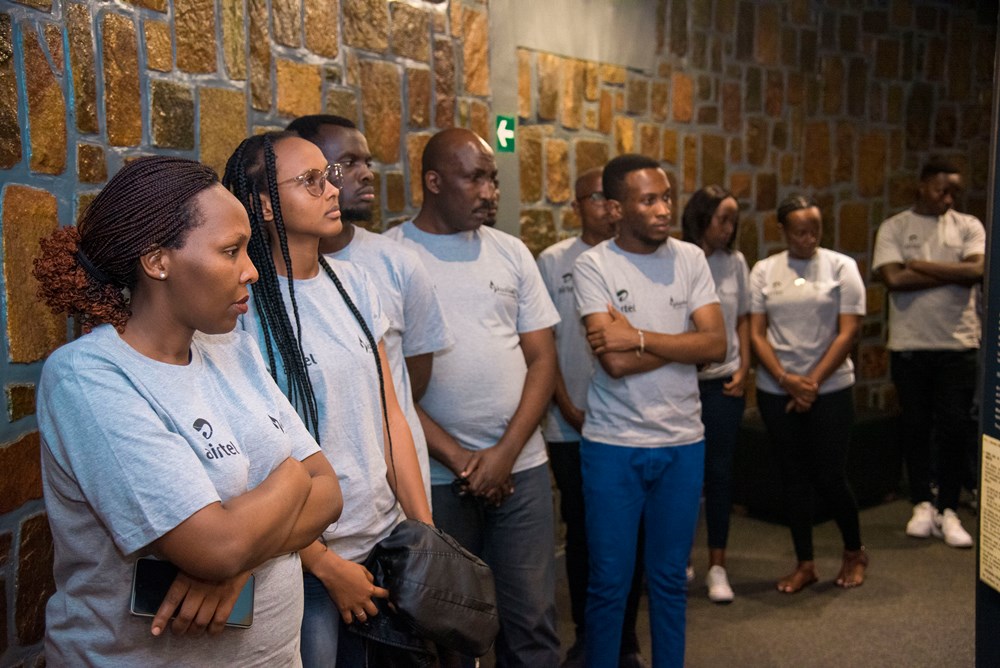
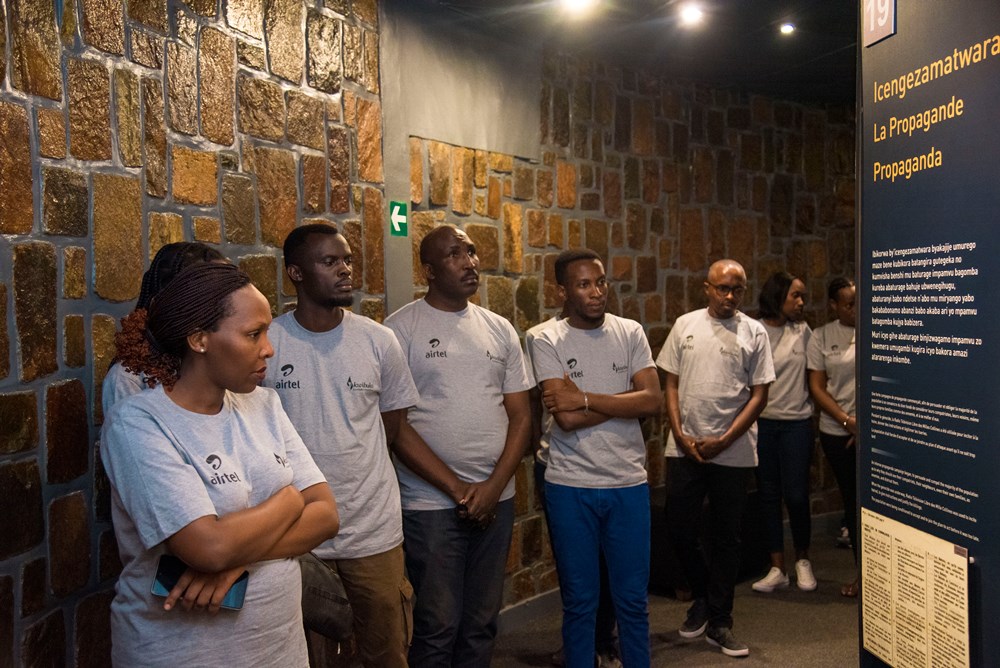
The Airtel team was guided through a tour of the memorial museum and convened in the Amphitheater area where they attended a lecture on the history of the terrible ideology that served as a catalyst for the genocide, the historical events of 1994, and how the RPA soldiers ended the killings of Tutsis in July. The event concluded with remarks from Airtel Rwanda executives.
The Managing Director of Airtel Rwanda, Mr. Emmanuel Hamez stressed the need to recognize the bond of humanity over anything else divisive.
“Airtel as a company will always be a partner in the journey of remembrance of the 1994 Genocide against the Tutsi, pledging that the company will ensure such educative visits to the memorial will continue to take place for staff and management,” he added.
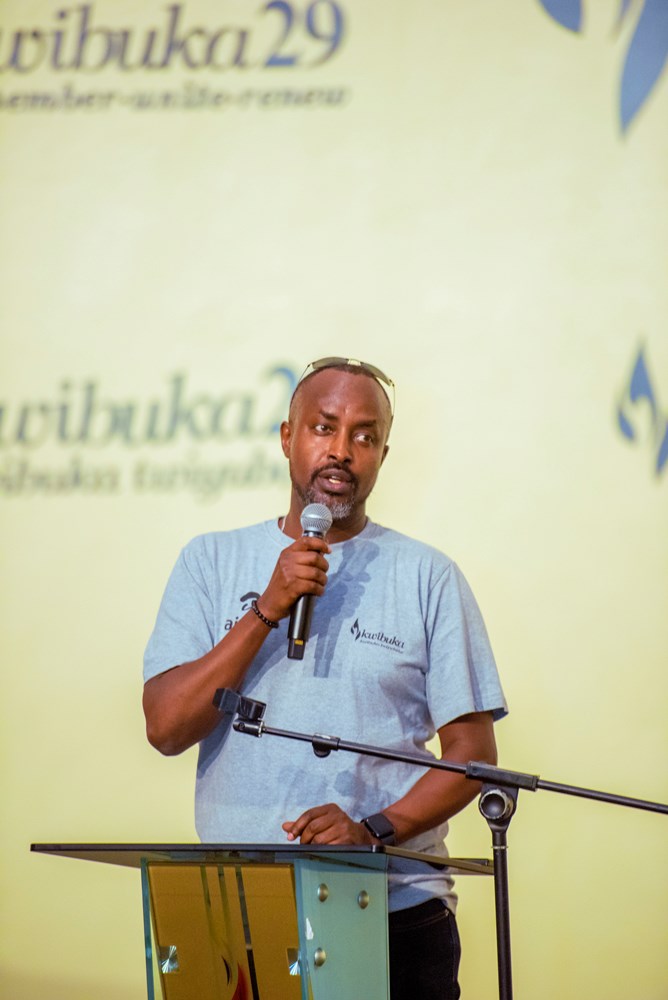
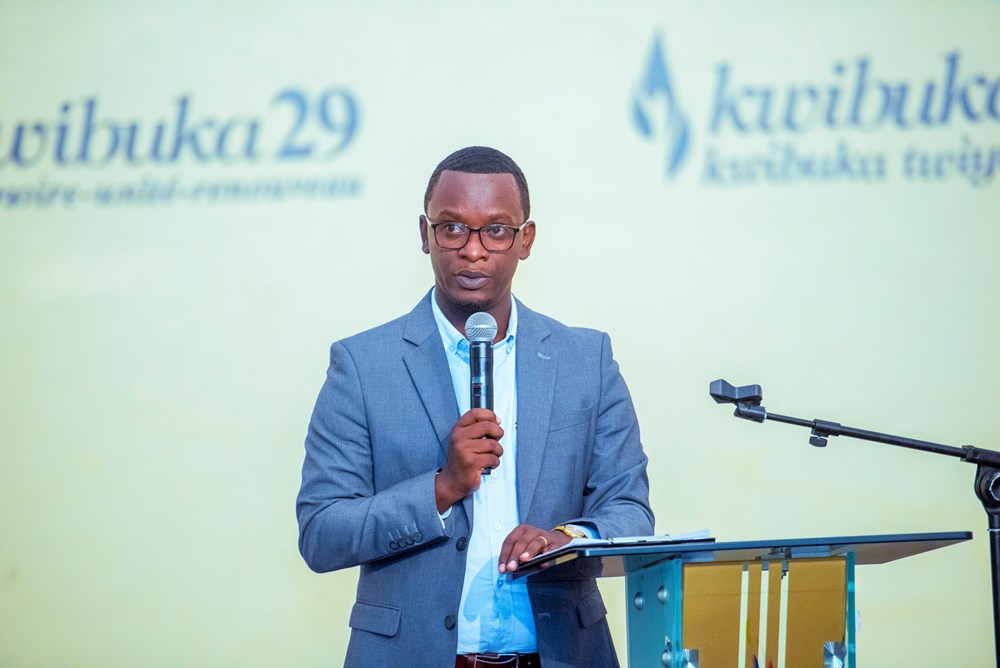
During the memorial visit, Mr. Jean Claude Gaga, Managing Director of Airtel Mobile Commerce, gave remarks to his colleagues expressing sadness about people who use the internet today to promote genocide denial.
He urged them to stay mindful and avoid language or sharing information that is hurtful or provocative, especially towards genocide survivors.
“It’s sad to see that after 29 years, we are still fighting with people who say that the 1994 Genocide against the Tutsi never happened. Today we all have a responsibility to ensure it never happens again,” said Gaga.
“There are some young people who were born after 1994 who believe that the fight against genocide denial is only the work of politicians, the survivors, or people who were here during that horrific time. This is not the right way of thinking. Our history, including the 1994 Genocide against the Tutsi, concerns all of us – those born before, during, and after the tragedy. Let’s do our part to help the government by supporting and empowering genocide survivors.”
This visit to the Kigali Genocide Memorial was arranged to give Airtel staff the opportunity to remember and honor the victims and survivors of the 1994 Genocide against the Tutsi while learning more about the history of events that took place 29 years ago.
Hamez reiterated that Airtel Rwanda stands with the government and the survivors to continue the work of remembering, rebuilding, and reconciliation.
“We salute the Government of Rwanda for providing an inclusive environment that encourages business development and empowers the youth,” he noted.
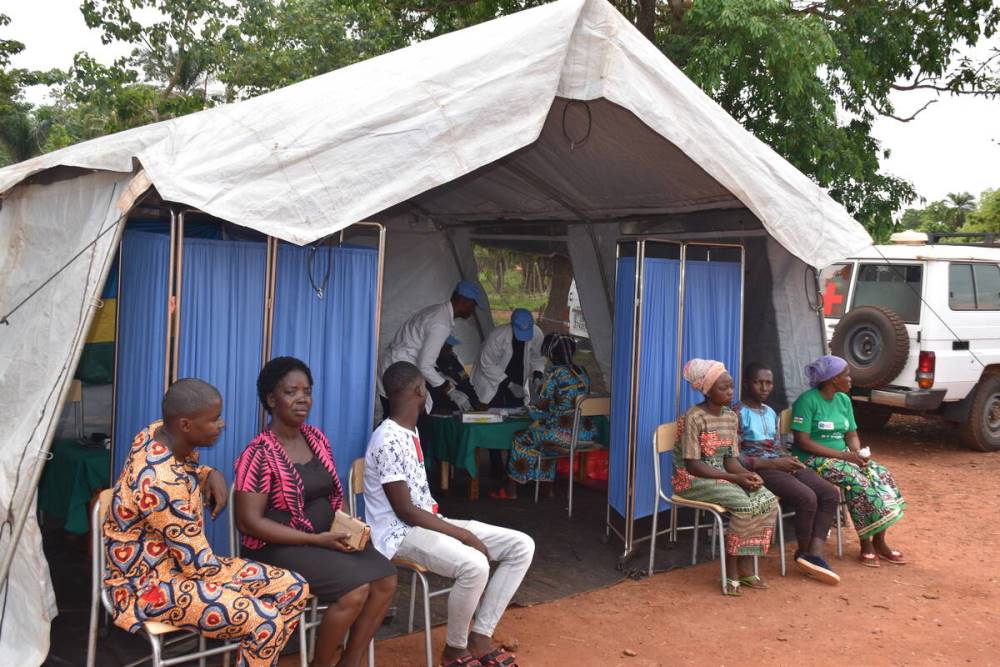
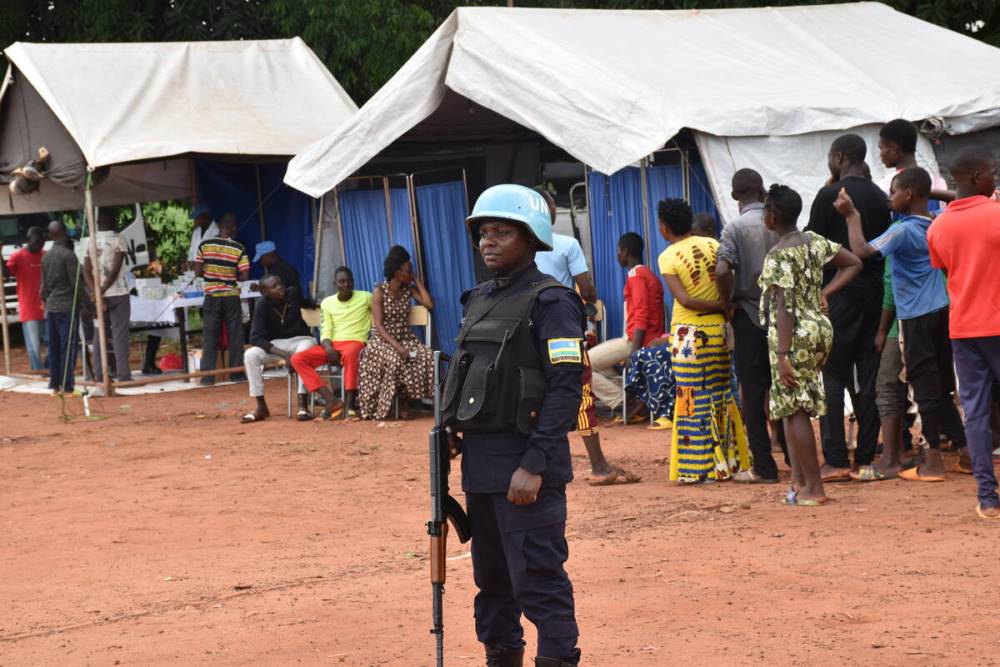
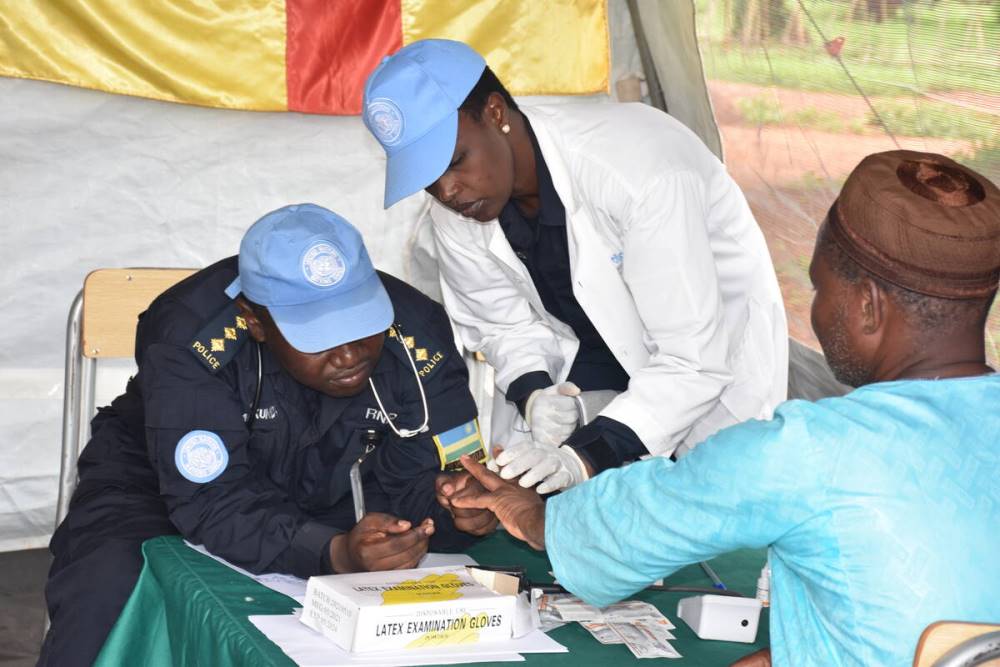
The medical outreach in Mbomou Prefecture by the Rwanda Formed Police Unit-Three (RWAFPU-3) medical team, was in line with this year’s ‘International Day of UN Peacekeepers’ held every May 29, to recognize the service and sacrifice of the blue berets, and in honour of more than 4200, who have given their lives in line of duty.
The 75th anniversary was held on Monday, May 29, under the theme: “Peace Begins with Me.”
Senior Superintendent of Police (SSP) Athanase Ruganintwari, the RWAFPU-3 contingent commander said that the medical services are among the outreach activities conducted in the build-up to the anniversary.
“Rwandan Police peacekeepers in Bangassou MINUSCA Field Office executed different human security activities during the course of the week in collaborating with local authorities,” SSP Ruganintwari said.
“We focused on social problems affecting the residents of Bangassou city where we operate, especially healthcare to give consultations and medication. The health and wellbeing of the people falls within our protection of civilians mandate,” he added.
Medical treatment focused mainly on malaria, skin disorder, gastrointestinal diseases, and screening for non-communicable diseases such as diabetes and hypertension.
The Rwanda FPU-3 medical team, during the course of the week, also provided awareness on prevention and control of non-communicable diseases, and sanitation and hygiene in general.
One of the patients, Koagou Dieumerci, thanked the Rwandan peacekeepers for the free medical services.
“I was treated of gastrointestinal and malaria. Normally, we get these kind of services after paying a lot of money and waiting for days for medical attention. We thank the Rwandan peacekeepers for the humanitarian assistance,” Koagou said.
He added: “This shows us that Rwanda peacekeepers are with us not only in securing us and our city day and night but they are also concerned with our health and well-being.”
The African Union (AU) has adopted the Roadmap for the Resolution of the Conflict in Sudan toward silencing the guns in Sudan.
The roadmap was adopted during the AU Peace and Security Council meeting that was held at the heads of state and government level on Saturday, focusing on the situation in Sudan, the AU said in a communique issued on Sunday.
The roadmap outlined six elements that include the establishment of a coordination mechanism to ensure all efforts by the regional and global actors are harmonized and impactful; an immediate, permanent, inclusive and comprehensive cessation of hostilities; and an effective humanitarian response.
The high-level meeting underscored the overriding importance of a single, inclusive and consolidated peace process for Sudan, coordinated under the joint auspices of the AU, the Intergovernmental Authority on Development (IGAD), the League of Arab States and the United Nations, along with like-minded partners.
“The council, with deep concern, strongly condemns the ongoing senseless and unjustified conflict between the Sudanese Armed Forces (SAF) and the Rapid Support Forces (RSF), which has resulted in an unprecedented dire humanitarian situation, indiscriminate killing of innocent civilians,” the statement said.
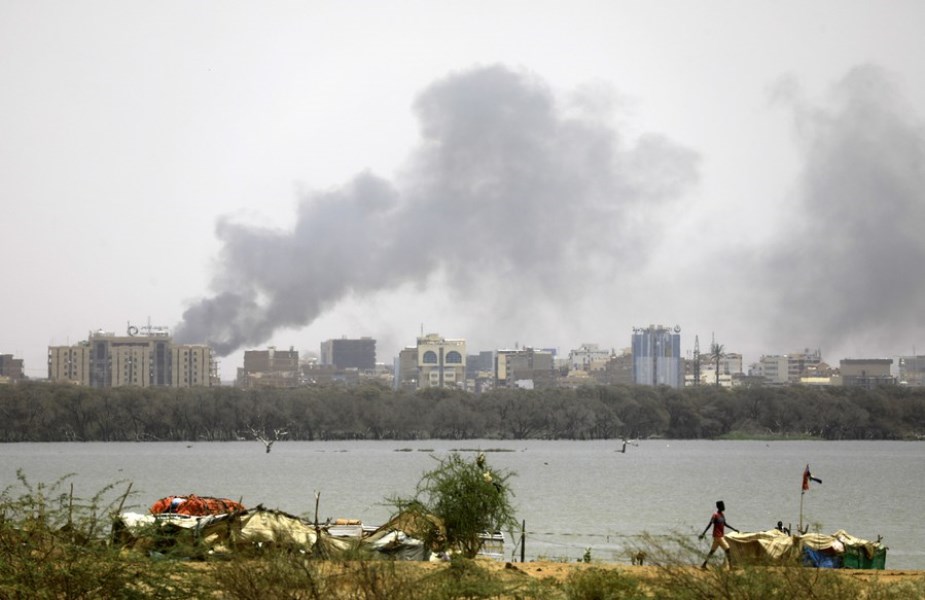
Sudan has witnessed deadly armed clashes between the SAF and the paramilitary RSF in the capital of Khartoum and other areas since April 15, with the two sides accusing each other of initiating the conflict.
According to the Sudanese Doctors Union, the number of civilian deaths since the beginning of the clashes has risen to 863, with 3,531 injuries. The UN Office for the Coordination of Humanitarian Affairs recently said over 1 million people have been displaced since the conflict.
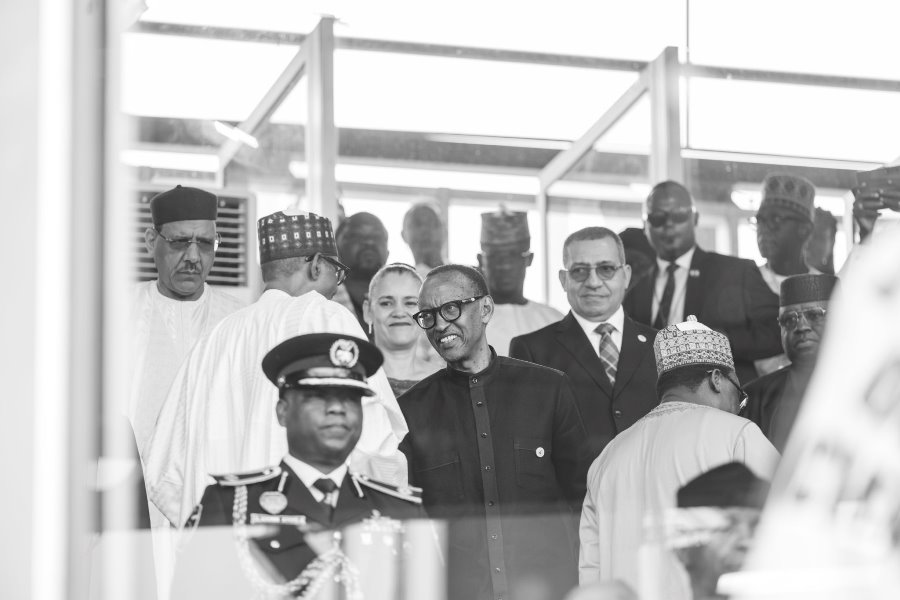
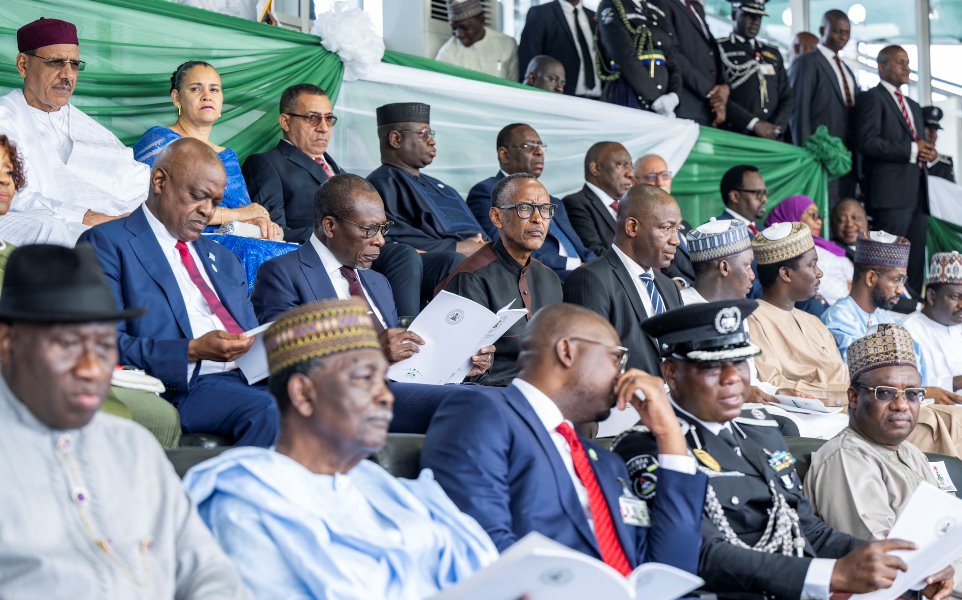
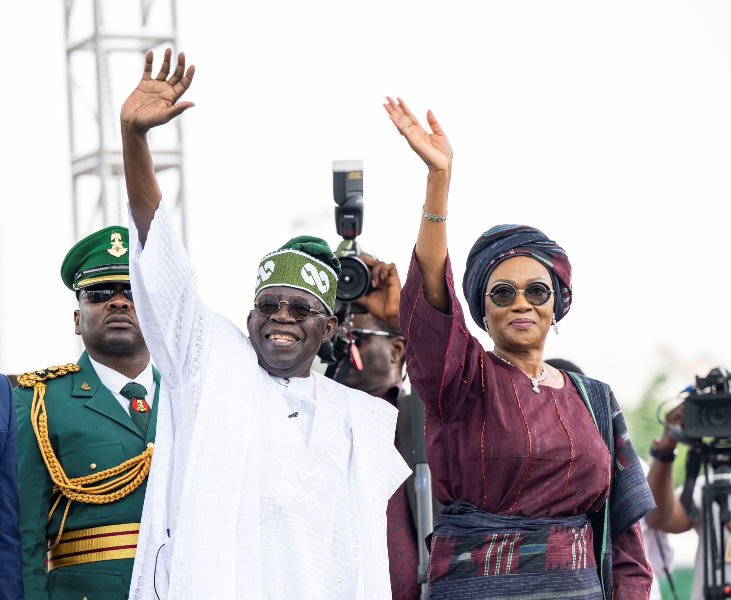
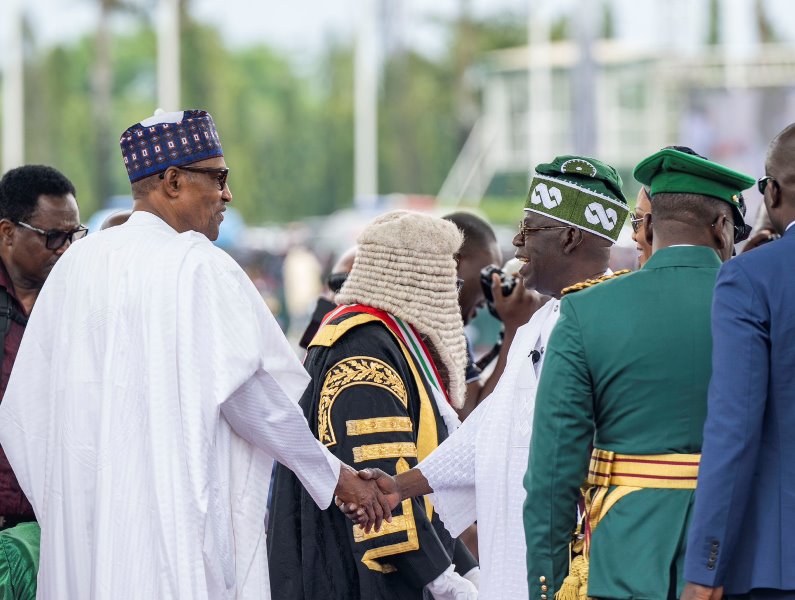
Bola Tinubu assumed office as Nigeria’s president on Monday 29th May 2023 amidst an era of unprecedented challenges for Africa’s most populous nation.
This development has elicited a range of responses from citizens, with some expressing optimism for a better life under his leadership, while others remain skeptical about the potential performance of his government compared to the previous administration.
The inauguration ceremony held in the capital city of Abuja was attended by thousands of Nigerians and several heads of government.
At 71 years old, Tinubu takes over the reins of a country projected to become the third most populous nation in the world by 2050, alongside the United States, India, and China.
Having previously served as the governor of Lagos, Nigeria’s economic hub, Tinubu has made assurances that he will build upon President Muhammadu Buhari’s efforts to bring democratic dividends to the populace.
The nation has been grappling with severe security crises, widespread poverty, and hunger, leading to mounting frustration and anger among its people. Tinubu’s commitment lies in addressing these pressing issues and fostering progress for the nation.
He won the elections with just 37 percent of the votes, which marked the lowest percentage of any elected Nigerian president since the transition from military to democratic rule in 1999.
Peng appreciated Denise Nyakeru’s efforts to improve the health and well-being of African women, children and adolescents as vice president of the Organization of African First Ladies for Development (OAFLAD).
Peng said that the Chinese side maintains friendly exchanges with the OAFLAD and is willing to strengthen cooperation and work together to contribute more to promoting the cause of women and children and building a China-Africa community with a shared future in the new era.
Peng introduced the positive achievements of the Spring Bud Project, a program launched by China Children and Teenagers’ Fund to help dropout girls return to school and improve teaching conditions in impoverished areas. Peng added it is hoped that the two sides could strengthen the exchange of experience in girls and women education to benefit the two peoples.
Noting this is the first time she and President Tshisekedi visited China, Denise Nyakeru thanked President Xi and Madame Peng for their warm and thoughtful reception, and they were deeply impressed by the vitality of China and the hard-working, heroic, and tenacious Chinese people.
Denise Nyakeru highly appreciated Peng’s long-term concern and support to the development of women, children and adolescents in African countries and looks forward to further strengthening exchanges and cooperation and jointly contributing to promoting Africa-China friendship.
China and the DRC are strategic partners with a profound traditional friendship forged in the course of fighting for national liberation and opposing colonial aggression, Chinese President Xi Jinping said in his talks with visiting DRC President Felix-Antoine Tshisekedi Tshilombo in Beijing.
Bilateral cooperation in various fields has yielded fruitful results in recent years, and China has been the DRC’s largest trading partner and source of foreign investment for many years in a row, Xi said.
The two sides have forged a close community of shared interests and shared future, Xi said.
Xi said China’s successful experience in its path to modernization shows that developing countries have the right and the ability to explore modernization paths suited to their national conditions, adding that China is ready to synergize its development strategies with the DRC, support each other and promote cooperation and development.
He expressed the belief that China’s high-quality development will provide more cooperation opportunities and a broader market for the DRC and promote greater development of bilateral relations.
China will, as always, help the DRC in its economic and social development, support its industrialization strategy, strengthen cooperation in energy, mining, agriculture, infrastructure, and manufacturing, and tap the potential of cooperation in the digital economy, education, and health, Xi said, adding that China is ready to send agricultural technology experts to the DRC.
China hopes that the DRC will provide policy support and service convenience for Chinese enterprises to invest and do business in the DRC and foster a fair, just, and safe business environment, he said.
Xi said China is ready to strengthen coordination and cooperation with the DRC in multilateral affairs, jointly practice true multilateralism, and uphold international fairness and justice.
Noting that China and Africa have always been a community with a shared future, Xi said the two sides need to strengthen solidarity and cooperation more than ever under the current international situation.
He called on the two sides to uphold the basic norms governing international relations, oppose all forms of hegemonism and power politics, oppose interference in other countries’ internal affairs, and safeguard the common interests of developing countries.
China firmly supports Africa in pursuing an independent development path and becoming an important pole in the world politics, economy and civilization, Xi said, adding that China is ready to provide new opportunities for African countries with its new development.
China will work with Africa to implement the outcomes of the Ministerial Conference of the Forum on China-Africa Cooperation in Dakar, advance Belt and Road cooperation, support Africa in achieving sustainable development, and build a China-Africa community with a shared future in the new era, Xi said.
Tshisekedi congratulated China on the success of the 20th National Congress of the Communist Party of China (CPC) and the “two sessions,” and Xi’s reelection as general secretary of the CPC Central Committee and the Chinese president, as well as China’s extraordinary achievements in the new era under President Xi’s leadership.
He said he is convinced that China is sure to realize its Second Centenary Goal of building China into a great modern socialist country in all respects.
Tshisekedi thanked China for its important assistance and valuable support for the economic and social development of the DRC over the past half century.
The DRC firmly adheres to the one-China policy and supports China’s efforts to achieve national reunification, he said.
The DRC is willing to work with China to deepen cooperation in economy, trade, resources, infrastructure, medical care and other fields to enrich the comprehensive strategic cooperative partnership and build a mature, stable and groundbreaking relationship for the benefit of the two peoples, Tshisekedi said.
After the talks, the two presidents witnessed the signing of a number of bilateral cooperation documents in investment, green economy, digital economy, and other fields.
Prior to the talks, Xi held a welcome ceremony for Tshisekedi at the square outside the Great Hall of the People.
In the evening, President Xi and his wife Peng Liyuan held a banquet for President Tshisekedi and his wife Denise Nyakeru Tshisekedi at the Great Hall of the People.
Moment offers expanded payment infrastructure for businesses across Africa to help them collect and make payments easier, quicker, and more affordable in any manner that their buyers or suppliers prefer.
Moment will also offer additional options for consumers to spend and save money more wisely.
The aim is to transform the African payments landscape by making digital payments more accessible and reliable for domestic, cross-border and global payments.
“We are excited about our venture with Rapyd and General Catalyst. It will address the need for an accessible and reliable payment platform for many small businesses and millions of consumers in Africa. Investing in this venture is a logical progression for us, as we already process payments every month from 22 million households across 50 countries in Africa. Moment fulfills our strategy to expand our ecosystem, by investing in adjacent businesses that provide scalable services, underpinned by technology”, said Calvo Mawela, MultiChoice Group CEO.
Moment will consolidate the $3.5B in payments that the MultiChoice Group processes annually to expand options for subscribers and make payment processes efficiently, as well as extend Africa’s most complete payment network to African and global businesses.
“We are thrilled to be able to partner with MultiChoice and our network partners to provide Africa’s most complete payment platform for businesses through Moment. Africa is one of the most exciting markets in the world – with tremendous opportunities to expand the use of digital payments, drive cash payments to real-time digital payments, and to capitalise on the tremendous entrepreneurial drive of African businesses,” says Arik Shtilman, CEO of Rapyd.
“Africa represents one of the most exciting investment opportunities for global investors. Over the next 20 years, most of the population growth of the world will be happening in Africa, along with increasing urbanisation. African consumers and businesses are not only moving business online, but will be the labour force for the world across the next 20 years,” adds Adam Valkin, Managing Director at General Catalyst Partners.
The long-term plan is to provide the infrastructure for pan-African payments for the 44 million small businesses operating on the continent. It is also to turn the 90% of retail transactions that are currently taking place in cash, into digital payments. Moment aims to make digital transactions more accessible to the 350 million consumers that are underbanked or not banked at all.
{{Some of Moment’s long term service offering include:}}
-* Payments across 40+ countries in Africa through 200+ locally preferred payment methods to collect, disburse and manage risk.
-* Drive adoption of PayShap, TCIB, NQR, and other real-time payment methods across all markets.
-* Global-Africa trade for importers and exporters with virtual accounts in 40+ currencies and local payments in 130+ countries.
-* Payment tools, deep inventory to sell and financial services for micro-entrepreneurs and SMEs.
-* Offering consumers payments, savings and rewards.
“Moment gives MultiChoice another opportunity to make a meaningful contribution to the economic development of the African continent. It will play a key role in accelerating cash-to-digital payments for all consumers and businesses and making the continent more investment ready for global players, by connecting payments from Africa to the world,” Mawela concluded.
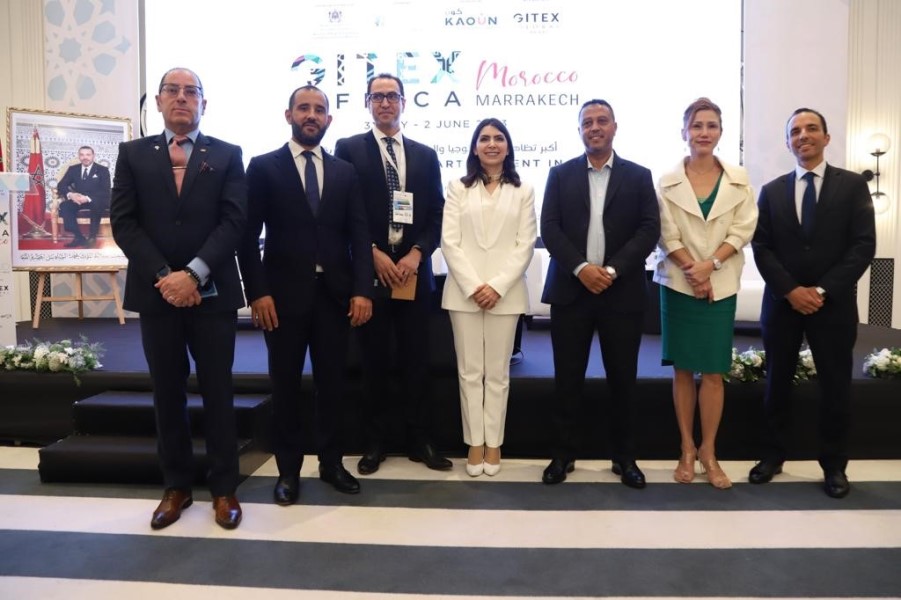
Addressing media at an industry roundtable briefing were senior executives from key exhibiting partners of Africa’s largest tech and start-up show, which makes its grand debut from 31 May – 2 June 2023 in the Red City of Marrakech.
Among these was Orange Maroc, Morocco’s second largest telecom operator. Ms. Hind Lfal, General Secretary of Orange Maroc said the French-headquartered multinational is steadfast in serving as the catalyst for technological growth while supporting Africa’s digital transformation and inclusion initiatives.
“As a Diamond Sponsor of the 1st edition of GITEX Africa, Orange Maroc is committed to accelerate the digital transformation of all companies, to support the development of innovative Moroccan start-ups, and to contribute to making Morocco a technological Hub in Africa,” said Ms. Lfal. “Thus, Orange is investing heavily in the most advanced connectivity networks locally and internationally as well as in modern and secure infrastructures supporting its trusted cloud offering.
“Orange relies on the expertise of a leading group present in 26 countries to provide the best customer service in the industry. Our commitment to excellence has been acknowledged through numerous awards and accolades, demonstrating our unwavering dedication to customer satisfaction.”
Chinese technology giant Huawei was one of the first exhibitors to sign-on for the 1st edition of GITEX Africa upon the show’s announcement to the world in October 2022 at GITEX Global in Dubai, the world’s largest tech and start-up event.
The tech titan opened its first office in Morocco in 2002, and has since created 8,000 local jobs underlining its commitment to augment Morocco’s digital transformation by providing a range of technological solutions and services to the public and private sectors while also training local talent in the fields of big data, AI, and coding.
Mr. Chakib Achour, Chief Strategy Officer at Huawei Morocco, said: “Science and technology development has accelerated Africa’s digital transformation, with Huawei being deeply engaged in the African continent for 25 years.
“GITEX Africa is the perfect opportunity to put real effort to develop our programs in the African region, and help companies to grow. The African region will be able to explore industry digitalisation trends and how technologies like cloud, AI, and 5G unleash industry values,” added Achour. “That’s why we’re coming to GITEX Africa – to unleash Digital for a new Africa.”
Dell Technologies is another headline GITEX Africa exhibitor and has been for last few decades a major enabler of organisations’ digital transformation in the region, providing technologies that empower efficiency, resilience, and progress.
“Dell Technologies, along with its partners, will showcase agile, secure, and future-ready IT infrastructure solutions at GITEX Africa 2023,” said Mr. Nawfal Saoud, General Manager, Morocco at Dell Technologies. “Innovation will fuel digital transformation projects, contributing to the realisation of the vision, at a time when the continent is embarking on ambitious plans to evolve African societies, generate inclusive economic growth, and stimulate job creation.
“We believe GITEX Africa presents a great opportunity to connect with organisations and stakeholders who are passionate about the digital transformation of Africa’s economy. We are looking forward to showcasing our end-to-end portfolio of solutions, which comprise multi-cloud, digital workplace, data, security, finance, client solutions and more.”
Other roundtable speakers addressing media about their GITEX Africa participation and aspirations towards advancing digital inclusion and sustainable economic development in the world’s second largest continent were Mr. Rachid Baarbi, Vice President of AUSIM; Mr. Ghassane Bouhia, Principal Advisor at EBRD; Mr. Imade Elbaraka, Morocco GM and Managing Partner at Deloitte Morocco Cyber Center; and Mr. Mohamed Ahazzam, Head of Presales – Francophone Africa at SAP North and West Africa.
“GITEX Africa is the ideal platform to catalyse digital transformation and innovation in the region,” said Mr. Bouhia. “By uniting key stakeholders, the event will generate the perfect momentum to empower start-up ecosystems and fuel Africa’s digital journey.”
Mr. Ahazzam added: “At GITEX Africa, SAP will showcase the latest innovations from solutions that embrace AI and Machine Learning, Blockchain, cloud and the Internet of Things (IoT). This showcase will allow the start-ups of the African region to accommodate around the uplifting digital transformation.”
Mr. Baarbi of AUSIM, an association committed to the development Morocco’s IT and digital sector, concluded: “We’re committed to continuing to promote discussions on the role of digitalisation in the transformation of Moroccan businesses, fostering national and international collaborations.
“AUSIM plays a crucial role in promoting the effective use of information and communication technologies across all sectors. Its objective during this major event is to foster the digital transformation of Moroccan businesses and support the development of the digital sector in the country.”
{{Uniting every community across Africa’s innovation ecosystem}}
GITEX Africa 2023 will welcome 900 exhibiting companies and start-ups, 250 leading investors, 250 conference speakers and 30 government delegations from more than 100 countries, while attracting tens of thousands of attendees from the across the continent.
The GITEX Africa Digital Summit will meanwhile lead ten conference tracks comprising 140-plus hours of mind-stretching content exploring the most pertinent transformational topics advancing Africa’s digital agenda, from generative AI and digital cities, or Fintech and agritech, to healthcare, energy, innovation, sustainable development goals, and a spotlight on the world’s most exciting start-up ecosystem.
GITEX Africa is held under the High Patronage of King Mohammed VI, under the authority of the Moroccan Ministry of Digital Transition and Administration Reform and hosted by the Digital Development Agency (ADD). The three-day super connector event is organised by KAOUN International.