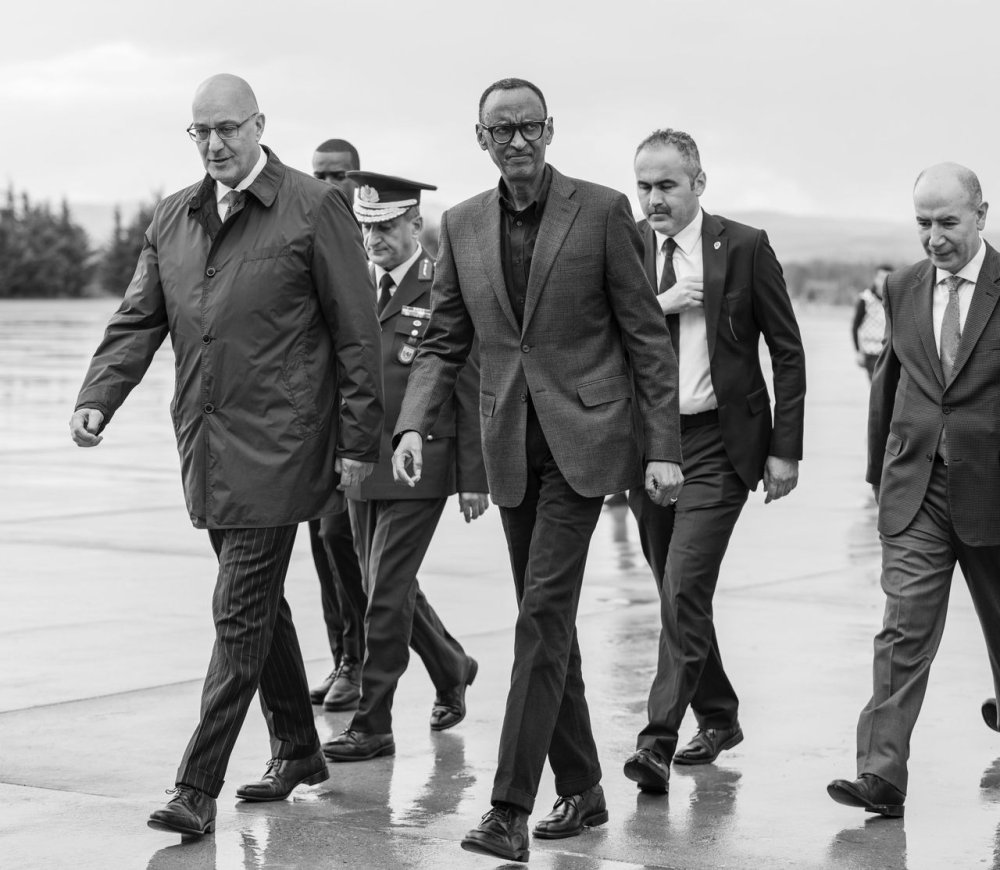
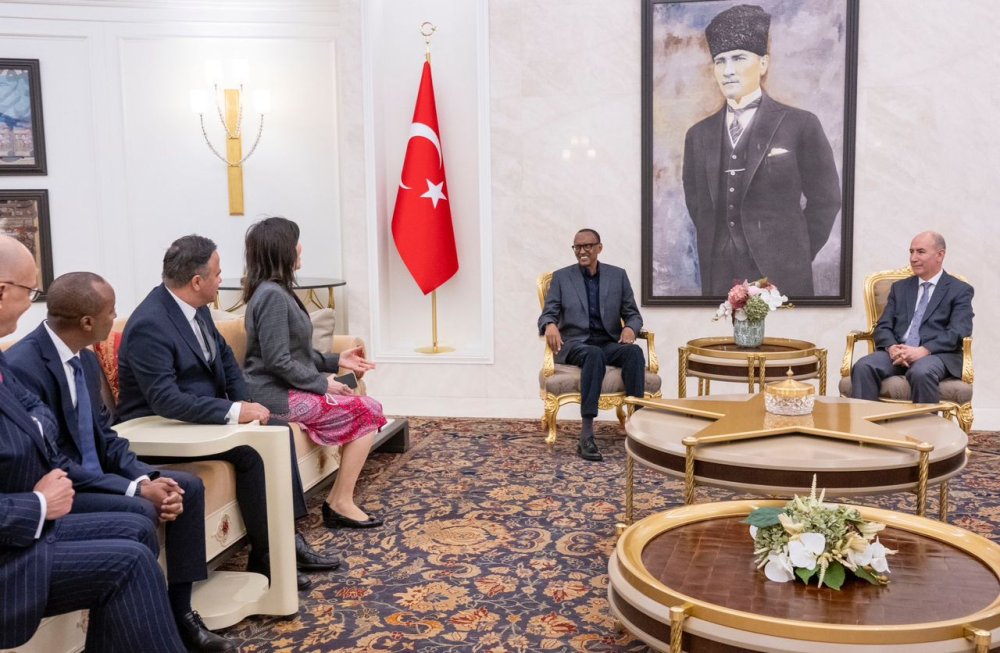
Recep Tayyip Erdoğan to lead the country during a runoff.
Erdogan won 52.14 percent of votes in the presidential runoff against his rival Kemal Kilicdaroglu, who garnered 47.86 percent of the votes.
In the first round of the presidential election on May 14, Erdogan earned 49.52 percent of the vote while Kilicdaroglu received 44.88 percent.
Neither secured more than 50 percent of the votes needed to call a winner in the first round, therefore an election runoff was held for the first time for the presidency.
The third-place candidate, nationalist politician Sinan Ogan, with 5.17 percent of votes, announced his endorsement of Erdogan in the runoff where only the two most supported were able to race.
Erdogan’s People’s Alliance, composed of the ruling Justice and Development Party and Nationalist Movement Party, garnered a majority of 323 seats in the 600-seat parliament in the parliament election, while the six-party opposition block Nation Alliance received 212 seats.
The twin elections saw a high voter turnout at 86.98 percent, with almost 54 million citizens going to the polls.
Erdogan, who has been leading the country since he became prime minister in 2003, became the first president of Türkiye in 2018 following a constitutional referendum in 2017 which changed Türkiye’s parliamentary system into a presidential system.
While dozens, including the heads of OpenAI and Google Deepmind, have backed statements warning about potential disaster scenarios around AI – even the extinction of humanity – others in the field have said AI fears are overblown.
One thing is certain: AI is on track to be the next big global technology shift, while in Africa, it has the ability to transform the way businesses are run and societies function. More importantly, according to Mustapha Zaouini, the Chairman of AI in Africa, the continent is now exploring AI to solve pressing issues including poverty, unemployment, and inequality.
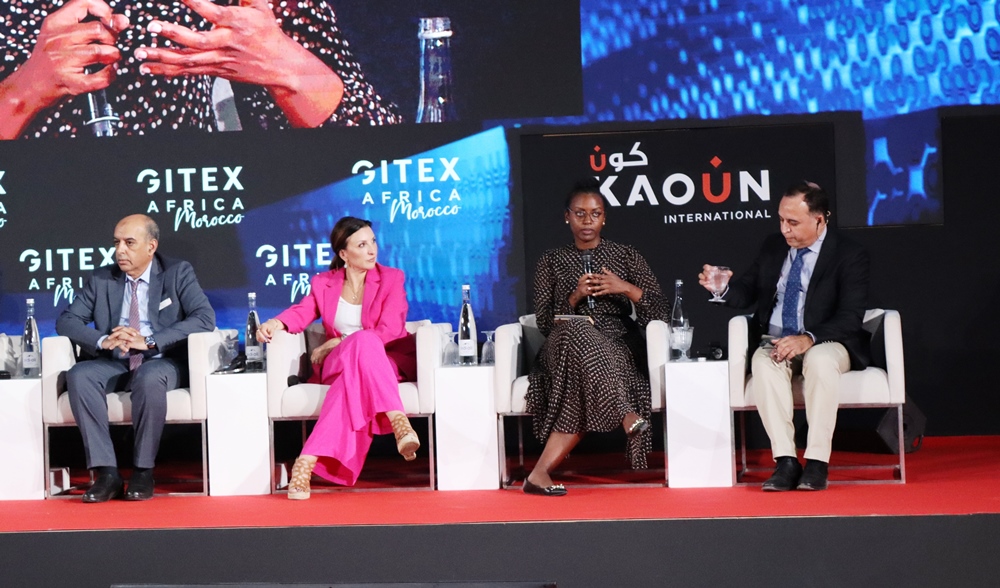
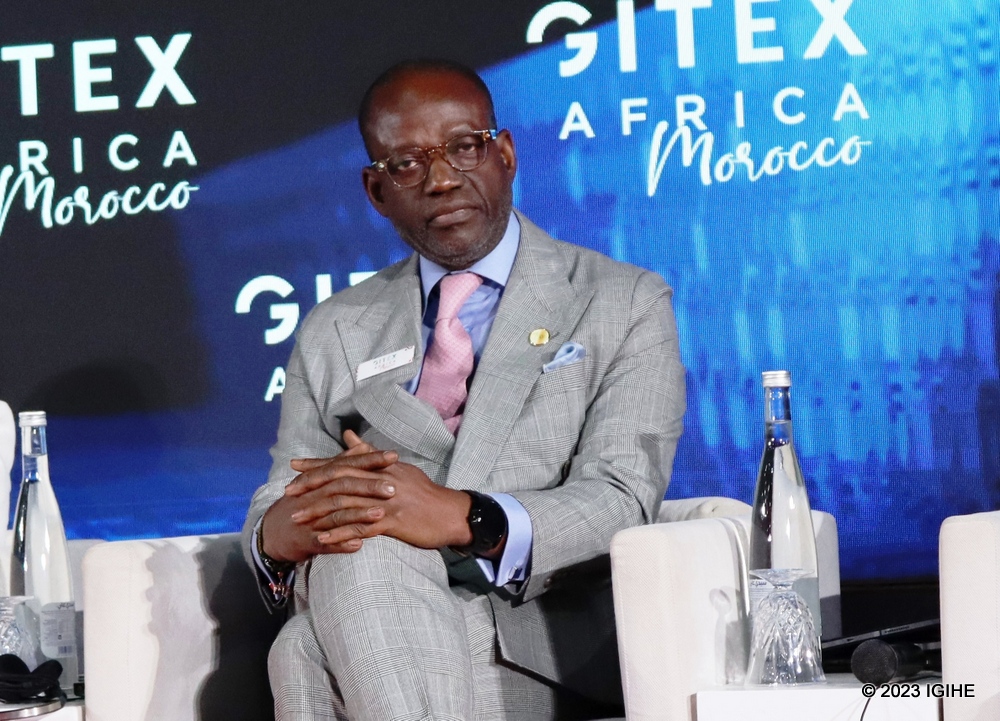
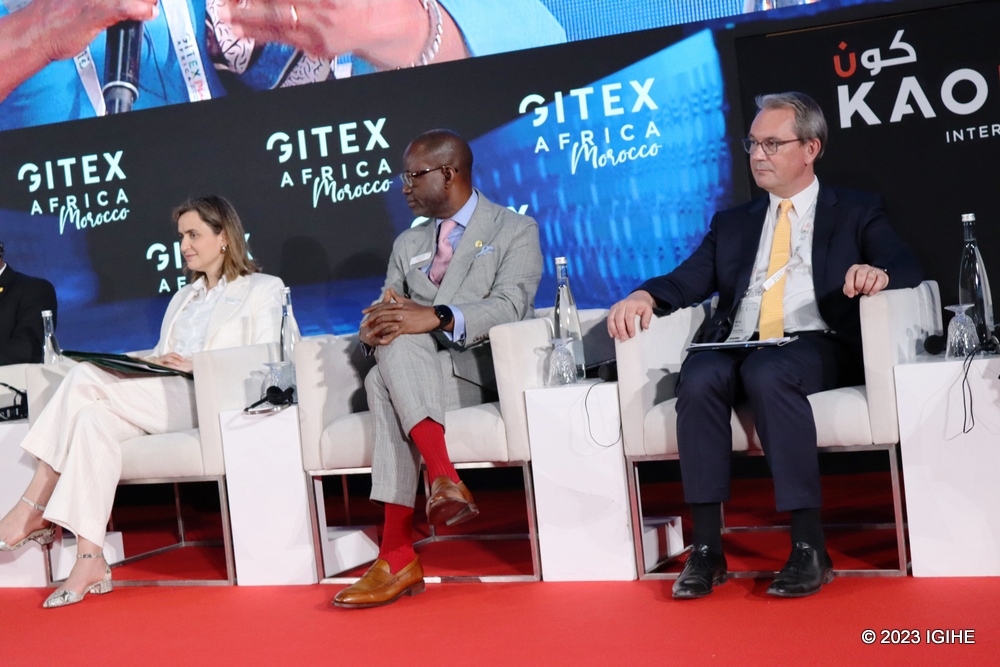
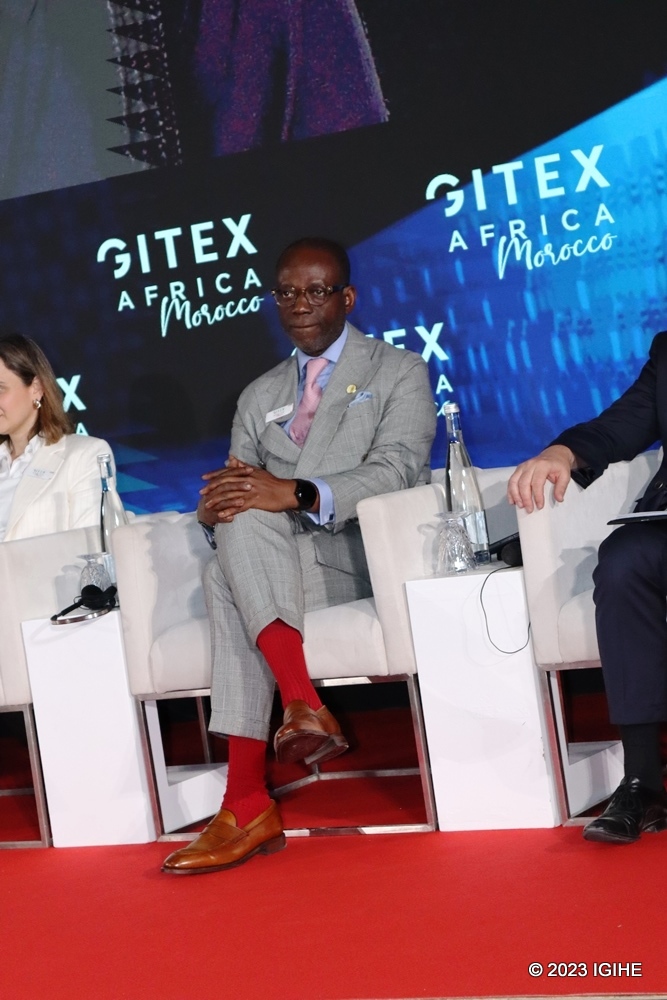
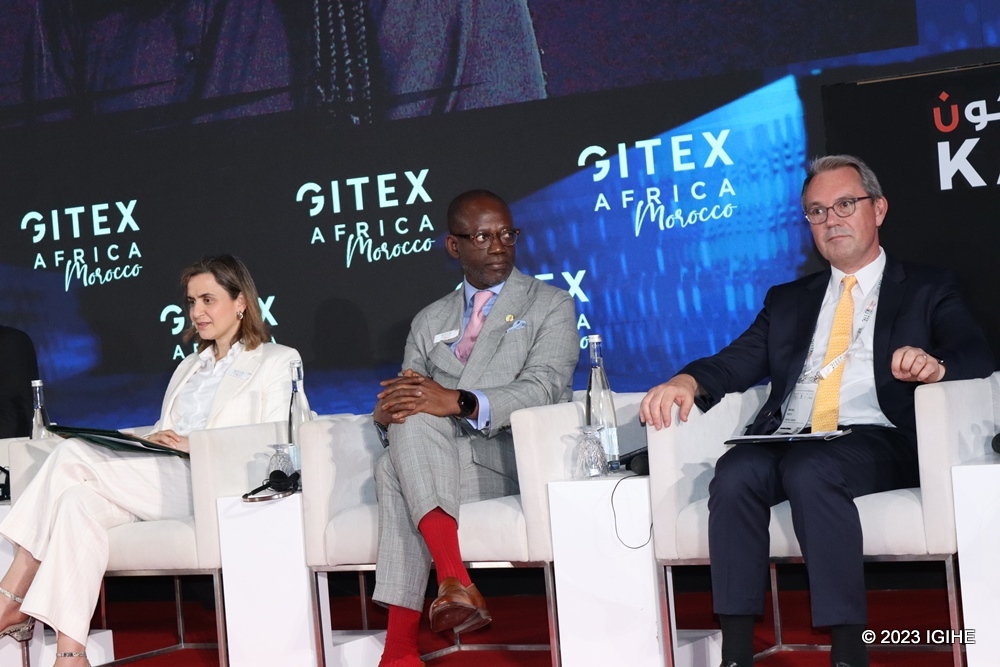
“While Africa has unique challenges, such as disparity in internet access, it’s steadily embracing AI,” said Mr. Zaouni, a panellist at the GITEX Africa AI Summit on the topic of Responsible Generative AI.
“Readiness varies across countries, and there’s a need to invest in infrastructure, education, and policy-making to fully harness AI. Ensuring equitable access to technology and bridging the digital divide are crucial steps to prepare for AI’s impact in Africa.”
Simon See, the Global Head of Nvidia AI Technology Centre in Singapore, and another speaker on Friday said, with the right investments and policies, AI can help Africa to achieve its development goals and improve the lives of its people.
“In Africa, the demand for AI skills is expected to grow by 36 percent between 2020 and 2025,” said Mr. See, whose American-headquartered Nvidia makes specialist AI chips, with a market value that briefly surpassed US$1 trillion this week.
“This growth is driven by the continent’s young population, as well as its investments in start-ups and innovation. The growth of AI is creating new jobs in Africa, as companies look to hire experts to help them develop and implement AI-powered products and services.”
{{Elevating African talent to the forefront of a new global workforce}}
Mr. See said Africa is still in the early stages of AI adoption, but there’s a growing interest in the technology across the continent: “Several African countries have developed national AI strategies, and there’re a number of start-ups and research institutions working on AI-related projects,” he said.
Dr. Adel Alsharji, the COO of Presight, a UAE-based AI-powered big data analytics company, delivered the keynote address on the Societal Impact of Artificial Intelligence at the GITEX Africa AI Summit, one of ten conference tracks at the inaugural GITEX Africa, the continent’s largest tech and start-up exhibition that took place in Marrakech from 31st May to 2nd June 2023.
Dr. Alsharji said Africa is the second-fastest growing region globally in AI adoption: “Africa’s AI journey is gaining momentum, and this progress highlights the continent’s readiness to explore and harness the potential of AI for driving economic growth and addressing local challenges, ultimately benefiting the greater good of its people,” said Dr. Alsharji, adding that demand for AI-related jobs will increase two-fold over the next three years.
“A study by McKinsey Global Institute predicts that AI could add US$13 trillion to the global economy by 2030, while the number of AI-related jobs in Africa alone is expected to grow by 200 percent by 2025.”
Mr. Zaouini, whose AI in Africa is a non-profit organisation aimed at empowering African youth for an inclusive AI future, concluded that in Africa, AI should be seen as a tool to leapfrog traditional stages of development while elevating African talent to the forefront of a new global workforce.
“The African societal impact of AI is immense, as it revolutionises the way we work and live,” concluded Mr. Zaouini. “After the internet, the second revolution was probably the social dilemma, but AI is an even bigger revolution than all of them.”
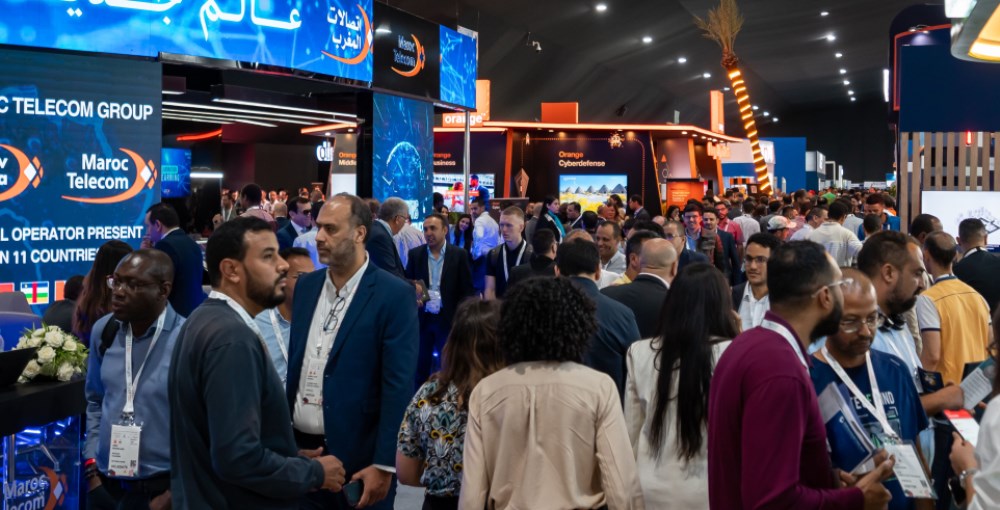
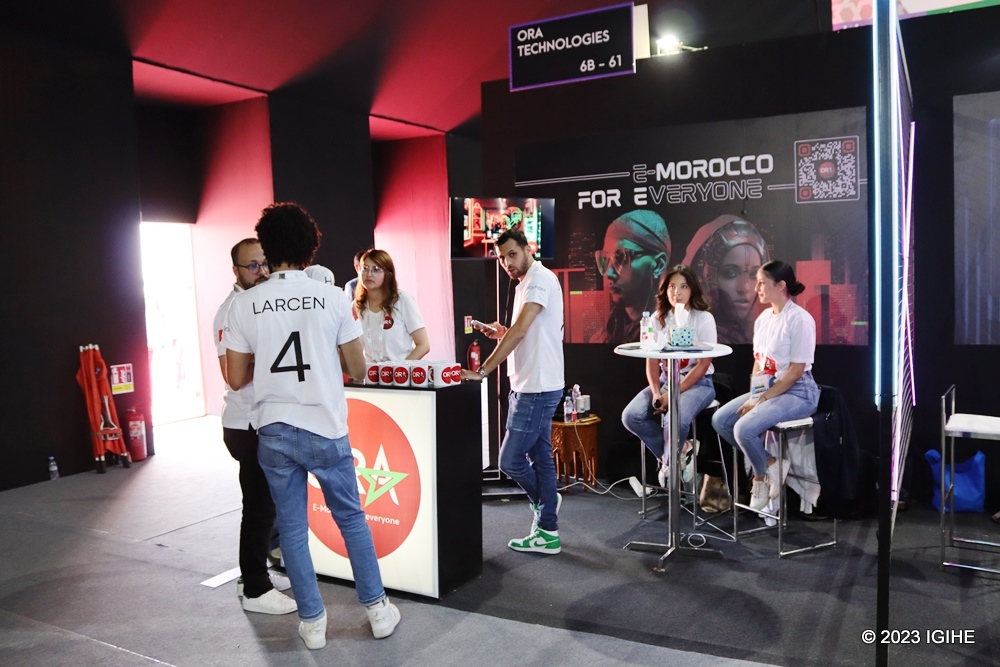
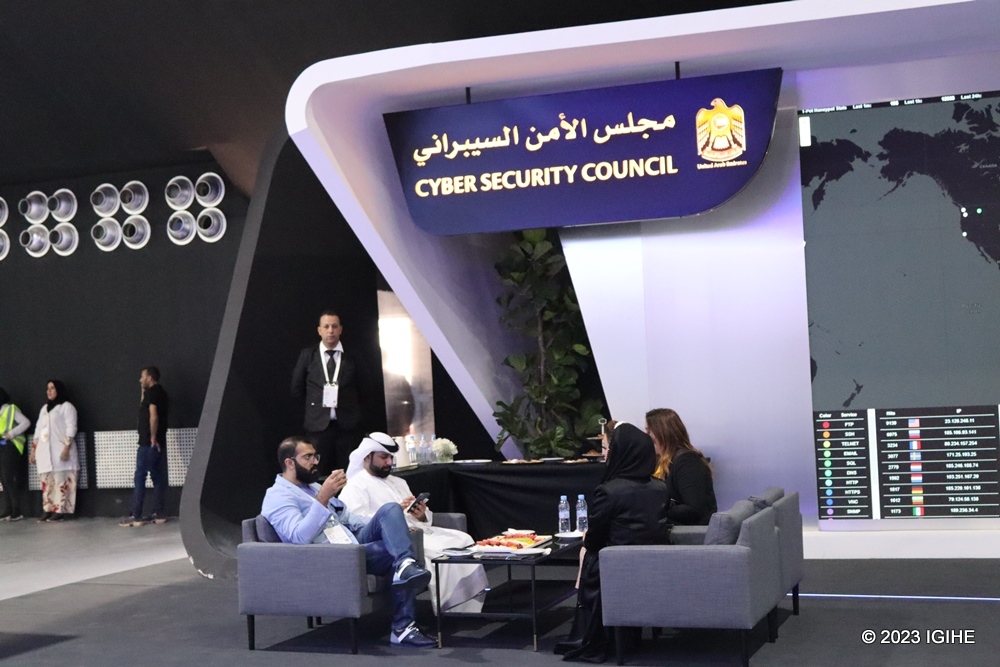
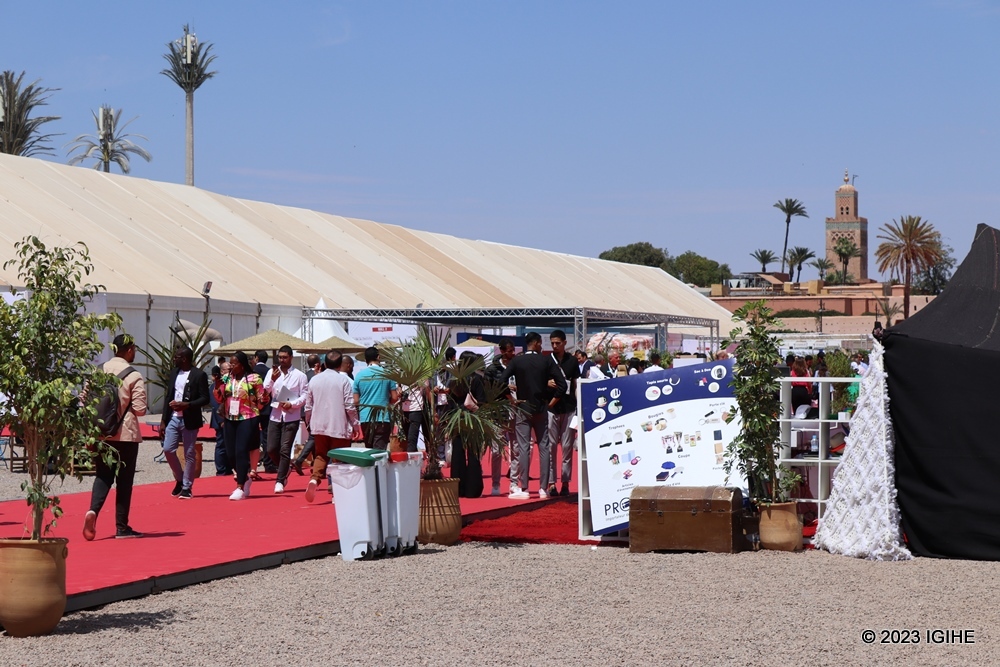
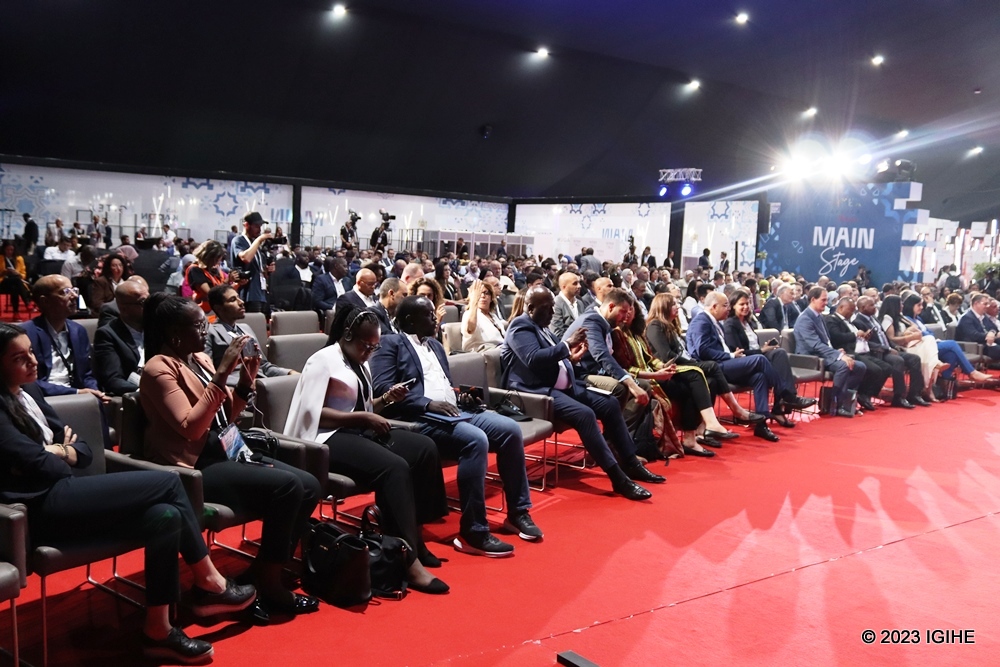
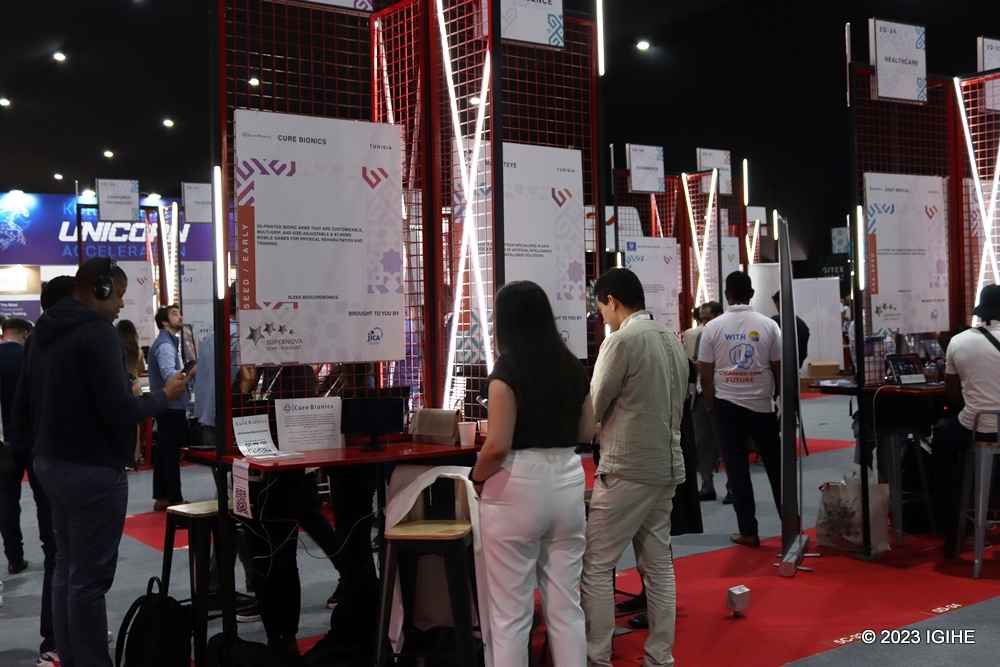
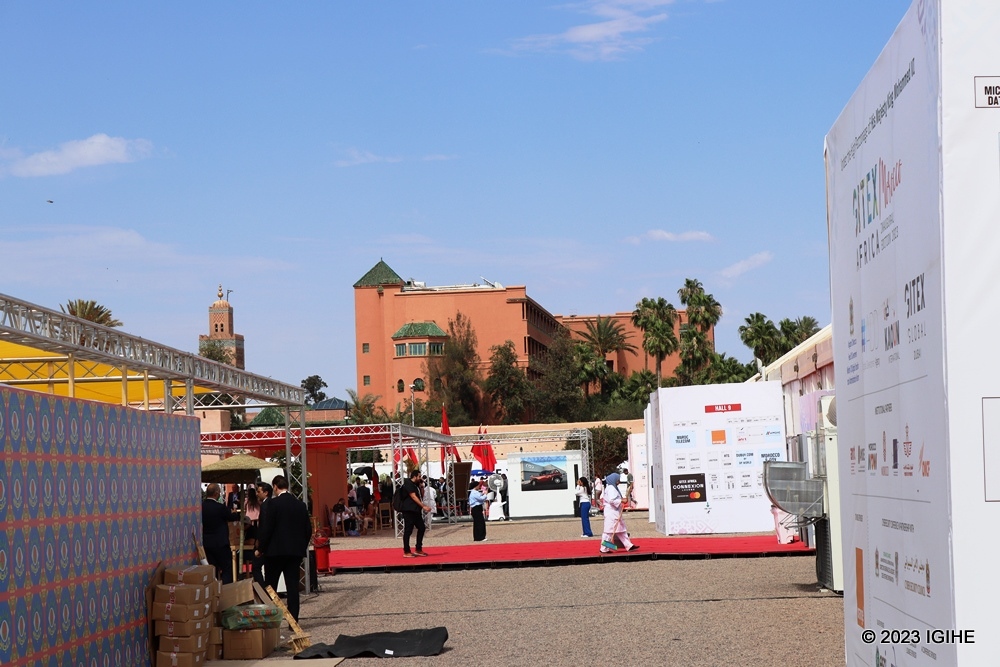
GITEX Africa, which concluded on Friday 2nd June in the Red City of Marrakech, gathered thousands of attendees from 120 countries over its three-day run, all looking to network and develop meaningful business connections with the 900 exhibiting companies and start-ups across 10 halls and 45,000sqm of exhibition expanse.
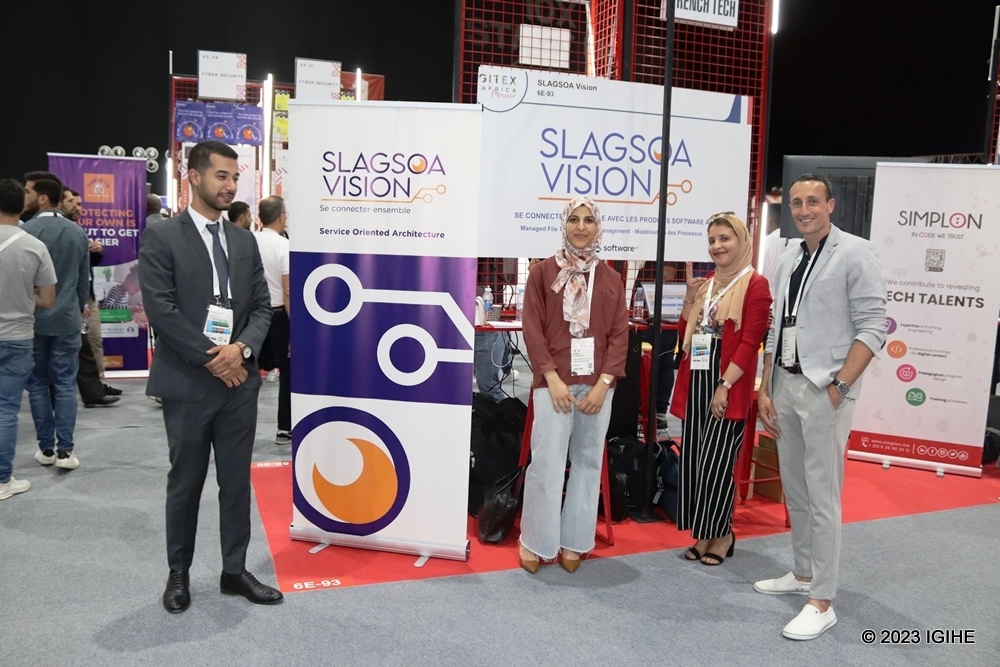
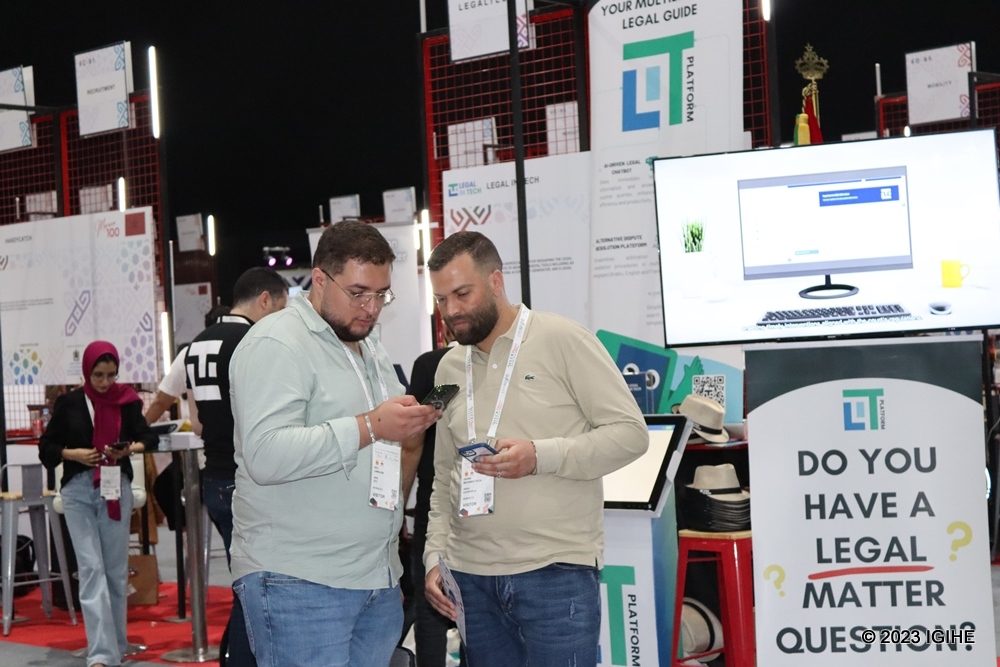
AI and it’s far-reaching multisectoral impact were also evident on the exhibition floor, with many exhibitors showcasing how the AI boom is turbocharging waves of innovation across industries, from education and agriculture, to transport, retail, energy, or logistics.
BetaLife, an award-winning Nigerian start-up epitomised this movement in the healthcare sector. The cloud-based AI-powered platform connects hospitals and blood banks using advanced algorithms, ensuring the efficient flow of lifesaving blood products to patients in need.
Mubarak Ayanniyi, the 21-year old founder and CEO, said the greatest advantage of Betalife is its ability to analyse copious data via an AI-powered algorithm that accurately predicts when, where, and in what amounts blood donations are required, thereby directing resources and allocating donations when needed, ultimately saving countless lives.
“BetaLife has revolutionised the way that blood donations are managed in Africa”, said Ayanniyi.
“Instead of relying on manual processes, hospitals and blood banks are now using BetaLife to predict when and where blood donations are needed most. This has led to more efficient distribution of blood products, reducing waste and ensuring that those who need it most receive the lifesaving treatment they require.”
GITEX Africa was held under the High Patronage of King Mohammed VI, and hosted by the Digital Development Agency (ADD), under the authority of the Moroccan Ministry of Digital Transition and Administration Reform.
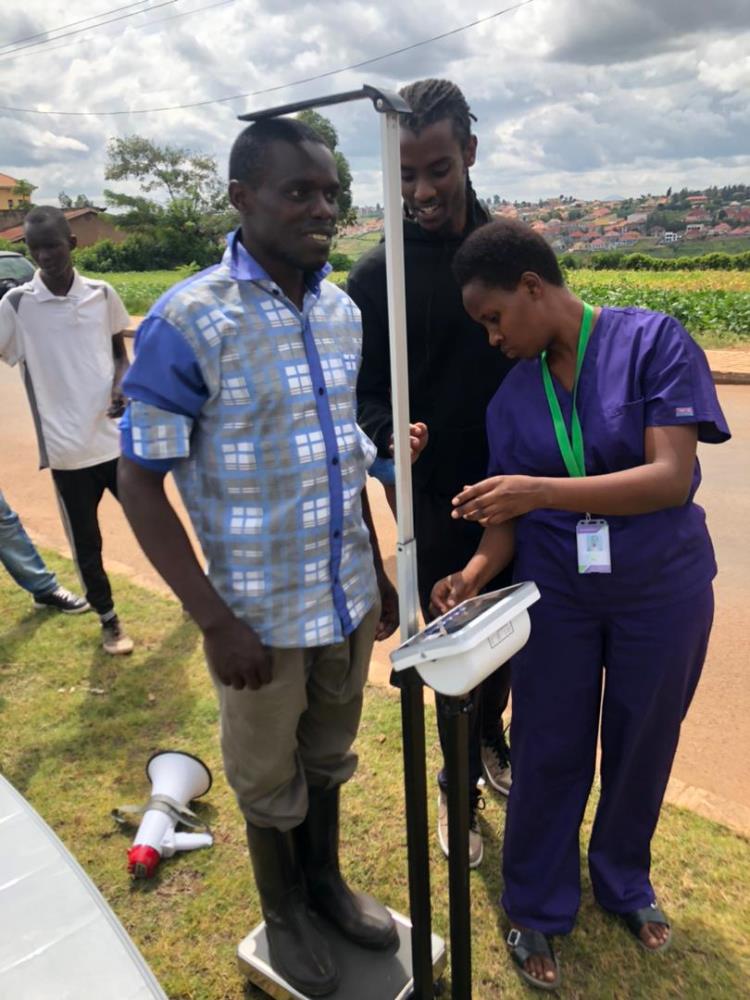
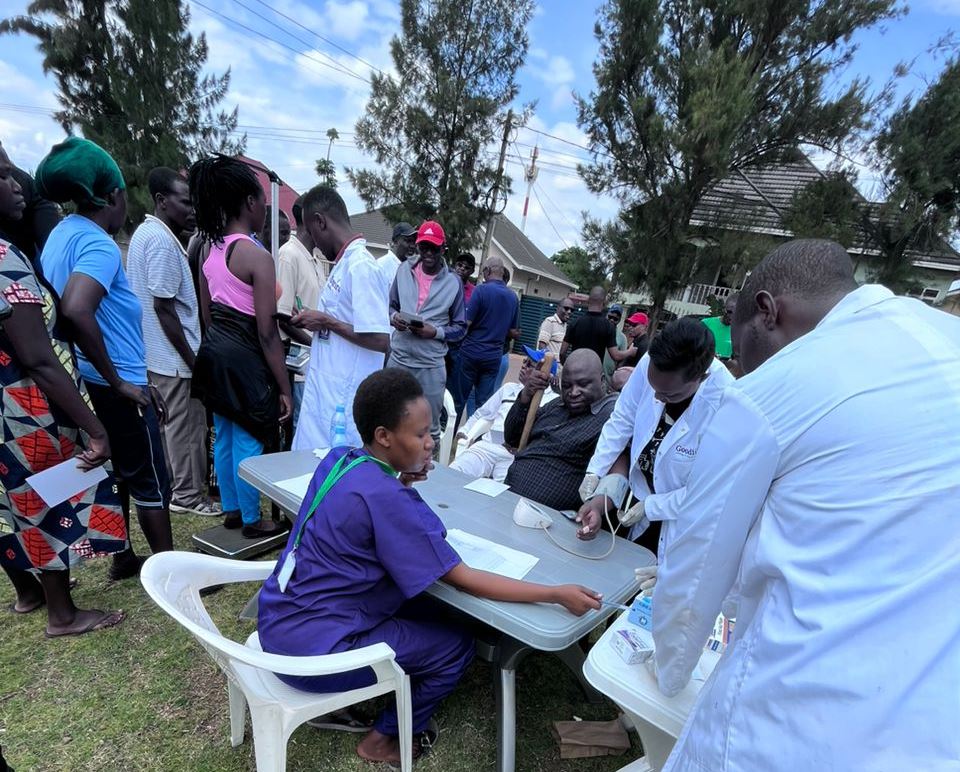
This impactful initiative commenced during “Umuganda” in Gatare Village, Niboye Sector, Kicukiro District, where GoodLife Pharmacy’s dedicated team engaged with the community. They emphasized the importance of holistic wellness and encouraged healthy living habits among the residents.
Under the guidance of the esteemed medical staff from Top Health Clinic, the pharmacy efficiently conducted testing and screening for chronic ailments such as diabetes and hypertension. NKAKA GATERA Daniel, the responsible Pharmacist of GoodLife Pharmacy Silverback, stressed the significance of self-care practices and the need for individuals to be mindful of their overall well-being.
“Goodlife aims to serve all categories of the population regardless of their income and to facilitate the access of health care products within the same facility”, he stated.
To sustain their commitment to the nation’s development, GoodLife Pharmacy plans to utilize the funds collected to continue providing screening services to the 100 selected individuals in need of ongoing support.
In addition to their remarkable healthcare efforts, GoodLife Pharmacy also initiated a unique concept in Rwanda, Refilling Station for essential hygiene products such as body wash, body lotion etc…and generously donated an array of the mentioned products. This contribution aims to enhance personal grooming, boost self-confidence, and foster a culture of self-care among the beneficiaries, while helping Rwanda in its fight against waste management and reduce the use of plastic from the cosmetic industry.
GoodLife Health and Beauty Pharmacy is dedicated to meeting the diverse health, beauty, and wellness needs of every Rwandan citizen. Established in September 2022, the pharmacy is conveniently located in the Kicukiro District, within the premises of Silverback Mall at Sonutube. Moreover, they have branches in Kimironko, Rwandex, Nyakabanda, and Musanze, ensuring accessibility across the region.
Notable among their offerings are dietary supplements, popular beauty products, slimming aids, children’s products, shampoos, massage oils, and various health-related items. They cater to individual preferences and offer affordable options that promote a healthy lifestyle. Goodlife Pharmacy is focused on customer care and provides delivery services while Top Health Clinic provides home visit consultations.
GoodLife Pharmacy takes pride in ensuring that customers find what they need to lead a fulfilled and vibrant healthy life.
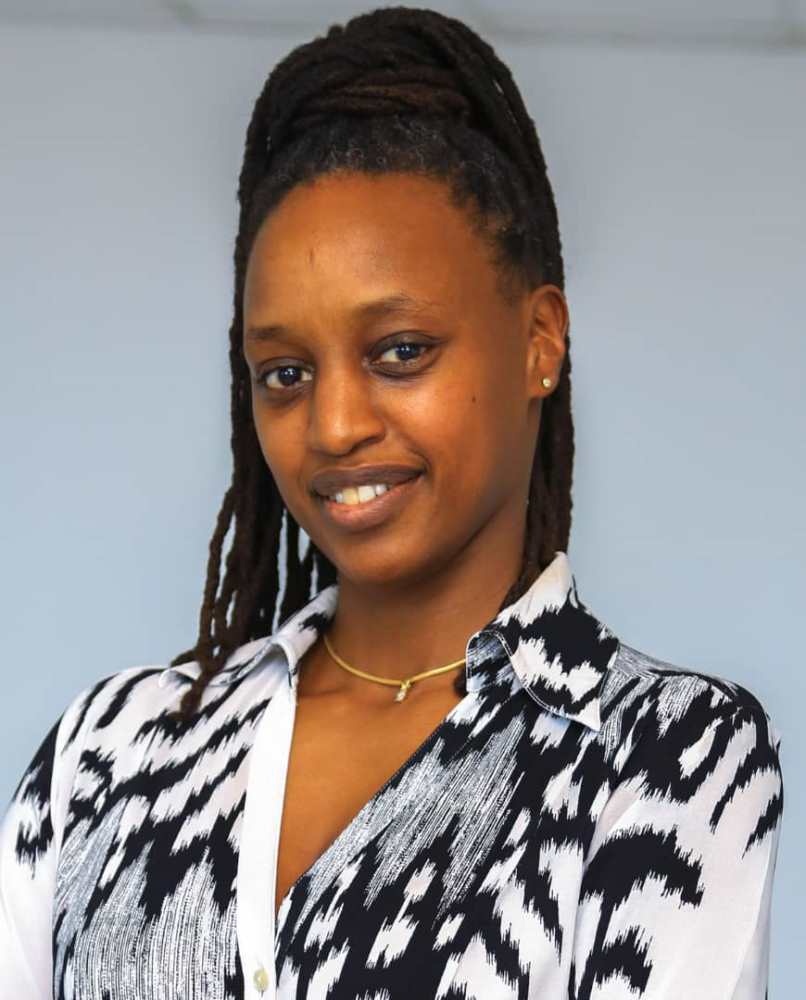
Rwanda’s ambitious targets to leverage technology to build resilient smart cities were shared by Tessy Rusagara, the Managing Director of Kigali Innovation City during a panel discussion on the summit’s second day.
The session centered around harnessing smart solutions and digitization to enhance urban resilience and sustainability. Rusagara was joined by Fleur Hassan-Nahoum, Deputy Mayor of Jerusalem responsible for foreign relations, international economic development, and tourism, as well as policymakers from Morocco and other countries.
Spanning across 61 hectares in the Special Economic Zone, KIC will be a dynamic work-live-play community that integrates world-class universities, Grade A offices, residential and student housing, retail facilities, and business hotels. This visionary project is founded upon an innovative and environmentally conscious smart city concept.
Several key infrastructures within the city are already operational, including Cooper Pharma, Carnegie Mellon University, and African Leadership University. To further develop the necessary ecosystem within the Kigali Special Economic Zone, the project has attracted Africa50, a pan-African infrastructure investment firm, as a co-developer alongside the government of Rwanda.
Africa50 and the Rwanda Development Board are jointly investing in the early-stage development activities, aiming to enhance the project’s bankability and attract additional strategic sponsors and co-investors.
During her engagement with summit participants, Rusagara emphasized that the 61-hectare development is exclusively dedicated to technology and innovation. She highlighted the collaborative investment between the government and Africa50, an infrastructure investment platform, with the primary objective of providing physical and soft infrastructure to foster technology and innovation.
Rusagara further emphasized the importance of cultivating a talented workforce, stating that Rwanda’s initial focus lies in nurturing the pool of individuals capable of creating and maintaining technological solutions.
Integral to the KIC project are the world-class universities within the site, attracting pan-African talent in engineering, leadership, and business. The goal is to equip the country with the skills required not only for government and private sector employment but also for entrepreneurial endeavors and creating solutions necessary for the digital revolution.
“In addition to this project, we have numerous ecosystem activities within the government to support the growth of technology and innovation, including funding and various programs,” added Rusagara.
Rwanda is actively working on bolstering smart solutions and digitization across different sectors, ensuring that technology positively impacts the lives of its citizens.
The government’s proactive approach in leading the integration of technology into citizen services has been instrumental in driving Rwanda’s digitization efforts. Rusagara also acknowledged the significant contribution of the private sector, which has played a crucial role in advancing the digitization of various services, such as healthcare, transportation, and taxation. This concerted effort is laying a solid foundation for the development of a truly digital city.
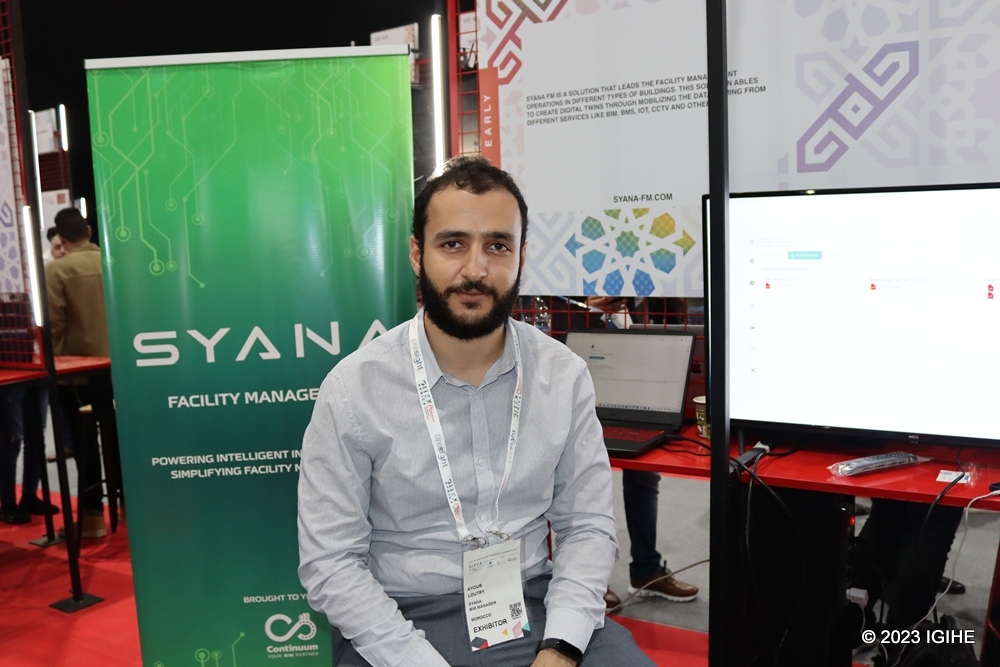
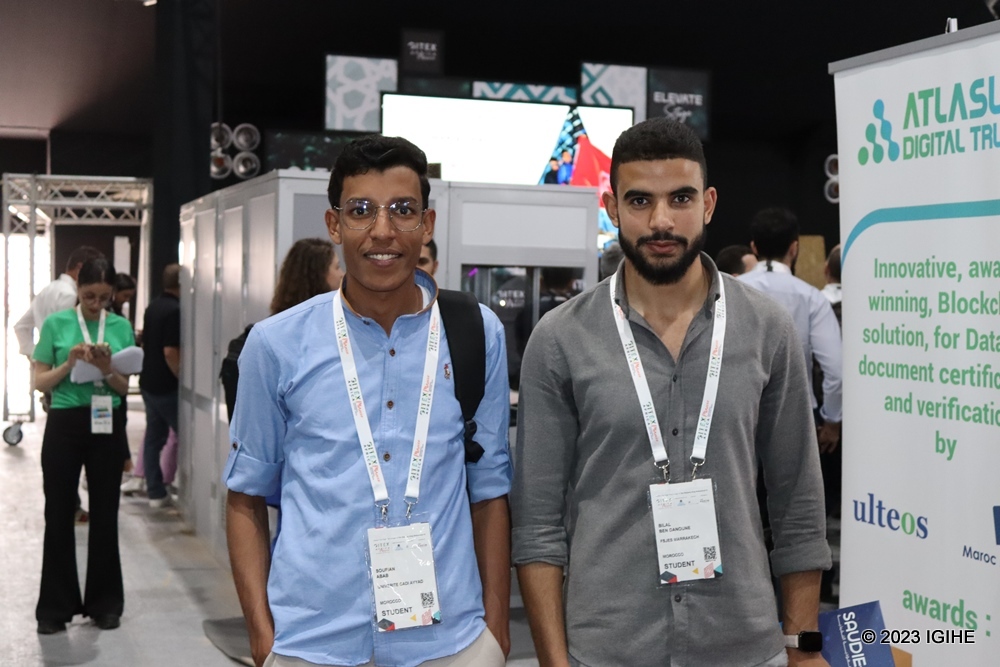
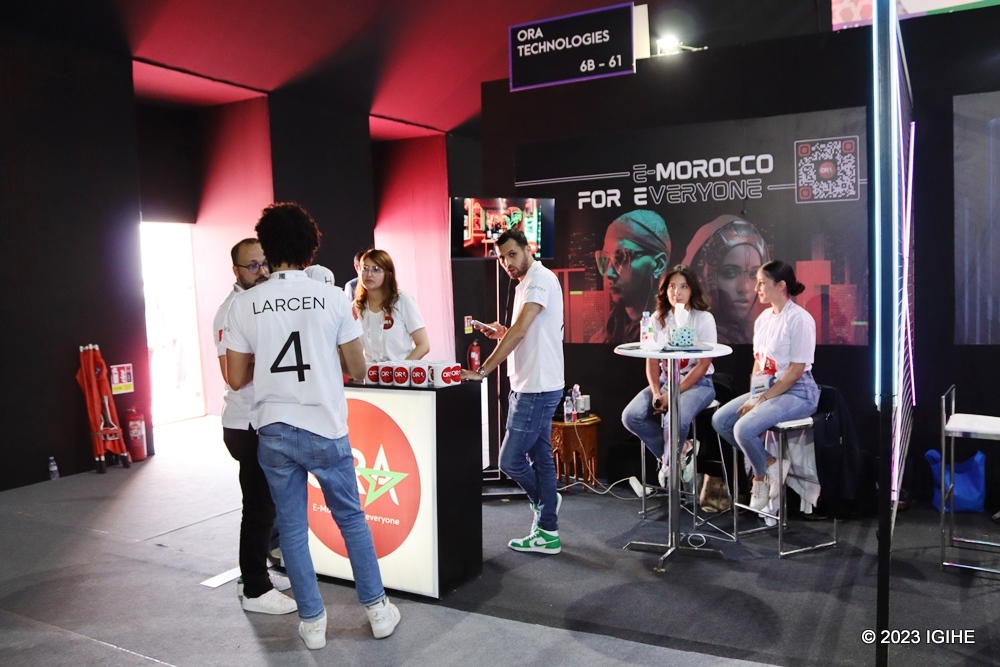
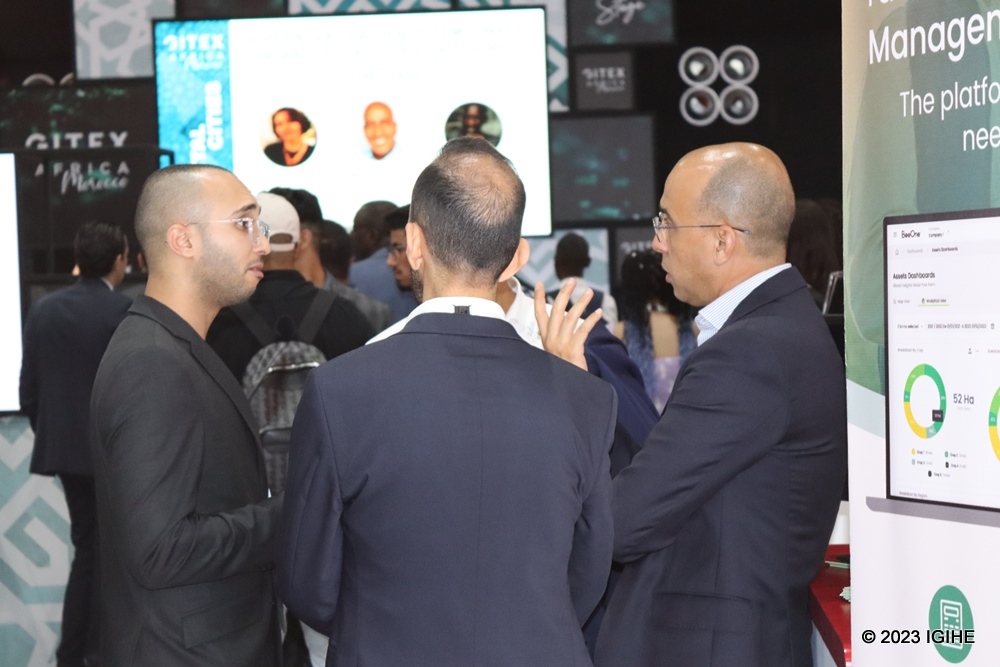
Held in Marrakech, the Red City, the inaugural Gitex Africa Summit attracted over 900 tech companies, startups, government entities, and participants from more than 100 countries. The summit, running from May 31st to June 2nd, presented a diverse range of innovative solutions across sectors like health, agriculture, and artificial intelligence.
GITEX Africa 2023, with participation from over 100 government entities representing 80 countries, is poised to stimulate multiple investment pledges and public-private partnerships, driving forward Africa’s digital transformation initiatives and accelerating the continent.
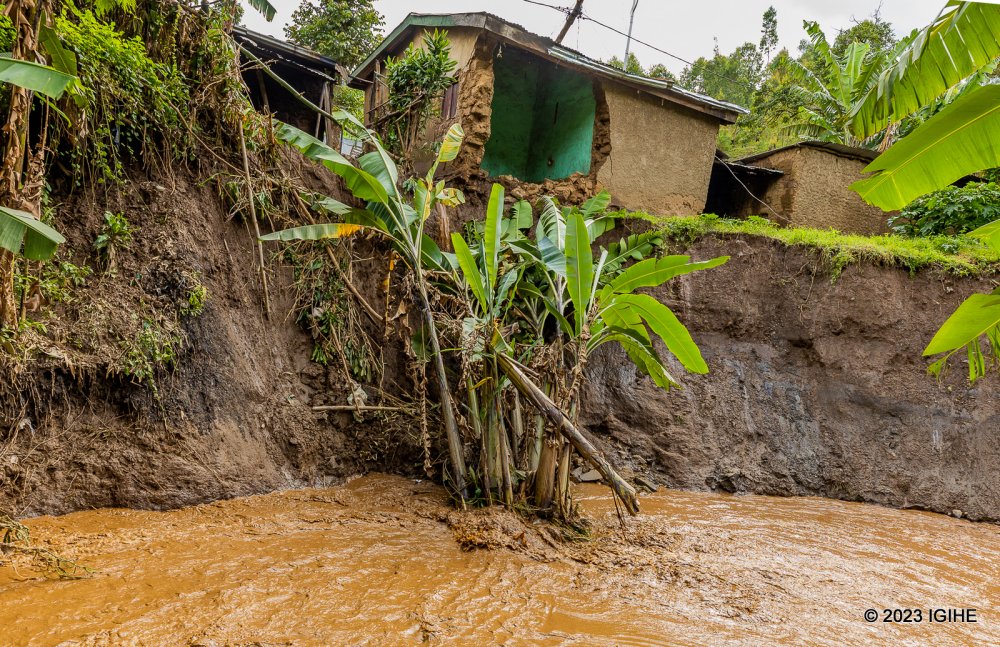
From 1 to 3 May, some 60,000 people, mostly women and children, were affected by torrential downpours resulting in several landslides. The government registered 131 killed, 77 injured and 5 missing.
The Rwanda Red Cross Society deployed initial resources in coordination with movement partners and Government and launched a swift response in the hardest-hit districts, to address immediate needs and mitigate further impact, especially considering the expected continuation of the rainfall.
As per statement released today, the EU funds will support the Rwandan Red Cross Society (RRCS) in responding to the needs of the displaced households, including through WASH, health, livelihood and shelter assistance.
Modalities to combine cash and in-kind items will support early recovery of communities and ensure the dignity of beneficiaries. There will be an initial distribution of non-food items (NFIs) to 2,200 households, who will receive vital items such as jerry cans, kitchen sets, blankets, and plastic mats, to improve their living conditions in the aftermath of the disaster.
Additional cash assistance will be provided to 1,500 households to address their immediate food needs. Some 2,200 households will also receive WASH kits with soap, toothbrushes, toothpaste and pads. 30 women associations will be supported with cash-for-work, indirectly benefitting 1,550 households and giving a push to the local economy. To address the psychological impact of the disaster, trained volunteers will offer support to the victims, assisting them in coping with the trauma they have experienced.
This project will run for four months, until late September 2023, and some 50,000 people will be reached with the direct assistance planned in the affected regions.
The funding is part of the EU’s overall contribution to the Disaster Response Emergency Fund (DREF) of the International Federation of Red Cross and Red Crescent Societies (IFRC).
{{About EU Civil Protection and Humanitarian Aid}}
The European Union and its Member States are the world’s leading donor of humanitarian aid.
Relief assistance is an expression of European solidarity with people in need all around the world.
It aims to save lives, prevent and alleviate human suffering, and safeguard the integrity and human dignity of populations affected by natural disasters and man-made crises.
Through its Civil Protection and Humanitarian Aid Operations department, the European Union helps millions of victims of conflict and disasters every year. With headquarters in Brussels and a global network of field offices, the European Union provides assistance to the most vulnerable people on the basis of humanitarian needs.
The European Union is signatory to a €3 million humanitarian delegation agreement with the International Federation of Red Cross and Red Crescent Societies (IFRC) to support the Federation’s Disaster Response Emergency Fund (DREF). Funds from the DREF are mainly allocated to “small-scale” disasters – those that do not give rise to a formal international appeal.
{{About the Disaster Relief Emergency Fund}}
The Disaster Response Emergency Fund was established in 1985 and is supported by contributions from donors. Each time a National Red Cross or Red Crescent Society needs immediate financial support to respond to a disaster, it can request funds from the DREF. For small-scale disasters, the IFRC allocates grants from the Fund, which can then be replenished by the donors. The delegation agreement between the IFRC and ECHO enables the latter to replenish the DREF for agreed operations (that fit within its humanitarian mandate) up to a total of €8 million.
This year’s theme “Empowering Entrepreneurs to Unlock Growth and Job Creation for Communities,” highlights the Company’s commitment to driving digital transformation and fostering economic growth within Rwanda.
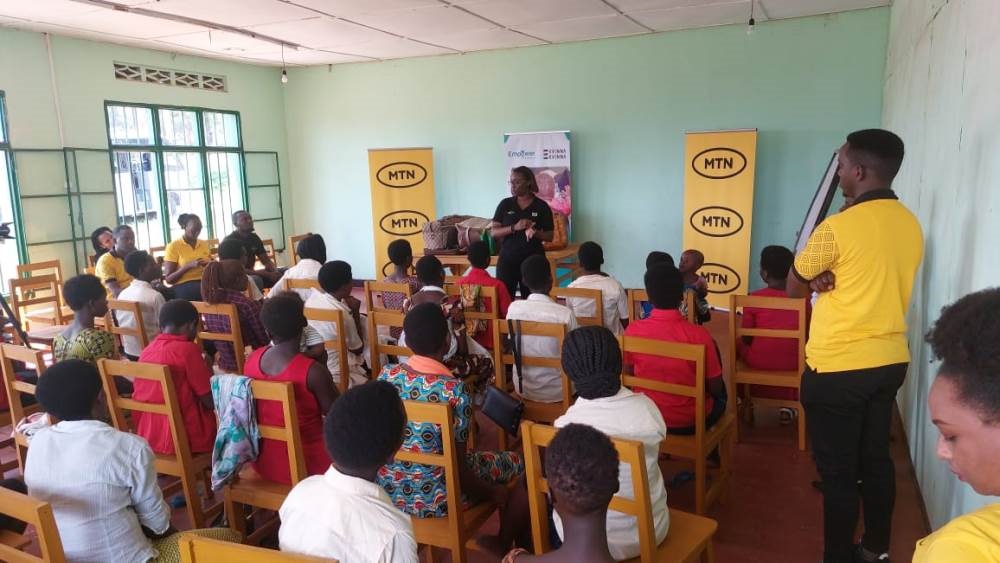
21 Days of Y’ello Care encourages MTN employees to participate in high-impact social projects within their local communities. Under this program, MTN staff will carry out activities that empower grassroot entrepreneurs across all provinces within the country by conducting workshops that will focus on growing their businesses and ensuring its sustainability, enabling them with digital and financial tools, facilitating access to markets, and offering business mentoring and knowledge sharing.
“We are excited to be launching Y’ello Next Level under our flagship 21 days of Yello Care. There are a number of young entrepreneurs across the country that are putting in the work to build a better tomorrow for themselves and those in their community and we want to play our part in taking them to the next level by providing mentoring and knowledge sharing sessions. The young entrepreneurs will get a chance to be trained in various areas that make for a successful business operation and with these skills, we are confident they will be able to unleash their true potential,” said Mapula Bodibe, MTN Rwanda Chief Executive Officer.
With the rising need for job creation and economic development, MTN Rwanda Staff will focus on various areas of trainings which include Finance, Sales, and Marketing, Human Resource and Legal practices, and Mentorship.
At the end of the program participants will be provided with the opportunity to pitch their business plans to a panel of judges, which will result in the six (6) outstanding entrepreneurs in the areas of Digital, Arts and Crafts, Agriculture and Education receiving MoMoPay and MoMoBiz services, courtesy of Mobile Money Rwanda Limited (MMRL). The top three (3) entrepreneurs will be awarded cash prizes and will receive an Enterprise Business SME package that consists of Closed User Group (CUG), and MTN 4G data and voice services to take care of their communication needs for a period of six months.
“We want these bright young entrepreneurs to walk away from this Y’ello Next Level experience empowered with a new set of skills that they can implement in their businesses for the betterment of their own lives and that of their communities,” commented Sharon Mazimhaka, General Manager Corporate Services.
{{About MTN Rwandacell }}
MTN Rwandacell Plc (MTN Rwanda) is the market leader in mobile telecommunications in Rwanda.
Since 1998, the telecom has continuously invested in expanding and modernising its network.
MTN Rwanda offers various services to subscribers, including innovative propositions such as personalised voice and data offers with MTN Irekure.
The company is also the front runner in mobile financial services in Rwanda with Mobile Money, MoMoPay and MoKash Loans and Savings.
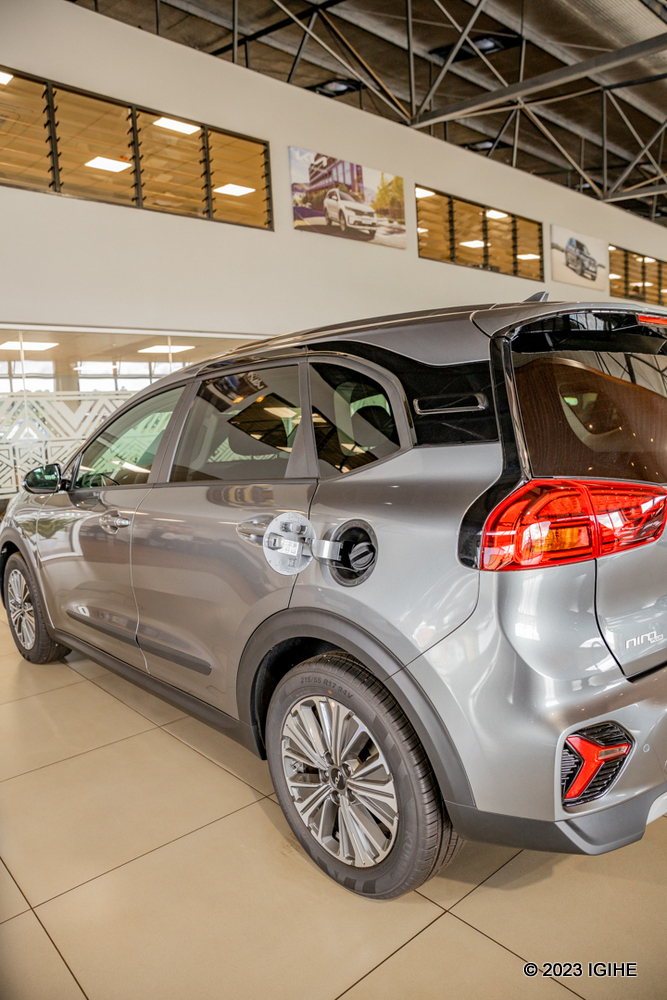
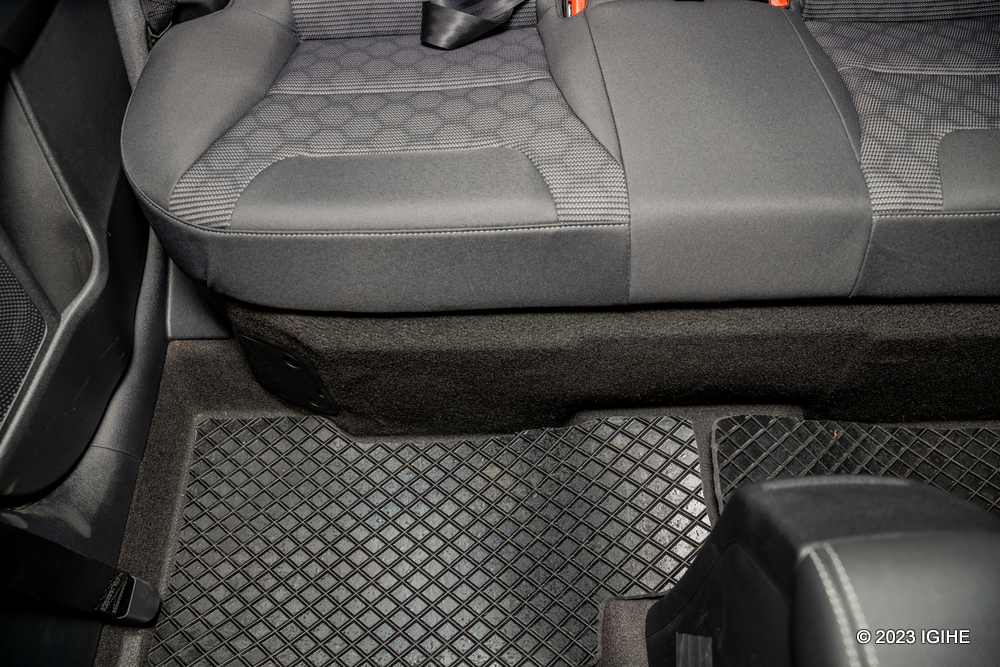
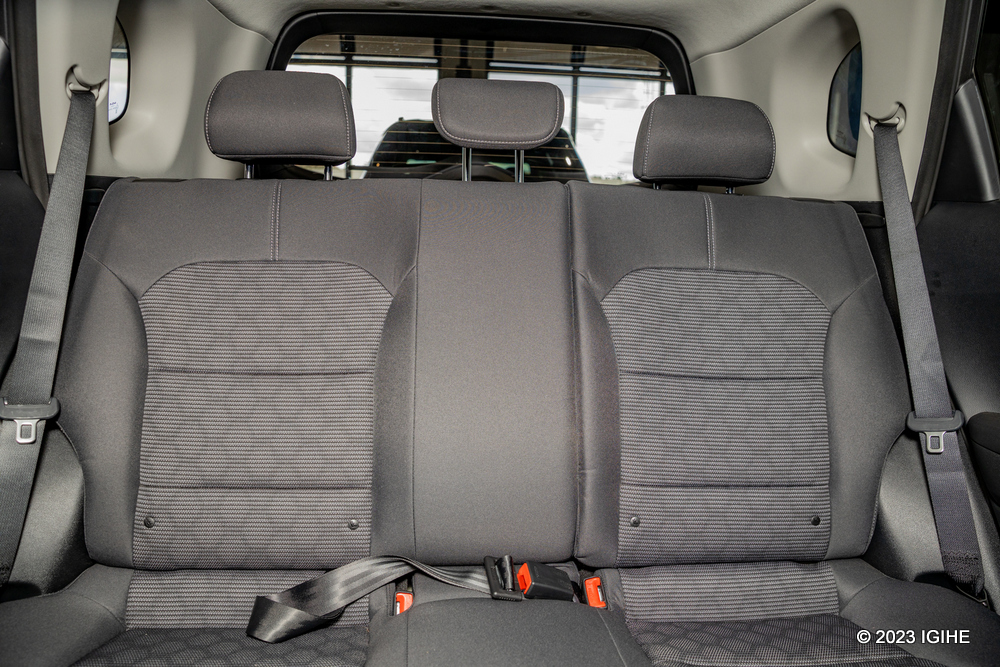
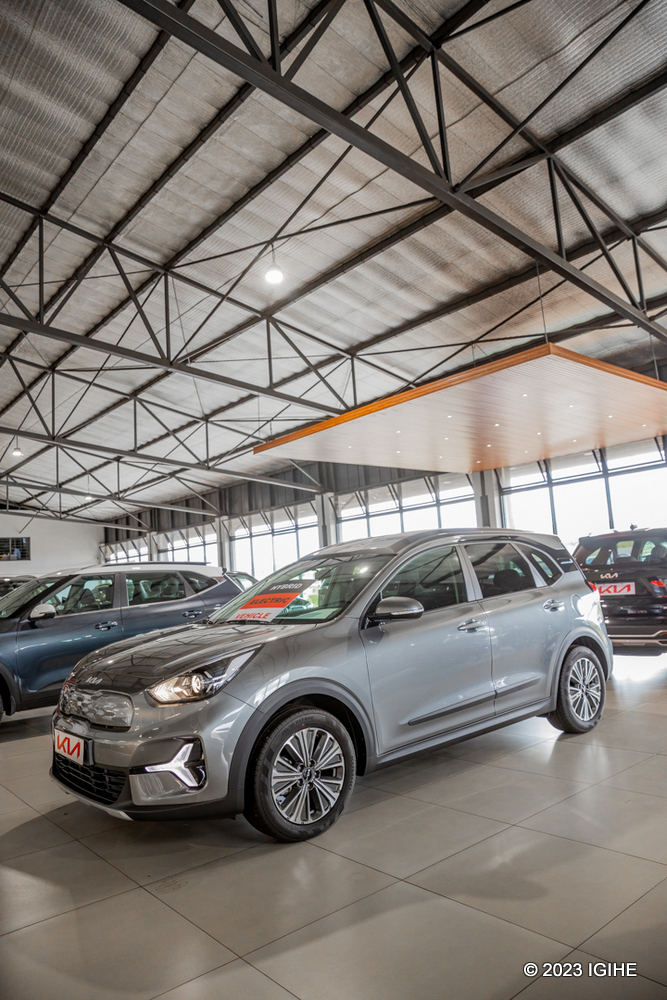
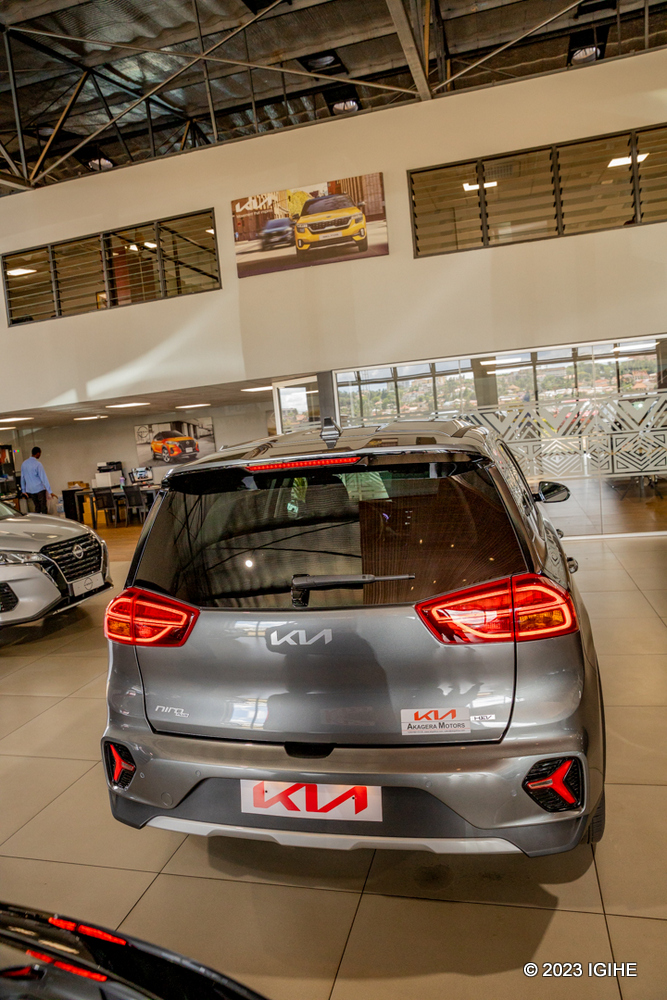
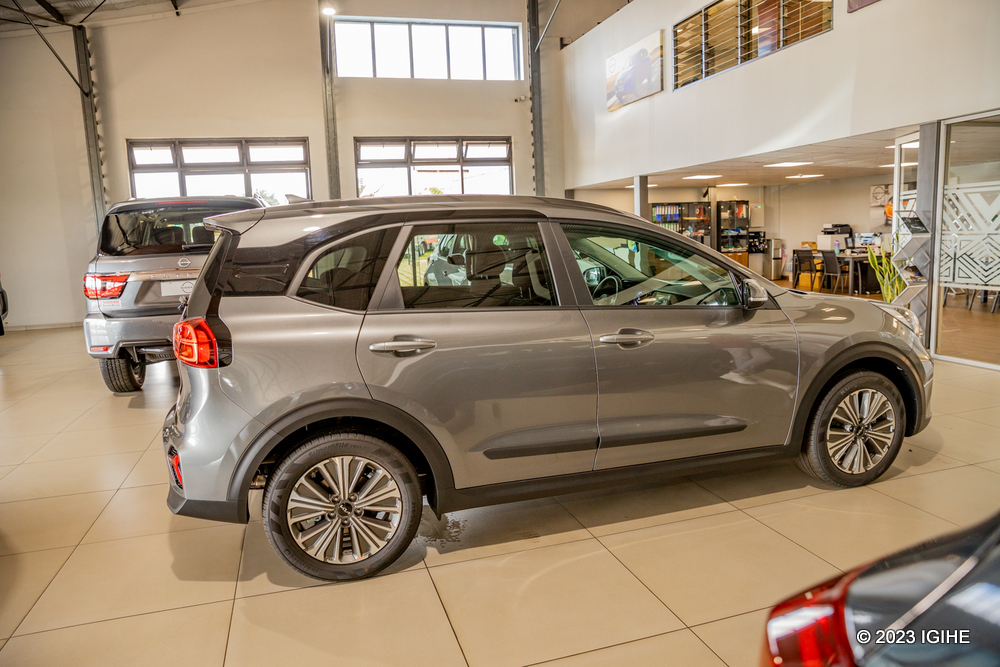
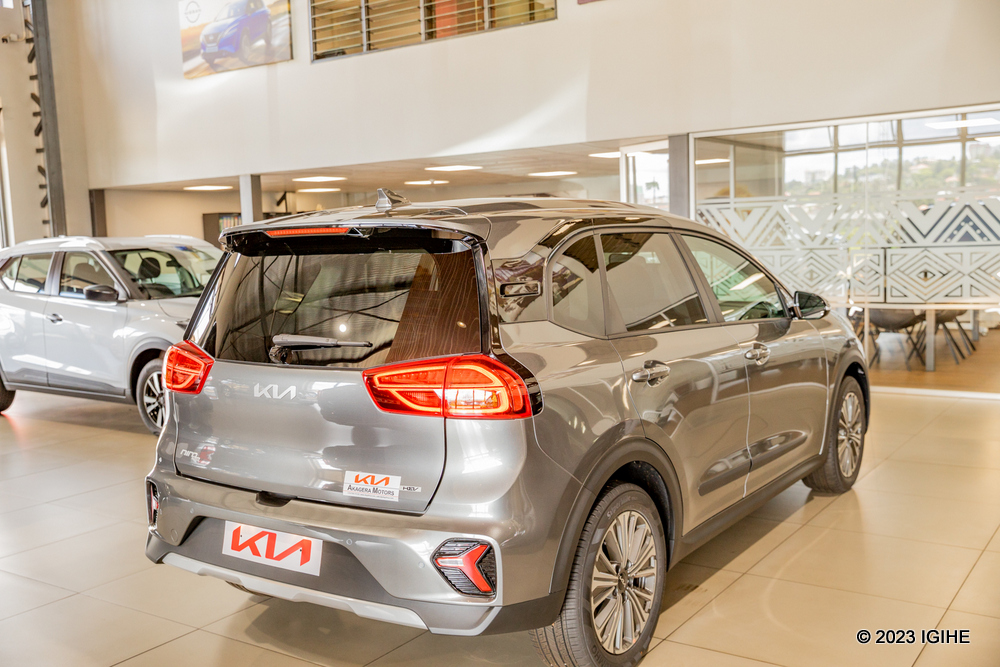
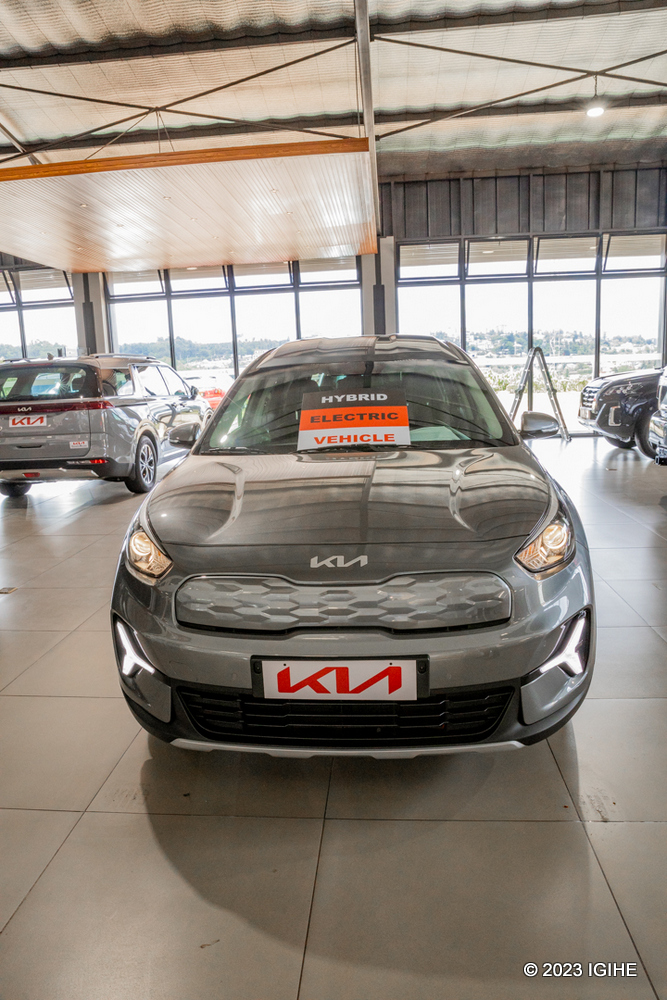
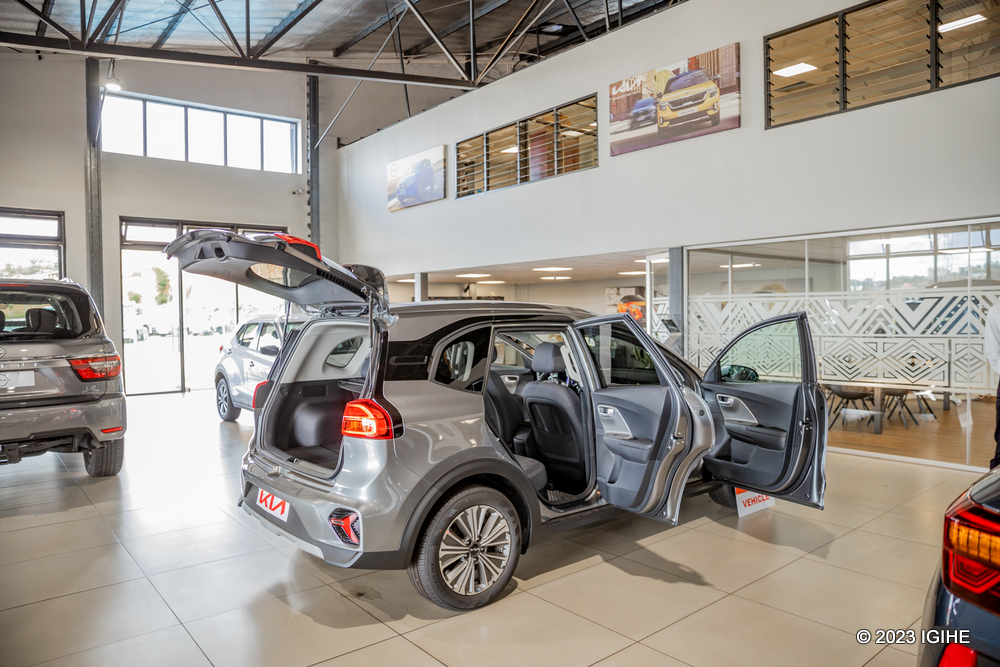
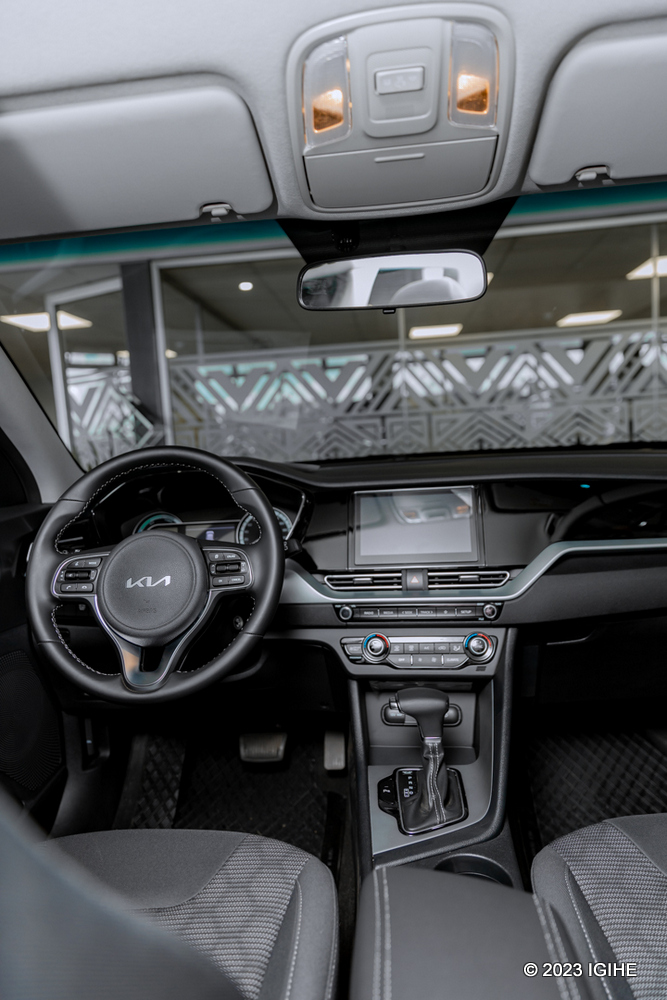
The Kia Niro Plus Hybrid offers a spacious interior with comfortable seating for five and a generously sized boot. Available in captivating colors like sleek black, deep grey, and radiant silver, among others, this remarkable hybrid car is priced at RWF 44 million, positioning it as a coveted choice for automotive enthusiasts in Rwanda.
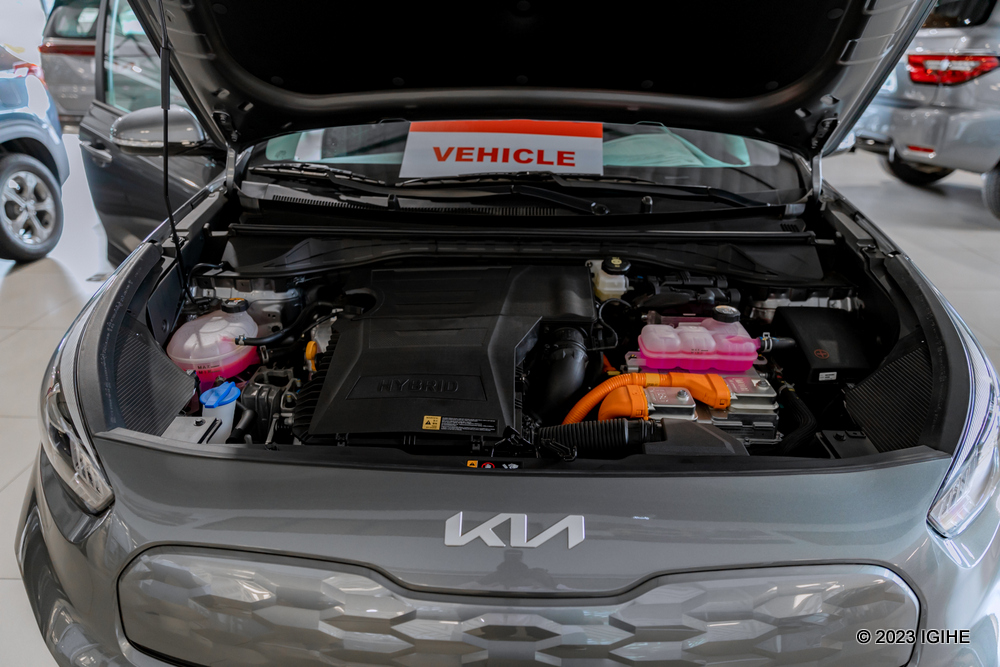
The Kia Niro Plus Hybrid sets new benchmarks in automotive technology, combining safety and convenience features that redefine the driving experience.
Equipped with an intelligent parking assist system, the car utilizes advanced sensors and cameras to detect obstacles and provide timely alerts, helping drivers prevent accidents while parking.
The comprehensive array of sensors and cameras ensures a 360-degree view of the surroundings, empowering drivers with confidence and enhancing overall safety. Impressively, the Kia Niro Plus Hybrid can reach speeds of up to 164 kilometers per hour, thanks to its powerful engine, while its battery efficiently stores 42 kilowatts of electricity.
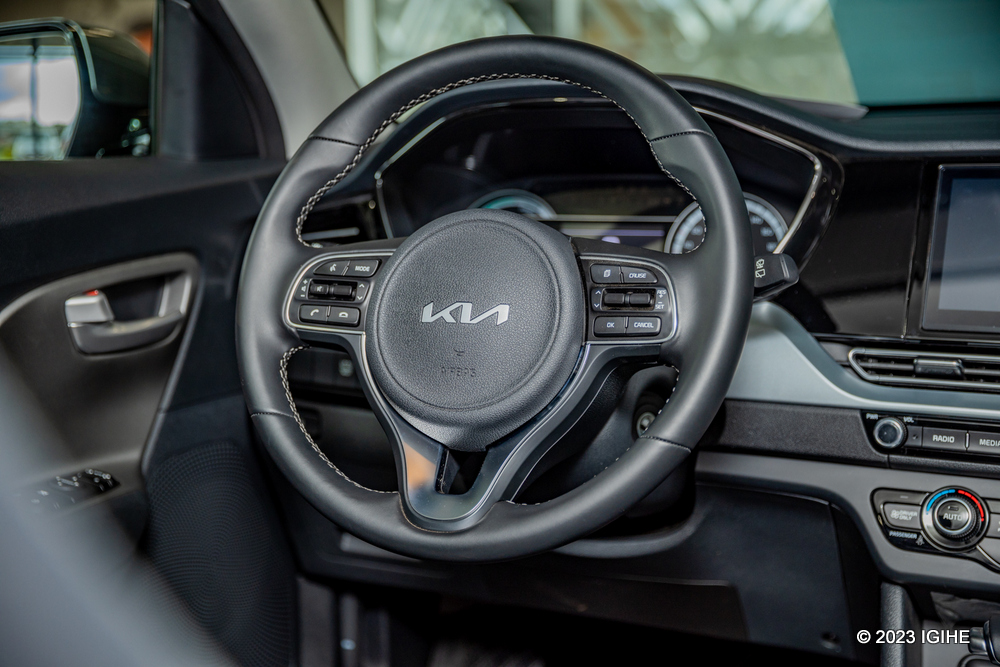
Embracing the digital era, the Kia Niro Plus Hybrid seamlessly integrates connectivity options to enhance the driving journey. Utilizing the CarPlay functionality, iOS users can effortlessly navigate their routes using GPS technology. Furthermore, the car boasts a cutting-edge touchscreen radio system with Bluetooth capabilities and six high-quality speakers, delivering an immersive audio experience that elevates every drive.
In addition to its remarkable features, the Kia Niro Plus Hybrid exemplifies environmental consciousness and cost efficiency. By harnessing a hybrid engine, the car significantly reduces emissions and fuel expenses. Furthermore, the engine ingeniously replenishes power while refueling, ensuring a sustainable approach to mobility.
Notably, the Kia Niro Plus Hybrid exhibits exceptional fuel efficiency, with just one liter capable of propelling the vehicle up to an impressive 30 kilometers. Coupled with affordable maintenance costs, this vehicle becomes an appealing choice for both the environment and the discerning driver.
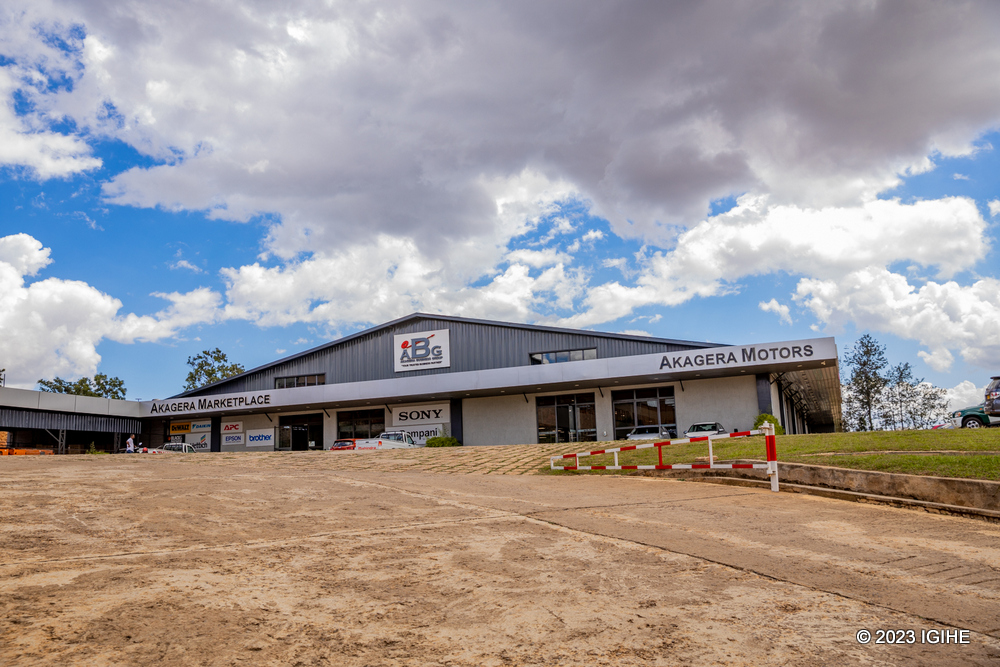
AKAGERA MOTORS, in its commitment to making the Kia Niro Plus Hybrid accessible to a broader customer base, has proudly extended a substantial discount of RWF 5 million. Sales Executive Abdul-Rahman Ruganyira enthusiastically shares, “We thought of reducing the car’s price to offer it to clients with an RWF 5 million discount. The car normally costs RWF 44 million. With the discount, it will be priced at RWF 39 million.”
This generous discount represents AKAGERA MOTORS dedication to fulfilling the aspirations of Rwandans, enabling them to experience the unparalleled features and benefits of the Kia Niro Plus Hybrid. Moreover, customers can enjoy a three-year warranty or 100,000 kilometers, with convenient service, parts and repairs available at AKAGERA MOTORS renowned garage.
Recognizing the importance of financial assistance, AKAGERA MOTORS collaborates with leading banks to offer flexible car loan options, ensuring that the Kia Niro Plus Hybrid is within reach of a wide range of customers.
By introducing the Kia Niro Plus Hybrid, AKAGERA MOTORS actively contributes to Rwanda’s commitment to embracing hybrid vehicles as part of its green economy initiative.
AKAGERA MOTORS is also a dealer for giant brands like Nissan, Mahindra, Toyota, KIA, Foton, Mercedes-Benz, Fuso, Toyota and BMW.
Interested individuals are encouraged to send an email to sales@abgafrica.com, call +250788170120 or visit AKAGERA MOTORS showroom in Kicukiro.
Running for three days in the Red City of Marrakech, Africa’s largest and most influential tech and start-up event is set to launch Africa into a golden age of digital inclusion, rallying the resilience of a youthful population and elevating tireless governments determined to redraw the boundaries of socio-economic development.
GITEX Africa is expected to attract tens of thousands of attendees from 120 countries in its debut edition, with powerful connections and valuable new relationships awaiting them in the form of 900 exhibiting tech companies and start-ups across 10 halls and 45,000sqm of exhibition space.
African tech’s showpiece event, officially inaugurated by the Moroccan Head of Government Aziz Akhannouch, also features Africa’s most impactful leadership conference programme, with ten conference tracks exploring transformational topics advancing Africa’s digital agenda, from generative AI and digital cities, or Fintech and agritech, to healthcare, energy, innovation, sustainable development goals, and a spotlight on the world’s most exciting start-up ecosystem.
{{Forging public private sector alliances, augmenting socio-economic growth}}
GITEX Africa 2023 is held under the High Patronage of King Mohammed VI, and hosted by the Digital Development Agency (ADD), under the authority of the Moroccan Ministry of Digital Transition and Administration Reform.
The event is organised by KAOUN International, the overseas events organising company of Dubai World Trade Centre, which organises GITEX Global in Dubai, UAE, the world’s largest tech and start-up show, rated by tech executives as the world’s best global tech event.
Africa’s three-day hyper connector is also hosting for the first time the Smart Africa Digital Academy and the Council of African ICT Agencies (CAITA), the latest organ meeting of Smart Africa established to promote collaboration and cooperation in Information Communication Technology (ICT) investment across the African continent.
Smart Africa is an alliance of 37 African countries tasked with Africa’s digital agenda, to accelerate sustainable socio-economic development on the continent and usher Africa into the knowledge economy through affordable access to broadband and the use of ICTs.
“We are pleased to join forces with GITEX Africa to collocate high-level events including our first ever Council of African IT Agencies (CAITA),” said Smart Africa’s Director General Mr. Lacina Koné. “This is a crucial forum for IT agencies to discuss policy and regulatory issues affecting them and develop solutions together.”
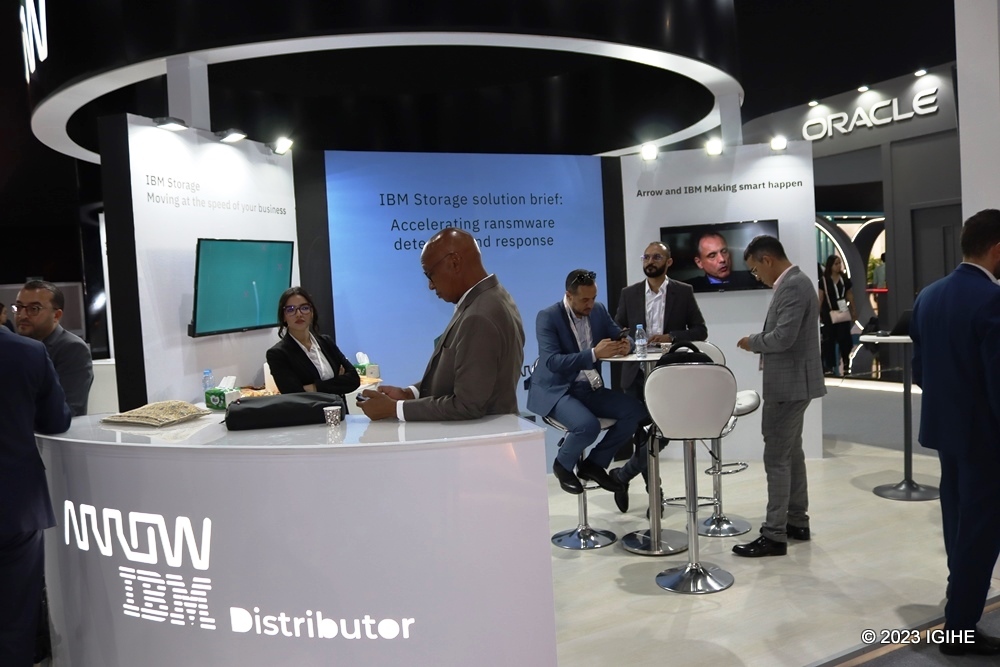
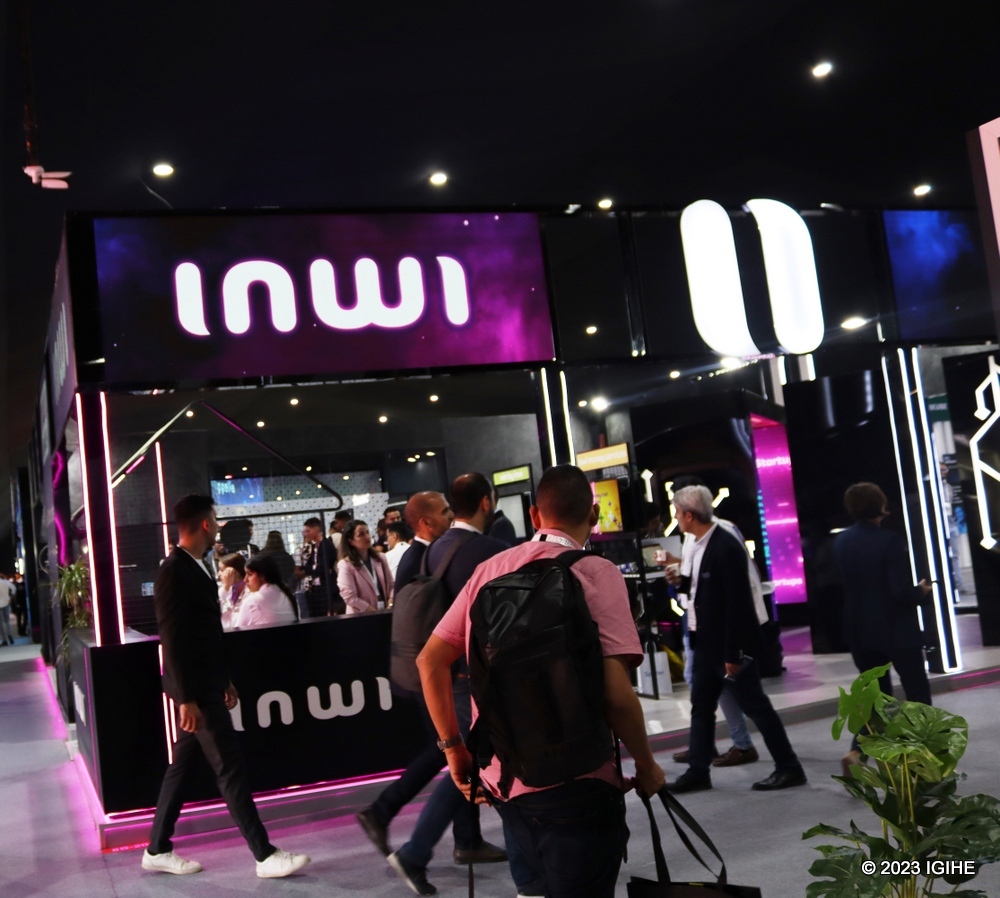
Regional and international exhibitors spearheading the charge into GITEX Africa include American heavyweights IBM, Dell, Oracle, and Hewlett Packard; German software titan SAP; Lenovo, Huawei, and TP Link from China; DP World and the Technology Innovation Institute from the UAE; and Orange Maroc, Inwi, Maroc Telecom, and MTDS from Morocco.
Autodesk, the leading global software developer for the architecture, engineering, construction, manufacturing and media & entertainment industries, is also participating at GITEX Africa to give regional talent the toolsets to support Africa’s digital aspirations.
Naji Atallah, Head of AEC and Manufacturing for EMEA Emerging at Autodesk, said: “By 2030, more than 50 percent of Africa’s population will live in cities, and with this increased urbanisation comes the urgent need to build better and more resilient cities, and to ensure that existing ones can grow more sustainably.
“This rapid growth, is in turn, accelerating the convergence of the construction, manufacturing, media and entertainment industries enabling a better way of designing and making things in four ways; workflow coordination, on-demand customization, visual creation and continuous reshaping of existing assets.”
{{Start-up founders battle for supremacy at Africa’s most valuable pitch competition}}
GITEX Africa 2023 has partnered with North Star, the world’s largest start-up event, converging more than 400 start-ups from 30 countries – 200 of which are international award-winners – presenting future-defining tech across multiple sectors, from agritech and sustainability, AI, and edtech, to fintech, healthcare, or mobility and smart cities.
Fujn from the USA is among the global start-ups looking to extend engagements, build connections, and scale imaginations with key stakeholders in the tech ecosystem. “Africa is the continent with the youngest most digitally native population,” said Khadija Khartit, the founder of Fujn, an integrated technology platform that upskills women in the future of work via online self-paced curated courses.
“Fujn focuses on the future of skills, work, and income for women, and we’re joining forces with GITEX Africa to enable a better future for African women by leveraging digital.
“We’re seeking hands-on collaborations with African governments, NGOs, universities, and corporations, to upskill and provide income opportunities for African women.”
The GITEX Africa Supernova Challenge, Africa’s most valuable start-up pitch competition with US$100,000 in cash prizes, will meanwhile see 70 disruptive start-ups from 31 countries battle it out for supremacy across two days of live pitches in front of a 13-strong judging panel of global VCs, angel investors, and accelerators, including Segun Cole, Founder of Fund the Gap Alliance, Nigeria; Janade Du Plessis, Fund Manager of Launch Africa, South Africa; and Vijay Tirathrai, Managing Director of Techstars from the UAE.
The shortlist of Africa’s most coveted start-up pitch competition was selected from more than 300 applications, representing nations from across the globe, including Cameroon, Cyprus, Egypt, France, Gambia, Ghana, India, Israel, Kenya, Korea, Kuwait, Morocco, Nigeria, Pakistan, South Africa, Switzerland, Tunisia, Uganda, UK, USA, and Zambia.
Koné was participating in a panel discussion centered around the theme ‘Uniting Towards One African Market,’ at the GITEX Africa Summit held in Morocco on 31st May 2023 .
He was joined by Dr. Monica Musenero, the Minister of Science and Technology Innovations in Uganda; Ghita Mezzour, the Moroccan Minister Delegate to the Head of Government in charge of Digital Transition and Administrative Reform and Tahina Razafindramalo, the Minister of Digital Transformation among others.
Koné emphasized that cross-border integration should be accompanied by robust digital infrastructure to maintain sovereignty, as a lack thereof may be perceived as non-sovereign in some instances.
“Digital integration is becoming a prerequisite; we do not have a choice but to integrate our market,” he stated. Koné further explained that expanding the market beyond national boundaries enables small and medium enterprises and startups to target consumers in other African nations.
Highlighting the progress made, Koné cited infrastructure and connectivity developments, along with initiatives like the Smart Africa Trust Alliance (SATA), which saw ten countries, including Zimbabwe, Botswana, and Zambia, signing a declaration to adopt digital identification.
When discussing the reasons behind Africa’s lag in digital infrastructure, Koné identified gaps that need to be addressed and called on governments to collaborate with the private sector.
“To move forward, we need a mindset change, as the development of any country relies on the private sector. We need a conducive environment to attract private sector investments,” he noted.
Tahina Razafindramalo emphasized that unlocking Africa’s digital economy is vital for sustainable economic growth and job creation.
He commended African leaders for the progress made, particularly through initiatives like the African Continental Free Trade Area under the African Union’s Agenda 63, which is expected to boost trade.
Other panelists recommended stabilizing continental payment systems and streamlining logistics to facilitate smoother trade.
Ghita Mezzour, the Moroccan Minister Delegate for Digital Transition, pointed out the need to address the digital skills gap among the human capital. She stressed the importance of working together to create a harmonized environment that attracts both Africans and international partners to ensure the success of the digital market initiative.
Officially opened by Aziz Akhannouch, the inaugural Gitex Africa Summit, held in the Red City of Marrakech, brought together over 900 tech companies, government entities, startups, and participants from more than 100 countries.
The event runs from 31st May to 2nd June, where tech companies are showcasing innovations in various areas including health, agriculture, and artificial intelligence.
With more than 100 participating government entities from 80 countries, GITEX Africa 2023 will also be the catalyst of multiple investment pledges and pubic private partnership announcements spearheading the acceleration of Africa’s digital transformation initiatives.