On Tuesday, June 6, IGP Namuhoranye and Lt. Gen Luz held discussions in Rome, on strengthening the existing bilateral cooperation between the two institutions.
Rwanda National Police (RNP) and Carabiniere signed a cooperation pact in 2017, which has since guided strong policing relations in capacity development such as peace support operations, counter-terrorism, aviation security, public order management, VIP protection, cybercrime, traffic and road safety, public health and environmental security, among others.
On Monday, June 5, IGP Namuhoranye also attended the 209th anniversary of the foundation of Carabinieri, at “Salvo d’Acquisto” barracks in Rome.
He also visited the Sabaudia Centre of Excellence for the Protection of the Environment and the Care of Territory; Special Operations Group headquarters; and Carabiniere Command and Coordination Centre.
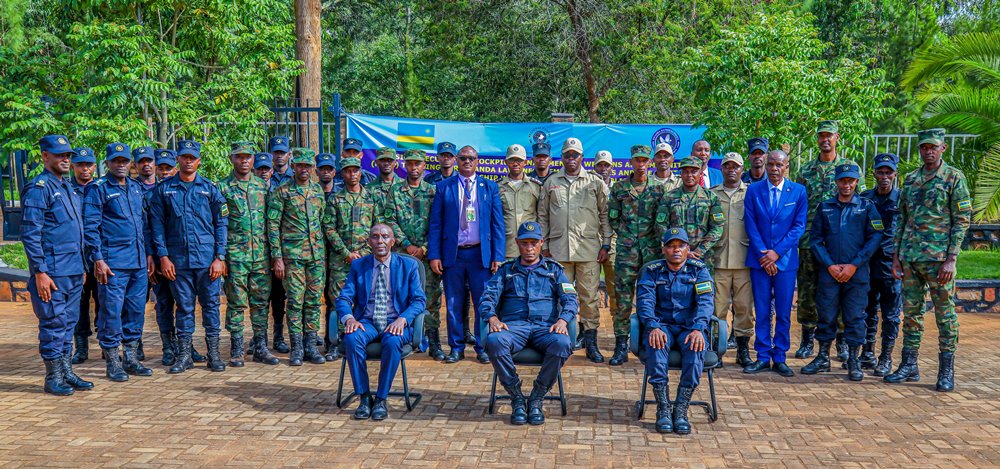
The training bringing together 24 participants from Rwanda National Police (RNP), Rwanda Defence Force (RDF) and Rwanda Correction Service (RCS), is conducted by the Regional Centre on Small Arms (RECSA) and the RNP.
Commissioner of Police (CP) Bruce Munyambo, while officially opening the training on behalf of the RNP leadership, said that it will further help in fighting proliferation of small arms and light weapons.
“Proliferation of small arms and light weapons fuel conflicts, undermines political stability and has devastating impact on human and state stability,” CP Munyambo said.
He underscored that sustainable development cannot be achieved in the absence of peace and security.
“One way to guarantee peace, security and development is the control of small arms and light weapons, which sustain armed conflicts, instability, terrorism, cattle rustling and other serious crimes in the region,” CP Munyambo said.
To prevent proliferation of small arms and light weapons, RECSA took different strategies, which include marking and tracing of small arms and light weapons, and record keeping.
To support these strategies, CP Munyambo said that the RNP allocated a piece of land at the Police Training School for the construction of small arms and light weapons training centre to enhance capacity building of member states.
He urged trainees to take the training seriously and to put the skills and knowledge gained to effective use
ACP Damas Gatare, the Director of Operations and Programmes at RECSA, said that this training fulfills some of the obligations of the Nairobi protocol to enhance the capacities of national law enforcement and security agencies, and the need for state parties to undertake and develop local, national and regional public community education and awareness programmes.
“There is an increasing trend of circulation of illicit and misuse of small arms in the region and negative effects caused by the proliferation of illicit weapons.
This training is very important for RECSA member states to train participants to assess national stockpiles, operational procedures and infrastructure, and provides ways for potential improvements in stockpile safety and security management,” ACP Gatare said.
The physical security and stockpile management of weapons and ammunition follows other related training programmes conducted at PTS in the past.
These include maintenance and repair of arms marking machine, physical security and stockpile management, weapons and ammunition management and arms control training.
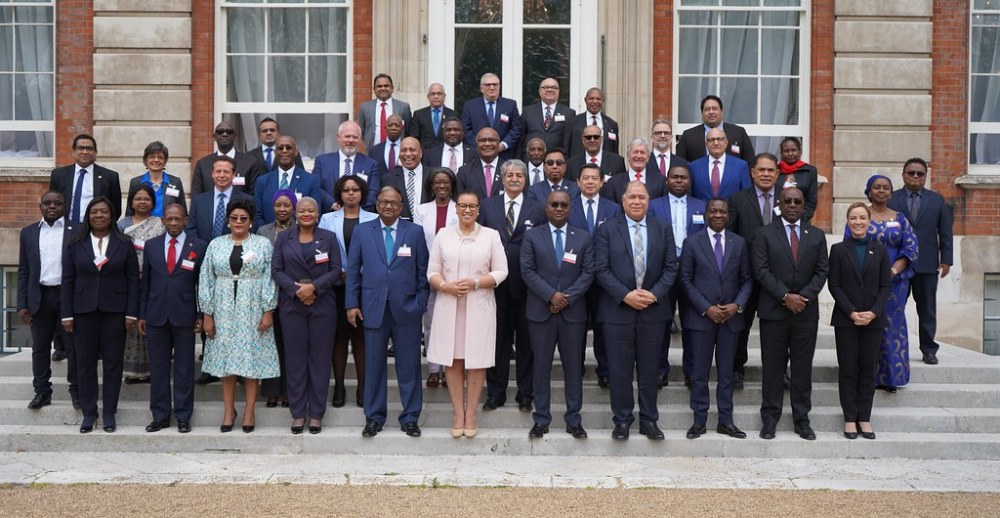
They expressed their shared commitment to deepen collaboration to support all members, especially developing countries, least developed countries, small states and small island developing states, to reap the gains from international trade.
One of the key outcomes of the meeting was to mandate that the Commonwealth Working Group on Trade and Investment will focus on generating an investment plan of action, with the goal of increasing investment flows among Commonwealth member countries. This initiative aims to support economic growth, particularly in infrastructure development and clean, green investments.
Furthermore, the Trade Ministers emphasised the need to foster a digital transition and facilitate digital trade for inclusive growth and development. To address the digital divide and skills gaps, Commonwealth members emphasised the need to focus on developing digital public infrastructure, ensuring affordable access to digital technologies, and promoting digital financial services.
Ministers agreed to the establishment of a new Legal Reform and Digitalisation Working Group under the Commonwealth Connectivity Agenda’s Business-to-Business Cluster to assist member countries in transitioning to paperless trade.
The Trade Ministers reaffirmed their commitment to a transparent and inclusive rules-based multilateral trading system, with the World Trade Organization (WTO) at its core. They expressed concerns about protectionist measures and unfair trading practices that threaten the rules-based trading system and called for continued reform of the multilateral trading rules for agriculture and the smooth functioning of supply chains. They agreed that Rwanda as the Chair-in-Office would deliver an agreed joint statement on behalf of Commonwealth Trade Ministers to the upcoming 13th WTO Ministerial Conference in February 2024.
The outcome statement also highlighted the importance of addressing global challenges such as climate change, food security, and women’s economic empowerment through trade and investment. The Trade Ministers expressed their commitment to promoting sustainable trade practices, green economies, and the empowerment of women-owned businesses.
Speaking after the meeting, the Commonwealth Secretary-General, Patricia Scotland said: “I’m so pleased to announce the successful outcomes of the 2023 Commonwealth Trade Ministers Meeting. The Commonwealth is committed to strengthening the multilateral trading system, deepening trade and investment, fostering sustainability, and enabling a digital transition. I am looking forward to continued collaboration between our members towards a brighter and more prosperous Commonwealth.”
The 2023 Commonwealth Trade Ministers Meeting sets the stage for the upcoming Commonwealth Heads of Government Meeting in Apia, Samoa, in 2024, where these issues will be further discussed and reflected upon.
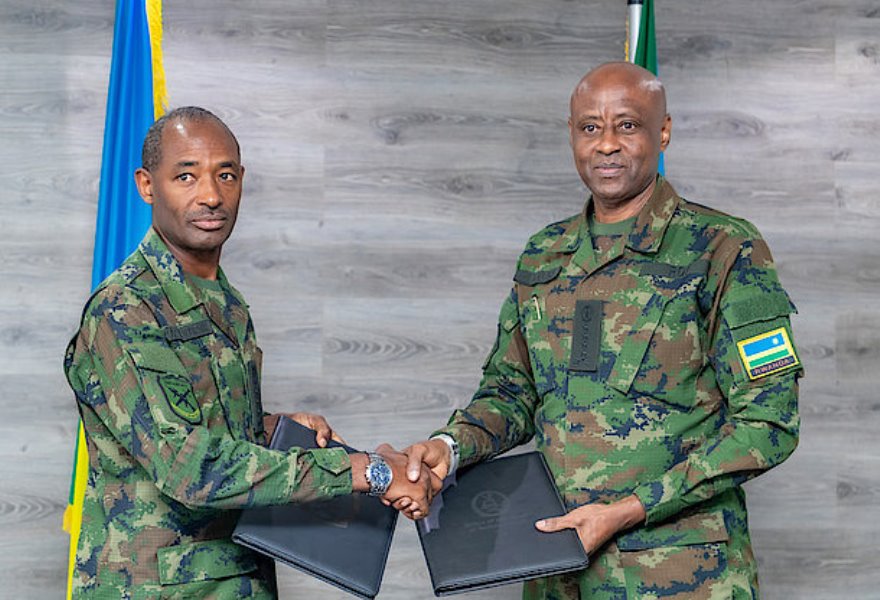
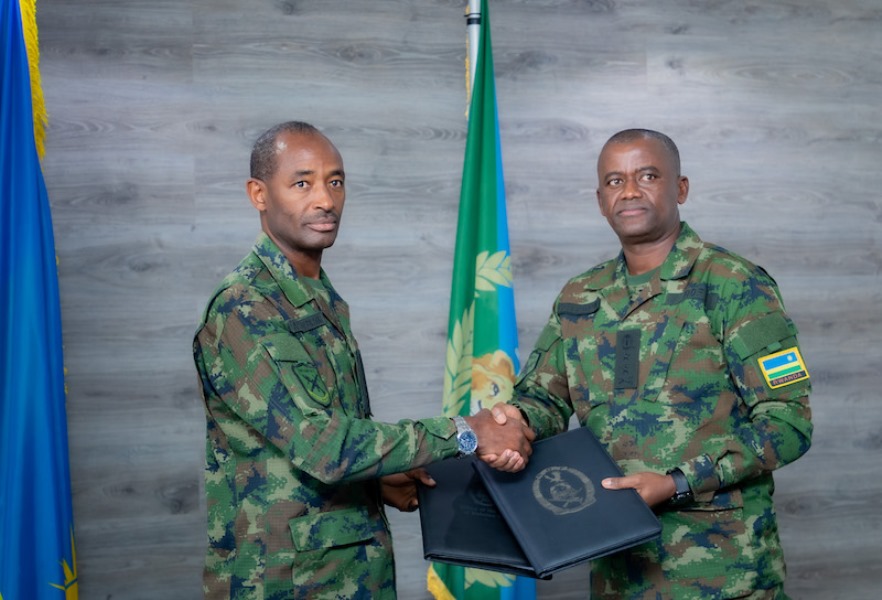
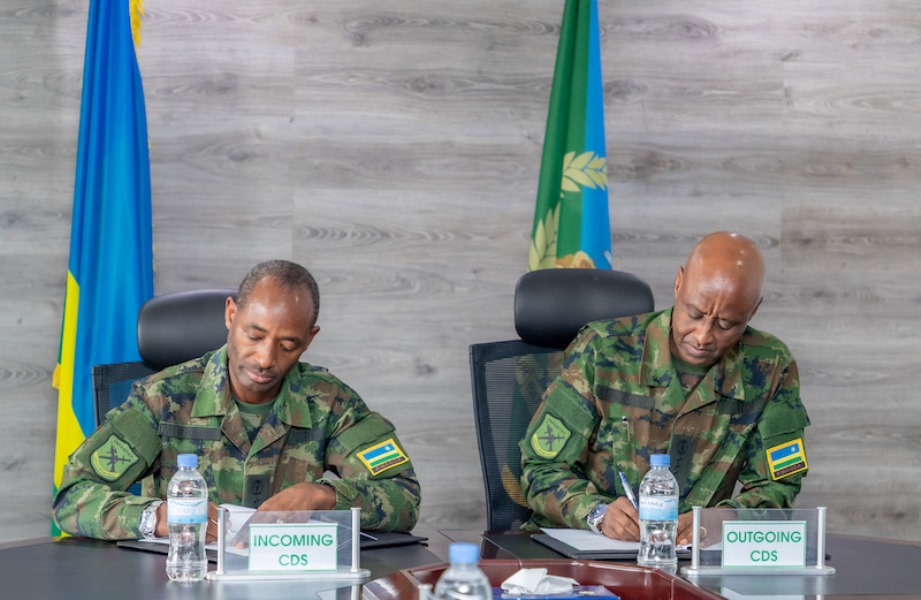
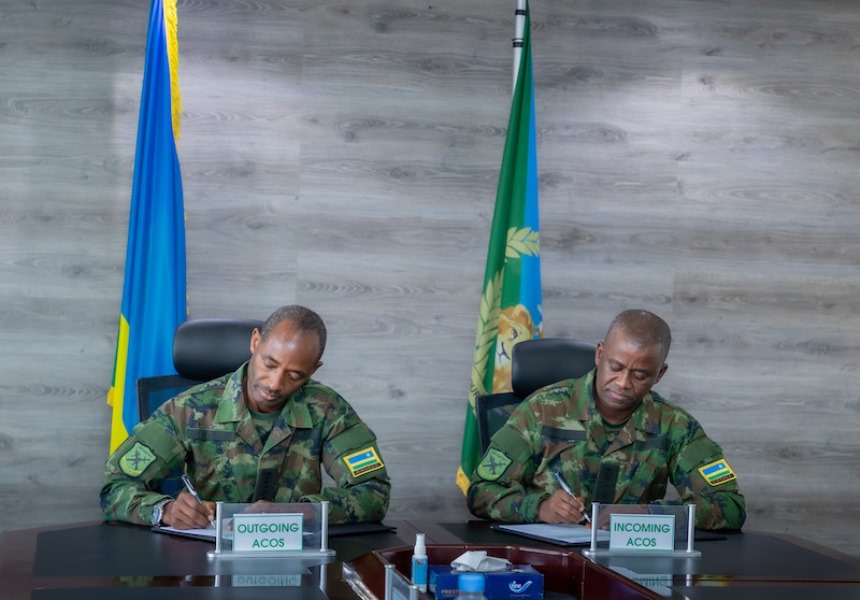
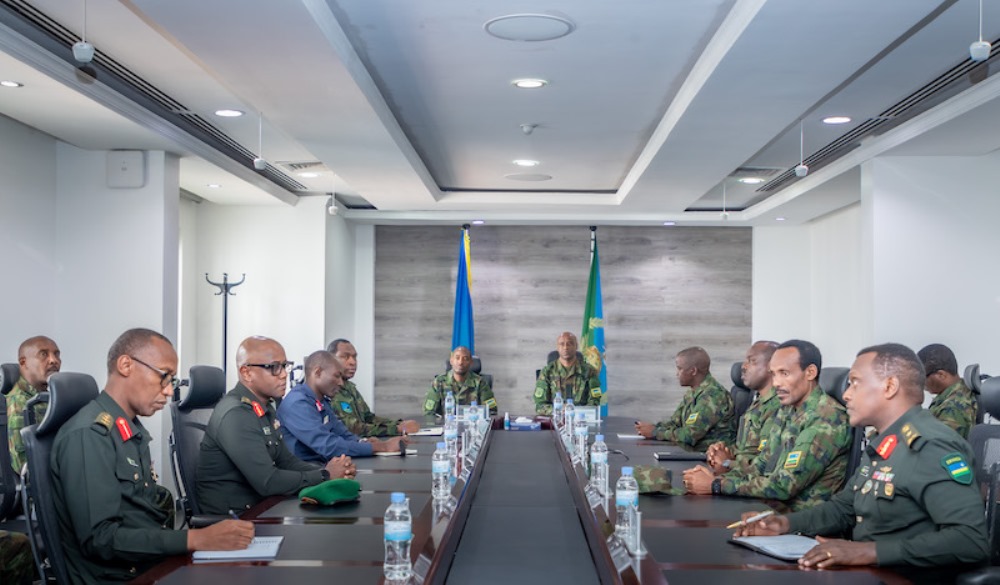
The handover and takeover took place on Tuesday 6th June 2023 in the presence of selected RDF General and Senior Officers.
Both Lt Gen Muganga and Maj Gen Nyakarundi were assigned to the new duties on Monday under a reshuffle in top RDF made by President Paul Kagame who also serves as the Commander-In-Chief of RDF.
Lt Gen Muganga who previously served as the Army Chief of Staff replaced Gen Jean Bosco Kazura who had held the position since 2019.
Other changes saw Juvenal Marizamunda, the Commissioner General of the Rwanda Correctional Services (RCS) appointed Minister of Defence replacing Maj Gen Albert Murasira.
Among others, Colonel Francis Regis Gatarayiha has been named Acting Head of Military Intelligence in the RDF replacing Maj Gen Nyakarundi.
Several other notable appointments include Maj Gen Alex Kagame, who has been named Joint Task Force Commander in Mozambique, replacing Maj Gen Eugene Nkubito, who has been assigned as the Commander of the 3rd Division operating in Rwanda’s Western Province.
Colonel Theodomir Bahizi has been appointed as the Battle Group Commander in Mozambique.
Lt Col Augustin Migabo has been promoted to Colonel and appointed as Deputy Commander of the Special Force Command.
Meanwhile, Brig Gen Evariste Murenzi appointed as the new Commissioner General of the RCS.
Another key change includes the appointment of Jean Bosco Ntibitura as the Director General of the Internal Security Service (NISS), a position previously held by the current Minister of Interior, Alfred Gasana.
As per the Labour Force Survey, in February 2023, the working-age population (16 years and above) was approximately 8 million, with 3,803,942 individuals employed, 792,115 unemployed, and 3,380,192 individuals out of the labor force.
The figures speak to the need for concerted efforts through public-private partnerships to create new jobs while entrepreneurs are urged to contribute to the country’s target to create 1.5 million jobs by 2024 under the National Strategy for Transformation (NST1).
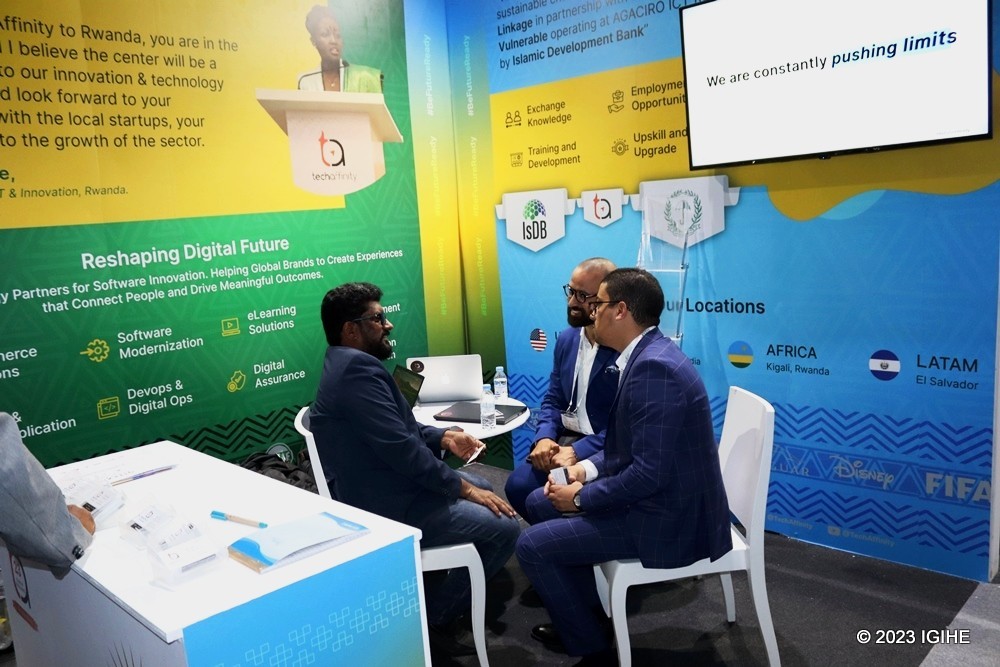
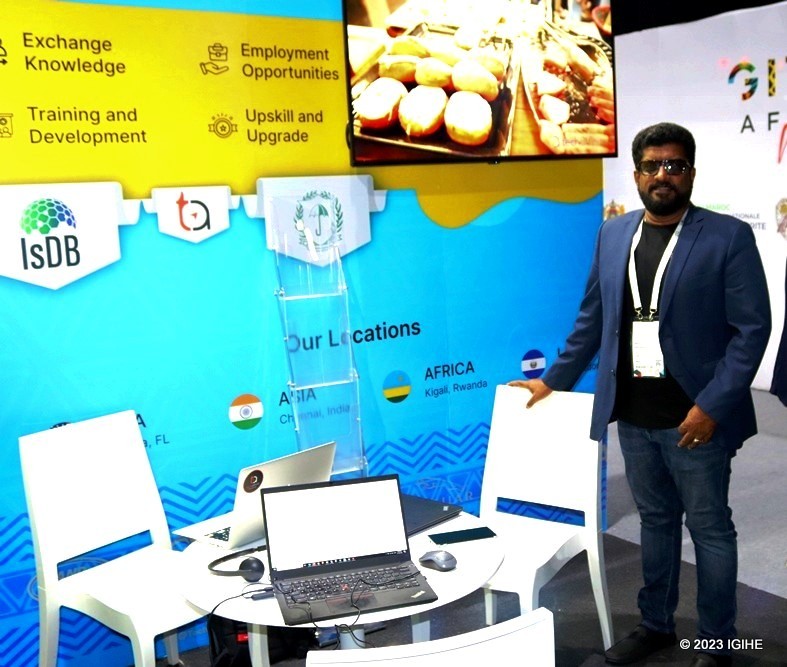
With presence in different countries including the United States of America (USA), India and El Salvador; TechAffinity, a global software services company has pledged to support this noble cause through providing employment and training opportunities for Rwandans.
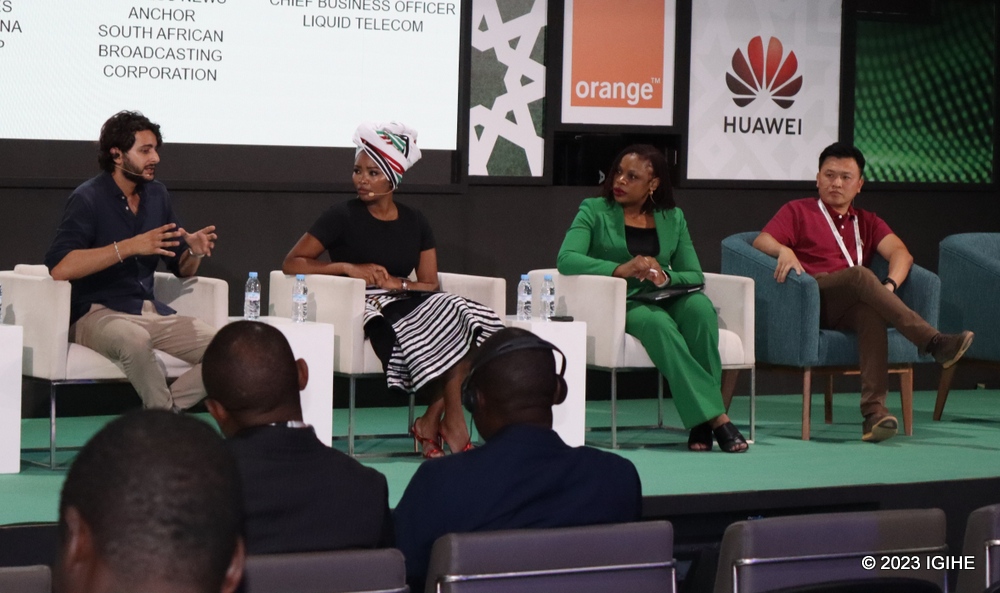
The company’s aspirations to foster employment were disclosed during an interview with IGIHE on the sidelines of the just concluded GITEX Africa Summit that took place from 31 May to 2nd June 2023 at the Bab Jdid, Boulevard Al Yarmouk, and Marrakech, Morocco.
GITEX Africa is a premier technology event that brings together industry leaders, innovators, and decision-makers from around the world.
With a focus on software services, upskill training programs, and youth employment initiatives, TechAffinity aims to empower businesses, nurture talent, and drive digital transformation across the African continent.
TechAffinity offers a comprehensive suite of software services, including software development, mobile app development, web development, cloud services, digital operations and data analytics.
The company’s expertise in emerging technologies enables businesses to unlock their full potential, enhance operational efficiency, and achieve digital success.
In addition to its software services, TechAffinity is dedicated to empowering individuals and communities through upskill training programs and youth employment initiatives.
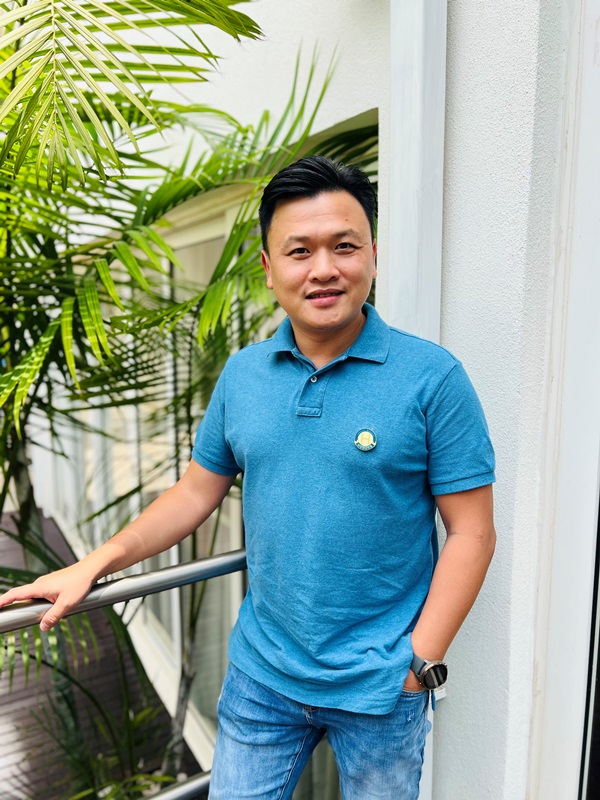
Speaking to IGIHE; Anub Kumar, Chief Growth Officer at TechAffinity said that the company attaches great relevance to equipping young professionals with the necessary skills for a rapidly evolving digital landscape, and offers comprehensive training programs that focus on industry-relevant technologies and hands-on experience.
With 23 years of operations, the company is mainly based in the United States and opened doors to Rwanda a year ago.
“During COVID-19 pandemic, we thought of having one more office and we did all the analysis and found Rwanda is the best place. So, we started,” said Kumar.
As he explained, the management initially thought of having experienced youth to be recruited and later took a firm decision to train locals. Kumar said, TechAffinity has so far recruited and trained more than 30 interns.
“Now they are into live projects and speak to clients all over the world. We are planning to expand our operations and as a part of it, we are now going to the largest space on the fourth floor of Cogebanque,” he noted.
Kumar further stated that ‘the company currently employs around 35 Rwandans with ambitions to increase the number to 100 in two years’.
As he said, they are working on applications like React, Python encompassing cutting-edge technologies.
“We can hire senior developers but we don’t want to do that. We want to help the youth of Rwanda. We want to empower the youth of Rwanda. That’s why we have taken interns.They are our permanent employees with all the benefits, with health insurance among other benefits.” He noted.
“Now every employee, every member of our team is interacting with Americans, UK people across the globe. That is the growth we are bringing to the youth of Rwanda,” added Kumar.
As he explained, locals are first trained on technology in which they have interest and receive skills relevant to their career.
“It is not just classroom training, but what we do is we put them on the live project with the current team so that they understand what software development life cycle is, what software management is, how to manage a project and how to handle the delivery among others,” stated Kumar.
He also revealed that the company wants to raise Rwanda’s flag high as a safe business environment and felt proud to be part of startups representing the country at GITEX Summit.
“We are present in different countries but Rwanda will be our home for Africa. We will operate out of our Kigali for the entire Africa,” said Kumar.
“Besides, I wanted to represent Rwanda in GITEX Africa because this is the first African event of its kind. We thought why can’t we bring our country-Rwanda to GITEX? As you can see, our stand is completely made of colors making up the Rwandan flag and everything,” disclosed Kumar.
He urged Rwandan youth to cultivate self-confidence and assured support to contribute to that cause within the company’s capacities.
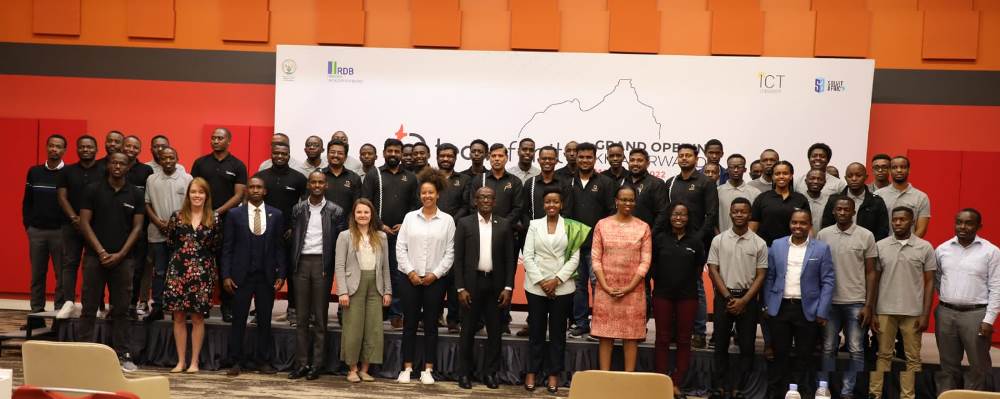
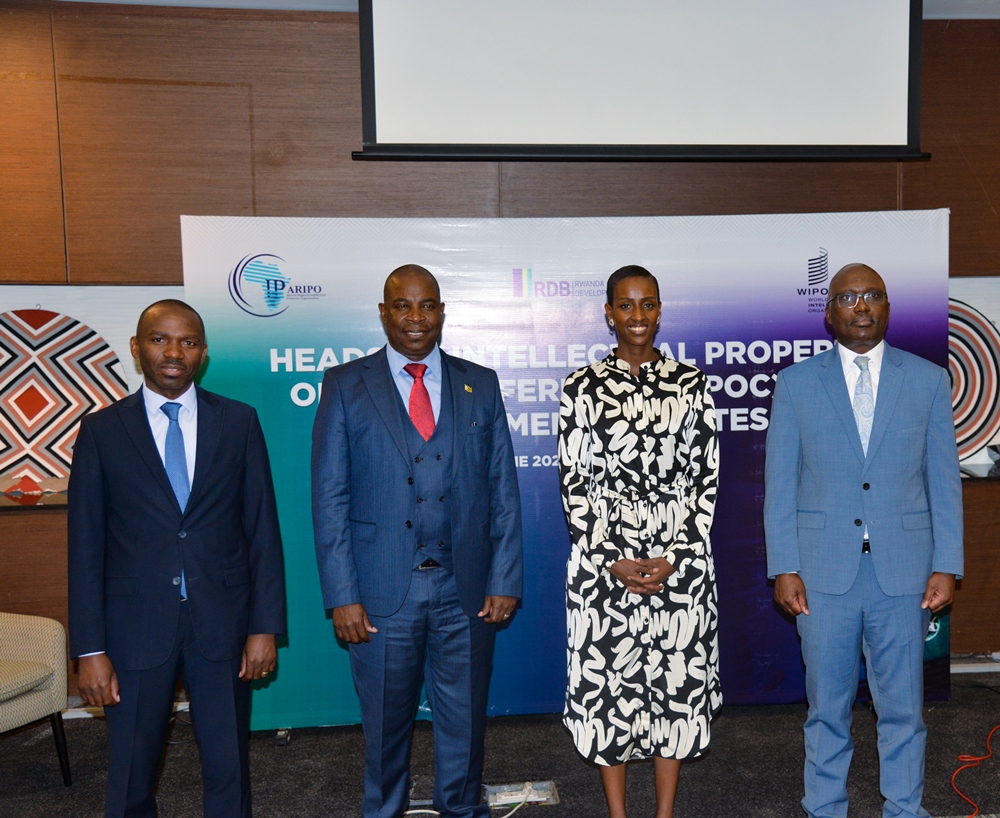
The conference, being held for the second time, has become an annual event that provides a platform for heads of IP offices to discuss IP-related developments in the ARIPO Member States and adopt a coherent and efficient approach in implenting technical assistance offered by WIPO and other partners.
It also aims to promote cooperation and dialogue among member states in the spirit of sharing best practices and experiences in Intellectual Property Rights (IPR) administration and management in the region.
Speaking while sharing remarks during the opening ceremony, tthe Chairman of the ARIPO Administrative Council, Zimbabwe Chief Registrar Willie Mushayi said: “ARIPO plays an important role in the discharge of its mandate to promote creativity and innovation through the protection of Intellectual Property rights in Africa. As Heads of IP Offices of ARIPO Members States, it is our mammoth obligation to not only ensure that ARIPO delivers on this mandate but to also be the face of Intellectual Property in our respective Member States. As we move forward in keeping with the objective of this Conference, it is so critical that we are alive to this background because we are the pivot at which the Organization and the State’s respective goals converge.”
On his part, the ARIPO Director General, Bemanya Twebaze, challenged the leaders to bring forward all the discussions necessary to raise the bar in IP for Member States.
“Contemporary issues, as well as those that are unsettling the IP landscape, will mark the essence of our discussions. Essentially, it is more profound that this engagement is directed to us as leaders with a mandate to implement interventions and changes relevant to Intellectual Property and innovation to ensure that at every level we inspire, engage, and influence our colleagues and stakeholders; and more importantly galvanize the support required to deliver on the important mandate we hold,” he noted.
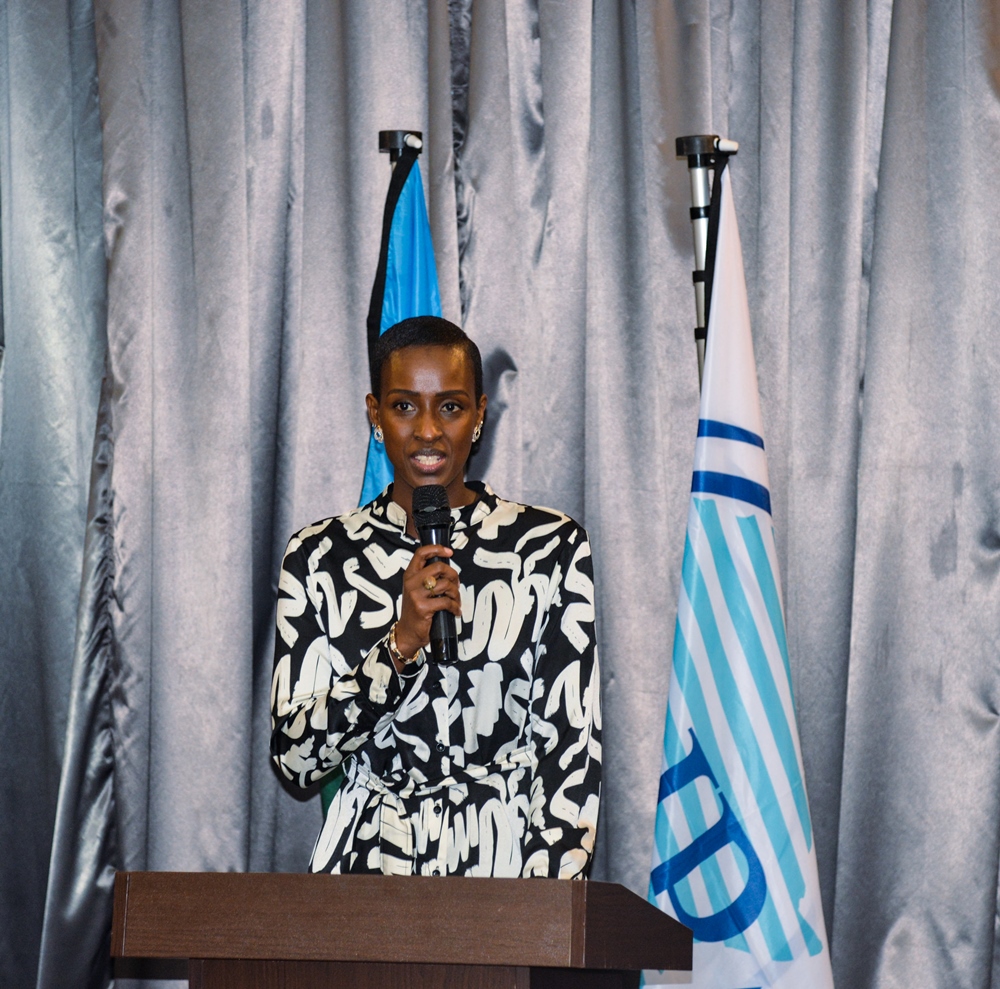
While presiding over the opening ceremony, the Deputy Chief Executive Officer of the Rwanda Development Board, Nelly Mukazayire said:
“We are gathered here today to discuss and explore the critical role of intellectual property in shaping Africa’s future.This conference provides a platform for ARIPO Member States IP Offices to come together, share best practices, and strengthen cooperation in intellectual property management and enforcement. By aligning our strategies, harmonizing our policies, and building robust intellectual property ecosystems, we can effectively maximize the potential of our intellectual assets, foster innovation-driven entrepreneurship, and create an environment conducive to sustainable economic growth.”
A well-designed intellectual property system can be a powerful vehicle for economic growth and human development. Many sectors and industries rely on regulation that properly enforces IP rights such as patents, trademarks, copyright, among others.
The Heads of IP offices are responsible for driving the IP mandate therefore, the decisions they take on IP impact lives in many ways.
Member States represented at the 2023 HIPOC are: Botswana, Cape Verde, the Gambia, Ghana, the Kingdom of Eswatini, the Kingdom of Lesotho, Liberia, Malawi, Mauritius, Mozambique, Namibia, Rwanda, Sao Tome and Principe, Seychelles, Sierra Leone, Somalia, United Republic of Tanzania, Uganda, Zambia, and Zimbabwe.
{{About the African Regional Intellectual Property Organization}}
ARIPO is an intergovernmental organization that facilitates cooperation among its Member States in intellectual property matters. The Organisation pools resources for the promotion, development, and harmonization of the IP laws and policies of ARIPO Member States. The objective of ARIPO, amongst others, is to establish common services and bodies for IP rights coordination, development, and harmonization. The Member States of ARIPO include; Botswana, the Kingdom of Eswatini, Cape Verde, the Gambia, Ghana, Kenya, the Kingdom of Lesotho, Liberia, Malawi, Mauritius, Mozambique, Namibia, Rwanda, Sao Tome and Principe, Seychelles, Sierra Leone, Somalia, Sudan, Tanzania, Uganda, Zambia, and Zimbabwe.
{{About the Rwanda Development Board}}
The Rwanda Development Board (RDB) is a government agency in Rwanda with a vision to transform Rwanda into a dynamic global hub for business, investment, and innovation. Its mission is to fast-track economic development in Rwanda by enabling private sector growth.
{{About the World Intellectual Property Organization }}
The World Intellectual Property Organization (WIPO) is the global forum for intellectual property policy, services, information, and cooperation. A specialized agency of the United Nations, WIPO assists its 193 member states in developing a balanced international IP legal framework to meet society’s evolving needs. It provides business services for obtaining IP rights in multiple countries and resolving disputes. I It delivers capacity-building programs to help developing countries benefit from using IP. And it provides free access to unique knowledge banks of IP information.
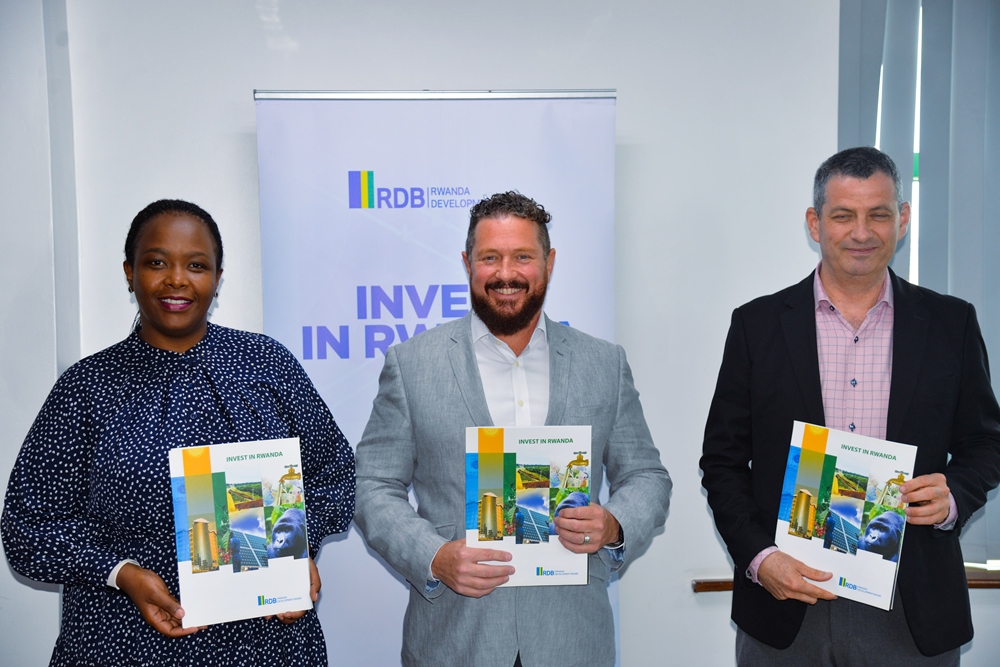
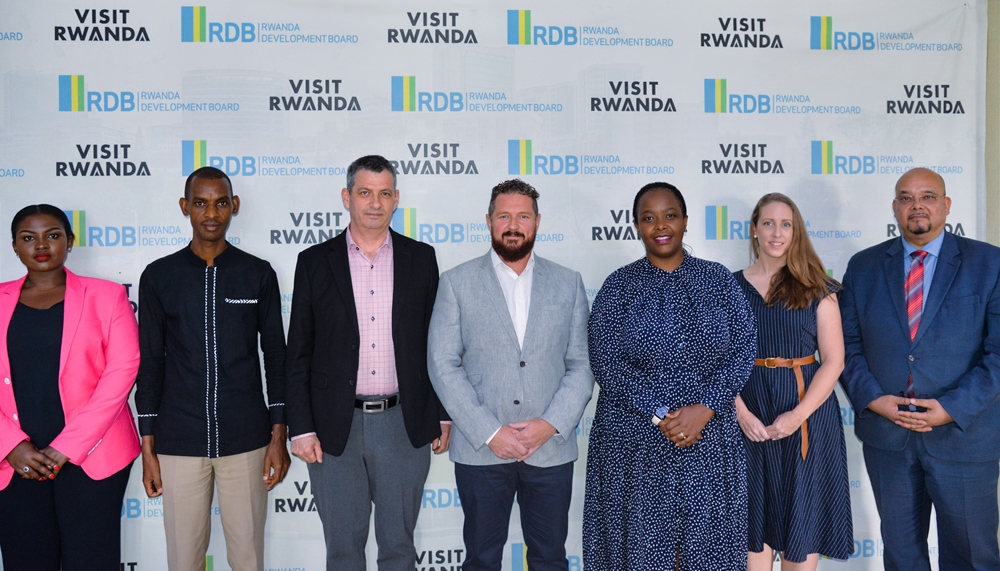
The Strategic Power Partnership represents a significant milestone for both ARC Power and the Government of Rwanda, as they jointly strive to accelerate energy access and transform the energy sector across the African continent. By leveraging ARC Power’s expertise in renewable energy development and the Government of Rwanda’s commitment to sustainability, this partnership will pave the way for a brighter, cleaner future.
Under the terms of this agreement, ARC Power will collaborate closely with the national utility, Rwanda Energy Group, to identify strategic locations for grid extensions and installation of grid-tied solar generation units, known as ARCs. These units will harness the abundant solar energy resources available in the country to generate clean, reliable electricity.
This ground-breaking collaboration reflects the shared vision of ARC Power and the Government of Rwanda to address the pressing energy challenges facing the continent. By promoting renewable energy adoption and expanding access to electricity, the partnership seeks to accelerate sustainable development, reduce greenhouse gas emissions, and foster economic prosperity for all Rwandans.
Speaking about the partnership, Ron Weiss, CEO of Rwanda Energy Group, commented: “We are delighted to welcome ARC Power to develop sustainable energy solutions in Rwanda. The Government is committed to providing electricity access to its entire population while ensuring that it is sourced from clean and reliable energy sources. This partnership with ARC Power will enable us to attain these objectives and enable Rwandans to improve their quality of lives and open up new opportunities for economic growth.”
Clare Akamanzi, CEO of Rwanda Development Board welcomed the investment by ARC Power expressing optimism that it will transform the livelihoods of over 40,000 Rwandan homes by giving them access to clean and sustainable electricity.
“The Government is committed to working with partners like ARC Power to drive positive change in the country through the use of innovative solutions that can be replicated and scaled in the region as well.”
Karl Boyce, CEO of ARC Power, also expressed his enthusiasm, stating: “We are thrilled to join forces with the Government of Rwanda in this unprecedented endeavour. This partnership demonstrates our shared commitment to driving positive change and promoting sustainable energy solutions. Together, we aim to set a new standard for the energy sector in Africa and serve as a model for other nations to follow.”
ARC Power and the Government of Rwanda are united in their determination to transform the energy sector and uplift communities through sustainable power solutions. By harnessing the power of the sun and extending the grid infrastructure, this landmark partnership aims to empower Rwandans with access to reliable electricity, enabling them to unlock their full potential.
{{About ARC Power}}
ARC Power is a leading British renewable energy developer with a mission to accelerate the global transition to sustainable energy. Recently recognised for its progress in driving sustainable development in sub-Saharan Africa, the Company won both the Queen’s Award for Enterprise and the Energy Globe World Award in 2022.
With a portfolio of mini-grid and hybrid solar projects being developed in Rwanda, Mozambique and Zambia, ARC Power is committed to creating a cleaner, greener future. By leveraging innovative technologies and collaborating with governments, businesses, and communities, ARC Power strives to deliver affordable, reliable and clean energy solutions across the region.
The Africa’s Business Heroes (ABH), is one programmes that show promise in helping overcome these challenges and propel the continent to greater heights.
ABH Prize Competition, sponsored by the Jack Ma Foundation and Alibaba Philanthropy, is a philanthropic initiative aimed at supporting and inspiring the next generation of African entrepreneurs across all sectors. The goal is to build a more sustainable and inclusive economy for the future of the continent.
Over a 10-year period, ABH plans to recognize 100 African entrepreneurs and provide them with grant funding, training programs, and support for ecosystem development.
Each year, the ABH Prize Competition and show feature 10 finalists who pitch their businesses to win a share of US$1.5 million in grant money.
Since its inception in 2019, Rwanda has been actively participating in ABH, and the country has greatly benefited from the program. Four entrepreneurs from Rwanda have emerged among the top 10 winners in 2019, 2021, and 2022, respectively. In total, Rwanda has received over US$385,000 (equivalent to over 406 million Rwandan Francs) in grant funding.
To provide seamless support to the program’s beneficiaries, ABH established its first physical African office in Rwanda in October 2022. The office, located at the Norrsken House in Kigali, aims to streamline operations and enhance the impact of the program in the region.
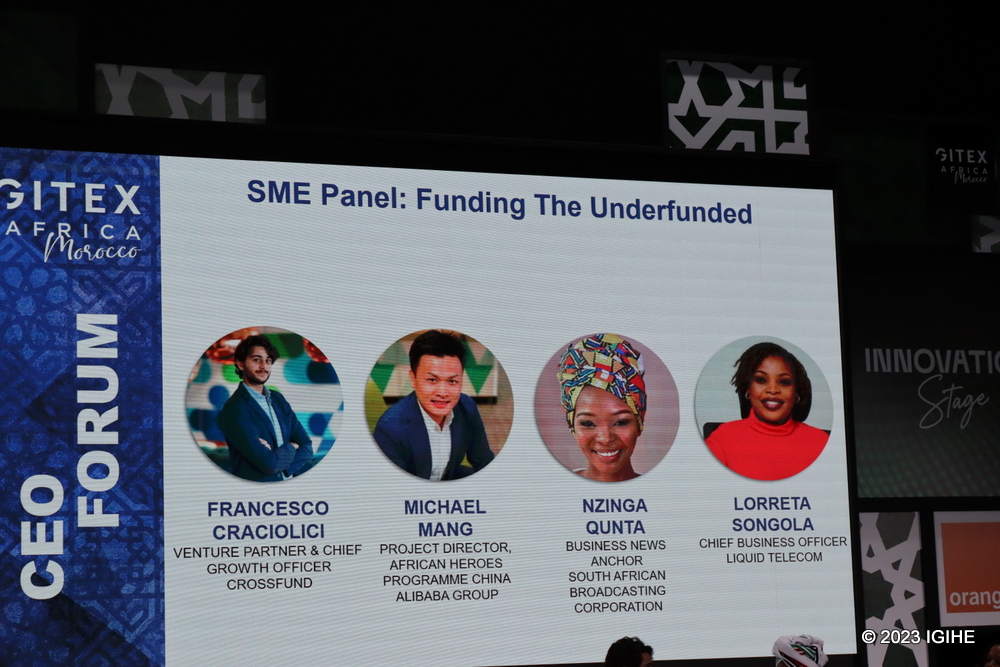
During an exclusive interview with IGIHE on the sidelines of GITEX Africa Summit held in Morocco from May 31st to June 2nd, 2023; Michael Mang, the Project Director of ABH shed light on the prospects for the local office, its impact, and why Rwanda was selected as a host among other related topics.
{{Excerpts:}}
{{1. Africa Business Heroes recently established its first physical office on the African continent in Kigali. Why did you choose Rwanda as a host? }}
Choosing Rwanda as the location for our representative office was based on several factors. Firstly, Rwanda offers a stable business environment and presents numerous potential business opportunities.
Secondly, we have a valuable partnership with the African Leadership University (ALU), and by establishing an office in Rwanda, we can work closely with them as a team.
Lastly, Rwanda is known as a hub for entrepreneurship, making it an ideal base for us to connect with the local entrepreneurial ecosystem.
We strategically chose to be based at Norrsken House in Kigali, which houses one of the largest entrepreneur incubators and co-working spaces on the continent, further enhancing our access to the ecosystem.
{{2. Since the office’s opening, what has been the contribution of the local office in Rwanda?}}
The local office in Rwanda has been really helpful. We decided to open an office here to engage with the vibrant entrepreneurial ecosystem and be accessible to entrepreneurs who seek our support.
Additionally, we had the opportunity to hire local talents who have brought significant value to our program. As a result, we have witnessed tremendous growth in terms of results and progress.
{{3. What kind of support do you extend to entrepreneurs in Rwanda and the region?}}
We offer support to entrepreneurs in various ways. As our program expands and we gain more experience, we have developed a keen understanding of their pain points.
We provide assistance with various aspects, such as filling out application forms, navigating the competition process, and addressing any support they require.
To facilitate effective communication, we have a dedicated customer service team in Rwanda that can assist entrepreneurs in both French and English. Our aim is to ensure a positive experience for them and help them gain better insights into their own businesses.
Moreover, entrepreneurs benefit from receiving advice from our judges and connecting with a larger entrepreneurial community.
{{4. Do you consider increasing the existing financial assistance you provide?}}
We appreciate your question but this is something we need to further evaluate. Currently, we observe that participants in our competitions are motivated not solely by monetary rewards.
While financial support is a part of the incentive and value they perceive, they also value the media exposure and connections they can establish.
Entrepreneurship can often be a lonely journey, but connecting with fellow entrepreneurs who share similar experiences is invaluable for business growth.
Therefore, when considering support, we will take a holistic approach to identify the types of assistance we can provide beyond financial resources.
{{5. What can we expect from the ABH local office in the next five years?}}
Over the next five years, we envision a stable and continuously growing team focused on three key areas.
Firstly, we aim to further enhance our competition, creating a captivating show that reaches an even broader audience.
Secondly, we seek to foster an engaged and beneficial community for our members.
Lastly, we aspire to witness the growth of individuals, the team, and the businesses we support as they come together for collective success.
{{6. How do you support entrepreneurs to embrace technology?}}
As you may be aware, our competition is highly inclusive and attracts a diverse range of grassroots entrepreneurs, whom we deeply value and recognize.
By looking at the achievements of the past heroes, including the top 10 and top 20 from the last four years, you can witness the remarkable diversity and wide variety of their projects.
Technology plays a crucial role in empowering entrepreneurs to seize market opportunities and deliver superior products and services to their target audiences.
Therefore, we actively encourage entrepreneurs to embrace technology, as it is instrumental in propelling their businesses to great heights.
However, we also believe in promoting a balanced approach by encouraging entrepreneurs to explore traditional methods and grassroots initiatives that can positively transform people’s lives and make a lasting impact.
{{7. What message do you have for Rwandans and the regional population?}}
Rwanda holds a significant advantage as a hub on the continent, particularly in East Africa. The government’s substantial support for entrepreneurship is commendable.
We encourage Rwandan entrepreneurs to actively participate in events, explore networking opportunities, and apply for competitions like ours.
It is also essential for them to reach out beyond their own region, both within Africa and internationally, to learn from others and gain exposure to different market dynamics.
While Rwanda offers an excellent market, there is vast potential to explore and tap into larger markets by embracing new experiences.
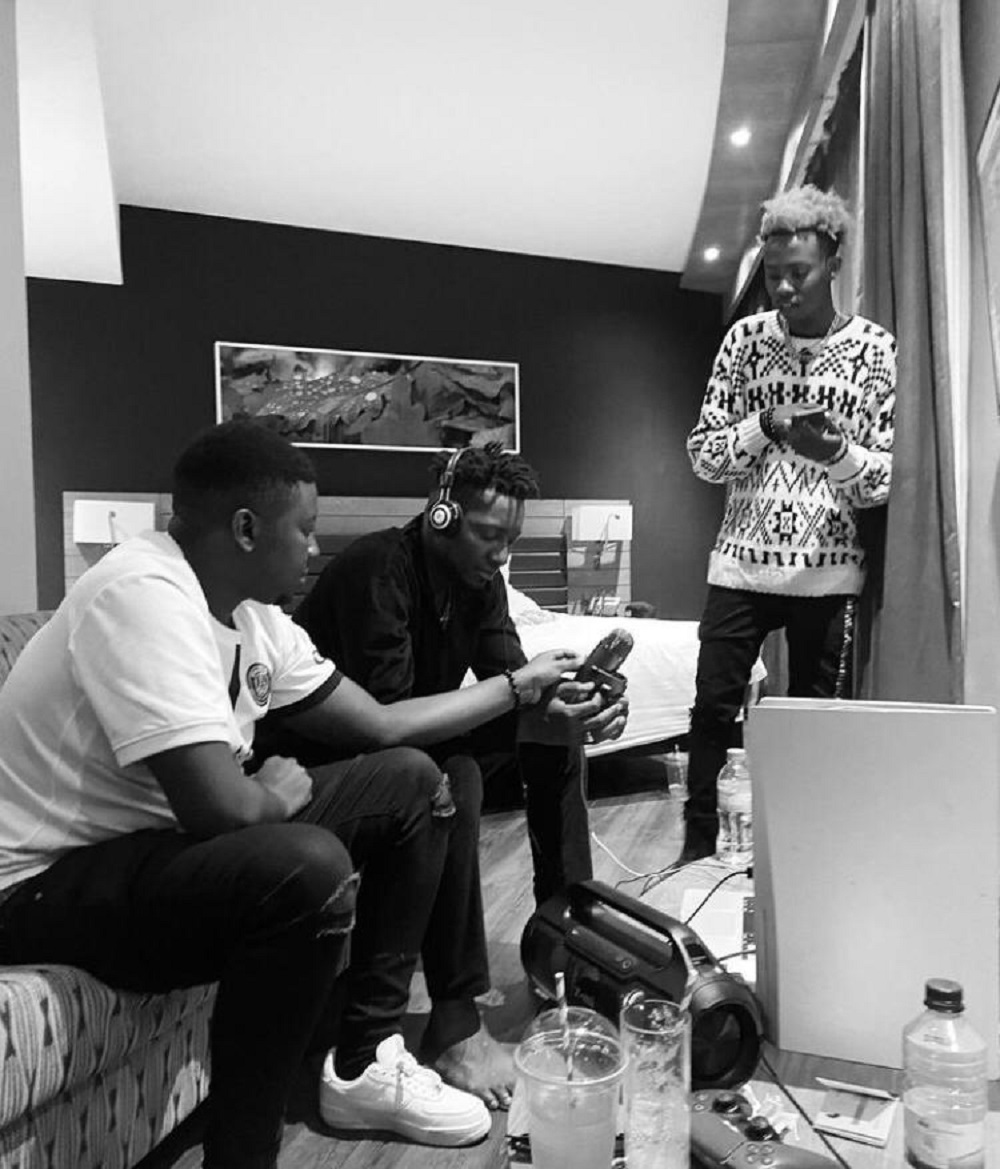
In an exclusive interview with IGIHE, Afrique expressed his gratitude towards his loyal Rwandan fan base and acknowledging their unwavering support since he joined the music career.
He also shared his excitement about the forthcoming album, emphasizing the significance of this achievement in his career.
“Releasing my first album means a lot and it’s a great achievement for me, adding an extra milestone to my career,” said Afrique.
Besides, Afrique’s inclusion of his chart-topping hit songs, such as “Agatunda,” “Rompe,” “Nobody,” and “My Boo,” adds an additional layer of excitement and anticipation for his fans.
The album boasts an impressive lineup of producers, including Élément, Niz Beatz, Prince Kiiiz, Loader, Fanta, Evydecks, and The Major.
In addition to the notable production team, Afrique’s debut album features collaborations with local and international artists including Drama T from Burundi, Adam from Ivory Coast, and an artist from Kenya.
With a total of 11 songs, Afrique’s debut album presents a diverse collection of tracks, each embodying his unique musical style and vision.
Notably, seven songs from the album have already been released, generating excitement and acclaim among fans and music enthusiasts.
The album’s release on all major digital platforms in early July 2023 is expected to provide fans worldwide with the opportunity to appreciate Afrique’s unique musical style, the artistry of the collaborating artists, and the exceptional production values brought forth by the esteemed producers.
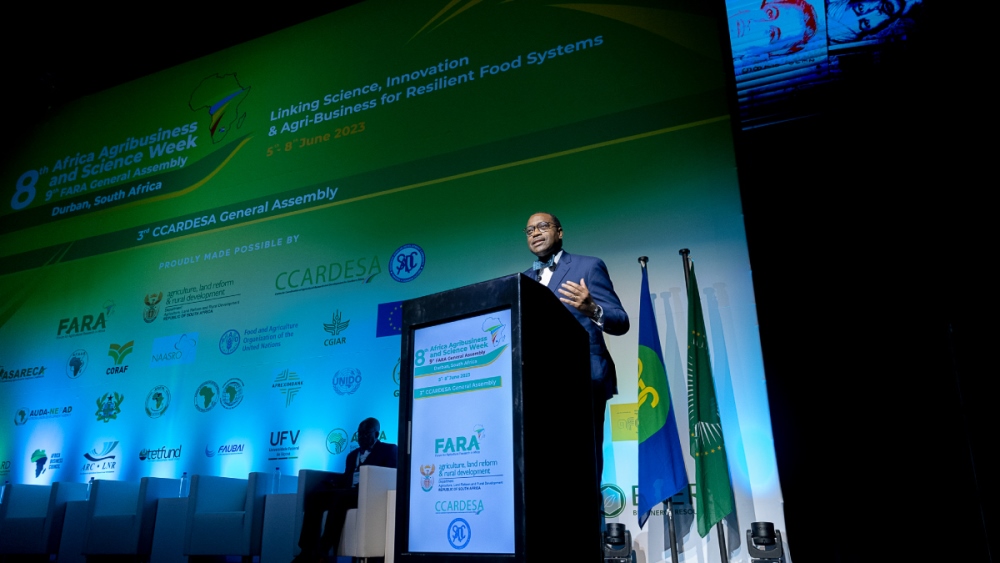
What is needed is action including robust financing, Adesina said Monday during the opening session of the 8th Africa Agribusiness and Science Week (AASW) in Durban, South Africa.
“We must pull together the best of science, technology, and innovations to drive a more productive, efficient, and more competitive agricultural system,” Adesina told an audience of stakeholders in agriculture and agribusiness research and innovation in Africa.
The Forum for Agricultural Research in Africa (FARA) organized the event with the government of South Africa, The African Union Commission (AUC), the African Development Bank and the Consultative Group for International Agricultural Research (CGIAR). Other partners include the UN’s IFAD and UNIDO as well as the European Commission.
AUC Commissioner for Rural Economy and Agriculture Ambassador Josefa Leonel Correia Sacko said the event could not have come at a better time, as the world is in the midst of a hunger pandemic caused by cascading factors, including Covid-19 and climate change.
Africa needs to leverage its potential, including science, and be proactive rather than reactive to shocks, she said. She urged the continent to take advantage of its youthful population and immense natural capital. “Let us unlock the potential we have… We should feed Africans and we should feed the world,” Sacko said.
FARA Chairperson Alioune Fall spoke about the interlocking relationship between climate change and agricultural production. “Climate change and its effect on the continent require new ways of doing things in almost all facets of our society,” Fall said, “Africa’s young farmers would not adopt nature-based approaches unless “they are well packaged, affordable and technology-serviced.”
Adesina said African food systems have the potential to unleash $1 trillion in value over the next seven years. “For that to be achieved, we must strengthen and support the CGIAR with a lot more resources, ensure that it works in and delivers for Africa based on our priorities, and support regional research and development institutions, such as FARA and the sub-regional agricultural research organizations,” he said.
African Development Bank initiatives to boost African food security include the Feed Africa Summit, held in January in the Senegalese capital Dakar. It brought together 34 heads of state and government . “Working with development partners from around the world and the African Union Commission, the private sector companies, and global and national agricultural research centers, we developed Food and Agricultural Delivery Compacts for 41 countries,” Adesina said. He added that summit partners have built on its success, mobilizing $72 billion so far, to support the national compacts.
Adesina presented the 2023 FARA Leadership Prizes for Advancing Agricultural Science, Technology, and Innovation in Africa to Ngozi Okonjo-Iweala, Director General of the World Trade Organization; Ambassador Sacko; FARA’s Executive Director Dr. Yemi Akinbamijo; Senegal’s former Minister of Agriculture and Rural Infrastructure Papa Abdoulaye Seck, and Afreximbank President Prof. Benedict Oramah.
Adesina won the award in 2016.
The 8th Africa Agribusiness and Science Week, the main continental platform for stakeholders of agriculture and agribusiness research and innovation in Africa, brings together 1,500 stakeholders every three years to take stock of progress on research and innovation, share information, create business alliances, and map out priorities for joint action. The seventh AASW was held in Kigali, Rwanda in June 2016.