I&M Bank Rwanda attributed its growing customer base, which now exceeds 71,000, to the implementation of digital solutions, data analytics, the establishment of a European desk, and the introduction of a Retail Banking loan center. The bank’s customer base experienced a 15% year-on-year growth.
Additionally, I&M Bank Rwanda revealed that 78% of transactions are now conducted digitally, indicating the increasing adoption of digital banking services by customers.
Robin Bairstow, the CEO of I&M Bank Rwanda, commented on the bank’s performance, attributing the growth in the first quarter of 2023 to the successful execution of their iMara strategy, which has consistently delivered positive outcomes.
Bairstow further noted that the bank achieved a 4% increase in loans provided to all customer segments, including corporates, small and medium enterprises, and individuals. Moreover, deposits also rose by 5% during this period.
The UNECA, in its latest publication on unlocking the full potential of the AfCFTA with a case study for the Central Africa region, said the free trade pact would enhance intra-regional trade as well as trade with continental partners.
The UNECA underscored the need for African countries to tap into the opportunities presented by the AfCFTA to build upon their respective national and regional integration strategies.
Free trade under the AfCFTA Agreement officially started in January 2021. In response, Central African governments began developing national AfCFTA implementation strategies with the support of the UNECA and its partners. A sub-regional AfCFTA strategy for Central Africa is also under development.
Noting that trade strategies are linked to the productive capacity of each country, the UNECA said the development of trade strategies requires direct linkages with the national industrialization plans which advocate industrialization based on natural resources and driven by trade.
Preliminary results of its research, entitled “Industrialization and Economic Diversification – Keys to Unlocking the Full Potential of the AfCFTA – A Case Study for Central Africa,” show that liberalizing tariffs within the African continent would lead to overall increases in trade among member countries of the Economic Community of Central African States across all products, except for extraction products, which decrease
Auweraert said in a statement issued in the South Sudanese capital of Juba that a large armed group on motorbikes looted five trucks loaded with food supplies on Tuesday.
The trucks were loaded with 100 metric tons of World Food Programme (WFP) food assistance, enough to feed more than 11,000 people for one month and to support those in most need living in Twic East County, according to the statement.
“All looting of humanitarian assets and attacks on humanitarian facilities is utterly unacceptable. Humanitarians save lives and must be able to safely deliver life-saving supplies to those in need,” Auweraert said.
He said almost seven metric tons of the food were looted in the attack, forcing the WFP to pause movements out of Bor for the third time this year.
Mary-Ellen McGroarty, WFP Representative to South Sudan, said the UN agency has been grappling with a significant number of attacks on its convoys this year, as it provides humanitarian aid to people in urgent need of assistance.
“To have lorries (trucks) attacked on the perimeter of the UN compound is beyond unacceptable and we have no choice but to pause operations out of Bor until the safety and security of our staff and assets can be assured,” McGroarty said.
She said a pause in movements out of Bor will have an impact on more than a million people in Jonglei and Pibor, many of whom are women and children relying on the assistance WFP provides.
According to the UN, the Sudan crisis puts an additional strain on the humanitarian response as humanitarian organizations are redirecting their limited resources toward the new emergency to address the most critical needs of the newly arriving vulnerable returnees and refugees.
Auweraert said soaring prices, disruption of supply chains, and a lack of basic services are negatively impacting the already overstretched humanitarian response. Looting of humanitarian assistance further compounds the problem faced by the neediest.
There have been several violent acts against humanitarian personnel and assets since the beginning of the year, according to the UN.
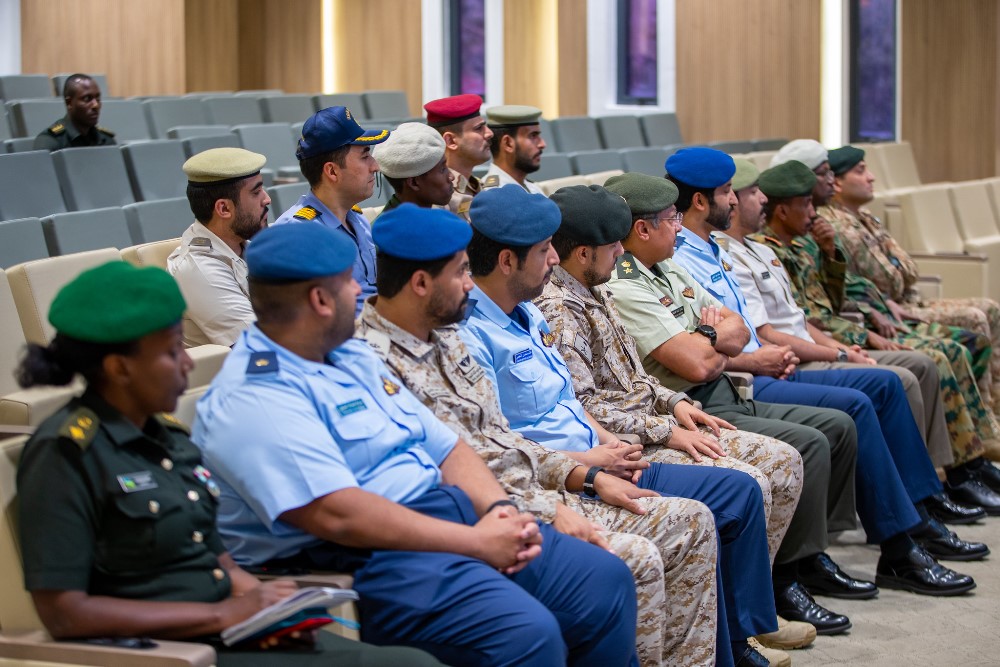
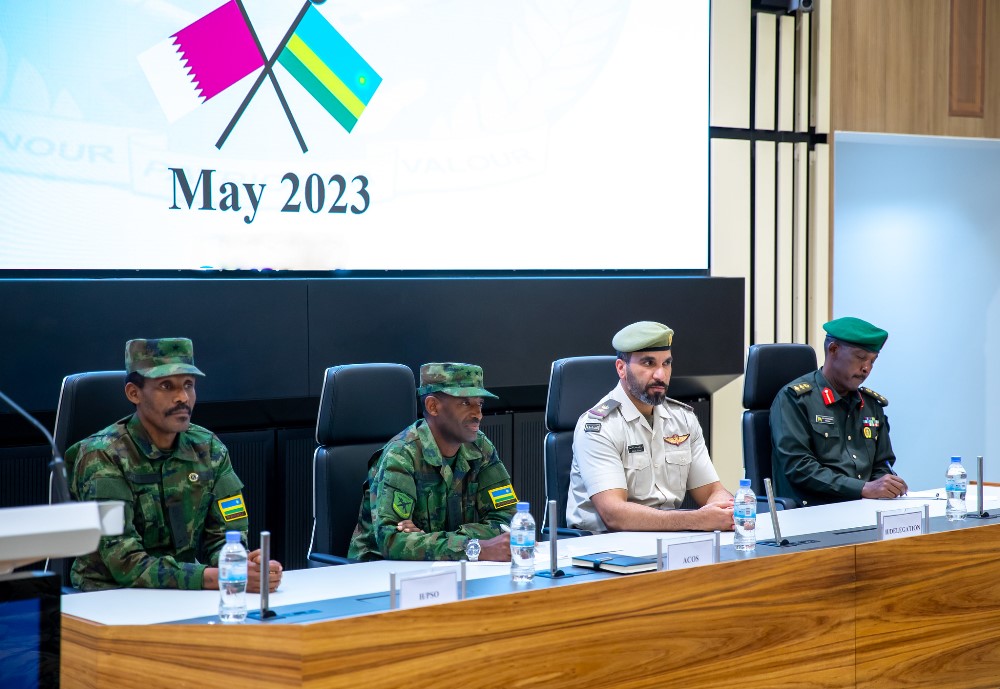
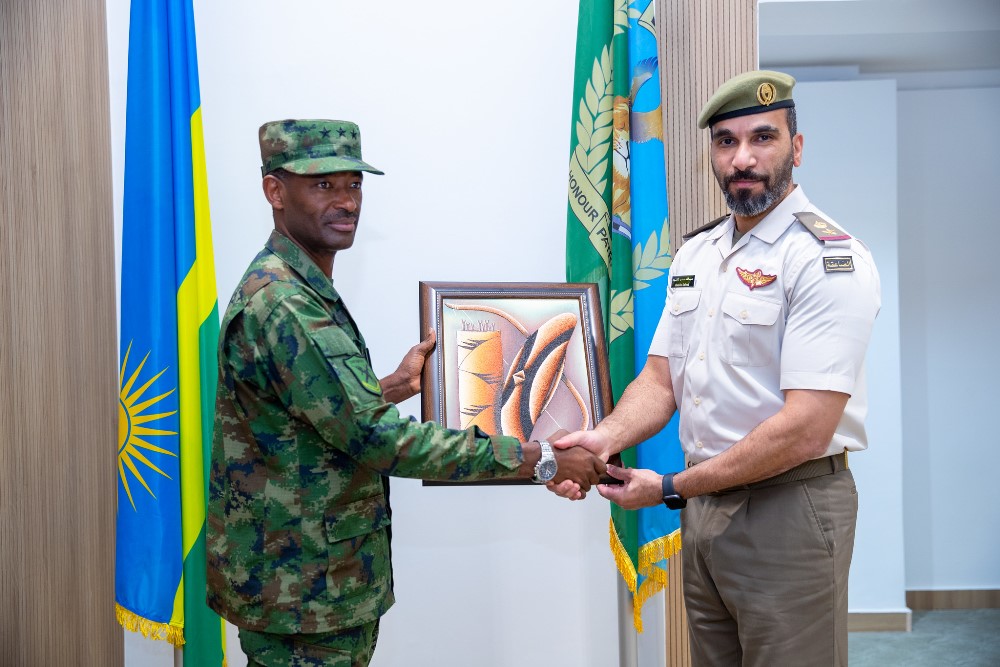
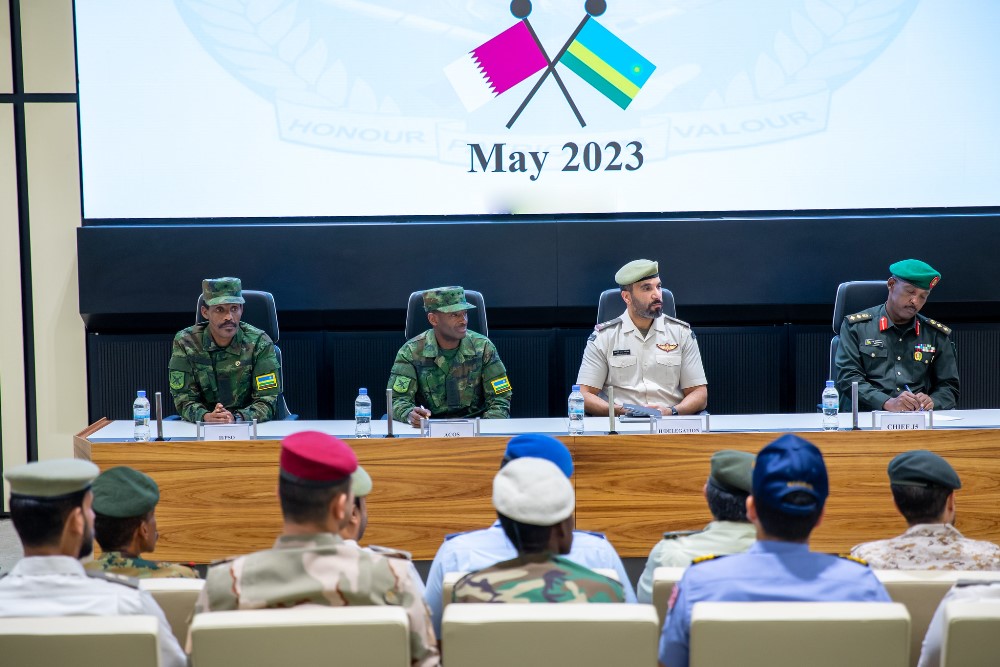
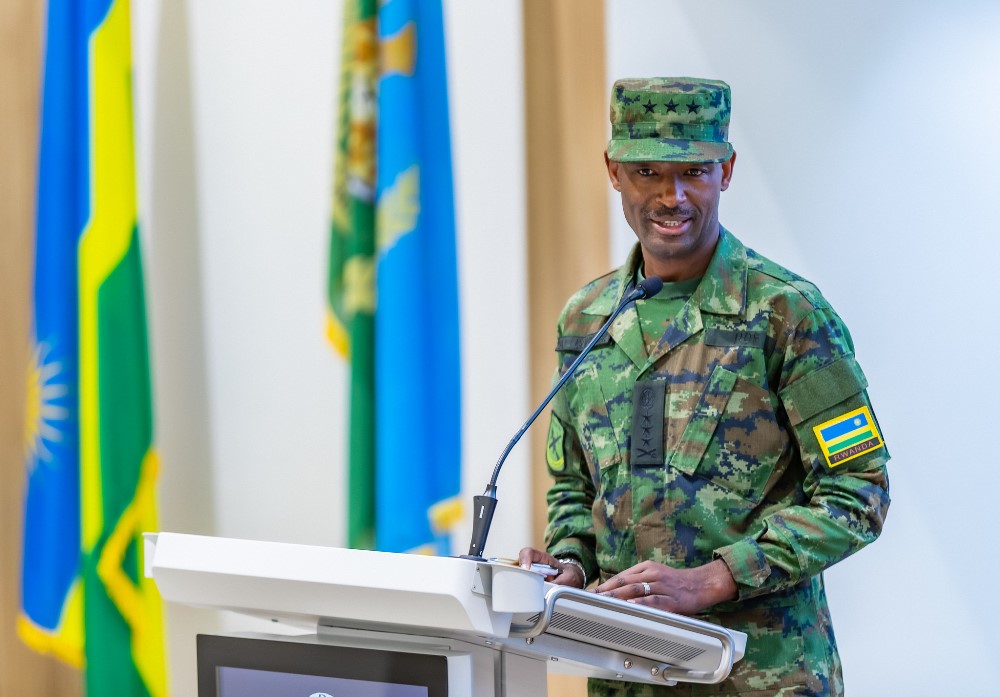
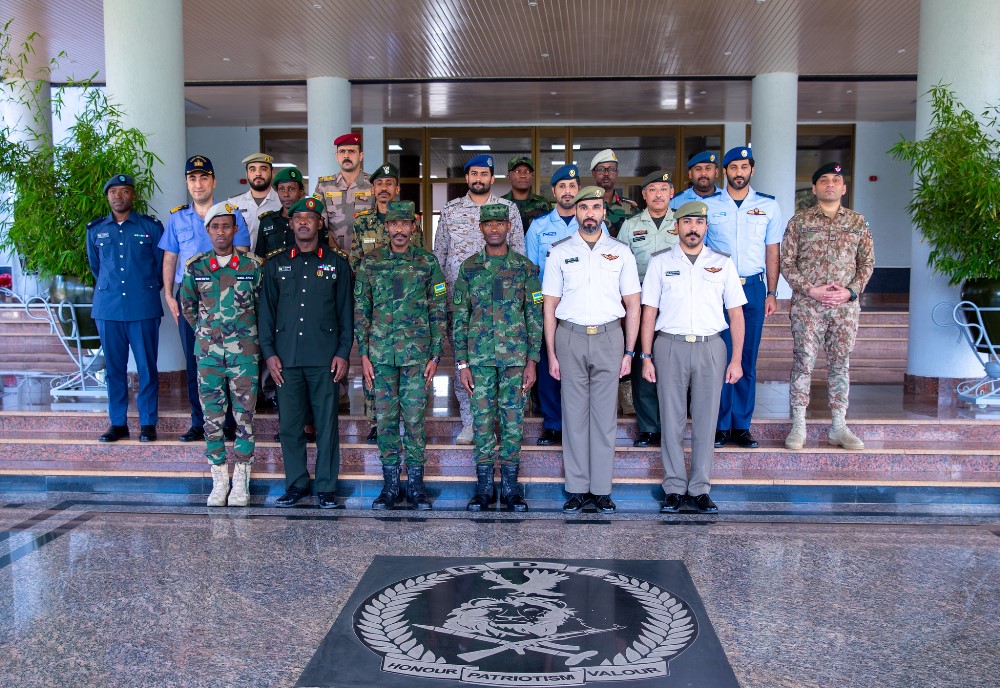
Rwanda’s Ministry of Defence has revealed that Lt Gen Mubarakh received the students today at the Defence Headquarters.
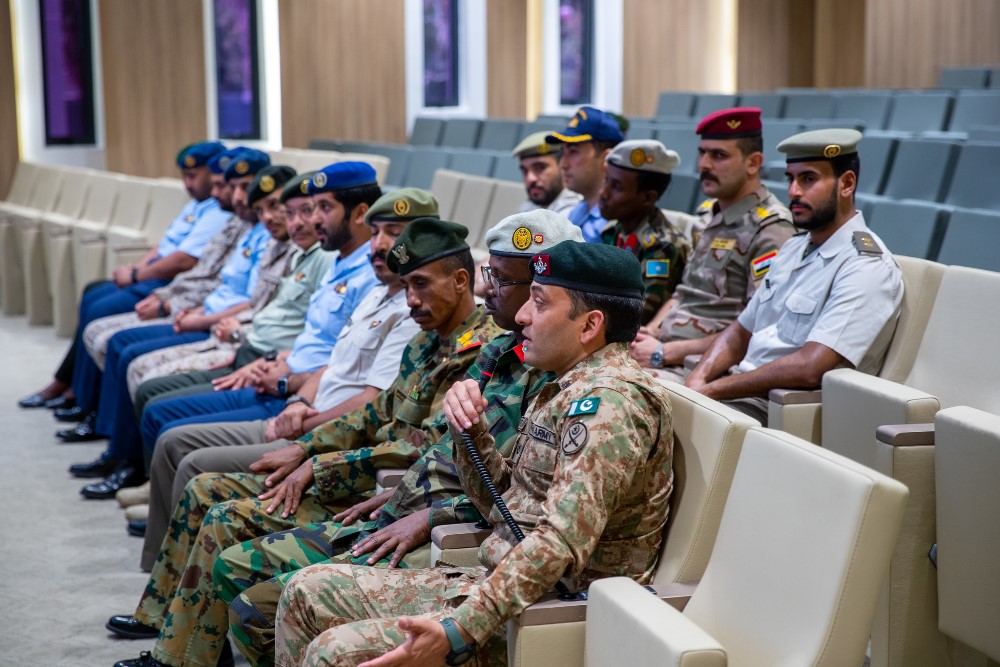
The student officers from Qatar, Saudi Arabia, Sudan, Pakistan, Somalia, Türkiye, Iraq, Oman and Kuwait are currently pursuing the Joint Command and Staff Course at Joaan Bin Jassim Academy for Defence Studies.
During their visit to RDF Headquarters, they received a briefing on the RDF transformation journey on Monday, and prior to that they visited the Kigali Genocide Memorial and Campaign against Genocide Museum.
The delegation will also visit Zigama CSS, Military Medical Insurance, Rwanda Military Hospital, RDF Command and Staff College and few other Government and private institutions.
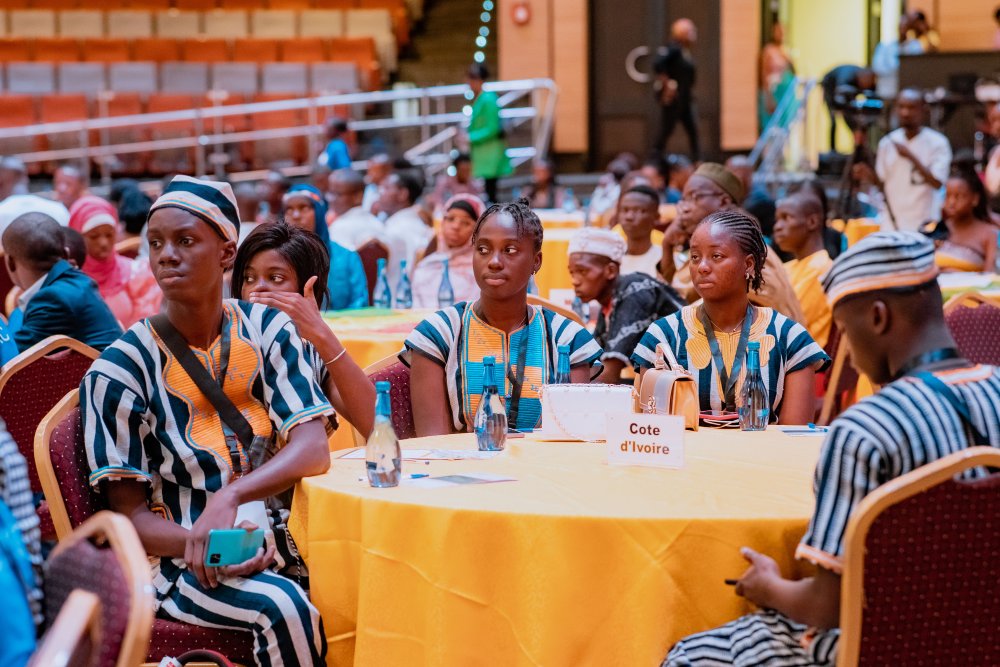
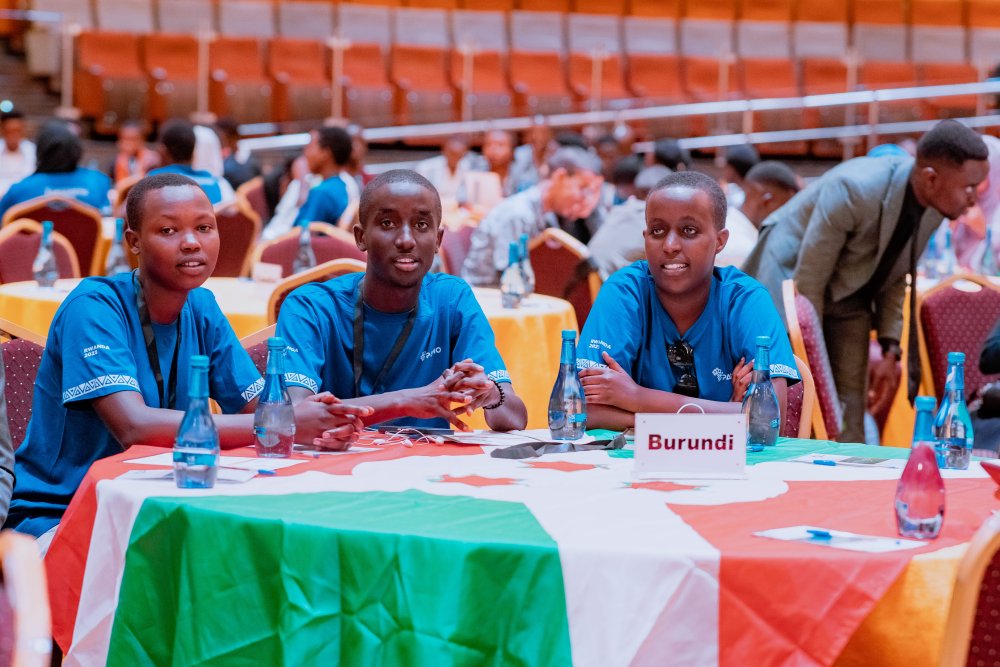
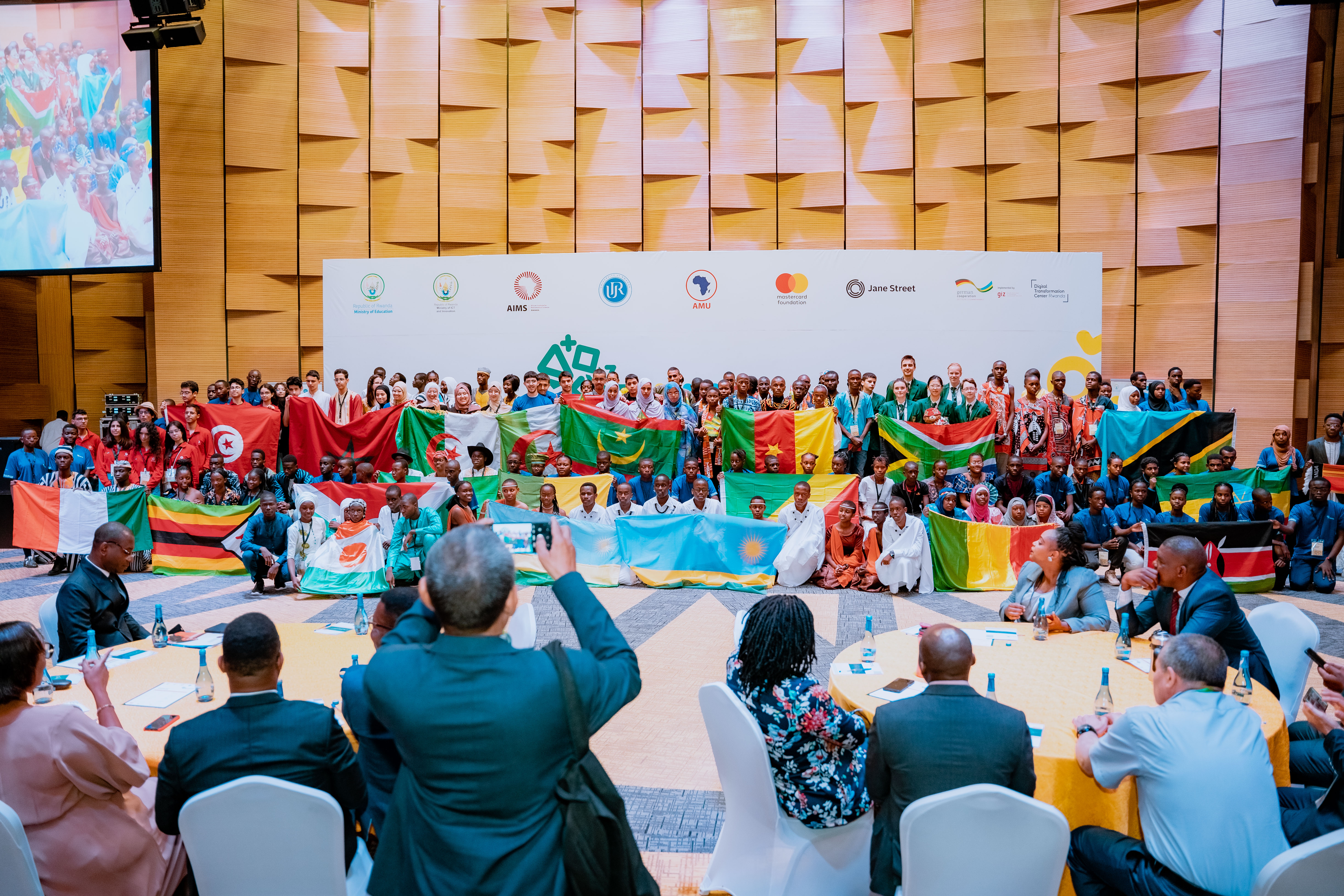
The annual event brought together exceptionally talented mathematicians from diverse African backgrounds, who competed for medals, scholarships and the opportunity to represent Africa in the global PAMO competitions. The participants also engaged in cultural and social activities, fostering stronger connections and collaborations among themselves and with their mentors.
PAMO is an event organized each year by the African Mathematics Union (AMU) since 1987.
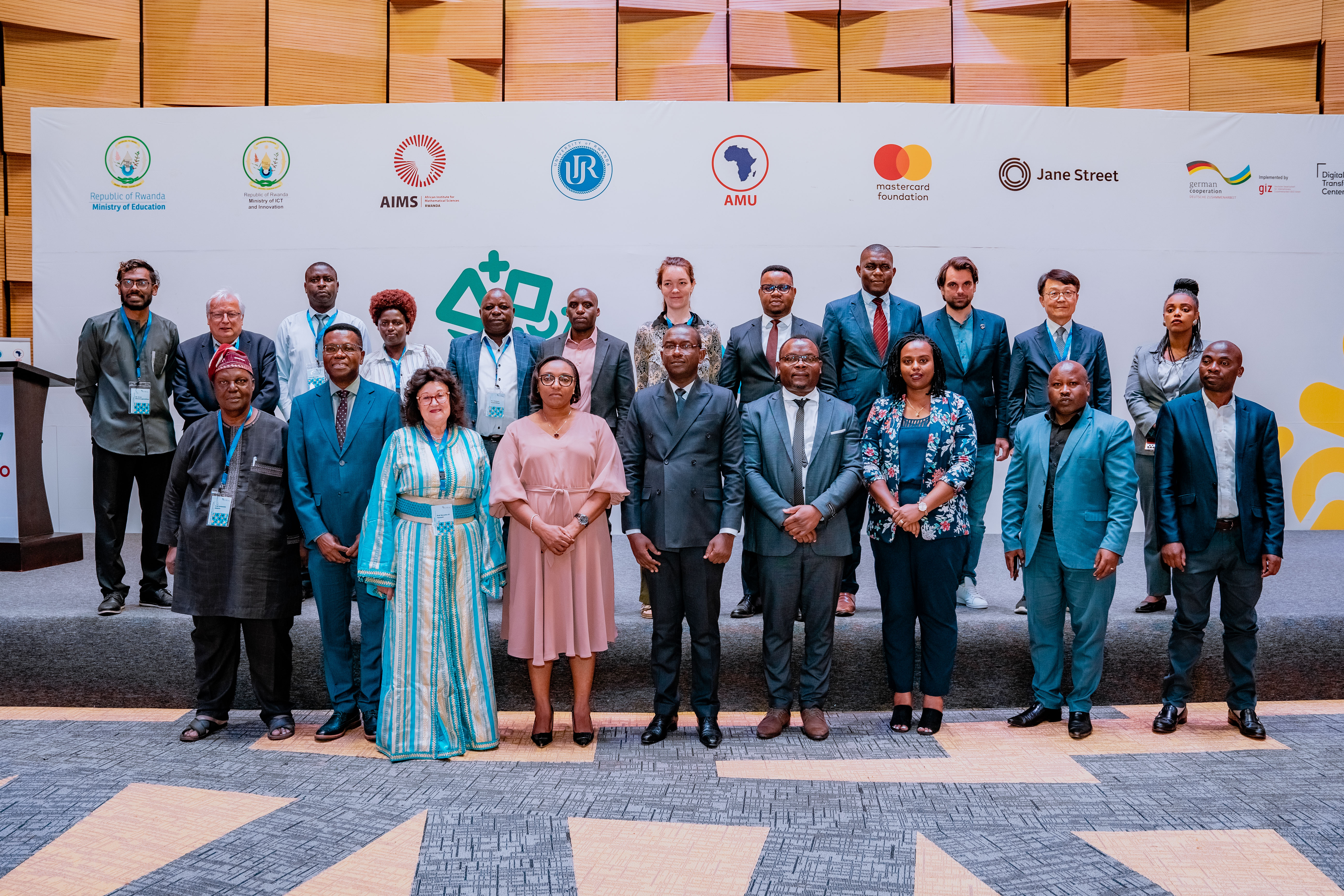
It aims to encourage youth engagement, particularly among girls, in the fields of mathematics and sciences. It also serves as a platform for knowledge-sharing and capacity-building among African nations. PAMO 2023 was co-hosted by AIMS Rwanda, the Rwandan government, and the University of Rwanda (UR), with support from the Pan-African Mathematics Union’s PAMO Commission.
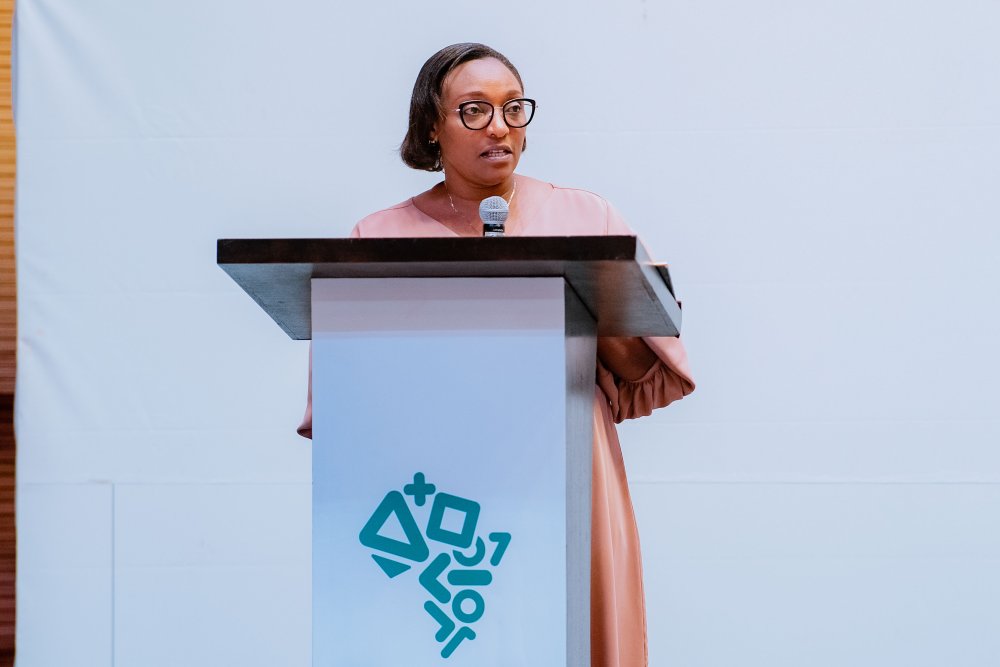
The presence of Rwanda’s Minister of Education, Valentine Uwamariya, among the distinguished guests, emphasized the country’s dedication to promoting science and mathematics.
The Rwandan participants received guidance from a diverse group of mentors, including professors from the University of Rwanda and the African Institute for Mathematical Sciences (AIMS). For these prodigies, PAMO provides an opportunity to showcase their skills while exploring different cultures through travel.
“PAMO is a great experience for me. I learned a lot from my mentors and peers. I also enjoyed visiting different places in Rwanda and meeting new friends,” said Jean-Paul Nshimiyimana, a bronze medalist from Rwanda.
PAMO 2023 introduced some innovations to enhance the participation and experience of the participants. For instance, eight participants joined online from countries that had not sent teams on-site before, expanding the reach and diversity of PAMO.
Moreover, a significant public event called “Math on the Street” was organized in Kigali on May 21st, which was car-free day. This event aimed to raise awareness about the importance of mathematics and sciences in everyday life while stimulating critical thinking among the public.
PAMO 2023 witnessed record-breaking participation, with 26 countries sending teams on-site and an additional 8 participants joining online. Each team comprised six members, consisting of three boys and three girls. Participants faced the challenge of two 4-hour and 30-minute exams, featuring carefully selected questions by the problem selection committee and the PAMO jury. A total of 36 medals were awarded: 12 gold, 12 silver and 12 bronze. The top three countries were Morocco, Tunisia and South Africa. The winners of PAMO 2023 will go on to represent the African continent in the global PAMO competitions.
PAMO 2023 was made possible by the generous support of various sponsors and partners who share the vision of advancing mathematical education in Africa. The organizers are AIMS Rwanda, the Republic of Rwanda and UR. The gold sponsor is Jane Street, a quantitative trading firm that uses innovative technology and scientific methods to trade in global markets.
The silver sponsors are The German Cooperation GIZ through the Digital Transformation Center-Rwanda, which supports digital innovation and entrepreneurship in Rwanda; and The MasterCard Foundation, which works with visionary organizations to enable young people in Africa to access quality education and financial services. The bronze sponsor is RwandAir, Rwanda’s flag carrier that operates domestic and international flights to over 25 destinations.
The supporters are Rawise, a Rwandan company that provides software solutions for education; Hence, a global platform that connects students with mentors; Liquid Telecom, a leading communications solutions provider across Africa; Airtel, a leading provider of telecommunications and mobile money services in Africa; and Global Talent Network, a network that connects talented professionals with opportunities across Africa.
PAMO 2023 was a successful event that celebrated the mathematical talent across Africa and inspired many young students to pursue their passion for mathematics and sciences. The organizers thank all the sponsors, partners, mentors, teachers, volunteers and participants for their contribution and collaboration in making PAMO 2023 a memorable experience.
`
ACV will catalyse the carbon asset class in Africa by building innovative businesses focused on solving our generation’s greatest challenge and at the same time capturing a significant share of global carbon markets in Africa.
The venture represents a series of “firsts” in Africa: from its entirely Africa-based founder team and its permanent capital structure based in Kigali International Financial Centre, to its exclusive focus on carbon mitigation, capture and removal, the continent’s fastest evolving sector.
ACV represents a historic evolution in Africa’s carbon ecosystem and will contribute directly to capital mobilisation in climate action. Indeed, by 2030 ACV aims to eliminate one million tonnes of carbon every year while improving the lives of 50 million Africans and creating at least 5,000 jobs on the continent.
The venture builder features a peerless bench of experienced Africa-based founders with a record of pioneering innovation on the continent and championing disruptive enterprises.
James Mwangi is a 2022 Climate Breakthrough Award Winner and the founder of the Climate Action Platform for Africa, a non-profit organization that aims to help Africa achieve broad-based economic growth through climate action leadership.
Mwangi is best known as a co-founder of Dalberg Advisors, the firm’s first elected Global Managing Partner and then Dalberg Group’s Executive Director. Mohamed Cassim is a South African investor best known as an angel investor, the Chair of MFS Africa Board, and the Founder of Abacus Advisory. CJ Fonzi was also a Partner at Dalberg Advisors, with the firm for over a decade. He served as the Group Director of Innovation and then founded Dalberg’s Rwanda business in 2017.
This team is working to build a portfolio of climate positive businesses across Africa, with the ultimate aim of launching and scaling 15 ventures in the next four years. ACV is seeking to build this portfolio by investing to bring proven global climate technology to Africa, accelerate and de-risk the continental expansion of technologies and business models that have gained traction in one or a few African market(s), and add carbon revenue streams to existing African businesses with the potential to scale climate positive solutions.
ACV has adopted a structure more in-line with a global north venture studio in which the vehicle is structured as a permanent capital vehicle which sells equity rather than securing fund management mandates. This has allowed ACV to begin building ventures in parallel with fund raising, which the founders believe is paramount given the urgency of climate change, and the need for Africa to quickly establish itself as part of the solution.
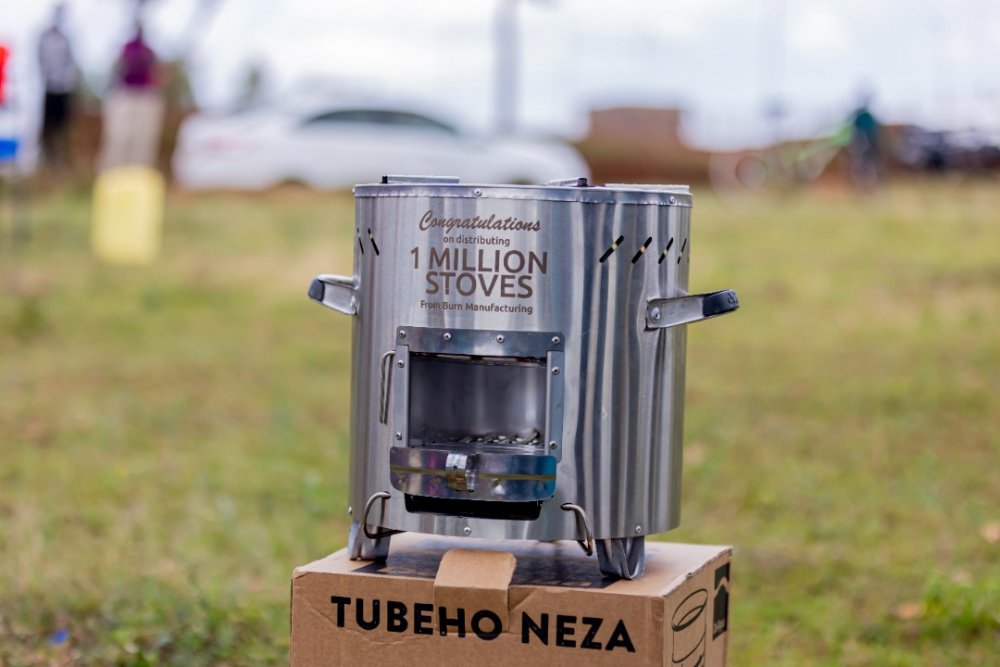
There are already two ventures in the portfolio: KOKO Networks Rwanda, a co-venture between ACV and KOKO Networks which already provides sustainable bioethanol cooking fuel to over 900,000 Kenyan families and aims to reach a million Rwandan families by 2027, and Great Carbon Valley, a Kenya based developer of direct-use clean energy applications currently focused on developing a direct air capture and permanent carbon storage site in Kenya.
ACV’s pipeline of further opportunities demonstrates the breadth and versatility of the venture builder. They range from biochar and enhanced rock weathering technologies, to biodigester and e-mobility businesses, to harvesting carbon revenue for green growth across the portfolio of a well-established continental private equity fund. These are businesses and technologies which have the capacity to transform African economies and make a meaningful difference in climate change but they require risk capital and hands on venture builders to scale, attract further investment, and reach their potential.
FSDAi’s investment in ACV takes the form of a convertible loan of £1 million to support the venture builder’s formalisation and build additional ventures as demonstrations to attract investment from larger funds. On top of this investment, FSD Africa will provide £75,000 in grant funding to support the development of premium carbon credits and the marketing of portfolio and pipeline companies. Moving forward, FSDAi has secured the right to invest up to £8 million in ACV’s planned 2024 close.
FSDAi is the investment arm of specialist financial development agency FSD Africa which receives funding from the UK government and provides tools and resources to drive large-scale change in financial markets and support sustainable economic development. ACV is the latest in a series of investments by FSDAi in innovative green investment vehicles including Persistent Energy, a leader and pioneer investor in the off-grid energy and e-mobility sectors in Sub-Saharan Africa, and Nithio, which invests in renewable off-grid energy.
FSDAi has committed to support ACV on the basis that its activities will actively contribute to Africa’s transition to net-zero, the promotion and acceleration of the continent’s green sector, and the creation of quality, skilled jobs (around 600 will be created via this initial £1 million investment) in a strategically vital sector. Ultimately, FSD Africa believes that ACV can help the continent’s businesses participate in global carbon markets and capitalise on the continent’s unrivalled capacity for profitable climate-smart businesses. Moreover, FSDAi’s investment aligns with the emerging priorities of African policymakers who will gather in Kenya in September at the Africa Climate Summit to co-ordinate a unified, collective pan-African approach to the discussions at the next COP in Dubai.
Commenting on the development; Anne-Marie Chidzero, CIO of FSD Africa Investments, said: “In backing the ACV partners, FSDAi sees a tremendous opportunity to galvanise global investment and finance to promote Africa’s status as the pre-eminent climate investment destination.’’
James Mwangi, CEO of Africa Climate Ventures, said: “We are thrilled that FSDAi has joined us in building ACV. The involvement of FSDAi has already been invaluable in refining the ACV model. As we work towards ambitious objectives, we believe FSDAi will be a key partner in ensuring our success.”
Rachel Turner, Director, International Finance, Foreign, Commonwealth & Development Office, said: “We are excited to be supporting this enterprising partnership between FSD Africa and ACV. The need to mobilise climate finance for Africa has never been greater, and this can’t happen without innovations that can build the pipeline of opportunities to absorb and deploy capital into productive, sustainable and inclusive uses. Tapping into the developing carbon market ecosystem represents a significant opportunity for Africa to raise capital at affordable terms whilst contributing directly to the climate challenge. This partnership with an impressive African team is pioneering in its approach.”
{{About FSD Africa Investments}}
FSD Africa Investments (FSDAi) is the investing arm of FSD Africa, a UK International Development funded regional programme operating in more than 30 countries from its Kenya base, to make finance work for Africa’s future. While FSD Africa supports market development through advocacy, thought leadership, and capacity support, FSDAi makes investments in support of these policy objectives in novel financial instruments, facilities and intermediaries that can accelerate the role of finance in Africa’s green economic growth. As a private company limited by shares, FSDAi’s shareholders include both FSD Africa and the UK’s Foreign, Commonwealth & Development Office (FCDO).
FSDAi uses a range of equity, debt and guarantee-like investment instruments specifically designed to accommodate early-stage commercial risk, drive high market development impact, and generate acceptable risk-adjusted financial returns on investment. Across its portfolio it has invested alongside private capital strengthening Africa’s financial systems to deliver better-quality jobs and economic opportunities, equitable access to basic services, reduction of human vulnerability and inequity, and environmental benefits.
With a mandate to take significant investment risk, FSDAi fills an important funding gap by assuming the commercial risk of novel financial solutions that neither development finance institutions nor private investors are prepared to take. In this way, FSDAi assumes the investment risk necessary to drive structural change in Africa’s financial markets.
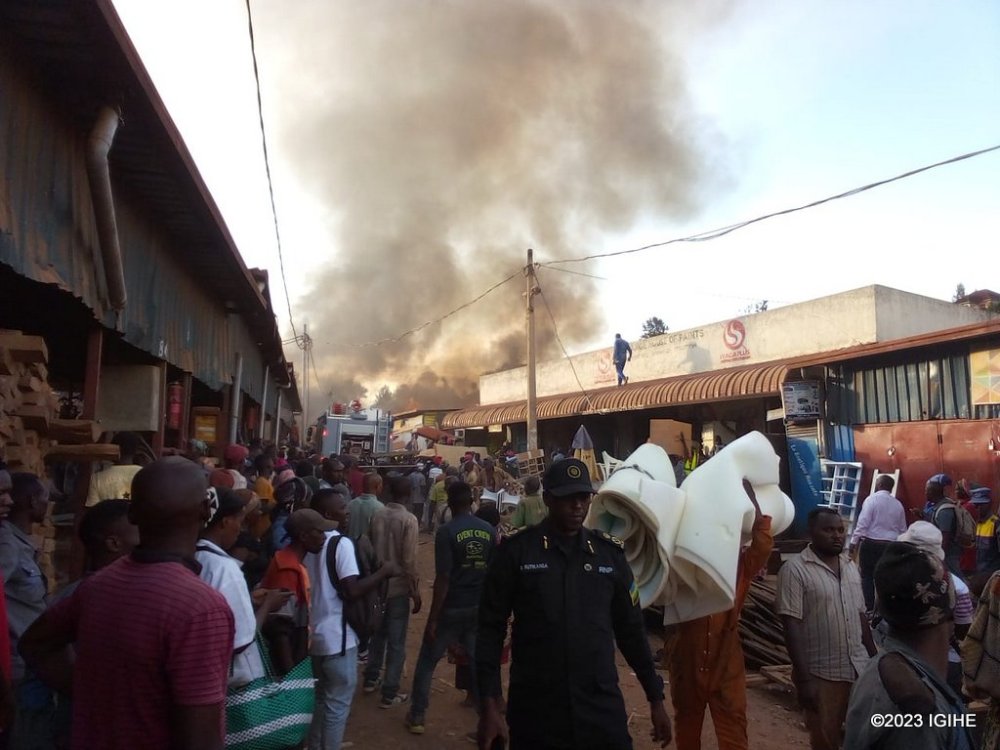
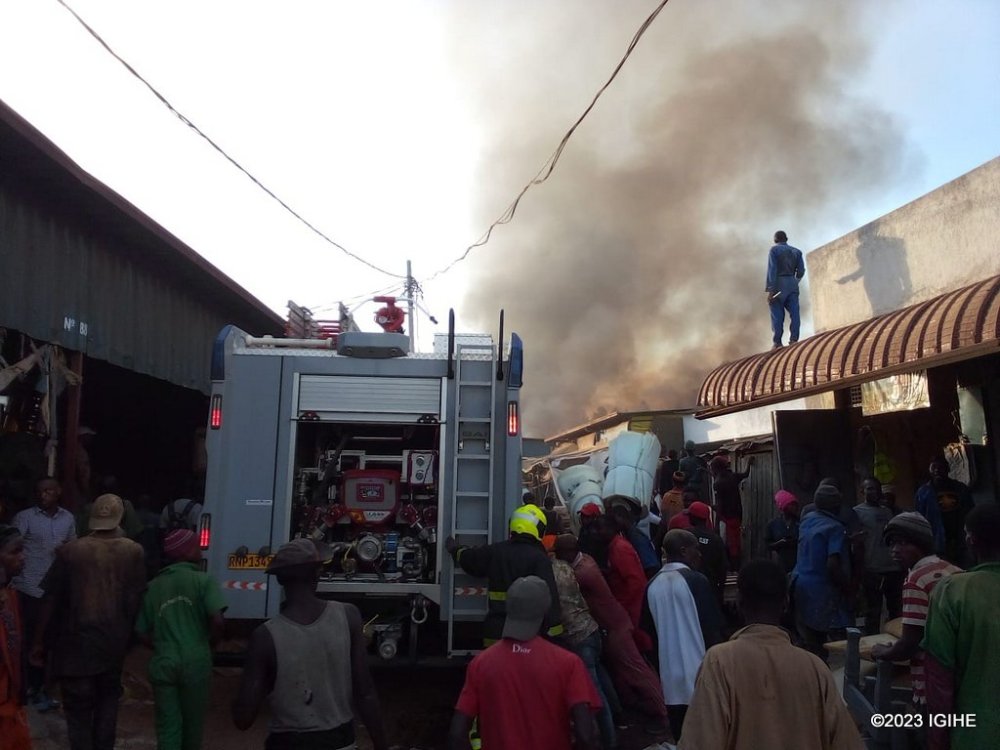
The body was found on Wednesday morning as security officials went to the scene for further investigation and assessment of damages
“Security officials established that one person died in the incident today. It is suspected that the person had entered the building to rescue some items without being noticed by anyone else. Details emerged in the morning,” the Executive Secretary of Gisozi Sector, Providence Musasangohe has confirmed to IGIHE.
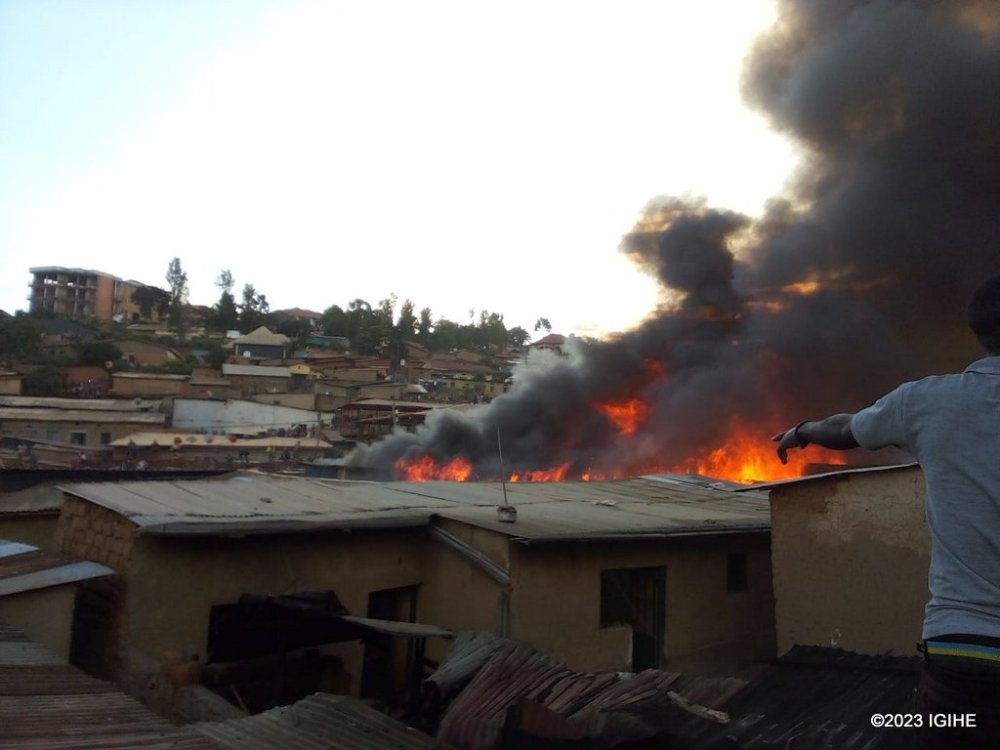
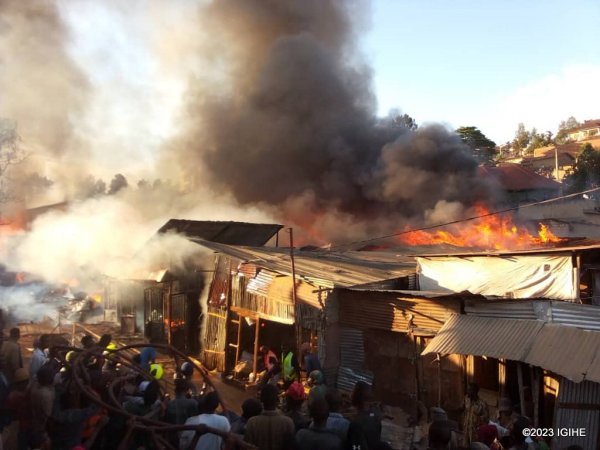
The fire outbreak, which claimed the life of Zunguruka, is believed to have been caused by poor electrical installation. It originated at a fruit market nearby and quickly spread to the furniture workshop, engulfing timber, mattresses, and other valuables.
Eyewitness Jean Pierre Uwera shared his account, stating that they brought some items outside as fire gutted the workshop around 4:00 p.m. but their efforts ended to no avail as they ended up also catching fire.
The Rwanda National Police (RNP) Fire and Rescue Brigade promptly responded to the scene to extinguish the fire and prevent further damage. It is worth noting that this specific section of the furniture workshop had previously caught fire in June 2019.
This incident serves as a reminder of the importance of proper electrical installations and the necessity of taking necessary precautions to prevent fire outbreaks in buildings.
Li, a member of the Political Bureau of the CPC Central Committee and head of the Publicity Department of the CPC Central Committee, said the China-Central Asia Summit held last week has drawn up a new blueprint for cooperation between the two sides, providing strategic guidance and identifying the pathway for building an even closer China-Central Asia community with a shared future.
The media on both sides should continue to enhance solidarity and mutual trust, contribute to deepening cultural exchanges and mutual learning, and jointly promote China-Central Asia relations as well as regional peace and development, Li added.
The foreign representatives said they look forward to strengthening institutionalized exchanges with Chinese media and deepening practical cooperation on media and culture to foster cultural affinity and promote amity among the people.
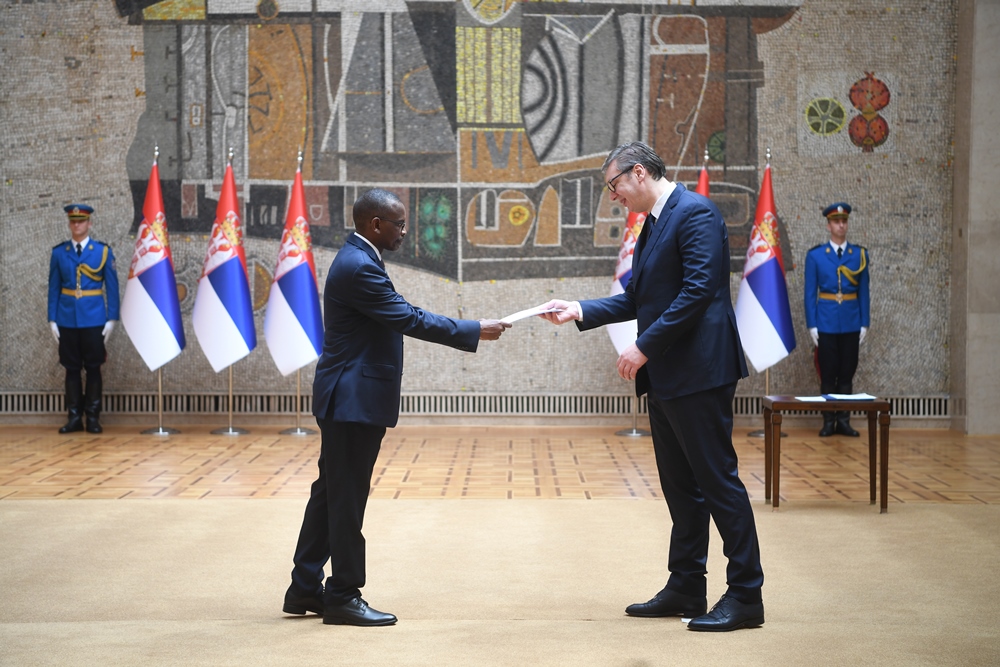
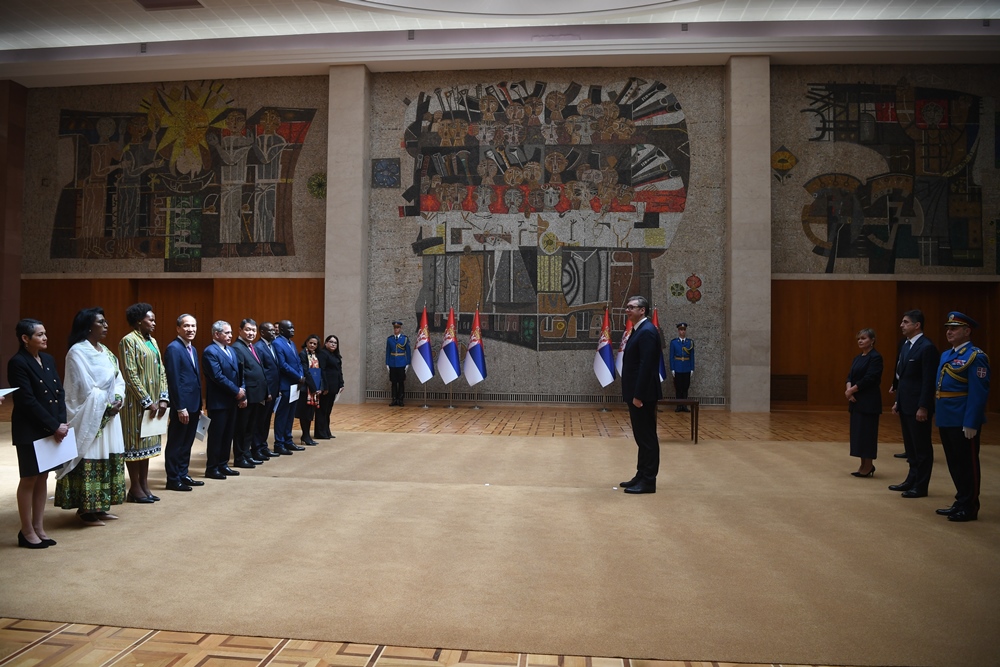
He presented credentials to the President of Serbia, Aleksandar Vui during a ceremony held on Monday 22nd May 2023.
The ceremonial event not only symbolizes the Ambassador’s formal accreditation, but also a commitment to deepening cooperation and fostering mutual understanding.
Following the presentation of credentials, Amb. Kamanzi delivered a message from President Paul Kagame to President Aleksandar Vui and the people of Serbia.
President Vui greeted Amb. Kamanzi warmly and assured him of his full support during his tour of duty.
In addition, the Serbian president conveyed his best wishes to Rwandan President Kagame and the Rwandan people.
Prior to presenting the letters of credence in Serbia, Amb. Kamanzi met with members of the Rwandan community in Serbia as well as friends of Rwanda.
Last month, Rwanda entered agreements with Serbia to import wheat and maize from the country. Meanwhile the East African country will also export coffee and tea to Serbia.
The latter exports 8.1 million tonnes annually.
With the current global crisis and shortage of supplies due to the Russia-Ukraine conflict, Rwanda is expected to largely benefit from Serbia- which is one of the largest exporters of cereals globally.
Before the crisis, 64% of Rwanda’s wheat imports were from Russia and Ukraine.
Rwanda also plans to send students to pursue technology related courses in Serbia.