“The fire erupted on Tuesday at the gas chamber of the weapons and ammunition warehouse in the Central Barracks of the National Guard, located in the El Aouina district in the northern suburbs of Tunis,” it said in a statement posted on its Facebook page.
The fire has been put out, with no injuries reported, the statement added, giving no further details.
The report highlights a 28 percent gender gap, with women achieving just 72 percent of what men accomplish across critical dimensions of human development.
It also introduces innovative measurements called the ‘Twin Indices’—the Women’s Empowerment Index (WEI) and the Global Gender Parity Index (GGPI). WEI assesses women’s power and freedoms to make choices, while GGPI evaluates gender disparities in key aspects of human development.
Less than 1 percent of women and girls reside in countries with high women’s empowerment and minimal gender gaps, while over 90 percent of the global female population (3.1 billion women and girls) live in nations marked by significant deficits in women’s empowerment and gender gaps.
Launched on 18th July st the the Women Deliver Conference 2023 held in Kigali, the report underscores the urgent need for targeted interventions and policy reforms to address the global challenges faced by women. It ranks Rwanda low in both WEI and human development but high in gender parity.
The report’s findings expose the unrealized potential of women worldwide, despite the global community’s commitment to gender equality and women’s empowerment.
Commenting on the report, UN Women Executive Director Sima Bahous stressed the need for sustained efforts to achieve gender equality and secure women’s and girls’ human rights.
UNDP Administrator Achim Steiner also expressed concern over limited opportunities for women and girls in many countries.
He emphasizes that the report’s insights aim to drive real change and called for comprehensive policy action in healthcare, education, work-life balance, family support, women’s participation, and the eradication of violence against women.
[{{Click here to read the full report}}->unwomen.org/en/digital-library/publications/2023/07/the-paths-to-equal-twin-indices-on-womens-empowerment-and-gender-equality]
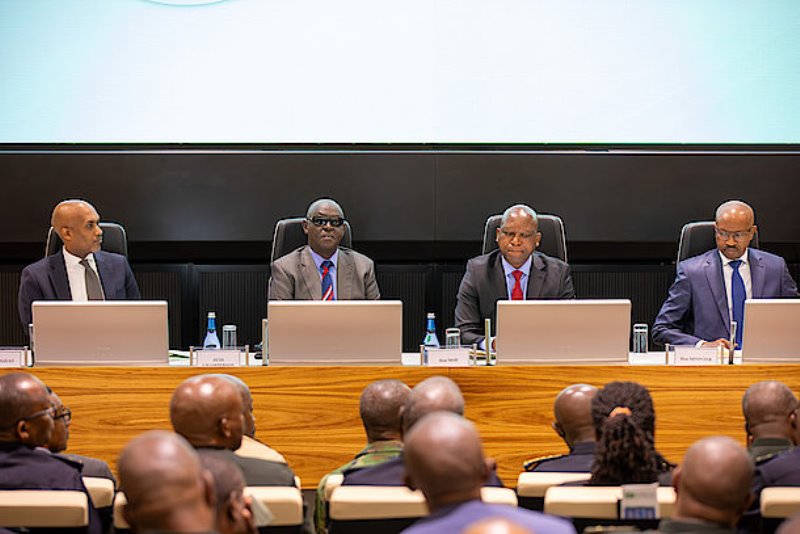
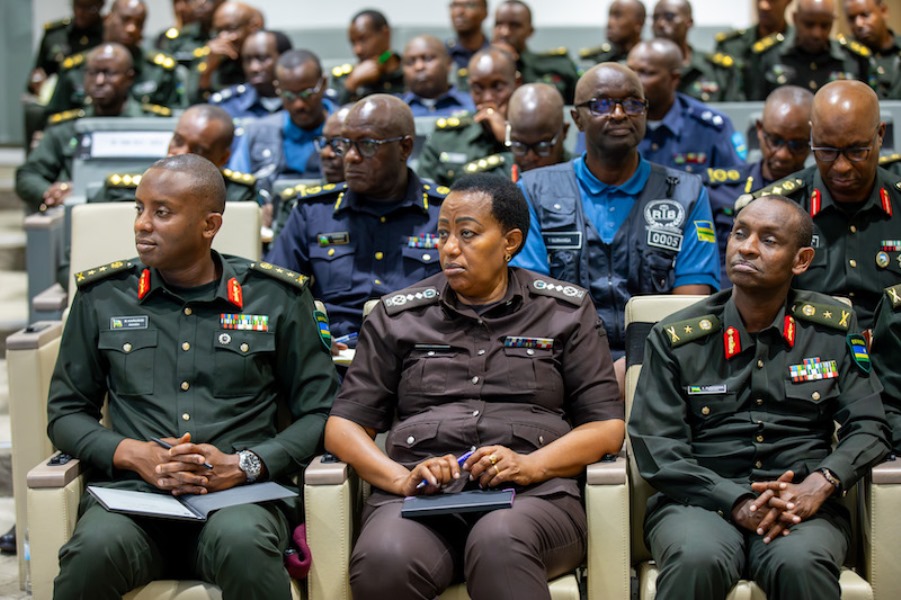
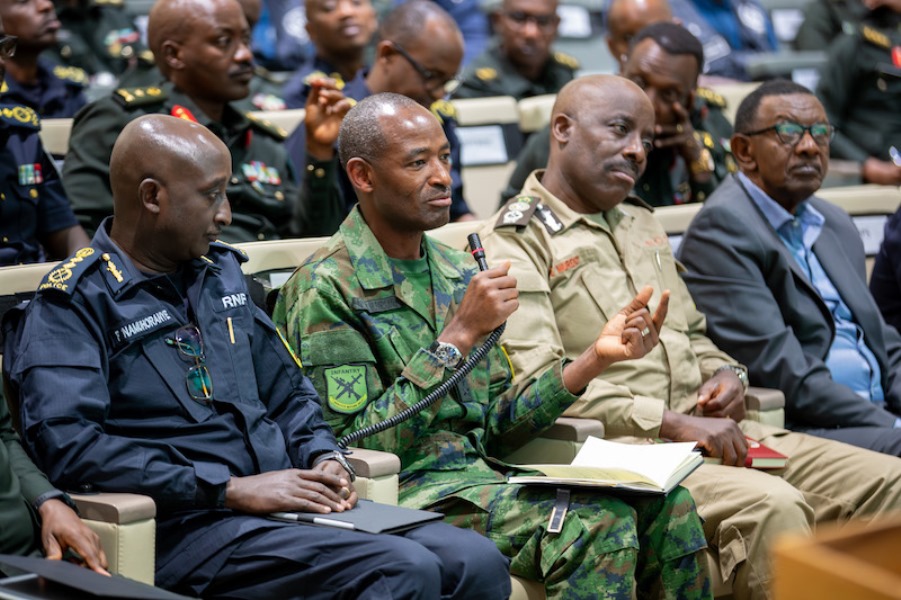
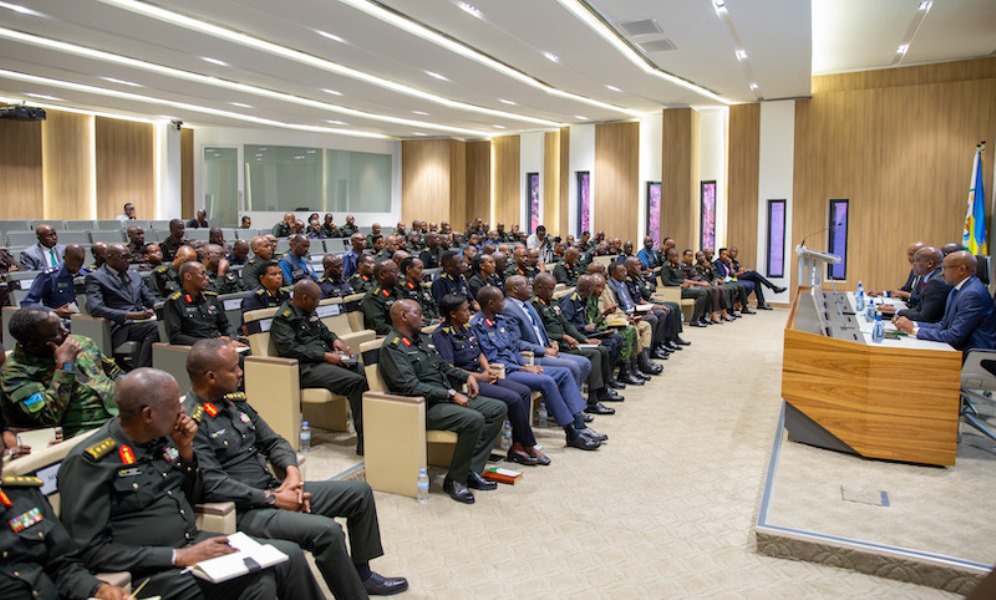
The Minister of Defence, Hon Juvénal Marizamunda, presided over the 38th General Assembly. In attendance were Alfred Gasana, the Minister of Interior; Dr. Emmanuel Ugirashebuja, the Minister of Justice; Lt Gen Mubarakh Muganga, the Chief of Defence Staff, along with service chiefs, heads of security organs, and a chosen group of members.
Dr. James Ndahiro, the Chairman of the Board of Directors of Zigama CSS, noted that the assembly conveyed its appreciation for the fact that 97% of the cooperative members have adopted digital banking as opposed to waiting in queues at the cashiers.
“We are actively advocating for enhanced online services within our bank, enabling members to conveniently access a wide range of services using their mobile phones. Additionally, the meeting evaluated the significance of enhancing the well-being of junior members in the bank. As a result, a committee was formed, tasked with delivering a comprehensive report within one month, outlining actionable steps to enhance their quality of life,” said Dr Ndahiro.
ZIGAMA CSS is a financial cooperative with membership drawn mainly from Security Organs namely Rwanda Defence Force, Rwanda National Police, Rwanda Correctional Services, National Intelligence and Security Service, Rwanda Investigation Bureau and Rwanda Forensics Laboratory.
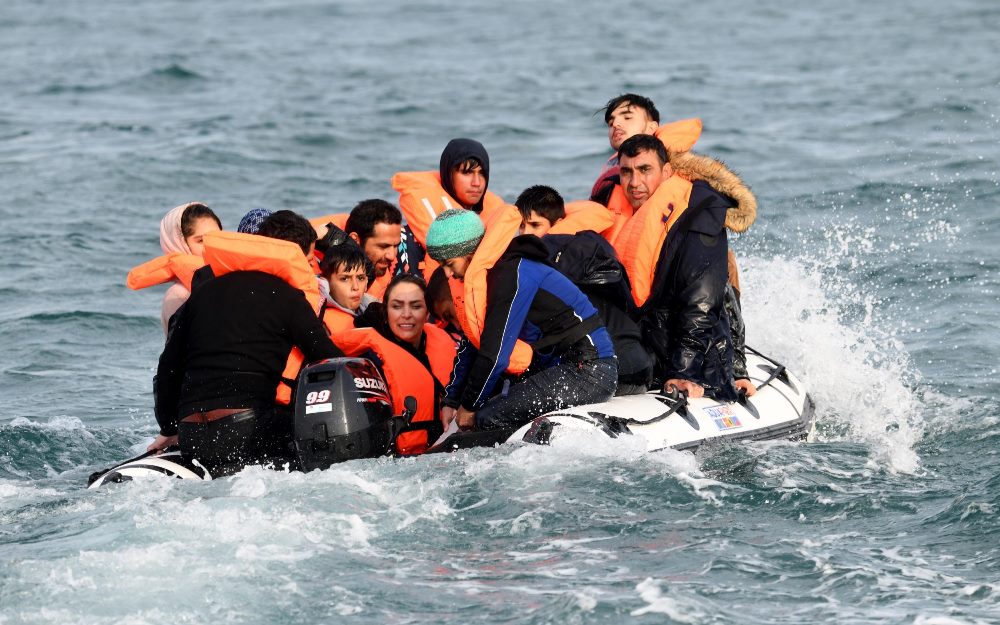
The bill specifically targets the misuse of modern slavery protections and legal loopholes by illegal migrants to delay their removal. It is a crucial step towards fulfilling the Prime Minister’s commitment to reducing the number of small boats crossing the English Channel.
Under the new legislation, the Home Secretary is legally obligated to detain and remove individuals who enter the UK unlawfully. Once the bill receives royal assent, it will become law.
The government will be bound by law to detain and remove illegal arrivals, either returning them to their home country or a designated safe third country. However, it should be noted that no similar return agreements have been established with countries other than Rwanda, despite a recent Court of Appeal ruling deeming the Rwanda plan unlawful. The government is currently challenging this decision.
After extensive debate and amendment in the House of Lords, the bill has resolved the stand-off between the two chambers. It covers individuals identified as potential victims of trafficking and slavery, as well as accompanied and unaccompanied children who enter the UK illegally. The duty to remove them extends once they reach the age of 18.
The government argues that potential victims of modern slavery will be returned to their home country or a safe country, ensuring their separation from those who have exploited them.
The bill’s successful resolution in Parliament paves the way for it to receive royal assent, signaling formal agreement from the King to enact it into law.
During the Lords debate, Home Office Minister Lord Murray of Blidworth highlighted the strain placed on the UK’s asylum system due to the high number of small boat arrivals, costing taxpayers £6 million per day. He emphasized the need to break the “business model” of human traffickers by taking action.
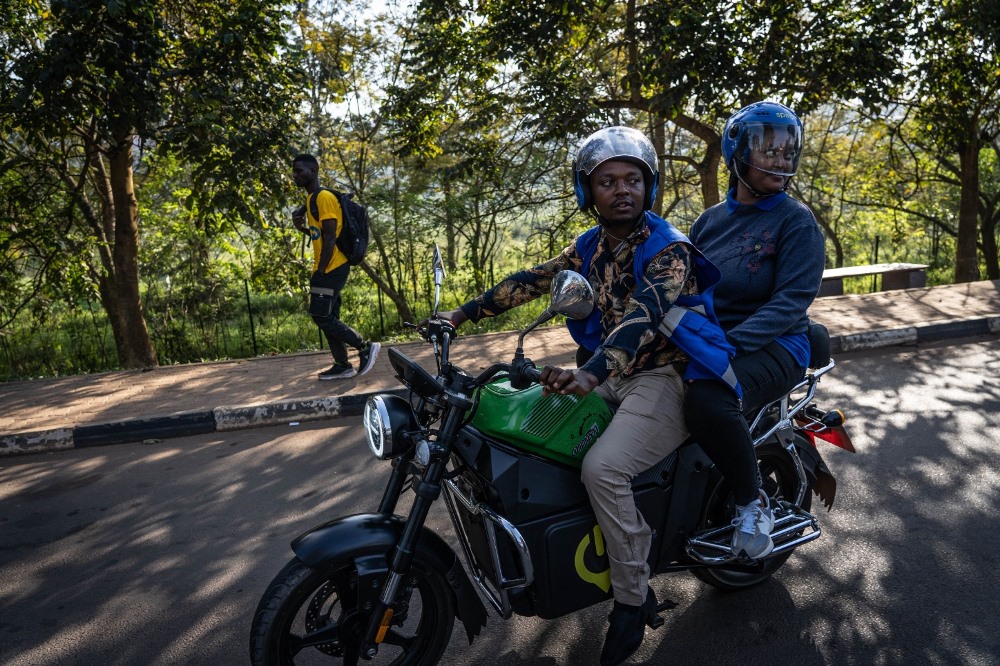
Launched in April 2022, the champion began with Benin and Togo before arriving in Rwanda with its motorbikes. A few months ago, it was in Uganda that the pan-African brand signed a major agreement to supply Kampala with 140,000 motorbikes over 5 years.
These figures make the head spin, “but they are nothing compared to what the brand is preparing for the coming weeks”, confides a person close to the brand made in Africa. Soon, new countries in East Africa should follow to accelerate the energy transition from internal combustion two-wheelers to electric two-wheelers.
Ahead of these announcements of exponential growth, Spiro CEO Jules Samain is in Rwanda for a working visit starting tomorrow and lasting a few days with the company’s 130 employees.
“Spiro’s success in Kigali is possible thanks to our swapping stations”, explains Jules Samain. There are currently 30 of them and soon 50.
These swapping stations are at the heart of the business, enabling Spiro users to change their batteries quickly. This innovative concept ensures that electric two-wheelers have sufficient range and an optimised user experience. In less than a minute, a user can change his battery and start again for 70 or 80 kilometres.
To speed up the transition from polluting internal combustion engines to electric vehicles, Spiro has launched an ambitious programme dedicated to taxi motorbikes.
Taxi drivers can benefit from a simple and easy exchange of their conventional motorbikes for electric motorbikes. These combustion bikes will then be recycled by the brand. “Our ambition is not to reduce pollution in African cities, but to eliminate it. Behind this there is a public health issue and a climate issue. It’s a daily battle, but we’re committed to making it a success”, says the CEO.
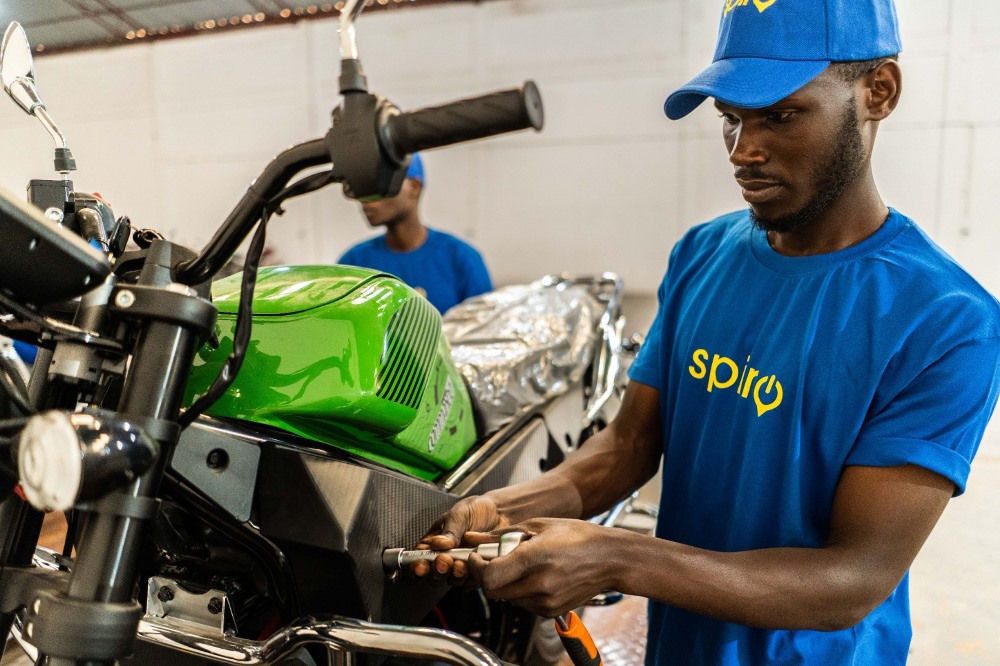
Spiro is actively involved in the “Made in Africa” movement, promoting local production of electric vehicles. It is forging several strategic alliances, including a partnership with Ampace, a world leader in the supply of battery cells, and Horwin, a pioneer in electric mobility.
The aim of these partnerships is to localise the assembly of electric motorbikes, thereby meeting market demand while strengthening domestic production.
Although the supply of batteries is still linked to Asia today, “our ambition is for Spiro to become a major player in African electric batteries over the next few years”, says Jules Samain.
“For us, Rwanda is also a formidable laboratory for innovation, with trained and qualified human resources, a challenging young population and an increasingly eco-friendly lifestyle”, insists Jules Samain.
While we wait for Spiro to confirm its ambitions in Kigali with 3,000 motorbikes before the end of the year, the brand recently achieved a major milestone on a pan-African scale: since its launch, more than 2 million battery swaps have been carried out. The green revolution made in Africa is called Spiro, and it’s inspiring.
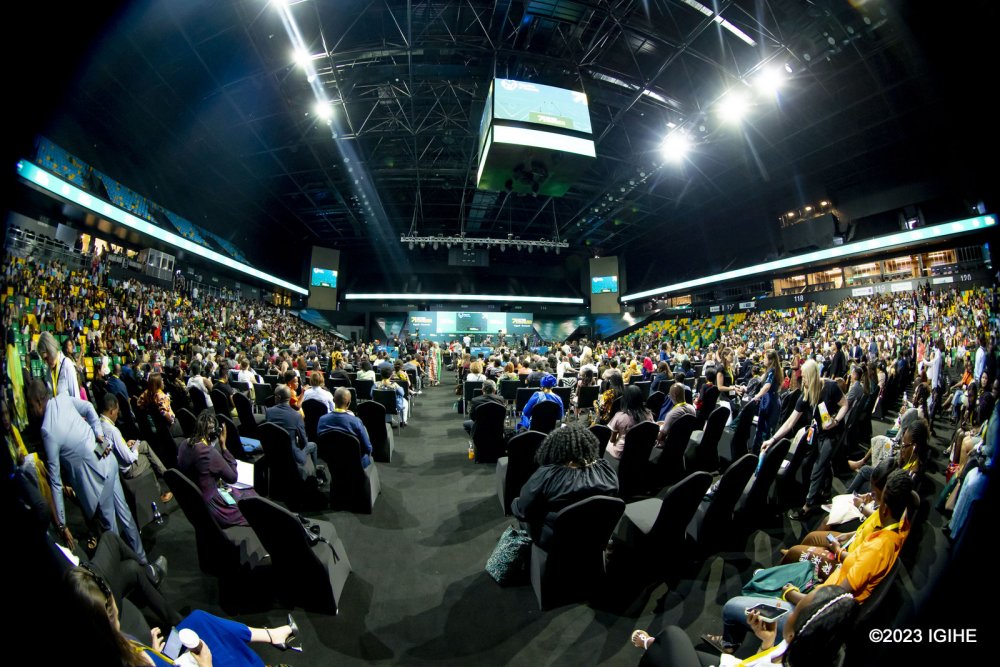
The official opening of the Women Deliver Conference 2023 took place at BK Arena in Kigali, Rwanda on Monday, July 17th.
The conference, held under the theme “Spaces, Solidarity, and Solutions,” has brought together approximately 6,000 delegates from around the world in person, with an additional 200,000 participants joining online.
Prominent leaders who attended the conference include President Paul Kagame of Rwanda, President Macky Sall of Senegal, President Katalin Novak of Hungary, and Sahle Work of Ethiopia.
Dignitaries including the First Lady of Rwanda, Jeannette Kagame; First Lady of Namibia, Monica Geigos; representatives from UN agencies; and the Prime Minister of Uganda, Robinah Nabbanja, were also present.
The Women Deliver Conference serves as a platform to advance the pursuit of gender equality and find solutions to the challenges faced by women. The first day of the conference featured engaging discussions and panel sessions on various topics related to gender equality.
President Kagame, who officially opened the conference as the guest of honor, acknowledged that significant progress has been made in closing the gap between women and men in terms of opportunities and achievements.
However, he emphasized that women continue to face vulnerability and injustice, often being employed in the informal sector or expected to provide unpaid labor.
Additionally, certain political movements have exacerbated gender inequalities, necessitating further efforts to challenge biased attitudes entrenched in political, social, and economic systems.
The Head of State underscored that much more remains to be done to tackle bias attitudes about gender which are deeply embedded in ‘political, social, and economic systems’.
“All of us share the responsibility to play an active role in changing these negative mindsets,” he noted.
During a panel discussion moderated by Femi Oke, a British TV presenter and news anchor for CNN International World Weather Service, leaders explored issues such as restricted access to education and sexual rights for girls and women, the impact of conflicts on women and children, and gender-based violence.
The panel featured prominent figures like Shabana Basij Rasikh from Afghanistan and founder of the School of Leadership Afghanistan (SOLA), President Sahle Work of the Federal Republic of Ethiopia, Dr. Natalia Kanem of the United Nations Population Fund (UNFPA), President Katalin Novak of Hungary, and President Macky Sall of Senegal.
President Novak, as the first female president of Hungary, emphasized the importance of allowing women and girls to have a say in determining their own path, rather than being forced to choose between motherhood and their profession.
President Sall of Senegal underscored the significance of supporting women and urged a shift in the mindset that perceives women and men as unequal. He further stressed the need to treat women with dignity, stating that a society that fails to respect women is a society in decline.
Phumzle Mlambo, Women Deliver Board Chairperson, acknowledged that the world is currently facing multiple crises, including climate change, racism, and homophobia.
Urging immediate action, she emphasized the importance of standing together and supporting one another.
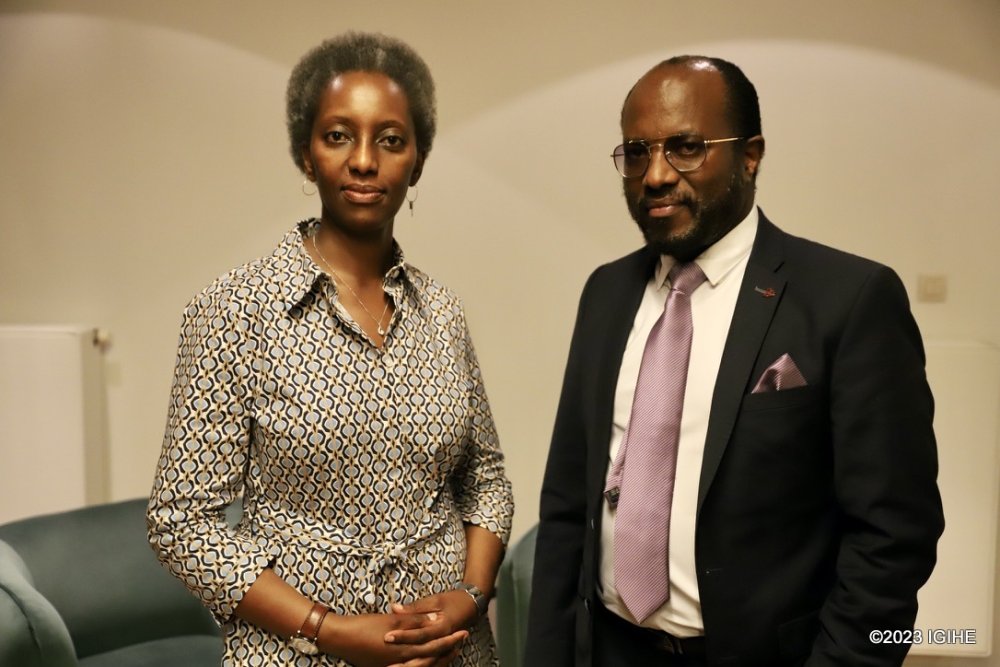
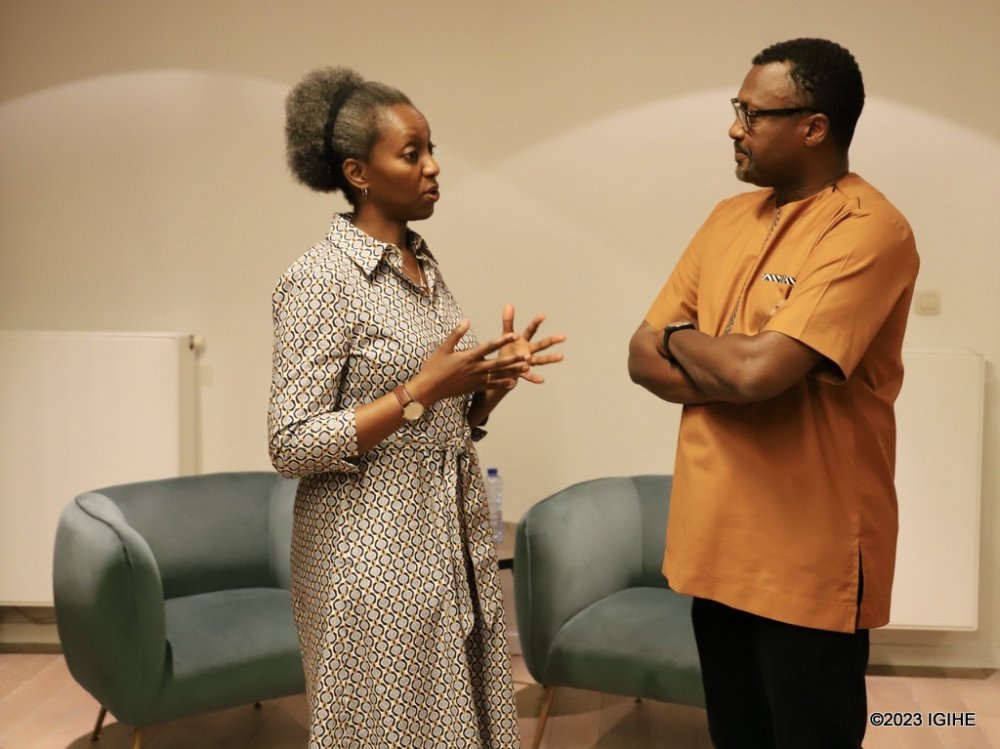
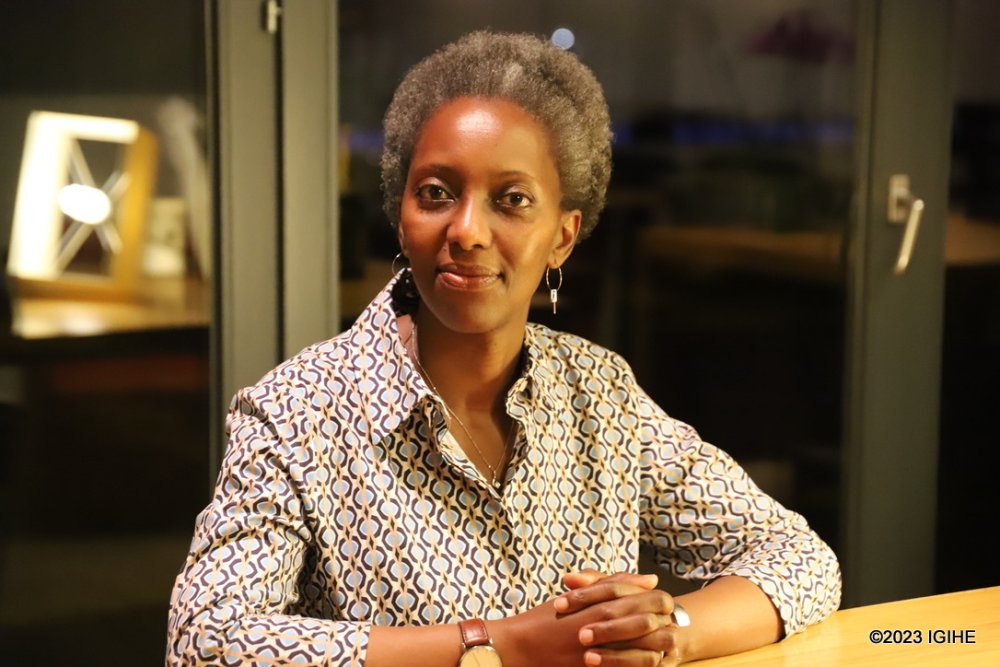
Sima Bahous, Executive Director of UN Women, reflected on the objectives of the conference and highlighted the main challenges facing women worldwide, such as sexual harassment, discrimination, and limited sexual and reproductive health rights.
She also recognized Africa as the continent with the youngest population, holding the potential for the future, and called upon everyone to embrace the responsibility of driving change.
The event was also attended by representatives from civil society, government representatives, private sectors, women-led organizations, youth-led organizations, and LGBTQIA organizations, all united in advancing women’s rights globally.
As a prominent consulting service provider, CTC specializes in two core areas: Consulting and Training.
The company has established a strong partnership with the European Business University of Luxembourg, collaborating on various initiatives. Recently, CTC awarded certificates to 50 graduates who successfully completed training programs in finance.
The collaboration between CTC and the European Business University of Luxembourg provided a wide range of comprehensive courses related to business, economics, and finance.
These courses have benefited individuals from diverse backgrounds, opening up new possibilities for their professional growth and advancement.
According to Alice Umulisa, the Deputy Managing Director at CTC, the company is committed to assisting individuals who wish to pursue training in finance, emphasizing that these courses are relevant to everyone, regardless of their prior experience in the financial sector or related fields.
CTC offers training and consultancy services in finance and equips individuals with the necessary skills sought by employers, including insurance companies.
Besides, CTC provides consultancy services to financial institutions, assisting them in implementing measures aligned with international standards.
The firm also supports investors in making informed investment decisions and ensures the smooth operation of their businesses.
Umulisa highlights that CTC’s primary goal is to train and prepare future professionals in the financial sector while adhering to European standards.
The training programs are conducted in collaboration with the European Business University of Luxembourg and other industry experts in Europe.
“We prioritize quality by employing qualified trainers and maintaining strict monitoring of our students. Our courses not only provide training but also offer further opportunities for personal and professional development,” explains Umulisa.
She emphasizes that CTC welcomes individuals from all educational backgrounds, as long as they possess an interest in the field. The company equips them with relevant skills, producing graduates who are well-equipped to enter the job market.
Language proficiency is also a criterion for attending the courses, as training is offered in French or English. The training program spans three months and comprises both theoretical and practical components.
Umulisa notes that CTC has meticulously planned the functioning of the firm, resulting in a high rate of graduates securing decent jobs shortly after completing their training programme.
The company collaborates with experienced lecturers who impart relevant skills to students, enabling them to compete in the labor market successfully. The positive feedback from graduates showcases their excellent performance and the value of the training received.
Individuals interested in attending courses offered by CTC can find more information on the company’s website, www.cleartrustconsulting.com
The upcoming intake, scheduled to begin in September 2023, will consist of two phases. Students will be required to pay only 430 Euros for a three-month period.
Additionally, CTC offers the flexibility of attending courses after working hours every Wednesday, with the option to participate virtually.
Nzamutuma, the founder of CTC, has recognized the need for financial services development in some African countries.
He established CTC to help individuals, particularly those from African nations, build trust in the international financial arena and enhance their understanding of the industry.
Prior to founding CTC, Nzamutuma gained experience working with different banks in Luxembourg, Belgium, and the United Kingdom. His motivation to contribute to the training and development of others led to the creation of CTC.
Nzamutuma emphasizes that everyone possesses the innate ability to learn and understand new concepts. He believes that no one individual is inherently greater than others, but rather, the difference lies in the exploitation and utilization of their capacities and knowledge to unleash their full potential. This belief is central to CTC’s mission and approach.
CTC has commenced student registration for training programs focusing on AML/KYC/compliance, covering both theoretical frameworks and practical applications.
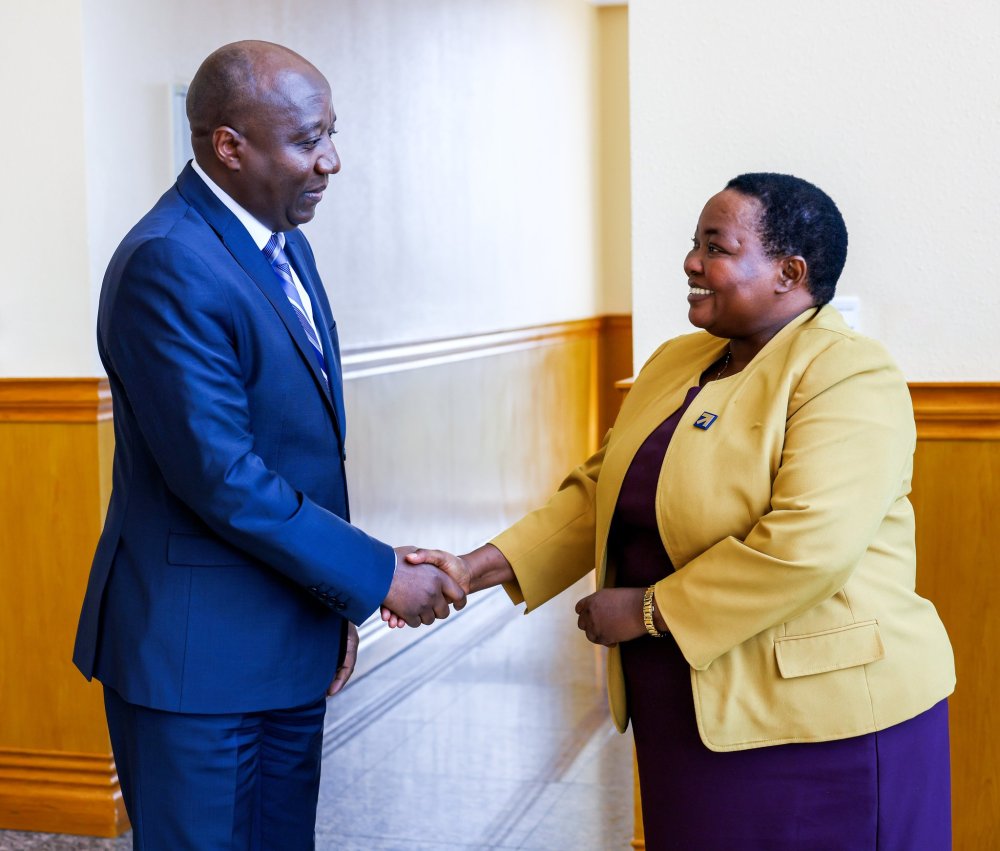
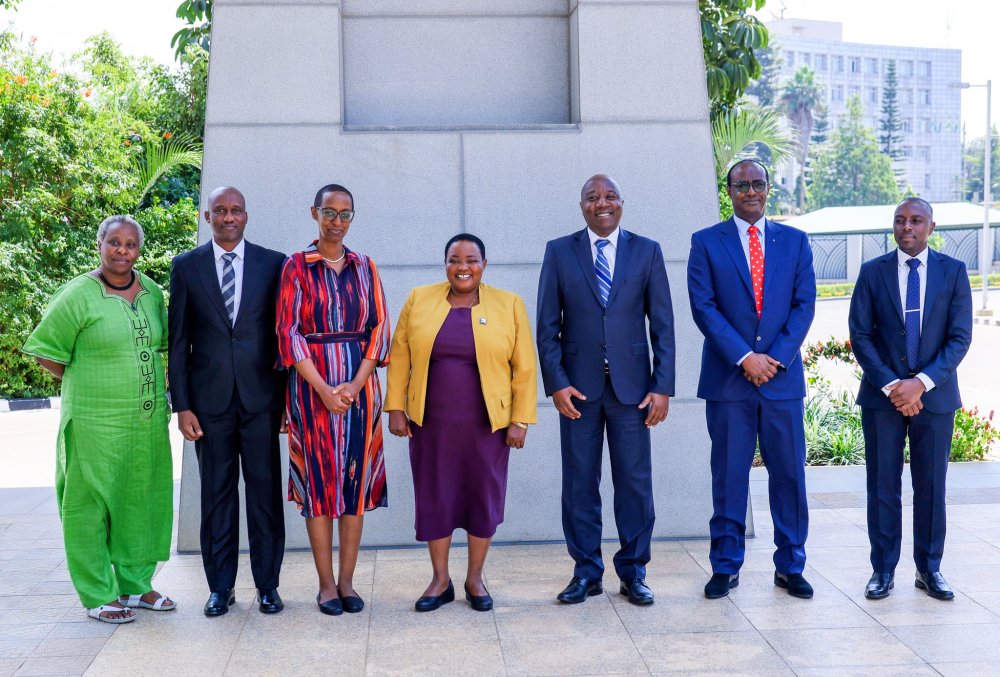
The meeting held on Monday 17th July 2023, was attended by various officials, including Prof. Manasseh Nshuti, the Minister of State in the Foreign Affairs Ministry.
The discussions centered around strengthening bilateral ties, friendship, and cooperation between Rwanda and Uganda.
Prime Minister Nabbanja emphasized that the discussions aimed to promote mutual understanding and facilitate trade relations and business interactions between the two nations.
Prof. Nshuti acknowledged the productive nature of the talks between the two leaders and highlighted the progress made since the reopening of borders, including the resumption of several projects.
Among others, Prof. Nshuti emphasized the significance of enhancing energy ties and implementing collaborative initiatives, such as the construction of a railway linking Rwanda and Uganda.
These efforts aim to facilitate increased cooperation and collaboration between the two countries, among other benefits.
Prof. Nshuti also disclosed that Prime Minister Ngirente and his Ugandan counterpart agreed to initiate a feasibility assessment for the construction of a railway from Kampala to Kigali.
Once completed, the Kampala-Kigali railway will complement the Isaka-Kigali railway under construction expected to connect Rwanda and Tanzania.
Rwanda has achieved a remarkable mobile network coverage of 99%, but smartphone penetration remains low at 23.5%.
This partnership aims to build on the Government of Rwanda and MTN Rwanda’s goal to ‘Connect Rwanda’ by ensuring every household has a smartphone. The two companies will leverage their combined expertise and shared vision to bridge the digital divide by increasing internet access to previously unconnected people.
Through the agreement, both companies will be able to provide affordable pay-as-you-go smartphones to customers who would otherwise not afford them, and all customers who buy a smartphone will receive a free data pack that consists of 1 GB per month for a period of three months to enable them to start their digital journey.
“At Bboxx, we are proud to partner with MTN because this will enable us to improve access to information and digital services, strengthen the digital economy and increase our contribution to socio-economic development in Rwanda,” John Uwizeye, Bboxx Rwanda Managing Director commented at the launch.
Through Bboxx Connect, customers will have a flexible repayment plan of six months or twelve months. Customers can make payments through MTN Mobile Money short code *182*2*4*2#.
“At MTN, we believe that everyone deserves the benefits of a modern connected life and by partnering with Bboxx, we continue to make this vision a reality. This collaboration represents a significant step in bridging the digital divide by expanding access to affordable smartphones across the country. Together, we are committed to creating a more connected world to enable individuals and communities to access the power of the internet and thrive in this digital age,” MTN Rwanda CEO Mapula Bodibe added.
By rapidly increasing access to smartphones, the two companies are not just reducing digital divide but also expanding the formal financial economy. Every customer’s smartphone payment history will be used in their credit scoring to make them eligible for loans from different financial institutions in Rwanda.
Prior to the partnership, both companies independently introduced their own unique PAYGO smartphone offerings to the Rwandan market. The two products; MTN Macye Macye and Bboxx Connect have together added tens of thousands of new Rwandan smartphone users independently.
The goal of the partnership is to maximize the synergies of the two companies’ products and services and retail capacity to achieve faster smartphone penetration. Once successful, the partnership will lay a foundation for additional collaboration opportunities between the two entities in other countries where they both operate.
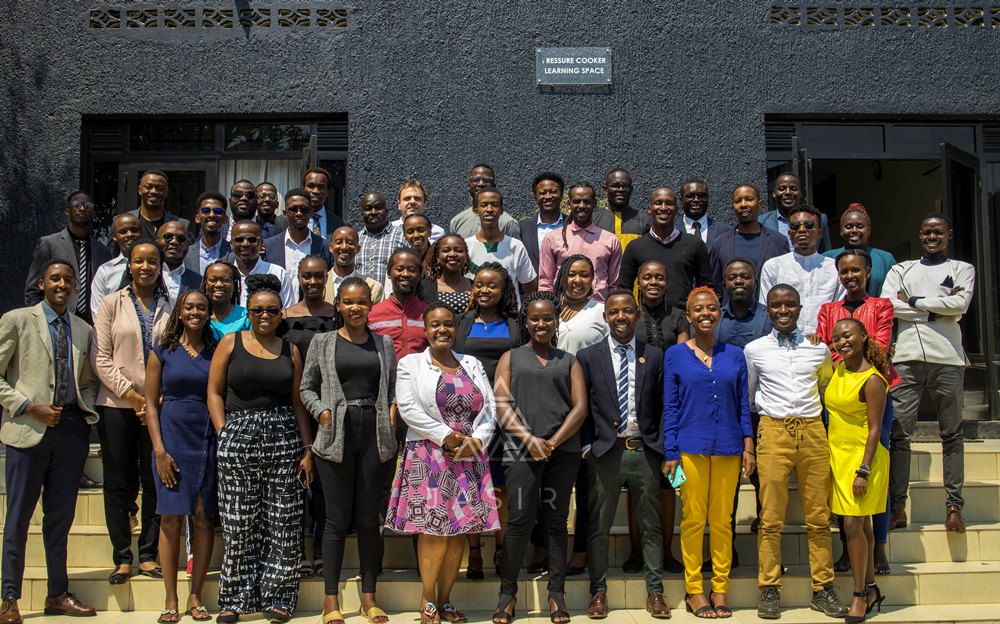
Jasiri has specifically invited young people from Ethiopia, Kenya, and Rwanda to apply for its Cohort 5 of the Talent Investor program. Interested applicants will go through a thorough selection process to assess their skills and abilities. Those selected as finalists, called ‘Jasiri Fellows’, will participate in the fully-funded 13-month Jasiri Talent Investor Program.
During the program, Jasiri Fellows will receive support in various stages of venture creation, from generating ideas to startup launch. Fellows are provided with holistic support including funding, world class entrepreneurship development guidance, coaching, business advisory and linkages with industry experts to increase their chances of success. Furthermore, Jasiri Fellows will have the opportunity to connect with like-minded co-founders and receive individual, team, and business support.
Since its start in December 2020, the Talent Investor has seen the creation of 42 ventures in a wide range of industries such as agriculture, healthcare, EdTech, affordable housing, and fintech.
According to Jasiri Regional Director Aline Kabanda, Jasiri Talent Investor is a community of like-minded innovators, where collaboration and collective growth are paramount.
“The Talent Investor is designed to empower aspiring entrepreneurs by providing the tools, knowledge, and support needed to turn their ideas into thriving ventures. We are calling all visionary trailblazers to seize the opportunity, and create impactful ventures. Step forward, and claim your seat among the game-changers who will redefne the future. Apply now for Cohort 5,” she said.
The application for the fifth cohort of Jasiri Talent Investor Program is open from July 17, 2023 to October 17, 2023.
Jasiri will be conducting virtual information sessions to provide interested applicants detailed information about the application process and address any queries they may have.
To find out more about these informative sessions, individuals are encouraged to visit Jasiri’s social media platforms (Jasiri4Africa).
They can also visit the website https://jasiri.org/application to submit applications
{{About Jasiri}}
Jasiri invests in, nurtures, and empowers entrepreneurs who beneft society and attack poverty by creating high-impact businesses, creating new markets on the African continent.
It believes that entrepreneurial teams are at the heart of new venture creation and provides the entrepreneur with access to a diverse group of potential co-founders.
Among others, Jasiri supports new ventures from idea generation to venture creation and takes a long-term approach to develop exceptional, responsible entrepreneurs on the African continent.