As the unfortunate incident unfolded on Monday afternoon, the boat was carrying 14 people including three children and a man who carried them.
According to reports, the group of children embarked on a journey from Cyarubambire Village, Matyazo Cell, Mushishiro, crossing the river to unload clay roofing materials on the other side.
They were being transported in a pirogue by a man who intended to involve them in the unloading process, with the intention of selling the roofing materials later.
The adult who accompanied the children survived the incident along with three of them, but ten were still missing by press time.
Gilbert Mugabo, Muhanga District Vice Mayor in charge of social affairs has told IGIHE that local authorities in collaboration with security officials have initiated a search operation to locate the missing children.
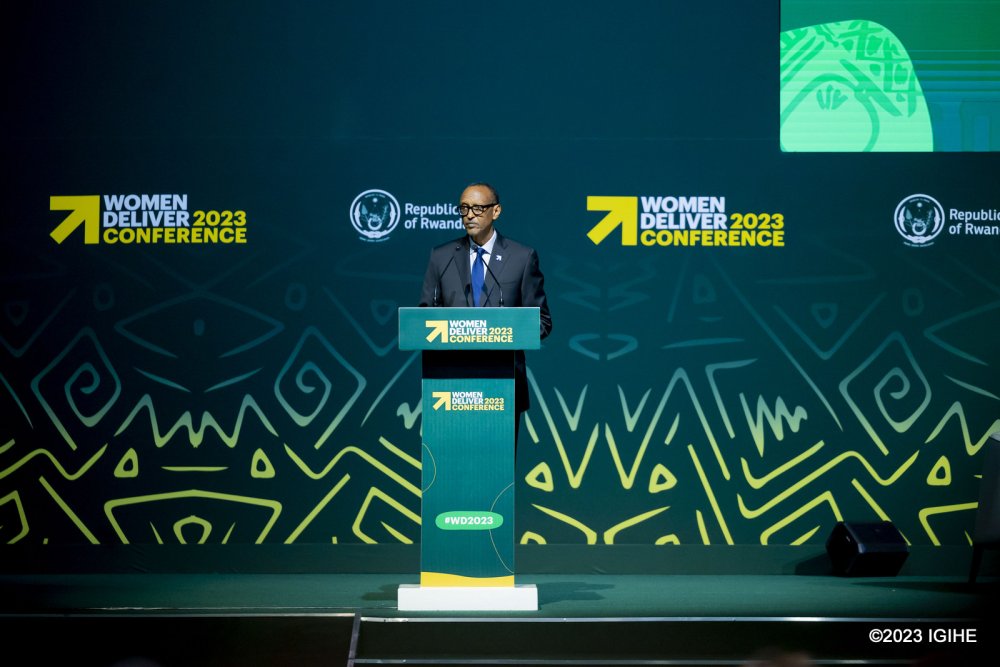
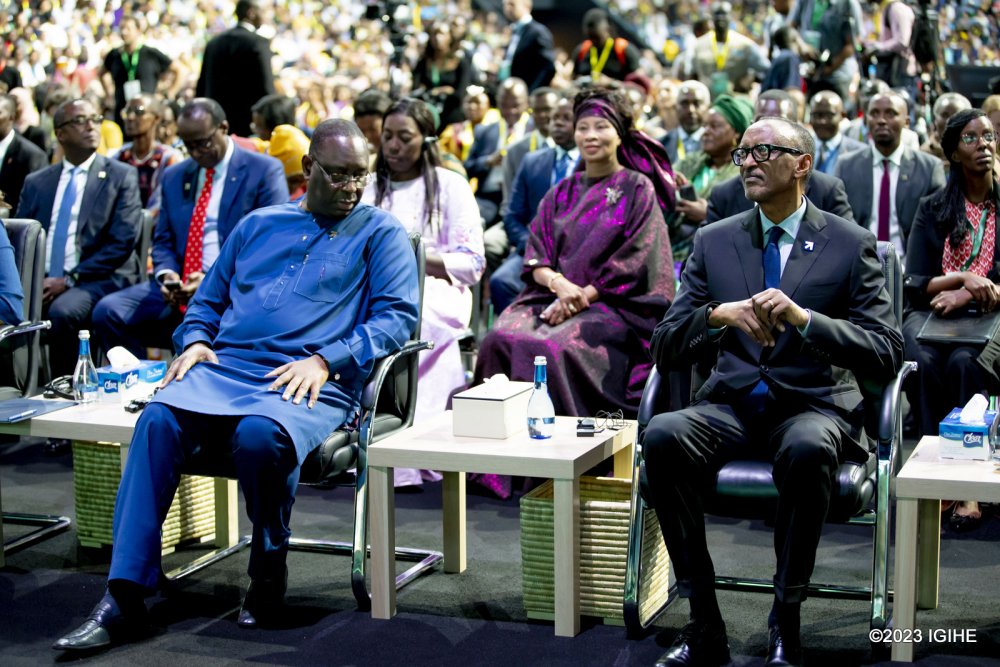
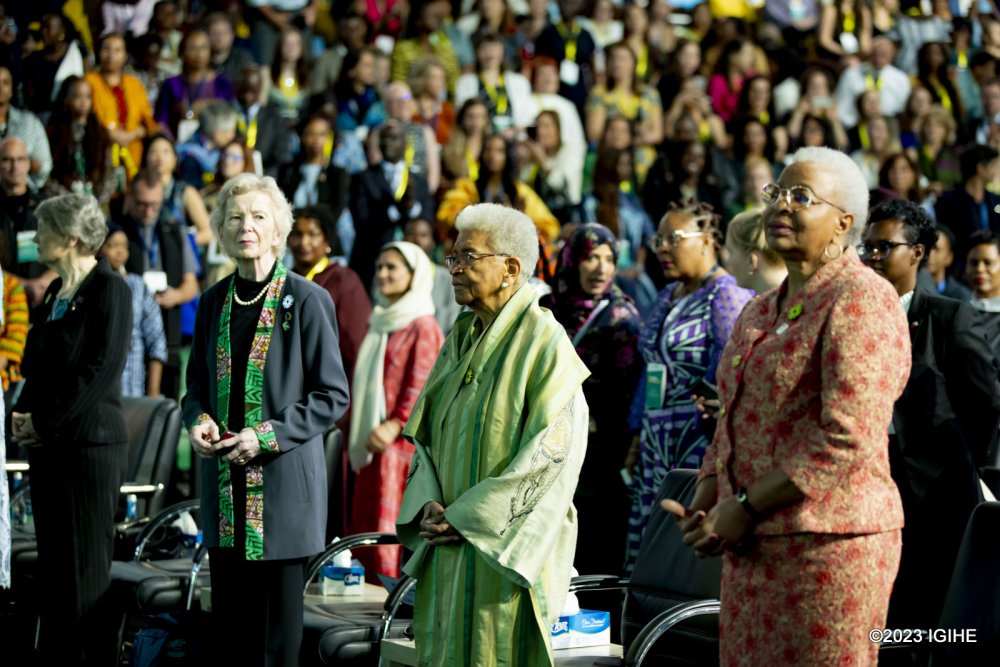
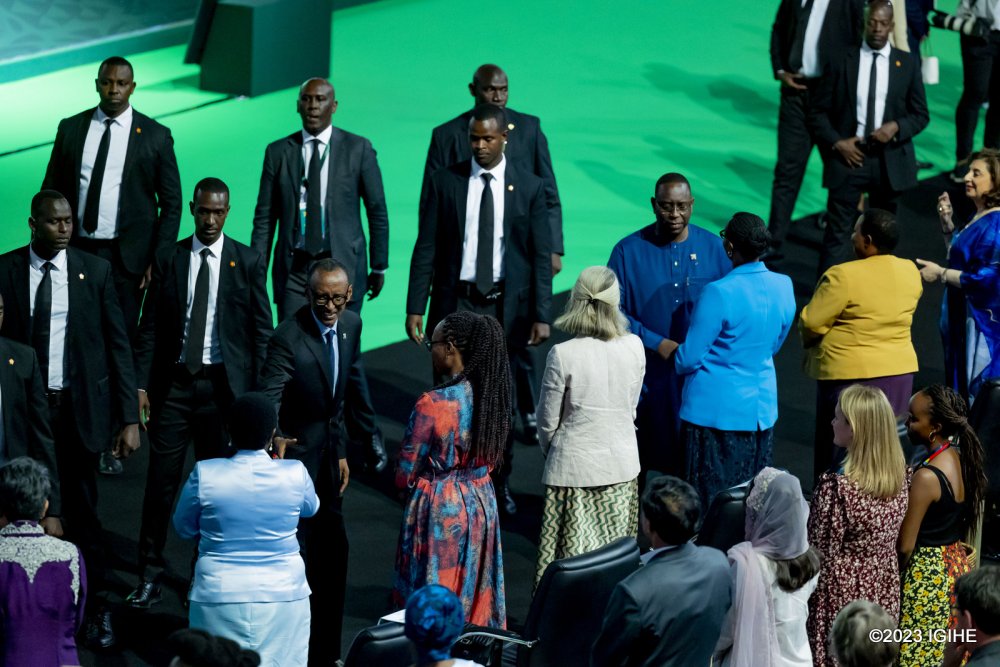
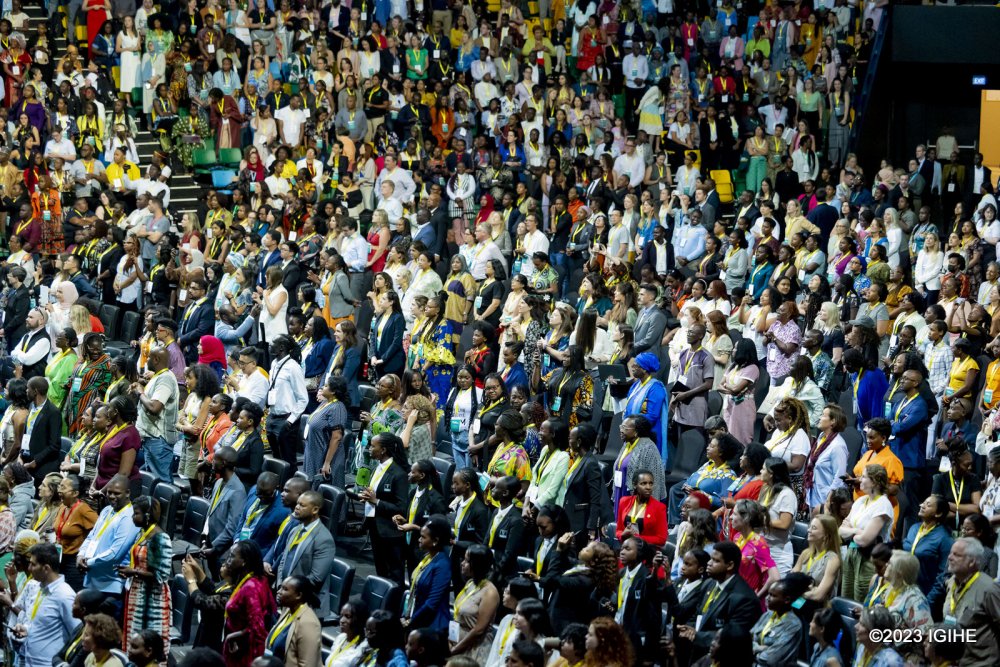
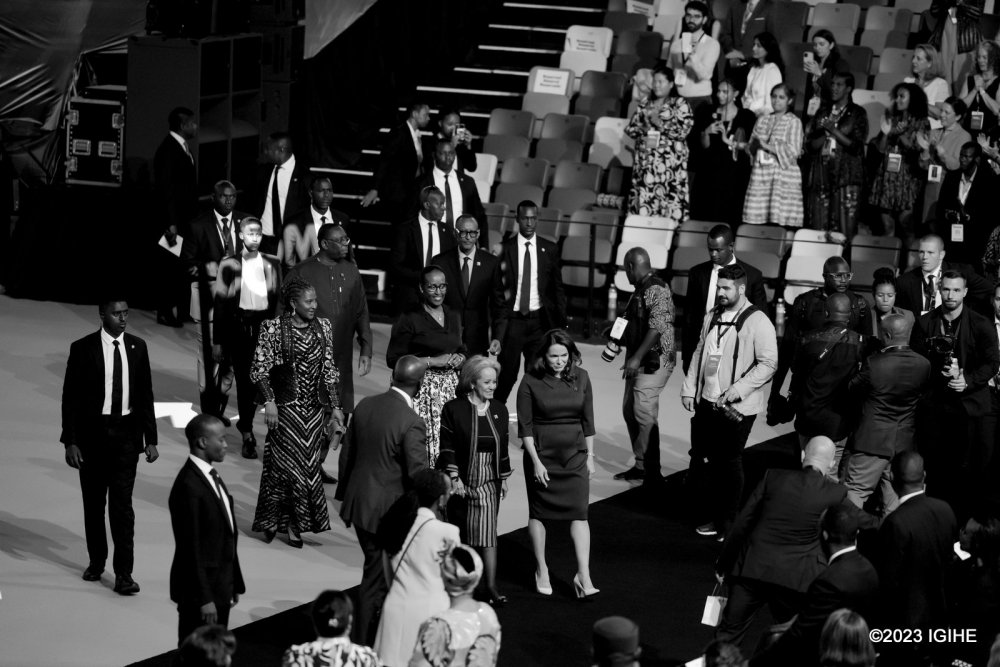
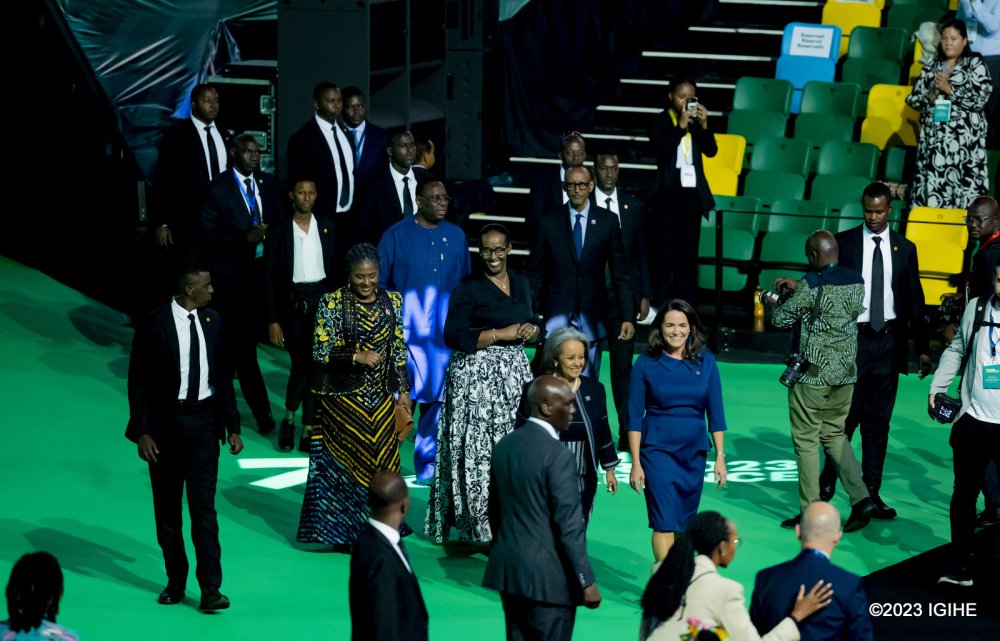
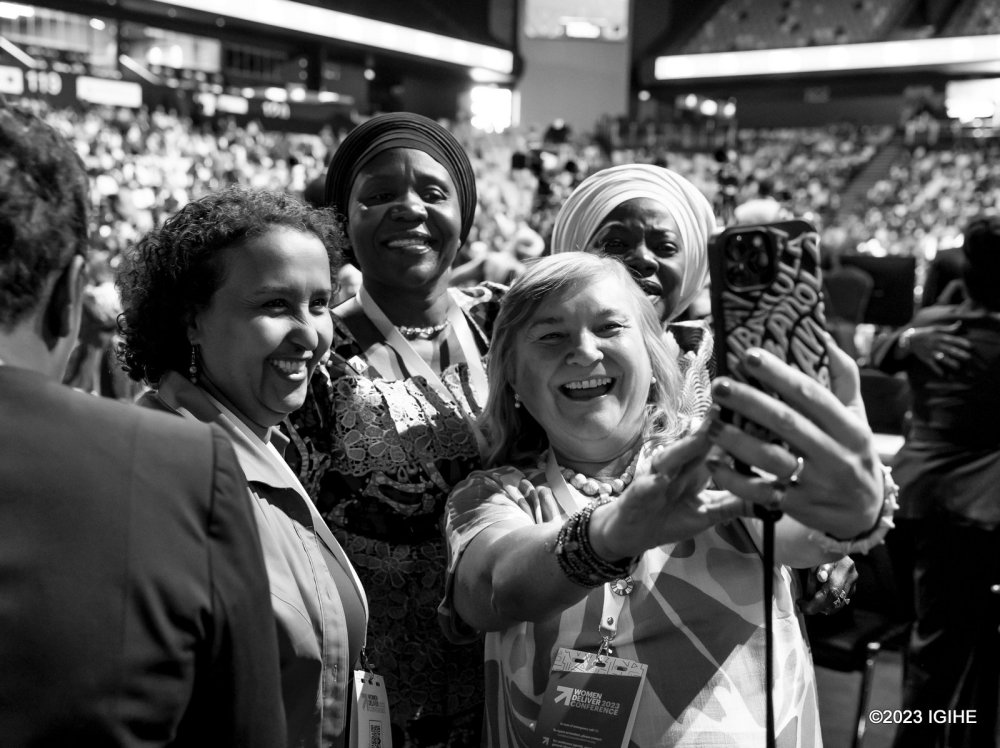
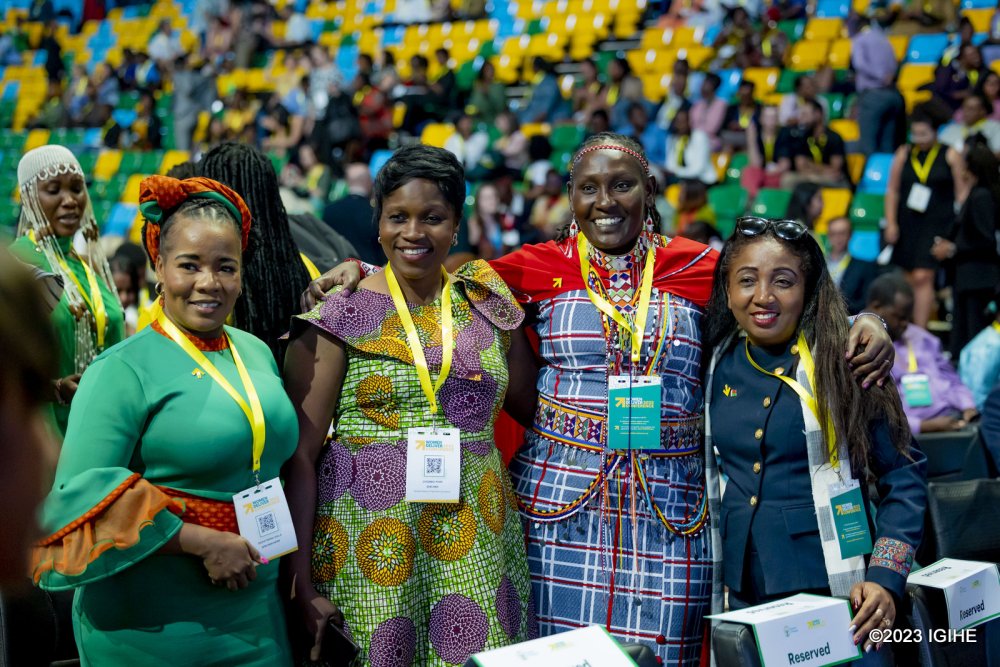
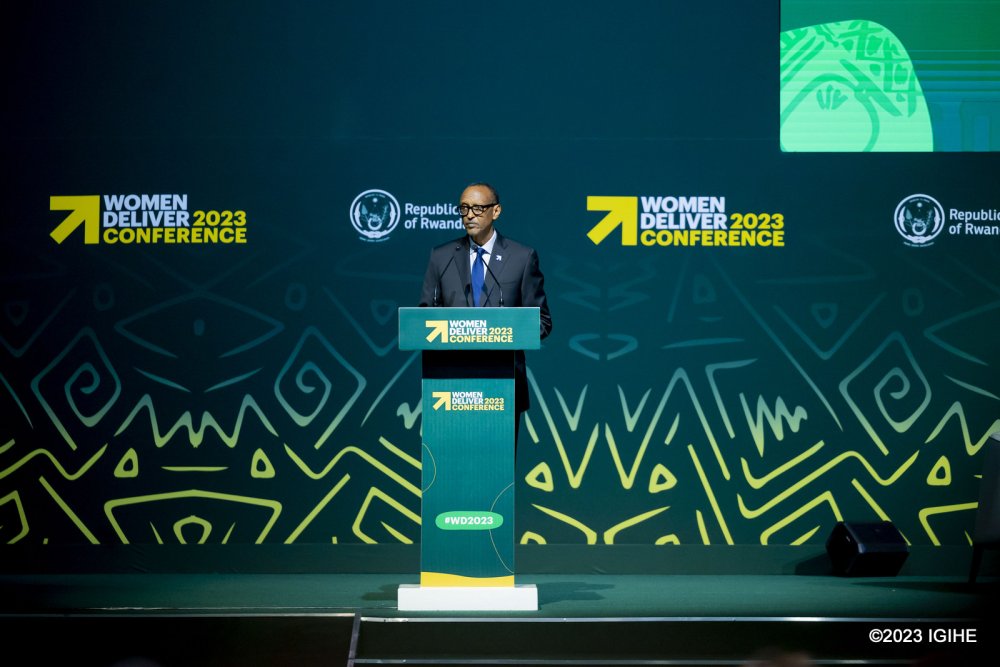
The Head of State made the disclosure on Monday 17th July at the official opening of Women Deliver Conference 2023 at BK Arena in Kigali, Rwanda.
Held under the theme: ‘Spaces, Solidarity, and Solutions’, the conference brings together about 6,000 delegates from across the world in person and more than 200,000 online.
In recent decades, Kagame stated, there have been meaningful results in closing the gap between women and men in terms of opportunity and achievement.
He however underscored that women remain vulnerable to various forms of injustice and are more often employed in the informal sector or even expected to provide unpaid labor.
Despite the many efforts in bridging the gender gap, inequalities have been exacerbated by some political pushback movements in certain contexts.
Moreover, women and girls are bearing a disproportionate share of the burden of the overlapping health, climate, and economic crisis which the world has faced over the past two years.
Recent studies show that it could take more than a century to achieve gender equality targets at the current rate of progress.
To this end, Kagame stressed the need to do things differently with a sense of urgency.
“Much more remains to be done to tackle bias attitudes about gender which are deeply embedded in our political, social, and economic systems. All of us share the responsibility to play an active role in changing these negative mindsets,” he stated.
Phumzile Mlambo-Ngcuka, Chair of the Board, Women Deliver, noted that there has been progress made over the past three decades in achieving gender equality as well as losses in some cases.
“We need to be inclusive, accessible and co-create. We want to bring together champions of gender equality from all sectors. The solutions we need are political, as well as social and economic, we have to make sure that our momentum becomes unstoppable,” she added.
Mlambo-Ngcuka also hailed the men who are attending the conference and their work done by going beyond the patriarchal privileges and actually carrying out their responsibilities.
Sima Bahous, UN Women’s Executive Director, said that they are seeing pushback against gender equality and women’s and girls’ rights, as well as regression in sexual and reproductive health rights, increased gender-based violence, and discrimination.
“In an era of policy crisis, including climate, conflict and Covid-19 recovery, the power and imperative of equality could not be more urgent…We do this by ensuring that we have the essential data, gender statistics, and information. We do this by crushing biases, intentional and unconscious. We do this by making sure that we engage men and boys.”
Progress can be seen in the number of women in legislative positions which has doubled in the current generation, reduced global maternal mortality, and in women’s increased life expectancy. At least 155 countries have laws on domestic violence and 140 countries have legislation on sexual harassment in the workplace.
{{Rwanda’s efforts in promoting gender equality}}
Rwanda continues to rank at the top of the list of countries that empower women worldwide, owing to its conducive environment for promoting gender equality in leadership positions, including politics, and at all levels.
President Kagame highlighted several examples of what the country has accomplished in this regard. These include the integration of the annual gender budget statement, ensuring that public spending considers the differential impact on men and women.
Moreover, Rwanda has invested in community-level programs aimed at involving men in discussions about the significance of sharing childcare responsibilities and preventing domestic violence.
“Our priorities are to advance gender equality across all sectors, especially digital and financial inclusion, and to continue challenging traditional gender norms,” he said.
“As the world rapidly evolves, we must join forces to ensure that advances in technology work for all of us rather than creating new sources of inequality…change is difficult and does not happen overnight, but together with sustained effort we can make a decisive difference.”
The Congolese government has declared Dolisie, capital of the department of Niari, in epidemic of cholera, shigellosis and typhoid fever, due to the city’s health situation with 1,365 suspected cases, including 12 deaths, according to a press release by the Congolese Health Ministry.
The government did not specify the disease at the origin of this epidemic.
According to the document, the results of laboratory analysis on the disease showed main symptoms such as fever at 39 or 40 degrees Celsius, headache, abdominal pain, diarrhea, vomiting and general fatigue. Such symptoms are linked with three types of bacteria, namely cholera, shigellosis and typhoid fever.
To date, 16 suspected cases, including two deaths, have been reported in Pointe-Noire, the economic capital, with one probable case deceased in Brazzaville, the Congolese capital, according to the ministry.
Two other suspected cases have been reported in Mouyondzi, of the Bouenza department, read the press release, adding that the samples of suspected cases from Pointe-Noire and Mouyondzi “are being sent” to the National Health Laboratory Public of Brazzaville for analysis.
Faced with this situation during the school holiday season, the Congolese government urged the departments not in epidemic to “put themselves on alert” and called on the public to follow preventive health measures.
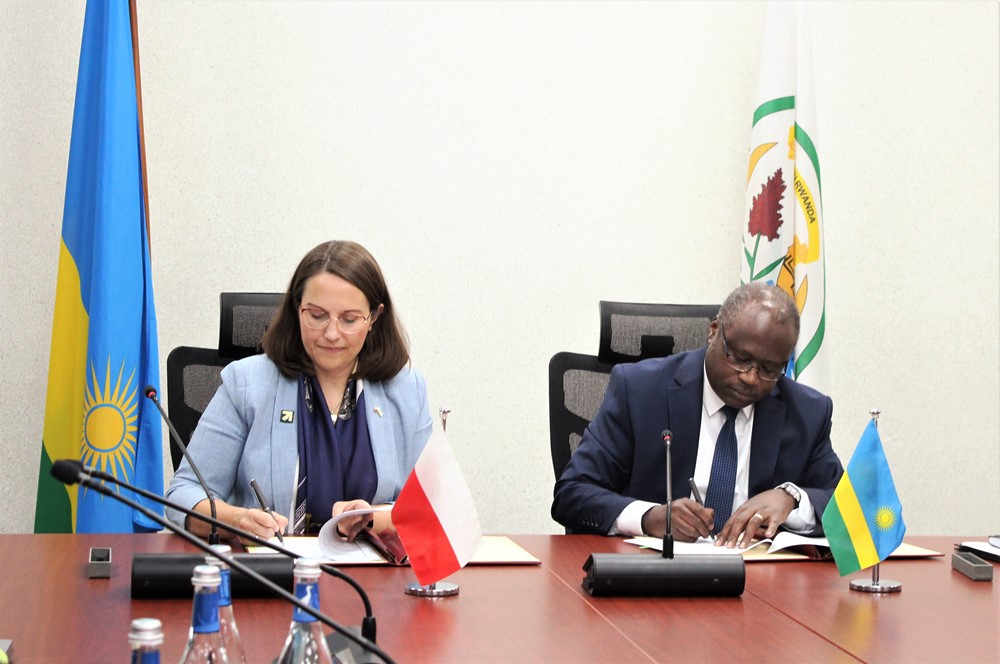
The Memorandum was signed by Dr. Uzziel Ndagijimana, the Minister of Finance and Economic Planning on behalf Rwanda, and Finance Minister Ms Magdalena Rzeczkowska, on behalf of the Republic of Poland.
The MoU between the two countries follows Rwanda’s ongoing tax reforms intended to reduce tax rates, broaden tax base, improve tax compliance and reducing tax evasion.
The nonbinding agreement will mainly focus on Value Added Tax (VAT), in particular on reducing the tax gap, combating tax crime, providing solutions against informal economy, as well as proposing reforms facilitating entrepreneurship. It will provide Rwanda’s tax authority with insights into Polish solutions on base erosion profit shifting, based on but not limited to OECD standards.
The MoU will also allow Rwanda to improve its digitalization of tax administration, in particular on using digital systems to detect tax crime, improving taxpayer digital services, enabling submission of digital tax returns and invoices as well as improving tax administration work efficiency.
“Tax solidarity MoU will contribute towards Rwanda’s ongoing fiscal policy reforms. As we target to increase in our tax to GDP ratio, we are confident that cooperation in this area will contribute to achieving our goal and be a steppingstone for further cooperation,” Minister Ndagijimana said.
He added: “We have learnt about Poland’s successful reforms in areas of taxation and automation of the tax system and are ready to work with you on this exchange to accelerate our reforms in this area”.
“This MoU gives us a very solid ground on which to share knowledge, information and best practices regarding tax management. In the past 5 years we have managed to increase compliance, doubled income tax and reduce VAT gaps and therefore, we believe there is a lot we can share with Rwanda with regards to best practices in effective tax administration,” Minister Rzeczkowska said.
Both Poland and Rwanda are looking to build on the signed agreement to further cooperate in various areas such as Double Taxation Avoidance Agreement (DTAA), private sector investments and education among others.
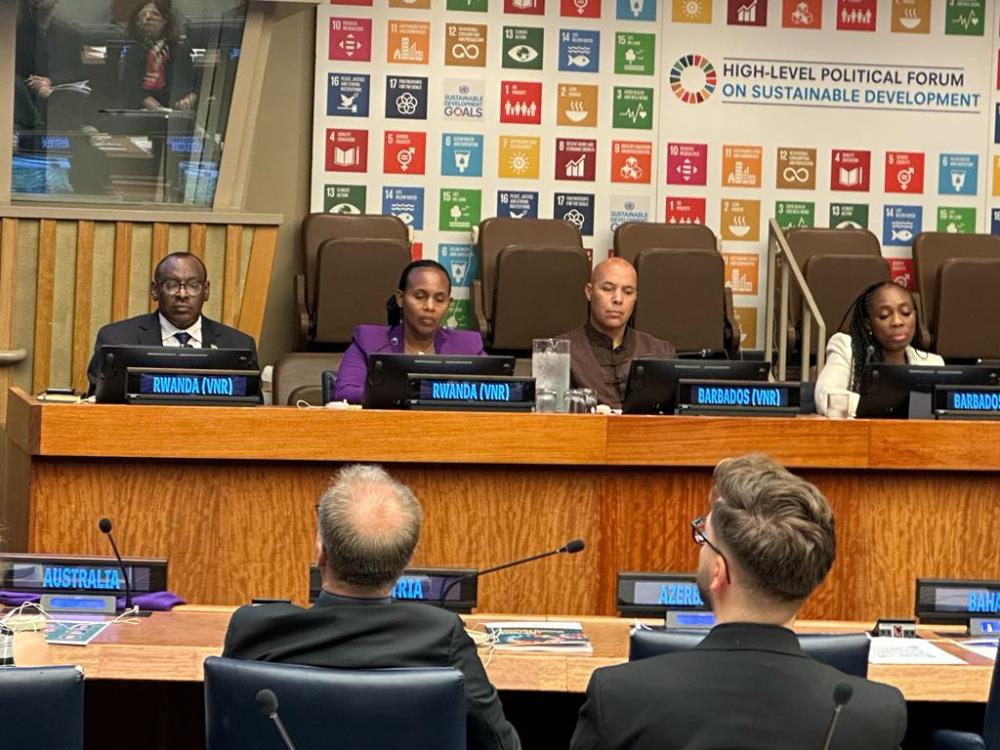
This is the second time that Rwanda has volunteered to self-assess progress in implementing the SDGs since the first VNR presented in 2019.
Held under the theme “Accelerating the recovery from the coronavirus disease (COVID-19) and the full implementation of the 2030 Agenda for Sustainable Development at all levels”, VNR 2023 aims to showcase how countries are progressing in the implementation of SDGs in the aftermath of the pandemic.
The 2023 VNR will focus on five SDG’s: SDG 6 – Clean Water and Sanitation; SDG 7- Affordable and Clean Energy; SDG 9 – Industry, Innovation and Infrastructure; SDG 11- Sustainable Cities and Communities; and SDG 17 Partnerships to achieve the Goal.
The Minister of State in charge of Economic Planning Dr. Claudine Uwera said: “The fifth population and housing census showed increase in life expectancy of Rwandans reflecting the general improvement in lives of Rwandans across various areas.
Although, the Covid-19 pandemic adversely impacted Rwanda’s economy, interventions coordinated by government working with citizens, private sector and partners have minimized the impact and supported continued recovery. Going forward, there is continued need for mobilization of resources and strengthening efforts in partnership with all stakeholders to fully achieve the SDGs.”
At the national level, SDGs are integrated in Long term development aspirations such as Vision 2050 and are tracked and measured through the implementation of the National Strategy for Transformation (NST1) at central and decentralized levels.
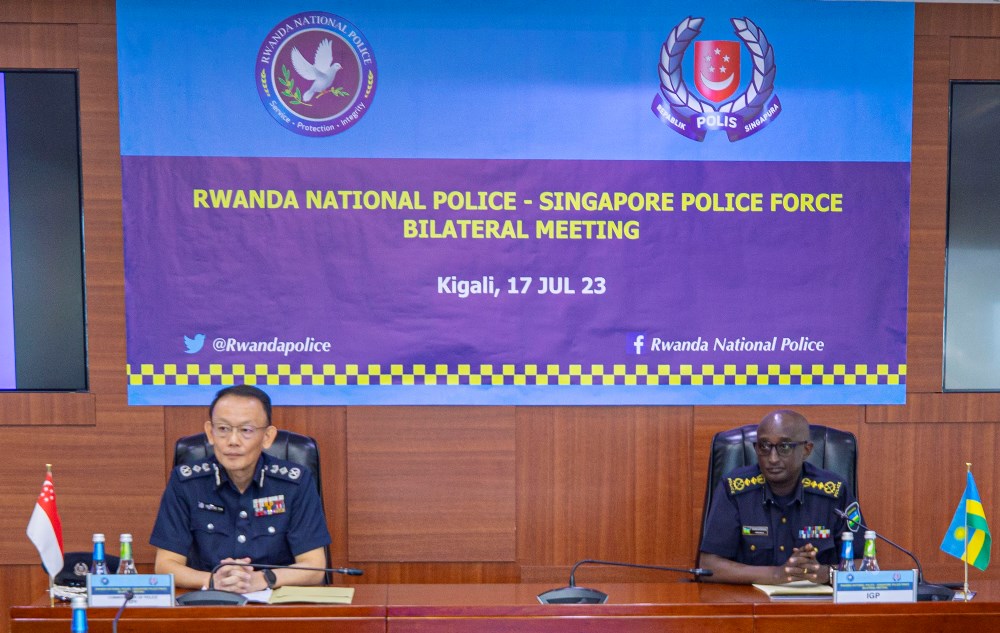
It was held in the framework of the existing cooperation signed in August last year in Singapore, formalizing partnership in capacity development as well as fighting and preventing transnational organized crimes.
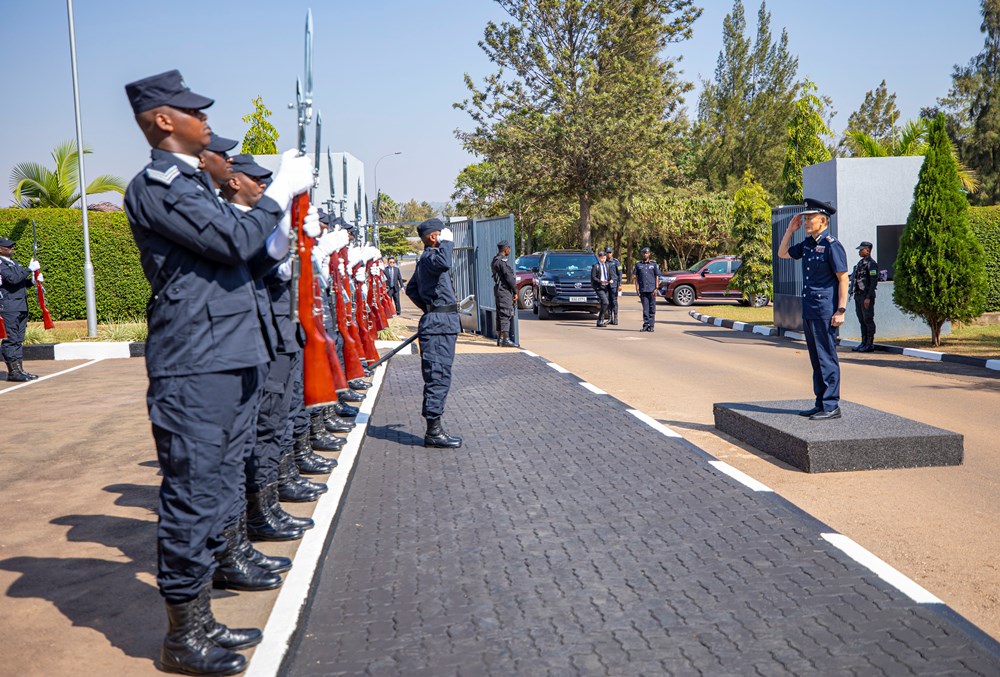
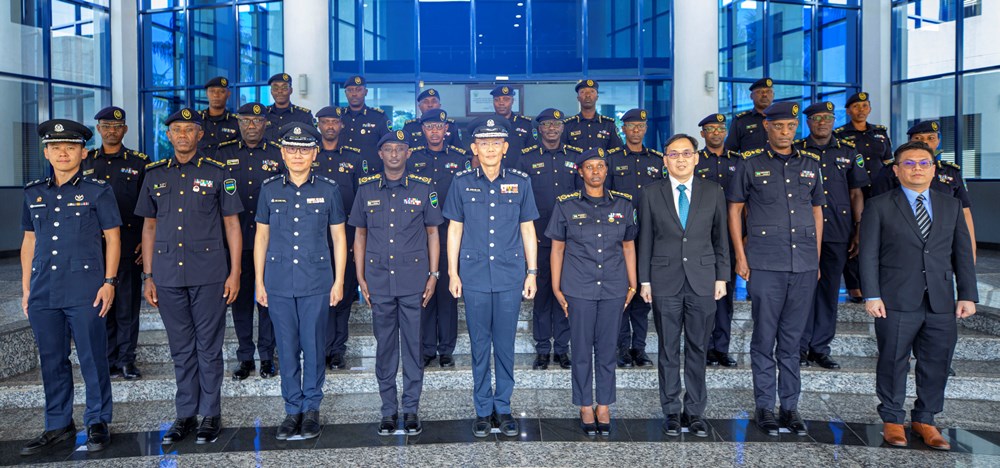
Inspector General of Police (IGP) Felix Namuhoranye, while welcoming his Singapore counterpart, Commissioner of Police (CP) Hoong Wee Teck, said the visit indicates the importance of the cooperation, commitment and willingness by the two police institutions to jointly counter the evolving security challenges.
He added that the bilateral engagements are inspired and supported by the leadership of the two countries, who laid a strong foundation to easily and freely work together in realization of shared interests.
“This is a testament of friendship and collaboration between our institutions in enhancing mutual support as we strive to make our countries safer.
It is an opportunity to explore actionable measures and strategies geared towards enhancing our partnership,” IGP Namuhoranye said.
The MoU highlights building institutions’ capacity and capabilities in fighting all forms of transnational organized crime, cyber-crime, trafficking in persons, online child sexual exploitation, money laundering, public security and public order; fighting and preventing smuggling and trade in arms, ammunition and explosives, among others.
IGP Namuhoranye reiterated that partnering with Singapore Police Force was deliberate as a reliable, experienced and well established Police Force with vast policing capacities, capabilities and experiences.
“Strong cooperation is vital to counter fast evolving security threats. This visit is, therefore, an opportunity for us to explore ways to jointly optimize our abilities to address and tackle trans-boundary security challenges,” IGP Namuhoranye said.
He pointed out that Singapore Police Force has an extensive range of advanced policing technologies to learn from going forward.
The Singapore Police Chief, Commissioner Hoong, said that the partnership between the two police institutions has further strengthened.
“A strong and constructive partnership will enable our two forces to learn from each other and develop more effective strategies and capabilities to ensure the safety and security of our people,” Commissioner Hoong said.
Notwithstanding that the two countries are situated more than 5000 miles apart, Commissioner Hoong emphasized that they share broad similarities in the policing context such as our community policing strategy.
“In our increasingly complex operational landscape, there are mutual areas of interest such as cybercrime that we can explore.
The Singapore Police Force is glad to have the RNP, a professional and accomplished police force, as one of our valued policing partners.”
Commissioner Hoong later visited Kigali Genocide Memorial where he paid tribute to more than one million victims of the 1994 Genocide against the Tutsi, and the Campaign against Genocide Museum.
He is also expected to visit the RNP operations and training facilities in different parts of the country.
In 2020, preliminary research confirmed the presence of Lithium in Ngororero District, leading to Rwanda’s interest in developing a refinery for the mineral.
Amb. Karitanyi recently revealed in an interview with CNBC that Rwanda already has refineries for gold, tin, and tantalum, and they have plans to establish a Lithium refinery as well. The country aims to collaborate with regional partners to ensure sufficient reserves for the refinery to operate at full capacity.
Until 2020, Lithium was not as widely known or in demand due to its relatively low price. However, its value began to rise significantly as of December last year. In January 2018, a kilogram of Lithium cost US$20.5, but by December 2020, it had dropped to US$9 (Rwf9000). The decrease in value was mainly attributed to increased production coinciding with the COVID-19 pandemic.
Since then, the price of Lithium has experienced a substantial surge. In April 2021, it increased by over 600% and reached US$78,000 (over Rwf78 million) per ton. This surge can be attributed to the growing production of electric vehicles, which rely on large energy-saving batteries that require Lithium. In 2021, 6.6 million electric vehicles were sold, double the number sold in 2020. Experts in the mining field predict that Lithium will continue to be an excellent investment, as it is estimated that over 26 million electric vehicles will be sold by 2030.
Considering these trends, the price of one tonne of Lithium is expected to rise from US$44,090 in 2022 to US$61,520 in 2023. Rwanda’s plans to establish a Lithium refinery align with the increasing demand for the mineral and the potential for significant growth in the electric vehicle market.
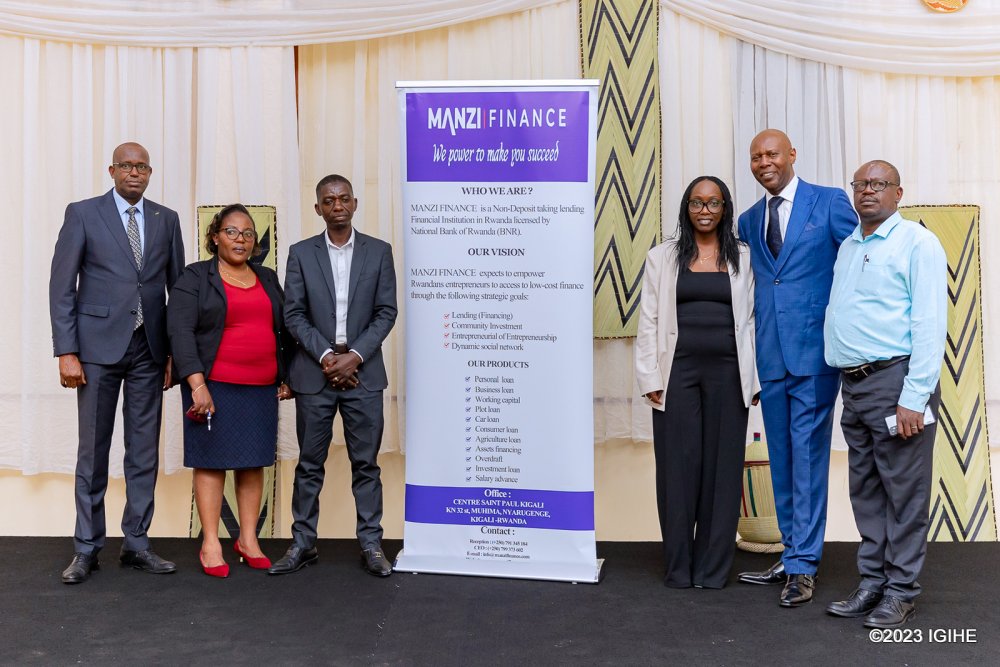
[Manzi Finance Ltd ->https://manzifinanceltd.durable.co/]is a licensed financial institution regulated by the National Bank of Rwanda (BNR).
Founded by Rwandan entrepreneur Aloys Manzi from Rulindo, the company aims to support the development of various projects initiated by individuals.
Manzi completing secondary studies in Rwanda and pursued university studies in France, where he obtained a Master’s degree in Accounting.
He furthered his education in the United Kingdom, earning a Master of Business Administration degree and establishing a residence there.
Following his academic endeavors, Manzi worked in hospitals and retirement homes before venturing into entrepreneurship in 2014.
He established a maize-flour production plant in Kayonza and founded the Manzi Fondation, an organization that provides community-based insurance, pays school fees for secondary and university students as well as counseling services.
Besides, Manzi Foundation supports women in Base of Rulindo District by providing interest-free loans to initiate income-generating businesses.
In an interview with IGIHE, Manzi expressed his motivation for these endeavors, stating, “I engage in these activities because I have personally experienced the difficulties people face when applying for bank loans.”
He added, “We encountered similar challenges when we started out and wanted to assist others in overcoming them. Many people seek loans, but the requirements can be daunting, preventing their projects from being implemented without access to financial support. We are committed to working with startups and guiding them towards success.”
Manzi Finance offers loans to beneficiaries, including individuals, based on the nature of their projects. Manzi also expressed the company’s consideration of extending loan services to Rwandans living abroad, recognizing that they too may encounter similar challenges.
He stated, “We are striving to identify members of the diaspora who face similar issues in accessing loans, in order to provide them with assistance. Our services are unique because we prioritize the needs of our customers. We offer consulting services and ensure quick loan disbursal to clients.” Manzi further emphasized their commitment to maintaining ongoing relationships with clients, advising them throughout the loan process and ensuring swift loan disbursement.
Notably, Manzi Finance aims to set itself apart from larger banks by offering a more personalized approach. Unlike many large banks that may fail to follow up with clients, potentially leading to the auctioning of assets in the event of non-payment or project implementation issues, Manzi Finance focuses on client engagement, advising, and prompt loan disbursement.
The interest rate for loans provided by Manzi Finance is set at 22% annually, lower than the rates charged by non-deposit taking lending financial institutions within the same tier, which typically range from 25% to 36% annually.
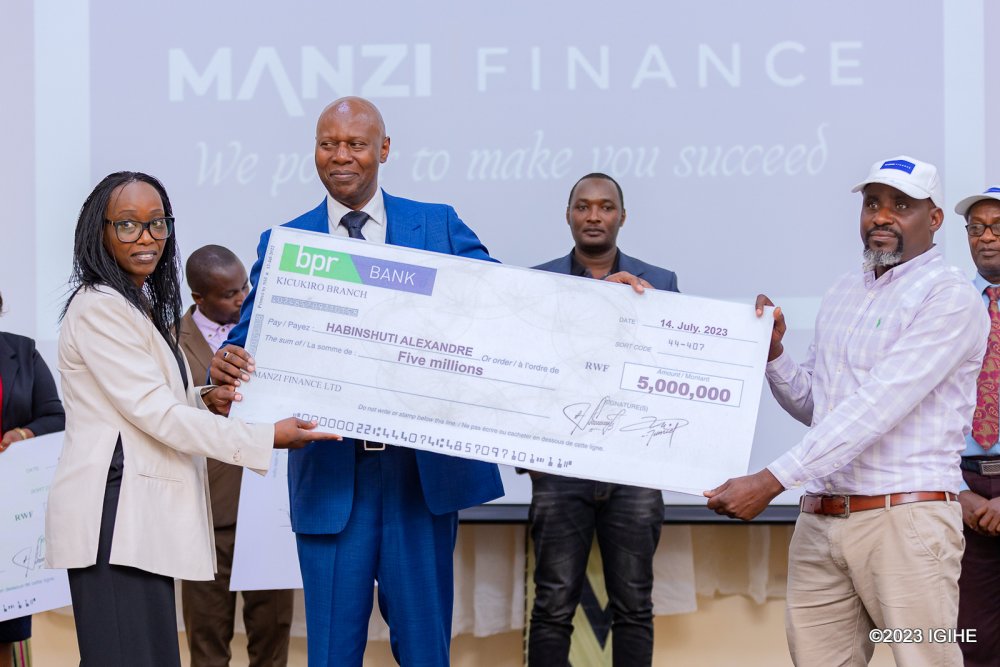
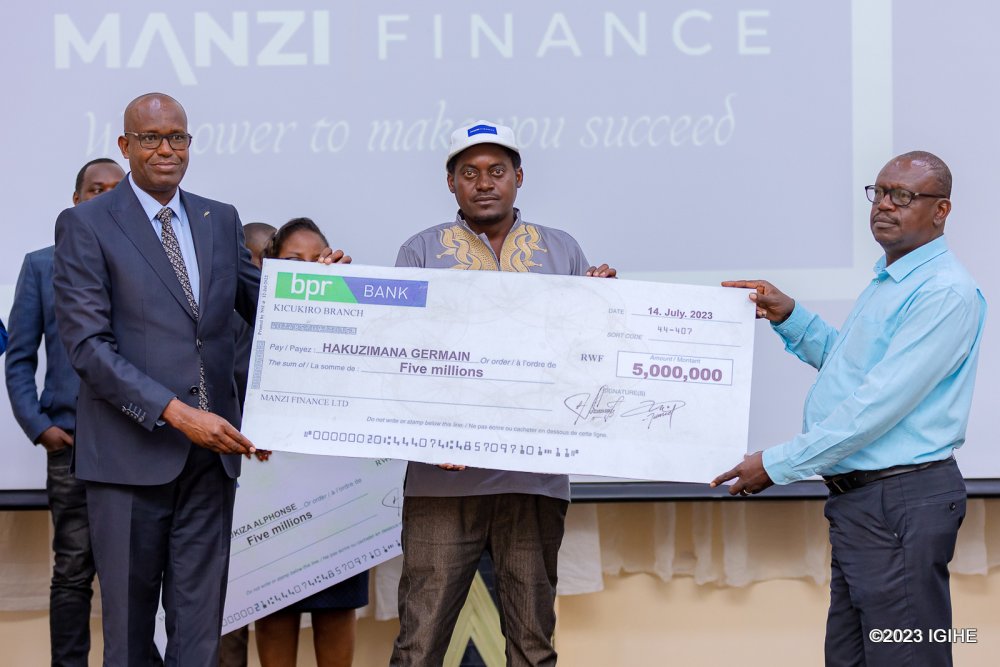
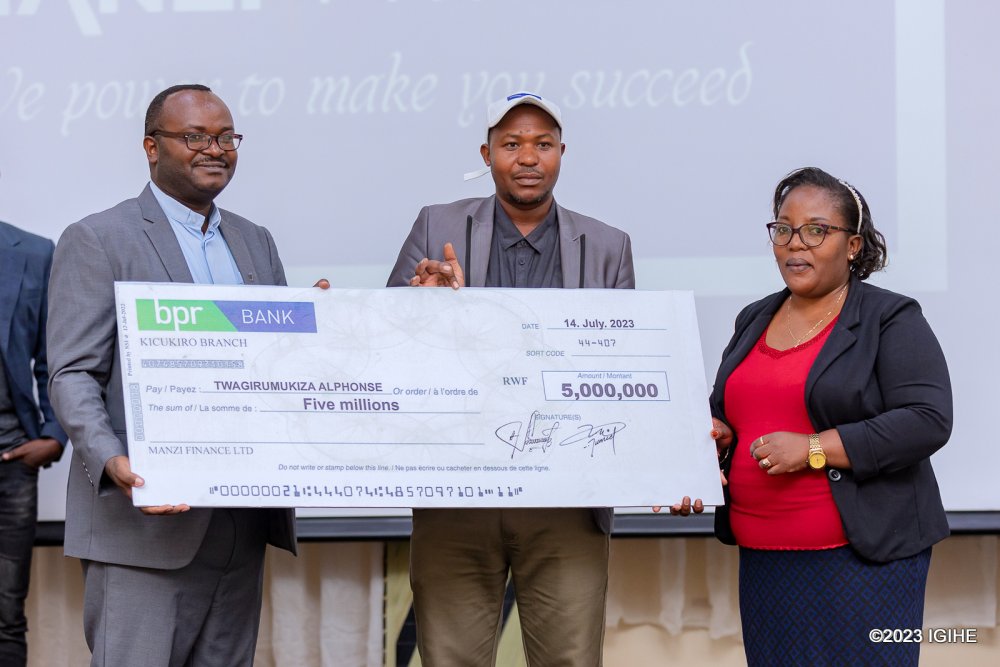
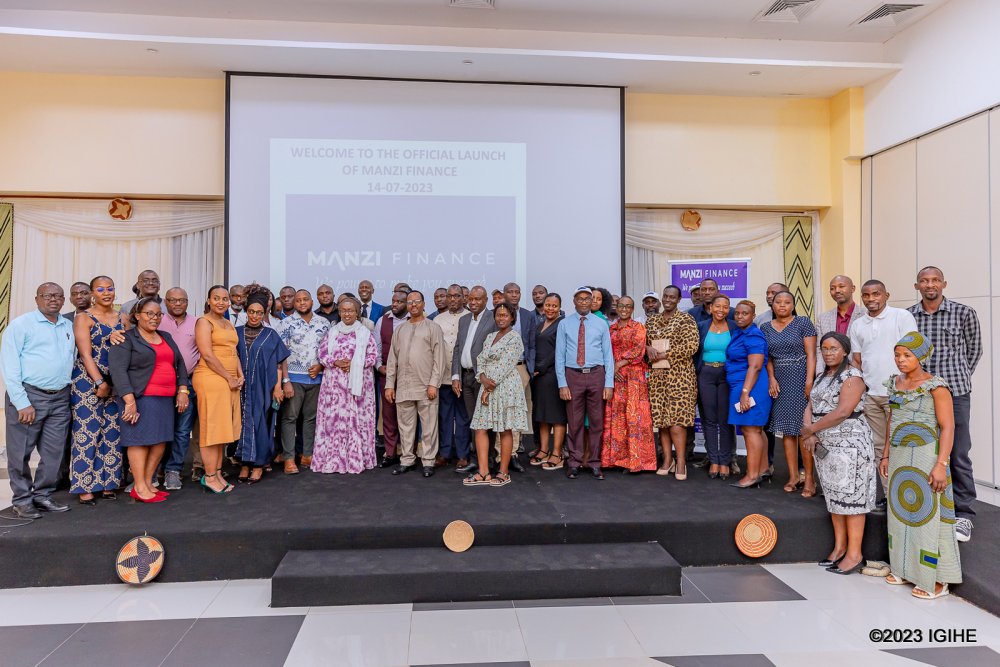
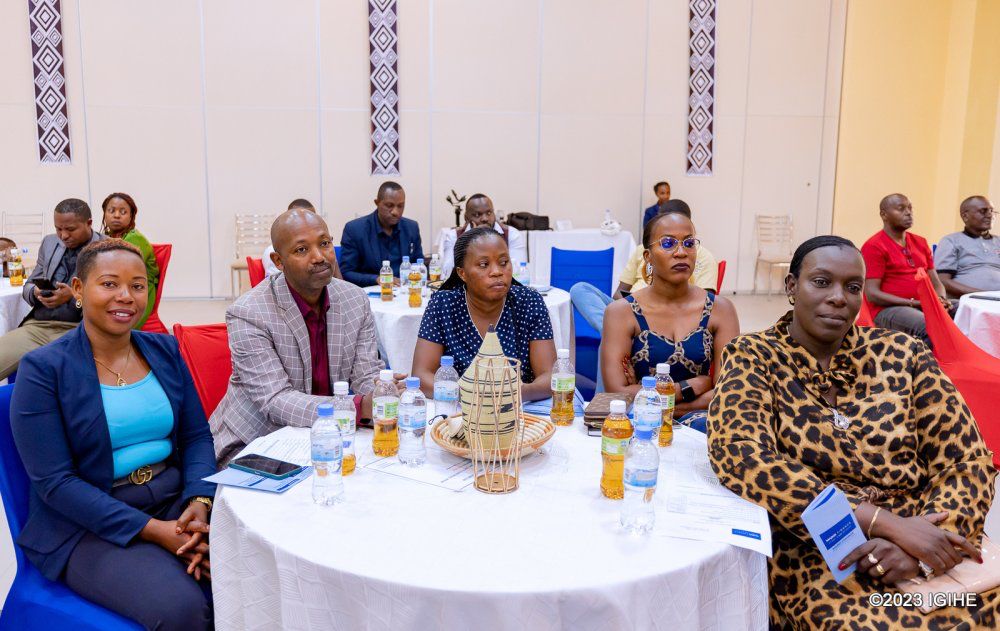
While initially established as a non-deposit taking lending financial institution, Manzi Finance has plans to expand its services in the future and offer a complete range of banking services to its clients. During the recent launch of Imanzi Finance, five SMEs secured loans of Rwf5 million each, totaling Rwf25 million.
Manzi has also disclosed to IGIHE that farmers are among the targeted beneficiaries of the financial services provided by Manzi Finance.
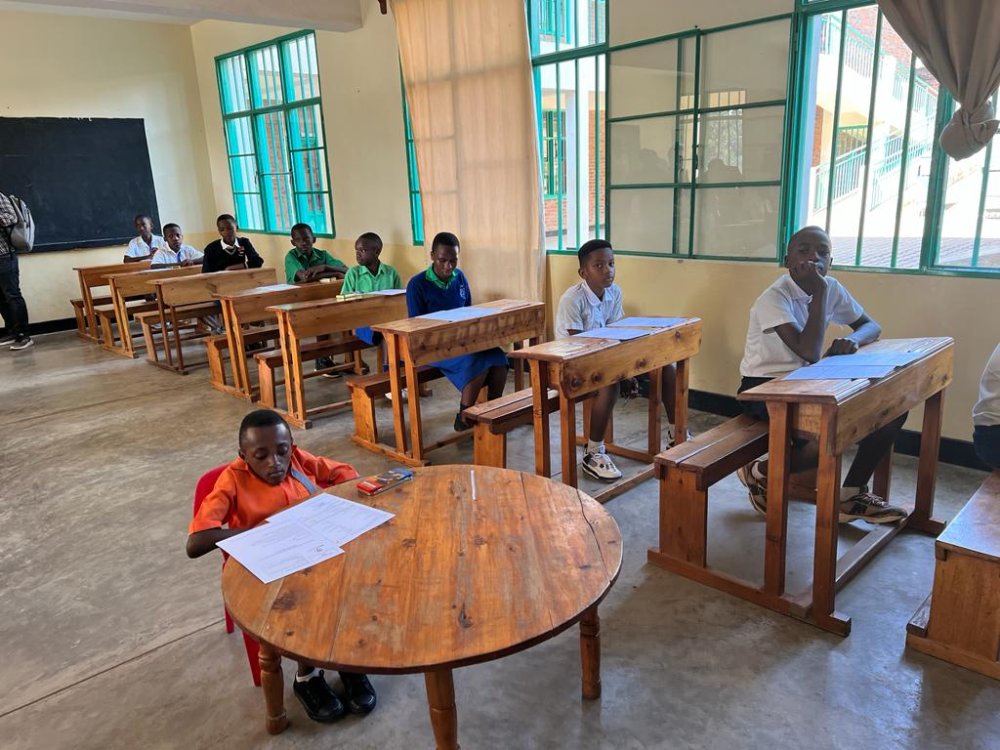
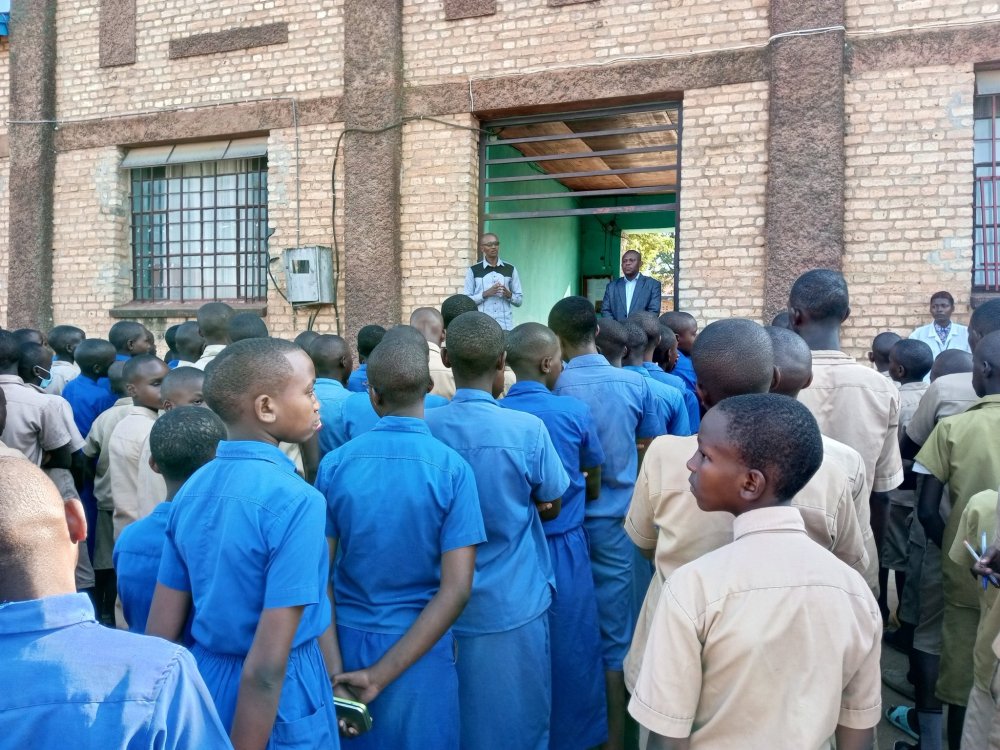
The authorities have established 1,099 examination centers within 3,644 schools nationwide. The primary leaving exams commenced on July 17 and will conclude on Wednesday, July 19.
The three-day PLE exams encompass a range of subjects designed to assess the candidates’ knowledge and skills.
On the first day, pupils covered mathematics, social studies, and religious studies. The second day will see candidates doing examinations for science, elementary technology, and the local language, Ikinyarwanda while the last day will focus on English.
The PLE exams were officially inaugurated on Monday morning at two selected schools: EP St. Dominic Kagugu in Gasabo District and GS Camp Kigali in Nyarugenge District.
This event symbolized the commencement of the examinations across the country.
Ahead of the exams, on July 14, NESA distributed exam papers to all districts. Officials underscored their commitment to upholding the integrity and effectiveness of the national examinations while ensuring a fair and conducive environment for all candidates.
Following the completion of the PLE exams, the focus will shift to the Ordinary level (O-level) and Advanced level (A-level) examinations.
These crucial assessments are scheduled to begin on July 25 and will run until August 4. A total of 131,535 candidates are expected to sit for the O-level exams, while 48,674 candidates will do A-level exams. Besides, 28,196 candidates from Technical and Vocational Education and Training (TVET) programs and 3,994 from Teachers’ Training Colleges will also participate in these examinations.
While the world continues to face unprecedented crises from the social and economic impacts of the COVID-19 pandemic, the African continent has suffered most, said Deputy Secretary-General of the United Nations Amina Mohamed.
“Unmet commitments by the international community to financing climate action and inadequate humanitarian responses have further aggravated the obstacles to the efforts made by Africa and its leaders to implement Agenda 2063,” she said.
According to Mohamed, the UN joined the call by African leaders for the allocation of additional resources to their economies through the International Monetary Fund (IMF), which has been at the center of criticism by several African leaders.
Kenyan President William Ruto, who joined other leaders in calling for reforms of the World Bank and the IMF, said the African continent is subjected to an unfair global debt system, causing countries to pay at least eight times more than their richer counterparts on account of their perceived risks.
“We are not asking for charity. We must have equality in the international system,” Ruto said.