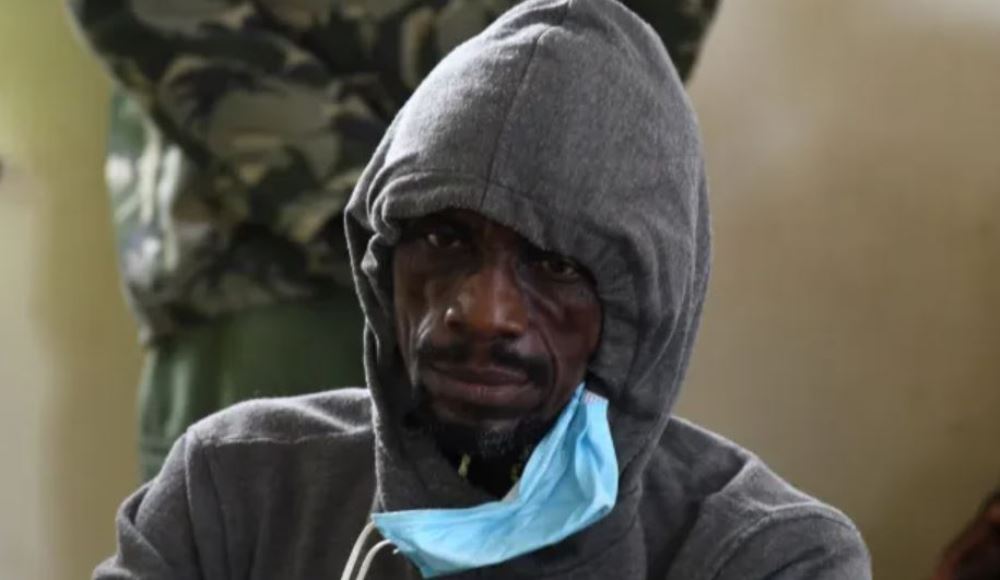
The 42-year old suspect was intercepted in Ngororero village, Kabeza cell of Ngororero sector following a well coordinated operations by the Police, local leaders and residents.
He had concealed the narcotics in a bag, according to Chief Superintendent of Police (CIP) Mucyo Rukundo, the Police spokesperson for the Western region.
“He was always moving with a bag, which raised residents’ suspicion to be a drug dealer, prompting them to report to local leaders and the Police,” said CIP Rukundo.
Indeed, when Police officers searched him, they recovered 995 pellets of cannabis in his bag leading to his immediate arrest, he added.
The suspect disclosed that he bought quantities of the severe narcotic drug from another big dealers, who sneaks them into Rwanda from the Democratic Republic of Congo (DRC).
The suspect, who was handed over to RIB at Ngororero station, said he intended to traffic the narcotics to his clients in City of Kigali.
CIP Rukundo lauded the impact of community policing and neighborhood watch in particular, in identifying suspected criminals such as drug dealers.
The law provides an improvement of 20 years to life, for anyone convicted of trafficking and selling cannabis and other narcotics classified as very severe in Rwanda.
Other very severe narcotic drugs include heroin and cocaine.
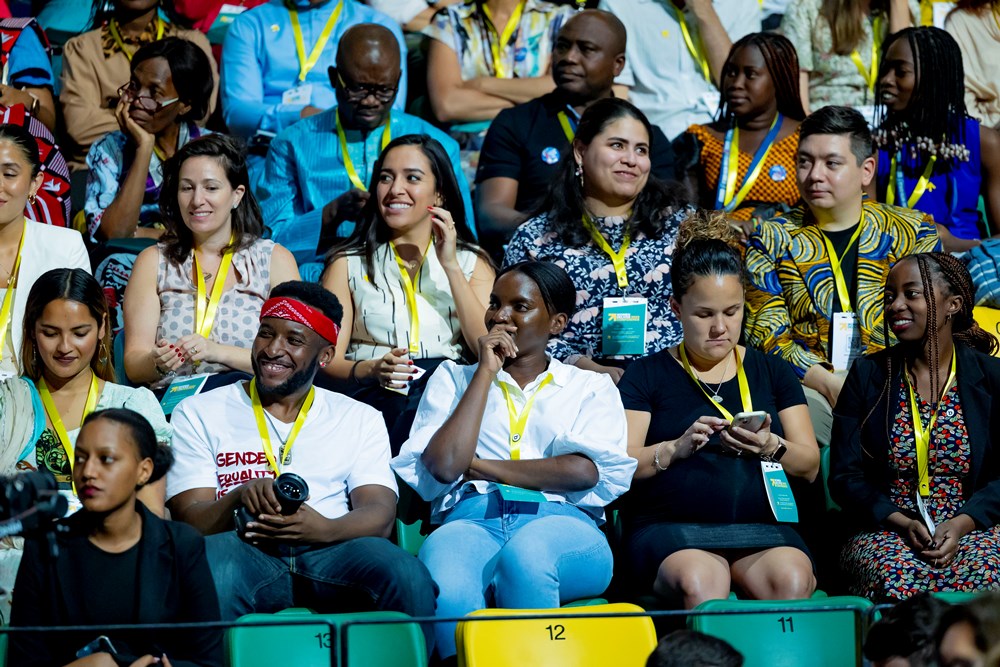
During the conference, IGIHE spoke with some of the conference participants and captured their key takeaways.
Lilliane Umutoni, a participant from Rwanda who attended a session on ‘The Power of Choice: Fostering Partnership to Realize Bodily Autonomy’ hosted by UNFPA, expressed deep gratitude for the conference.
“I’m incredibly grateful to have attended this conference. Until today, I wasn’t aware of my own power to positively impact someone else’s life. I now realize that from where I stand, I can make a difference and my pledge is to empower a girl somewhere, in whatever way possible,” she shared.
Line Aggernaes, a senior advisor in sexual and reproductive health and rights from the Ministry of Foreign Affairs of Denmark, hailed the decision to host the conference in Africa.
She appreciated the diversity among the participants and acknowledged that often, despite holding numerous conferences and meetings and raising funds to support gender rights and SRHR, there remains uncertainty about whether those in need receive the necessary support.
“Being here today, seeing the real people at the grassroots, talking to them, and understanding their needs and aspirations is truly enlightening,” Line expressed.
Shaille Chaundhary, a campaigner with ‘Dalit Lives Matter’ from Nepal, was impressed by the passion African women exhibited for their rights. She stated, “Experiencing Africa firsthand and witnessing the passion African women have for their rights is truly inspiring. Seeing things from their perspective changes how we perceive the continent.”
Caroline Bigirimana, an advocate for sexual and reproductive health and research from Burundi, was delighted to connect with fellow women who share the same cause. “It’s heartening to see girls and women gaining access to knowledge about their bodies and the choices available to them,” she shared.
Even Abraham Famanou from Chad, a male participant, recognized the transformative power of the conference. He admitted that his understanding of gender equality and his role in promoting it has evolved. “I’ve come to understand that as a man, I play a crucial role in gender equality and combating gender violence. From now on, I’ll value and respect everyone regardless of their gender,” he asserted.
The Women Deliver Conference which was concluded on 20th July 2023 featured side events, conferences, and sessions focusing on Sexual and Reproductive Health and Rights (SRHR), gender equality, LGBTQ+, youth involvement, and other related topics. Additionally, participants had opportunities to network during breaks, and they were entertained with art, music, movies, comedy, and games at various booths.
The conference’s impact has been profound, igniting a sense of empowerment, solidarity, and a deeper commitment to advancing gender equality and women’s rights worldwide. The participants’ collective efforts and shared experiences during these five days in Kigali will undoubtedly pave the way for transformative changes in the quest for a more equitable and inclusive world.
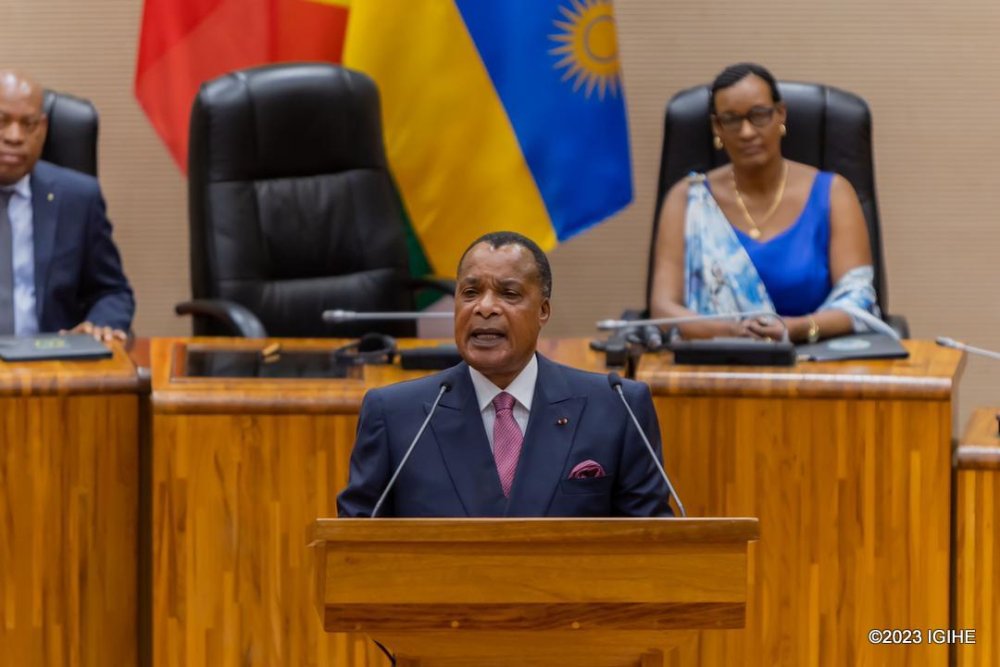
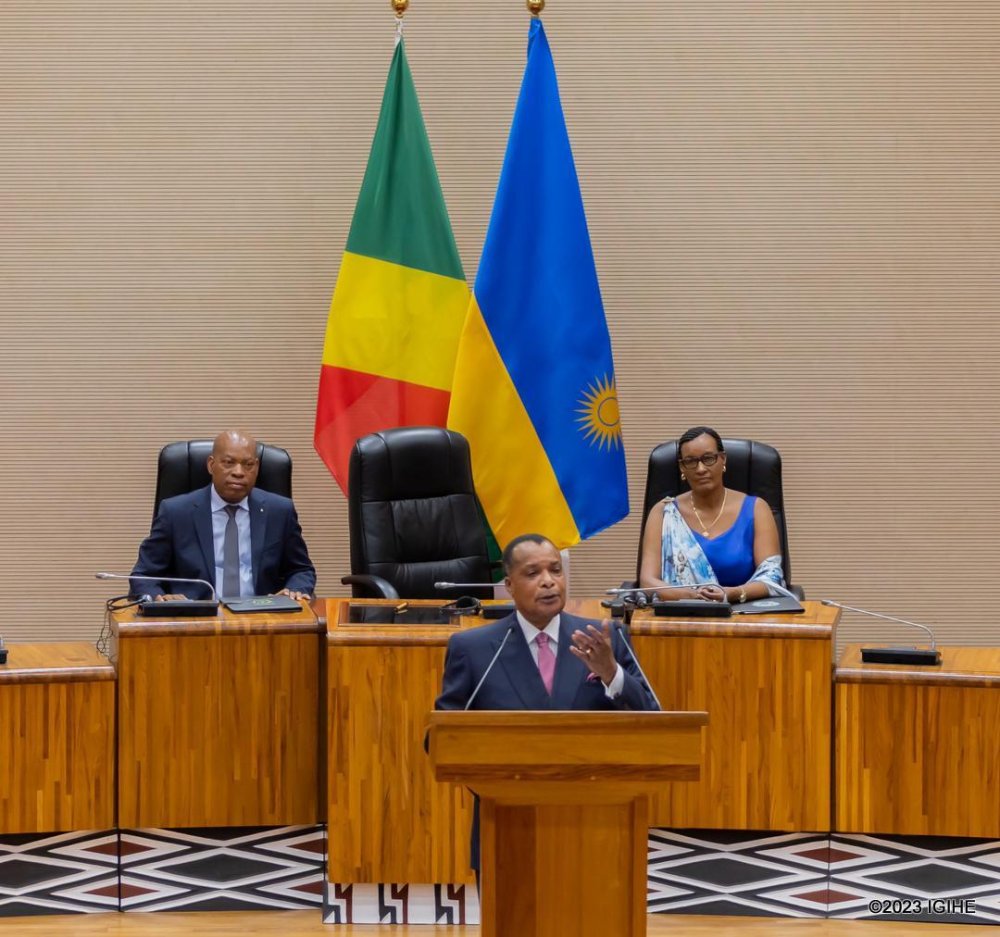
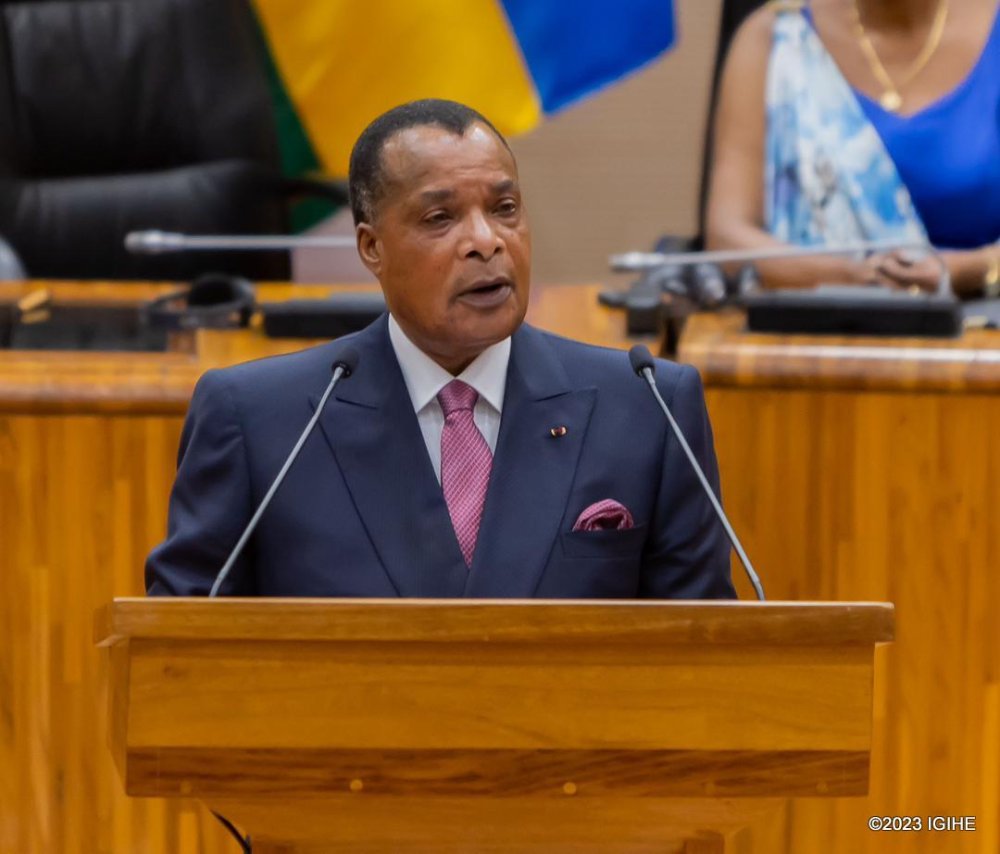
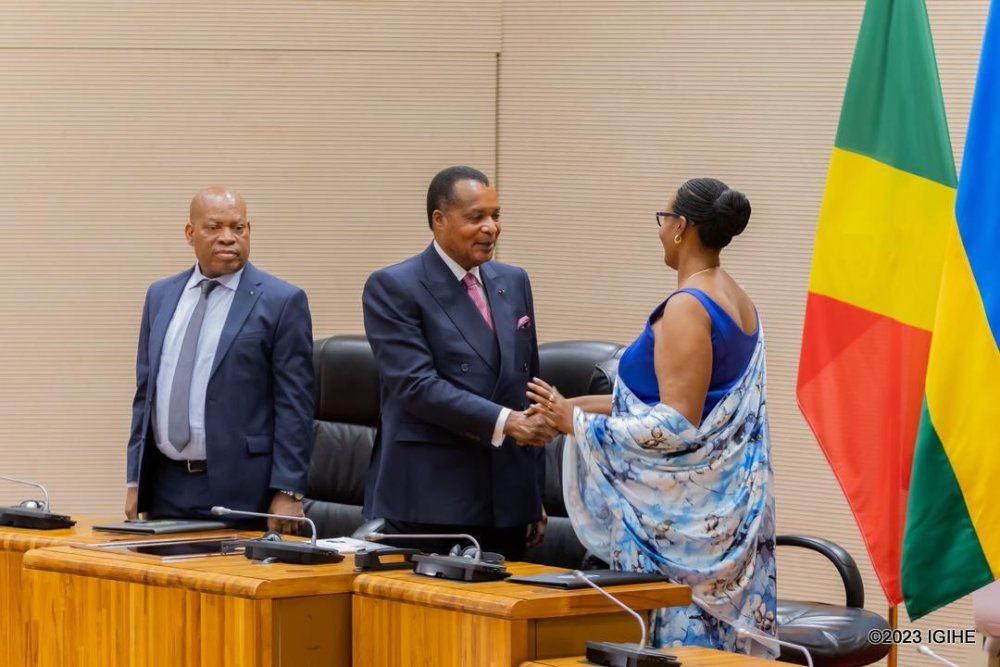
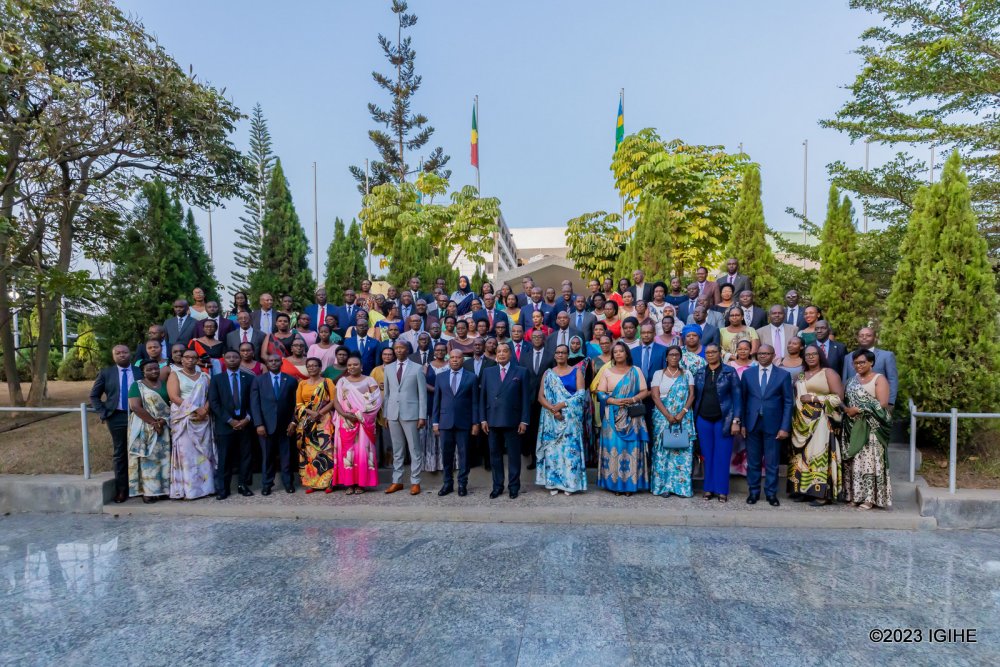
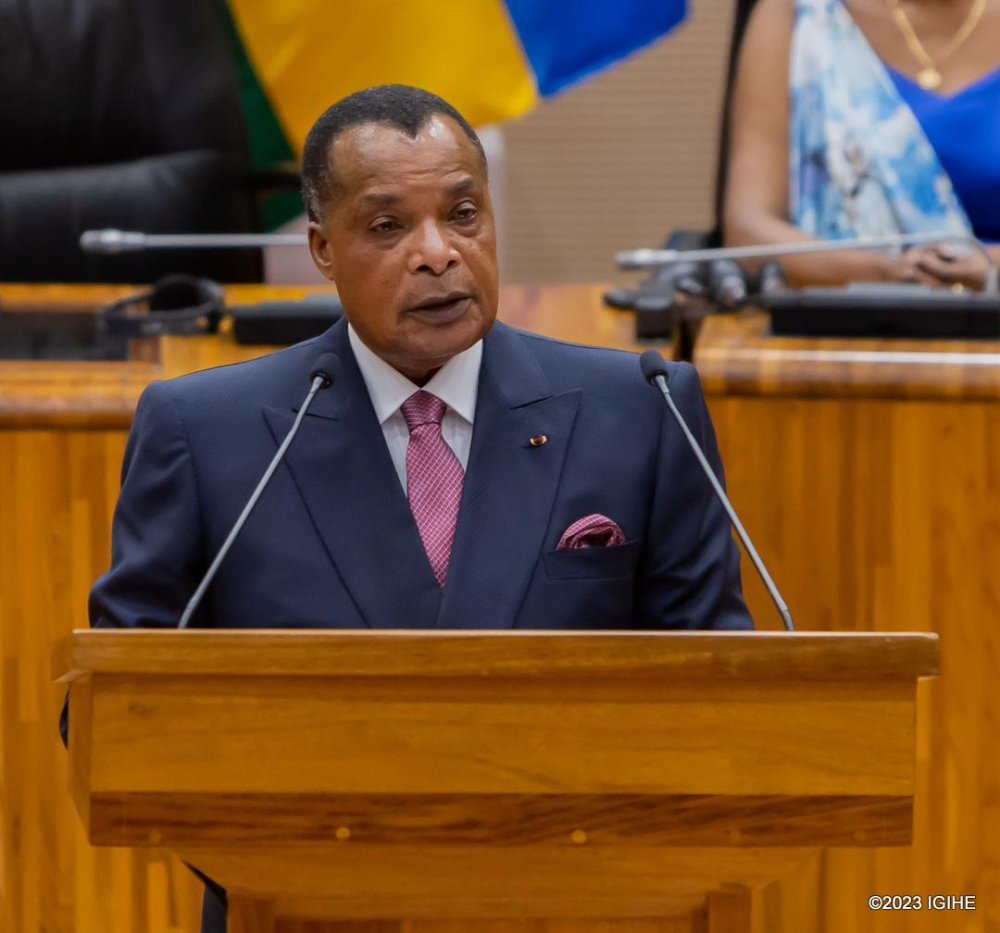
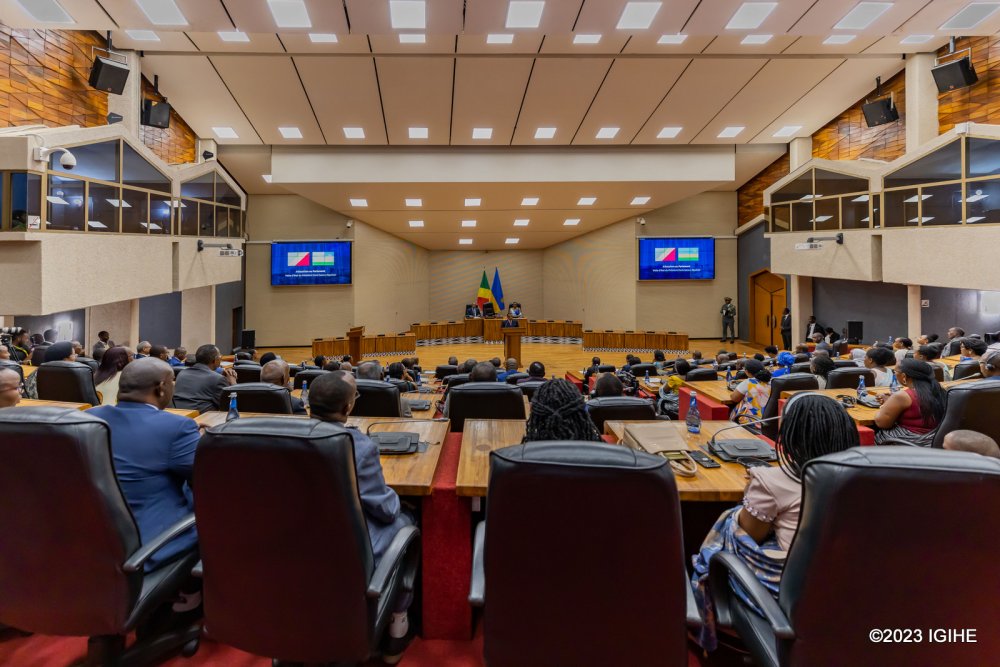
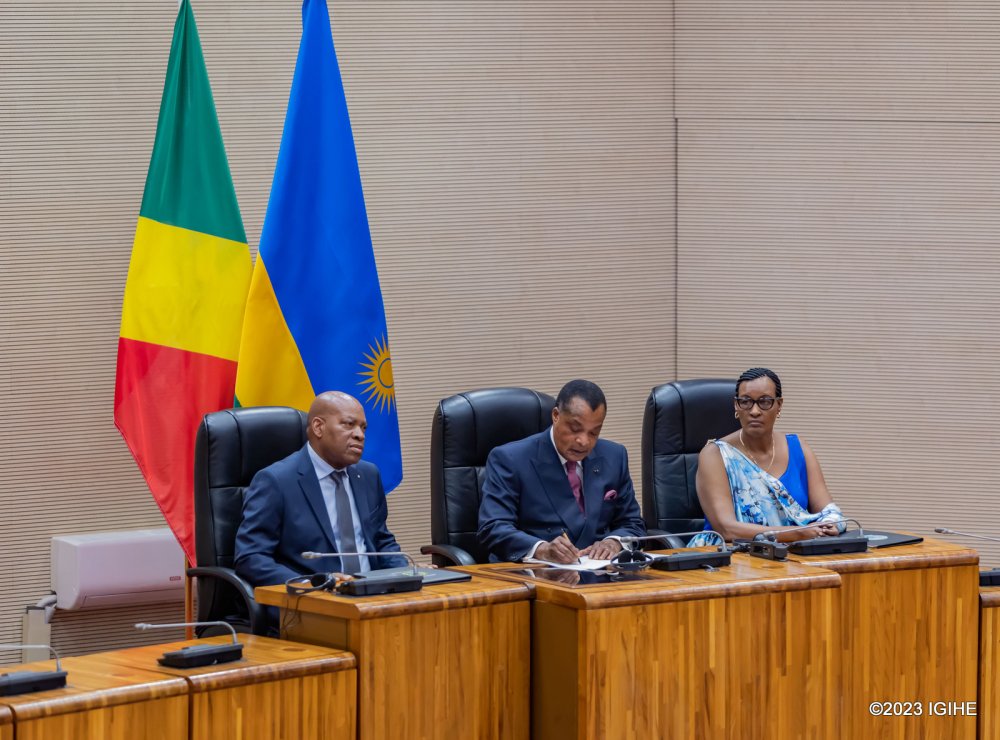
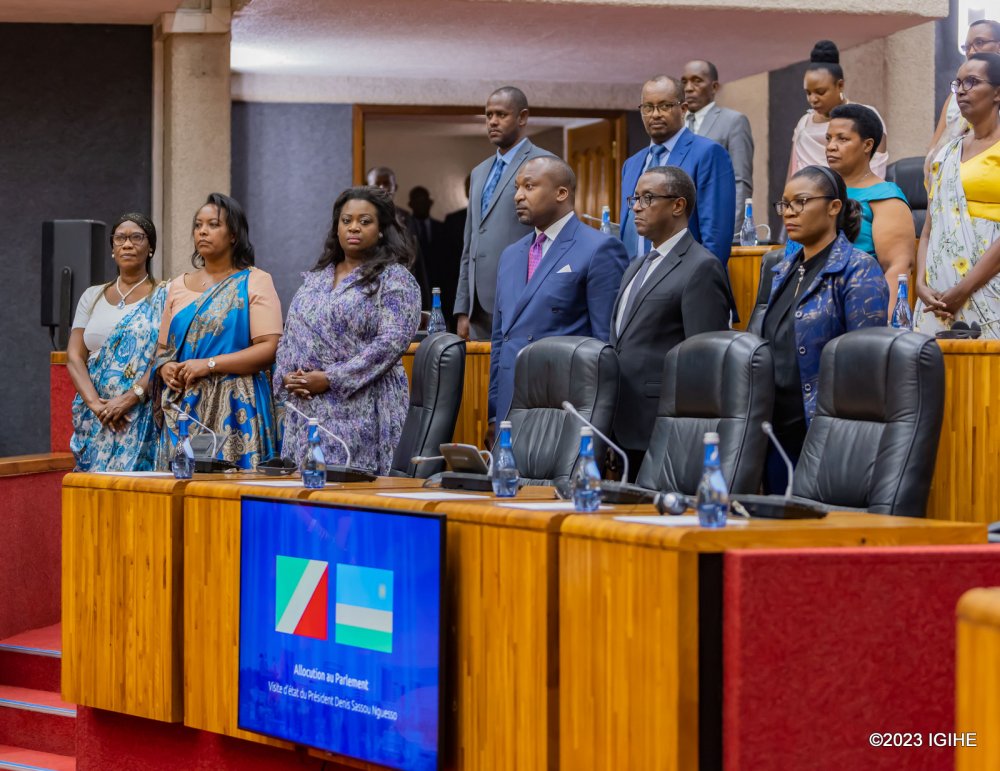
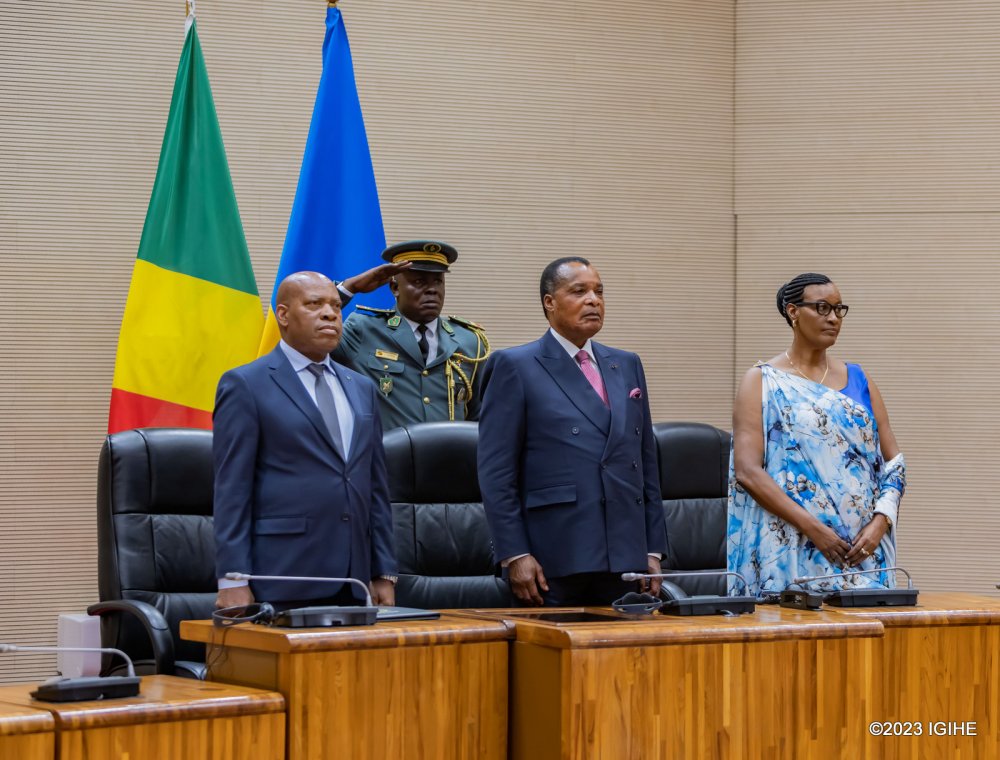
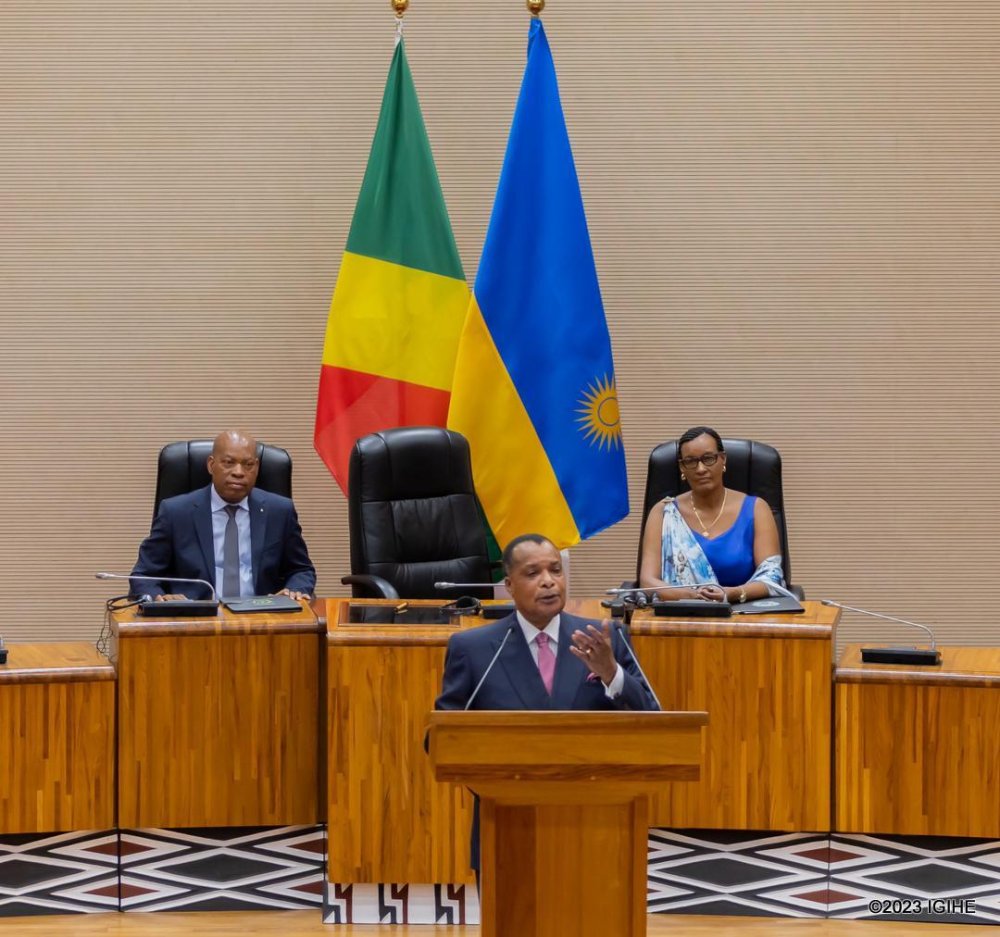
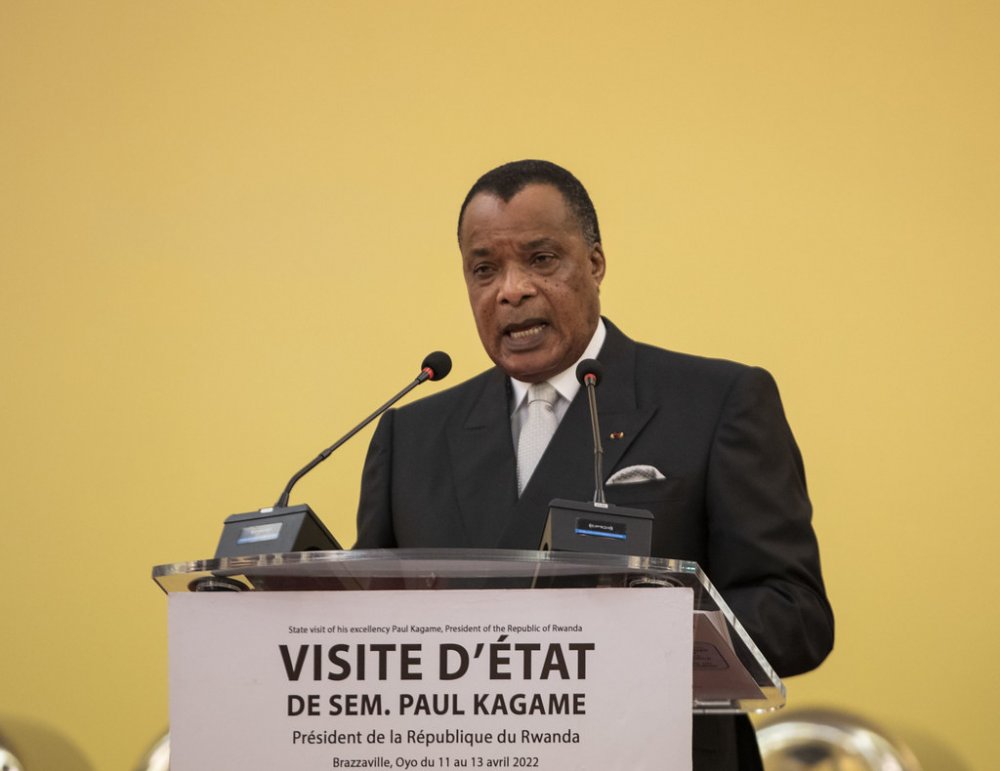
He was addressing a joint session of Rwanda’s parliament on the first day of his visit to Rwanda on Friday 21st July.
“I salute Rwanda, a country which, after the tragedy of the Genocide, courageously rose up to rebuild its unity, and cohesion, restore peace and security, and place itself with determination on the path of development,” said Nguesso referring to the 1994 Genocide against the Tutsi which devastated Rwanda.
After the 1994 Genocide against the Tutsi, RPA Inkotanyi soldiers played a vital role in establishing a non-divisive leadership that promoted unity, reconciliation, and inclusive development among Rwandans under the leadership of President Paul Kagame. Despite facing a serious economic collapse, Rwanda has managed to transform into a resilient country, becoming a role model for many others in various aspects of life.
President Nguesso also emphasized critical areas of development that should receive attention to achieve prosperity across the African continent. He highlighted Africa’s vast resources, including minerals, gas, water, and human resources, which hold the potential to enable the continent’s prosperity. However, he emphasized that achieving prosperity requires maintaining peace and working towards collective autonomy for industrial development. He encouraged greater collaboration among African countries to secure a larger share of global industrial production.
According to President Nguesso, the future of the African continent depends on transformative approaches towards utilizing its natural resources effectively, adding value to them. He also emphasized the importance of implementing the African Continental Free Trade Area (AFCTA), which can contribute to a united, independent, and prosperous Africa.
Africa boasts significant global mineral reserves, petroleum and gas wealth, vast arable land areas, and an abundance of raw materials, making it a substantial reserve of natural resources on the planet. Moreover, the continent possesses a substantial hydro power potential, estimated at 300 gigawatts, largely underexploited, thanks to its rivers such as the Congo, Nile, and Zambezi.
President Nguesso also highlighted the potential for harnessing solar energy, which is eco-friendly, and expressed optimism that the development of Africa is well within reach.
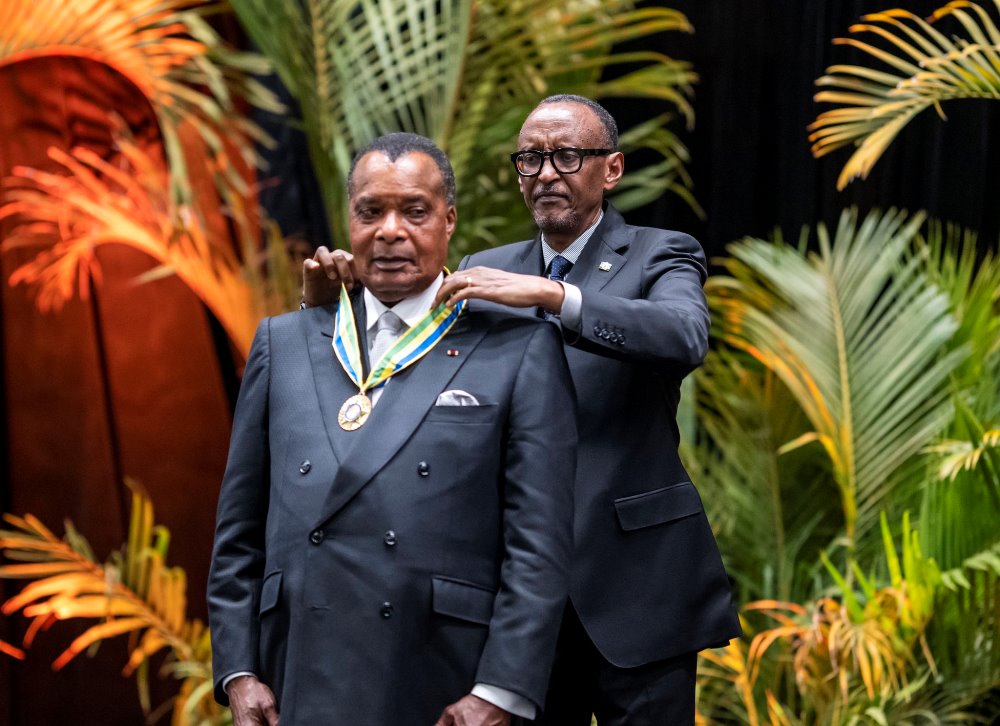
According to Rwanda’s Presidency, the award bestowed to Sassou-Nguesso on July 21, is a recognition of his “exceptional leadership and dedication to building a more stable and prosperous Africa.
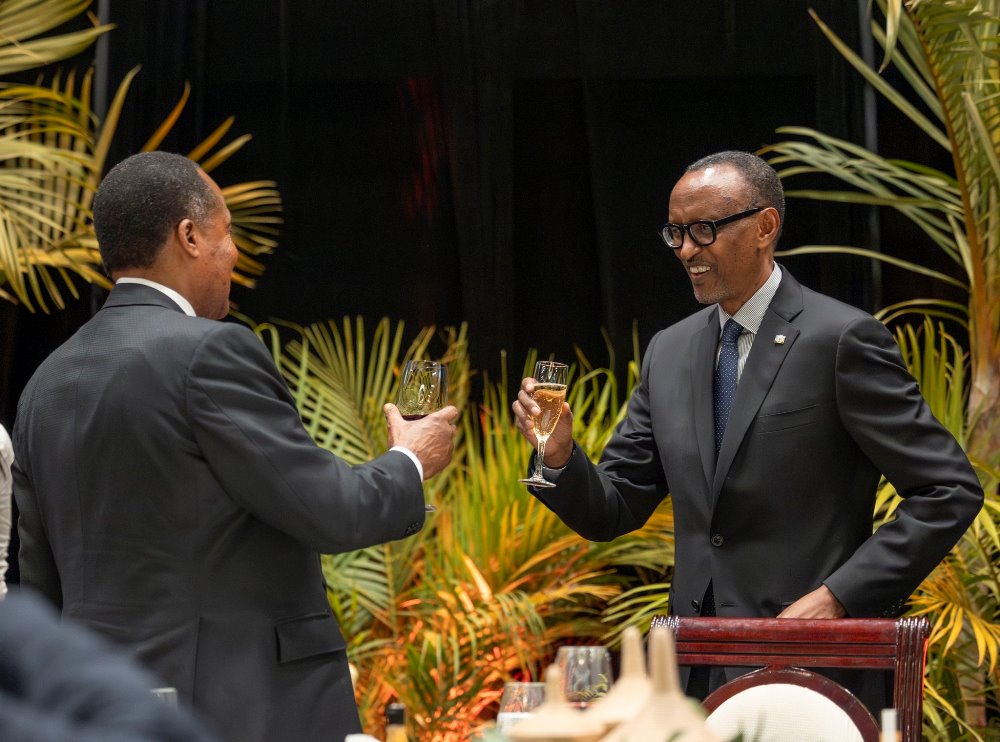
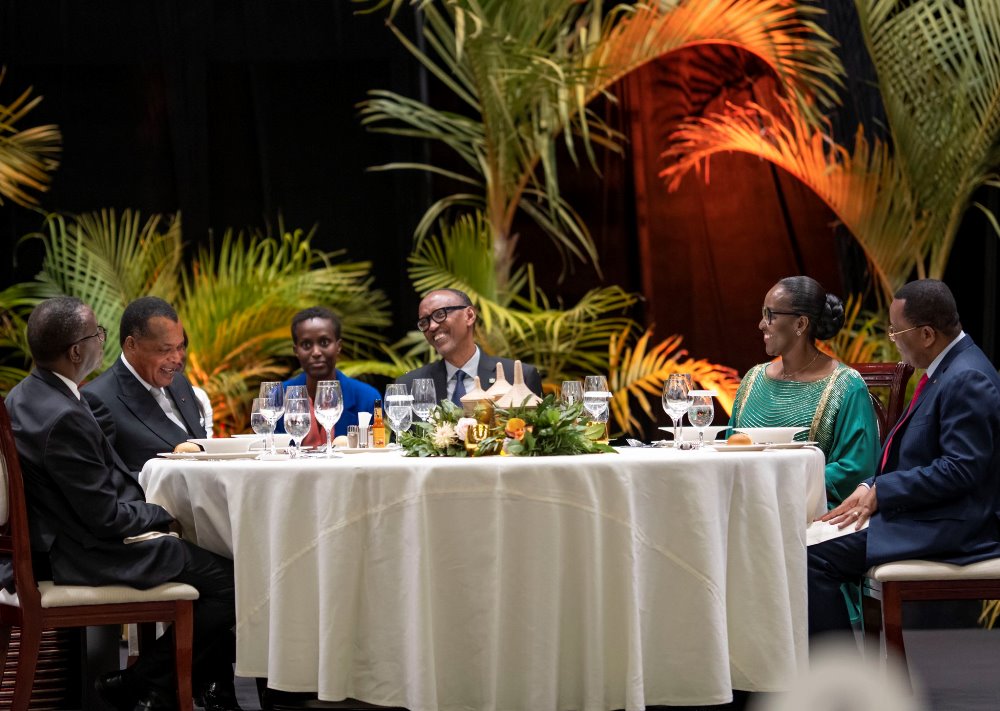
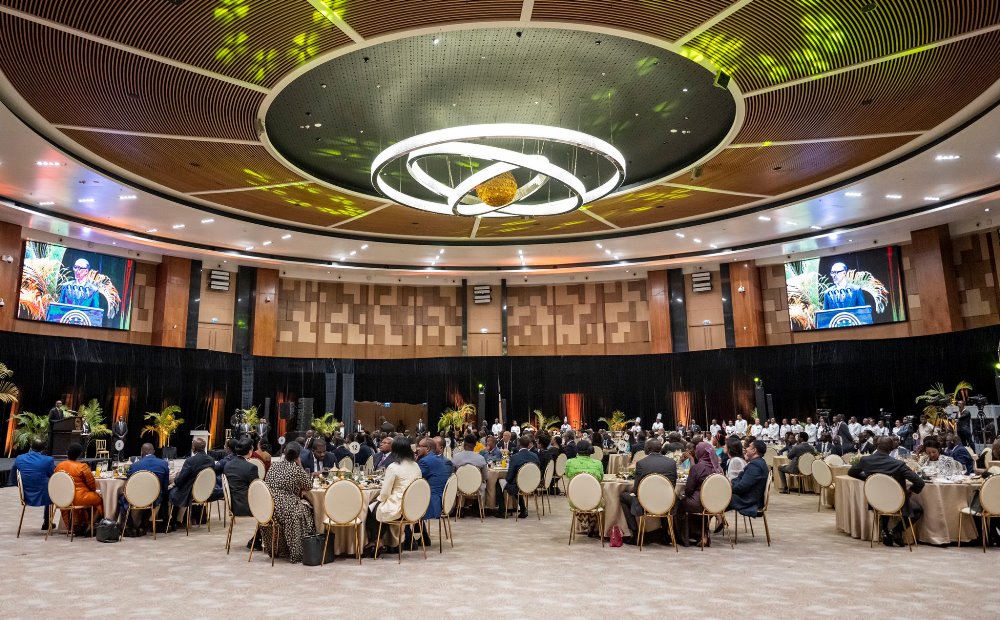
Sassou-Nguesso is in Rwanda for a three-day state visit that began on Friday 21st July 2023. Kagame decorated his counterpart during a State Banquet on the first day.
The National Order of Honour is awarded to a Rwandan or foreign Head of State or Head of Government, the head of an international organisation or a high-ranking official who has distinguished himself or herself by acts promoting the interests in political, economic, and social welfare at national or international level.
The awarding ceremony of National Orders is governed by the Presidential Order determining the nature, awarding and declaration of national orders.
Apart from Agaciro, other National Orders are: National Order of Friendship (Igihango), National Order of Performance (Indashyikirwa), National Order Of Culture (Indangamirwa) and National Order Of Bravery (Indengabaganizi).
During plea-taking on Wednesday; the accused, Gilbert Ntuyemungu,52, a Rwandan citizen, requested the court to release him on favourable bail terms saying he wanted to reunite with his family in Rwanda. He also argued that he needed treatment for the serious injuries he sustained during the accident that left him confined in a wheelchair.
On Thursday, he was denied bail by Molo Chief Magistrate Hellena Nderitu after the tragic incident occurred at Londiani junction in Kericho County. The court ruled that Ntuyemungu posed a flight risk and and lacked adequate surety to warrant the court to grant him bail.
Ntuyemungu was remanded at Nakuru GK Prison until his case is heard and determined.
Magistrate Nderitu highlighted the lack of evidence suggesting that Ntuyemungu had a fixed abode in Kenya, which could potentially lead him to abscond court proceedings. The absence of a repatriation treaty between Kenya and Rwanda further supported the court’s decision to deny bail, given the seriousness of the charges, which involve the death of 53 people and injuries to 25 others.
During his time in remand at Nakuru GK Prison, Ntuyemungu will be provided with witness statements, exhibits, the charge sheet, and other documentary evidence to aid in his defense.
Ntuyemungu has strongly denied the 90 charges brought against him, including causing death by dangerous driving, causing injuries, and causing damage to 10 motor vehicles on July 3, along Nakuru-Kericho Highway. He maintains that the incident was not caused by reckless driving but rather by an accident resulting from the truck’s brake failure. He claims that he had no motive or intent to harm the victims, whom he considered strangers to him.
However, the investigating officer, Florence Auma, has stated in her affidavit that the accused is facing charges of mass killing due to careless driving and other serious offenses. Auma emphasized the severity of the potential punishment if Ntuyemungu were found guilty and expressed concerns that he might attempt to flee the country.
The objective of the basket fund is to support rural districts by financing relevant local infrastructure projects in order to improve living conditions of the citizens. It will focus on improving access to basic public services, provide employment opportunities, improve resilience to climate change and have positive impact on women.
The eligible districts to benefit from the pro-poor basket fund include: Gisagara; Nyanza, Ngoma, Nyaruguru, Gatsibo, Nyamagabe, Ruhango, Kamonyi, Rulindo, Gakenke, Burera, Gicumbi, Rutsiro, Nyabihu, Ngororero and Nyamasheke.
Funding will focus on three pillars: improve regulatory and operational framework for Local Economic Development (LED) projects; fund inclusive LED projects in rural districts; and offer technical support and capacity building to local entities.
Speaking at the event, the Minister of State in charge of National Treasury, Richard Tusabe disclosed that pro-poor basket fund comes to complement existing Government of Rwanda social economic development efforts under the ongoing National Strategy of Transformation.
“It will contribute to overall improved wellbeing of citizens in the respective districts through provision and access to services and employment opportunities,” he stated.
Commenting on the development; Ms. Birgit Pickel, Director-General for Africa at the German Federal Ministry for Economic Cooperation and Development (BMZ) said: “We appreciate the existing partnership between two governments, specifically in the areas of good governance. The Basket Fund for Pro-Poor Development is a financing instrument that will help local government entities support the most vulnerable people, have a positive impact on women and contribute to Leaving No One Behind.”
M. Arthur Germond, AFD Country director in Rwanda, said that working together in Team Europe format is the most effective way to address the challenges faced by vulnerable communities.
“Through the Pro-Poor Basket Fund, we will foster a strong partnership between with Rwanda to support rural districts, improve livelihoods, and make them more resilient,” he noted.
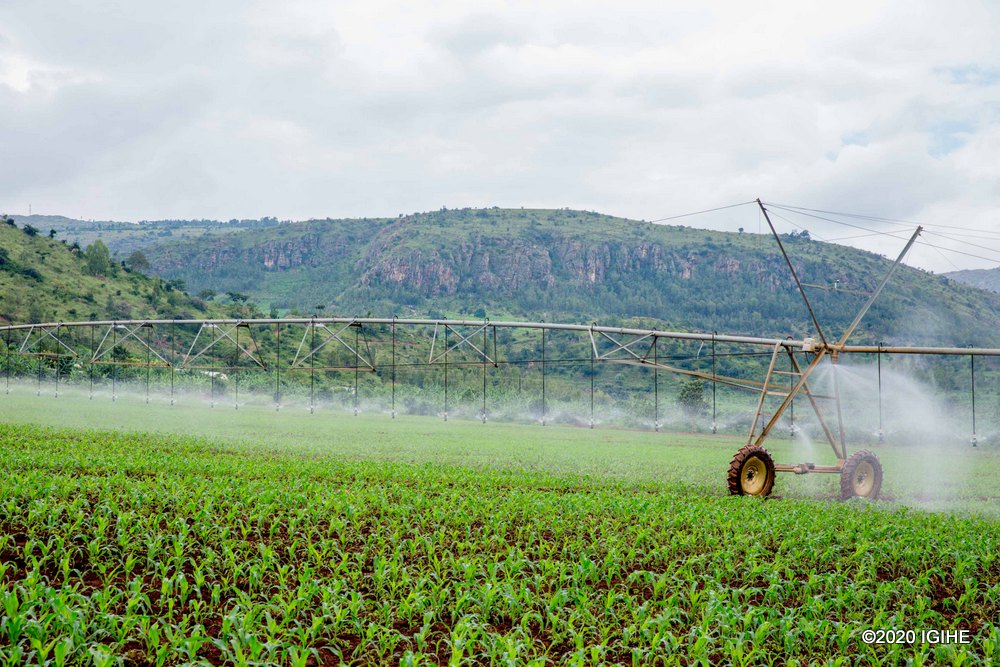
Key eligible projects to be funded under the new basket fund will include: Water Supply, Sanitation and Health Infrastructure; construction of primary, secondary, nursery and day care centres and provision of scholastic equipment; rehabilitation of health centres, maternity rooms and purchase of equipment; construction and rehabilitation of feeder and access roads to important social and economic infrastructure; and construction of agriculture infrastructure such as radical terraces; post-harvest facilities as well as markets.
Projects that will access the funding will be selected through the Public Planning and Budgeting cycle be in line with the strategic planning of the line ministry, comply with LODA environmental and social management framework; be gender sensitive, be selected based on prioritization at the district level and meet eexisting climate resilient infrastructure guidelines among others.
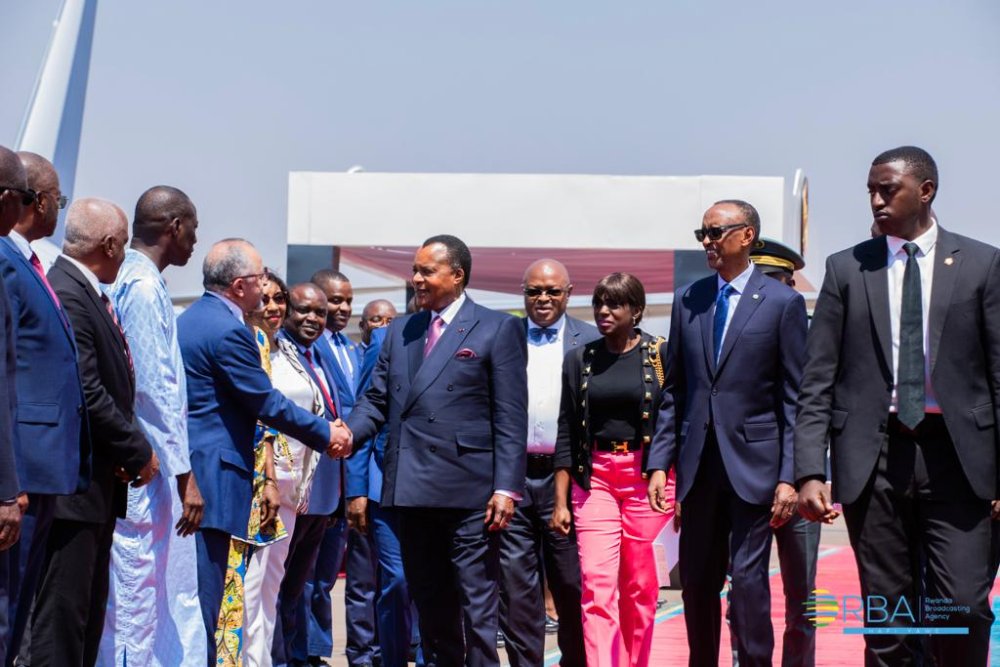
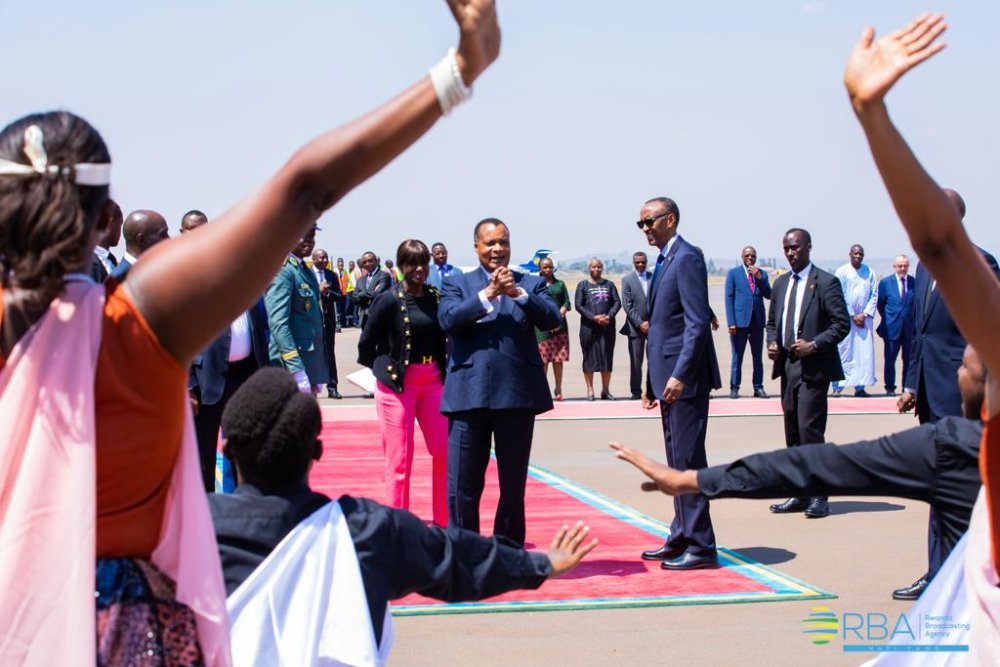
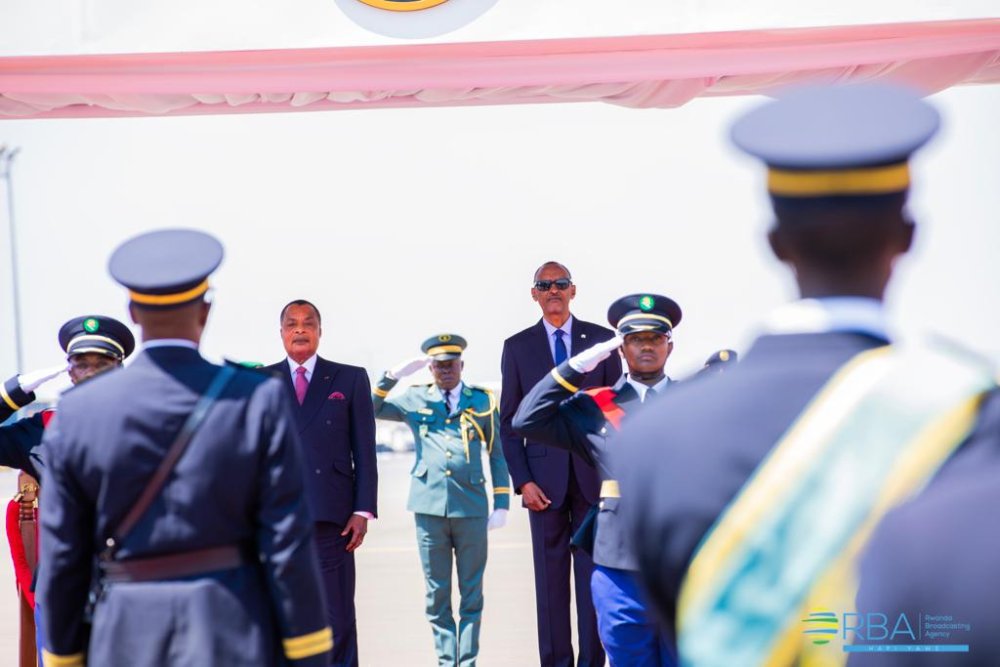
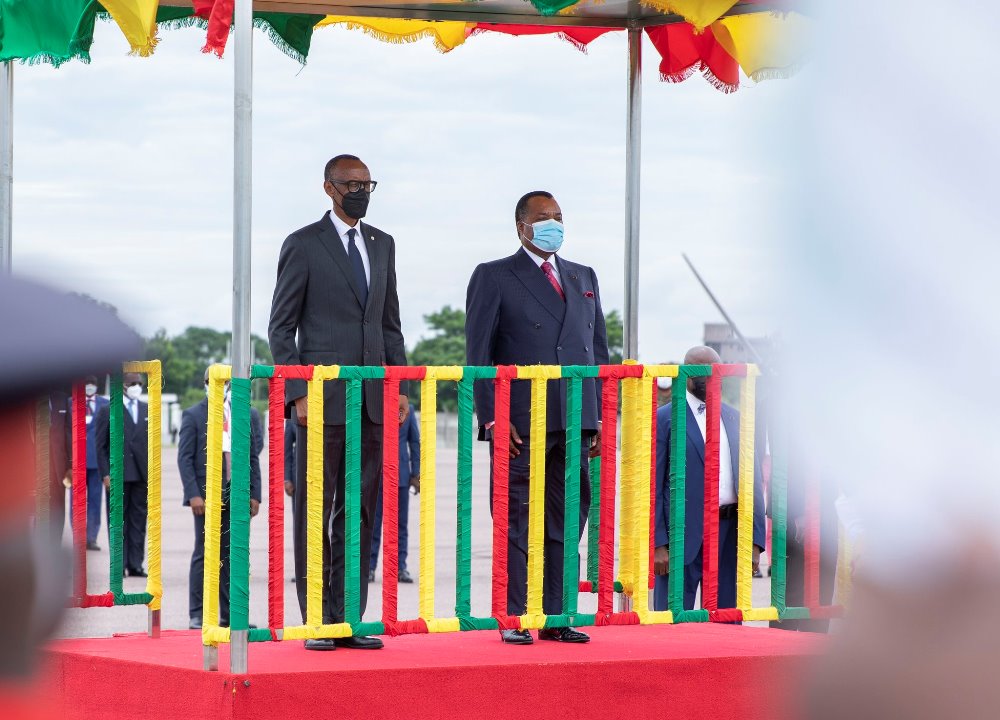
Upon arrival at the Kigali International Airport, he was received by his counterpart of Rwanda, Paul Kagame for an inspection of Guard of Honor before a closed door meeting between the two Heads of State at Urugwiro Village.
As he received his counterpart, President Kagame was flanked by officials including Prime Minister, Dr. Edouard Ngirente; Minister of Foreign Affairs, Dr. Vincent Biruta; Minister in the Office of the President, Uwizeye Judith; Minister of Interior, Alfred Gasana and Minister of Trade and Industry, Jean Chrysostome Ngabitsinze.
Others include, the CEO of Rwanda Development Board (RDB), Clare Akamanzi; Rwanda’s Ambassador to the Republic of Congo, Mutsindashyaka Théoneste; the Mayor of Kigali City, Rubingisa Pudence; Inspector General of Rwanda National Police, CG Felix Namuhoranye and Col Jean Paul Nyirubutama, Deputy Secretary General of National Intelligence and Security Services (NISS).
N’Guesso was last in Rwanda in 2019 as he attended the 25th commemoration of the 1994 Genocide against the Tutsi.
According to Rwanda’s Presidency, members of both delegations are also expected to join President Kagame and Sassou-Nguesso for bilateral discussion on deepening existing cooperation.
Following the bilateral talks, the Heads of State will witness the signing of an agreement of cooperation on accelerating the implementation of the African Continental Free Trade Area (AfCFTA) agreement.
President Kagame and his visiting counterpart will also deliver statements before taking questions from the media.
During his stay in Rwanda, President Sassou-Nguesso will visit the Kigali Genocide Memorial, where he will lay a wreath in honor of the over one million lives lost during the 1994 Genocide Against the Tutsi.
Sassou-Nguesso will then be received by François-Xavier Kalinda, President of Senate and Donatille Mukabalisa, Speaker of the Chamber of Deputies, at the National Parliamentary building where he will deliver a special address to both Chambers of the Parliament of Rwanda.
Among others, President Kagame will host a State Banquet in honor of his visiting counterpart on the first day.
On Saturday, 22 July, Sassou-Nguesso will visit Rwanda Institute for Conservation Agriculture (RICA) for a presentation on RICA’s contributions to the advancement of agricultural practices in Rwanda and in Africa.
President Sassou-Nguesso’s visit to Rwanda follows President Kagame’s visit to the Republic of Congo in April 2022, during which a number of agreements on cooperation were signed in various sectors including economic cooperation, trade and cultural exchange.
The seminar on poverty alleviation was co-hosted by the Chinese Embassy in Rwanda and Africa-China Review, a Rwanda-based publication focusing on Africa-China cooperation. Moderated by Gerald Mbanda, a Rwandan researcher and publisher, the seminar attracted participants from China and African countries, who discussed China’s experience of poverty alleviation and its relevance for Africa.
China declared a “complete victory” in eradicating absolute poverty in 2021, meeting the poverty eradication target set out in the United Nation’s 2030 Agenda for Sustainable Development 10 years ahead of schedule.
China’s achievement has inspired African countries that are striving for sustainable development, the experts said Wednesday at the seminar.
“I think it can work for Africa, China has provided inspiration for the African people because of what they have achieved,” said Adhere Cavence, a Kenya-based international researcher.
“I believe it is possible because there are enabling conditions including a very strong partnership between China and African countries … I think African countries can learn from the Chinese experience,” he said.
Zeno Mutimura, a Rwandan diplomat speaking as chief guest for the seminar, said Africa can build on China’s practices to reduce poverty in the continent such as ensuring “people-centered policies.”
He said Rwanda had lifted one million people out of poverty through practices similar to those of China which focused on people.
Mweusi Karake, a former official at the Common Market for Eastern and Southern Africa, said China was able to integrate its successful poverty reduction practices with its own domestic realities in its poverty alleviation course. “Africa’s biggest problem has been the copy and paste of the Western countries system … don’t copy and paste, identify what is doable and do it.”
China’s success inspires countries seeking to accelerate development, said Chinese Ambassador to Rwanda Wang Xuekun. “It creates a new model for human progress and provides new options for developing countries to draw from to achieve independent development. It dispels the myths that only Westernization could lead to success.”
He said China and Africa can work together to prove to the world that after the victory against colonialism and foreign invasion, the battle against poverty and backward development can also be won.
“We can stand on our own feet and let our people make a better life,” he said.
Over the past 40 years, China has lifted nearly 800 million people out of poverty, accounting for more than 75 percent of global poverty reduction in the same period.
This has never been seen in China’s history, Wang said, adding that in the process, China’s economy leapfrogged to 18 trillion U.S. dollars in 2022, becoming the main trading partner of over 140 countries and regions.
China has also established the largest education, healthcare and social security systems in the world, and narrowed the gap between the rich and the poor, creating a more equal society that does not leave anyone behind.
Xia Qingjie with Peking University said general principles from China’s economic miracle include a strong central government dedicated to the well-being of the vast majority of citizens and empowering people with education and healthcare, as well as well-functional market economies and successful state-owned enterprises.
The agreement sets forth visa exemptions for holders of diplomatic and service passports, while ordinary passport holders can obtain a visa on arrival without any fees. However, this agreement is not solely about facilitating people’s mobility; it represents a multifaceted ambition.
The primary objectives of this agreement are to promote the free movement of ordinary citizens and officials between Congo and Rwanda, foster strong bonds of friendship and cooperation between the two countries, and establish mechanisms to strengthen diplomatic relations.
A significant aspect of this agreement is its precise regulations concerning the entry, transit, stay, and departure of citizens and officials from both nations. By carefully organizing individuals’ mobility between Congo and Rwanda, the agreement aims to ensure security and orderliness for citizens of both countries.
The ratification of this agreement by the country’s senate marks a substantial step forward in the relationship between Congo and Rwanda. Facilitating people’s movement also opens up opportunities for cultural, economic, and social exchanges, fostering greater mutual understanding and cooperation.
In the recently published Henley Passport Index, the Rwandan passport has made impressive progress, climbing ten places to reach the 76th position out of 103, on par with countries like Cuba, Kyrgyzstan, and Mozambique.
This advancement is a testament to Rwanda’s efforts to negotiate visa exemption agreements for its citizens. Presently, Rwandan passport holders can travel to a total of 63 destinations worldwide without a visa, including the Republic of Congo, thanks to this new agreement.
The development has been announced by the Republic of Congo’s Presidency via Twitter handle.
Rwanda and Brazzaville relations date back to August 1982. Since then, both countries have enjoyed cooperation in the areas of diplomacy, politics and trade among others.
President Kagame was last in Congo Brazzaville in April 2022 for a three-day working visit.
On the second day of the visit, Kagame and his counterpart proceeded to a tête-à-tête discussions and presided over the signing of bilateral agreements in sectors of economic partnership, mining, Small and Medium Enterprises (SMEs) handcrafts, culture and arts.
At the time, both countries agreed on establishing a joint commission to oversee the implementation of signed agreements.
In November 2021, Rwanda and Brazzaville signed agreements in the areas of military cooperation, sustainable development, environmental preservation and trade promotion among others.
Among others; Rwanda’s national carrier, RwandAir has been operating flights to Congo Brazzaville since 2011.