Since late 2021, M23 has been in confrontation with the Congolese Army (FARDC), accusing the DRC of failing to implement peace accords signed in 2013.
In the meantime, Congolese leaders persistently accuse Rwanda of supporting the rebel group, which Rwanda consistently denies, branding these claims as an attempt by DRC to shift blame onto Rwanda.
According to the recent report by the United Nations Group of Experts, DRC collaborates with and supports the Democratic Forces for the Liberation of Rwanda and other armed groups like Mai Mai, based in eastern DRC.
FDLR is a terrorist outfit comprised of individuals responsible for the 1994 Genocide against the Tutsi.
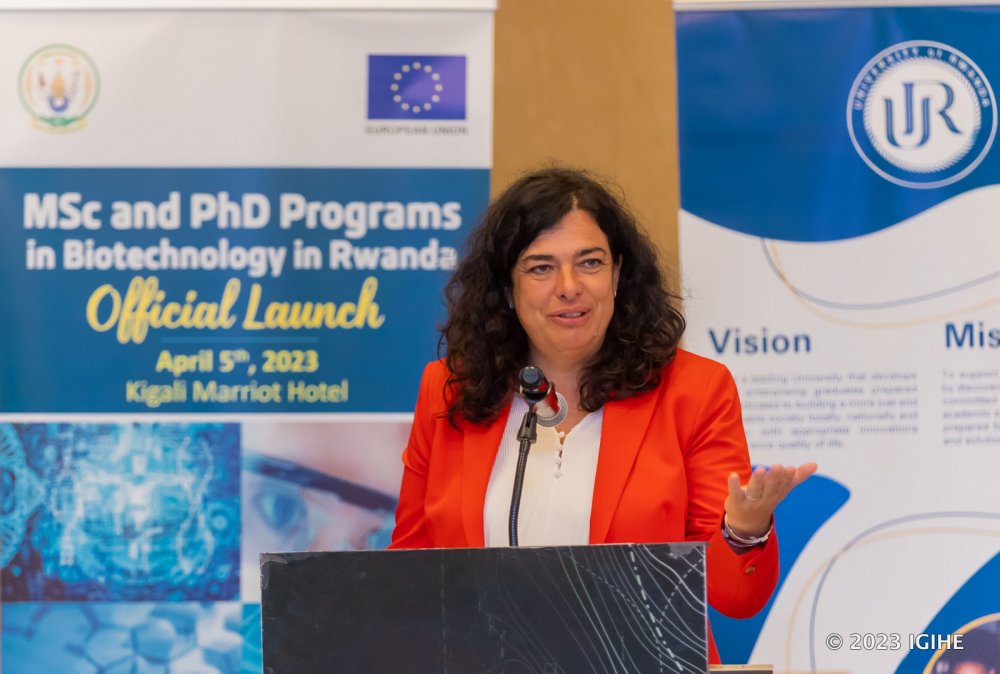
Amb. Uyarra stated that the bloc closely monitors developments in the DR Congo, particularly in the eastern region, expressing great concern and calling on all warring factions to put an end to hostilities.
She emphasized the importance of inclusive dialogue that involves all concerned parties to effectively address the security challenges in eastern DRC.
In December 2022, a high-level meeting was held in Luanda, Angola, leading to the establishment of Luanda Roadmap. The main objective of this agreement was to urge warring fractions to end hostilities.
Despite the establishment of the Luanda Roadmap, the government of Félix-Antoine Tshisekedi Tshilombo remained critical of this regional approach to addressing the issues.
As of February this year, the European Union launched a new cooperation and support program for the countries in the Great Lakes region, aiming to enhance peace and security in the area, providing valuable assistance to the involved nations.
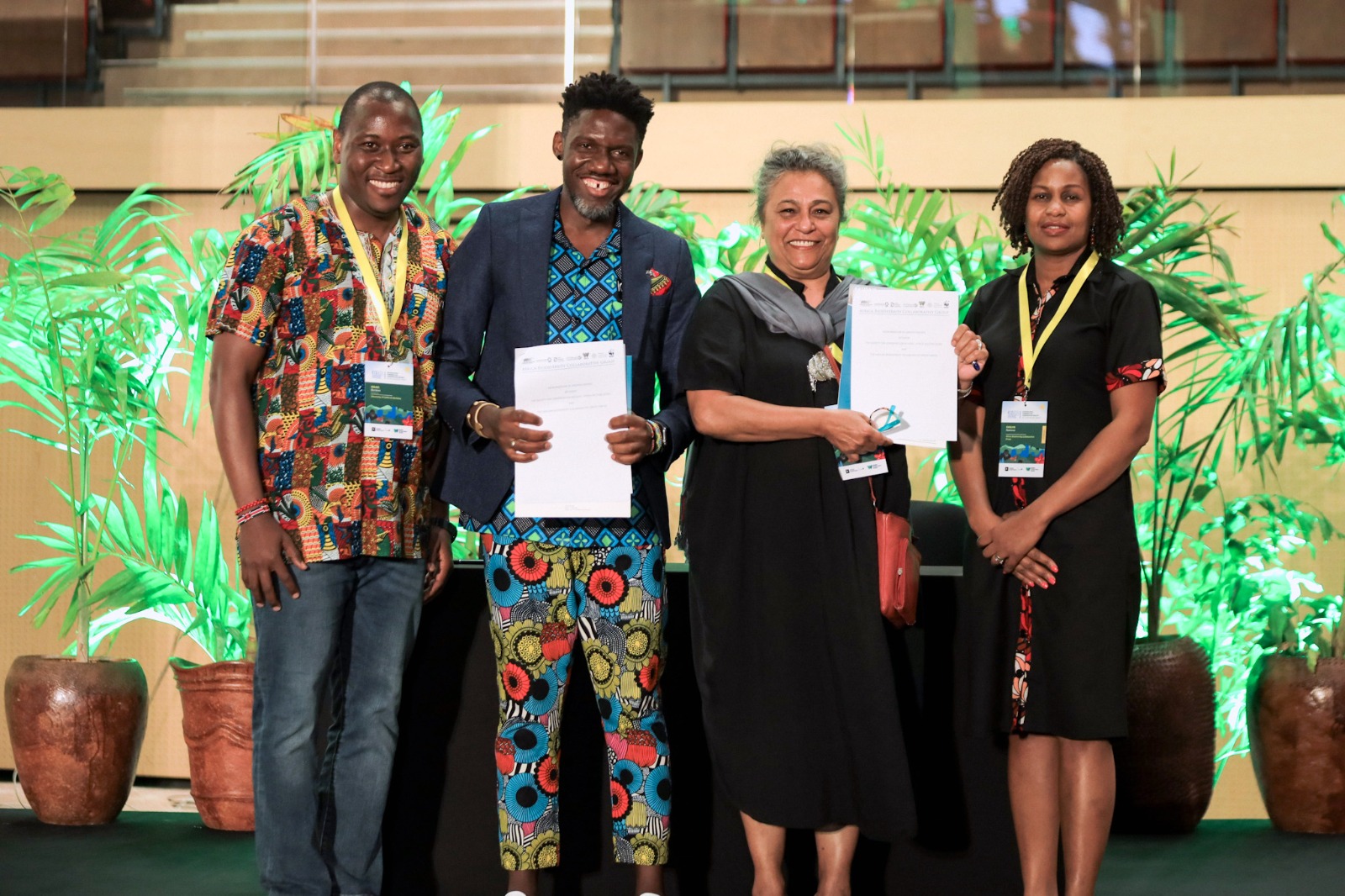
The MoU outlines their joint commitment to address threats to biodiversity, including climate change, food production systems, poverty, and weak governance. Both parties pledge to cooperate and collaborate to advance these goals and support African State Parties in negotiating and implementing a successful post-2020 global biodiversity framework.
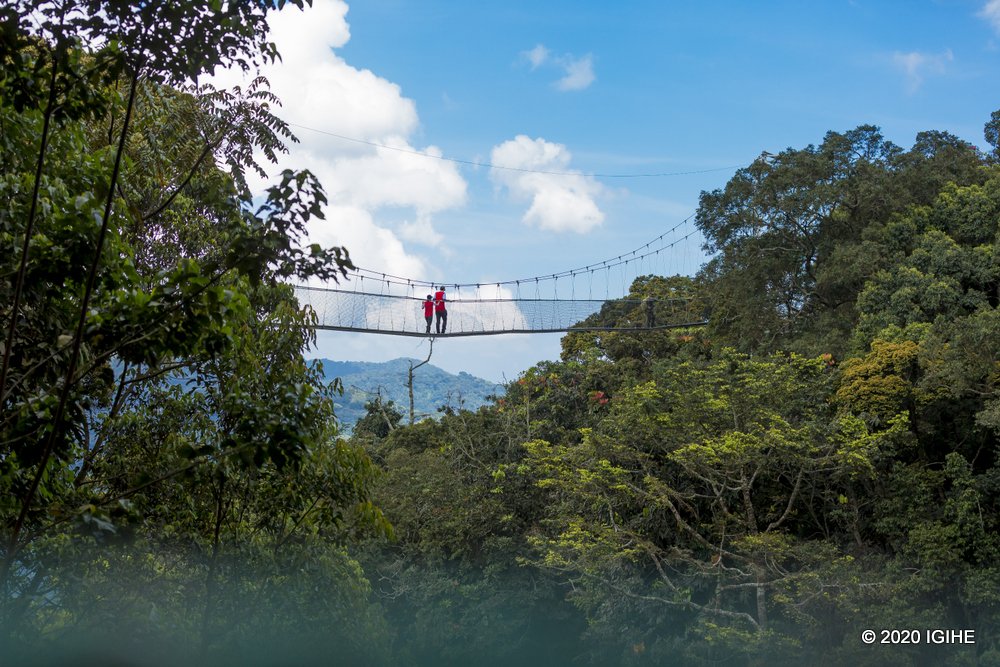
The announcement was made during the Society for Conservation Biology’s (SCB) 31st International Congress for Conservation Biology (ICCB 2023) taking place in Kigali, Rwanda, July 23-27, 2023. The theme of the Congress: ‘The Future is Now: Sustaining Biodiversity for Today and Tomorrow’, reiterates and reinforces the urgency of collective action in protecting our natural resources.
The congress is the premier global meeting for conservation scientists and professionals, including researchers, students, agency personnel, environmental educators, practitioners, and other conservation stakeholders to address conservation challenges and present new research in conservation science and practice.
The Africa Biodiversity Collaborative Group (ABCG) is a multi-institutional association that brings together cross-sectoral expertise to achieve greater impact than any one individual organization.
Speaking at the event, ABCG Director Rubina James lauded the partnership terming it a milestone for conservationists in the region as the collaboration will benefit its members through sharing of information and access to technical and scientific data, advancing the development implementation of conservation programs, advocacy and influencing activities that enhance achievement of sustainable development and transformative policy shifts, among other benefits.
“By accessing the wide-ranging expertise and extensive networks of ABCG members throughout sub-Saharan Africa, ABCG is in a unique position to address critical conservation issues by developing, testing, and promoting innovative conservation approaches,” she noted.
The Society for Conservation Biology is a global community of conservation professionals, students and non-profits dedicated to advancing the science and practice of conserving biodiversity. This new collaboration will support to mobilize assistance, resources, and strategic support for the purpose of strengthening SCBA’s capacity.
“We are excited as SCBA to collaborate with ABCG in advocacy and influencing activities that enhance our shared vision on conservation and work towards transformative policy shifts at government and the continent’s leadership levels. With our collective efforts as scientists and conservationists we can make big strides in the conservation of our planet,” Badru Mugerwa, President of the SCBA
The 31st ICCB conference provides a platform for sharing latest science and insights in biodiversity conservations with topics in genetics, ecology, biogeography, anthropology, history, psychology, economics, conservation marketing, and religion.
ABCG will present findings on a study titled, ‘Assessing Community Responses to Climate Change and Impacts on Biodiversity: A 3-year study in sub-Saharan Africa’. The study highlights the importance of understanding the interplay between climate change coping strategies and their potential impact on biodiversity, providing valuable insights for developing nature-based actions to improve the resilience of people and nature to climate change.
The consortium will also share their progress in engaging stakeholders to develop and mainstream land use planning in Africa towards climate-smart sustainable development.
{{About ABCG}}
ABCG is a coalition of seven international conservation non-governmental organizations (NGOs) with field-based programming in sub-Saharan Africa: African Wildlife Foundation (AWF), Conservation International (CI), the Jane Goodall Institute (JGI), The Nature Conservancy (TNC), Wildlife Conservation Society (WCS), World Resources Institute (WRI), and World Wildlife Fund (WWF).
{{About SCBA}}
The Society for Conservation Biology is global community of conservation professionals, students and non-profits dedicated to advancing the science and practice of conserving biodiversity.
In a statement released on Thursday, July 27, 2023, the Congolese Army accused Rwandan soldiers of crossing the Congolese border and attacking border security forces.
In response, RDF has issued a statement denying the accusations.
“The accusations are baseless and part of a long-standing pattern of misinformation and propaganda by the DRC leadership to divert attention from their internal failures in maintaining peace and security within their own borders, while continuing to support, arm and fight alongside the genocidal militia FDLR,” reads the statement in part.
The statement from the RDF also notes a continued trend of false accusations and escalation, which it believes may serve as a pretext for a planned attack by the FARDC/FDLR on Rwandan territory.
Recently, Rwanda released another statement warning the DRC against continuously searching for justifications to launch attacks on Rwanda. Through the statement issued by the Government Spokesperson, Rwanda emphasized its commitment to safeguarding its territorial integrity and asserted that it would take all necessary measures to protect itself.
This response came after a statement released on July 19th by the Congolese Army, signed by spokesperson Maj Gen Ekenge Bomusa Efoma Sylvain. At the time, FARDC claimed to be reacting to a statement allegedly made by the Rwandan government on July 18th, in which Rwanda supposedly announced its readiness to send troops from the RDF to the DRC.
However, Rwanda denied the existence of such a statement, adding that the claim by FARDC is merely a pretext aimed at escalating hostilities and justifying an attack on Rwandan soil.
The DRC has been accusing Rwanda of supporting the M23 rebel group, a claim that Rwanda has consistently denied. Rwanda characterizes the clashes between the Congolese Army and M23 as an internal conflict and has advised the neighboring country to take responsibility for its internal problems instead of externalizing them.
Meanwhile, Rwanda accuses the FARDC of supporting, arming, and fighting alongside the genocidal militia group known as the FDLR.
DRC is reported to have previously provoked Rwanda on multiple occasions and launched rocket attacks on Rwandan territory in collaboration with the FDLR terrorist group.
Congolese fighter jets have also trespassed into Rwanda’s airspace three times since 2022.
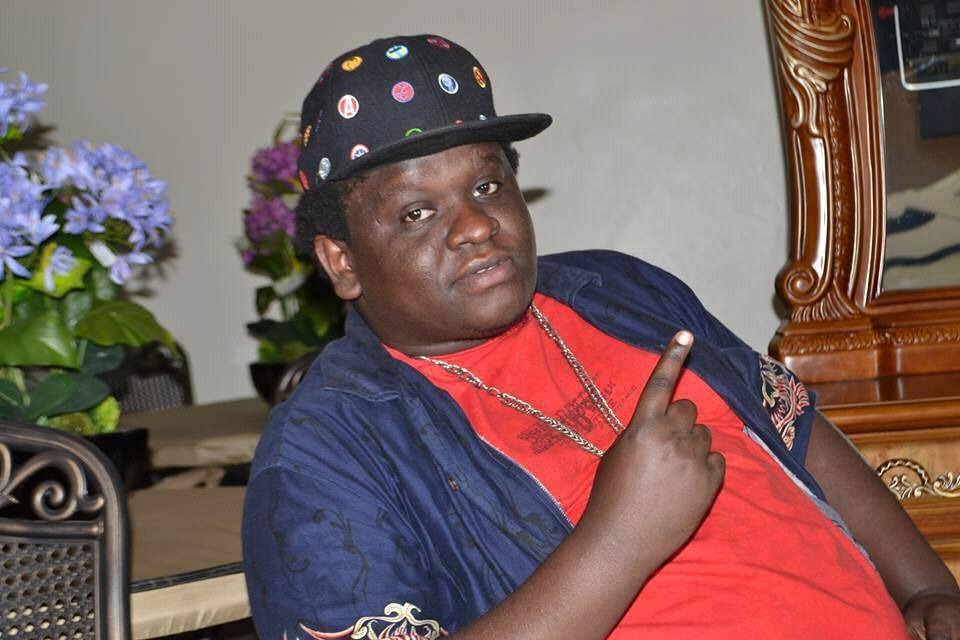
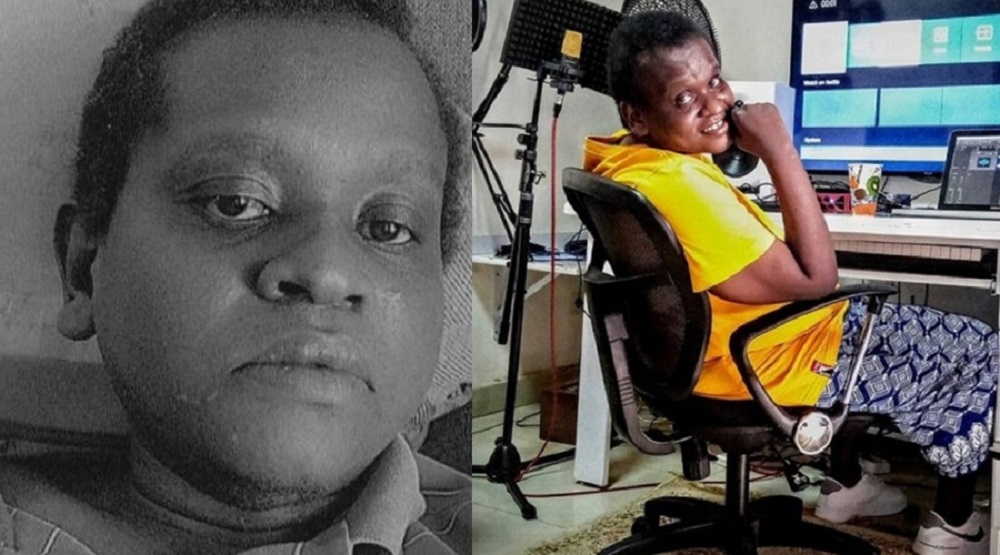
Junior’s journey took a tragic turn in March 2019 when he was involved in a severe accident that resulted in the amputation of one of his arms. This life-altering event brought immense challenges and hardships, as he battled pain and suffering, eventually leading to cancer in the affected arm.
A witness at Nyarugenge Hospital, where Junior Multisystem spent his final moments, revealed that despite the efforts made to save his life, the outcome was unfortunate.
In 2009, after completing secondary school, Junior Multisystem joined the music industry and quickly gained recognition for his exceptional skills. After one year, he joined F2K Studio, which was a hit at the time, and worked closely with Producer Lick Lick. This experience opened doors for him, and in 2011, he was recruited by Unlimitted Records.
Throughout his career, Junior Multisystem made significant contributions to Rwanda’s music scene, leaving his mark on several popular songs.
These include “Umwanzuro” by Urban Boys, “Niko nabaye” by DJ Zizou, “I’m Back” by Jay C and Bruce Melodie, “Ntujya unkinisha” by Bruce Melodie, “Too much,” “Ndacyariho” by Jay Polly, “Byarakome,” and “Ndaje” by The Ben. He cherished these songs as his all-time favorites, and they continue to resonate with music enthusiasts.
In the final chapter of his career, Junior Multisystem collaborated with Oda Paccy at Empire Records, where he had worked before the tragic accident. Despite resuming work after his amputation, the onset of cancer forced him to halt his creative endeavors due to the excruciating pain he endured.
His talent, dedication and impact on the music scene will be forever remembered and celebrated.
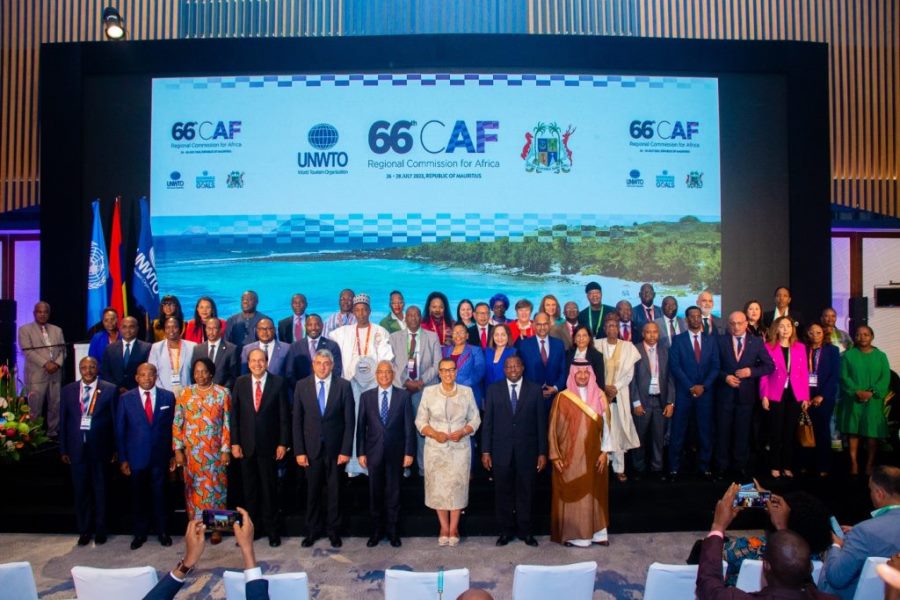
The UNWTO is the agency responsible for the promotion of responsible, sustainable and universally accessible tourism.
After receiving 14 votes out of a possible 20, Rwanda joins Ghana, which received 17 votes, Nigeria (15 votes), Namibia (12 votes), Tanzania (12 votes) and DRC (11 votes) for the Executive Council’s 2023-2027 term.
In addition, Rwanda is now part of the working group for the setup of the Tourism PanAfrican Fund together with Senegal, Côte d’Ivoire, and Zambia.
The UNWTO Executive Council acts as the Governing Board of the organisation and takes all necessary measures and decisions linked to global tourism development.
It works directly with the Secretary General and the Council members meet at least twice a year during their four-year tenure.
After the election, Michaëlla Rugwizangoga, Chief Tourism Officer at the Rwanda Development Board, noted: “We are very pleased to join the UNWTO Executive Council. Rwanda’s mandate will focus on African integration by promoting intra-African travel, sports tourism, sustainability and nature-positive tourism.”
The Annual General Assembly of the UNWTO will take place in Uzbekistan on 16-18 October 2023.
Algeria will welcome the 67th Regional Commission for Africa meeting in 2024.
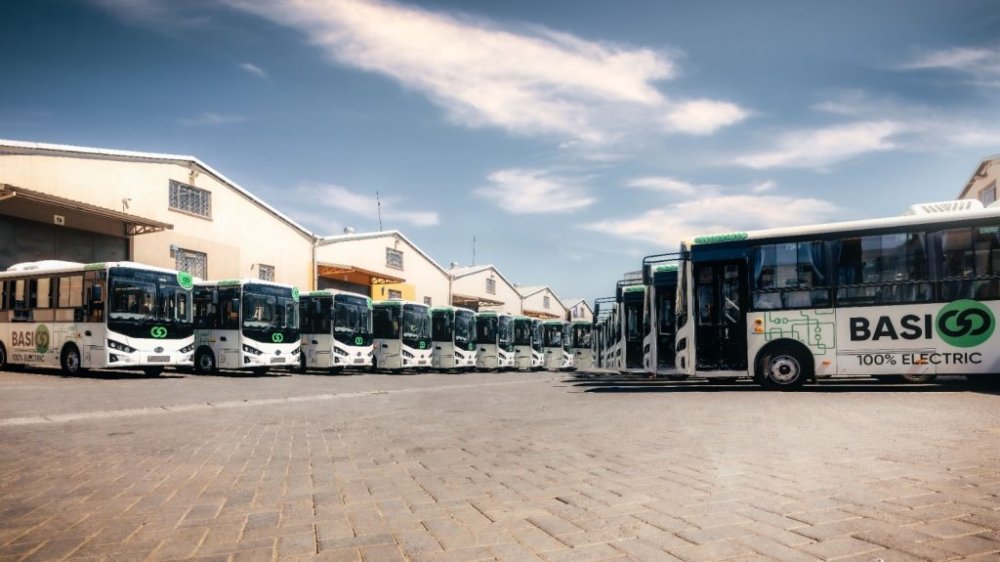
BasiGo has partnered with AC Mobility, Rwanda’s provider of automated fare collection systems for public transport. The partnership will deliver electric buses to Kigali transport operators by October of this year through BasiGo’s innovative Pay-As-You-Drive financing model.
Commenting on the partnership, BasiGo Chief Executive Officer and Co-founder, Jit Bhattacharya said: “Rwanda has led the way in creating an enabling ecosystem for E-mobility. BasiGo is proud to be partnering with AC Mobility, a technology leader in Rwanda’s transport sector, to help accelerate the transition to electrified public transport. Electric buses will be more cost-effective for operators while also dramatically reducing air pollution and CO2 emissions. Through our Pay-As-You-Drive model, we are excited to bring a complete E-Bus solution to make electric buses accessible and convenient for all bus operators in Rwanda.”
On her part, Clare Akamanzi, Chief Executive Officer, Rwanda Development Board (RDB) said: “In line with RDB’s mandate to fast-track private-sector economic development in Rwanda, we welcome the BasiGo – AC Mobility partnership to bring electric bus technology to Kigali bus operators as a cost-effective and sustainable alternative to diesel buses. This partnership of public transport technology providers in the region will accelerate decarbonization of the sector in Rwanda while also alleviating the current public transport shortage. RDB is intentional in its support towards this investment and growing a thriving market for electric mobility solutions in Rwanda.”
Jones Kizihira, Chief Executive Officer, AC Mobility Rwanda expressed delight for the partnership with BasiGo to drive Rwanda’s public bus electrification.
“The country has recorded rapid transformation, creating a need for a more robust and cost effective public transport system. The electric buses will help ease the cost burden of public bus transporters and advance Rwanda’s transition to clean mobility. We look forward to leveraging BasiGo’s experience and network to build a strong electric bus business in Rwanda,” he noted.
The Government of Rwanda recently announced an initiative to rapidly scale the size of Kigali’s public transport fleet while also aiming to convert 20% of the public bus fleet to electric by 2030.
Founded in 2021, BasiGo has led the introduction of electric buses in Nairobi’s public transport fleet. BasiGo has sold 19 Electric Buses to public transport operators in Nairobi and has secured reservations for over 100 additional buses. BasiGo electric buses have driven over 460,000 kilometers and carried over 580,000 passengers. BasiGo has also deployed Kenya’s first DC fast charging stations for electric buses.
BasiGo offers electric buses to private bus operators through a mileage-based leasing model called Pay-As-You-Drive, which makes electric buses affordable for private bus operators to purchase and use.
{{About BasiGo}}
BasiGo is an e-mobility company bringing the future of clean, electric public transport to sub-Saharan Africa. Headquartered in Nairobi, Kenya, the company offers state-of-the-art electric buses along with charging and maintenance services for public service bus operators. BasiGo makes electric buses affordable to operators through an innovative financing model called “Pay-As-You-Drive” which makes the upfront cost of their electric bus competitive with diesel diesel buses. In 2022, BasiGo became the first company to pilot test electric buses in Nairobi.
{{About AC Mobility Rwanda}}
AC Mobility Rwanda is a leading provider of smart and interactive transport solutions in Africa cities, bringing efficient cashless payment systems to the mostly informal cash-based public transport system in emerging African cities. AC Mobility is currently operational in Kigali, Rwanda.
It is held amid ongoing tensions between Rwanda and the Democratic Republic of Congo (DRC).
Rwanda expresses concerns about potential security threats arising from the collaboration between the Congolese Army (FARDC) and the Democratic Forces for the Liberation of Rwanda (FDLR) during their joint efforts against the M23 rebel group.
It’s important to note that the FDLR is a terrorist organization formed by individuals responsible for the 1994 Genocide against the Tutsi. Over time, elements of the FDLR have attempted hit-and-run attacks to destabilize Rwanda, but the country has successfully repelled these attempts.
On the other hand, the DRC accuses Rwanda of supporting the M23 rebel group. However, Rwanda has consistently denied these allegations and urged the DRC to focus on resolving its internal issues instead of engaging in blame games.
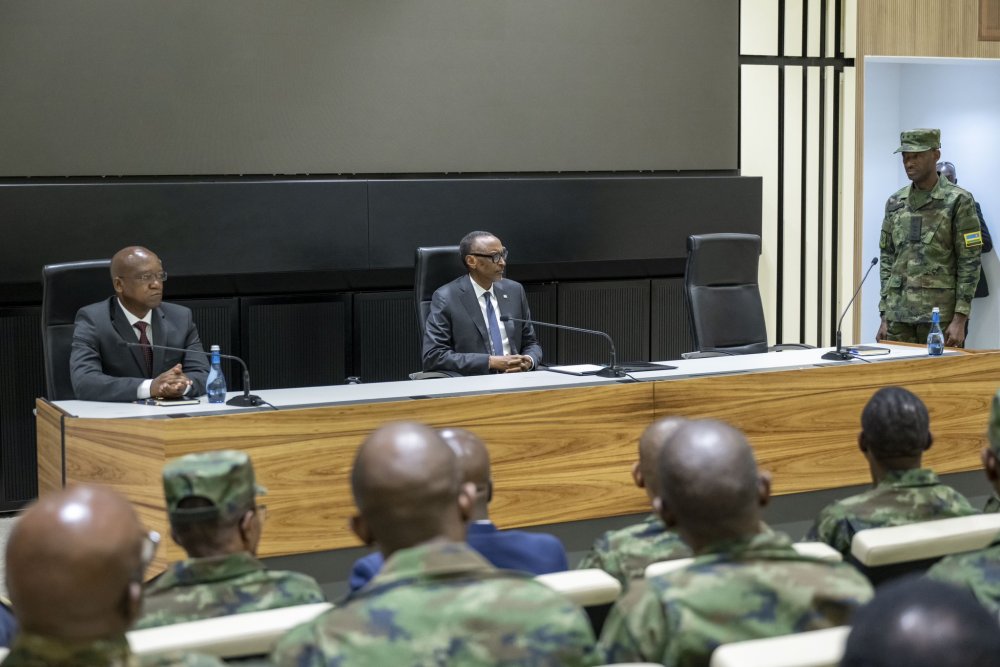
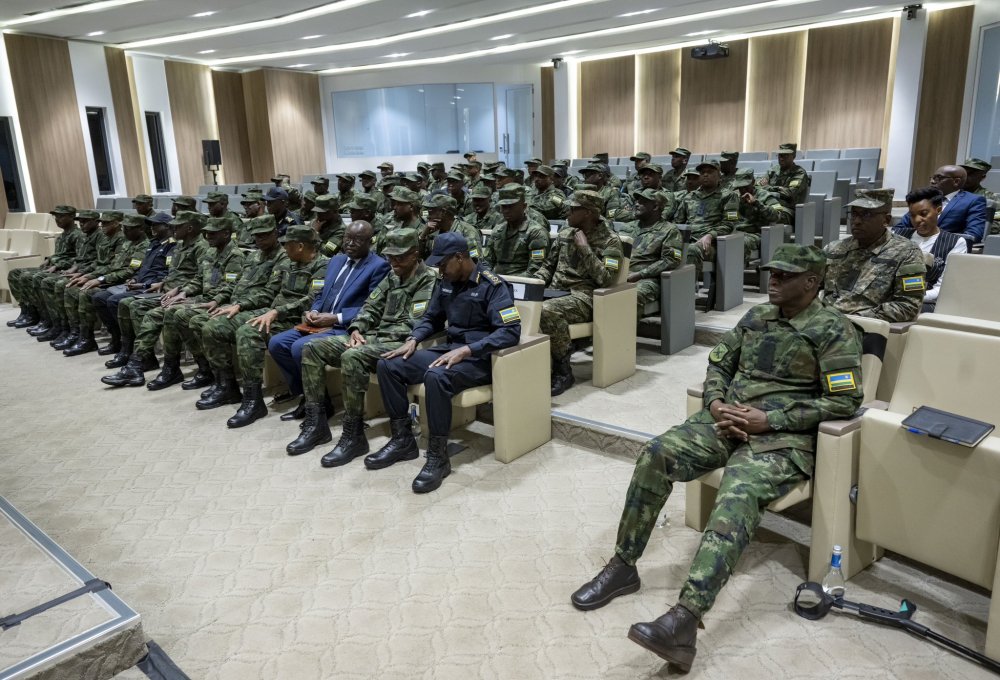
President Kagame’s meeting with the security organs follows a recent reshuffle in the RDF’s top leadership. Notably, Juvenal Marizamunda was appointed as the Minister of Defence, and Lt Gen Mubarakh Muganga assumed the role of Chief of Defence Staff (CDS). Marizamunda succeeded Maj Gen Albert Murasira, who had been in the position since October 2018, while Lt Gen Muganga took over from Gen Jean Bosco Kazura, who had held the position since 2019.
This recent meeting with security top brass marks the second time President Kagame has convened such discussions in 2023. The previous meeting in May 2023 was attended by representatives from the National Intelligence and Security Services (NISS), RDF leadership, Rwanda National Police (RNP), and Rwanda Correctional Services (RCS).
The expo presents an opportunity for the youth to gain employment, particularly from international exhibitors who require the assistance of locals to explain their services and products to customers. As international businesses participate in the event, this becomes a great chance for local youth to connect and work in a diverse business environment.
{{Diverse products and services}}
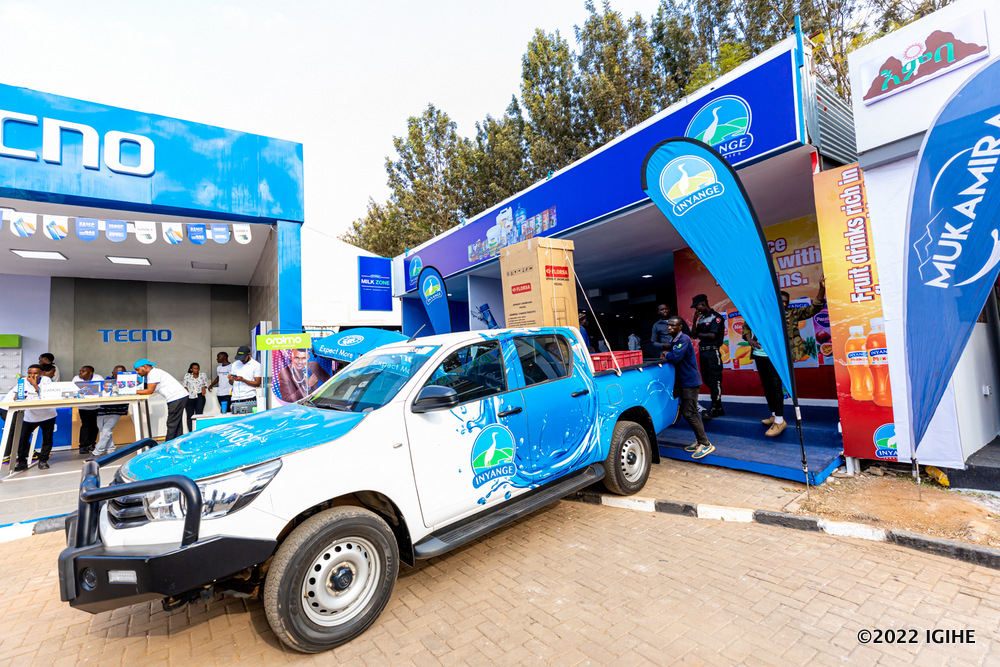
Upon entering the exhibition grounds, visitors are welcomed by an array of products and services of all kinds.
Among the notable exhibitors to look out for is Ultimate Developers Ltd (UDL), featuring their ‘Smart, Green, and Wellness’ theme. UDL is renowned for its real estate projects, including the luxurious vision city residents. During the visit to their stall, representatives explained what to expect in Phase II, focusing on wellness and sustainability features such as water filtration systems, PV panels, solar thermal water heating, air filtration, and air quality sensors, among other climate-friendly elements.
For foods and drinks, Inyange Milk Industries,Sina Gerard, Skol, Bralirwa and other Rwandan enterprises provide a delightful experience complemented by music where they can only be missed and limited by one’s pocket.
{{Climate-friendly paints}}
For those concerned about climate change and environmentally friendly products, a visit to Amaco Paints, a locally made Rwandan product, is a must. Amaco Paints not only prides itself on being weather-friendly but also offers affordability without compromising on quality. With a wide range of paint colors for furniture and walls, visitors can even request customized paint using their computer-operated machines.
{{A diverse array of exhibitors}}
The expo features exhibitors showcasing household items, apparel, cosmetics, electrical appliances, gadgets, and anything one might need in their day-to-day life. It’s a melting pot of products from both Rwandan and foreign exhibitors, including countries like Egypt, Ethiopia, Mozambique, Tanzania, Italy, and more. This variety ensures visitors have access to a wide range of choices and unique offerings.
{{Health and wellness}}
In addition to luxury and convenience, health is a priority at the expo. Rwandan exhibitors offer medical services to those in need, while Egyptian stands present an abundance of spices and herbs believed to have medicinal properties, addressing ailments like insomnia, anemia, kidney stones, prostate cancer, and blood pressure.
{{Family-friendly environment}}
The expo is also designed to cater to families as well. Parents and caretakers need not worry about leaving their kids behind as they visit different stalls, as a dedicated playground with swings, face painting, and ice cream stands has been set up to ensure children have a memorable and enjoyable experience.
Twenty of those shortlisted will be selected as finalists, and the overall winners will attend the awards ceremony, which in recognition of the 50th anniversary of the Commonwealth Youth Programme, will this year be held in London on Thursday, 14 September 2023.
More information about the awards and the shortlisted candidates can be found on the Commonwealth Secretariat’s website, thecommonwealth.org, on the Commonwealth Youth Awards event page (2023 Commonwealth Youth Awards).
Those shortlisted include social entrepreneurs, environmental champions, innovators, and human rights activists, from across the Commonwealth. The young people, aged between 15 to 29, are all involved in initiatives that make tangible contributions to achieving the Sustainable Development Goals.
Just under 1,000 entries, from 39 Commonwealth countries, were received this year. Following a rigorous judging process, those shortlisted were selected across each of the award’s five regional categories: Africa, Asia, the Caribbean, Europe and Canada, and the Pacific. The panel of judges included high commissioners, development experts and youth leaders from across the Commonwealth.
In congratulating the finalists, the Commonwealth Secretary-General, Patricia Scotland KC, said: “Each year, I am always amazed by the innovative and transformative work these young people are undertaking to create a better world for us all. I am particularly proud that 50 young leaders are being honoured in this Commonwealth Year of the Youth. I have always been of the view that development should be youth-led. Those who have been shortlisted prove that young people are not just passive bystanders, waiting to see what the future will bring. Instead, they are actively shaping it.
“I congratulate all the finalists and applaud them for the exceptional contribution that they are making in their communities. I look forward to meeting the 20 finalists in London this September.”
After two virtual ceremonies due to the COVID-19 pandemic, the awards will be presented in person this year as one of the milestone activities of the Commonwealth Youth Ministerial Meeting, which takes place from 11-15 September 2023.
Each of the 20 finalists will receive a trophy, certificate and £1,000 to expand the impact of their work. The top finalist from each region will be recognised as the regional winner and will receive £3,000. One of the five regional winners will become the Commonwealth Young Person of the Year 2023 and will be awarded £5,000.
In continuation of the Commonwealth Secretariat’s partnership with the Queen’s Commonwealth Trust (QCT), an additional prize of £20,000 in funding will be awarded to one project, delivered over the course of two years. The selected winner will also be announced at the official awards ceremony. They will be enrolled into QCT’s Platinum Jubilee Fund programme and given access to coaching and development opportunities to help their project flourish.
Traditionally, the Commonwealth Youth Awards names 20 people on the shortlist each year, from which five regional winners are chosen. The substantial increase to 50 people on the shortlist this year celebrates the 50 years of the Commonwealth Youth Programme.
The Commonwealth Youth Awards for Excellence in Development Work are co-ordinated by the Commonwealth Youth Programme, which is within the Social Policy Development Division of the Commonwealth Secretariat.
Based on assessments conducted by senators, it has been determined that old cars are significant contributors to road accidents in the country. Senator Hadija Ndangiza Murangwa, who was among those making these observations, referenced a study conducted by the Rwanda National Police, which revealed that 80% of cars on the road are over 15 years old. This concerning statistic underscores the potential dangers of continuing to import such vehicles into Rwanda.
In response to these concerns, Minister Nsabimana emphasized that the government is already focusing efforts on inspecting vehicles’ standards, both for newly imported ones and those already present in Rwanda. He also disclosed that the National Police has set up four mechanical inspection centers, in addition to the existing one in Kigali City, while the government plans to expand such facilities across the country.
Senator Havugimana also stressed the importance of setting an age limit for imported vehicles, following the example of other African countries. Countries like Uganda (15 years), Kenya and Senegal (8 years), Gabon (4 years), Nigeria (10 years), and Algeria (3 years) have implemented age limits for used vehicle imports. Senator Havugimana believes that adopting similar measures for cars in Rwanda would be a step in the right direction.
Regarding age limits for imported vehicles, Minister Nsabimana revealed that discussions are ongoing within the East African Community (EAC). However, he emphasized the need to consider various factors, including economic effects and oil consumption, before finalizing any decisions. The government remains optimistic that measures can be implemented to ensure the continued importation of new cars while addressing road safety concerns.
Apart from the issue of road accidents, a study conducted by the Rwanda Environment Management Authority (REMA) in 2019 highlighted other environmental concerns associated with old vehicles. The study revealed that 95.2% of cars in Rwanda were over 10 years old, with 56.6% manufactured before 1999 and 77.2% manufactured before 2000 and contribute significantly to air pollution.