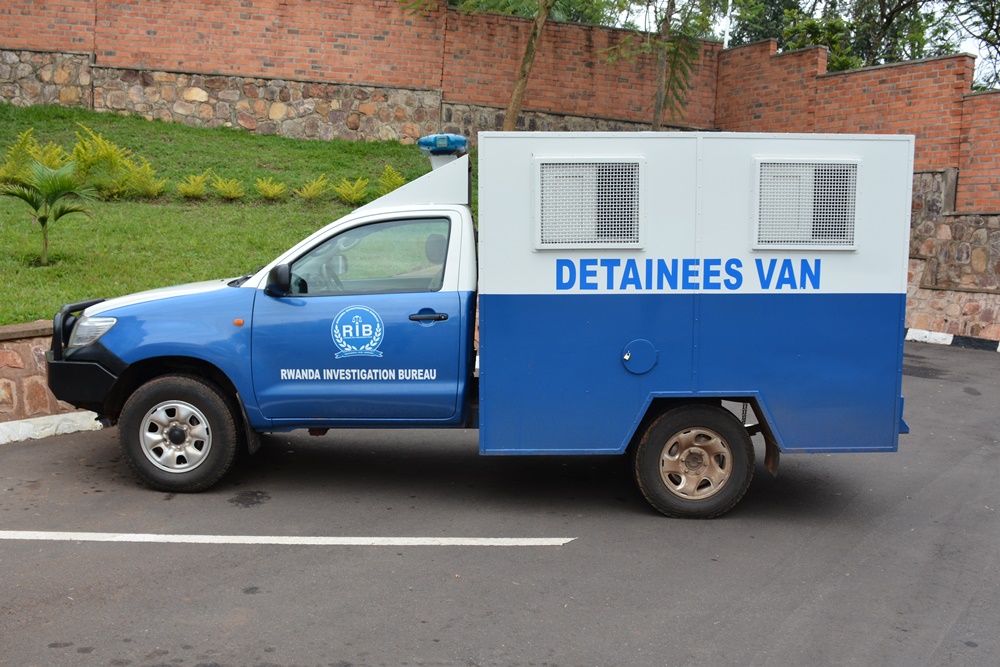
In a statement released yesterday, RIB disclosed that Twizerimana and his three work partners were taken into custody by RIB for their suspected involvement in using children in pornographic videos and sharing them on social media platforms, particularly YouTube.
It further reads that the four individuals are currently being held at RIB’s stations located in Kacyiru, Kimironko, Kimihurura, and Remera as their files are being processed to be sent to the National Public Prosecution Authority (NPPA) for further legal action.
RIB has warned the general public against child pornography and other activities that put children into bad behaviour which waste their future.
The 2018 law relating to the protection of the child stipulated that a person who, by any means records a pornographic picture or voice of a child commits an offence.
Upon conviction, he/she is liable to imprisonment term of not less than five (5) years and not more than seven (7) years and a fine of not less than seven million Rwandan francs (Rwf7 million) and not more than ten million Rwandan francs (Rwf 10 million) as per Article 35 of the law.
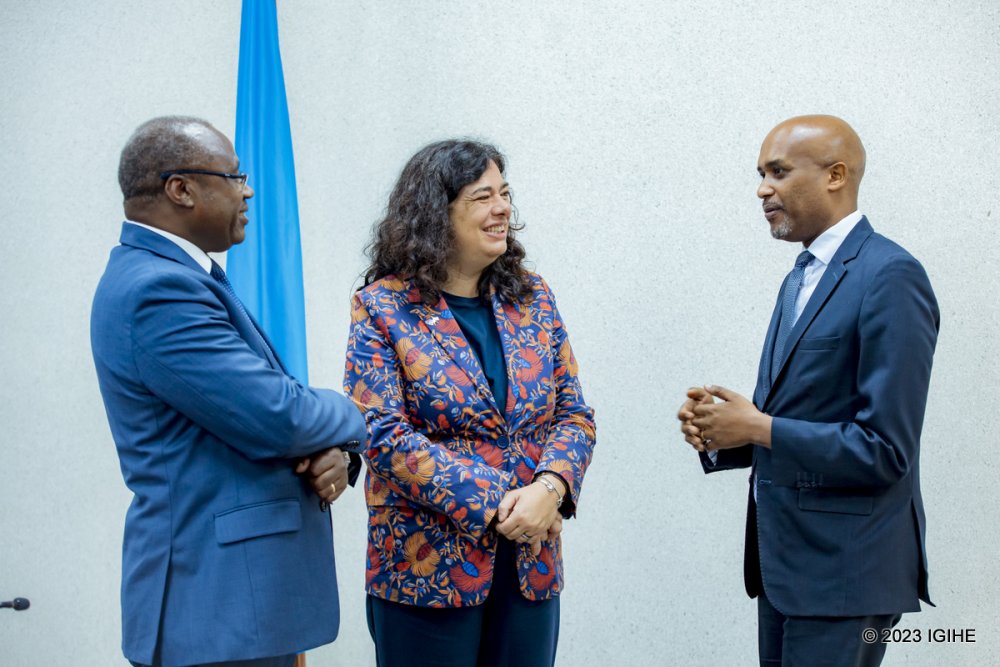
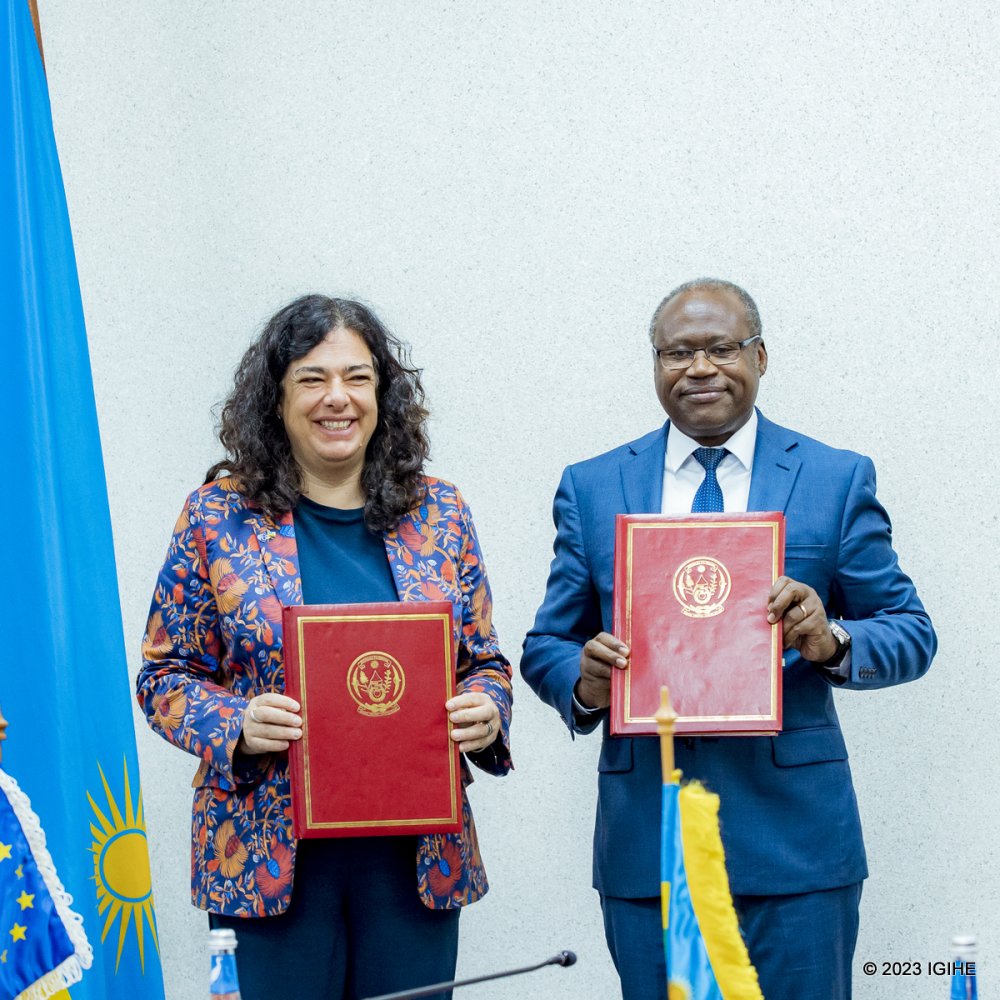
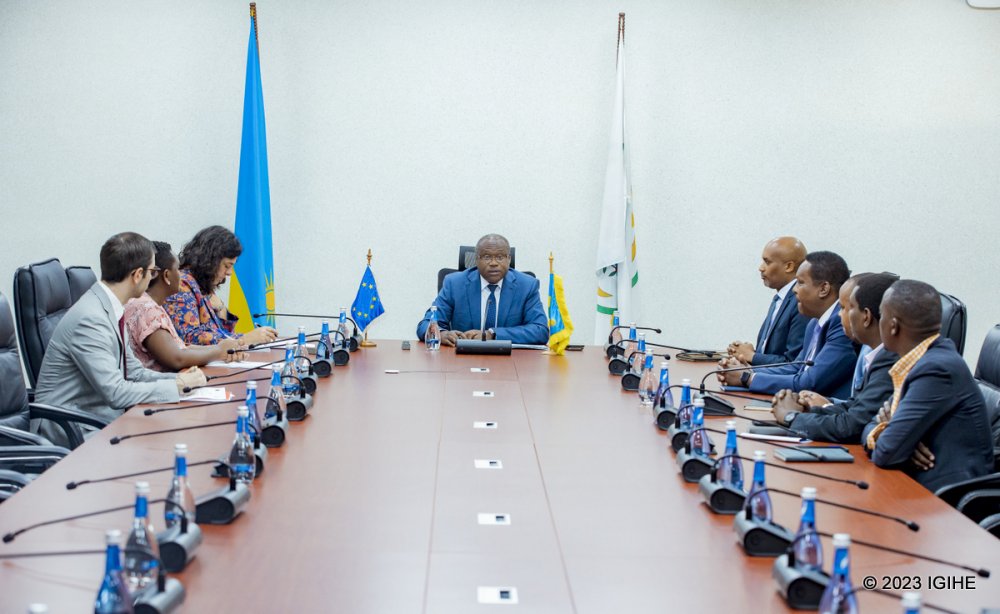
Minister Ugirashebuja made the call on Monday 31st July 2023 after attending the ceremony to sign a grant agreement of €19.5 million (approximately Rwf25 billion) between the European Union and Rwanda to strengthen the justice sector and propel reconciliation and human rights efforts in the country.
With over 1,100 extradition requests sent by Rwanda’s Prosecution to 33 countries globally, some nations have shown a willingness to cooperate, while others remain hesitant, according to Dr. Ugirashebuja.
He expressed confidence in the ongoing discussions and believes Rwandan justice has demonstrated its capacity to effectively try these criminals.
The majority (approximately 90%) of the fugitives are hiding in various African countries, while around a hundred are located in Europe, particularly in France, Belgium, the Netherlands, Norway, Sweden, Finland, Switzerland, Denmark and other European nations.
Belén Calvo Uyarra, European Union Ambassador to Rwanda emphasized the need for the 27 member states to intensify their efforts in prosecuting those accused of participating in the Genocide against the Tutsi.
She also expressed confidence in the collaborative efforts between Rwanda, Europe, and the United Nations to ensure that all accused individuals face justice.
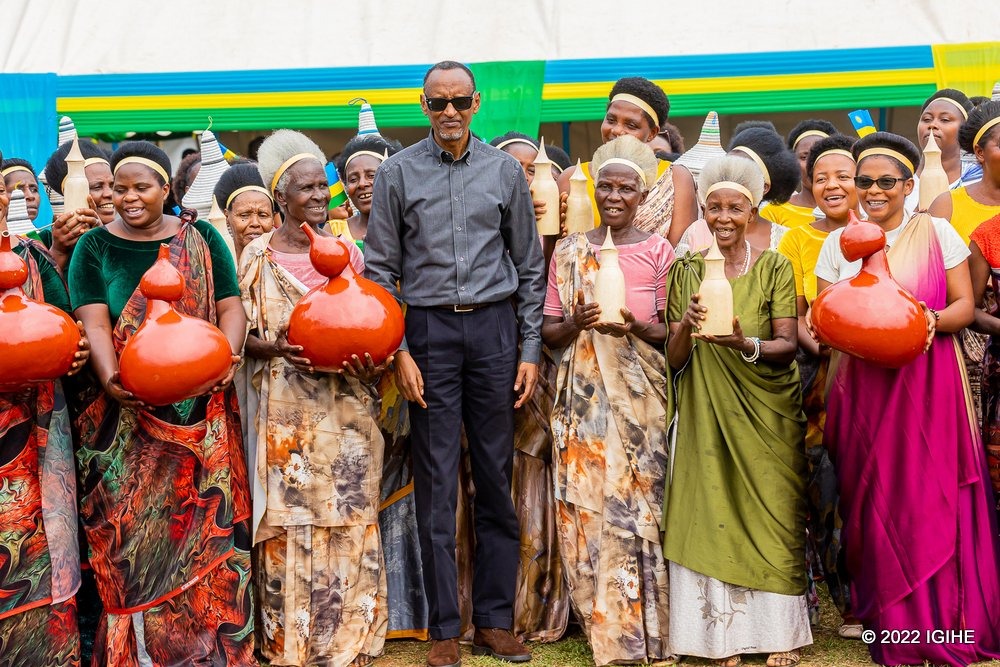
“The key driver behind Rwanda’s progress has been the unwavering political will and commitment to championing gender equality and empowering women,” said Silas Ngayaboshya, director general of Gender Promotion and Women Empowerment at the Rwandan Ministry of Gender and Family Promotion.
Highlighting the nation’s efforts in promoting gender equality, Ngayaboshya told Xinhua in a recent interview that the country’s constitution specifically mandates that at least 30 percent of seats in various government institutions be occupied by women, which makes it one of the countries in the world with the highest representation of women in state agencies.
“To ensure the effective implementation of these provisions, Rwanda has enacted laws aligned with the constitution’s guidelines and established grassroots structures that facilitate women’s participation in national development,” he said.
Several institutions in Rwanda have been created to support gender equality efforts, including the Ministry of Gender and Family Promotion, the National Women’s Council, the Gender Monitoring Office and the Rwanda Women Parliamentary Forum. Gender considerations have also been integrated into various policies initiated by different ministries, ensuring that sectors like agriculture, farming and education address gender-specific needs and challenges.
Nevertheless, Rwanda faces challenges in addressing deeply entrenched negative social norms related to gender, which require substantial efforts and investments for transformative change, Ngayaboshya said.
“Women’s economic empowerment remains a priority, as it can lead to greater gender equality and overall socioeconomic development,” he said.
He stated that gender-based violence (GBV) remains a significant obstacle, and Rwanda has taken a comprehensive approach to address this issue through prevention and response measures.
“Community-based structures and forums are utilized to build a safe and resilient family environment. The country has also established Isange One Stop Centers in hospitals, offering holistic support to GBV survivors,” Ngayaboshya said.
According to him, despite the progress made, there is still much to do in creating a more inclusive society regarding gender equality in Rwanda.
He explained that the continuous focus and dedication displayed by Rwanda are essential to sustain and build upon the achievements already made, making gender equality and women’s empowerment central to the nation’s progress and development.
“Rwanda’s awareness-raising efforts have yielded positive results, as both men and women recognize that gender equality benefits the entire society. While proud of the current position, Rwanda remains committed to further accelerating progress and fostering a society that accommodates everyone without perpetuating inequalities,” Ngayaboshya said.
The AU Commission chief made the condemnation during an emergency meeting held on the situation in Niger by the Economic Community of West African States (ECOWAS), the AU said late Sunday.
Condemning the latest coup in Niger, Faki said the situation goes far beyond the framework of Niger alone as it would have regional ramifications.
“The senseless nature of this coup, its flagrant violation of the principles of the AU and the serious and real threats it poses to the stability of the states of the region, mean that it must be resolutely fought,” Faki said. “This coup, like all the unconstitutional changes by means of which the military installs itself in power, must completely cease.”
Faki warned that failure to cease coups in Africa would be the best incentive for the multiplication of such harmful unconstitutional changes across the continent.
Before the AUC chief, Botswana also condemned the coup in Niger.
“The government of Botswana, in line with the Malabo Declaration on Terrorism and Unconstitutional Changes of Government in Africa, joins other Southern African Development Community (SADC) leaders and the rest of the world in strongly condemning the unconstitutional subversion of democracy in the Republic of Niger and calls for the immediate release of the constitutionally elected president of Niger, Mohamed Bazoum,” said Botswana’s Ministry of Foreign Affairs in a press release Saturday, urging all who are displeased with the situation to engage in peaceful negotiations in order to restore constitutional order in Niger.
On Sunday, the ECOWAS, which groups 15 countries, agreed to impose sanctions on Niger’s military leaders involved in the recent coup.
The regional bloc said in a statement that the military junta in Niger must cede power in a week and immediately release and reinstate the country’s elected president Mohamed Bazoum, or the ECOWAS will take all necessary measures, including the use of force, to restore constitutional order in Niger.
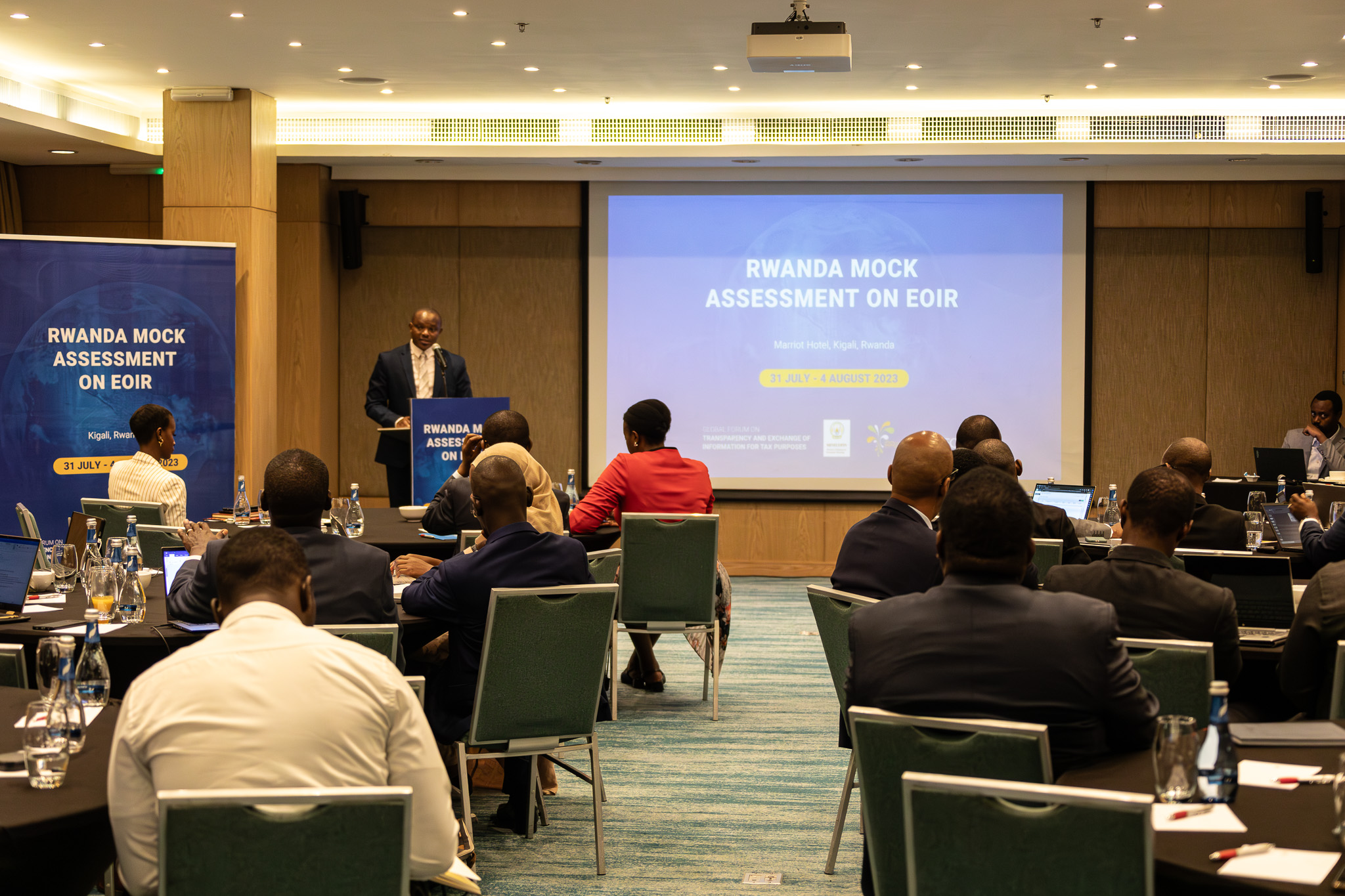
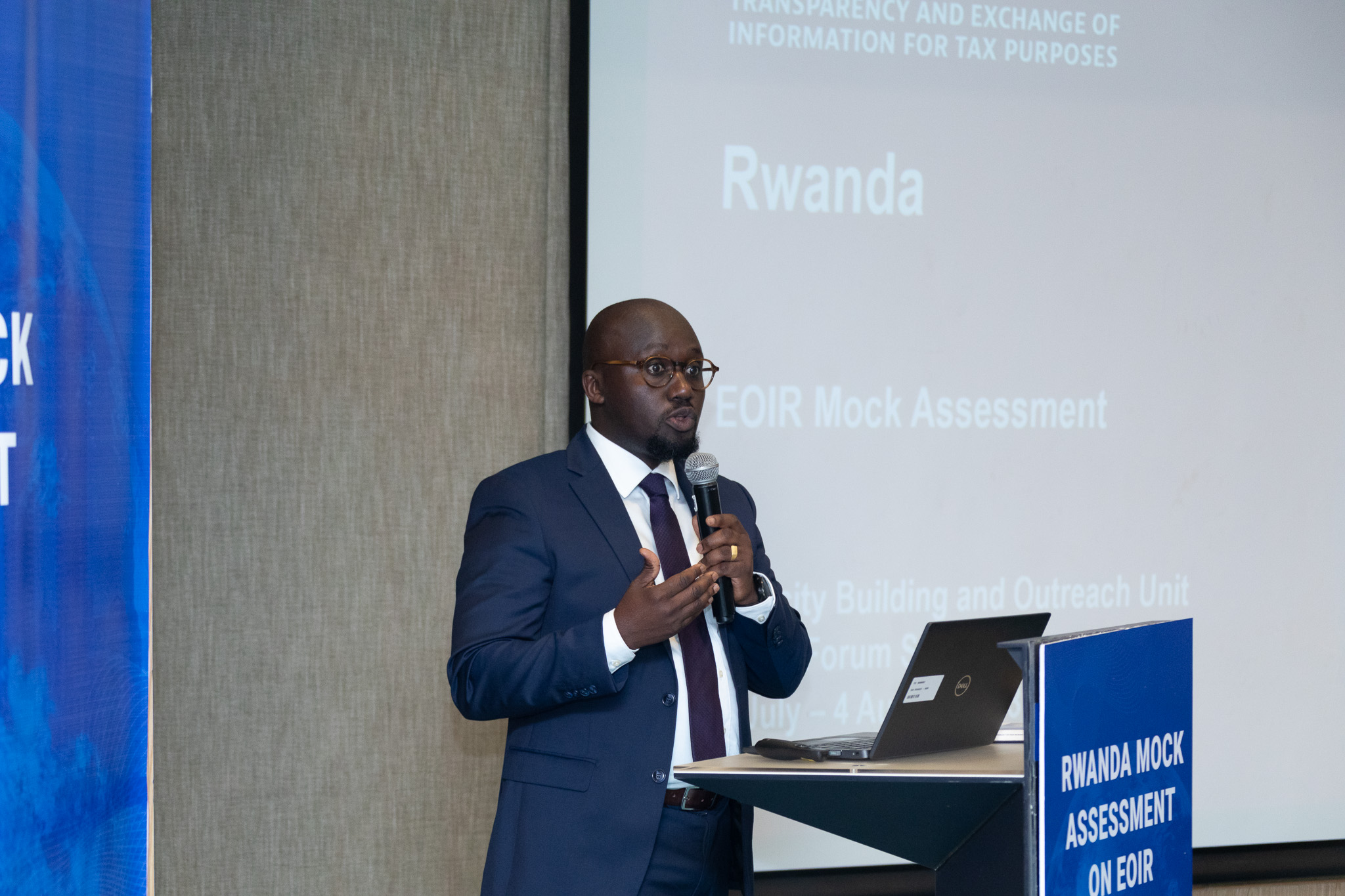
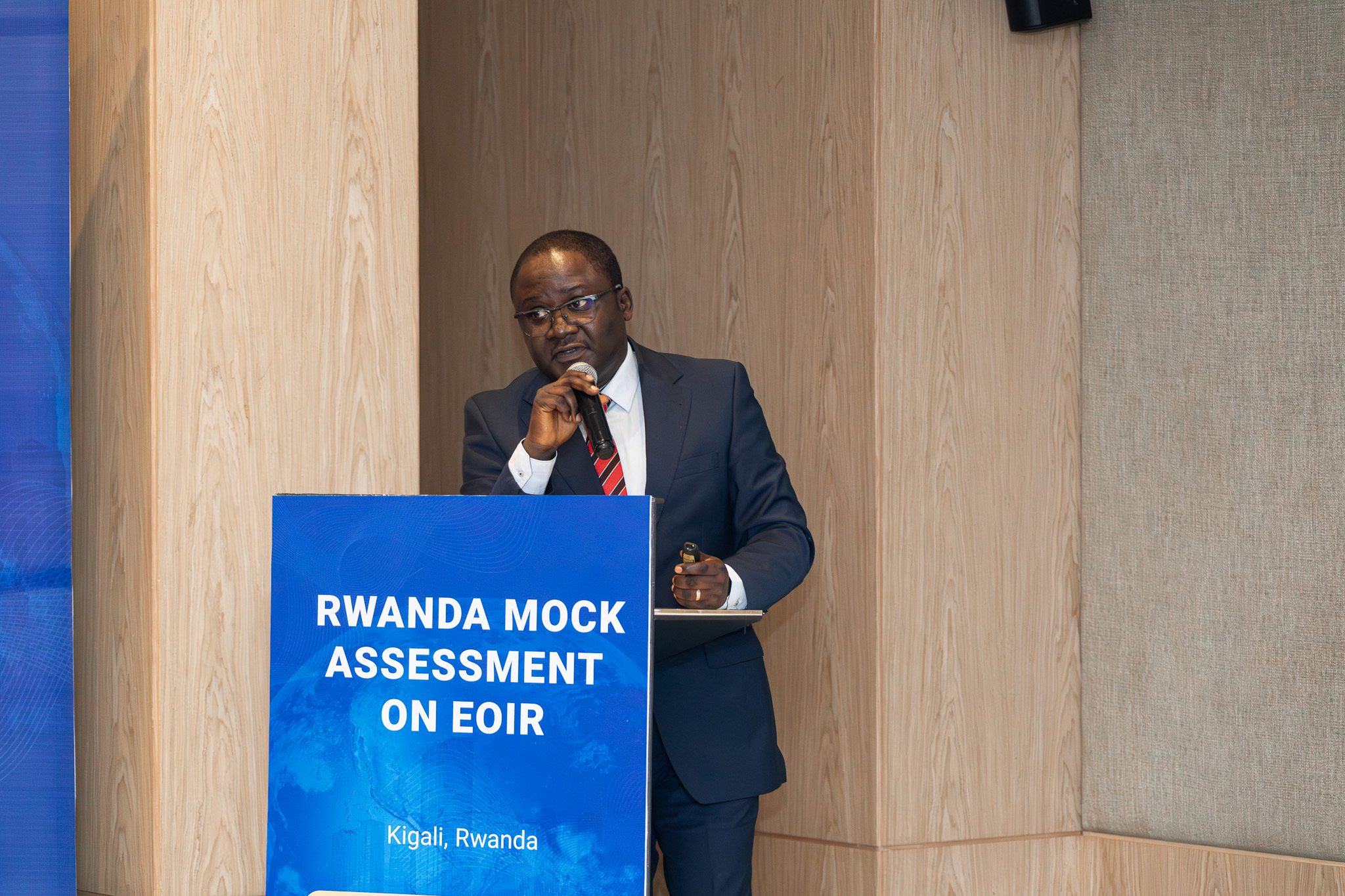
Rwanda became a member of the Global Forum on Transparency and Exchange of Information for Tax Purposes (Global Forum) in December 2017, committing to uphold the standards of EOIR and Automatic Exchange of Information on financial accounts (AEOI).
The upcoming Mock assessment holds significant importance for Rwanda, as it offers an opportunity to evaluate the progress made towards enhancing the country’s tax transparency standards. This becomes especially pertinent following the recent amendments to several laws, aimed at aligning with the Global Forum’s international transparency requirements.
Tax compliance plays a critical role in the efforts of the Kigali International Financial Centre to establish itself as a fully compliant jurisdiction that attracts international investment and cross-border transactions in Africa. Collaborating closely with key stakeholders, the Kigali International Financial Centre is actively working towards establishing a legal and regulatory framework for Rwanda to meet the Global Forum’s international transparency requirements.
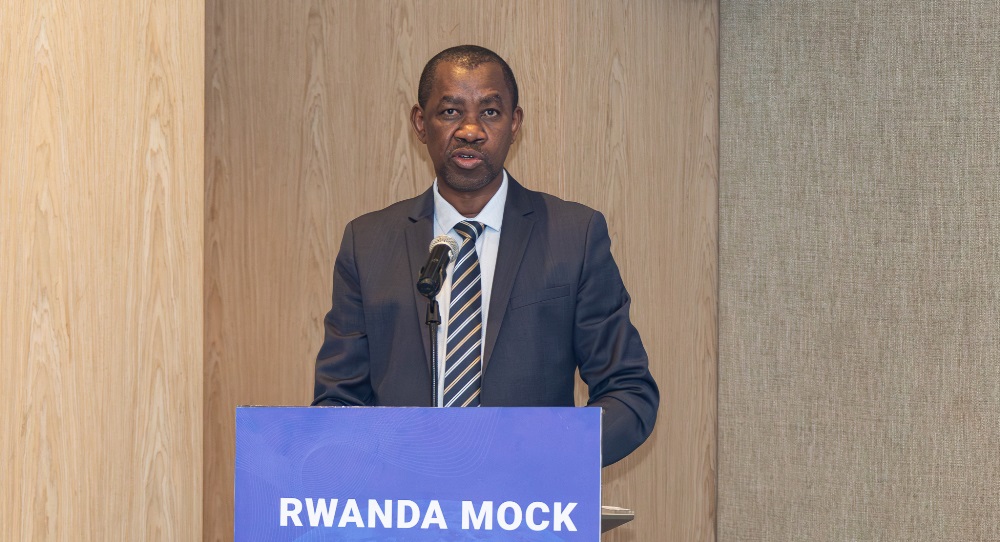
Dr. Uzziel Ndagijimana, Minister of Finance and Economic Planning, expressed the significance of this mock assessment, presenting Rwanda with an opportunity to demonstrate the progress achieved in enhancing tax transparency standards following the recent legal reforms undertaken by the country were intended to broaden the tax base, improve tax compliance, and foster transparency in line with the Global Forum’s requirements.
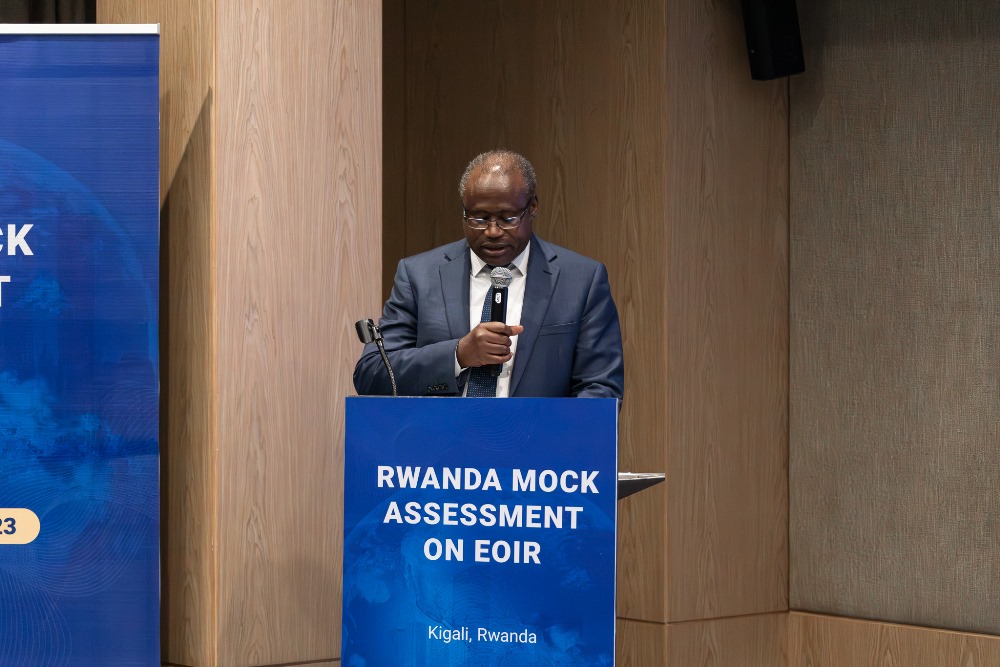
Bizimana Ruganintwali Pascal, Commissioner General of Rwanda Revenue Authority, reminisced on the role of tax transparency and exchange of information in curbing illicit financial flows in African countries.
He underscored that Rwanda is taking decisive actions to safeguard its tax base, including ensuring accessibility to tax information on cross-border transactions, strengthening domestic tax-raising capacities, and reducing tax evasion and avoidance through base erosion and profit shifting schemes. These measures aim to boost Rwanda’s domestic resource mobilization efforts.
{{About Kigali International Financial Centre (KIFC)}}
The Kigali International Financial Centre serves as a financial hub that facilitates international investment and cross-border transactions in Africa. By providing an attractive destination for investors with a legal and regulatory framework fully compliant with international best practices, KIFC positions Rwanda as a preferred financial jurisdiction for investments in Africa.
{{About Global Forum on Transparency and Exchange of Information for Tax Purposes}}
The Global Forum on Transparency and Exchange of Information for Tax Purposes comprises 168 member countries and is the leading international body working towards implementing global transparency and exchange of information standards worldwide. Since the G20’s declaration of the end of banking secrecy in 2009, the international community has achieved considerable success in combatting offshore tax evasion. Through the Global Forum, countries have implemented robust standards, resulting in an unprecedented level of transparency in tax matters.
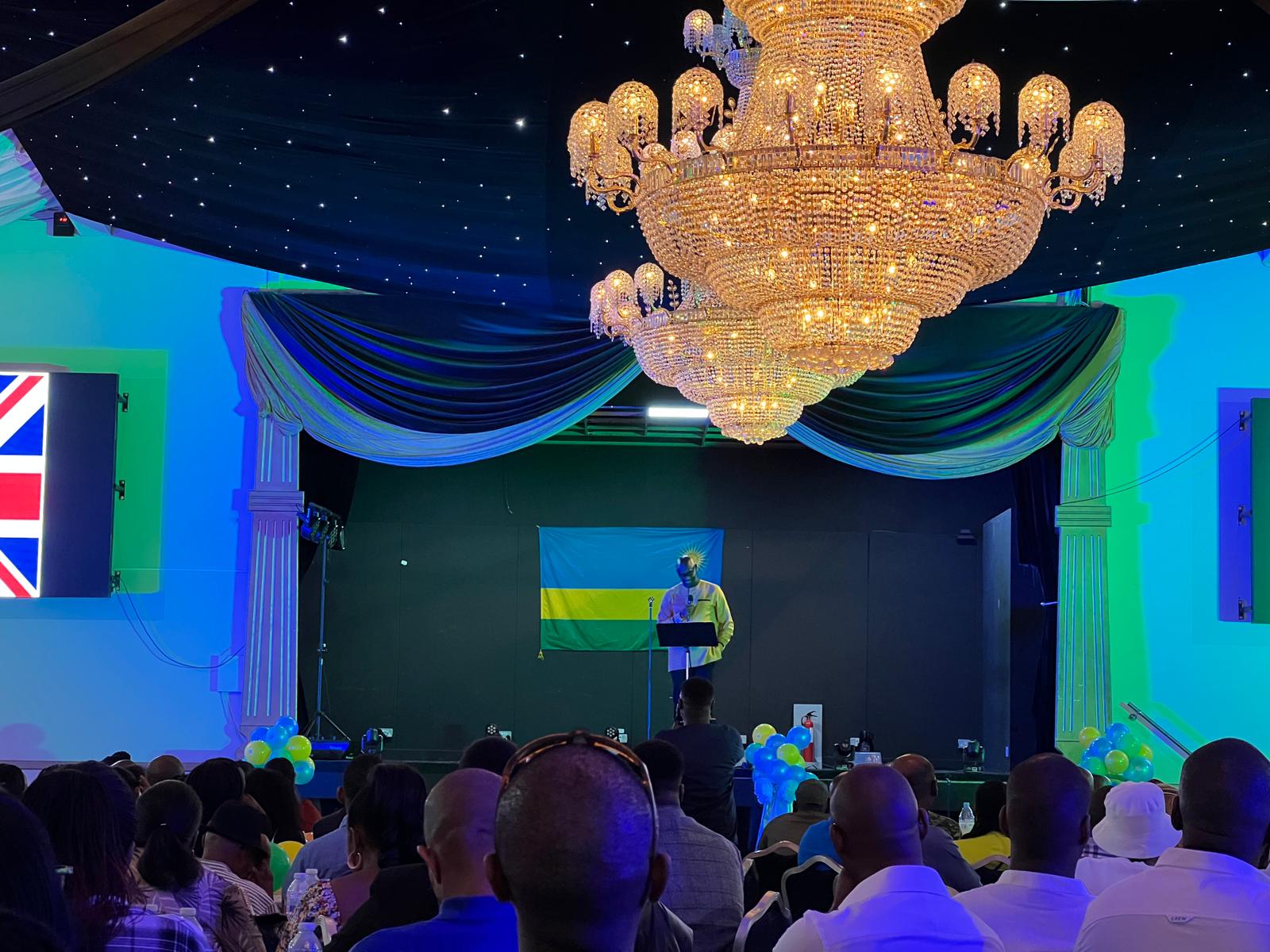
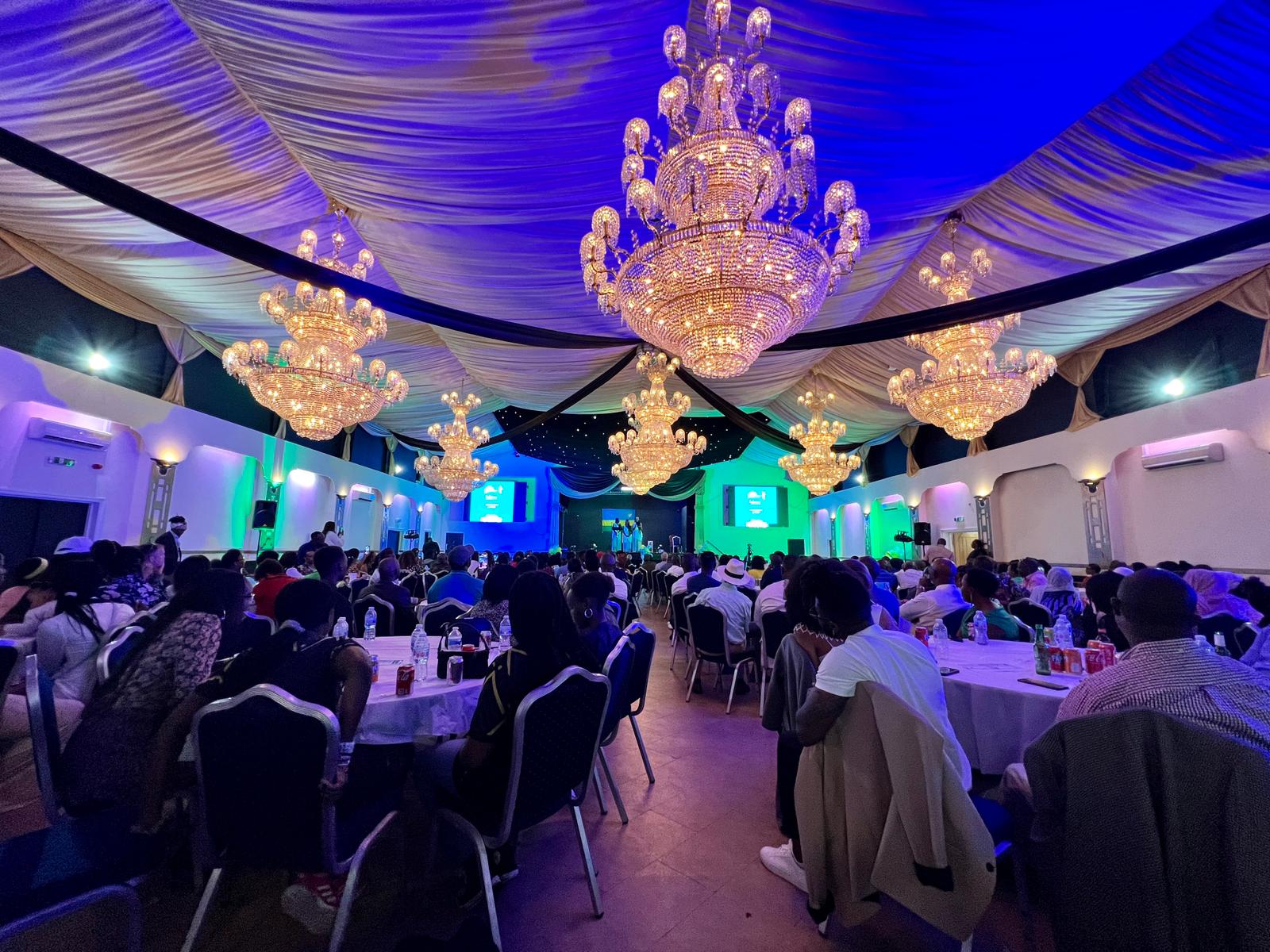
Bringing together more than 600 Rwandans, distinguished guests including the Lord Mayor and local officials of Coventry, and numerous friends of Rwanda from across the UK, the event aimed to commemorate the historic milestone and promote unity among the Rwandan diaspora.
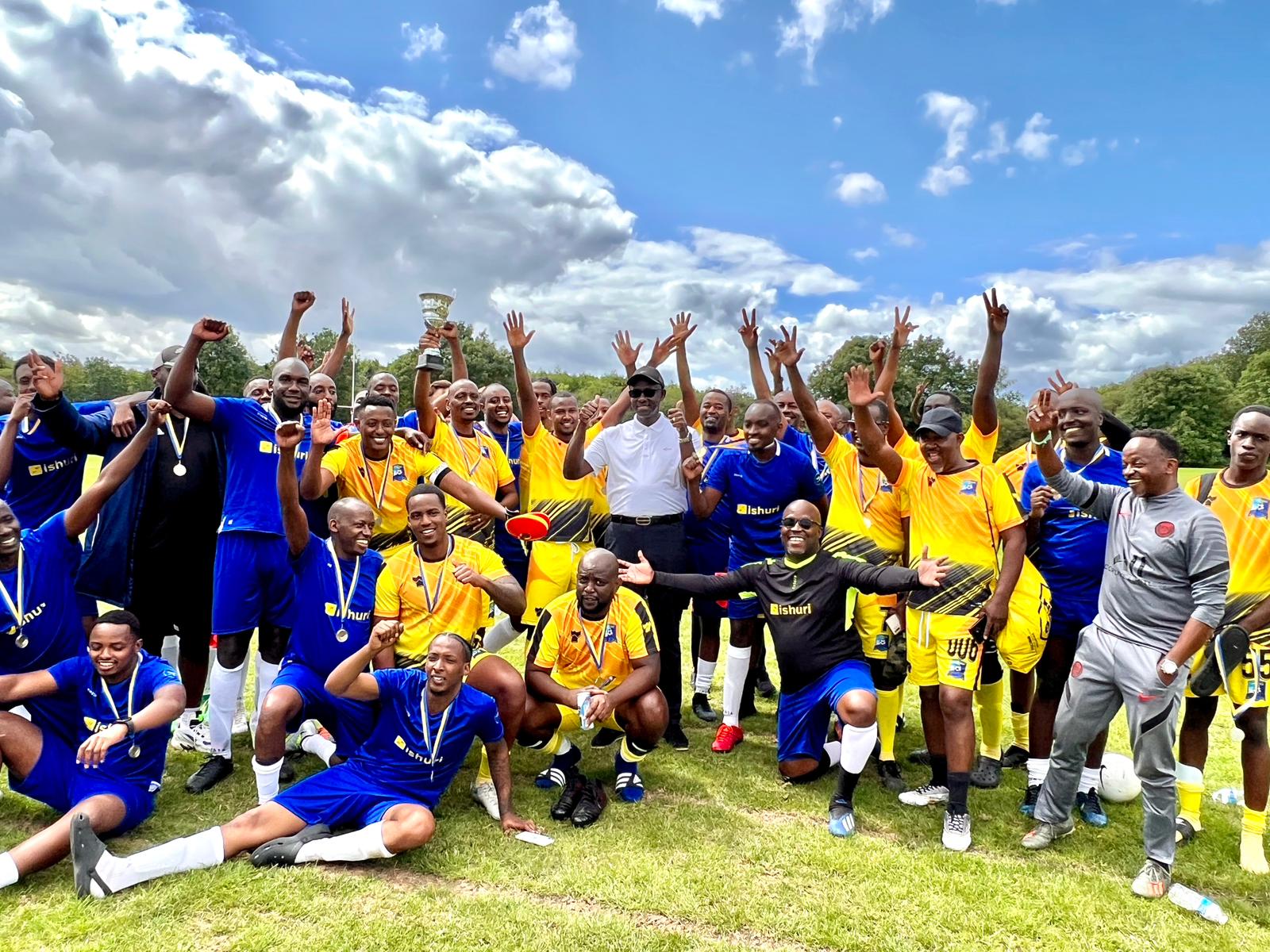
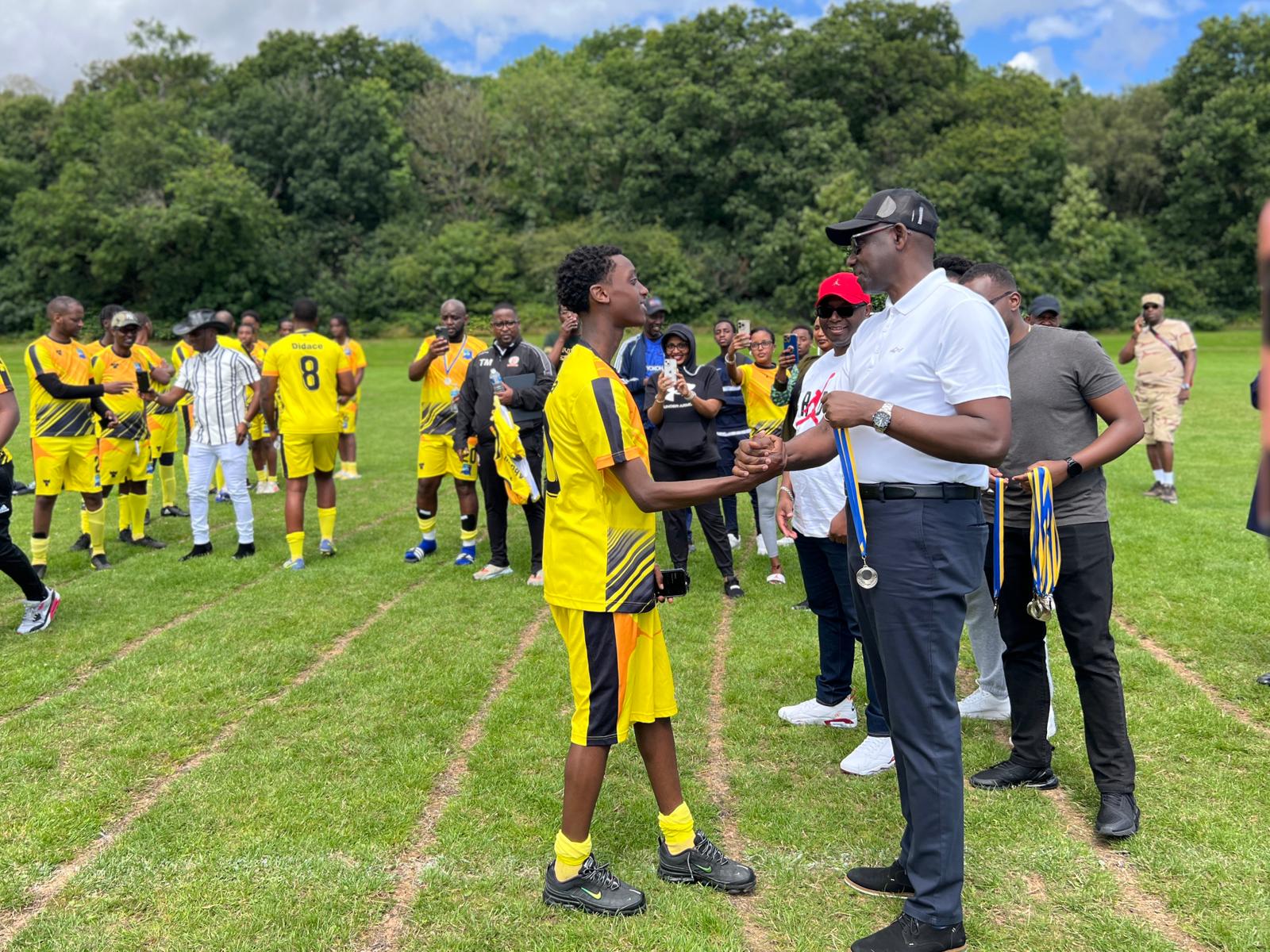
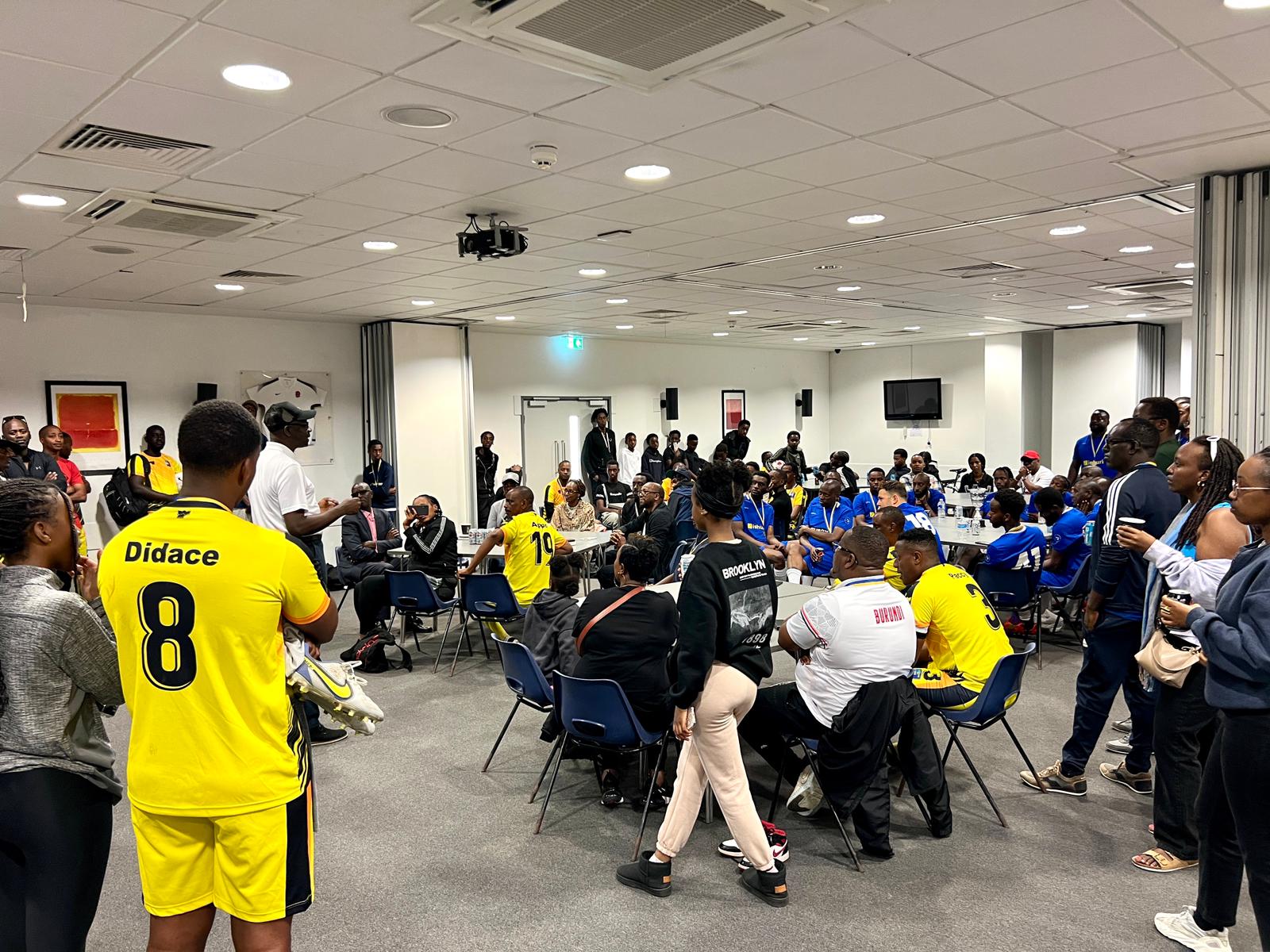
The festivities commenced with a gripping Liberation Day Cup football match featuring the London Rwandan Community’s team, Intwari FC, competing against the hosts, the West Midlands Rwandan Community represented by Ntugasaze FC. In an exhilarating showdown, the London community emerged victorious with a 3-2 win, earning them the prestigious Liberation Cup trophy.
The High Commissioner, Johnston Busingye praised both teams, emphasizing that “the real winner is the Rwandan community.” Encouraged by the enthusiastic response, the Community pledged to establish this football match as an annual liberation tradition, fostering even stronger bonds among Rwandan communities in the UK.
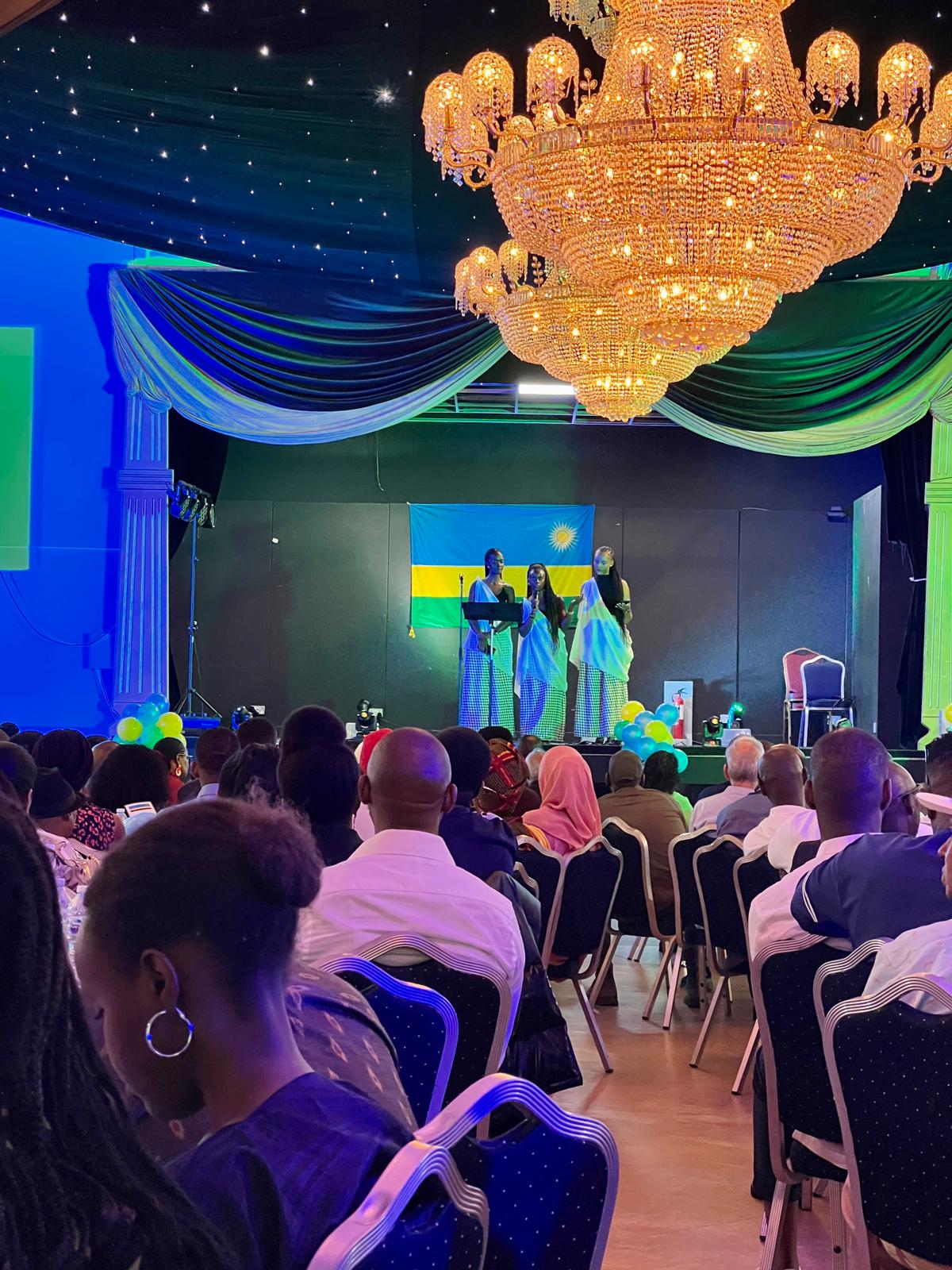
The evening reception treated the audience to a captivating array of performances, including inspirational speeches, traditional dance routines, poetic recitals by talented youth, and delectable Rwandan cuisine, which added a touch of cultural richness to the celebration.
In his address, High Commissioner Johnston Busingye reminded everyone present of the sacrifices made by the nation’s heroes and heroines in the struggle for liberation. He urged the Rwandan community to continually honor their legacy by remaining steadfast in their commitment to the cause of liberation. Emphasizing the significance of unity, he underscored its pivotal role in Rwanda’s past and future, as the country had paid a heavy price for past divisions.
Expressing gratitude for the vital role played by Rwandan communities abroad in the ongoing liberation journey, the High Commissioner called upon them to take up their responsibilities with unwavering determination. He encouraged them to invest in Rwanda, take on leadership roles in their communities, actively involve the youth, and embody the cherished values that define Rwanda’s spirit.
The Kwibohora29 celebration in Coventry served not only as a time for rejoicing and reflection but also as a symbol of the resilient Rwandan community’s dedication to progress, unity, and the pursuit of liberation. With the establishment of the annual Liberation Football Cup, the community in the UK has set a powerful precedent for fostering togetherness and cultural pride among Rwandans abroad, and it promises to be a cherished tradition for generations to come.
Xi, also general secretary of the Communist Party of China (CPC) Central Committee and chairman of the Central Military Commission, urged the province to write a new chapter in advancing Chinese modernization.
He said that it is imperative to apply the new development philosophy, forge a new pattern of development and promote common prosperity across the board and throughout economic and social development.
He urged more efforts to advance the transformation of the model, driving force, areas and quality of development to break new ground in the country’s high-quality development.
During the Sichuan tour, Xi visited places including Guangyuan and Deyang cities from July 25 to 27.
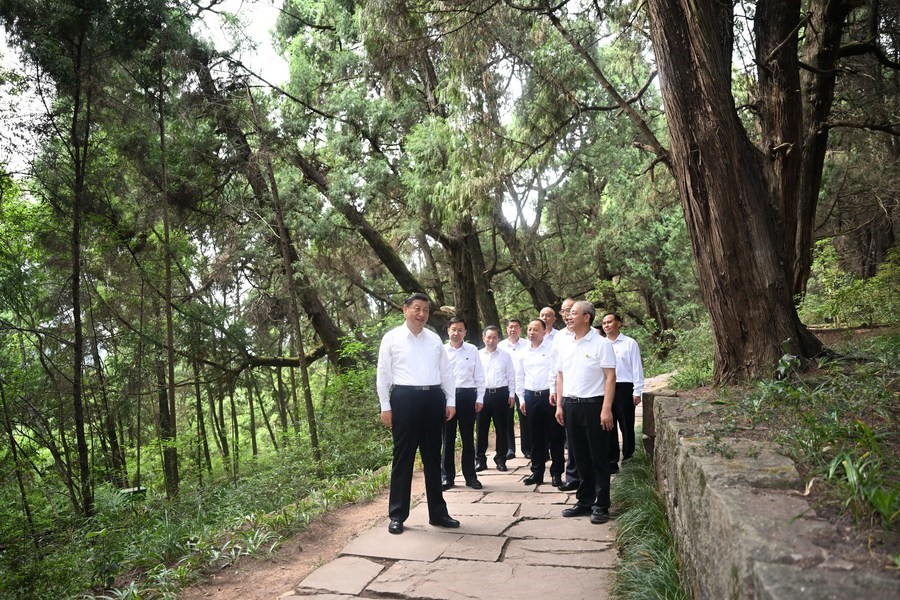
On Tuesday afternoon, he went to Guangyuan and visited the site of a section of an ancient road system known as “Shudao.”
Xi walked along the ancient road and took a close look at the ancient cypress forest that has been well preserved.
Xi stressed the importance of building institutional frameworks and their implementation as well as inspiring the people’s motivation, initiative and creativity to consolidate and expand the achievements in ecological conservation.
On Wednesday afternoon, Xi visited the new building of the Sanxingdui Museum in Deyang. Sanxingdui Ruins are the remnants of an ancient capital and represent the ancient Shu civilization.
After touring the exhibition halls, Xi went to the venue for relic preservation and repair, where he carefully observed the procedures, details, and latest techniques. Xi also talked with the staff on site.
He stressed more state support for the preservation and repair of cultural relics, describing the work as a long-term task.
Xi also called for promoting craftsmanship and perseverance to yield more achievements in this regard.
On Thursday morning, Xi was briefed by the Sichuan provincial Party committee and government about their work, and recognized their efforts in various respects.
He urged Sichuan to make more progress in sci-tech innovation, the building of a modern industrial system, rural revitalization and the consolidation of ecological shields along the upper reaches of the Yangtze River and the Yellow River.
Opening up new areas of development with sci-tech innovation is an urgent requirement for high-quality development, Xi said, calling on Sichuan to give full play to its strengths and make efforts on both sci-tech innovation and the application of scientific and technological achievements.
He asked the province to resolve problems concerning a number of core technologies in key fields and to become an innovation hub in western China.
Relying on its unique advantages in manufacturing, Sichuan should actively contribute to the safety of the country’s industrial and supply chains, and dock itself with the new industrial layout in China’s eastern coastal areas in a high-quality manner, Xi said.
Stressing the deep integration of the digital economy and the real economy, Xi called on the province to build a modernized industrial system with Sichuan characteristics and strengths.
He urged Sichuan to put rural revitalization in a prominent position and further take on the responsibilities of stabilizing the production and ensuring the supply of major agricultural products such as grain, hogs and oilseed crops.
Xi stressed that Sichuan should enhance ecological conservation, move faster to build a national park-based nature reserve system, and actively advocate eco-friendly and low-carbon ways of work and life.
Xi urged Sichuan to keep skies blue, waters clear, and lands pollution-free by higher standards, improve the compensation system for ecological conservation, and elevate the modernization of ecological environment governance.
Xi pointed out that as Sichuan is a place with frequent natural disasters, it is necessary to strengthen the building of emergency response forces.
July and August mark the time the Yangtze River basin enters its main flood season, Xi said, calling for efforts to make preparations for flood control and disaster relief and minimize casualties and property losses to the greatest extent.
Xi also urged Sichuan to comprehensively check the hidden dangers of workplace safety, and resolutely prevent and contain the occurrence of major workplace safety accidents.
On the education campaign launched by the CPC, Xi urged Party organizations at all levels to fully carry out the CPC Central Committee’s plans and make practical progress as the first round of the campaign will conclude in less than two months.
On Saturday, Xi visited Hanzhong in northwest China’s Shaanxi Province on his way back to Beijing. During his visit to the municipal museum, Xi emphasized making good use of museums. He also called for efforts to expand the influence of Chinese culture.
“I was in Hanzhong in 2008 after the devastating Wenchuan earthquake to oversee the relief work. Hanzhong has always been in my heart over the years,” Xi told local residents who gathered around him when he was leaving the museum. Xi said he was delighted to see huge changes of the city since then.
In Hanzhong, Xi also visited a wetland park, where he stressed the important responsibility and great significance of protecting the wetland resources in the area along the Hanjiang River and its tributaries.
He urged efforts to improve the overall protection and systematic restoration of the wetland ecosystem.
Cai Qi, a member of the Standing Committee of the Political Bureau of the CPC Central Committee and director of the General Office of the CPC Central Committee, accompanied Xi on the inspection tour.
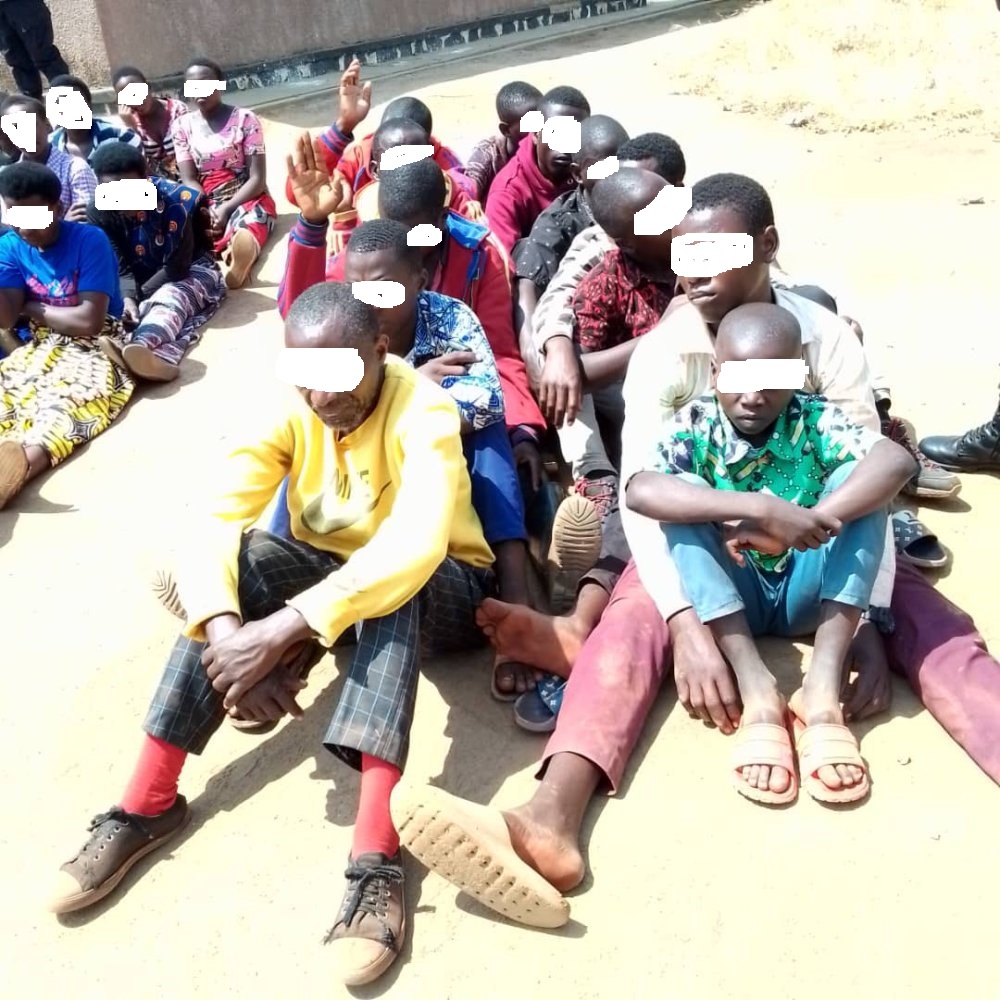
The arrests occurred on Sunday, July 30, 2023, in the Nyamata Village, Byimana Cell of Ndego Sector, Eastern Province. The detained individuals hail from various sectors of Kayonza District, including Ndego, Kabare, Rwinkwavu, Mwiri, and Mpanga in Kirehe District.
The accused individuals are alleged to have defied government measures, specifically those related to the fight against Covid-19, tax collection, and the education of children, claiming these measures are unnecessary burdens since the end of the world is imminent.
Following their arrest, the individuals maintained that they were on their way to meet Jesus, although the exact location of this encounter remains mysterious.
Claude Bizimana, the Executive Secretary of Ndego Sector, confirmed the arrests and stated that the detainees are now in the custody of Rwanda Investigation Bureau (RIB) Station in Ndego. He added that they are being educated on the importance of adhering to the government’s programs.
In light of this incident, Bizimana urged the population to exercise caution when interpreting religious teachings to avoid being misled by unfounded apocalyptic messages. He stressed the significance of adhering to government programs for the well-being and safety of the community.
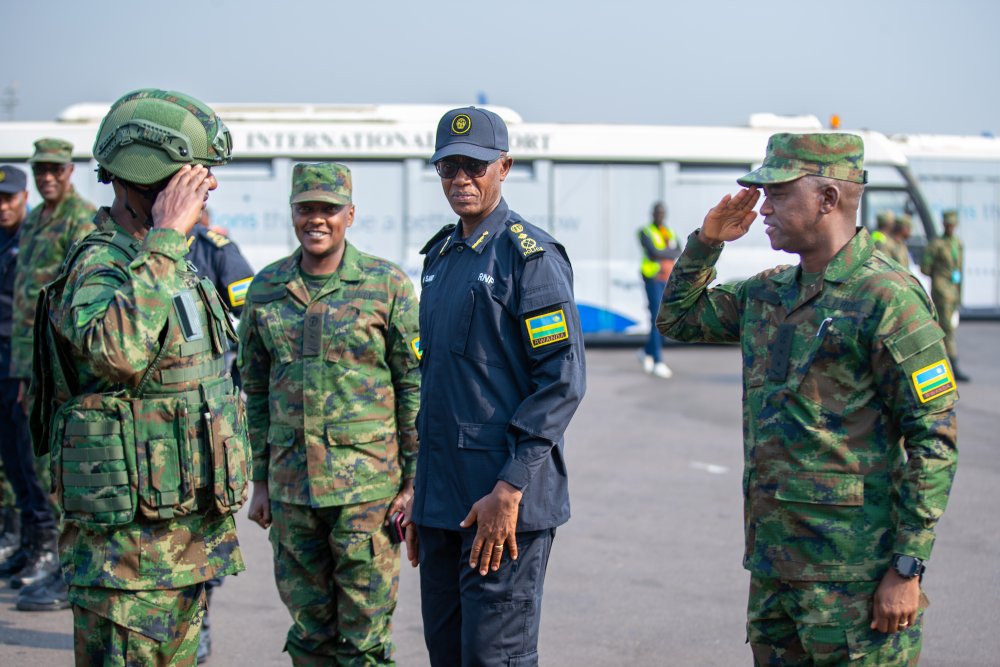
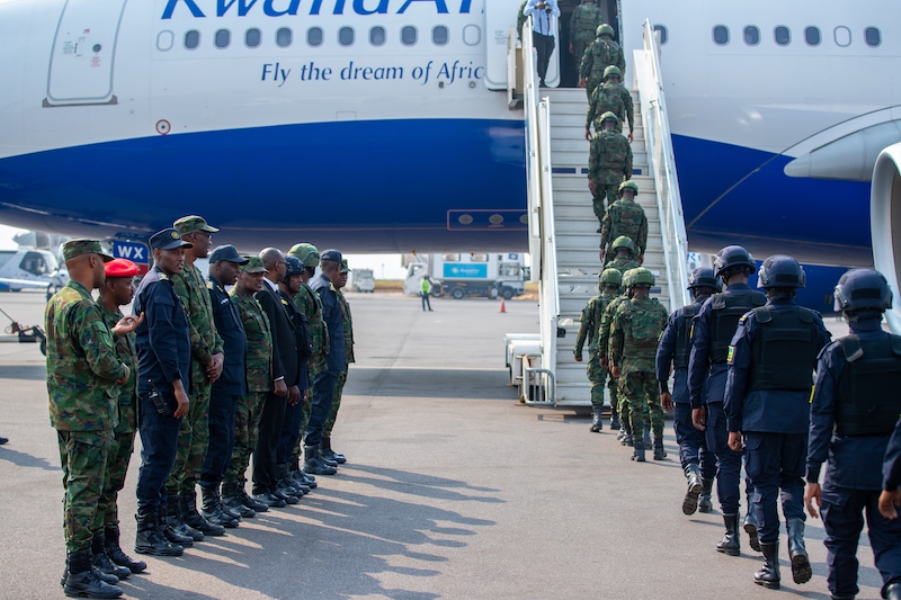
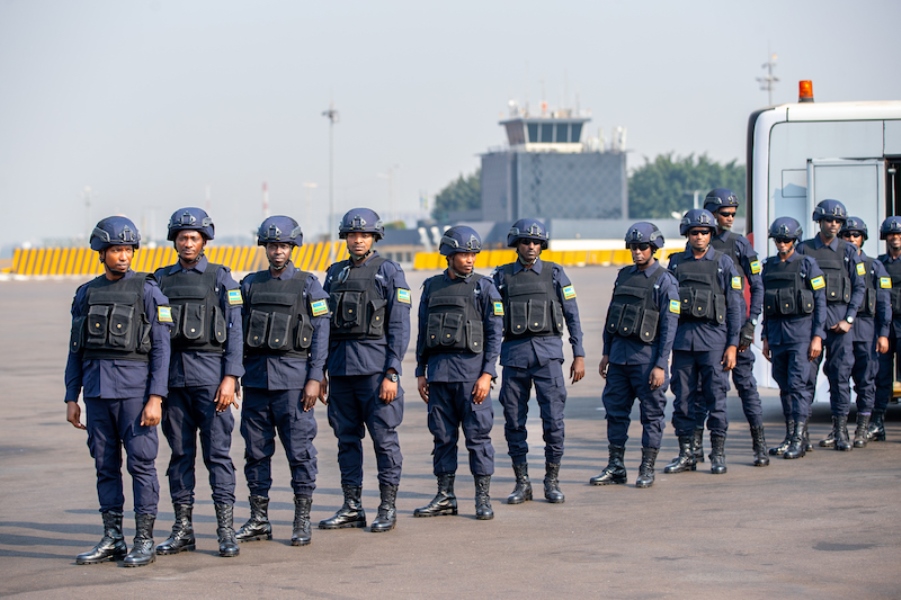
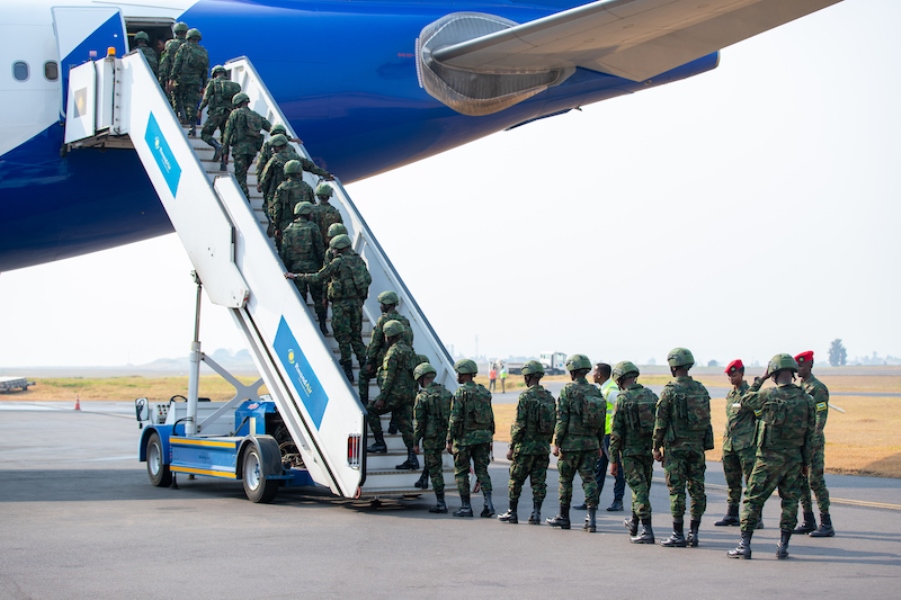
The contingent led by Maj Gen Alexis Kagame that departed today is part of larger relief force comprising of over 2000 troops based in Cabo Delgado province.
Prior to their departure, Maj Gen Nyakarundi emphasized the importance of upholding the highest level of commitment, discipline, dedication, and humility while serving the population of Cabo Delgado.
This deployment is a result of the strong bilateral relations between the Republic of Rwanda and the Republic of Mozambique.
Rwanda started the deployment of 1000 troops of the Rwanda Defence Force (RDF) and the Rwanda National Police (RNP) to Mozambique on 9th July 2021, to fight terrorist groups, honoring the request of Mozambique. The troops had increased to nearly 2500 by the end of the year 2022.
The situation in the country had worsened since October 2017 when armed extremists launched an insurgency in the Cabo Delgado Province of Mozambique.
Mozambique Defence Armed Forces battled the extremists but many civilians were killed and displaced by the fighting.
Before Rwandan troops’ intervention, terrorists had killed 3000 civilians while more than 800,000 were displaced. The insecurity had also put to halt all development projects in the area controlled by insurgents.
The joint operations between Rwandan and Mozambican troops yielded big, where different regions were seized from rebels.
Responding to a question on Rwanda’s journey in the fight against terrorists in Mozambique, at a joint press conference with his counterpart of Zambia, Hakainde Hichilema in Kigali recently, President Kagame said that there has been commendable progress.
“I should say, largely, the problem has been addressed in terms of large numbers of people that had been displaced being able to go back to their villages, homes and starting their activities as they should. There has been a presence of troops from SADC deployed in different parts of that area and together, security and stability has returned because of that,” he stated.
Rwandan troops are deployed in Palma and Mocimboa da Praia and sometimes cooperate with SADC forces upon available intelligence to dislodge terrorists.
Since deployment of Rwandan troops in Cabo Delgado, security has been restored where the majority of displaced residents returned home.
Besides, businesses resumed and French company, TotalEnergies with US$20 billion investment that might be increased to US$50 billion under the Liquefied Natural Gas project, is expected to resume operations as well.
Speaking to the media recently, Kagame highlighted that economic activities are beginning to pick up owing to current efforts to stabilize the area.
“I have heard even those who were making investments there like Total [Energies] and others, are already thinking of resuming their activities. Of course, there may be one thing here and another there that needs to be put out of their way before they fully resume, but I think that is being enabled by such collaborative efforts, around the provision of security and working together with the host country. And each one playing their part, together, we are seeing a lot of progress,” he noted.
“I should say, 80% of the problem has been addressed. The 20% might be small or big depending on a number of circumstances but that needs to be cleared as well,” added Kagame.
This funding forms an integral part of the larger €260 million EU support package designated for Rwanda through its 2021-24 Multi-Annual Indicative Programme. The €19.5 million initiative will play a vital role in realizing the objectives set forth by Rwanda’s Justice, Reconciliation, Law and Order Sector (JRLOS) Strategic Plan 2018-2024, aiming to enhance justice delivery, foster inclusivity, and reinforce human rights.
During the signing event, EU Head of Delegation Ambassador Belén Calvo Uyarra said that this comprehensive approach reflects the EU’s steadfast commitment to support Rwanda’s journey towards building a sustainable, inclusive society with effective governance and a strong foundation in human rights.
“Through strengthened justice and reconciliation efforts, we stand united with Rwanda to create a future where every citizen enjoys equitable access to justice, fostering social cohesion, empowerment, and dignity for all,” she noted.
By aligning with Rwanda’s National Strategy for Transformation (NST1) and JRLOS Strategic Plan, this ambitious action further solidifies the EU’s commitment to promoting the rule of law and strengthening human rights in Rwanda. The program not only bolsters Rwanda’s strides towards achieving Sustainable Development Goal 16 (SDG 16) and Vision 2050 but also empowers civil society and paves the way for a more just and accountable society.
Commenting on the development, the Minister of Finance and Economic Planning, Dr. Uzziel Ndagijimana said: “This Support will contribute to strengthening capacity of the Justice sector by consolidating reconciliation, and a just and equitable society as foundation to economic development for all in Rwanda.”
Under the first component, the action will enhance the professionalism and skills of key justice sector actors, including the Ministry of Justice, the Judiciary, the National Prosecution Authority, the Rwanda Investigation Bureau (RIB), the Rwanda National Police (RNP), and the National Commission for Human Rights (NCHR). By streamlining legal aid support, the initiative will work toward universal and affordable justice for all, with a strong focus on inclusivity for vulnerable groups as well as respect for human rights.
The second component will concentrate on Reconciliation, Rehabilitation, and Unity, offering support to the Rwanda Correctional Service (RCS) and civil society. Technical, vocational, education, and training (TVET) programs will empower prisoners and former genocide perpetrators with essential skills, reducing recidivism upon their reintegration into society.
Concurrently, the EU will support civil society organisations (CSOs) to carry out socio-psychological healing and reconciliation processes at the community level to enhance resilience and unity across the country.
The third component will focus on amplifying the voice and accountability of civil society. By empowering CSOs to work closely with citizens, the programme aims to tackle issues of accountability effectively.
The initiative is set to build upon the accomplishments of previous programmes carried out by the EU as well as the Embassy of the Netherlands in Rwanda’s justice sector over the past two decades. In doing so, it will fulfil political, economic, and social rights, and promote gender equality, aligning with Rwanda’s international human rights commitments.