Speaking at a press briefing recently, Foreign Affairs Cabinet Secretary, Musalia Mudavadi acknowledged the magnitude of the crisis and said the government is pursuing bilateral interventions with Saudi Arabia to repatriate the affected mothers and children.
The ministry revealed that under a programme called “Mobile Consular Services,” DNA tests have been conducted on 707 individuals, including children, to verify parentage and process birth certificates to enable repatriation.
A Joint Interdepartmental Working Group (JIWG), formed in January 2025 and including the Kenyan Embassy as well as Saudi ministries of Foreign Affairs, Labour, Interior and the General Directorate of Passports, is assisting these efforts.
So far, the process has resulted in the safe repatriation of 59 mothers and 73 children.
The plight of these families is rooted in legal and administrative difficulties.
Kenya’s law allows for registration of births abroad, but Saudi Arabia’s legal regime requires a marriage certificate to issue a birth certificate, and strong penalties apply for extramarital sex.
It is reported that many Kenyan single mothers, fearful of legal consequences, deliver children at home and avoid hospitals, leaving children undocumented and vulnerable.
The Kenyan government has also noted that more than 400 Kenyans have been lured abroad by recruitment agents promising lucrative jobs in countries such as Vietnam, Cambodia and Myanmar, only to find themselves stranded, trafficked or forced into unpaid labour.
The foreign ministry emphasised that stranded mothers should engage with Kenyan diplomatic missions in Riyadh and Jeddah or the State Department for Diaspora Affairs in Nairobi to regularise their status and secure documentation for their children.
The government also reminded Kenyan parents abroad to register births of children abroad in order to protect their rights.
This peace agreement is seen as a significant step forward in the ongoing efforts to stabilize the region, which has been plagued by violence for over two decades.
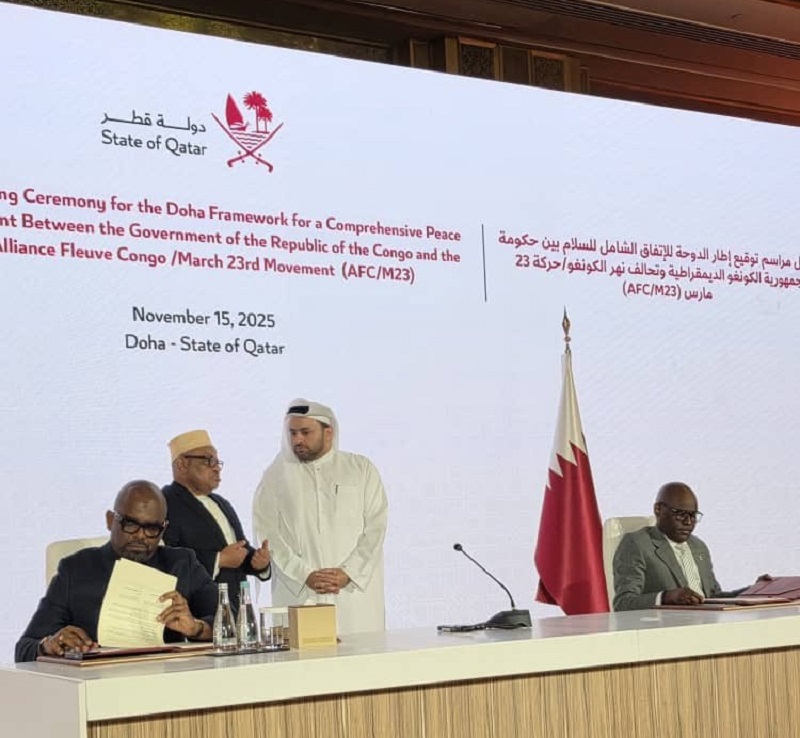
The Permanent Secretary of AFC/M23, Benjamin Mbonimpa, explained that the framework signed by both parties in Qatar on November 15, 2025, consists of eight implementation protocols aimed at addressing the root causes of the conflict in the DRC.
Mbonimpa stated that each protocol will be discussed progressively until all its components are fully respected, and that a timeline has been established for discussions on each protocol.
He noted that only after both sides have addressed the issues outlined in all the protocols will AFC/M23 and the Government of the DRC sign a comprehensive peace agreement.
Among the protocols is one focused on cooperation to restore state institutions and public services in the eastern part of the country, a process to be carried out in phases and through collaboration between the Government of the DRC and the AFC/M23 coalition.
The second concerns a mutual agreement between the Government of the DRC and AFC/M23 to adopt temporary security measures aimed at maintaining public calm and protecting civilians.
The Government of the DRC and AFC/M23 also agreed to establish an independent national commission responsible for promoting truth, reconciliation, accountability for crimes, and planning the reconstruction of damaged infrastructure.
The signing ceremony was attended by Qatar’s Minister of State for Foreign Affairs, Dr. Mohammed bin Abdulaziz bin Saleh Al-Khulaifi, and Massad Boulos, the Advisor to the President of the United States on African Partnerships.
In a post on his social platform, Trump wrote: “I am withdrawing my support and endorsement of Congresswoman Marjorie Taylor Greene, of the great state of Georgia.”
He added that while he is willing to back a challenger in her district if one emerges, Greene will not receive his endorsement unless she changes course.
The relationship had already been strained. Greene has recently diverged from Trump and other Republicans on several issues: she criticised the president’s prioritisation of foreign affairs over domestic issues, joined efforts pushing for the release of files connected to the late sex‑offender Jeffrey Epstein, and publicly challenged aspects of Trump’s policy agenda.
Trump, in his message, accused Greene of spending months simply complaining rather than contributing constructively, saying: “all I see ‘Wacky’ Marjorie do is COMPLAIN, COMPLAIN, COMPLAIN!” He also referenced a leaked poll he shared with her that showed her at only 12% support in a hypothetical Senate or gubernatorial run arguing she lacked electoral viability without his backing.
Greene responded on social media, stating that Trump “just attacked me and lied about me.” She released screenshots of a message she claims she sent to Trump urging him to release files related to Epstein, suggesting that was the tipping point in his decision. She further asserted that Trump’s move was meant as a warning to other Republicans ahead of a vote on those very files.
Political analysts say the split is important for several reasons. First, it underlines Trump’s enduring influence within the GOP; he still controls endorsements and can make or break careers in his base.
Second, it suggests he may be repositioning his network of allies heading into the next election cycle, favouring those he views as more disciplined or electorally viable.
Third, for Greene the rift raises questions about her future at a time when some of her former supporters may look elsewhere.
This announcement was made in a statement signed on November 11, addressed to all officers of the Liberia Immigration Service (LIS).
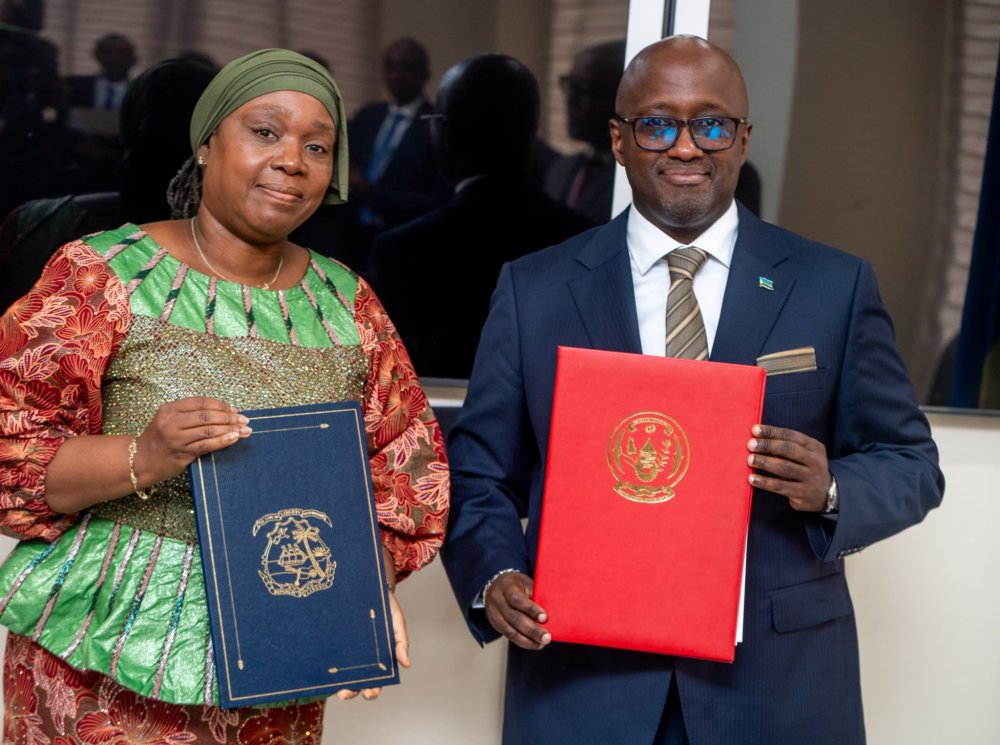
According to Rwanda Directorate General of Immigration and Emigration, the move allows Rwandans to travel in and out of Liberia without prior visa requirements, following a reciprocal agreement signed between the two countries on September 10, 2025, in Monrovia, the capital city of Liberia.
The agreement establishes a Joint Permanent Commission of Cooperation and a Reciprocal Visa Waiver between Liberia and Rwanda.
This move is expected to boost bilateral relations and create new opportunities for cooperation between the two countries.
During the signing ceremony, Rwanda was represented by the Minister of Foreign Affairs and Cooperation, Nduhungirehe Olivier, who was on a visit aimed at fostering relations with Liberia, while Liberia was represented by its Minister of Foreign Affairs, Sara Beysolow Nyanti.
Rwanda and Liberia share a strong relationship, especially through collaboration between the legislative bodies of the two countries.
Rwanda’s universities and higher learning institutions also host students from Liberia, among other areas of cooperation.
{{What you should know about Liberia}}
Liberia is a country located in West Africa with a unique history, culture, and many opportunities.
It is one of the early African countries to gain independence, in 1847.
The country has an area of 111,369 km² and a population of approximately 5.7 million people. It is led by President Joseph Boakai.
Liberia was founded by former slaves from the United States, which gives it a distinctive historical connection between Africa and America. This connection has influenced the foundation of its culture, politics, and societal structure, making it unique in Africa.
Liberia uses English as its official language, though there are 20 other indigenous languages spoken across the country.
The country is rich in natural resources, including forests, minerals, gold, palm oil, fertile land, and more. Its economy grew by 4% in 2024. Liberia uses its own currency, with 1,000 Liberian dollars being equivalent to approximately Frw 7,900-8,000.
Monrovia, the capital, has a major port that facilitates international trade, especially with countries bordering the Indian Ocean and the Atlantic Ocean.
Liberia’s decision to lift the visa requirement for Rwandans, opened up new avenues for travel and trade between the two nations.
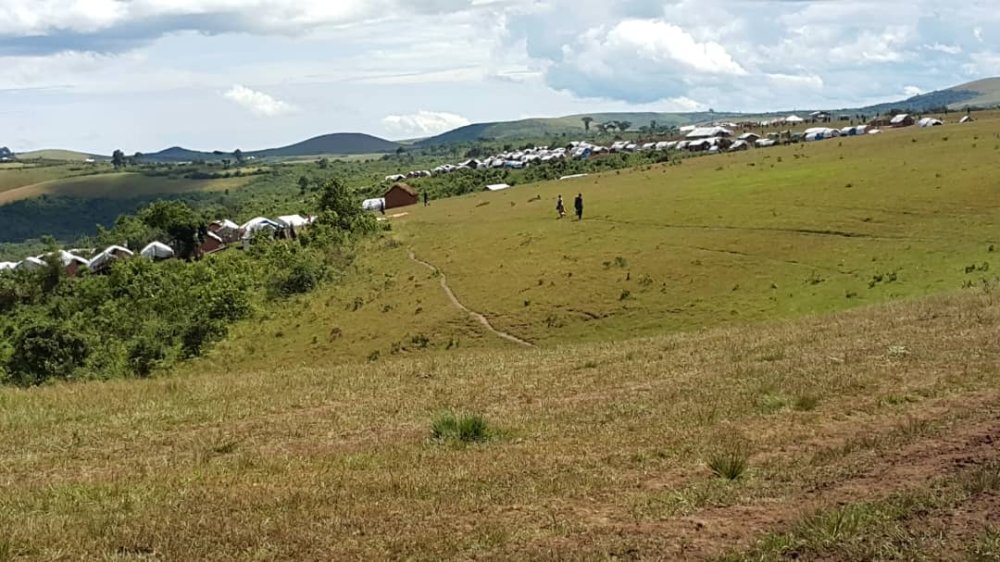
The strikes reportedly aimed at killing members of the Banyamulenge community who have been living in a camp for internally displaced people in the area.
Moïse Nyarugabo, a politician from the Banyamulenge ethnic group, explained that the attacks took place at 2:00 AM on November 15, 2025.
“On November 15, 2025, at 2:00 a.m., Tshisekedi’s drones bombed the village of Mikenke, a village inhabited by civilians and home to a camp for displaced Banyamulenge people whose villages have been burned. The toll has not yet been established, but certainly, there are civilians who must have been affected,” he said.
Nyarugabo confirmed that reliable information indicates that DRC forces, along with forces from Burundi, Wazalendo, and the FDLR, are present in areas such as Point-Zéro, Mikalati, Kigazura, Marunde, Kipupu, Rugezi, and Mukoko, with plans to launch further attacks in Minembwe and Mikenke, areas inhabited by the Banyamulenge.
“Two generals, one from Congo and another from Burundi, are in that area preparing for these major attacks. Unless there is a last-minute change of plans, in the coming hours or days, those who survive the Sukhoi and drone attacks will face further bombardment from enemies of peace,” he noted.
Since 2017, the Banyamulenge in South Kivu province have faced continuous attacks from a coalition of armed groups supported by the DRC government.
The MRDP Twirwaneho group, which defends the rights of Banyamulenge, disclosed, on November 6, that more than 328,000 people have been displaced over the past eight years.
Over 550 villages, nearly 140 schools, 41 health centers, and over 126 churches have been destroyed. Additionally, over 500,000 cattle have been looted.
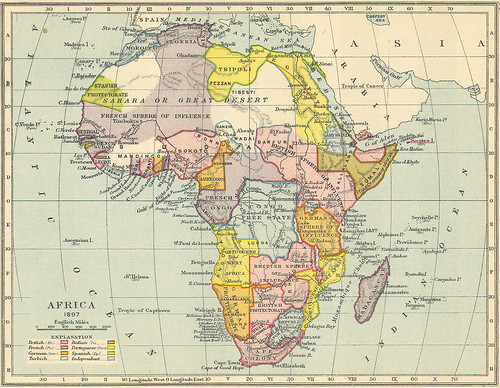
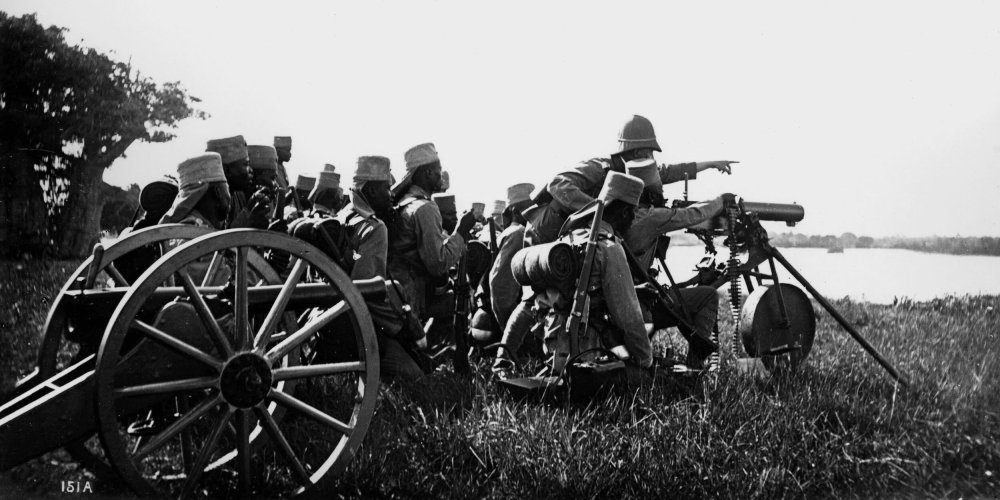
The Berlin Conference, which took place from November 15, 1884, to February 26, 1885, marked a pivotal moment in this transformation. As European nations scrambled to divide Africa among themselves, Rwanda, like many of its neighbors, was caught in the web of imperialism.
It was during this conference that Rwanda’s fate was sealed on November 15, 1884, with the country being placed under German control.
The effects of this decision were far-reaching. Rwanda had never experienced massacres between its inhabitants before the German, and then Belgian colonization, which following the Berlin Conference from, led to the signing of the General Act for the Partition of Africa among Western powers.
Rwanda was assigned to the German zone. Then, Germany, England, and Belgium agreed to reduce Rwanda’s borders, annexing Rwandan territories to the Belgian Congo and Uganda.
{{The spark of colonization}}
The Berlin Conference, hosted by Chancellor Otto von Bismarck of Germany, was convened with one purpose: to regulate European colonization and trade in Africa.
The conference saw representatives from 14 European powers, including Britain, France, Belgium, Portugal, Spain, Germany, and Italy, come together to formalize their claims to African territories.
The conference was governed by what came to be known as the Berlin Act (1885), a document that set the rules for colonization. It called for European powers to notify each other of their territorial claims and to establish effective occupation. Africa, which had long been home to thriving civilizations, was now a pawn in European geopolitics.
Rwanda, along with Burundi, was assigned to Germany as part of the larger German East Africa protectorate, which also included present-day Tanzania. This marked the beginning of a dramatic shift in the region’s trajectory.
The effects of the Berlin Conference were far-reaching, especially in Rwanda. The decision to place Rwanda under German rule was not simply a matter of territorial control; it marked the beginning of a colonial era that would fundamentally alter the country’s social, economic, and political structures.
During this time, Rwanda was ruled under the reign of King Kigeli IV Rwabugiri, who was placed in a position of limited authority by the Germans.
His power was undermined by the colonial administration, which took full control over the economy and governance. The imposition of European rule created tension between the local monarchy and the colonial powers.
{{The collapse of German control}}
While Germany’s rule over Rwanda was relatively short-lived, it had significant lasting effects on the country. World War I (1914-1918) played a key role in shifting Rwanda’s colonial allegiance. In 1916, as Germany was embroiled in the war in Europe, Belgian forces took over the German colonies in Africa, including Rwanda.
According to the book ‘The History of Rwanda’ published by the National Unity and Reconciliation Commission cyasohowe in 2016, written under the supervision of Paul Rutayisire and Déo Byanafashe, [the last German soldiers left Kigali by May 5, 1916. ->https://en.igihe.com/history/article/the-day-the-last-german-soldier-fled-kigali-during-world-war-i]
After the war, as indicated by the United Nations, the League of Nations granted Belgium a mandate over the territory of Rwanda, then called Ruanda-Urundi, on October 20, 1924, making them Belgian colonies.
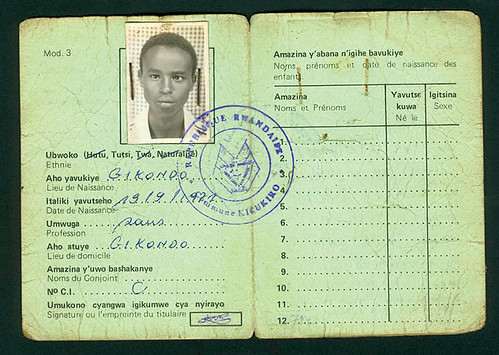
The change from German to Belgian control marked a new chapter in Rwanda’s colonial history. On January 1, 1932, Belgium introduced ethnic identity cards, where the colonial administration deepened its involvement in Rwanda’s social structures, solidifying the divide between the Tutsi and Hutu populations.
{{Rwanda’s path to independence}}
Rwanda’s colonial history, shaped first by Germany and later by Belgium, left enduring scars on the nation. Beginning in 1917, Belgium implemented sweeping reforms to Rwanda’s customary institutions, introducing labor legislation that included harsh corporal punishments.
During this period, the racist political party PARMEHUTU emerged, rising to power through a well-coordinated massacre of Tutsi people starting on November 2, 1959.
To secure PARMEHUTU’s dominance, Belgium sent Colonel Guy Logiest to Rwanda as Special Military Resident, granting him full administrative authority. Once Belgium was confident that PARMEHUTU had consolidated its hold on the political landscape, it granted Rwanda independence in July 1962. However, independence brought neither peace nor stability.
Between 1959 and 1962, the country endured a series of unpunished massacres, including the killing of more than 2,000 Tutsi in Byumba Prefecture in March 1962.
In December 1963, a more systematic genocide targeting the Tutsi was orchestrated with Belgium’s support. Some diplomats, missionaries, international cooperation staff, as well as the French, Belgian, and British press, along with the Vatican, described these killings as genocide.
The deep social and political rifts created by the colonial system continued to plague the country, ultimately culminating in the 1994 Genocide against the Tutsi.
This tragic chapter was brought to an end by the intervention of the Rwandan Patriotic Army (RPA).
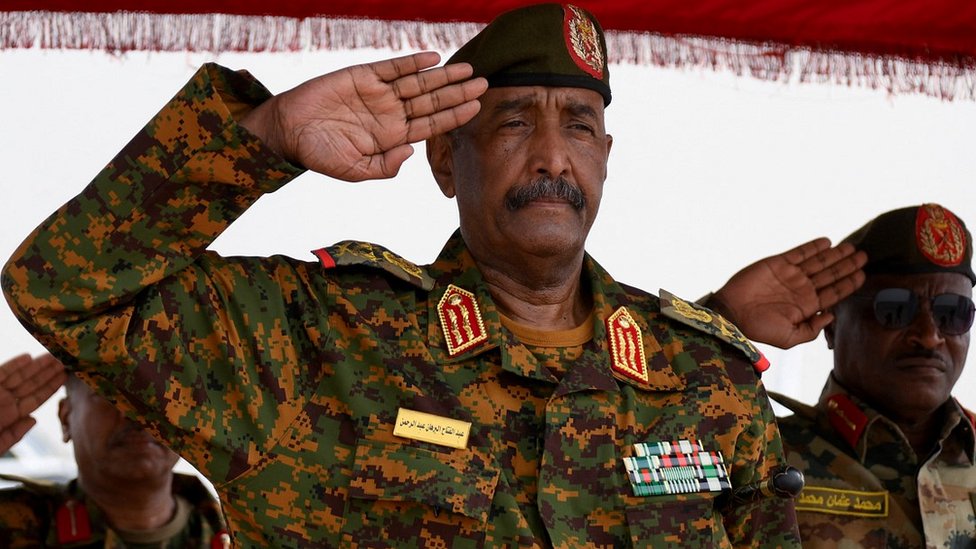
Al-Burhan, who is also chairman of Sudan’s Transitional Sovereign Council, made the remarks while addressing a public gathering in the Al-Sreiha area of Gezira State in central Sudan, according to the sovereign council’s media office.
He emphasized that the conflict will not be resolved through agreements or a ceasefire, vowing that “the march continues to defeat the rebel terrorist militia.”
He also urged all Sudanese to participate in what he called the “battle of dignity and honor,” calling on “anyone who can bear arms” to join the fight against the RSF.
Al-Burhan further stressed that the Sudanese people will not accept the RSF or its supporters, calling on the international community to “collect the weapons from these groups to establish peace in the country.”
On Nov. 6, the RSF had announced its acceptance of a proposal presented by the International Quad Group (United States, the United Arab Emirates, Saudi Arabia, and Egypt) to implement a ceasefire as part of a humanitarian truce in Sudan.
According to leaked details, the proposal envisions a three-month humanitarian truce to allow aid access, followed by a nine-month political process aimed at achieving a comprehensive settlement and a permanent ceasefire.
Sudan continues to be gripped by a brutal conflict between the Sudanese army and the RSF, which broke out in April 2023. The fighting has claimed tens of thousands of lives and forced millions from their homes, deepening the country’s humanitarian crisis.
Pistorius made the announcement at a joint press conference with several other European defense ministers. The new pledge follows Germany’s earlier contribution of 500 million U.S. dollars to the PURL mechanism in August.
Reaffirming Berlin’s long-term support for Kyiv, Pistorius said Germany plans to provide more than 11.5 billion euros in aid for Ukraine in 2026. According to the German Federal Foreign Office, Germany has made available or earmarked roughly 40 billion euros in military assistance as of September 2025.
On Thursday, German Chancellor Friedrich Merz held a phone call with Ukrainian President Volodymyr Zelensky. In addition to discussions on continued support for Ukraine, Merz emphasized Germany’s expectation that Ukraine advance its anti-corruption efforts and rule-of-law reforms.
The two leaders also addressed concerns over the rising number of young Ukrainian men leaving the country for the European Union, according to a statement from the German government. (1 euro = 1.16 U.S. dollar)
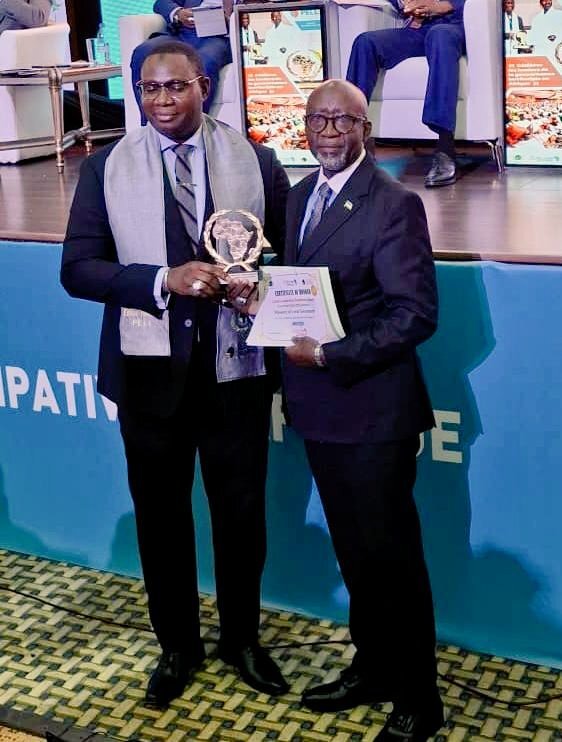
The forum was organized in partnership with the International Observatory for Participatory Democracy in Africa (IOPD Africa) and the Union of Local Elected Officials of Senegal.
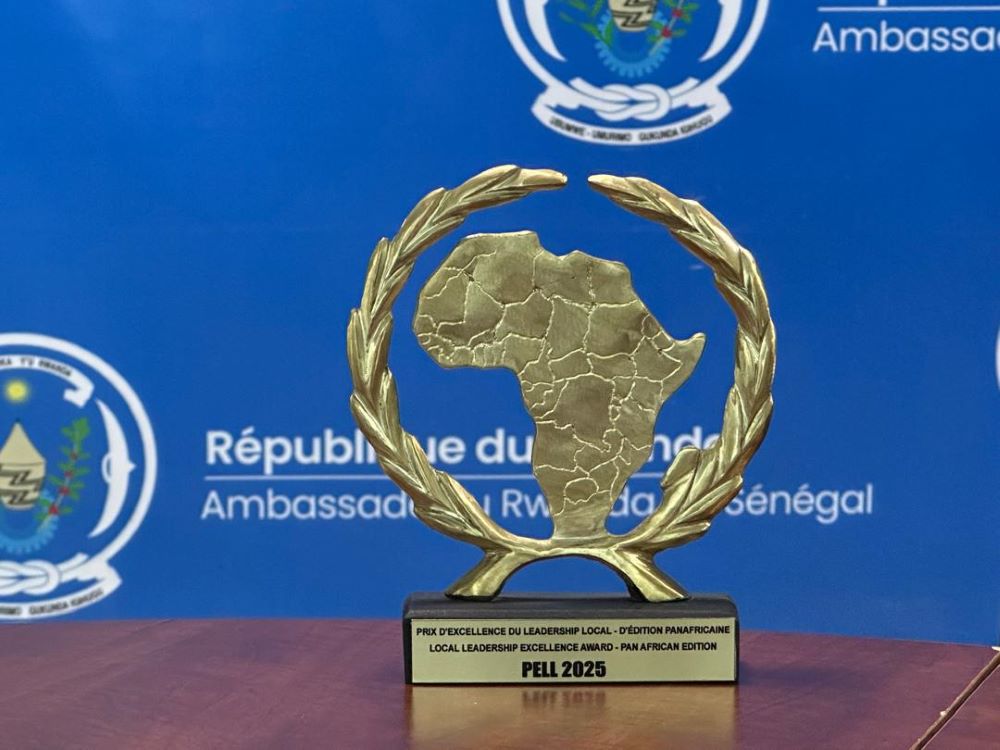
As confirmed by the Ministry of Local Government (MINALOC) via X on November 14, the award recognized Rwanda’s strong reforms in digitizing local service delivery and its continued commitment to citizen-centered governance.
The award was received on behalf of the Ministry of Local Government, by Rwanda’s envoy to Senegal, Amb. Festus Bizimana.
Over the past 31 years, Rwanda has implemented various programs aimed at empowering citizens. This has led to enhanced inclusive participation in governance, with over 80% of citizens now playing a role in solving problems. This figure has risen from 65.63% in 2018.
Besides, decentralization of leadership in Rwanda began in 2000, strengthening local government structures and improving their performance and service delivery.
This is reinforced by the district advisory councils that oversee the implementation of planned activities, thus making citizens’ participation more evident.
The councils are also functional at the Sector, Cell, and Village levels. This has led to improvements in service delivery in sectors like healthcare and education, and it helps leaders easily identify what citizens need most.
This governance model that Rwanda adopted after the 1994 Genocide Against the Tutsi and the Liberation War is an example of how the country rebuilt itself by empowering citizens, ensuring inclusivity, and promoting technology.
It has allowed Rwandans to actively participate in and safeguard initiatives, as they should in a country that upholds democratic governance.
The integration of technology into governance has also further enhanced governance by promoting transparency and accountability among leaders, while citizens have easy access to information and a platform to engage with their leaders.
This approach that Rwanda has chosen has become a valuable lesson for other countries facing similar challenges to those Rwanda has overcome.
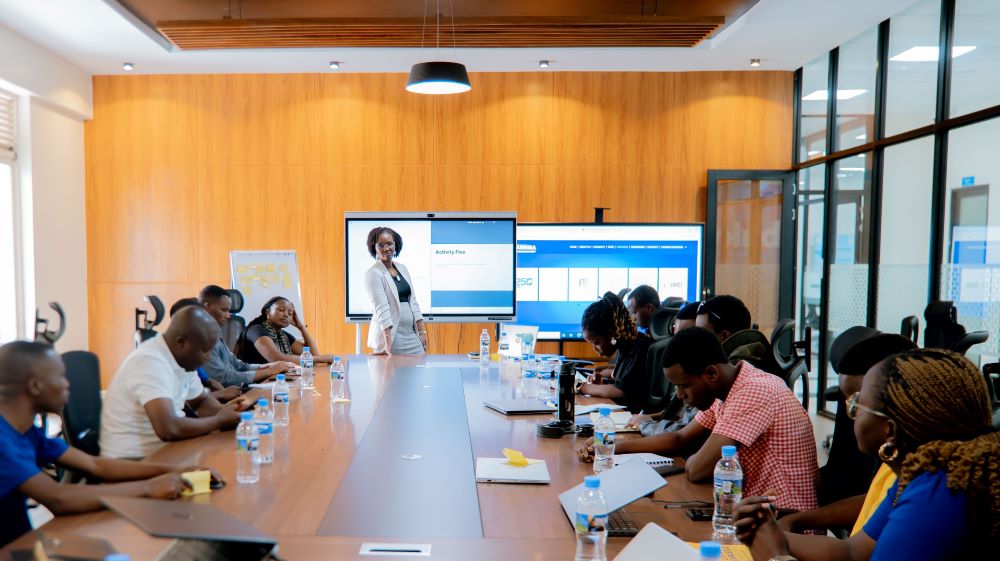
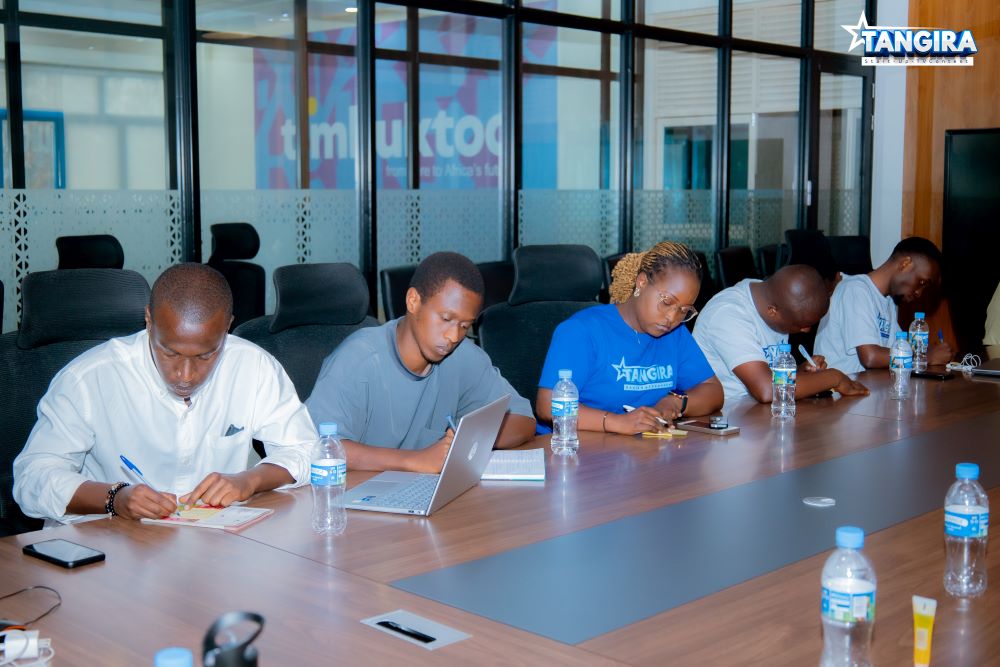
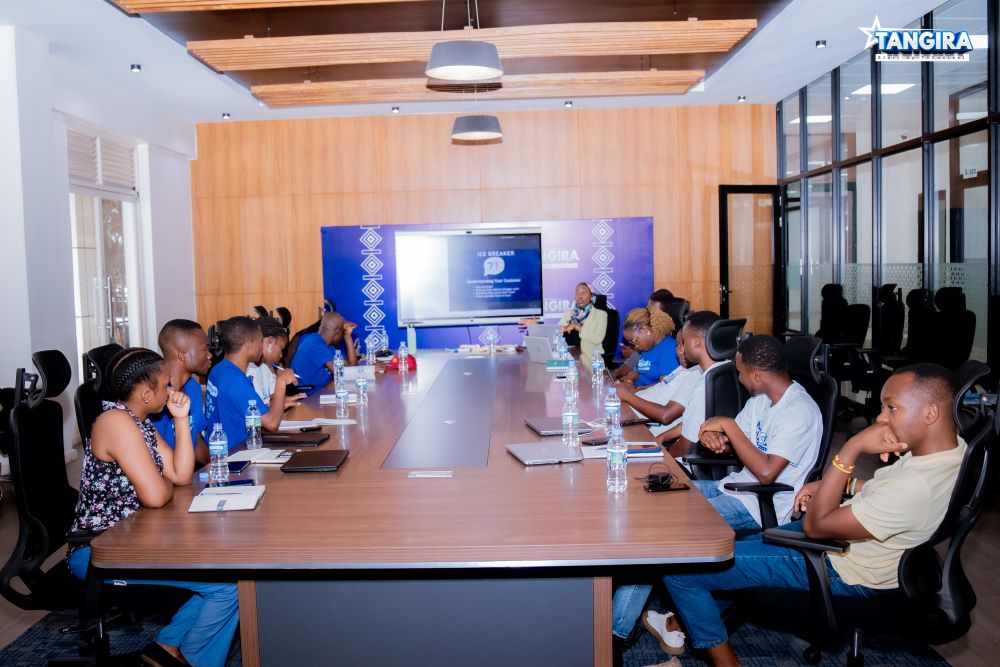
Recently, the contest launched a mentorship program focused on social impact and sales and marketing. The social impact session aimed to help contestants align their ventures with community needs and sustainable values.
The main objective of the mentorship on social impact was to inspire founders to design business models that not only generate profits but also contribute to solving pressing social challenges.
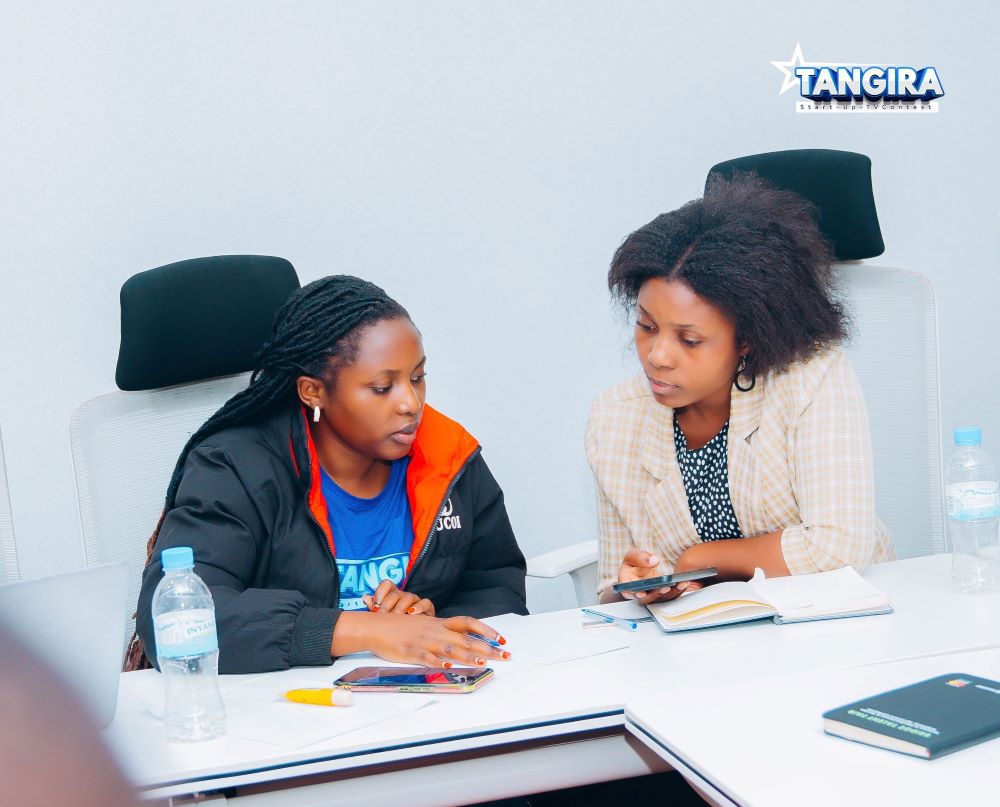
Phiona Ingabire, a coach on social impact emphasized the importance of building ventures that leave a lasting impact within the community.
“Sustainable businesses are built on trust, customer loyalty, and good conduct,” stated Ingabire, further emphasizing that, “ success is not just about numbers but about integrity and community impact”.
During her session, she also highlighted key focus areas of social impact including the value of trust and ethics, building long-term customer loyalty and ensuring sustainability through responsible entrepreneurship.
One of the contestants, the founder of Examira Group Ltd shared that they learned how crucial community trust and ethical practices are in building sustainable businesses.
After the sessions on social impact, the contestants faced a panel of judges including coach Gael Karomba (Inventor & CEO, Legacy Group Kigali Universe) ,Phiona Ingabire ( Program, Partnership Management, Entrepreneurship Coach and Business Development) and Charles Haba (CEO Century Real Estate) in an intense evaluation session.
The judges commended the contestants for their creativity and passion. As part of the process, two founders were eliminated, narrowing the remaining contestants to ten.
The next session on marketing and sales was moderated by Coach Tadhim Uwizeye, an expert in business marketing and sales management. Her session equipped contestants with practical tools for customer engagement and business visibility.
Uwizeye urged contestants to make the most of social media and digital platforms to reach their audiences.
Her sessions focused on leveraging social media for business growth, the use of metrics and customer behavior analysis to make data-driven decisions and developing customer-focused marketing strategies.
One of the contestants who is the founder of Mindtech Innovation Ltd reported gaining new insights into how to position their brands and to tailor their communication effectively.
The session boosted their confidence to apply modern marketing tools to scale their startups. It concluded with a judging panel featuring Tadhim Uwizeye (Founder and CEO Olado.rw/ Techwomen 2023 Emerging leader) and Charles Haba (CEO Century Real Estate). The judges evaluated the contestants’ progress leading to elimination of two founders.
This saw 8 founders advancing to the next session of mentorship, which will focus on HR, finance, and financial management, following their exposure to social impact and marketing.”
The Tangira startup TV contest is powered by RG CONSULT INC, and supported by a wide array of sponsors including IGIHE, 250 startups , ICT Chamber, Ministry of ICT and Innovation, ABA VIP, RSE, BPN, BRD, Capital FM, Royal FM, Itara Filmz, BTN TV, ATV, ESP and Nepfilms.