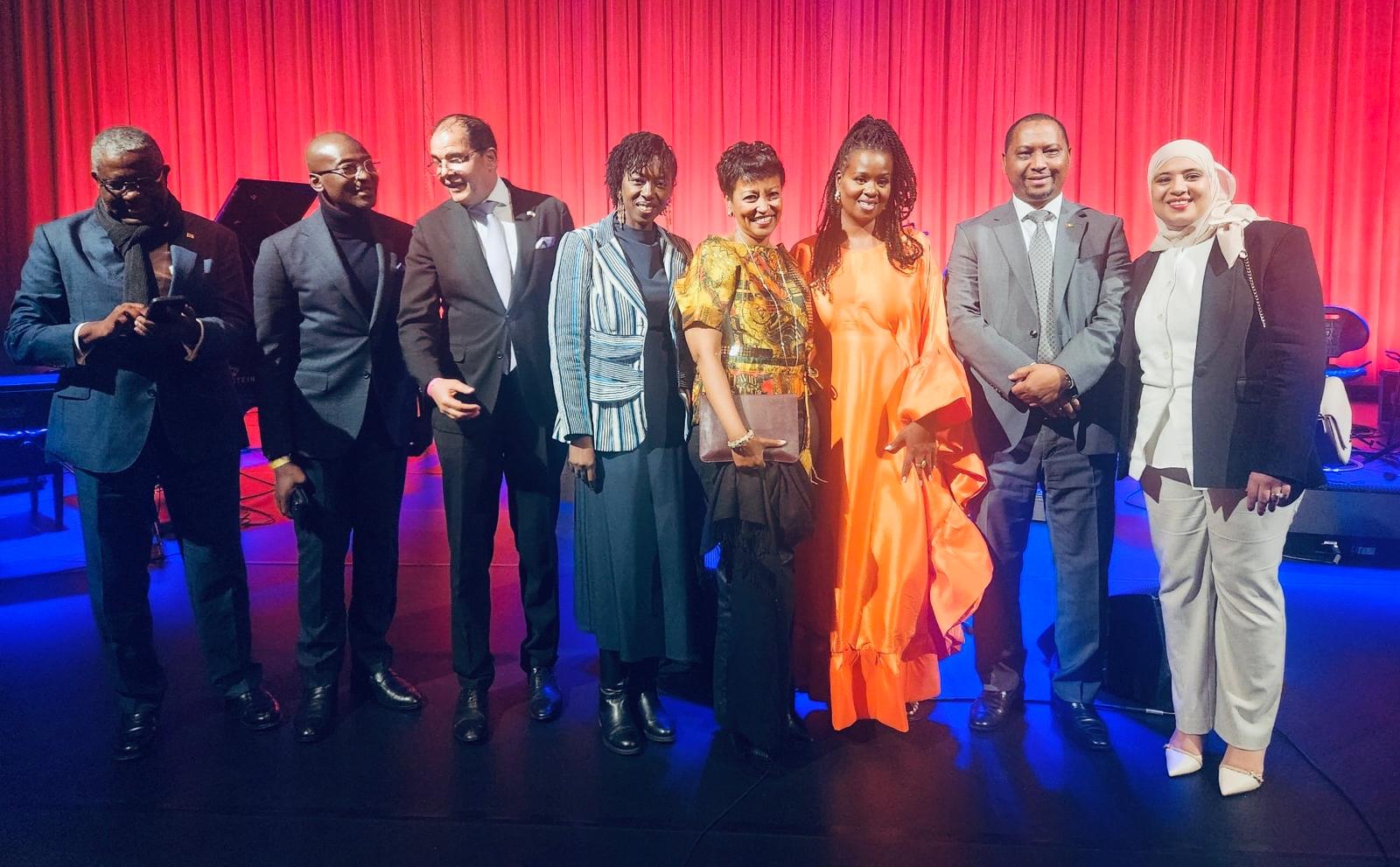
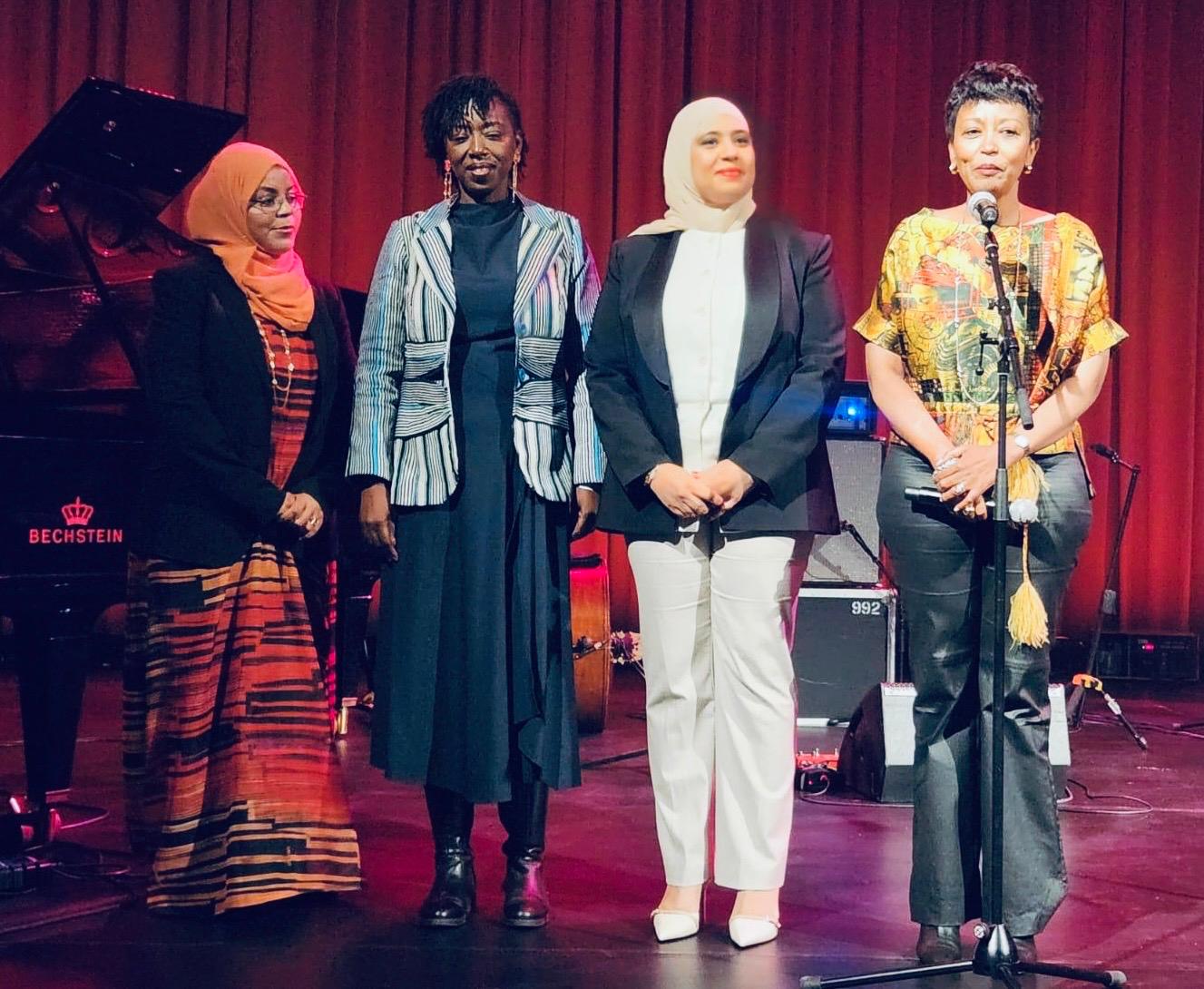
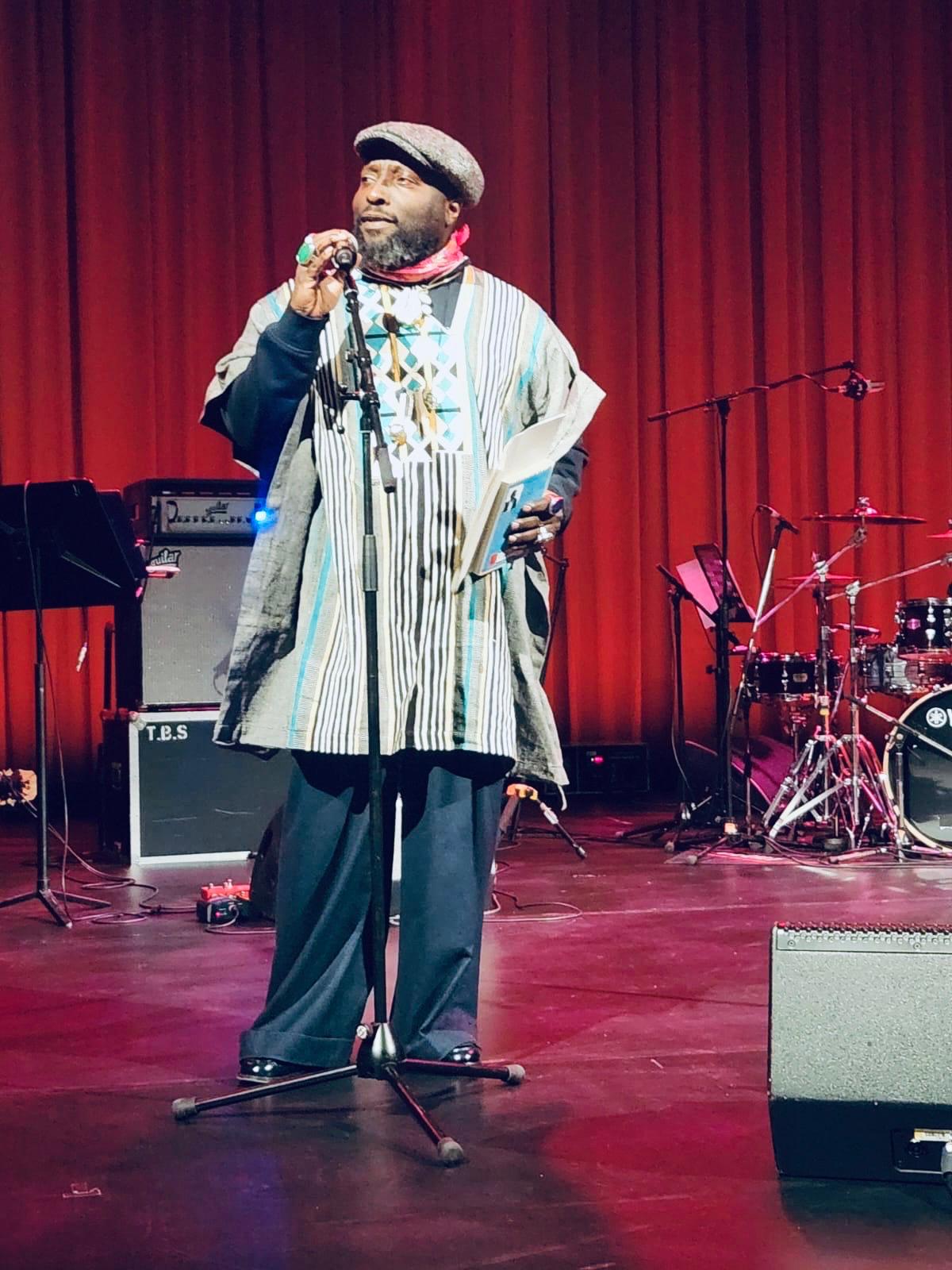
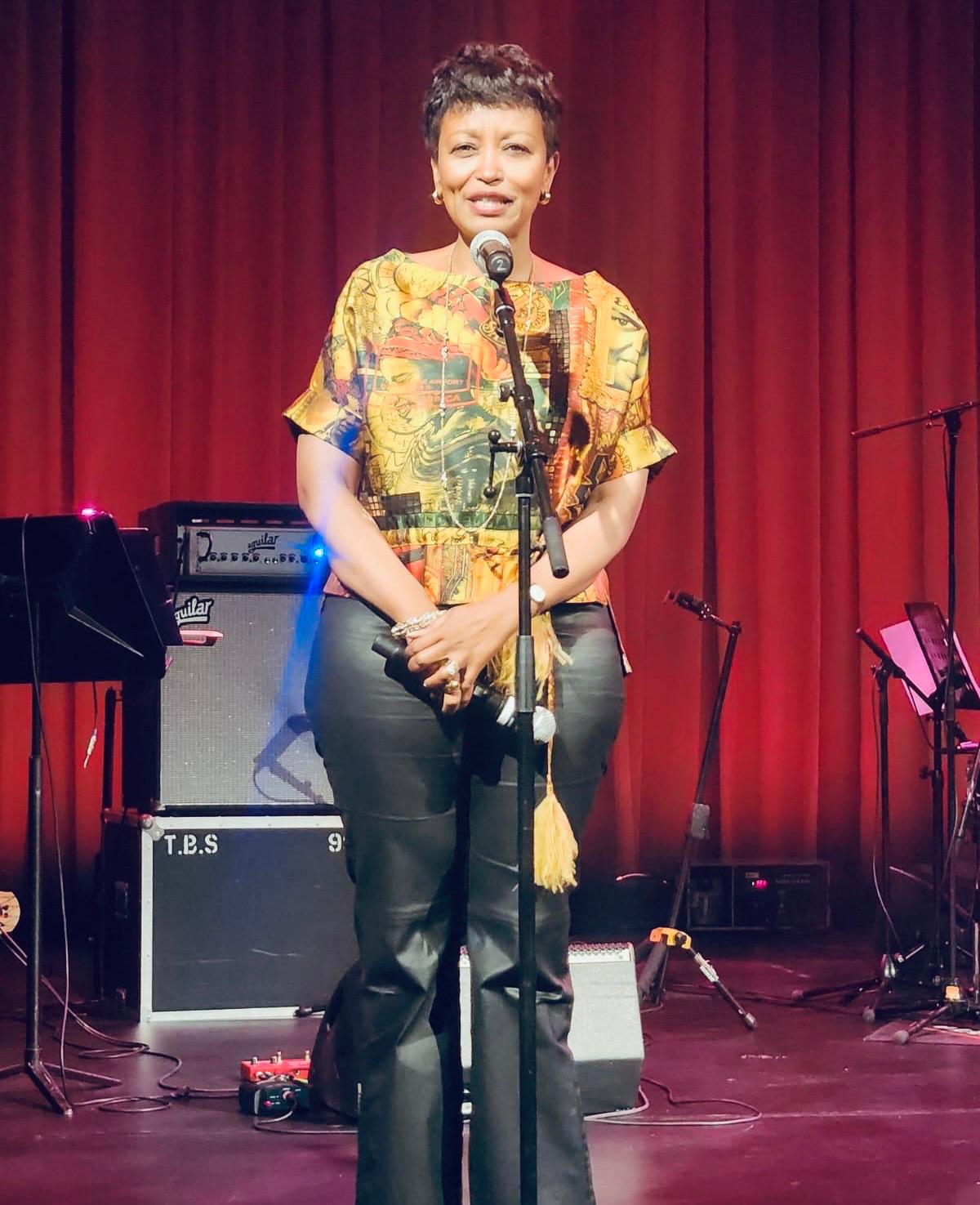
The concert, which featured Grammy-nominated artist Somi Kakoma (born in the United States to Rwandan and Ugandan parents), honored Makeba’s contributions to music and social justice, blending jazz and African musical traditions in a performance that highlighted the iconic singer’s political activism.
Somi, known for her long-standing work bridging African and American cultures, performed a heartfelt tribute to Miriam Makeba, an artist whose international influence transcended music.
Somi’s performance was a blend of jazz and African musical traditions, underscoring Makeba’s pioneering role in using music as a platform for political activism.
The evening, enriched by Somi’s distinctive voice and the talented musicians accompanying her, transformed into both a musical experience and a commemorative act.
The concert highlighted the role of music as a tool for remembrance, emancipation, and the amplification of political causes—values that Makeba passionately championed throughout her life.
The HKW where the event was hosted, is a renowned multidisciplinary institution in Berlin dedicated to fostering global dialogue through the arts.
It is known for its commitment to showcasing diverse cultural expressions, including visual arts, performing arts, and literary practices, alongside scientific and cultural discourse.
The HKW’s inclusive space, free from discrimination, provided an ideal setting for this tribute to Makeba, reinforcing the institution’s mission of cultivating unity and hospitality among global cultures.
Jeanne Ndatirwa, in her remarks, emphasized that the tribute to Miriam Makeba was a pan-African gesture recognizing the significant contribution of African women to human rights.
She expressed pride in the diaspora’s heritage and the importance of such events in strengthening cultural ties and mutual respect between nations.
Dr. Bonaventure Soh Bejeng Ndikung, Director and Chief Curator of HKW, reflected on Makeba’s profound impact, stating, “The concert honors a great artist and political icon who not only brought Africa to the world’s music stages but also placed social justice firmly on the global political agenda.”
The evening’s events also highlighted the HKW’s dedication to promoting inclusivity, emphasizing that the institution does not tolerate any form of hate or discrimination, including homophobic, racist, antisemitic, and xenophobic actions or speech.
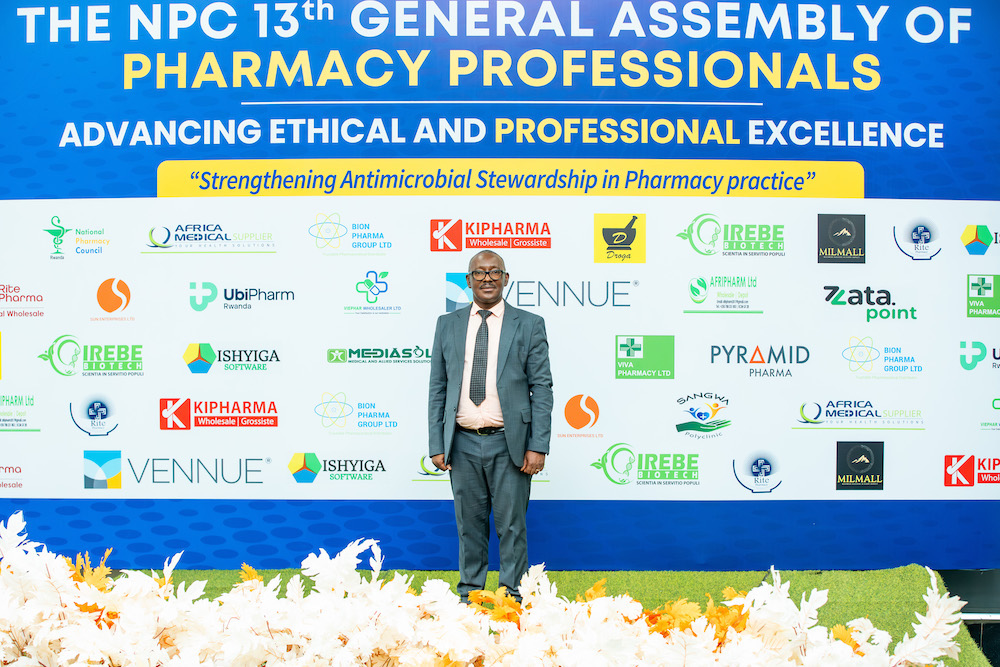
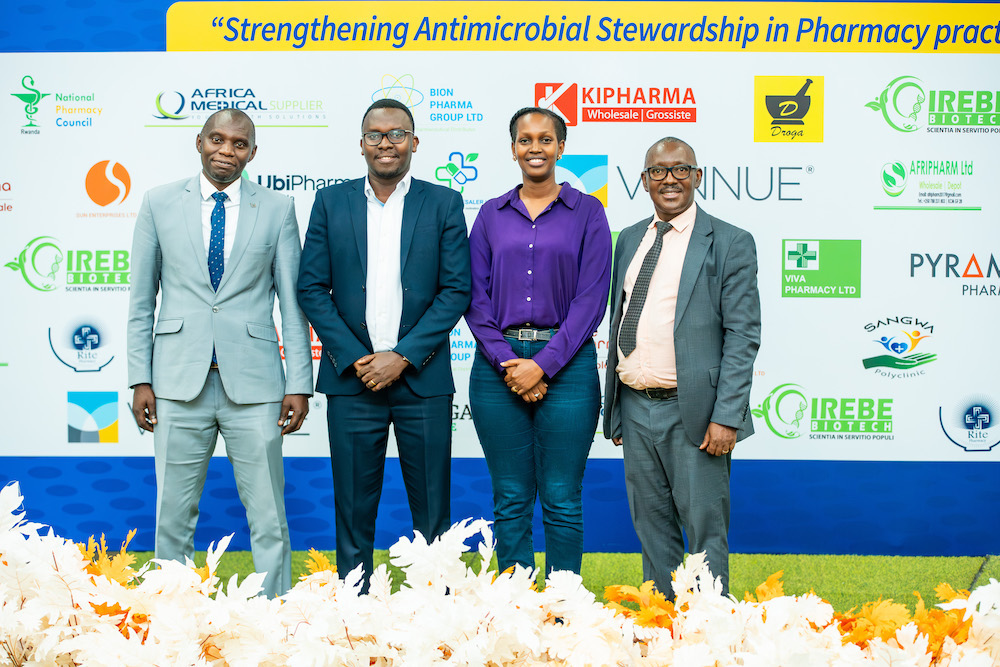
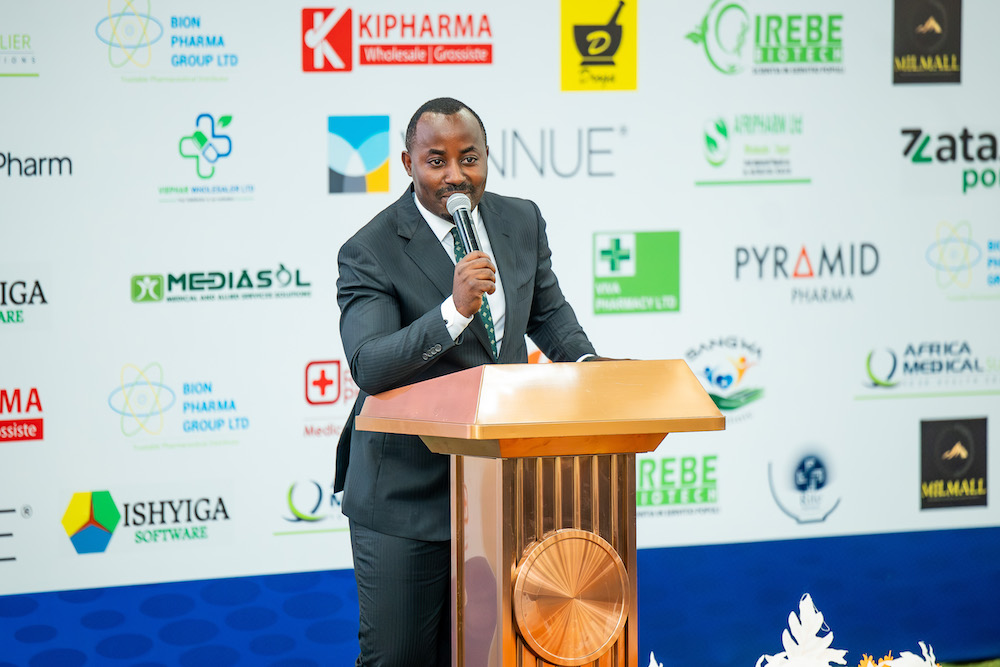
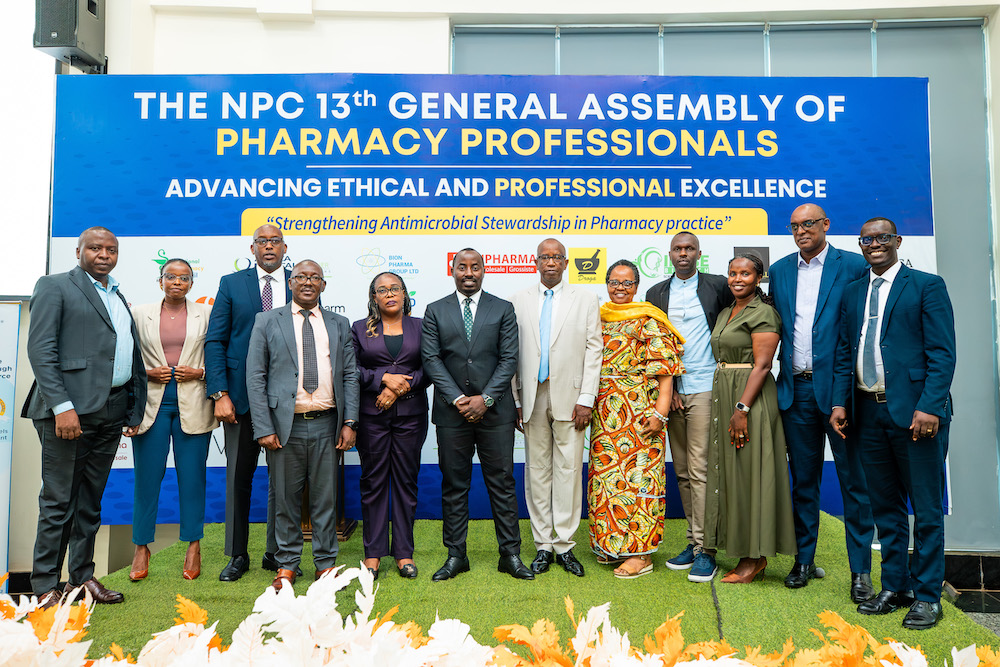
Upon election, he promised to work closely with those who have entrusted him with the position to address issues such as antimicrobial resistance in diseases and to protect the dignity and pride of the pharmacy profession.
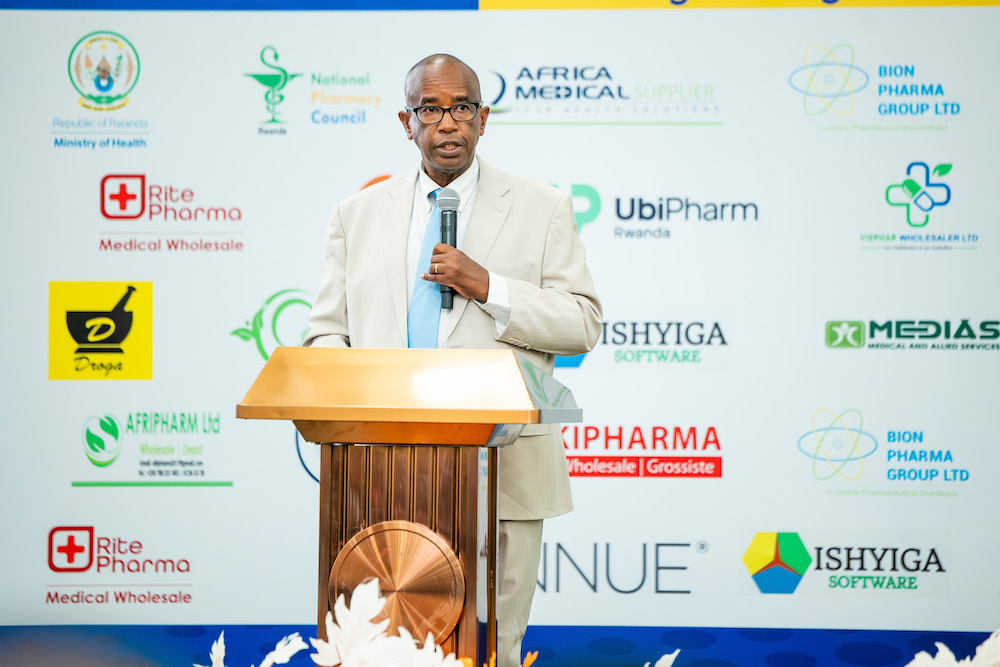
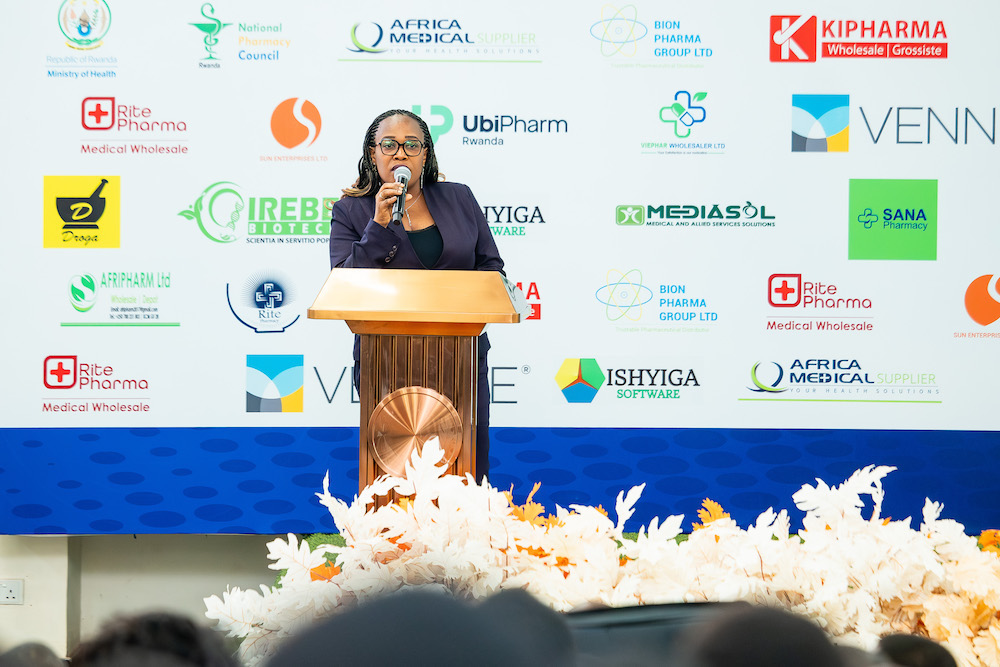
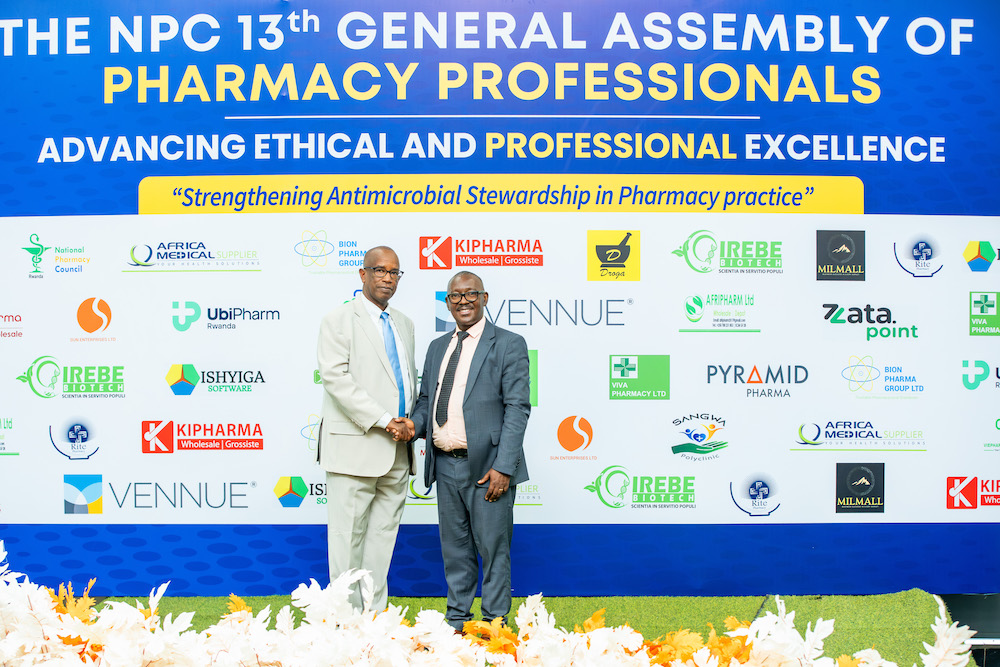
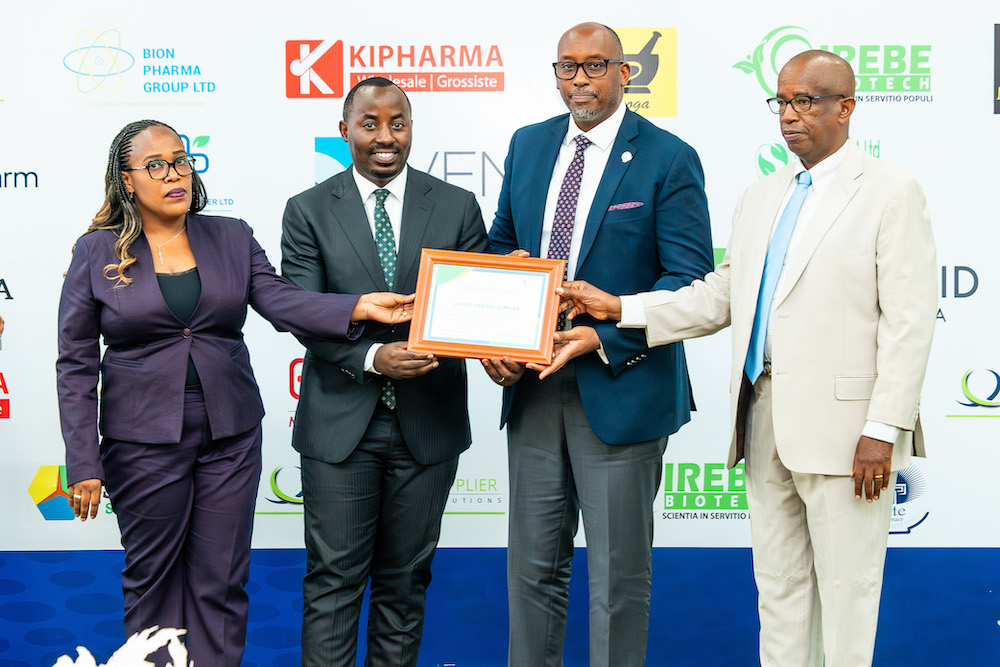
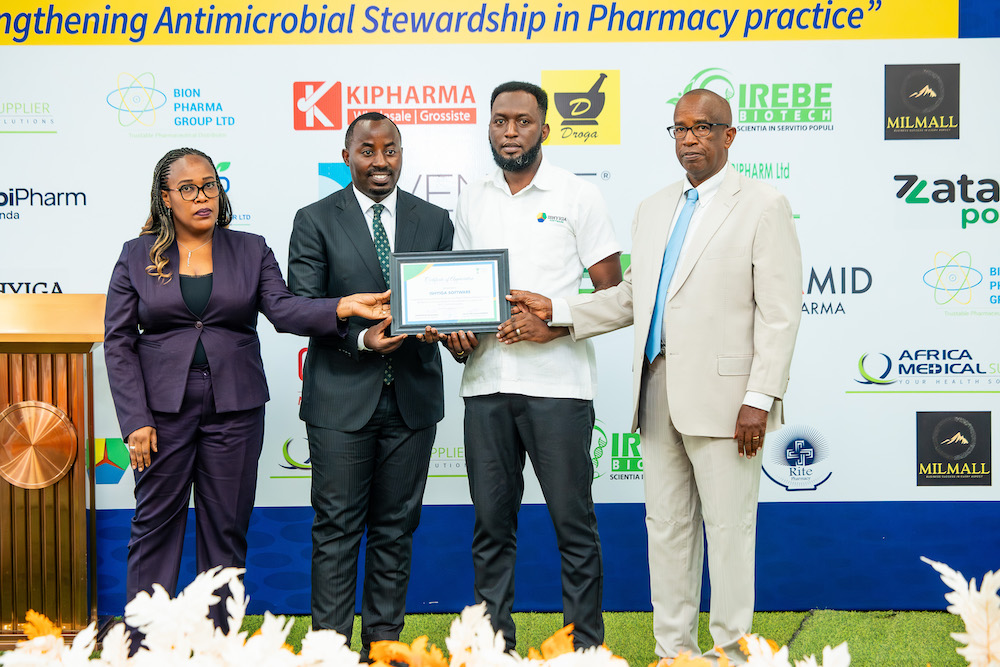
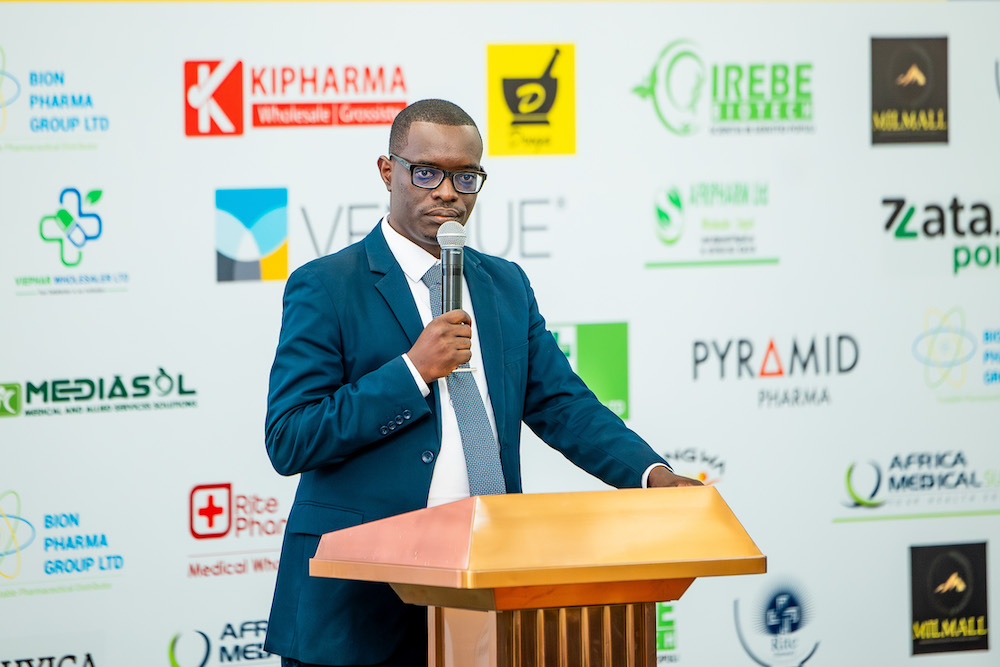
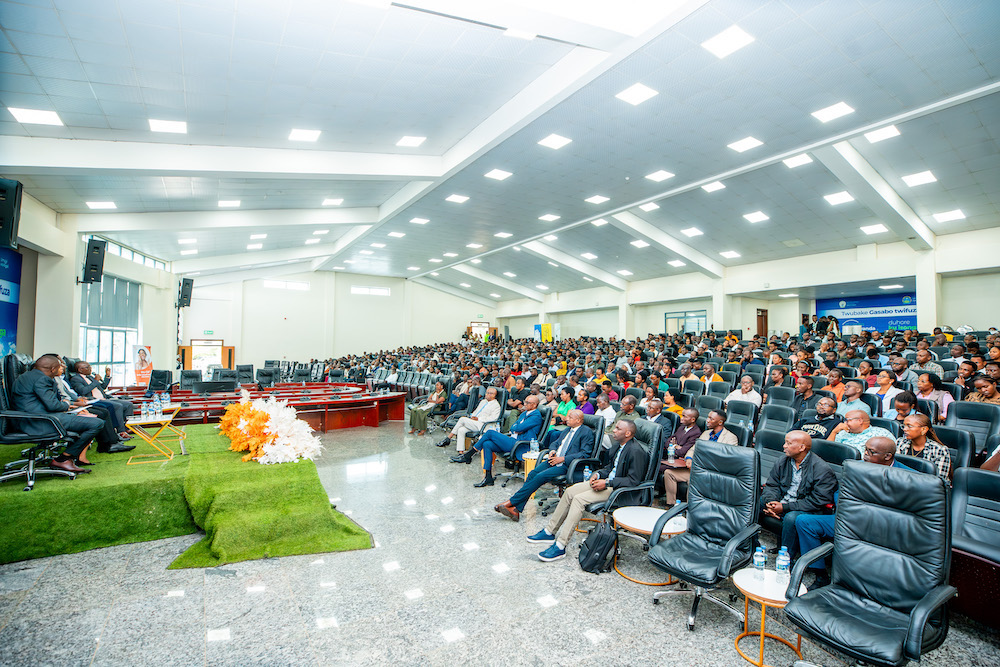
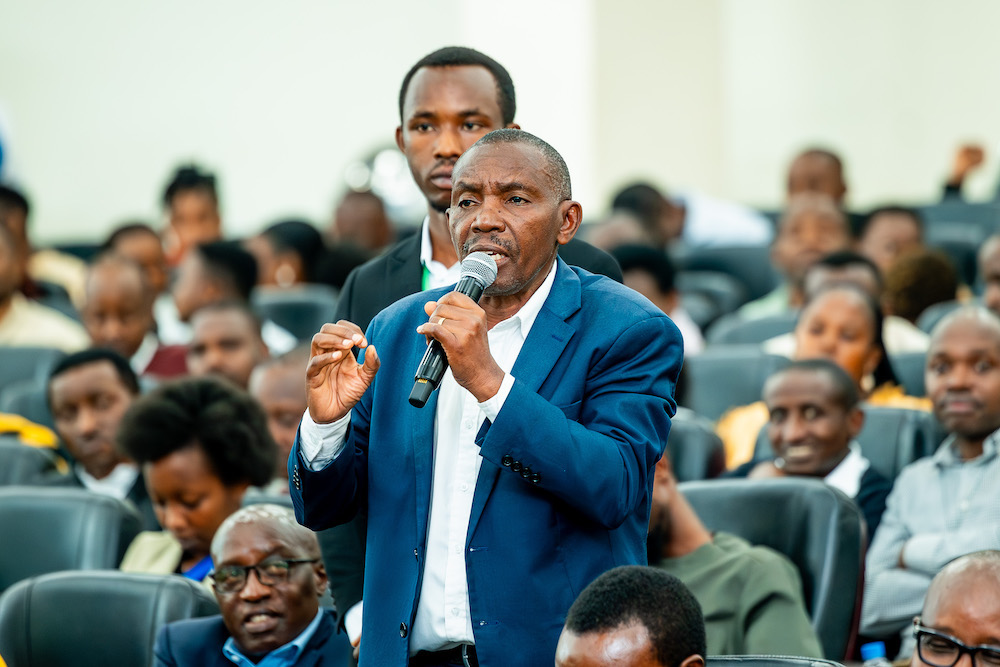
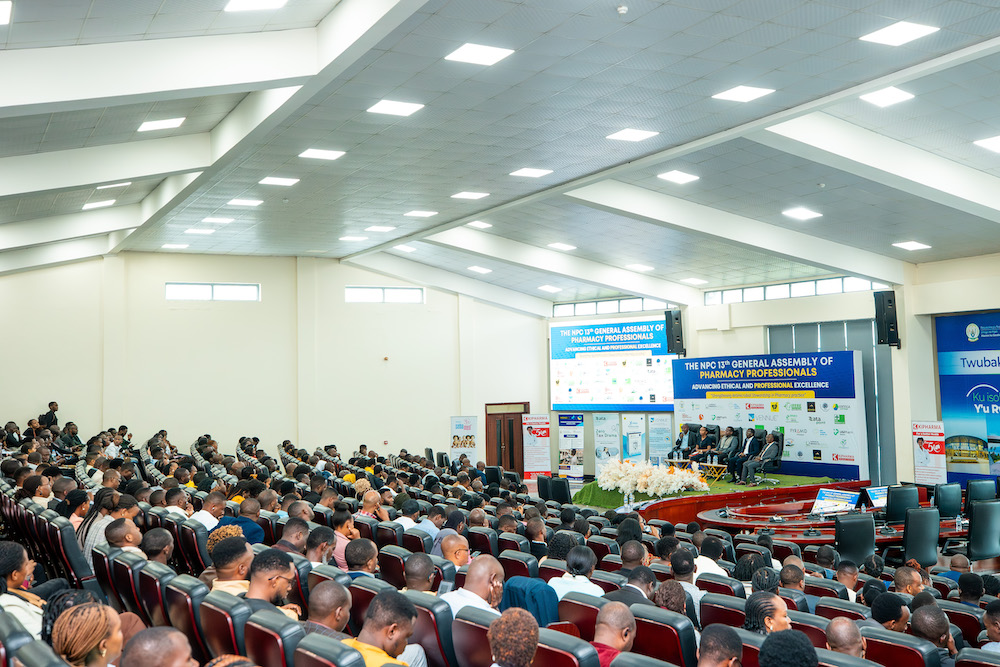
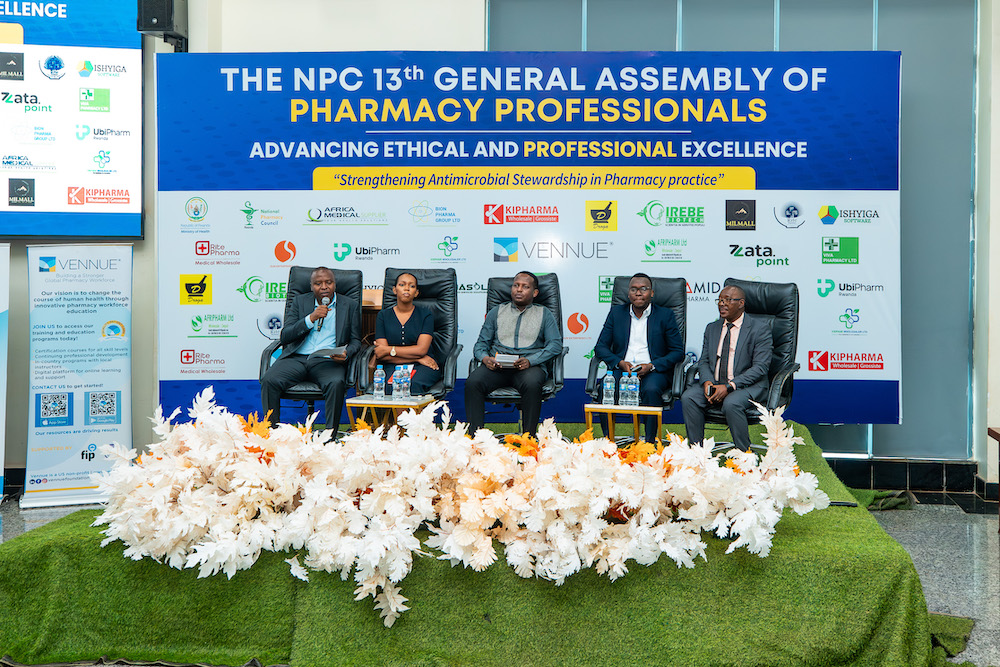
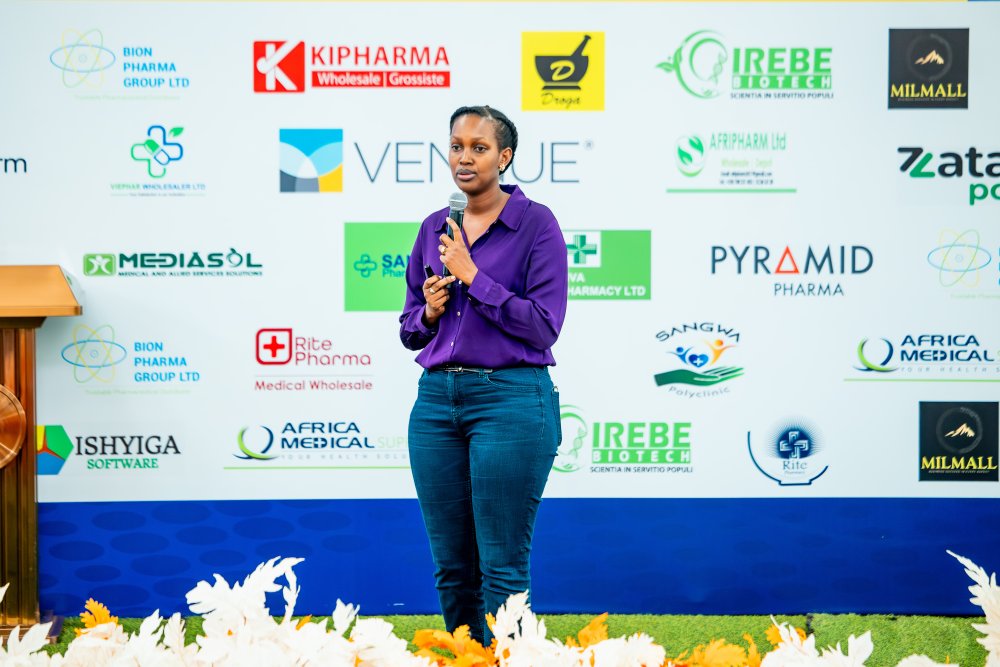
The event took place on November 14, 2025, during the 13th annual general assembly of pharmacy professionals, which aimed to assess the achievements made by its members, review their professional direction, and set new strategies to improve the profession.
Over 700 members attended the assembly, which also presented a five-year study aligned with Rwanda’s Vision 2050, meant to accelerate the country’s development in various sectors, including healthcare.
The outgoing chairperson, DCG (Rtd) Stanley Nsabimana, said that the event was an opportunity to reflect on progress, while reminding everyone that professionalism requires constant effort and commitment.
“Today, we meet not just to fulfill legal obligations but to celebrate our achievements, reaffirm our values, and continue our commitment to public health through professional integrity and competence,” he said.
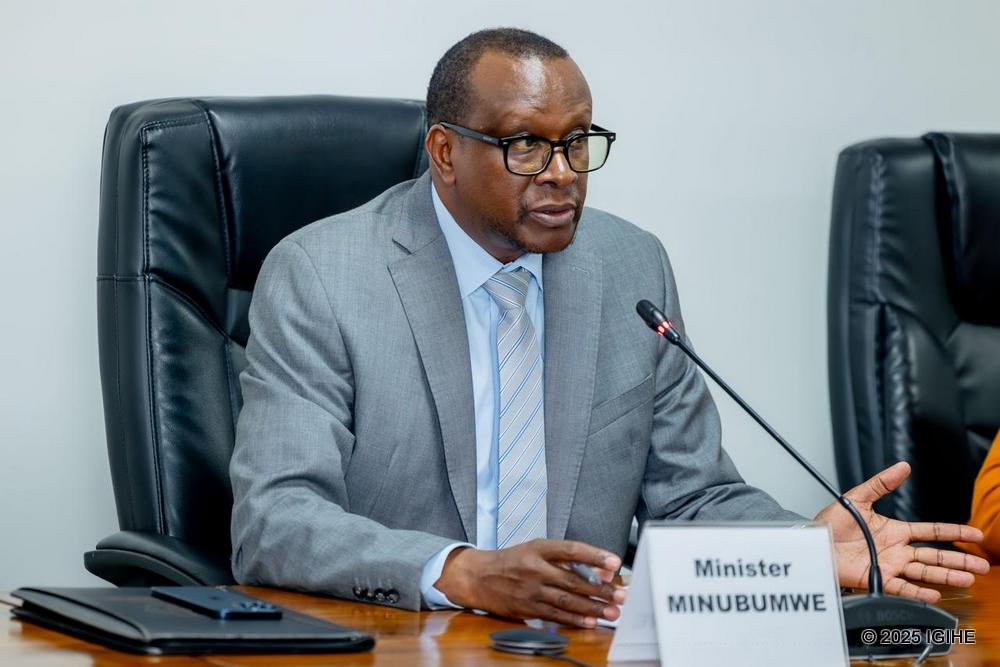
Dr. Jean Baptiste Ntihumbya, the Director General of Health Quality Services Standards and Regulation at the Ministry of Health, praised the pharmacists’ association for its significant role in improving healthcare services and protecting public health.
He highlighted the importance of the association’s work in combating antimicrobial resistance (AMR), stressing that it requires professionalism and attention to patient safety.
The Ministry of Health assured pharmacists that it would continue supporting their work with knowledge and financial assistance to enhance the association’s operations in technology and capacity building.
In response to the issue of antimicrobial resistance, the government has implemented a ‘one health’ program, focusing on human, animal, and environmental health, recognizing their interconnectedness in combating AMR.
Other new leaders elected during the assembly include Ntirenganya Remy Pacifique, who was elected vice chairperson, Uwase Marie Ange as secretary, and Byomuhangi Evariste as treasurer, all elected for a three-year term.
The council has the responsibility of upholding the integrity of their profession, ensuring dedication in their work, and ensuring that all members comply with relevant laws and regulations.
Together, they crafted a false narrative, accusing the Rwandan Patriotic Front (RPF) of being responsible for shooting down the plane of President Juvénal Habyarimana.
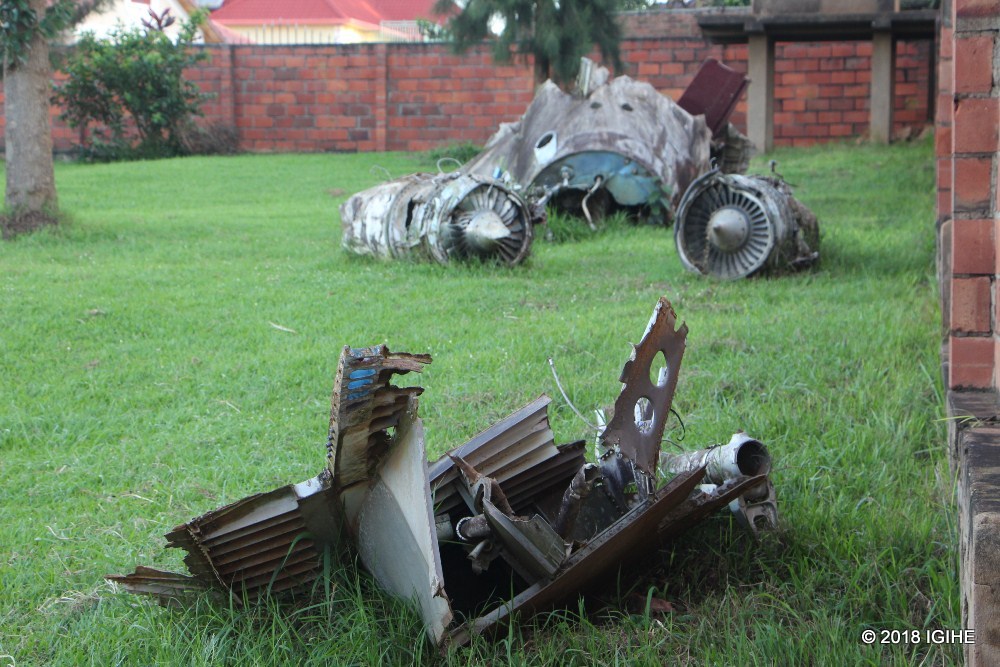
The plane carrying President Juvénal Habyarimana was shot down on the night of April 6, 1994, and was followed by the execution of the Genocide against the Tutsi in Rwanda.
This genocide was carried out openly across the country, with the involvement of soldiers, gendarmes, the Interahamwe militia, and others.
Dr. Bizimana highlighted on X that Reyntjens was “the Belgian who drafted the discriminatory 1978 Constitution for the Habyarimana regime, providing it with legal basis for the oppression and extermination of the Tutsi.”
According to Dr. Bizimana, Reyntjens’ involvement was not just an academic error; it was the starting point of his long campaign to sanitize the genocidal regime and attack those who ended it.
He emphasized, “The Belgian Filip Reyntjens has been committed since 1994 to defending his Rwandan friends involved in the genocide against the Tutsi and using them to fabricate blatant lies against the FPR, accusing the latter of invented crimes of the same magnitude as the genocide against the Tutsi.”
These tactics, according to Bizimana, were aimed at glorifying the leaders of Habyarimana’s regime by fabricating two genocides, suppressing the truth, and portraying the RPF as a government of genocidaires.
Dr. Bizimana provided an example of the collaboration between Reyntjens and Ngeze Hassan, the former Editor-in-Chief of Kangura newspaper.
In a letter addressed to Ngeze on May 9, 1997, Reyntjens suggested that it would be highly beneficial to highlight the role of the RPF in the attack that downed President Habyarimana’s plane.
He proposed that if there were any RTLM workers in Nairobi, they could be contacted to help investigate whether it would be possible to uncover any information related to his inquiry.
Reyntjens also expressed his willingness to meet with Ngeze or any other journalists in the near future. Minister Bizimana pointed out that Reyntjens was encouraging Ngeze to accuse the RPF of crimes, despite being fully aware of the genocidal ideology that had influenced his actions.
{{Who shot down Habyarimana’s plane?}}
An investigation into the shooting down of President Juvénal Habyarimana’s plane was initiated by France in 1998 after the families of those onboard, as well as the plane’s crew and staff, requested it.
In 2012, Rwanda granted French judges Marc Trévidic and Nathalie Poux permission to enter the country. They announced that the missiles that shot down Habyarimana’s plane came from the Kanombe Military Base, with no connection to the RPA forces reportedly stationed in Masaka.
There are documents from France’s external intelligence agency, DGSE, showing that France had information on who shot down Habyarimana’s plane starting from April 6, 1994.
An investigation conducted by Radio France and Mediapart uncovered a DGSE document written to President François Mitterrand, detailing the agency’s information about the attack.
The document, dated September 22, 1994, was released by the Ministry of Armed Forces in 2015. It stated that “two extremists,” Colonel Théoneste Bagosora and Laurent Serubuga, were the ones who issued the orders to shoot down Habyarimana’s plane.
On July 12, 1994, DGSE revealed that the plane was shot down by Hutu extremists seeking to eliminate President Habyarimana, who had agreed to negotiations with the RPF.
The French were the first to arrive at the crash site and were said to have taken the black box from the plane, which contained critical information about the incident.
{{Ngeze: An extremist who hated Tutsis}}
Ngeze Hassan was sentenced to 35 years in prison by the International Criminal Tribunal for Rwanda (ICTR) in Arusha after being convicted of crimes related to the genocide against the Tutsi and crimes against humanity. Another document written by Reyntjens revealed that Ngeze Hassan played an active role in the 1992 massacres of Tutsis in Bugesera.
The document states: “In March 1992, Reyntjens writes, Interahamwe and soldiers from the Presidential Guard and the Mayuya camp (a total of about 75 soldiers) were sent to Bugesera. The soldiers were in civilian clothes and armed with knives and pistols.
“Individuals, particularly officers from the Ministry of Justice and judicial police inspectors/officers, who might have hindered the operation had been reassigned beforehand. The troublemakers were transported by vehicles from the Public Works Department, and the fuel needed for the operation was provided by Mr. Rwabukumba and Mr. Nzirorera, and allegedly transported by Hassan Ngeze and stored at the home of mayor, Rwambuka.
“Initially arriving in Gashora, the Interahamwe and soldiers, assisted by local interahamwe, blended in with the population. They then attacked specific pre-determined targets: Tutsi families or those belonging to the opposition. From there, the violence spread.”
This document highlights how some institutions involved in the genocide provided vehicles for the killers, supplied fuel, and sheltered the perpetrators in high-end hotels.
The document further notes, “The criminals were given very comfortable accommodations. Ngeze Hassan, the Chief editor of Kangura, who was involved in the events in Bugesera, came to visit me at the hotel.”
Minister Bizimana emphasized, “Ngeze Hassan, whom Filip Reyntjens sought to work with after the halt of the genocide, urging him to collaborate in falsely accusing the RPF, is a hardened criminal because his role in the preparation and execution of the genocide was evident from 1990 onwards.”
{{Ngeze Hassan’s background}}
Ngeze Hassan was born on December 25, 1957, in Rubavu District, Gisenyi Sector. He is known for inciting ethnic division through the Kangura newspaper, which he founded in 1990. Hassan is also known for his work at ONATRACOM, the national public transport authority.
Hassan is infamous for publishing the “10 Commandments of the Hutu” in December 1990, which fueled hatred among Hutus against Tutsis.
Kangura, the magazine Ngeze managed, was heavily supported by the MRND party, which was led by President Habyarimana.
In 1993, Ngeze gained influence on RTLM, a radio station that shared the same genocidal ideology as Kangura. During the genocide, Ngeze regularly provided RTLM with the names of Tutsis who were to be killed, particularly focusing on individuals from Gisenyi Province. He publicly announced these names on RTLM.
In June 1994, Ngeze fled to Mombasa, Kenya. In 2003, he was arrested by the International Criminal Tribunal for Rwanda and tried in 2007. He was initially sentenced to life in prison, but after an appeal, Judge Theodor Meron reduced his sentence to 35 years.
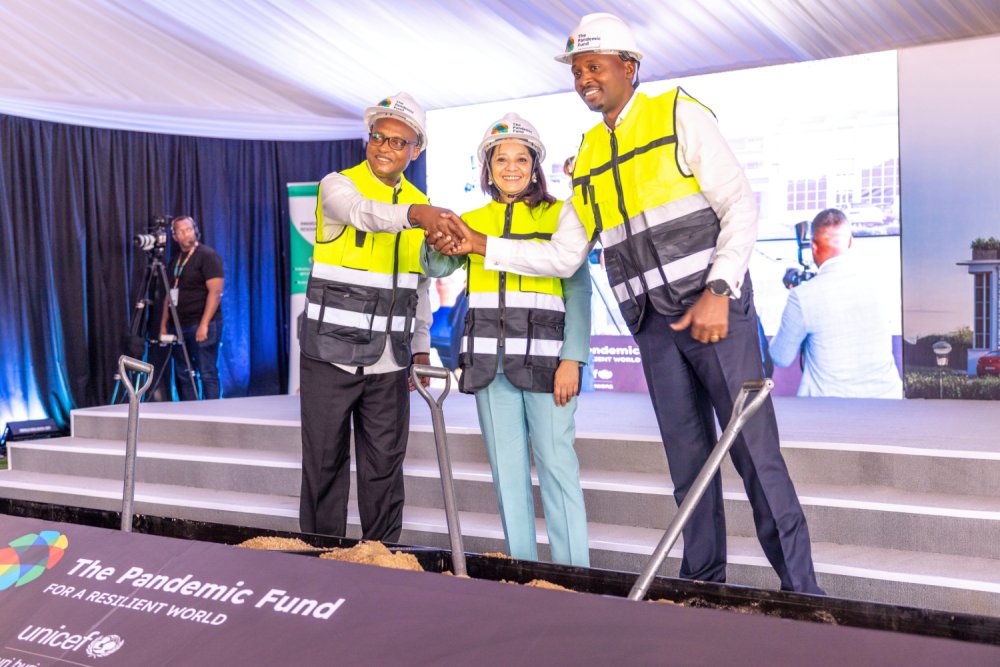
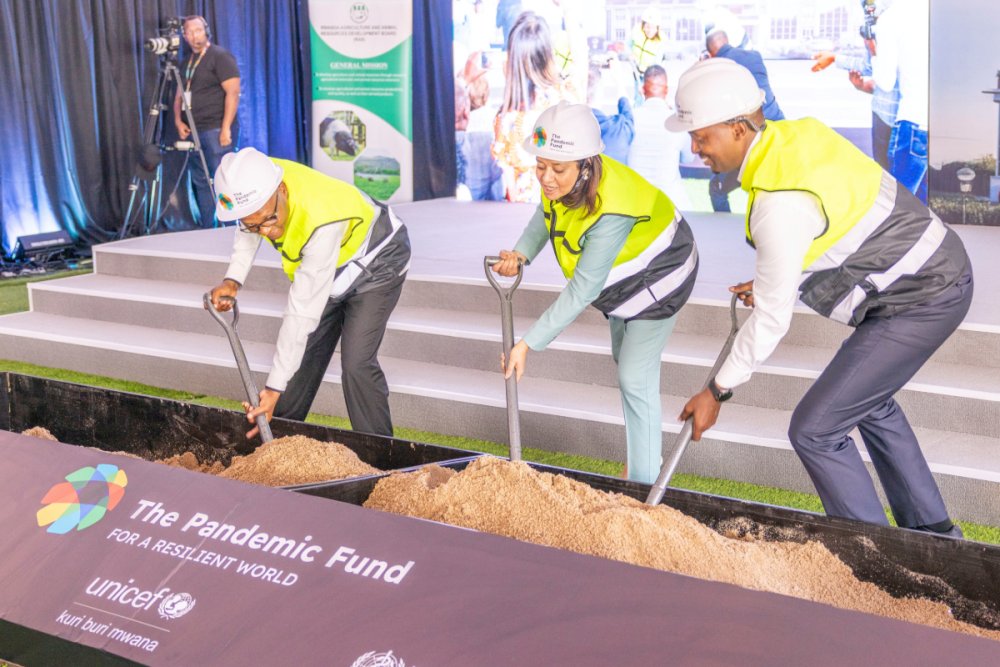
Construction is expected to be completed within 24 months, at a cost of over $24 million (over 34 billion Rwandan Francs).
The state-of-the-art facility is expected to address a critical gap in the country’s health security architecture by providing rapid, accurate diagnosis of zoonotic and transboundary animal diseases, the types of pathogens with the highest potential to trigger future outbreaks.
With modern molecular testing capacity and advanced biosafety systems, the NVRLL will enable quicker confirmation of diseases such as Mpox, Marburg, avian influenza, and Foot-and-Mouth Disease, improving national readiness and response.
The laboratory will also help safeguard Rwanda’s economy by reducing livestock losses, improving disease surveillance, and supporting safe animal movement and trade.
Besides, faster diagnostics will strengthen veterinary services, protect household livelihoods, and advance the country’s compliance with regional and international animal health standards.
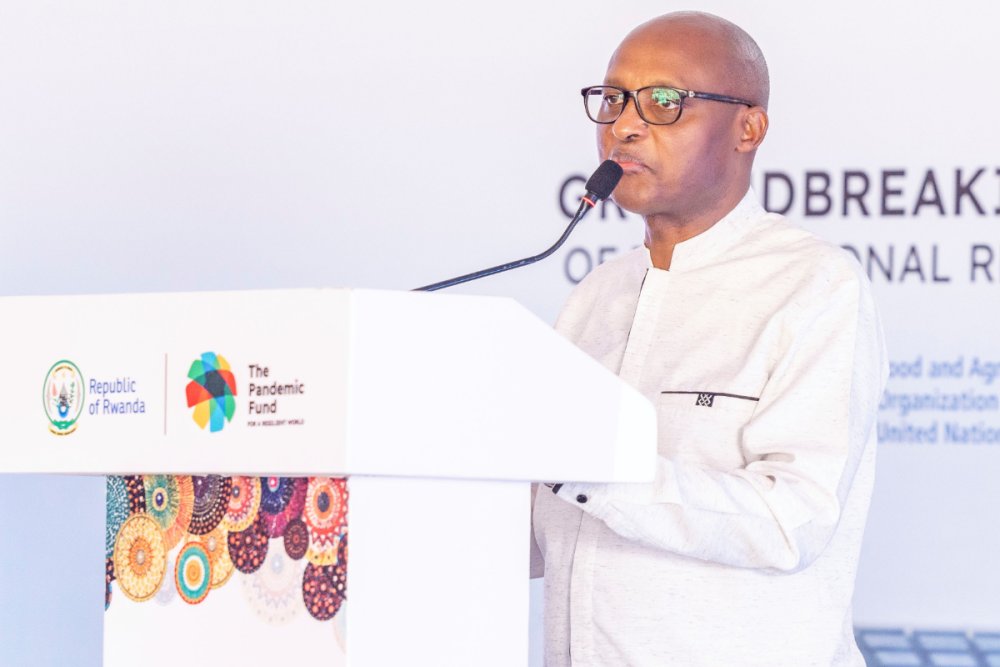
Commenting on the development, Dr. Mark Cyubahiro Bagabe, Minister of Agriculture and Animal Resources, highlighted the importance of the new facility.
“Pandemics often begin in animals before spilling over to humans. This laboratory gives Rwanda the scientific capability to detect threats early, protecting our people, our livestock, and our economy,” he said.
Priya Basu, Executive Head of the Pandemic Fund also expressed delight at the groundbreaking initiative.
“Through projects like this, the Fund helps countries put the One Health approach into action, strengthening collective health across the human, animal, and environmental sectors.
“By enhancing disease detection and response, Rwanda is setting a new benchmark for health security in the region. We are proud to stand with Rwanda in building resilient systems that protect communities and livelihoods,” he noted.
The NVRLL is a flagship activity under the Strengthening Pandemic Prevention and Response Through One Health Approach in Rwanda (SPPROHRW) project, supported by the Pandemic Fund and implemented by the Ministry of Health, the Ministry of Agriculture and Animal resources through the Rwanda Biomedical Centre (RBC), RAB, and several development partners.
The One Health concept recognizes that the health of humans and animals are linked because they share the same environment.
The Government of Rwanda has embraced the One Health approach and continues to demonstrate strong political will to institutionalize it across relevant sectors.
Speaking at the UN General Assembly’s plenary meeting on Security Council reform, Fu said that Japanese Prime Minister Sanae Takaichi recently made a “brazen, provocative” statement on Taiwan at the Japanese Diet. She claimed that a “Taiwan contingency” could be a “survival-threatening situation” for Japan and implied that Japan may invoke the so-called right to collective self-defense to interfere militarily in the Taiwan Strait.
Takaichi’s remarks are “extremely erroneous and dangerous,” and constitute a gross interference in China’s internal affairs and a serious breach of the one-China principle and the spirit of the four political documents between China and Japan, said Fu.
“They are an affront to international justice, damage the post-war international order, trample on the basic norms of international relations, and represent a blatant departure from Japan’s commitment to peaceful development,” he noted.
“Such a country is totally unqualified to seek a permanent seat on the Security Council,” said the ambassador.
Fu underscored that throughout its history, Japanese militarists have repeatedly used the so-called “survival-threatening situation” as a pretext to launch foreign aggression, including the Sept. 18 Incident in 1931, under the pretext of the right of self-defense, which provoked a war of aggression against China and brought profound suffering to the Chinese people and people around the world.
“Now, Prime Minister Sanae Takaichi again raised the issue of ‘survival-threatening situation.’ What is her true intention? Is Japan going to repeat its past mistakes of militarism?” Fu asked.
The ambassador said Takaichi has also consistently advocated for removing the “renunciation of war” clause from Japan’s pacifist constitution. “Given the egregious behavior from Takaichi, how can we trust Japan’s professed commitment to peaceful development? How can the international community trust Japan to uphold fairness and justice? How can we trust Japan to shoulder the responsibility of maintaining international peace and security?” he said.
Fu stressed that Japan should immediately stop interfering in China’s internal affairs, retract its wrongful, provocative remarks and actions, and refrain from “playing with fire” on the Taiwan question. “Otherwise, Japan should be prepared to bear all the consequences.”
“If Japan dares to attempt an armed intervention in the cross-Strait situation, it would be an act of aggression and would definitely be met with a firm response from China. We will exercise our right to self-defense under the UN Charter and international law and resolutely defend China’s sovereignty and territorial integrity,” Fu stated.
The House of Representatives passed the legislation on Tuesday by 427–1, with Republican Clay Higgins casting the sole vote against it. Just hours later, the Senate cleared the bill through unanimous consent, fast-tracking it without debate or amendments. The rare bipartisan alignment ensures the legislation will reach the president’s desk within days.
The vote followed a rapid turn in political dynamics after President Trump abruptly reversed his opposition to releasing the files, urging Republicans to support the measure.
The change came amid significant pressure from his supporters and renewed public attention on Epstein after more than 20,000 pages of documents, including emails referencing Trump, were published last week. The White House has maintained that the president did nothing wrong and has criticised the release of selective correspondence.
The legislation, co-authored by Republican Thomas Massie and Democrat Ro Khanna, requires Attorney General Pam Bondi to publish all unclassified records, communications, flight logs and investigative materials relating to Epstein and his long-time associate Ghislaine Maxwell within 30 days of enactment.
However, Bondi may withhold or redact information that would reveal victims’ identities or compromise active federal investigations.
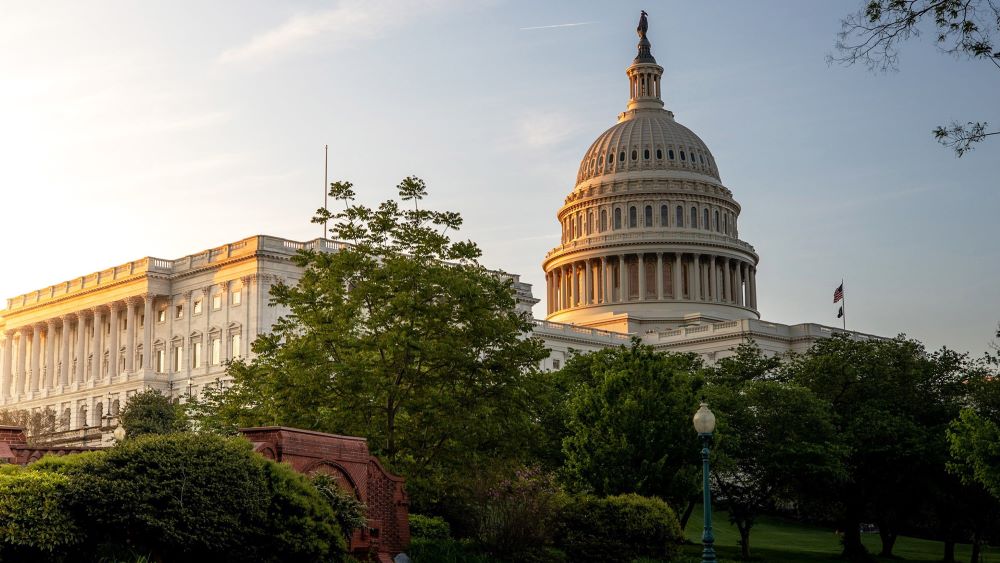
The push for disclosure has been driven in large part by survivors of Epstein’s abuse, several of whom watched Tuesday’s vote from the House gallery and gathered earlier outside the Capitol to demand full transparency.
Annie Farmer, an Epstein survivor and key witness in Maxwell’s trial, said concealing the files amounted to “institutional betrayal”, arguing that investigative failures had allowed further harm. Sky Roberts, brother of the late Virginia Giuffre, praised his sister’s longstanding advocacy: “She paved the way for us to come forward… and we won’t stop.”
Political tensions around the effort have been significant. Republican leaders, including House Speaker Mike Johnson, had previously echoed Trump’s earlier stance and opposed the release, with Johnson describing it as a “Democrat hoax”.
He later voted yes but continued voicing concerns about protecting victims’ privacy. Massie, meanwhile, criticised colleagues who resisted disclosure, warning that blocking the legislation would be seen as shielding abusers.
The issue has also strained relationships within Trump’s political circle. Representative Marjorie Taylor Greene, once a steadfast supporter of the president, accused him of undermining efforts to secure justice for survivors. Survivors themselves voiced frustration with Trump’s handling of the matter, with Jena-Lisa Jones urging the president to “stop making this political”.
The bill reinforces and expands upon the House Oversight Committee’s ongoing investigation, which has already released tens of thousands of pages of records from the Epstein probe.
Recent documents include email exchanges between Epstein, Maxwell and author Michael Wolff that reference Trump, though none allege wrongdoing by the president. The White House has condemned the release of selected emails as politically motivated.
Epstein, who socialised in elite circles for decades, was convicted in 2008 of soliciting prostitution from a minor. In 2019, he was charged with federal sex trafficking offences but was found dead in his New York jail cell weeks later, in what authorities ruled a suicide. Maxwell is currently serving a 20-year sentence for her role in procuring victims.
As lawmakers await Trump’s signature, survivors and advocates say the coming release represents a crucial step toward transparency in a case that has spanned decades and implicated powerful figures across politics, finance and international society. Whether the files will answer long-standing questions, or raise new ones, is likely to become clear within weeks.
Using food supplements is a modern approach to obtaining nutrients from a variety of plants, all compressed into a single pill or spoonful of powder.
This method is commonly used in developed countries, where people seeking a diverse range of fruits, including rare ones, turn to supplements to access the nutrients they cannot easily obtain.
In Rwanda, there is only one factory producing these supplements, known as Alpha Natural Resources Company (ANARECO Ltd).
It was founded by Dr. Emmanuel Manirafasha, a visionary dedicated to developing food products that function as medicine without causing any harm to the body.
Dr. Manirafasha is one of Rwanda’s leading experts in Biochemistry and Chemistry, specializing in the creation of non-toxic medicines derived from natural resources. He pursued his studies in China at one of the world’s top universities, where he earned a Ph.D. His work has resulted in the development of several innovative formulas for various projects.
The Chinese government offered him considerable financial support to implement his formulas, including a hefty sum of $5 million, as well as other assets, including land and properties in China. However, he turned down the offer and decided to bring his innovative work back to Rwanda.
One of the formulas he developed allows for the creation of nutritional supplements that combine various plants into a single pill or spoonful of powder.
These products help the body gain the required strength and energy and efficiently eliminate waste.
This formula was so valuable that the Chinese government tried to secure it by offering Dr. Manirafasha $5 million, along with further perks, but he chose to remain in Rwanda to develop it.
Among the supplements he developed is METABOOSTa, a combination of 12 different plants, some found in Rwanda, others imported. The ingredients include fruits, vegetables, grains, and seeds, such as bananas, maize, papaya, and chia seeds, all combined into a single supplement.
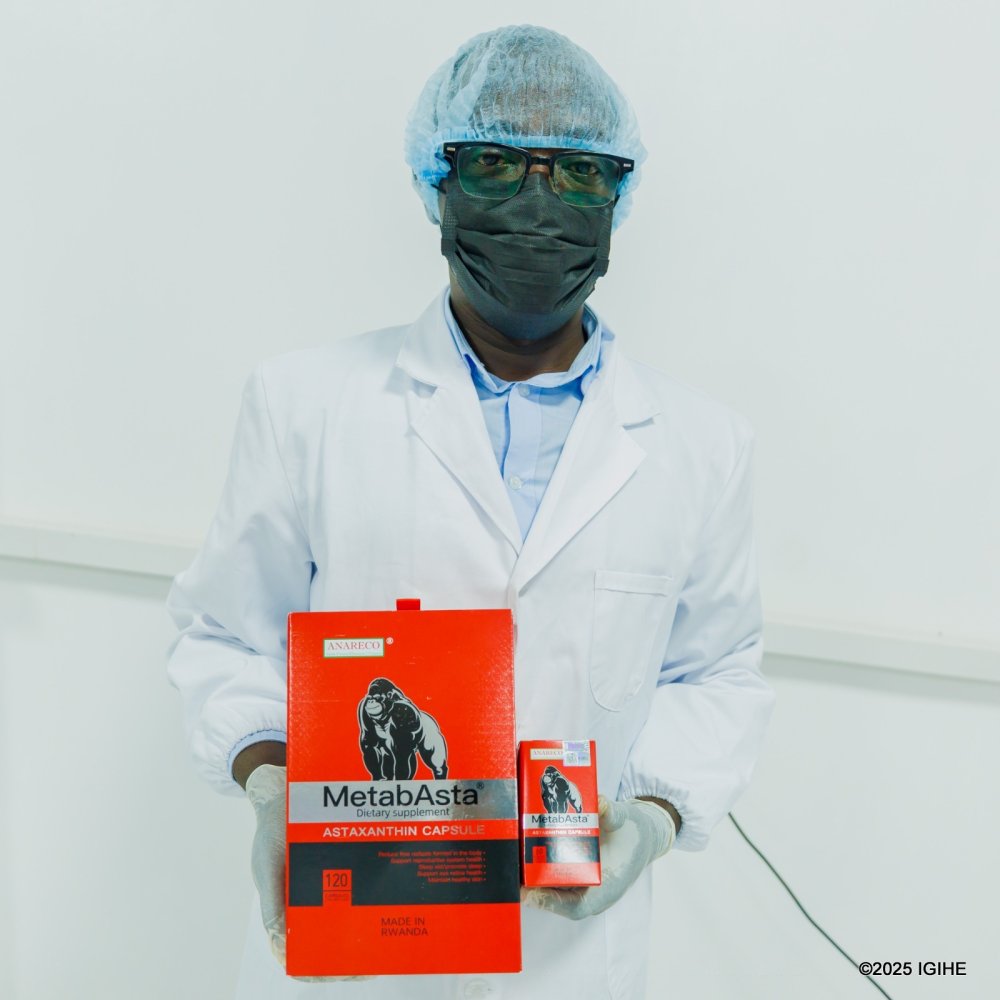
Another supplement, MetabAsta, is made in capsule form. The capsule dissolves in the stomach to protect it from stomach acid and supports the body’s energy production.
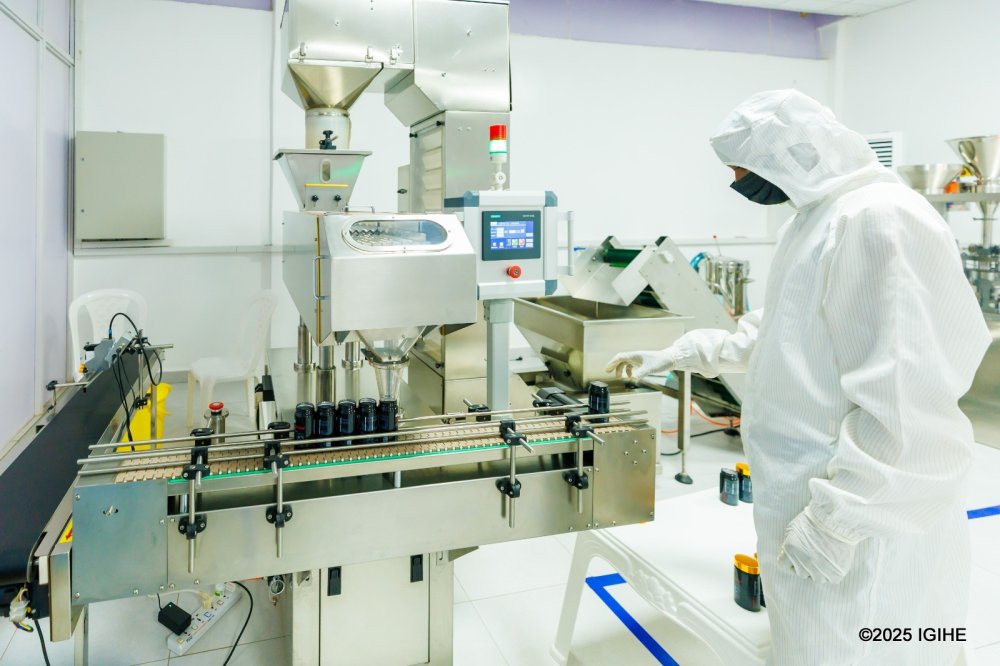
Dr. Manirafasha has leveraged advanced technology in his factory, ANARECO Ltd, to create these products.
When the Chinese government realized he refused to sell his formula to them, they decided to collaborate, offering access to their high-tech laboratories for his work.
METABOOSTa is easy to use; one takes two spoons of powder, mixes it in water, and drinks it like tea without needing sugar, as the formula replaces the need for sweeteners. It is taken before consuming any other food or supplements. On the other hand, MetabAsta requires the consumption of two capsules in the morning and evening after meals.
According to Dr. Manirafasha, a 250g pack of METABOOSTa costs Frw 20,000, which is affordable compared to other similar products on the market, which can cost up to Frw 400,000 for various packages taking into consideration the variety of blended ingredients.
For MetabAsta, Dr. Manirafasha says, one can buy 60 capsules for just Frw 40,000 at ANARECO Ltd, while elsewhere the same package could cost up to Frw 800,000.
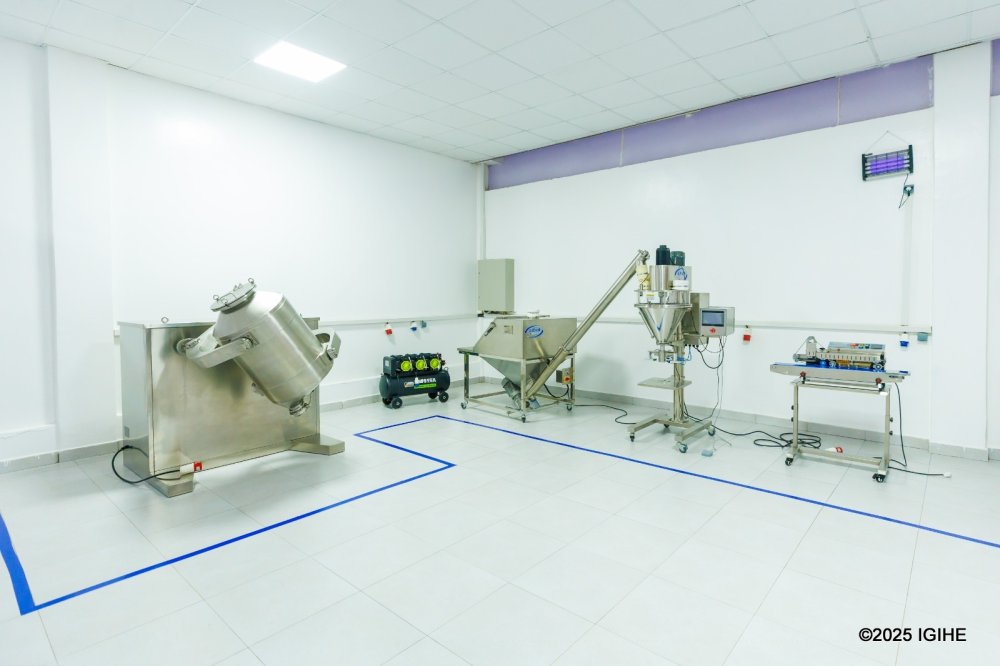
Dr. Manirafasha imports certain ingredients from China, where high-tech factories help in manufacturing a variety of plant-based powders. These ingredients are then blended in Rwanda, using machines capable of processing up to 400kg at a time.
In an interview with IGIHE, Dr. Manirafasha stated his plan to export 80% of his products abroad.
He explained, “We combine various ingredients like papaya, maize, chia seeds, and bananas into METABOOSTa, providing every type of nutrient needed without missing any. That’s the power of our formula.”
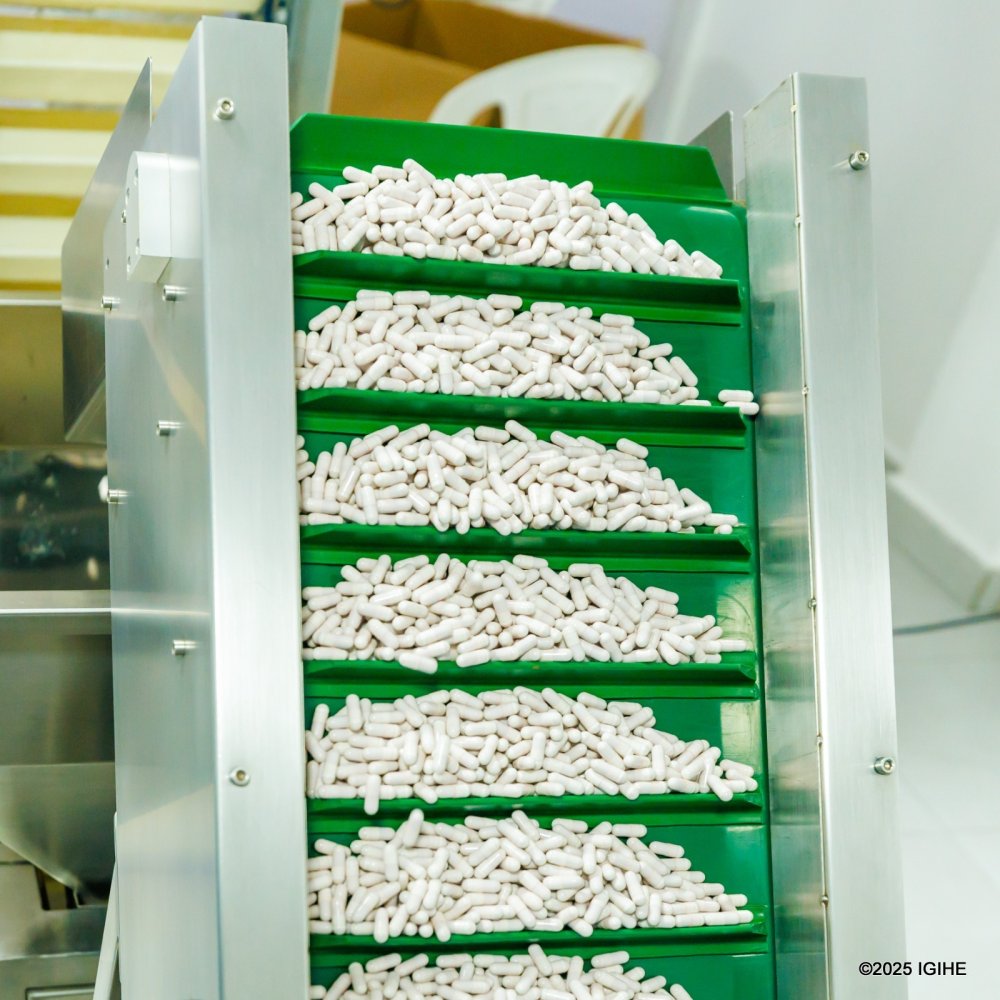
For MetabAsta, the capsules are produced in machines at ANARECO Ltd, which ensure the proper filling and sealing of each capsule. The factory uses high-tech equipment to ensure the quality of each batch.
Once the process is complete, each product is labeled with a unique technological mark that prevents counterfeiting.
Dr. Manirafasha also shared his ambitious plans for the future. “We are expanding our factory. In three years, we aim to have a major production facility with 12 different manufacturing lines for products like METABOOSTa. We are also looking to hire over 3,000 employees.”
The capsules produced at the factory are highly efficient, with one machine able to produce 400 capsules per minute. Soon, another machine will be introduced, capable of producing 1,000 capsules per minute. With plans for a large-scale factory, Dr. Manirafasha’s vision is to be able to produce up to 10,000 capsules per minute.
“We are in the process of acquiring land for the factory, which will include research and testing labs to ensure our products meet the highest standards,” he added.
Through his innovative work, Dr. Manirafasha is not only revolutionizing the nutritional supplement industry in Rwanda but is also positioning the country as a leader in advanced health supplements on the global market.
In late January 2025, during intense battles in Goma, some DRC soldiers sought refuge at the United Nations Organization Stabilization Mission in the Democratic Republic of the Congo (MONUSCO) bases, while others fled to South Kivu. Some crossed into Rwanda, while others headed towards the northern regions of North Kivu.
Those who took refuge in North Kivu continued their journey, crossing the Ugandan border, where they were accepted as refugees.
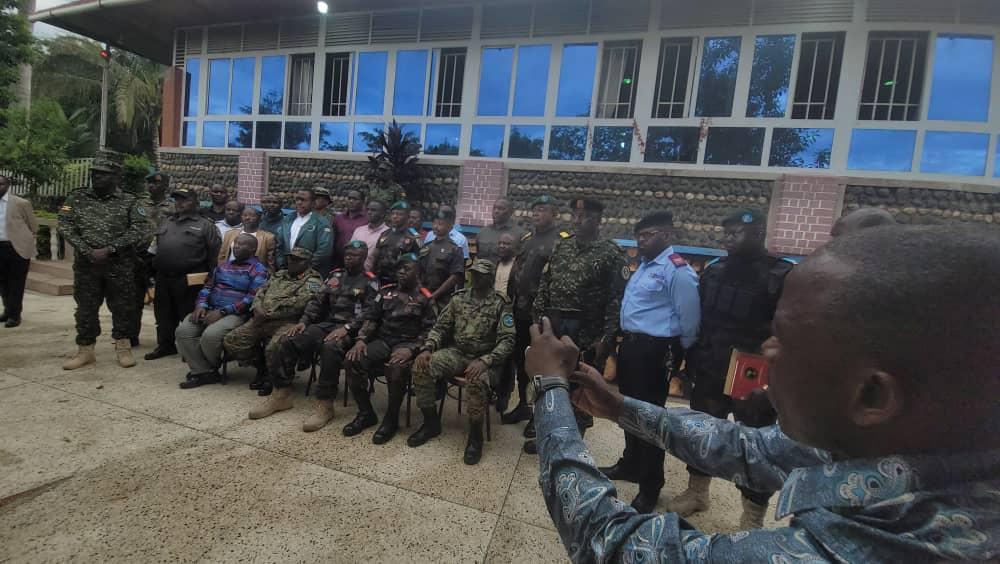
On November 17, the Governor of North Kivu, Maj Gen Evariste Kakule Somo, appointed by the DRC government, along with other military and civilian officials, traveled to the Kasindi-Lubiriha border to welcome the returning soldiers.
“We have come to witness the handover, by Uganda’s migration services, of the FARDC soldiers who had crossed into Uganda from the areas of North Kivu controlled by the attackers. We observe that they were being well cared for by this friendly country,” said Maj Gen Somo as quoted by 7sur7.
The DRC government has not disclosed the exact number of soldiers repatriated by Uganda.
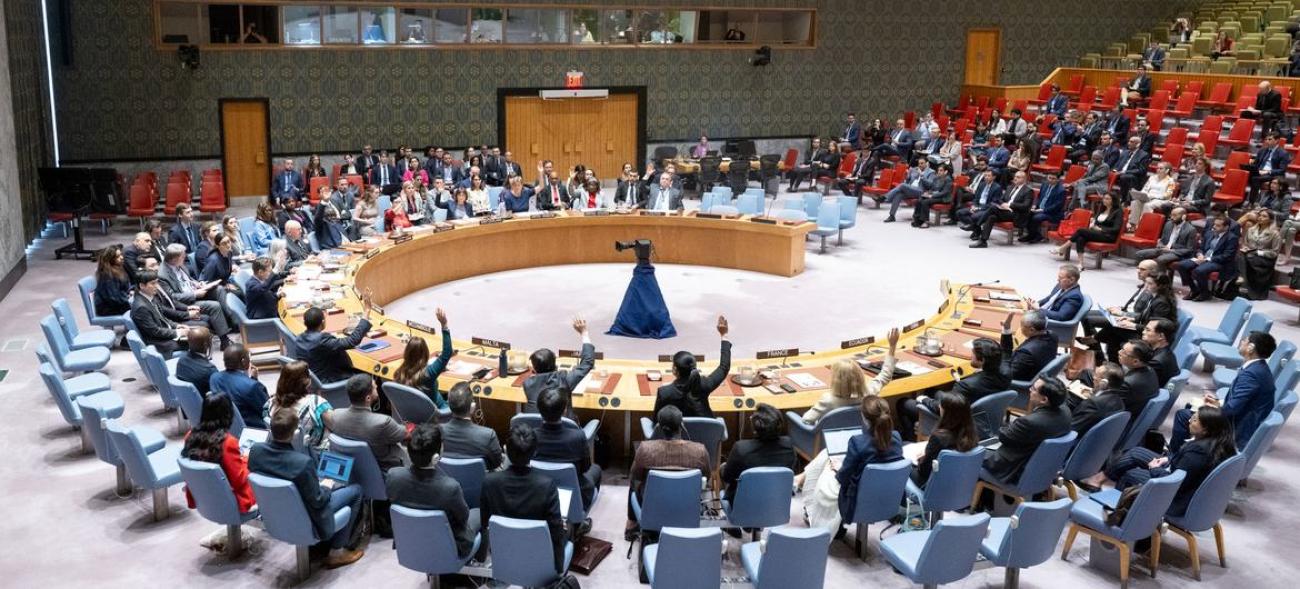
The U.S.-drafted Resolution 2803 won the support of 13 council members. Russia, which has presented a competing draft resolution, abstained, along with China.
The resolution endorses the 20-point Comprehensive Plan for Gaza announced by U.S. President Donald Trump in September.
It welcomes the establishment of a Board of Peace (BoP) as a “transitional administration” that will set the framework and coordinate funding for the redevelopment of Gaza “until such time as the Palestinian Authority (PA) has satisfactorily completed its reform program … and can securely and effectively take back control of Gaza.”
After the PA reform program is faithfully carried out and Gaza redevelopment has advanced, conditions may finally be in place for a credible pathway to Palestinian self-determination and statehood. The United States will establish a dialogue between Israel and the Palestinians to agree on a political horizon for peaceful and prosperous coexistence, reads the resolution.
It authorizes UN member states and the BoP to establish a temporary ISF in Gaza to deploy under a unified command, with forces contributed by participating states, and to use all necessary measures to carry out its mandate consistent with international law.
The ISF is tasked, among others, to help secure border areas, stabilize the security environment in Gaza by ensuring the process of demilitarizing the Gaza Strip, protect civilians, and coordinate with relevant states to secure humanitarian corridors, according to the resolution.
The ISF operates under the strategic guidance of the BoP and will be funded through voluntary contributions from donors and BoP funding vehicles and governments.
The resolution authorizes the BoP and the international civil and security presence in Gaza until Dec. 31, 2027, subject to further action by the Security Council.
It requests the BoP to provide a written report on progress to the Security Council every six months.
In a statement released by the official WAFA news agency, the PA welcomed the adoption of the resolution, reiterating its readiness to assume full responsibilities in the Gaza Strip within the framework of the unity of land, people, and institutions, and stressing that Gaza is an inseparable part of the State of Palestine.
The PA also voiced readiness to work with all relevant parties “to implement the resolution in a manner that ends the suffering of the Palestinian people in Gaza, the West Bank, and East Jerusalem, and advances a political path leading to peace, security, and stability between Palestinians and Israelis based on the two-state solution in line with international law and legitimacy.”
Hamas issued a statement on the same day, criticizing the resolution for not meeting the political and humanitarian needs of the Palestinian people, particularly those in Gaza.
It added that the proposal seeks to impose outcomes that Israel “failed to achieve militarily,” and separates Gaza from the rest of the Palestinian territory in a way that undermines Palestinian national rights.
Hamas also warned that assigning tasks to an international force inside Gaza would compromise the force’s neutrality and turn it into a party to the conflict. It said that any international force should operate only along the borders under full UN supervision and in coordination with official Palestinian institutions, and should focus on monitoring a ceasefire and facilitating humanitarian aid.
In a televised address from Chamwino State House in the capital Dodoma, Hassan confirmed that Mahmoud Thabit Kombo will continue serving as Minister for Foreign Affairs and East African Cooperation.
Khamis Mussa Omar has been appointed as the new minister for finance, succeeding Mwigulu Nchemba, who recently assumed the position of Prime Minister.
The president also appointed Rhimo Simeon Nyansaho as minister for defense and national service, replacing Stergomena Lawrence, who retired from public service.
As part of the restructuring, Hassan announced the creation of a new ministry dedicated to youth development, underscoring the government’s focus on empowering young people.
The newly appointed ministers are scheduled to be sworn in on Tuesday at Chamwino State House.