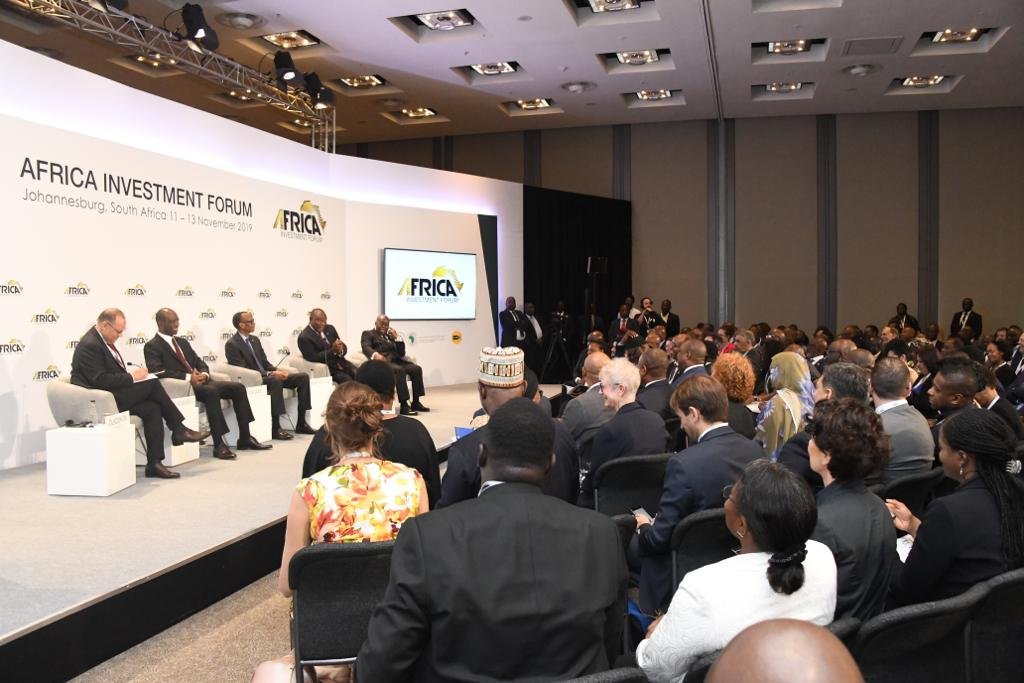
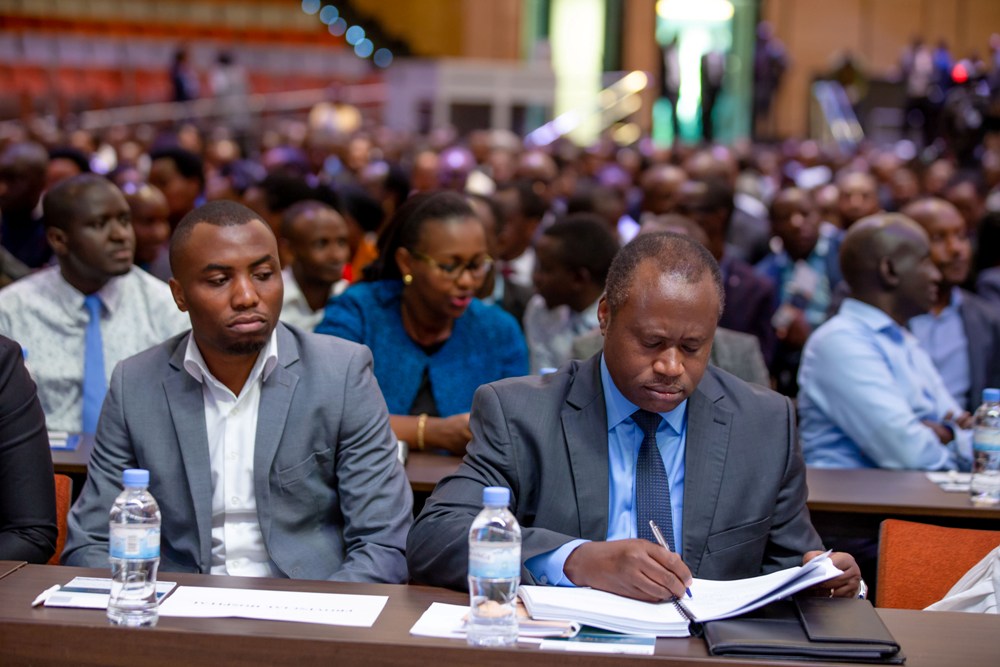
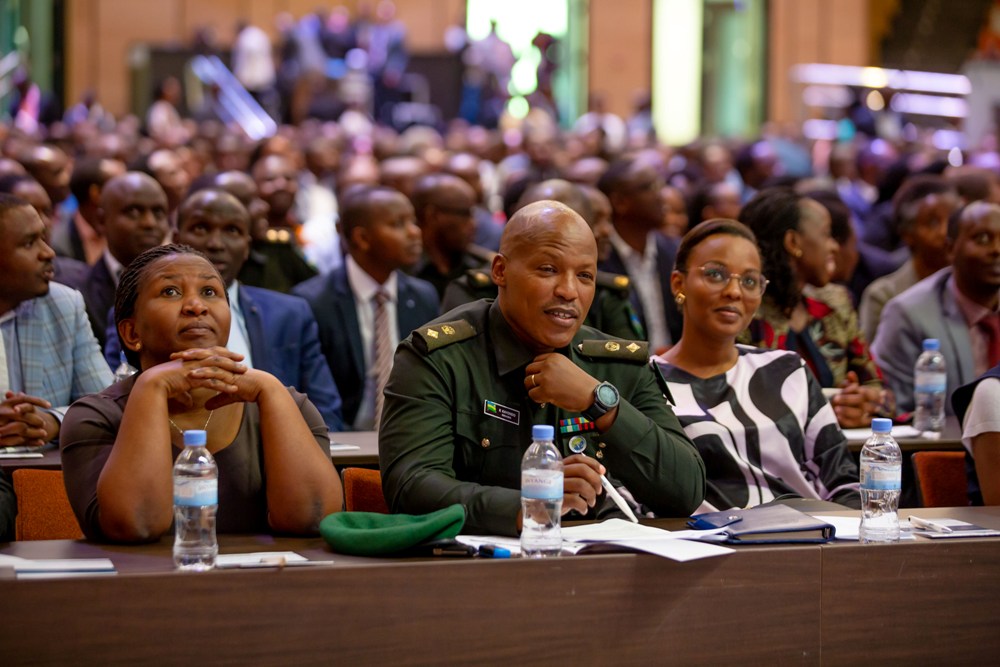
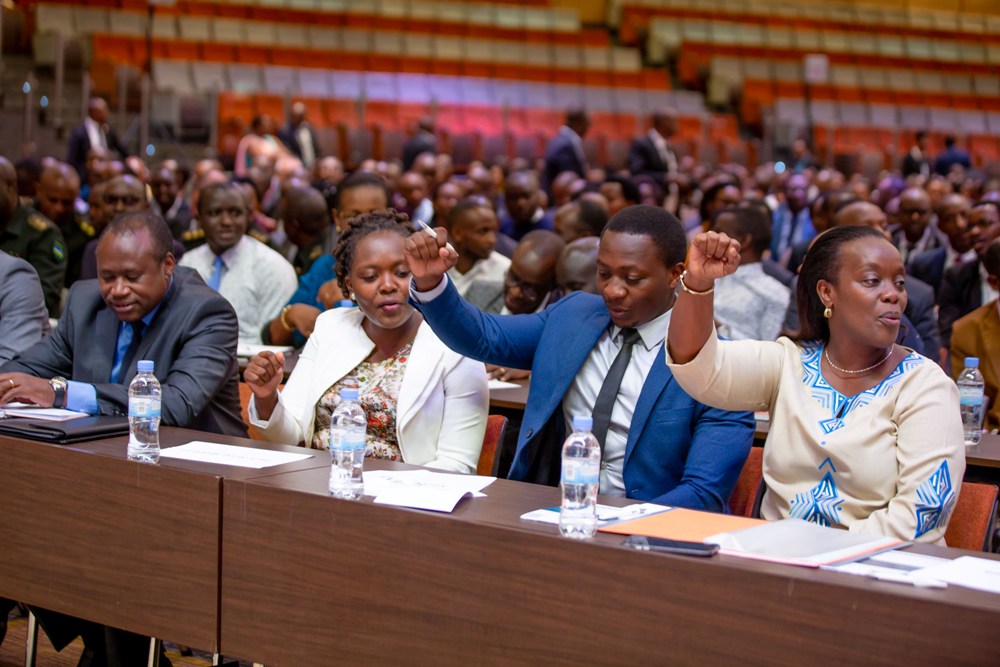
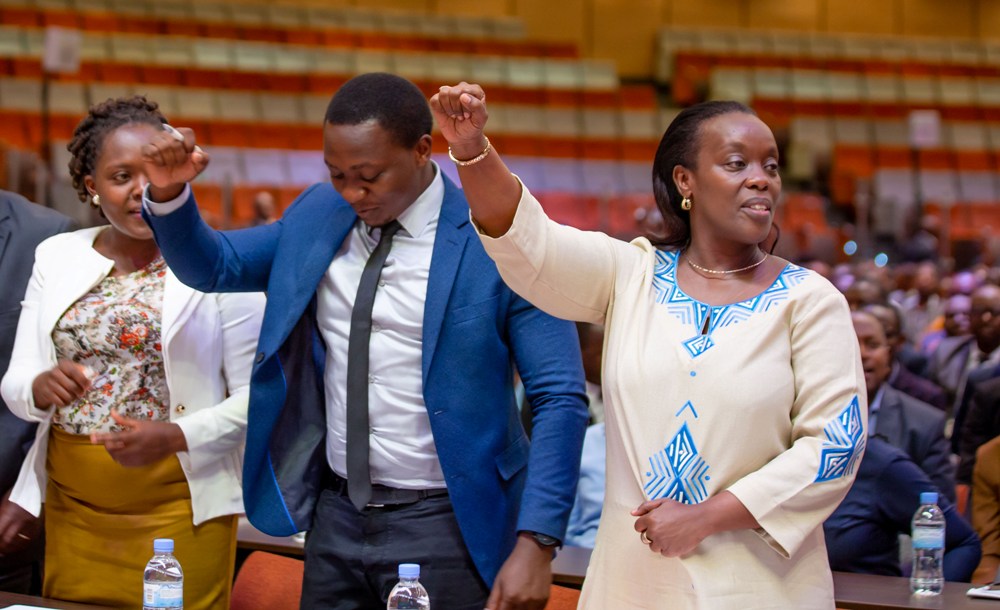
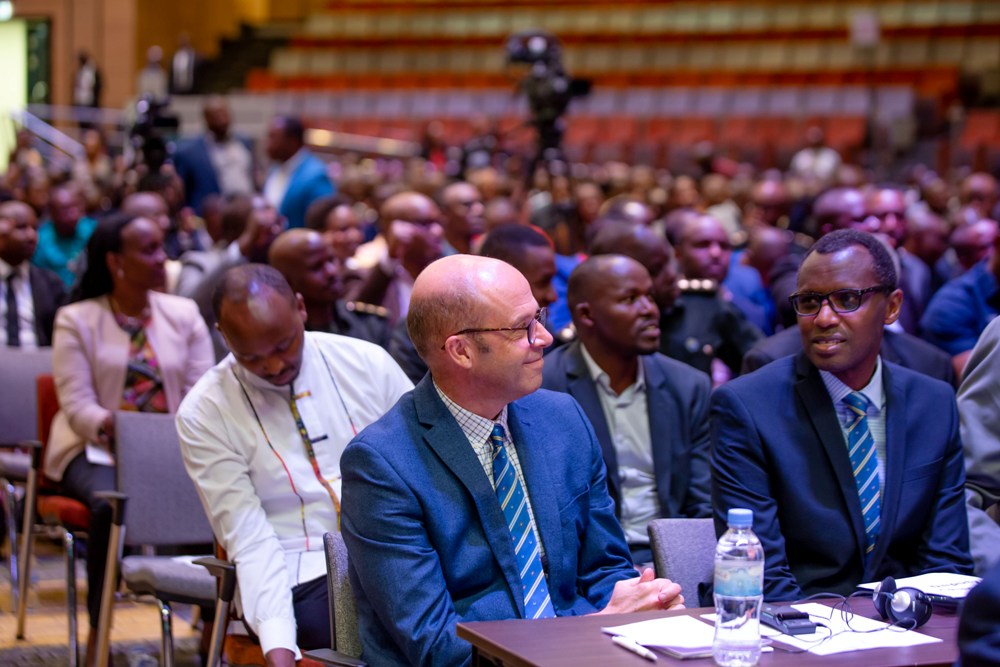
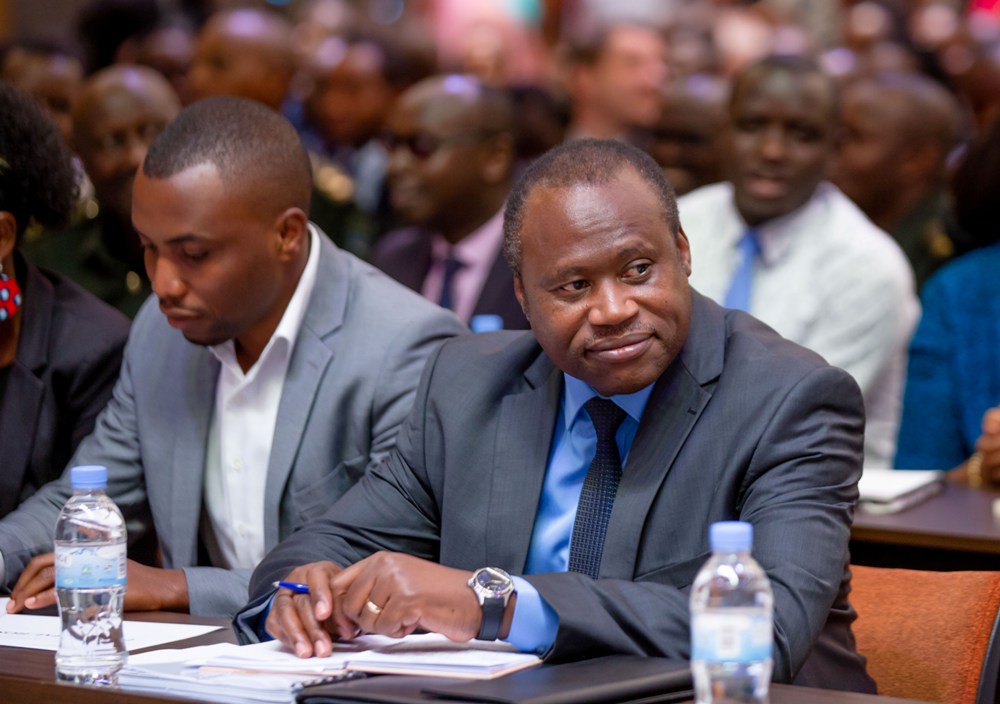
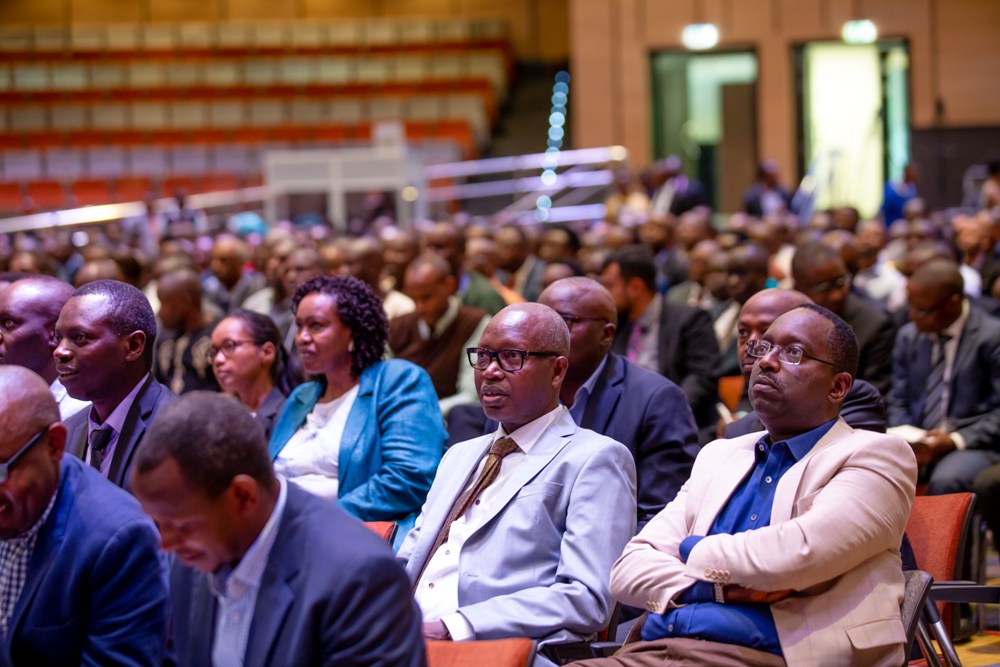
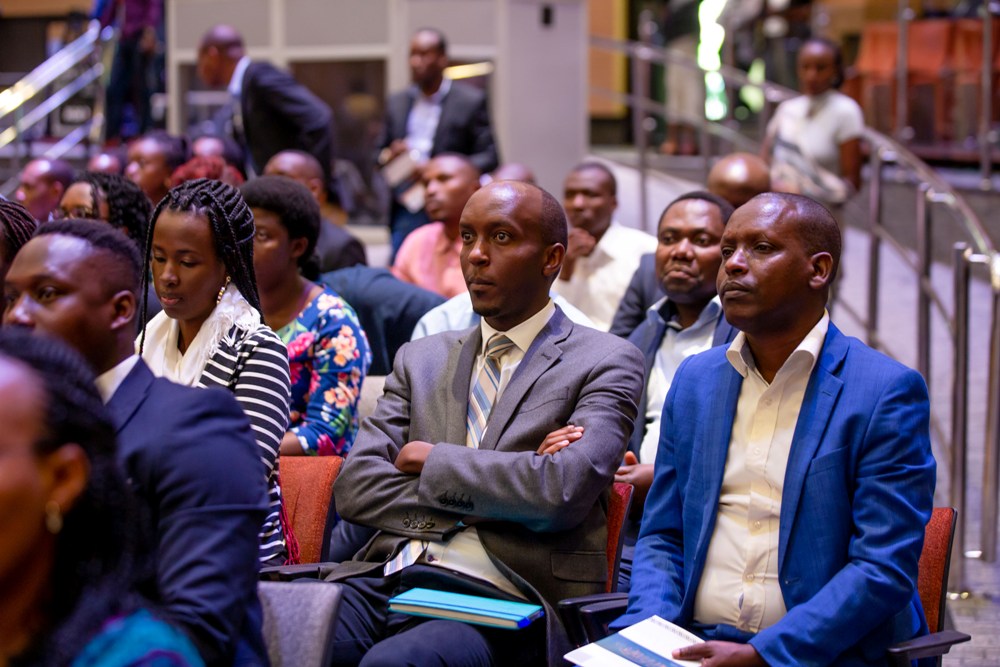
President Kagame has arrived at the Sandton Convention Center where he joins President Cyril Ramaphosa, President Nana Akufo Addo, Prime Minister Carlos Agostinho do Rosário of Mozambique for a panel discussion on Investing in Africa at the Africa Investment Forum,” reads a tweet from the Rwanda Presidency.
Organized by the African Development Bank and its partners, the second edition of the Forum will take place from 11 to13 November 2019 in Johannesburg, South Africa.
The multi-stakeholder transactional marketplace is aimed at raising capital, advancing projects to bankable stage and accelerating financial closure of deals.
The first-ever Africa Investment Forum took place in Johannesburg from November 7-9, 2018.
The AIF will harmonize processes among the Bank and its partners, reduce intermediation costs, improve the quality of project information and documentation, and increase action-oriented engagements between African governments and the private sector.
President Cyril Ramaphosa currently participating in the opening panel discussion at the second annual #AfricaInvestmentForum that aims to strengthen cooperation with the private sector and stimulate investment in areas of strategic interest #AIF2019pic.twitter.com/VyKu6I35Yg
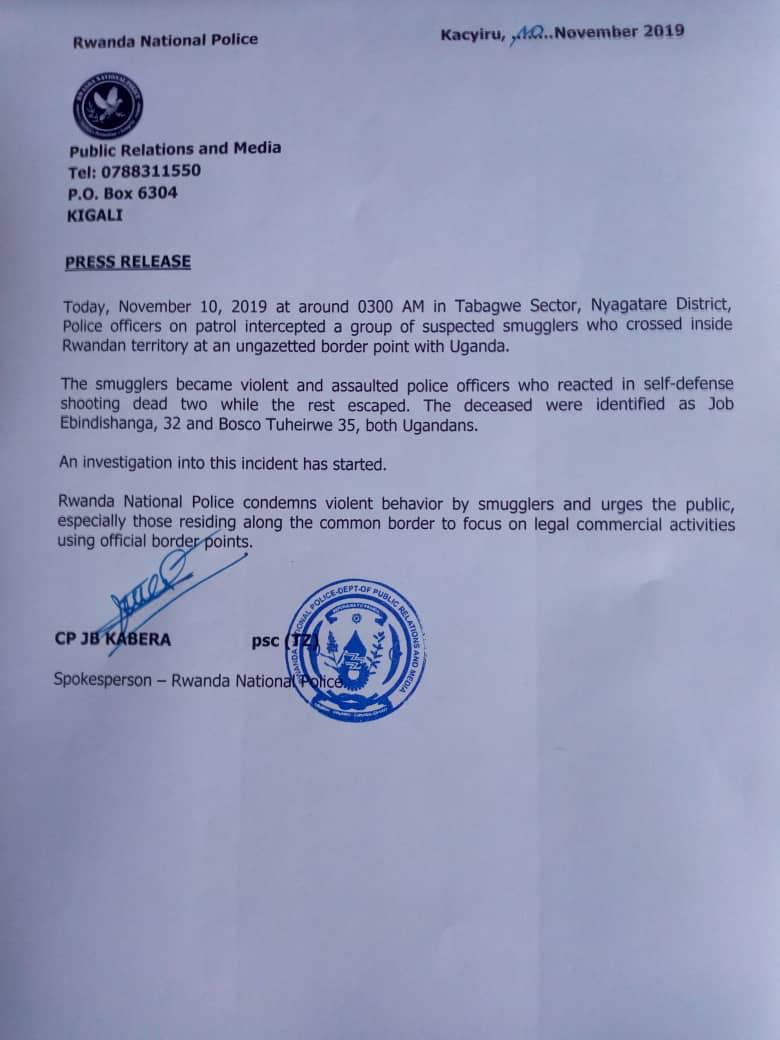
The incident happened yesterday in the wee hours around 3 am.
The statement released by Rwanda National Police reads that police officers on patrol saw people crossing to Rwanda’s land but the latter confronted the police asking them to stop.
“Today, November 10, 2019, at around 3 am in Tabagwe sector, Nyagatare district, Police officer son patrol intercepted a group of suspected smugglers who crossed inside Rwanda territory at an ungazetted border point with Uganda,” reads the statement in part.
“The smugglers became violent and assaulted police officers who reacted in self-defense shooting dead two while the rest escaped. The deceased were identified as Job Ebindishanga, 32, and Bosco Tuheirwe, 35, both Ugandans,” adds the statement.
Police further stated that an investigation into the incident is underway.
“Rwanda National Police condemns violent behavior by smugglers and urges the public especially those residing along the common border to focus on legal commercial activities using official border points,” reads the statement signed by RNP spokesperson, CP JB Kabera.
In May 2019, more smugglers including a Rwandan and Ugandan were shot dead in the same area as they got physical with security officers.
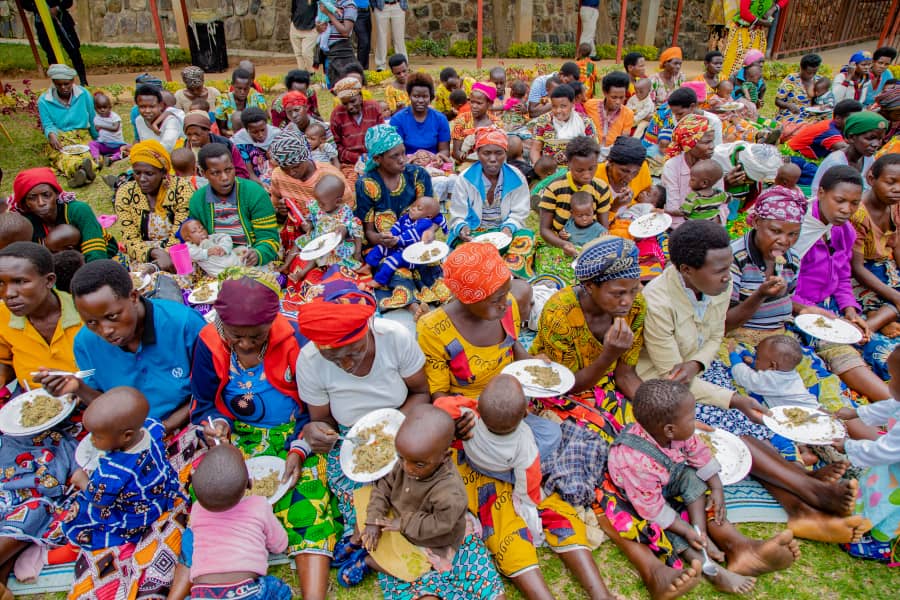
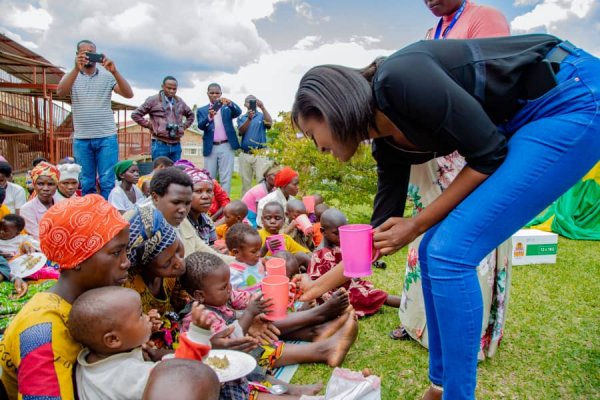
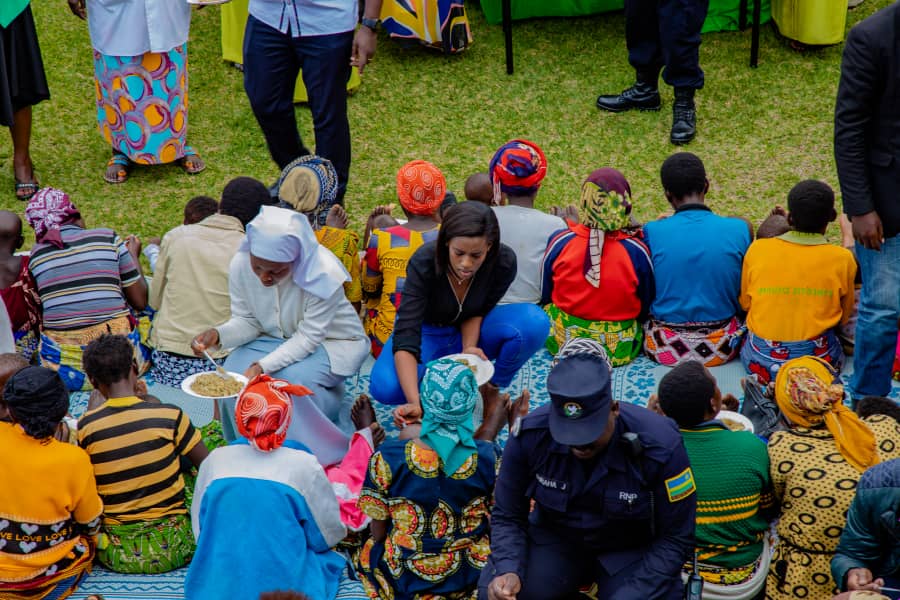
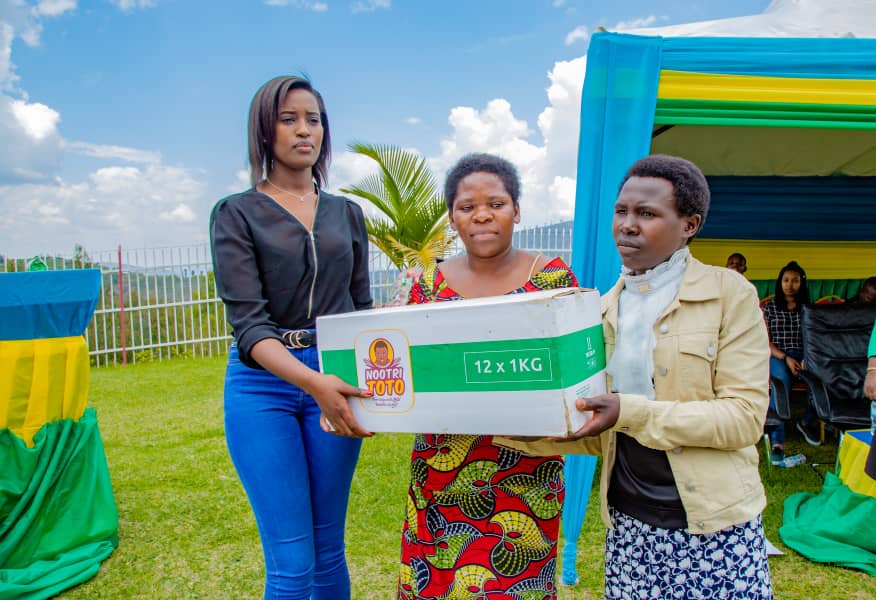
She will support them for three months providing Nootri Toto, a fortified porridge floor rich in nutrients complementing balanced diet they receive.
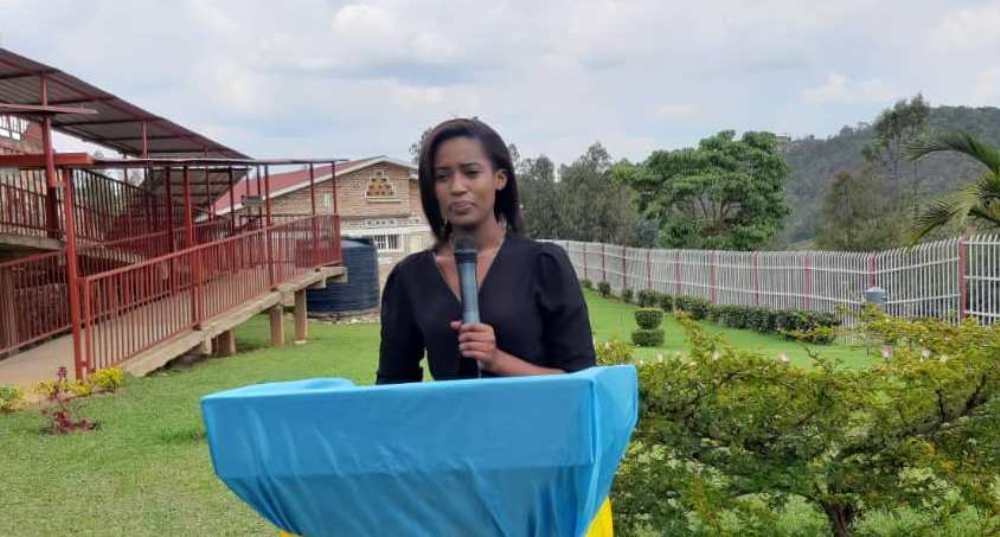
Miss Nimwiza launched the initiative as part of ongoing efforts to implement her project to eradicate malnutrition and stunting among children in Rwanda.
She expressed optimism that stunting among Rwandan children will become history in the near future.
“Rwandans are renowned for keeping commitment. We shall undoubtedly eradicate the matter if we are to expend much effort like we eradicated Nyakatsi (thatched cottage houses) among other pressing issues,” she said.
“It is the concern of everyone including parents to respect family planning,” added Miss Nimwiza.
Mukarukundo Irène one of parents with malnourished children thanked Miss Rwanda for the cause to eradicate malnutrition that gives hope for her child’s recovery.
The mayor of Nyamagabe district, Uwamahoro Bonaventure 27 of 340 children with malnutrition problems are in critical conditions. He attributed it to parents taking all agricultural outputs to the market without taking into account children’s growth.
Miss Nimwiza Megahn is funded by Africa Improved Food, AIF to provide fortified porridge floor to the 50 chidren with malnutrition issues in Nyamagabe district.
It will be delivered to beneficiaries through community health workers.
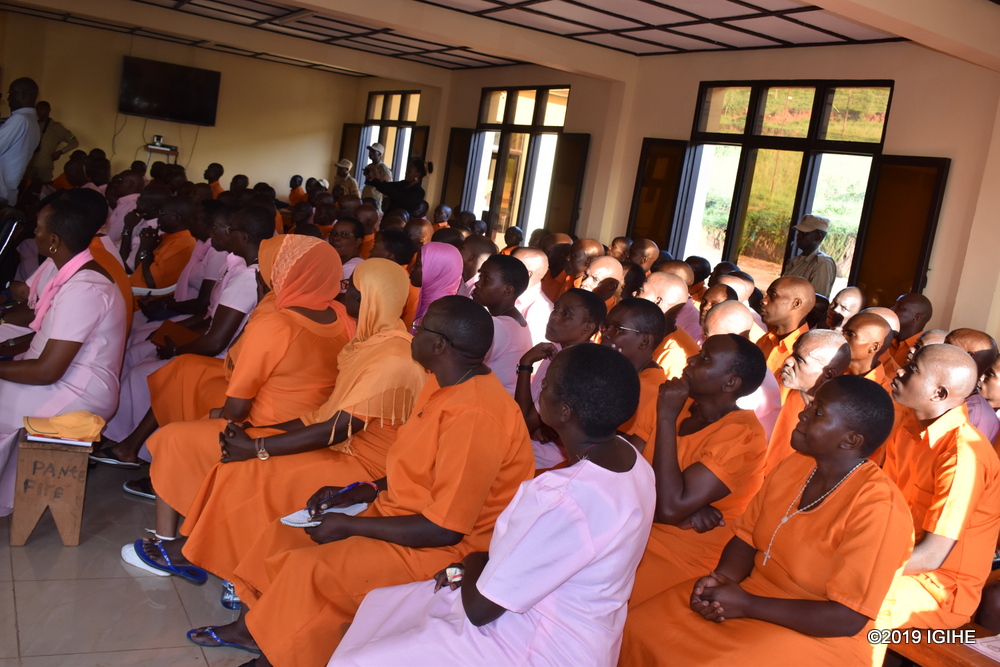
ACP Jean Bosco Kabanda, RCS Commissioner in charge of correction said that seeking forgiveness from genocide convicts leads to accessing information on location of remains of genocide victims crudely dumped to be accorded decent burial.
He explained that these numbers might go up due to ongoing campaigns mobilizing convicts to apologize.
ACP Kabanda however said that some inmates are not willing to provide information harboring mindsets that FDLR, rebel outfit will release them.
“A lot remains to be done to change such mindsets,” he said.
CNLG reveals that concealing information on location of remains of genocide victims are is still an obstacle to unity and reconciliation efforts among Rwandans.
According to information from convicts at Nyarugenge prison, Kigali city reports over 120 mass graves for genocide victims located in Nyarugenge, Kicukiro and Gasabo districts.
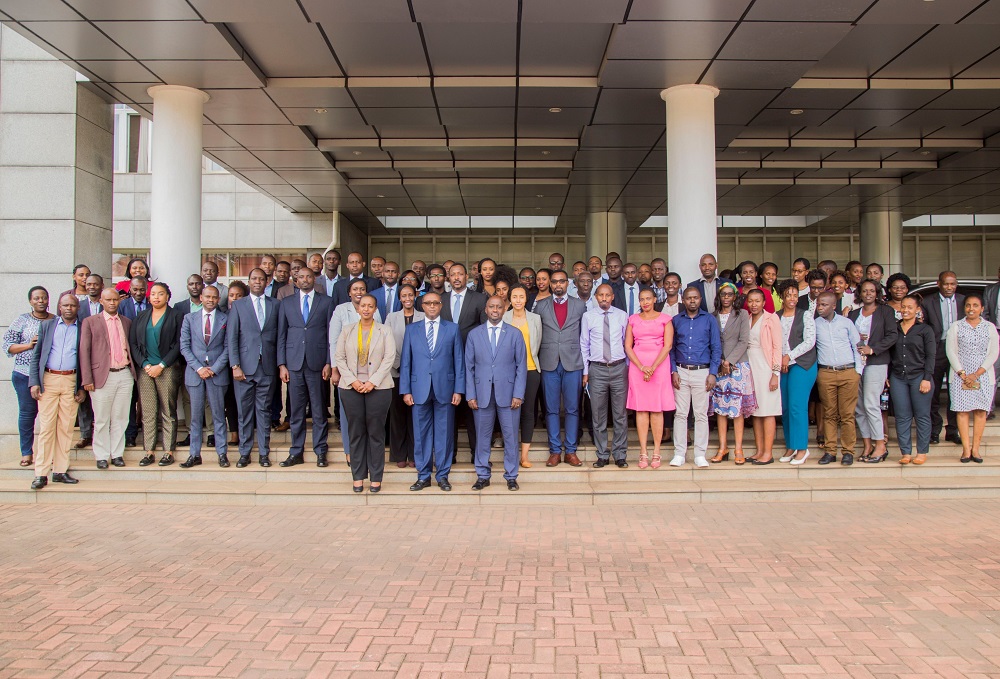
The new Foreign Affairs Minister urged them on cooperation to deliver to the best of their abilities.
Biruta, formerly the Minister of Environment is among top leaders appointed to new posts recently on 4th November 2019 by President Paul Kagame.
Minister Biruta thanked his predecessor DR. Sezibera and his team for the commitment and exemplary commitment in fostering Rwanda’s relations with other countries.
He asked the team to keep the teamwork spirit to deliver on promises and walk the talk in line with the country’s vision.
Titled Ein Zerrocheness Leben, the book recollects horrible memories of the dark times endured and survival with her two brothers out of large family of seven in the former commune of Rutongo, currently in Gasabo district, Kigali city.
Kayitesi, the mother of 3 currently lives in Germany since 2010.
The written horrific moments of her painful survival will be presented on November 12th at WT Tiengen.
She decided to write the book as a testimony of the cruelty that characterized the 1994 Genocide against the Tutsi leaving a message to the world to strive for humanity.
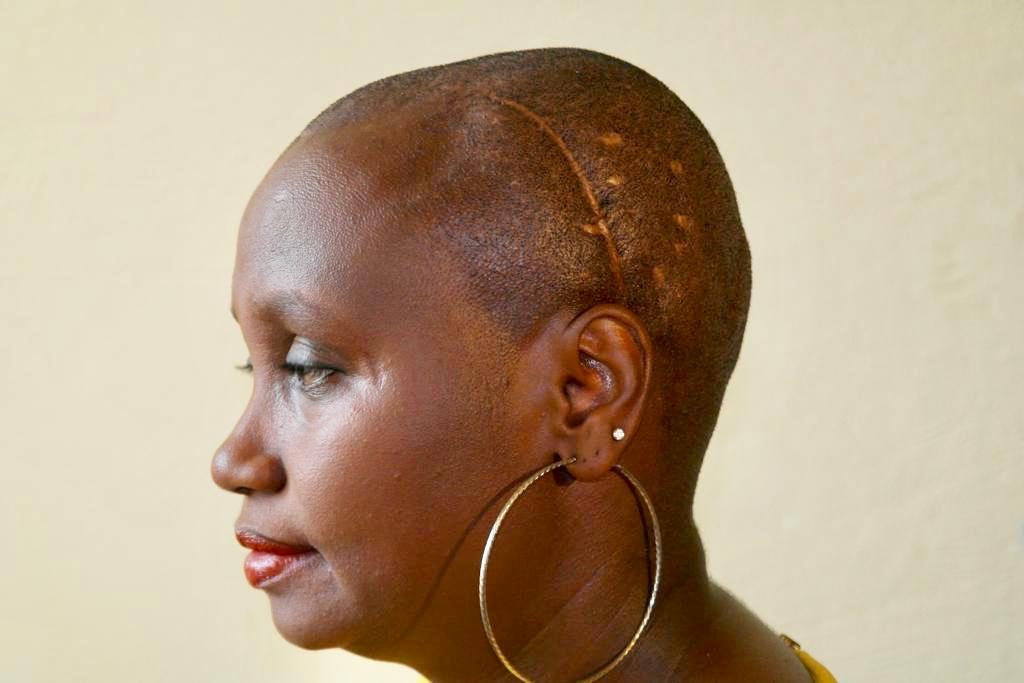
“During the genocide perpetrated against the Tutsi, I was beaten and wounded with a machete on my head. It erased my memory and I was deaf for a long time. Little by little, I found my memory. When someone spoke to me, I heard what he said but I was unable to answer him. I had lost the power of using my tongue,” She narrates.
“I made the decision to write my story showing what my family and I had suffered during this period of the genocide. The fact that I was deaf had frightened me to the point that I thought I should not leave this world without talking about the horror we experienced during the genocide, “she says.
In 2018, during the commemoration of the genocide perpetrated against Tutsis in Rwanda, Kayitesi started delivering testimonies publicly which motivated her to keep on track his project.
The fact that her children repeatedly wanted to learn more about the tragedy that befell Rwanda during the 1994 Genocide against the Tutsi is among reasons that inspired her to tell the world.
“I hope that the youth will read this book to learn from history not to fall into the trap of hatred,” she says.
Kayitesi plans to translate the book into French, English, and Kinyarwanda to spread the message to a wider readership.
“I made the decision not to let these atrocities haunt my life nor the pain to lead my life,” she told IGIHE inviting the public to buy this book that will be released in 2020.
According to the Police Spokesperson for Southern region, Chief Inspector of Police (CIP) Sylvestre Twajamahoro, the minerals were stolen from COEMIKA, a mining firm in Kamonyi. The suspects were arrested in collaboration with local leaders and residents of the area, who provided information on their whereabouts.
“There were complaints about mineral theft in a concession in Kamonyi owned by COEMIKA, and Police at Kayenzi Police station responded. Residents had reported some people they suspected to be involved in illegal mineral business, including the four suspects,” CIP Twajamahoro said.
“During the operation Police officers and local leaders first arrested one suspect, who disclosed all the members of the ring. One of them was found with 28kgs of minerals; they were violent in an attempt to resist arrest but they were restrained,” he added.
CIP Twajamahoro explained that the suspects would steal the minerals and sell them to other illegal dealers. He called for strengthened partnership and information sharing on any suspected unlawful acts.
Article 54 of the law on mining and quarry operations, states that “any person, who undertakes mineral or quarry exploration, exploitation, processing or trading without a license commits an offence
Upon conviction, the offender is liable to imprisonment for a term of between two and six months and a fine of not less than Rwf1 million and not more than Rwf5 million or only one of these penalties.
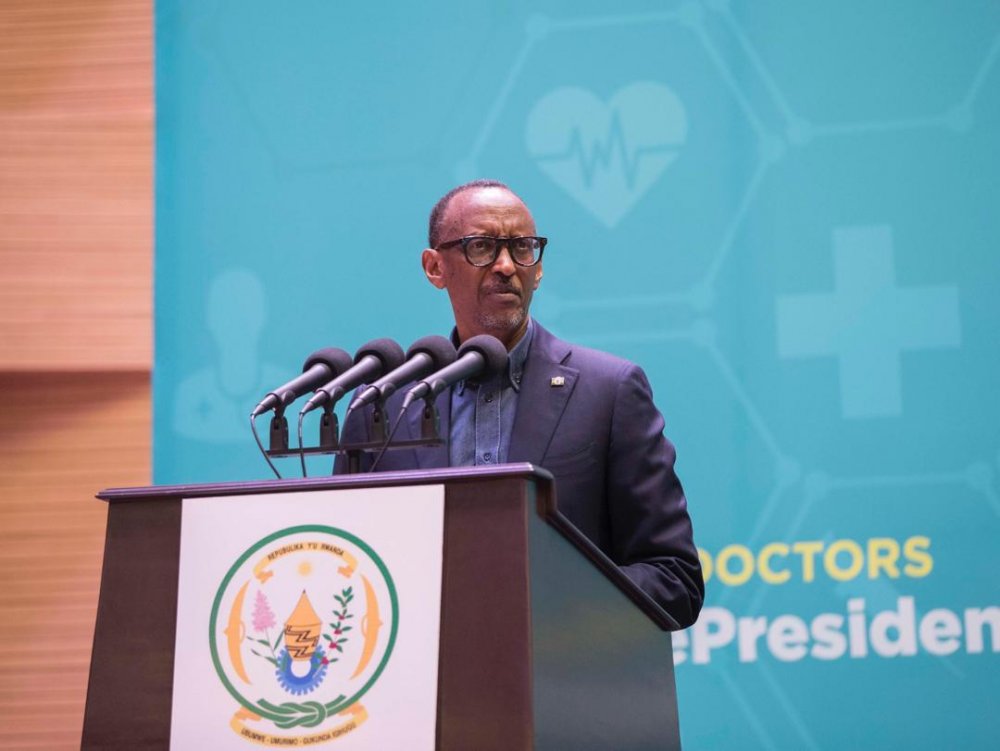
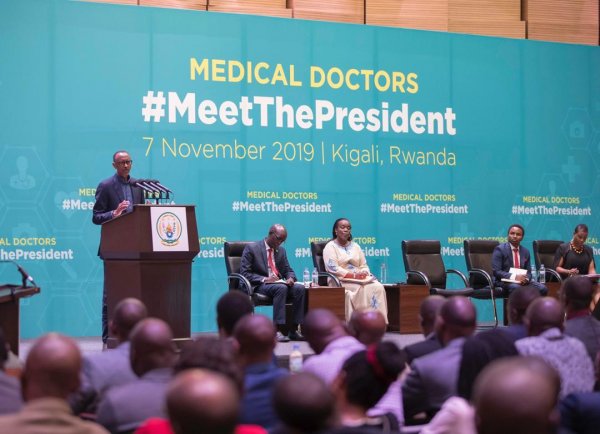
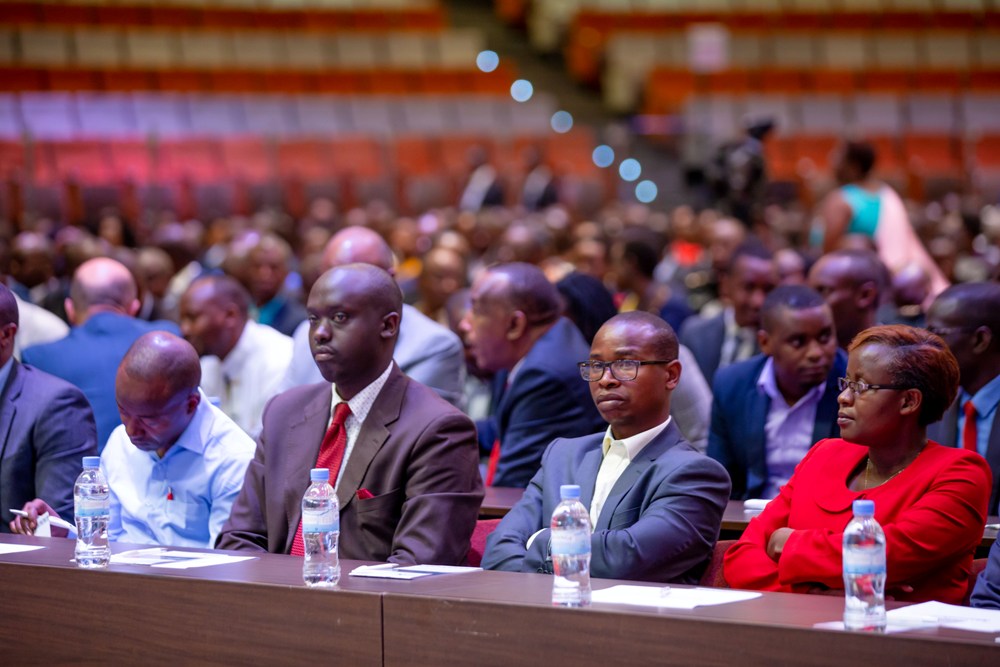
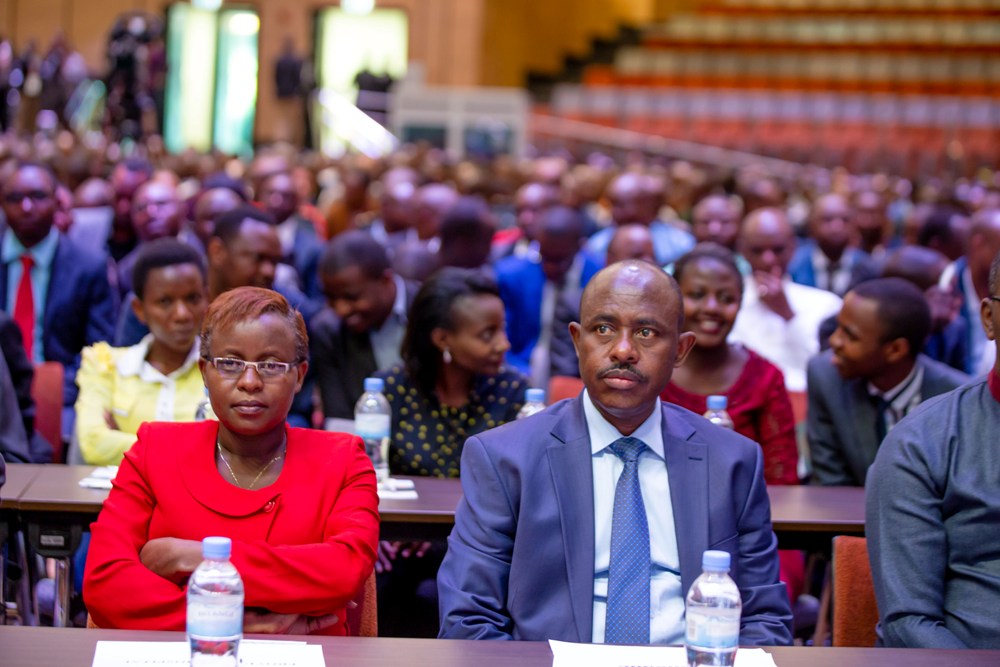
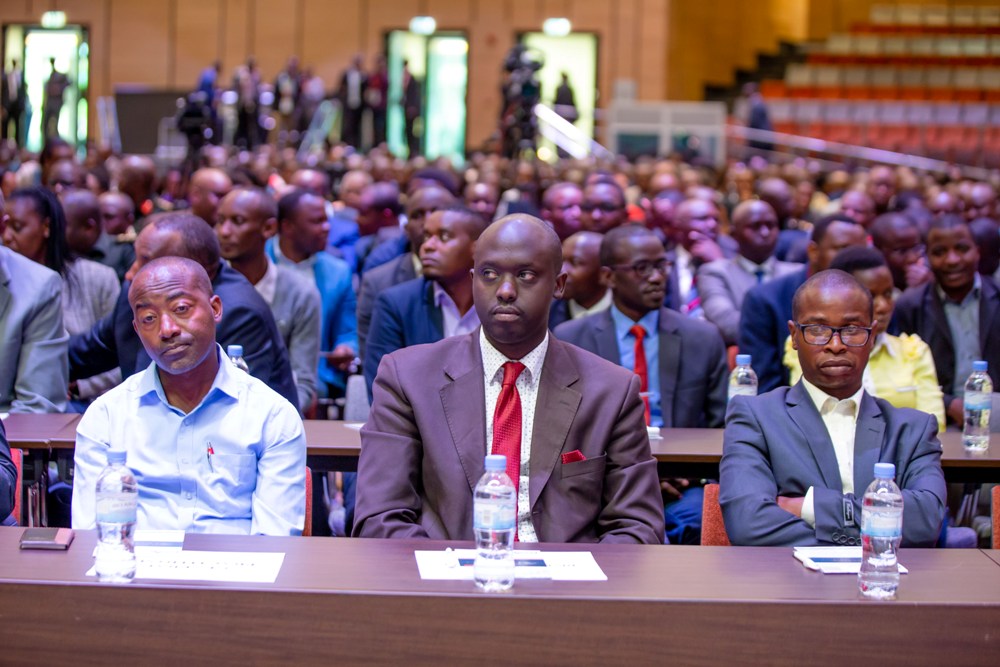
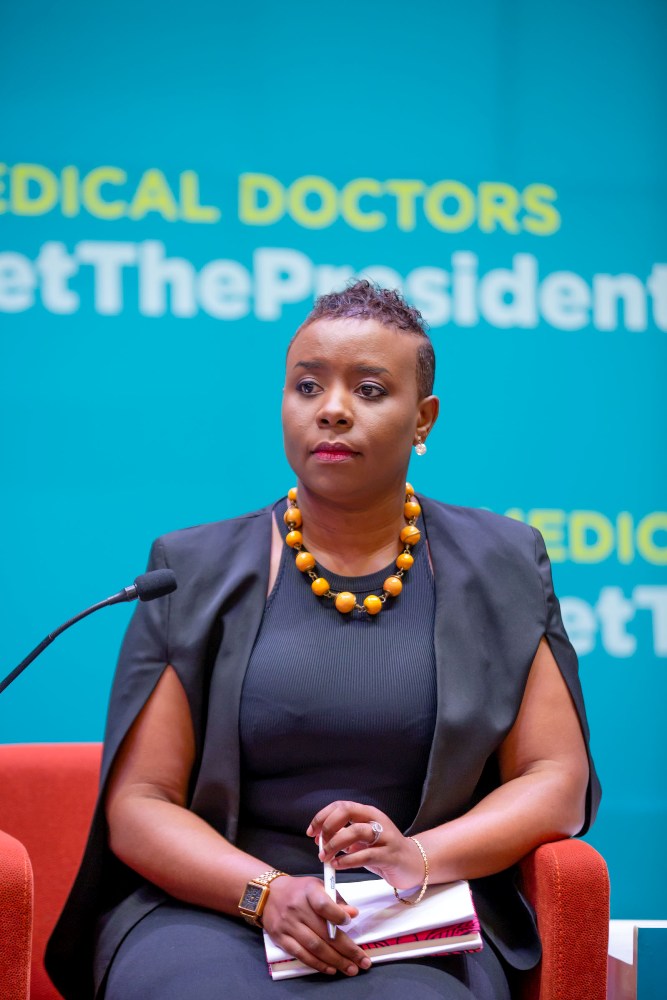
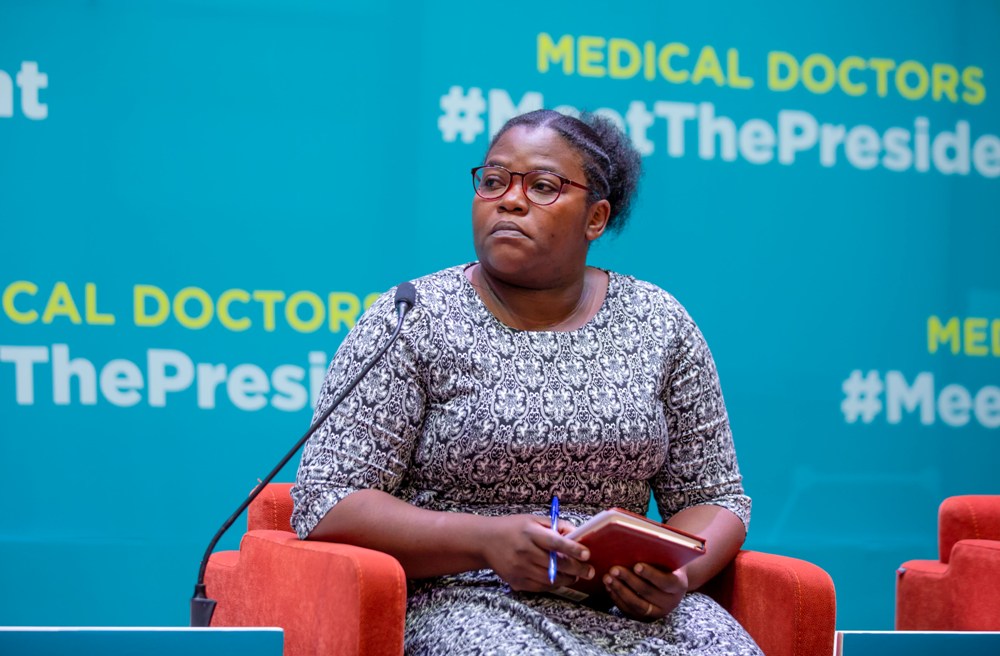
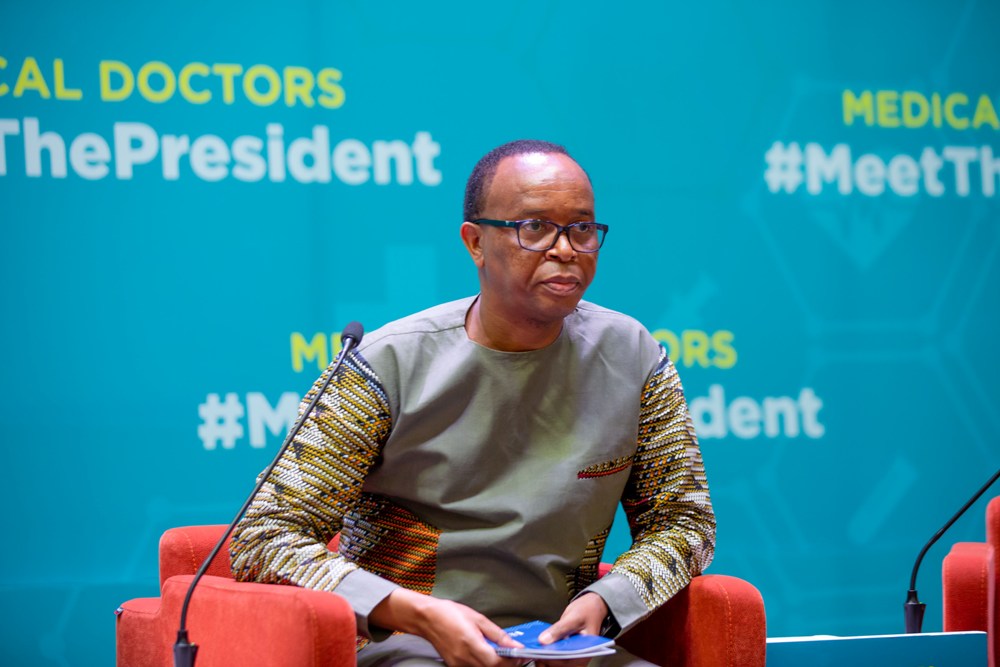
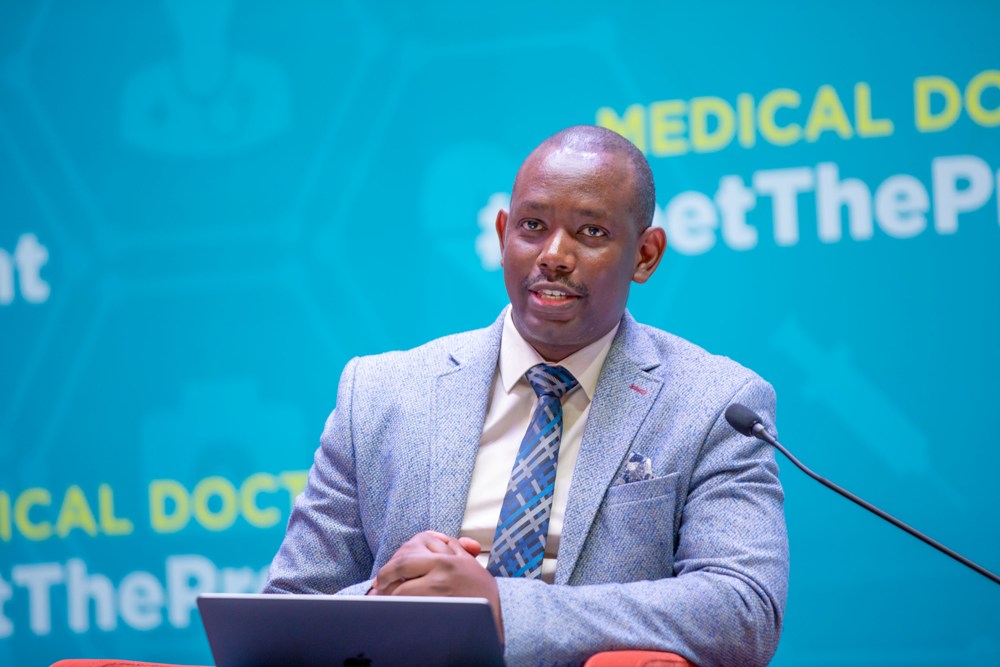
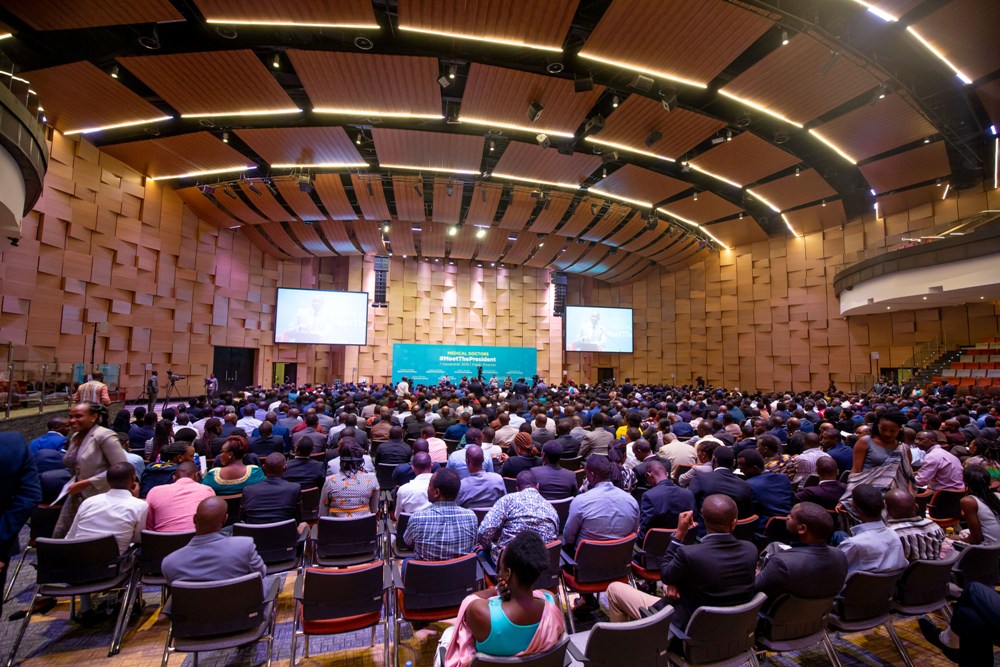
The President gave the advice today as he met with over 800 medical doctors from both public and private institutions for an interactive discussion at Intare Conference Arena in Gasabo district, Kigali city.
The meeting aimed at discussing medics’ role in the development of the nation.
Medics told the President that health sector in Rwanda has grown remarkably going hand in hand with the increase of health care practitioners.
Today, Rwanda counts 1,464 doctors in Private and Public Hospitals has 751 General Practitioners and 504 specialist doctors.
There are also 209 medics who are simultaneously carrying our internships and undertaking Masters. This shows that the country has at least one medic to attend 8,197 people.
The number of nurses rose from 1 attending 1,291 patients in 2010 to 1 attending 1,904 patients in 2017. The number of midwives grew from 1 per 66,749 to 1 midwife per 4064 in 2017.
The increase bore fruits that maternal and child deaths reduced by 75% and 79% respectively in the past 20 years.
The country reports 58,445 community health workers countrywide.
Dr. David Ntirushwa, the president of Rwanda Medical Association said that shortage of equipment remains a challenge despite commendable achievements including the increase of specialist doctors.
“There is an increase of medics at hospitals but the issue of adequate equipment persists,” he said.
Ntirushwa also hinted on increased salary and incentives for medical practitioners to get transport facilitation and accommodations.
President Kagame reminded medics of their role to transform the society they live in and take part in problem solving.
“You are aware of the country’s situation, siblings and friends. You have to take it into account starting from you asking the question. Your request is one of the concerns but not the only one to be addressed by the government. You are part of solutions providers. You have to play your role,” he said.
The President blamed carelessness and ineffective performance of some medical practitioners drawing all their attention to a public figure seeking services and abandoning other patients.
He requested the Minister of Health and relevant institutions to collaboratively solve the problem of medics making own choices for specialized medical courses other than preferring specialty in wanting priority areas of the country.
Kagame asked medical practitioners to reduce the prevalence of health tourism and change the mindsets of people with wrong perceptions that Rwanda can’t make it. He also urged them to make necessary transfers.
“Change such mindsets aligning it with capacity building so that people perceive Rwanda as a transformed country,” he said.
The Minister of Health, Dr. Diane Gashumba said that health sector made remarkable strides and gained international repute that it needs to be upheld and taken farther.
“We built credibility in reducing maternal deaths, preventing HI/ AIDS and Malaria. We need to ensure that nothing holds us back,” she said.
The successes are attributed to efforts expended in the advancement of health sector allocating 16% of the national budget to the sector; introducing inclusive community based medical insurance, and community health workers among others.
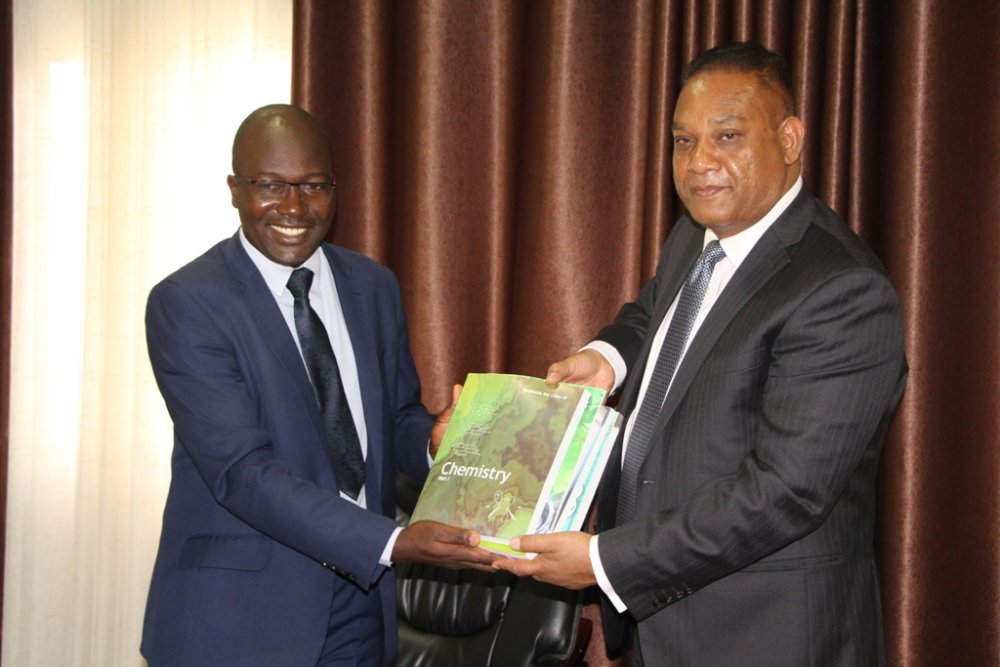
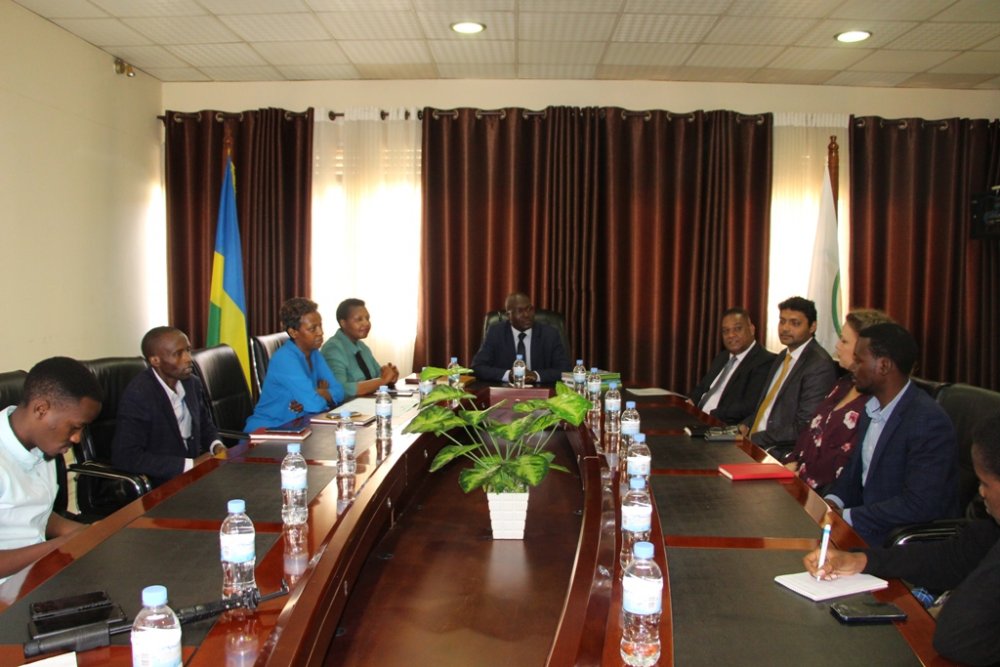
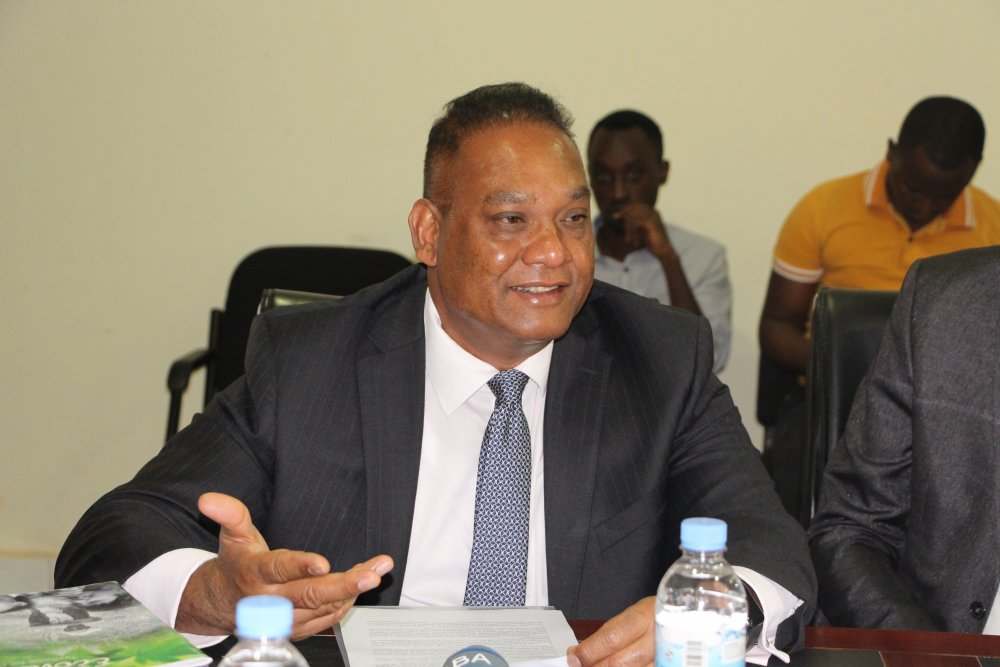
Oscar Kerkejta, India’s ambassador in Rwanda said that the donation reflects cooperation between both countries.
“It is a donation promised by our Prime Minister during his visit to Rwanda last year.
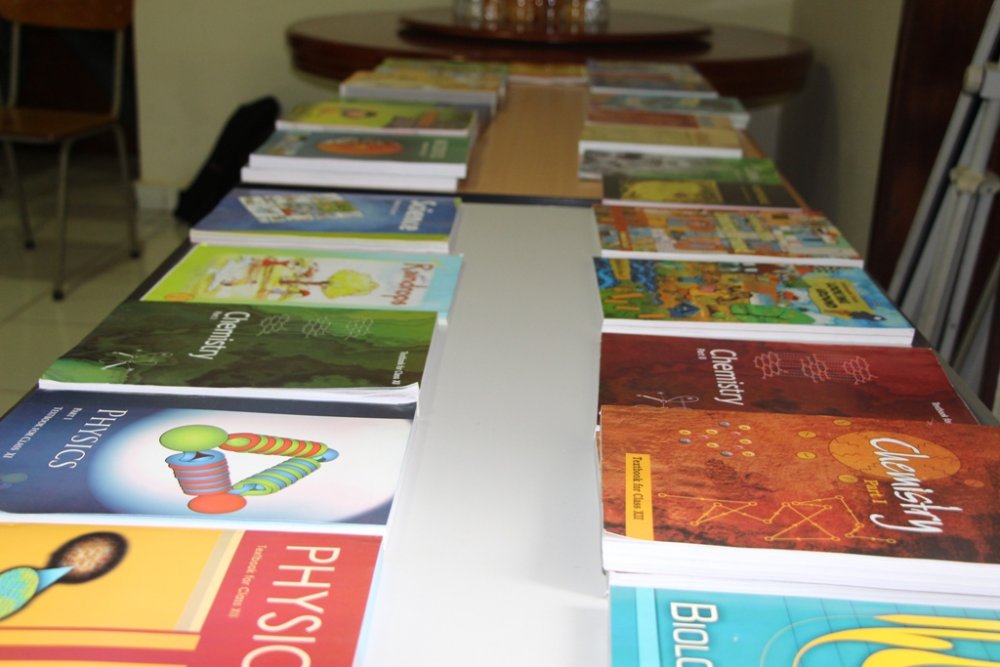
India enjoys existing cooperation with Rwanda in different areas including education. We chose to provide science books because the field is constituted of complex courses. Using such didactic books helps students to understand better sciences,” he said.
The Director-General of REB, Dr. Irenée Ndayambaje explained that such books will be used by students in 9 and 12 years of basic education programs.
“Schools with Nine and twelve years’ education program have the most pressing issues of books’ shortage,” he said.
Dr. Ndayambaje underscored that such books will bring remarkable productivity given that the country is targeting a knowledge-based economy.
Rwanda, India’s diplomatic relations date back in 1999.
Currently, Indians are continuously increasing investment in Rwanda. A total of 66 projects worth US$317 million were recorded between 2011 and 2016 including Airtel, Zinc Hotel and Mahatma Gandhi University.
Indians have also invested in Gisovu Tea Factory, Imana Steel and Sahasra Electronics Pvt Ltd among others.
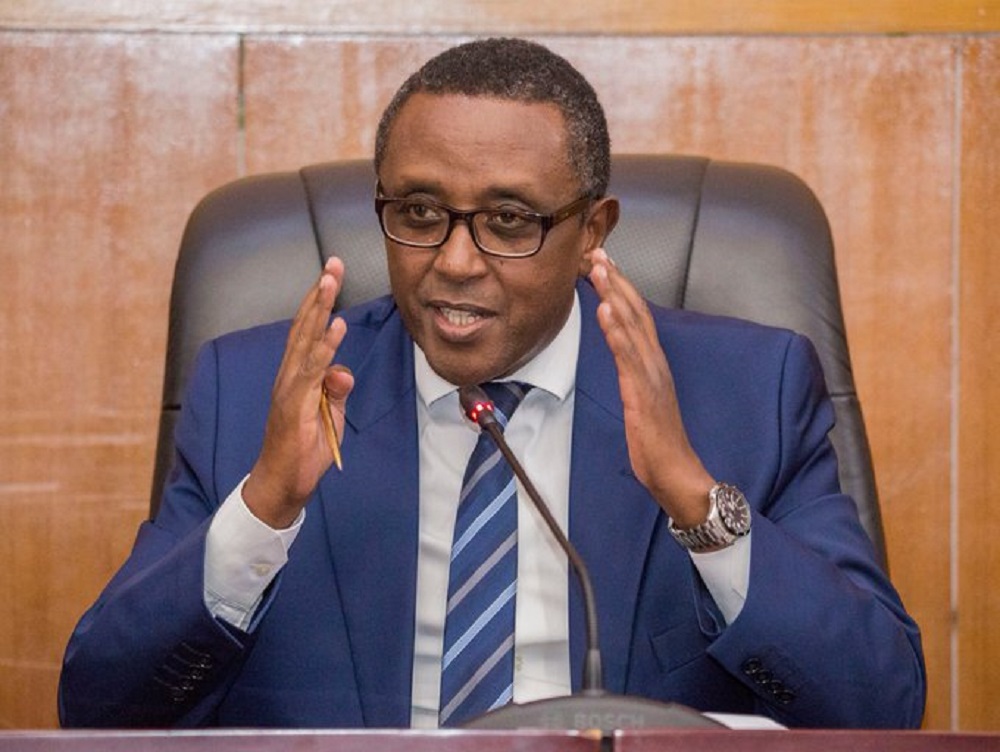
A group of parliamentarians led by Baroness D’Souza, the former chairperson of British Senate on 4th November 2019 wrote to President Paul Kagame asking him to release detained military officers including Tom Byabagamba and Frank Rusagara.
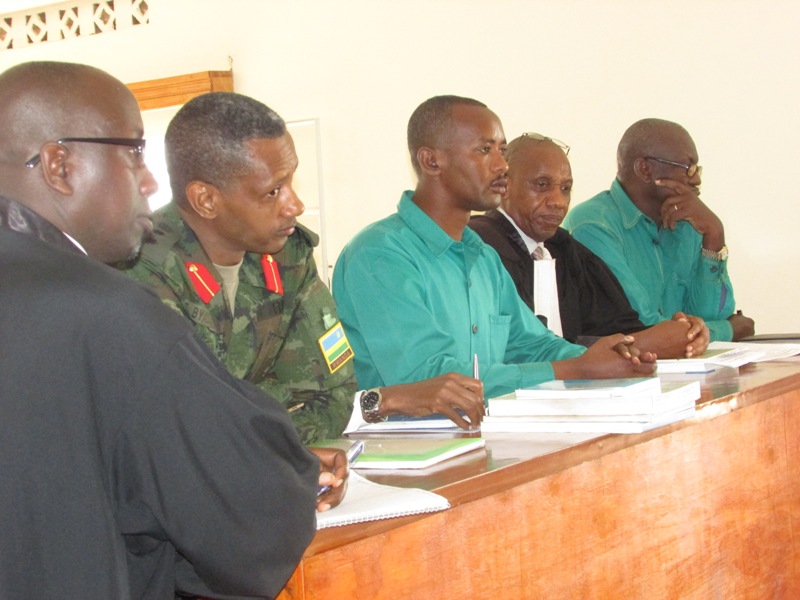
Col Tom Byabagamba’s and Rtd Brig-Gen Frank Rusagara’s cases are currently at the Court of Appeal challenging March 2016 verdicts by the Military High Court that saw Col. Byabagamba jailed for 21 years and Rusagara for 20 years.
Byabagamba had been convicted of tarnishing the image of the State, public insurrection, illegal possession of firearms, contempt, and concealing evidence in a criminal case, while Rusagara was found guilty of instigating public insurrection and illegal possession of firearms.
The request letter explained that the duo has spent five years in prison yet their health is critical because Byabagamba leans on orthesis following back surgery while Rusagara has prostate complications among other health problems.
Beyond that, the letter reads that Rusagara’s wife died when he was in prison and so children miss parental care and want to live together with the surviving parent.
The letter ends stating that releasing Byabagamba and Rusagara would be proof to the United Kingdom and the entire world that Rwanda commutes sick inmates sentenced for long.
Replying to the letter, Minister Busingye clarified that Tom Byabagamba and Frank Rusagara were convicted on 31st March 2016 of serious crimes under Rwandan law and were sentenced 21 and 20 years of imprisonment respectively.
He explained that Byabagamba and Rusagara cases are being handled by the Court of Appeal following their appeal against the ruling.
Minister Busingye said that opinions should not determine courts’ decisions referring to the response British previously gave to UN Working Group requesting the United Kingdom not to arrest Julian Assange, the founder of Wikileaks as he got out of Ecuador embassy in London but was immediately detained.
“As a matter of Rwandan law, there are limited circumstances in which the Government can intervene in a criminal case. Unless and until invited to do so in accordance with the relevant laws and procedures, it would be inappropriate for the Executive to comment on any pending case, seek to influence the outcome, or intervene as proposed in your letter. Any such action would constitute improper interference with an independent judicial process,” reads part of the reply letter.
“Rwandan law provides a clear procedure for requesting clemency which Mr. Byabagamba and Rusagara are entitled to pursue, in accordance with relevant law,” adds the letter.
The Court of Appeal is expected to read the ruling on case of Byabagamba and Rusagara on 15th November 2019.