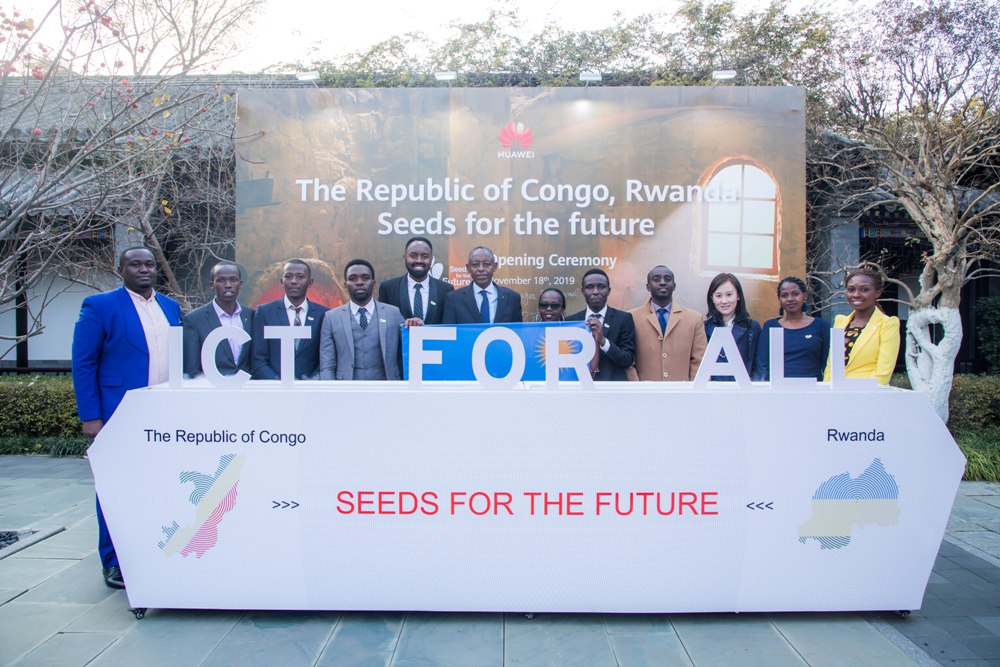
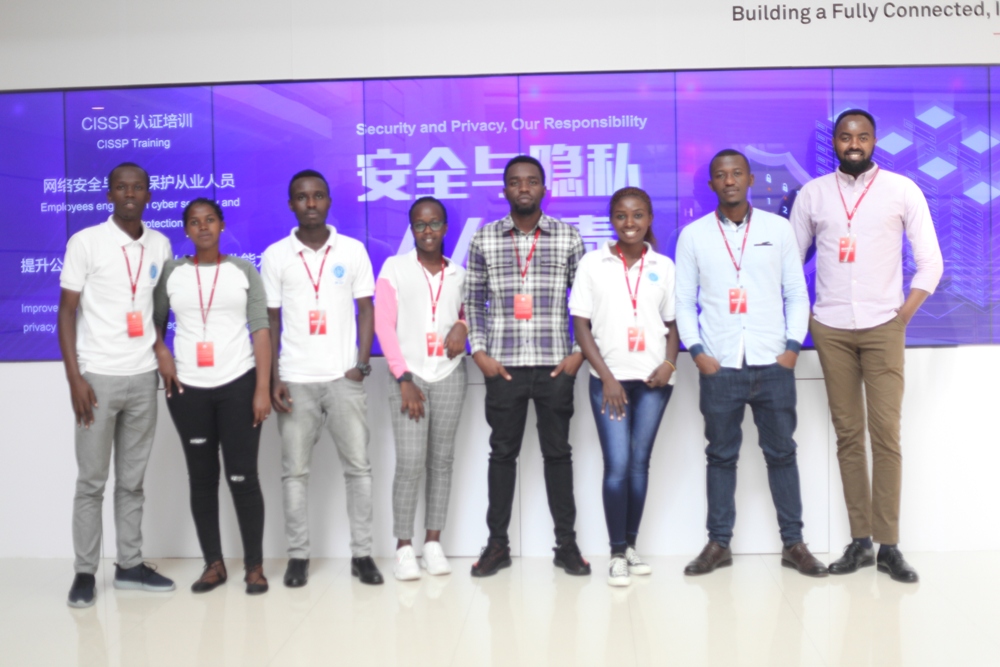
The ‘Seeds for the Future’ program is a competition organized by Huawei and rewards the most innovative technology projects designed to solve particular problems in society.
In November 2019, eight Rwandan students who presented remarkable projects during the competition were rewarded and Huawei Chief Executive Officer, Ren Zhengfei announced they would travel to China on November 15, 2019.
Paula Ingabire, Minister of ICT and Innovation briefed them before they left for China where they were welcomed by James Kimonyo, Ambassador of Rwanda to China.
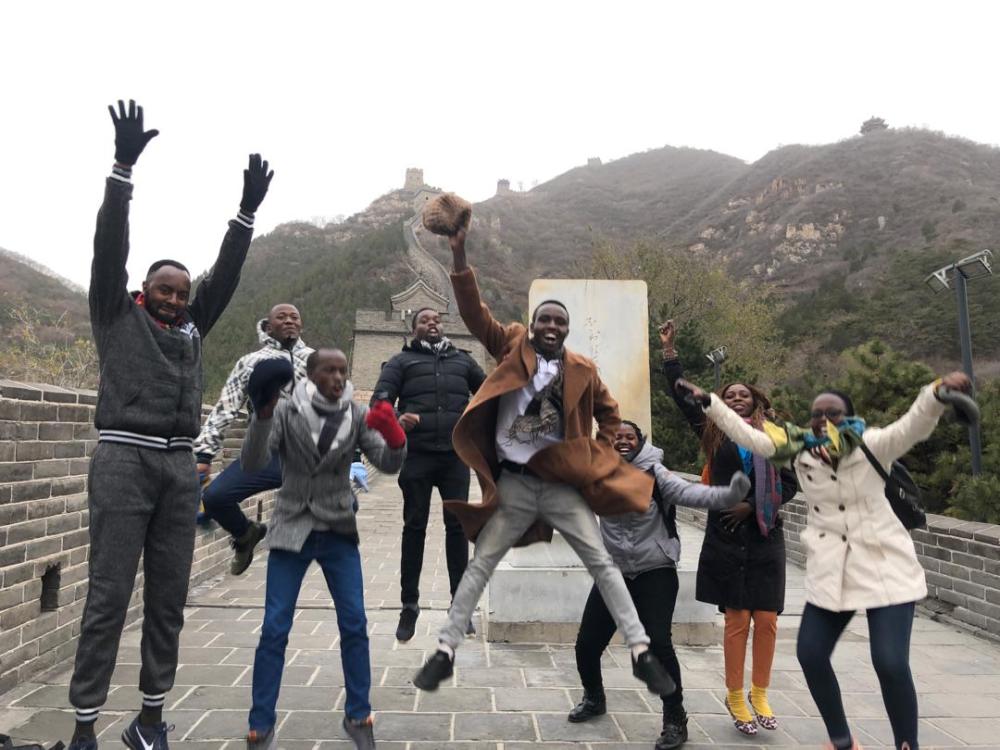
In Beijing, they visited the Chinese Great Wall, Mao City named after Mao Zedong, the founding father of the Republic of China as well as the Beijing Olympics Stadium.
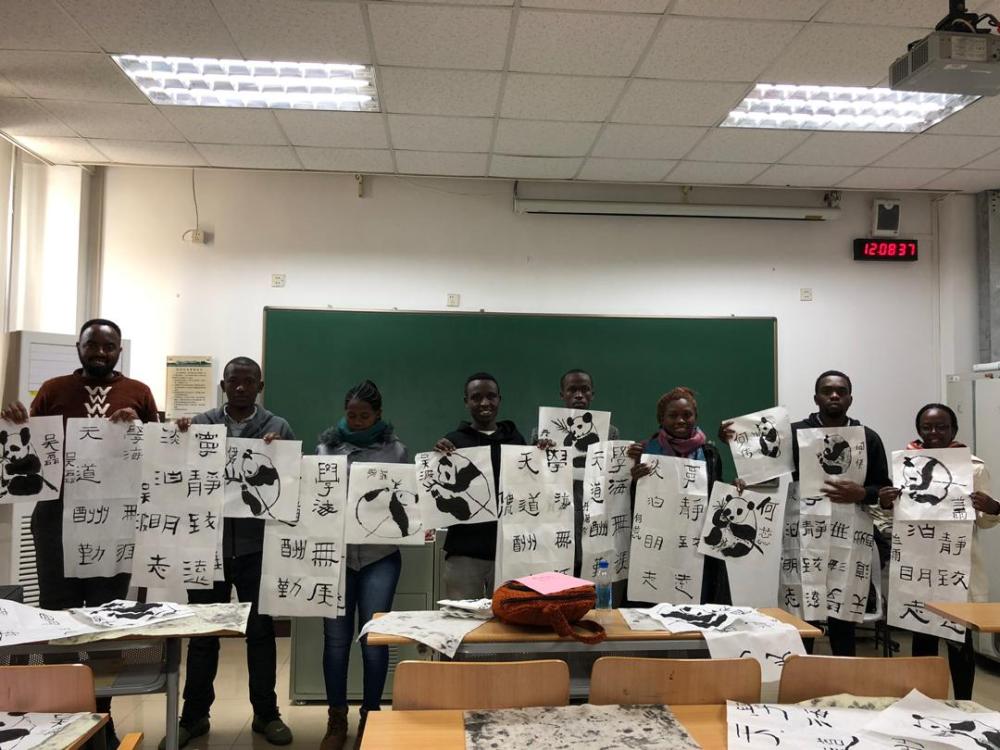
Huawei also organized a one-week training about the Chinese language and culture which was held at the Beijing Language and Culture University. They learned to write Mandarin Chinese and were given an examination and certificates.
The students learned about 5G advanced technology, Artificial Intelligence (AI), Internet of Things (IoT) which enables computing devices to send and receive data via the internet as well as cloud computing. They returned back to Rwanda on November 30th, 2019.
Nsabiyumva Willy who is pursuing a Computer Science degree at the Kigali Independent University (ULK) said that what he learned in China proves that people have the potential to achieve great things when their talents are nurtured.
“The story of Huawei shows that when people learn and are given the capacity to implement what they learned and to use their talents, the results are beyond what can normally be expected.”
Iradukunda Karangwa Prosper who studies at the Adventist University of Central Africa said that what he learned at Shenzhen Technology University showed him there were so many opportunities to explore in Rwanda.
“Shenzhen really stroke my interest and I had the chance to learn about the 5G advanced technology, AI, IoT and cloud computing and that will allow me to explore the opportunities that are available in my home country, Rwanda.”
This is the second cohort to visit China as part of the ‘Seeds of the Future’ program. The first cohort went to China in 2018 when the program was introduced and inaugurated by President Paul Kagame.
Rwanda signed agreements with Huawei on March 16th, 2017 where they will be partnering in education and technology projects after talks President Paul Kagame had with Sun Yafang, the Chairwoman of Huawei.
Through the partnership, Huawei supports talented students who are pursuing technology studies in Rwanda. It will also build a data center and smart grid networks in Rwanda.
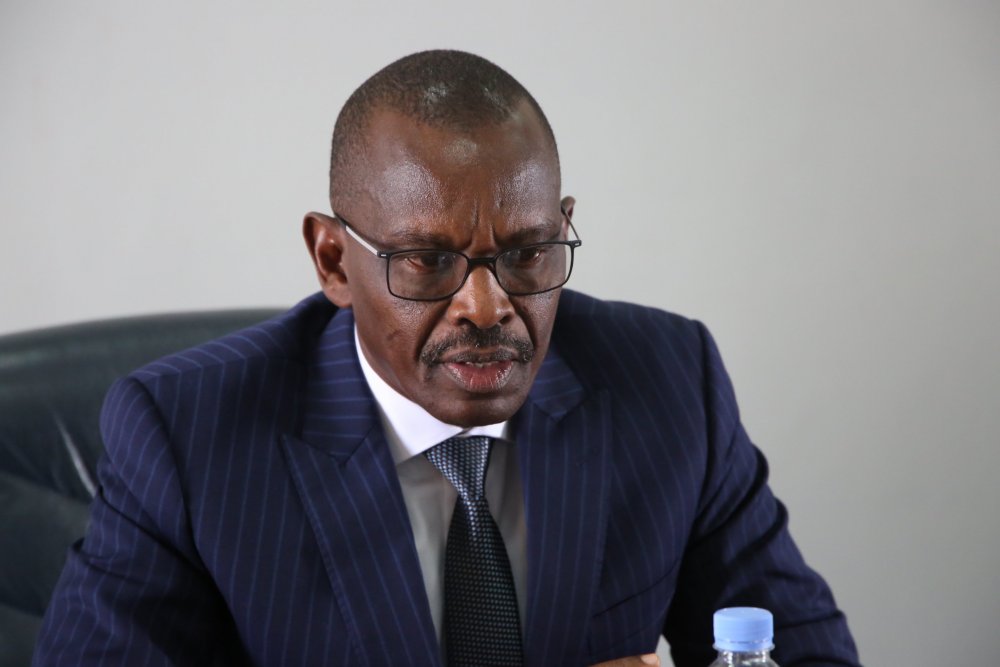
In its Tuesday, 3rd December report, based on testimonies from citizens, REG tops institutions that drastically reduced corruption from 12.93% last year to 5.3%.
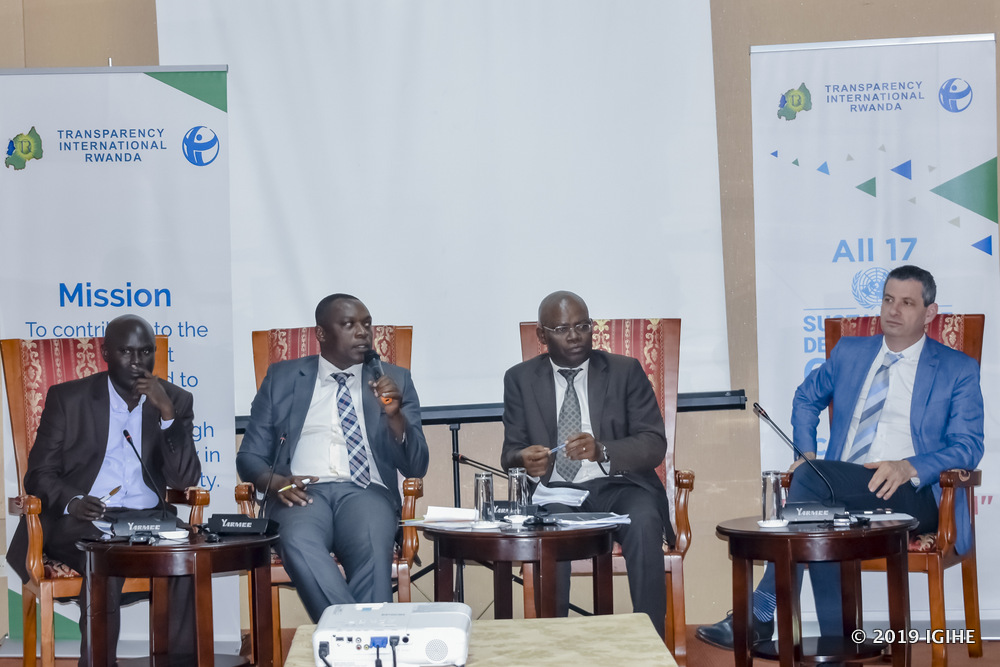
The number of people subjected to corruption at REG reduced from 7.53% to 3.51%, performance that has been commended by the Transparency International Rwanda Director, Ingabire Marie Immaculee.
She said the results were outstanding: “I want to congratulate REG for making efforts in fighting corruption. I realized they were committed to this fight when I saw the whole team attend Itorero in Nkumba along with their manager. Right then, I knew their services would be impeccable.”
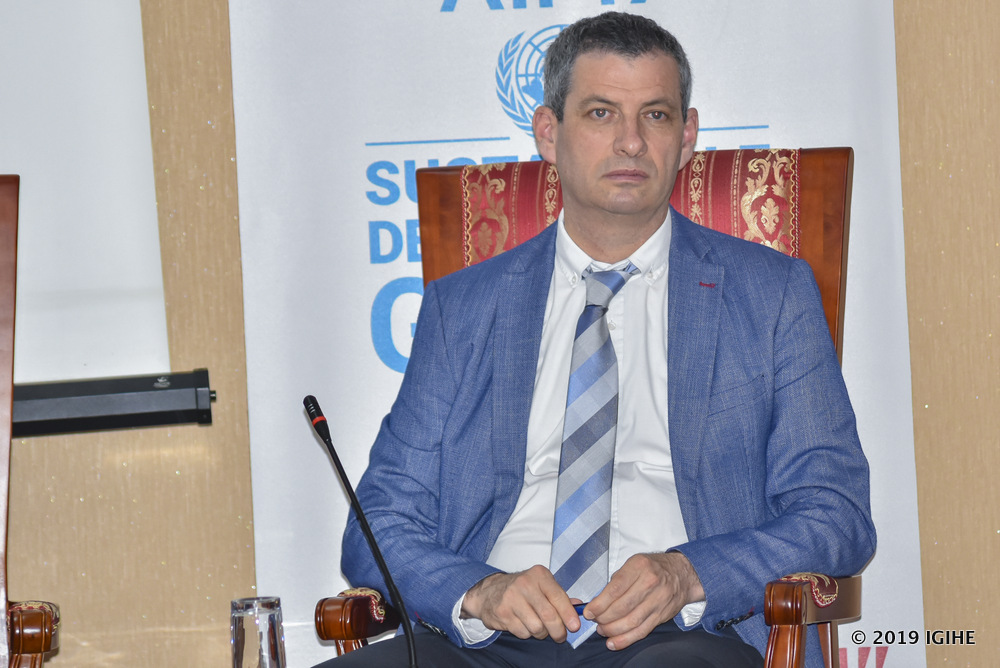
Ron Weiss, the Chief Executive Officer of Rwanda Energy Group (REG) said that one of the reasons REG topped the list of the most performing teams in fighting corruption is due to policies established within the company.
“We made it our goal not to tolerate any form of corruption in the company. This is the beginning. We will continue to sensitize our staff to avoid corruption and set strict disciplinary measures to punish whoever will be involved in corruption cases. We have met with such cases before and some of the people involved were prosecuted and incarcerated.”
Weiss said that there are cases before where REG agents would ask clients for transport money before fixing the reported problems.
“Some of the forms of corruption we experienced in the company are of our agents asking for transport money to our clients in exchange of going to their premises to fix their problems. Some of them would ask for Rwf 5000 before being sent to the clients but we had to stop that behavior that was staining our image and we continue to deal with such problems whenever they occur.”
Weiss says some of the benefits of fighting corruption is that it improved the quality of service provided.
“I believe eliminating this vice leads to better service provision but we still have a long way to go since we want corruption cases to get to 0%.”
In October 2019, REG administration and staff went to Nkumba in Burera District where they spent a week in ‘Itorero’, taken through civic education and moral values to champion in the society.
The annual survey known as ‘Rwanda Bribery Index’ sampled 2459 individuals around the country where 18.5% of the respondents said they were subjected to corruption tendencies in the last 12 months while 81.5% said they had not experienced the same. The percentage of people who experienced corruption last year was at 20.4%.
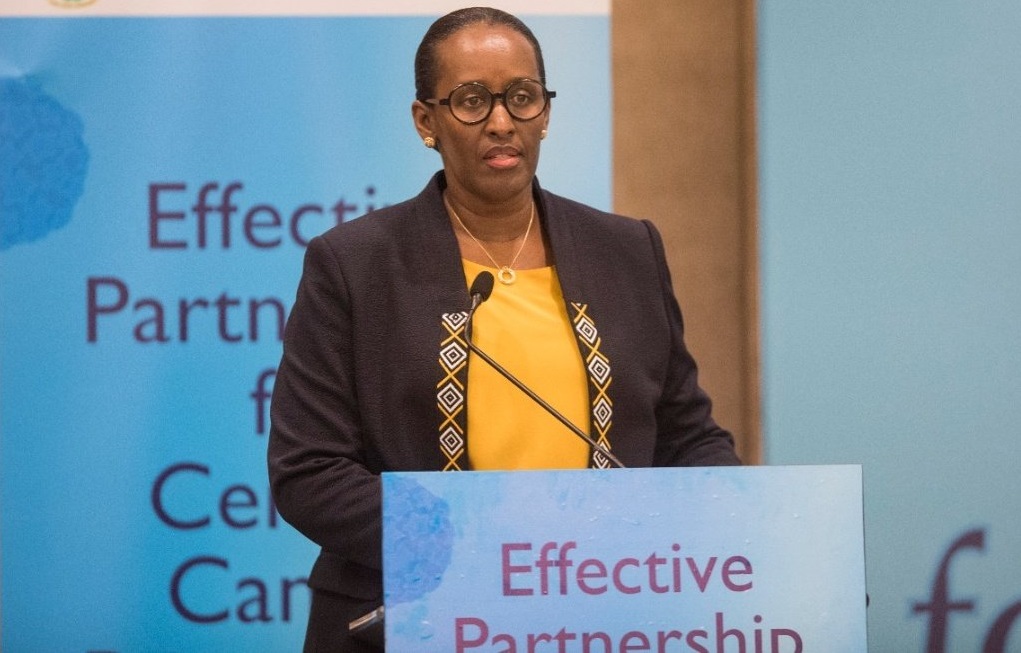
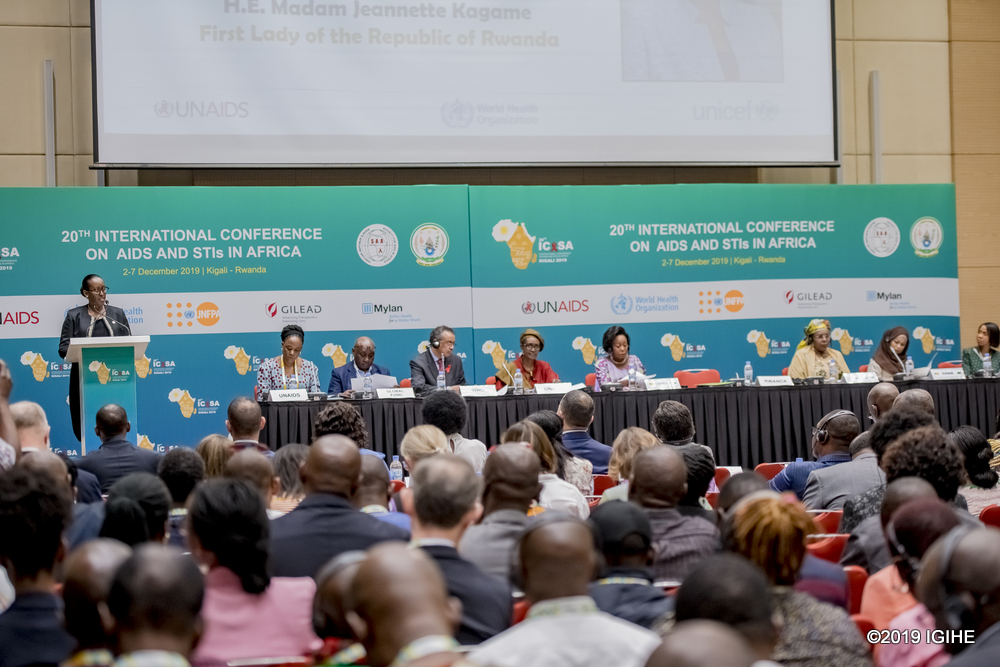
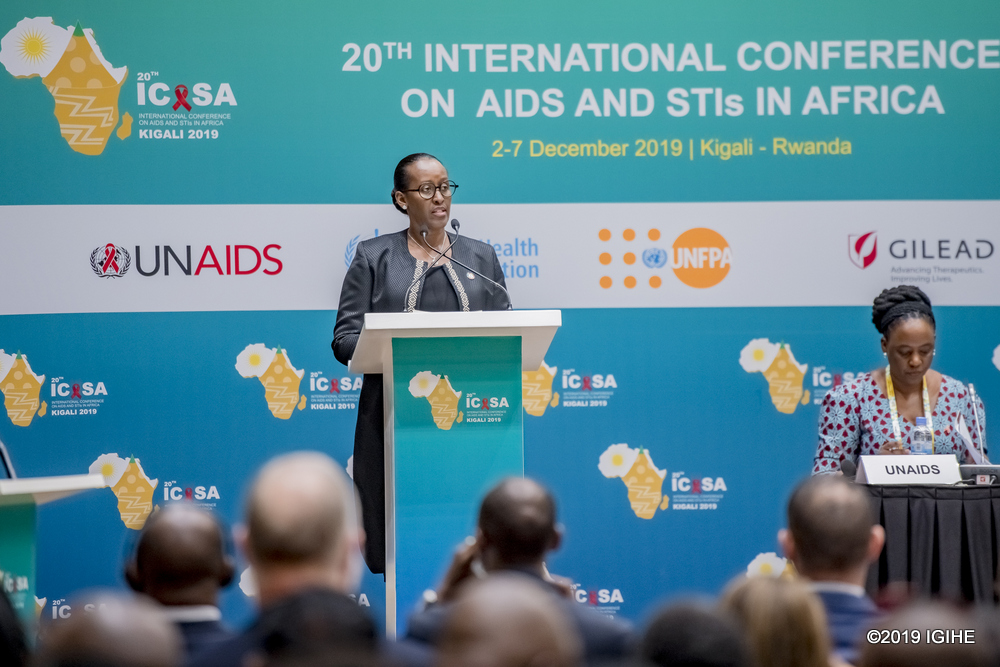
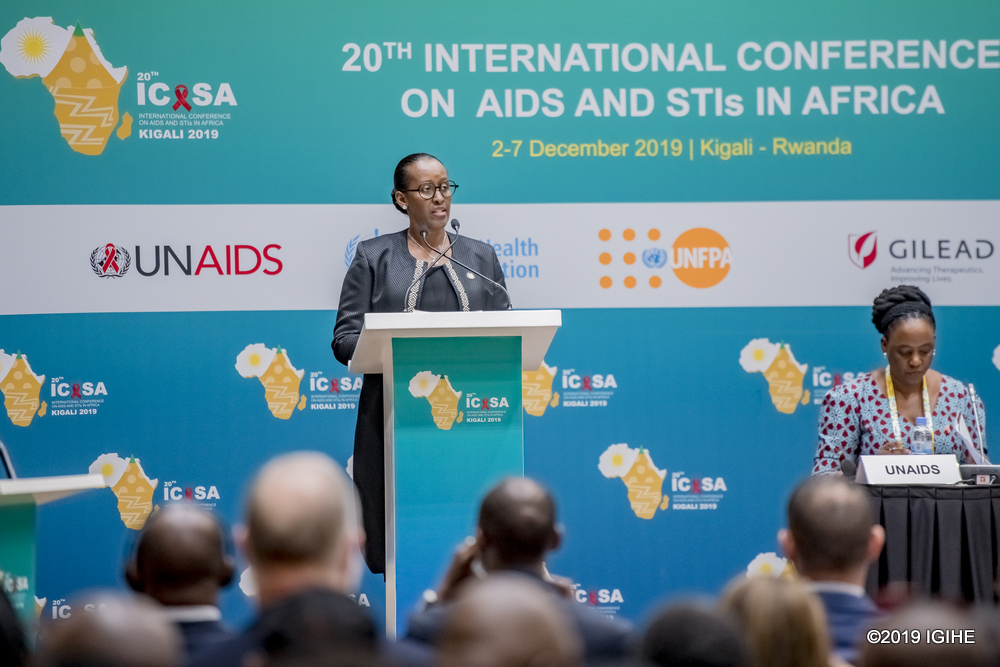
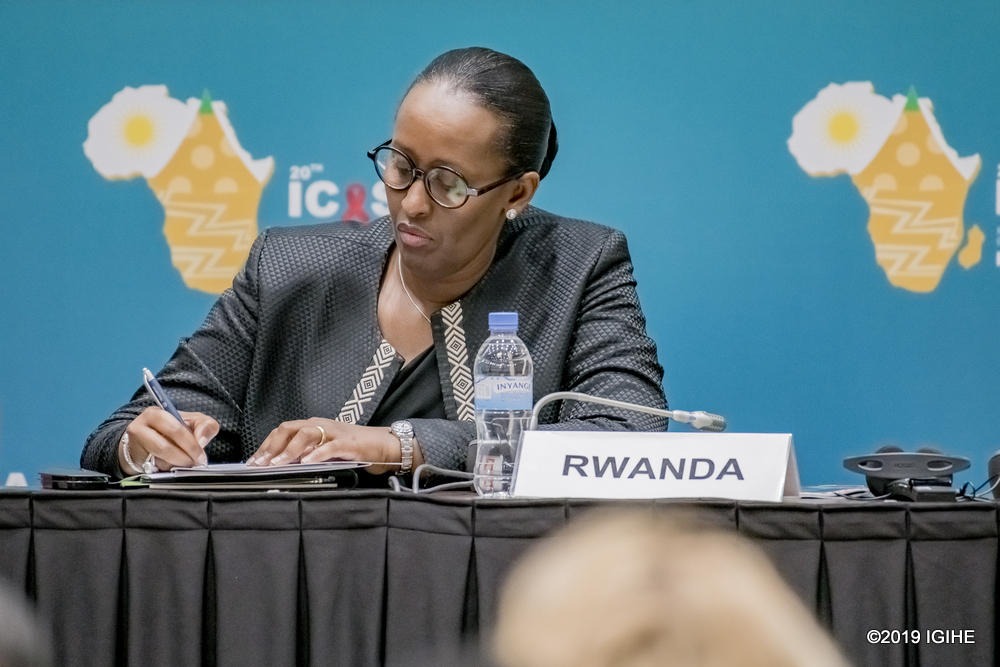
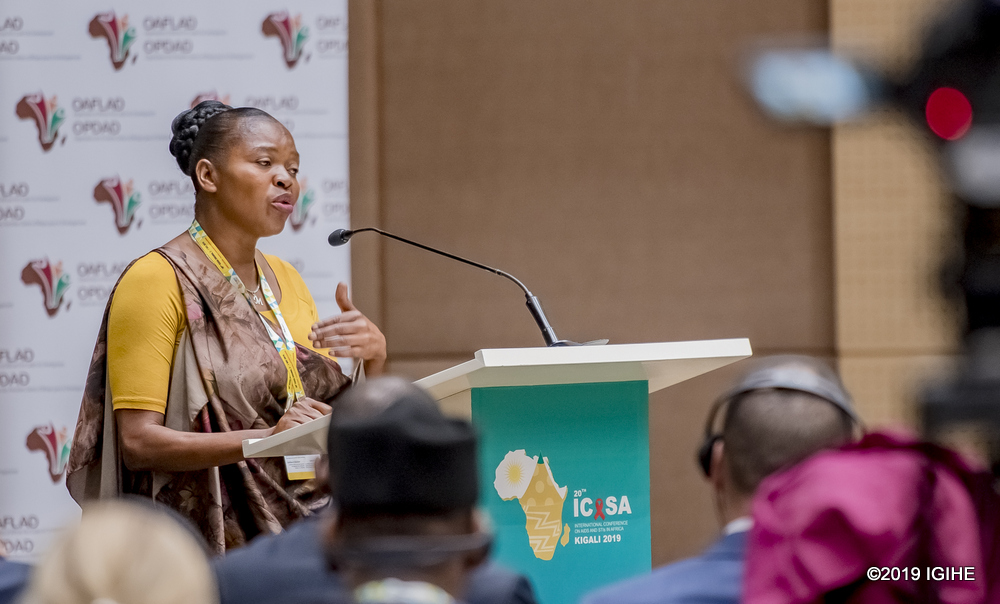
Her Excellency Jeannette Kagame, First Lady of the Republic of Rwanda said nations of Africa should join hands in eradicating the HIV epidemic that has devastated the continent.
“We must be deliberate in strengthening our defense against HIV/AIDS and equip all men, women, and children with the resources to live safe and healthy lives”
She also shared statistics about the milestones Rwanda has reached so far in the fight against HIV “as of 2019, new HIV infections had decreased by 83%; and AIDS-related deaths had dropped by 82% in the last 20 years”
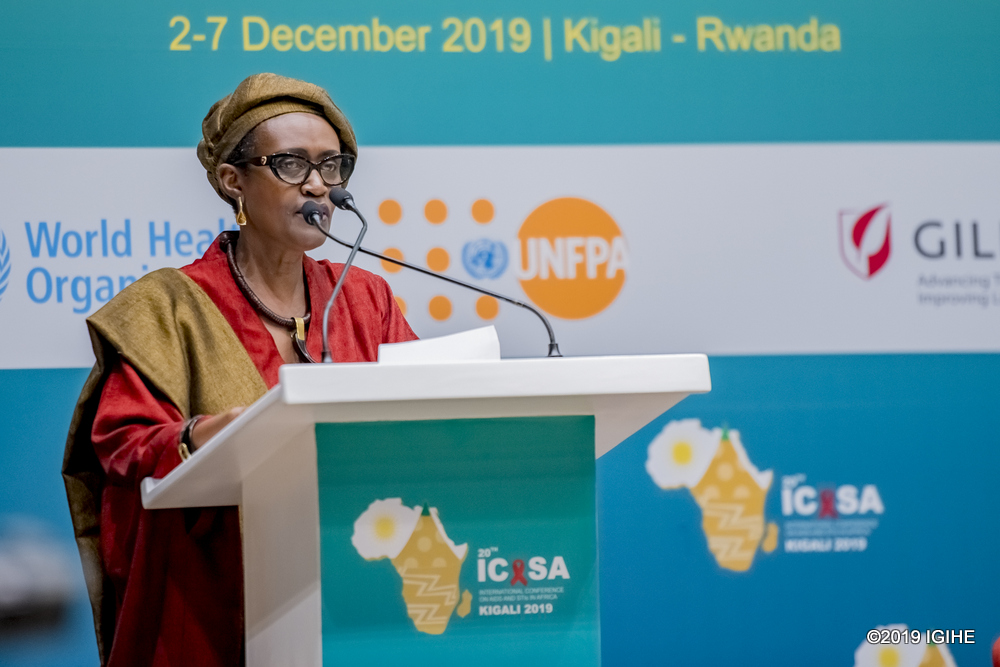
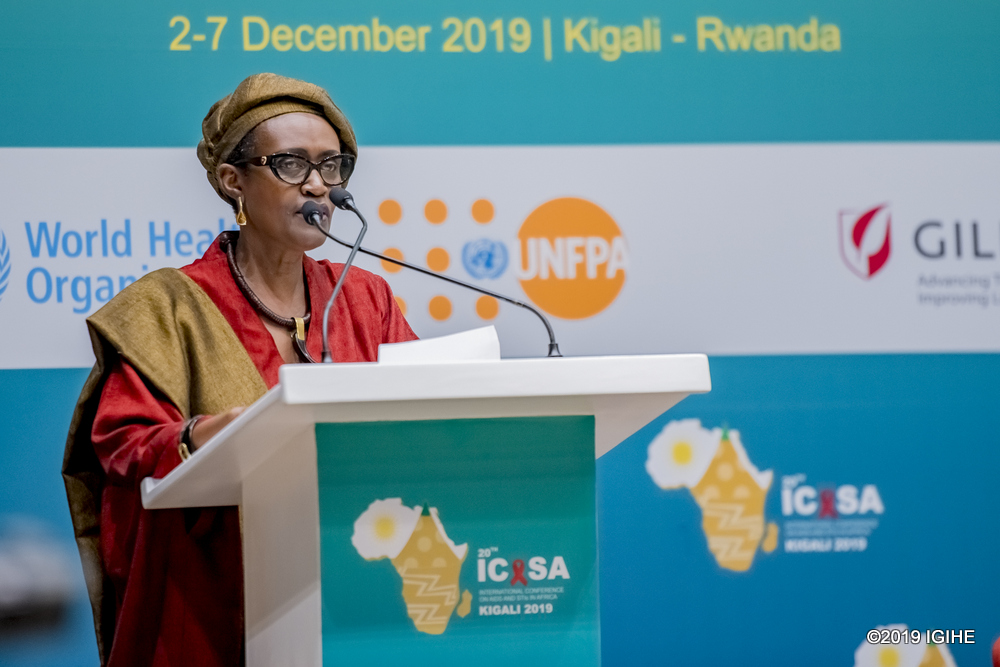
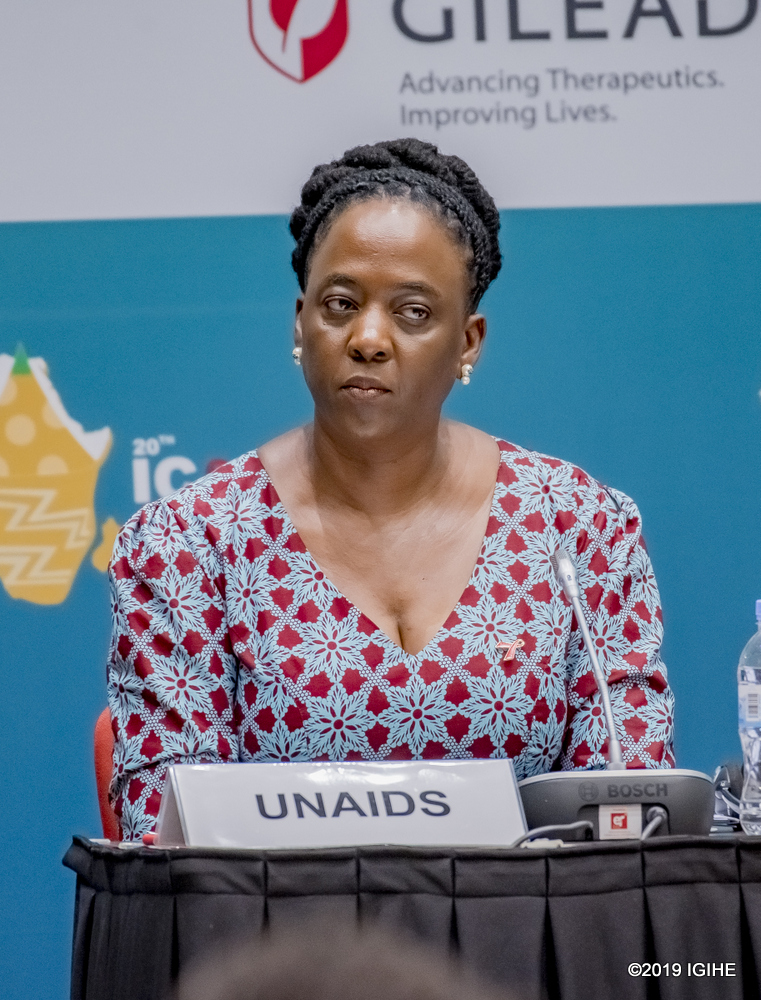
Mrs. Winnie Byanyima, Executive Director, UNAIDS joined the conversation saying that “6200 adolescent girls are infected with HIV weekly; girls are at risk of getting HIV because they lack the knowledge to make comprehensive decisions about their life.
There is a big need to put girls in school. She also added that for people living with HIV/AIDS, the question of domestic resource mobilization is a matter of life and death. “Many must be wondering, if this donor money has dried out, will we still be alive?”
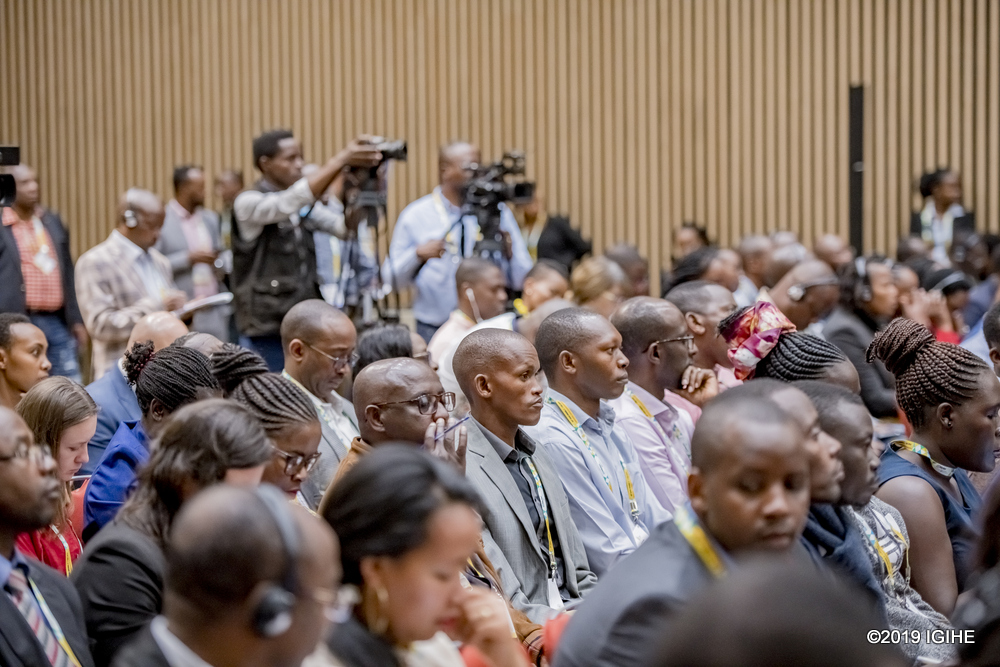
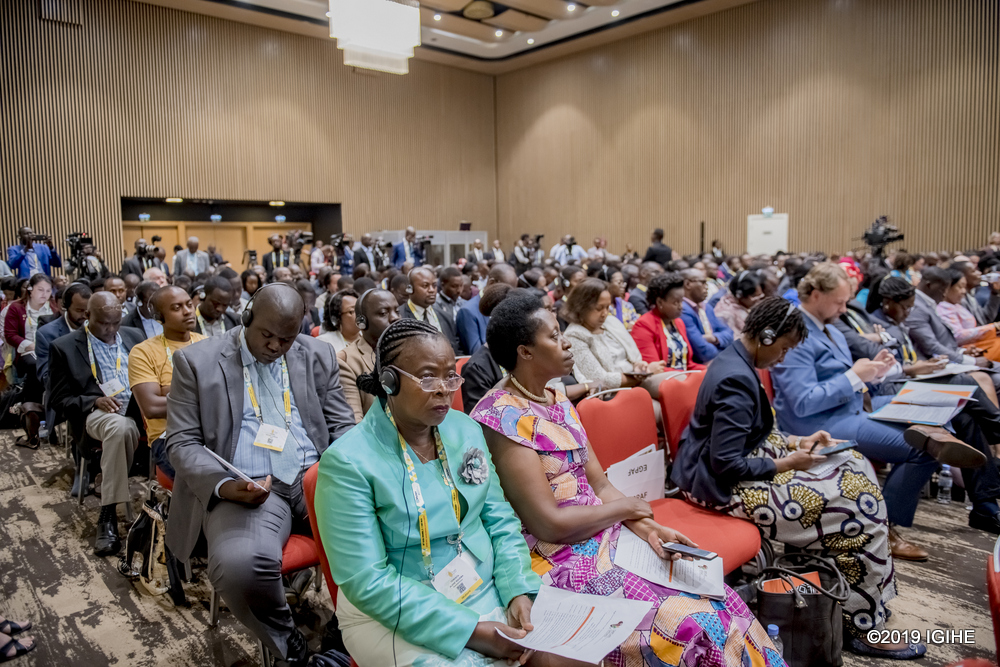
The International Conference on AIDS and Sexually Transmitted Infections (ICASA) Opening Ceremony was hosted by His Excellency, President of the Republic of Rwanda Paul Kagame.
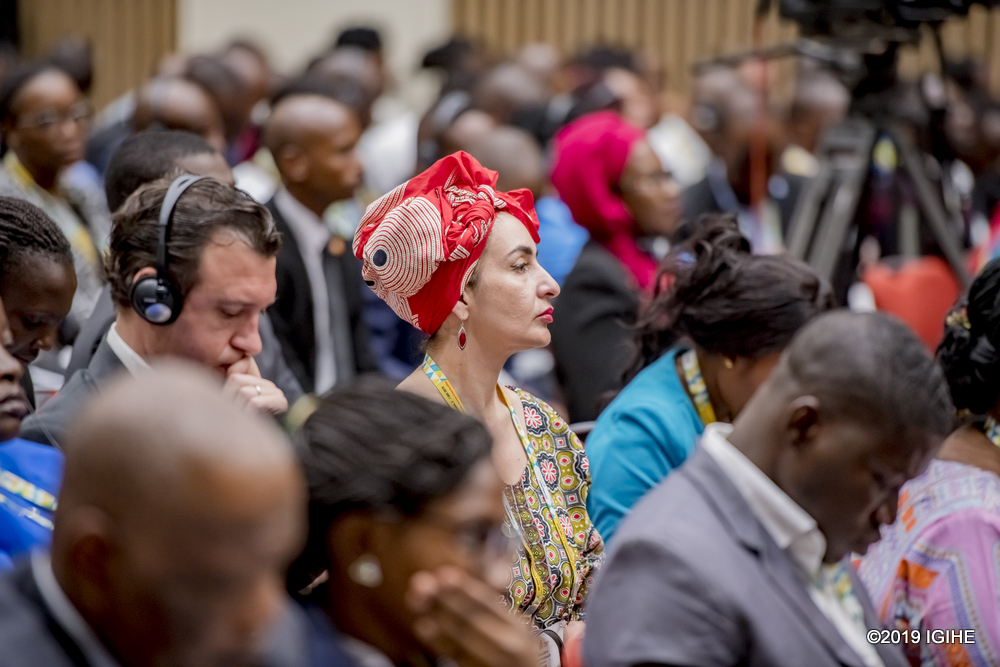
The conference started on December 2nd and will end on December 7th. It serves as a platform to gather leaders, activists, scientists, researchers, community members, and key populations from across the globe to discuss the role of political leadership, collaboration, and scientific innovation in advancing efforts to end AIDS by 2030.
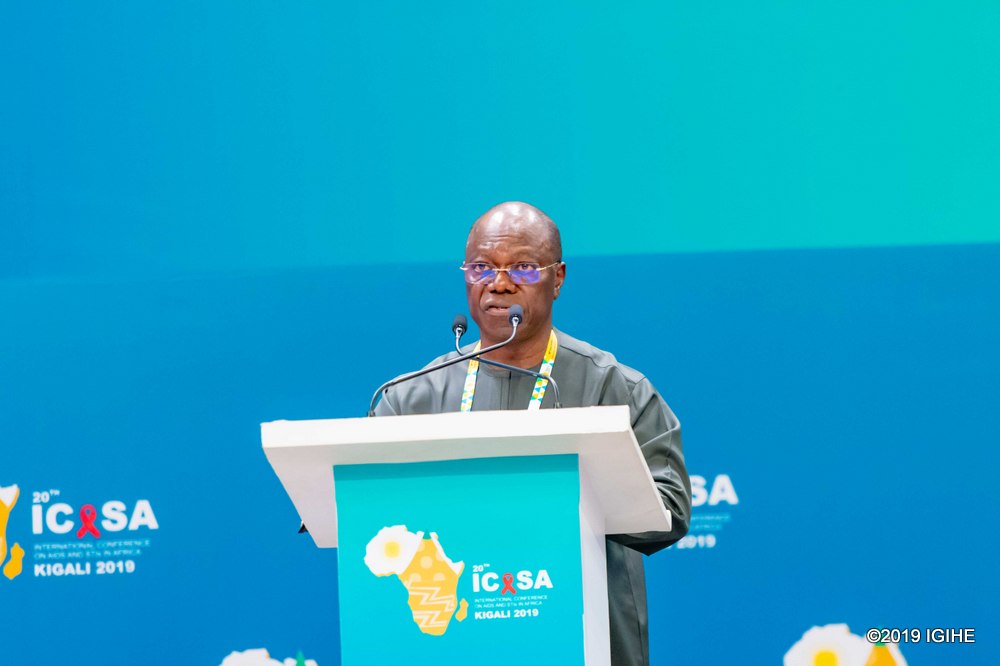
In his address to ICASA participants, Prof. John Idoko, President of ICASA said that the ICASA theme brings into sharp focus the continent’s commitment with support from bilateral and multilateral partners and that there is a need to be innovative and inclusive to achieve our set targets.
Dr. Diane Gashumba, the Minister of Health of the Republic of Rwanda reported that 91% of the Rwandan population is covered by health insurance. 99% of pregnant women are tested for HIV. 95% of our children are vaccinated and early infant diagnosis is fully integrated into these services.
As per the UNAIDS recent report while 97% of HIV positive people in Rwanda are on treatment and 90% are suppressing their viral loads.
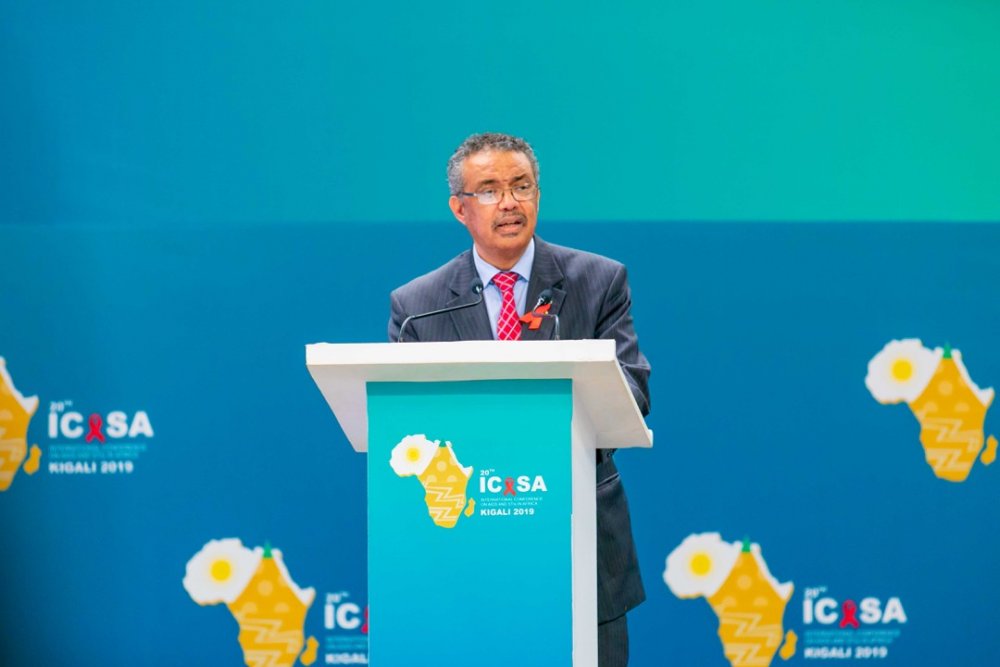
Dr. Tedros Adhanom Ghebreyesus, Director General of the WHO said that millions of people are currently on HIV treatment.
“Even better, millions of people are not on treatment because they have the tools to protect themselves.”
The continent has accelerated research and development and has pushed back the boundaries of science in hot pursuit of care.
“Today, over 90% of people living with HIV in Rwanda know their status, and almost all of them are on life-saving treatment. Of those, 90% have achieved viral suppression. That makes Rwanda one of the few countries to achieve the 90-90-90 targets prior to 2020”
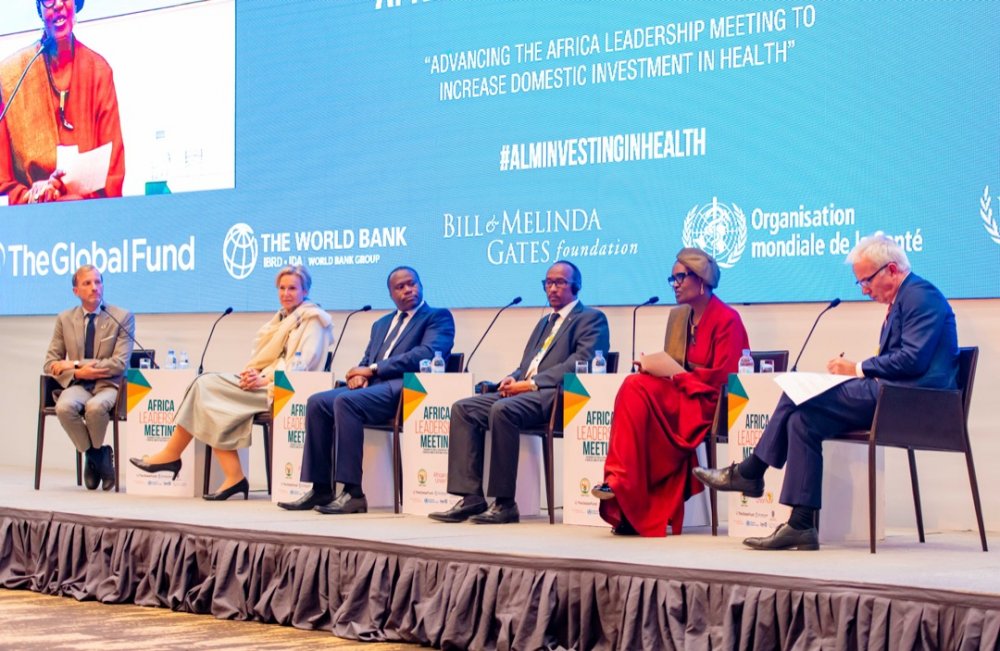
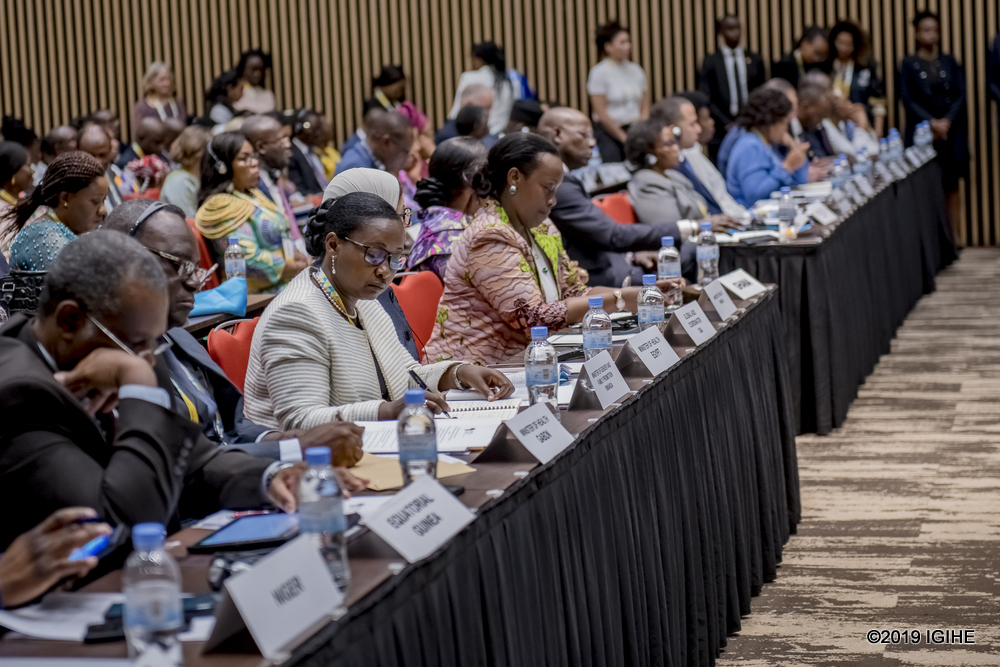
With the commitment made by African Leaders at the February 2019 African Union Summit to invest domestic (government) resources in health, this event served as an opportunity to reinforce the commitments made, and to provide an update on the progress made thus far in relation to the agenda set forth by the African Union.
The event also included a panel discussion on how best to take stock of the progress in domestic investment in health on the continent and to discuss the challenges that need to be overcome.
Panelists included Honorable Dr. Uzziel Ngagijimana, Minister of Finance, Rwanda; Ambassador at Large, Debbie Brix, U.S. Global AIDS Coordinator and U.S. Special Representative for Global Health Diplomacy; Mr. Peter Sands, Executive Director, The Global Fund to Fight AIDS, Tuberculosis, and Malaria; and Mrs. Winnie Byanyima, Executive Director, UNAIDS.
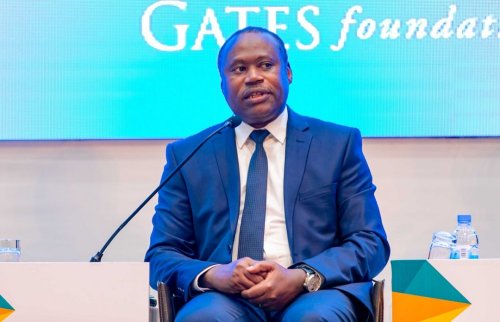
In his speech, Dr. Patrick Ndimubanzi, Minister of State in charge of Primary Healthcare, Republic of Rwanda said the Africa Leadership meeting investing in health comes at a very strategic moment where enhanced action is needed to increase domestic investment in health from the public and private sectors.
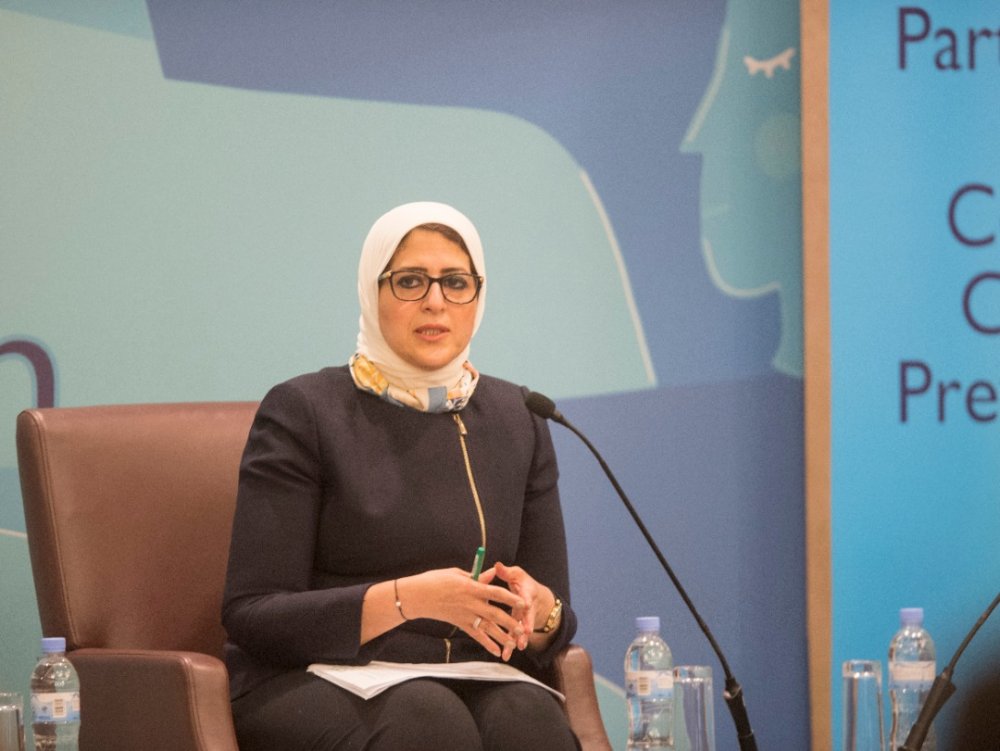
Talking about Africa’s investment in health, Dr. Hala Zayed, Minister of Health of the Arab Republic of Egypt underlined that health is an investment and not a cost.
“As health is the main driver of economic growth and a platform for the launch for the sustainable development that we want to achieve”
Dr. Uzziel Ngagijimana, Rwanda Minister of Finance also joined the sessions saying that “According to the recent Human Capital Index, about 40 bottom countries are in Africa. It is a fact that we can’t achieve SDGs if we don’t invest in human capital and that is health and education”
Mr. Peter Sands, Executive Director, The Global Fund to Fight AIDS, Tuberculosis, and Malaria concluded saying that “Financing health is a means to an end. What you want is the health and well-being of the people”
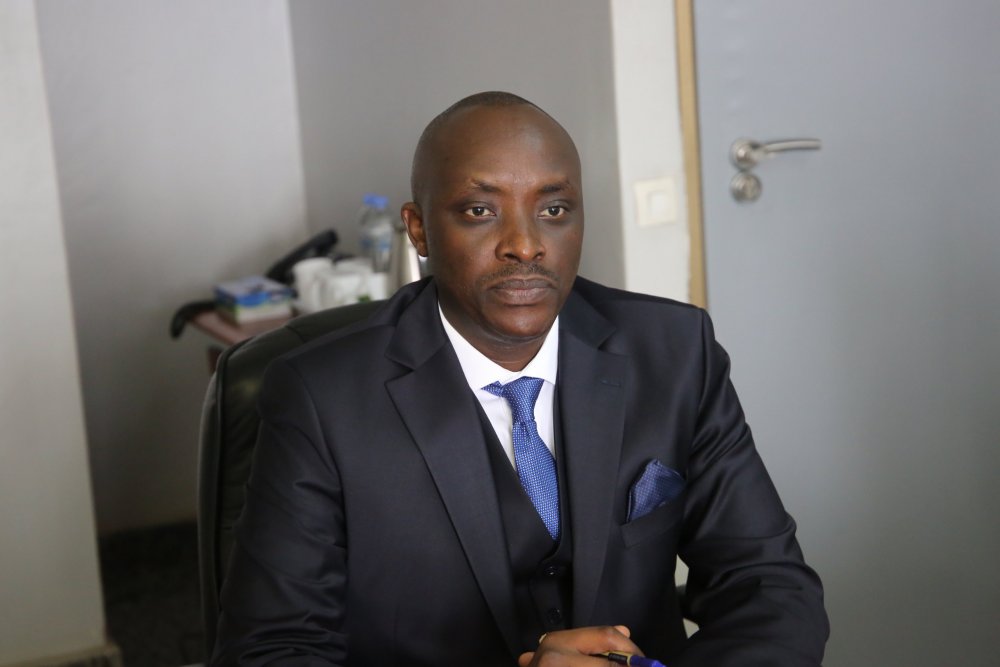
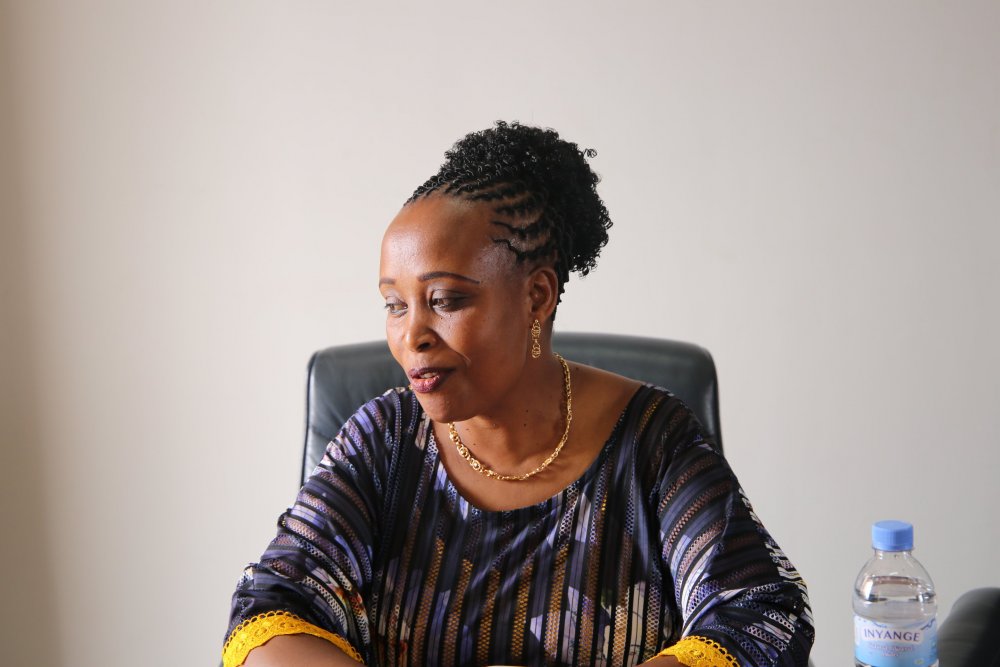
Senator Dushimirimana Lambert, head of the Political and Good Governance Committee analyzed the records of Havugiyaremye Aimable who was appointed Prosecutor General, Habyarimana Angelique who was appointed Deputy Prosecutor General and Nkurunziza Valens, who was appointed Vice President of the Commercial High Court.
Havugiyaremye was born in 1973 and holds a Master’s degree in International Law from the University of Pretoria. Prior to his new position, he was a prosecutor in ‘Gendarmerie Nationale’, a lecturer in the University of Rwanda, College of Law and was the state envoy to the Ministry of Justice.
Later on, he was appointed as the Vice president of the institution charged with drafting and revising laws and then the acting rector of the Institute of Legal Practice and Development (ILPD).
Senator Dushimimana said that discussions they had with Havugiyaremye focused on analyzing the issues in the judicial system in Rwanda and how he will contribute to solving them.
“Havugiyaremye Aimable explained to the Senate Committee that the issues in the judicial system of Rwanda are mainly caused by prosecutors who don’t take time to do an in-depth research about crimes committed and lead to justice not being truly served. He said that during his term, he would sensitize prosecutors to be attentive during investigations and that he would follow up if they fulfilled their duties”
He continued saying that he would invest in trainings with the support of other institutions in order for those involved in the judicial system to improve their knowledge and gain expertise.
“He particularly said that he would focus on crimes that destroy the Rwandan community including child abuse and rape, corruption, cybercrimes, and that he would follow up on cases of genocide convicts who have not yet been tried in courts especially those who live abroad. He will also join the fight against genocide denial and ideologies particularly outside of Rwandan where the two vices reign.”
The Senate also analyzed the report of Habyarimana Angelique who was appointed as the Deputy Prosecutor General but while the committee meeting happened, she was not in the country.
Habyarimana was born in 1974 and also holds a Master’s degree in Law from the University of Pretoria in South Africa. She has been working in the judicial sector for a while now and worked in Muhanga and Musanze district as the legal and compliance specialist in the office of the prosecutor.
Senator Dushimimana says “At the time of analyzing her dossier, we were informed she was currently not in the country for health purposes. The committee analyzed her dossier only basing on her CV and it was clear every position she has ever been in, was in the judicial system.”
Senator Mureshyankwano Marie Rose raised a concern, asking if there wasn’t any other alternative to study Habyarimana’s dossier closer and discuss with her and asked what would happen in the event Habyarimana said she was not ready to fulfill her new responsibilities.
“I suggest that if it is not against the law, we should at least contact her and avoid deciding before we have talked to her. What would happen if she said she is not ready for the new responsibilities since she was not consulted before?”
Senator Dushimimana justified it saying that the law allows the procedure that was followed. The law states that the senate committee has to invite an official with a pending appointment but that it is not mandatory to consult them before the appointment is approved.
{{Appointed ambassadors were approved}}
The Committee on Foreign Affairs has also published a report of their analysis on the newly appointed ambassadors including Lt. Gen Mushyo Kamanzi who was appointed to the Russian Federation and Mukangira Jacqueline who was appointed to represent Rwanda in the Republic of India.
The President of the Committee on Foreign Affairs, Senator John Bonds said Mukangira was born in 1964 and that she holds a Master’s degree in Peace and Conflict Resolution from the University of Rwanda and that she is currently studying for an advanced diploma at the University of Toulouse in France.
Prior to her appointment, she worked in the Ministry of Foreign Affairs, in the parliament as a deputy from 2013 to 2017 and in the senate in 2012 where she was in charge of the research committee. She also worked in different projects such as PACFA and in the office of Her Excellency, Jeannette Kagame.
Senator Bideri said that Mukangira committed to strengthening the relationship between Rwandan and India and to overlook the exchanges between the two countries to ensure they mutually benefit from the relationship especially in economic activities.
She also pledged to sensitize business owners in Rwanda to invest in India and to import their products to India especially tea, coffee and chili that have a huge potential market in India.
She also committed to doing the same for Nepal and Maldives that she will be representing as well.
Senators gave her a report showing that at least 3000 Indians live in Rwanda but that they have invested in small ventures. During her term, she was advised to sensitize Indians living in Rwanda to invest in bigger endeavors to contribute to the development of Rwanda.
Lt Gen Frank Mushyo Kamanzi was born on March 31st, 1964 and graduated from the University of Makerere in Uganda with a major in Agriculture. He also graduated with a Master’s degree from the National Defense University in Washington, United States.
He was appointed on 6 April, 2017 by United Nations Secretary-General António Guterres. In May this year, he bid farewell to the forces he commanded after a two-year term. Before the UNMISS, Lt Gen. Kamanzi was the Force Commander of the United Nations Mission in Darfur (UNAMID) starting in 2016, and the Commander in Chief of the Field Army from 2012 to 2015.
Senator Bideri said that based on the responsibilities that await him, Lt Gen Kamanzi said he was more than ready to fulfill the mission he was given and to represent Rwanda in the Russian Federation using all the expertise he gained from his work and life experiences.
“The Russian Federation is an influential country both in the economy and in the military and is among the five largest emerging economies. Our relationship with Russia has been ongoing for 55 years and I will contribute to strengthening it and ensuring both countries benefit from each other.”
He said he would focus on the education sector where he reported that currently, Russia offers more than 100 scholarships to Rwandans per year. Lt Gen Kamanzi said that he will ensure that the number of Rwandans who are admitted to Russian universities increases.
“Recently, Rwanda signed a deal with Russia for the establishment of a Centre for Nuclear Science and Technology in the country. He committed to overseeing the implementation of this agreement. He also said he would overlook agreements between the two countries regarding the extraction of Methane Gas”
Finally, he committed to sensitizing the Rwandan diaspora in Russia about the government programs, to join hands in fighting against genocide denial and ideology.
Kamanzi will also be representing the Government of Rwandan in Belarus.
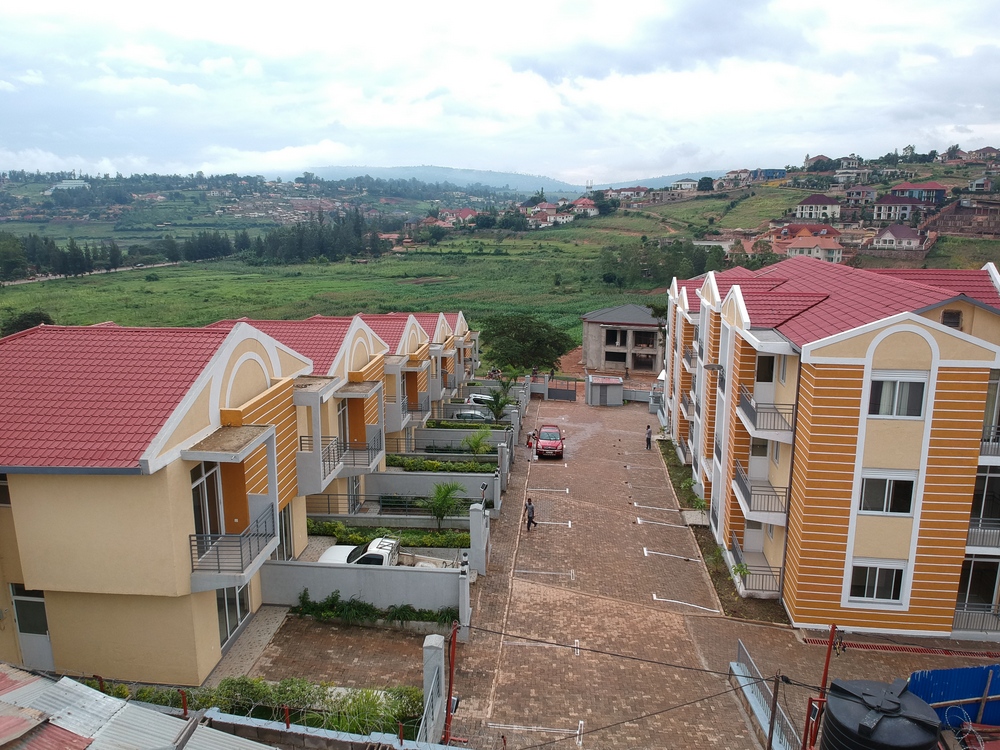
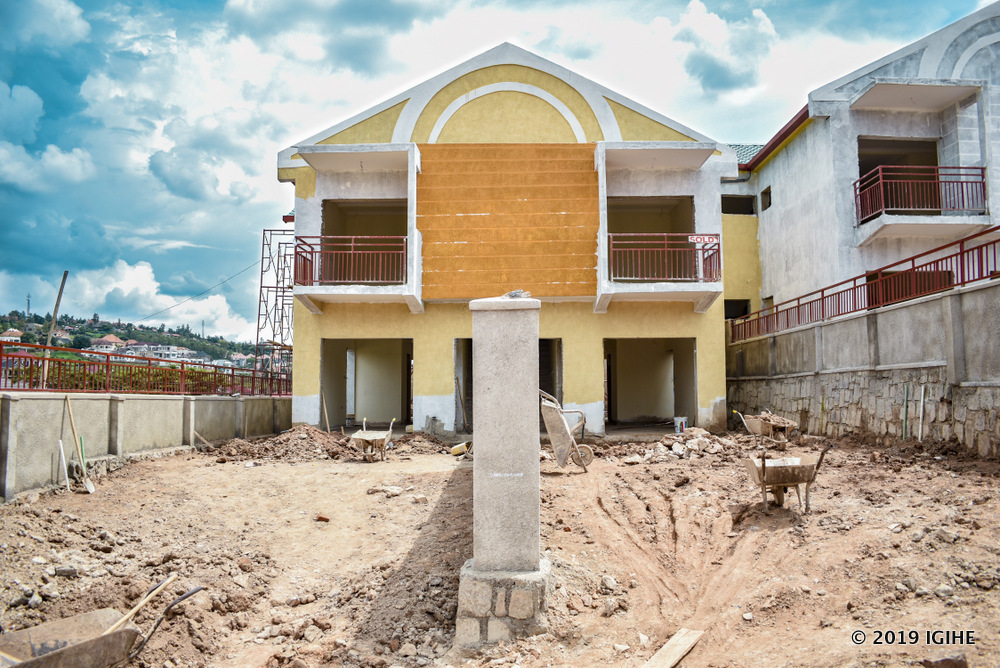
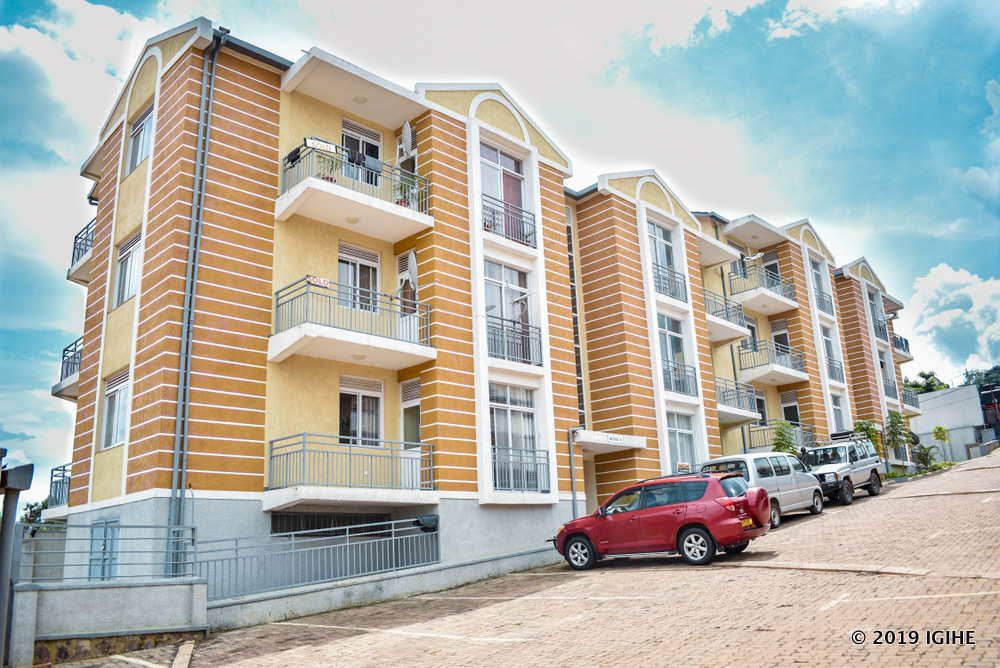
Besides the affordability, DND Developers are committed to leaving a greener footprint with eco-friendly houses. The company’s headquarters are in Nyarutarama, in the City of Kigali.
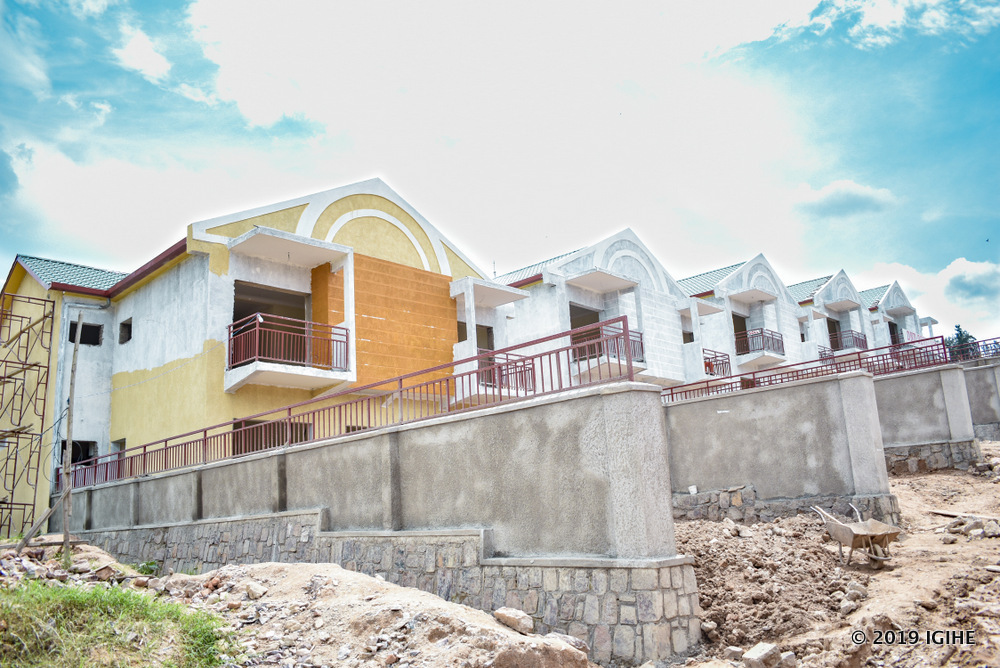
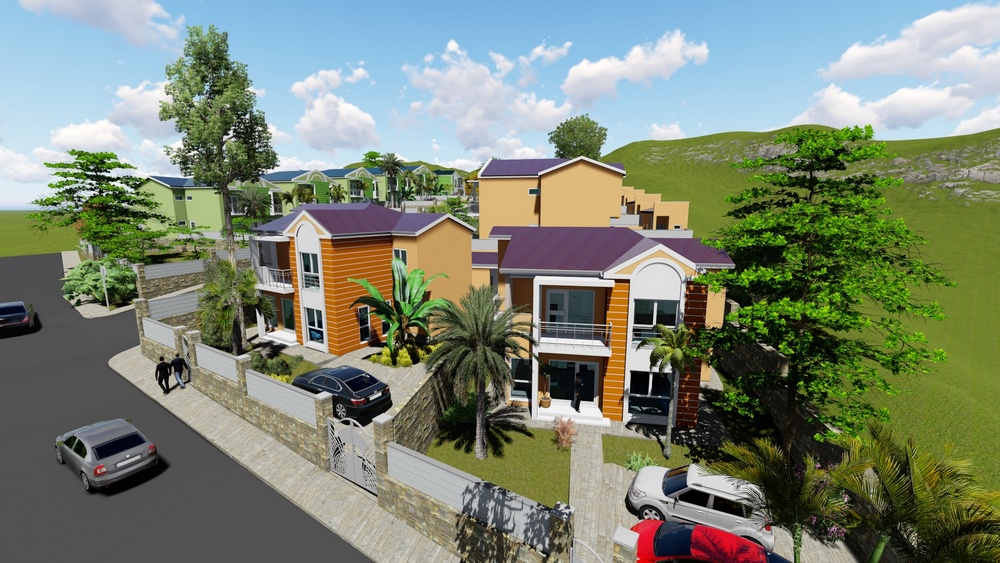
The houses under construction are three bedrooms houses and four bedrooms villas. The houses are being built to have a compound, a garden, and parking spaces and the villas are offering a much bigger space.
DND Developers real estate development company that was established in 2015 with the goal of promoting the development of the country through affordable housing solutions.
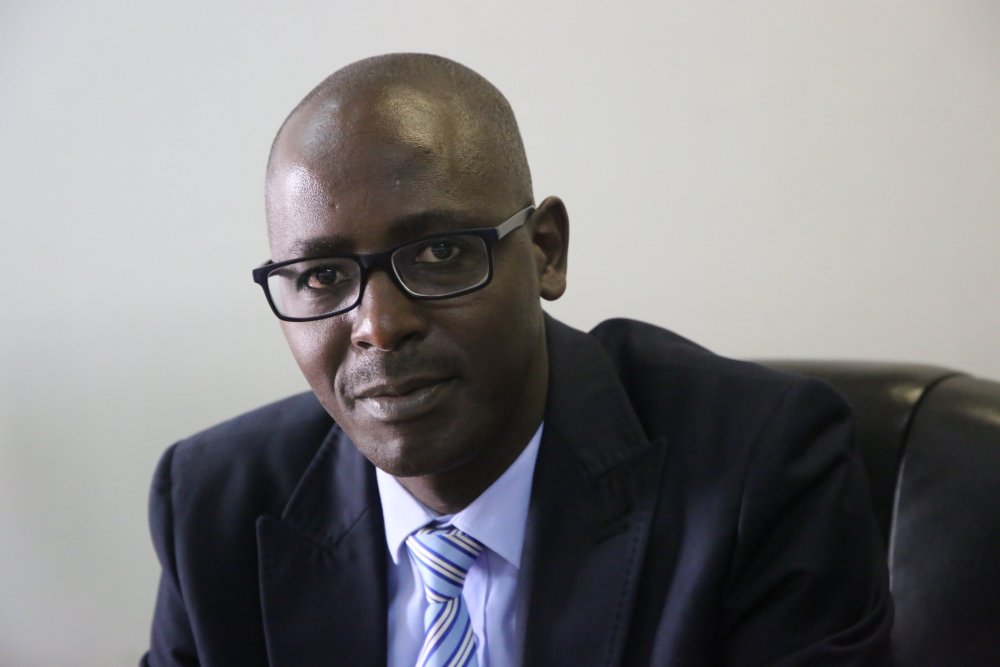
In an interview with IGIHE, DND Developers Managing Director, Daniel Mehari, said that in the last three years, they have completed 23 housing units and that almost all the units have already been sold.
That is why they have embarked on the construction of 23 new houses of which completion will be February 2020. “In a bid to assist homebuyers, we are offering a 10% discount on all our units for bookings during the month of December 2019. Units that were being sold at $110,000 are being sold at $100,000 now while those that were being sold at $75,000 are offered at $67,500.
“The difference between DND Developers and other real estate and construction companies is that we use the available land efficiently and provide spacious houses. Since 2016, we have built up to 23 units in Nyarutarama spread on only 3000 square meters. Usually, homeowners have been constructing a house on 1000 – 2000 square meters but our expertise allowed us to build 23 units on only 3000 square meters.
Our aim is to make a difference in the real estate industry and efficiency in land use. Houses with 3 rooms will have parking yards for two cars and other amenities and will be sold at $110,000 while houses with 4 rooms will be sold at $160,000.”
Eng. Daniel Mehari says all homebuyers are welcome to visit their site and chose units of their liking and also recommend the houses to their friends and family. Homebuyers can either make upfront payments or pay in installments within 4 to 12 months.
For more information, visit DND headquarters in Nyarutarama, KG314st or dial +250789664020. You can also send an email on dndrwanda@gmail.com or visit their website www.dnddevelopers.com.
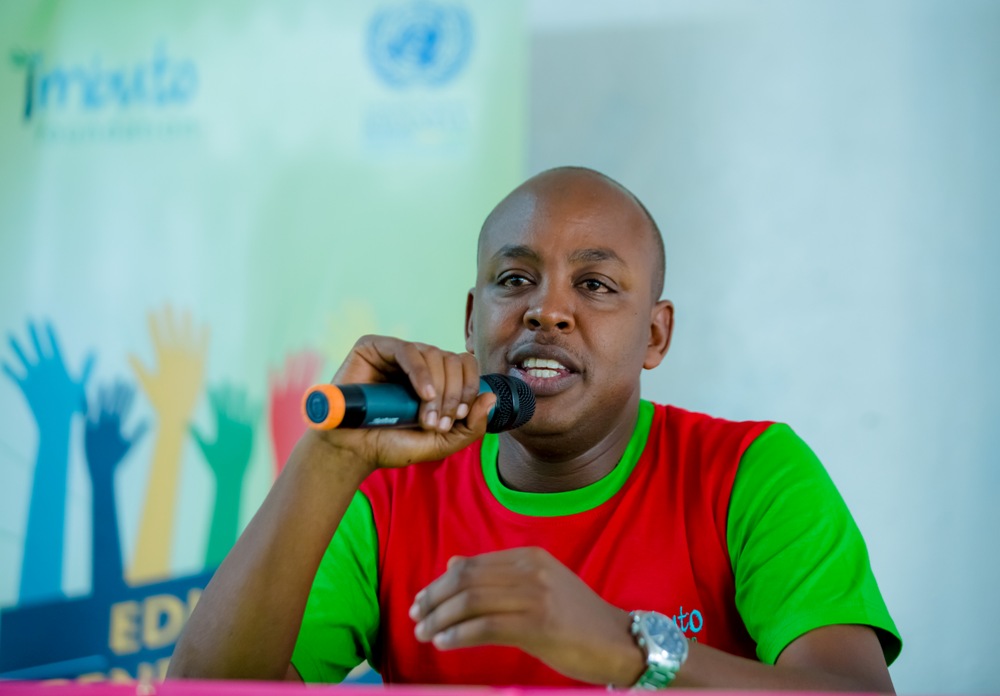
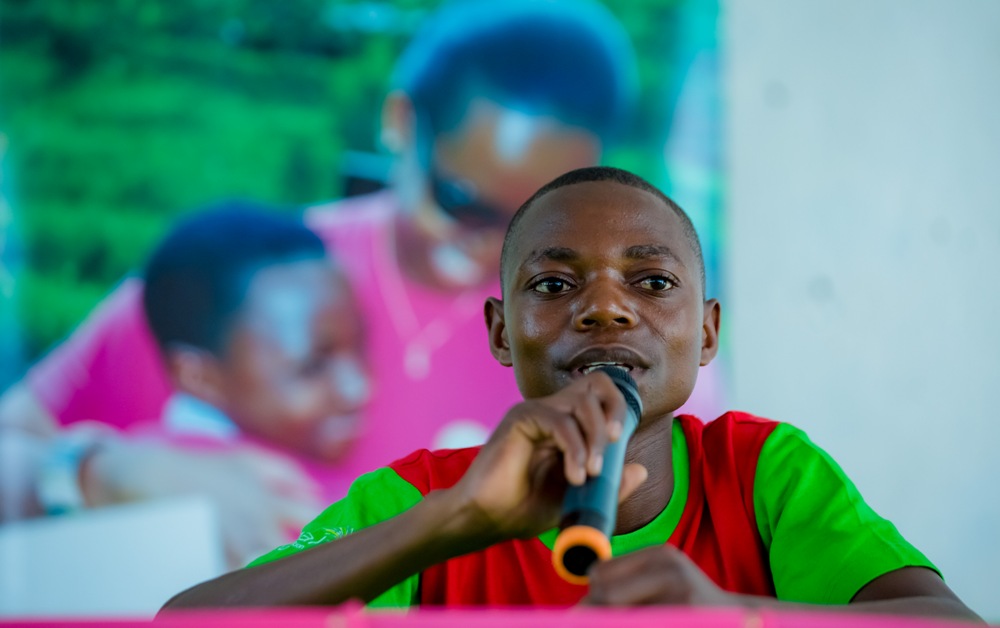
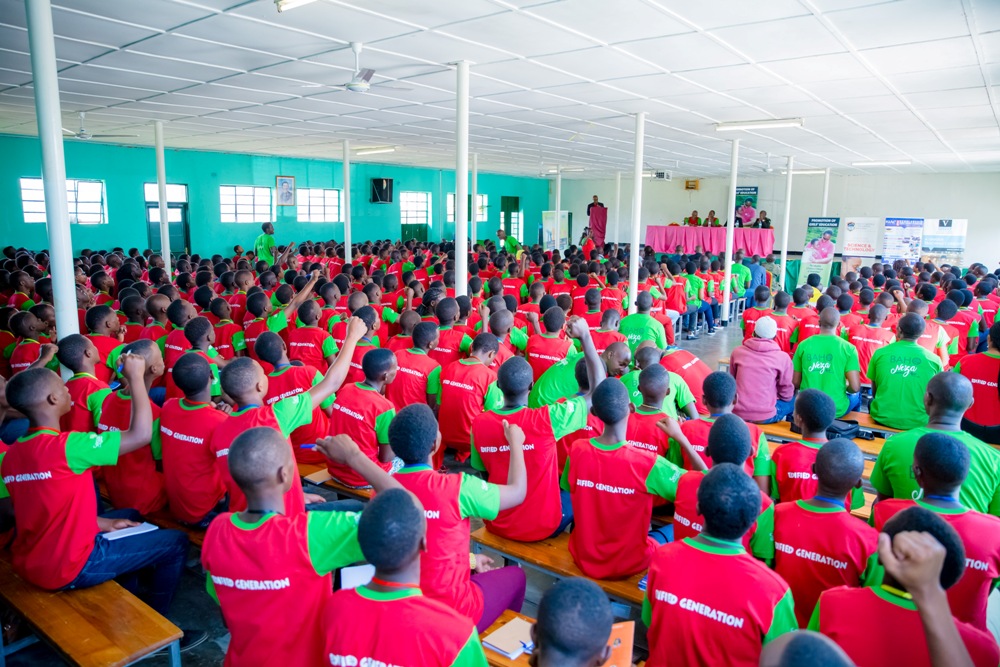
During the event, Niringiyimana and Abdallah Murenzi, the national coordinator for Rwanda Youth Volunteers in Community Policing (RYVCP) talked about the importance of developing a spirit of volunteerism.
“One of the reasons why I started building that road is mainly because sick people from my area had difficulties reaching the hospital because the road was bushy. Once, some of my neighbors were carrying one of their sick relatives to the hospital and dropped him down. That motivated me to start building the road so that my neighbors could easily access health services.”
23-year-old Niringiyimana explained that when he was building the road, he met a couple of obstacles where some of his neighbors called him mad because they could not understand why he was working for free.
“We should all focus on doing what is best for us and for our country without being discouraged.”
Some of the students who talked to IGIHE after listening to Niringiyimana’s testimony said they learned a lot of life lessons from him.
Bintunimana Christophe, one of the students says Niringiyimana motivated him to start contributing to the development of his country through volunteerism.
Uwishema Celine who attended the talks too said Niringiyimana Emmanuel taught her to be philanthropic and to contribute to the development of the country without expecting a return.
After Niringiyimana built the seven-kilometer road, he gained recognition and was invited to ‘Kwita Izina’, the annual gorilla naming ceremony that happened on the 6th of September, 2019 and was appointed as Airtel ambassador in November 2019.
He told the students that he has a long-term project of building a fish pond in Murambi sector and contribute to dietary diversity in his neighborhood.
Abdallah Murenzi, the national coordinator for Rwanda Youth Volunteers in Community Policing (RYVCP) told the students that contributing to the development of the country does not require being financially stable.
“Working for your country does not require you to have a lot of money. All you need is that charitable spirit Niringiyimana portrayed”
Niringiyimana told IGIHE he will soon start a training course in modern road construction.
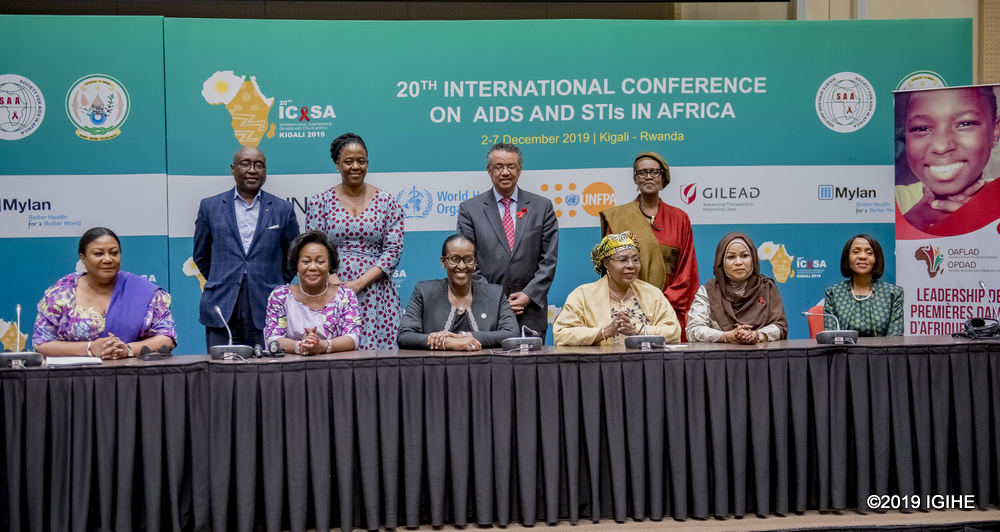
She said this on Monday, 2nd December, 2019 during her address to the Organization of African First Ladies against HIV/AIDS (OAFLA) that took place in Kigali as part of the 20th International Conference on AIDS and STIs in Africa (ICASA).
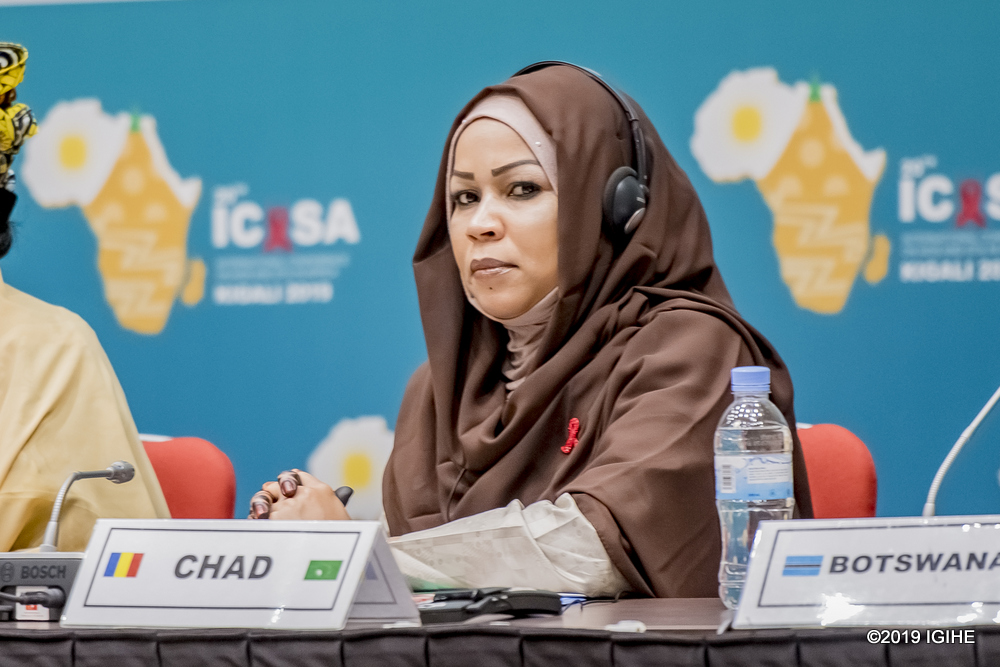
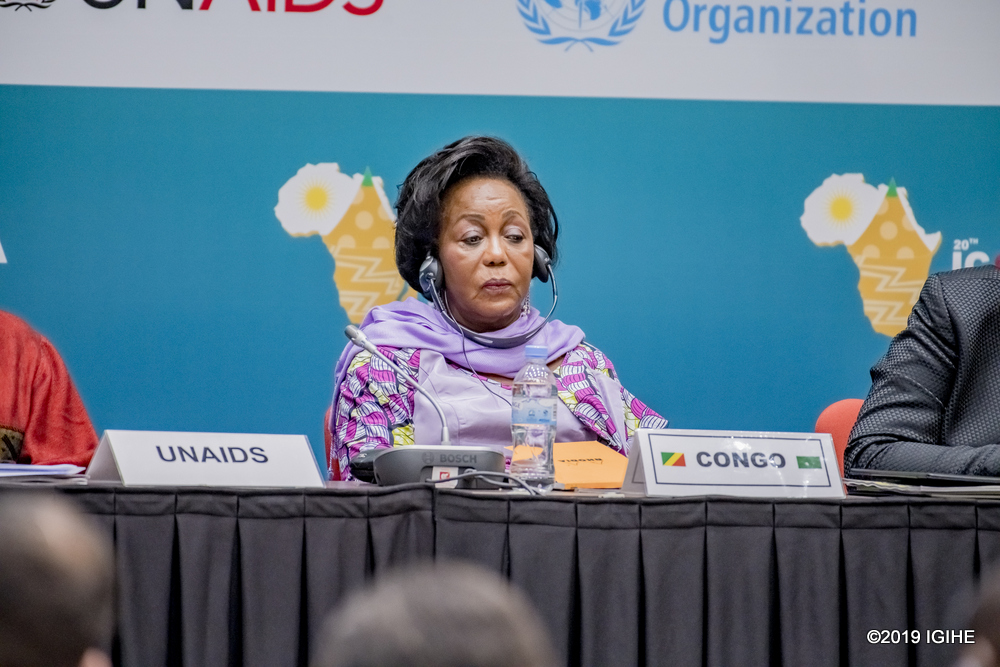
The OAFLA meeting attracted First Ladies including; Antoinette Sassou Nguesso from Congo Brazaville, Hinda Deby Itno from Tchad, Aïssata Issoufo Mahamadou from Botswana where different topics were covered including the leadership of African First Ladies in fighting against the HIV epidemic.
Jeannette Kagame said that OAFLA was founded 17 years with the aim of supporting African citizens who were affected and infected by HIV/AIDS particularly women and children.
Since its creation, the focus has been implementing measures designed to support that cause and judging from the milestones that have been reached so far, the measures taken were commendable.
“We are all witnesses of the changes brought about by the activities and sensitization programs such as ‘Free to Shine’ in ending childhood AIDS and keeping mothers healthy.
She explained how Imbuto Foundation, the organization she founded, created programs and projects in line with the country’s vision of development, the ‘Agenda 2063’ and the Sustainable Development Goals (SDGs).
She noted that projects such as ‘Family Package’ that was started in a bid to help HIV positive mothers give birth to healthy children 18 years ago has provided many services to HIV positive families and teen mothers.
Also, through this project, HIV positive families are supported by local dispensaries and are offered antiretroviral therapy and medication.
“Through different measures Rwanda implemented, the number of HIV positive mothers giving birth to healthy babies reached 96%. Our programs encourage the youth to learn about reproduction, the available health support and other services and this contributed to the reduction of HIV prevalence among the youth, both in rural and urban areas of Rwanda.”
She said that the joint effort between government institutions and the private sector has contributed to reducing HIV prevalence in the country particularly in Rwanda where new HIV infections reduced by 83% in 2018 while the number of deaths cause by HIV reduced by 82% in the past 20 years.
“Rejoicing about the milestones achieved so far should provide a platform for an in-depth analysis of our journey and the obstacles we have faced including the gender gap which makes it that no matter how much effort we put in fighting HIV, our continent lags behind.”
She also mentioned that the meeting is a time for brainstorming about solutions to tackle the obstacles on the journey by comparing where measures implemented yielded results or not”
Her Excellency, Antoinette Sassou Nguesso, the president of OAFLAD said that the 90,90,90 UNAIDS goal which predicts that by 2020, 90% of all people living with HIV will know their HIV status, 90% of all people with diagnosed HIV infection will receive sustained antiretroviral therapy and 90% of all people receiving antiretroviral therapy will have viral suppression will not be achieved unless countries join efforts.
{{New infections reducing despite obstacles}}
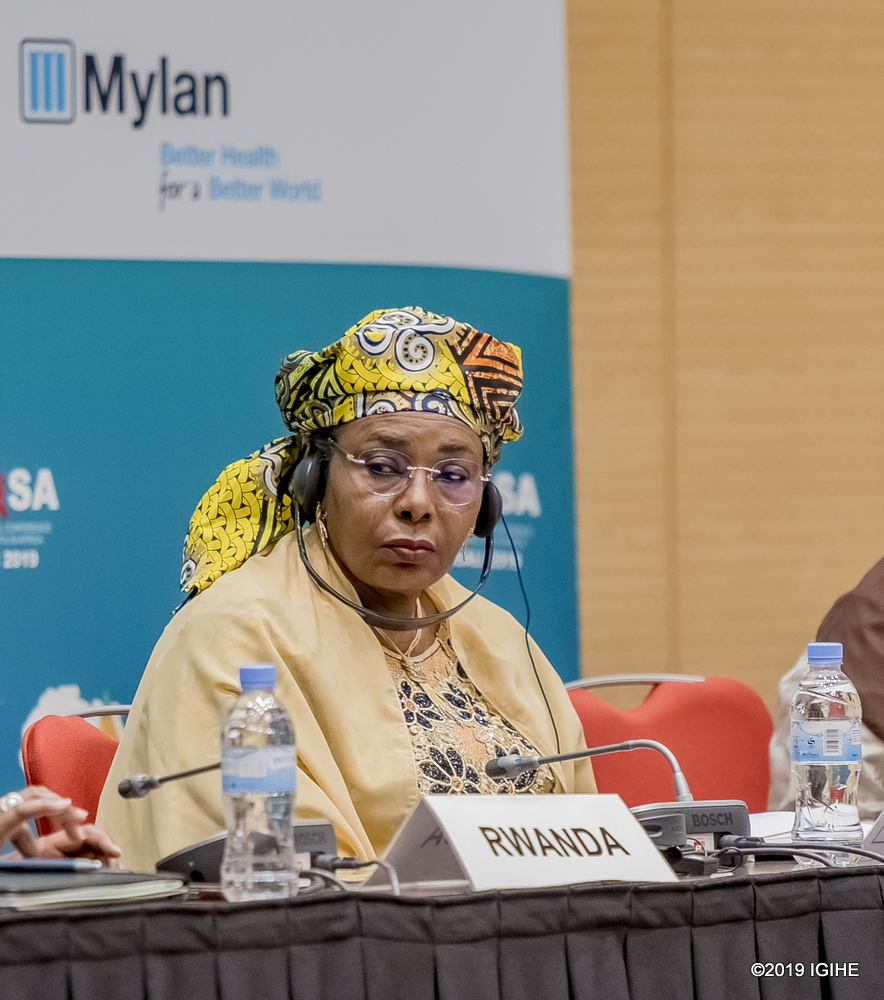
Winnie Byanyima, the executive director of UNAIDS said that in 2018, 38 million people around the world were HIV positive, among them 24.5 were on antiretroviral drugs. A number which she agreed was remarkable.
Currently, 4 in 5 people infected with HIV have been tested and know their status and 2/3 receive antiretroviral medication. In addition, ½ have viral suppression. She also added that even if these results are commendable, the number of new HIV infections and deaths increase as years go by and that the HIV virus becomes more resistive to drugs.
In 2018, more than ½ of HIV positive individuals were among the most HIV-susceptible group of people including sex workers, drug addicts, homosexuals, and transgenders.
“This particular group of people don’t place a lot of importance on testing for HIV, don’t take antiretroviral medication mainly due to the lack of rights supporting them in their countries. It is unacceptable that 6200 teenagers get infected with HIV per week. We have forsaken them and this should not be the case”
Apart from that, at least ½ of children born with HIV do not receive medication and that puts them at the risk of dying before they are even 2 years old.

Currently, the number of teenagers who are infected continues to increase mainly due to the abuse they are subjected to and the lack of knowledge about their reproductive rights.
{{Focusing equally on sexually transmitted diseases}}
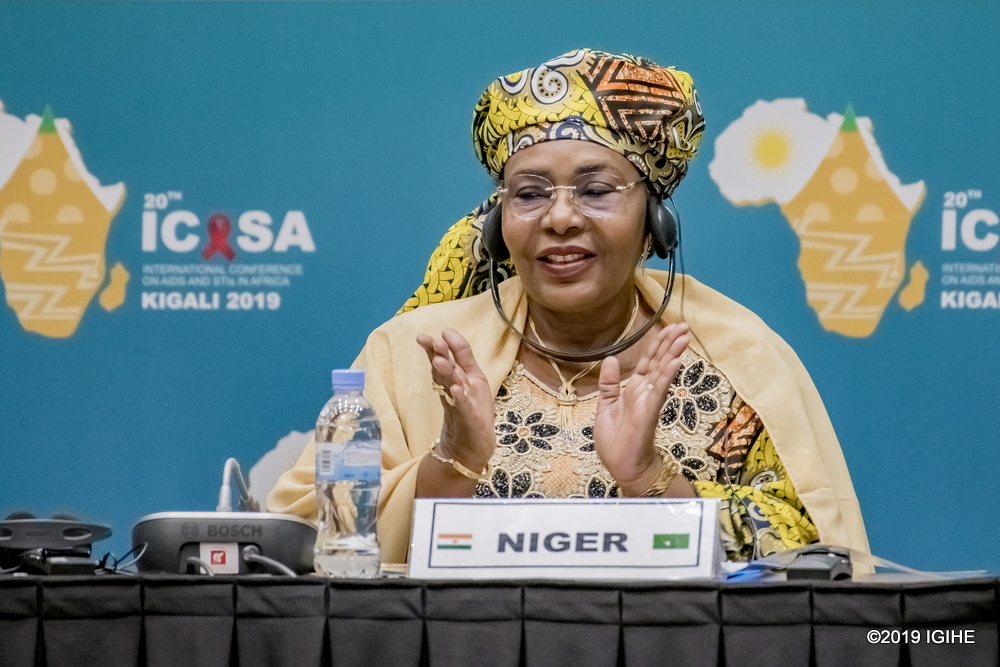
Her Excellency, Aïssata Issoufo Mahamadou, the First Lady of Niger said that even if the major focus is the HIV epidemics, there needs to be an equal effort toward sexually transmitted diseases as well including Syphilis and Hepatitis B that are claiming the lives of many people in Africa.
“These diseases can be transmitted from mother to child and should be equally fought against.” She added that taking measures against HIV and sexually transmitted diseases as a whole is a better way of eradicating them definitively.
Donald Kaberuka, the chair of the board of the Global Fund to Fight AIDS, TB and Malaria said that the fund has recently raised $14.2 billion in activities aimed at reducing HIV/AIDS, Tuberculosis and Malaria to be used in the next three years starting in 2020.
The Government of Rwanda committed to contributing $2.5 million to support this cause.
He thanked the First Ladies of countries for their unprecedented contribution in fighting the HIV epidemics that was possible due to the sensitization programs given since 2000.
“Our efforts cannot go unnoticed and we should not slumber during this journey. We have to increase our efforts in this fight so that we won’t be defeated.”
He added that in the past 18 years, most countries in Africa have made remarkable achievements in this fight but that the money invested is not fair to the cause.
He urged the First Ladies of African countries to keep on with the sensitization especially after Niger agreed to allocate 15% of its national budget to the health sector.
Most countries in Africa don’t put forth the health sector despite having enough funds to allocate to it.
Dr. Kaberuka linked that problem to countries which are indebted and therefore allocate a big part of the national budget to paying back debts instead of the health or education sector. That economic situation endangers the lives of African citizens.
In her testimony, Rwandan citizen Muneza Sylvie who is 47 years old admitted that the measures that have been implemented by the Government of Rwanda so far, have yielded results. She said that she learned that she was HIV positive in 1998 after several days of uncurable cough. She went to the hospital and the doctor told her she had tuberculosis.
“I wanted to commit suicide and I wanted to throw myself in front of cars to end my misery but there is a reason to why I am still alive and I owe it all to God. My neighbors stigmatized and did not want to talk or be close to me because they thought I would infect them too”
Mrs. Muneza continued saying that she approached children whose parents were victims of HIV and she founded ‘Igihozo’ association.
They requested for funding to the government because antiretroviral drugs were expensive at the time and the government granted them support where they would get medication for free.
“Treatment for opportunistic infections was very expensive.” She said she was thankful for the support she received and thanked particularly Her Excellency Jeannette Kagame and Imbuto Foundation for providing with free medical insurance.
She also commended the measures that were taken so that infected mothers would give birth to healthy babies. She said it was an important step in the fight against HIV.
As a continent with abundant resources and land, this investment is unjustified and experts agree African countries should stop importing food and profit off the favorable climate and water streams to improve the agriculture sector.
In a one-on-one conversation with IGIHE, Agnes Kalibata, the president of the Alliance for a Green Revolution in Africa (AGRA) said that food export is an important problem to deal with since Africa can grow its own crops.
Africa imports food from other continents including soybeans, rice, wheat, maize and Irish potatoes that are imported as crisps.
“The food that is imported from abroad can actually be grown locally and that is why we should start thinking about a common African market where we can exchange goods without the need to import from other continents”
She continued saying that the commercial gap that exists in Africa is one of the reasons why African countries keep importing food from other continents.
The Continental Free Trade Area was established in the capital of Niger, Niamey and will start operating on July 1st, 2020. This trade bloc will improve Intra-African trade and definitely solve the problem of food import in Africa.
This African Common Market will contribute to an increase in Intra-African trade from 12% recorded in 2012 to 25% in 2022.
Dr. Kalibata says that much effort and a change in mentalities will be needed to bring the trade bloc to full force and that African countries will have to stop vouching for the easiest alternative and invest more in agriculture.
“All we need to do is focus on agriculture-related activities and give a chance to farm owners who cannot find a market for their crops because we choose to import from abroad.”
She gave as a typical example, the rice that is grown in African countries, that is not measured to its just value and the fact that most people prefer importing rice from Pakistan, Vietnam or Indonesia.
“If we keep thinking that the food imported from other continents has a higher quality than ours, nothing will ever change. We need to join efforts and create measures that will allow the growth of agriculture in Africa including better infrastructures and focus on modern, mechanized agriculture to improve our yield.”
“Africans struggle daily with seeds, detergents, water, transport and roads and that contributes to hiking prices on the market and hence the reason why the first choice is importing from countries like Vietnam. If a farmer from Vietnam yielded 10 tons per hectare and an African farmer yielded 2 to 3 tons on the same area, there is no way the two farmers will sell their crops at the same price”
Dr. Kalibata says that for Africa to save the $ 35 billion spent on food import, there is a need to improve the agricultural yield in Africa, learning crop rotation practice to counter climate change, appropriate detergents to use, improved knowledge in agriculture and investing more money in it.
“Those are the only solutions that will allow us to compete in the global market.”
The problem of food imports in Africa has been discussed by many institutions and it was agreed that African countries should be able to use the available land and resources to provide more crop yield.
The former President of Nigeria, Olusegun Obasanjo once said he was surprised when he went to a hotel in Guinea and realized all the food that was being served was imported from Europe and that he could not understand why it was the case since all the food there could be grown locally.
He based on that tale saying that the only problem is mentalities given that Africa has all the necessary resources to be self-reliant.
The fact that 70% of Africans are in agriculture promises that if enough effort was put in promoting this sector, Africans would have food self-reliance and it would contribute to the well-being of African citizens particularly by reducing poverty and malnutrition diseases.
Whilst the overall Internet penetration in Rwanda transpires that a small percentage of people have access to 4G services; despite the biggest 4G network coverage.
Early January 2019, KT Rwanda networks, in consultations with its partners, leveraged the continuous initiative to promote digital inclusion in the country by launching Unlimited 4G services for smartphone users; which have been purposely, made affordable to benefit many, in line with the recent trends in smartphone penetration in the country, there has been varied packages and plans launched.
Recently, as customers’ demands grow, 4G users have been experiencing network challenges which necessitate a need for network upgrade as it continues to adapt and meet the increasing capacity and quality demands of 4G LTE customers in Rwanda.
KT Rwanda Networks Ltd has already started the process of upgrading LTE network as well as more coverage expansion countrywide for better speed and better internet experience, with no latency, going forward and this has been planned in 2 phases;
{{Phase 1:}} Involves network upgrade (software/optimization) which has already started and will span until the 15th of December 2019.
{{Phase 2: }} Advanced new LTE+ service in Kigali and other busy towns that are ongoing and planned to be concluded by March 2020.
KT Rwanda networks is investing more than USD 10 Million in the whole network upgrade and LTE+ network in Kigali. Customers will soon start to enjoy greatly enhanced 4G networks with faster, cheaper and reliable services, to make sure that broadband access penetration and usage flourishes.
According to Mr. Daeheak AN (Aaron), KTRN’s Chief Executive Officer, “We are striving to continuously improve the quality for all-time-access to advanced internet (4G LTE+) with an affordable price that would trigger another innovation and ICT development in our Rwandan people’s daily life and new business opportunities to many start-ups; that aligns well with our vision moving forward.” he said.
Broadband internet on any mobile device such as smartphones, routers has proven to be and taken the position of caterpillar of ICT innovation and new startups in Rwanda. Internet for the smartphone is another broadband internet to be promoted as cornerstone of ICT in Vision 2020.
For more Information, visit our website www.ktrn.rw or contact us on 07888384858 or info@ktrn.rw
The 12-year old boy was found at about 8 pm singing in the bar called One Love located in Nyamabuye Sector, Gahogo Cell in Kamugina Village.
Chief Inspector of Police (CIP) Sylvester Twajamahoro, the Police spokesperson for the Southern region said that Mukeshimana is the owner of the bar, Iyakaremeye is the manager of the boy while Niyonizeye is the boy’s uncle.
“Niyonizeye took the boy from his home in Ruhango District, Kabagari Sector in Bihembe Cell, Nyagatovu Village as his father was away; Iyakaremeye was receiving money that was being given to the boy by the revelers,” CIP Twajamahoro said.
“They took the minor from home without the father’s knowledge and were selling him from bar to bar in Muhanga.”
CIP Twajamahoro warned against “putting children in danger, manipulating them for personal benefits, violating their rights and undermining their safety and security.”
“This is a form of child labour and violation of child rights punishable by law. We remind owners of bars and entertainment spots to take this into account, protect children against alcoholic drinks and other acts that violate their rights,” he warned.
“Children under 18 years of age are not allowed in entertainment premises. They are only allowed in the bar when they are accompanied by parents or guardian and under no circumstance should they be given alcoholic beverages.”
Article 6 of the law regulating labor in Rwanda, prohibits subjecting a child below the age of 18 to any form of works, which are physically harmful to the child; work underground, underwater, at dangerous heights or in confined space; work with dangerous machinery, equipment and tools or which involves manual handling or transport of heavy loads; work in an environment, which exposes the child to temperatures, noise levels or vibrations damaging his/her health; work for longer hours or during the night or performed in confined spaces.