Habimana was arrested on December 20th, 2019. He is accused of having conned a lot of people asking them for money and promising them jobs at WDA.
IGIHE uncovered the copy of a letter showing payment receipts to a person, Habimana had coined as he was attempting to spoil evidence and impede an ongoing investigation on his case.
Rwanda Investigation Bureau (RIB)’s Spokesperson, Marie Michelle Umuhoza has confirmed the arrest of Dr. Habimana.
“It is true he has been arrested as he is suspected of corruption and bribery crimes.”
Dr. Habimana is currently detained at RIB Kicukiro station
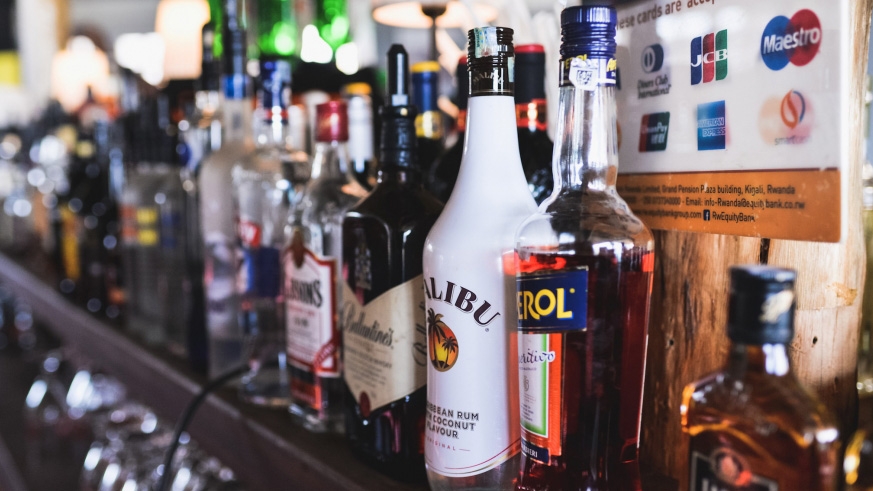
It says that the current laws do not help in solving the drinking problem that is high among the youth.
Minister of Gender and Family Promotion, Nyirahabimana Solina said that the legal age might be lifted to between 20 to 25.
Nyirahabimana said that the consumption of alcoholic drinks among young people is increasing. She called all concerned people to fight this problem.
She said that the changes are still under debate but citizens will be informed once they culminate into law.
The manager of alcohol and drug use disorders at Rwanda Biomedical Center (RBC), Dynamo Ndacyayisenga said that in protecting young people from alcohol, it is necessary to think about the minimum legal drinking age.
He said that the human brain keeps developing until one turns 25, so drinking before this age retards it.
He said, “Raising the legal drinking age can help solve problems related to health, deaths, and diseases in families.”
According to a 2015 research by RBC, 1.6% of 200,000 Rwandans who are in the age range 14-64 faced effects of drinking alcohol, while 7.6% of Rwandans under 35 years of age are addicted to alcohol or faced a problem due to it.
In 2018, a report by the United Nations Economic Commission for Africa called Rwanda to fight the rise in the use of alcohol, since it was listed second in the region in high consumption of alcohol.
Ndacyayisenga says that raising the minimum legal drinking age is not the only solution to the problem.
He said, “The Rwandan community, schools, local authorities, and churches need to help in fighting this problem. This problem is rooted in the way of thinking and the way of life of people, way beyond the capacity of laws.”
Emmanuelle Mahoro, a psychologist, said, “There is no good age for drinking alcohol, but at least above 20 years of age, the thinking and body of a person can manage alcohol’s impacts he might face.”
Gilbert Ndoli who owns a pub in Kigali says that most of his clients fall between ages 18 to 35, so in case the legal drinking age is raised, he risks to lose 20% of the clients.
However, he adds that raising the age will help protect young people from alcohol and drug use.
A public transport vehicle: RAC 813W, Toyota Hiace was intercepted along Kirambo-Burera road, heading to the City of Kigali.
According to Chief Inspector of Police (CIP) Alex Rugigana, the Police spokesperson for the Northern region, the successful operation was based on credible information shared by residents that some of the vehicles coming from Burera do not comply with traffic rules.
“Police in Burera has mounted a roadblock to check all vehicles using the road Kirambo-Burera-Base, to see if they comply with traffic rules and regulations. They checked passengers and searched their luggage, and in the process, they found a bag full of pellets of cannabis, 1912 pellets to be exact, but the owner escaped,” the spokesperson said.
He added, “Passengers in the taxi identified the suspect as Munyenshongore aged between 50 and 55 as he was the one, sitting where the bag was found but escaped pretending to go for a short call, but never returned.”
CIP Rugigana also thanked the vigilance and responsiveness of the residents and called upon the general public to always report suspected drug dealers or anything suspicious to supplement the ongoing joint efforts to break chains of supply.
“Even if you suspect someone to be a drug dealer alert the Police to authenticate the information because drug dealers tend to apply different tricks to avoid being identified,” said the spokesperson.
Under article 263 of penal code, any person who unlawfully produces transforms, transports, stores, gives to another or who sell narcotic drugs and psychotropic substances commit an offense. Upon conviction, he or she is liable to between 20 years and life imprisonment, and a fine between Rwf15 million and Rwf30 million.
The TVS motorcycle, RD 833 D, was stolen from Muyumbu Sector, Rwamagana District when thieves violently took it from the owner after spraying pepper powder in his face and beat him.
The suspects identified as Emmanuel Kwizera and Emmanuel Sindikubwabo were arrested on Saturday in Nyabikenke Cell, Bumbogo Sector in Gasabo District with the motorcycle as they tried to sell it.
According to Chief Inspector of Police (CIP) Marie-Gorette Umutesi, a resident called the Police after finding a new motorcycle was on sale at a very low price.
“The resident became suspicious when he saw a new motorcycle on sale at only Rwf200, 000. As he knew the normal price of a motorcycle, he thought that it must have been stolen. He immediately informed the Police, we intervened in time and arrested the suspects and recovered the motorcycle in Bumbogo, where they were posing as the owners and negotiating with a potential buyer,” said CIP Umutesi.
She added, “These suspects have been stealing motorcycles using the same tricks; it is not the first time. Recently they attempted to steal a motorcycle in Masoro Cell, Ndera Sector using pepper powder. Fortunately, they were stopped by local night patrol, but managed to escape.”
She commended residents, who share information on suspicious wrongdoers. CIP Umutesi further called upon the public to always be quick to report to police in case they encounter such theft in order to allow for a timely response to recover what was stolen and arrest suspects.
“People should keep the spirit of Community Policing so that criminals are arrested to face justice,” CIP Umutesi emphasized.
CIP Umutesi warned those involved in such theft or other crimes that police is well-positioned to deal with them and bring them to justice, they are to pay a high price for their acts.
Shadrack Niyibizi, the owner of the motorcycle said; “We thank the police for their tireless efforts in ensuring that these thieves are apprehended and brought to justice.”
Niyibizi attributed this success to a strong partnership between the police and the public.
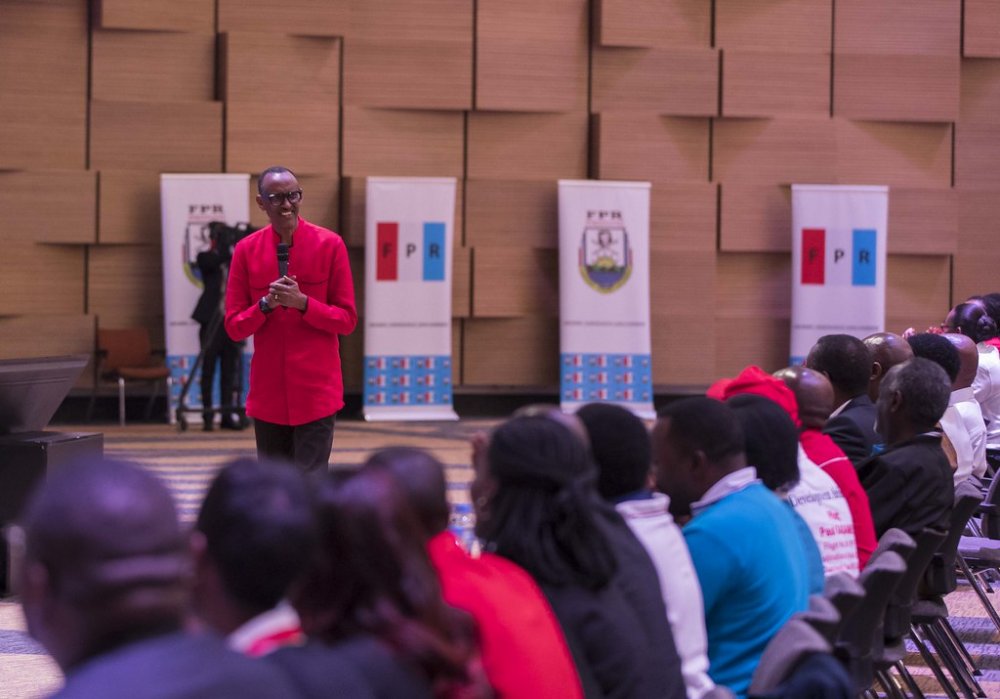
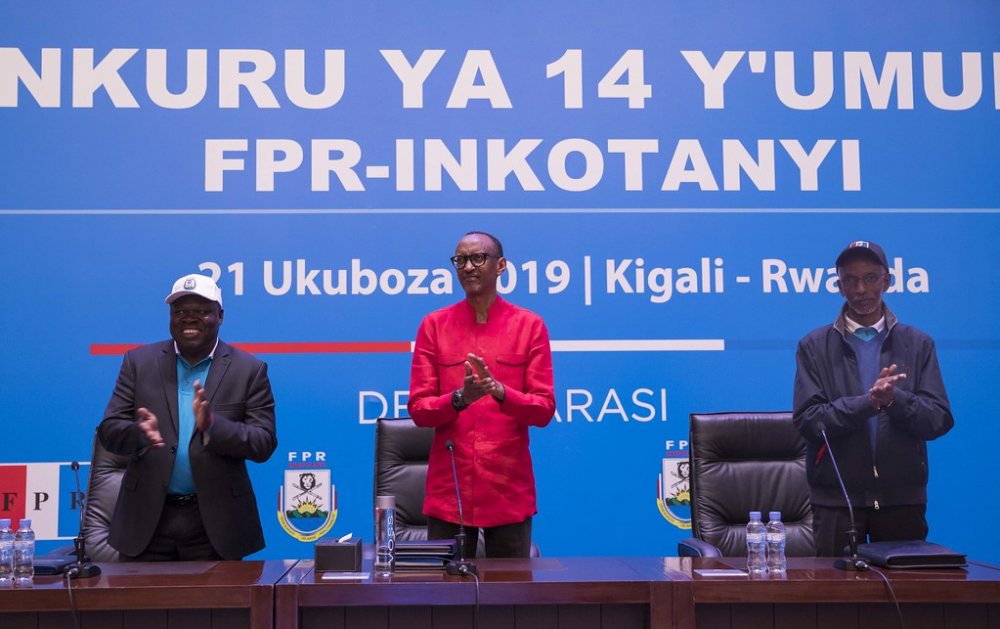
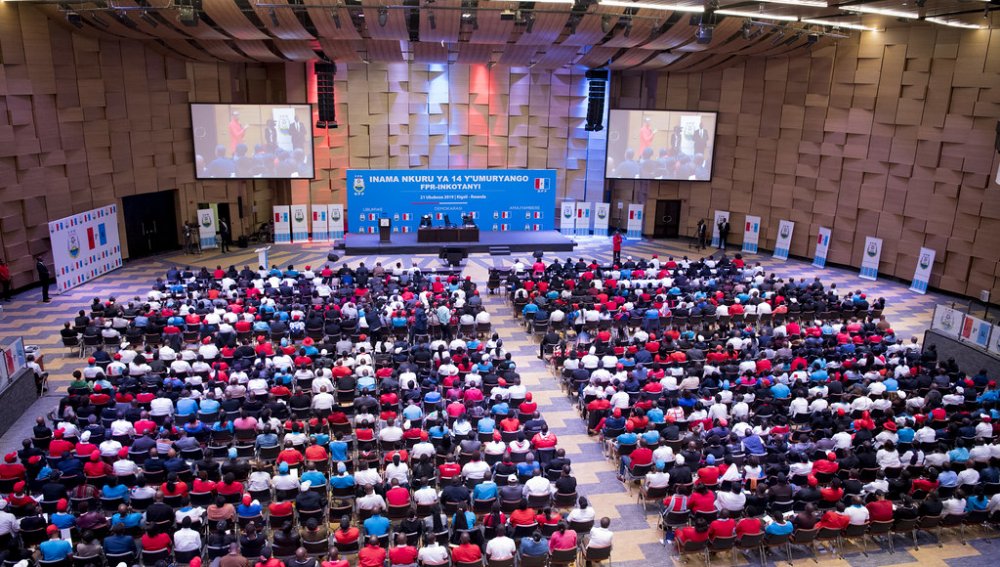
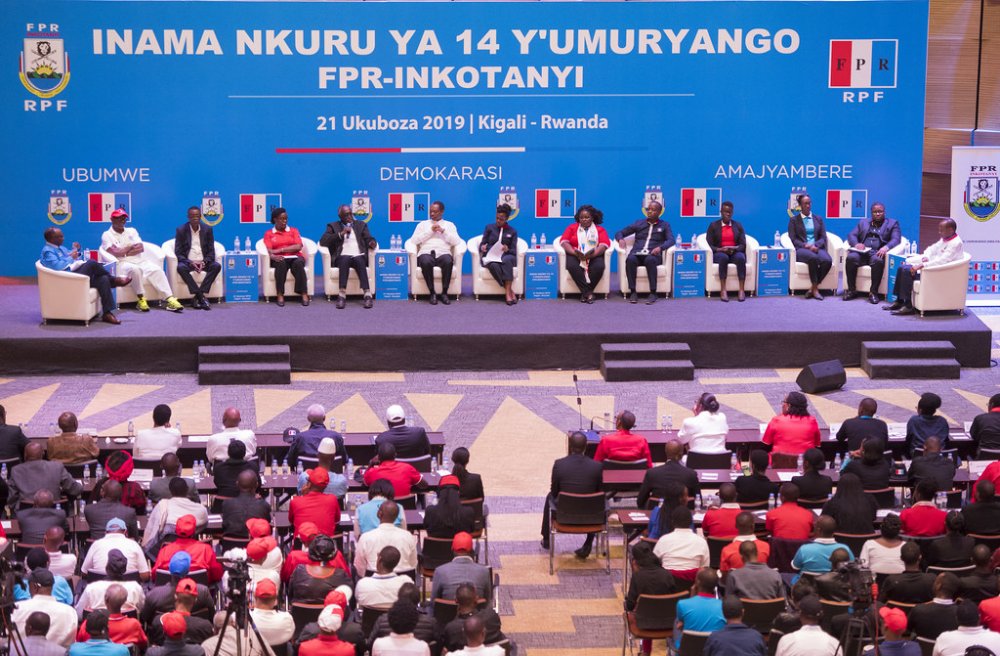
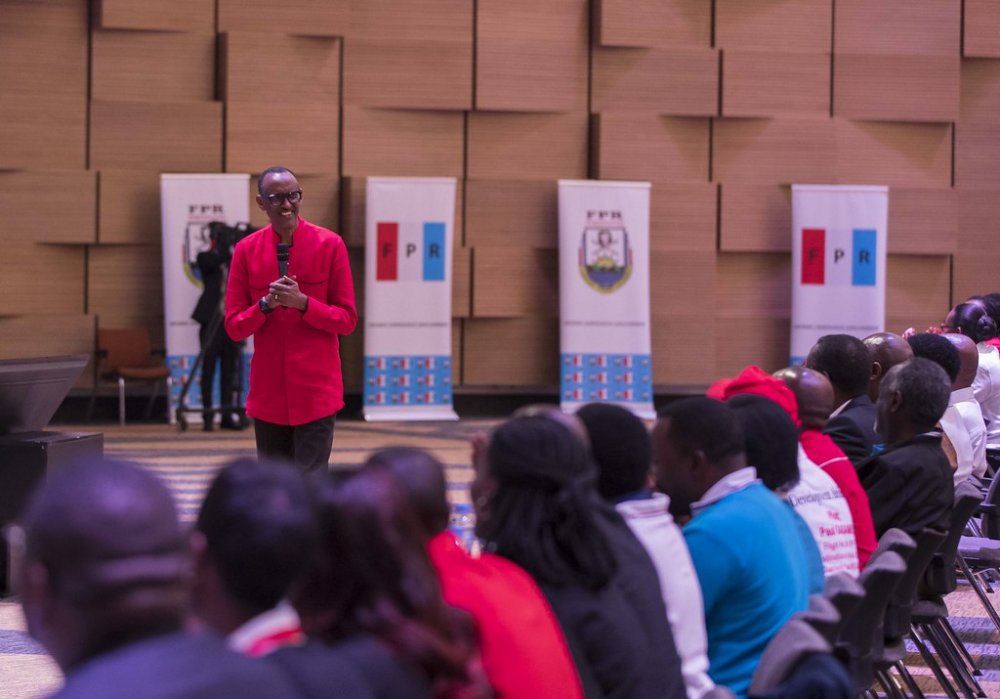
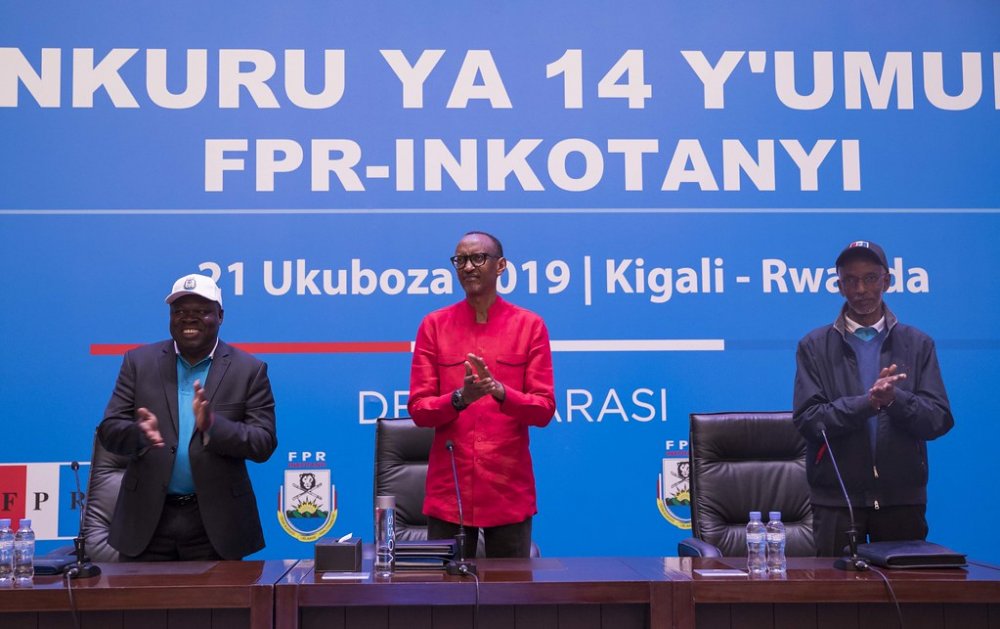
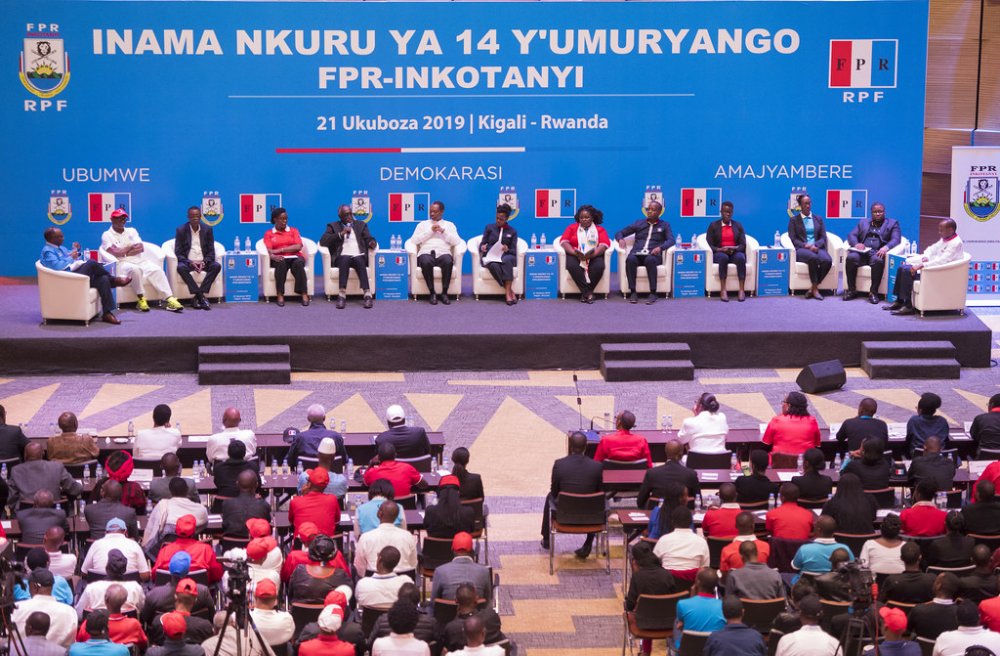
President Kagame made the pledge during FPR Inkotanyi 14th General Meeting that was held at FPR headquarters on Saturday, December 21st, 2019.
The meeting focused on the milestones FPR Inkotanyi has achieved over the past 25 years after the 1994 Genocide against Tutsi.
Paula Ingabire, Minister of ICT and Innovation announced the launch of the “Connect Rwanda” challenge to enhance digital inclusion by providing smartphones to disadvantaged families.
The challenge was brought about after talks between the Ministry of ICT and Innovation and telecommunication companies with the aim of easing access to technology.
“You have all seen it last time when we launched Mara Phones plant that we are not about just manufacturing phones but allowing Rwandans to access to technology at affordable prices.”
She said that not all Rwandans can afford to purchase a Mara Phone and internet since some citizens don’t even earn Rwf 500 per day.
Mara Phones manufactures two types of mobile phones namely, Mara X and Mara Z and both use dual SIM cards. Mara Z costs Rwf 175, 750 while Mara X costs Rwf 120, 250.
Minister Ingabire said that for some citizens, it is even hard to afford Rwf 500 per month for internet.
“For all the services that are offered in the country through technology, we need to provide easier access to all citizens.”
In a bid to enhance digital inclusion, MTN Rwanda started ‘Connect Rwanda’ challenge. Different institutions in Rwanda followed the trend and pledged a number of smartphones to be given out.
“MTN Rwanda launched the 3-month challenge and urged institutions and individuals to contribute to a connected world by giving out smartphones. Through this exercise, we aspire for the 2,880,000 households we currently have in Rwanda to at least have one phone each. That will allow them to be acquainted with services provided across the country and ease the access.”
Minister Ingabire said that President Kagame did not only request for citizens to possess smartphones but also to be trained on their usage and importance.
President Kagame pledged a thousand and five hundred smartphones as part of the challenge.
“I first counted the number of smartphones that my salary could buy but found out it was just a few but because this is a good cause, I pledged 1500 smartphones.”
He said that as he discussed with Minister Ingabire, she promised that the ministry she leads would provide close to a 1000 smartphones as well.
“The challenge is not compulsory to all institutions but it is open to those who can afford to offer smartphones. We are seeking for inclusion even for disadvantaged families who could have otherwise saved to afford a smartphone for close to 10 years.”
At around midnight on Saturday, December 21st, President Kagame tweeted on his account that he will provide 1500 smartphones as part of ‘Connect Rwanda’ challenge.
“I am happy to support the Connect Rwanda challenge with a pledge of 1500 Made-in-Rwanda Mara Phones. Smartphones should not be a luxury item. Let’s challenge ourselves to make smartphones an everyday tool enabling all Rwandans to fulfill their potential.”
Statistics from Rwanda Utilities Regulatory Authority (RURA) show that so far, 9,527,829 Rwandans own a smartphone.
However, this number only considers the number of active SIM cards, which means one smartphone owner could be using 2 or 3 SIM cards. This means that the real number of smartphones in the country might be around 5 million using 9 million SIM cards.
Among the 9 million registered phones, MTN Rwanda owns the biggest share with 5,245,426 mobile phones while Airtel owns 4,282,403.
RURA report also shows that 52.1% of Rwandans use the internet from 7.9% in 2010.
I am happy to support the #ConnectRwanda challenge with a pledge of 1500 Made-in-Rwanda @MaraPhones. Smartphones should not be a luxury item. Let's challenge ourselves to make smartphones an everyday tool enabling all Rwandans to fulfill their potential.
Chief Inspector of Police (CIP) Alexis Rugigana, the Police spokesperson for the Northern region, said that Jean Bosco Ndayambaje, 32, and Kassim Ndagijimana, 31 had concealed 2002 pellets of cannabis in a sac of Irish potatoes.
“The suspects were arrested in Musanze bus station. We received information earlier from residents, that there is cannabis in a bus from Rubavu to Musanze. They have given reliable information with details including the plate number of the vehicle, the name of the transport company and even how the consignment of cannabis was parked,” he said.
“At the arrival of the bus, Ndayambaje and Ndagijimana were waiting for that luggage, they took it off from the bus, as we were aware and prepared, we caught them red-handed in possession of 2002 pellets of cannabis,” CIP Rugigana explained.
The Police spokesperson in Northern region added that police officers are aware and able to identify different tricks that traffickers use, due to the strong partnership with the public that provides credible information.
He warned that all drug dealers ‘will be arrested and face justice’. CIP Rugigana further commended residents who share information on wrongdoers, urging them to keep that spirit.
“Now, people understand that drug abuse has ill impacts, not only on individuals but also on the whole community. Residents are ready to report drug traffickers and any other tricks that they could be using will be known,” CIP Rugigana warned.
Some of the identified tricks used by drug traffickers include wrapping the substances around their body, in women veils, in pumpkins and other groceries, tyres and fuel tanks, among others.
Article 263 of the new penal code on “acts related to the use of narcotic drugs or psychotropic substances,” in its third paragraph, says;
Any person who, unlawfully produces, transforms, transports, stores, gives to another or who sells narcotic drugs and psychotropic substances commits an offence.
Upon conviction, he or she is liable to a life imprisonment and a fine of between Rwf20 million and not more Rwf30 million in regard to “severe narcotic drugs”; imprisonment for a term of not less than 7 years and not more than 10 years and a fine of up to Rwf10 million in regard to “simple narcotics.”
Concerted operations and sensitization efforts have been conducted by the police and its partners in crime prevention to end this menace. However, it is evident that some individuals are still breaking the law by processing, trafficking and selling illicit brew and drugs.
The reaction followed several operations in the recent past where a number of distilleries of illicit brew have been destroyed, substances disposed of, and owners arrested.
In the latest operations conducted on December 17 and 19, Police disposed of about 1, 000 liters of illicit brew known as ‘Muriture’, which were seized from illegal distilleries and led to the arrest of five suspects, in Nyaruguru and Huye districts, respectively.
Police identified suspects as, Venuste Nkundimana, 30, Celestin Munyemana, 36, and Desire Bizumuremyi, 28. Others are Geraldine Kabatesi, 30 and Benjamin Majyambere, 35, all arrested in different sectors of Nyaruguru and Huye districts.
Police Spokesperson for Southern Region, Chief Inspector of Police (CIP) Sylvestre Twajamahoro, said the “operations are continuous” and called upon the residents to “give no room for people that poison them with psychotropic substances” by reporting dealers.
“RNP will carry on fighting against illicit brews and drugs. We have formed local partnerships to do this, but more still needs to be done through community policing in order to completely cut off both the manufacturing and distribution chain of these products,” he said.
“When narcotics are rampant, citizens feel insecure, due to negative effects such as drugs related break-ins and burglaries, rape, violence and other crimes.”
CIP Twajamahoro added, “To overcome this challenge, dealers in narcotics must be brought to justice, but we should recognize and encourage the wider role that partnership between Police and the general public can play in reducing the impact of this scourge on our communities.”
RNP continuously engages in breaking the supply chain of narcotics by mapping-out individuals and groups involved in this crime, which has led to the arrest of hundreds of dealers, most of whom have been prosecuted.
The verdict was pronounced on Friday, December 20th, 2019.
The prosecution had requested a harsher sentence of 30 years but the court decided 25 years after examining all counts of crimes Neretse was indicted for.
On Thursday, December 2019, the Brussels Court of Assize held a hearing for Neretse where he was found guilty of genocide and war crimes.
Fabien Neretse is among the prominent planners of the 1994 genocide against Tutsi. In November 2019, he was accused of 13 war and genocide crimes including having helped to carry out a massacre in Kigali and Mataba located in former Ruhengeri, in North-Western Rwanda and of having created, maintained and financed an
Interahamwe militia, responsible for many massacres of Tutsi and Hutu opponents.
He was also sentenced for allegations that at ACEDI-Mataba, a school that Neretse founded, he created, financed and helped train an Interahamwe militia which carried out numerous massacres of Tutsi and Hutu opposition members in Mataba, Ruhengeri.
Before Neretse, a number of genocide criminals were tried at the Brussels Court of Assize where they were sentenced according to international penalties against war and crimes against humanity.
Neretse’s trial was characterized by loud ethnic slurs and genocide denying statements from Me Jean Flamme, his lawyer.
He was claiming that in Rwanda, there were two genocides and that Hutu were also massacred. The trial caught the attention of other renowned genocide deniers including Judi Rever, Joseph Matata, and Johann Swinnen among others.
Me Flamme had as a goal to deny the genocide so that the crimes Neretse was accused of would be invalidated.
Me Flamme’s statement outraged a lot of people at the hearing which led to the judge demanding order and for Me Flamme to avoid any statement implying genocide denial.
Me Flamme has for a very long time denied the genocide against Tutsi and showed it as he was representing Tharcisse Renzaho who was also indicted for genocide crimes.
The court provided evidence that Neretse bribed prosecutors and witnesses with land and money so that they wouldn’t testify of his crimes.
The trial of Fabien Neretse who is now 71 years old started on November 4th, 2019 where 106 witnesses were summoned to appear and 25 hearings were scheduled until December 16th, 2019.
Neretse who originates from former Ruhengeri was arrested in France in 2011. He was a prominent figure in Habyarimana’s government and was first indicted for ordering soldiers to open fire on ten people killing the Belgian Claire Beckers, her husband Isaiah Bucyana and their daughter Katia.
This happened on April 9th, 1994 after the victims were ambushed on their way to find refuge at UNAMIR (United Nations Assistance Mission for Rwanda) camp in Nyamirambo.
Neretse was given 15 days to apply for another hearing at the Brussels Court of Assize.
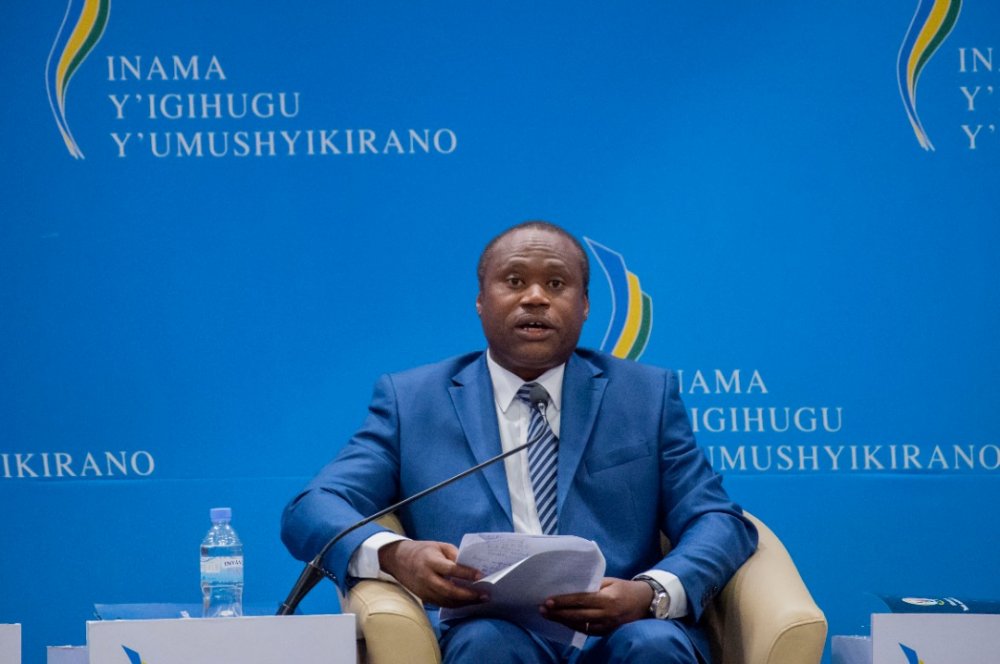
On today’s panel discussion was moderator Cleophas Barore, the Executive Producer of Rwanda Broadcasting Agency (RBA), Anastase Shyaka, the Minister of Local Government, Nyirahabimana Soline, the Minister of Gender and Family Promotion as well as Florence Mukantaganda, a community health worker and Sr Immaculee Uwamariya.
Minister Shyaka commended the efforts of Rwandans over the past 20 years in building resilience in their communities.
“In the past 20 years, Rwandans became patriotic and focused on being solution providers. All this contributed to the journey towards the country’s transformation. Although we are on a good path towards development, we should not stop here. We need to keep fighting against poverty because it is not our destiny. The work of our hands will glorify us.”
On maintaining work-life balance, Minister Nyirahabimana said that we never should lack time for caring about our families no matter how busy work or career makes us.
“Time is indeed precious but we need to prioritize what really matters for us by striving to grow financially through our careers but also finding time to be with our families.”
She said that the Rwandan community has made strides in building healthy families but that the enemy of sustaining growth is taking the gains for granted.
Florence Mukantaganda, one of the thousands of community health workers that have helped revolutionalize public health across the country said that community workers don’t do their work for merits or remunerations but for the love they have for their country.
“Whatever we do is out of a loving heart & sense of responsibility to our country, not for anything in return”
About contributing to healthy families, Sr Immaculee said that parents need to take an active part in educating their children instead of relaying the entire responsibility to schools.
“Parents and teachers have different responsibilities in the education of their children. You cannot outsource parenting.” She urged parents to lead by example and not be ‘do as I say not as I do’ type of parents.”
On the topic of unplanned pregnancies, Sr Immaculee said that parents should not forsake their teenage daughters because of unplanned pregnancies but that they should support them as much as they can. “please support your daughters, don’t reject them”
The dialogue proceeded with a question session where citizens addressed their concerns from sites in Rubavu, Nyagatare, Nyamagabe, Bweyeye in Rusizi and Intare Conference Arena.
About easing access to education, Prime Minister Ngirente announced that Ubudehe social stratification will no longer serve as a requirement for students to be able to access government scholarships.
“Ubudehe categories will no longer be the basis in providing scholarships to students for varsity studies. Going forward, students will be selected according to their competence in school and their grades instead of their social status.”
On preserving road safety IGP Dan Munyuza reported the results that ‘Gerayo Amahoro’ campaign yielded.
“Since the introduction of ‘Gerayo Amahoro’ campaign road accidents have reduced by 43% in the past 7 months. Rwanda National Police continues to educate road users on dangers of drunk driving and increasing preventive measures.”
President Kagame closed the two-day dialogue with a brief address saying that the National Dialogue serves as a platform for Rwandans to assess the personal contributions they are giving towards the development of the country.
“This is a platform that allows us to evaluate what needs to be done to achieve our collective vision.” He wished Rwandans a happy festive season and congratulated them for all that has been achieved together this year.