The national police has attributed the accident-free celebrations to strong road-safety intervention such as the Gerayo Amahoro campaign that calls on drivers and pedestrians to use the roads with the utmost caution, following all the traffic rules.
According to information from Rwanda National Police, nine accidents happened on Christmas, leaving no one dead or injured compared to 2018 where one person died and 30 were injured in eight accidents; 2017, 20 road accidents happened while on the Christmas of 2016, 16 accidents had taken place, killing four people and injuring 14.
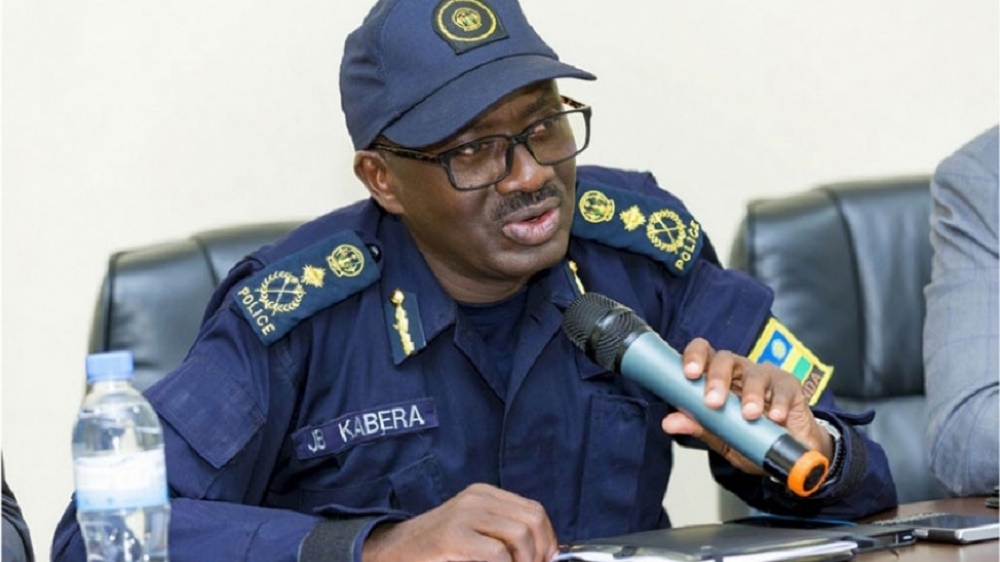
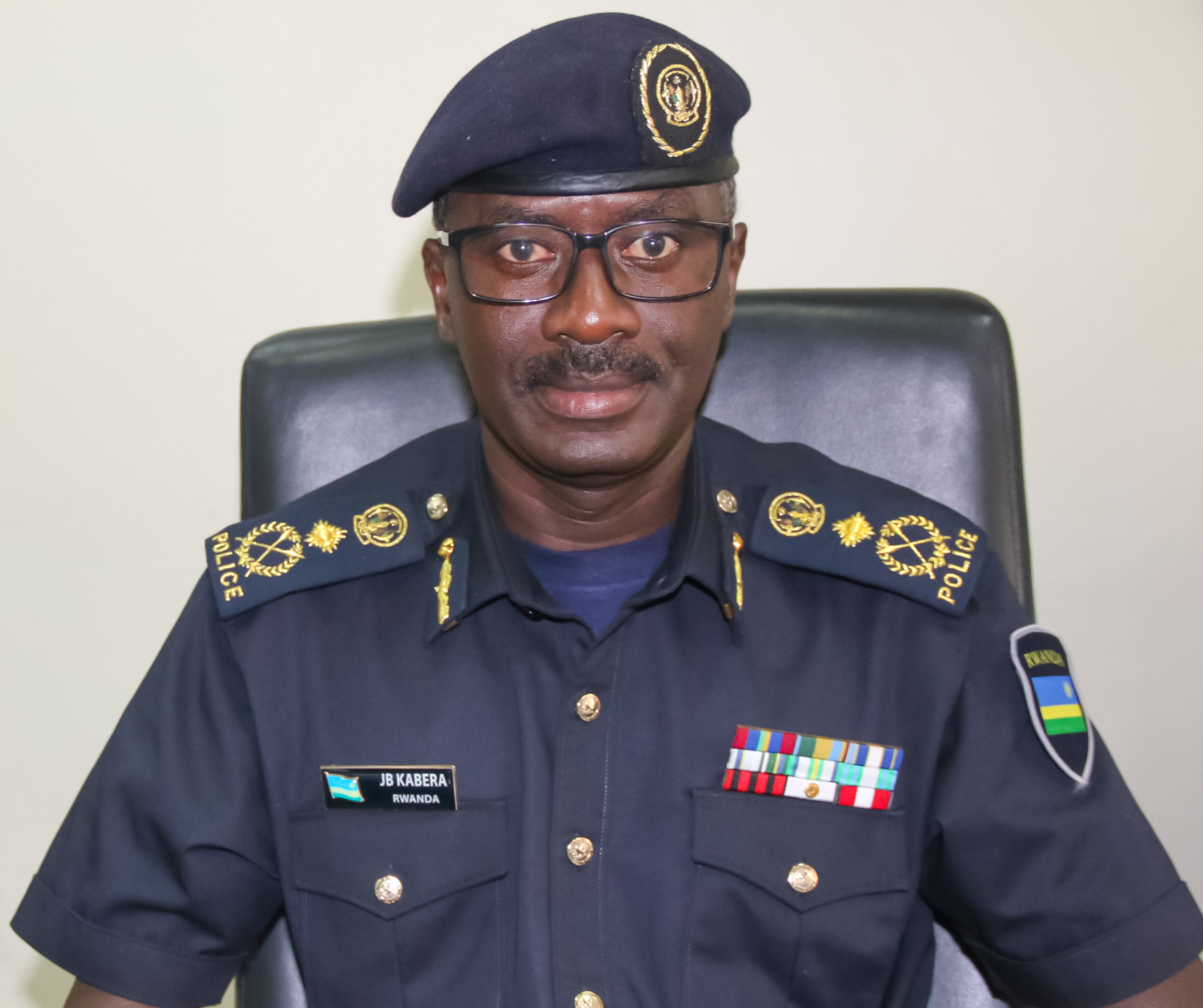
The police spokesperson, CP John Bosco Kabera told the media, “With the efforts put into it, people are understanding the Gerayo Amahoro program. We will keep reducing the number of these accidents.”
Kabera explained that most of the road accidents are preventable.
He said, “It is necessary that people understand that OMS’s report show that 80% of accidents can successfully be avoided.”
He added, “These accidents are due to negligence and bad habits, reason why Gerayo Amahoro aims at teaching people who use roads to change their habits.”
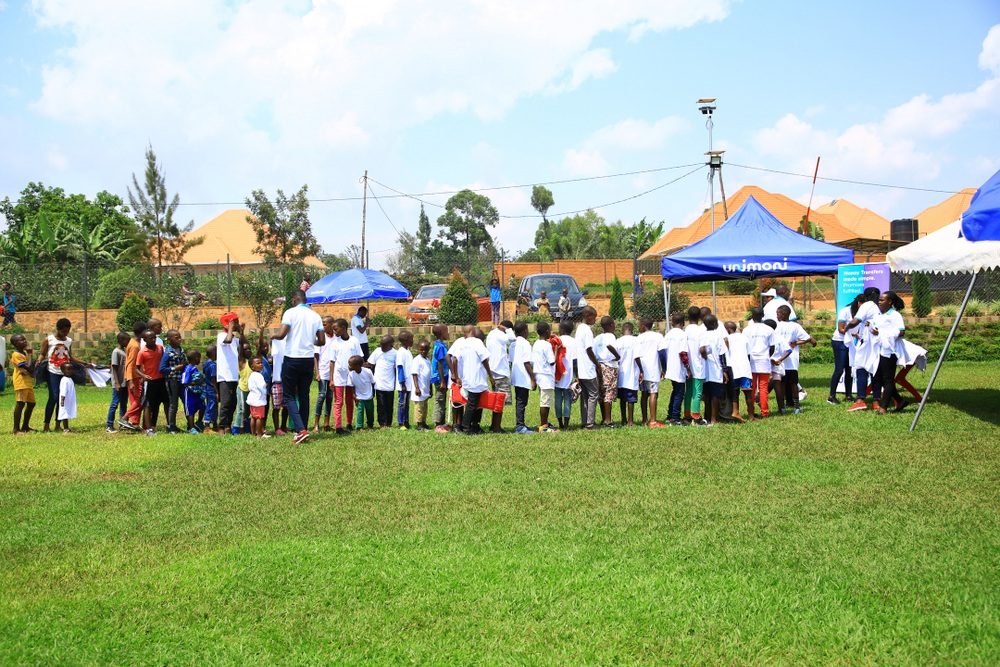
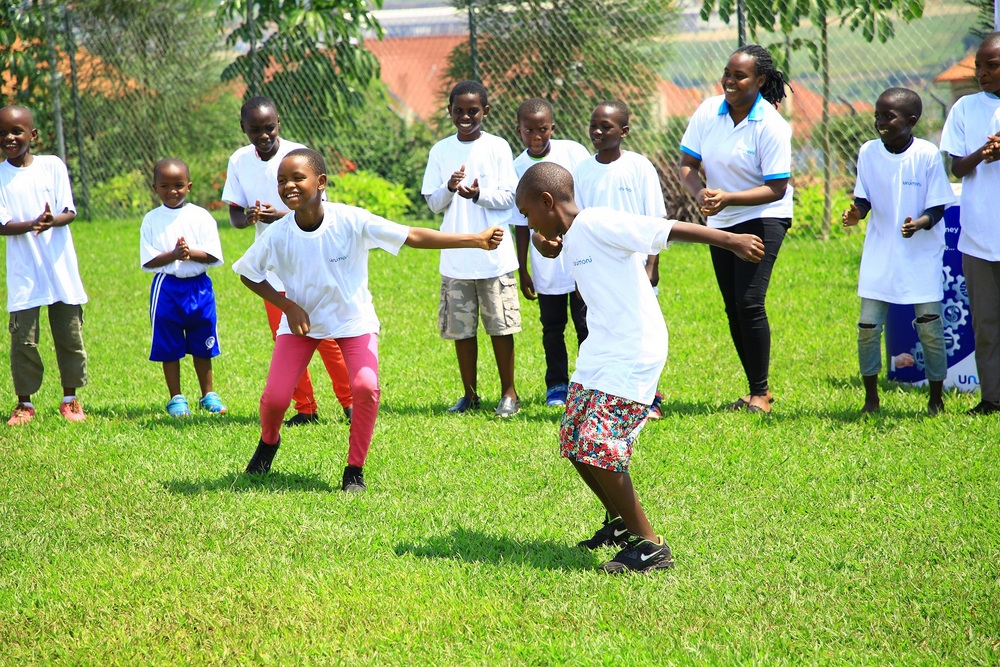
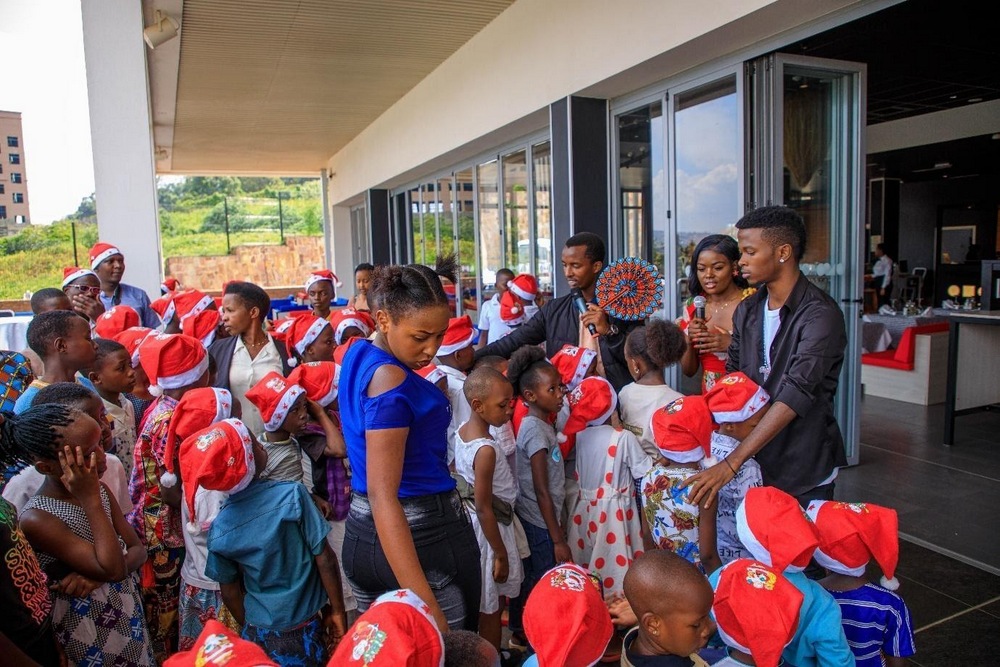
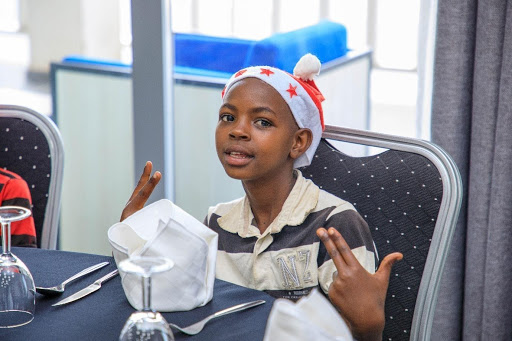
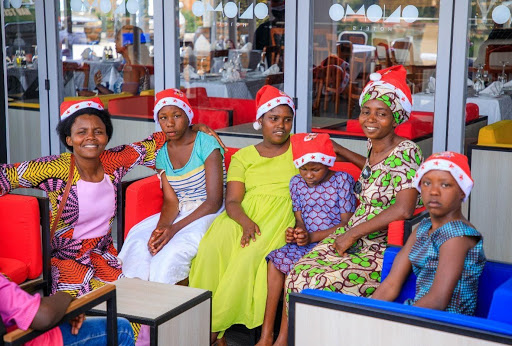
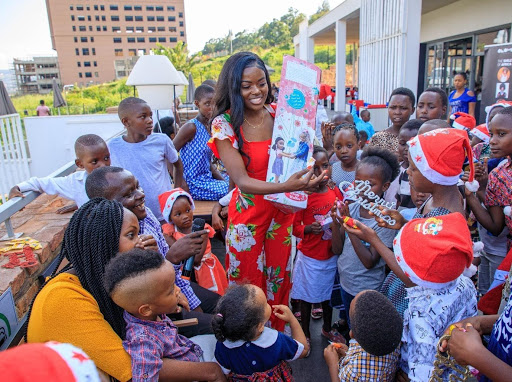
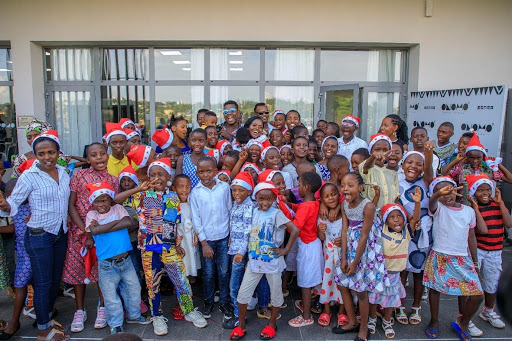
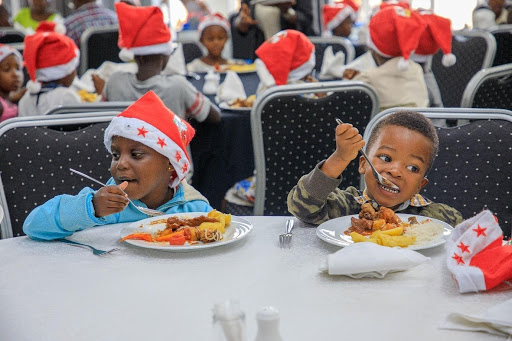
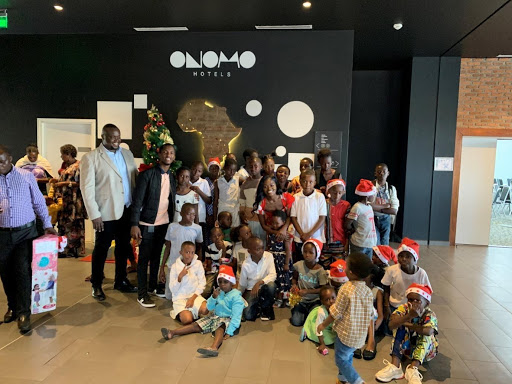
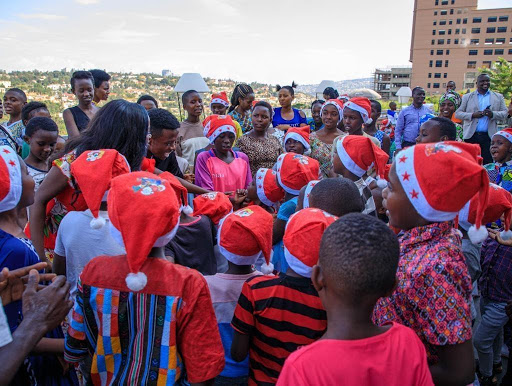
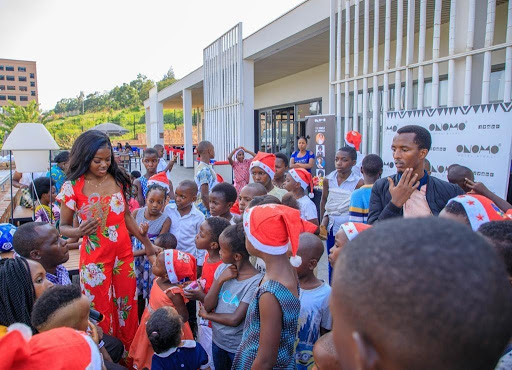
Sherrie Silver, through her charity, Children of Destiny, in partnership with Onomo Hotel Kigali brought some Christmas enjoyment to around 120 children coming from poor families and children born with a disability.
The event started with lunch for the children at Onomo Hotel Kigali and culminated in fun. The children had time to play. As a Grammy award-winning Choreographer, Sherrie Silver brought her passion of dance to the kids who competed in dancing and the winners deservingly rewarded.
Onomo Hotel General Manager, Mr. Emile Nizey, highlighted the importance of such an event.
“ During Christmas, people tend to be busy on themselves and their families but forget those in need around them who may still need some holiday cheer from them. Through our social responsibility program, we thought it would be a great idea to bring some Christmas smiles to these kids and you could see it. They had fun and we are happy they did. Sherrie Silver is a friend and partner of Onomo Hotel Kigali and we are glad our partnership created this noble act.”
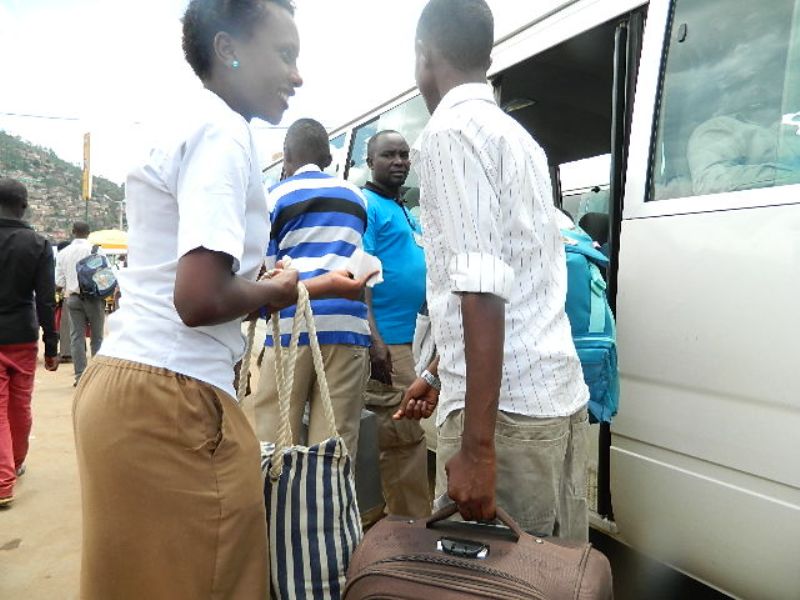
The Ministry of Education has announced that 2020 academic year will officially start on January 6th, 2020 but that students will reach schools depending on where they go.
For students in boarding schools in Kamonyi, Muhanga, Nyanza, Huye, Rusizi, Nyamasheke, Nyarugenge, Kicukiro and Gasabo districts, school will start on January 3rd, 2020.
For students going to schools located in the Northern and Eastern provinces, school will start on January 4th, 2020.
Finally, for students going to schools in Ruhango, Gisagara, Nyaruguru, Nyamagabe, Karongi, Rutsiro, Ngororero, Rubavu and Nyabihu districts, school will start on January 5th, 2020.
MINEDUC announced the dates but has not yet released national examination results for primary school pupils and O’ level students.
Many people are complaining saying that it is inadmissible that dates for starting the academic year have already been announced but not the national examination results and that it does not give enough time to students to prepare for school.
One parent expressed his concern saying that MINEDUC is being late to publish results and it does not give enough time to parents and students to prepare for school especially for those who will be sent to new schools.
He added that before announcing when the academic year will start, national examination results should first be published.
Dr. Munyakazi told IGIHE that there won’t be any change regarding the start of the academic year and added that national examination results will be published in a few days along with schools students will be admitted to.
“We will soon announce the national examination results along with schools students have been admitted to. That process requires thorough analysis and is mainly the reason why we take our time to publish the results.”
He announced that the academic year for 2020 will start on January 6th, 2020 and that any change that might occur will be communicated.
About parents who complained that national examination results have delayed, he said that it is not true and advised parents to start preparing their children for school the moment the academic year dates are announced without waiting for results.
“There was absolutely no delay for us since the academic year dates have already been announced. Parents should have started buying school materials the moment they learned about it.”
Dr. Munyakazi added that it is actually the first time the Ministry of Education took a relatively short time to announce the national examination results.
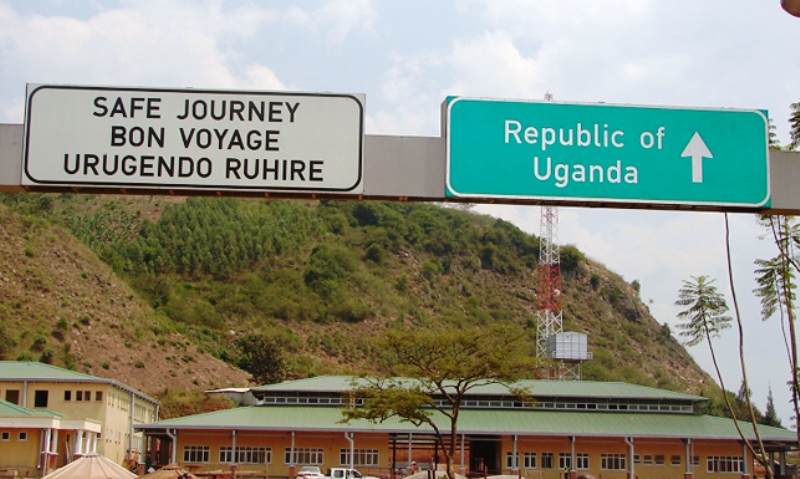
It was the first time that the Government of Rwanda was expressing concerns regarding the safety of citizens who travel, reside or work in Uganda.
It has been three years now that the conflict between Rwanda and Uganda started.
The Government of Rwanda expressively continues to warn Rwandans to avoid crossing to Uganda at all costs after testimonies prove many have been incarcerated, assaulted and tortured on allegations that they are spies while they are just there for making a living.
Investigations showed that besides abusing Rwandans, Uganda also hosts terrorist groups aiming at destabilizing security in Rwanda including FDLR and RNC which is led by Kayumba Nyamwasa. Uganda categorically denied the allegations.
Rwandans who are apprehended are detained in different prisons across Uganda where they are beaten and tortured resulting into a handicap for some of them. They are also subjected to forced labor including cultivation and molding bricks.
From January 2018, 1438 Rwandans have been chased from Uganda after spending days in detention on orders of the Chieftaincy of Military Intelligence (CMI) and the Internal Security Organisation.
On Tuesday, December 24th, 2019, during a breakfast interaction meeting between members of Rwandan Community Living Abroad and Rwandan officials, the Ministry of Foreign Affairs and International Cooperations many topics were discussed including the opportunities available to the Rwandan community abroad as well as their important role and contribution in the national development.
The Rwandan diaspora in South Sudan asked about the state of the Rwanda-Uganda conflict.
Safari Jumapili, the Rwandan diaspora representative in South Sudan said that there are Rwandans living and conducting business in South Sudan as well as soldiers and police officers in peacekeeping missions.
“The conflict between Rwanda and Uganda is concerning since Rwandana who live in South Sudan passed by Uganda to get here using cars and buses but cannot anymore due to obvious reasons. Something needs to be done about that issue.”
Currently, 285 Rwandans reside in Juba, the Capital City of South Sudan.
Amb Olivier Nduhungirehe, the Minister of State in charge of the East African Community said that Rwanda took the precaution of warning Rwandans not to travel to Uganda because Rwandans who pass by Uganda to reach other countries and those who simply step on Ugandan territory are continuously arrested, assaulted and tortured.
“It is true that Rwandans are not safe to travel to Uganda. We have tried to solve the matter since the beginning of the year but there is no will to establish peace on Uganda’s part.”
Amb Nduhungirehe said that Rwandans are illegally detained and abused in Uganda and added that even those who conduct business on the Ugandan territory especially those who pass by there going to Kenya and other countries are not safe.
He advised the Rwandan diaspora in South Sudan to stop going to Uganda at all costs.
He said that there are other routes that could be used instead of passing by Uganda and risking death.
After several agreements and negotiations to solve the ongoing conflict, Uganda still hasn’t done anything to stop the assault and illegal incarceration of Rwandans and still supports anti-Rwanda terrorist groups.
While emphasizing the role of the citizenry in protecting and promoting rights of children, Rwanda National Police (RNP) spokesperson, Commissioner of Police (CP) John Bosco Kabera, said that it is common to find minors taking alcoholic beverages and in night clubs in the festive period, which is prohibited and punishable by law.
“As you are celebrating, do not sell or serve alcoholic beverages to minors… respect and protect their rights. Children should also be allowed in bars when they are either in the company of their parents, relatives or responsible person but under no circumstance should a child be allowed in night clubs,” CP Kabera said.
Article 6 of law No. 71/2018 of 31/08/2018 relating to the protection of the child defines a child as any person under 18 years of age, while article 4 of the same law determines the right of the child to early adequate development. Every parent has the responsibility to care for the child to ensure appropriate development.
He further advised against “staying out with children for longer hours.”
CP Kabera appealed to the public to stand up for child protection especially in this festive period when children tend to drink alcohol, smoke and abuse drugs.
“We appeal to owners of bars to monitor these children in their premises; some of them use these places to abuse drugs and use other tricks to drink alcohol especially when in a company of people they are not related to, who attempt to manipulate and exploit them,” CP Kabera said.
“The development of any country greatly depends on its youth as a driving force, public efforts are needed to safeguard them. It is criminal to sell or serve alcohol to anyone below 18 years of age.”
Lambert Hategekimana, the officer in charge of protecting children’s rights and promoting their welfare at the National Commission for children (NCC), also urged parents and guardians to act responsibly and monitor their children in this festive period.
“This is a group that is in the age where they want to engage in varied earthly things like going to night clubs, drinking alcohol and abusing drugs out of peer influence, and this comes back to parents, guardians, owners of bars and entertainment spots and the community, in general, to protect children from these malpractices,” Hategekimana emphasized.
“The festive period is a good time for parents to sit down and discuss with their children, know their thoughts in order to improve where they failed and to start a new year with new productive plans,” he added.
“Enjoying the festive season is good, but engaging and serving alcohol to minors, spending sleepless nights in musical shows is inappropriate, irresponsible and violating their rights. Children should have enough time to rest.”
Article 27 of law that protects children states that any person who offers a child alcoholic beverages or tobacco commits an offense.
In case of recidivism, the penalty is imprisonment for a term of not less than one month but less than three months and a fine of between Rwf100, 000 and Rwf200, 000.
A person, who sells alcoholic beverages or tobacco to a child, causes or encourages a child to drink alcoholic beverages, to smoke or to go to bars commits an offence. Upon conviction, he/she is liable to imprisonment for a term of not less than three months but less than six months and a fine of between Rwf100, 000 and Rwf200, 000.
In article 32, a parent, guardian or any other person legally responsible for the child who, without reasonable cause, neglects any of his/her obligations provided by law to the extent that the health, the security and the living conditions of the child are seriously jeopardized or the child indulges in vagrancy is also liable to community services for a period one month.
Students who study in Kamonyi, Muhanga, Nyanza, and Huye districts will go to school on January 3, 2020.
Students who study in Rusizi, Nyamasheke, Nyarugenge, Kicukiro, and Gasabo districts too will go to school on the same date.
Students who study in the Northern and Eastern provinces will go to school on Saturday January 4, 2020.
On Sunday January 5, 2020, those to go to school will be students whose schools are in Ruhango, Gisagara, Nyaruguru, Nyamagabe, Karongi, Rutsiro, Ngororero, Rubavu, and Nyabihu districts.
The Ministry of Education requested students to be in school uniforms and transportation companies to facilitate in the students’ movements.
In an extraordinary cabinet meeting that took place on November 28, 2019, the Minister of State in Charge of Primary and Secondary Education Dr. Munyakazi Isaac announced that the schedule of the academic year 2020 is made up of 38 weeks that are divided into three academic terms.
The first academic term is made up of 13 weeks that will begin on January 6, 2020, and end on April 3, 2020.
The second term too is 13 weeks, beginning from April 20, 2020, to July 18, 2020.
Beginning from August 3, 2020, and ending on October 23, 2020, the third and last term will be 12 weeks.
On December 23, 2019, FARDC confirmed it had arrested the two leaders, namely the general secretary Uiyamu Mutabazi and a head political wing of CNRD François Muvuni.
The spokesperson of FARDC, Major Léon Richard Kasonga said that the two were arrested in Kalehe, South Kivu through two FARDC attacks on armed militias that operate in RDC.
He said, “We have arrested the general secretary of CNRD named Uiyamu Mutabazi. He is not alone. We also arrested one of the highest politicians of CNRD named François Muvuni. All of them are in our hands and want to return to their country [Rwanda] since peace is all we want.”
Since November 2019, FARDC launched attacks to Kivu South to eradicate all armed rebel militia.
Last week, FARDC announced that it arrested 2000 militia fighters.
By Friday, December 20, 2019, a total of 1600 people, including about 300 of the fighters with their relatives had returned to Rwanda.
After that resolution, the ministry of local government and Rwanda cooperative agency (RCA) were charged to overlook the implementation of it and helping the recovery of non-performing loans.
Debtors included local government officials and other public servants. In December 2018, it was announced that local government officials owed SACCOs debts amounting to Rwf 428.03 million in different sectors across Rwanda.
After the announcement, government officials were mandated to pay back their debts at the risk of being sacked.
The Minister of Local Government, Shyaka Anastase wrote letters to districts administrators on December 18th, 2018 and set a repayment deadline for December 31st, 2018.
It is a problem that had been lingering that it was not a surprise when the National Dialogue considered it.
In June 2018, RCA had announced non-performing loans were 16% of the total loans issued.
Sacco regulations state that non-performing loans should never exceed 5%. At the time, 1.7 billion Rwandan Francs were not reimbursed.
In February this year, RCA announced it had already recovered Rwf 300 million.
In November 2019, the Central Bank of Rwanda reiterated that the state of SACCOs non-performing loans was deplorable.
However, it has been better in the last 9 months since non-performing loans have shifted downwards from 6.8% to 6.2% in September,2019.
During his address at the 16th National Dialogue ‘Umushyikirano 2018, Prime Minister Edouard Ngirente reported that at least 81% of SACCOs non-performing loans had been recovered.
About recovering loans, Minister Ngirente stated that Rwf 1.15 billion had already been recovered.
He mentioned that from the beginning, Rwf 2.2 billion had been repaid upfront, another Rwf 1.9 million was being repaid in installments and indebted public servants had paid back their debts.
Of Rwf 796 million government officials owed, Rwf 607 million have been repaid.
The Central Bank of Rwanda monetary policy committee held a meeting on May 3rd, 2019 and announced that the rate of non-performing loans in microfinance institutions had reduced from 8.8% to 7.2% recorded in the first quarter of 2018.
The dialogue started with a state of the nation address where President Kagame reiterated that “Rwanda is doing well”. He also thanked Rwandans and friends of the country for their contribution in developing Rwanda.
He urged Rwandans not to fold their arms but to build on what has already been achieved and get better results.
He added that security is always an urgent matter because without it the country would never prosper.
During the dialogue, panel discussions were held which discussed the state of the economy and the wellbeing of Rwandans at large as well as obstacles hindering the development of Rwanda and solutions to counter them under the themes “Driving double-digit growth” and “Engaging families for community resilience”.
The following resolutions were taken during the two-day dialogue:
-# Relocating residents from wetlands and high-risk zones to safer places and explaining to them that the policies being implemented are made to avoid putting their lives at stake.
-# Collaborating with the Private Sector Federation (PSF) to improve industries’ capacity utilization especially in promoting Made in Rwanda products and services.
-# Establishing facilities for SMEs to store their products especially for agricultural products and solving issues business owners face including access to packaging, no cold storage rooms, lack of knowledge in seed preparation and less to no dairy production.
-# Improving health posts across the country by equipping them with adequate facilities to help serve patients.
-# Lifting disadvantaged families from poverty and sensitizing them more about self-sufficiency.
-# Establishing measures with the support of non-governmental and religious organizations aiming at building resilience within Rwandan families and teaching parents to respect their parenting duties.
-# Promoting Early Child Development(ECD) activities and training teachers in the one-year readiness program about children’s physical well-being and motor development, social and emotional development, cognitive and language development, self-help skills and general knowledge.
-# Facilitating the Rwandan diaspora in contributing to the development of the country especially in the health sector and sensitizing them to share the knowledge they have acquired to the benefit of the country.
-# Building more classrooms to solve the problem of overcrowded classrooms that impeded the learning of children.
-# Making reforms in the education sector to allow students with high grades to receive government scholarships regardless of their social status.
-# Solving the problem of network connectivity and other malfunctioning infrastructures that impede the development of the country.
-# Accelerating poverty eradication through Vision 2020 Umurenge Program (VUP) Integrated Local Development Program and solving the problem of delayed payments for citizens who have completed tasks for government institutions.
Rwanda National Police (RNP) has, therefore appealed to owners of bars, churches and those intending to hold music shows, overnight prayers and other leisure events in this festive season to regulate their sound to “avoid noise nuisance.”
“The loudspeakers, prayers and public assemblies are all part of celebrations in this festive period, but these festivities must not be at the cost of other people’s beliefs and rights… those who want to enjoy in quiet places like homes,” Commissioner of Police (CP) John Bosco Kabera, RNP spokesperson said.
He further urged those intending to hold entertainment shows to operate in designated places and within specified time, and to act in ways that will not affect the well-being of neighboring communities.
According to National Noise Pollution Guidelines, noise pollution is defined as the level of disturbance or excessive noise that may harm the activity or balance of human or animal life.
A low sound is pleasant whereas a loud one is unpleasant and is commonly referred to as ‘noise’. Noise can be also defined as unpleasant and unwanted sound.
Noise pollution, according to National Noise Pollution Guidelines, is determined when sound goes beyond 80 decibel (db). Decibel is the unit through which noise is measured and sound becomes “physically painful” when it goes beyond 80db.
Often neglected, noise pollution adversely affects the human being leading to irritation, loss of concentration, loss of hearing, sleeping disorder among other ill effects.
“People have different ways of enjoying and celebrating but it should be done in consideration of others’ beliefs and rights, no one should affect the peace of mind and invade the privacy of other people who want to sleep, enjoy in a quiet environment or engage in other productive activities without being affected by noise or noise nuisance,” CP Kabera said.
The law No. 48/2018 of 13/08/2018 on environment in its article 53, states that; “Without prejudice to the provisions of the law determining offences and penalties in general, any person who causes noise pollution is liable to an administrative fine of Rwf500, 000.”