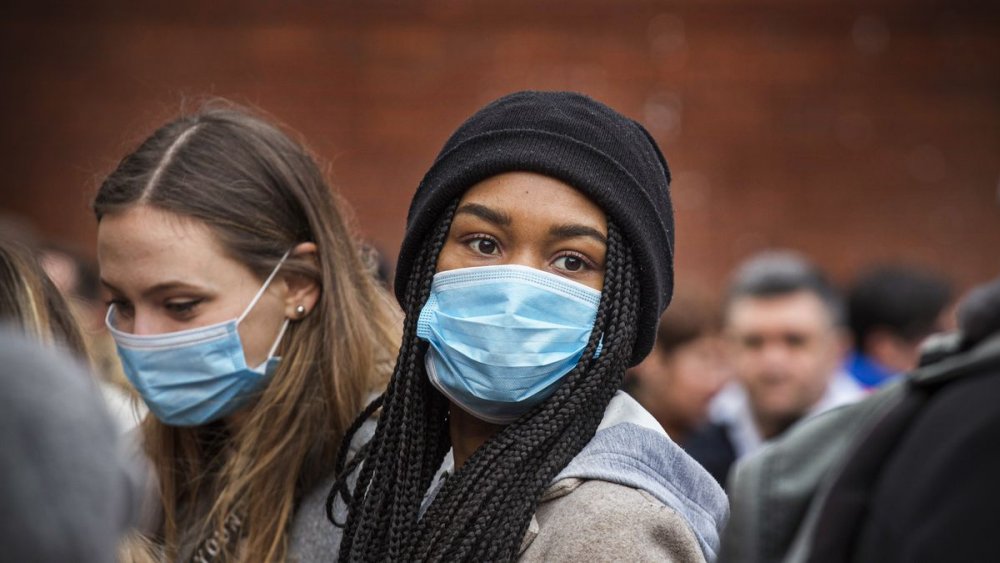
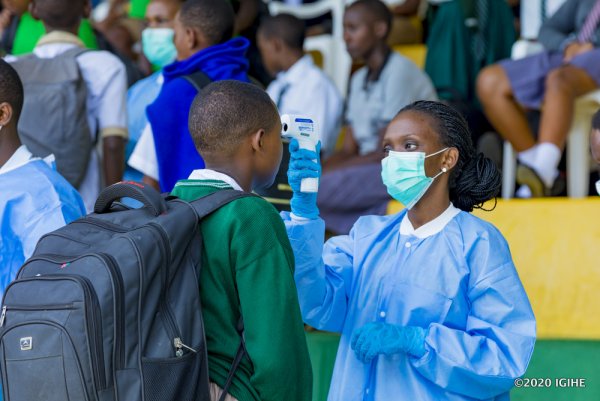
Since the first coronavirus patient was identified in Rwanda, the government has taken various initiatives to counter further spread including closing public and private schools, higher education institutions, prohibiting public gatherings, imposing a complete air travel ban and postponing court hearings and prison visits.
Rwandans are advised to be careful not to believe scammers who pretend to be RIB officers and collect money from prisoners’ families “to put their names on the list of prisoners who will be released as a preventive measure against coronavirus.”
RIB also advises Rwandans not to welcome into their homes, scammers who pretend they work with the ministry of health and who lie they were sent to spray houses with “coronavirus repellent”.
Currently, 11 patients tested positive with coronavirus and are receiving appropriate medical care.
RIB urged Rwandans to call the toll-free line 166 to report any suspected scamming activity.
COVID-19 spreads through direct contact with the infected person, sneezing and coughing. To prevent the spread of the virus, regular hand washing with alcohol-based hand sanitizers or clean water and soap is advised, covering mouth and nose when coughing or sneezing and avoiding large gatherings. In addition, it is important to avoid close contact with anyone showing symptoms of respiratory illness such as coughing and sneezing
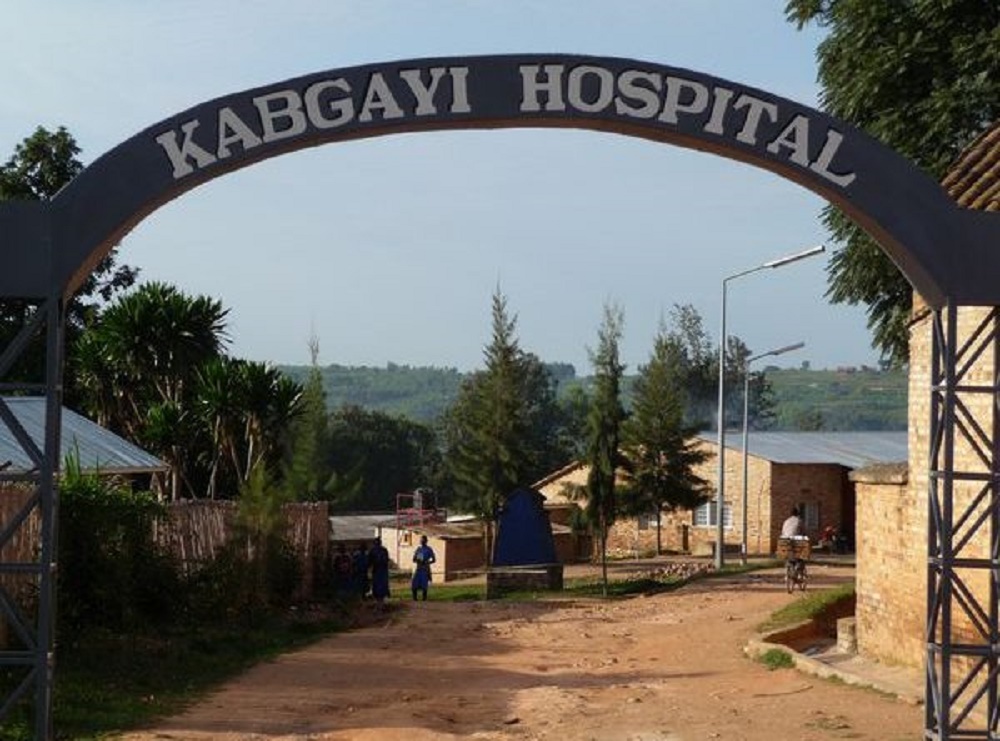
On Thursday, March 19th, 2020, the two patients developed symptoms including fever and cough and were immediately put in quarantine while further tests were being conducted.
Dr. Nteziryayo told IGIHE “We have tested the two patients and sent blood samples for results but in the meantime, we will be providing adequate care to them. Symptoms such as fever and cough cannot be taken lightly especially during the coronavirus outbreak.”
Dr. Nteziryayo said that although one of the patients has Chinese employers, it is not an important factor given that they haven’t been to China recently.
On March 19th, 2020, the ministry of health announced that no new infection was identified and that the number of coronavirus patients remain at 11 in Rwanda. All the patients are currently in quarantine and receiving appropriate medical care.
The ministry of health advises Rwandans to keep observing preventive measures to counter further spread of the virus and to call the toll-free number 114 to report any symptoms.
COVID-19 spreads through direct contact with the infected person, sneezing and coughing. To prevent the spread of the virus, regular hand washing with alcohol-based hand sanitizers or clean water and soap is advised, covering mouth and nose when coughing or sneezing and avoiding large gatherings. In addition, it is important to avoid close contact with anyone showing symptoms of respiratory illness such as coughing and sneezing.
Other measures taken by the ministry of health to counter coronavirus are closing all public and private schools as well as higher education institutions, banning public gatherings and advising citizens to work from home.
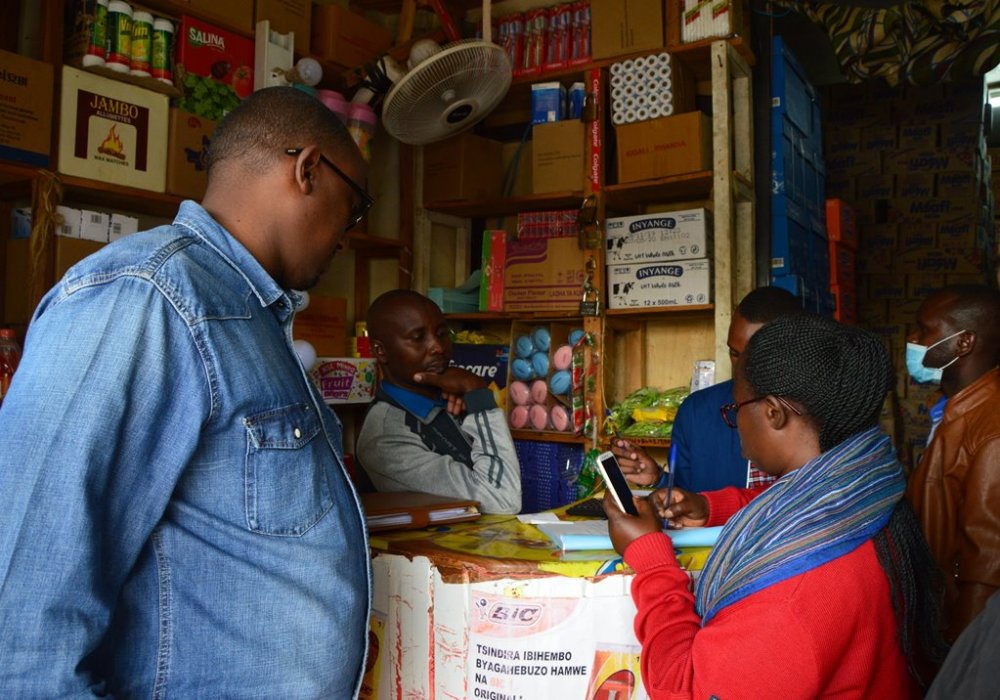
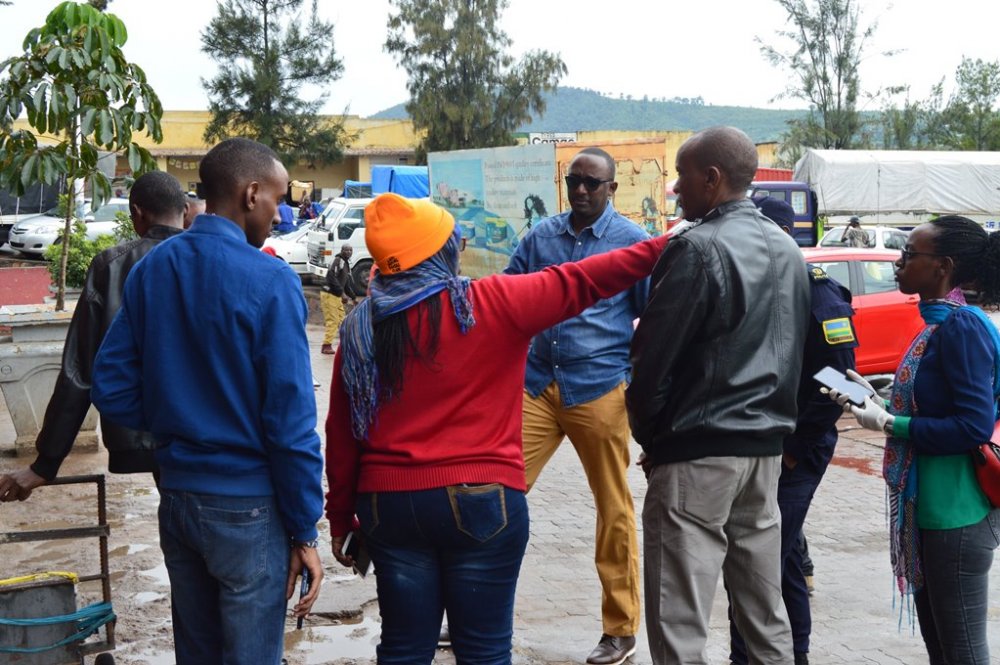
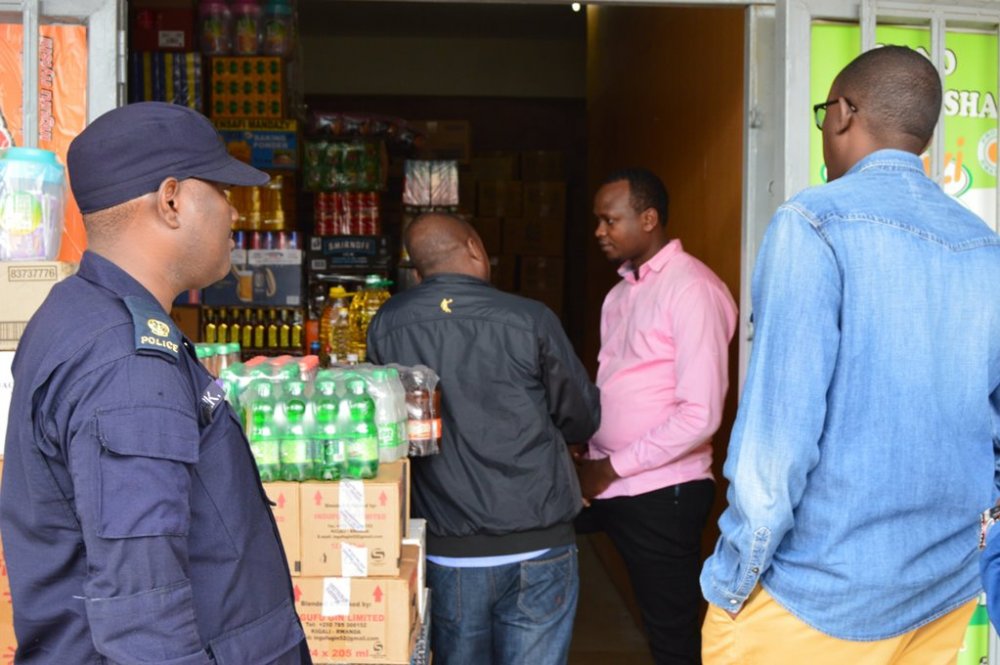
On March 19th, 2020, following inspections in the city of Kigali which found an abnormal increase in prices of some food products, intentional use of unapproved weighing scales and issuance of illegal invoice, MINICOM reiterated law 35 relating to competition and consumer protection. Businesses were advised to avoid hiking prices.
After inspections, MINICOM fined 24 companies in Kigali which increased prices on maize, rice, maize flour, sugar and cooking oil.
The announcement posted on Twitter on Thursday, March 19th, indicated a number of business people were fined during inspections made on March 18th, 2020 at different Kigali markets and trade centers.
Article 27 and 29 governing internal trade states that “businesses which are found guilty of imposing high prices can be imposed an administrative fine, require the culprit to repay the profit unduly benefited from the buyer and suspend the culprit’s activities for a maximum period of 3 months.”
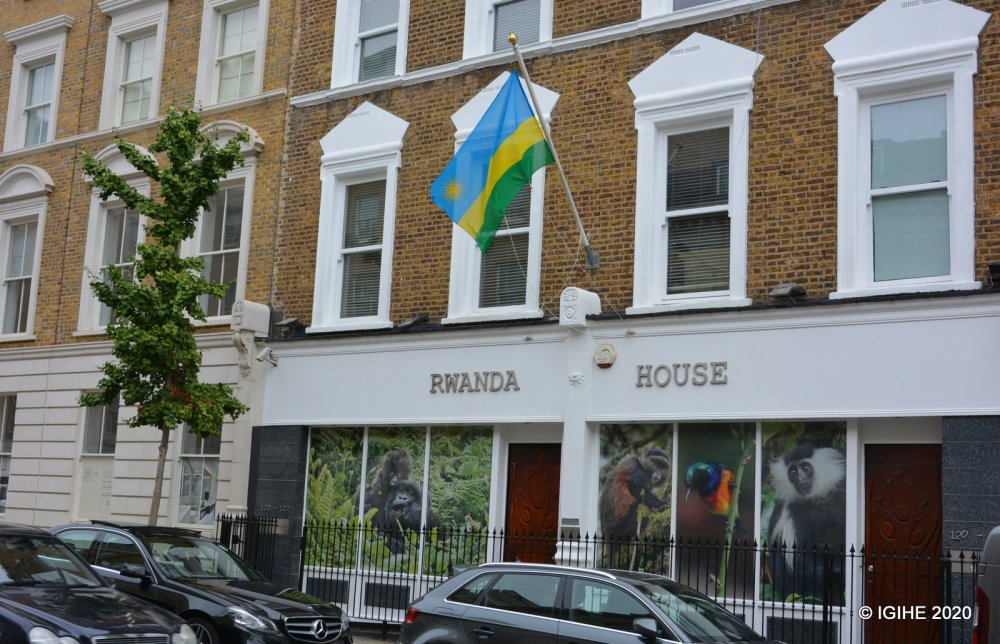
The High Commissioner of Rwanda to the UK, Yamina Karitanyi, has told IGIHE that the embassy was not closed but some staff have been advised to stay at home, noting that all services are now delivered online, including the use of; telephone calls and E-mails. The high commission also attends to those who make prior appointments, all in a bid to avoid coronavirus spread.
State Minister in the Ministry of Foreign affairs and regional cooperation, Olivier Nduhungirehe, said that Rwanda tasked her foreign diplomats to observe directives given in host countries.
The first secretary in the Rwandan Embassy in Berlin, Germany, Nshimiyimana Benedicto, said work goes on. The directives are like those of the UK Embassy.
Rwandan Embassy in Belgium announced temporary closure following the directive of the Belgian government. Only essential services can be accessed.
Rwanda Embassy in the Netherlands according to the directives of the host country, from 16th March to 31 March, will be closed and all staff will be working from residencies.
Celebrating the International Women’s Day in Rwanda that was slated for 21 March and commemoration of Genocide against the Tutsi slated for 11 April are bound to be postponed to dates yet to be communicated.
Nkulikiyinka Christine, Rwandan Ambassador to the Scandinavian countries said they are working closely with Rwandans in those countries to observe the directives in host countries. No Rwandan yet is infected by coronavirus there.
The Rwanda Ministry of foreign affairs and regional cooperation, this Thursday, informed Rwandans in foreign countries to inform Rwanda Embassies close to them or call +250788125043 in case of travel problems.
Workers who had arrears include casual workers, masons, and foremen who, after a long time of demanding their pay, reported to President Paul Kagame in December 2019 during the National Dialogue Council meeting.
A contractor, one Eric Nteziryayo won the tender of building the Nyamagabe district office but failed to complete the conditions of the contract, passing over to a third party who later on failed to pay casual workers and technicians.
The Mayor of Nyamagabe District, Uwamahoro Bonaventure, said they have so far paid Rwf 15,371,150.
“In the first phase we paid 48 people Rwf 8,895,050; in the second phase, we paid 28 people Rwf 608,900 and in the third phase we paid 12 people Rwf1,804,200. Altogether we have paid 88 people and paid 15,371,150 Frw.”
Uwamahoro added that about 33 other files are being scrutinized.
SG Sports signed contracts with various football teams in Rwanda including Kiyovu Sports, Bugesera FC, AS Muhanga and Musanze FC.
Sources say that after Kiyovu Sports failed to abide by the initial agreements with SG Sports to pay for the items on time, the Tanzanian company has threatened to sue it in courts.
Kiyovu Sports owes Rwf 5 million for 500 sports kits provide by SG Sports.
SG Sports expected to be paid back by November, 2019 but until now no move has been made on the part of Kiyovu Sports.
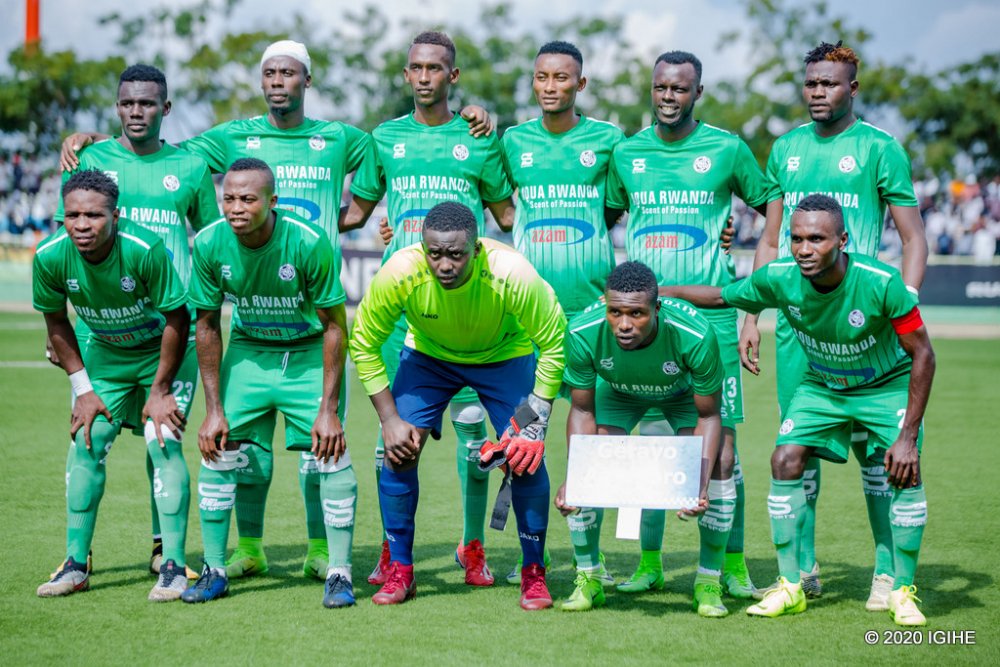
Simon Sanga, SG Sports Director General told IGIHE that Kiyovu Sports has failed to respect initial agreements and further resorted to printing other brands’ logos including Azam Group and UAP Insurance on the sports kits they provided.
“Besides not respecting our agreements, Kiyovu Sports has not shown any willingness to resolve the situation. They crossed the line when they printed Azam Group and UAP logos on the T-shirts we provided before they paid us.”
After Kiyovu Sports received a 4-year sponsorship worth Rwf 132 million from Azam Group, the team’s administration was obliged to adding their logo on V SG Sports T-Shirts.
Ntalindwa Théodore, Kiyovu Sports Executive Director told IGIHE that they have not delayed to pay because they lack means but that there are some clauses in the agreement which were not agreed upon and the two organizations have failed to find time to resolve the issue.
Sources say SG Sports is preparing to take Kiyovu Sports to court after an ultimatum was given 5 days to pay back to no avail.
In November 2019, SG Sports provided sports kits and fan gears to Kiyovu Sports with the expectation of receiving payment within 30 days.
One of the best ways to protect yourself is to keep your hands clean and off your face, but it’s hard to maintain constant vigilance.
Keeping your phone sanitized is another smart way to keep germs off your fingertips.
But cleaning your phone thoroughly, I mean is not as straightforward as it might seem.
There are all sorts of nooks and crannies, delicate glass and intricate protective cases.
Any sort of moisture can interfere with your phone’s function. Apple recommends that people avoid using spray cleaners or heavy-duty products.
Also, this probably goes without saying don’t dunk your phone into any sort of liquid, anti-bacterial or otherwise. It won’t end well for either of you.
A gentle wipe with a product that has 70 percent isopropyl alcohol will do just fine.
Apple recommends Clorox Disinfecting Wipes, and the C.D.C. says household disinfectants registered by the Environmental Protection Agency are effective.
Wear disposable gloves to clean, and wash your hands thoroughly after you’re done. Like your phone, reusable gloves might harbor virus particles, rendering them effectively useless.
And don’t forget your phone case.
Wipe it down, in and out, through and through. Let it dry before reassembling
Coronavirus outbreak has resulted into tragic human consequences across the world and in Rwanda where 11 people have already tested positive.
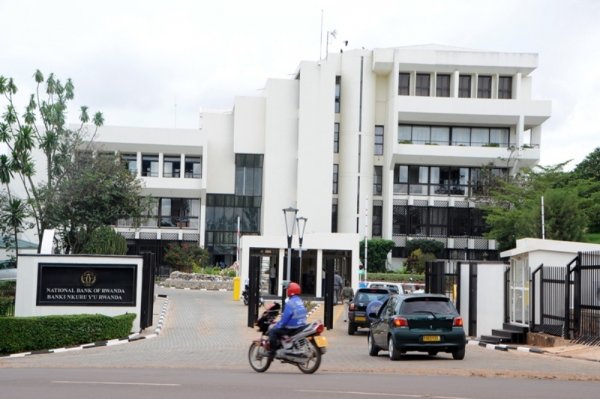
In addition to existing Central Bank liquidity facilities, the Bank has established an extended lending facility worth Rwf 50 billion which will allow banks with liquidity challenges to borrow from BNR. The facility will operate for the next 6 months.
The announcement that was published by BNR on March 18th, 2020 states that “For the next six months, BNR offers to buy back bonds at the prevailing market rate and the waiting period if one fails to sell the bond on the secondary market will be reduced from 30 to 15 days.”
BNR also encouraged using digital channels and contactless mobile payments to curb the transmission of coronavirus. Starting March 19th, 2020, mobile network operators and banks will allow zero charge transfers on all payments between bank accounts and mobile wallets, zero charges on Mobile Money transfers and zero merchant fees on all POS payments.
Finally, the limit for transfers on mobile money wallets has been increased from Rwf 500,000 to Rwf 1,000,000 for Tier I customers and Rwf 1,000,000 to Rwf 4,000,000 to Tier II customers.
BNR will follow up closely on the implementation of the aforementioned measures.
The ECMS is an on-premise and cloud-based solution and was designed to help manage all processes related to benefits administration and claims management after the Central Bank of Rwanda (BNR) explained the types of loss insurance companies incurred overtime.
In 2018, statistics from BNR showed that insurance companies in Rwanda lose more than Rwf 6 billion in claims every year.
Private insurance institutions made a Rwf 8.3 billion loss in 2013, Rwf 12.2 billion in 2014, Rwf 12.5 billion in 2015, Rwf 13.4 billion in 2016 and Rwf 6.9 billion in 2017.
Normally, insurance claims cover damages sustained after a car accident or for representation or intervention on the insured’s behalf when they are liable for damages.
During the claiming process, some individuals can trick insurance companies into paying more damage costs than the ones which were incurred in reality and hence lead to irrecoverable loss.
An ECMS or claims processing software automates insurance claims management, electronic submission, and collections and allows transparency in insurance processes.
Following various reports of losses made by insurance companies, the four students at KIC created an ECMS to support flawless claims processes. The four innovators are Mugiraneza Amani, Uwineza Denyse, Uwase Honorine and Irakoze Blaise who received support from their lecturer Iyaturemye Jean Claude.
{{How the ECMS operates}}
The ECMS uses e-baza technology in assisting garages and insurers to recover losses incurred in car maintenance and help customers to submit their claims effortlessly.
Uwase Honorine said, “Our ECMS will allow insurers to manage the claims process with automated workflows and in all transparency.”
Through Www.umuhuza.rw portal, insurers and vehicle owners will create accounts and type in all claims details. A police report of accidents will also be available on the portal and will facilitate insurers to allocate the appropriate funds to the insured.
Insurers will then post pictures of the damaged vehicles and garages which will have created accounts in the ECMS will compete for repairing them.
Garages will be selected following the time limit they will use repairing vehicles as well as their prices. Once the vehicle will be repaired, the owner and insurer will visit the garage, check on all the repairs and pay the garage.
Irakoze Blaise told IGIHE that the technology will allow garages to acquire customers effortlessly through the portal.
The three newly infected patients are a 37-year old Indian who arrived in Rwanda on March 8th, 2020 from Mumbai, India and she is the wife of patient zero who also reported himself to a health facility on March 13th. They also include a 26-year old woman with no travel history and a 45-year old man who arrived in Rwanda from Belgium via Addis Ababa in Ethiopia.
Dr. Ngamije said that the government of Rwanda has resolved to implement a complete lockdown on air travel to curb the spread of the virus since it was shown that most infected patients had recently traveled. “We intend to stop further spread of the virus by imposing a total lockdown on air travel.”
Given that symptoms of coronavirus start showing between 2 to 14 days, some patients who were screened upon their arrival did not pose any threat until days later.
Starting March 20th, 2020, the ministry of health imposed a 30-day renewable air travel ban. “To further mitigate the COVID-19 outbreak, all arriving and departing commercial passenger flights including RwandAir will be halted beginning Midnight March 20th, 2020 for an initial period of 30 days.” Only cargo and emergency flights will keep operating.
Ngamije said the new measures will put less pressure on the health system and allow adequate medical care to already existing patients.
Besides providing medical assistance to infected patients, the ministry of health is also conducting tests on all individuals who had contact with them since their arrival in Rwanda.
Patient zero was identified in Rwanda on March 14th, 2020 and since then the number has hiked to 11. Patients are currently receiving medical care at Kanyinya health center in Nyarugenge district and are quickly recovering.
The ministry of health advises Rwandans to keep observing preventive measures to counter further spread of the virus and to call the toll-free number 114 to report any symptoms.
COVID-19 spreads through direct contact with the infected person, sneezing and coughing. To prevent the spread of the virus, regular hand washing with alcohol-based hand sanitizers or clean water and soap is advised, covering mouth and nose when coughing or sneezing and avoiding large gatherings. In addition, it is important to avoid close contact with anyone showing symptoms of respiratory illness such as coughing and sneezing.
Other measures taken by the ministry of health to counter coronavirus are closing all public and private schools as well as higher education institutions, banning public gatherings and advising citizens to work from home.
The World Health Organization(WHO) declared the coronavirus a pandemic on March 11th, 2020 following the increasingly big number of patients since it was identified in Wuhan, China.
Currently, coronavirus has claimed the lives of 8790 people while the total number of infected people are 213, 541 with 84, 314 who have already recovered.