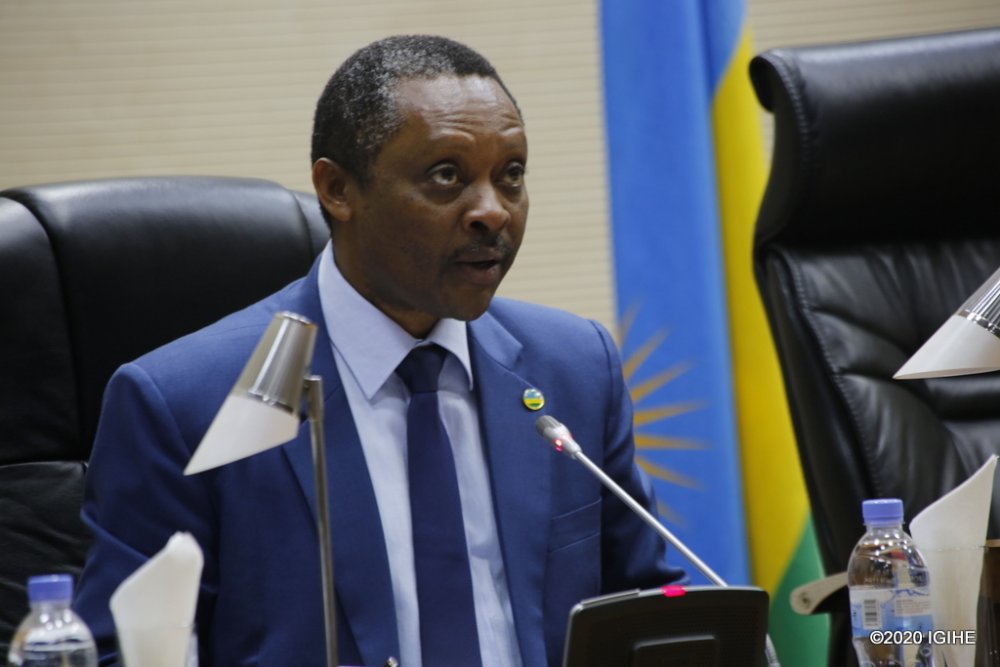
On March 29th, 2020, Commissioner of Police (CP) John Bosco Kabera, RNP Spokesperson reported on the current situation of Rwanda during the 2-week mandatory lockdown.
Kabera said that over the last week, some individuals left their homes with no valid reason and warned them that this week, measures will be reinforced and penalties imposed to those who will fail to respect preventive measures.
He said that apart from citizens who work in hospitals, banks, markets, and other essential businesses, only sick people are allowed to move out of their homes during the lockdown. “For grocery shopping, only one individual per household is allowed to move out or better call upon delivery services.”
While the ministry of local government confirmed that alcohol consumption is not prohibited during the lockdown, RNP condemns individuals who have turned their homes into bars.
“We are not prohibiting people to consume alcohol but the least they can do is avoid calling over friends because that is how the virus spreads.”
While taxi-moto drivers were prohibited to carry passengers, some went over the rules and did it while trucks that were allowed to carry fertilizers and veterinary products were intercepted carrying passengers as well.
RNP commended institutions which contributed to reinforcing preventive measures during lockdown by imposing a one-meter distance between customers.
CP Kabera said that the lockdown will continue until further notice.
On March 29th, 2020, the ministry of health announced that so far, 70 patients have tested positive for coronavirus.
On March 21st, 2020, the government of Rwanda implemented new preventive measures including a 14-day renewable mandatory quarantine, a complete air travel ban, and closing borders among others.
Prime Minister Dr. Edouard Ngirente said that more measures will be implemented to curb further spread of coronavirus.
Since the first patient was identified on March 14th, 2020, the number of coronavirus patients in Rwanda has increased to 70.
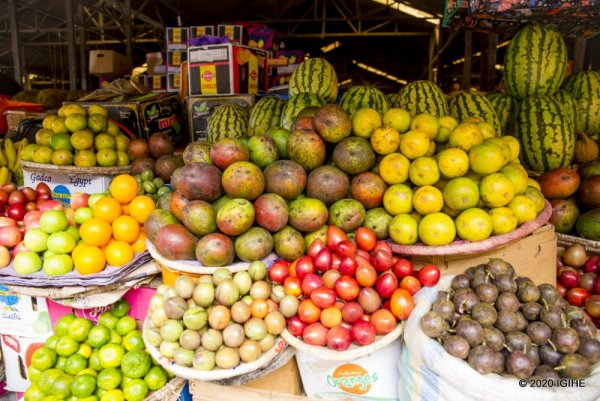
Before the outbreak of coronavirus, Rwanda and DRC merchants strived on cross-border trade. At least between 40,000 and 45,000 people cross over from Rwanda to DRC and back for trade purposes via Petite Barriere Border Post in Rubavu District.
The Ministry of trade and industry recently announced that cross-border trade between Rwanda and DRC generated $120 million in 2018.
However, to avoid further spread of coronavirus, trade between the two countries has temporarily been suspended and only cargo will be allowed into the country.
Local government administration in the Western Province stated merchants are concerned they will incur loss during the lockdown and requested to be allowed to resume their activities.
Laurent Nsengiyumva, Advisor to the Western Province Mayor told IGIHE that when new preventive measures were implemented, merchants were reluctant but after penalties were imposed, they have started abiding by the rules. Until now, 639 people have received fines for failing to respect preventive measures imposed to curb the spread of coronavirus.
Uwambajemariya Florence, Western Province Executive Secretary said that the district has started distributing food in Rubavu and Rusizi to counter the negative effects of the lockdown. Essential food such as maize flour, beans, cooking oil, rice, salt, and sugar and soap have already been distributed in many sectors of the country.
In cases where pneumonia inhibits breathing, supplemental oxygen therapy is recommended. Treatment includes ventilation with oxygen.
LEAF Pharmaceuticals will be manufacturing drugs to reduce inflammation and help open airways during respiratory disease instead of using Intensive Care Unit (ICU) ventilators as usual.
Reports from the British Broadcasting Corporation (BBC) show that due to the increasing number of coronavirus patients, ICU ventilators have become expensive with their prices increasing from $27,000 to $96,000.
Dr. Clet Niyikiza, Founder, President, and CEO of LEAF Pharmaceuticals told Rwanda Television (RTV) that the company is among 17 other pharmaceutical institutions in the United States which are conducting research to find a vaccine or cure for coronavirus.
Currently, the US counts more than 142,000 coronavirus patients while 2500 succumbed to the virus.
Last week, President Trump invoked a war-era Production Act forcing companies such as General Motors to make products for national defence. General Motors which usually is a car manufacturing company will start producing ventilators for coronavirus patients in the US and other parts of the world.
LEAF Pharmaceuticals and 16 other companies were allowed to manufacture drugs against coronavirus using Hydroxychloroquine and Azithromycin prototypes which are used to treat Malaria and viral diseases respectively.
Dr. Niyikiza said “Coronavirus causes respiratory infections in most of the cases and patients need supplementary oxygen to be able to breathe. We are manufacturing drugs to complement ICU ventilators and the first units will be available in the next three weeks.”
Currently, more than 100 drugs to treat coronavirus are being tested and Dr, Niyikiza says they are confident a cure will be identified by the end of the year.
Dr. Karangwa Charles, FDA Ag Director General told IGIHE that LEAF Pharmaceuticals has already requested for a permit to manufacture drugs for oxygen therapy.
“We are still in the negotiation process and intend to provide a permit to LEAF Pharmaceuticals after a thorough evaluation of their capacities and their expertise. Patients will be treated using Glucocorticoids to suppress inflammatory symptoms caused by the coronavirus.”
Currently, no cure for coronavirus has been identified. Symptoms include shortness of breath, fever, cough, and fatigue.
On March 21st, 2020, Prime Minister Ngirente stated that preventive measures needed reinforcement to prevent further spread of the virus. New measures include a 14-day renewable lockdown where citizens are mandated to stay home and practice social distancing.
In addition, a complete ban on air travel has been imposed and borders closed for 30 days.
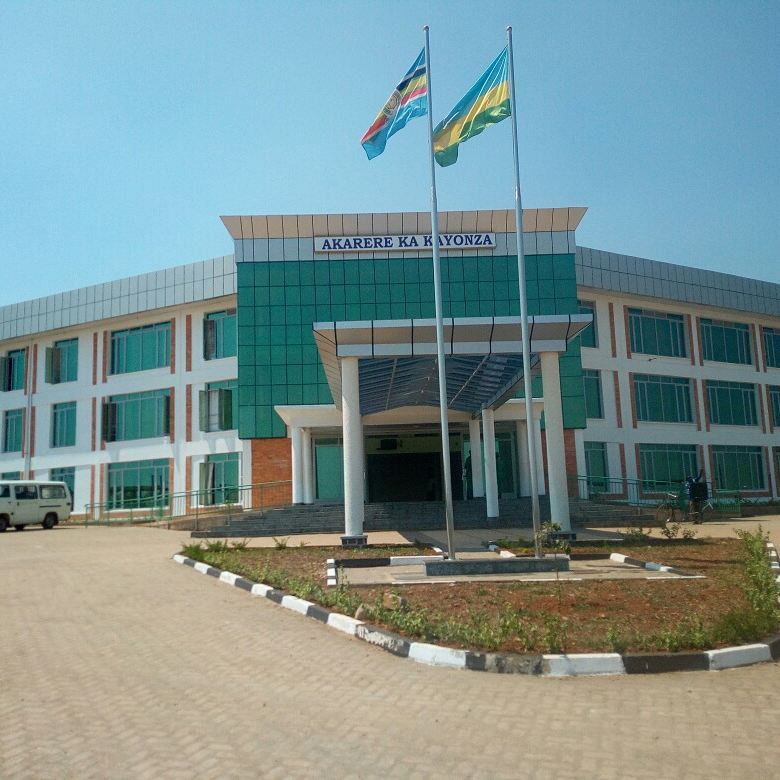
Some citizens from Kayonza failed to respect preventive measures, opened shops and bars despite the government’s guidelines that only essential businesses should remain operational.
Murenzi Jean Claude, Kayonza district mayor told IGIHE that at least 120 people have been caught going against the government’s directives and that they have been punished for it.
“So far, 120 people in Kayonza received penalties for failure to practice social distancing and observing the ministry of health preventive measures. Most of them had opened shops and selling illicit brew.”
Currently, 54 people have tested positive for coronavirus in Rwanda. The ministry of health confirmed that at least 1200 people had close contact with infected patients while 900 among them have already been tested.
COVID-19 spreads through direct contact with the infected person, sneezing and coughing. To prevent the spread of the virus, regular hand washing with alcohol-based hand sanitizers or clean water and soap is advised, covering mouth and nose when coughing or sneezing and avoiding large gatherings.
In addition, it is important to avoid close contact with anyone showing symptoms of respiratory illness such as coughing and sneezing.
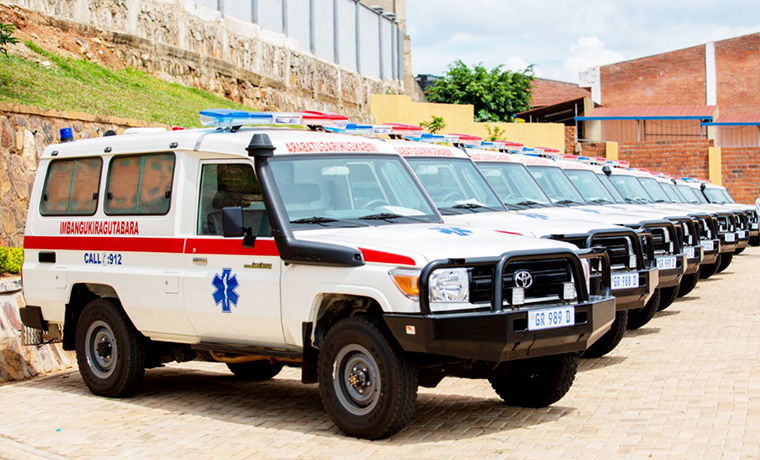
The donation is to support the Ministry of Health and health institutions during the response against COVID-19.
An announcement signed by Mutaganda Eric Herbez, ASSIMPER president, stated that health institutions will receive fuel cards to use at petrol stations. The announcement reads:
“During these critical times, ASSIMPER found it a necessity to assist health institutions as they run daily to the rescue of patients and to conduct sensitization activities.”
Akumuntu Joseph, ASSIMPER executive secretary told IGIHE that it is the responsibility of the private sector to assist the government as we strive to eradicate coronavirus.
“The virus has affected business in general but particularly for private institutions. It is our duty and a necessity to contribute to stopping it for business activities to resume.”
Of the 56,000 litres of fuel, Merez petroleum donated 5000 litres, Engen 5000 litres , Discentre 5000 litres and Mount Meru Petroleum 5000 litres.
Source Oil donated 5000 litres, Energy Solutions Ltd (Enes) 5000 litres, Gaz Oil 4000 litres, SP 10 000 litres , Hashi Energy 5000 litres, Black Star 3000 litres, Mogas 3000 litres and Kobil donated 1000 litres.
In a message posted on Twitter on March 28th, 2020, Shyaka said that food donations will be distributed in all villages under the coordination of sectors and district administrators. “We will visit every home with food donations and sectors administrations will assist us to identify which families cannot afford life necessities during this period.”
Disadvantaged families are usually offered support through Vision 2020 Umurenge Program (VUP), an integrated local development program to accelerate poverty eradication.
Shyaka said that people who wish to support poor families can reach out to their local leaders with their donations.
Currently, 54 people have tested positive with coronavirus in Rwanda. They are predominantly people with recent travel history.
On March 28th, 2020, President Kagame addressed the nation to address the coronavirus pandemic. He thanked Rwandans and especially medical staff for the support they have shown ever since coronavirus reached Rwanda.
President Kagame called upon Rwandans to keep observing directives from the ministry of health to prevent further spread and loss of lives. “Relevant institutions are working tirelessly to help the most vulnerable members of society.”
Nyamutera Innocent, Gitega sector executive secretary said that people who relied on daily income to support their families need help during the lockdown. Food donations have already reached some sectors and local administration will supervise how they are allocated. Donated food include beans, rice, maize flour, porridge flour, macaroni,
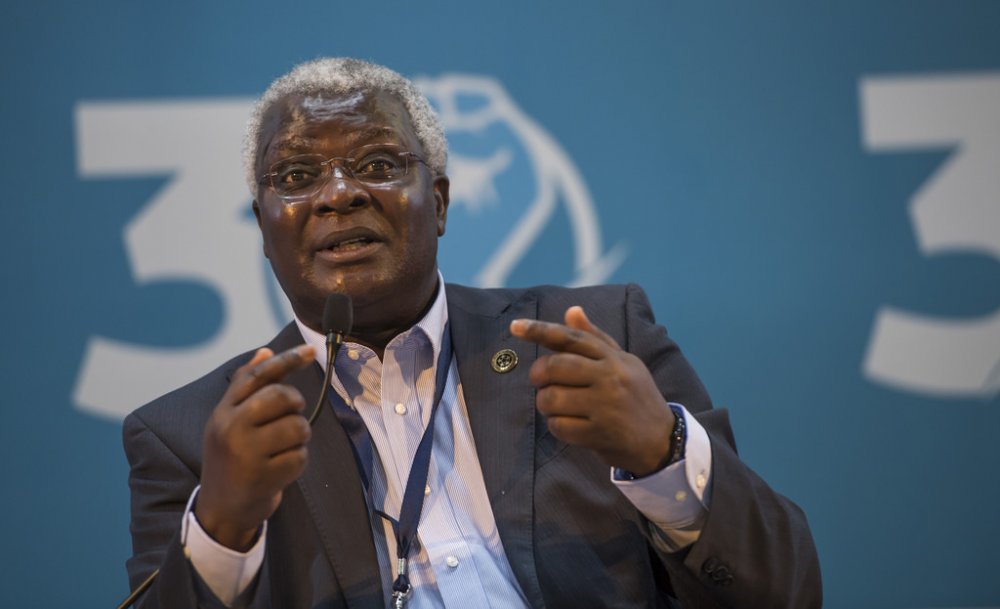
In an interview with RBA, Dr. Ngamije Daniel, Minister of Health said that anyone who has developed symptoms of coronavirus should reach out to medical service providers.
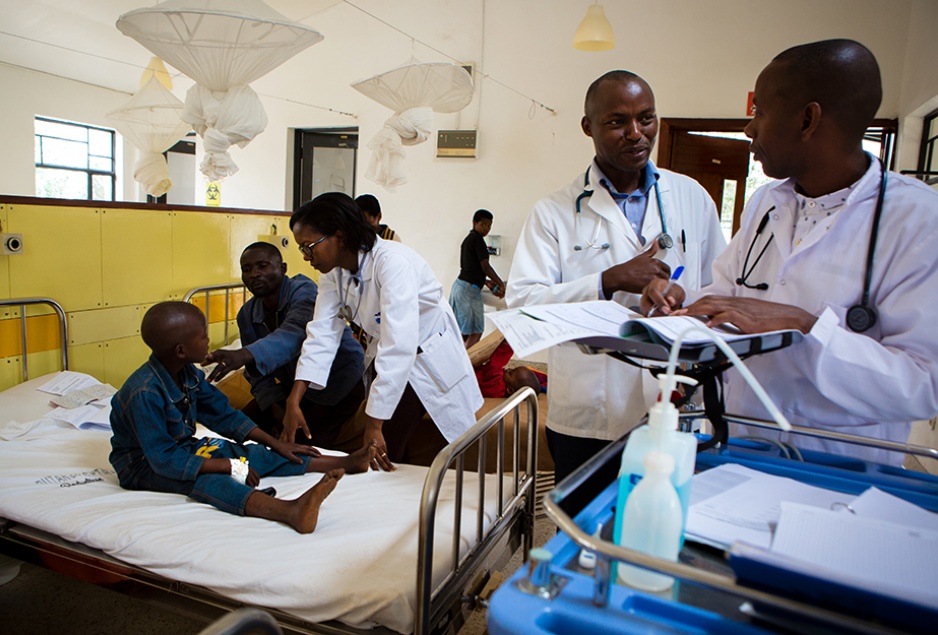
” We have adequate facilities, trained personnel, and equipment to treat coronavirus patients. Quarantine is not a prison and patients who have tested positive and were admitted in the hospital can still talk to their families. No one should hold back from reporting to a health care facility in case they develop COVID-19 symptoms.”
Ngamije said there are currently 6 facilities equipped enough to treat coronavirus patients including 2 wards allocated to patients who have tested positive for coronavirus and 4 other wards for patients who are waiting for their test results.
Medical care for coronavirus cases are free.
“Patients rooms are equipped with a double-sized bed, a bathroom, and a television set. We ensure they receive absolute comfort while they are being treated.”
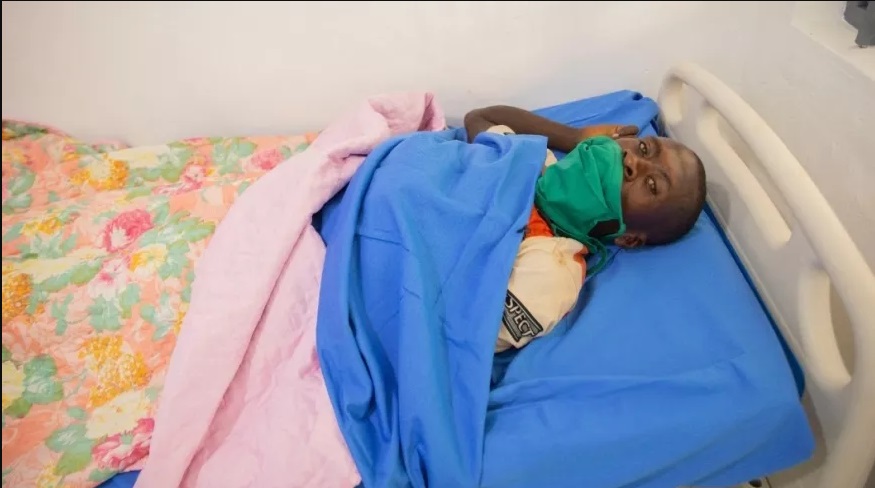
Patients who report to health care facilities with coronavirus symptoms are admitted and given their own rooms and receive three meals a day. In case tests come out positive, they are moved to the 2 wards allocated to patients who tested positive.
When tests come out negative, patients are required to practice self-isolation for 14 days and medical care providers follow up on them constantly given the nature of the virus. Symptoms can appear between 2 and 10 days after contracting the virus, but it may be up to 24 days.
Ngamije confirmed that all treatments are provided for free and that mothers with young children are given separate rooms while the mother is being treated.
Rwanda is one of the few countries which don’t charge coronavirus patients for treatment. In other countries like Kenya, patients pay up to $1200 for treatment in quarantine.
The ministry of health stated that most patients who have been admitted range between 20 to 45 years. Only a few are above 60.
Ngamije stated that “All patients are in stable condition and some will be discharged from hospital starting next week.”
On March 26th, 2020, the Ministry of Health announced that 50 people have tested positive for coronavirus so far. Patients are predominantly people with recent travel history. At least 900 people who had close contact with infected patients have been tested.
The G20 leaders meeting today cannot afford to ignore calls for a debt moratorium for African countries in order to save lives now and give a lifeline to the many Africans whose livelihoods have been disrupted by the pandemic.
Speaking today ahead of the virtual Summit, Peter Kamalingin, Oxfam Pan Africa Director said: “This is the moment that Africa needs to use all its existing resources to cope with the emergency. It makes no sense for African countries to transfer much-needed resources to foreign banks, developed nations with the capacity to cope with the pandemic or international institutions.”
Africa is facing the worst health and economic crisis in decades amidst declining tax revenues, diminishing official development assistance, and rising debt obligations and costs. The slump in commodity prices and disruption of global supply chains, especially in China, as a result of the pandemic, is already hitting African economies hardest.
Calls for debt relief this week from the World Bank (WB) and International Monetary Fund (IMF) must be welcome as a first step, but do not meet the needs of African people in this life-threatening crisis.
The proposal by the WB and IMF that “only bilateral debts need to be suspended” will guarantee much-needed money continues to flow out of the continent (multilateral and private lenders hold most of the debts).
Africa Finance Ministers make more sense requesting a coordinated waiver on all interest payments, amounting to US$44bn for 2020, which could provide more fiscal space for governments as they respond to the pandemic. Even that is too small.
No African country can afford to make any debt repayments in 2020 – whether owed to bilateral creditors, multilateral institutions or private lenders without putting millions of African lives at risk.
The new money will not be available for refinancing at least in the short term and most likely in the medium term. A universal debt repayment suspension needs to be put in place to allow African countries to focus in strengthening their public health systems to adequately respond to the COVID-19 crisis and provide social protection to the most vulnerable. Suspending all debt payments is the fastest way to keep money in countries and free up resources to tackle the health and economic crises.
“Decisions need to be taken now, any delay only serves to worsen the already fragile situation and make the recovery process more expensive. Debt relief free from conditionalities is the best way to leave money in the hands of African governments to make decisions now” added Mr. Kamalingin.
The measures that the G20 takes today must be those that ensure African governments have the resources needed to respond to the crisis. The COVID-19 crisis is collapsing health systems and threatening economies in the developed world, and they are using unlimited monetary expansion, something never seen before, to address their own needs. Africa also needs a global response the like of which our world has never seen.
{{Contacts}}
Spokespersons available. To arrange for interviews contact:
Oxfam HQ Joyous A.L. Begisen Media and Communications Lead Oxfam Pan Africa Programme Mobile: +254 701 849 522 Email: Joyous.begisen@oxfam.org
Oxfam HQ Joab Okanda Financing for Development and Inequality Campaigns Advisor Oxfam Pan Africa Programme Mobile: +254 726 908 931 Email: Joab.Okanda@oxfam.org
For more information and current updates, please follow: @OxfamPanAfrica, @Oxfam
With medical facilities running low on ventilators and protective masks and hampered by limited diagnostic testing capacity, the U.S. death toll from COVID-19, the respiratory disease caused by the virus, rose beyond 1,200.
“Any scenario that is realistic will overwhelm the capacity of the healthcare system,” New York Governor Andrew Cuomo told a news conference. He described the state’s projected shortfall in ventilators – machines that support the respiration of people have cannot breathe on their own – as “astronomical.”
“It’s not like they have them sitting in the warehouse,” Cuomo added. “There is no stockpile available.”
The announcement published by RRA on March 25th, 2020 stated that “In light of the challenges faced by taxpayers in filing their tax returns due to measures put in place to fight COVID-19, the management of RRA informs all taxpayers that deadlines for filing and paying income tax has been extended.”
Large taxpayers are required to submit to RRA not later than March 27th, 2020, the name of one staff in charge of filing tax returns in order to receive authorization to access RRA offices. The name of the concerned staff will be submitted to Drocelle Mukashyaka via drocella.mukashyaka@rra.gov.rw
For small and medium taxpayers, the deadline for filing and paying income tax for 2019 has been extended to April 30th, 2020.
Bizimana Ruganintwali Pascal, Commissioner General for RRA has urged taxpayers not to postpone tax payment because deadlines have been extended and encouraged them to use digital channels.
According to the law governing income tax, deadlines were set on March 31st, 2020 but due to obstacles posed by coronavirus, it has been extended.
RRA reminded taxpayers that filing and paying taxes can be done online using e-tax or M-declaration.
In a bid to further facilitate taxpayers, RRA recently announced that for 30 days, taxpayers will not be requested to pay the usual 25% advance on tax starting March 23rd, 2020.