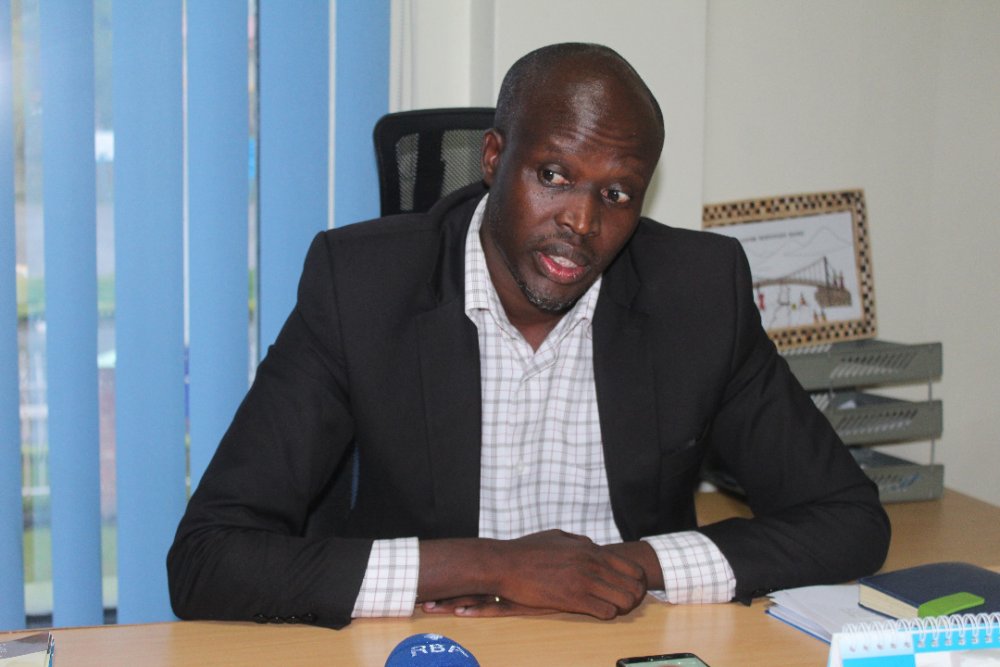
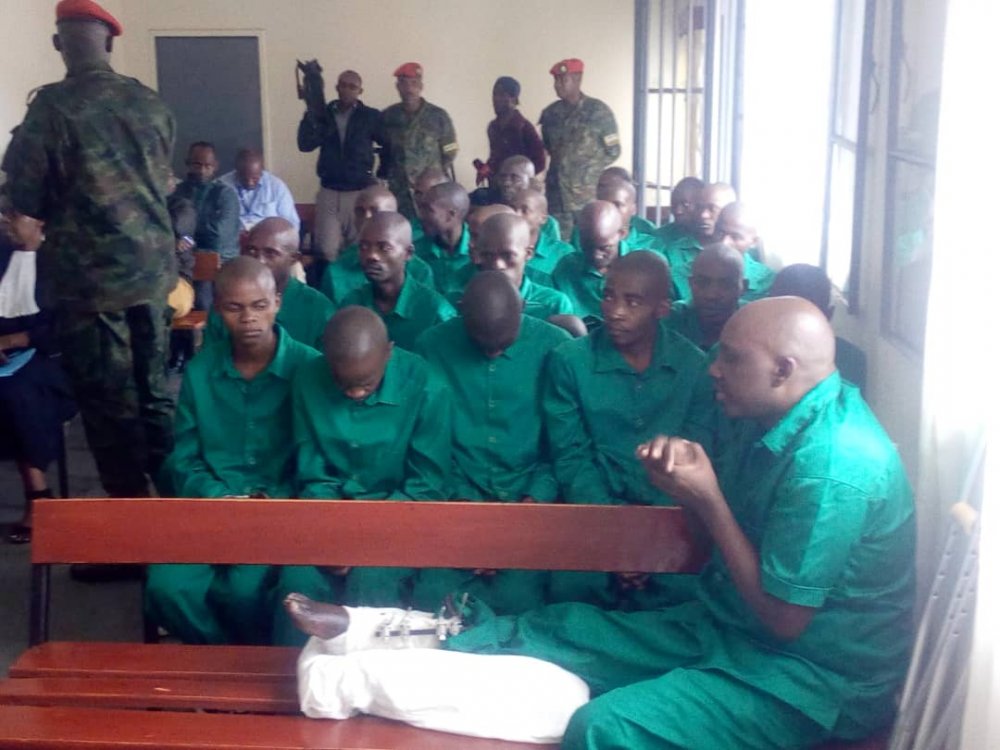
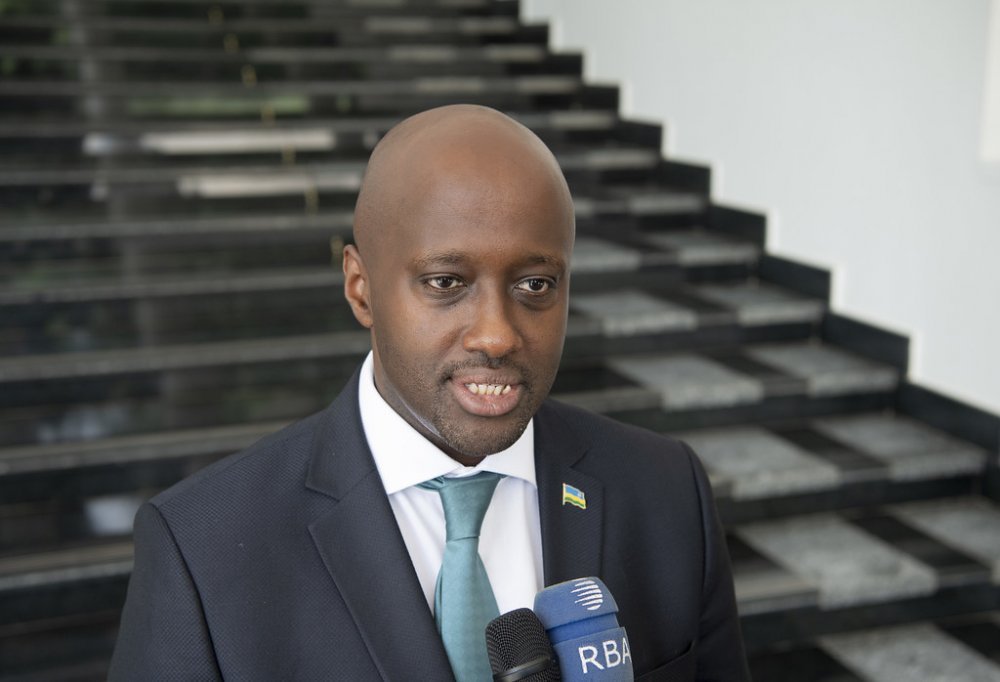
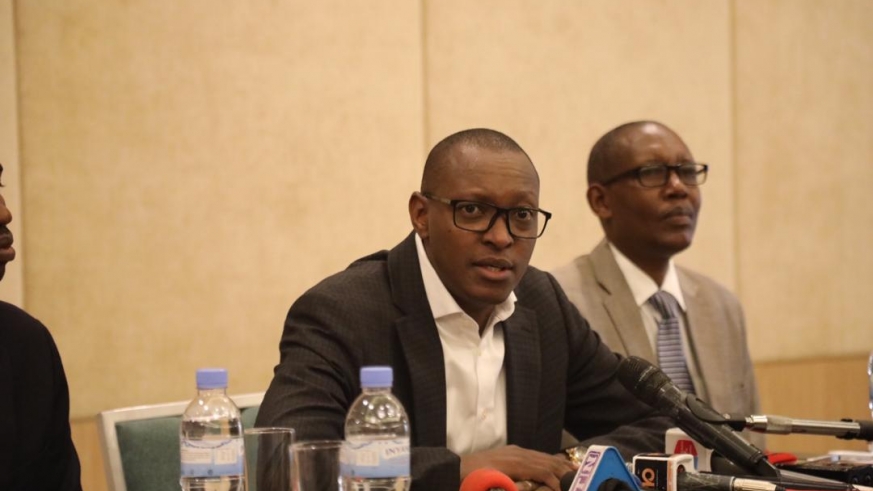
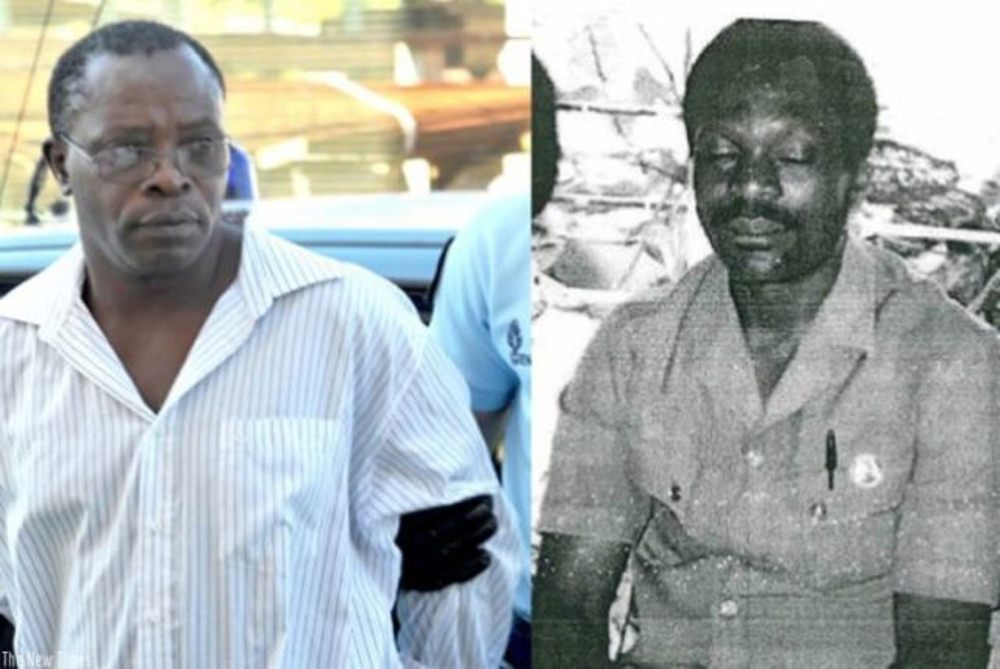
Mudathiru is one of 25 RNC combatants arrested recently in the Democratic Republic of Congo and arraigned in the Military Tribunal in Nyamirambo.
The group comprises of members from Rwanda, Uganda, Burundi and one Tanzanian-born with Malawi nationality.
All the 25 suspects were charged with four counts, namely; being part of an unlawful military outfit, treason, forming an illegal military outfit, and conniving with foreign countries to destabilize Rwanda.
Mudathiru admitted charges this Friday as he and co-accused recently repatriated from DRC appeared in the Military Tribunal in Nyamirambo for hearing.
Mudathiru pleaded guilty of all the counts but explained that the rebel group’s plans were not executed.
“I apologize for that,” he said.
Mudathiru’s defense lawyer, Paola requested the beginning of the client’s trial in depth without remand period since the client pleaded guilty of counts cited by the prosecution.
Prosecution explained that court procedures must be determined by laws.
Other co-accused said they were promised job opportunities like driving, health care and mining among others to seduce them and later diveted into joining P5.
Retired army Major Habib Madhatiru, 53, is a former officer in the Rwanda Defence Force (RDF). He has been walking on crutches due to a leg injury he sustained at the time of his capture.
Prosecutors say Mudathiru was in charge of operations and training in Congo for the Rwanda National Congress (RNC), a rebel group founded by Kayumba Nyamwasa.
P5 is a coalition political parties against the government of Rwanda known as P5 including People’s Congress (AMAHORO-PC), Forces Démocratiques Unifées-Inkingi (FDU INKINGI), People’s Defence Pact-Imanzi (PDP-IMANZI), Socialist Party-Imberakuri (PS IMBERAKURI) and Rwanda National Congress (RNC) chaired by Kayumba.
With 84 weekly flights to 17 destinations in 16 countries, Africa is a crucial part of Brussels Airlines’ long haul network. The airline offers more than 1.2 million seats on its African flights this year and has a vast knowledge in operating to the continent, specifically to sub-Saharan Africa. The success of its flights to and from Africa lies partly in the connections to the rest of the Brussels Airlines network via its base at Brussels Airport, as more than 70% of travelers connect to or from other destinations in Europe and the US.
Although most of Brussels Airlines’ destinations in Africa have a primary focus on corporate travelers and passengers who visit their friends and relatives abroad (VFR) in Europe and the US, more and more holidaymakers find their way to the beautiful coasts and nature of Africa. Brussels Airlines sees an increasing holiday trend to beach destinations like Dakar (Senegal) and Banjul (The Gambia). Entebbe (Uganda) and Kigali (Rwanda) are year after year attracting more hikers and adventurers who want to visit the mountain gorillas in the wild. Last but not least, Sierra Leone with its pristine beaches is slowly but surely becoming a go-to destination for adventurous surf lovers from all over the world.
To better serve all of its travelers, the airline introduced a “boutique hotel in the air”, a brand new travel experience in its retrofitted A330 aircraft. By investing in a completely new Business Class, Premium Economy and Economy Class, Brussels Airlines wants to offer a personal experience, recreating a boutique hotel feel at 30,000 feet. Next to a renewed Business Class and Economy Class, the airline also introduces Premium Economy, a brand new travel class. As more retrofitted aircraft enter the fleet, the new class will gradually be rolled out to more African destinations (see a detailed schedule below). From now on, Premium Economy is available on flights to and from Kinshasa and Luanda.
With a focus on comfort, personal space and hospitality, Premium Economy aims to respond to customers who want to have a high quality service and superior comfort, but do not wish to pay a Business Class fare. In Premium Economy, customers can expect 23% more legroom than Economy Class, a wider seat with a bigger headrest and a generous 40° seat recline. Premium Economy is separated from the other cabins for maximum privacy and rest.
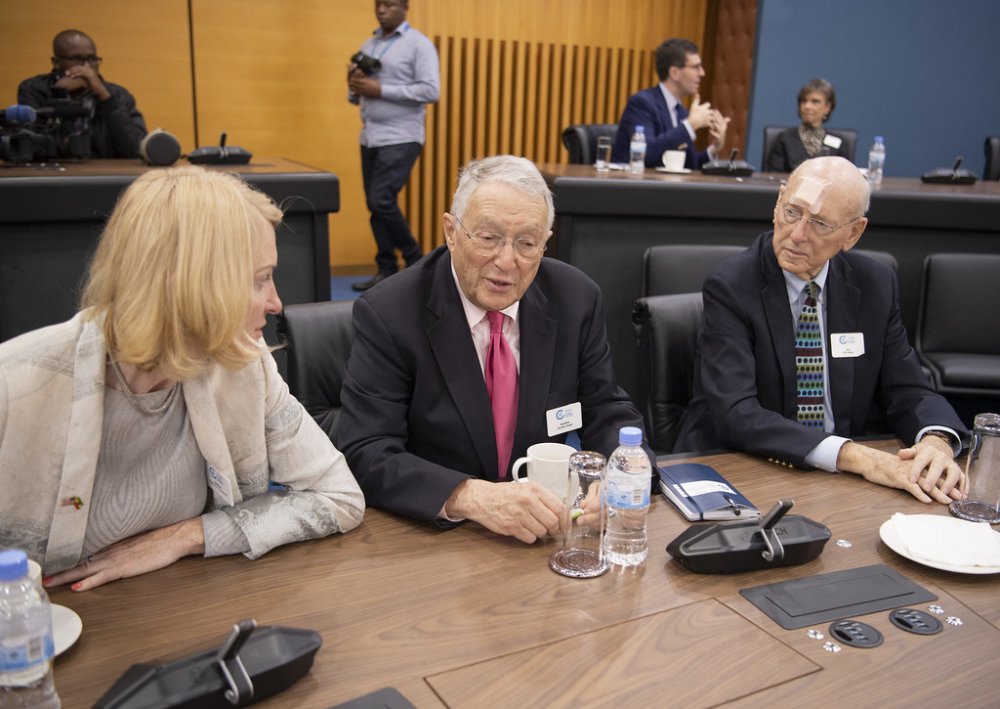
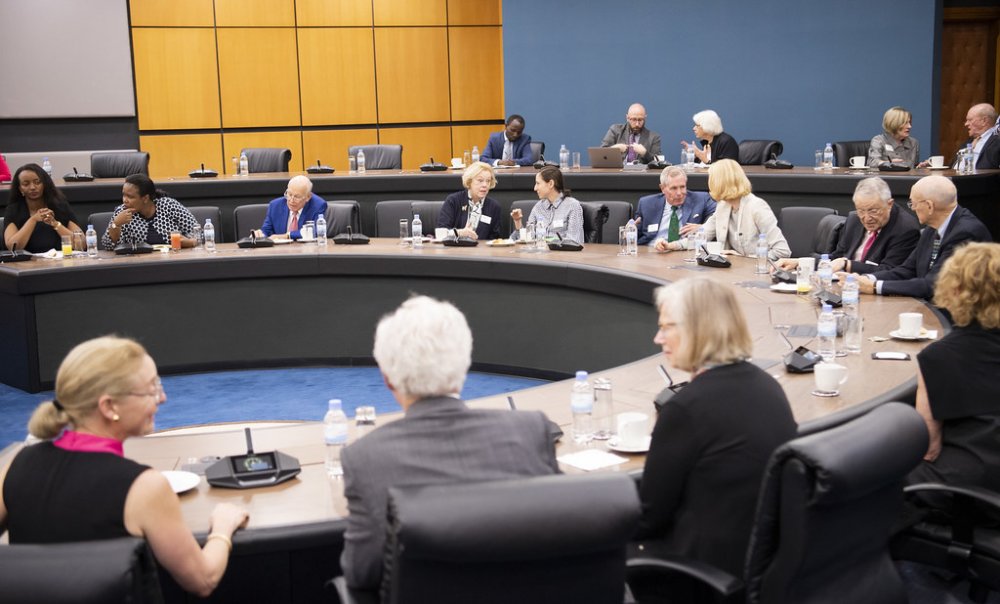
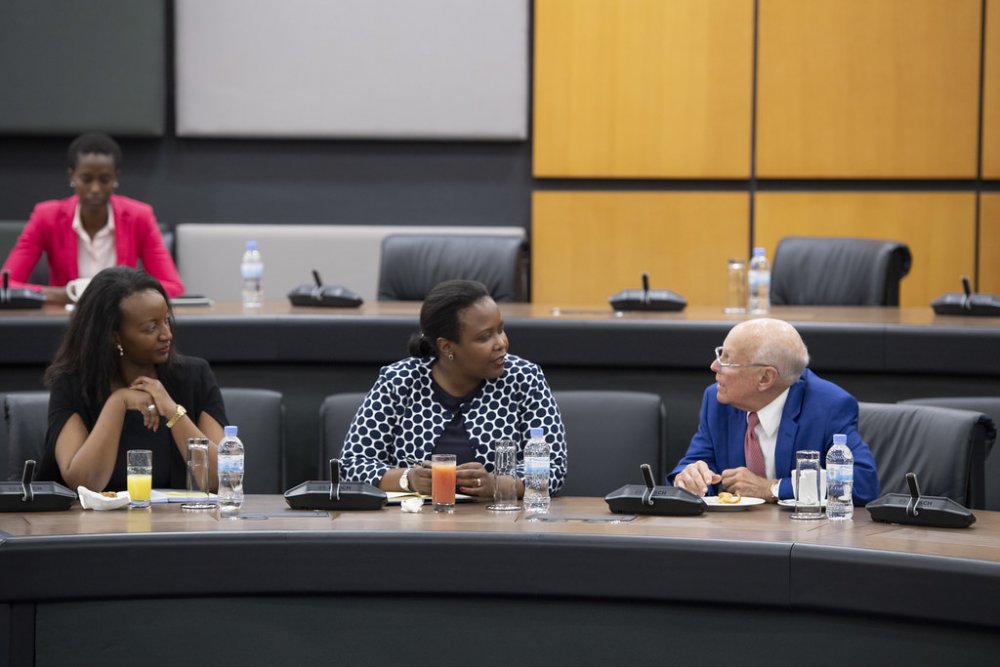
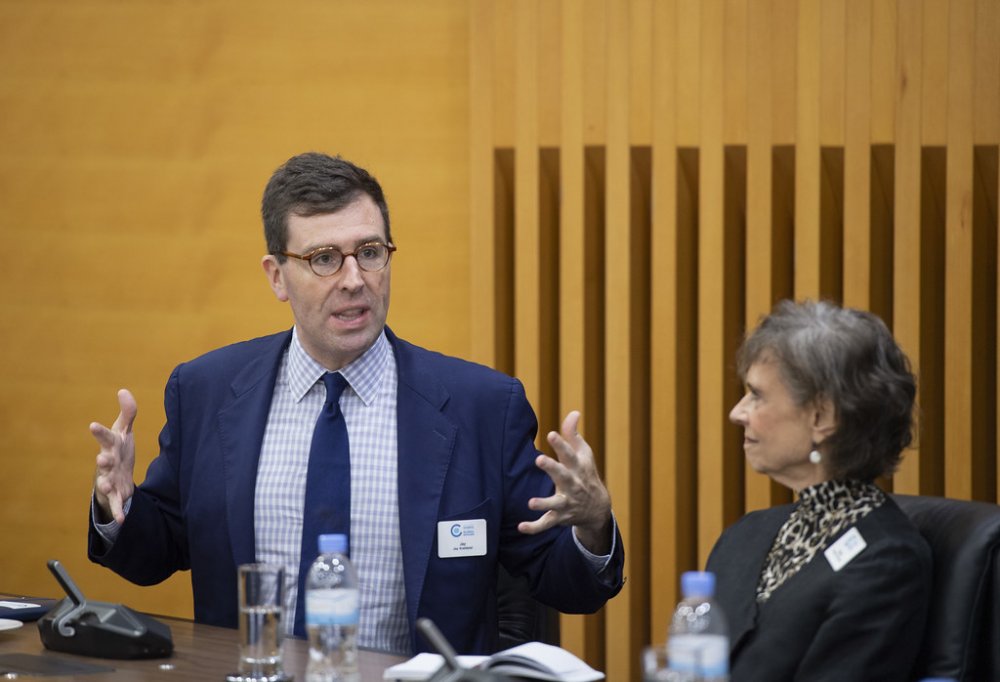
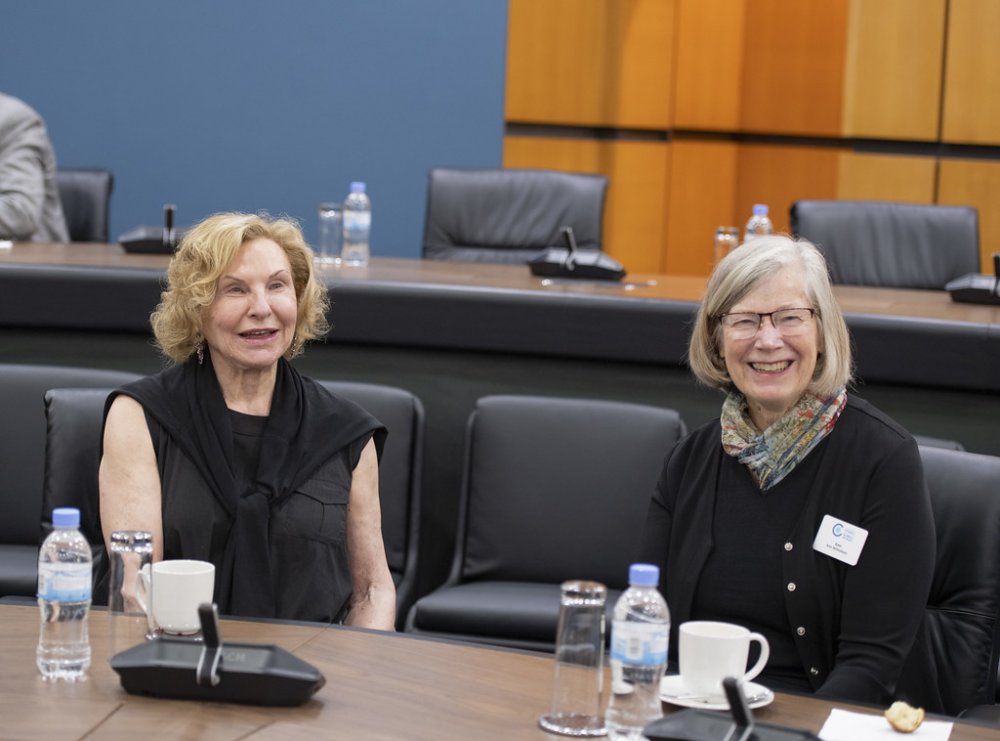
The Chicago Council on Global Affairs is an independent, nonpartisan membership organization that provides insight and influences the public discourse on critical global issues.
The Council was formed on February 20, 1922. Originally named The Chicago Council on Foreign Relations, the organization was established as a neutral forum for discussing foreign affairs during a period of isolationism in the United States after World War I.
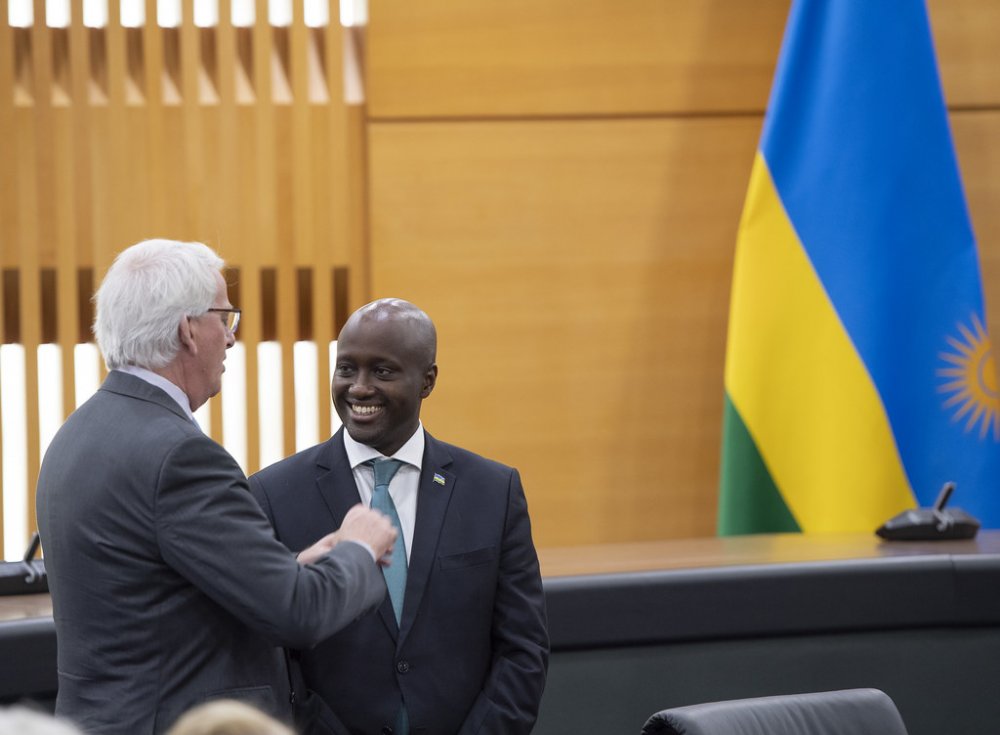
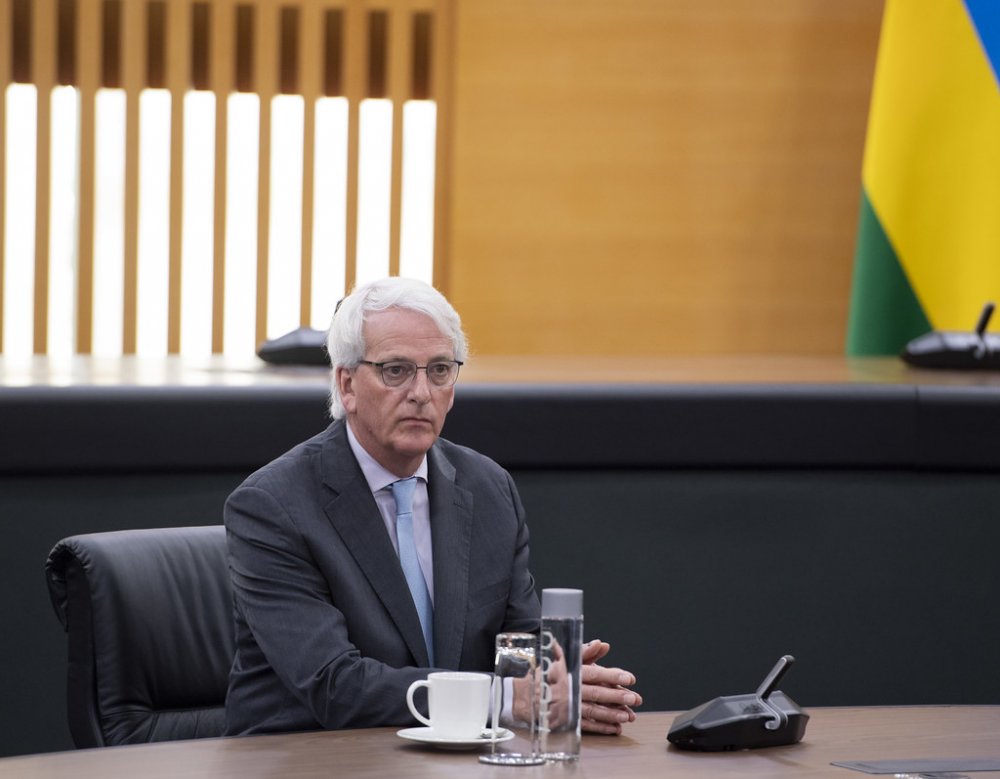
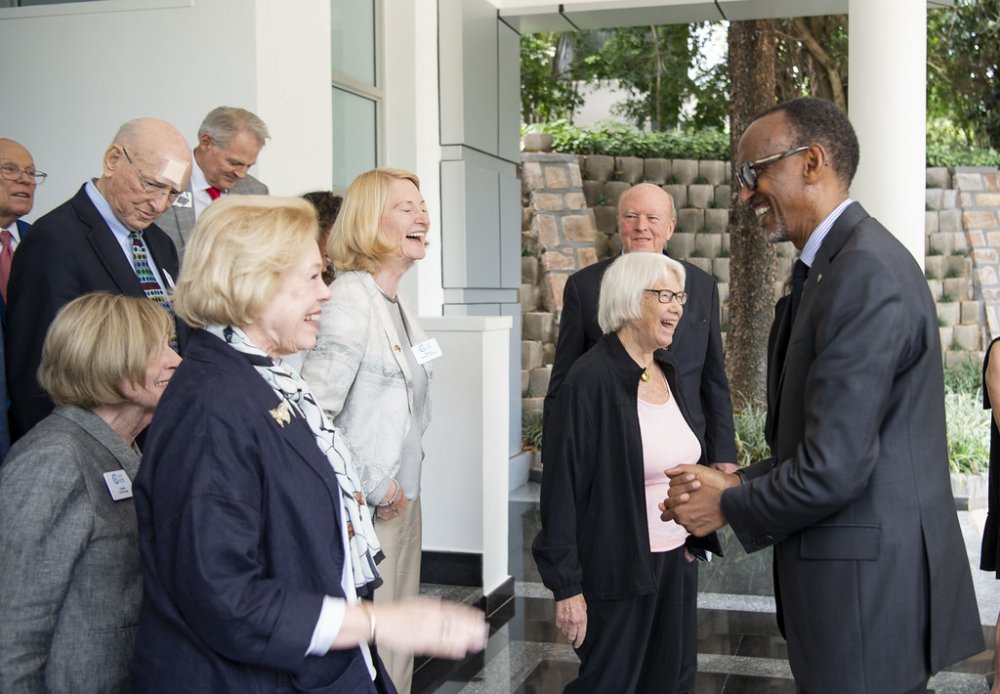
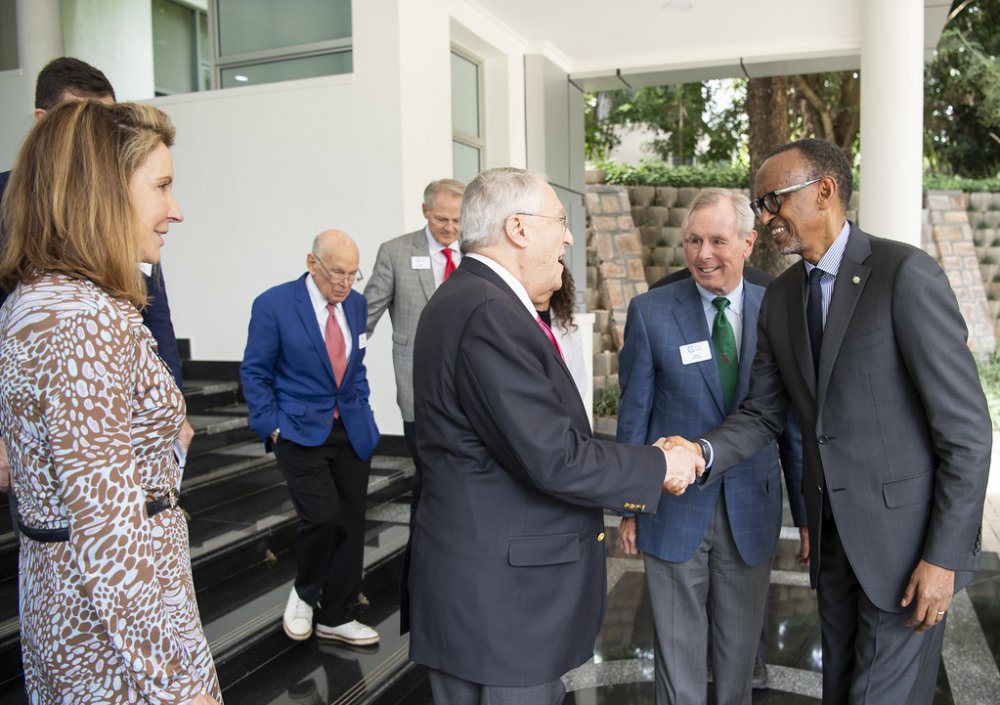
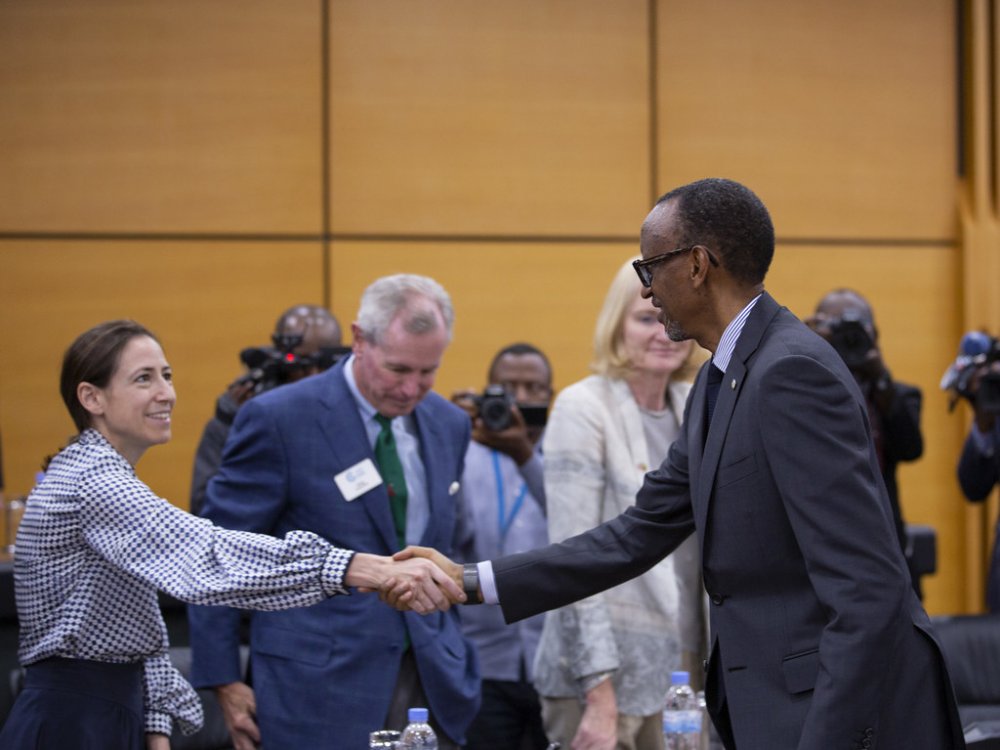
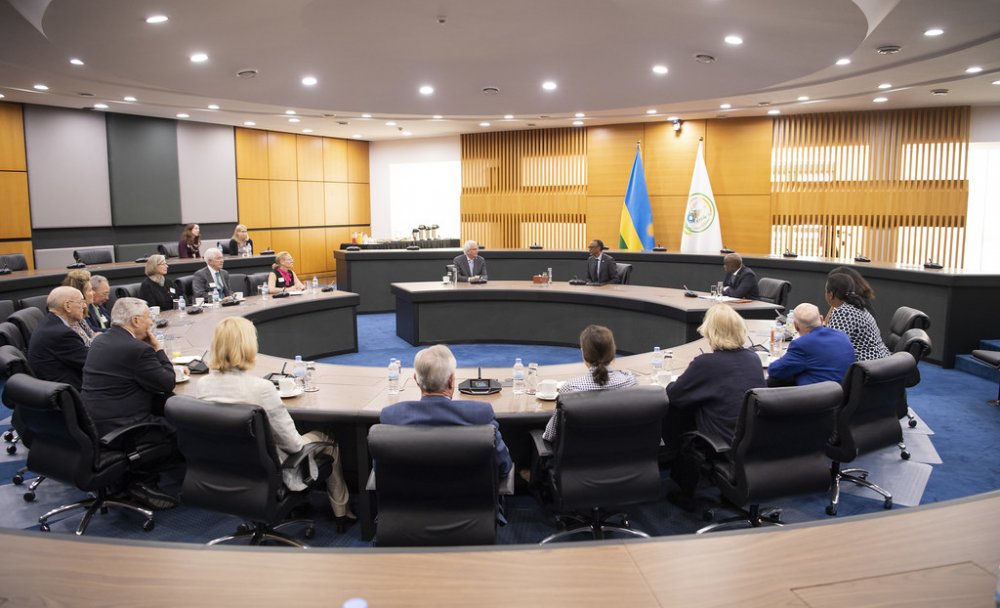
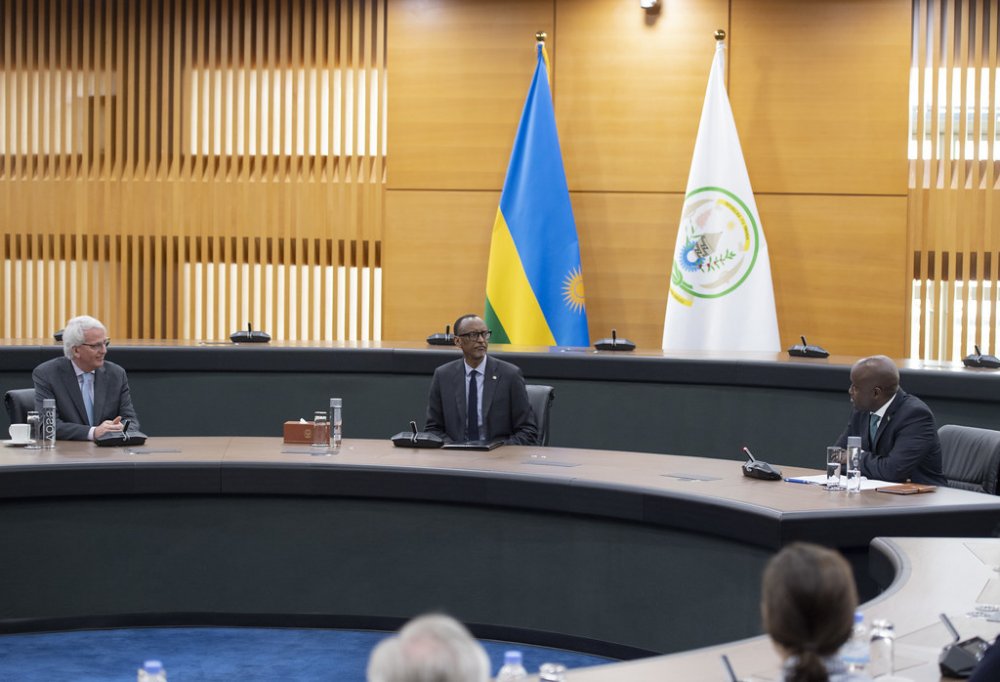
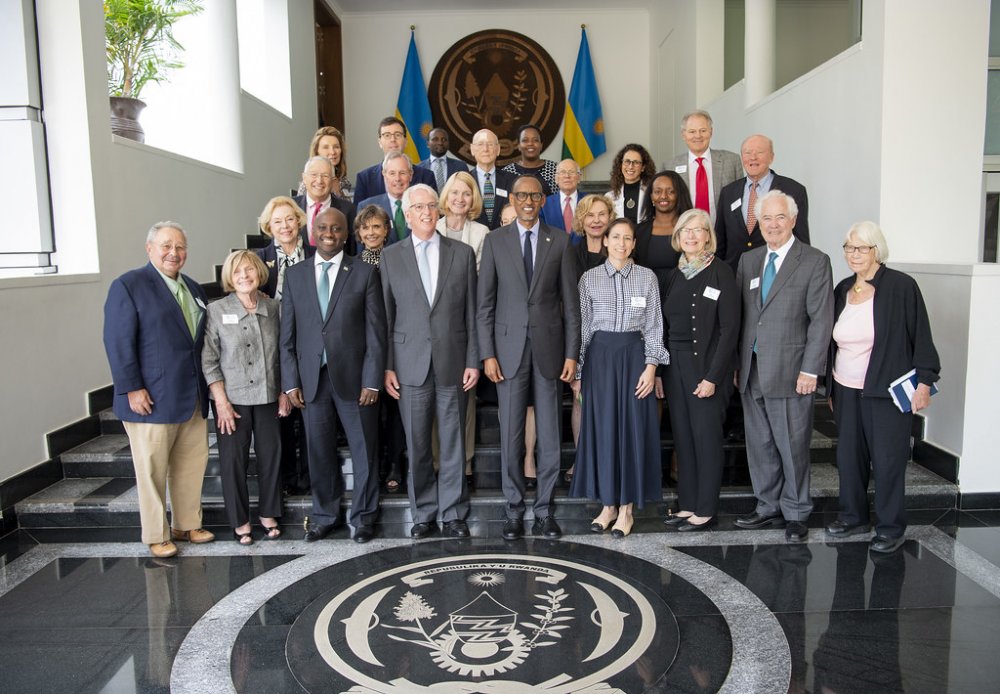
The delegation that arrived in Rwanda from Ethiopia held talks with Kagame yesterday revolving around Rwanda’s politics in the 25 years journey, economy and citizens’ wellbeing.
The State Minister for Foreign Affairs, Amb. Olivier Nduhungirehe said that guests have a lot of things to learn from Rwanda including the country’s 25 years transformational journey.
He further stated that the delegation was thirsty to learn from Rwanda’s resilience over the past 25 years.
“Many foreigners still doubt about Rwanda’s transformational journey looking at the current progress and the situation in 1994. They hailed a lot concerning implemented economic policy, Rwanda’s Governance and culture among priorities promoting Rwandans unity,” he said.
Before meeting with Kagame, the delegation held talks with other officials from the Ministry of Foreign Affairs, the Ministry of Finance and Economic Planning, Ministry of Education and the Ministry of Health.
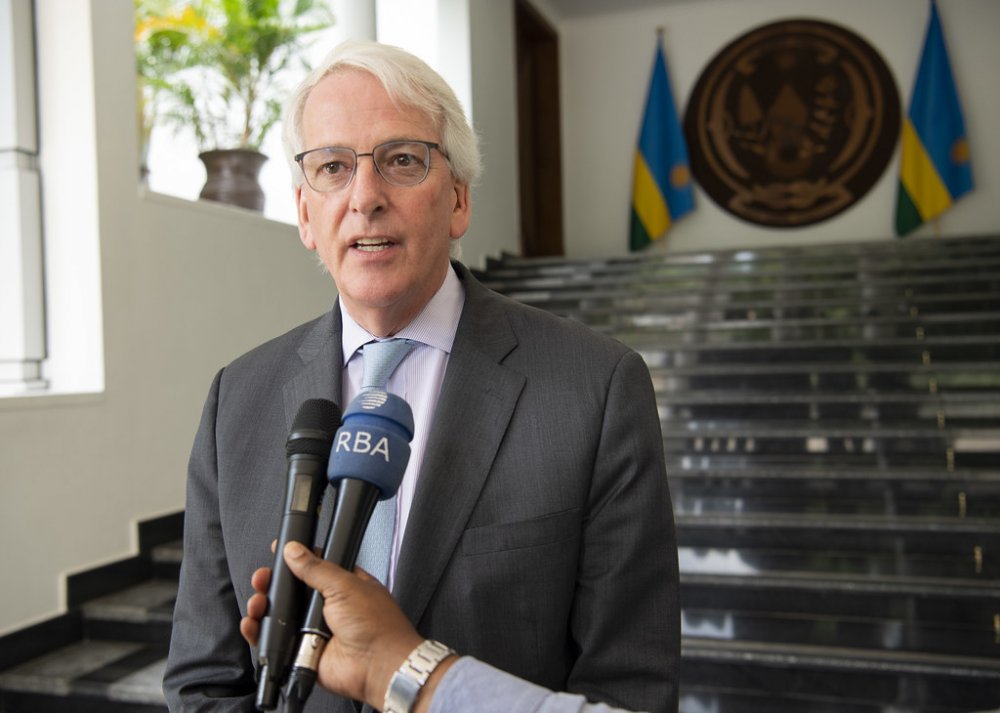
The head of the delegation said that they had extraordinary discussions with the President of Rwanda, what lessons the Unites States might be able to learn from Rwanda about how the society is brought together and what other states might do to continue to be a great good partner of Rwanda.
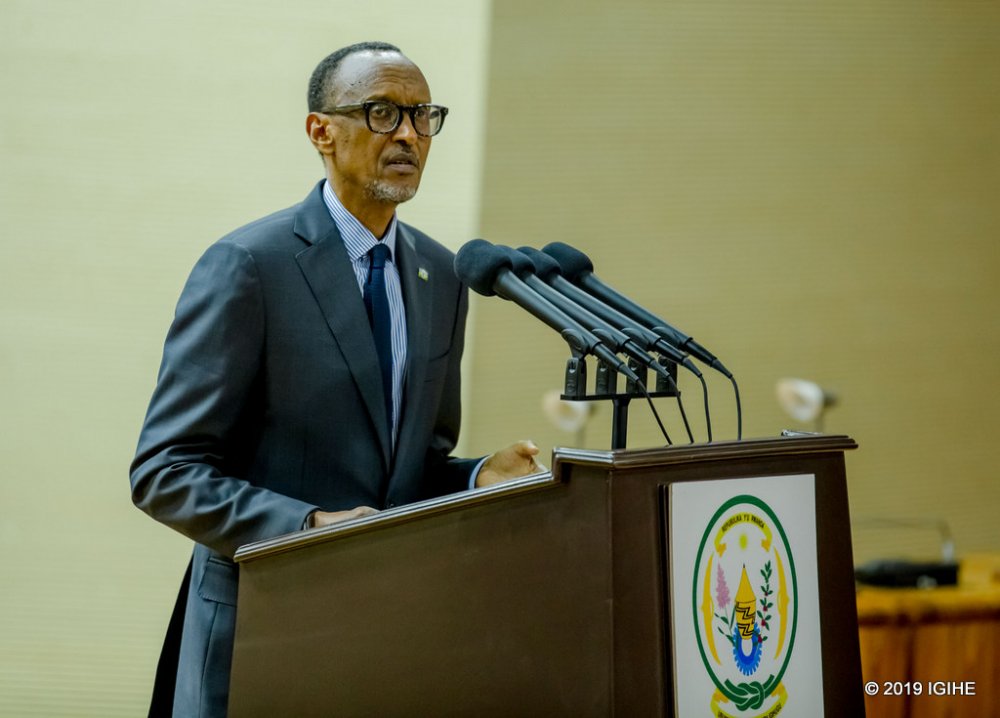
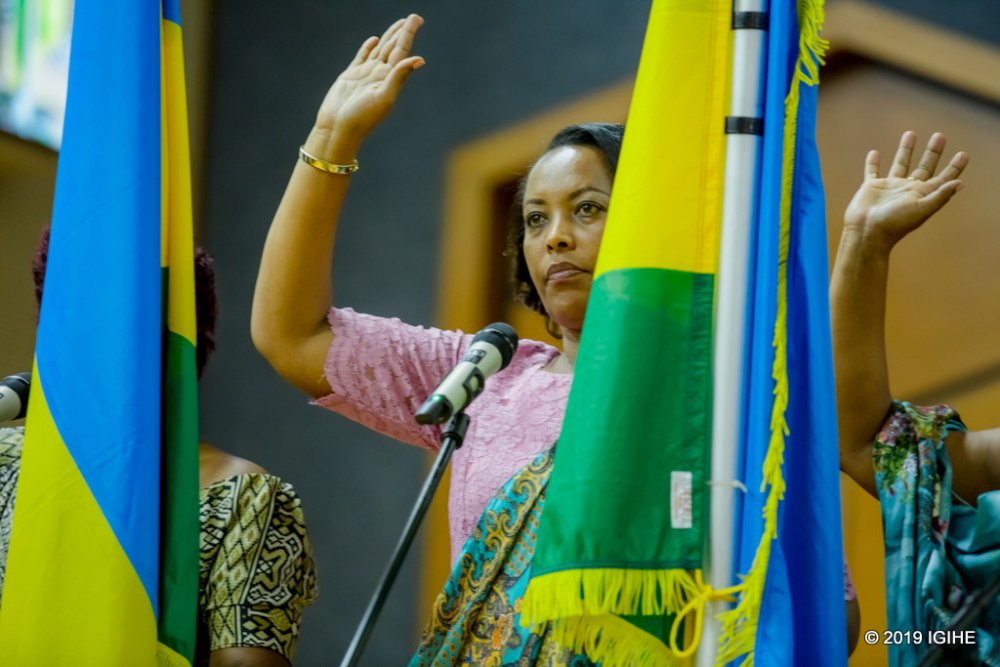
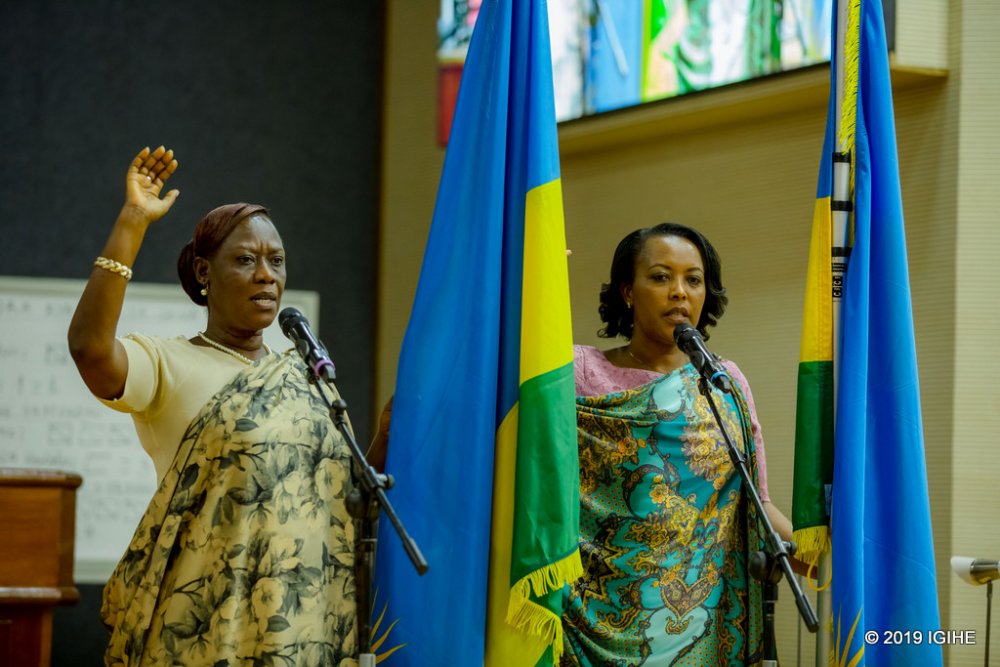
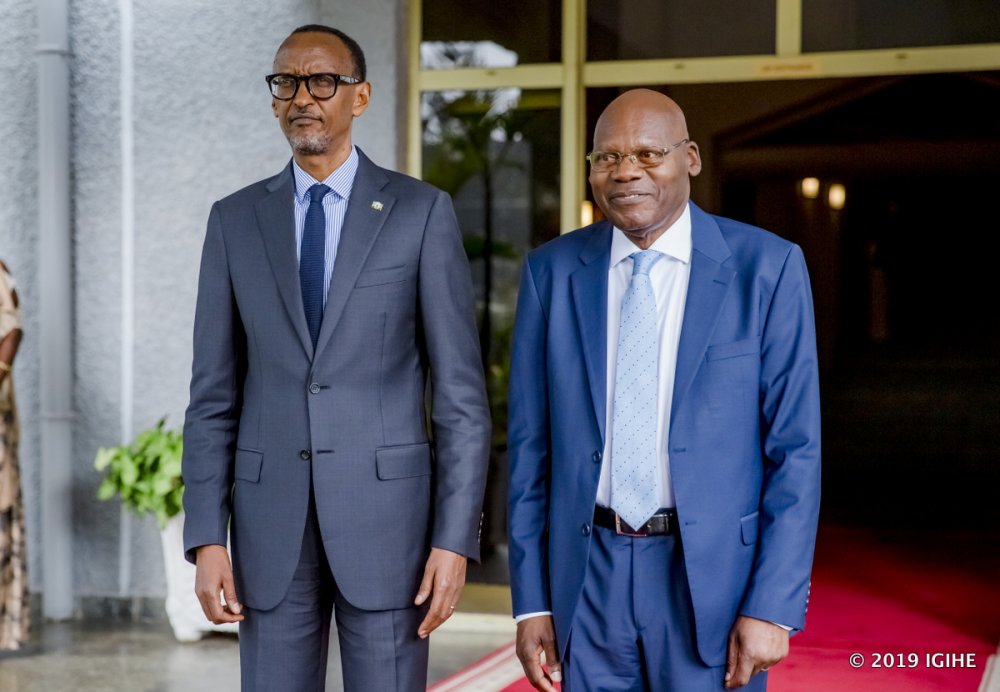
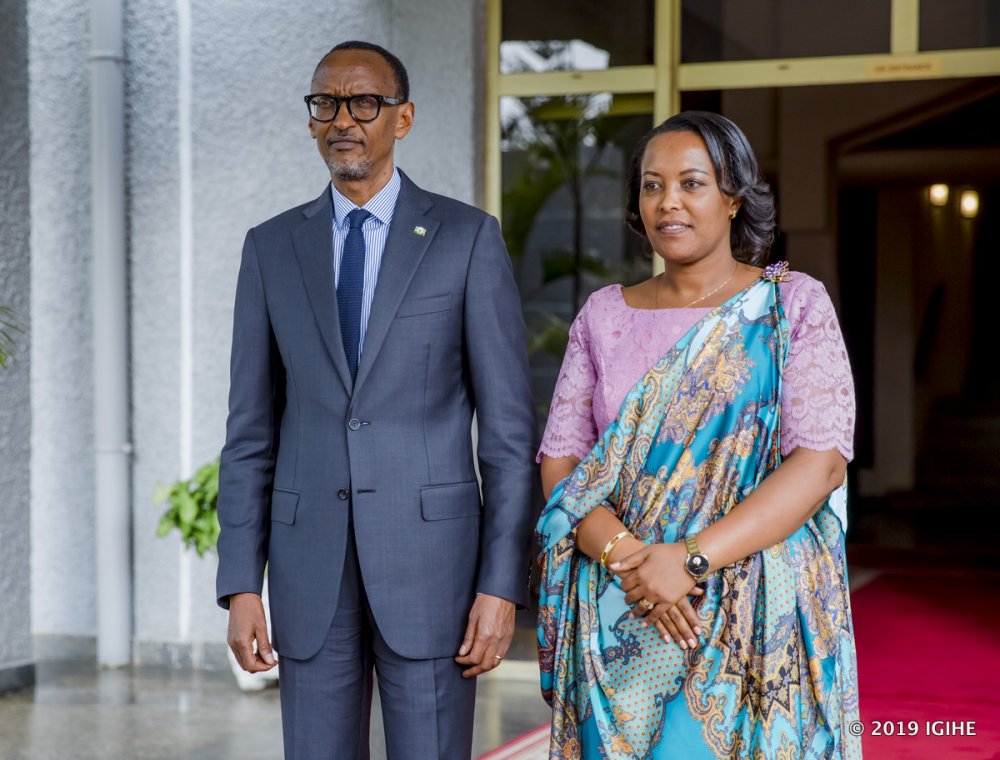
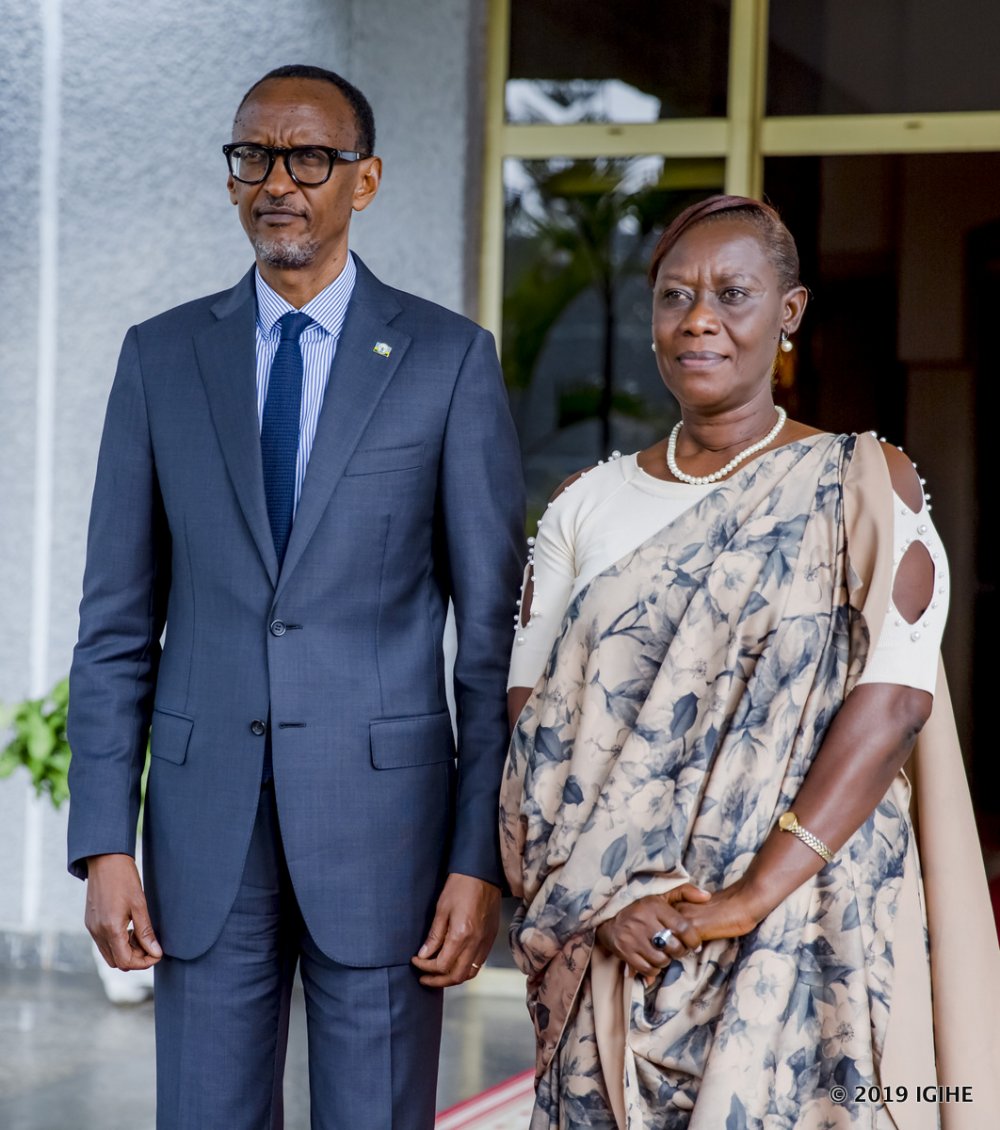
Kagame made the call yesterday as he officiated the swearing-in of the new Senate, Airforce Chief of Staff, and the new CEO and Deputy CEO of the Rwanda Governance Board (RGB).
“You were elected Senators based on your values, your patriotism, knowledge, and strengths. This forms the basis of why Rwandans expect you to use your strengths and abilities to improve their lives,” he said.
“Transforming the lives of our citizens will require to work closely with them, to help solve the challenges they still face and advise them on how to confront those that are laying ahead of us,” added the President.
Kagame reminded them that their job is to make sure that Rwandans get all they need and deserve towards living healthier lives.
He emphasized that security and good governance are foundations of their work that should be upheld as everyone’s responsibility.
“Good politics and good governance are things that each one of us should play a role in. This is what has brought us to where we are today. We are not yet where we want to be, but we are on the right path. It is important that we keep owning it and putting in all our efforts,” said the President.
Kagame congratulated new senators who took their oath of office to serve their country, the incoming Senate Bureau; the new Senate President and Vice Presidents and wished them success in their new duties.
He also thanked the outgoing Senate and its Bureau noting that their achievements will serve as the foundation for the incoming Senate’s activities and help the country to keep moving forward.
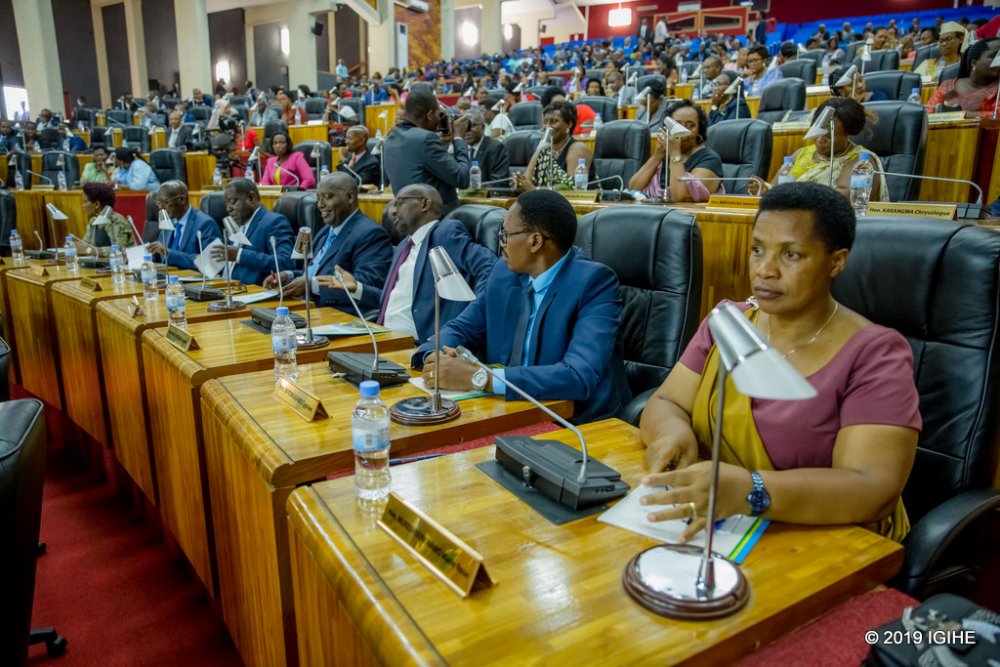
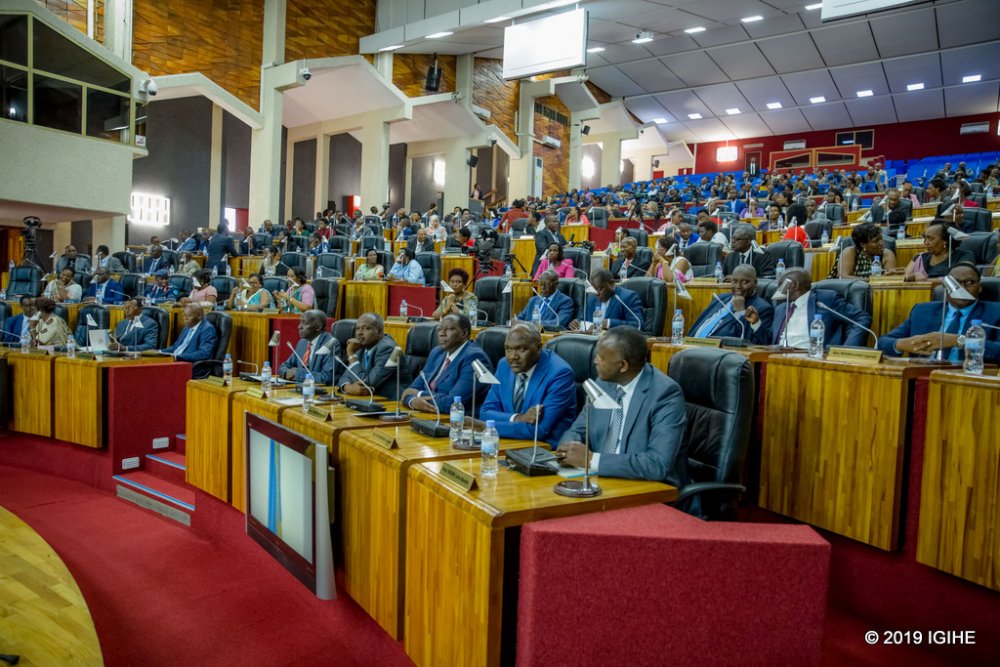
The newly sworn-in 20 senators will serve the country’s third Parliament for a five-year term.
They joined six others whose mandate will end next year.
Senators sworn-in yesterday at the parliament include Hadija Ndangiza Murangwa, Juvénal Nkusi, Dr. Alvera Mukabaramba, Espérance Nyirasafari, Marie Rose Mureshyankwano, Professor Cyprien Niyomugabo, Dr. Laetitia Nyinawamwiza, Dr. Augustin Iyamuremye, Lambert Dushimimana, Dr. Habineza Faustin, Bideri John, Mupenzi George, Ntidendereza William, and Habiyakare François.
Others include Fulgence Nsengiyumva, Prof. Ephraim Kanyarukiga, Pelagie Uwera, Adrie Umuhire, Innocent Nkurunziza. The senators of the second mandate who are welcoming the new ones include Consolée Uwimana, Charles Uyisenga, Jeanne d’ Arc Mukakalisa, Chrysologue Karangwa, Zephyrin Kalimba, and Margaret Nyagahura.
After the transitional period (1994-2003), the first legislature of the Senate commenced in 2003 and ended in 2011. The Second Senate concluded its mandate on October 10 bringing eight-year tenure to an end.
The Senate of Rwanda has 26 members. Twelve senators are elected by the specific councils in accordance with the administrative entities in the City of Kigali and the four provinces.
Of these, one is picked from the City of Kigali, two from Northern Province, while the rest of the three provinces (West, East, and South) elect three senators each. Eight senators are appointed by the President of the Republic. Four senators are designated by the Forum of Political organizations.
One senator is elected among lecturers and researchers of Public Universities and higher learning institutions. Both the elected and appointed senators serve a five-year term, renewable once.
The process dubbed ‘Public Transport Generation Two (PT-G2)’ launched on Thursday is part of the national transformation process, which will officially come into force in May next year, running for five years until 2025.
PT-G2 described as a well planned, scheduled and prioritized public transport network, will replace the five-year PT-G1 launched in August 2013, which mainly focused on organizing and regulating public transport in the capital.
PT-G1 also replaced PT-G0 (before 2013), when the city was defined by low capacity vehicles with poor accessibility, operating on non-assigned routes, high revenue leakages between vehicle owners and drivers/conductors, and the government; abusive drivers and conductors; long waiting hours; unclean vehicles and unhygienic drivers and conductors.
Under PT-G2, the regulator will introduce vehicle schedule time at every bus station, improved route planning, introduce public transport application for smart-phones to facilitate passengers in their schedules on time when a bus will be at the station; driver duty board, which is filled by the driver on arrival and departure time at every bus station; and an intelligent service monitoring system, which helps the regulator to track buses in line with regard to arrival and departure time at stations.
Others include better vehicle mix, improved service contracts, increasing the commercial speed to influence use public transport rather than use of private means, which cause traffic jam; introduction of drivers’ shifts to preventing stress and accidents caused by long working hours, contracts for drivers to ensure job security, medical insurance, and organized salary payment process, all which is aimed at having professional drivers with access to financial loans since they will be having contracts.
This Thursday’s launch of the reforms process marked the official call for fresh interested parties to operate public transport in the City of Kigali, a process that will take two months.
Currently, there are 80 routes in the City of Kigali up from 41 routes in 2013, which are classified into four zones.
RURA’s Director-General, Patrick Nyirishema, while speaking, during the press conference, said that PT-G2 comes to implement the city master plan, which requires a transit-oriented city, sustainable transport network, and comprehensive transport system.
“We have moved a long journey from PT-G0 towards PT-G2 and to PT-G3 (which will start in 2026); we moved from a disorganized transport system where passengers had no right, but we are yet to get where this country wants to be, and we will get there in favorable steps and phases,” Nyirishema said.
He added that under the new public transport generation, passengers will hold transporters and drivers accountable through a real-time passenger information systems, fight traffic jams through prioritized public transport routes, and increase the use of public transport and preventing road accidents.
Currently, motorcycles account for the majority 60 percent means of transport in Kigali, private cars account for 34 percent, while public vehicles and cargo trucks account for 3 percent each.
A survey conducted this year indicates that there are 450 fleets in Kigali with a capacity of 18,394 passengers.
According to Nyirishema, the current fleet is enough to accommodate passenger capacity in Kigali, but the commercial speed is affected by the big number of private means of transport, which the new reforms will strive to address.
Generation Two will also look at the transport fare, improve operations monitoring system, public transport operator structure and governance.
Transport schedules will also take into consideration normal and peak hours, weekend and public holidays.
Nyirishema said that the reforms are meant to further ensure reliability and legibility, increase passengers’ satisfaction and improve traffic control.
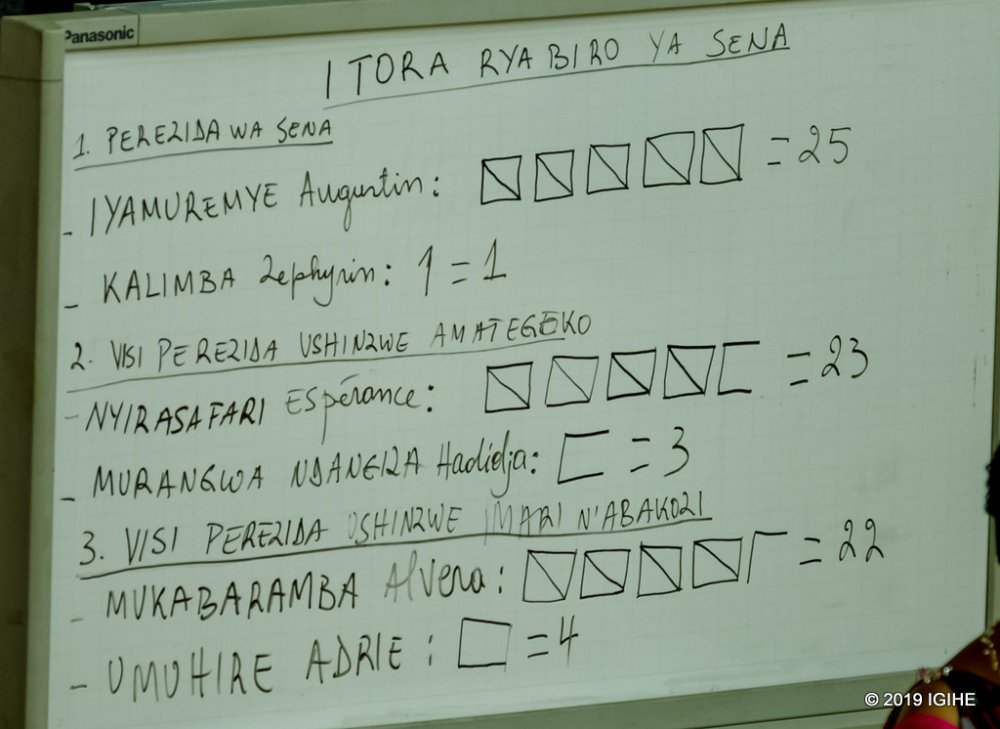
Dr. Iyamuremye has been elected today during the swearing-in ceremony of new Senators who joined the country’s third Parliament. The ceremony was presided over by President Paul Kagame at the Parliamentary building in Kimihurura.
Esperance Nyirasafari, the former Minister of Sports and Culture has been elected the Vice-President of the Senate in charge of Legal Affairs and Control of Government Actions with 23 votes against her contestant Hadija Ndangiza Murangwa who got 3 votes.
Mukabaramba Alvera has been elected the Senate Vice-President in Charge of Finance and Administration with 22 votes against his competitor Adrien Umuhire who obtained 4 votes.
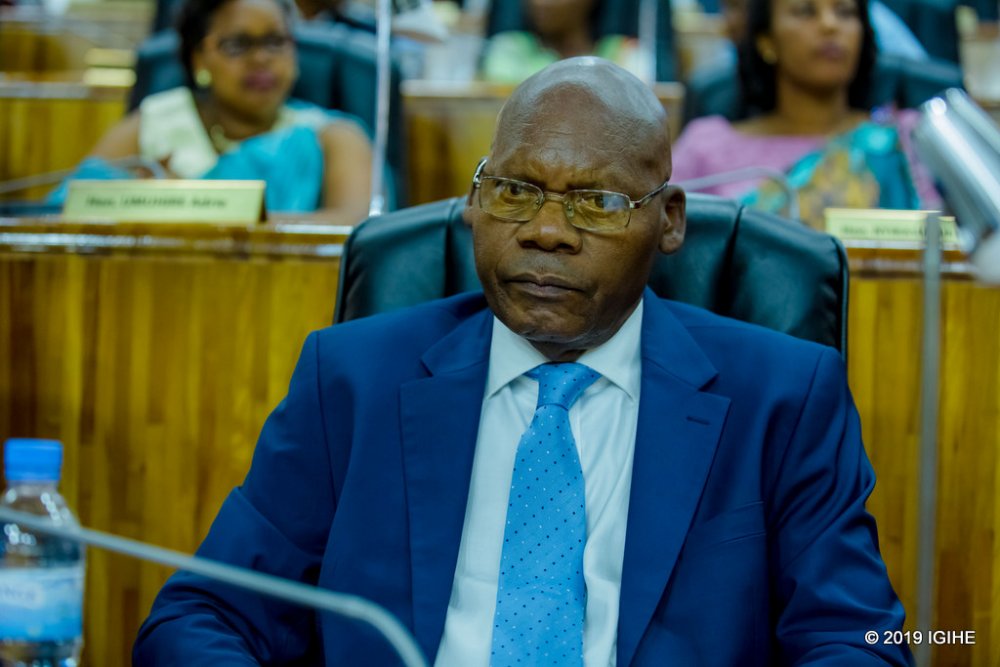
Dr. Iyamuremye thanked his colleagues for the trust bestowed on him.
“I would like to express my sincere gratefulness from the bottom of my heart for the trust bestowed upon me. I assure you of delivering to the best of my ability. My thanks go to fellow senators and co-chairs of the Senate Bureau. It is a great responsibility that we can only achieve success with every senator’s direct support,” he said.
Iyamuremye promised efficiency towards citizens’ common interests
A trained veterinary doctor, Iyamuremye, 74, is a vastly experienced senior PSD politician. His political career spans over three decades. He served under previous regimes, including as prefet (governor) of then Gitarama prefecture, Head of Intelligence, among other key roles.
During the post-1994 period, he served in different Cabinet portfolios, including Agriculture, Information, and Foreign Affairs. He also served as a senator, presidential advisor, among other roles.
He is among the four senate-designates who joined the Senate as a presidential appointee in September 2019.
Other presidential appointees include Espérance Nyirasafari, François Habiyakare and Alvera Mukabaramba.
Until his recent appointment, Iyamuremye was serving as the Chairperson of Rwanda Elders Advisory Forum (REAF), a role reserved for people who have proven experience and ability in addressing national challenges.
Prior to her appointment as Senator, Nyirasafari also served as Minister of Gender and Family Promotion for the Government of Rwanda since October 4th, 2016.
She served as a Member of Parliament Chamber of Deputies Standing Committee on Political and Gender Affairs since October 06th, 2013.
She also held the positions of the Permanent Secretary in the Ministry of Justice from January 2007 to May 2011, National Prosecutor from 2004 to 2007 and the Chief Prosecutor in former Gitarama Province from February 2001 to July 2004.
From 1999 to 2001, Mrs. Nyirasafari Espérance worked with the Civil Society in the field of women and children’s rights in Haguruka Association.
Dr. Alvera Mukabaramba – the former presidential candidate (2003/2010), was elected the Senate Vice President in charge of Administration and Finance.
She returns to the Senate for the second time.
Mukabaramba is a Paediatrician who graduated at the First Pavlov State Medical University in Russia. Dr. Mukabaramba who is the President of the Party of Progress and Concord (PPC), was the Minister of State for Social Affairs in the Ministry of Local Government.
They were handed the sentence on 6th July 2018 following two months of appeal in the Paris Court d’Assises. They later filed a complaint to the Court of Cessation which held the verdict on 16th October 2019.
Octavian Ngenzi and Tito Barahira were successive Mayors (Bourgmestres) of the former Kabarondo Commune, now in the current Kayonza District between 1977-1994.
The Collective of Civil Parties for Rwanda (CPCR), a rights group that works to bring Genocide suspects living in France to book has welcomed the decision.
The Chairperson of CPCR, Alain Gauthier said: “The duo is additional to Pascal Simbikangwa convicted of genocide crimes in 2016 making it only three genocidaires handed life sentence in France in 25 years. It is unfortunate.”
Tito and Ngenzi were convicted for taking part in the killings of Tutsi who fled to former Kabarondo commune offices.
Octavien Ngenzi, 61, and Tito Barahira, 68, were handed life sentences in 2016 and upheld during the appeal hearing in 2018.
IGIHE learnt that Gen Rwigamba breathed his last in Cairo International Medical Center where he went for treatment.
Rwigamba assumed different offices as the Commissioner General of Rwanda National Police prior to 2008 when he was relieved of his duties and replaced by Emmanuel Gasana in 2013.
The post was temporarily being filled by Deputy Commissioner General, Mary Gahonzire who was at the time appointed Head the National Prisons Services.
Andrew Rwigamba was sent to retirement from RDF at the rank of Brigadier General in October 2013 along with other senior and non-commissioned officers.
He was among the first batch of senior officers sent into retirement that took part in stopping the 1994 Genocide against the Tutsi.
Following his retirement, Gen Rwigamba was appointed the Director-General in charge of Foreign Military Relations and Cooperation at the Ministry of Defense.
The Government of Rwanda introduced land registration in 2009 to enhance transparency and put an end to land-sharing related disputes. The exercise was completed in 2013 but some parcels remain unregistered.
RLMUA statement released on 15th October 2019 has given a three-month deadline for people with unregistered land.
It is said that some landowners provided incomplete and wrong registration details resulting in rejection by the data entry system.
They were requested to provide evidence proving them right owners but 14% of the land remains unregistered.
RLMUA figures indicate that a total of 11,5 million land documents have been issued based on land identification number known as Unique Parcel Identifier (UPI) while the rest remaining 1.5 million parcels are not registered.
The institution also reports 18,000 parcels involved in disputes.
Espérance Mukamana, the Director-General of RLMUA has said that people with unregistered land are given a three-month deadline while those with disputed land have one month to settle the issue or face penalties including registration of the land as Government property.
“We have not yet taken possession of the land but we want all parcels registered to owners. All people coming with evidence proving they are right owners will have the land registered to them. The main intention is to avoid incomplete data,” she said.
RLMUA indicates that 331,110 of registered parcels belong to the Government that those whose owners are not registered will become Government properties very soon.
The Accreditation Ceremony was witnessed by the Minister of External Relations of the Republic of Angola, Secretaries of State and senior officials of the Ministry of External Relations, and senior officials in the office of the President as well as Diplomats of the Rwandan Embassy in Angola.
On July 16, 2019, President Paul Kagame appointed Ambassador Wellars Gasamagera extraordinary and plenipotentiary of the Republic of Rwanda to Angola.
During his audience with the President of the Republic of Angola H.E João Lourenço the Rwandan Ambassador to Angola, thanked him for the excellent and growing cooperation between the two countries and for the role Angola is playing in bringing peace and stability in the Great Lakes Region (ICGLR).
The Ambassador also expressed his desire to strengthen and develop the already existing relations between both countries and accelerate the signing of the joint Permanent Co.
The President of the Republic of Angola, H.E. João Lourenço observed that he honors the excellent relations, friendship and mutual understanding that exists between the Republic of Angola and the Republic of Rwanda.
Rwanda and Angola are both members of the International Conference on the Great Lakes Region (ICGLR) and have cooperation agreements in the fields of Diplomatic, civil aviation, security, and public order.
The authorities of both countries have been working to diversify cooperation by adopting means that help to identify common interests with mutual benefits for both countries.