Researchers have linked exposure to two relatively overlooked chemicals, known as PFHpA and PFNA, to significantly higher odds of developing liver cancer, raising concerns about the potential health effects of widely used industrial substances.
The findings, published in the journal Environmental Health Perspectives, suggest that people with high exposure to these chemicals could have between two and two-and-a-half times the odds of developing liver cancer compared with those with the lowest exposure levels.
The substances belong to a group called per- and polyfluoroalkyl substances (PFAS), commonly known as ‘forever chemicals’ because they break down extremely slowly and can remain in the environment and human body for years or even decades.
PFAS are found in various everyday products, including non-stick cookware, food packaging, stain-resistant fabrics and firefighting foam.
The research, led by scientists at the Keck School of Medicine of USC, examined blood samples from 223 people who later developed hepatocellular carcinoma, the most common form of liver cancer, and compared them with samples from 223 individuals without the disease.
The samples from people who developed cancer had been collected an average of 7.8 years before their diagnosis, allowing researchers to investigate chemical exposure before the disease emerged.
Out of 12 PFAS compounds examined, PFHpA and PFNA showed statistically significant associations with liver cancer.
The study also identified a possible interaction between chemical exposure and inherited genetic characteristics.
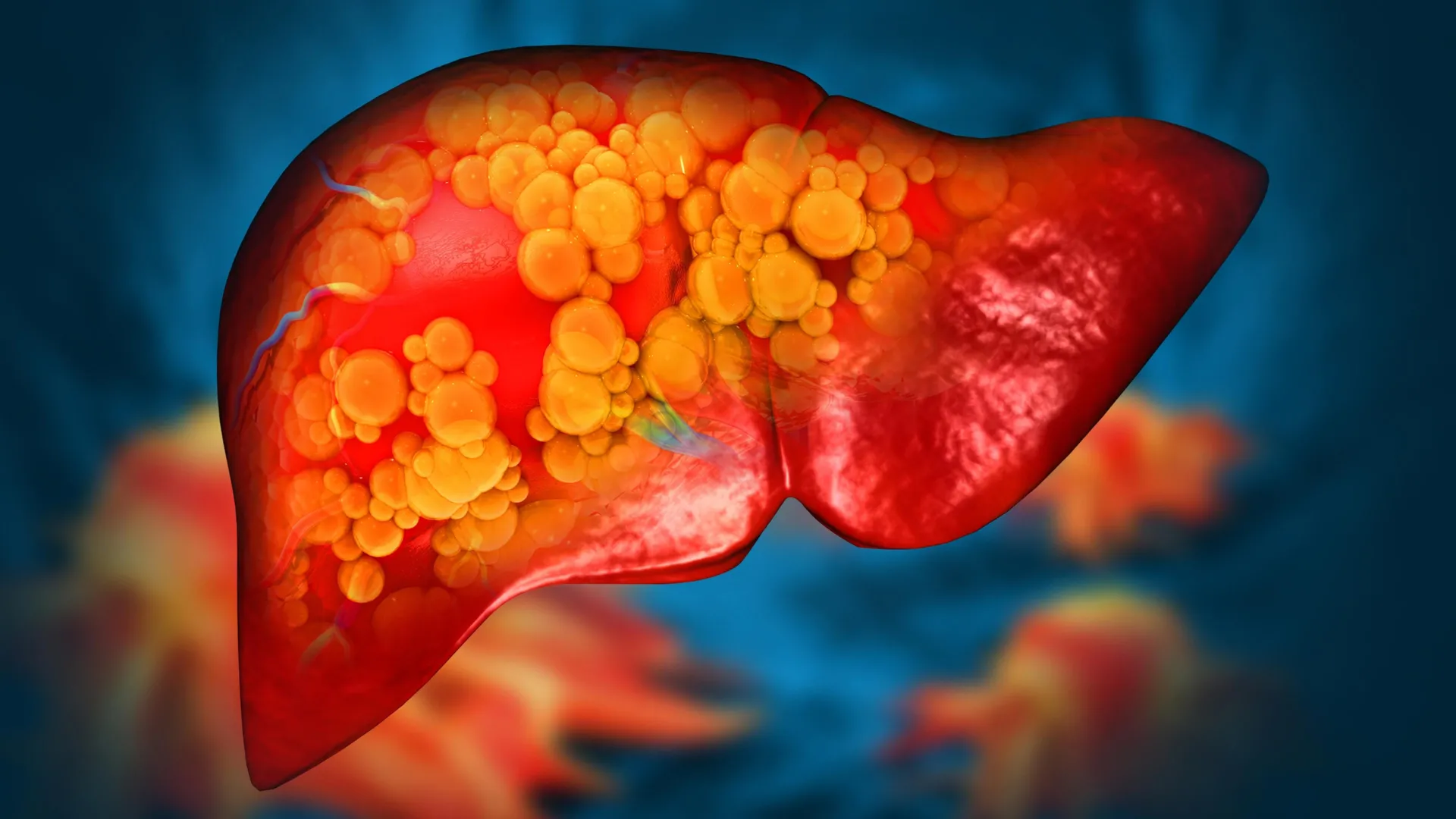
Researchers found that the association between PFHpA exposure and liver cancer was considerably stronger among people with a high genetic predisposition to metabolic dysfunction-associated steatotic liver disease (MASLD), commonly known as fatty liver disease.
MASLD affects how the body processes and stores fat, potentially contributing to liver damage over time.
Lead researcher Jesse Goodrich said PFAS could interfere with the liver’s ability to manage fats, encouraging fat accumulation and potentially increasing the risk of cancer.
The researchers said their findings highlight the need to investigate chemicals beyond older, widely studied PFAS compounds, particularly as some newer substances have received less scientific attention.
They also noted that reducing exposure through appropriate water filtration and lifestyle measures could help limit potential risks.
Although the findings do not establish that the chemicals directly cause liver cancer, researchers believe further studies could help identify vulnerable populations and improve prevention strategies.
The research received funding from the US National Cancer Institute and the National Institute of Environmental Health Sciences.
Leave a Reply