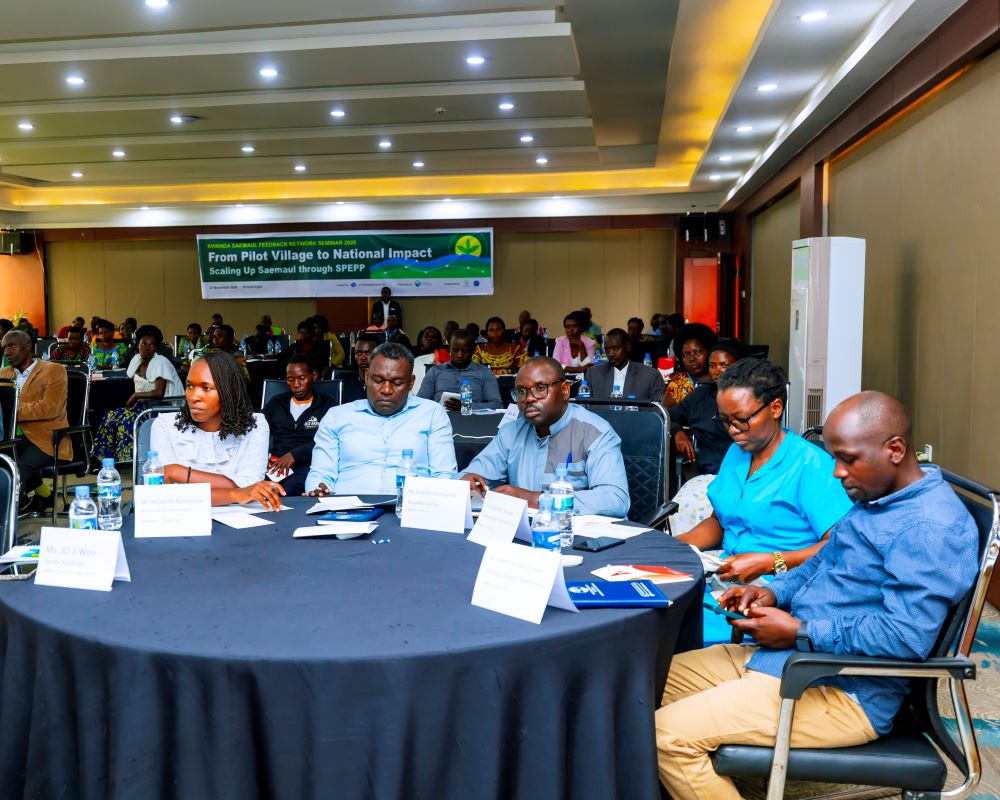
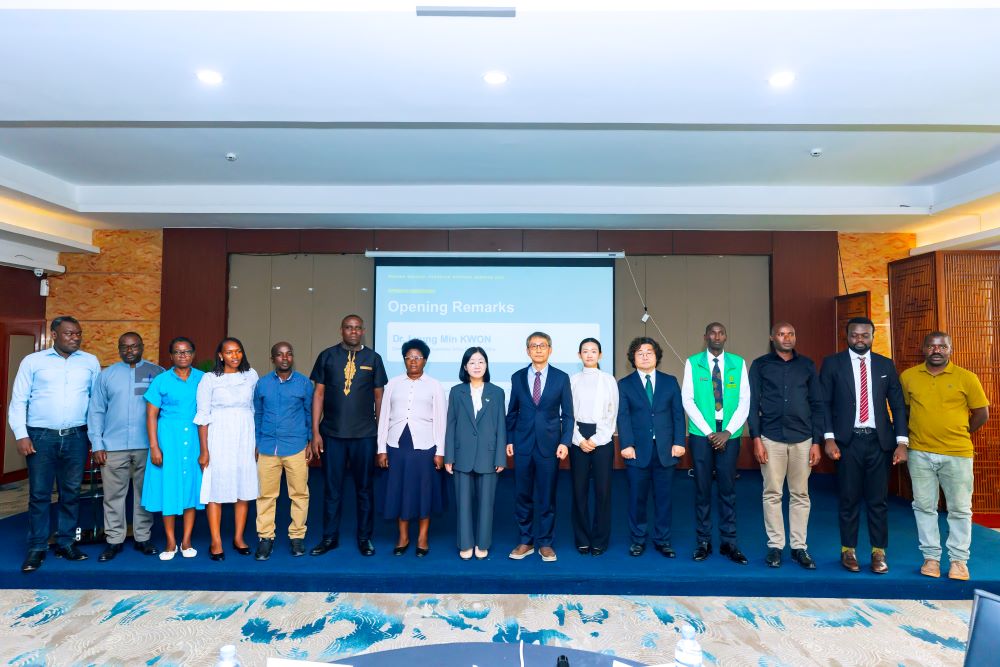
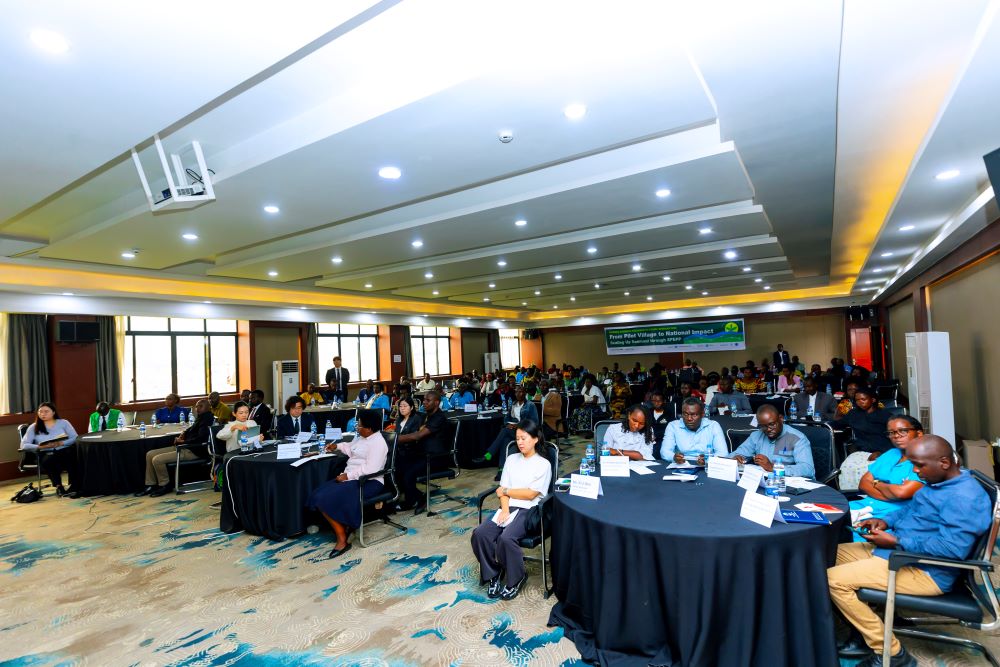
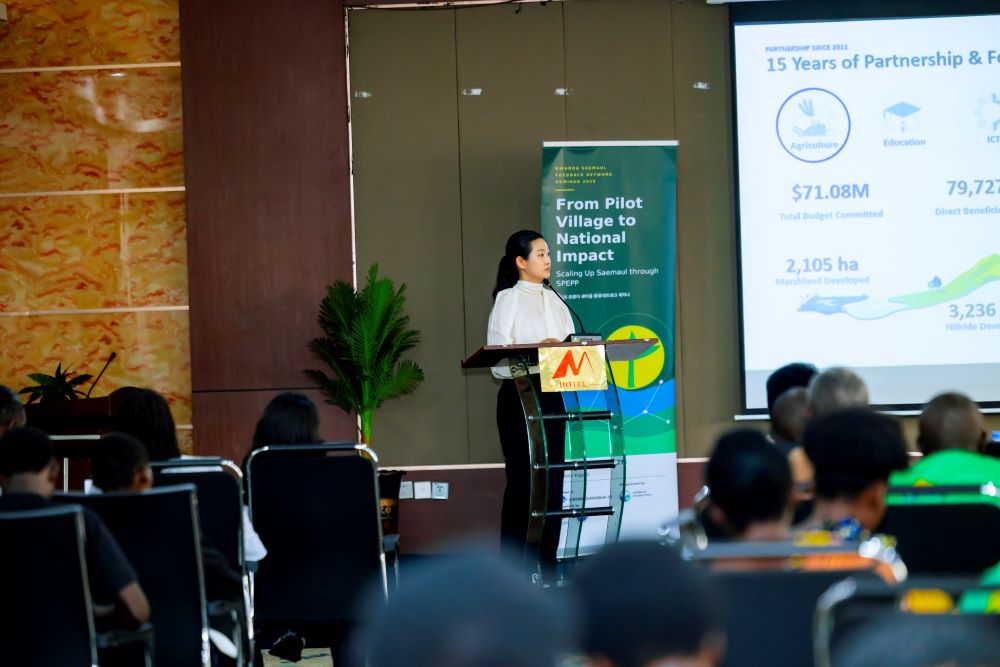
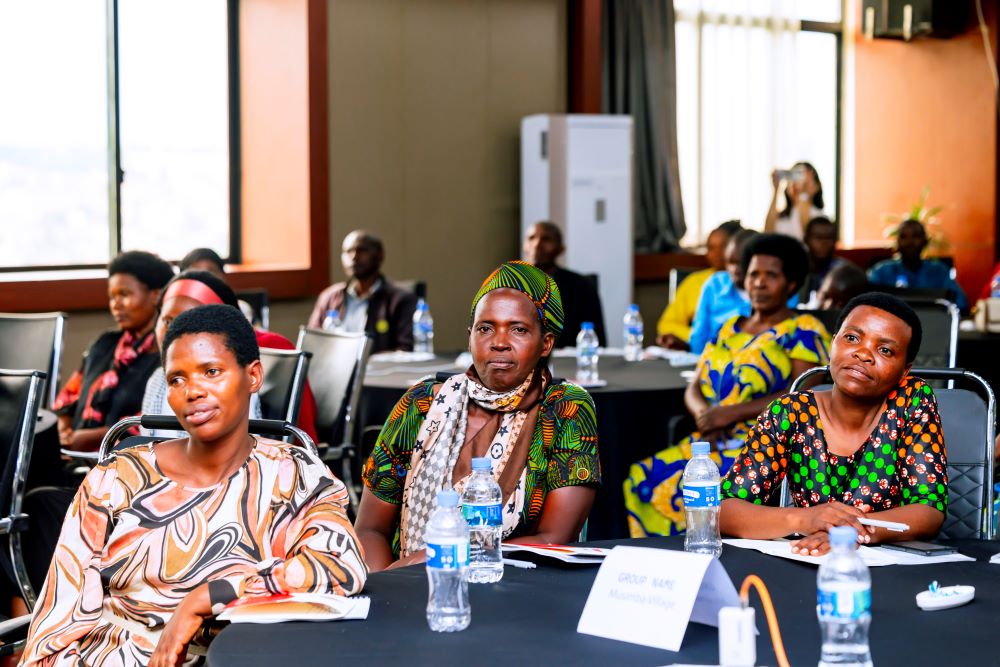
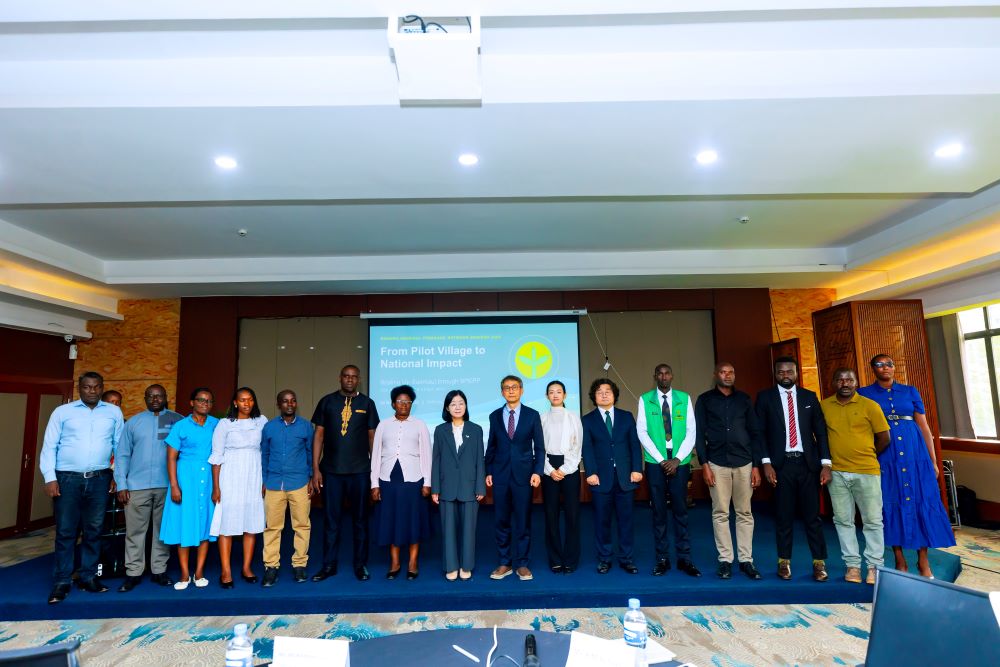
The seminar brought together the Embassy of the Republic of Korea in Rwanda, the KOICA Rwanda Office, and cooperative members and residents of participating villages. Participants shared their experiences and discussed ways to scale up the results of the Saemaul Foundation’s model villages nationwide.
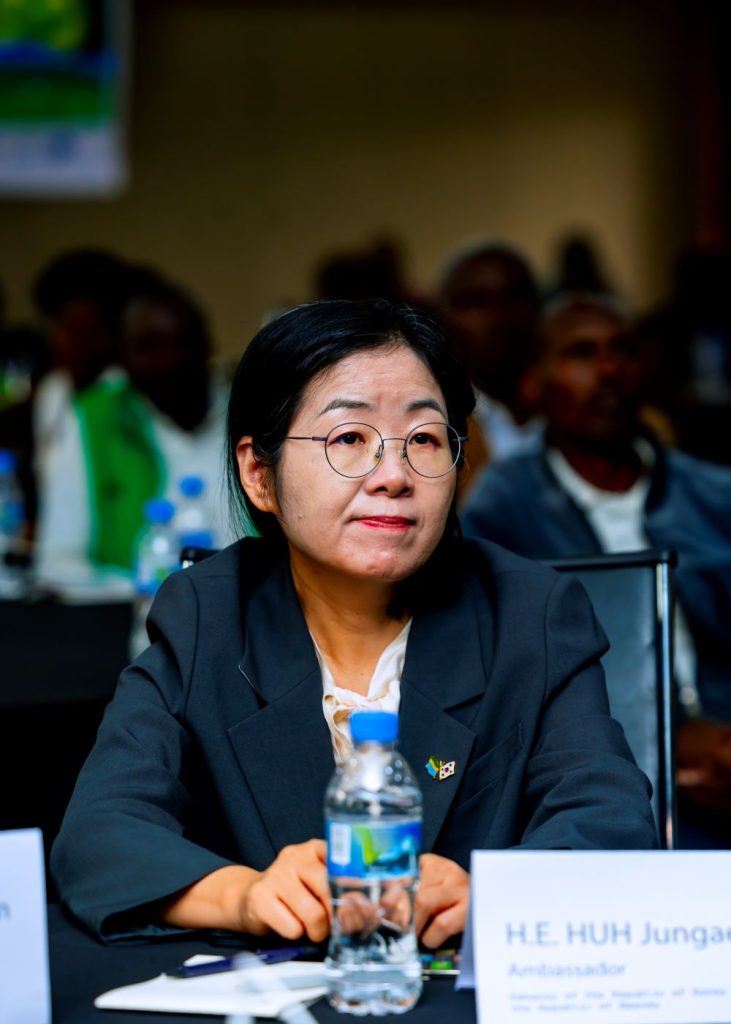
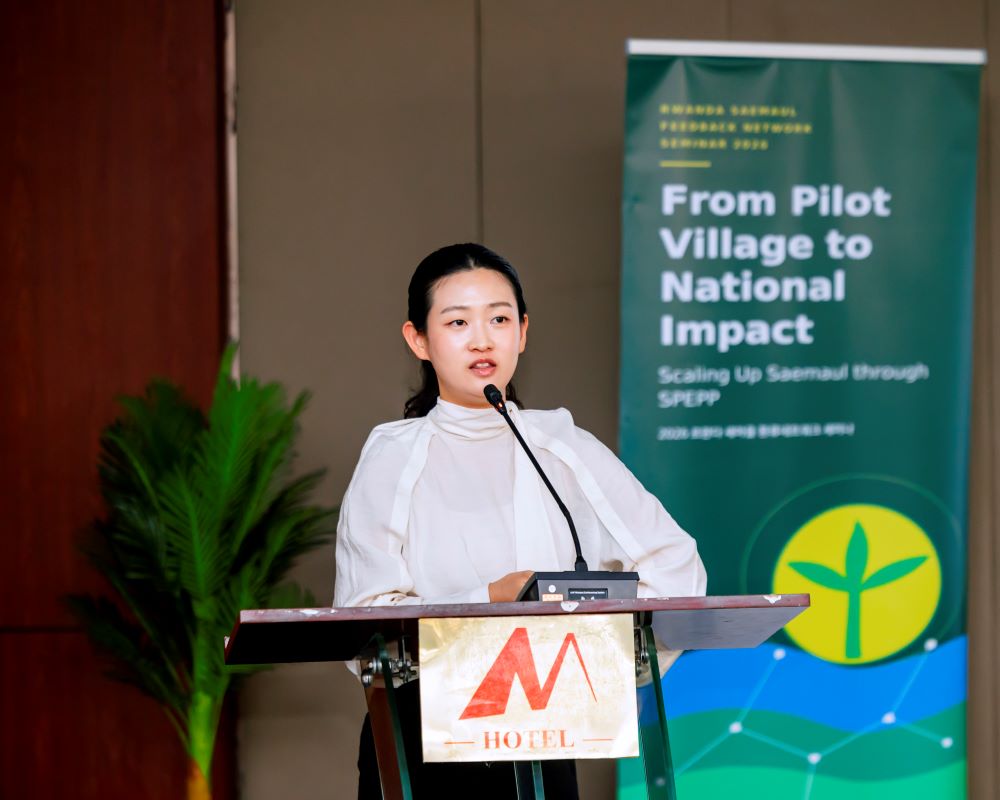
In her congratulatory remarks, Ambassador Huh Jungae of the Republic of Korea to Rwanda noted that since the Saemaul Foundation launched its pilot projects in Kamonyi and Nyamagabe districts in 2010, it has helped strengthen cooperatives and raise residents’ incomes.
“The true value of Saemaul goes beyond increased incomes or improved infrastructure. It also lies in building strong, resilient and cohesive communities,” she said. She cited Gihogwe Village, where most residents have opened savings accounts, and stressed that residents driving change themselves is the core of Saemaul.
Ambassador Huh also announced that, starting in 2027, KOICA plans to launch the Saemaul Plus End Poverty Program (SPEPP), expanding Saemaul projects to 60 villages across Rwanda by 2031.
Korea’s Saemaul Undong experience and lessons for Rwanda
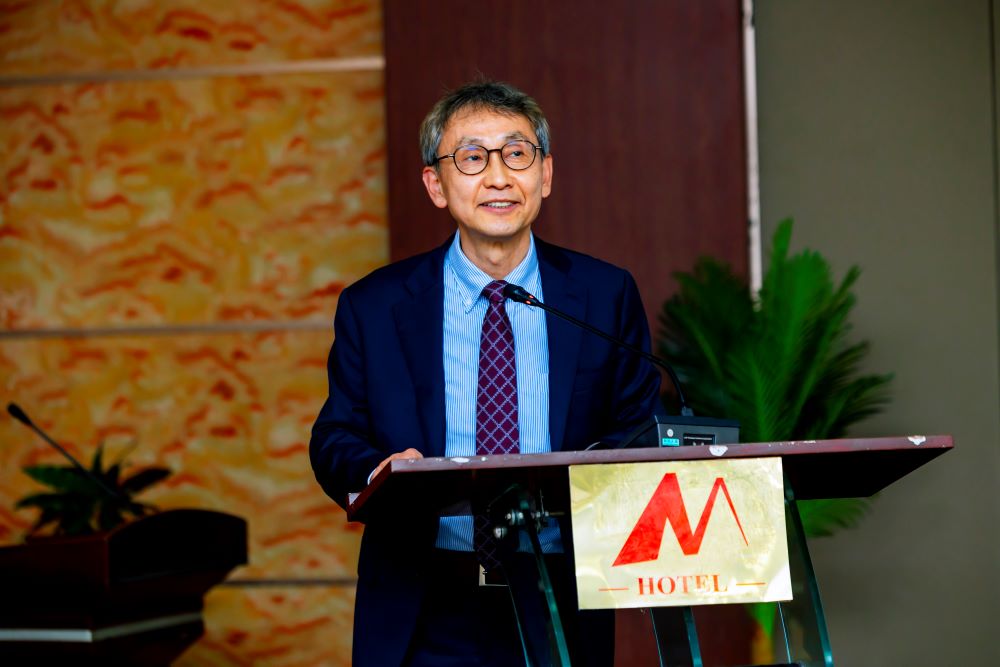
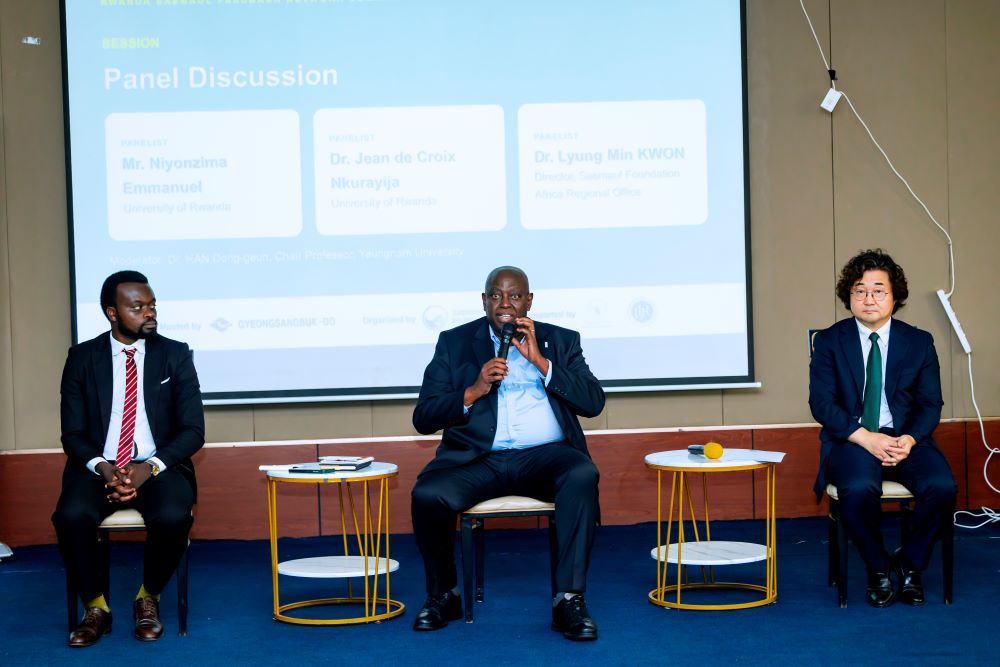
Dr. Han Dong-geun, Professor Emeritus and former Vice President of Yeungnam University, then delivered a special lecture on how Korea overcame rural poverty through Saemaul Undong.
Professor Han explained that in 1970, the Korean government gave every village the same amount of cement and encouraged residents to decide together on projects that would benefit the whole community rather than individuals.
Villages that used the support well and contributed their own resources received additional assistance. He said this performance-based approach was key to encouraging participation and healthy competition among villages.
“Sustainable development does not depend on infrastructure alone. It requires a change in mindset, building people’s confidence, encouraging cooperation and empowering communities to find their own solutions,” he said.
He suggested that Rwanda scale up Saemaul projects by linking support to each village’s performance, governance and community participation.
Mushimba Village transformed by Saemaul
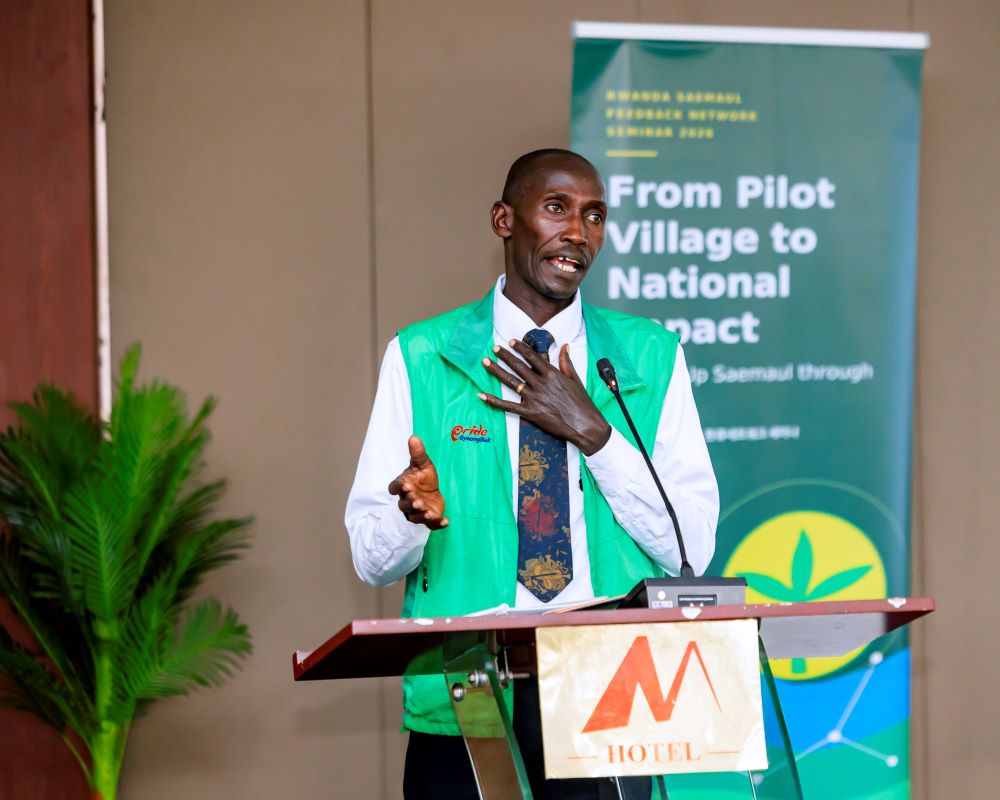
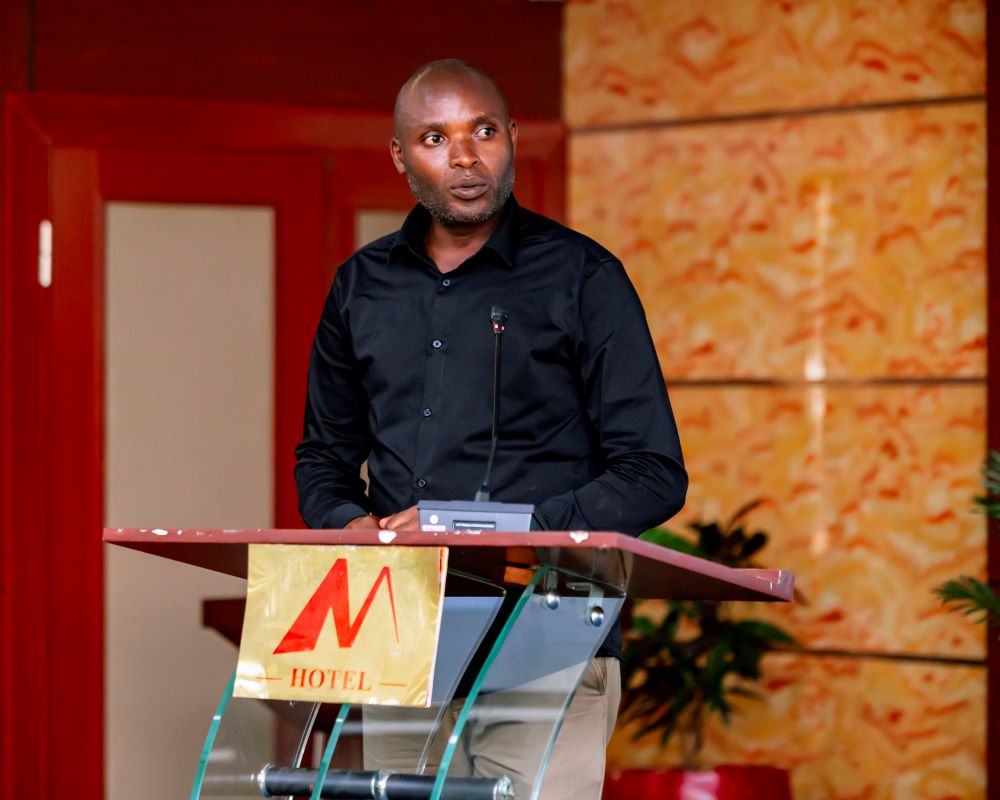
Next, the Saemaul representative of Mushimba Village in Kamonyi District presented how the village has changed through the Saemaul Foundation’s projects. Mushimba was once among the poorest villages in the district, with little access to electricity or clean water and poor conditions for education.
With the Saemaul Foundation’s support, the village opened the Saemaul Mushimba Nursery School and launched a fruit and vegetable market run mainly by women. Most residents now use financial institutions to save and access loans to expand their income-generating activities. The representative highlighted that the market has enabled women to become financially independent and support their families.
“Through Saemaul, our residents have gained confidence and come to realize that our village’s development must start from our own capabilities,” he said.
Building self-reliance through collective farming
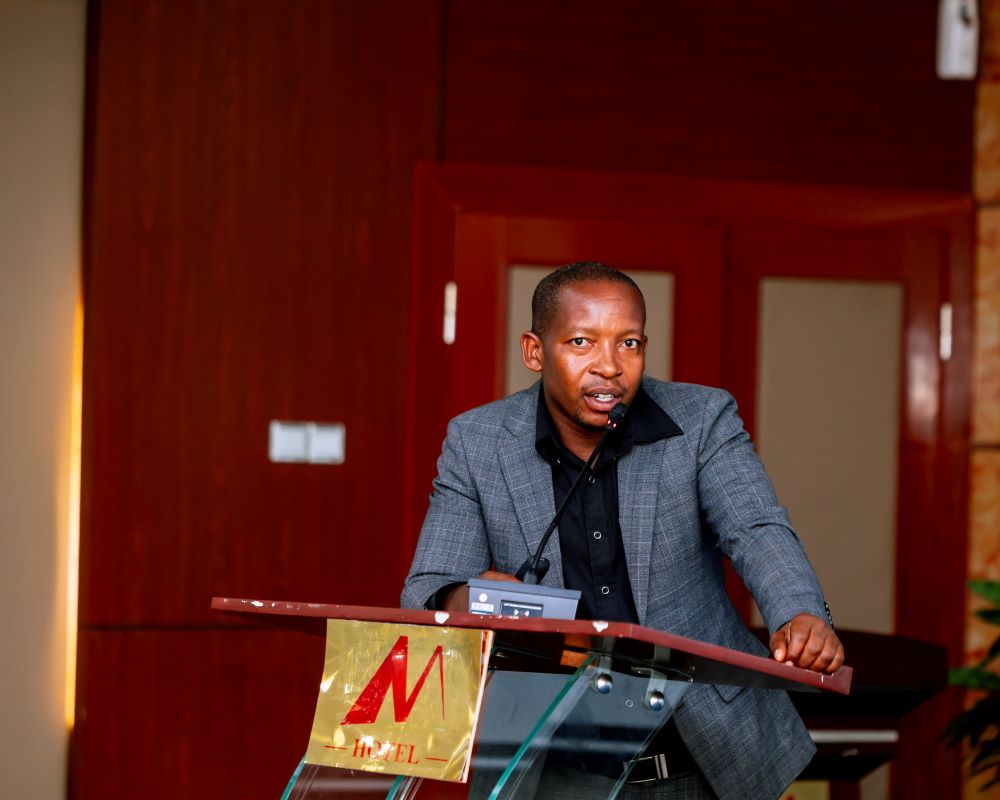
Finally, the CORIMU TWIZIGAME Cooperative presented its achievements as a leading example of the Saemaul Foundation’s cooperative projects. The cooperative started with a small group of farmers on a small plot of land. With the Saemaul Foundation’s support, it has grown significantly in membership, cultivated area and productivity.
The presenter credited this growth to the Saemaul approach of planning and working together. He identified limited technical skills, climate change, and crop and livestock diseases as remaining challenges, and expressed the cooperative’s commitment to continued cooperation with the Saemaul Foundation.
The Saemaul Foundation plans to reflect the seminar’s feedback in its cooperative projects. Grounded in the spirit of Saemaul Undong, it will continue its efforts to contribute to the self-reliance and development of rural communities in Rwanda.
Leave a Reply