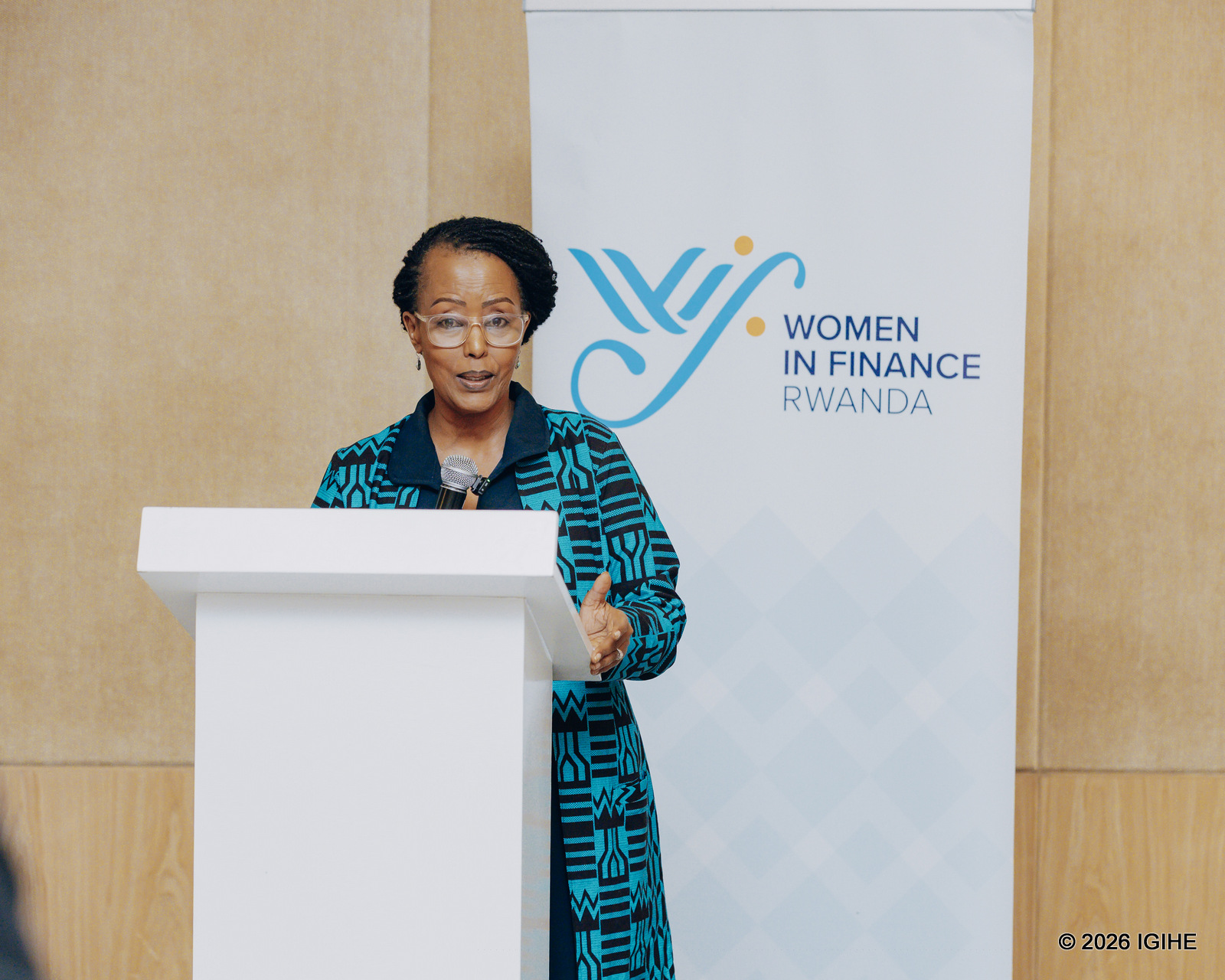
Women at different stages of their careers who have participated in the organisation’s programmes attest to the impact these initiatives have had on their professional growth and ambitions.
Among them is Atete Laurette Ngezahayo, an employee at COOPEDU, who completed the Chartered Institute for Securities & Investment (CISI) Fundamentals of Financial Services training.
The programme helped her see beyond the day-to-day responsibilities of handling financial transactions and recognise the broader opportunities available to her in the financial sector, including career advancement and greater responsibilities.
“It gave me the confidence to think bigger, invest in developing my knowledge and set clear goals for my career in finance,” she said.
For Jacqueline Mwihoreze, Chief Internal Auditor at Bank of Kigali, mentoring other women is a meaningful way of giving back and paving the way for the next generation of professionals.
“It is important to share what we have achieved with younger women. They need encouragement, support and the confidence that they, too, can get to where we are today,” she said.
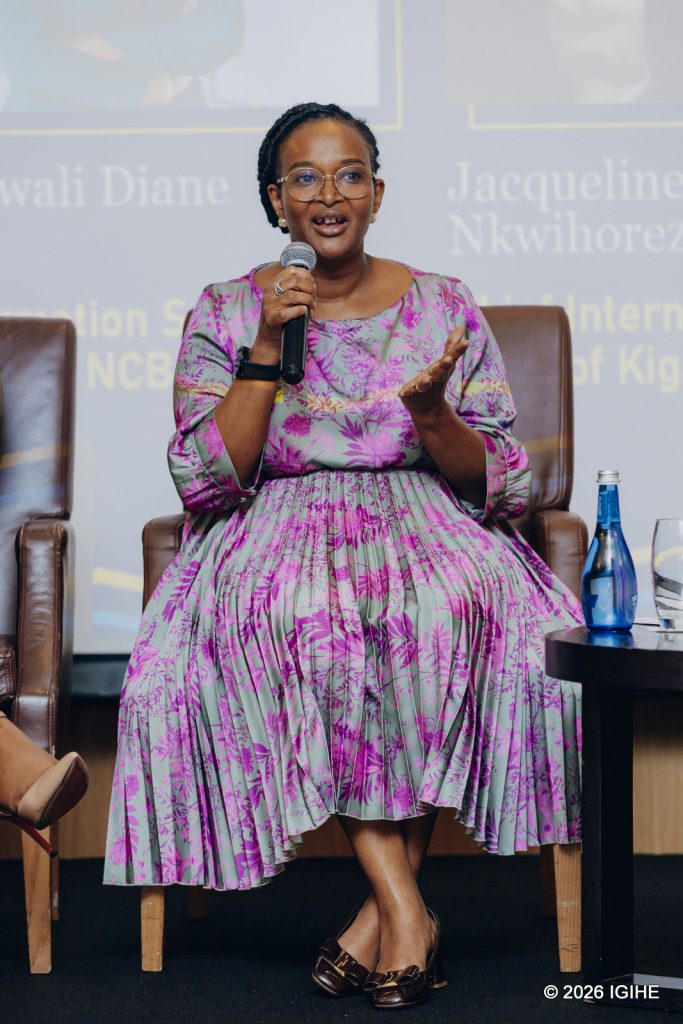
Diane Umwali, Data Protection Officer at NCBA and Information Security Lead at Women in Finance Rwanda, credits her professional dedication and active involvement in the organisation for opening doors to new opportunities.
“These opportunities came after I demonstrated commitment both in my professional work and in the activities of Women in Finance Rwanda,” she said.
Belinda Bwiza, a leader at One Acre Fund and a member of WIFR’s leadership, pointed out that women’s underrepresentation in senior positions is often a result of the barriers they face rather than a lack of ability.
Beyond career advancement, the importance of supporting women in entrepreneurship also features prominently in discussions about their economic empowerment.
Farha Gafaranga, who oversees energy investment analysis at the Development Bank of Rwanda (BRD), emphasised that empowering women to establish businesses can have far-reaching benefits for society and the wider economy.
“When a woman starts a business, she does more than create a job for herself. She can employ others, provide services that address people’s needs and contribute to the country’s economy,” she said.
Christine Baingana, Chief Executive Officer of Urwego Finance and a member of WIFR’s leadership, underscored the importance of building a collective voice for women to influence workplace practices and shape policies across the financial sector.
Efforts to strengthen the sector’s workforce are also taking shape through initiatives such as the Financial Sector Human Capital Initiative, whose first phase will focus on implementing an Early Childhood Development (ECD) programme.
Women in Finance Rwanda is a non-profit organisation that brings together financial institutions to advance gender equality and promote equal opportunities for women and men across Rwanda’s financial sector.
With a growing network of more than 15 member institutions, including banks, microfinance institutions and insurance companies, WIFR continues to champion greater opportunities for women to grow, lead and thrive in the industry.

Leave a Reply