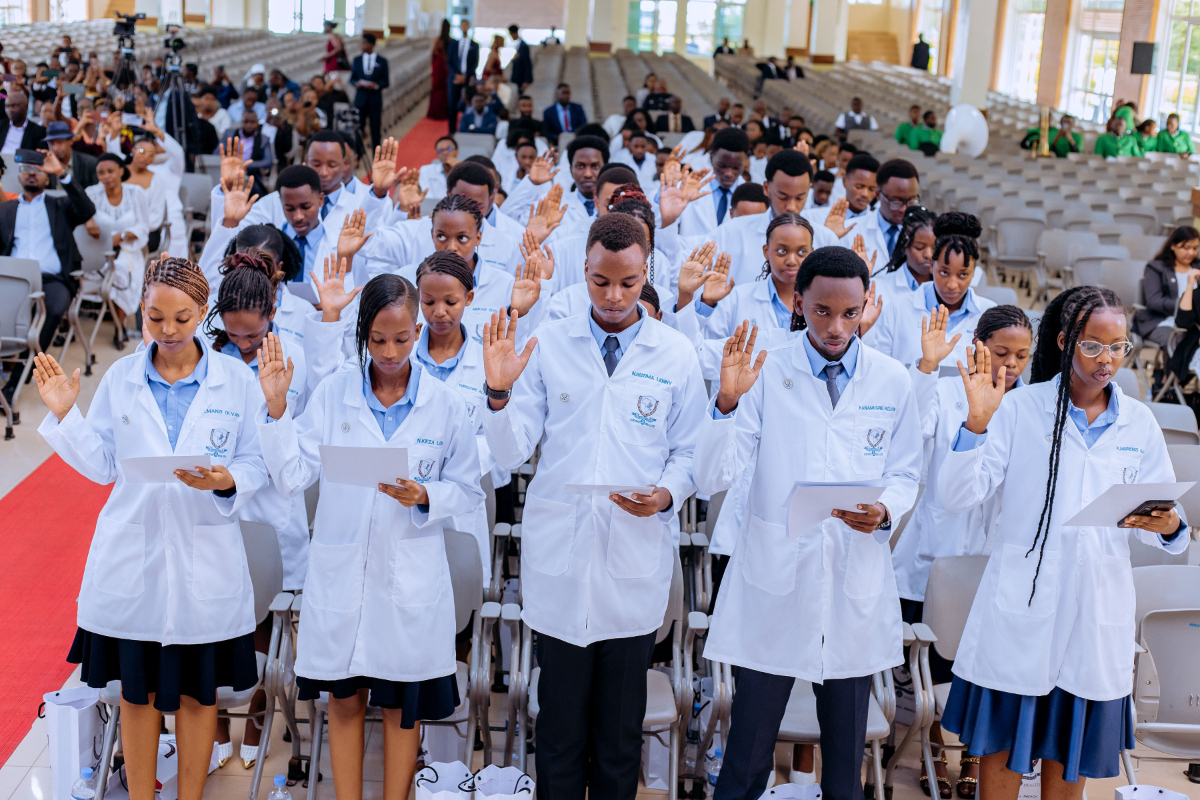
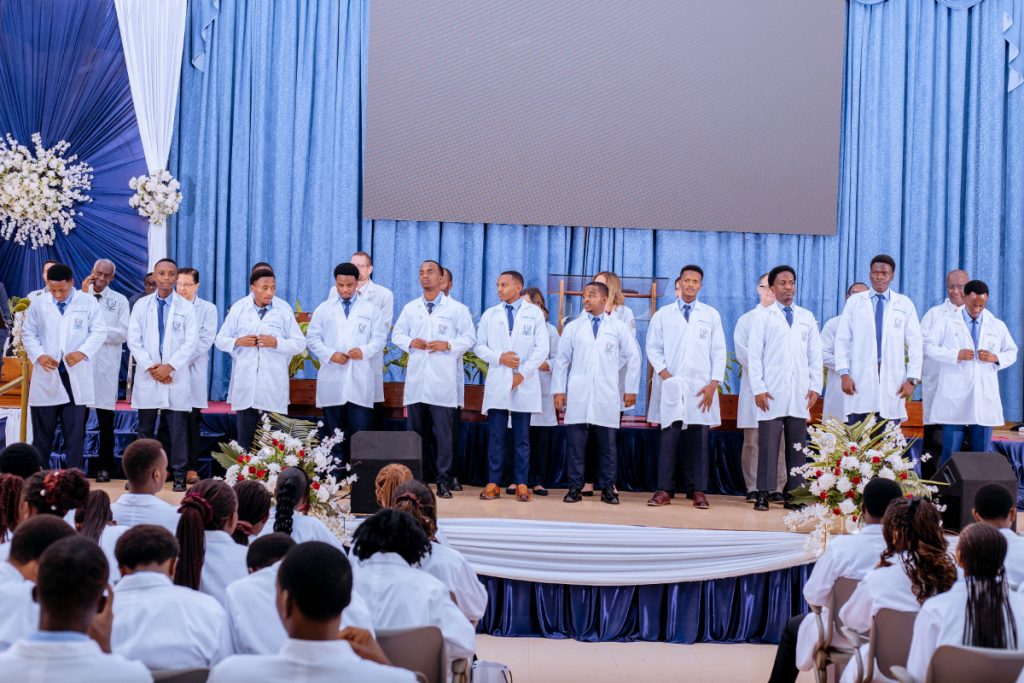
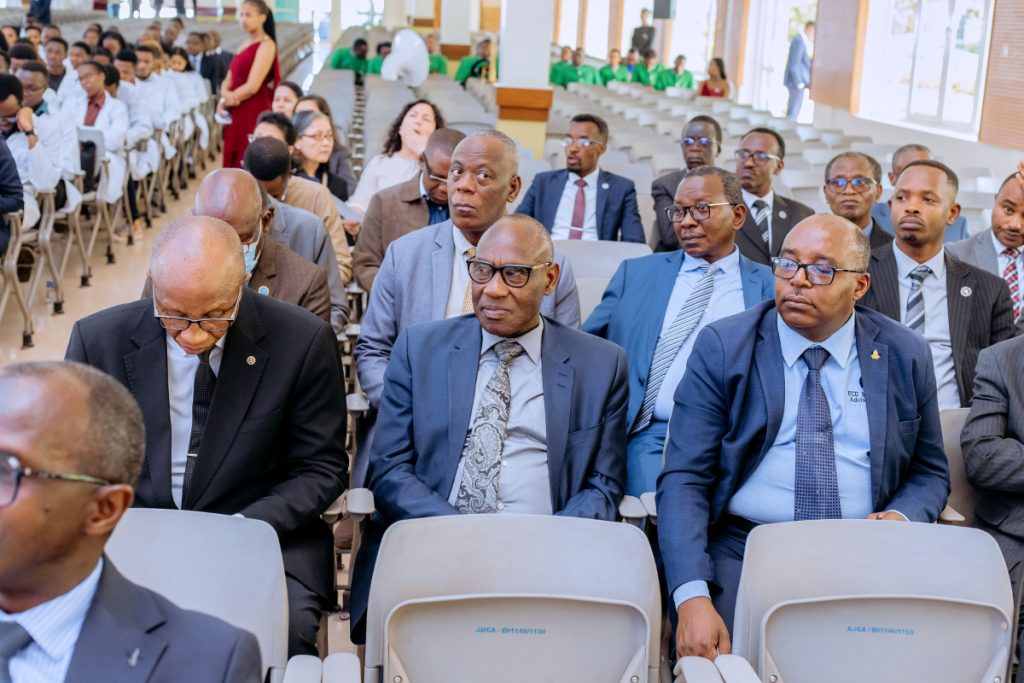
The White Coat Ceremony was held on Friday, November 13, 2026, at the university’s main campus in Masoro, Kigali, and brought together parents, lecturers and other stakeholders in the health sector.
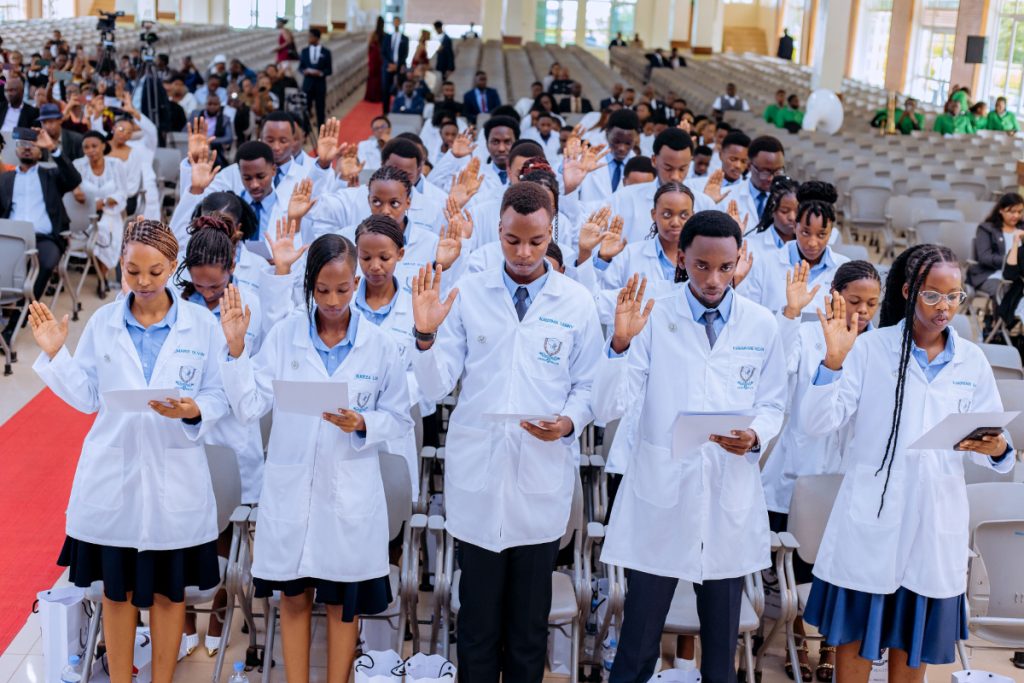
The ceremony, initiated by the Arnold P. Gold Foundation in 1993, marks the transition of medical students into the profession. Students receive white coats and take an oath committing themselves to the values and responsibilities of medical practice.
Dr. Ruguri Blasious, Chancellor of the Adventist School of Medicine of East-Central Africa (ASOME), said medicine was a demanding but important profession because practitioners play a crucial role in saving lives.
He congratulated the students on reaching the milestone, while reminding them of the challenges ahead and the contribution expected of them.
“There are serious diseases and epidemics that are increasingly emerging in different parts of the world. As these increase, so does the need for doctors and other qualified professionals to address them,” he said.
He urged the students to remain committed to their studies, noting that the world would need their knowledge and skills to protect human life.
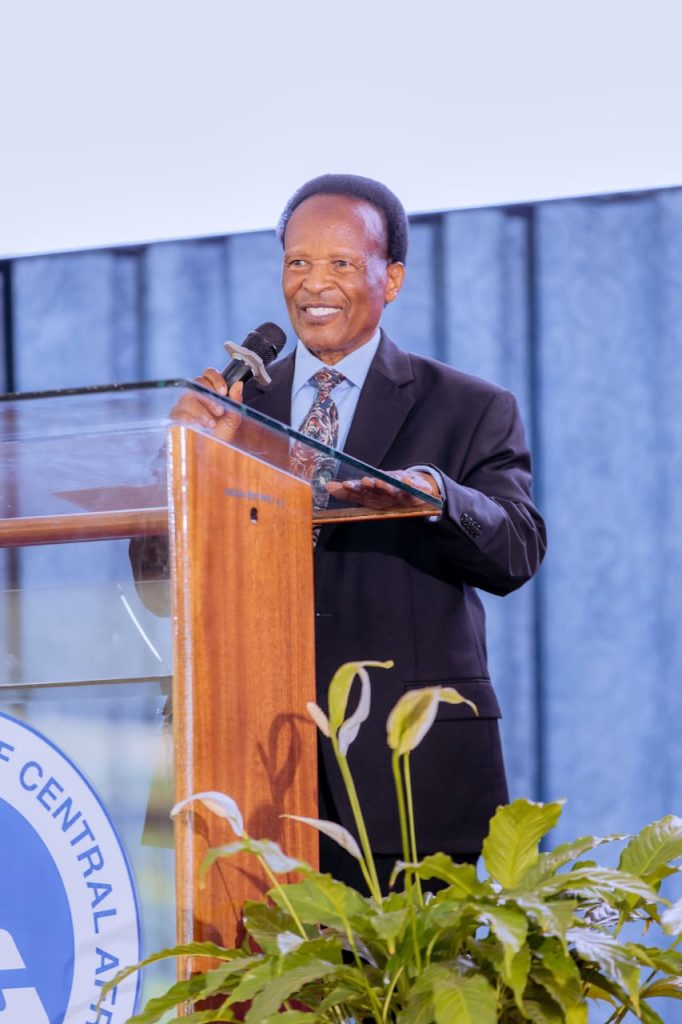
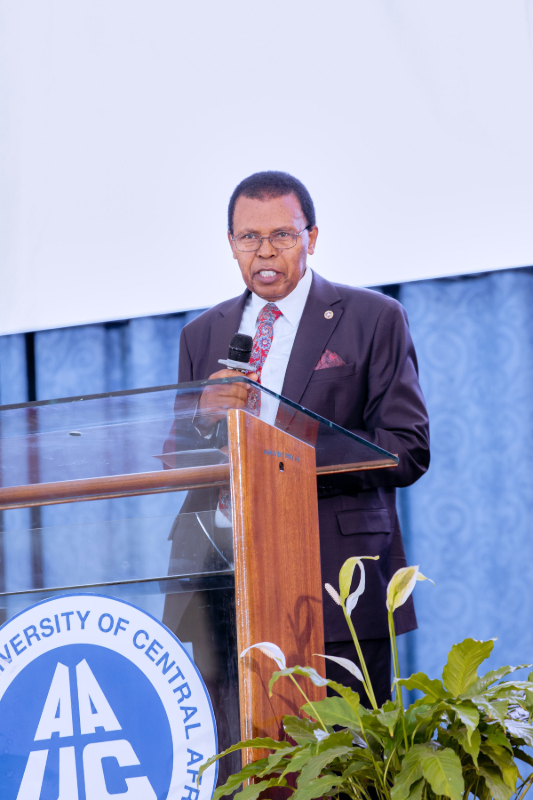
Dr. Maka Moses, President of the East-Central Africa Division (ECD) of the Seventh-day Adventist Church, told the students that medicine was built on the trust patients place in healthcare professionals.
“Sometimes a person may not know a doctor personally but will share very private information with them, things they have never told anyone else in their life. They do this not because they know the doctor, but because they trust that the doctor will help them,” he said.
He explained that the White Coat Ceremony was organised to symbolise the beginning of that trust, even before students start practising professionally.
“ You have a responsibility to earn and maintain this trust throughout your lives by working hard in your studies and remaining honest in the medical profession you are entering,” he said.
Dr. Maka also reminded them that they would represent the institutions they eventually work for, but, above all, would have a responsibility entrusted to them by God to serve others and safeguard their health.
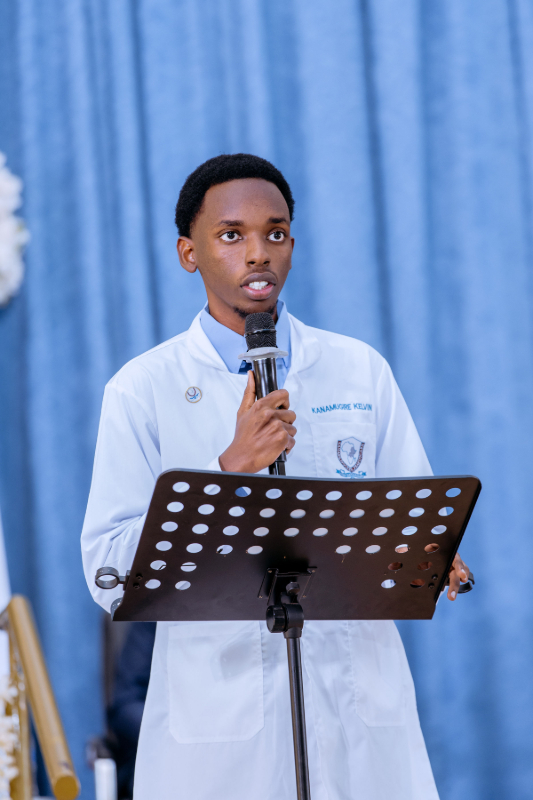
One of the students, Kevin Kanamugire, said receiving the white coat marked the fulfilment of a dream and motivated him to pursue his studies with greater commitment.
“I am happy to have taken the first step towards becoming a doctor who will treat people and make a meaningful contribution to society,” he said.
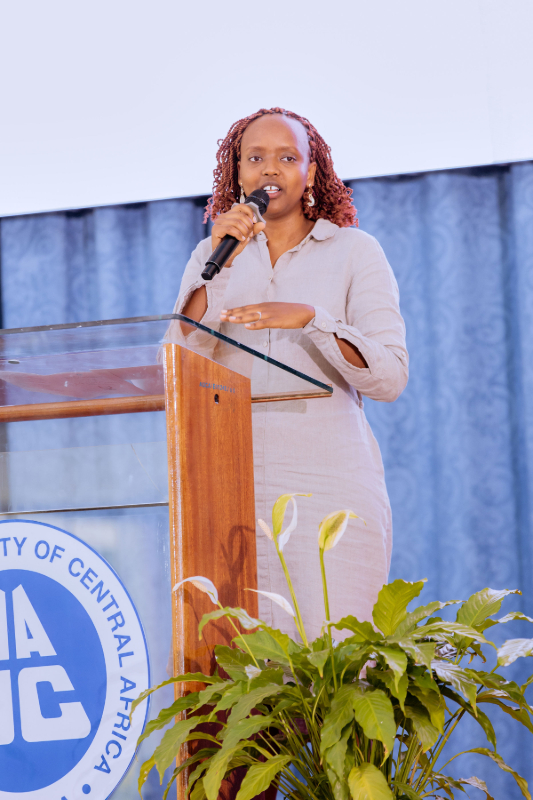
Jabo Nicole, an official in charge of partnerships at the Ministry of Health, commended AUCA for its contribution to increasing the number of doctors in Rwanda.
She said the country had made progress in expanding its medical workforce, with the government investing in the sector to reduce the number of patients each doctor is expected to attend to.
“Our target was to have four doctors per 1,000 people because we were still below that level. However, since this programme began, the figure has reached 2.7 doctors per 1,000 people,” she said.
The 4×4 Health Workforce Expansion Programme, launched in July 2023, aims to quadruple the number of healthcare professionals in Rwanda. It is expected to increase the country’s health workforce to 58,582 by 2028.
The 66 students who received their white coats are expected to complete their medical studies in 2032.


Leave a Reply