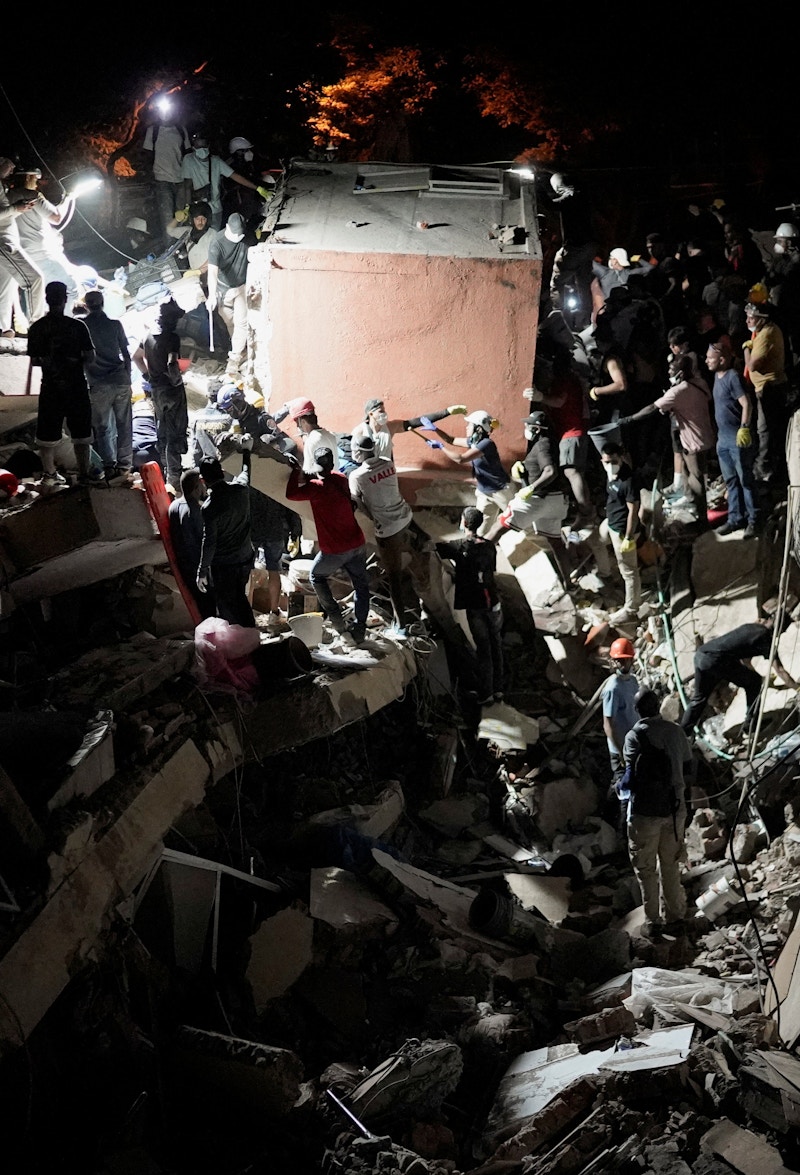
The earthquake, described by Reuters as Colombia’s strongest of the 21st century, struck western parts of the country and caused widespread destruction in several cities, including Cali, Pereira, Armenia and Manizales.
Rescue teams and local residents worked through the night to search collapsed buildings for survivors as authorities assessed the extent of the damage.
The earthquake was centred near San José del Palmar in the Chocó region. The United States Geological Survey recorded the quake at a depth of about 107 kilometres.
Its powerful tremors were felt across much of Colombia, including the capital Bogotá, as well as in neighbouring Ecuador and Panama.
Cali, Colombia’s third-largest city, was among the areas heavily affected by the earthquake.
Reuters reported that dozens of people were killed in the city and hundreds were injured, while several buildings collapsed.
Pereira also suffered heavy casualties. Earlier reports said 18 people had been killed there, while authorities continued searching buildings where people were believed to be trapped.
Manizales also reported deaths and significant damage.
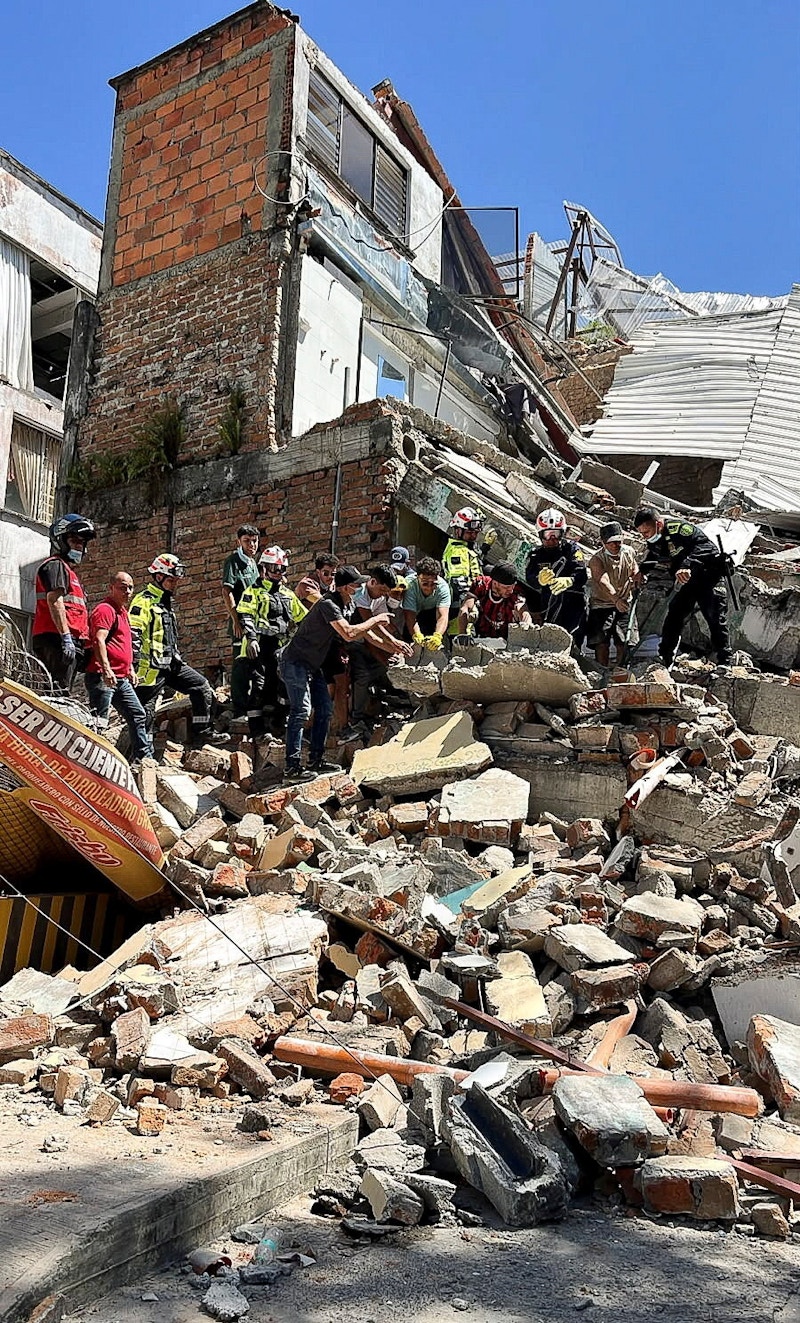
Images from the affected areas showed residents and emergency workers digging through piles of rubble in an effort to locate survivors and recover victims.
The earthquake also damaged hospitals and other essential infrastructure, complicating the emergency response.
Several airports in the affected region were temporarily closed for safety inspections following the tremor.
Colombia’s newly inaugurated President Abelardo De La Espriella declared a national state of emergency as the government mobilised resources for rescue and relief operations.
The president, who had taken office only days before the disaster, said the government would prioritise saving lives and assisting communities affected by the earthquake.
Authorities also deployed additional security personnel to affected areas as emergency teams continued rescue operations and cities introduced measures aimed at maintaining public order.
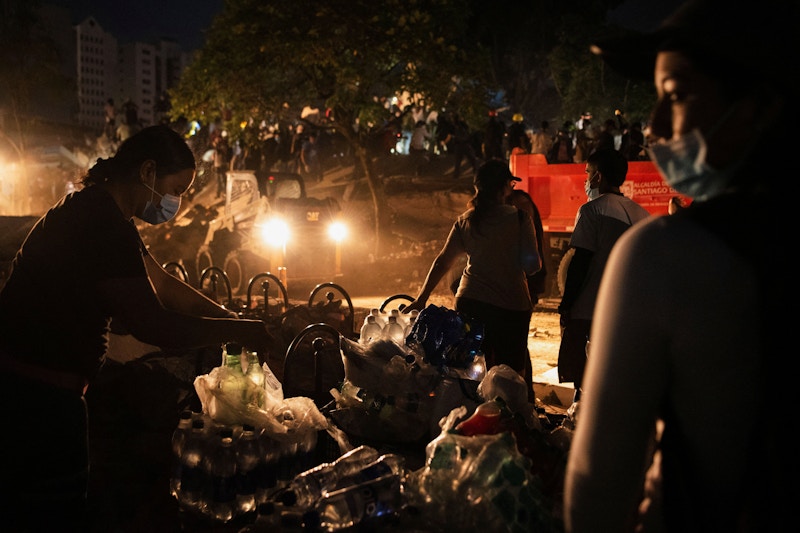
Rescue workers were assisted by volunteers as they searched through damaged buildings.
Among those rescued were a mother and her baby.
The earthquake was followed by a series of aftershocks, prompting continued warnings for residents and emergency teams working around damaged structures.
Colombia is located in a seismically active part of the world, making earthquakes a recurring risk.
The latest disaster has renewed concerns about the vulnerability of buildings and infrastructure in some of the country’s urban areas.
The scale of the destruction also brought back memories of Colombia’s devastating 1999 earthquake, which killed more than 1,000 people.
As rescue operations continue, authorities are expected to provide further updates on casualties, missing people and the extent of the damage.
Leave a Reply