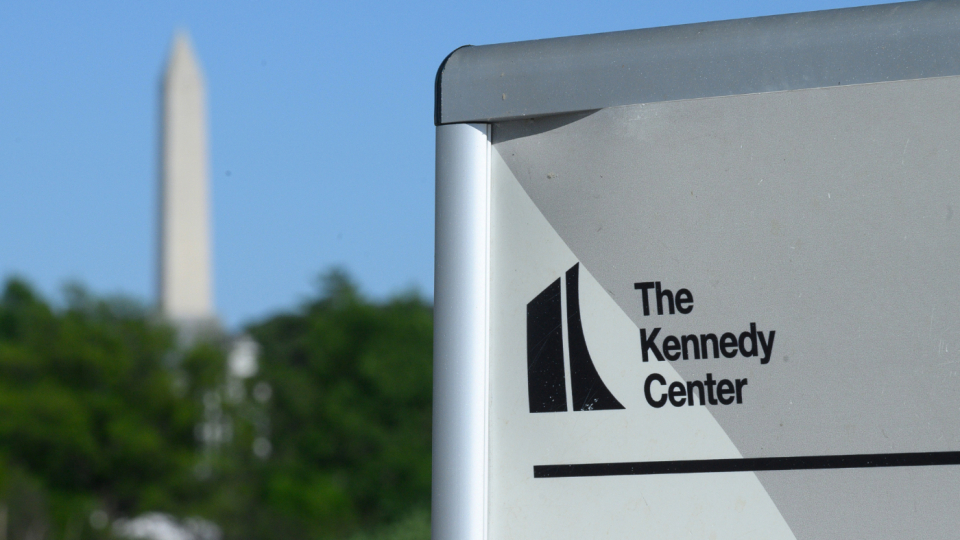
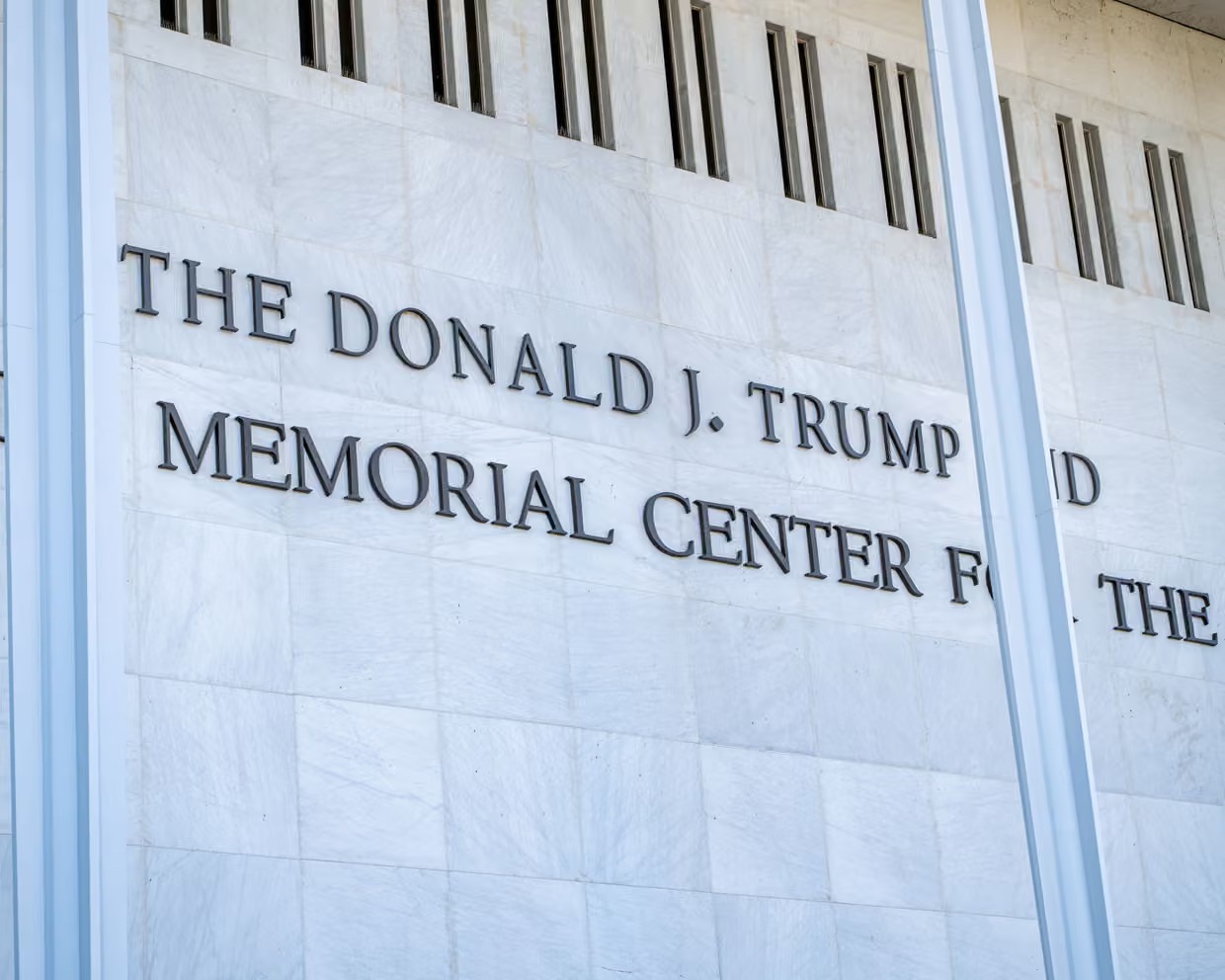
At the center of the case is a decision by the Kennedy Center’s board to add Trump’s name to the building’s facade and official branding after he assumed a leadership role within the institution. The move was quickly challenged in court, with critics arguing that the change violated the original congressional mandate establishing the center as a memorial to President John F. Kennedy.
A federal judge ultimately ruled that the addition of Trump’s name was not legally valid. The court emphasized that the Kennedy Center was created by Congress in 1964 with a specific naming purpose, and any alteration to that designation would require congressional approval rather than a board-level decision. As a result, the judge ordered that Trump’s name be removed from the building and related branding materials. In his ruling, he stated: “Congress gave the Kennedy Center its name, and only Congress can change it.”
Beyond the naming issue, the ruling also scrutinized the broader decision-making process within the institution. The court found that the board had not fully considered the operational and legal implications of its recent restructuring and renovation plans, including a controversial proposal to temporarily close the center for major upgrades. While the judge did not immediately block all renovation efforts, the decision signaled that future actions could face stricter review if proper procedures and documentation were not followed.
The case emerged amid growing tensions within the Kennedy Center’s leadership, where shifts in governance have coincided with political controversy and internal restructuring. Supporters of the board’s decisions argued that changes were necessary to modernize the facility and secure funding for long-delayed repairs. Critics, however, viewed the actions as politicizing a historically nonpartisan cultural institution.
Following the ruling, representatives for the Kennedy Center indicated that they would appeal the decision, maintaining that the board acted within its authority. They also reaffirmed their commitment to continuing renovation plans, though likely under closer legal scrutiny moving forward.
The court’s decision does not permanently resolve the dispute but instead sets new boundaries for how far institutional leadership can go in reshaping the Kennedy Center’s identity. As legal proceedings continue, the case highlights broader questions about governance, cultural heritage, and the limits of executive influence over national institutions.
Leave a Reply