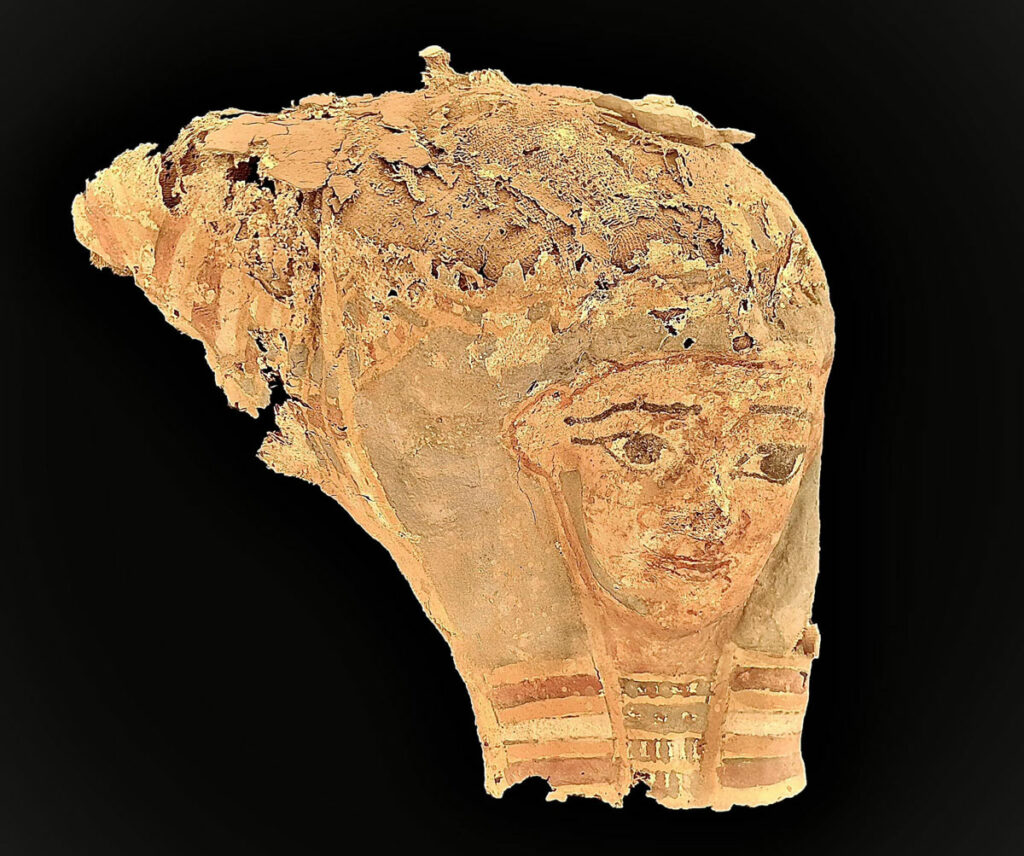
A statement by the Ministry of Tourism and Antiquities said the discovery, made by an Egyptian archaeological mission from the Supreme Council of Antiquities at the “Ihnasya al-Medina” site, shed new light on the religious and cultural prominence of the ancient city across various historical eras.
Among the key findings is a reused stone block featuring a prominent inscription of Pharaoh Senusret III’s coronation and birth names, alongside a cartouche of the deity “Osiris-Naref,” a major god worshiped in Ihnasya during ancient Egyptian and Ptolemaic times.
Hisham Elleithy, secretary-general of Egypt’s Supreme Council of Antiquities, said uncovering the cartouche of King Senusret III is a “significant find,” as the pharaoh was historically linked to several major monuments at the site.
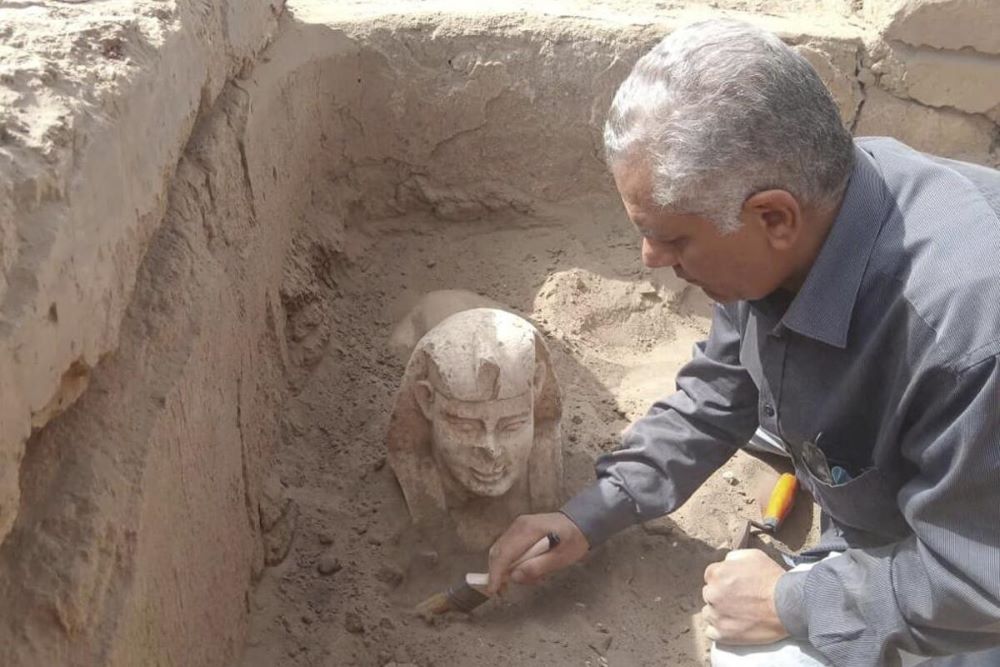
The mission also excavated structural extensions of a Roman basilica, the remnants of an ancient Doric temple, fragments of wall statues, and Roman-era pottery molds used for minting coins. A rare marble statue head of Aphrodite, the Greek goddess of love and beauty, was also discovered, the statement said.
One of Egypt’s most vital archaeological sites, “Ihnasya al-Medina” flourished during the Greco-Roman eras, when it was known as Herakleopolis Magna.
Leave a Reply