The U.S. artificial intelligence (AI) company said the model integrates recent advancements in reasoning, coding, and workflows, building on the capabilities of GPT-5.3-Codex.
OpenAI also introduced GPT-5.4 Pro, which it described as a more powerful version for complex tasks.
GPT-5.4 improves performance in spreadsheets, presentations, and documents, allowing for more efficient completion of professional work, said the company, adding the model also supports larger context processing and better web search integration.
The GPT-5.4 Thinking version in ChatGPT can outline its reasoning before providing a final answer, allowing users to adjust instructions during the response process. It also recognizes interface elements from screenshots, enabling it to perform mouse and keyboard operations across different software.
In benchmark tests, GPT-5.4 outperformed previous models. It matched or exceeded industry professionals in 83 percent of GDPval comparisons and achieved higher scores than its predecessor in coding ability tests, it said.
The model has improved factual accuracy and is less likely to produce incorrect information compared to GPT-5.2.
GPT-5.4 is available to ChatGPT Plus, Team, and Pro users, and to developers through the API. OpenAI plans to gradually retire GPT-5.2 Thinking in the coming months. Despite higher per-token costs, improved token efficiency may lower overall costs in some scenarios, it said.
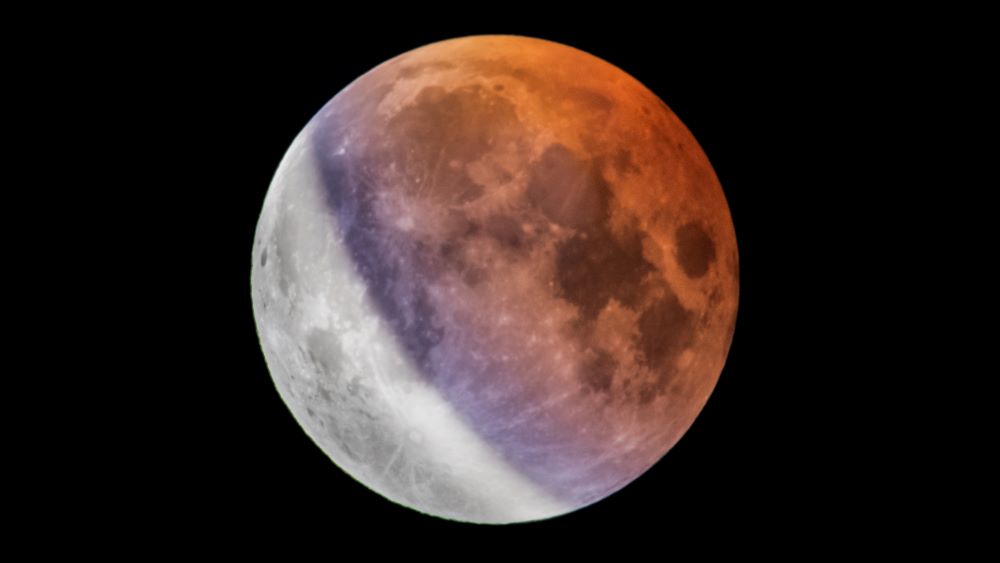
While many photographers captured the darkened lunar surface, astrophotographer Mike Shaw of Arroyo Grande, California, revealed a rare phenomenon: a thin, bluish concentric band along the moon’s edge during the partial phases.
Shaw’s image, a high-dynamic-range blend of seven photographs taken between 12:30 and 6:30 a.m., shows both the central red shadow and the delicate blue band.
On Instagram, he described the band as light passing through Earth’s upper stratosphere, where ozone absorbs red light but allows blue light to shine, contrasting with the red-orange light filtered through the lower atmosphere.
During totality, when the moon fully enters Earth’s umbra, sunlight refracted through every sunrise and sunset on the planet illuminates the lunar surface, giving it the fiery hue. The blue band, visible just before and after totality, is far rarer and highlights the interaction of sunlight with the stratosphere.
According to Forbes, Shaw carefully monitored weather and cloud cover in the days leading up to the eclipse, capturing the phenomenon without needing to travel far.
“The vivid, fiery red eclipsed moon appears suspended in space, and seems close enough you could pluck it out of the sky,” he said.
The next total lunar eclipse visible globally is expected to occur on December 31, 2028, with another visible from North America on June 26, 2029. A partial eclipse on August 27, 2026, will also offer photographers a chance to capture the elusive blue band.
A high-dynamic range blend of seven images of the “blood moon” total lunar eclipse on March 3, 2026, from a scenic spot along California’s Central Coast by astrophotographer Mike Shaw.
As the Moon’s core cools, it pulls its surface inward, much like a grape shrivelling into a raisin. This creates wrinkled, cliff-like ridges known as lobate scarps, formed when the brittle crust is pushed and crumpled from below. These features are a clear sign that, despite lacking the tectonic plate activity found on Earth, the Moon is not geologically dead.
“This is not to alarm anyone,” says Dr. Thomas R. Watters, a senior scientist emeritus at the Smithsonian and a lead researcher on the study. “But it is to raise the caution that the Moon is not this benign place where nothing is happening.”
The phenomenon is not entirely new; Watters first demonstrated in 2010 that the Moon has been shrinking for millions of years. However, recent data suggests many of these features are geologically young, meaning the Moon remains tectonically active. This activity is a significant concern for future space missions, as shallow moonquakes could impact landing sites and potential lunar bases.
“Unlike earthquakes, which last for tens of seconds, these moonquakes can last for hours,” explains planetary scientist Dr. James O’Donoghue. Such tremors could be “sufficient to potentially knock over any astronaut infrastructure.”
What if the moon disappeared?
While the Moon is not going anywhere, scientists often use the “disappearing Moon” scenario to highlight its importance to our survival. The Moon acts as a gravitational anchor, stabilising our planet’s tilt and driving the tides.
Without it, Earth’s axis could wobble uncontrollably. “Everything we know about the seasons would be completely out of whack,” notes astrophysicist Paul Sutter. “Some places on the planet would hardly ever see the sun at all, and at others, the sun would be overhead for months on end.” These shifts would disrupt marine life, weather patterns, and the predictable climate that allowed human civilisation to thrive.
The idea of a “disappearing Moon” even has a place in history. Records from England in 1110 describe the Moon vanishing from the night sky entirely. Scientists later determined that a massive volcanic eruption had filled the atmosphere with sulfur-rich particles, temporarily blocking its light and creating the haunting illusion that it had vanished.
Even as it shrinks by a few hundred feet over millions of years, the Moon remains a critical stabiliser for Earth. Studying these lunar “wrinkles” does more than just reveal the Moon’s history; it helps us understand the delicate celestial balance that sustains life on our own planet.
Researchers at the National Air and Space Museum’s Centre for Earth and Planetary Studies have confirmed that the Moon is gradually contracting.
WBD announced on Thursday that its Board of Directors, following consultation with its independent financial and legal advisors, has determined that the previously disclosed proposal from Paramount Skydance constitutes a “Company Superior Proposal” as defined in WBD’s merger agreement with Netflix.
As disclosed by WBD on Tuesday, Paramount Skydance’s proposal includes a purchase price of 31.00 U.S. dollars per WBD share in cash, plus a daily ticking fee equal to 0.25 dollars per share per quarter beginning after Sept. 30, 2026, as well as a 7 billion dollars regulatory termination fee payable by Paramount Skydance in the event the transaction does not close due to regulatory matters.
Paramount Skydance’s latest bid values WBD at about 111 billion dollars. Netflix, the world’s largest streaming company by subscriber count, then announced it is pulling out of the contest.
“The transaction we negotiated would have created shareholder value with a clear path to regulatory approval. However, we’ve always been disciplined, and at the price required to match Paramount Skydance’s latest offer, the deal is no longer financially attractive, so we are declining to match the Paramount Skydance bid,” Netflix said in a statement in response from co-CEOs Ted Sarandos and Greg Peters.
Netflix sent shockwaves through Hollywood on Dec. 5 by announcing an 82.7 billion-dollar agreement to acquire WBD. Paramount Skydance has since launched a hostile bid, placing the merger at the center of a widening national debate.
Unlike the deal with Netflix, which covered WBD’s film studio and streaming service and would spin off its cable division into a new publicly traded company, Paramount Skydance’s offer is for the entirety of WBD.
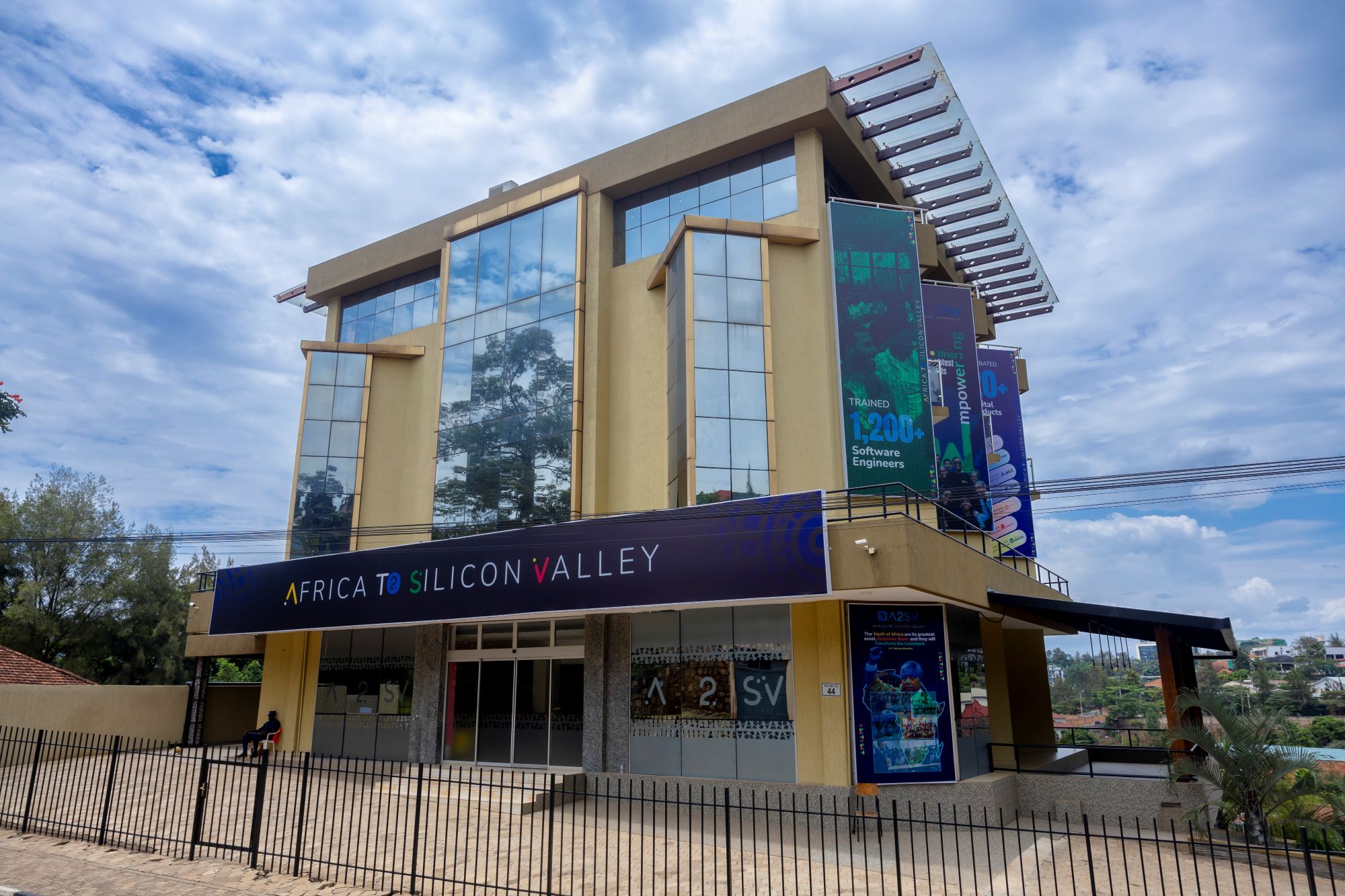
The organisation’s new office is located in Gishushu, placing it within Kigali’s growing tech ecosystem and providing a central base for A2SV’s education and incubator programs.
Founded in 2019 by former Google software engineer Emre Varol, A2SV is a free, non-profit initiative providing high-impact technical education to top-performing university students across Africa. Its mission is to bridge the gap between local university training and the expectations of global tech employers.
What began as a single, informal class at Addis Ababa University with just 22 students has grown into a continent-wide program. To date, A2SV has trained more than 1,200 software engineers from 22 African countries, with alumni securing over 120 job offers from global firms including Google, Amazon, LinkedIn, Bloomberg, and Meta.
A2SV’s model combines rigorous training, mentorship, and real-world project experience to develop globally competitive technologists. The program identifies promising students through a competitive selection process that includes solving data structure and algorithm problems and participating in technical and behavioural interviews.
Once selected, students receive intensive training both in-person and remotely, covering foundational software engineering concepts, problem-solving, and soft skills. Education is delivered in small groups, often with three educators for every thirty students, ensuring each participant receives personalised guidance.
Students work on digital products designed to address local African challenges, such as Eskalate, which connects developers to global companies; DIME, a digital money transfer platform; and Skillbridge, which helps bridge gaps between universities and the workforce. Beyond education, A2SV functions as an incubator, hiring top alumni to develop new solutions while mentoring the next generation of talent.
Graduates are connected to internships and full-time roles at top tech companies, and the program remains entirely free for participants through partnerships with universities. In Rwanda, A2SV has partnered with the University of Rwanda and the Adventist University of Central Africa.
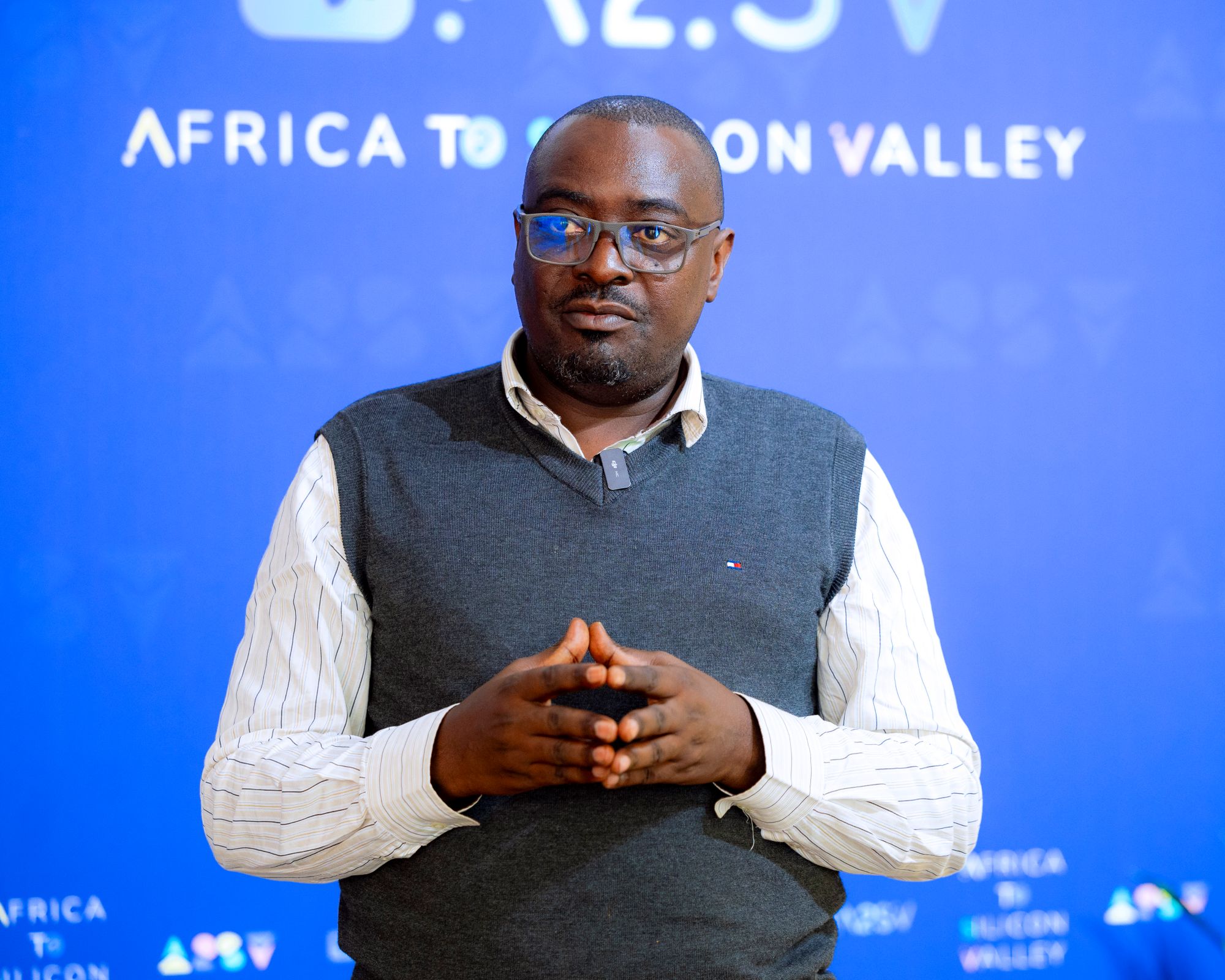
Shema Katende, A2SV’s marketing lead, explained that Kigali was chosen for its supportive environment for innovation and its growing pool of IT talent.
“Rwanda has systematically become a hub for innovation,” he said. “The government’s strong support and youth-focused initiatives made Kigali the ideal base for A2SV to scale across the continent.”
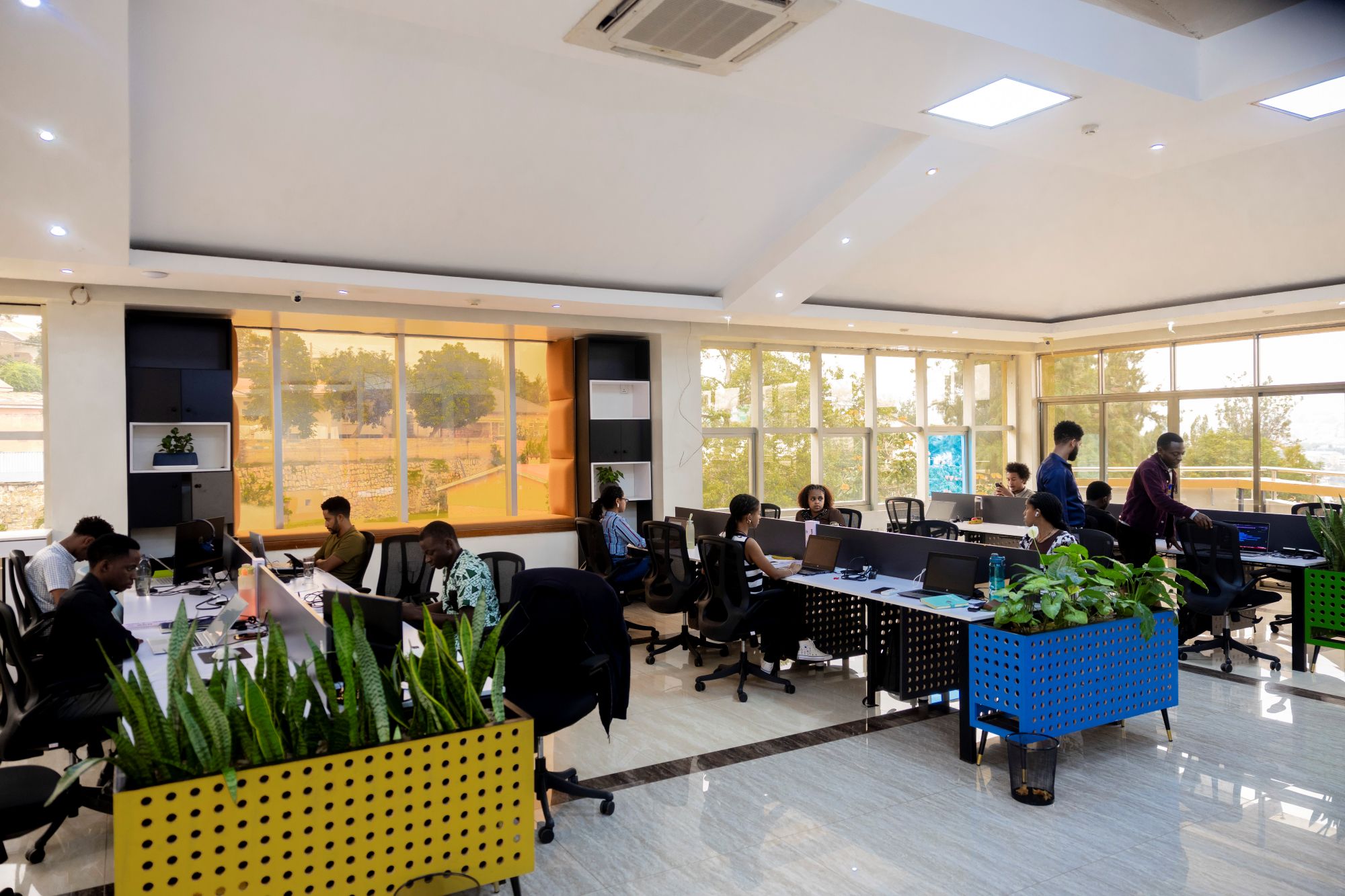
The Gishushu office now serves as the central hub for both the academy and incubator, attracting students, mentors, and developers to work on projects with both local and international impact.
The program emphasises building a strong foundation in programming, particularly in data structures and algorithms, which sets it apart from traditional boot camps.
Adolphe Ngoga, a Rwandan IT graduate, is now part of the team on Eskalate, the organisation’s platform that connects African developers with companies around the world. The program gives developers the opportunity to work on real software projects and gain experience with international teams.
“By the time I joined, more than a dozen developers had already secured roles with U.S.-based companies, showing that these opportunities are truly possible,” said Ngoga, who joined A2SV nearly three months ago when the company relocated to Rwanda.
Mohamed Yasir, a Sudanese team lead who started as a student at A2SV a few years ago, highlighted the importance of mentorship and mastering foundational skills, saying, “Starting with the basics is key. If you understand data structures, algorithms, and how to collaborate with your team, you can take on bigger challenges.”
He advises emerging tech talent to focus on mastering foundational skills and adapting to the evolving landscape, including artificial intelligence: “AI is not here to replace us; it’s here to support developers. Learning how to collaborate with AI and communicate effectively is key to succeeding in today’s tech landscape.”
As A2SV grows in Kigali, founder Emre Varol emphasised the need for partners, investors, and philanthropists to help scale the initiative.
“Our goal is not to promise overnight transformation, but to do the rigorous work required to build a durable pipeline of technical talent and locally rooted ventures,” he remarked.
With its new base in Kigali, A2SV is positioning itself as a launchpad for a continent-wide vision, connecting African engineers to the global tech stage while simultaneously addressing real challenges in education, healthcare, and finance.
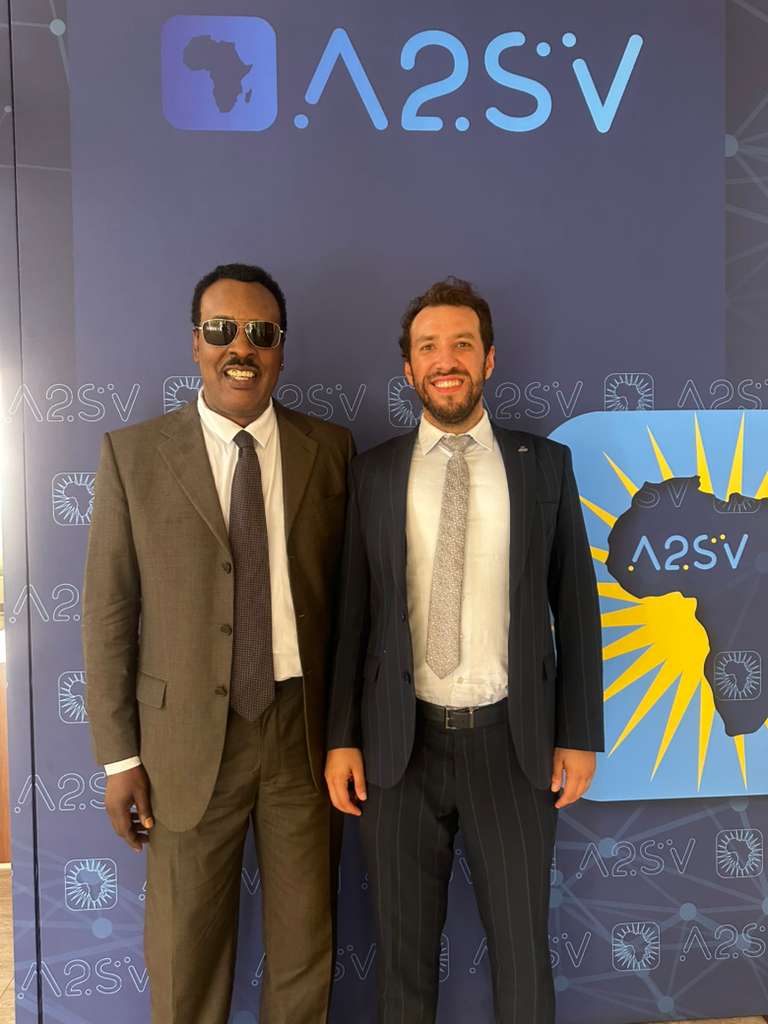
A2SV new office in Gishushu, Kigali.Founded in 2019 by Emre Varol, A2SV is a free, non-profit initiative that provides high-impact technical education to top-performing university students across Africa. The program emphasises building a strong foundation in programming, particularly in data structures and algorithms, which sets it apart from traditional boot camps.A2SV CEO Emre Varol (right) and the company’s Executive Public Relations Officer, John Bunyeshuri. The CEO emphasised the need for partners, investors, and philanthropists to help scale the initiative.Shema Katende, A2SV’s marketing lead, explained that Kigali was chosen for its supportive environment for innovation and its growing pool of IT talent.Adolphe Ngoga, a Rwandan IT graduate, is now part of the team on Eskalate, the organisation’s platform that connects African developers with companies around the world.Mohamed Yasir, a Sudanese team lead who started as a student at A2SV a few years ago, highlighted the importance of mentorship and mastering foundational skills
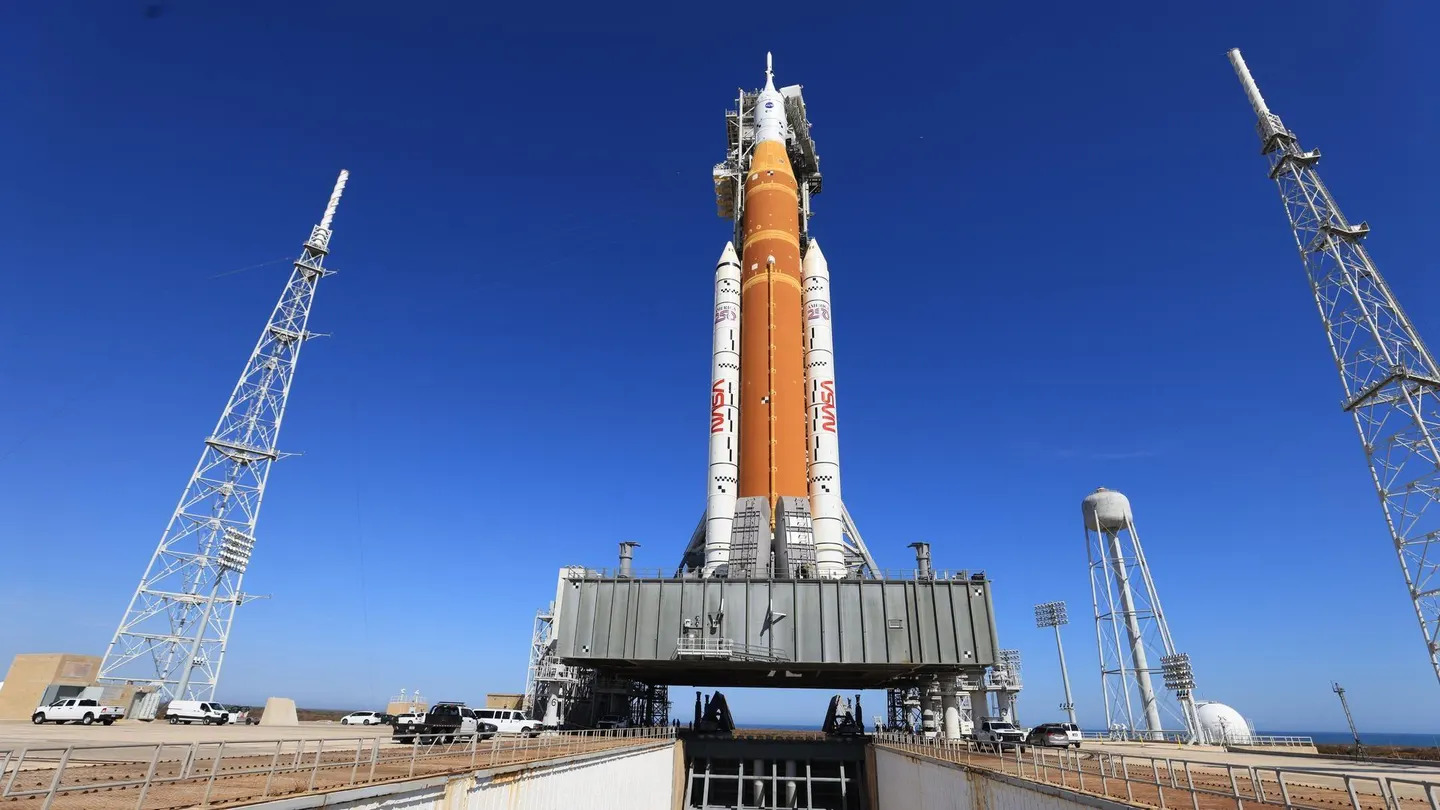
NASA Administrator Jared Isaacman said the problem may involve a faulty filter, valve, or connection plate.
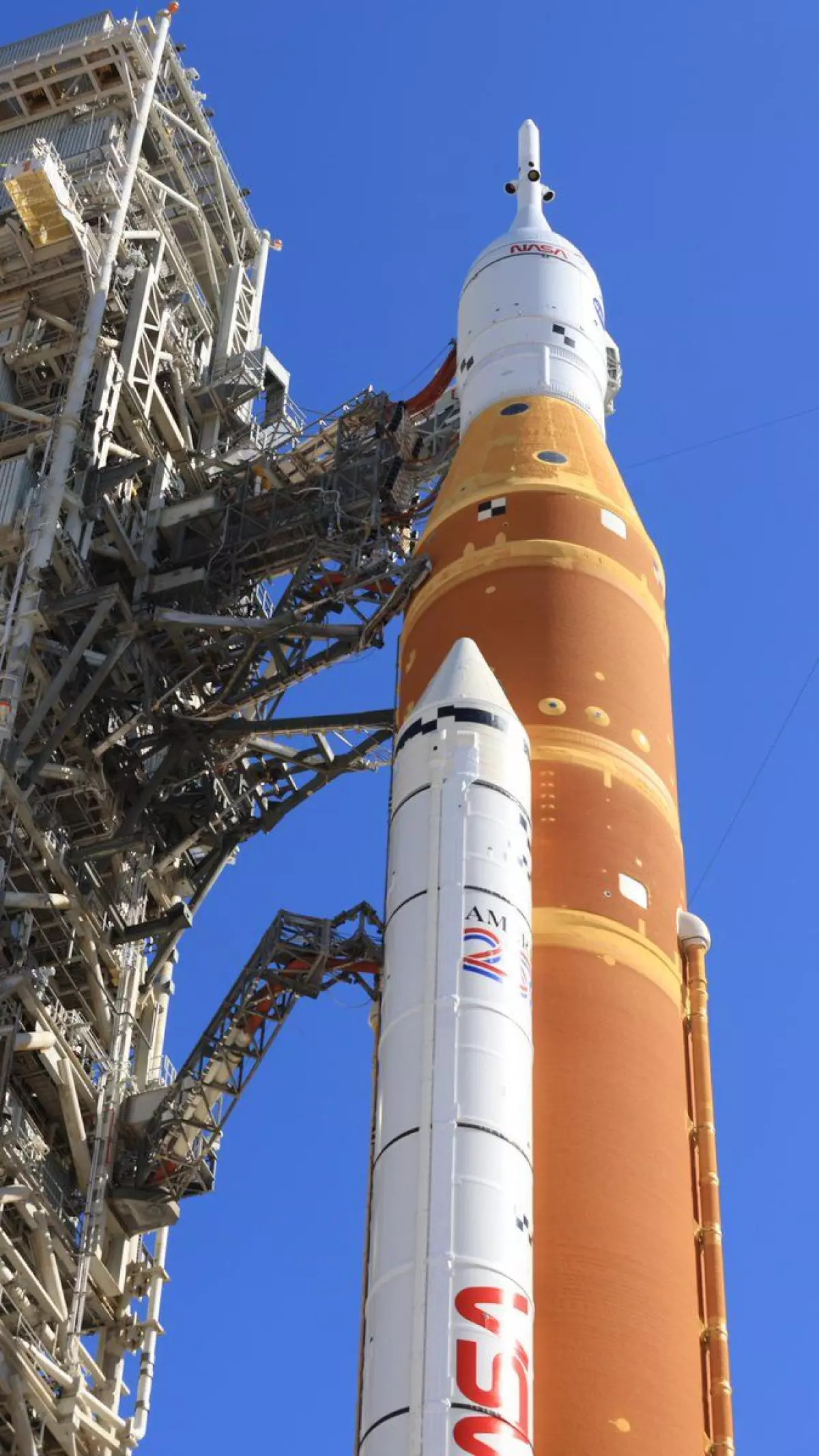
“The only way to inspect and repair the affected area is to roll the 98-meter (322-foot) Space Launch System rocket back to its hangar at Kennedy Space Center,” he said, adding that the March window is no longer feasible.
Artemis II will carry four astronauts, three Americans, Reid Wiseman, Victor Glover, and Christina Koch, and Canadian Jeremy Hansen, on a journey around the Moon and back. The crew will orbit the Moon’s far side, a region never visible from Earth, testing spacecraft systems critical for future lunar exploration.
The mission is a key precursor to Artemis III, NASA’s planned Moon landing, currently scheduled for 2028. Artemis II would also mark humanity’s farthest journey into space since the Apollo program ended in 1972.
The Artemis program has faced multiple delays, including previous hydrogen fuel leaks and postponed rehearsals. A recent wet dress rehearsal, conducted under real fueling conditions, had cleared the mission for a potential March launch before the helium system issue emerged.
The setback comes amid growing international competition in lunar exploration, with China planning a crewed Moon landing by 2030 and uncrewed missions starting in 2026. Despite the delay, NASA says Artemis II remains critical for testing systems and operations needed for sustainable lunar missions and eventual crewed Mars exploration.
NASA’s moon rocket sits on the pad at Kennedy Space Center in Florida.
YouTube experienced the outage earlier on Tuesday, disrupting access for users across multiple countries, including the United States, with hundreds of thousands reporting problems loading videos and using related services.
In a public statement, TeamYouTube acknowledged the outage: “We’re aware some of you are having issues accessing YouTube right now.”
In an update, the team said: “An issue with our recommendations system prevented videos from appearing across surfaces on YouTube (including the homepage, the YouTube app, YouTube Music and YouTube Kids).”
A couple of hours after the massive disruption, the team said all of its platforms were back to normal.
Social media platforms were flooded with posts from YouTube users across regions reporting simultaneous access failures. Outage tracking website Downdetector showed a sharp surge in complaints worldwide. In the United States alone, more than 320,000 users flagged issues at the peak of the disruption.
The mission, carried out by the Hope Probe, was originally launched as a two-year project and entered Mars’ orbit in 2021. The extension seeks to maximize the scientific return on the UAE’s space investments and gain valuable operational experience for future deep-space missions.
Since its arrival at Mars, the Hope Probe has gathered around 10 terabytes of data, shared in 16 datasets with over 200 global research institutions. The mission has also supported pioneering discoveries, including new observations of Mars’ auroral activity and close fly-bys of Deimos, the smaller outer moon of Mars.
In October 2025, the probe expanded its scientific scope by capturing images of Comet 3I/ATLAS, the third known interstellar object that passes through our solar system, offering a rare opportunity to study material from beyond the solar system.
Officials said the decision demonstrates confidence in the probe’s technical readiness and national team capabilities, while supporting the rapid growth of the UAE’s space ecosystem through expanded research and aerospace education.
The company began operations in Rwanda in 2016 and now averages over 600 deliveries per day. While it initially focused on transporting blood, Zipline has expanded its services to include more than 200 types of medicines across 10 product categories.
Zipline operates drone distribution hubs in Muhanga District’s Shyogwe Sector and in Kayonza District. Nearly 35 percent of all deliveries consist of livestock vaccines, supporting both human and animal health services.
Each drone can carry between two and three kilograms, fly up to 160 kilometres, and operate for up to three hours on a single battery charge. The longest active route, between Muhanga and Mibilizi District Hospital in Rusizi District, takes less than 40 minutes.
Drone delivery is now fully integrated into Rwanda’s public healthcare system, serving more than 150 hospitals, health centres, and clinics. More than 600 primary healthcare facilities, representing about 50 percent of such clinics nationwide, are reachable by drone.
Health officials say the system has significantly improved emergency care, particularly for maternal health. Hospitals outside Kigali report that maternal deaths linked to blood shortages have fallen to nearly zero, as blood can now be delivered within minutes of being requested. The Minister of Health, Dr Sabin Nsanzimana, has publicly commended facilities such as Kaduha District Hospital for achieving zero maternal deaths related to delayed blood delivery.
Zipline Rwanda employs at least 250 people in technical and operational roles. In April 2025, the company reached the milestone of one million deliveries in Rwanda, eight years after launching operations. A second million deliveries was reached in a much shorter time, reflecting rapid growth.
Globally, Zipline operates 30 sites across four continents. A Zipline drone takes off every 50 seconds somewhere in the world, and the company has completed more than two million deliveries without any accident causing harm to human life. Its drones have flown a combined distance of about 193 million kilometres, serving more than 5,000 health facilities.
Following a recent USD 150 million investment supported by the United States Government, Zipline plans to expand further in Rwanda. A new distribution hub in Karongi District is expected to open in August 2026, serving 200 clinics and 60 major health facilities and reaching more than 2.8 million people.
Pierre Kayitana, Zipline Rwanda’s Country Director, said the expansion creates a single, integrated logistics system serving all Rwandans.
“Rwanda pioneered autonomous logistics for the world,” Kayitana said. “With the addition of a third hub and upcoming urban services in Kigali, Rwanda is creating a seamless national system that serves all citizens equally.”
The expansion is expected to enable nationwide coverage, serving Rwanda’s population of more than 14 million and creating up to 350 jobs. Zipline also plans to introduce urban drone delivery services in Kigali in 2027, including commercial deliveries using its next-generation Platform 2 (P2) drones, which were unveiled in Rwanda in 2025.
Officials say Rwanda’s early adoption of autonomous drone delivery has positioned the country as a global reference point for the technology, with systems tested locally now being deployed worldwide.
About five minutes before the simulated engine ignition on early Tuesday, the ground launch sequencer automatically stopped the countdown due to a spike in the leak rate, according to the agency.
NASA Administrator Jared Isaacman said the agency targets March for the launch of Artemis II, shifting away from the February launch window.
The wet dress rehearsal, a full prelaunch test, was designed to fuel the rocket and identify any issues before an actual launch. NASA began the countdown at 8:13 p.m. Eastern Time on Saturday (0100 GMT Sunday).
The rehearsal encountered several setbacks. Among the issues, low temperatures at Kennedy Space Center in Florida delayed the start of fueling as some interfaces required time to reach acceptable operating temperatures.
During tanking operations, engineers troubleshot a liquid hydrogen leak at a core-stage interface by stopping the flow of liquid hydrogen, allowing the interface to warm for seals to reseat, and adjusting propellant flow, according to NASA.
In addition to the hydrogen leak at the final prelaunch operations, another delay was caused by a recently replaced valve associated with the Orion crew module hatch pressurization requiring retorquing.
The Artemis II mission will send four astronauts on an approximately 10-day journey around the Moon and back. The crew consists of NASA astronauts Reid Wiseman, Victor Glover and Christina Koch, and Canadian Space Agency astronaut Jeremy Hansen.