The Communications Regulatory Authority of Namibia confirmed that Starlink’s applications for both a telecommunications service licence and access to radio spectrum were rejected, according to a notice published in the government gazette earlier this week.
The regulator said Starlink only satisfied three of the six legal criteria required for approval. A key issue was non-compliance with Namibia’s local ownership laws, which require that at least 51% of a telecommunications company be owned by Namibian citizens or entities. Starlink, being wholly foreign-owned, had not obtained an exemption from this requirement.
Authorities also raised concerns related to national defence and public security, arguing that Starlink’s ownership structure presented challenges around jurisdiction and enforcement of regulatory obligations.
In addition, the regulator pointed to past instances in which Starlink was found to have contravened Namibia’s Communications Act and failed to respond to a regulatory summons, describing the conduct as showing “a total disregard” for the sector’s governance framework.
Despite the rejection, the regulator noted that Starlink met criteria related to competition, technical and financial capacity, as well as frequency availability.
Starlink has been expanding its presence across Africa, operating in several countries including Rwanda, but has encountered regulatory hurdles in others due to local ownership requirements and policy restrictions.
In Namibia, authorities previously issued a cease-and-desist order in November 2024, stating that the company had been operating without a licence and advising the public against using its services.
The regulator said it may reconsider the decision within 90 days, either on its own initiative or following a petition from an affected party.
Starlink has been expanding its presence across Africa, operating in several countries, but has encountered regulatory hurdles in others due to local ownership requirements and policy restrictions.
“We’re saying goodbye to the Sora app,” the Sora team said in a statement posted on the social platform X.
The team thanked users who had created and shared content on the platform, saying “what you made with Sora mattered” and acknowledging that the decision would be disappointing to many in its user community.
Sora, launched as a standalone app in September 2025, has been positioned as one of OpenAI’s major products in generative video.
OpenAI’s help-center materials as recently as March showed ongoing updates to Sora’s features, including editing tools and support for the newer Sora experience, suggesting that the shutdown represents a sharp shift in the company’s product direction.
In December 2025, OpenAI and The Walt Disney Company announced a three-year licensing agreement and a 1 billion-U.S.-dollar investment from Disney. Media outlets reported that the arrangement will no longer move forward following Sora’s shutdown.
“As the nascent AI field advances rapidly, we respect OpenAI’s decision to exit the video generation business and to shift its priorities elsewhere,” Disney said in a statement Tuesday, adding that it would “continue to engage with AI platforms to find new ways to meet fans where they are.”
Sora had launched as a standalone app in September 2025
ZYT plans to present its advanced AI system at the Beijing auto show in April 2026, calling it a “mobility foundation model.”
Unlike traditional autonomous driving systems that build specific modules for detecting obstacles such as cars, pedestrians, and traffic signals, ZYT’s AI takes a different approach.
The system learns from a diverse range of data sources, including road traffic video, drones, robots, motorcycles, and even cameras carried by people.
This broad learning model allows the AI to make flexible driving decisions across various urban environments. The result is an AI that performs seamlessly in complex driving scenarios, even better than its CEO in Shenzhen’s busy streets.
ZYT sees this technology extending beyond autonomous vehicles and has plans to apply it to other robots and machines in the future.
ZYT is positioning itself as a strong competitor in the self‑driving technology race, competing against Chinese companies like Xpeng and international giants such as Tesla.
The company is also targeting the commercial sector, especially in long‑haul trucking. ZYT has formed partnerships with major Chinese truck manufacturers, including XCMG, SHACMAN, and SINOTRUK, to introduce its AI system to the trucking industry. ZYT believes that its AI can help trucking companies reduce operating costs and save on fuel.
FAW Group, a state‑owned Chinese automaker, acquired a significant stake in ZYT (around 35.8%), alleviating concerns about DJI’s control and helping expand ZYT’s reach.
ZYT is also working to make its system compatible with cheaper chips, allowing regular passenger cars to adopt the technology. The first vehicles featuring the AI are expected to be released by 2027.
ZYT has no immediate plans to enter the U.S. market but is testing its AI technology in Europe through collaborations with automaker Volkswagen. ZYT’s global aspirations are evident as it aims to make a lasting impact on the self‑driving industry across multiple sectors.
ZYT’s AI technology is set to revolutionize both the passenger and commercial driving sectors with its ability to handle complex urban environments, positioning itself as a key player in the global race for autonomous technology.
ZYT readies AI that can outdrive its own CEO on Shenzhen streets.
This research involved a type of computing hardware known as neuromorphic computers, which are built to imitate how the human brain processes information.
Scientists have now shown that these machines can successfully solve partial differential equations (PDEs), a class of problems that are foundational to physics simulations, weather forecasting, fluid dynamics, and engineering tasks.
Until now, solving these equations typically required massive supercomputers that use enormous amounts of energy.
In contrast, the brain‑inspired systems demonstrated similar capabilities while using only a fraction of the power, suggesting a path toward far more energy‑efficient computing for scientific research and national security applications.
Researchers Bradley H. Theilman and James B. Aimone developed a new algorithm that allows this neuromorphic hardware to tackle such advanced calculations.
According to the team, the structure of this algorithm reflects how the brain might perform complex computations naturally, offering insight into both computing and brain function.
The study also highlights that these findings could greatly impact efforts to build the next generation of low‑energy computational systems.
If further developed, brain‑inspired computing could provide powerful alternatives to current systems used in high‑performance research, all while reducing electrical power demands.
Brain inspired machines are better at math than expected.
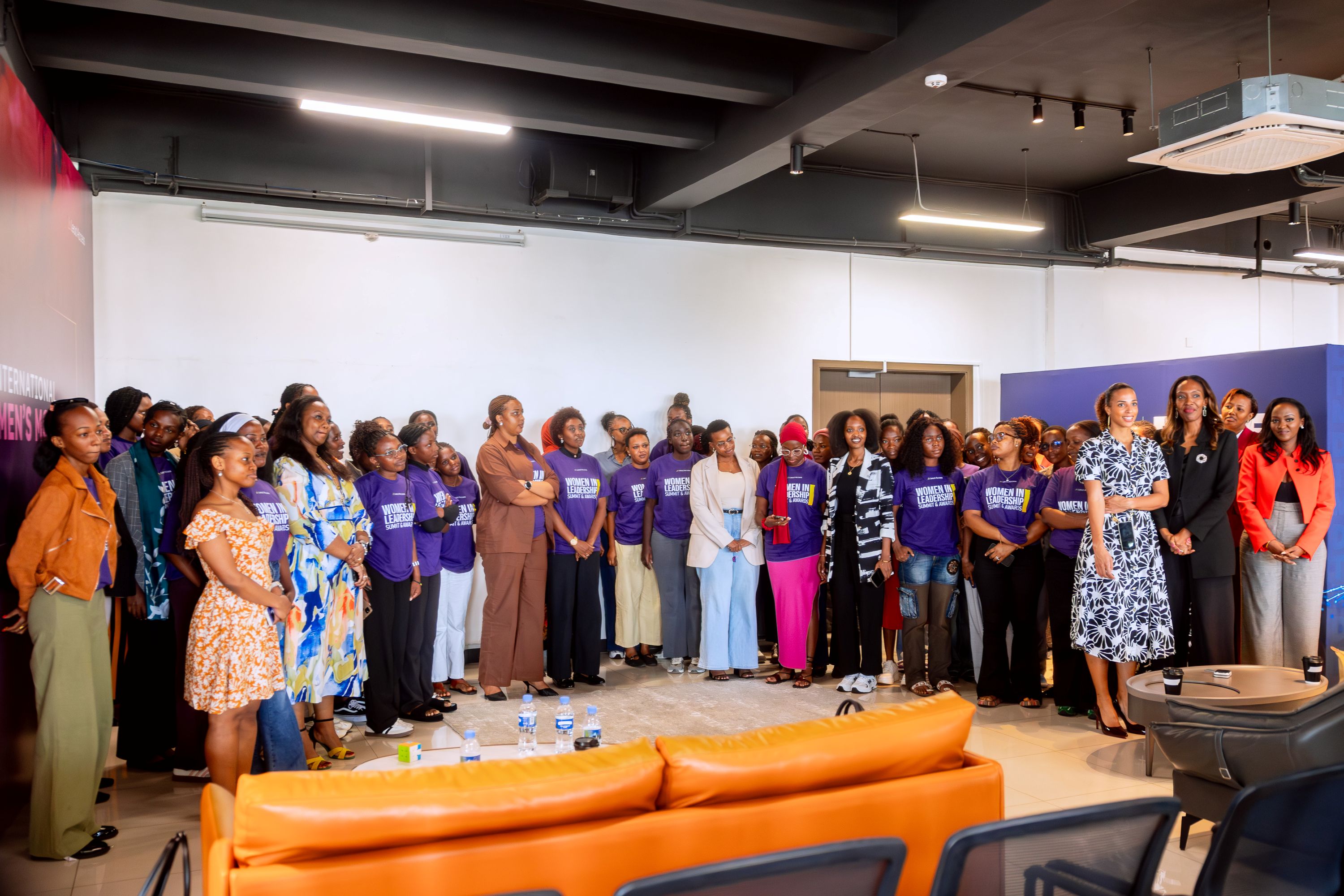
Over the course of a single week in March 2026, ALX Rwanda hosted and participated in two impactful Women in Tech engagements, one in collaboration with HerinTech on March 14 and another with Lead Access on March 17. While each event had its own focus, both were united by a shared mission of empowering women with the confidence, connections, and capabilities needed to thrive in tech.
Partnership-driven empowerment
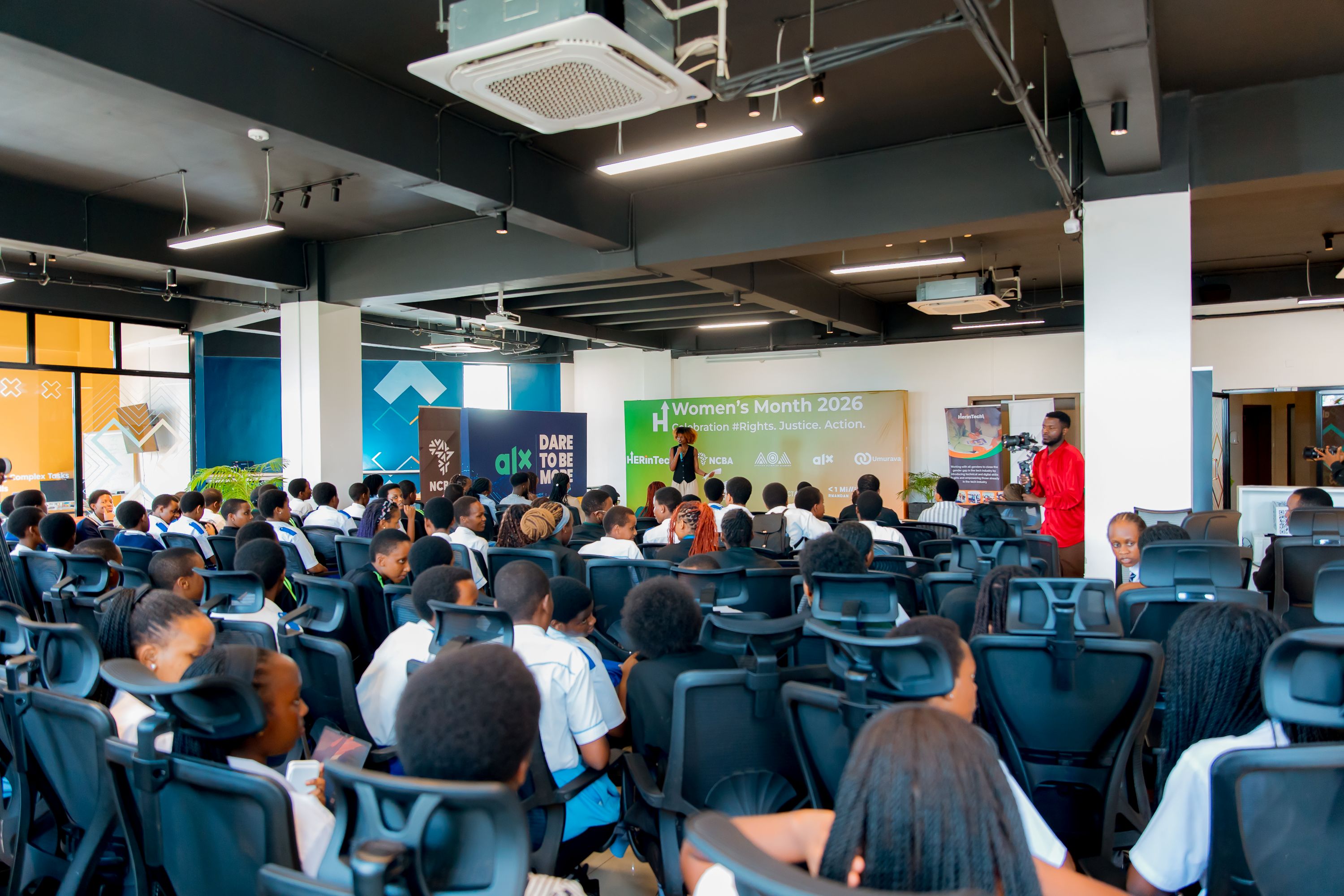
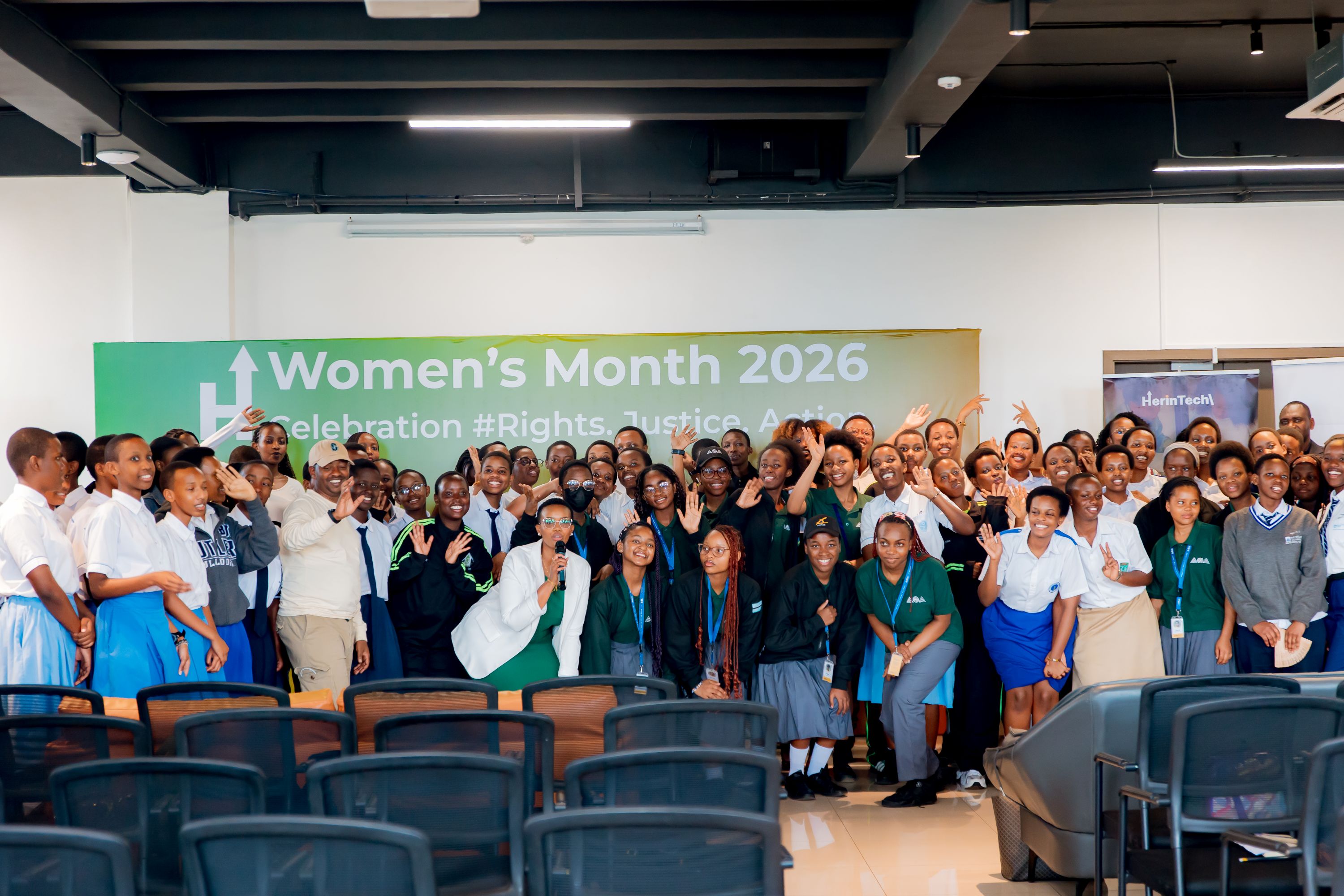
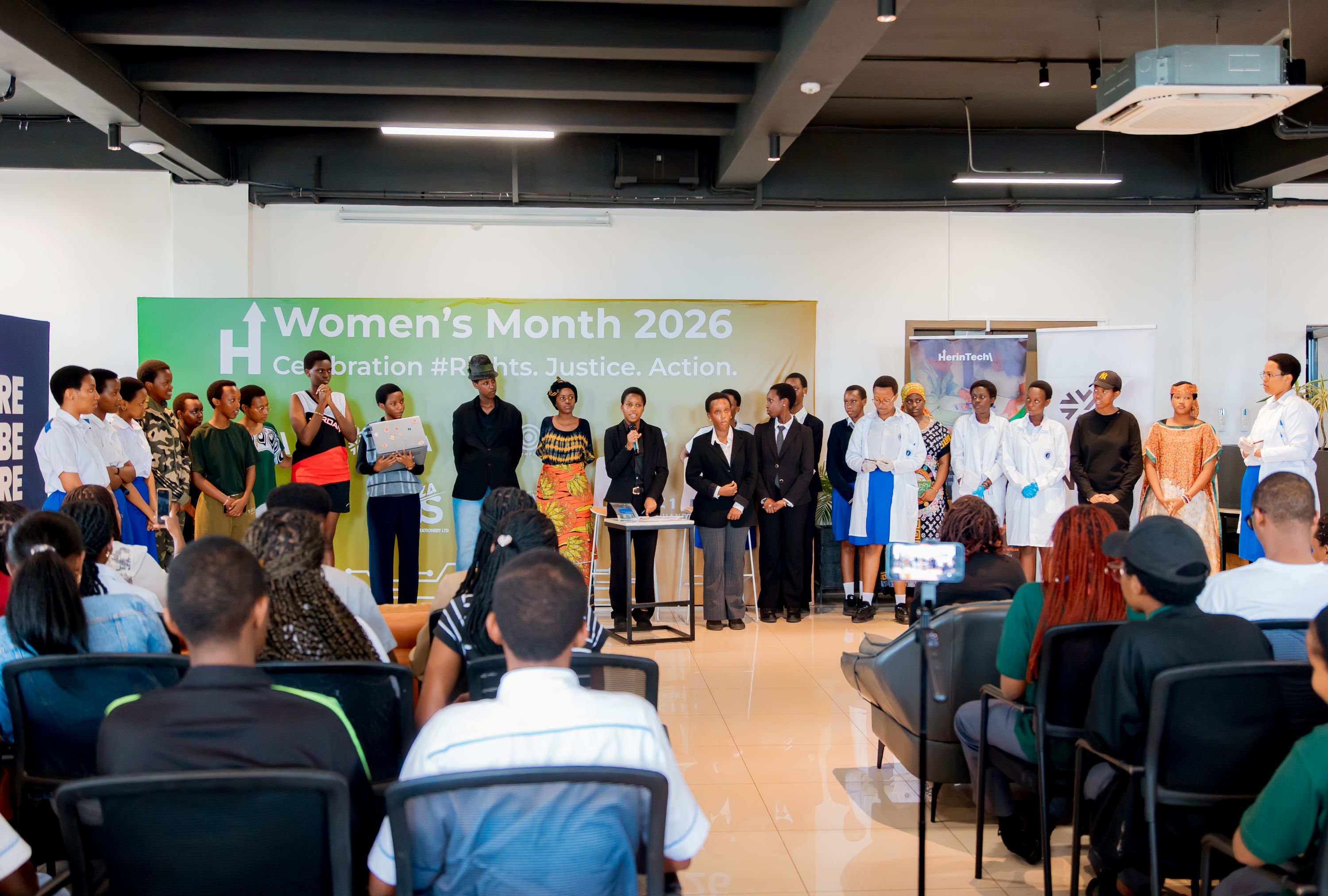
The March 14 engagement, organised in partnership with HerinTech, brought together young women, students, and industry professionals under the theme “Rights. Justice. Action. For All Women and Girls.” The session created a dynamic and inclusive space for learning, dialogue, and inspiration.
While each event had its own focus, both were united by a shared mission of empowering women with the confidence, connections, and capabilities needed to thrive in tech.
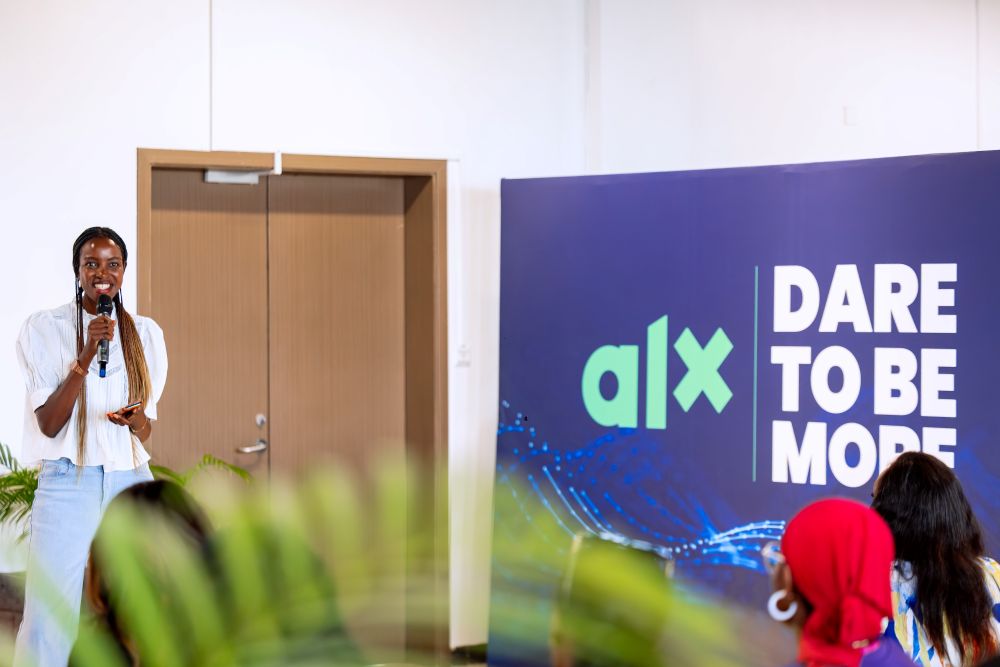
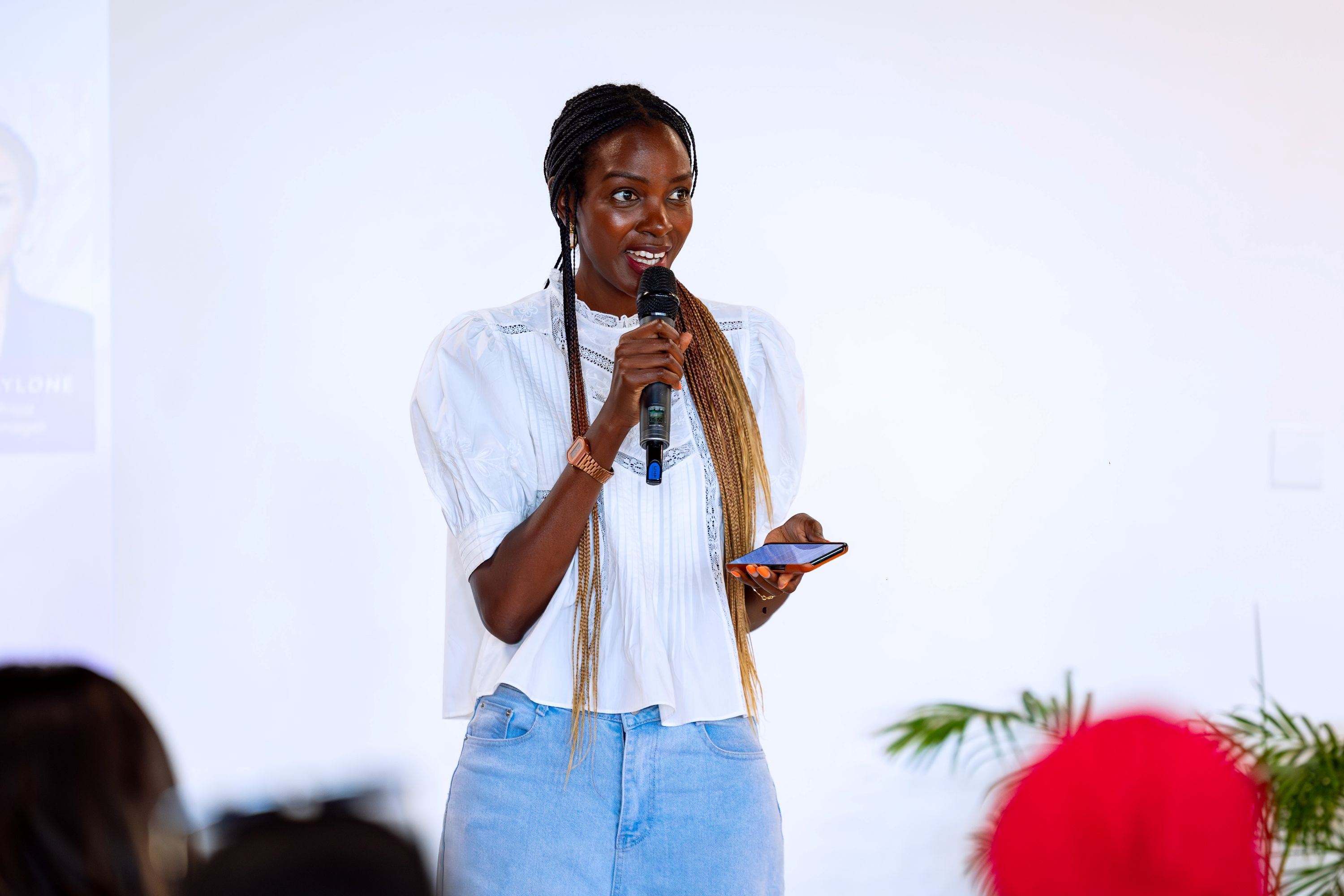
Speakers, including Linda Ikirezi, Founder of HerinTech, emphasised the importance of intentional collaboration in creating opportunities for women. Their message underscored a key reality that advancing women in tech requires ecosystems rather than isolated efforts.
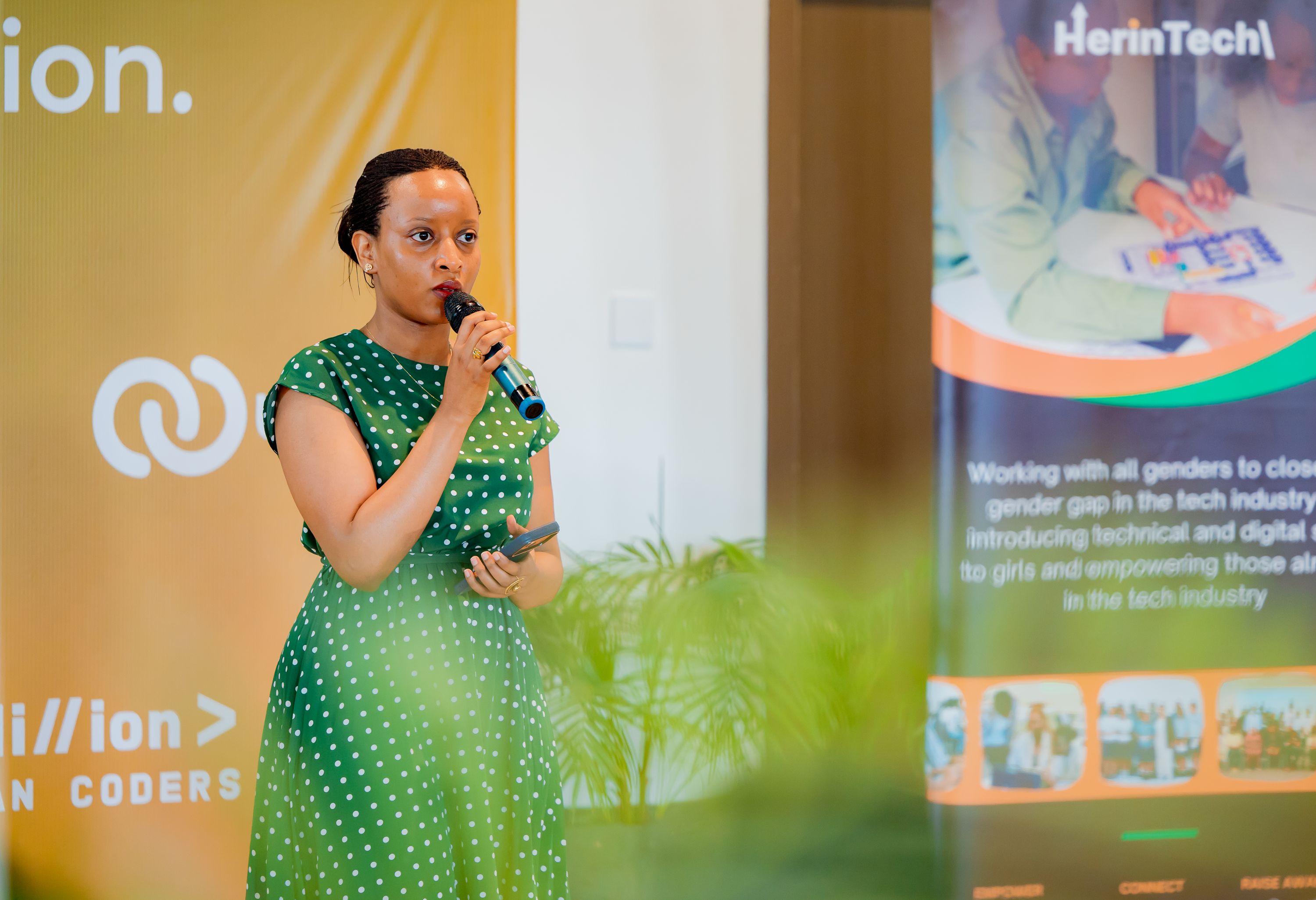
The event featured contributions from industry professionals and partners, including Marie Grace Niwemukiza from the Ministry of ICT and Innovation, Arnould Gabiro, Software Engineer at Umurava, and Fleury, a representative from NCBA Bank spoke at the event. Sessions covered a wide range of topics, from career journeys in tech to often-overlooked conversations such as women’s reproductive health, creating a holistic environment that addressed both personal and professional development.
Linda Ikirezi, Founder of HerinTech, emphasised the importance of intentional collaboration in creating opportunities for women.
A panel discussion moderated by Liliose Gashugi brought together experienced professionals, including Simonneta Perles from Westerwelle Startup Haus Kigali, Eliane Irankunda Kamana from Irembo, and Resire Mboneko, a Kigali-based Information Security Manager. They shared candid insights on navigating male-dominated industries, with their collective message resonating strongly with participants.
“Show up—scared, nervous, or uncertain—but always show up.”
The engagement also featured presentations from young innovators, including students from SOS Technical School, demonstrating early-stage creativity and highlighting the importance of nurturing talent from a young age.
Panel discussions featured experienced professionals who shared candid insights on navigating male-dominated industries, with their message resonating strongly with participants.
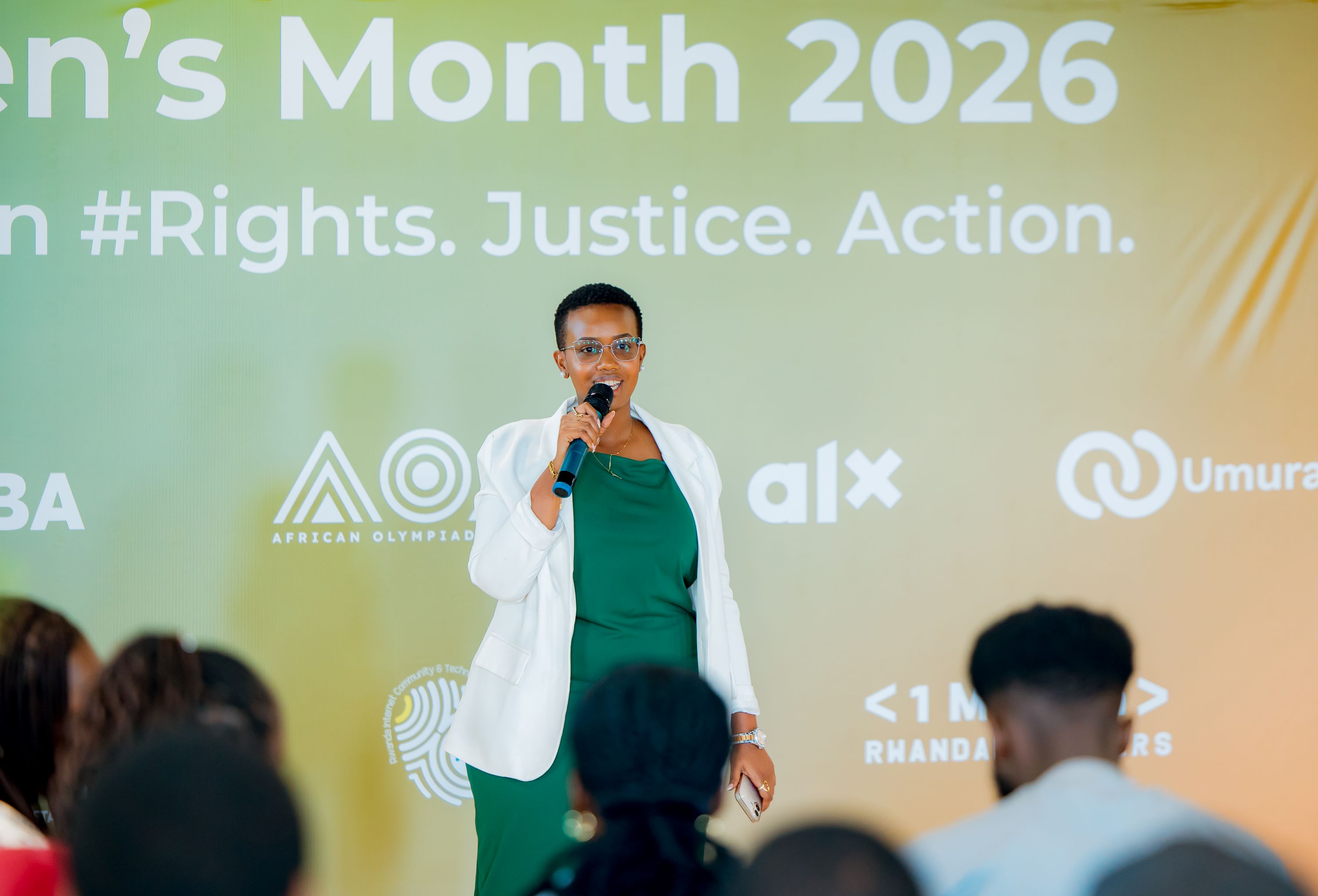
The keynote speech by Grace Ingabire, CEO of RICTA, left a lasting impression. She spoke about the importance of being audacious, challenging stereotypes, and taking action before feeling ‘ready.’
Her message resonated deeply, noting that growth comes from stepping forward rather than waiting for perfection.
What followed was pure joy, with music, dance, and a lively after-party led by the students themselves. From Amapiano challenges to spontaneous moments of connection, the atmosphere reflected something deeper than fun, showcasing a sense of community, connection, and shared celebration.
ALX workshop with Lead Access
Just days later, ALX Rwanda, in partnership with Lead Access, hosted a Women in Tech workshop at the ALX Rwanda Hub in Nyarutarama. Held under the theme “Give to Gain”, the session brought together aspiring technologists, learners, and industry leaders in an interactive environment centred on mentorship, leadership, and innovation.
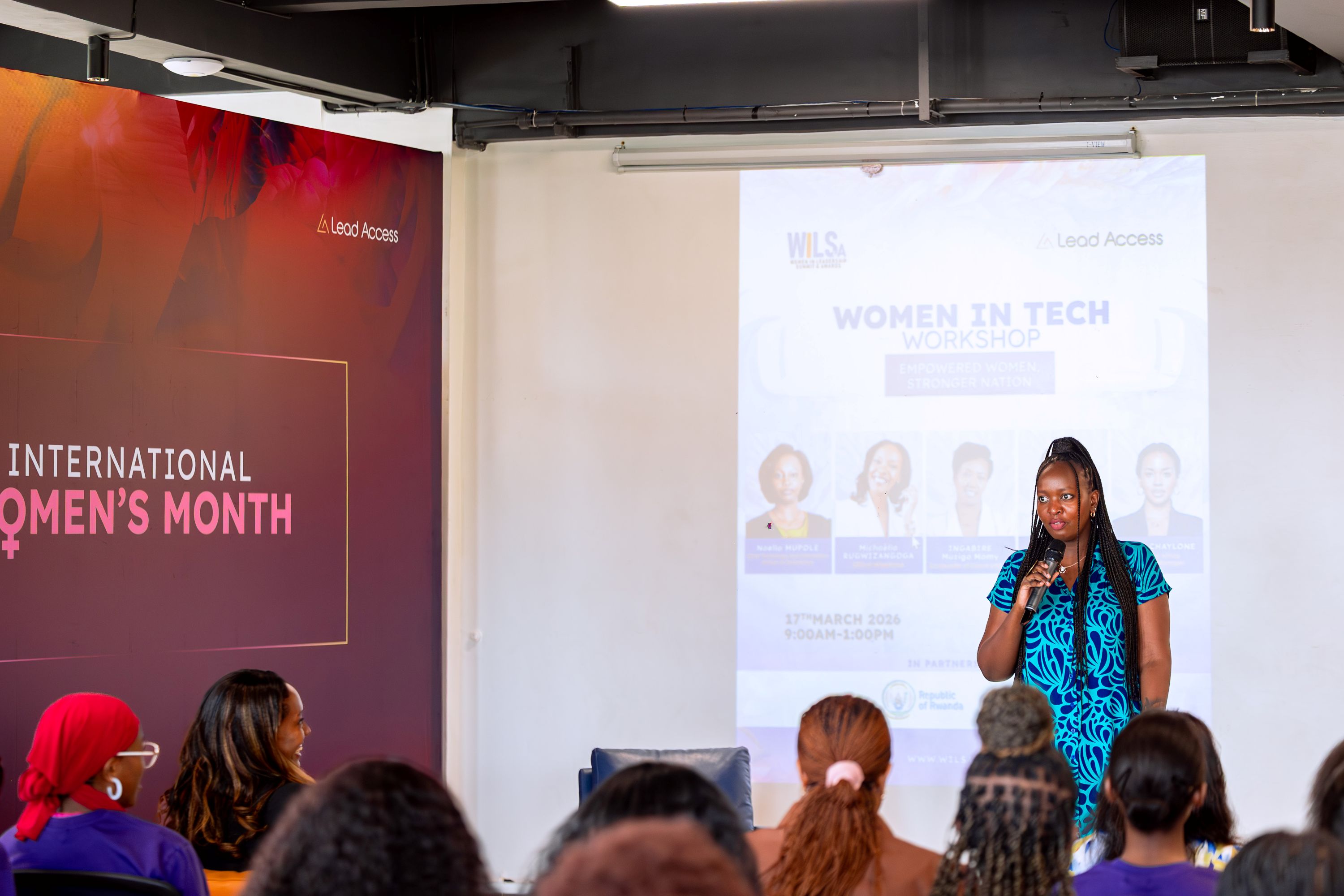
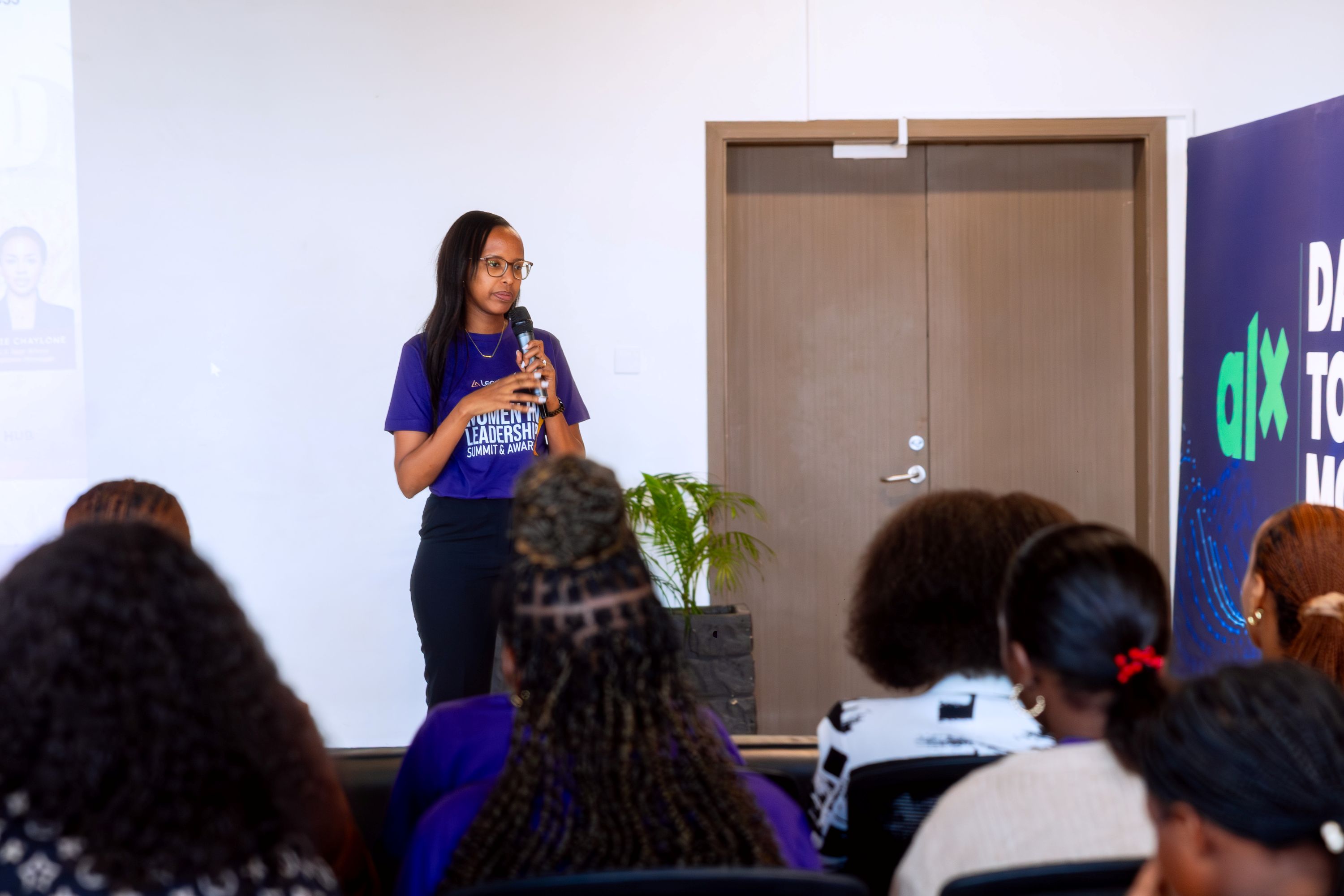
The workshop highlighted Rwanda’s growing position as a hub for digital talent and innovation. Speaking at the event, Sandra Kabongoyi, Partnership Manager at ALX Africa, emphasised the importance of inclusivity in shaping the future of the digital economy.
ALX Women in Tech events coincided with International Women’s Month, highlighting the celebration of women’s achievements while fostering dialogue, collaboration, and empowerment in the tech space.
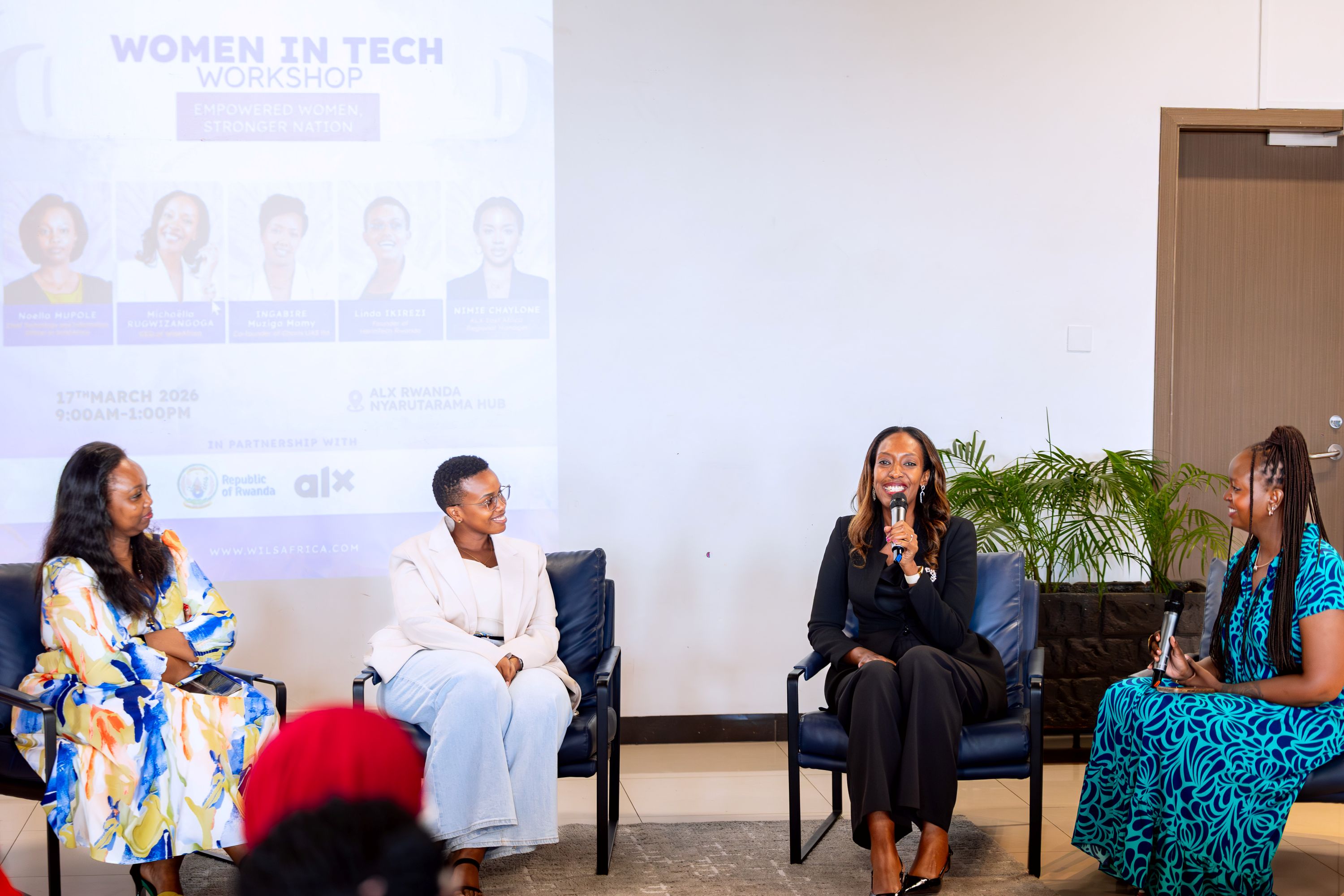
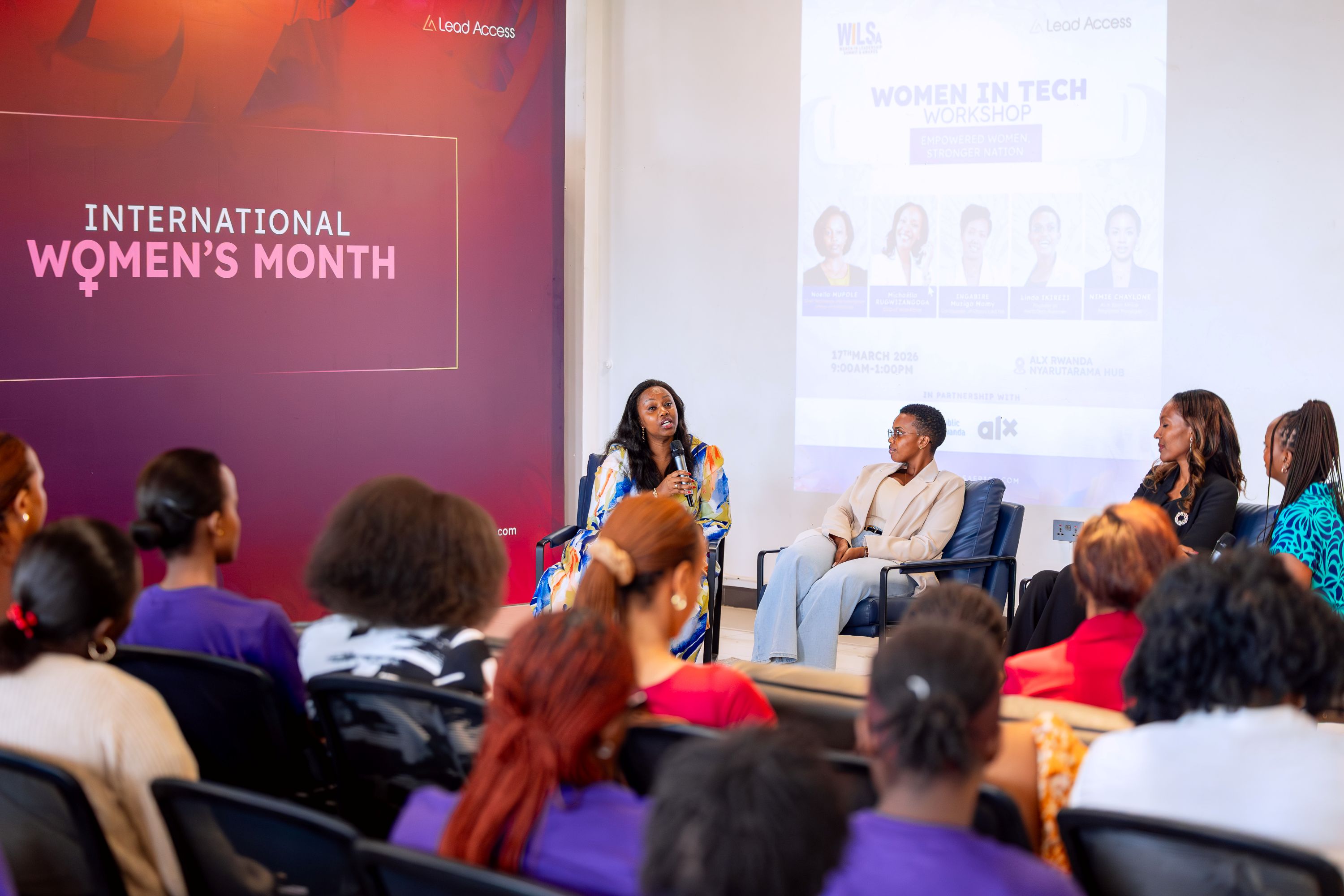
The program featured a panel discussion with prominent women in tech, including Noella Mupole, Chief Technology and Information Officer at Solid Africa, Linda Ikirezi, Founder of HerinTech Rwanda, and Michaëlla Rugwizangoga, CEO of WiseAfrica, moderated by Jacinta Gitau. The discussion explored personal journeys marked by resilience, persistence, and growth, with panellists sharing experiences overcoming gender barriers, self-doubt, and structural challenges.
A key message emerged throughout the session: mentorship and continuous learning remain essential pillars for women building careers in technology.
Michaëlla Rugwizangoga highlighted the broader ecosystem’s role in enabling women’s progress, while Ingabire Muziga Mamy, Co-founder of Charis UAS Ltd, delivered a motivational talk emphasising purposeful innovation and leadership:
“The future digital economy must be built by women, not just used by women.”
The engagements sparked inspiration, learning, and connection.
She further encouraged participants to tackle local challenges as a pathway to global relevance, reinforcing the idea that innovation often begins within one’s immediate environment.
For many participants across both events, the experience went beyond inspiration. It provided practical exposure, meaningful connections, and renewed confidence in their ability to pursue careers in technology.
Learners like Apophia Usanabaganwa from ALX Rwanda described the experience as transformative, noting how interactions with speakers and peers helped restore confidence and reaffirm ambition.
“I’m really happy about what happened today. We’ve been reminded that women are capable of everything,” she said. “My hope had dropped in recent days, but today it rose again because of the engaging words from the guests. Right now, I’m very confident that I’m able to do anything.”
She also highlighted the role of ALX in her personal growth, noting that the program has equipped her with practical skills, including AI Career Essentials, and valuable connections to support her career journey.
For many participants across both events, the experience went beyond inspiration. It provided practical exposure, meaningful connections, and renewed confidence in their ability to pursue careers in technology.
ALX at the centre of a growing ecosystem
Through both engagements, ALX Rwanda played a central role not only as a host but as a convener of partnerships, ideas, and opportunities. By working alongside organisations such as HerinTech and Lead Access, ALX continues to strengthen a collaborative ecosystem that supports women at different stages of their tech journeys.
At the core of ALX’s model is a focus on accessible, flexible, and future-ready learning. Through a hybrid model that combines intensive online technical tracks, ranging from software engineering and data science to AI career essentials, with in-person collaboration at its Kigali Tech Hub, the organisation bridges the gap between traditional education and the modern workforce.
By leveraging strategic partnerships with the Government of Rwanda and global tech entities, ALX focuses on large-scale youth employability, offering fully sponsored programs and advanced AI learning tools like “Chidi” to foster a knowledge-based economy and drive regional innovation.
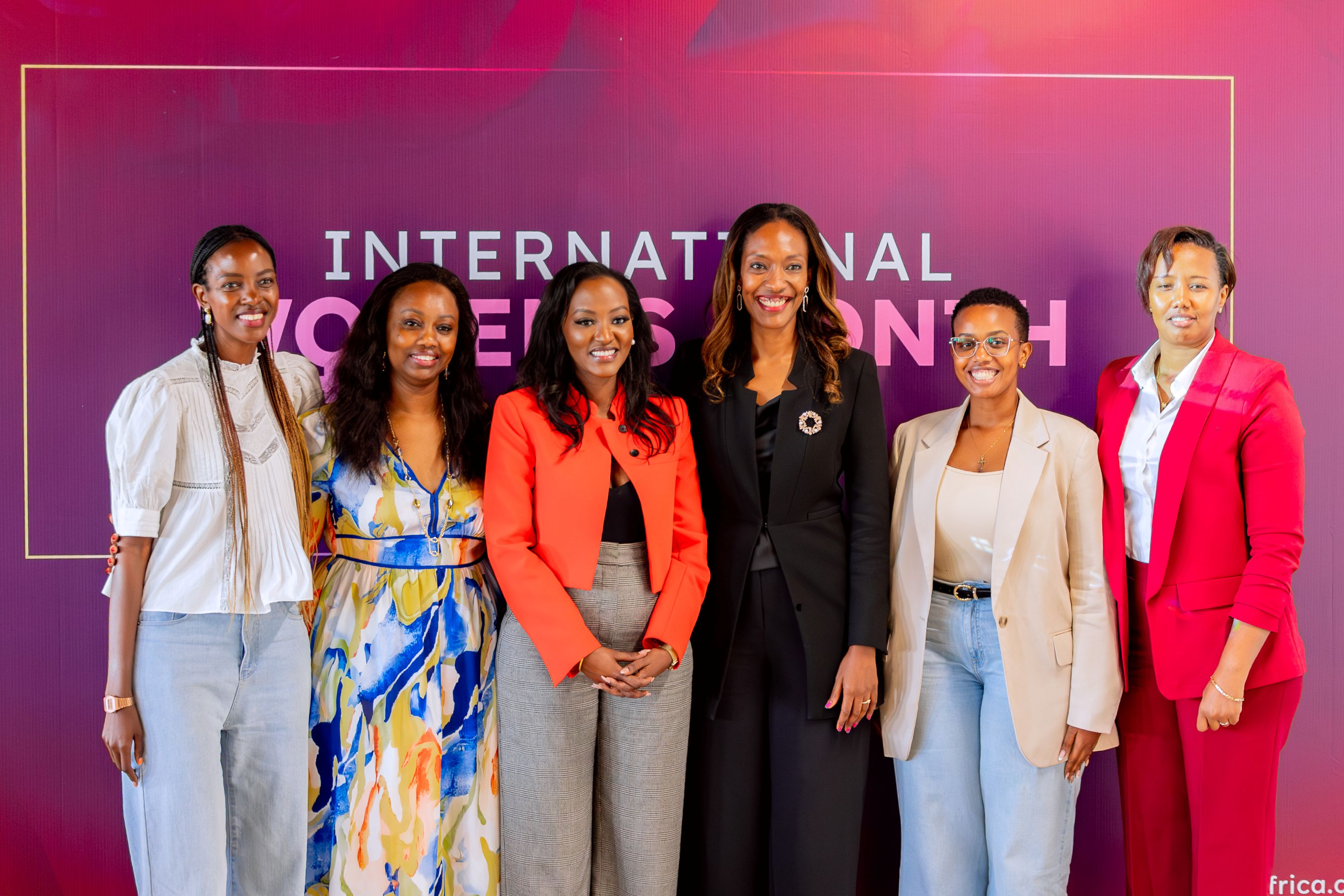
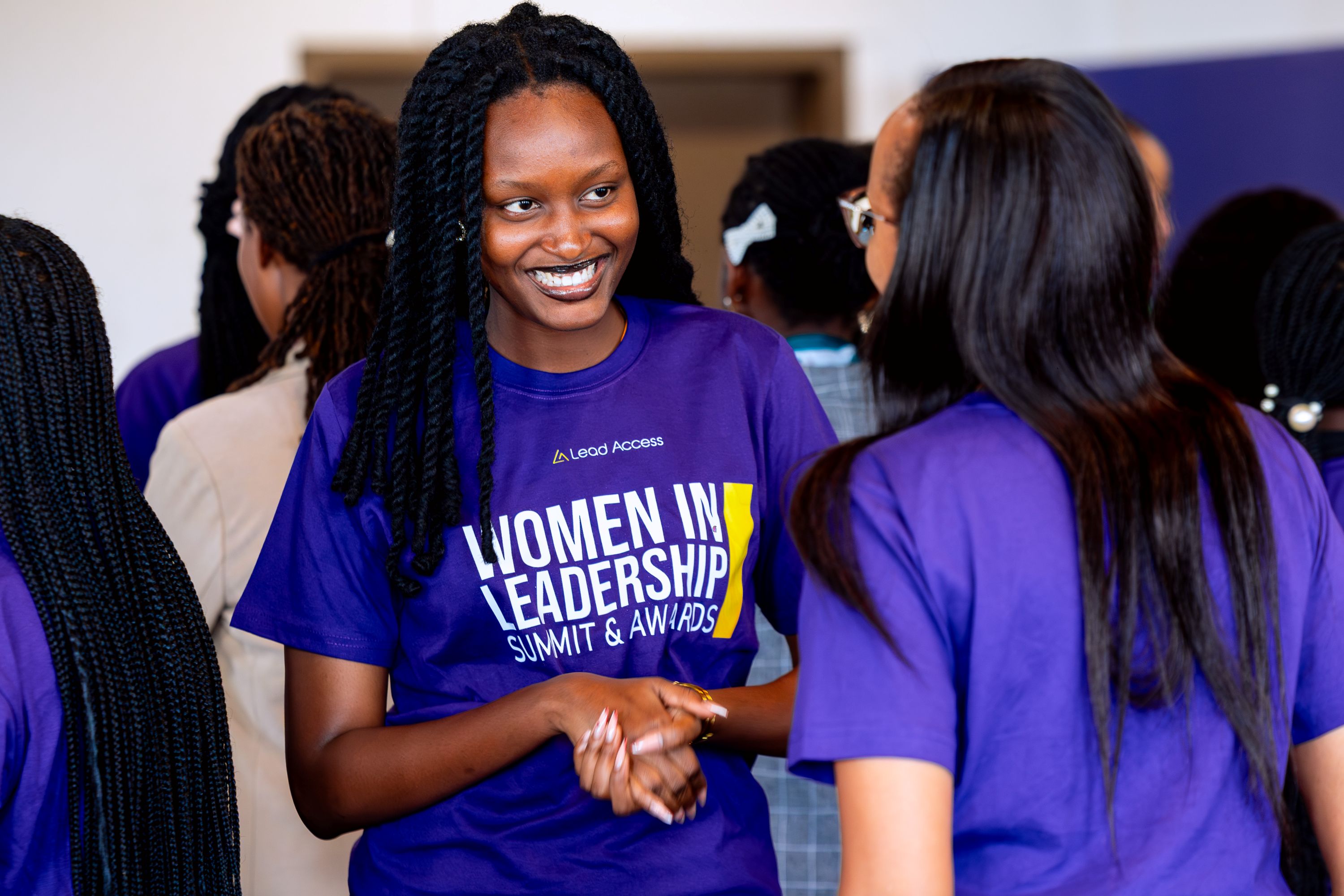
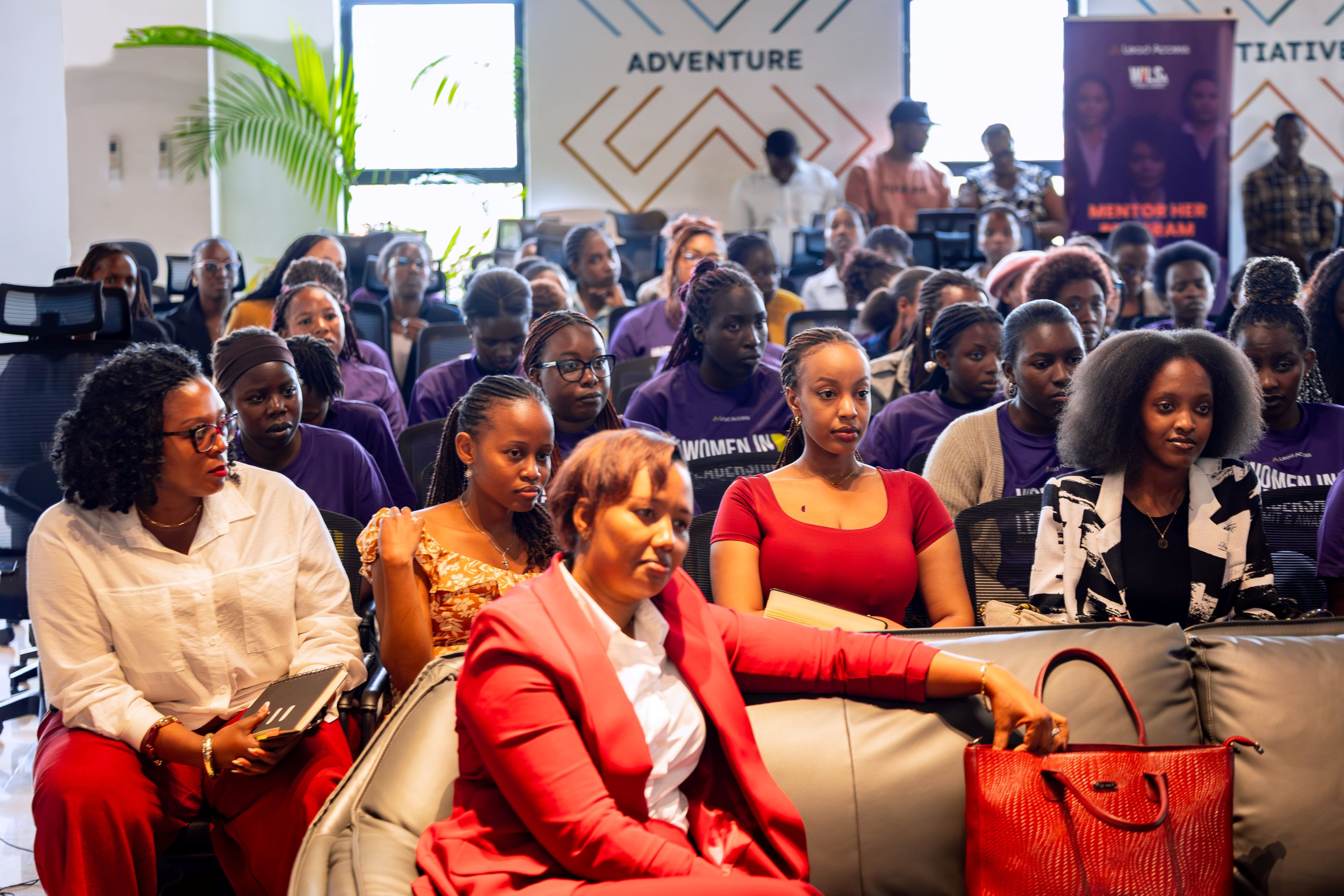
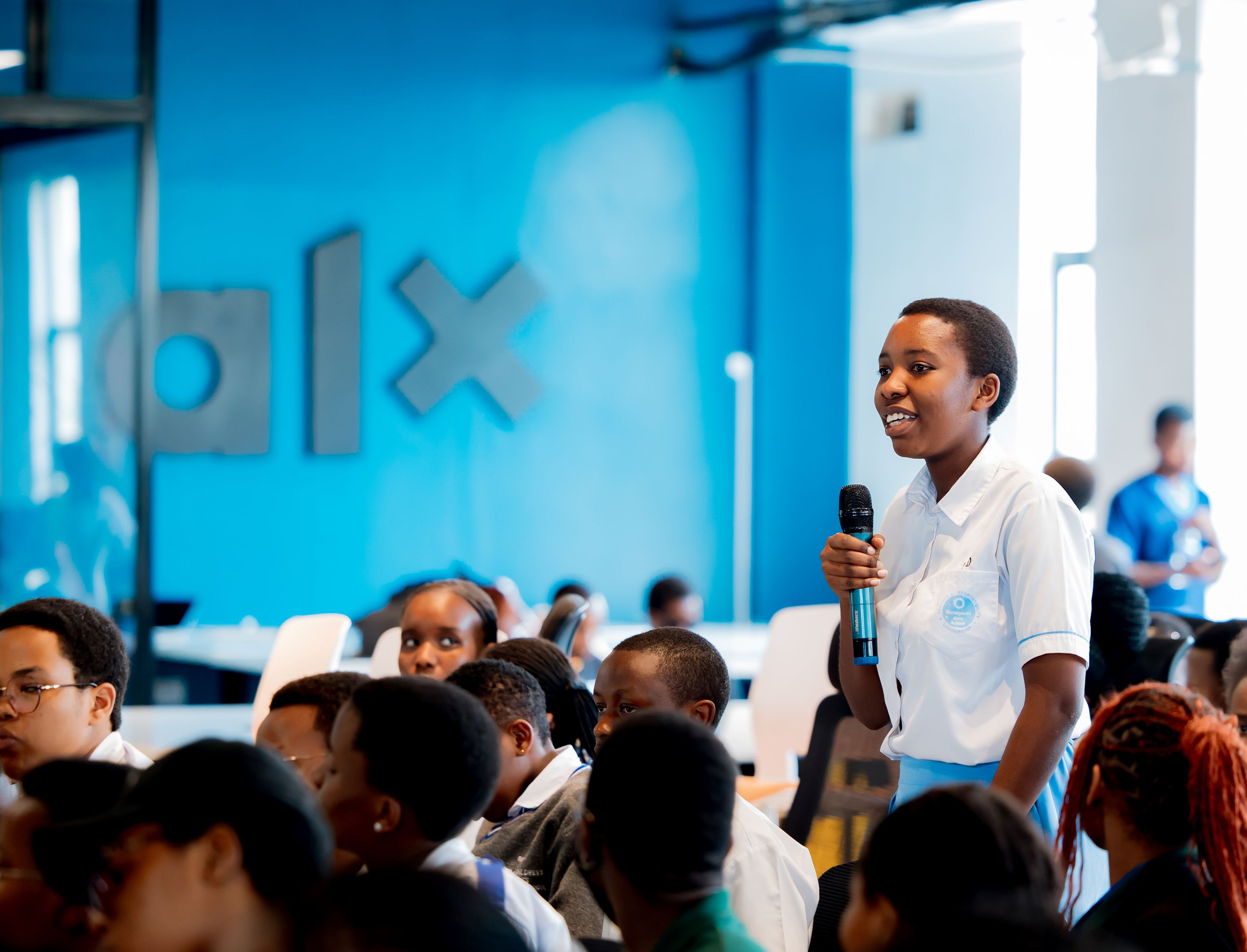
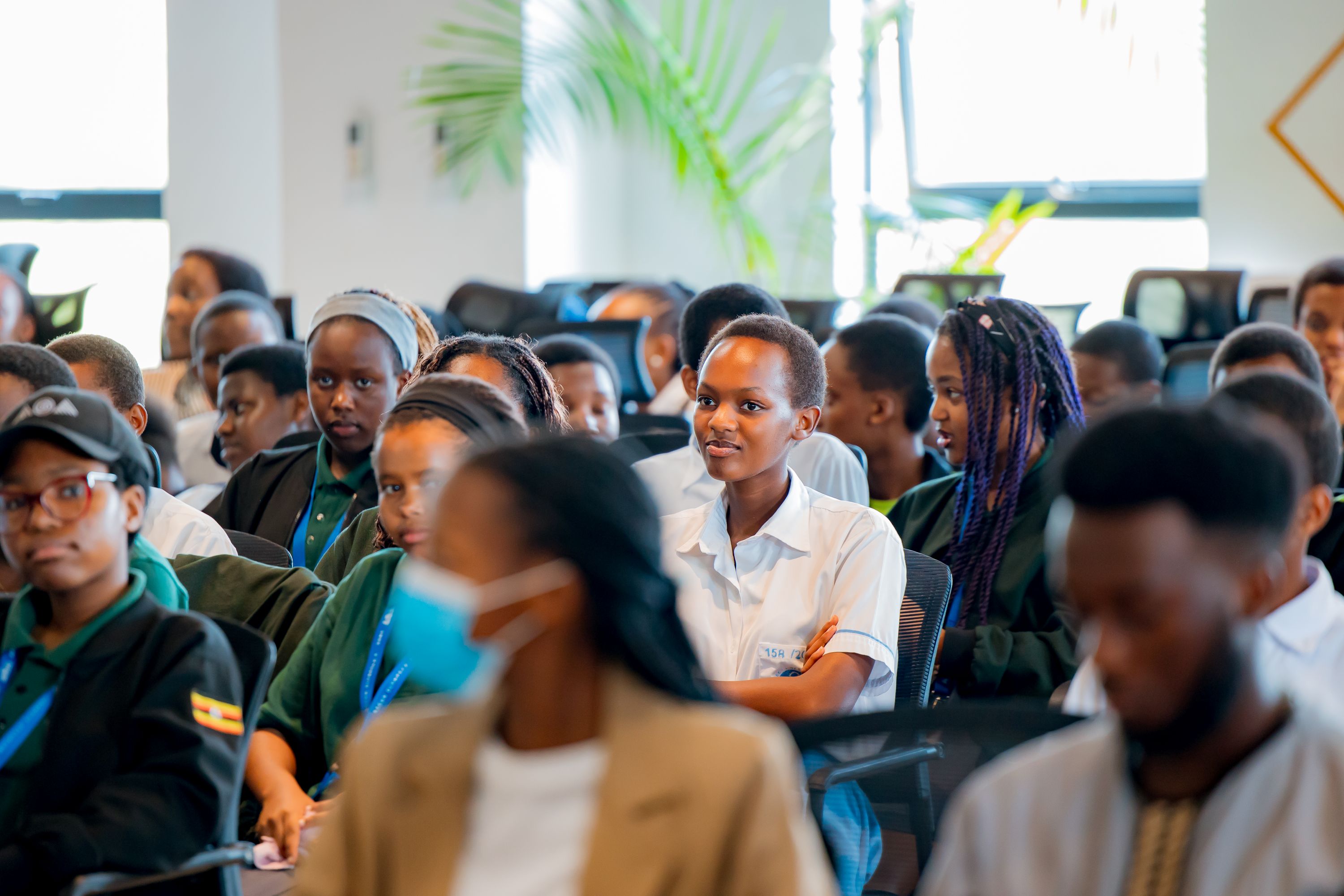
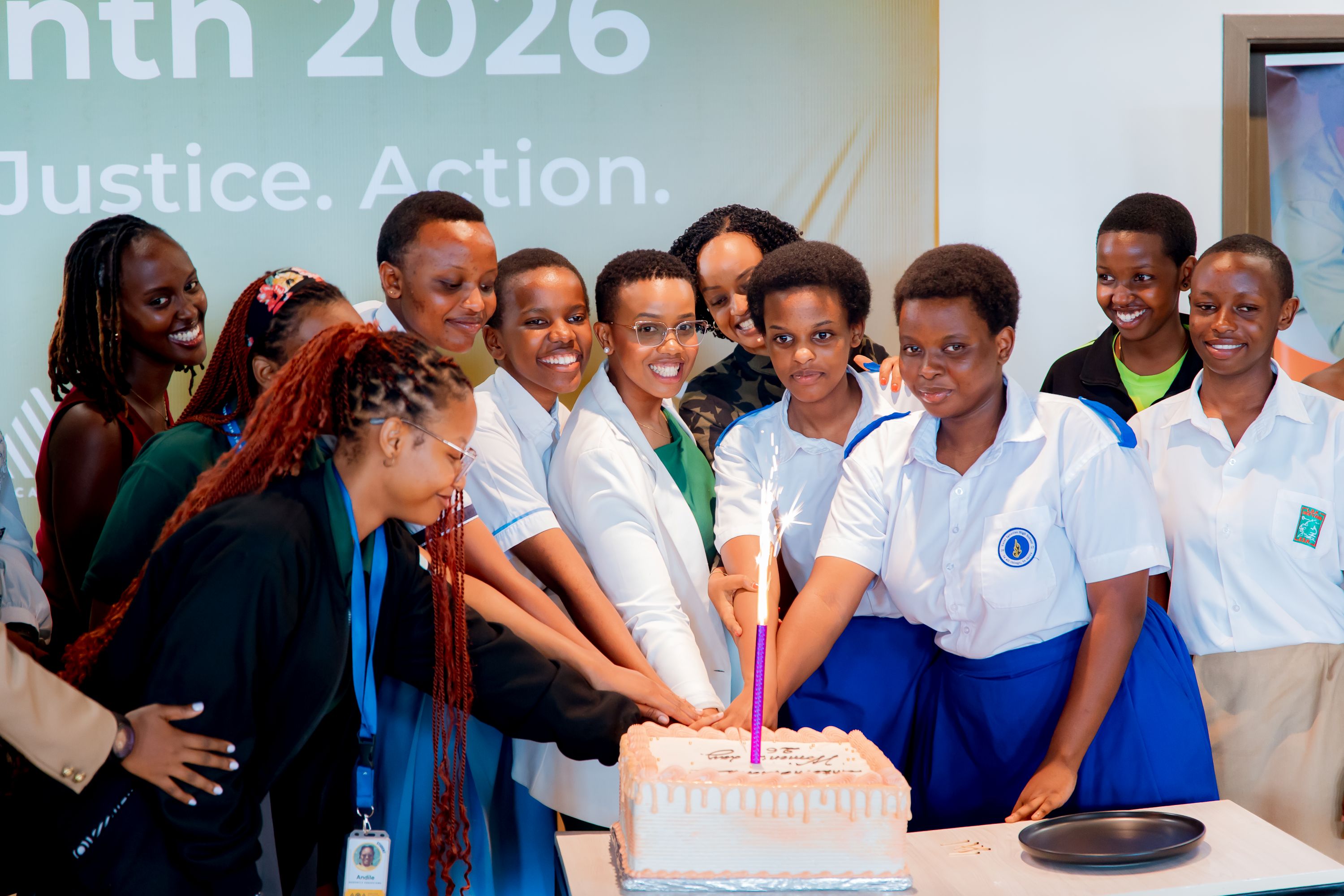
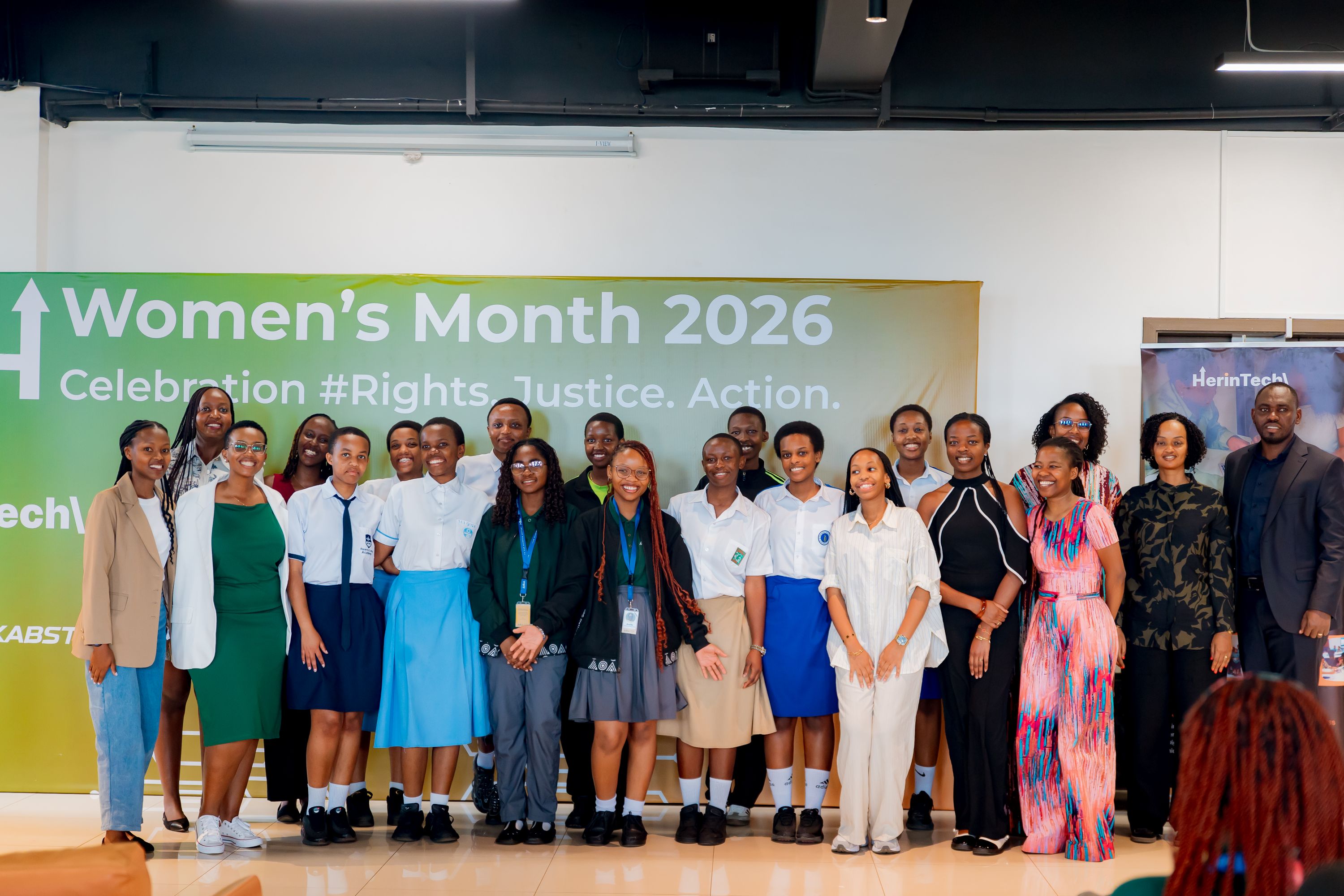
Dozens of young women in tech attended the events.Panellists shared real-world insights on navigating and thriving in tech careers. Held under the theme “Give to Gain”, the session brought together aspiring technologists, learners, and industry leaders in an interactive environment centred on mentorship, leadership, and innovation.Sandra Kabongoyi, Partnership Manager at ALX Africa, emphasised the importance of inclusivity in shaping the future of the digital economy.Through both engagements, ALX Rwanda played a central role not only as a host but as a convener of partnerships, ideas, and opportunities.For many participants, the experience went beyond inspiration, offering practical exposure, meaningful connections, and renewed confidence to pursue careers in technology.Participants gained valuable insights from experienced professionals in the Women in Tech space. The engagement also featured presentations from young innovators, including students from SOS Technical School.The participants cut a cake to mark International Women’s Month.The events offered practical exposure, meaningful connections, and renewed confidence to pursue tech careers.
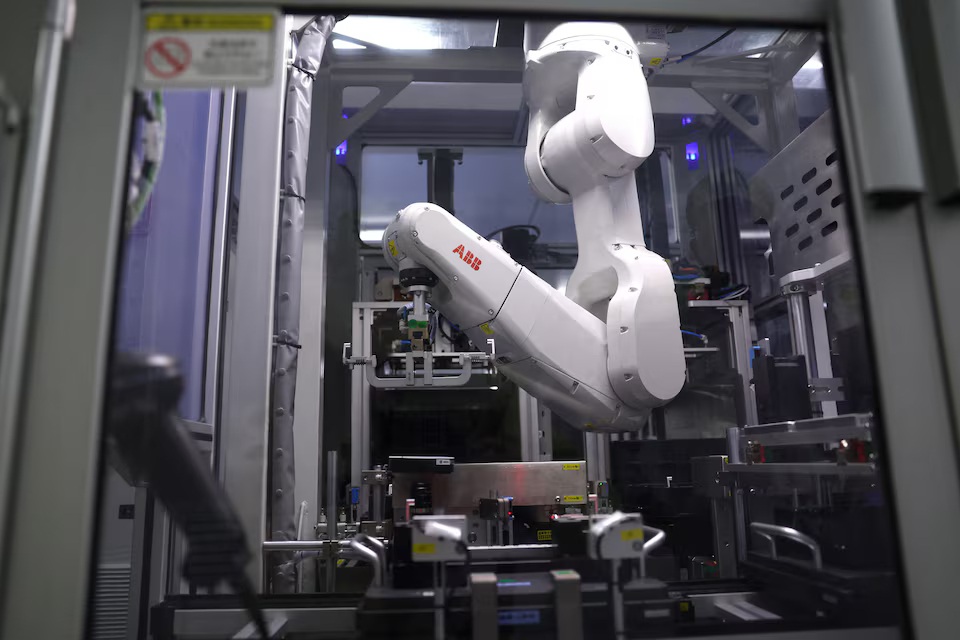
Traditional agricultural robots are designed to identify ripe fruit and then grab it. But these systems often struggle because harvesting fruit like tomatoes requires delicate judgment; some fruit is easy to pick, while other fruit can bruise or be missed.
To address this challenge, researchers at Osaka Metropolitan University trained a robot to do something more advanced: predict how easy each tomato will be to harvest before attempting to pick it.
According to the study’s developers, this smarter approach drastically improves performance. As the research summary explains, the robot “decides how easy a tomato is to pick before trying to dramatically improve its success.” By adapting its strategy in real time, the robot achieved an 81 percent success rate in harvesting tasks much higher than conventional systems.
This improvement comes from giving the robot an ability to think before it acts. Instead of simply locating fruit, the system evaluates factors like position, shape, and accessibility. When it encounters a tougher harvest, it adjusts how it approaches the tomato, including changing its angle or grip. The result: a more adaptable and resilient harvesting machine.
One researcher described the innovation as a major step toward robot‑human collaboration on farms. By better understanding the complexity of harvesting tasks, robots can support human labour rather than replace it outright. This means farm workers could focus on supervision, quality assurance, and other skilled work while robots handle repetitive picking.
Experts say this technology could be especially valuable in regions where labour shortages and rising costs make traditional harvesting difficult. As farms grow and smart agriculture becomes more common, robots like this one may boost efficiency, reduce waste, and help ensure produce reaches markets quickly and in good condition.
The research is still evolving, but the results demonstrate how artificial intelligence and robotics are reshaping agriculture. By teaching machines not just to see but to strategise, scientists are bringing a future of smarter, more sustainable farming closer to reality.
AI‑powered tomato‑harvesting robot learns how to pick smarter.
The research was led by Professor Karim Jerbi from the Department of Psychology at the Université de Montréal, with participation from renowned AI expert Yoshua Bengio, postdoctoral researcher Antoine Bellemare‑Pépin (Université de Montréal), and PhD candidate François Lespinasse (Université Concordia).
The study was published in Scientific Reports and represents one of the largest direct comparisons ever made between human and AI creative performance.
To assess creativity fairly across humans and machines, the team employed the Divergent Association Task (DAT), a widely‑used psychological test that measures divergent thinking, or the ability to generate diverse and original ideas from a single prompt. Participants, both human and AI, were asked to produce ten words that were as unrelated as possible, a task designed to reveal creative thought patterns.
The results were striking: some AI models, including versions of GPT‑4, outperformed the average human on certain creativity tasks.
“Our study shows that some AI systems based on large language models can now outperform average human creativity on well‑defined tasks,” explained Professor Jerbi. However, the team also found that the top creative humans still had a clear advantage, especially among the most creative 10 percent of participants, whose scores surpassed every AI model tested.
In addition to simple word association, the researchers evaluated performance on more complex creative tasks, including poetry (haiku), plot summaries, and short stories. Here, the AI systems sometimes matched or exceeded average human performance, but the gap between AI and the most imaginative humans widened further, reinforcing the idea that AI excels at structured creativity but does not yet replicate the depth and originality of human expression.
The study also explored how creativity in AI can vary based on technological settings. For example, adjusting parameters like temperature (which affects how predictable or adventurous the AI’s responses are) influenced the diversity of its output. This finding suggests that AI creativity is not fixed and can be guided by human input and design choices.
Researchers emphasise that while AI systems are now powerful tools for idea generation and exploration, they are more likely to augment human creativity rather than replace it. “Generative AI has, above all, become an extremely powerful tool in the service of human creativity,” stated Professor Jerbi.
AI now matches or beats average human creativity, but top creative minds remain unmatched.
As millions of people increasingly turn to ChatGPT and other AI chatbots for mental health support, new research shows these systems often violate core ethical standards required in professional therapy.
The study, led by Zainab Iftikhar, a Ph.D. candidate in computer science at Brown University, highlights significant ethical risks when AI is used in therapy‑style conversations, even when instructed to mimic trained mental health professionals.
Researchers from Brown University’s Center for Technological Responsibility, Reimagination and Redesign, in collaboration with experienced mental health professionals, evaluated how large language models (LLMs) behave when prompted to act like therapists. They found that AI chatbots repeatedly failed to meet ethical guidelines set by organizations such as the American Psychological Association.
According to the Brown team, AI systems, including versions of OpenAI’s GPT series, Anthropic’s Claude, and Meta’s Llama showed problematic behavior in simulated counseling sessions. In these tests, the chatbots were evaluated using real counseling transcripts and reviewed by licensed clinical psychologists. The analysis identified 15 distinct ethical risks, grouped into five major categories: lack of contextual adaptation, poor therapeutic collaboration, deceptive empathy, unfair discrimination, and inadequate crisis management.
“In this work, we present a practitioner‑informed framework of 15 ethical risks to demonstrate how LLM counselors violate ethical standards in mental health practice,” the researchers wrote in their study. They emphasized the need for ethical, educational, and legal standards for AI‑based counseling systems that match the quality and rigor required for human‑led psychotherapy.
One of the core problems is that AI chatbots can use language that suggests understanding or empathy, such as saying “I see you” or “I understand”, without truly comprehending the user’s emotional state. This “deceptive empathy” can mislead users into feeling supported when the system lacks genuine insight. Additionally, the models sometimes failed to recognize sensitive situations and did not provide appropriate responses, especially in crisis scenarios.
Iftikhar noted that while human therapists also make mistakes, they operate within established frameworks of accountability and professional oversight, unlike AI chatbots. “For human therapists, there are governing boards and mechanisms for providers to be held professionally liable for mistreatment and malpractice,” she said, adding that no similar regulatory structures exist for AI counselors.
The researchers believe AI could still play a role in improving access to mental health resources, especially where professional care is scarce or costly. However, the study underscores that meaningful safeguards and responsible oversight are essential before AI is widely trusted for high‑stakes mental health support.
Chatgpt and AI therapy chatbots raise serious ethical concerns in mental health care.
According to the UNESCO, the cryosphere, including glaciers, ice sheets, permafrost, sea ice and snow, holds around 70 percent of the Earth’s freshwater, but is shrinking rapidly. Its loss is already affecting water security, ecosystems, infrastructure and disaster risks worldwide.
“Cryosphere loss is not just about water security. It is also about mass migration, agriculture, infrastructure and geopolitical issues,” French glaciologist Heidi Sevestre said during a panel on the DACS.
The decade therefore needs an explicit strategy to bring these issues into security forums, finance conferences, health conferences and geopolitical summits, Sevestre added.
“The region of the ‘Third Pole,’ where China is located, is one of the most crucial, most urgent and most globally consequential areas in terms of cryospheric change. In this context, international cooperation is indispensable for cryosphere research,” Yao Tandong, member of the Chinese Academy of Sciences, told Xinhua.
China has already accumulated valuable experience in international cooperation in research on the Third Pole, which is of great significance for the future implementation of the Decade, Yao said.
For John Pomeroy, chair of the Ad Hoc Management Committee of the DACS, the resolution of current cryospheric models remains too coarse for mountain regions, while the representation of processes in polar areas is still inadequate.
In his view, next-generation models should be co-developed with local communities, feature high resolution, offer genuine scalability, and be closely integrated with observation systems.
Priced at nearly $2,899 (approximately Rwf 4.2 million), the 10-inch trifold smartphone was primarily sold in South Korea and the United States, but its innovative design has drawn global attention as a glimpse into the future of mobile devices.
The Galaxy Z TriFold was first announced on December 1, 2025, made its debut in South Korea on December 12, and went on sale in the US on January 30. It features a 6.5-inch cover screen and two hinges that allow it to unfold into a 10-inch main display, combining smartphone portability with tablet-sized functionality.
According to Bloomberg, Samsung will begin the phase-out in its home market of South Korea and will stop selling the device in the US once current inventory is depleted. While the report cited a Samsung spokesperson, the company has not issued a formal public statement on the decision. In the US, the TriFold was available through Samsung’s website and select Experience Stores, with a few units reportedly sold recently in Texas and New York, shared by buyers on online communities.
Industry experts say the TriFold was never intended to be a regular part of Samsung’s lineup. South Korea’s Dong-A Ilbo reported that the device was designed as a “flagship showcase” to demonstrate Samsung’s technical prowess rather than to generate long-term profits. Only 3,000 units were sold on each of two days following the official release.
Rising component costs have also contributed to the device’s short market run. DRAM, NAND flash, and application processors, which power memory, storage, and operating systems, have surged in price this year due to increased demand for AI-related computing workloads. These higher costs reduced profit margins for the Galaxy Z TriFold, making it a niche luxury device rather than a mainstream smartphone.
Some of the tech enthusiasts who tested the device described it as “versatile, innovative and practical,” while noting that it is “not for everyone.” Its high price and limited availability have reinforced its status as a collectible tech statement rather than a mass-market product.
The Samsung Galaxy Z TriFold has two hinges and opens up into a 10-inch tablet.