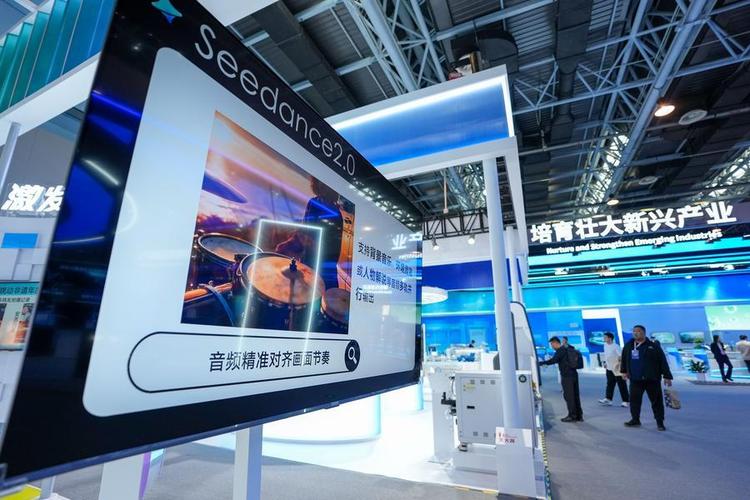
Officials and experts from various sectors shared their views on this topic during the latest episode of China Economic Roundtable, an all-media talk show hosted by Xinhua News Agency.
Liu Dongmei, Party secretary of the Chinese Academy of Science and Technology for Development, said that in recent years, various frontier technologies have experienced rapid development.
In fields such as artificial intelligence (AI), quantum information and biomanufacturing, China has entered a new phase characterized by a mix of leading in some areas and keeping pace with global counterparts, she added.
Liu noted that China has formed a relatively mature development pattern featuring breakthroughs in basic research, accumulated core technologies, large-scale industrial applications, and a growing voice in international competition.
China’s AI sector ranks among the global top tier, said Liu, noting that the number of downloads for open-source large models provided by Chinese enterprises in 2025 ranked first globally according to data from the Ministry of Industry and Information Technology.
Liu Hui, head of a research institute with JD.com, said that as a technology and service company built on supply chain capabilities, new technologies serve as the fundamental driving force for the company’s growth. He noted that the company has deployed 50,000 internal agents, or “digital colleagues,” to help improve efficiency.
Zhai Tianrui, a deputy director of Beijing Municipal Science and Technology Commission and Zhongguancun Science Park Administrative Committee, said that in 2025, the number of unicorn enterprises in Beijing reached 116, ranking first among Chinese cities and third globally in both number and valuation.
Beijing’s unicorn enterprises span 11 industries, with the largest number in the AI sector, he added.
This flight marks a major step forward in human space exploration and signals a return to lunar operations beyond Earth’s orbit after decades of inactivity in crewed lunar missions.
Aboard the Orion spacecraft are four astronauts who will spend about ten days in space, testing critical systems while traveling around the Moon and back toward Earth.
This includes Reid Wiseman, Victor Glover, and Christina Koch from NASA, plus Jeremy Hansen from the Canadian Space Agency, making this a diverse and internationally significant crew.
The mission is designed as a test flight to evaluate the spacecraft’s ability to support human life and function under real deep‑space conditions, an essential requirement for future missions that aim to land astronauts on the Moon and eventually send humans to Mars.
Shortly after launch, Orion’s solar arrays were deployed to begin generating electrical power from sunlight, and the spacecraft was transitioned into normal flight operations.
Engineers and astronauts then worked through a series of system checks, validating life support, communication, and navigation systems. These tests are vital because they will build confidence in both the spacecraft and mission control teams as NASA prepares for more complex missions in the coming years.
After reaching a high Earth orbit, Orion will separate from the rocket’s upper stage and continue on a course toward the Moon. During the mission, the spacecraft will travel into a lunar flyby trajectory, taking advantage of the Moon’s gravity before returning to Earth.
Along the way, the crew will perform additional scientific observations and experiments, including studies related to human health in space, which will help inform future long‑duration missions.
The Artemis II mission is part of NASA’s broader Artemis program, which seeks to establish a long‑term human presence on the Moon and lay the groundwork for human exploration of Mars.
By successfully completing this mission, NASA moves closer to returning astronauts to the lunar surface and expanding human reach into deeper regions of space.
NASA Sends Artemis II on Historic Crewed Moon Flyby, the First in 50 Years.
The original prohibition, established in 2023 by former Mayor Eric Adams, aligned with the federal government and many U.S. states that restricted the app on government-owned devices due to concerns about its parent company, ByteDance. TikTok has previously dismissed these concerns as unfounded.
Under the new guidelines issued by NYC Cyber Command, agencies must use dedicated devices for TikTok that do not contain sensitive data.
The city’s cyber agency said the move is aimed at expanding communication with residents. “The Mamdani administration is committed to using every tool in our toolbox to communicate with New Yorkers,” it said.
The official NYC mayor TikTok account has begun posting new content. It had been dormant since the ban took effect.
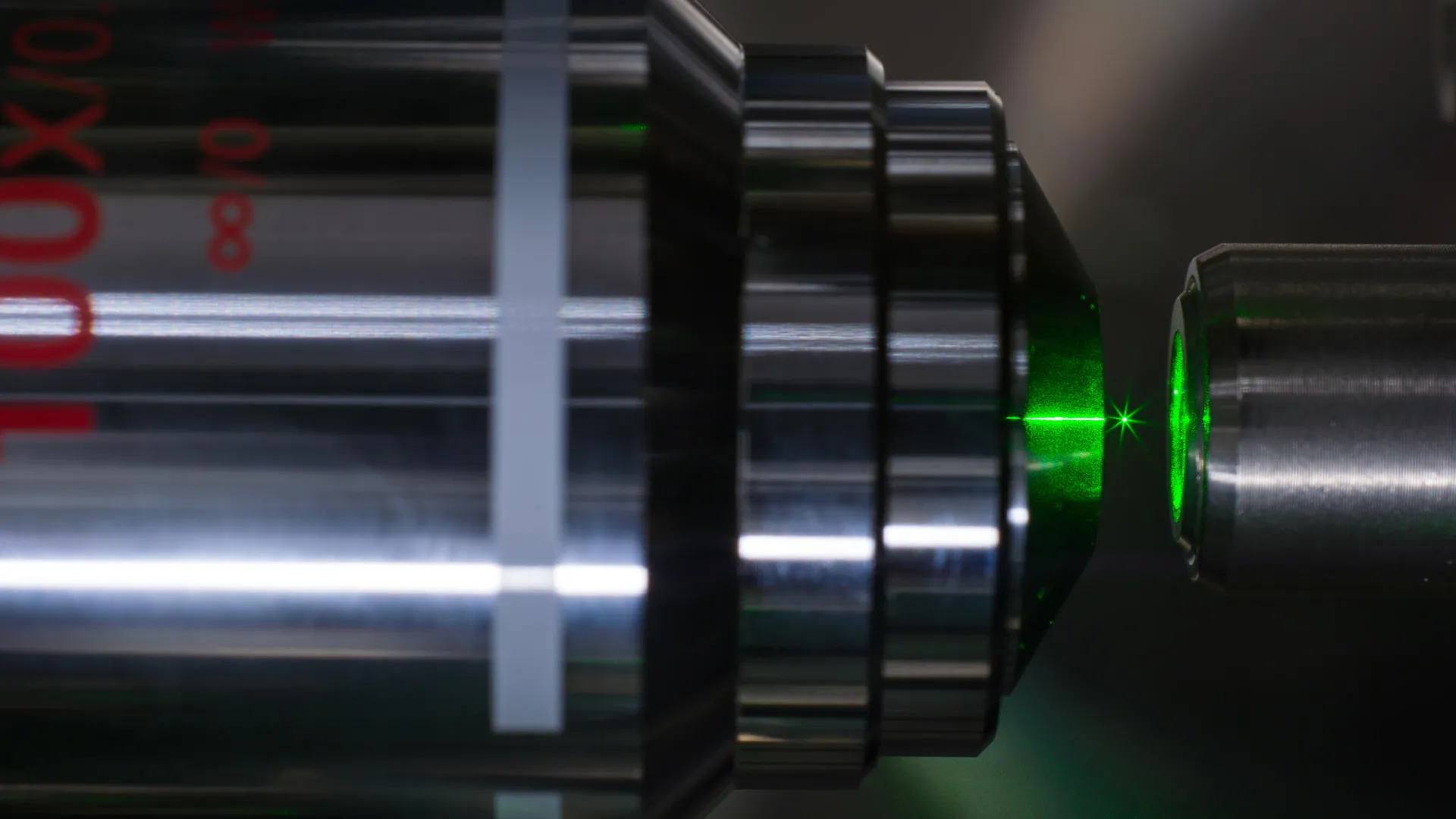
Unlike conventional lasers, which amplify light particles (photons), the new device generates and controls phonons quantized particles of vibrational energy that behave like sound.
By manipulating these phonons, researchers have built a tool that can detect extremely subtle shifts in gravitational forces.
The research was conducted by physicists who are exploring how quantum technologies can improve measurement precision beyond what is possible with current instruments.
Their phonon laser prototype is designed to respond to tiny changes in environmental conditions, including variations in gravitational pull.
Because gravity subtly affects how vibrations behave in a solid medium, the phonon laser could potentially function as an ultra‑sensitive gravity sensor.
One of the most exciting aspects of this innovation is its potential use in navigation systems that do not rely on GPS. For example, submarines, aircraft, and spacecraft operating in environments where satellite signals are weak or unavailable could use phonon lasers to track their position by detecting local gravitational changes.
In addition, this technology may help physicists explore phenomena such as gravitational anomalies and contribute to experiments at the frontier between quantum mechanics and gravity two foundational yet currently incompatible frameworks of physics.
While the phonon laser is still in early development, its proof‑of‑concept success suggests a future where precision measurement tools are dramatically more sensitive and adaptable than traditional devices.
The study highlights how harnessing vibrational energy at the quantum level could lead to new ways of observing and interacting with the physical world.
This new “phonon laser” could measure gravity more precisely than ever before.
Unlike traditional materials that simply conduct electricity, these perovskite crystals physically bend in response to light, a behavior that can be reversed once the light is removed. This discovery opens the door to developing new light-controlled devices and sensors.
The team, led by graduate student Mansha Dubey, found that the intensity and color of light used could precisely control the shape change of the crystals.
The crystals undergo a shift in their internal structure when illuminated, and this effect, called photostriction, can be repeated many times. The ability to fine-tune the amount of bending with light could lead to innovations in smart materials that respond dynamically to external stimuli.
This breakthrough is significant because it allows for light to manipulate the physical properties of materials, unlike traditional semiconductors.
These materials could be used in future optical sensors, actuators, and even light-powered computing devices, offering more efficient and flexible alternatives to current technologies.
Perovskite crystals are already used in solar cells and optoelectronics due to their cost-effectiveness. Now, their ability to change shape with light adds an entirely new dimension to their potential applications.
The findings could have far-reaching impacts on the development of light-driven technologies and next-generation computing systems, where light replaces electricity in manipulating materials.
The research was supported by the Defense Advanced Research Projects Agency (DARPA) and the National Science Foundation and marks an exciting advancement in materials science.
Smart crystals change shape with light, offering new possibilities for technology.
Solar activity, especially intense flares, can disrupt Earth’s ionosphere, a layer of charged particles high above the surface.
The researchers developed a theoretical model showing that when solar flares increase the number of electrons in the ionosphere, they can create strong electrostatic forces that travel downward through a kind of electrical coupling between the ionosphere and fractured rock deep in the Earth’s crust.
These forces, while subtle, might be enough to push a critically stressed fault a little further toward slipping especially if it was already near rupture.
Importantly, the team doesn’t claim that solar storms cause earthquakes outright. Earthquakes are complex and usually result from stresses building inside tectonic plates over years or decades.
Instead, the researchers suggest that space weather could act as an additional factor in some cases, potentially influencing when a rupture happens on a fault that’s already close to breaking.
The model also connects this theory to observations where unusual ionospheric behavior has been seen before major quakes.
The scientists plan to combine detailed space weather data and high‑resolution measurements of the ionosphere in future studies to better understand if and how solar activity might meaningfully interact with geological processes underground.
This research opens a new perspective on how phenomena in space could subtly affect conditions on Earth, reminding us that our planet is part of a much larger, dynamic system stretching all the way to the Sun.
New research suggests solar storms may influence earthquake timing.
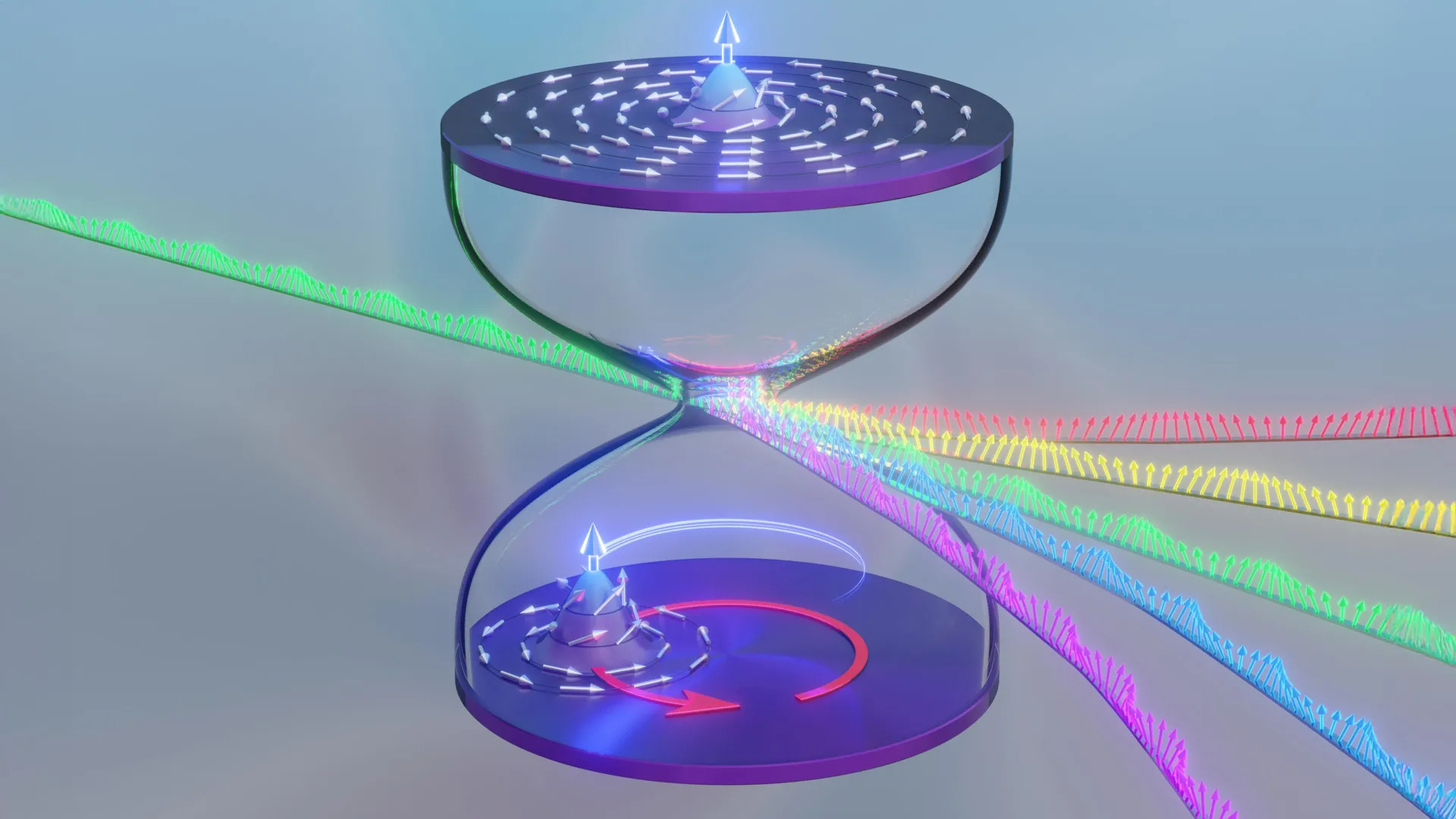
Magnetic vortices form inside very thin disks made from materials like nickel‑iron. In these disks, the magnetic moments tiny magnetic directions of atoms align in a circular pattern, like a miniature whirlpool.
When magnetic waves were applied, the vortex core began to move slightly in a repetitive way.
This motion caused the magnons (the collective waves of magnetic activity inside the material) to produce a frequency combining a series of regularly spaced signals instead of a single simple signal. This series of signals shows that multiple oscillation states can exist at once, something scientists had not seen in these magnetic systems before.
Project leader Dr. Helmut Schultheiß explained that the discovery offers “a powerful new way to link future computing technologies” because magnons can transmit information without needing to move electrical charge.
In conventional electronics, flow of electrical charge produces heat and energy loss. But magnons can carry information through magnetic waves, potentially allowing for low‑energy, highly efficient communication between devices.
What makes this finding especially significant is the very low energy required to produce these exotic states. Earlier research on related magnetic phenomena often needed intense laser pulses and large amounts of energy to see new oscillation patterns.
In contrast, the Dresden team showed that just weak magnetic excitations, on the order of microwatts (far less than what a typical smartphone uses in standby), are enough to trigger these complex magnon states.
This could help scientists design energy‑efficient magnetic systems for future technologies, including spintronics (electronics that use magnetic spin rather than charge) and even quantum devices.
The findings were published in the journal Science, and they challenge existing assumptions about how magnetic vortices behave, opening up new avenues for research into controlling magnetic information at the nanoscale.
New Discovery in Magnetic Vortices Could Lead to Low-Energy, High-Efficiency Communication Technologies.
This new device launched on March 27, 2026, is poised to redefine productivity for professionals, students, and teams by enabling seamless, real-time conversation capture and AI-powered transcription and summarization.
TicNote Pods integrate cutting-edge 4G connectivity, which allows users to record meetings, calls, lectures, or interviews directly, without needing a smartphone.
Equipped with dual recording modes—one for in-person conversations and another for virtual meetings—the earbuds automatically sync captured content to TicNote Cloud. Here, Shadow AI processes the audio, transcribing it, generating summaries, and even creating actionable tasks, making it easier for users to stay organized.
A standout feature of the TicNote Pods is their multilingual transcription capabilities, supporting over 100 languages in real-time.
This makes the device ideal for global teams and diverse work environments. The AI system can also convert recorded discussions into valuable project assets such as documents, slide decks, and landing pages, allowing users to transition quickly from conversation to execution.
With a focus on convenience and functionality, the TicNote Pods offer features like noise cancellation, premium audio quality, and up to 25 hours of continuous recording time. Available in navy blue and pearl white, the 4G version is priced at $299, with a Wi-Fi version set to launch soon.
TicNote Pods integrate cutting-edge 4G connectivity, which allows users to record meetings, calls, lectures, or interviews directly, without needing a smartphone.
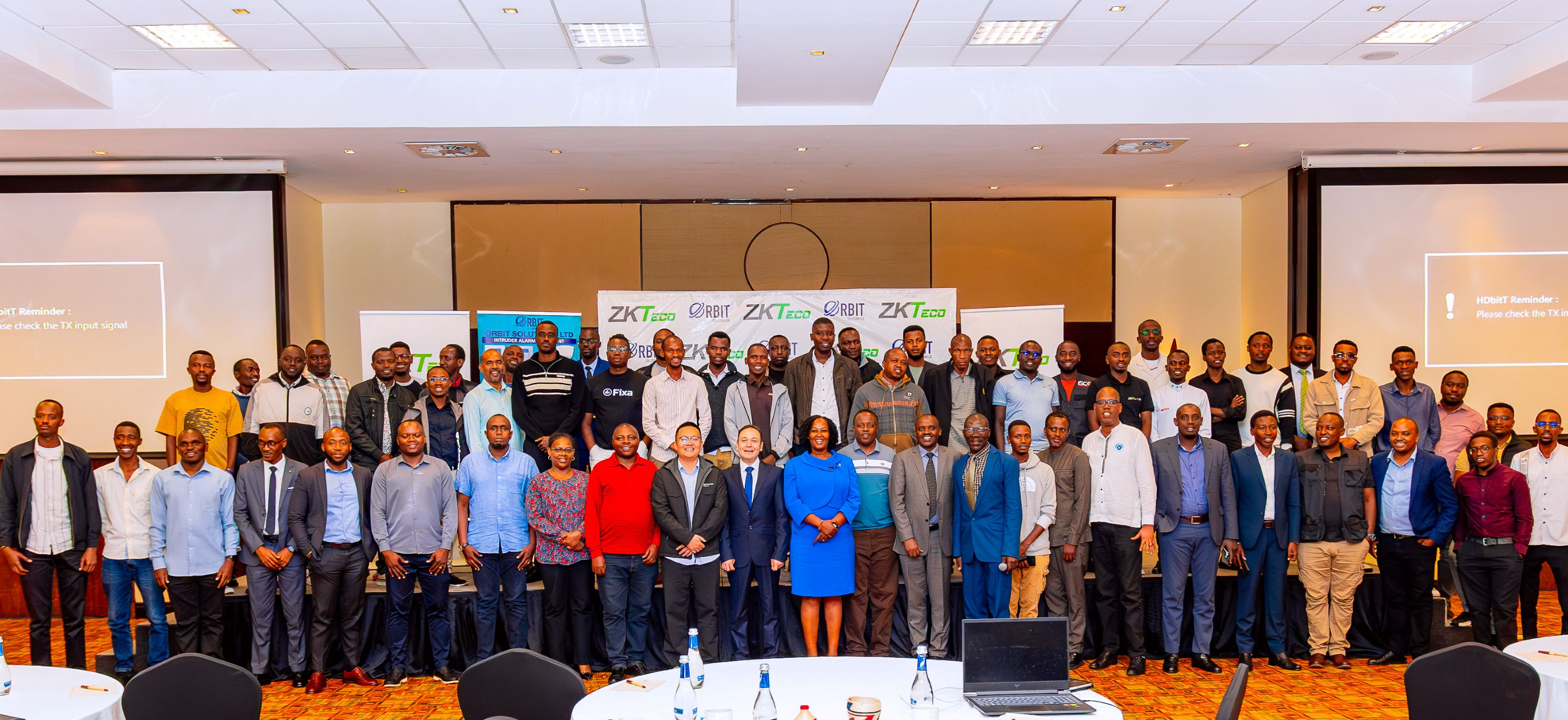
The event was designed to provide an understanding of modern access control, biometric systems, and intelligent surveillance solutions. With the theme “Effective, Reliable, and Efficient Security through Smart Access Systems”, the conference offered a deep dive into technologies that are redefining how organisations protect people, property, and information.
The conference was designed to provide understanding of modern access control, biometric systems, and intelligent surveillance solutions.
Orbit Solutions, a Rwandan company known for providing advanced electronic security equipment since 2014, has played a key role in bringing smart security solutions to businesses across Rwanda and the wider East African region. Through its exclusive partnership with ZKTeco, a global leader in biometric verification, AI-driven access control, and smart office platforms, the company offers everything from facial recognition and fingerprint devices to smart locks, fire detection systems, and CCTV solutions.
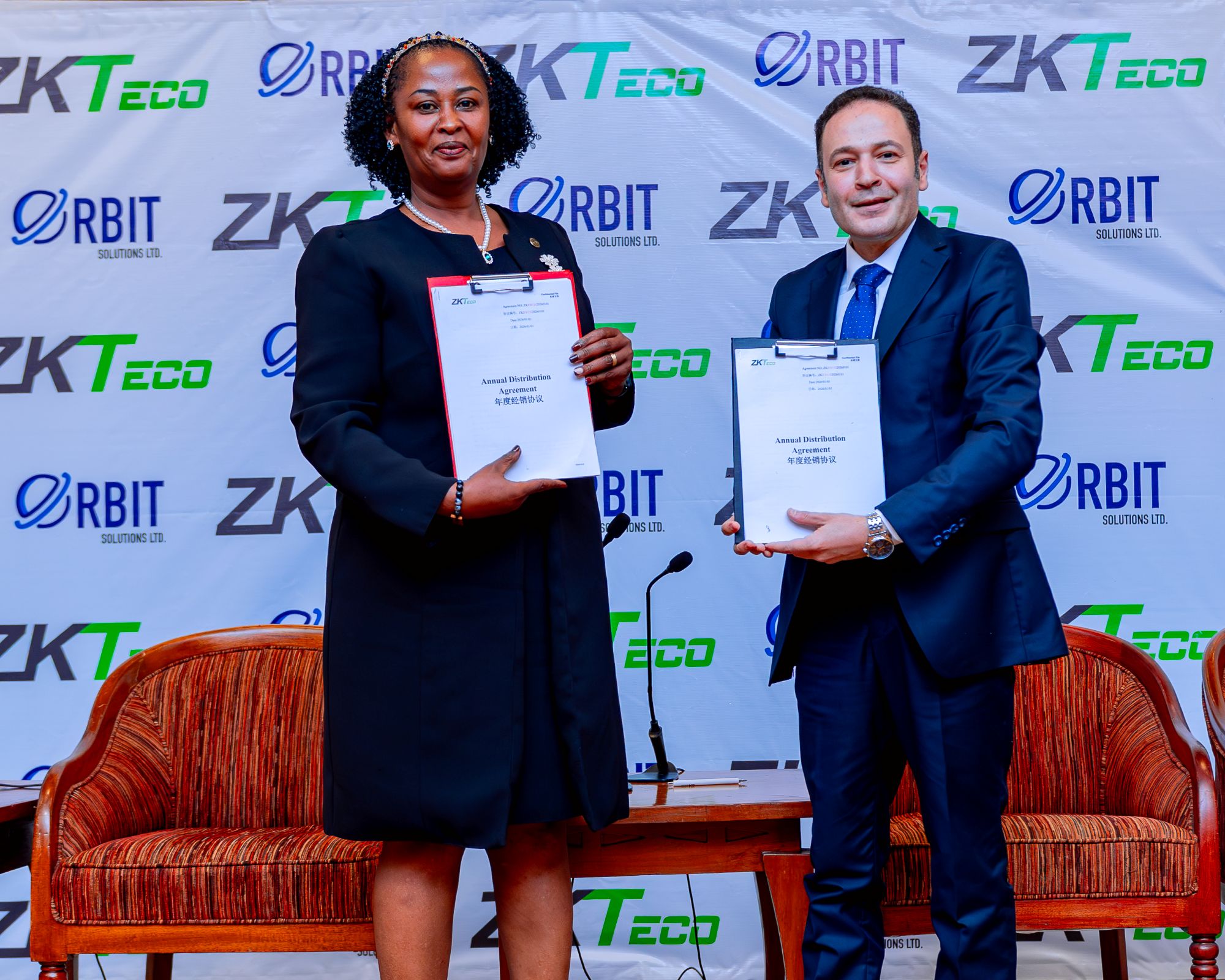
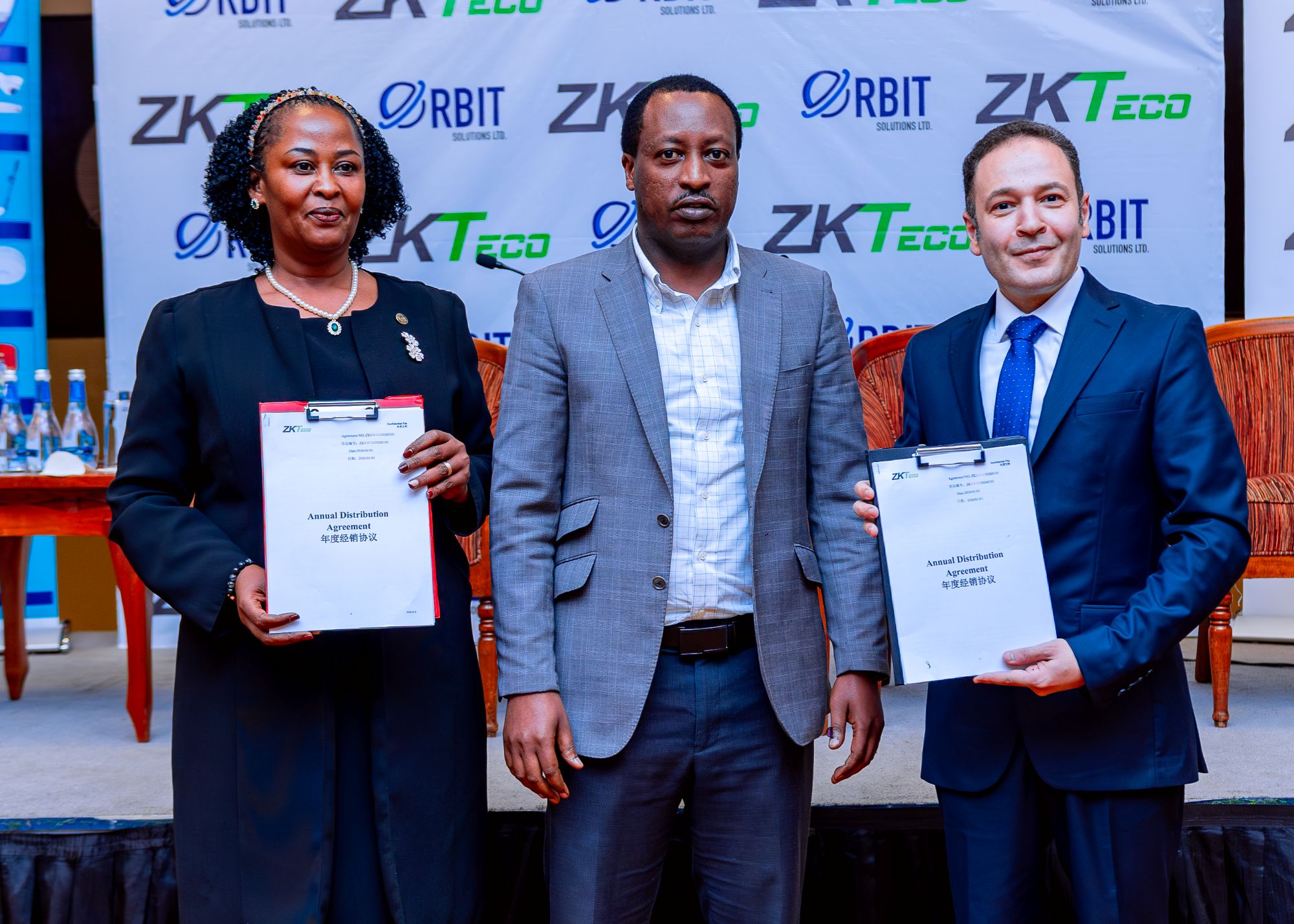
The conference also highlighted the long-standing partnership between the two companies, with the signing of a new agreement that strengthens Orbit Solutions’ role as ZKTeco’s official distributor in Rwanda. The agreement lays out plans to continue providing technical training, after-sales support, and expert guidance, ensuring clients not only access advanced security technology but also the knowledge to use it effectively.
Orbit Solutions Ltd Managing Director Jenipher Ingabire and ZKTeco East Africa Managing Director Mostafa Kamel signed a new partnership agreement during the Kigali conference.
Bridging technology and training
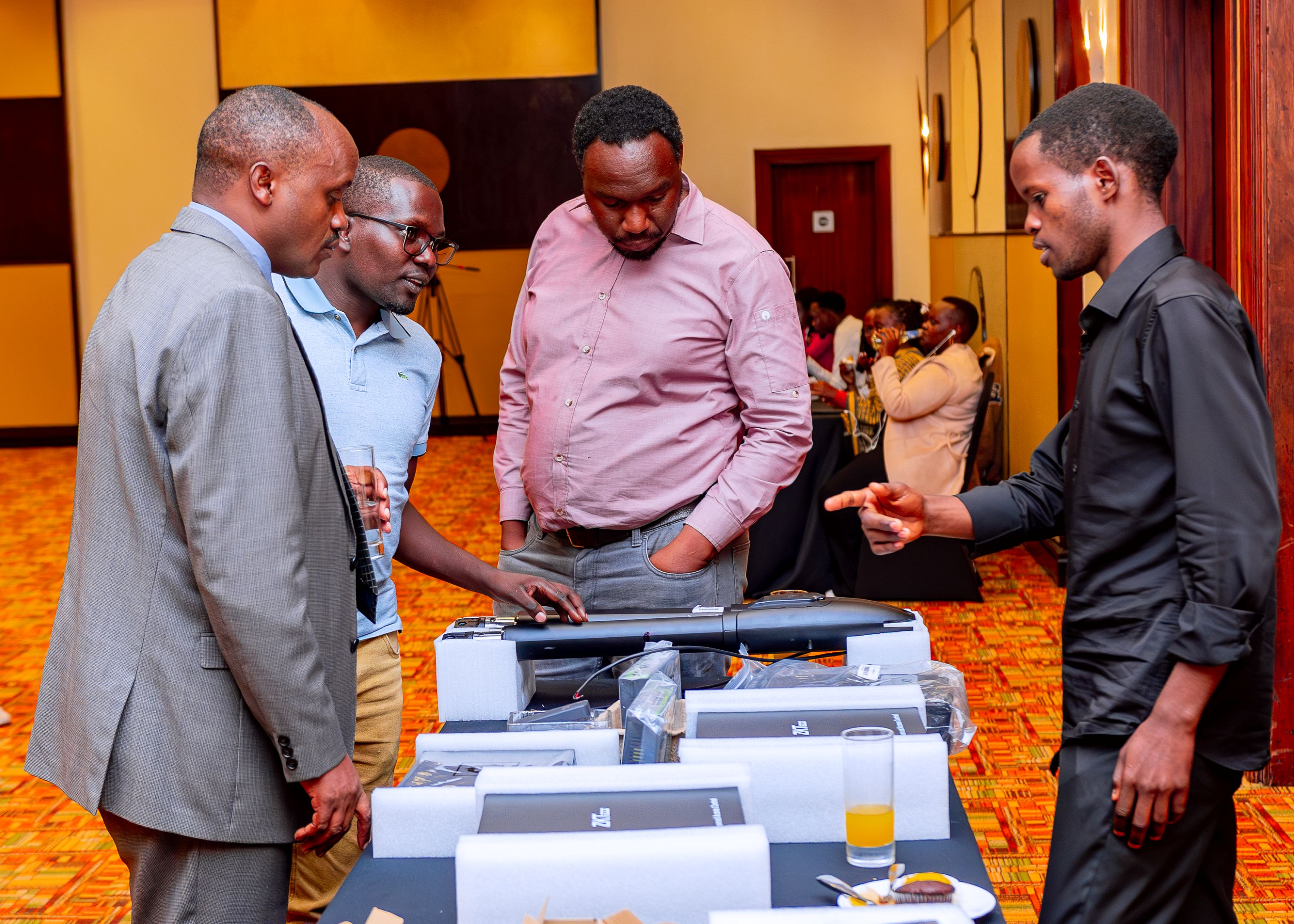
Organisers split the programme into two tracks. The morning session targeted technical teams, giving engineers and technicians a chance to handle the equipment, explore configurations, and understand integration with existing systems.
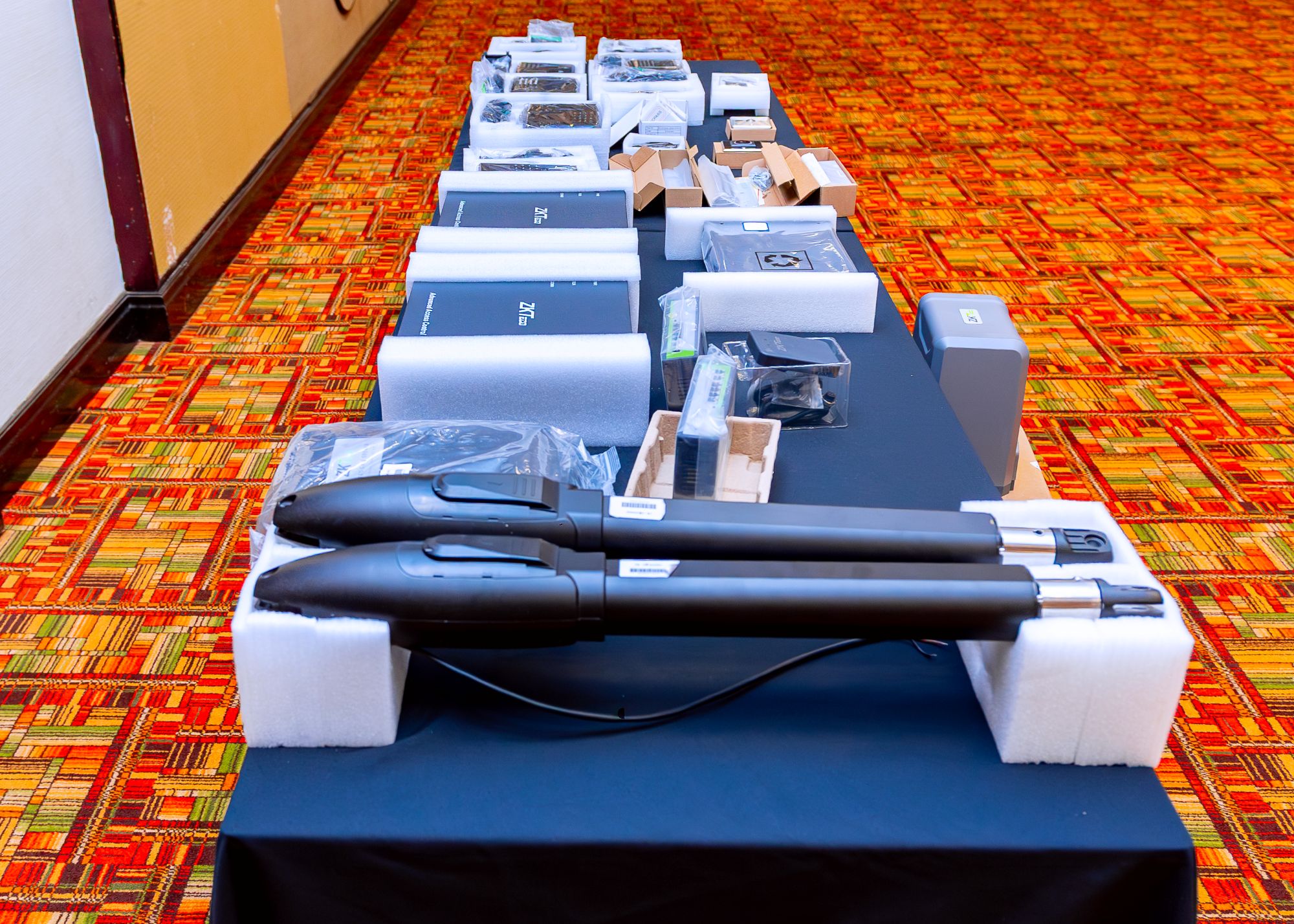
The technical sessions provided training on ZKTeco’s security ecosystem, covering access control, time and attendance systems, smart locks, parking solutions, and inspection technologies. Attendees gained insights into integrating biometric verification, AI, and advanced analytics into organisational security strategies.
Attendees were trained on ZKTeco’s access control, smart locks, and AI-powered security solutions.
The afternoon session focused on decision-makers, helping them grasp the strategic benefits of smart security, including improved efficiency, faster response times, and safer work environments.
A standout feature discussed throughout the day was ZKTeco’s AI-enabled CCTV technology. Unlike conventional cameras, these systems can detect fights, unauthorised access, or unusual behaviour in real time and send alerts directly to security control rooms, allowing teams to respond immediately rather than relying on manual monitoring or post-event review.
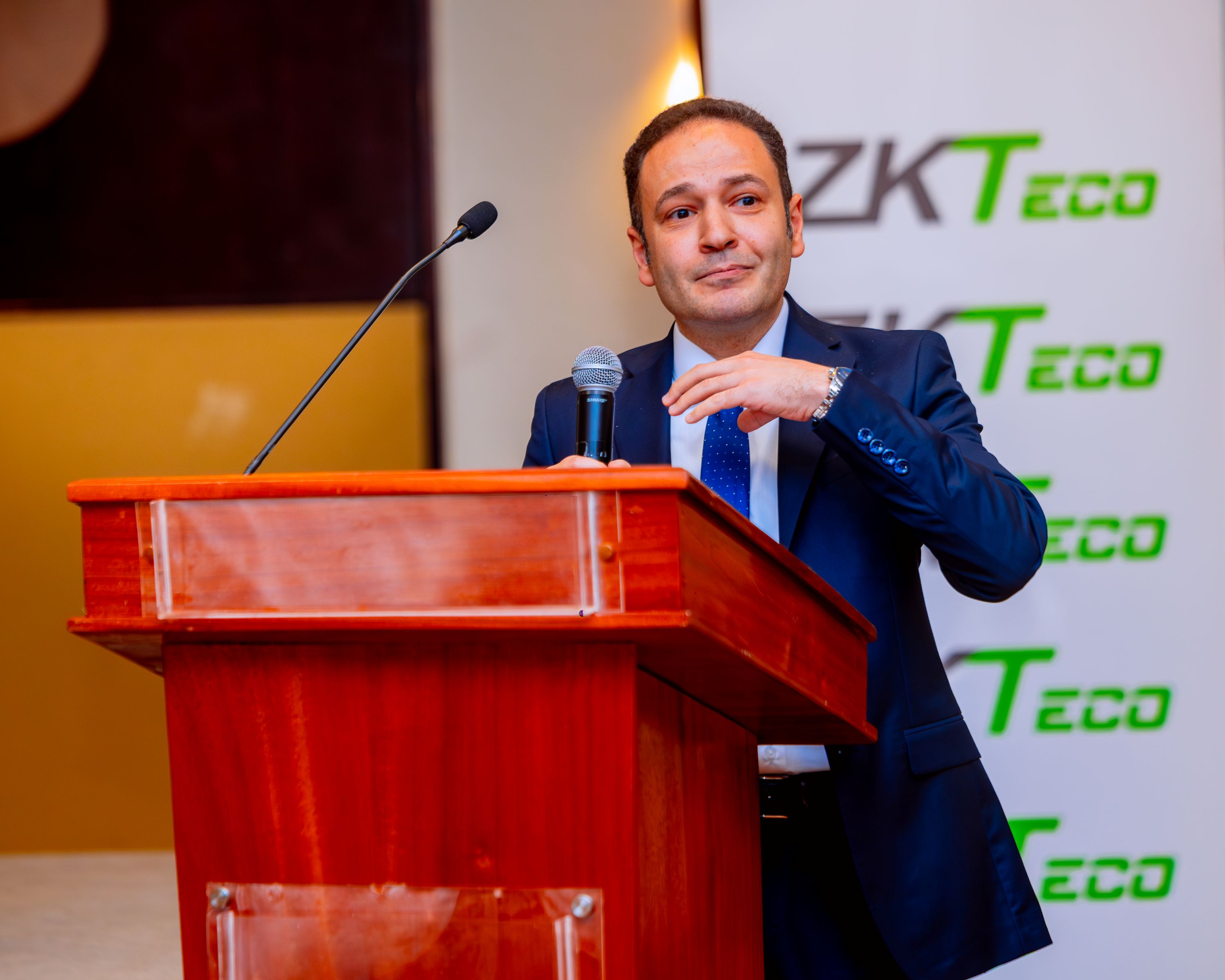
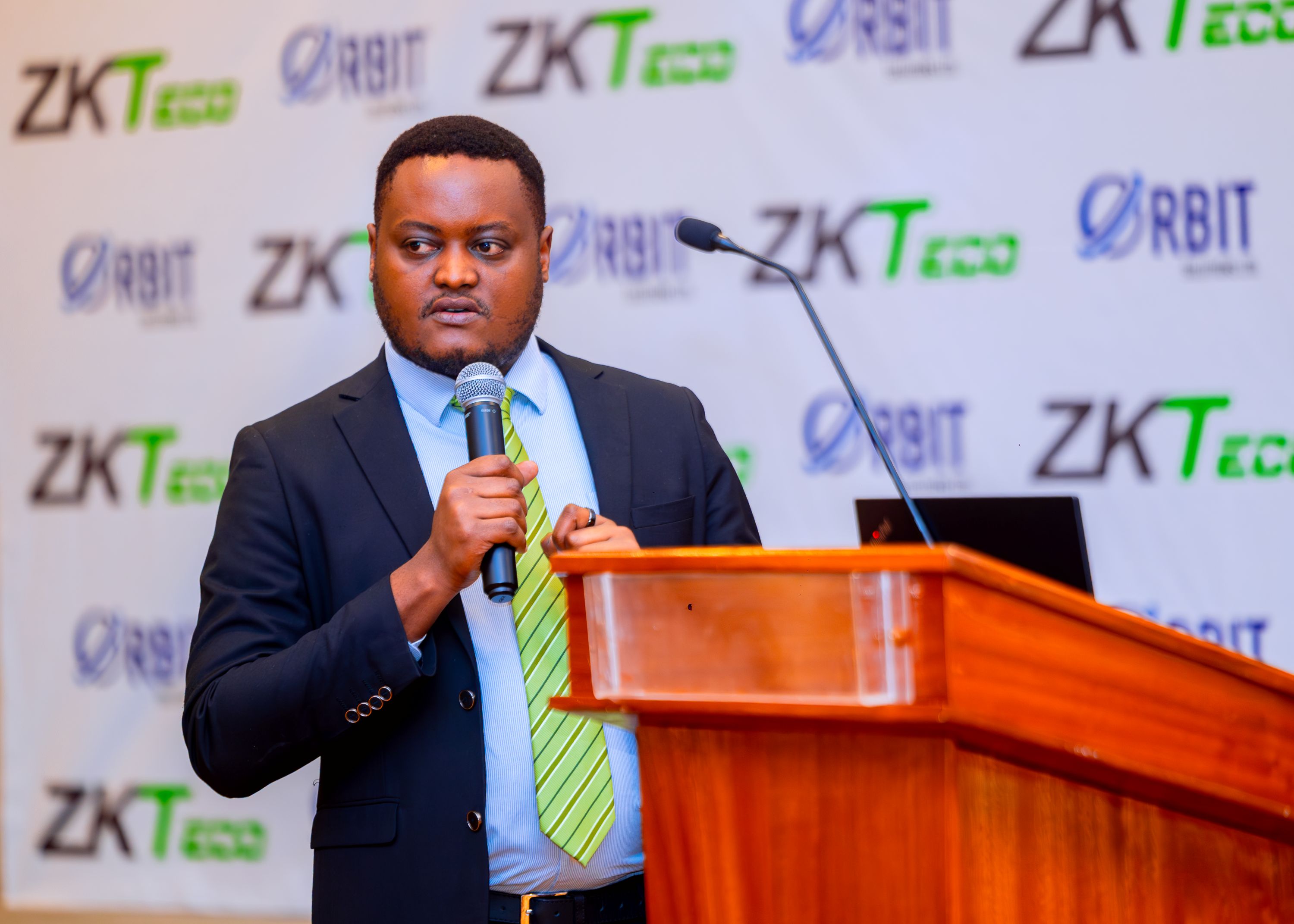
“With AI, CCTV moves from being a passive observer to an active partner in security,” explained Mostafa Kamel, Managing Director of ZKTeco East Africa.
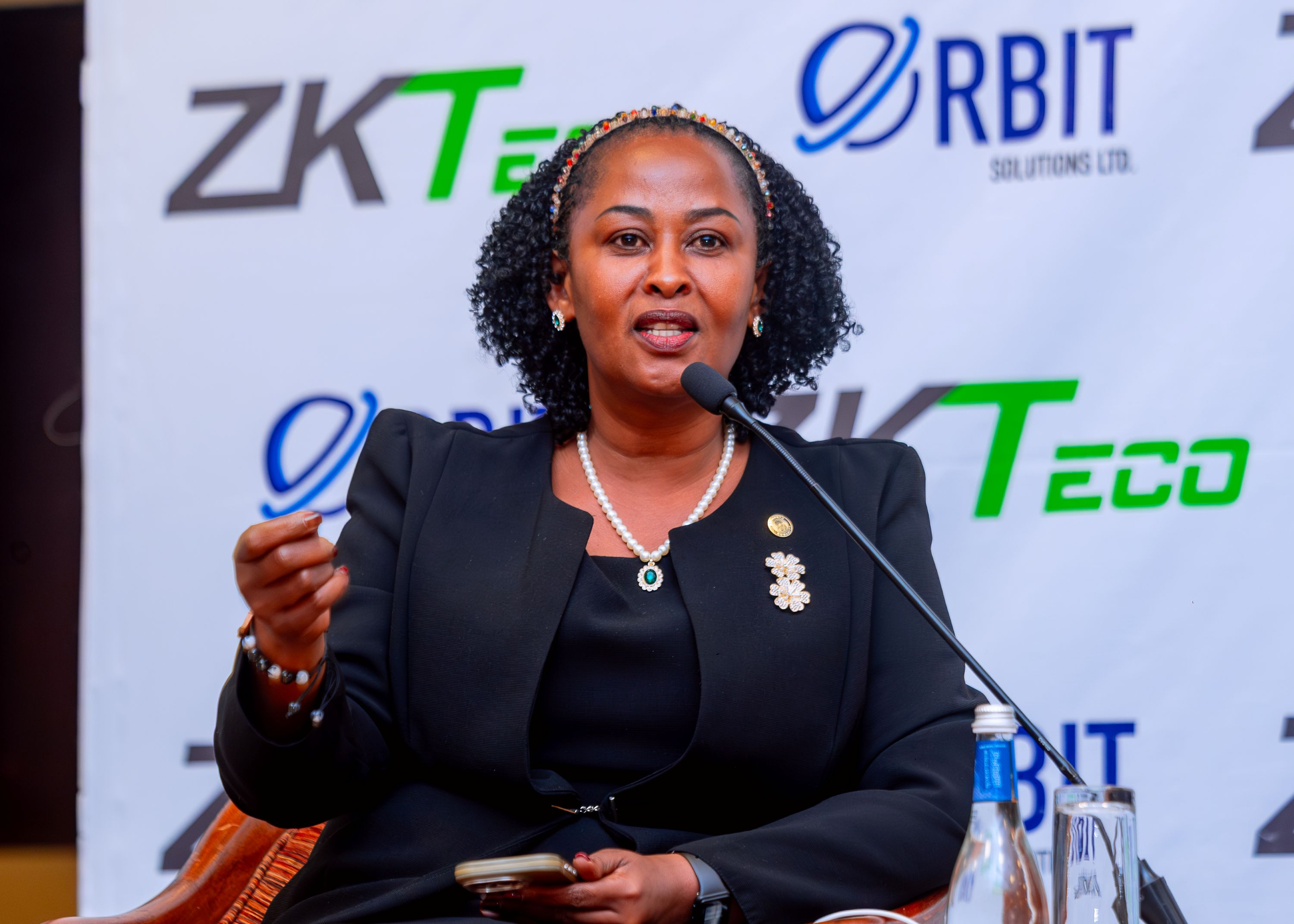
Orbit Solutions MD Jenipher Ingabire highlighted the company’s modern security solutions in Rwanda.
For Orbit Solutions’ Managing Director, Jenipher Ingabire, the conference was an opportunity to showcase the company’s approach to modern security in Rwanda.
“Access automation is no longer a luxury; it is a necessity. From residential developments to commercial facilities and critical infrastructure, the demand for secure, efficient, and intelligent access systems continues to grow,” she said.
Ingabire highlighted Orbit’s role as a distributor of a wide range of electronic security solutions, including biometric access devices, fire detection and suppression systems, CCTV cameras, metal detectors, and smart locks, all available locally and backed by technical support.
“We are a one-stop shop with everything available in stock. If we don’t have something, we can get it quickly through our strategic partnerships with suppliers. We have credit facilities available, so there is no project we cannot execute at any scale.”
Global expertise, local impact
Kamel highlighted how ZKTeco’s technology has been adopted globally, including by governments, multinational corporations, and logistics companies. He explained that the company’s research and development focuses on AI, biometrics, and cloud-enabled access control, ensuring solutions meet both international standards and local requirements.
Mostafa Kamel highlighted how ZKTeco’s technology has been adopted globally, including by governments.
He reminded organisations that only genuine ZKTeco products come with proper support, warranties, and compliance with privacy laws, cautioning that counterfeit devices could compromise security and create operational challenges.
Kamel also noted Rwanda’s growing role as a regional hub for technological innovation, highlighting the country’s openness to new solutions.
“Rwanda is a land of opportunity. By combining local expertise with global innovation, we aim to deliver comprehensive security solutions tailored to the region’s needs,” he said.
He further emphasised ZKTeco’s commitment to research and development, highlighting cutting-edge technologies such as visible-light 3D facial recognition, palm recognition from up to 30 metres, and AI-powered integration across security systems.
Conversations on the floor
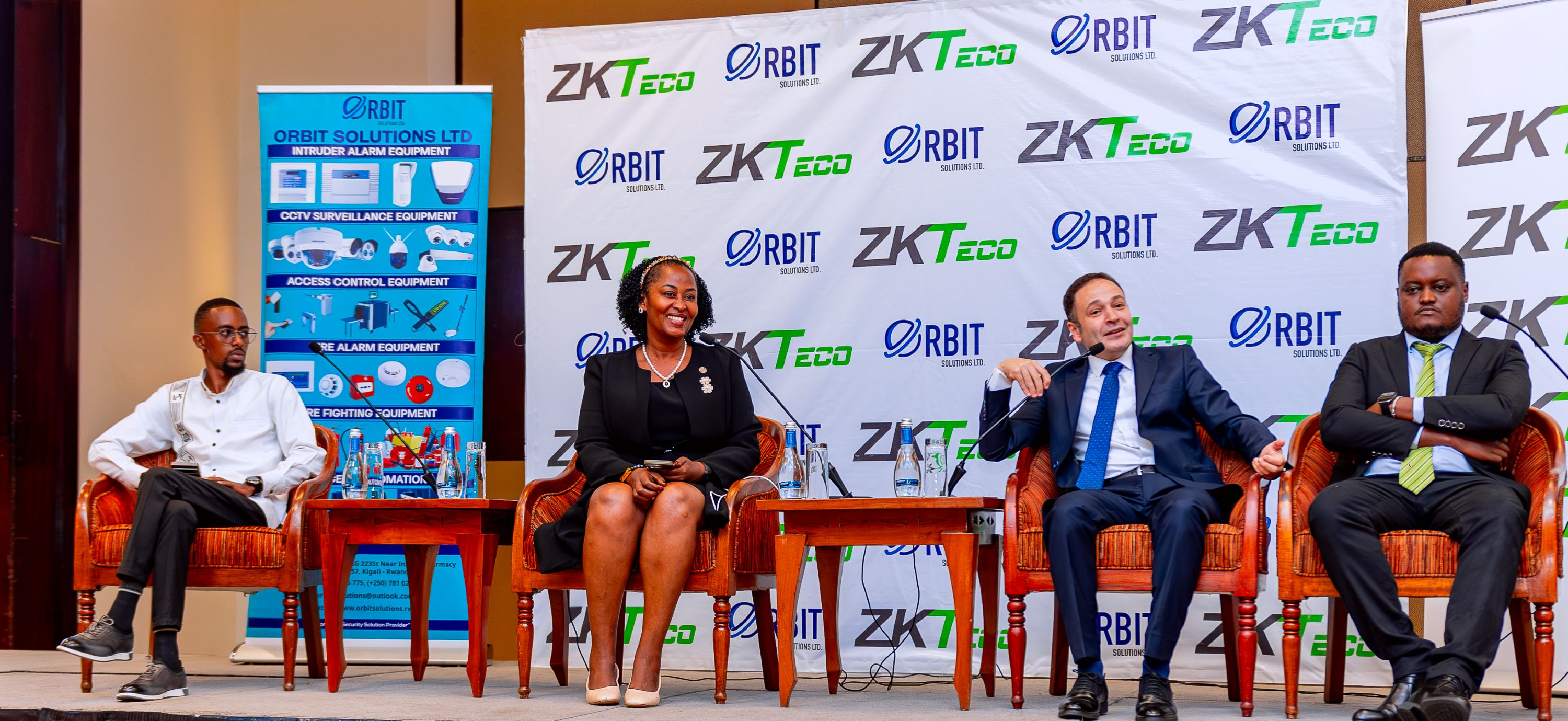
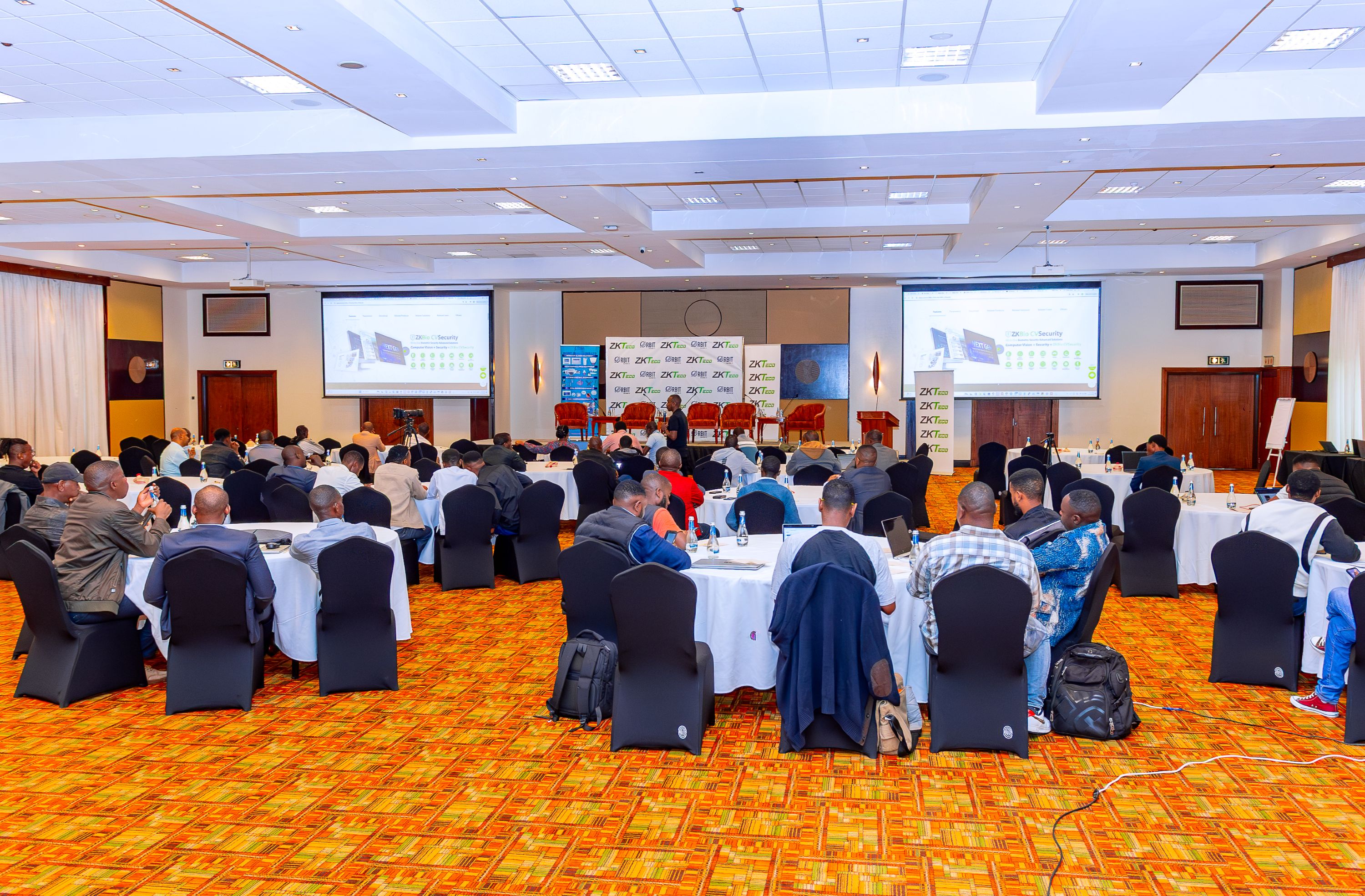
Panel sessions were lively, with participants exploring practical applications of AI and smart access systems. From corporate offices to public institutions, attendees discussed how technology can reduce reliance on traditional security personnel while increasing overall safety. One example: AI CCTV detecting a fight in real time can alert security, lock or unlock doors as needed, and even integrate with other systems such as fire alarms.
Panel sessions were lively, with participants exploring practical applications of AI and smart access systems.
The discussions also covered challenges, including budget constraints, integration with existing infrastructure, and staff training. Panellists encouraged organisations to view security as an investment in efficiency, rather than a cost.
Government support and collaboration
Decision-makers in attendance, including representatives from the Ministry of ICT and Innovation, underscored the importance of interoperable, reliable systems for Rwanda’s evolving digital infrastructure.
Thomas Ndayambaje, representing Minister Paula Ingabire, highlighted the strategic role of smart security technologies in safeguarding personal data and enabling safe access to digital services, particularly as Rwanda rolls out its national digital ID initiative.
“Even the smartest systems still require informed users,” emphasising the need for capacity building alongside technological deployment.
Thomas Ndayambaje represented ICT Minister Paula Ingabire at the event.
Ndayambaje further stressed that smart technologies, such as biometric authentication and access control systems, are essential in building trust within Rwanda’s digital ecosystem, enabling secure and seamless interactions across both public and private services.
He acknowledged the vital role of private-sector partnerships, pointing to the collaboration between organisations such as Orbit Solutions Ltd and ZKTeco as an example of how innovation can be brought closer to institutions and citizens.
The conference closed with a clear message for Rwanda’s growing security sector from Christine Uwase, Admin Manager at Orbit Solutions Ltd. Highlighting the skills, knowledge, and networks attendees had gained, she framed the event not just as a training session but as a catalyst for raising standards across the industry.
“As we leave this evening, kindly be the brand ambassador of effective, reliable, and efficient smart security equipment and accessories,” Uwase urged, positioning professionals as key drivers of a more secure, technology-enabled future.
Uwase’s remarks also underscored Orbit Solutions’ commitment as ZKTeco’s official distributor, ensuring that businesses and institutions across Rwanda have access to genuine products, local support, and the capacity to implement advanced security solutions, a message that resonates amid Rwanda’s push for digital innovation and modern infrastructure.
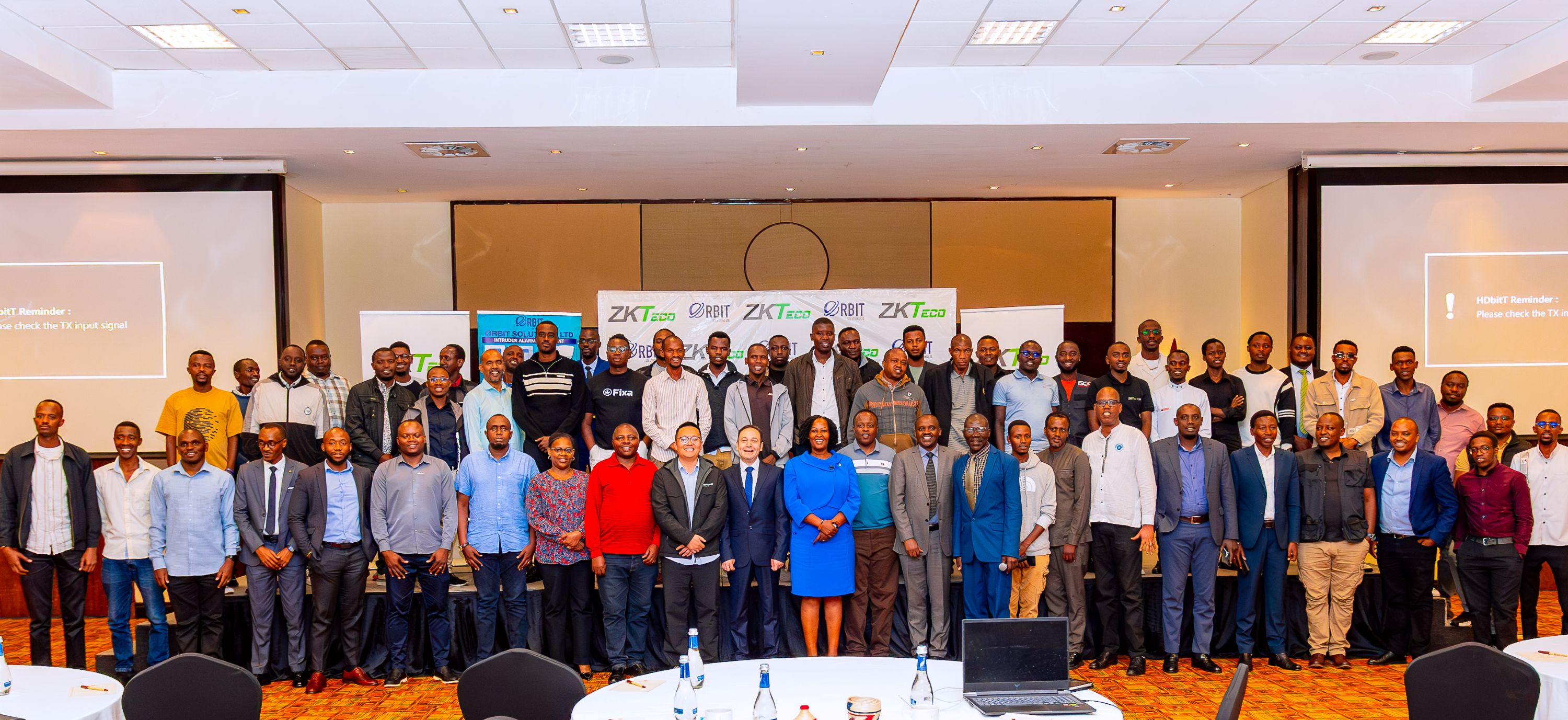
The conference brought together security professionals and decision-makers at Kigali Serena Hotel to explore modern security solutions transforming workplaces and institutions.Attendees explored security devices firsthand at the event.Participants represented various organisations, including banks and other key sectors.Participants actively engaged in interactive and practical sessions.From corporate offices to public institutions, attendees discussed how technology can reduce reliance on traditional security personnel while increasing overall safety.The conference also highlighted the long-standing partnership between the two companies, with the signing of a new agreement that strengthens Orbit Solutions’ role as ZKTeco’s official distributor in Rwanda. Participants were awarded attendance certificates.
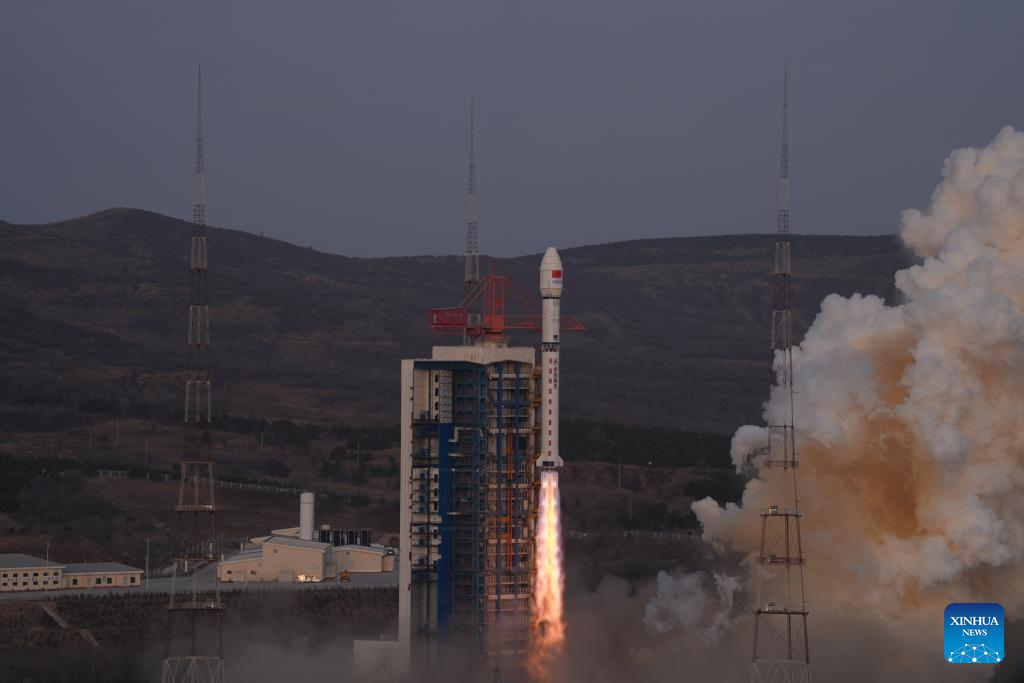
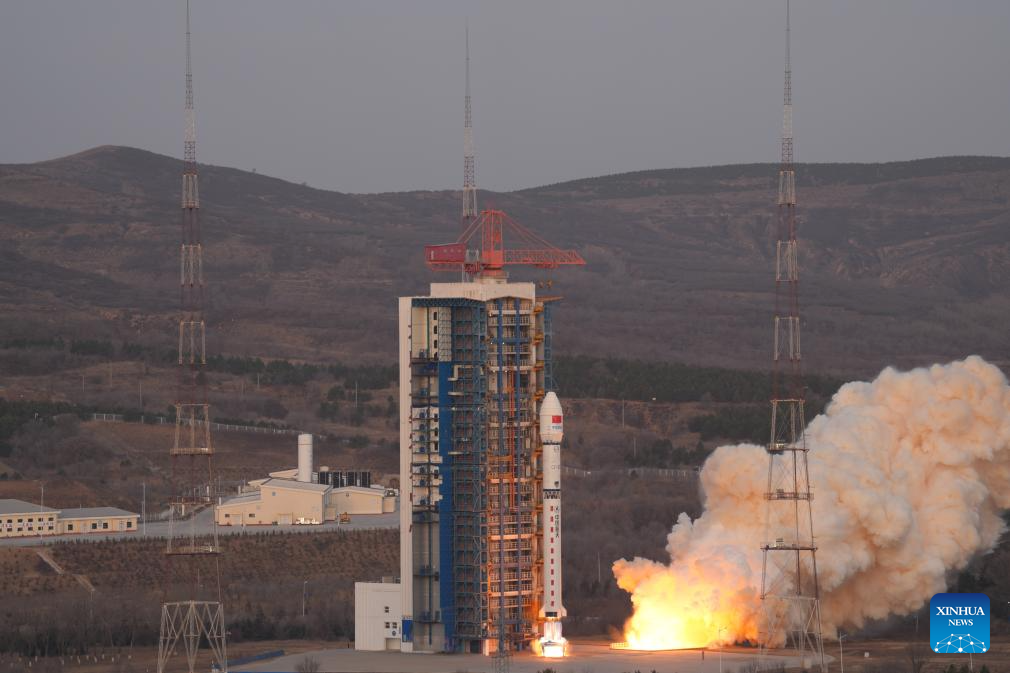
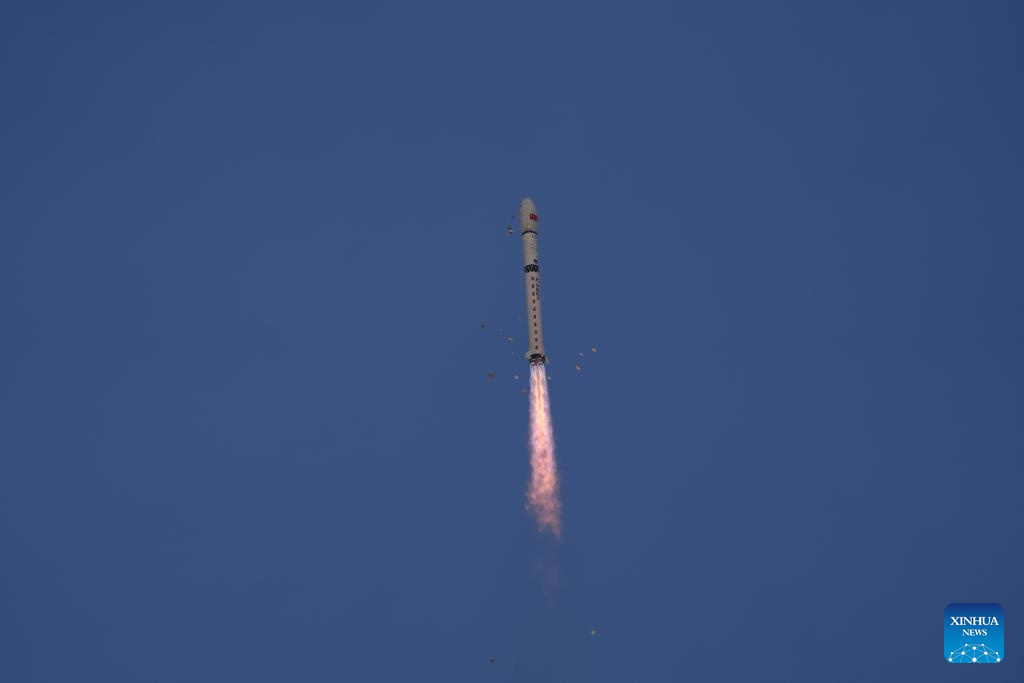
The rocket blasted off at 6:51 a.m. (Beijing Time) from the Taiyuan Satellite Launch Center in north China’s Shanxi Province and sent the pair of satellites, Siwei Gaojing-2 05 and Siwei Gaojing-2 06, into their preset orbit.
It was the 634th flight mission of the Long March series rockets.
A Long March-2D carrier rocket carrying two new satellites blasts off from the Taiyuan Satellite Launch Center in north China’s Shanxi Province on March 26, 2026.A Long March-2D carrier rocket carrying two new satellites blasts off from the Taiyuan Satellite Launch Center in north China’s Shanxi Province on March 26, 2026. The rocket blasted off at 6:51 a.m. (Beijing Time) and sent the pair of satellites, Siwei Gaojing-2 05 and Siwei Gaojing-2 06, into their preset orbit.A Long March-2D carrier rocket carrying two new satellites blasts off from the Taiyuan Satellite Launch Center in north China’s Shanxi Province on March 26, 2026.