The company aims to assist those with small businesses who have previously struggled to obtain loans from traditional financial institutions.
The official launch event took place in Kigali on March 24, 2026. Small business owners who previously found it difficult to access loans from banks are now able to apply for loans via a digital platform without having to leave their locations.
Using Numida’s mobile app, applicants can fill out the required forms and receive loans ranging from 800,000 Rwandan Francs(Rwf) to Rwf12 million. The approval process takes less than 24 hours.
To qualify for the loan, applicants need to have a smartphone to download the Numida app, provide their national ID, a photo, and have a business that has been operating for at least six months in Rwanda.
They must also have the necessary registration documents from the Rwanda Development Board (RDB) proving ownership.
Mina Shahid, the CEO of Numida, stated that the loan process for small business owners is part of a broader initiative to align with Rwanda’s Vision 2050, which aims to speed up development and ensure financial services are accessible to all.
He said, “Our company’s goal aligns with Rwanda’s Vision 2050, to ensure everyone has easy access to financial services. Numida’s mission is to make the dreams of one million people across Africa come true.”
James Rwagasana, Manager of Supervision of Non-Deposit Taking Lending Financial Institutions at the National Bank of Rwanda (BNR), reassured potential clients of Numida’s legitimacy.
He emphasized that the company is fully licensed by BNR and does not require deposits for the loans.
“This new institution is authorized by the National Bank of Rwanda and operates legally. It is part of the national strategy to increase access to financial services, especially loans, so that Rwandans can grow their businesses,” Rwagasana explained.
One of the beneficiaries, Teddy Nishimwe, a Rwandan entrepreneur, received a loan of Rwf3.5 million from Numida. She confirmed that the process was simple and quick, and the loan would help her expand her business.
Since its launch in Rwanda in March 2026, Numida has already disbursed over Rwf120 million in loans to 150 Rwandans using its digital platform.
Numida has been operating in Uganda since 2017 and in Kenya since 2023. The company has provided over $150 million in loans to support the growth of more than 100,000 businesses across these three countries. The goal is to have disbursed loans to 5,000 businesses in Rwanda by the end of 2026.
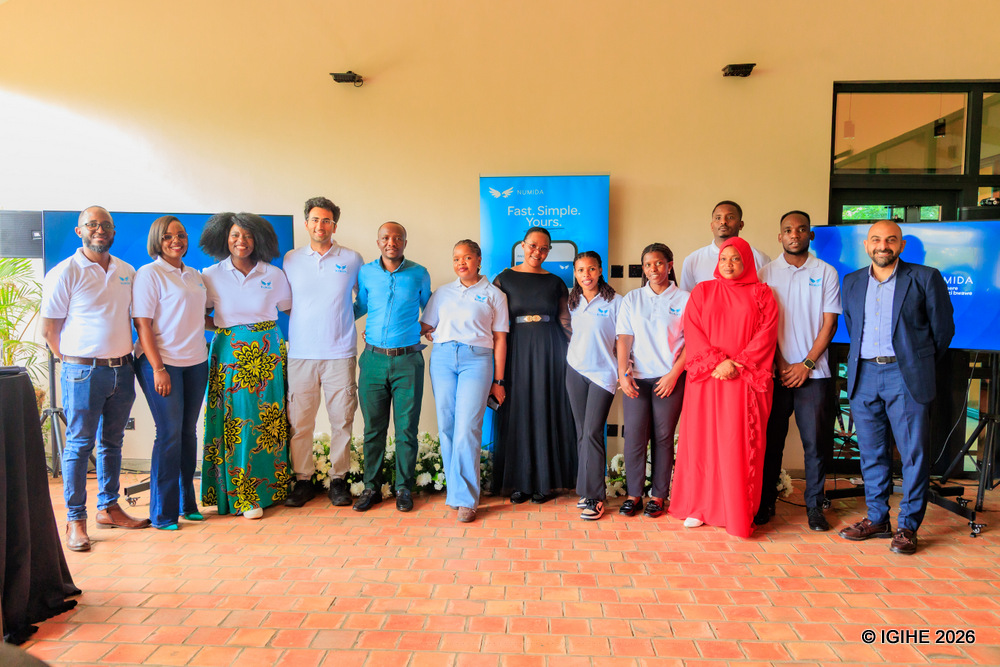
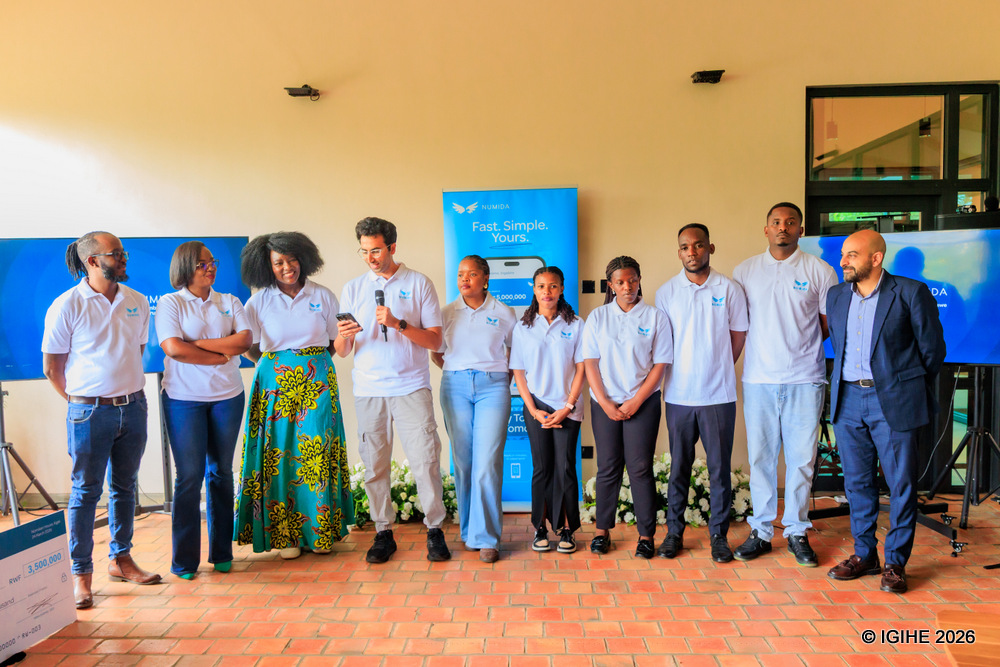
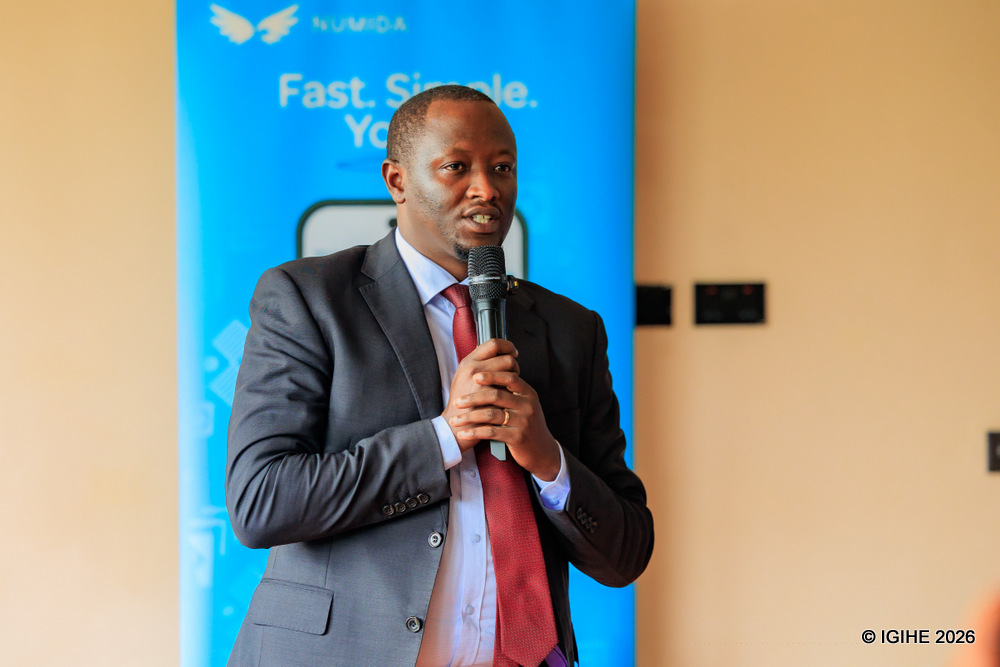
Numida’s CEO, Mina Shahid, emphasized that the company will help small businesses in Rwanda grow and expand.Numida aims to have granted loans to at least 5,000 business owners in Rwanda by the end of 2026.Numida is committed to bridging the gap in loan distribution in Rwanda.James Rwagasana, Manager of Supervision of Non-Deposit Taking Lending Financial Institutions at the National Bank of Rwanda (BNR), reassured potential clients of Numida’s legitimacy. At the launch event, some attendees received the loans they had applied for.Jean Marie Vianney Bana was also granted a loan he requested from Numida.Numida is also committted to supporting women-owned businesses in Rwanda.
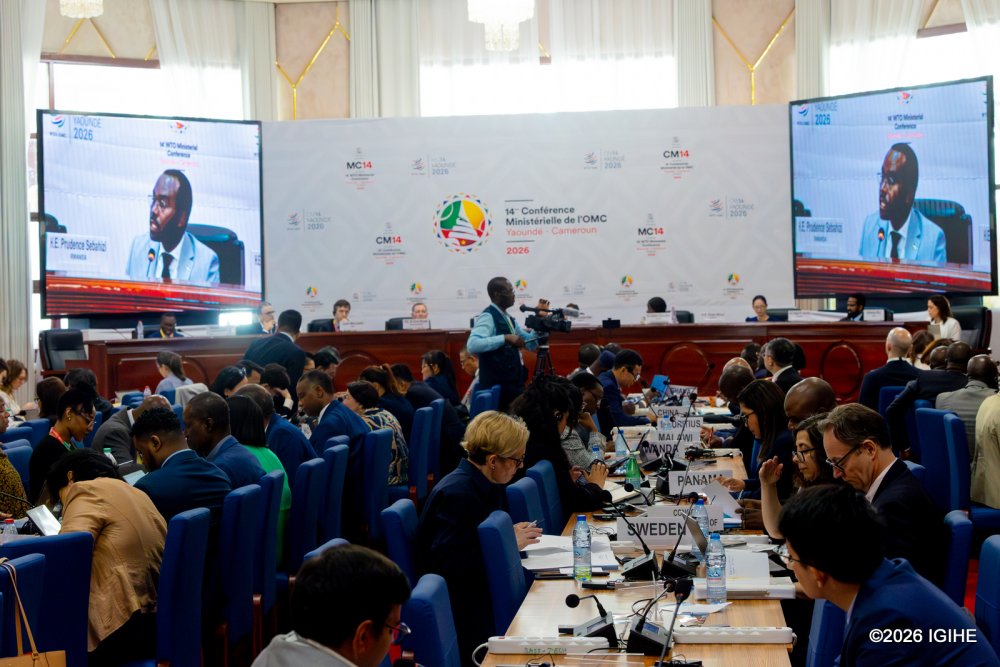
The funding, approved during the WTO Ministerial Conference in Yaoundé, falls under the third phase of the Enhanced Integrated Framework (EIF), a global initiative designed to help poorer nations strengthen their participation in international trade.
The EIF was established by developed countries to support least developed nations in improving their trade capacity, particularly by helping them access international markets. The program focuses on building technical skills, enhancing production standards, and supporting small and medium-sized enterprises (SMEs).
It also provides training for workers and entrepreneurs seeking to expand into global markets. Since its launch in 2005, the program has been updated every ten years and is now entering its third phase.
Speaking to IGIHE on the sidelines of the conference, Sebahizi welcomed the development, noting that Rwanda will have another decade to leverage such support in strengthening its SME sector.
“This means we have another 10 years to support small and medium enterprises in Rwanda to meet quality standards and access international markets,” he said.
He highlighted that many of Rwanda’s existing export promotion initiatives, such as the “Zamukana Ubuziranenge” program, already benefit from donor funding, including resources from the EIF.
Institutions like the International Trade Centre (ITC) also play a key role in supporting SMEs through training and export facilitation, using funds from the same framework. Similarly, several United Nations Development Programme (UNDP) initiatives supporting entrepreneurs rely on EIF financing.
“In essence, many of the programs in Rwanda that help SMEs export their products are supported by these funds,” Sebahizi explained.
Although there are no precise figures showing how many businesses have benefited so far, Rwanda is preparing to actively compete for the newly approved funding.
To access the funds, the country must submit detailed proposals outlining how the money will be used.
“If we need, for example, $2 million, we must present a solid business plan and compete with other countries seeking the same support,” the minister said.
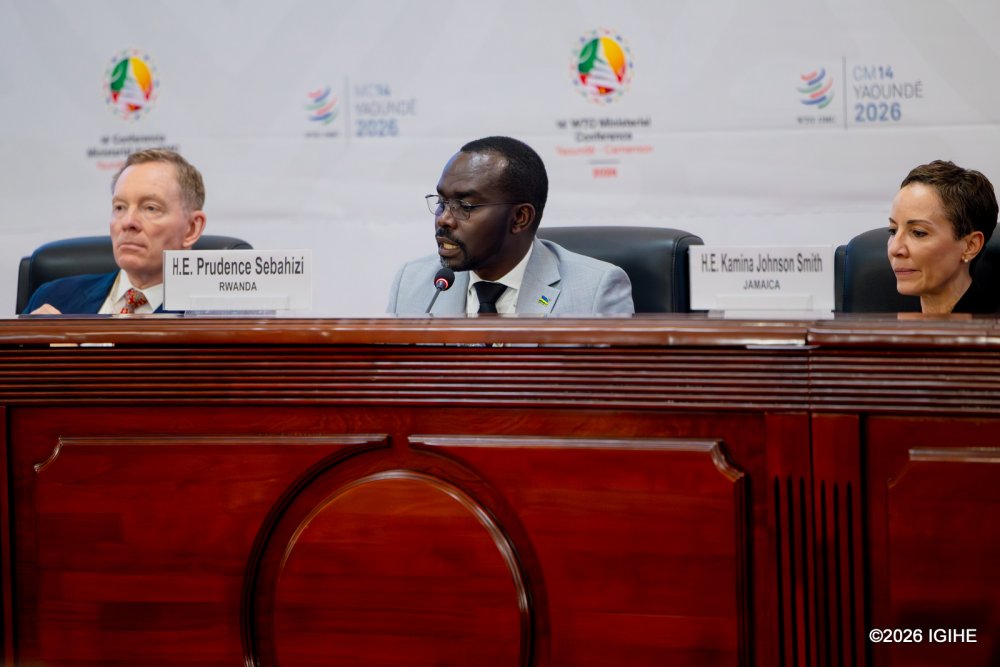
Minister Prudence Sebahizi speaks during the WTO Ministerial Meeting in Yaoundé.Rwanda’s Trade Minister Prudence Sebahizi addressing a joint WTO–World Bank session in Cameroon.
He pointed out that this rate is significantly lower than the 37% tariff Rwanda had already been paying on textile exports, despite arguing that such charges are inconsistent with international trade law.
The minister is among participants of the World Trade Organization (WTO) Ministerial Conference in Yaoundé, Cameroon.
On Wednesday morning, he addressed a joint session organized by the World Bank and the WTO, where he outlined Rwanda’s strategies to boost trade through services, job creation, and inclusive economic growth. In an interview with IGIHE, Sebahizi noted that the meeting comes at a time when the global trading system faces persistent challenges, particularly related to institutional reforms and the failure of some countries to adhere to established trade rules.
He emphasized that one of the core principles of international trade is non-discrimination. According to this principle, imported goods should be treated equally regardless of their country of origin. However, recent trends show that some countries are imposing tariffs based on origin, undermining these rules.
“There are fundamental principles guiding international trade law, especially non-discrimination,” he said. “But we have recently seen countries imposing tariffs depending on where goods come from.”
Sebahizi added that while preferential trade agreements may allow certain countries to export goods duty-free, countries without such agreements should still be treated according to WTO rules. He stressed the need for a return to proper implementation of these principles.
Addressing the U.S. tariffs specifically, the minister noted that although they have had some impact, Rwanda has not suffered significant losses. He explained that the tariffs apply to goods already being exported to the U.S., and that Rwanda had long faced even higher duties on key exports like garments.
“In reality, Rwanda has not lost much because we were already facing a 37% tariff on clothing exports to the U.S. market,” he said. “Now, under the new measures, Rwanda falls under a 10% tariff category.”
He added that while the reduction may appear beneficial, the broader issue lies in the inconsistency of applying or adjusting tariffs on goods from developing countries, which itself contradicts international trade norms.
Sebahizi further stated that, aside from the United States, Rwanda has not encountered other countries imposing trade barriers that violate global trade rules.
Minister Prudence Sebahizi speaks during the WTO Ministerial Meeting in Yaoundé.Minister Prudence Sebahizihas dioscussed Rwanda’s trade outlook amid shifting global tariff policies during an interview on the sidelines of the WTO meeting in Yaoundé.
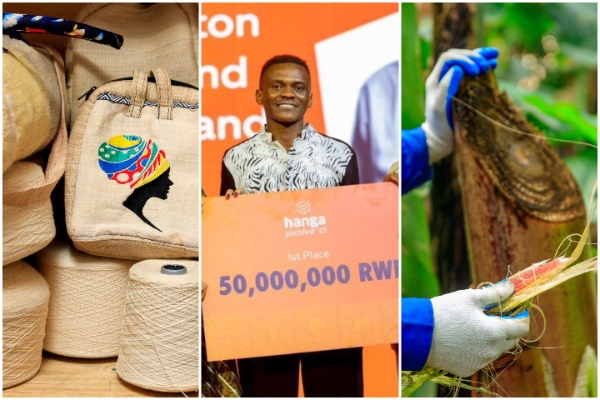
At the centre of that transformation is Jonathan Shauri Kalibata, a mechanical engineer trained at Rwanda Polytechnic and the founder of Re-Banatex, a startup turning discarded banana stems into textile fibres. His work recently gained national attention after winning Hanga Pitch Fest 2025, a platform organised by the Ministry of ICT and Innovation (MINICT) and the Rwanda Development Board, with support from partners including UNDP.
For Shauri, the idea did not begin in a lab, but in memory.
Growing up, banana stems were part of everyday life, playthings, discarded remnants, and later, invisible waste. Years later, that same material would become the raw input for an emerging textile innovation.
“Banana plants only produce fruit once,” he explains. “After harvesting, the stems are usually thrown away without any economic value. We are giving them that value.”
Re-Banatex turns banana stems into textile fibres.
From agricultural waste to industrial input
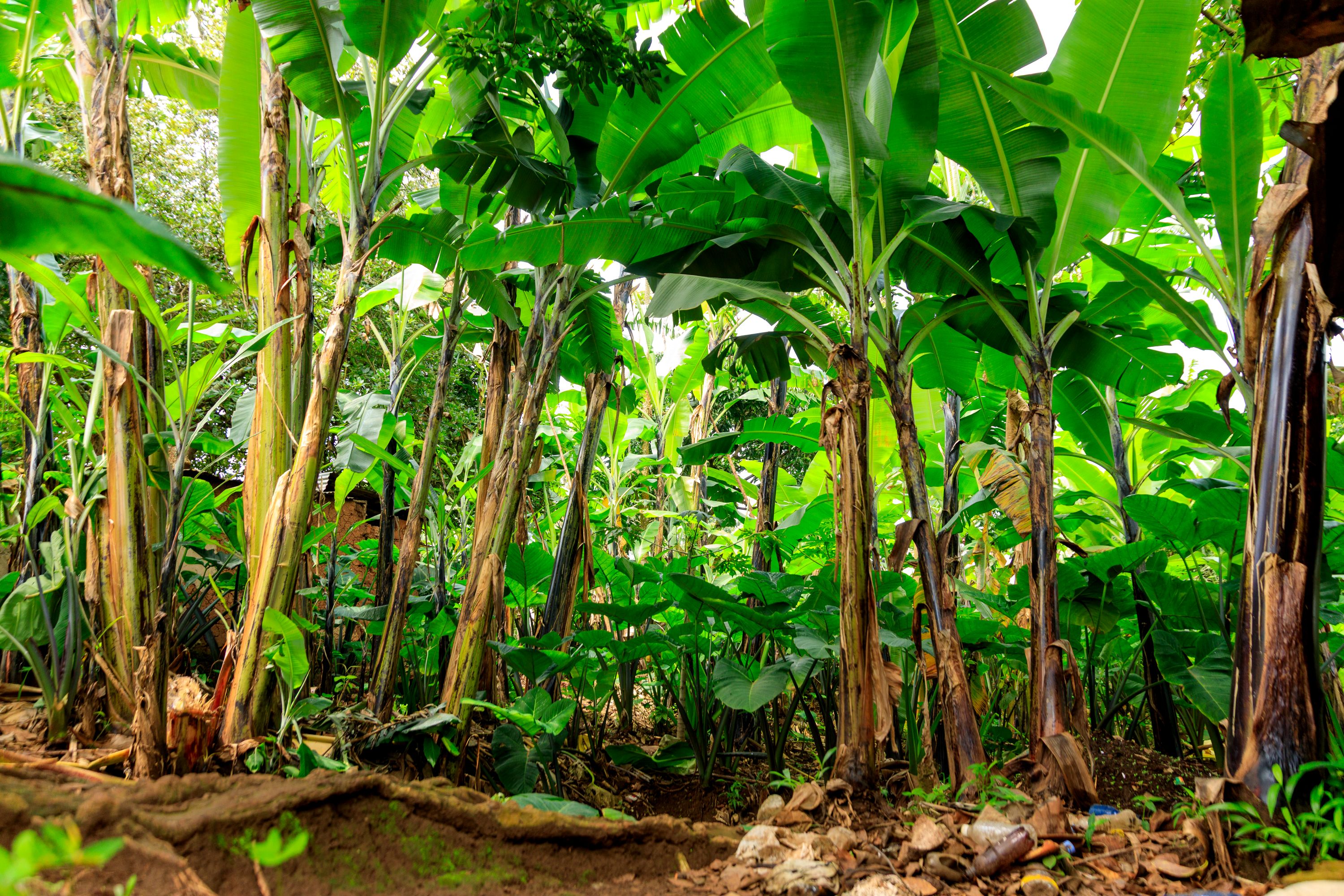
Rwanda’s position as one of the region’s major banana producers means large volumes of post-harvest biomass are generated daily. Traditionally left to decompose or be discarded, these stems are now being reclassified by Re-Banatex as a resource rather than waste.
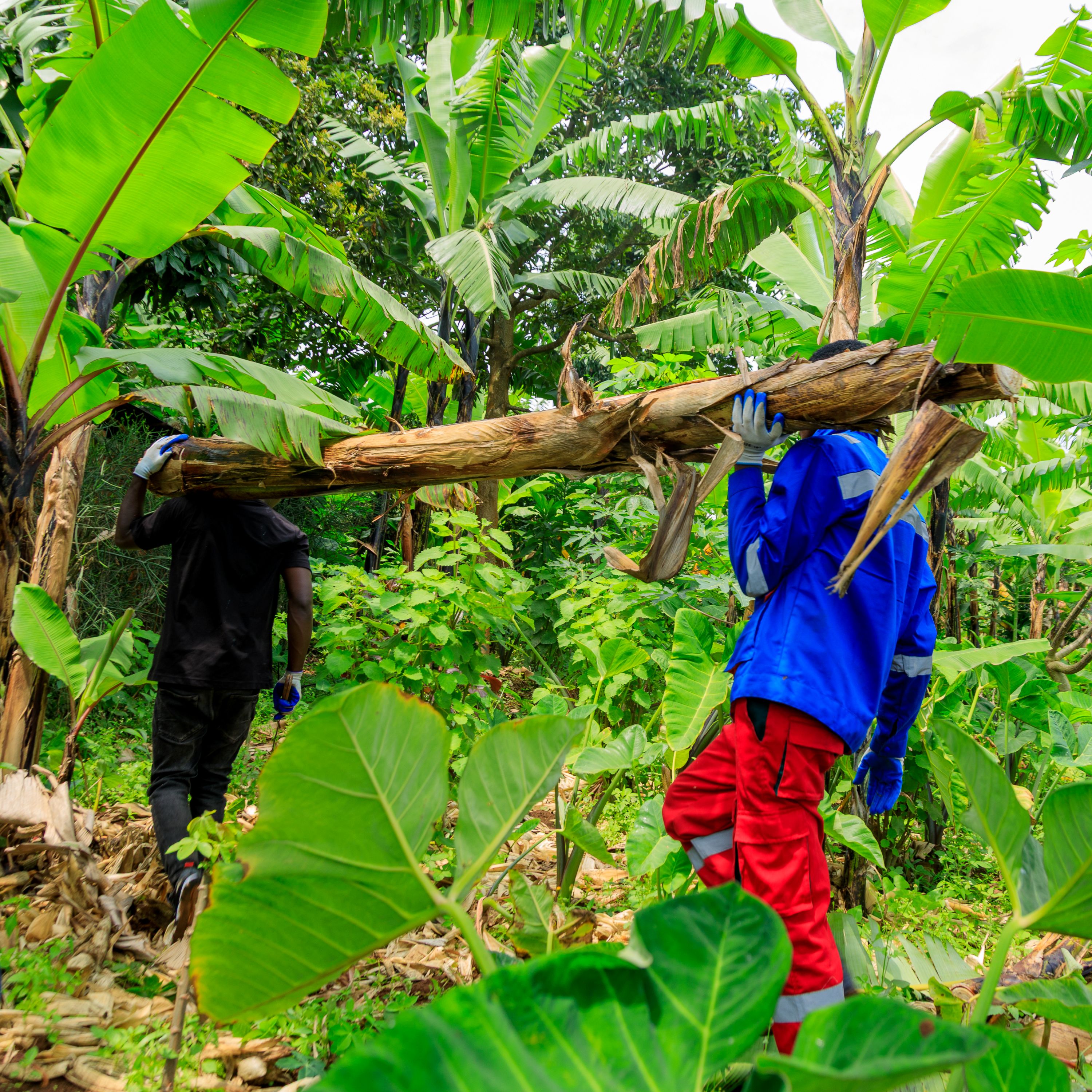
The process begins at the farm level. Re-Banatex works directly with banana farmers, purchasing stems after harvest at a rate of 100 Rwandan francs per meter. The arrangement is simple but impactful, allowing farmers to earn income from material that previously had no market value, while the company secures its primary raw input.
Rather than relying on dried material, the startup uses fresh banana stems. According to Shauri, fresh stems yield stronger fibres, which are better suited for textile production.
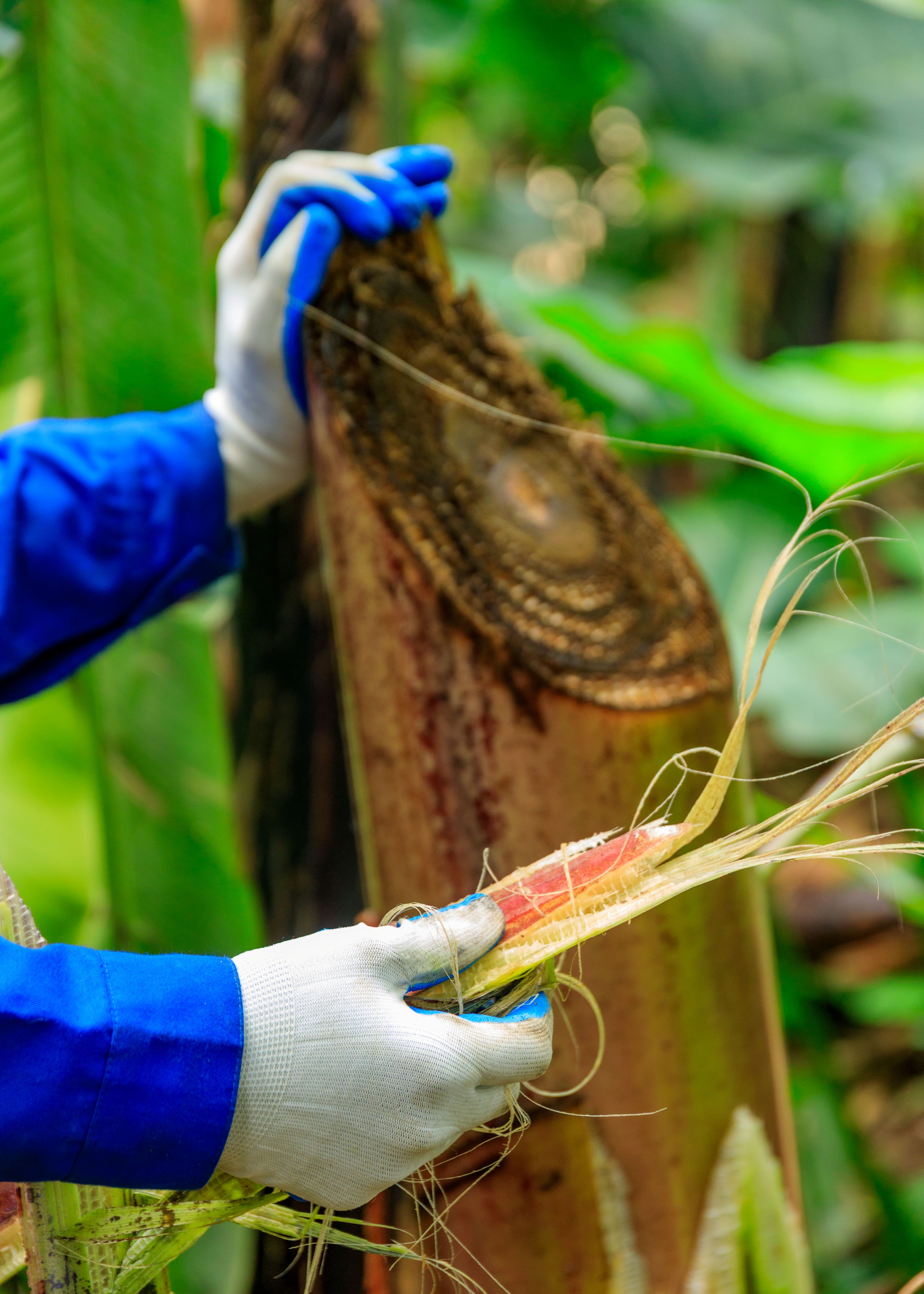
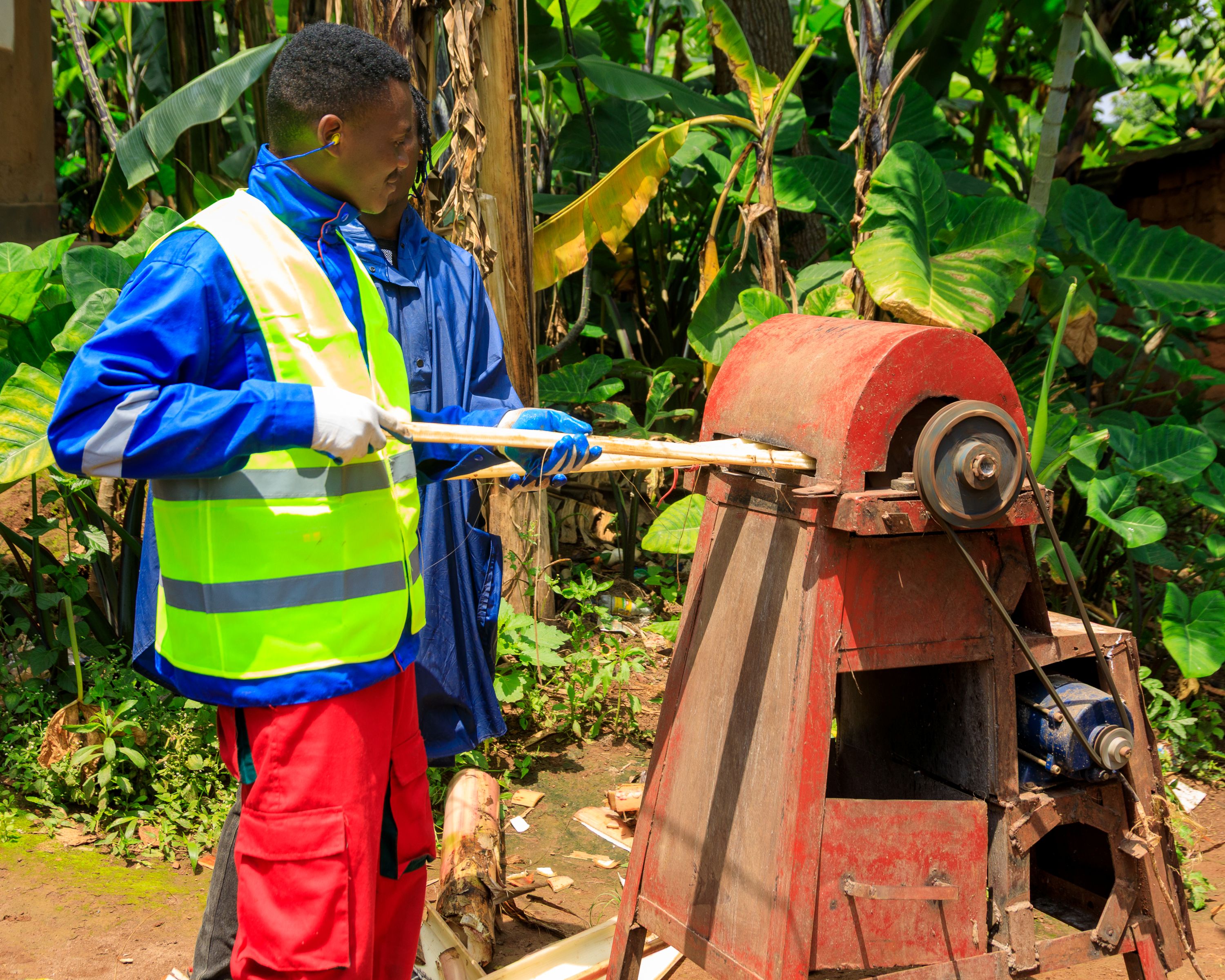
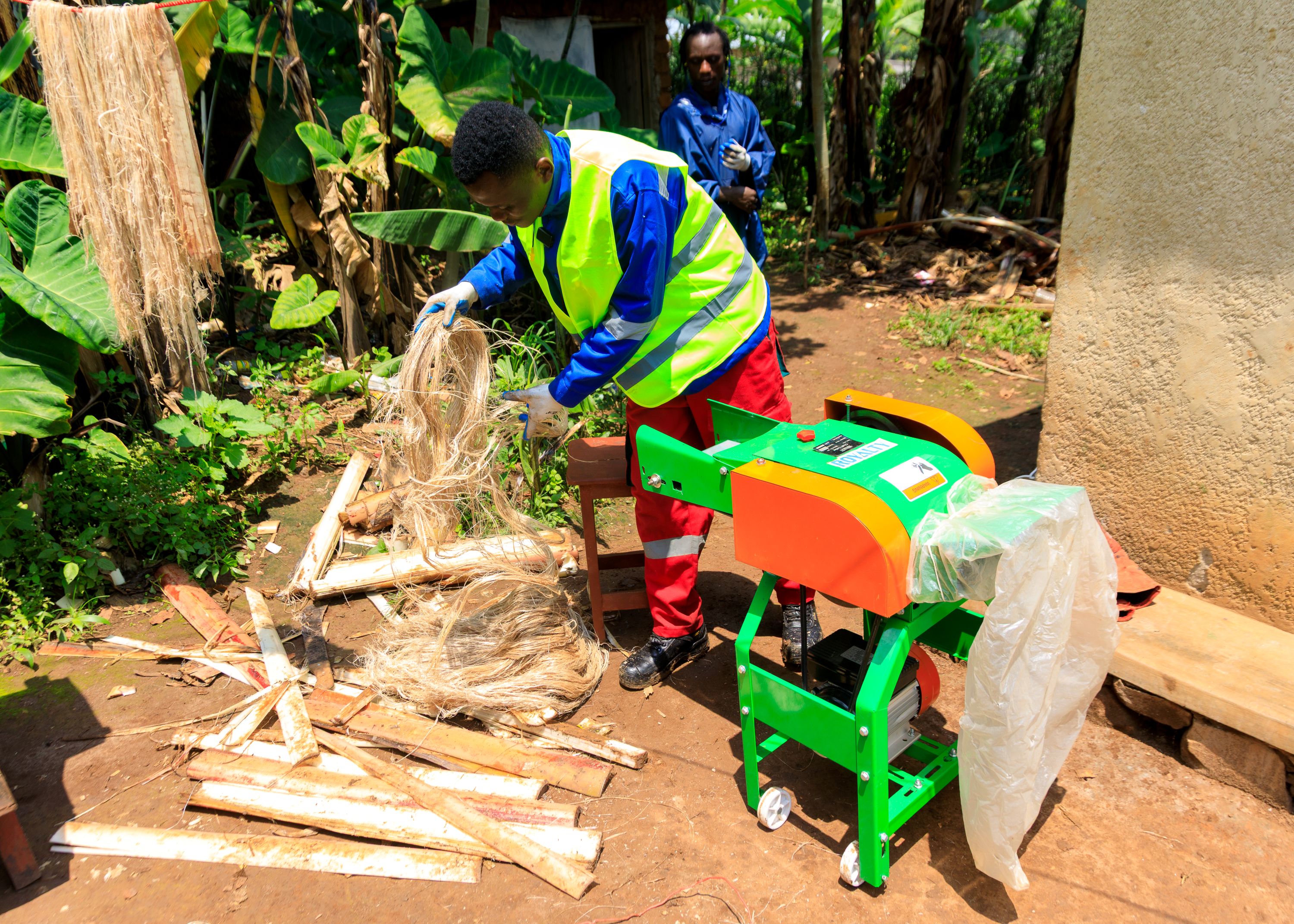
Once collected, the stems are transported to processing sites where fibres are extracted. Initially, this process was manual with workers physically beating the stems to reveal the fibres inside. Over time, the team engineered machinery to improve efficiency and consistency.
Re-Banatex buys banana stems that were often discarded by farmers.
Engineering a new material
What begins as a thick, water-rich stem is transformed through a multi-stage process into usable fibre. The stems contain multiple layers, each with potential applications, though Re-Banatex continues to explore ways to utilise even the inner portions more effectively.
After extraction, the fibres are dried and processed into a softer form suitable for blending. This intermediate material is then mixed with cotton and spun into yarn, which can be woven into fabric using loom machines.
The result is a plant-based textile that can be used in a range of products, including bags and shoes to carpets and garments.
Shauri notes that the company is still expanding its material applications, reflecting the experimental nature of the innovation.
Rather than relying on dried material, the startup uses fresh banana stems. According to Shauri, fresh stems yield stronger fibres, which are better suited for textile production.
Trial, error, and iteration
Re-Banatex’s journey has not been linear.
The team’s first fabric prototype, Shauri recalls, was far from market-ready. It was stiff, rough, and visually unappealing. But rather than discouraging the team, it became a turning point.
“It was very bad,” he admits. “But it gave us feedback that pushed us to improve.”
That early failure led to experimentation with blending banana fibres with other materials, including cotton. The goal, as Shauri recalls, was to improve texture, durability, and usability while maintaining sustainability.
The company also began exploring ways to repurpose byproducts from the extraction process. The residual material left after fibre extraction is not wasted as it can be used as fertiliser, animal feed, or even for mushroom cultivation.
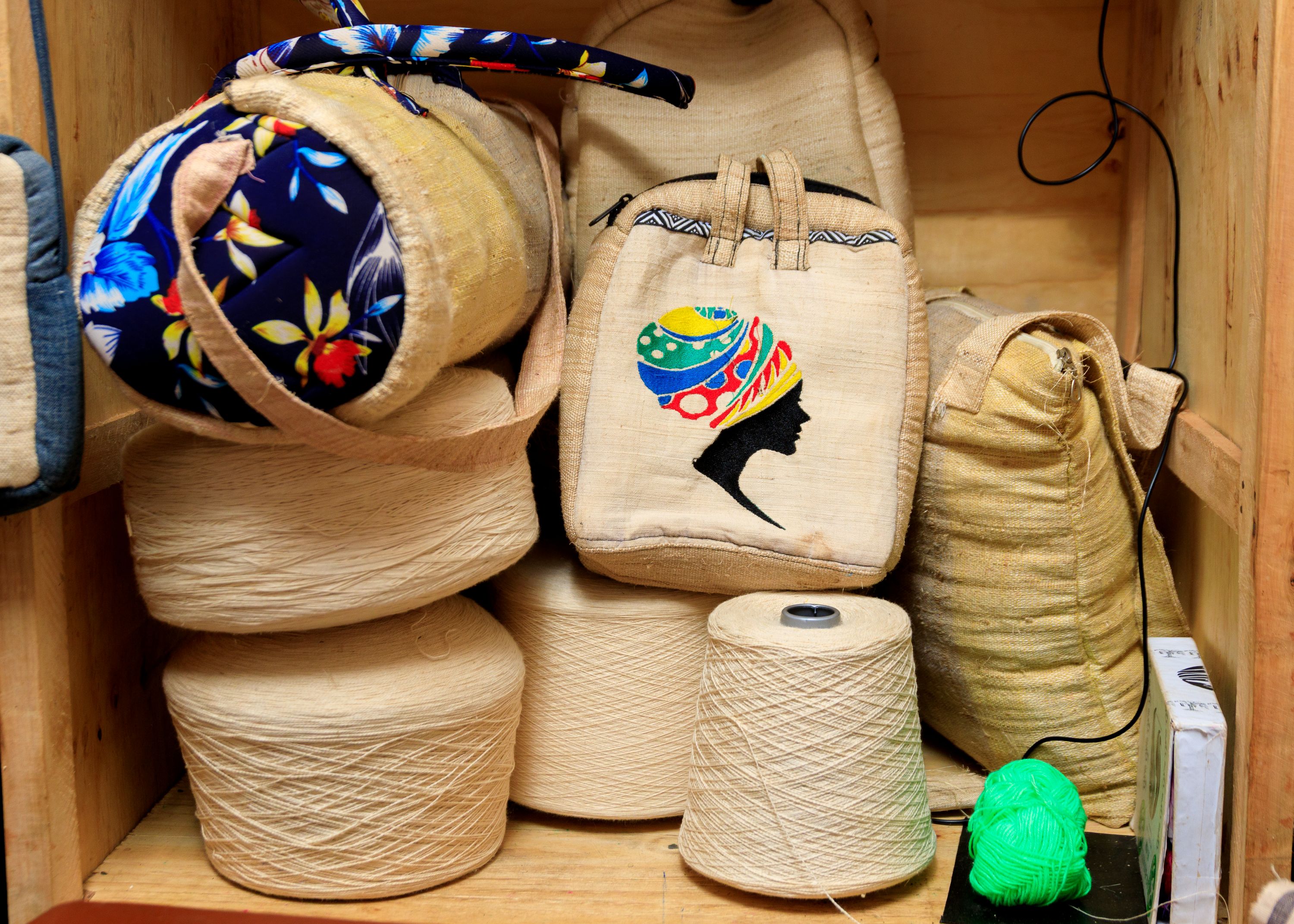
The textile material extracted from banana stems is used in the fashion value chain to make products such as bags.
Building a circular value chain
Beyond the technical process, Re-Banatex is building a value chain that connects farmers, engineers, and designers.
Farmers benefit from an additional income stream. Designers gain access to locally produced, eco-friendly materials. And the startup positions itself at the intersection of agriculture, manufacturing, and sustainability.
“We bring banana farmers, fashion designers, and other stakeholders together,” Shauri says.
The company’s products, including woven fabrics and finished goods like bags, are already being introduced to local designers. These collaborations are helping test market acceptance while refining product quality.
Like many early-stage innovations, Re-Banatex has faced resistance. Introducing a new material into a market accustomed to synthetic and imported textiles has required persistent education and outreach. Early reactions from designers were sceptical, particularly when presented with initial fabric samples.
At the same time, scaling production and transitioning from manual to industrial processes has been a technical and financial challenge.
There were moments of doubt.
“At some point, I felt like giving up,” Shauri reflects. “But innovation requires resilience.”
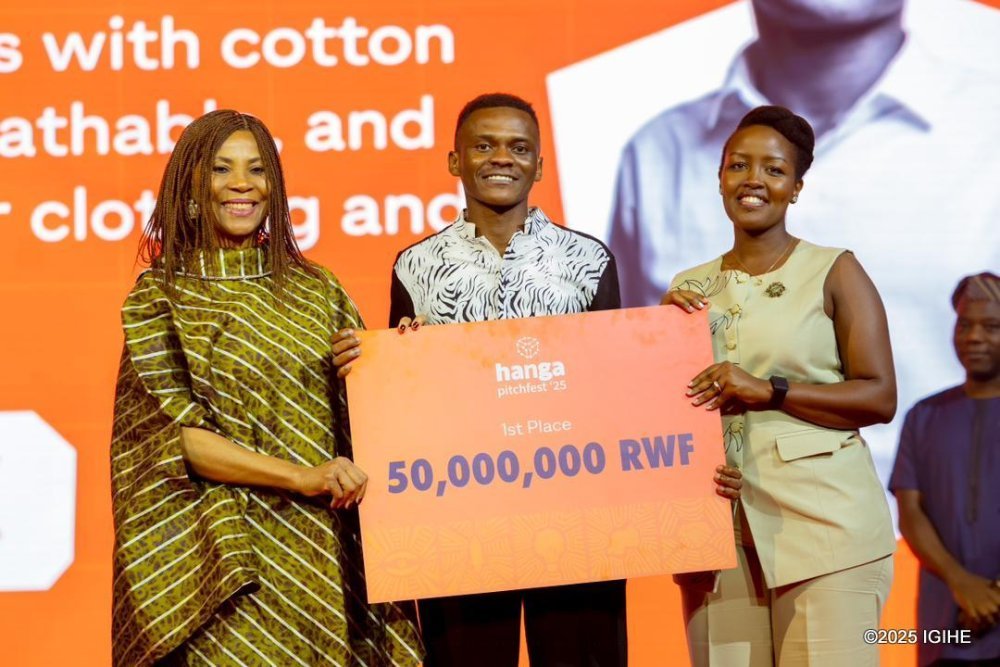
The co-founder says winning Hanga Pitchfest 2025 marked a significant milestone for Re-banatex.
Recognition and momentum
Winning Hanga Pitchfest 2025 marked a significant milestone for Re-banatex. As one of the Rwandan government’s premier innovation platforms, the competition has empowered hundreds of startups since its inception in 2021 by bridging the gap between raw ideas and market readiness. To date, it has disbursed over Rwf 600 million in direct grants, providing the critical capital and mentorship needed for entrepreneurs to scale their solutions.
For Re-Banatex, the prize of 50 million Rwandan francs extends beyond financial support. It represents validation from institutions such as MINICT and the Rwanda Development Board, signalling confidence in the startup’s potential.
Shauri says the recognition is already accelerating the company’s transition toward industrial-scale production. The start-up is in the process of importing new machinery to automate processes such as fibre carding and spinning, with plans to fully industrialise operations within months.
Re-Banatex is in the process of importing high-tech machinery to replace their mechanical processes as they look to fully industrialise their idea.
Aligning with “Made in Rwanda”
Re-Banatex’s ambitions extend beyond entrepreneurship. The company sees itself as contributing to Rwanda’s broader industrial and sustainability goals, particularly within the “Made in Rwanda” agenda.
By sourcing raw materials locally and reducing reliance on imported synthetic fibres, the startup is attempting to close gaps in the textile value chain.
“In the future, we want ‘Made in Rwanda’ to truly mean made from Rwanda’s own resources,” Shauri explains.
Over the next five to ten years, Re-Banatex aims to position itself as a leading player in eco-friendly textile manufacturing in Rwanda and across Africa. The vision includes expanding production capacity, improving material quality, and influencing a shift toward sustainable alternatives in the fashion industry.
For now, the journey continues, rooted in experimentation, driven by local resources, and sustained by a belief that waste can be transformed into value.
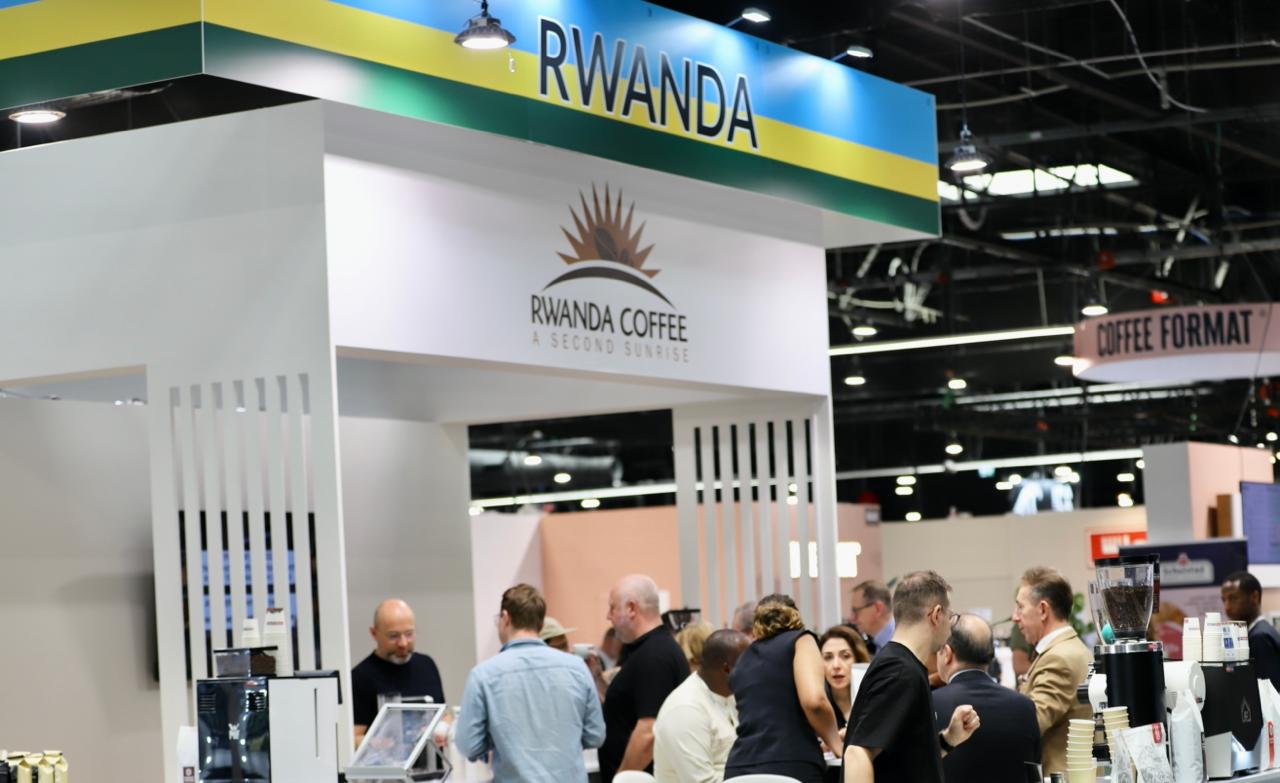
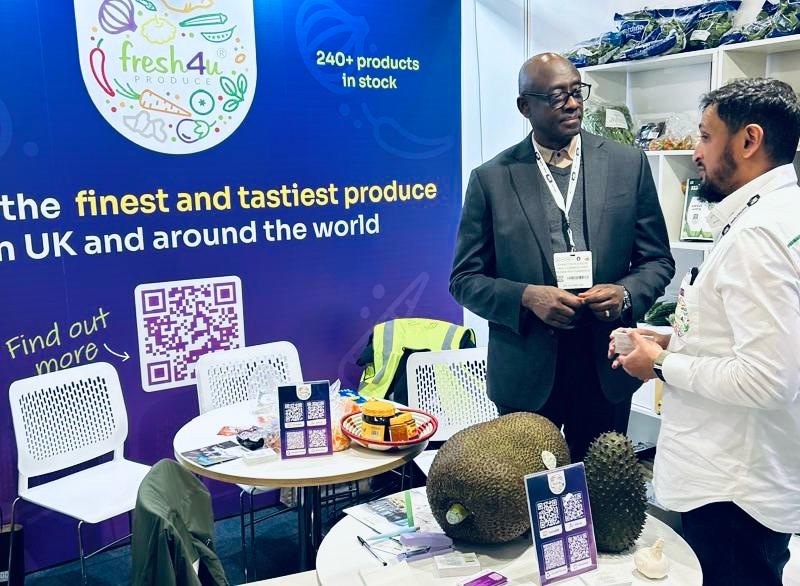
Rwanda is set to take part in the International Food & Drink Event (IFE) for the second time, with this year’s edition scheduled from March 30 to April 1 at ExCeL London. The country’s renewed participation highlights its growing ambition to establish itself as a credible and competitive player in the global agri-food market.
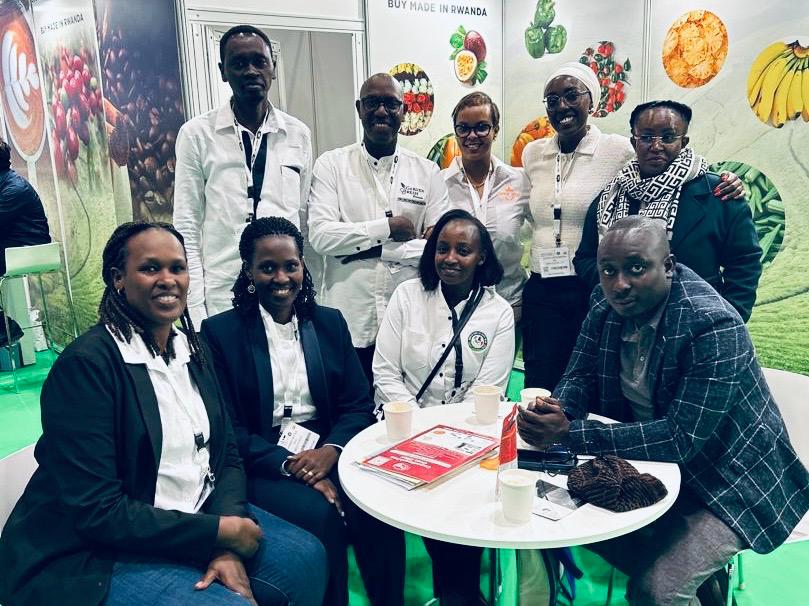
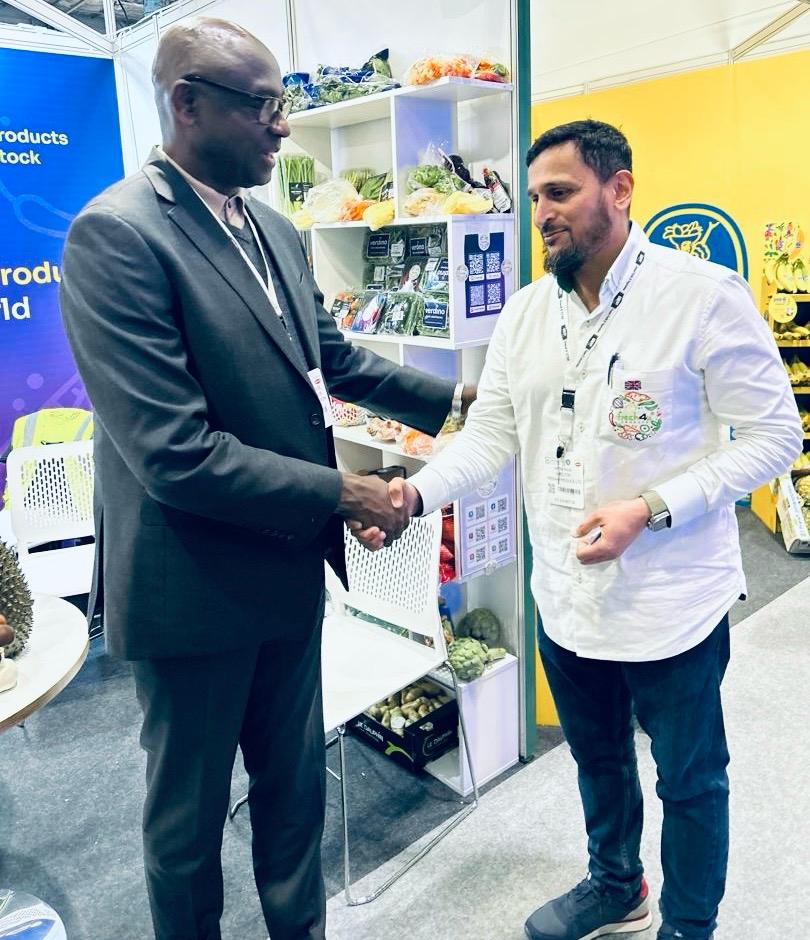
A delegation of representatives from Rwandan companies is expected to travel to London for the event, showcasing a range of locally produced goods and engaging directly with international partners.
Rwanda’s participation will be coordinated by the Embassy of Rwanda in the United Kingdom, in collaboration with the National Agricultural Export Development Board (NAEB).
Considered one of the leading B2B events in the sector, IFE brings together thousands of professionals from the food, beverage, and hospitality industries each year. For Rwanda, this platform represents far more than just visibility, it serves as a strategic lever to boost exports, build new partnerships, and showcase the quality of its products on the international stage.
Building on a first successful participation, the country returns with a clearer vision. The objective is to capitalize on previous experience, increase its visibility, and sustainably position its products, particularly coffee and tea, among international buyers and distributors.
In the lead-up to the exhibition, Rwandan women entrepreneurs will also take part in the SheTrades Rwanda – UK Study Visit, scheduled from March 25 to 28, 2026. Organized under the SheTrades Commonwealth+ Programme and implemented by the International Trade Centre (ITC), this initiative will bring together 16 women-led businesses from the agrifood and coffee sectors.
During the study visit, participants will engage in market visits across London and Birmingham, meet UK-based buyers, and gain first-hand insights into market entry requirements, consumer trends, and business practices. The programme aims to strengthen their export readiness and expand their international networks ahead of IFE 2026.
At the heart of Rwanda’s broader strategy is a strong commitment to promoting a national know-how that is continuously evolving, supported by initiatives aimed at improving product quality, traceability, and local value addition. This approach aligns with broader efforts to move up the value chain and diversify export markets.
By participating in IFE 2026, and through complementary initiatives such as the SheTrades study visit, Rwanda is embracing a proactive approach, leveraging major international platforms to accelerate its integration into global value chains. Beyond mere presence, this participation highlights the country’s increasingly assertive positioning within the global agri-food landscape.
Rwanda pavilion at the previous edition of IFE in London (Illustration photos)
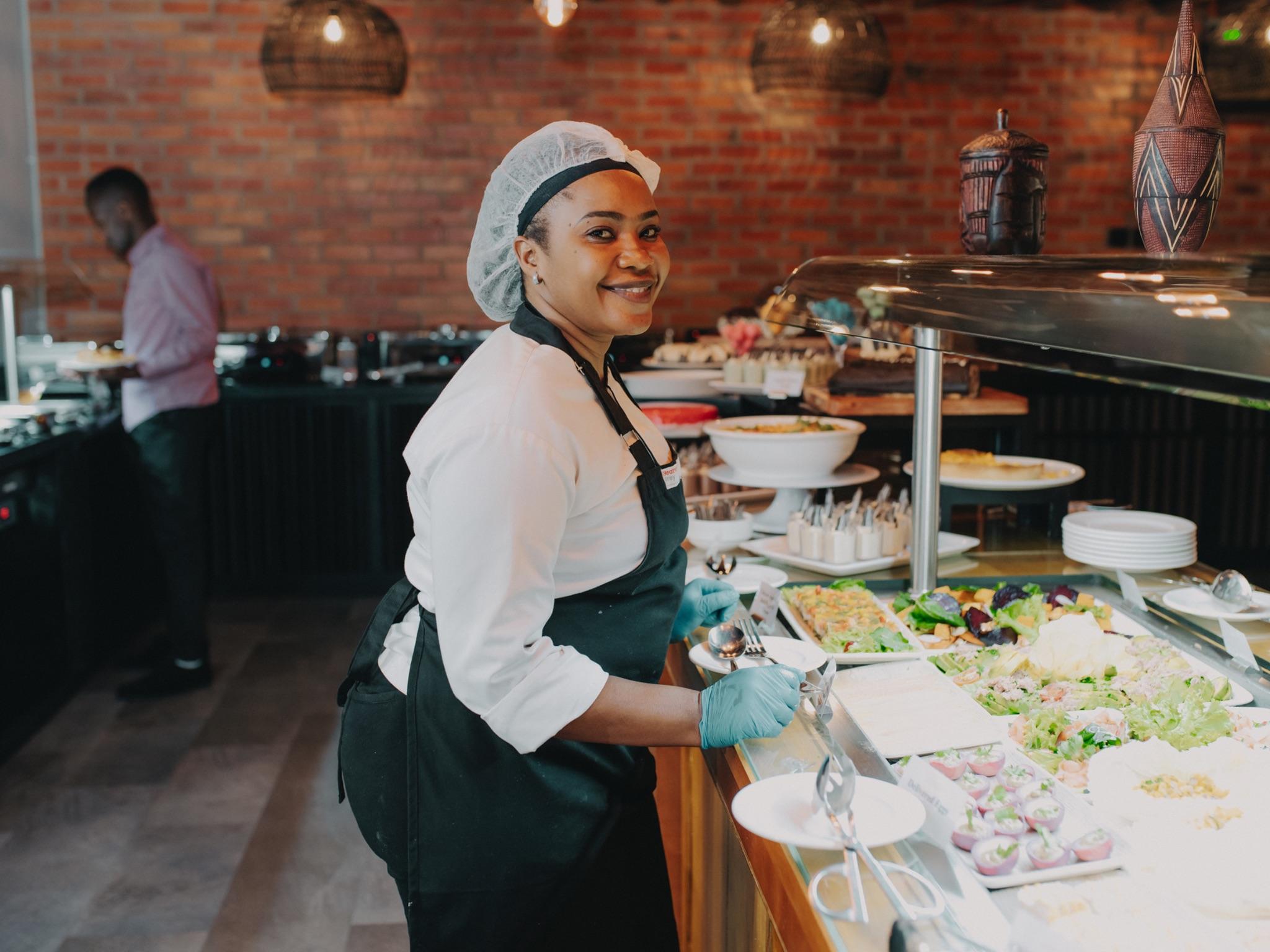
In less than a year of operations, 41% of the hotel’s employees are women. Not as a result of a last minute diversity push, but because women were present, active, and essential at every stage of the hotel’s journey, from the earliest days of construction through to the team running the property today. Their contribution is not a footnote in the story of Zaria Court Hotel. It is central to it.
A hotel built with more than materials
Great hotels are not simply constructed; they are crafted. The difference lies in the people involved and the care they bring. At Zaria Court Hotel, that philosophy is visible in unexpected places.
In the hotel’s conference room, a striking ceiling installation handcrafted entirely by women greets every guest who enters. It is more than a design feature; it is a declaration. A reflection of what the hotel stands for: African talent, craftsmanship, and the belief that the most powerful details are those made by human hands.
Across the property, this same attention to detail is evident in the warmth of the spaces, the precision of the finishes, and the overall guest experience from arrival to departure, creating a place that feels intentionally built.
Operations driven by excellence
Running a world-class hotel is a high-stakes, detail-driven undertaking. Every day at Zaria Court Hotel, women are at the centre of that work, leading teams, shaping guest experiences, and upholding the standards that come with one of the world’s most recognised hospitality brands.
What that figure represents goes beyond representation, it is a workplace culture where women are trusted with responsibility and decision making from day one. Women at Zaria Court Hotel hold roles spanning sales leadership, marketing, front of house operations, and culinary teams, present not just across the floor, but across the org chart. This does not support work. This is leadership.
“Being a woman at Zaria Court Hotel is a privilege that allows me to bring empathy, care, and attention to detail into every guest experience. It’s also an opportunity to grow professionally and show that women can lead, excel, and make an impact in hospitality,” says Flavia Mbabazi, Head of Sales, Zaria Court Hotel, Tapestry Collection by Hilton.
This leadership is reflected consistently in both performance and in the sense of ownership over what the hotel represents.
Rwanda’s ambition, reflected
Rwanda has built a strong reputation on the global stage as a destination for investment, tourism, and world-class events. That reputation is shaped by institutions and people who refuse to be ordinary, and Zaria Court Hotel is one of them.
In a region where hospitality is among the fastest growing sectors, the example set here matters. A workforce that is nearly half women, achieved within the hotel’s first year, demonstrates what becomes possible when women are centred not as a statement, but as a strategy. Rwanda has long been cited as a global leader in women’s representation at the legislative level, and this progress is increasingly visible across business and operations.
“It’s powerful to see strong representation of women across all levels at Zaria Court Hotel. It reflects both the hotel’s commitment to empowerment and Rwanda’s wider progress in promoting women in leadership. This strengthens the brand’s identity as inclusive and forward thinking, while contributing meaningfully to the country’s growth,” says Chiquita Mugabo, Marketing Manager, Zaria Court Hotel, Tapestry Collection by Hilton.
More than a hotel
The Tapestry Collection was built on a simple but powerful idea: the most memorable hotels are those with genuine character, shaped by the people and places around them. At Zaria Court Hotel, that character is unmistakably Rwandan, unmistakably African, and unmistakably built by women.
The practical lesson for the hospitality industry is this: inclusion by design, hiring with intention, building roles that welcome women at every level, and measuring outcomes from the start does not compromise standards. It creates them. For those in the industry ready to move beyond pledges to practice, Zaria Court Hotel offers a working blueprint and an open door.
A note as Women’s Month draws to a close
As March comes to an end and the world pauses to celebrate women, it is worth asking a question that goes beyond tributes and campaigns: are we truly creating space for women to build, lead, and leave their mark?
Zaria Court Hotel answers that question not with words, but with action and with data. In less than a year of operations, 41% of its people are women, reflected not only in its workforce, but in its craftsmanship and daily operations. This is a story that did not begin on Women’s Day and will not end when March does.
The most meaningful way to honour women is not to celebrate them once a year. It is to include them from the very beginning. To trust them with the blueprint as much as the welcome desk. To build institutions where their excellence is not the exception, but the expectation. Zaria Court Hotel has set that example, and set it early. The question now is who follows it.
Zaria Court Hotel Kigali is Rwanda’s first urban lifestyle hotel, located in the heart of Kigali Sports City, steps from BK Arena and Amahoro Stadium. The 80-room property features locally-inspired interiors, multiple food and beverage outlets, event spaces, and a heated pool. Inspired by the vision of Masai Ujiri, the hotel is part of Tapestry Collection by Hilton and offers guests access to Hilton Honors benefits while maintaining its distinctive, community-driven character.
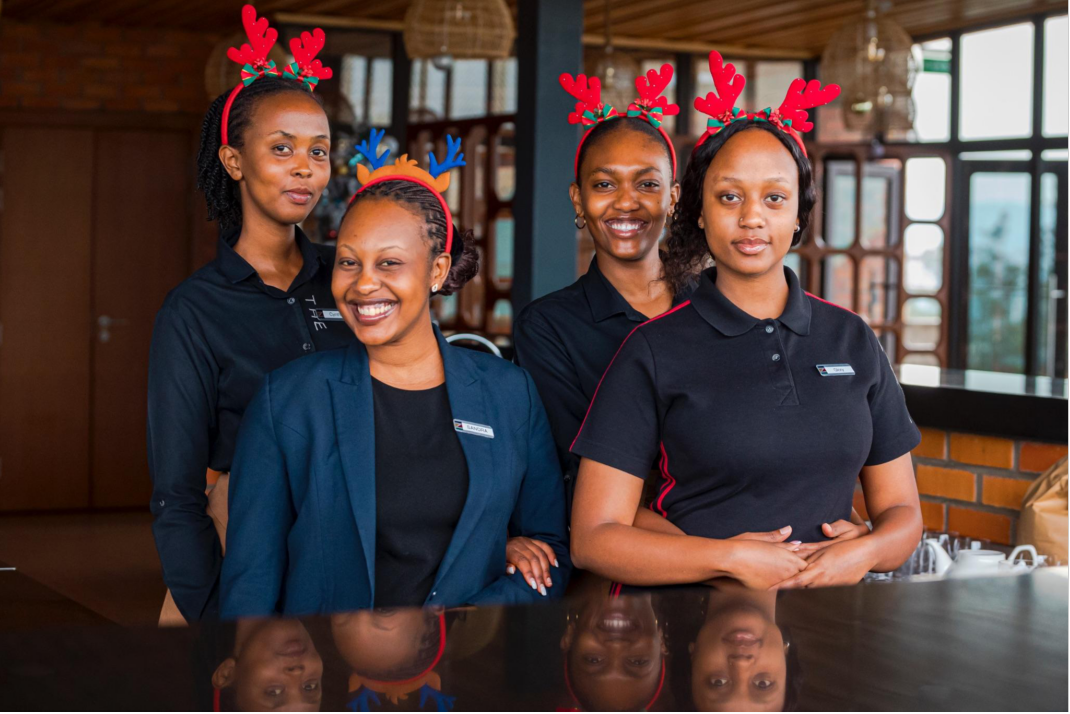
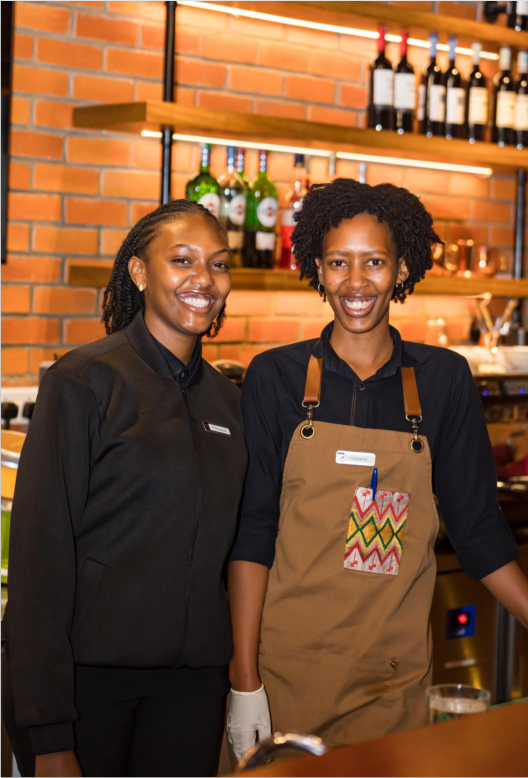
Female staff showcase attention to detail across all areas of the facilityWomen staff members at Zaria Court Hotel contribute to every aspect of daily operations.Women are integral to the daily life, culture, and operations of Zaria Court Hotel. Female employees help maintain the hotel’s high standards and distinctive style. In the hotel’s conference room, a striking ceiling installation handcrafted entirely by women greets every guest who enters.
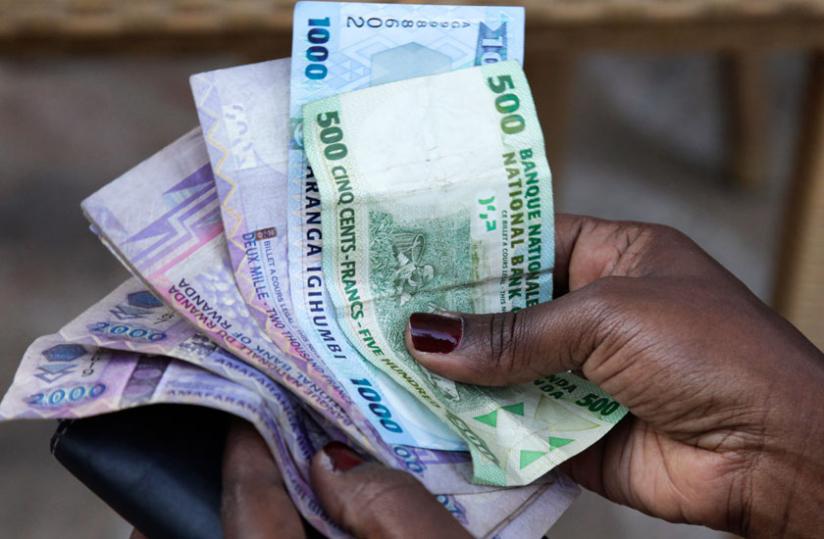
In a public notice issued on March 24, 2026, the Central Bank Governor Soraya Hakuziyaremye said the move follows Presidential Order nº11/01 of February 27, 2026, which authorised the withdrawal of specific banknote series. The order was published in the Official Gazette on March 2, 2026, marking the start of the transition period.
The affected denominations include Rwf 500 notes issued on July 1, 2004 and January 1, 2013; Rwf 1,000 notes issued on July 1, 2004 and May 1, 2015; Rwf 2,000 notes issued on October 31, 2007; as well as Rwf 5,000 notes issued on April 1, 2004 and February 1, 2009.
According to the announcement, these banknotes will officially lose their legal tender status on March 2, 2027.
“After this period, these banknotes will no longer be accepted as a means of payment,” said the central bank boss.
Holders of the affected notes have been advised to exchange them within set timelines. From March 2, 2026, to November 1, 2026, the banknotes can be exchanged at commercial banks and Umwalimu SACCO branches across the country. After this period, they will only be exchangeable at the headquarters of the National Bank of Rwanda in Kiyovu, Kigali, and its branches until March 1, 2027.
In a statement issued on Tuesday, March 24, the company clarified that it has no intention of ceasing its operations in Rwanda and urged stakeholders, customers, and the general public to disregard the circulating reports.
“The media reports about Volkswagen disinvesting or leaving Rwanda are incorrect and unfounded,” the company stated, reaffirming its continued presence in the country.
The automaker further announced that, effective April 1, 2026, Volkswagen Mobility Solutions Rwanda will relocate to new and larger premises in the Special Economic Zone, signalling continued investment in its local operations.
Volkswagen Group Africa emphasised that it will maintain and expand its business activities in Rwanda, which include mobility services, vehicle assembly, vehicle retail, and after-sales services.
The company also outlined its broader strategy to strengthen its presence in the country by building a regional team to drive its mobility services across Africa.
Reaffirming its long-term outlook, Volkswagen Group Africa said it remains committed to delivering world-class automotive products and services in Rwanda.
Volkswagen Group Africa operates a vehicle assembly plant in Kigali, Rwanda, opened in 2018 in partnership with CFAO Mobility to promote local manufacturing and reduce reliance on used car imports. The plant specialises in assembling models like the Polo, Passat, and Teramont, with a capacity of roughly 5,000 cars per year.
President Paul Kagame inaugurated a Volkswagen assembly plant in Rwanda back in 2018.
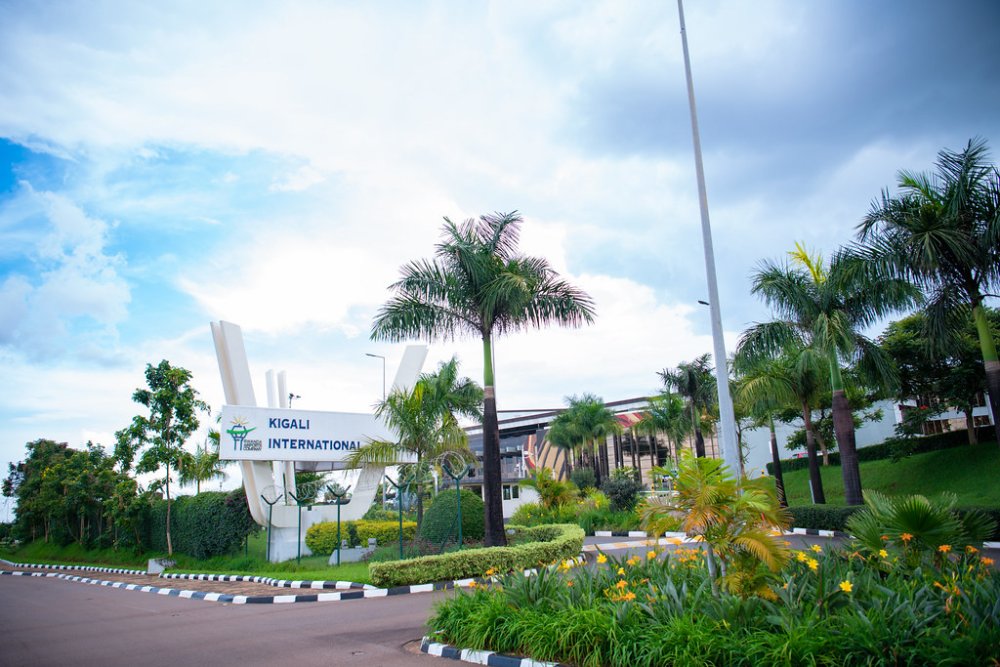
Skytrax is a United Kingdom–based aviation research and consulting firm that specializes in evaluating airlines and airports around the world.
According to the report released on March 19, the airport earned its place among the continent’s top performers due to its modern infrastructure, cleanliness, and quality services, including food and beverage offerings. It was also recognized for its calm environment and strong security standards.
Skytrax noted that while Kigali International Airport is relatively small, it continues to handle a growing number of passengers, largely driven by the expansion of RwandAir.
The ranking is based on a star rating system that assesses various services, with five stars representing the highest standard. Kigali scored particularly well in passenger convenience, including reduced walking distances and efficient communication supported by multilingual staff.
Renovation works launched in July 2022 have also boosted the airport’s capacity, enabling it to accommodate more than 50 aircraft on the ground.
Skytrax noted that Kigali is a relatively small airport, but passenger numbers continue to grow, largely driven by the expansion of RwandAir.
The rankings are based on a star rating system that evaluates different services, with five stars representing the highest standard. Kigali scored highly in areas such as passenger assistance, reduced walking distances, and efficient communication, supported by multilingual staff.
In July 2022, renovation works began to expand the airport’s capacity, enabling it to accommodate more than 50 aircraft on the ground.
Across Africa, Cape Town International Airport ranked first, praised for its modern facilities and premium services. It is the only airport on the continent to receive a four-star rating.
O. R. Tambo International Airport came second due to its high passenger traffic and global connectivity, while Marrakesh Menara Airport ranked third, recognized for its architectural design and passenger comfort.
Other airports listed among Africa’s top ten include King Shaka International Airport in South Africa, Mohammed V International Airport in Morocco, Cairo International Airport in Egypt, and Sir Seewoosagur Ramgoolam International Airport in Mauritius.
Addis Ababa Bole International Airport ranked just behind Kigali but received a lower rating due to concerns over service quality.
Meanwhile, Ivato International Airport placed tenth, with Skytrax noting challenges in accessibility despite adequate basic infrastructure and efforts to provide decent services.
Renovation works launched in July 2022 have also boosted the airport’s capacity, enabling it to accommodate more than 50 aircraft on the ground.Skytrax has ranked Kigali International Airport eighth among the best airports in Africa in 2026.
The upcoming announcement by the Tony Elumelu Foundation will mark the unveiling of the 12th cohort of its flagship programme, which continues to support early-stage entrepreneurs across Africa with funding, training, and mentorship.
According to the foundation, this year’s programme attracted more than 265,000 applications from all 54 African countries, underscoring the strong demand for startup financing and the growing interest in entrepreneurship across the continent. Applicants largely focused on key sectors including agriculture, artificial intelligence, healthcare, and the green economy.
Under the 2026 cohort, a total of 3,200 entrepreneurs are expected to benefit through various TEF programmes implemented in partnership with global and regional organisations. These include collaborations with institutions such as the European Commission, OACPS, BMZ, GIZ, DEG, the IKEA Foundation, UNICEF’s Generation Unlimited, the Dutch Government, as well as the United Nations Development Programme and the Rwandan Ministry of Youth and Arts.
The upcoming announcement by the Tony Elumelu Foundation will mark the unveiling of the 12th cohort of its flagship programme
Each selected entrepreneur is expected to receive $5,000 (approximately 7 million Rwandan francs) in non-refundable seed capital, along with access to business management training through TEFConnect, personalised mentorship, and entry into a continental network of entrepreneurs, investors, and partners.
The selection process is independently conducted by Ernst & Young, ensuring a rigorous evaluation of applicants ahead of the final cohort reveal.
In Rwanda, the 100 entrepreneurs set to benefit from the 2026 cohort, will join a growing group of beneficiaries under TEF-supported initiatives. According to programme data, 300 young Rwandans have benefited from TEF-backed entrepreneurship support to date, receiving funding, training, and mentorship to launch and scale their businesses.
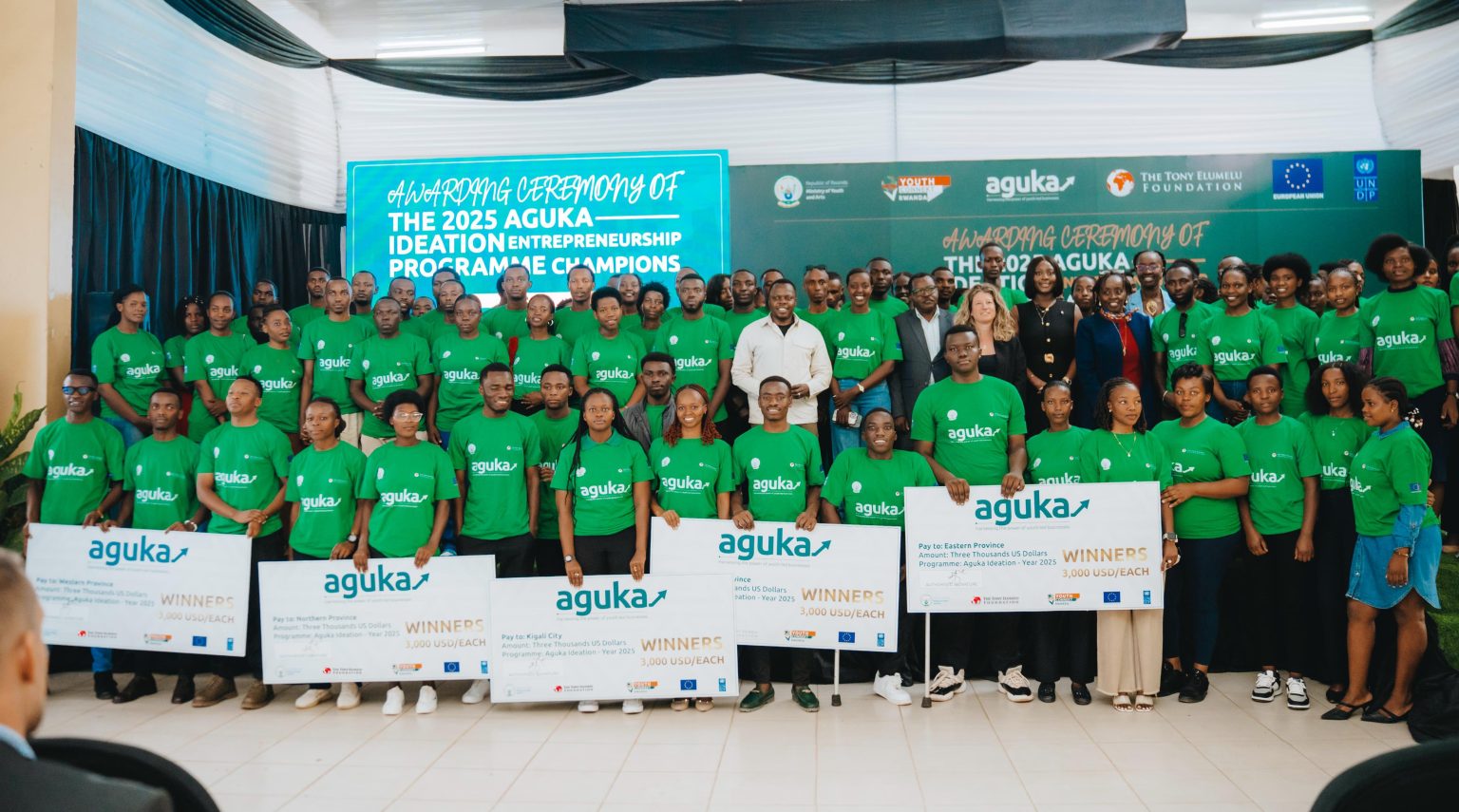
The Rwandan entrepreneurs have benefitted through the Aguka Ideation Entrepreneurship Programme, a partnership involving TEF, UNDP, the European Union, and the Ministry of Youth and Arts, now in its fourth edition. The programme focuses on supporting Rwandan youth to develop ventures in sectors aligned with national development priorities, including technology, agriculture, health, education, and renewable energy.
Applications for the 2026 Aguka cohort opened on November 1, 2025, and closed on January 11, 2026.
Among past beneficiaries, several Rwandan entrepreneurs have already launched impactful ventures. Naomi Iradukunda, founder of Ira EcoSolutions, developed biodegradable packaging using banana fibres, helping reduce plastic waste while creating jobs for women in Musanze District. Jean Bosco Hirwa, through AgriSmart Rwanda, introduced solar-powered irrigation systems for smallholder farmers, contributing to improved agricultural productivity and food security. Meanwhile, Keza Umutoni expanded her Kigali-based startup Tech4Teens, a digital literacy initiative that has trained more than 500 secondary school students in coding and digital skills.
Across Africa, TEF continues to position entrepreneurship as a key driver of economic transformation. Since its inception, the Foundation has empowered over 2.5 million young Africans through its TEFConnect platform, disbursed more than $100 million in seed capital, and supported over 24,000 entrepreneurs who have collectively created millions of jobs and generated billions in revenue.
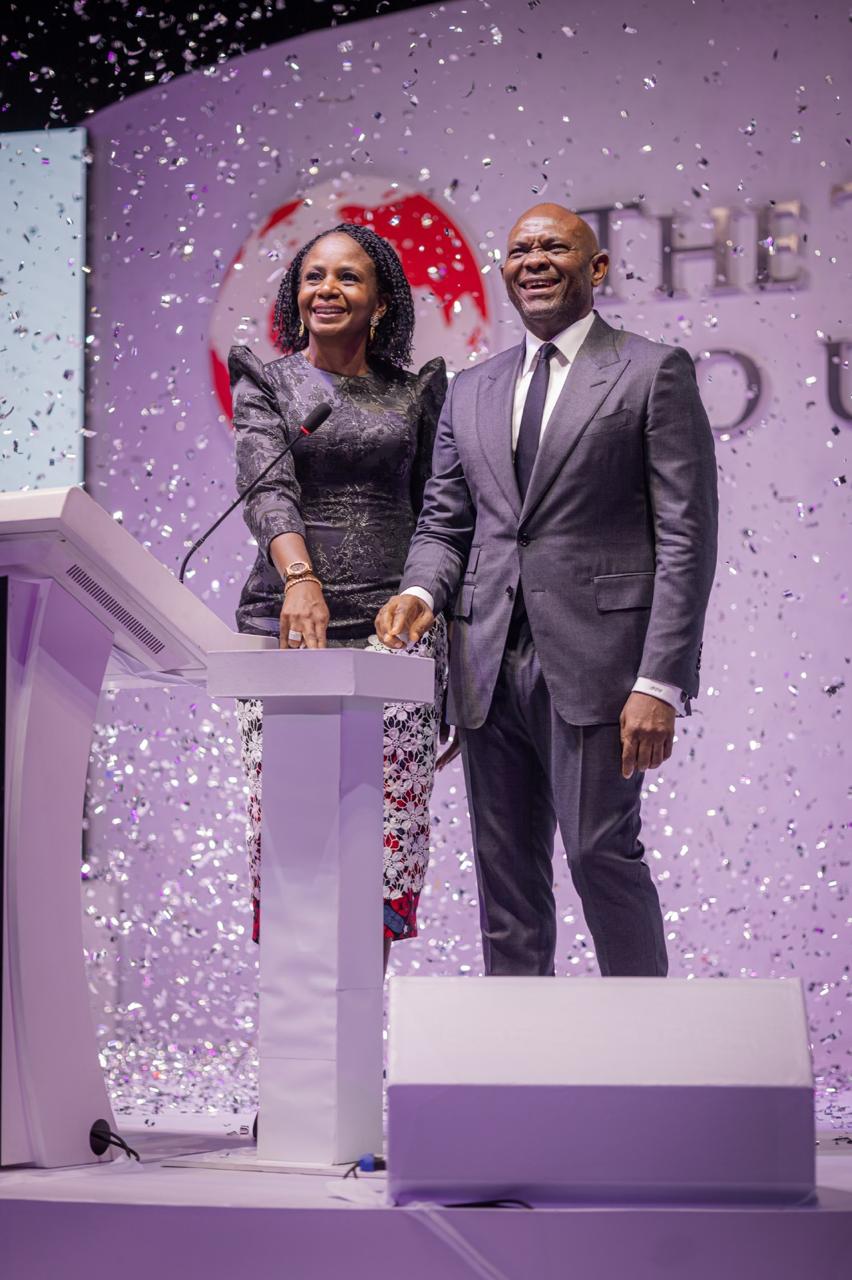
TEF Founder Tony O. Elumelu has reiterated the Foundation’s commitment to supporting young entrepreneurs.
Speaking ahead of the announcement, TEF Founder Tony O. Elumelu reiterated the Foundation’s commitment to supporting young entrepreneurs, noting that empowering business creators remains central to Africa’s long-term economic growth.
“The future of Africa will be built by Africans who create businesses, generate jobs and solve the challenges of our continent. At the Tony Elumelu Foundation, we believe that empowering entrepreneurs is the most sustainable path to Africa’s economic transformation,” Elumelu said, adding, “I look forward to announcing and congratulating the 2026 cohort and witnessing the impact they will create across the continent.”
According to programme data, 300 young Rwandans have benefited from TEF-backed entrepreneurship support to date, receiving funding, training, and mentorship to launch and scale their businesses.