According to a presidential communique, this situation is attributable in particular to the repercussions of the conflict in the Middle East, which have disrupted energy supplies and public services in Madagascar.
The government said that this state of emergency would allow for the implementation of rapid and targeted measures to restore energy supplies, ensure the continuity of essential services, and maintain the proper functioning of the national economy.
The ongoing energy crisis also impacts public order, security, and institutional stability, the communique added.
The government reaffirmed its commitment to mobilize all necessary resources to overcome this crisis and limit its effects on the daily lives of the population.
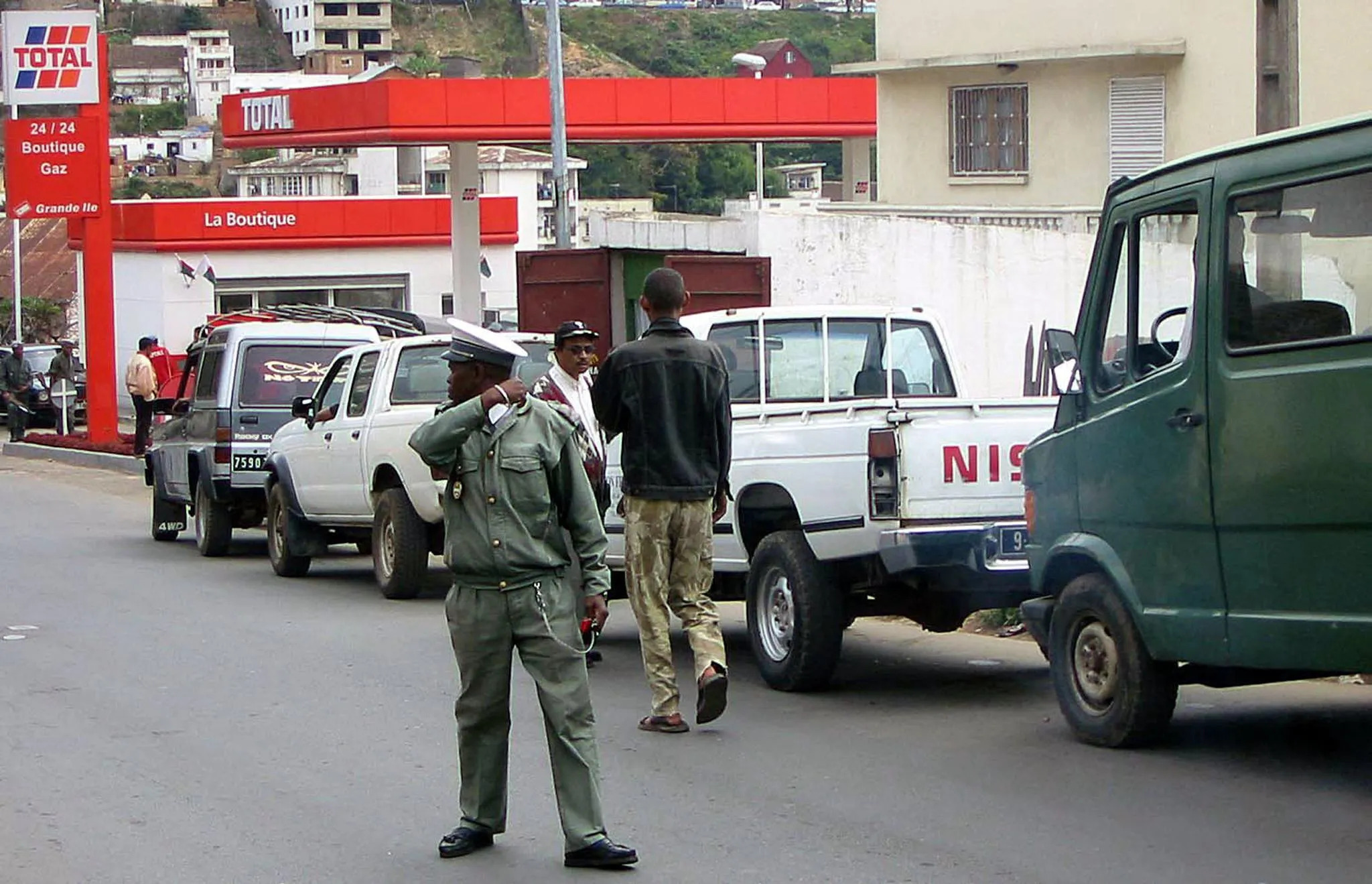
According to local media, since mid-March, petroleum stations in Madagascar have faced insufficient storage capacity or temporary stock shortages. The country’s supply of refined petroleum depends heavily on imports, particularly from Oman.
Madagascar declared a two-week nationwide energy emergency on Tuesday, as global tensions in the Middle East disrupted fuel supplies and strained the island’s economy.
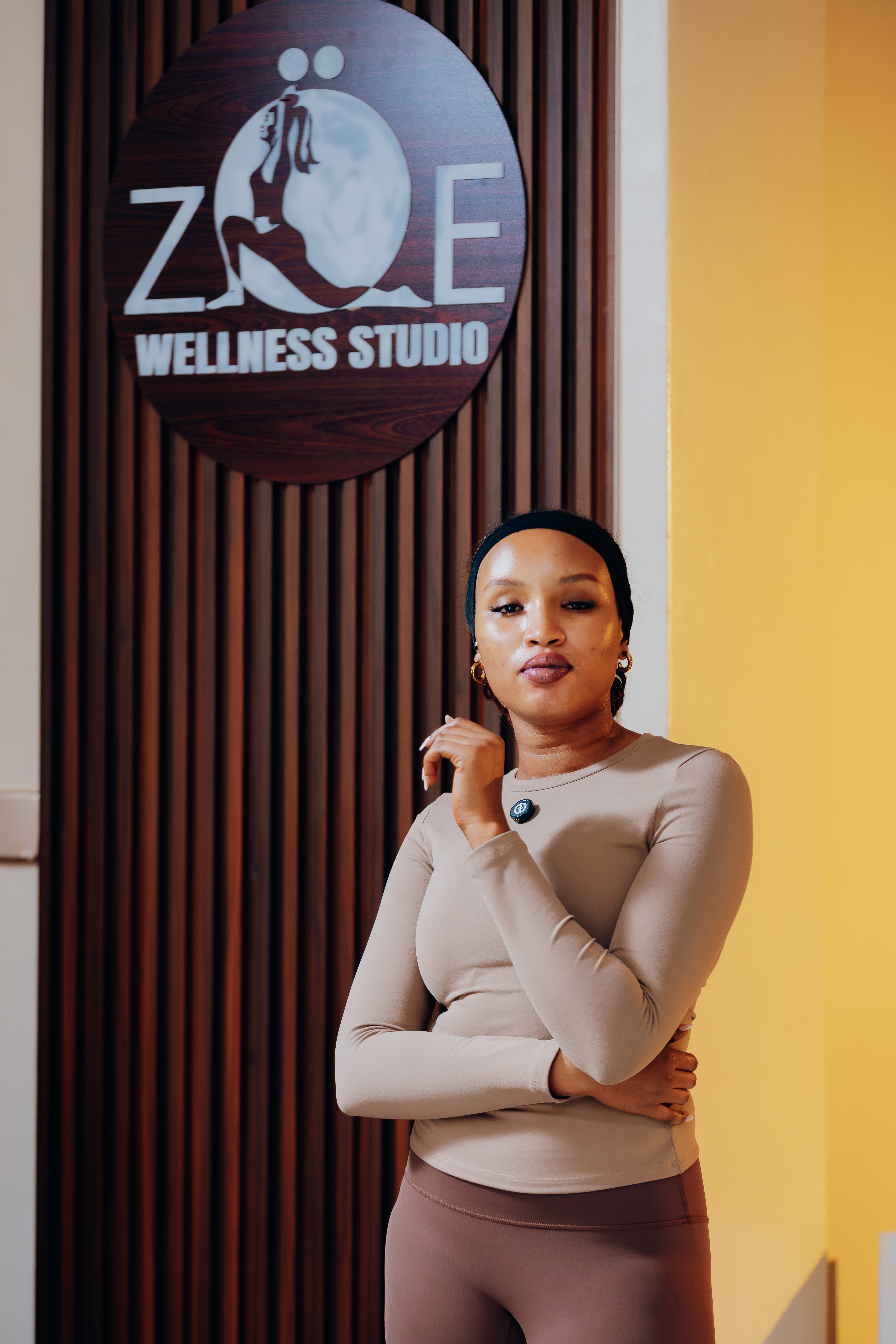
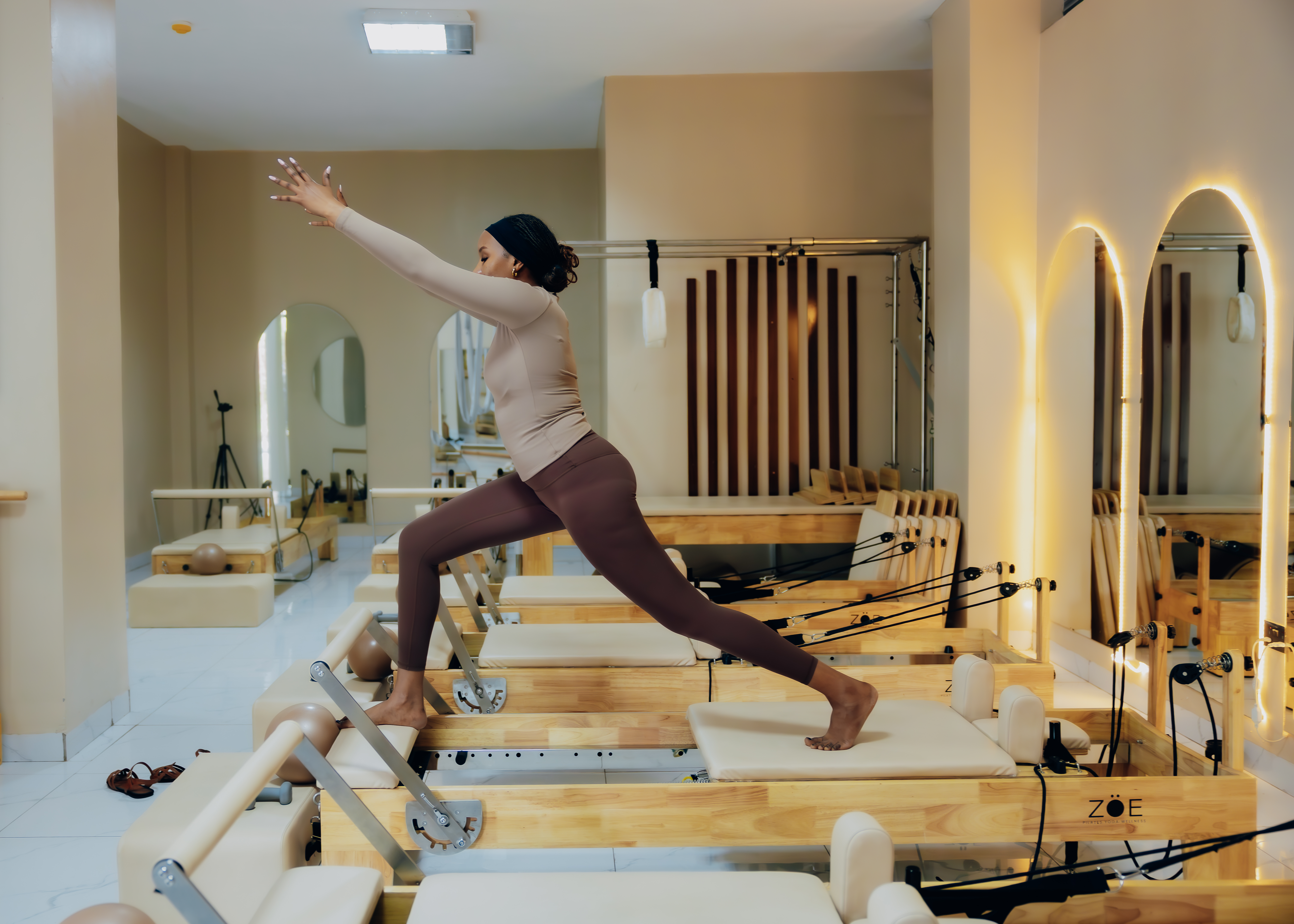
Umurerwa’s path to Zoe Wellness Studio began when she found herself at a crossroads in life. Living in Nigeria, she was battling a deep sense of loss and disconnection. “I was going through a serious depression. I felt lost. I didn’t know what I was doing with my life,” she recalls. Gym sessions felt overwhelming, and yoga didn’t resonate with her. After exhausting other avenues, a chance encounter at a sip-and-paint event would change everything. When a stranger introduced her to Pilates, Celine was intrigued. She attended a class, and the experience proved to be transformative. “For a whole hour, I didn’t think of myself. I was just trying to breathe and move my body. And from there, I knew this was something I could do.”
Pilates became more than just physical exercise for Umurerwa; it was a mental anchor. The focus on controlled movements, deep breathing, and posture restoration helped her rebuild not only her body but also her mind. Determined to share this healing practice, Celine returned to Rwanda with a clear vision: to offer women a safe space where they could connect with their bodies and find mental clarity, free from the intimidation often felt in traditional gyms. This led to the opening of Zoe Wellness Studio in Kigali.
Pilates transformed Celine’s life, and now she’s bringing its power to women in Kigali.
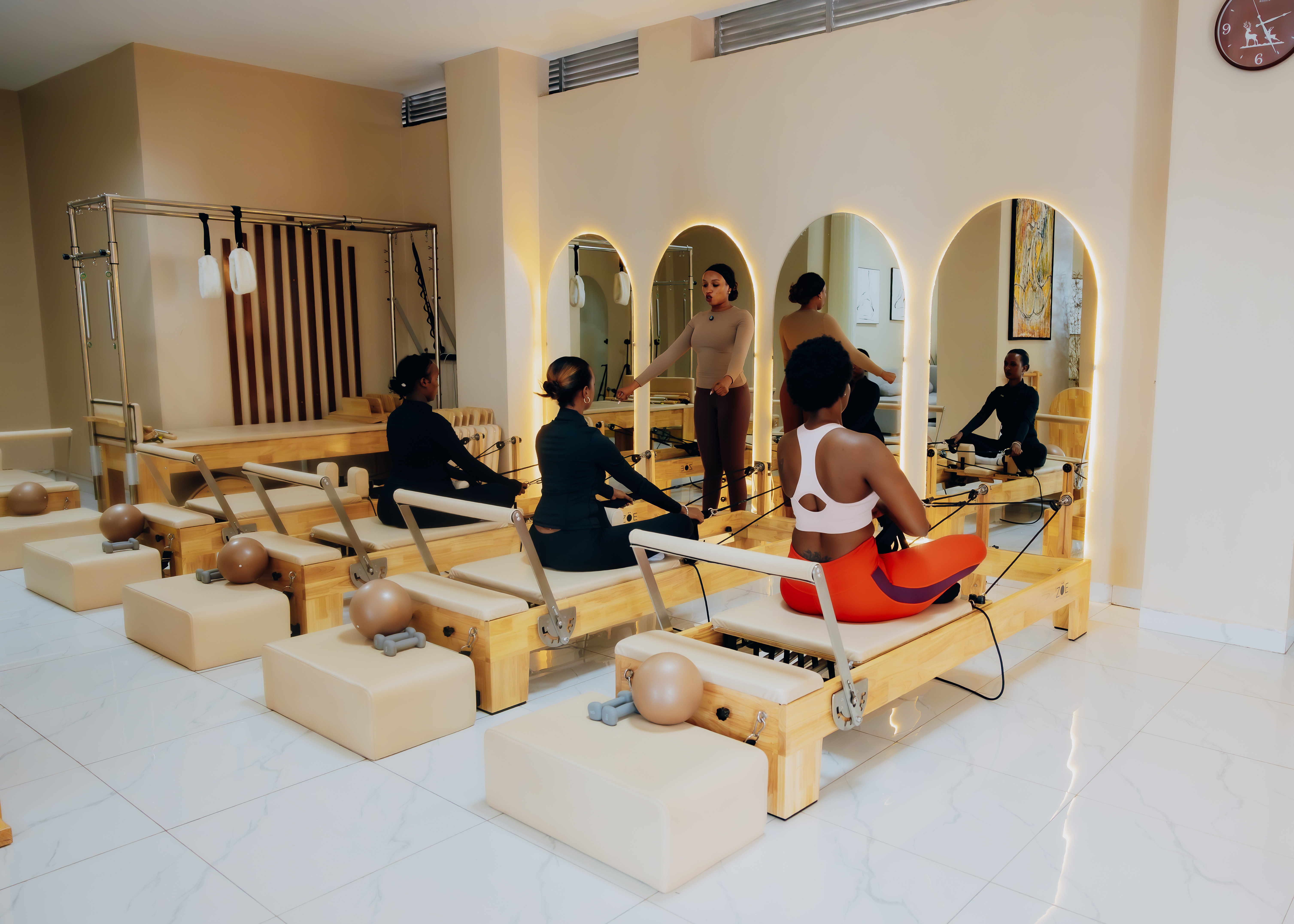
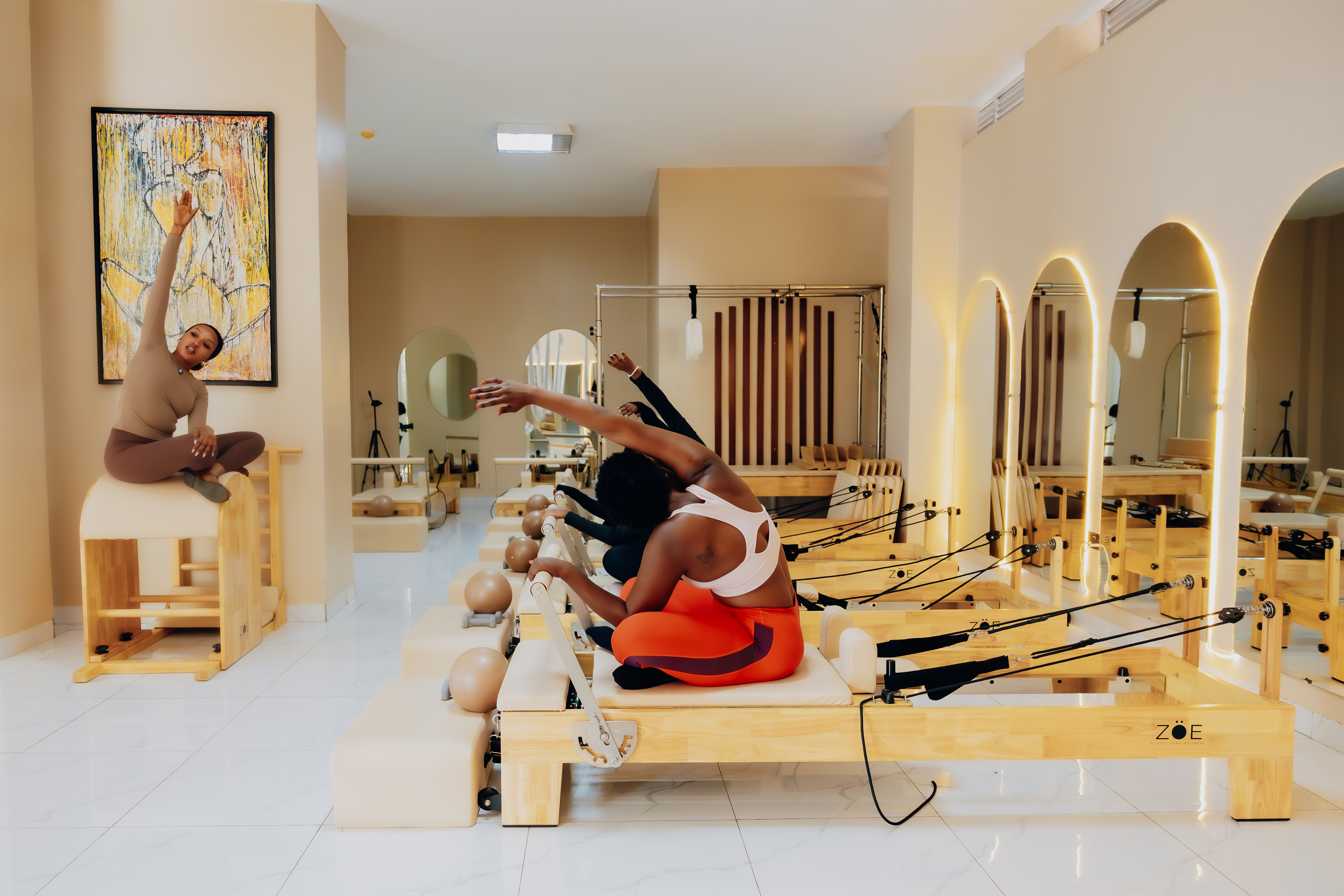
“When I started Zoe Wellness Studio, I wanted to create a safe space for women who want to move their bodies but don’t always feel comfortable in a gym setting,” Umurerwa shares. “Pilates isn’t just a movement; it helps with core strength and mental health. We do a lot of breathing in Pilates, which is essential for mental well-being.” Inside the studio, clients are greeted by a calming, light-filled space where they can slip off their shoes, leave their bags behind, and step onto the reformer beds. The sessions are gentle yet powerful, emphasizing slow, intentional movements that strengthen the body and quiet the mind.
Umurerwa personally guides beginners with patience and encouragement, emphasizing that “everything here is going to be a slow movement.”
Umurerwa is quick to dispel the misconception that Pilates is only for women, stating, “Pilates is for everyone, men, women, the elderly, and young people. If you want to move your body, it doesn’t matter who you are.”
Since its inception, Zoe Wellness Studio has grown exponentially, drawing full classes every day. The community that has developed around the studio is one of warmth and support. “We want to create a space where women can come in and feel safe to talk about what they’re going through. A lot of women don’t open up about their struggles, but in this space, they can,” says Umurerwa. In addition to reformer Pilates, the studio also offers aerial yoga, where clients can stretch and relax in hammocks, further promoting deep relaxation and well-being.
Zoe Wellness Studio is a safe haven for women to reconnect with their bodies, breathe deeply, and find strength.
Umurerwa’s commitment to cleanliness and safety is reflected in the studio’s meticulous care after each session, ensuring a safe and nurturing environment for every client. “It really, really changed my life in so many ways,” Celine shares, speaking about the impact Pilates had on her. “I knew that if it helped me, it could help other women who are going through the same things I went through.”
As Zoe Wellness Studio celebrates its first anniversary, Celine’s vision continues to expand. Plans for online classes will allow women, whether at home or on lunch breaks at work, to access the transformative benefits of mindful movement. From a woman who once felt lost to the founder of a growing community of strength and sisterhood, Celine Umurerwa’s story is a powerful reminder: sometimes, the gentlest movements, a deep breath, a slow stretch, a reformer glide can guide us back to ourselves.
For those in Kigali ready to reconnect with their body and mind, Zoe Wellness Studio is waiting.
Celine’s dream of building a supportive community where women can thrive physically and mentally is becoming a reality.From personal healing to empowering others, Celine Umurerwa’s journey led to the creation of Zoe Wellness Studio in Kigali.
Each year, new structures rise across the country, accompanied by ambitious real estate developments designed to meet the demands of a modern urban population.
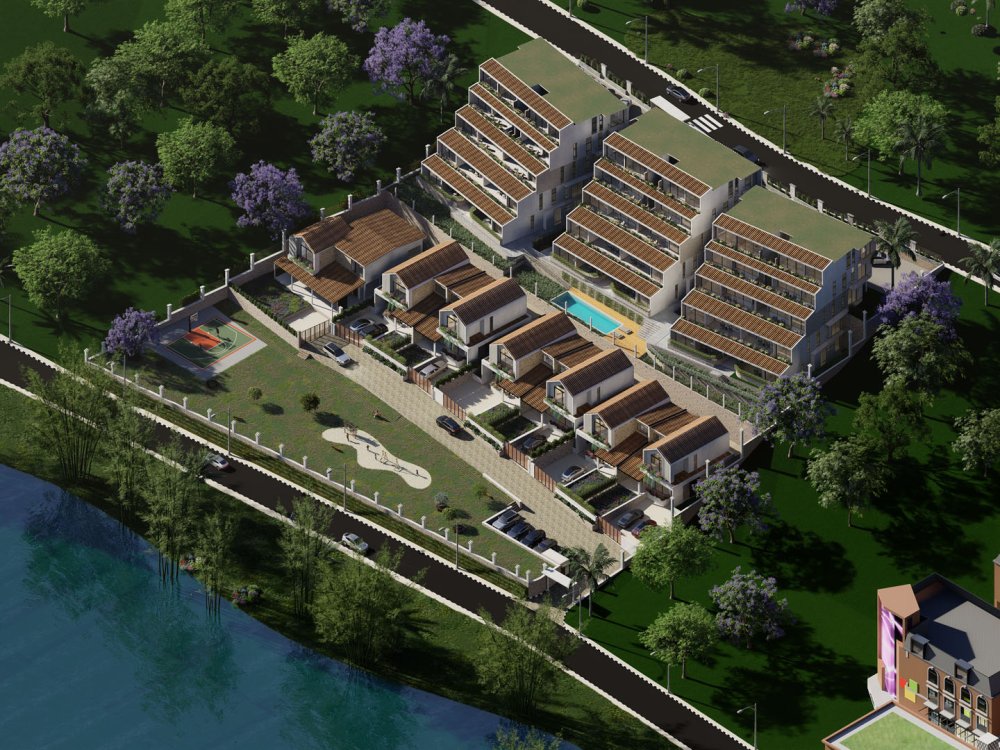
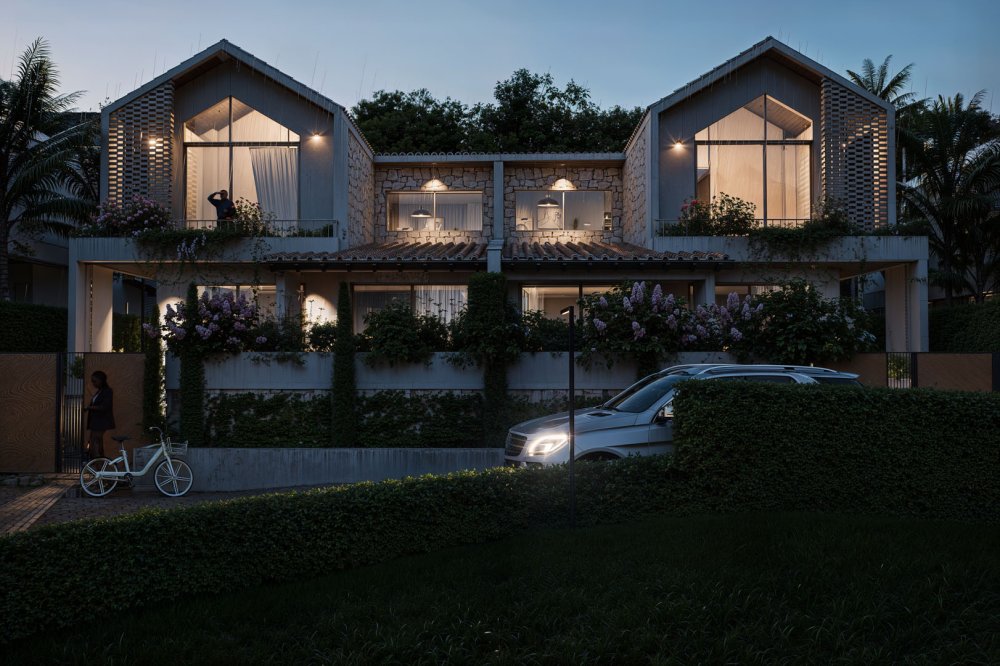
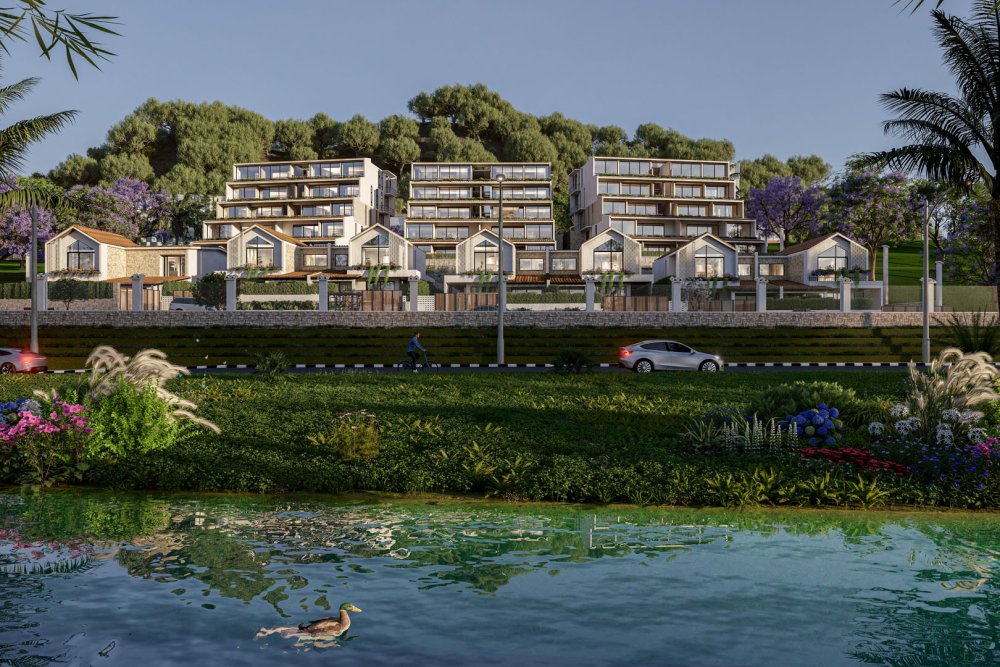
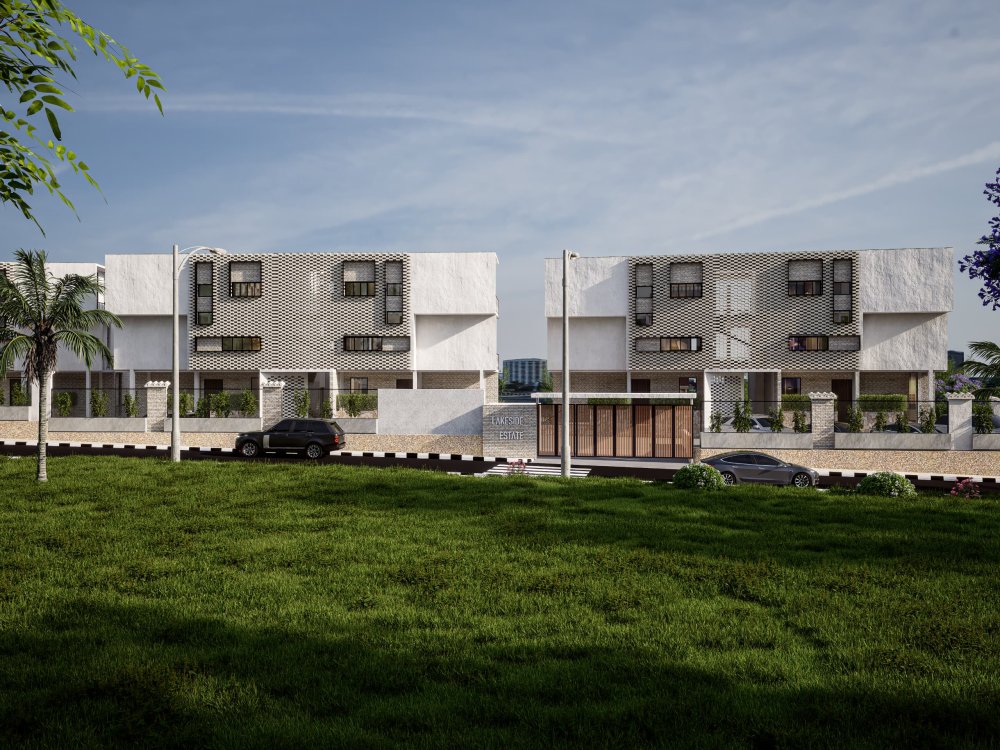
Among the most anticipated of these is Lakeside Residence, a contemporary housing project taking shape in Kacyiru, Gasabo District, near the former La Colombière School.
Developed by Nile Concept, a Rwandan firm with a solid reputation in construction and engineering, Lakeside Residence represents the company’s expansion into property development.
Known for its expertise in civil and geotechnical engineering, as well as the renovation of residential and commercial buildings, Nile Concept is now channeling its experience into building and selling modern homes tailored to Kigali’s evolving lifestyle.
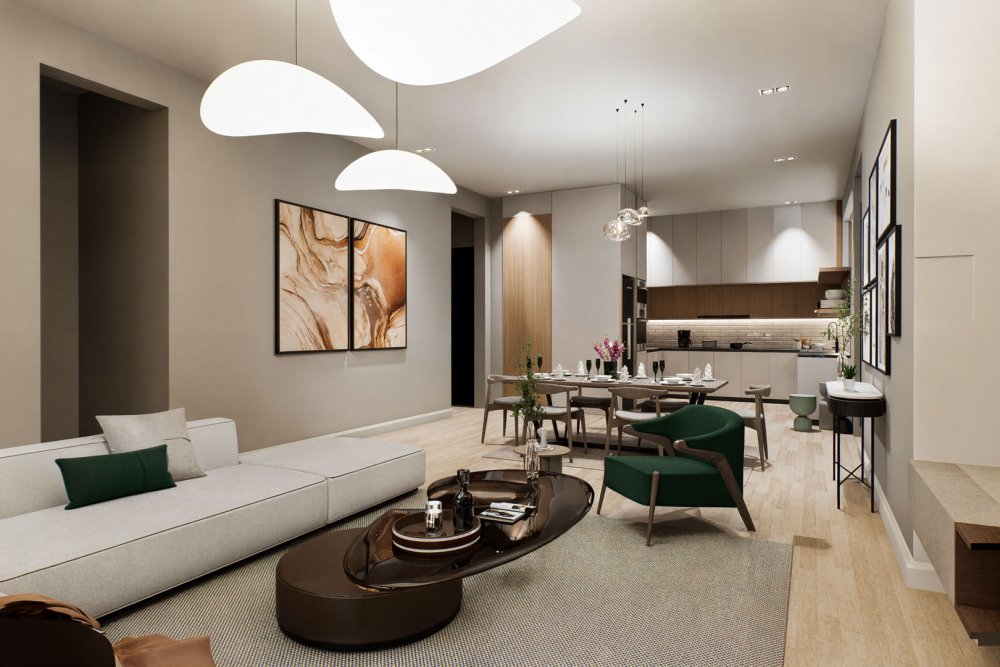
The project brings together two types of residences: standalone villas and apartment units, all set on an 8,000-square-meter site.
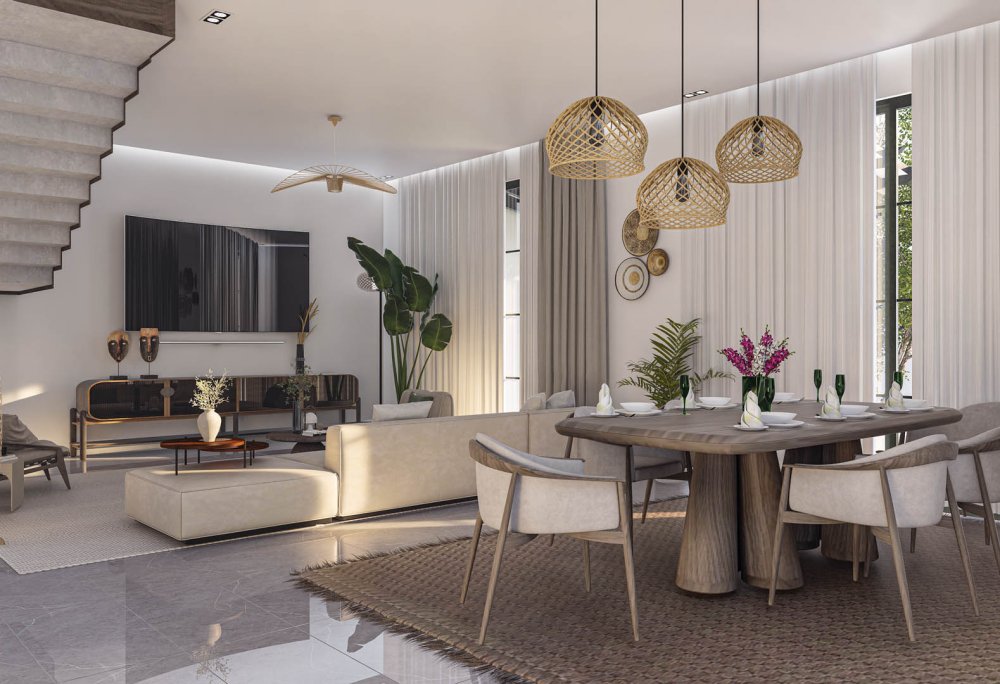
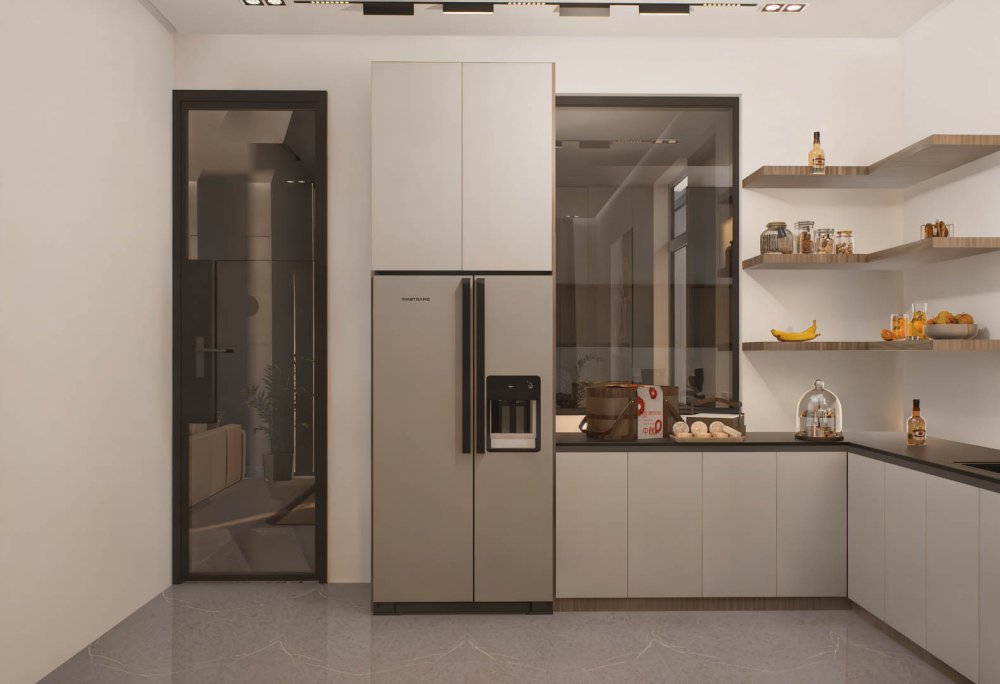
The villas, which number seven, are designed as spacious two-level homes that combine comfort with functionality. On the ground floor, each villa features a large living room, a well-designed kitchen with storage space, and a guest bedroom with its own bathroom.
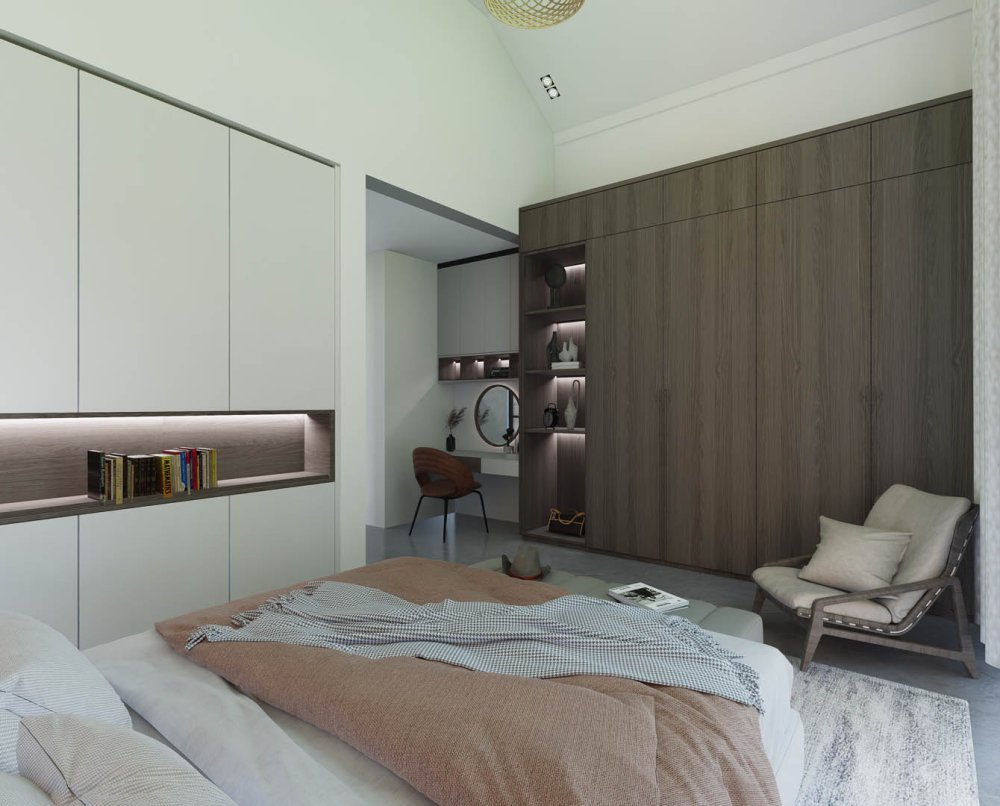
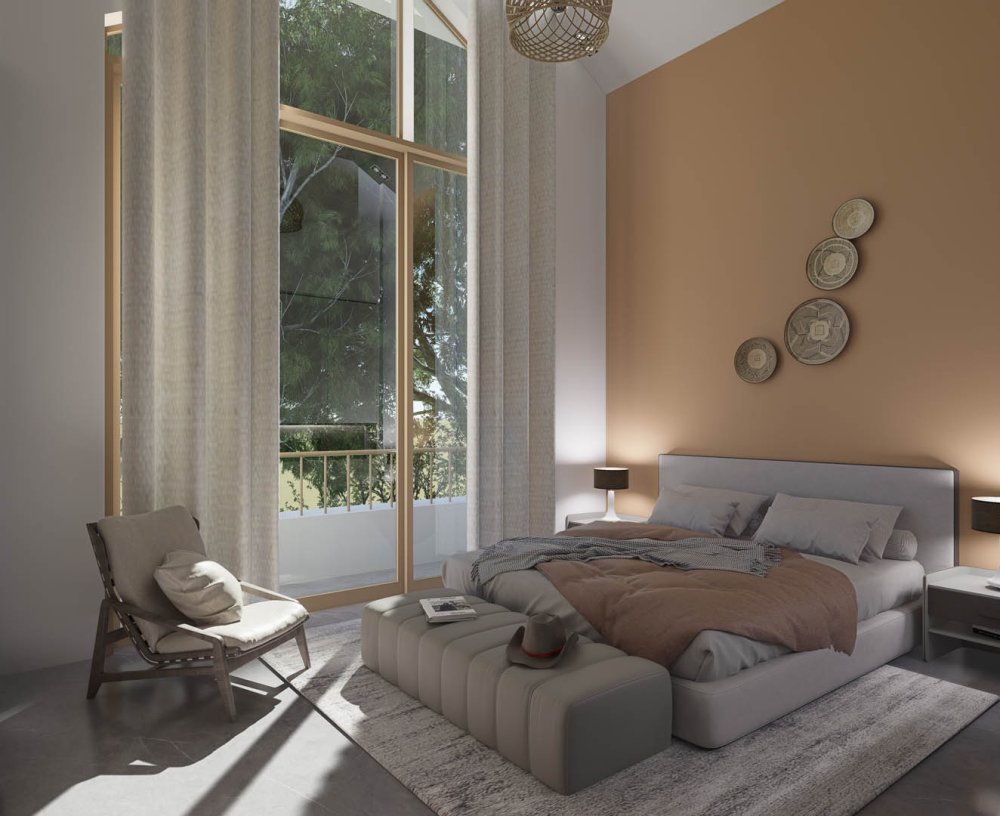
This level also opens onto a generous veranda, offering a seamless connection between indoor and outdoor living. Upstairs, the layout includes a master bedroom with an en-suite bathroom, along with two additional bedrooms, creating a well-balanced living space suitable for families.
In total, each villa offers four bedrooms, three bathrooms, and ample living and dining areas, complemented by verandas on both levels. Outside, each home is equipped with parking space for two vehicles and a private garden, adding to the sense of exclusivity and comfort.
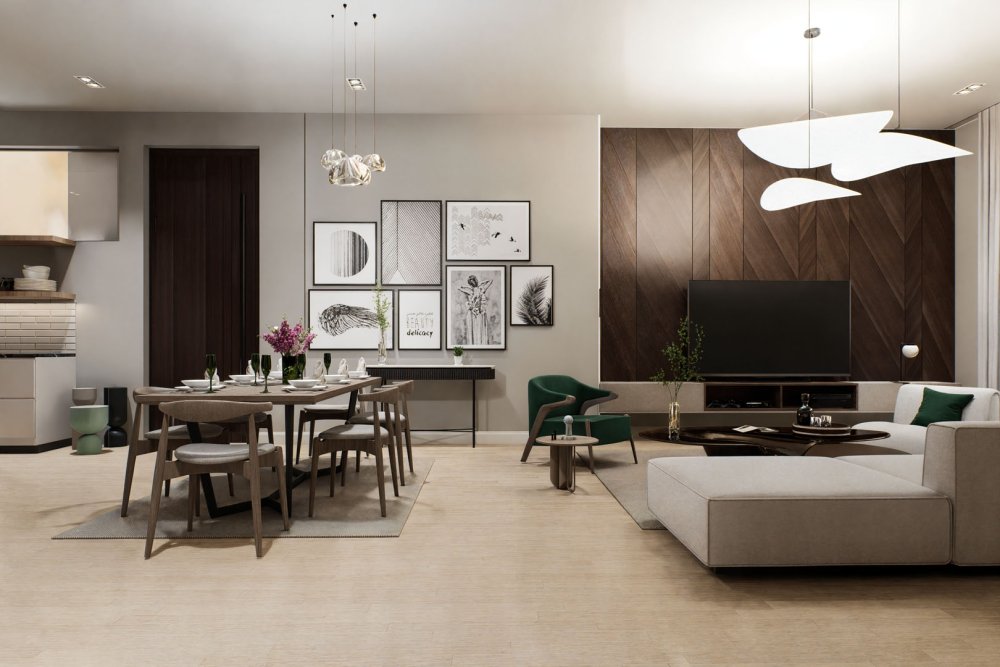
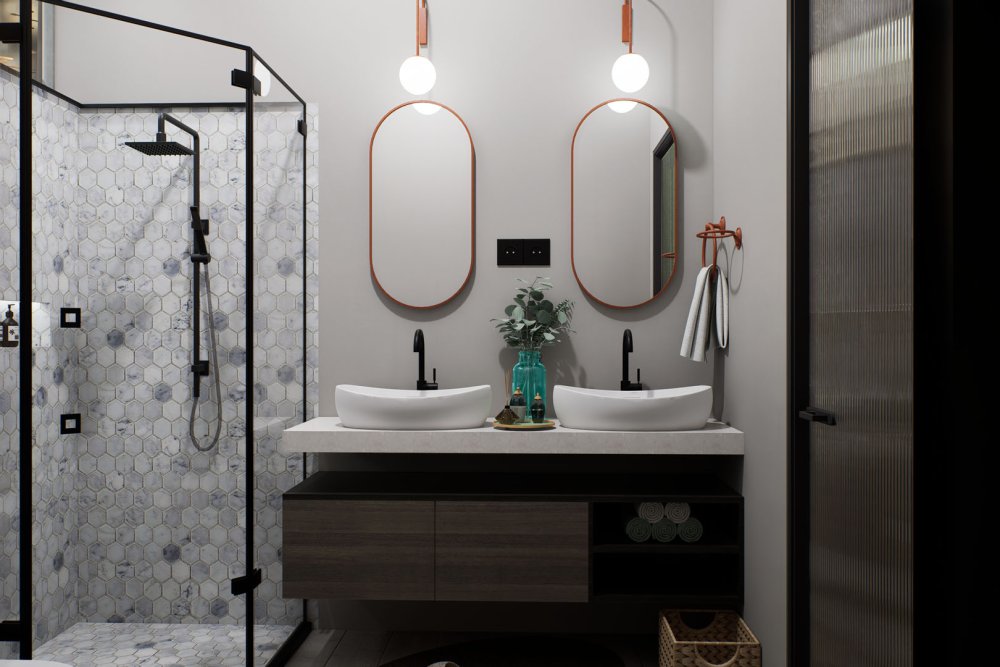
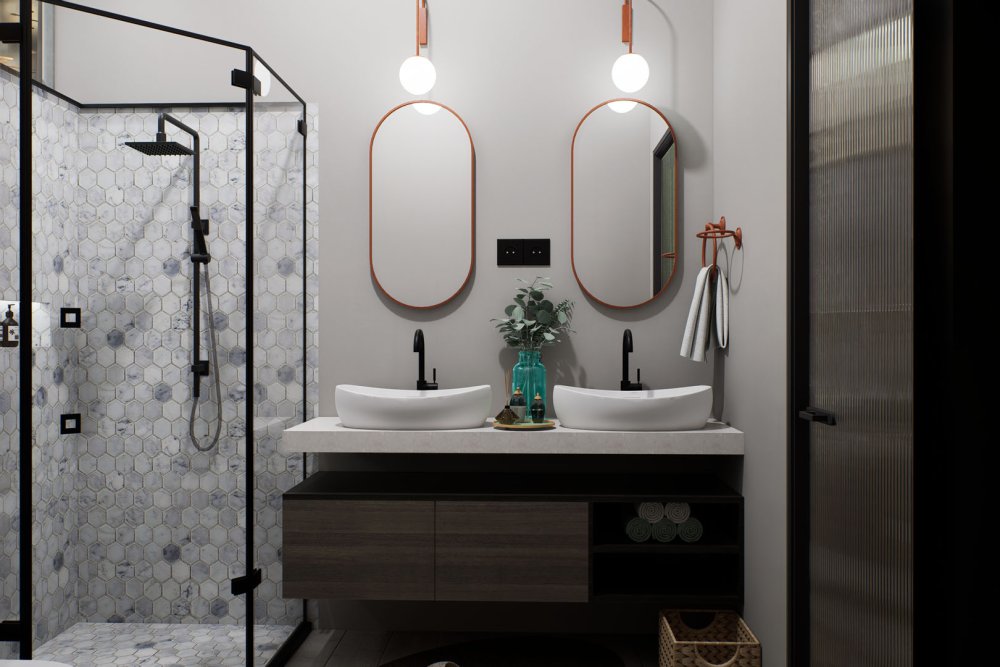
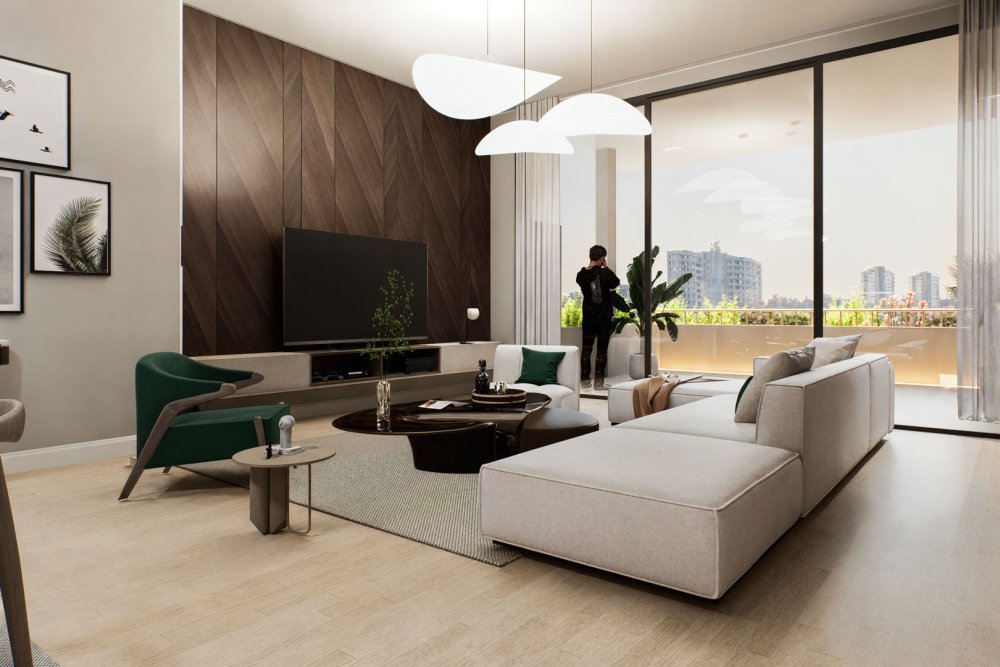
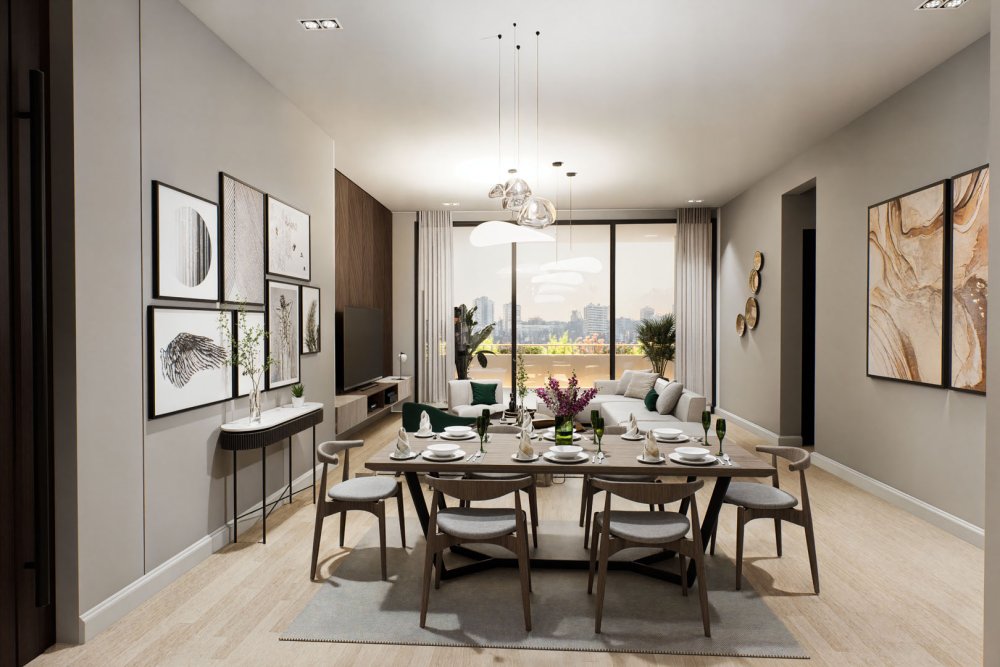
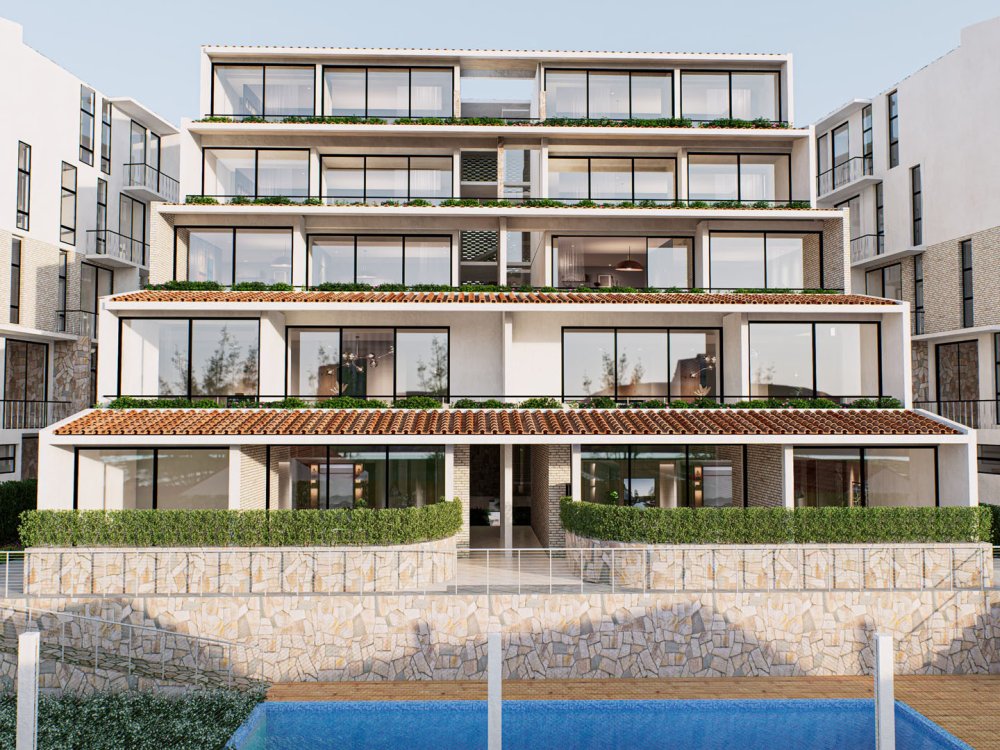
Beyond the villas, the development also includes 30 apartment units designed to suit different needs. These apartments are available in two configurations, offering either two or three bedrooms, each with a thoughtfully arranged interior that includes a kitchen, bathrooms, and a living area. The design emphasizes both functionality and modern aesthetics, ensuring residents enjoy a comfortable and practical living environment.
What truly sets Lakeside Residence apart is not only its design but also the level of technical precision behind its construction. Nile Concept has applied its specialized knowledge in geotechnical engineering to prepare the site thoroughly before building began.
This process involved stabilizing the soil, implementing advanced drainage systems to manage rainwater and underground water, and reinforcing the land to prevent risks such as erosion or structural instability.
These measures ensure that the homes are protected from common issues like moisture damage or ground shifting, offering long-term durability and safety.
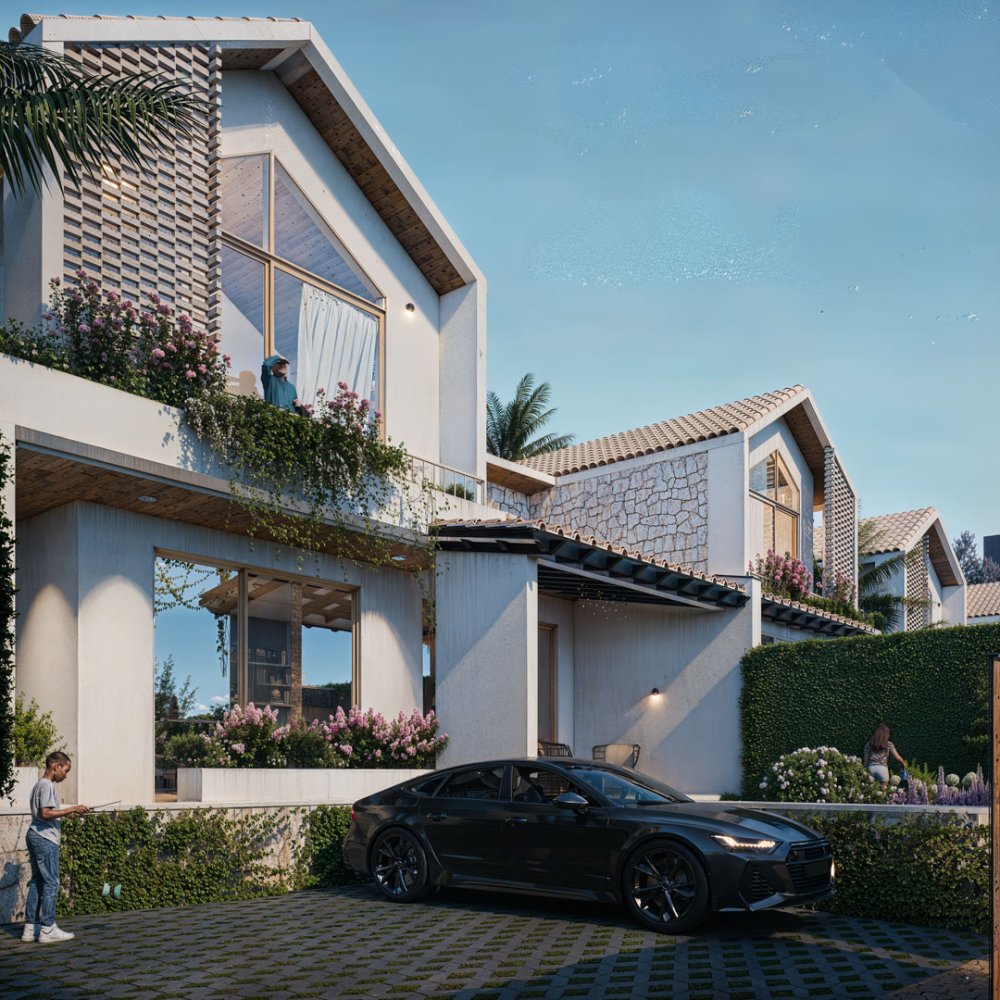
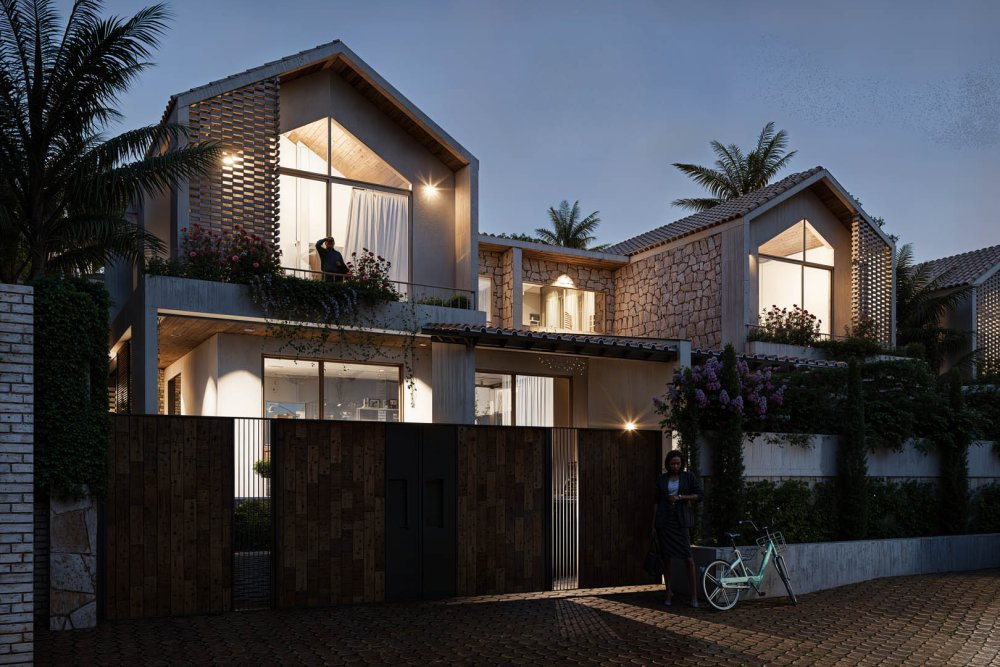
Architecturally, the project draws inspiration from the Mediterranean style, widely recognized in countries such as Spain, Italy, and Greece.
This approach is characterized by tiled roofs, timeless design elements, and interiors that maximize natural light, creating bright and inviting spaces. The result is a harmonious blend of elegance and practicality that stands out within Kigali’s growing urban landscape.
The location of Lakeside Residence further enhances its appeal. Situated in Kacyiru, the development offers convenient access to some of Kigali’s key landmarks and infrastructure, including the Nyarutarama Golf Course, the Kigali Convention Centre, and the city center. It is also close to a rehabilitated wetland that is being transformed into a public park, adding a natural and recreational dimension to the living experience.
According to Claudine Bagwire, the Commercial Manager at Nile Concept, the project was carefully designed with accessibility and convenience in mind, ensuring that residents can easily connect to essential services and amenities across the city.
She also noted that construction is progressing steadily, with the villas expected to be completed by July 2026, followed by the apartments in December of the same year.
As construction advances, some of the units have already been introduced to the market, signaling strong interest from prospective homeowners and investors.
He called on private investors to take advantage of the growing business opportunities linked to this increase.
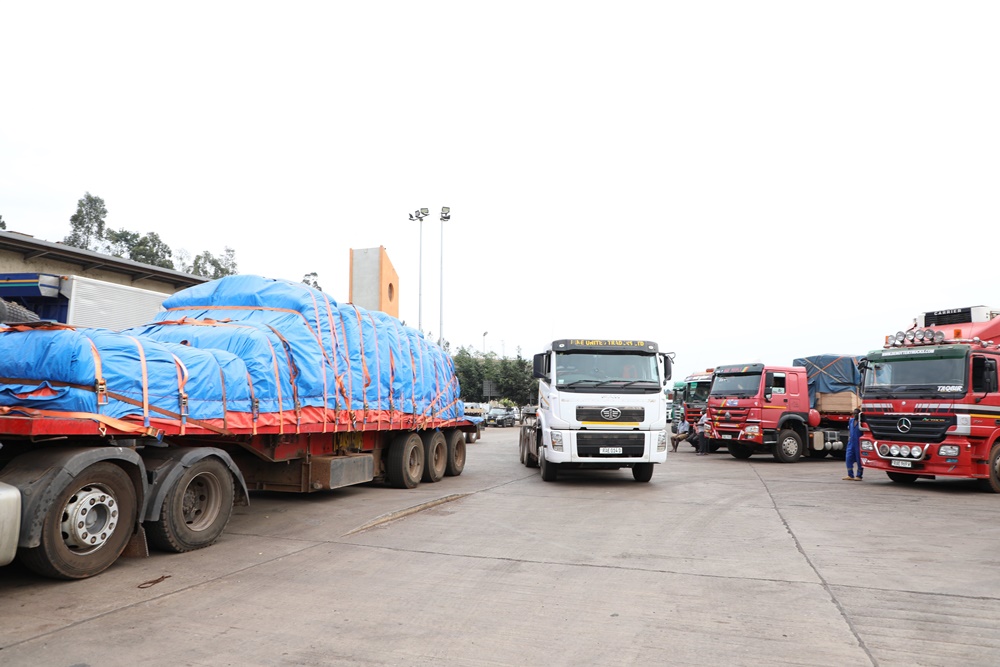
Located in Kirehe District along Rwanda’s border with Tanzania, Rusumo is the country’s busiest and most strategic crossing point for imports. Over the past three years, daily truck traffic has doubled, reflecting the growing volume of goods entering Rwanda.
Rangira noted that three years ago, the border handled between 300 and 400 heavy trucks per day, but that figure has now surpassed 600. He projected that within the next three years, daily traffic could reach as many as 1,000 trucks. He emphasized the need for the private sector to invest in supporting infrastructure, including parking facilities and other services required by truck drivers and logistics operators.
“One of the biggest opportunities Kirehe District has is its location on the borders with Tanzania and Burundi, particularly along the busy corridor from the Port of Dar es Salaam,” he said.
“We encourage private investors to capitalize on these opportunities. There is a need for expanded parking, as the number of trucks continues to grow. There is also an opportunity to build more storage facilities here, as not all trucks need to offload their cargo in Kigali.”
The First Vice Chairperson of the Private Sector Federation (PSF) in Eastern Province, Gakuba Francis, said that during their recent district visits, they observed the increase in truck traffic at Rusumo and pledged to work closely with investors to maximize these opportunities.
“We were informed that about 700 trucks enter through the border daily. When you see such numbers and are told that parking space is already insufficient, it becomes clear that expansion is necessary, and this is something we are considering,” he said.
Rwanda and Tanzania maintain strong trade relations, with Rwanda heavily relying on the Port of Dar es Salaam for imports. A significant portion of goods entering the country, particularly petroleum products, comes through Tanzania.
It is estimated that Rwanda imports at least 60 million liters of petroleum products each month, most of which are sourced via Tanzania. This is largely because Dar es Salaam hosts major fuel storage facilities supplied by countries such as Saudi Arabia.
Another advantage is the flexible payment arrangements offered by Tanzanian traders, who often allow Rwandan importers to pay after delivery, unlike in Kenya, where upfront payment is typically required.
In the fourth quarter of 2023, Rwanda imported goods worth $228.26 million from Tanzania, second only to imports from China, which totaled $328.17 million.
In addition, the Port of Dar es Salaam is closer to Rwanda than the Port of Mombasa, making it a more efficient route. Transport via Dar es Salaam takes approximately 90 hours, compared to about 180 hours from Mombasa to Kigali.
Located in Kirehe District along Rwanda’s border with Tanzania, Rusumo is the country’s busiest and most strategic crossing point for imports.
The last adjustment to fuel prices was made on March 4, 2026, when petrol was priced at Rwf 1,989 per litre and diesel at Rwf 1,948 per litre.
In a statement released on April 3, 2026, RURA indicated that the new prices will take effect from April 4 at 6:00 a.m.
“These adjustments reflect the prevailing international market trends as well as government measures to mitigate the impact of global price fluctuations,” reads the statement.
“The public is encouraged to plan travel efficiently, use public transport and avoid unnecessary trips and in order to reduce fuel consumption,” the statement adds.
RURA also noted that the changes in fuel prices have led to a revision of the base fare in public transport. In the City of Kigali, passengers will now pay Rwf 59.28 per kilometre, while intercity travels will cost a passenger Rwf 41.58 per kilometre.
As of April 3, 2026, the price of a barrel of crude oil on the international market had reached $112.4 up from about $70.
The ongoing conflict involving the United States, Israel, and Iran, now entering its second month, has led to the blockage of the Strait of Hormuz, a critical passage through which 20% of the world’s daily oil supply passes.
On April 3, 2026, Prime Minister Dr. Justin Nsengiyumva told members of the press that the situation is already impacting Rwanda’s economy.
“This issue is affecting international trade, particularly in energy and transport, and has already caused noticeable changes in global market prices, especially for petroleum products and gas,” he said.
He further explained that the conflict is disrupting Rwanda’s exports, with some trade routes, including those to the United Arab Emirates, already affected.
Imports are also impacted, as rising global prices are expected to translate into higher costs within Rwanda.
“These are some of the effects we are observing that could impact our national economy. It is projected that global economic growth could decline from 3.3% to 2.7%. This will also contribute to rising prices in Rwanda, meaning it will affect nearly every Rwandan. We must be prepared, but without panic,” he added.
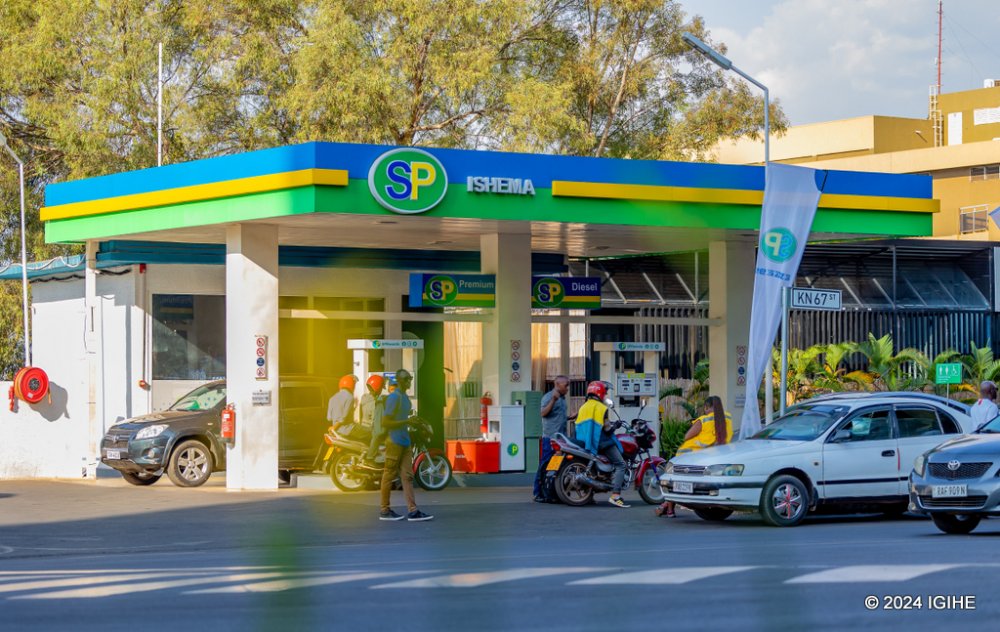
RURA has announced new fuel prices, with the cost of petrol rising to Rwf 2,303 per litre, an increase of Rwf 314. Diesel has also gone up to Rwf 2,205 per litre, reflecting an increase of Rwf 257.
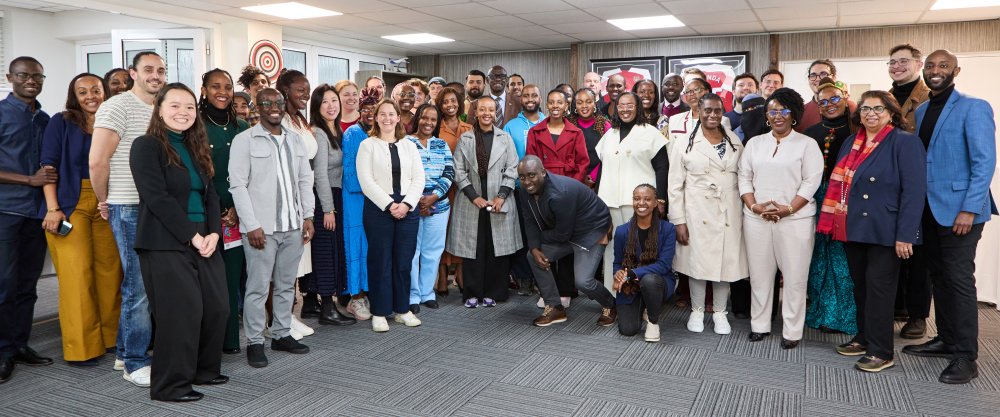
The tour ran from March 25 to March 28, 2026, and included women involved in horticulture, as well as coffee production.
During the trip, participants visited markets in London and Birmingham, learning about how international markets operate, customer preferences, the requirements for exporting products, and networking opportunities, all designed to strengthen their business knowledge and expand their trade.
Gisele Umuhoza, programme management adviser for ITC SheTrades, highlighted that the study tour enhances women entrepreneurs’ market access and boosts their businesses.
“By connecting women exporters with buyers and traders, we are creating tangible opportunities for these entrepreneurs to grow,” she said.
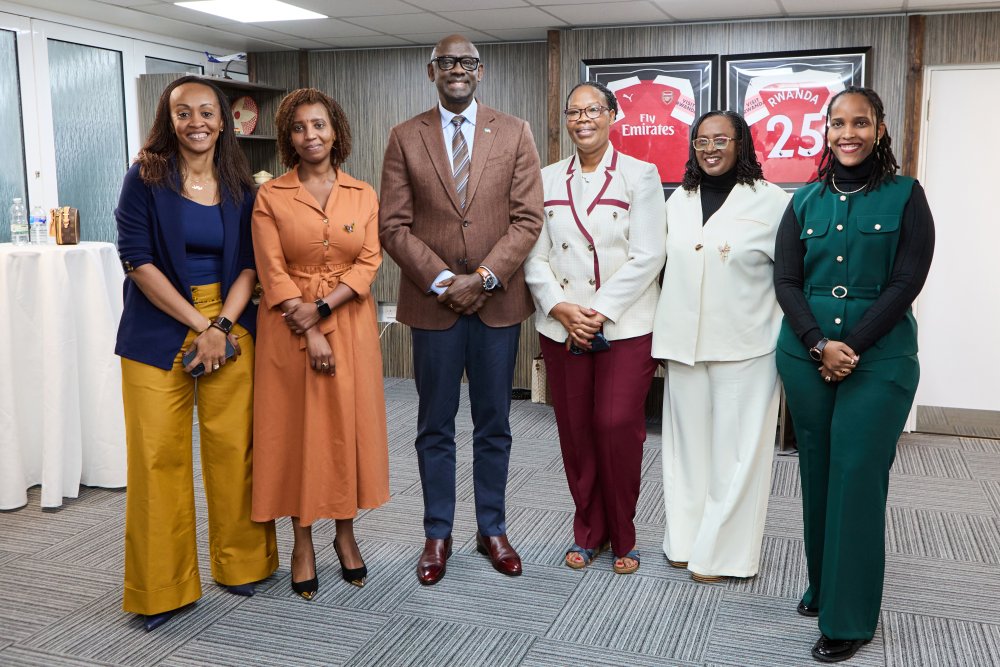
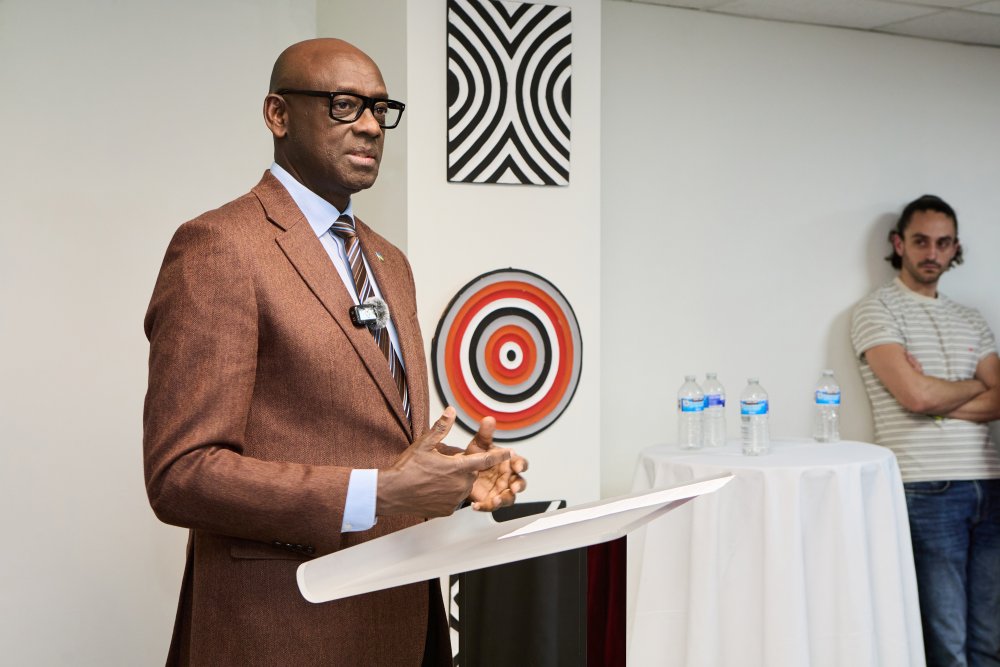
Rwandan High Commissioner to UK, Johnston Busingye, emphasized that the initiative aligns with Rwanda-UK trade cooperation.
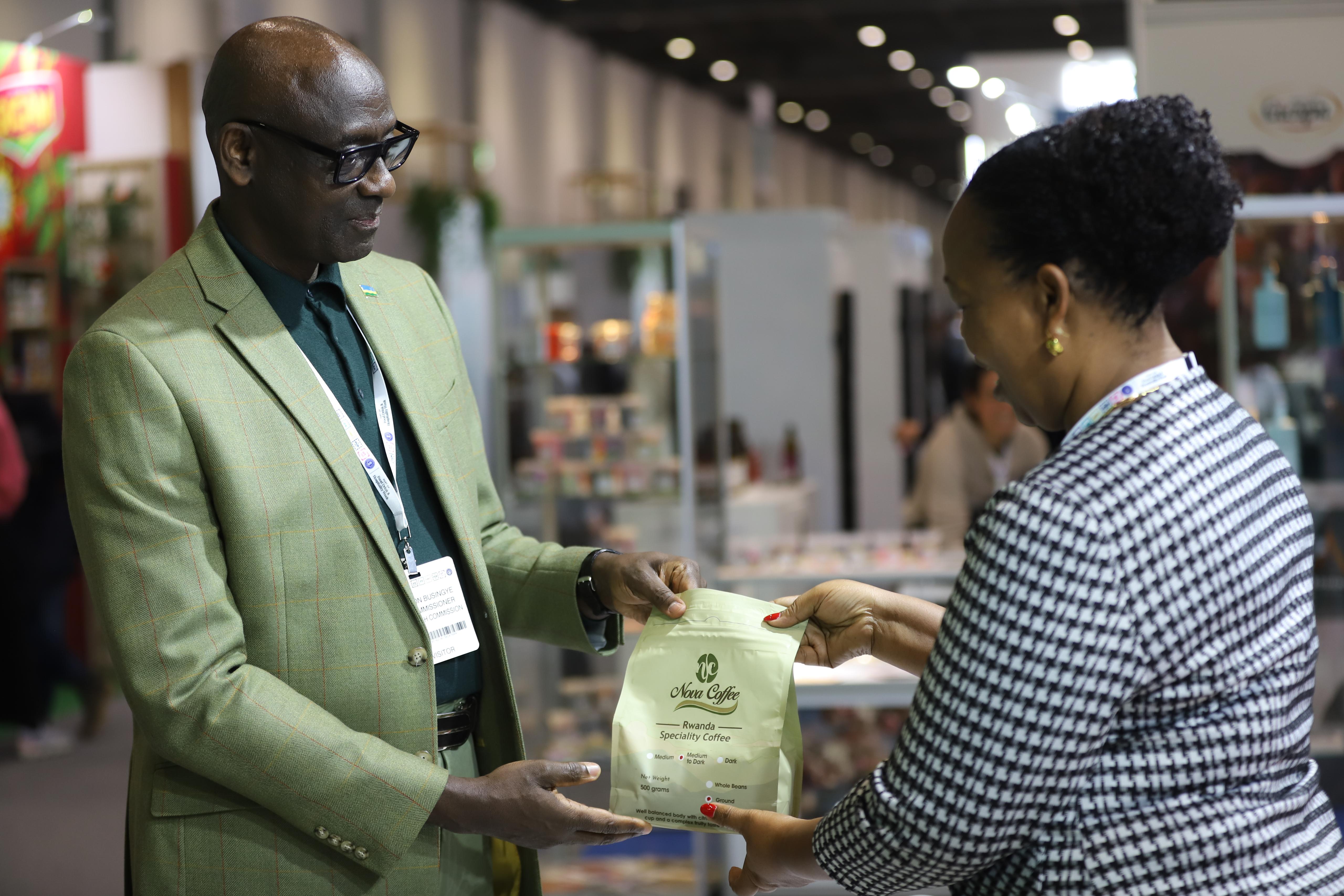
“The UK remains a key trade partner with Rwanda, and programs like SheTrades complement our economic cooperation policies, offering meaningful opportunities to expand trade relations. We are thrilled to see women entrepreneurs taking the lead, showcasing the quality of Rwandan coffee and other products, while building new partnerships with UK buyers.”
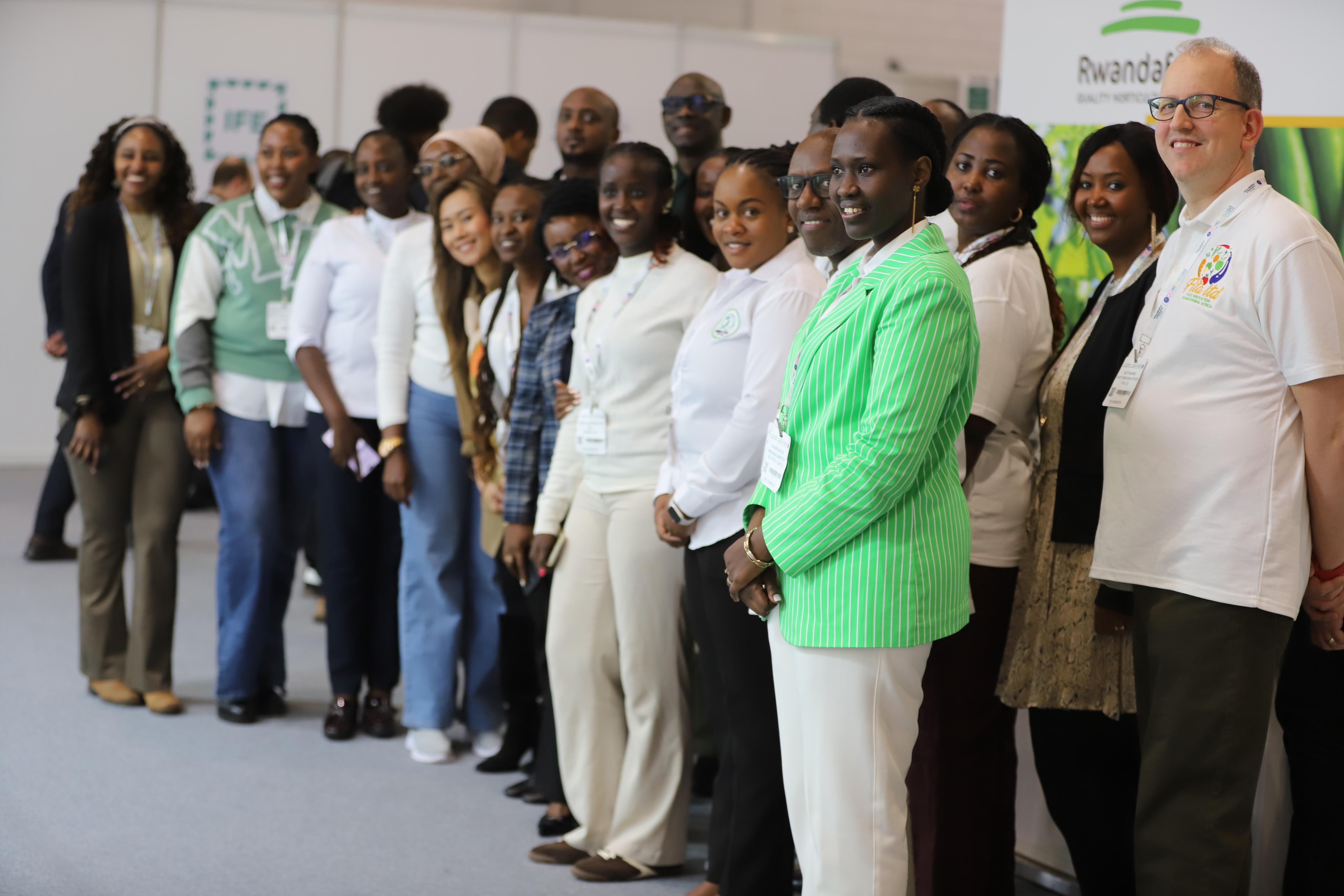
Meanwhile, in collaboration with the National Agricultural Export Development Board (NAEB), 20 Rwandan women traders participated in the International Food and Drink Event (IFE) in London from March 30 to April 1, 2026. The event provided international exposure for Rwandan coffee and other agricultural products.
Janet Basiima, Division Manager of Export Market Development and Innovation Division at the National Agricultural Export Board (NAEB) explained that these initiatives aim to support women-led businesses.
“By helping women entrepreneurs access key markets like the UK, we not only promote Rwandan coffee and other products but also strengthen relationships and partnerships that help meet international market demands,” she said.
Connecting Rwandan women entrepreneurs to buyers through the SheTrades program creates opportunities for export growth while contributing to Rwanda’s overall economic advancement.
A group of 15 Rwandan women traders explored market trends and export opportunities during a study tour across London and Birmingham.Rwandan High Commissioner to UK, Johnston Busingye, emphasized that the initiative aligns with Rwanda-UK trade cooperation. By connecting with UK buyers, Rwandan women entrepreneurs are building partnerships that could drive long-term export growth.The SheTrades initiative is opening doors for Rwandan women by linking them directly with international buyers and trade networks.
The program comes at a critical moment as Rwanda navigates the global economic ripple effects of the ongoing war in the Middle East, declining budget support, and rising domestic inflation. It aims to support Rwanda’s reform momentum, maintain prudent economic management, rebuild financial buffers, and safeguard growth ambitions.
Structured around three key pillars; strengthening coherent economic policies, managing fiscal and debt risks, and promoting private-sector-led growth with transparent oversight of state-owned companies, the program seeks to provide both stability and opportunity for the country’s economy.
“We are pleased with the progress on the ECF program, which will cushion the impact of the Gulf war and declining budget support while sustaining Rwanda’s growth, investment ambitions and structural transformation,” said Yusuf Murangwa, Minister of Finance and Economic Planning.
Rwanda’s economy demonstrated remarkable resilience in 2025, growing by 9.4%, well above expectations. Inflation, however, rose to 9.2% in February 2026, surpassing the central bank’s target.
Strong exports of coffee and minerals improved the country’s external position, while imports, mainly of equipment and business materials, remained high.
Foreign exchange reserves remain comfortable, covering more than four months of imports, and recent tax reforms have strengthened domestic revenue collection.
“Rwanda’s economy remains resilient with strong 2025 growth, but prolonged war in the Middle East and tighter financing could pressure inflation, external balance, and debt. […] The IMF is committed to continue supporting the country in strengthening its policy foundations for advancing its reform and development agenda,” said Albert Touna Mama, IMF mission chief.
The war in the Middle East has contributed to expectations that growth will moderate to 6.8% in 2026. Rising global oil and fertilizer prices, combined with financing needs for strategic investments, continue to pressure the budget and trade balance.
Other risks include volatile commodity prices, weak global demand, and geopolitical tensions. Yet, Rwanda’s sound economic adjustments, ability to attract private investment, and supportive trade flows provide avenues for positive outcomes.
Under the new ECF program, Rwanda will pursue reforms aimed at durable private-sector-led growth, economic stability, external balance, and rebuilding policy buffers.
Key measures include implementing a credible medium-term budget plan, including the Medium Term Revenue Strategy (MTRS-2), tightening control over foreign-funded capital spending, strengthening risk management, and safeguarding social and priority expenditures to maintain debt sustainability.
Given inflation pressures, the National Bank of Rwanda will maintain appropriately tight monetary policy to bring inflation down to the medium-term target of 5%. Enhanced exchange rate flexibility, supported by regular price-based auctions, will help absorb economic shocks and rebuild reserves.
“The Government remains committed to implementing the reforms under this program to protect Rwandans from external shocks while building a stronger, more self-reliant economy,” Minister Murangwa added.
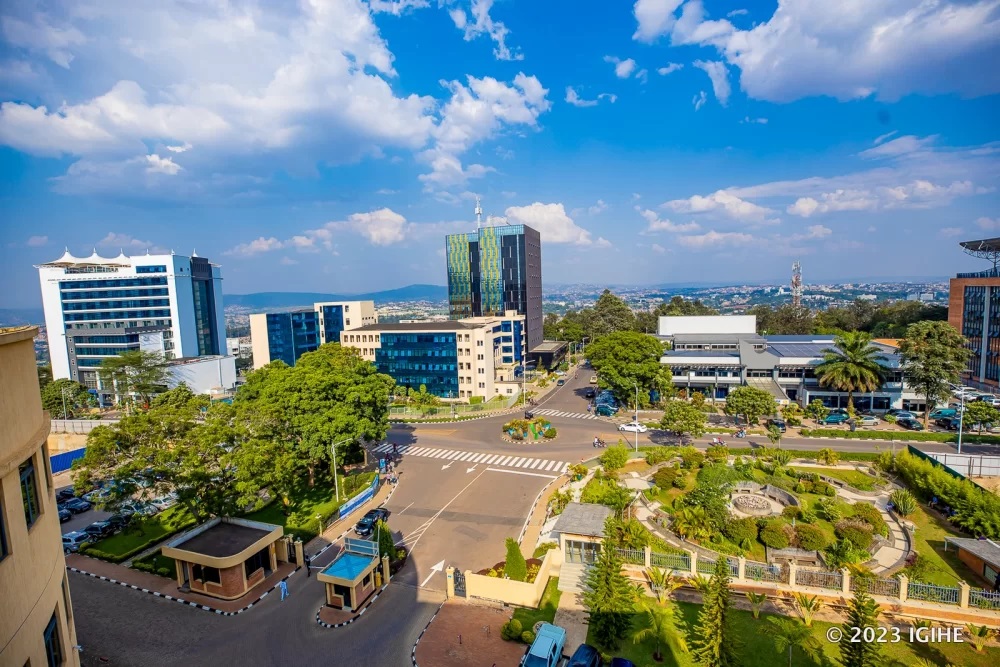
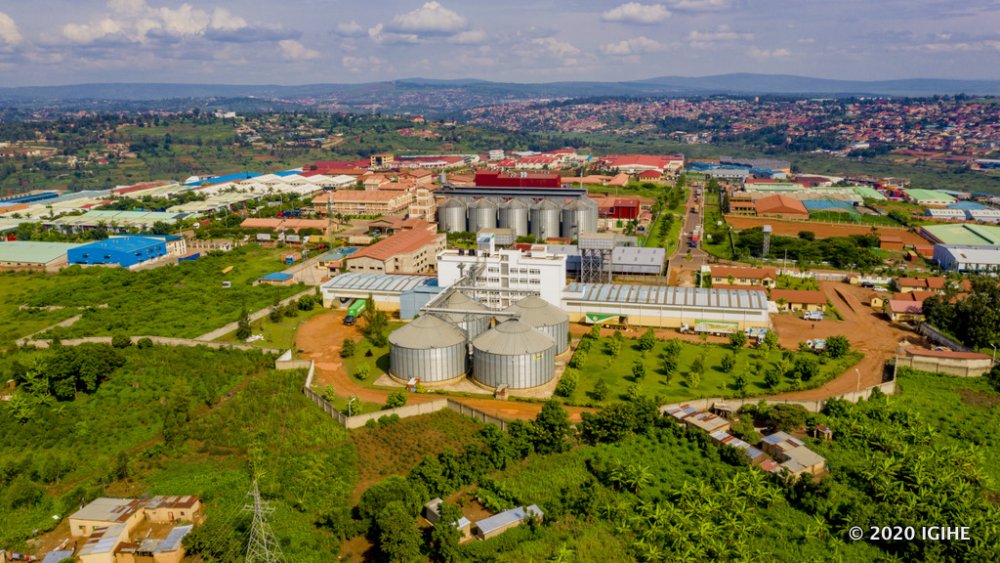
Rwanda’s economy demonstrated remarkable resilience in 2025, growing by 9.4%, well above expectations. This photo shows the bird’s eye view of Kigali Special Economic Zone.
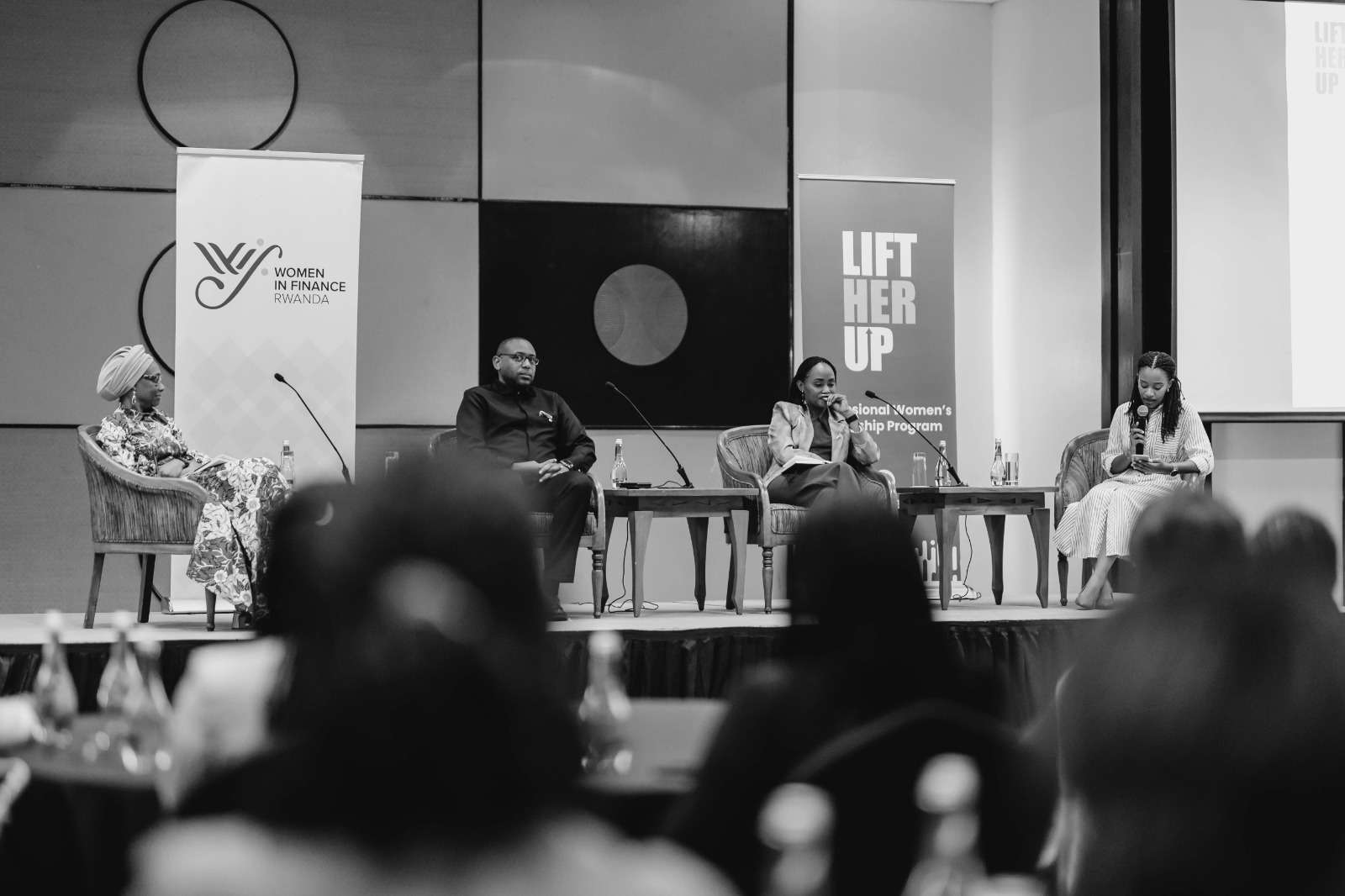
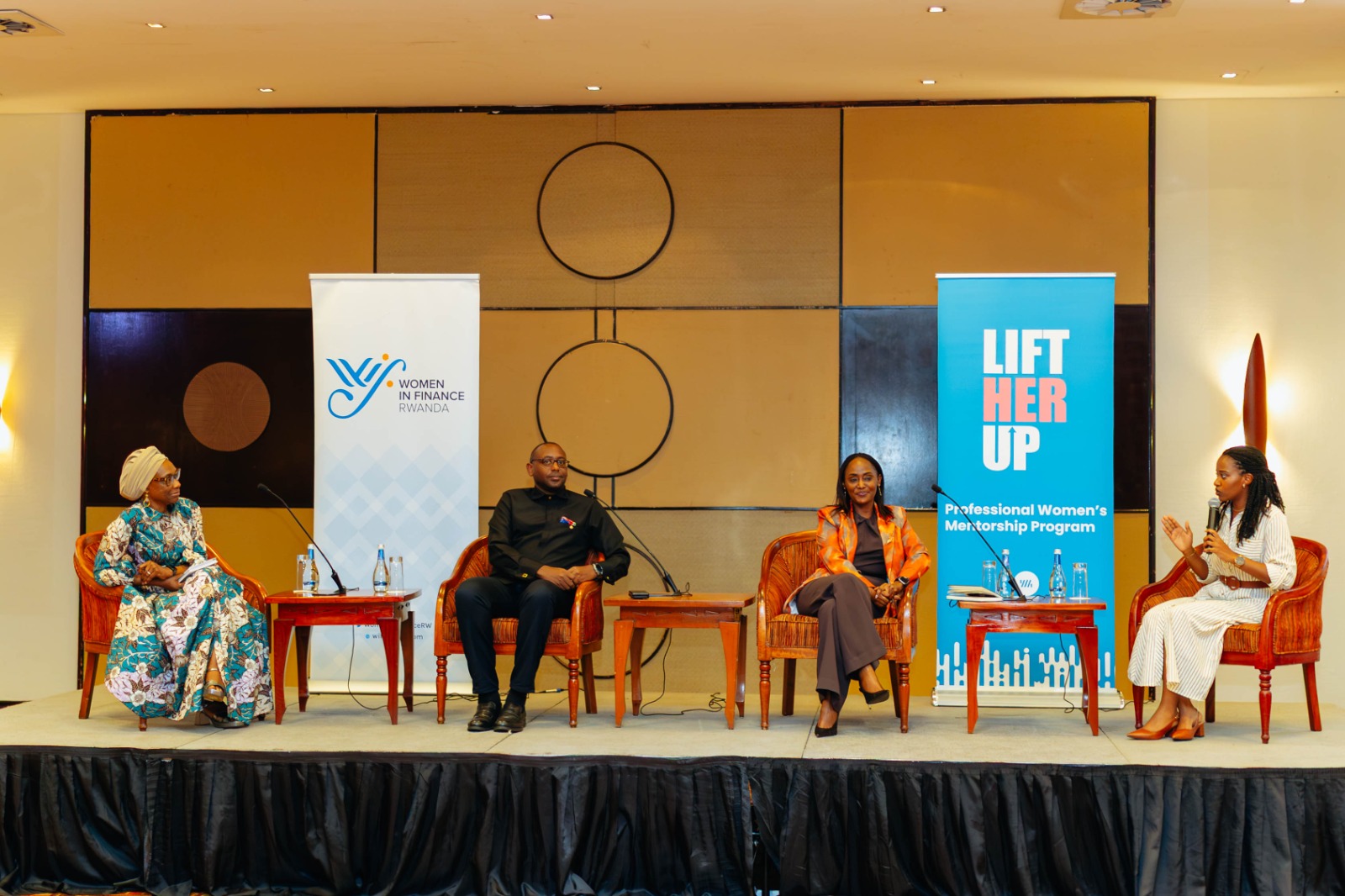
The program aims at preparing women for career advancement while achieving balance and success in their personal lives.
Launched in 2022 by Gate Consulting Group, a Rwandan firm specializing in leadership training, coaching, and strategic advisory services, LiftHerUp is a flagship initiative that equips women in the workforce with the skills needed to compete for leadership positions, prepares female university graduates to confidently enter the job market, and supports women entrepreneurs in scaling their businesses.
The LiftHerUp Women Professionals Mentorship Program is a nine-month training and mentorship journey that brings together accomplished women leaders and male allies who champion gender equality, ensuring participants gain both practical skills and diverse perspectives.
Participants are selected through a competitive application process, with organizations nominating high-potential female employees. The program is designed with flexibility in mind, enabling participants to balance their professional responsibilities alongside the training.
This year marks the second collaboration between Gate Consulting Group and Women in Finance Rwanda (WIFR), an organization committed to advancing gender equality in the financial sector.
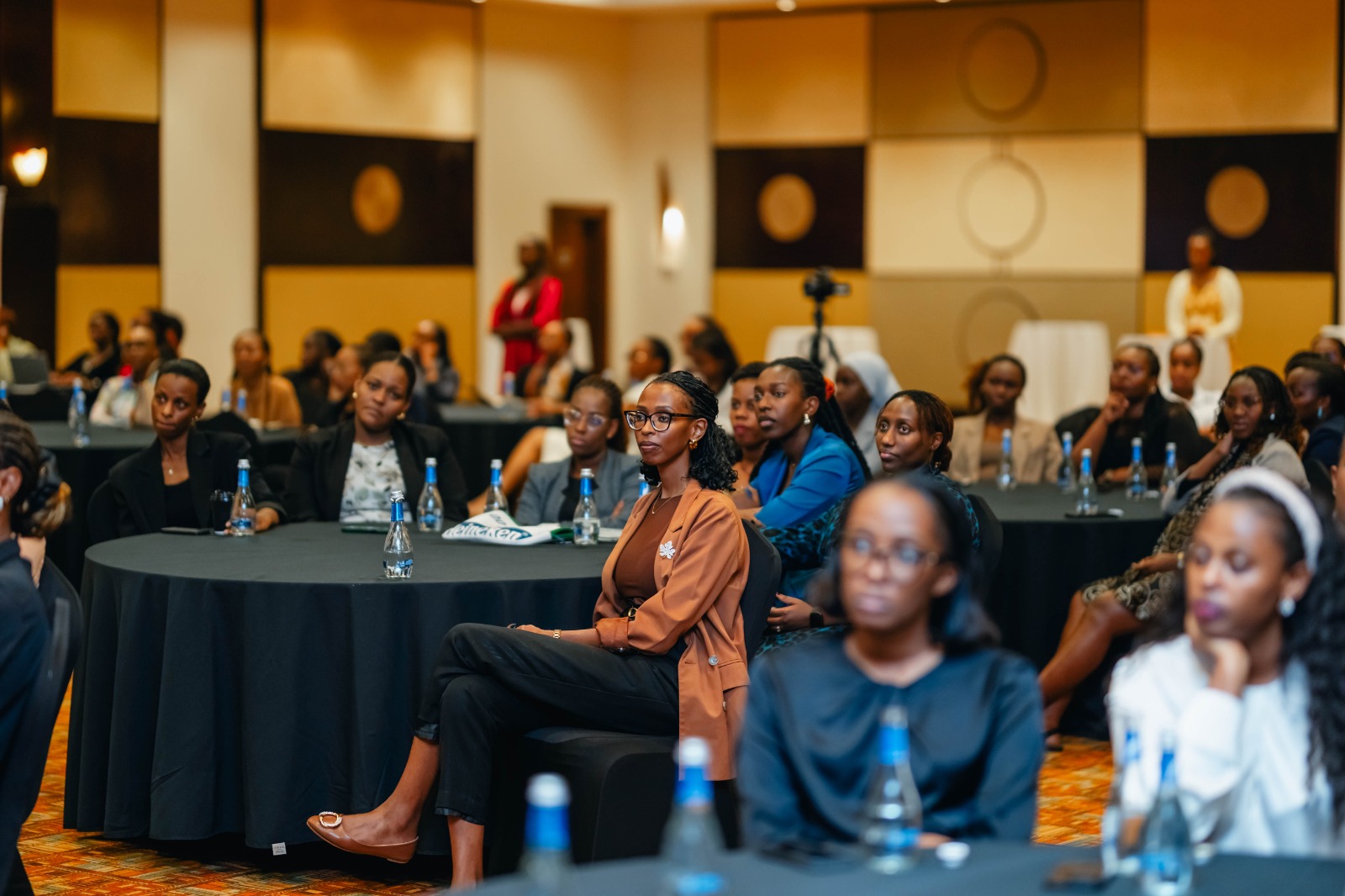
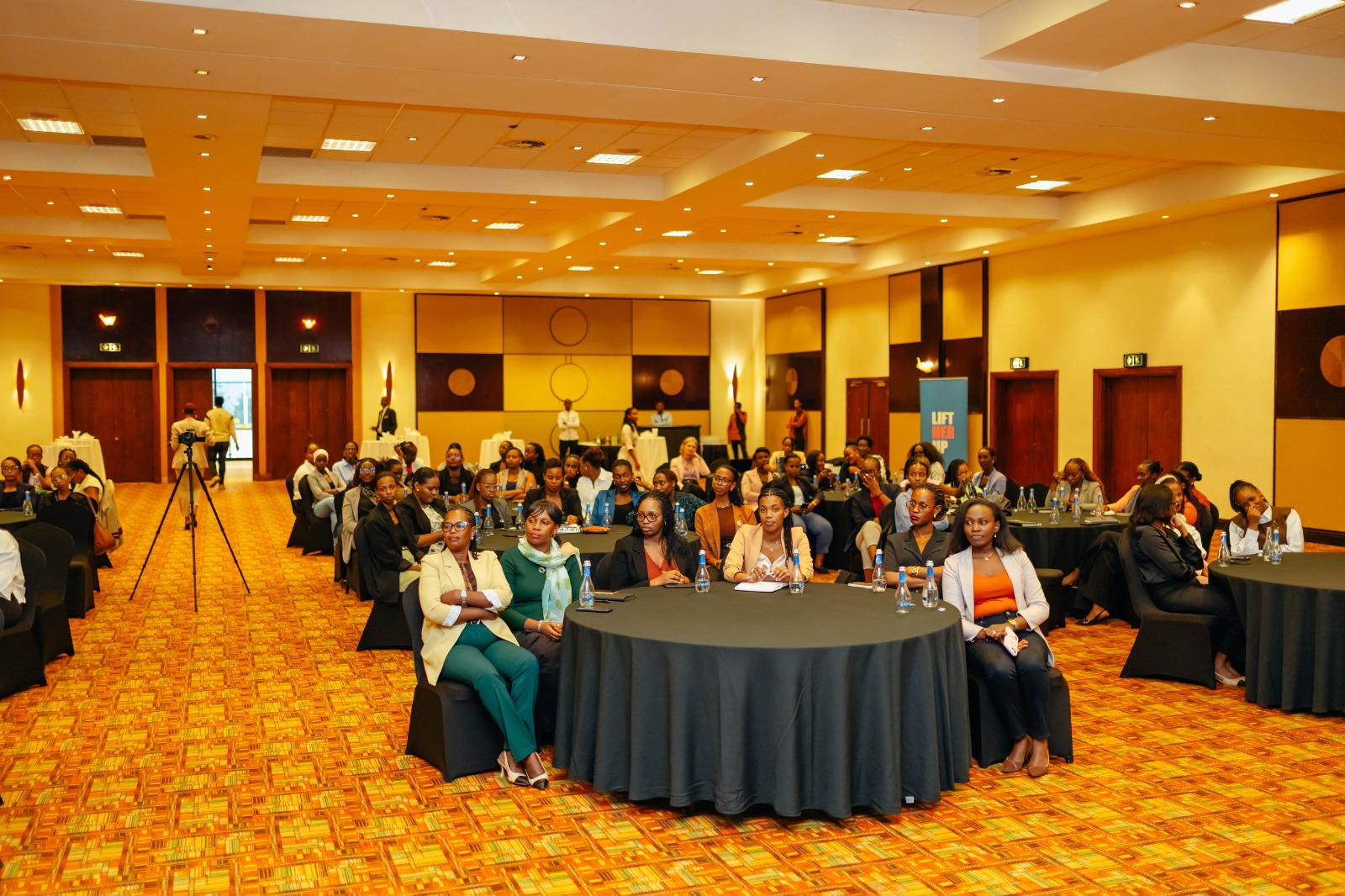
The fifth cohort, launched on March 18, 2026, is the largest to date, bringing together over 130 women from more than 20 organizations, supported by 40 experienced mentors. So far, the program has impacted 730 participants in 5 years.
The launch event featured insights from distinguished leaders, including Aïssa Touré, Country Manager of the African Development Bank Group in Rwanda; Judith Muhongerwa, HR Strategist and Founder of Agile People Pro™ (UK); and Pierre Kayitana, Country Director of Zipline Rwanda. Their contributions set the tone for a powerful and impactful journey ahead for participants.
Salma Habib Nkusi, CEO of Gate Consulting Group and founder of the program, highlighted the program’s growth and impact over the past four years.
“Many women who have gone through this program have advanced in their careers because we prepare them for leadership roles. They now have the skills to excel in those positions,” she said.
She also noted that while the program has made significant progress, growing from an initial cohort of 30 participants, it aims to expand its reach beyond Kigali to support more women across Rwanda.
Participants in the fifth cohort have already expressed strong expectations for the journey ahead.
Umuringa Iriza Lucille, an employee at the Development Bank of Rwanda, shared that her experience at the launch highlighted the importance of working with structure and direction, not just effort.
“I expect to gain knowledge in decision-making and leadership. I want to ask questions, learn from my peers, and grow professionally. I am confident this experience will help me advance in my career,” she said.
Janet Ishiywe, who works at One Acre Fund Rwanda, said that doing the work alone is not enough; what really matters is keeping outcomes at the forefront when advancing your career.
She added that confidence in professional spaces comes from staying curious and continuously consuming a wide range of content, which helps you fit into different rooms and contribute meaningfully with your own perspective.
Kirabo Ritha, who works at Andersen, also shared that seeing that most of the trainers are capable women gave her confidence that it is possible. She added that she looks forward to learning from their experiences and how they overcame challenges
By the end of 2025, LiftHerUp had already trained over 600 women and girls, including 102 graduates from that year alone.
As the program continues to grow, it remains a key driver in empowering women across Rwanda, equipping them to break barriers, lead with confidence, and thrive in their respective fields.
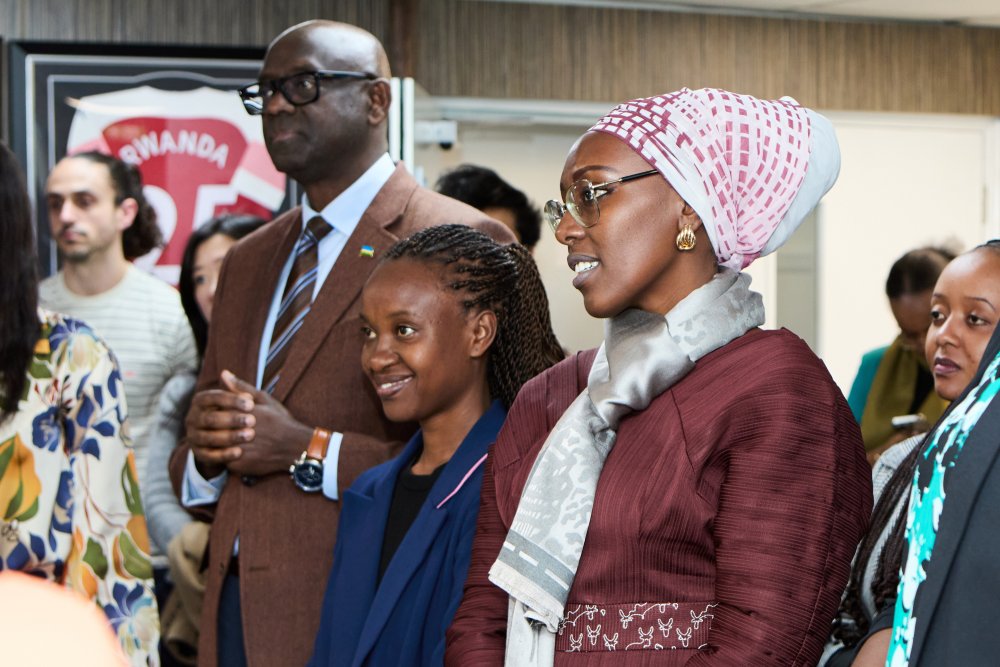
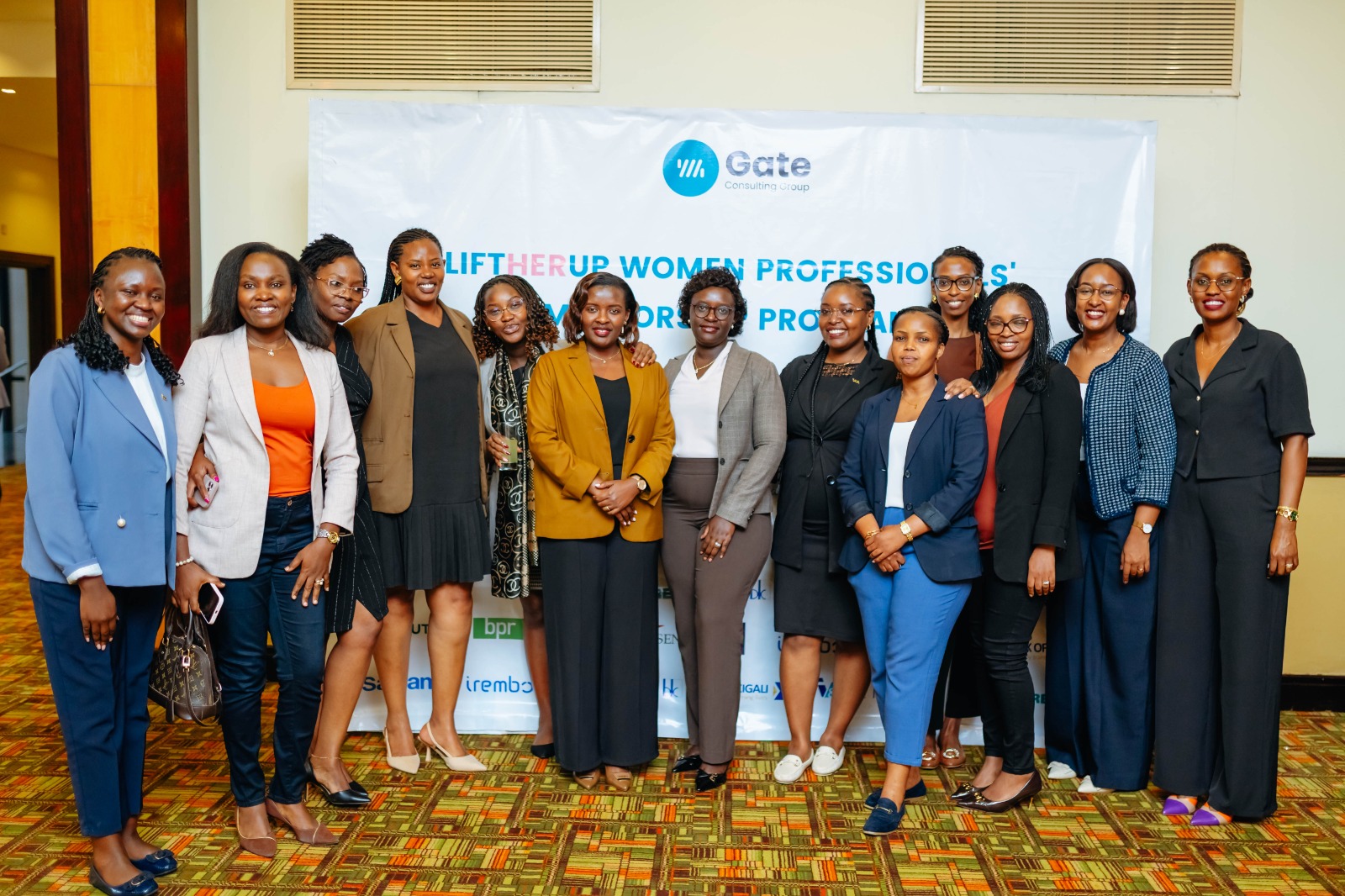
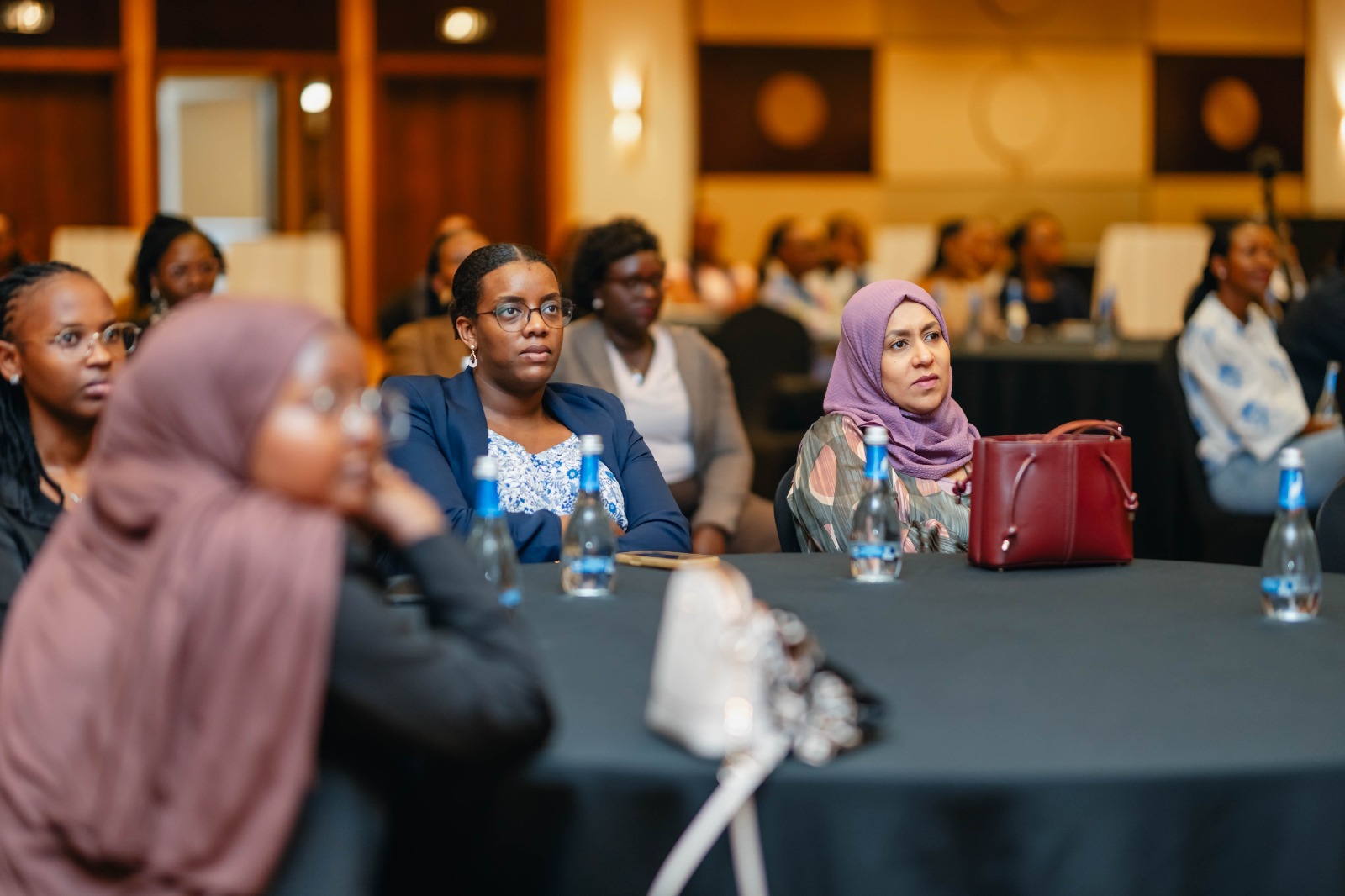
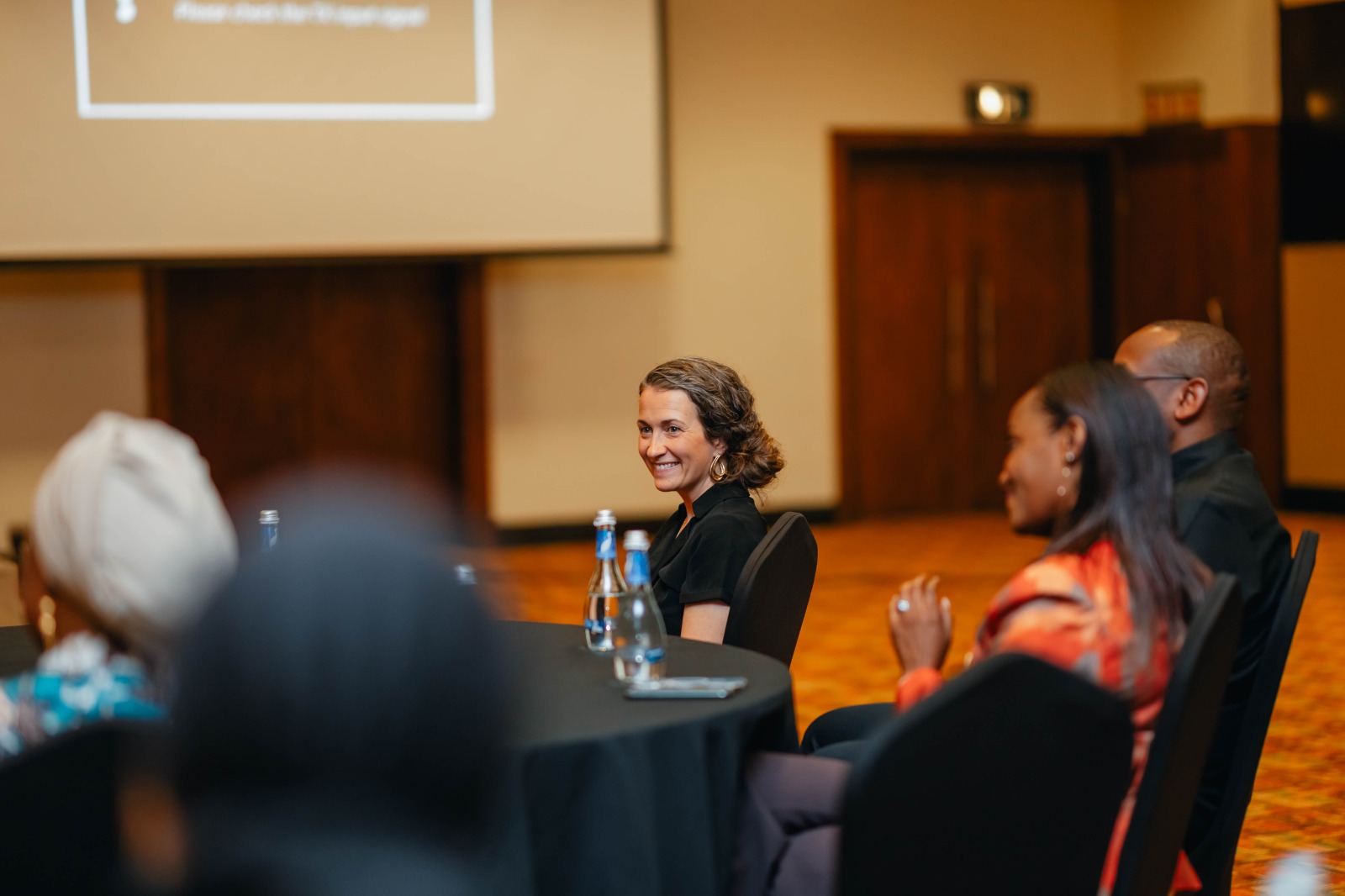
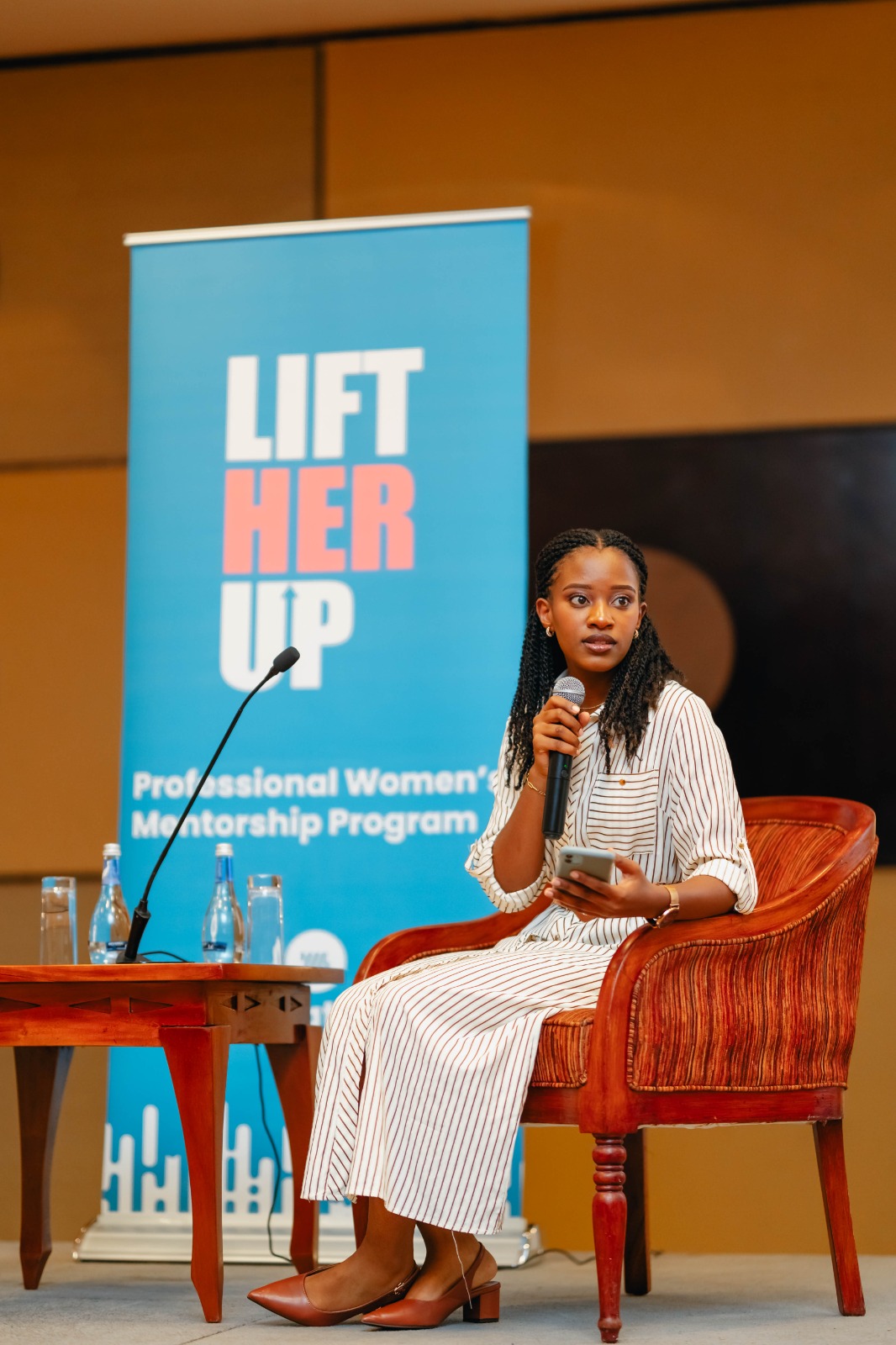
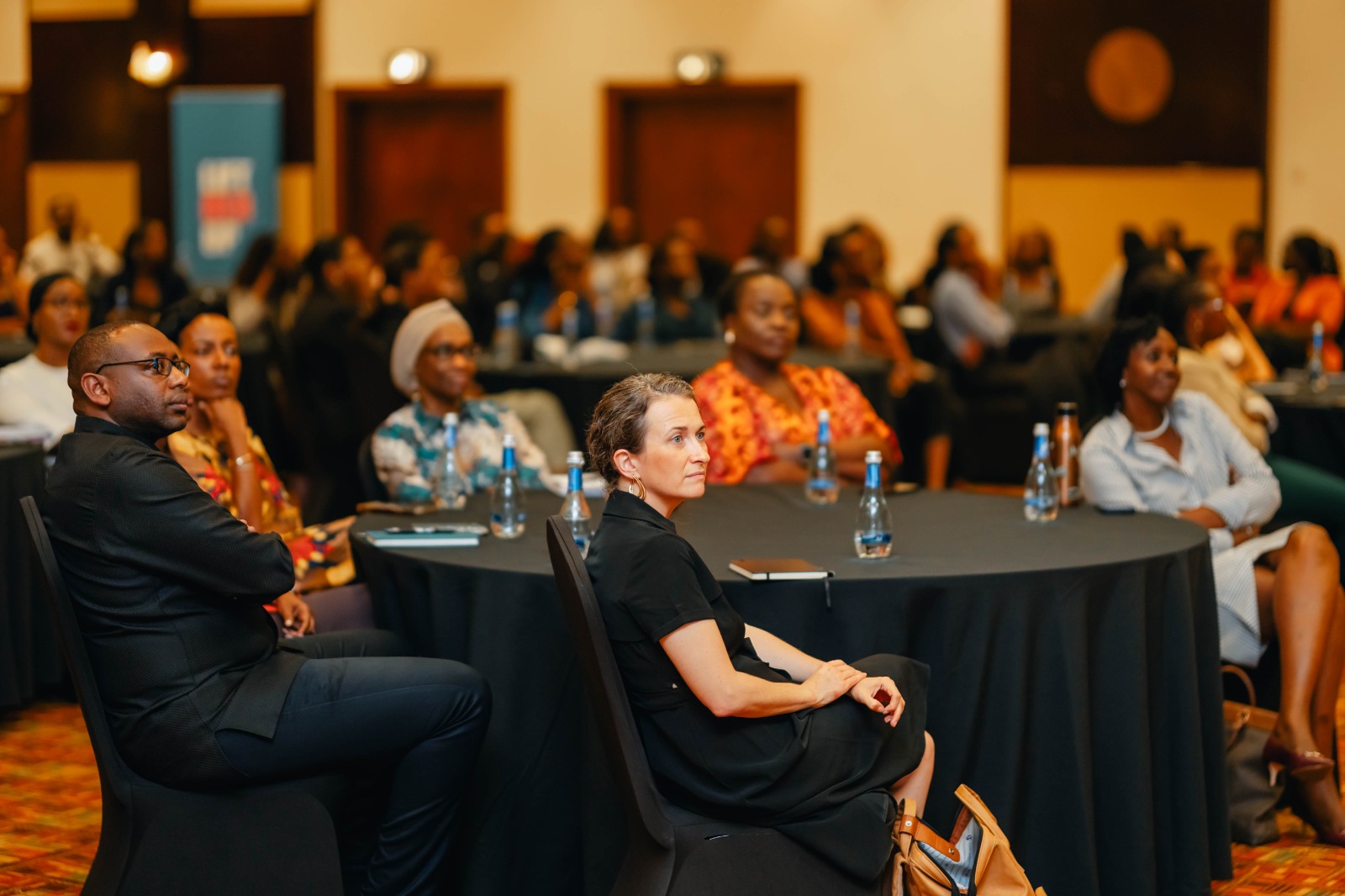
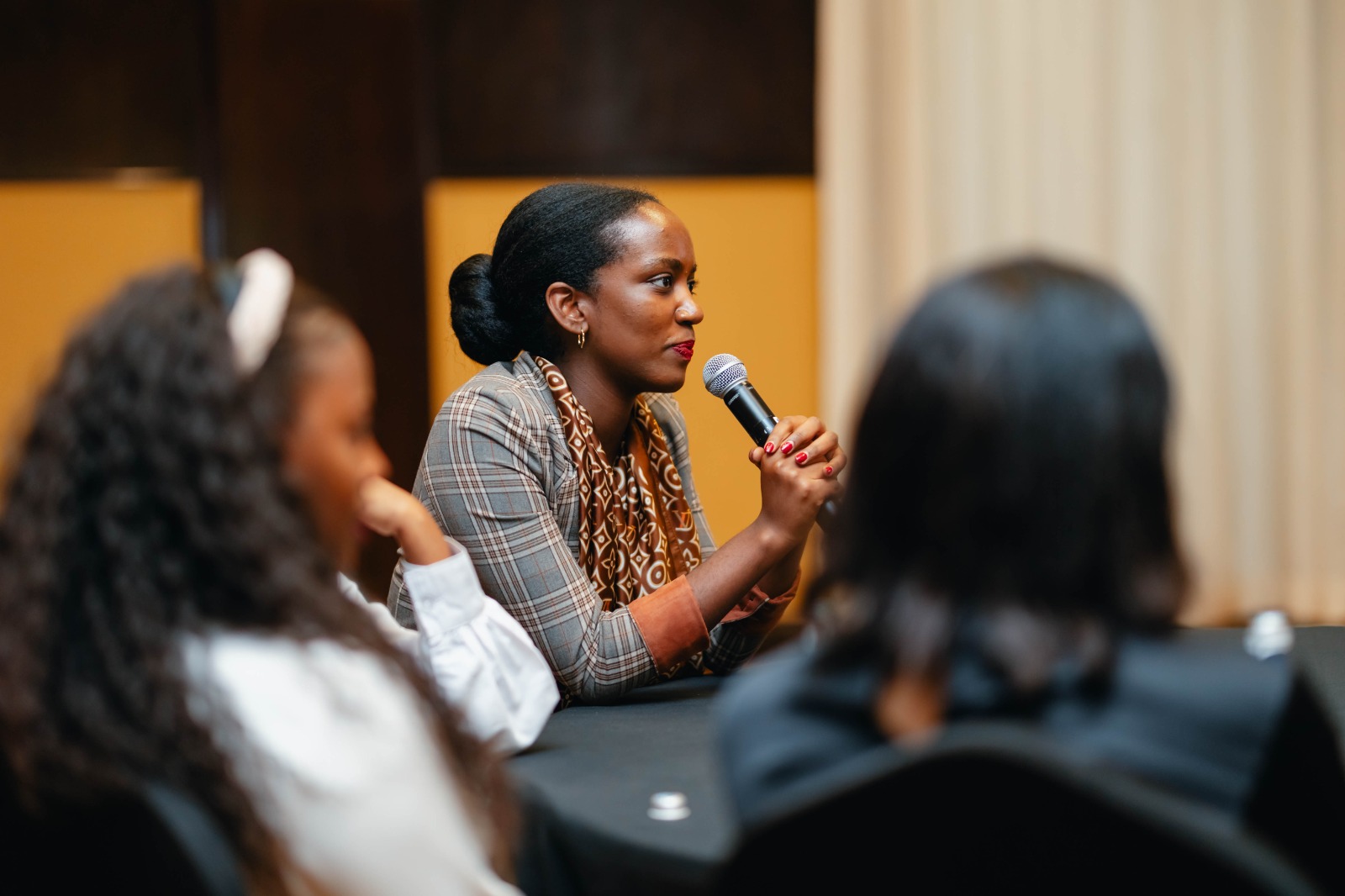
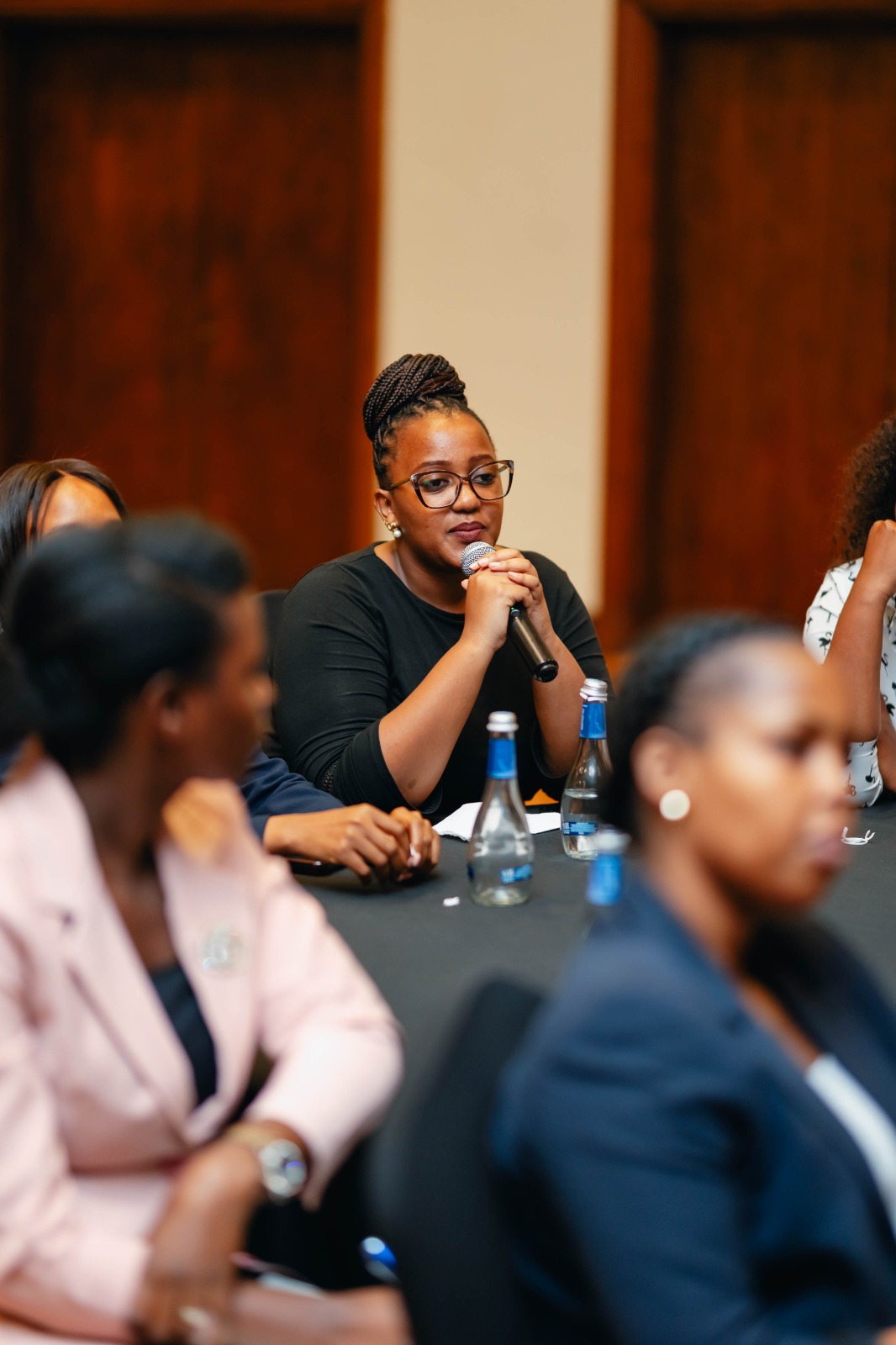
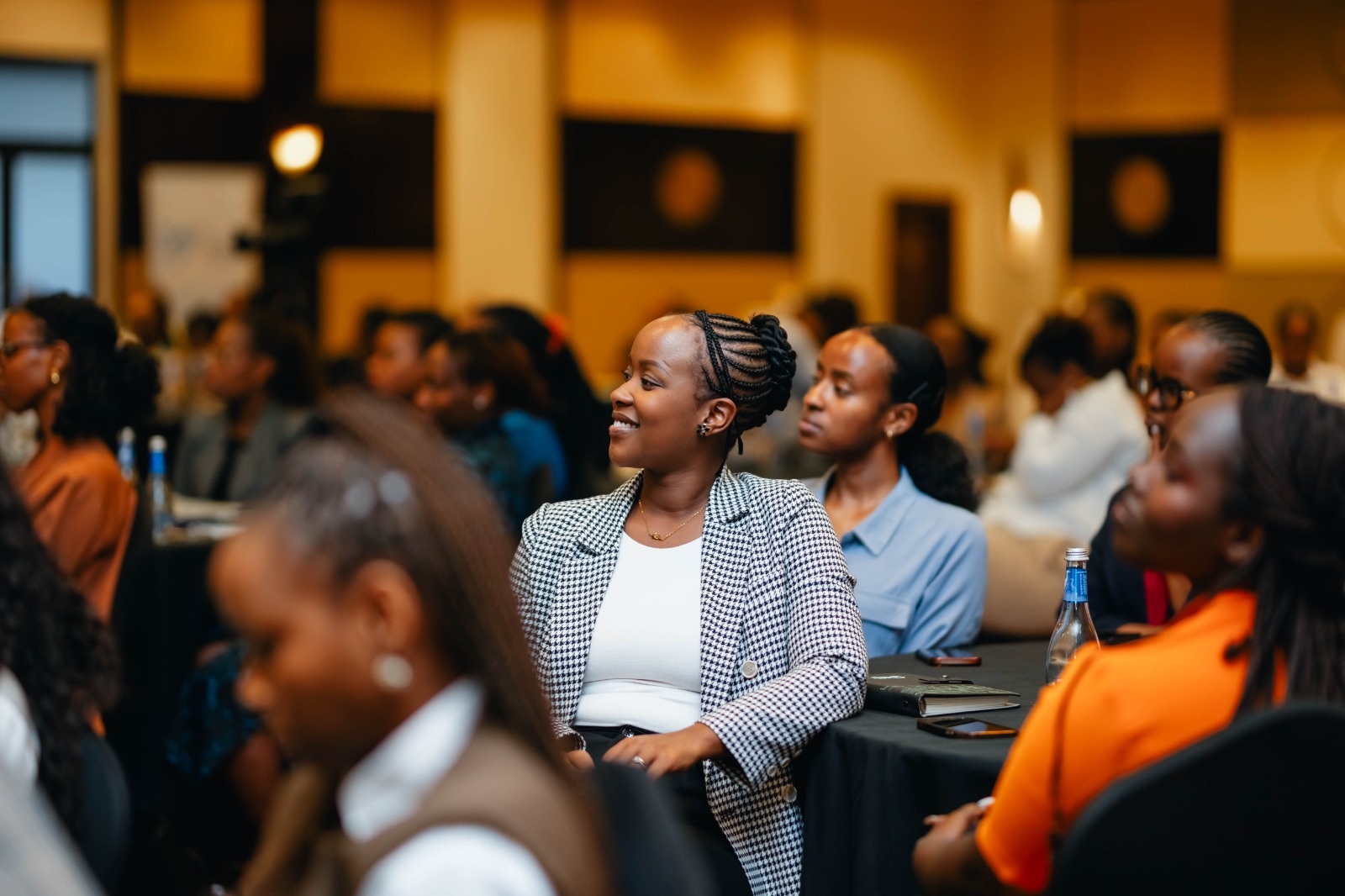
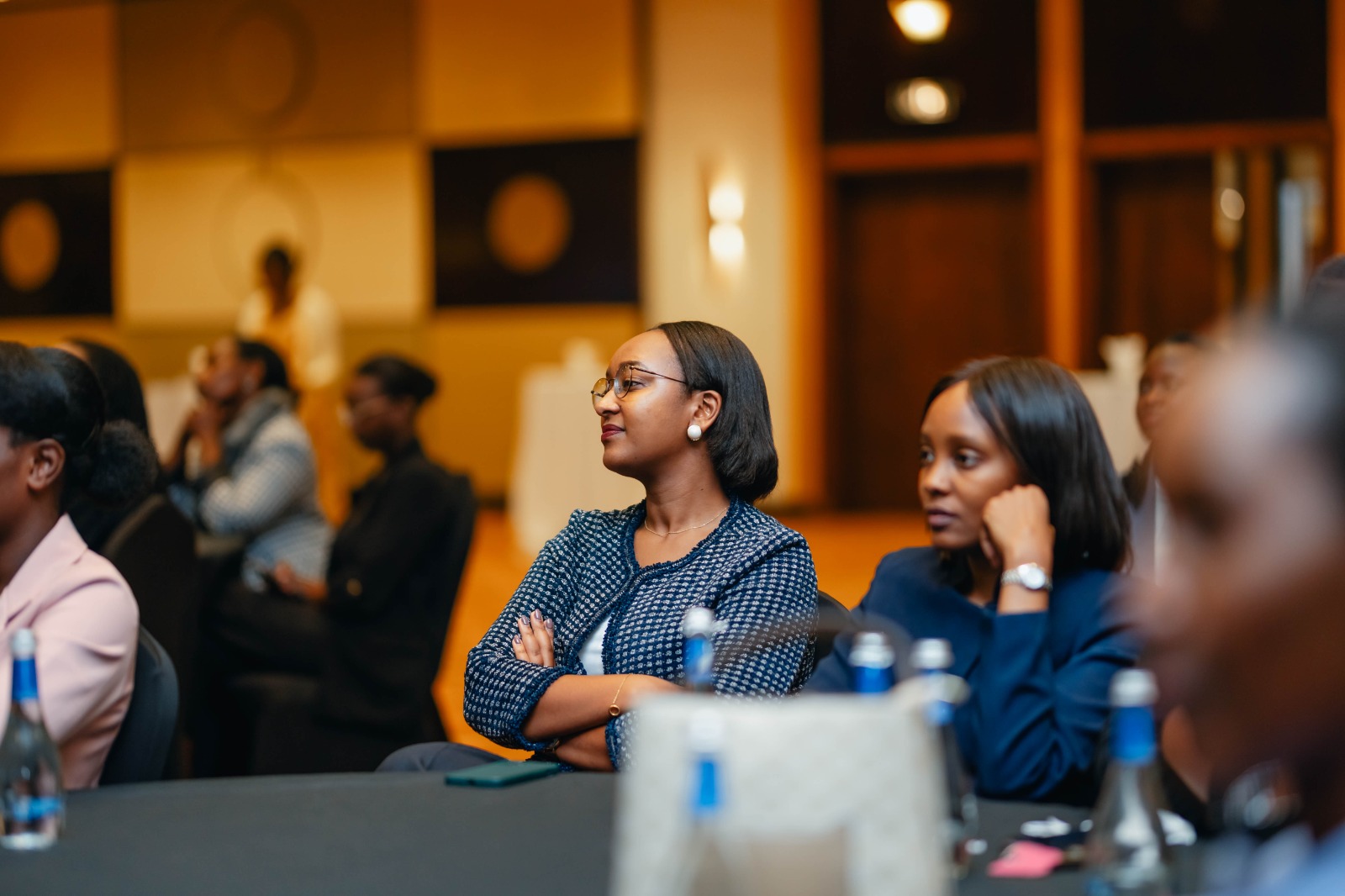
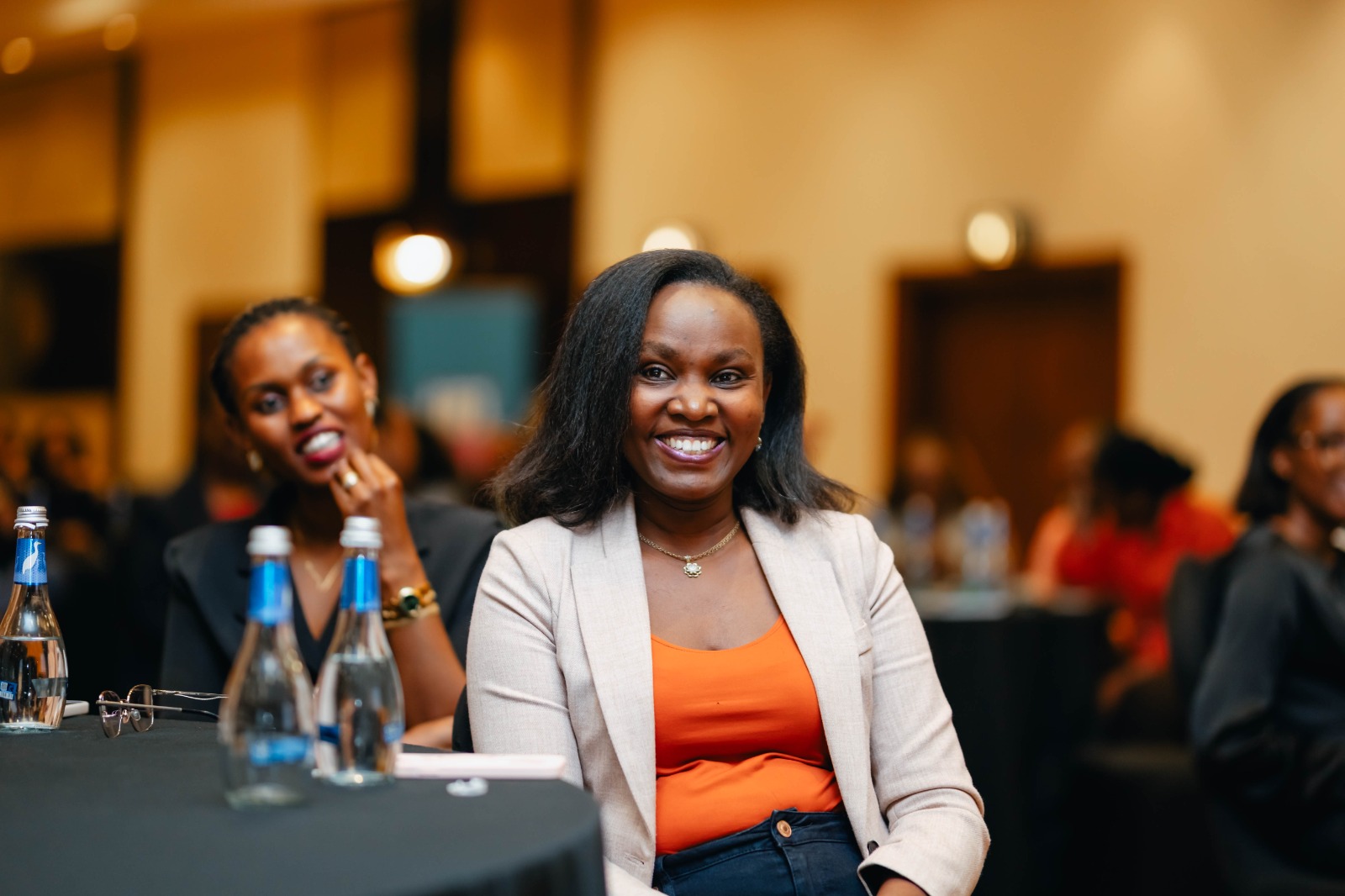
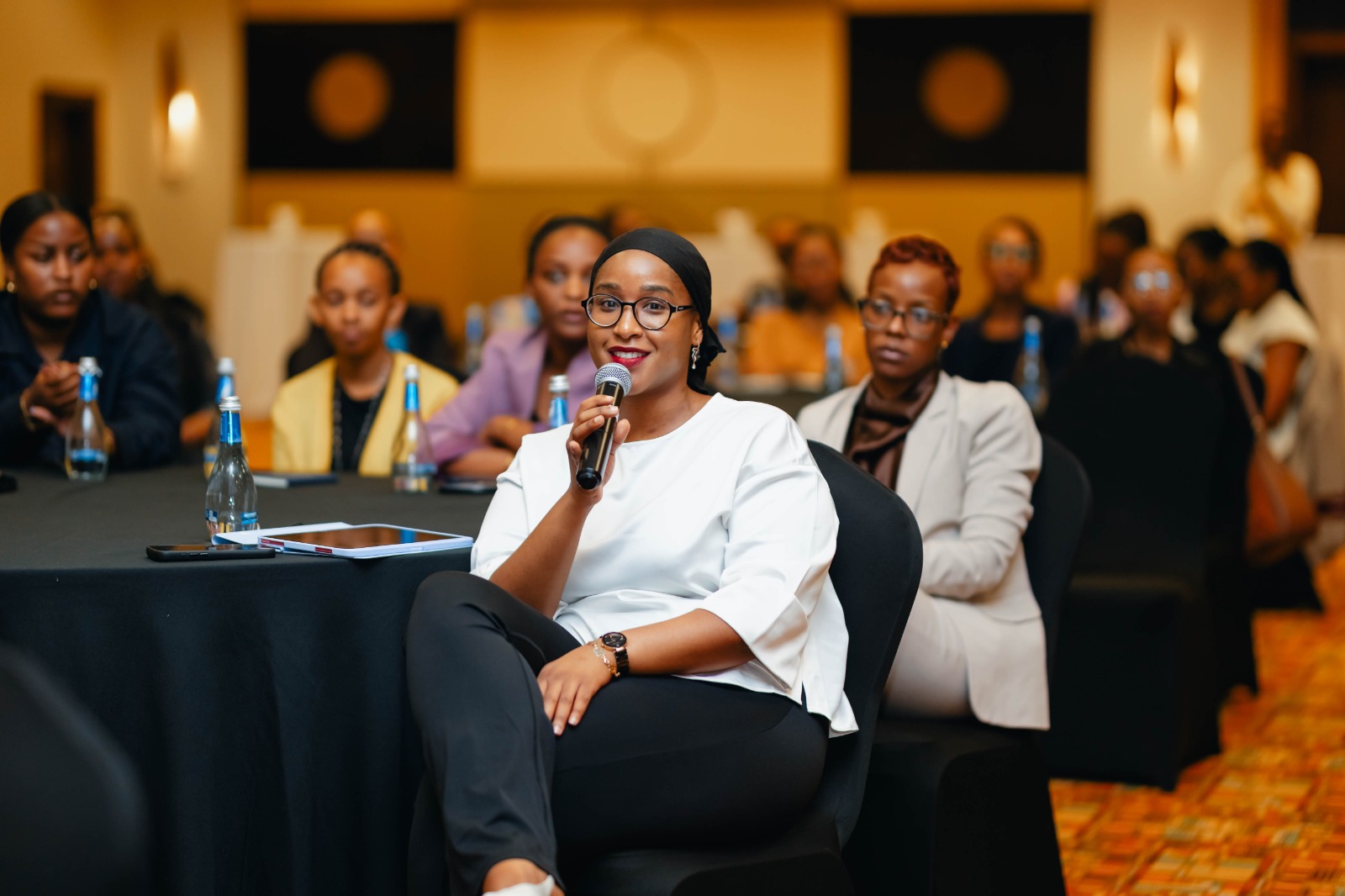
The fifth cohort launch highlighted LiftHerUp’s growing impact in equipping women with leadership and entrepreneurial skills.Young women and professionals attend the LiftHerUp cohort five launch, ready to begin their nine-month training journey.Leaders and participants gather at the fifth cohort launch of LiftHerUp, a program empowering women across Rwanda.The expansion of LiftHerUp reflects increasing efforts to empower women in leadership and entrepreneurship across Rwanda.Participants engage during the official launch of LiftHerUp’s fifth cohort, aimed at building future women leaders.A cross-section of attendees follows proceedings at the LiftHerUp fifth cohort launch event.
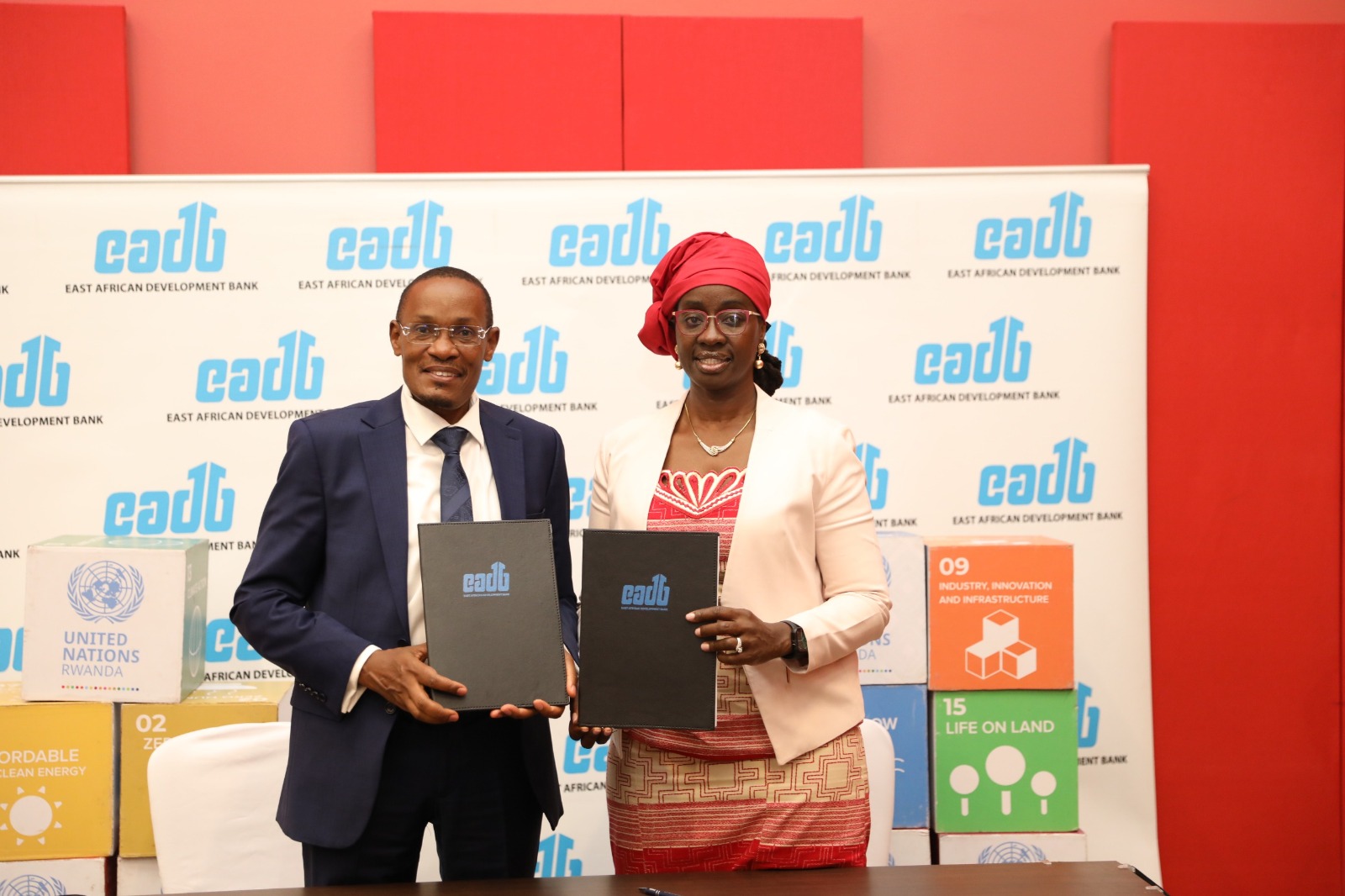
The agreement, signed on March 26, 2026, in Kigali, marks a strategic partnership that brings together EADB’s financial expertise and the UN’s technical capacity and convening power to support the growth and development of SMEs in Rwanda.
The two institutions said the collaboration seeks to strengthen support for SMEs, which are widely regarded as the backbone of Rwanda’s economy, driving job creation, innovation and inclusive growth.
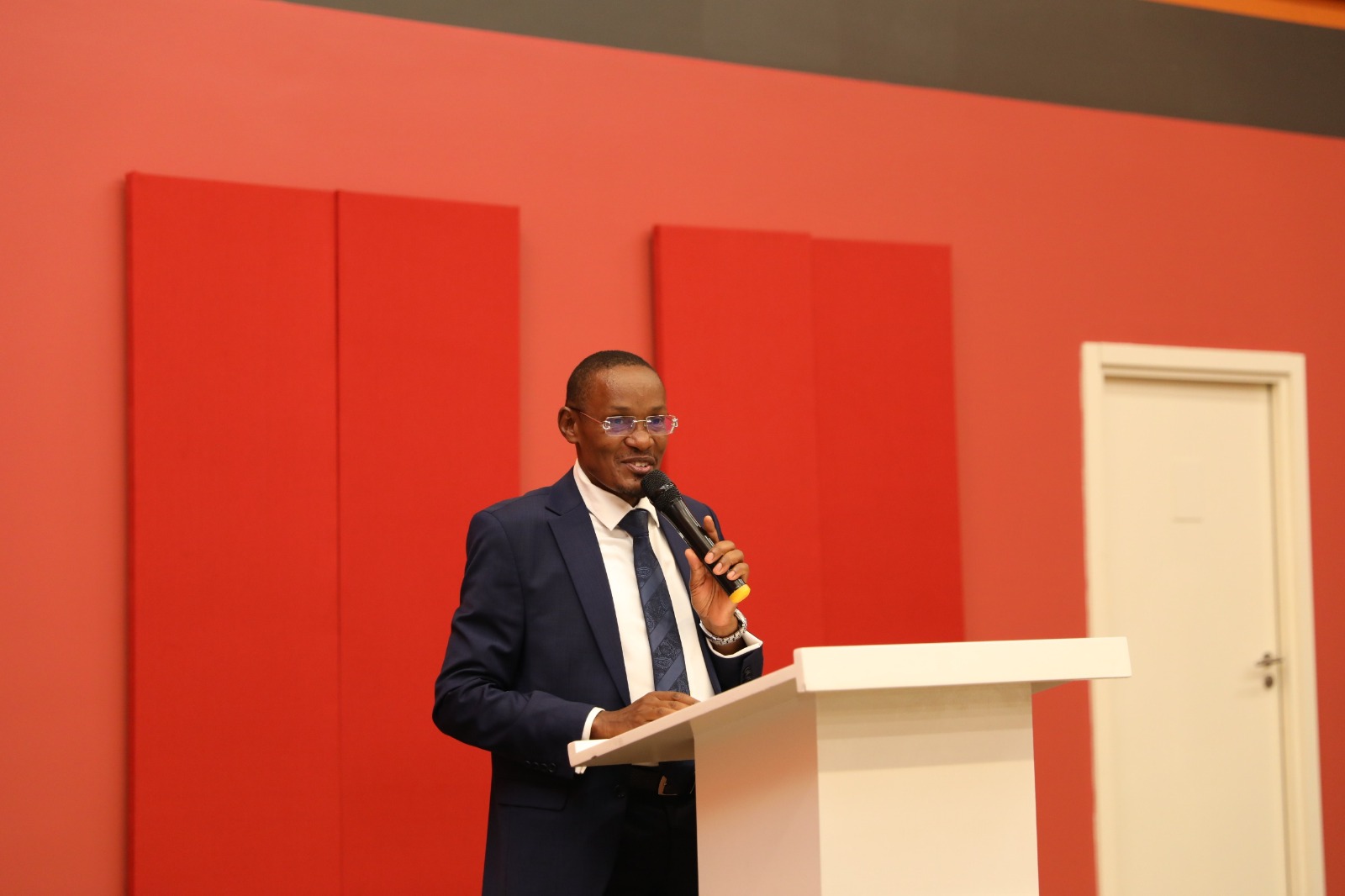
Speaking at the signing ceremony, EADB Acting Director General Benard Mono said the partnership is designed to provide a more coordinated and impactful response to barriers affecting SMEs.
“By combining the UN’s strength in technical expertise, capacity building, and social development with EADB’s role as a development finance institution, we are working to expand access to tailored financing, strengthen entrepreneurial skills, and support innovation, especially among youth and women-led enterprises. It will also address challenges faced by SMEs such as access to finance and capacity building,” he said.
Mono noted that the initiative will also help SMEs integrate into value chains, enabling them to scale and compete more effectively both regionally and globally.
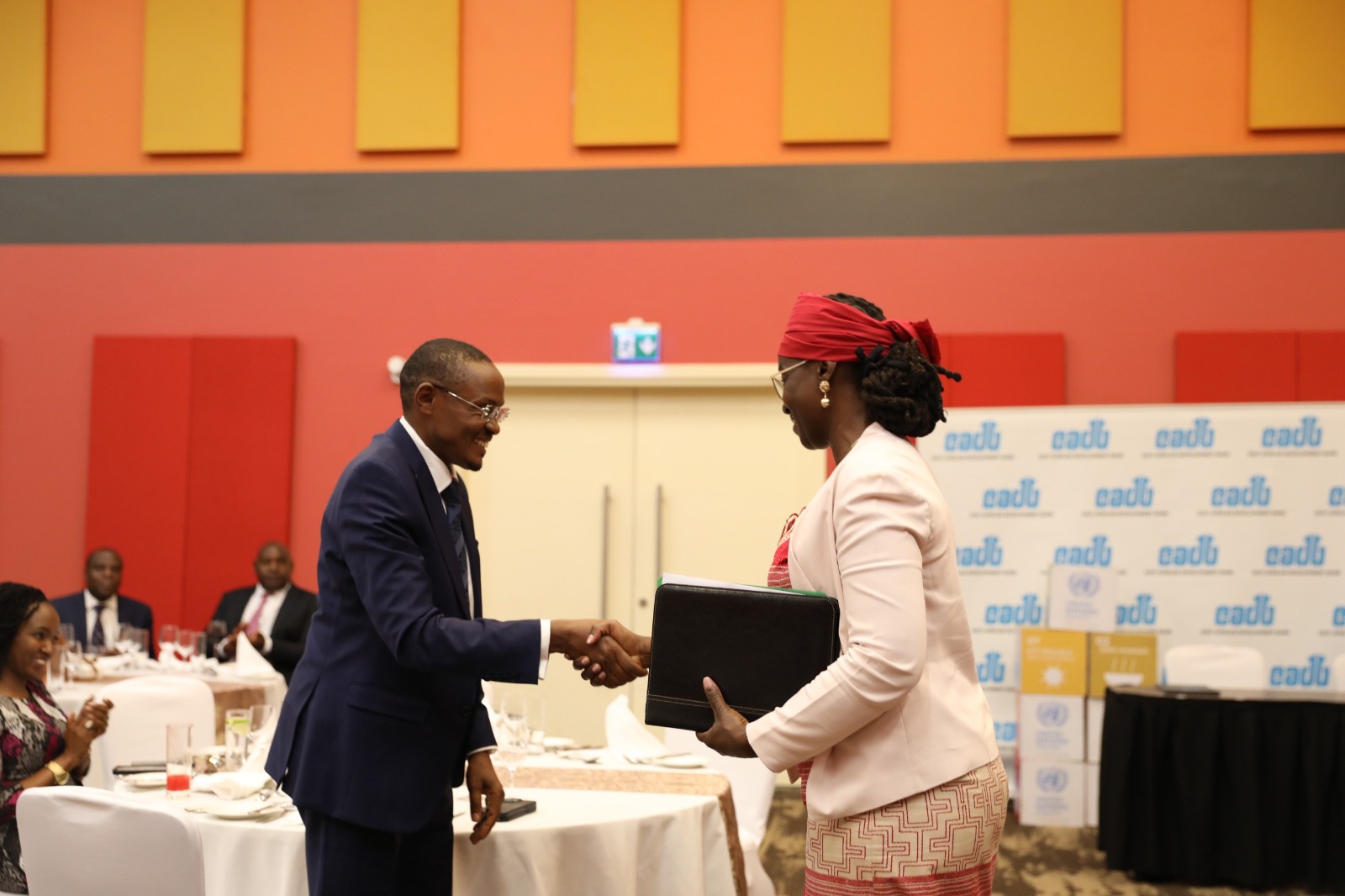
EADB Director General Mr. Benard Mono and UN Rwanda Resident Coordinator Dr. Fatmata Lovetta Sesay shake hands at the signing ceremony.
The partnership aligns with Rwanda’s broader national priorities of promoting private sector growth and building a resilient economy.
On her part, Fatmata Lovetta Sesay, the UN Resident Coordinator, described the MoU as a shared commitment to unlocking the full potential of SMEs and entrepreneurs across the country.
“Ultimately, this collaboration will contribute to job creation, strengthen SME growth and sustainability, and expand economic opportunities on a larger scale,” Sesay said.
Sesay noted that the partnership builds on engagements between the two institutions since 2024, anchored on EADB programmes that already support over 500 SMEs across sectors such as agriculture, commerce, transport and manufacturing.
She added that the partnership will be implemented through a clear plan, with a steering committee providing strategic guidance and a technical working group managing day-to-day activities.
Under the agreement, the partners will co-develop tailored financial solutions such as concessional loans, blended finance, guarantees and equity instruments, alongside targeted technical support and knowledge-sharing initiatives.
SMEs remain central to Rwanda’s economic transformation, and this partnership is expected to unlock new opportunities, strengthen their growth, and accelerate inclusive development across the country.
Established in 1967, the East African Development Bank is owned by its four member states including, Rwanda, Kenya, Uganda and Tanzania, as well as other development and commercial financial institutions. The Bank provides financial and technical support to projects that contribute to socio-economic development and regional integration across the region.
EADB Acting Director General Benard Mono said the partnership is designed to provide a more coordinated and impactful response to barriers affecting SMEs.EADB Director General Mr. Benard Mono (left) and UN Rwanda Resident Coordinator Dr. Fatmata Lovetta Sesay display their copies of the signed agreement.
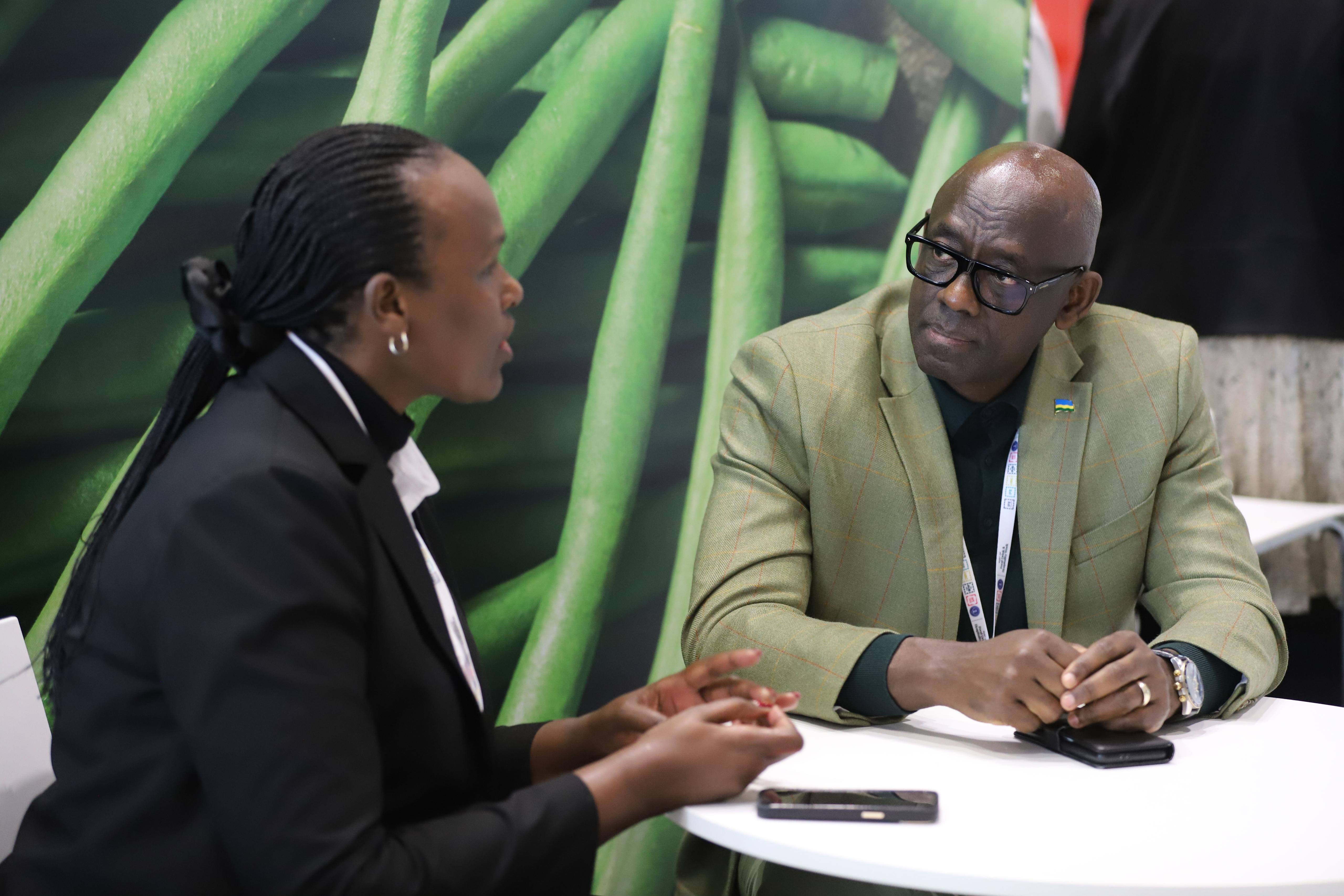
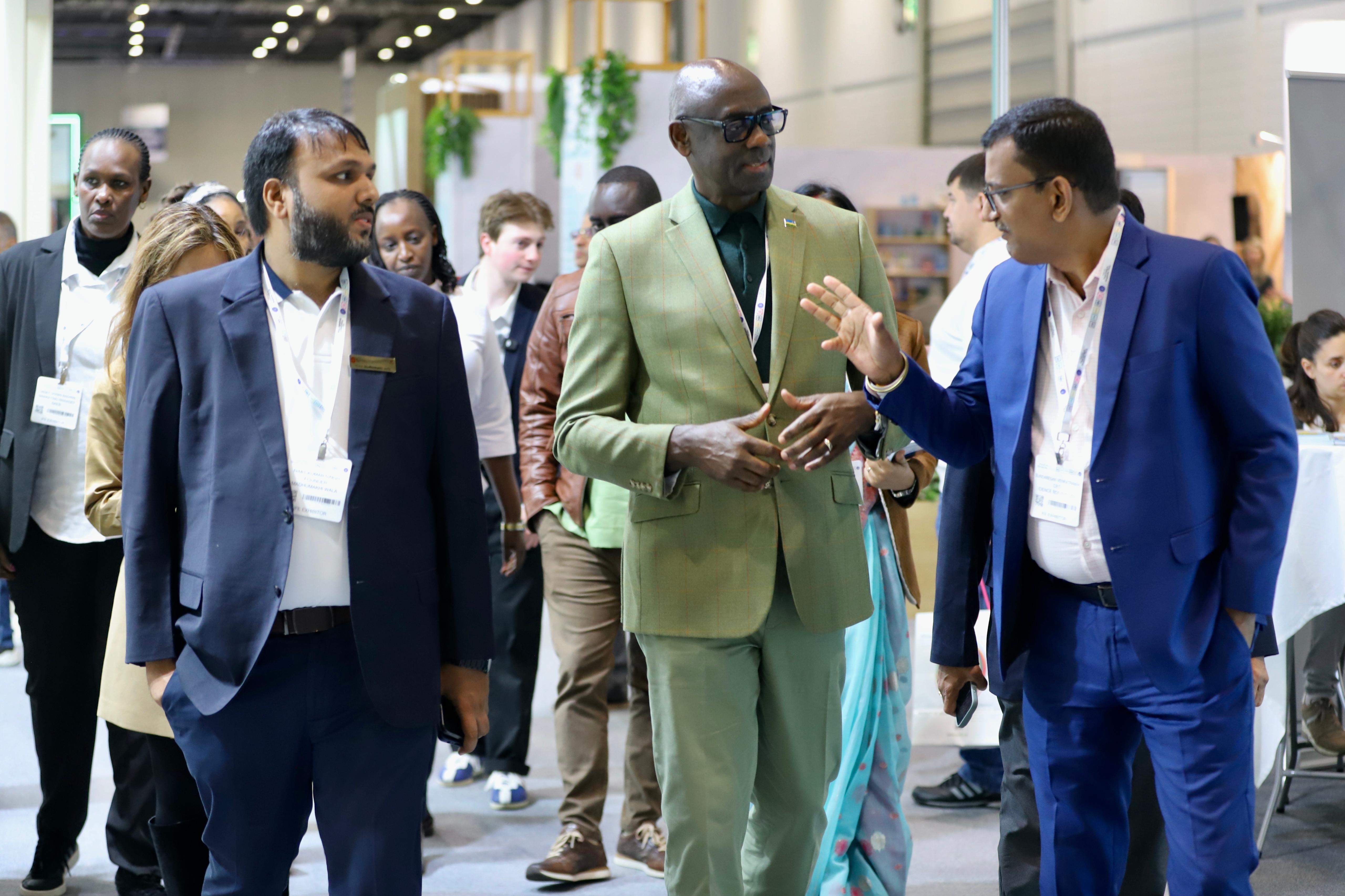
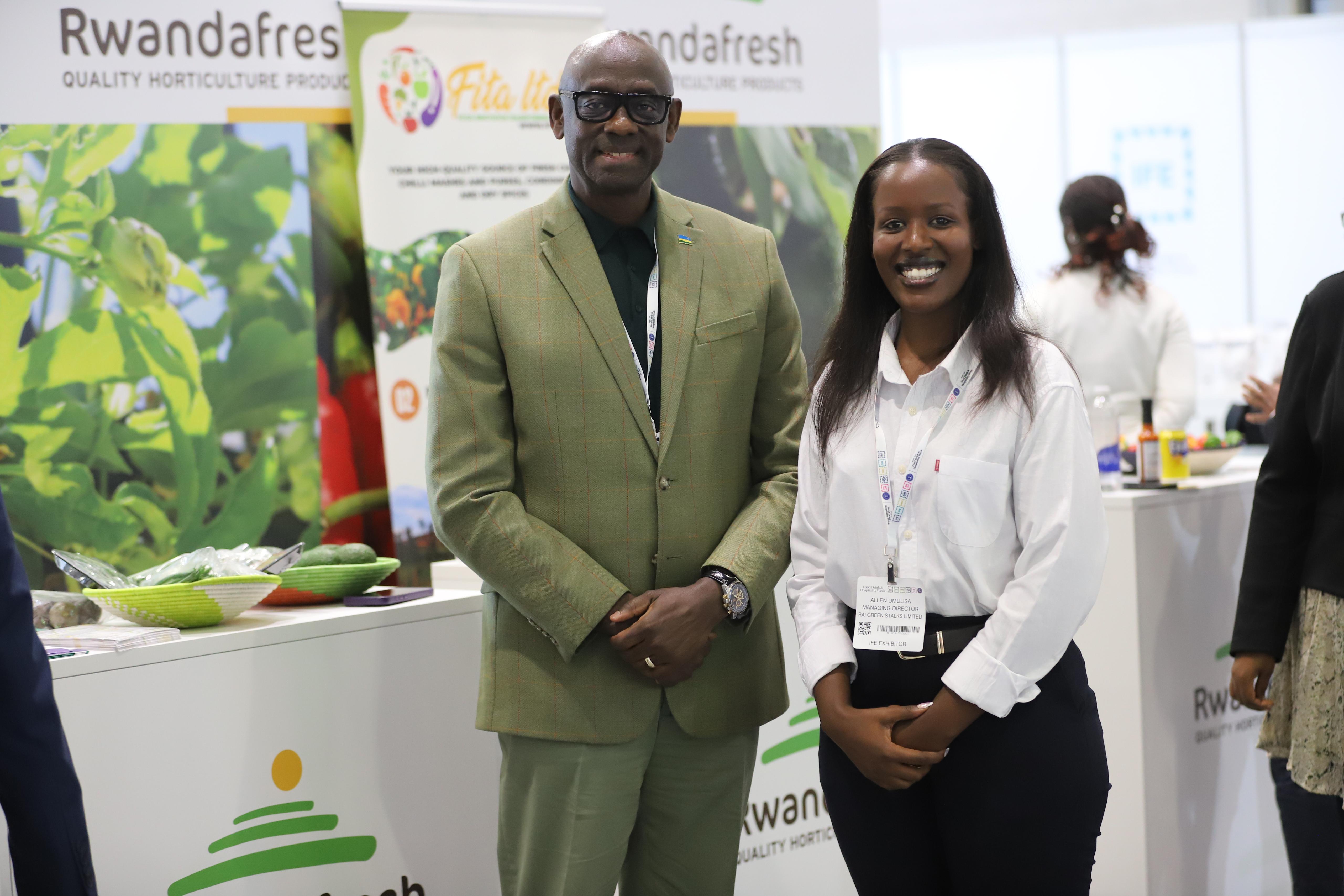
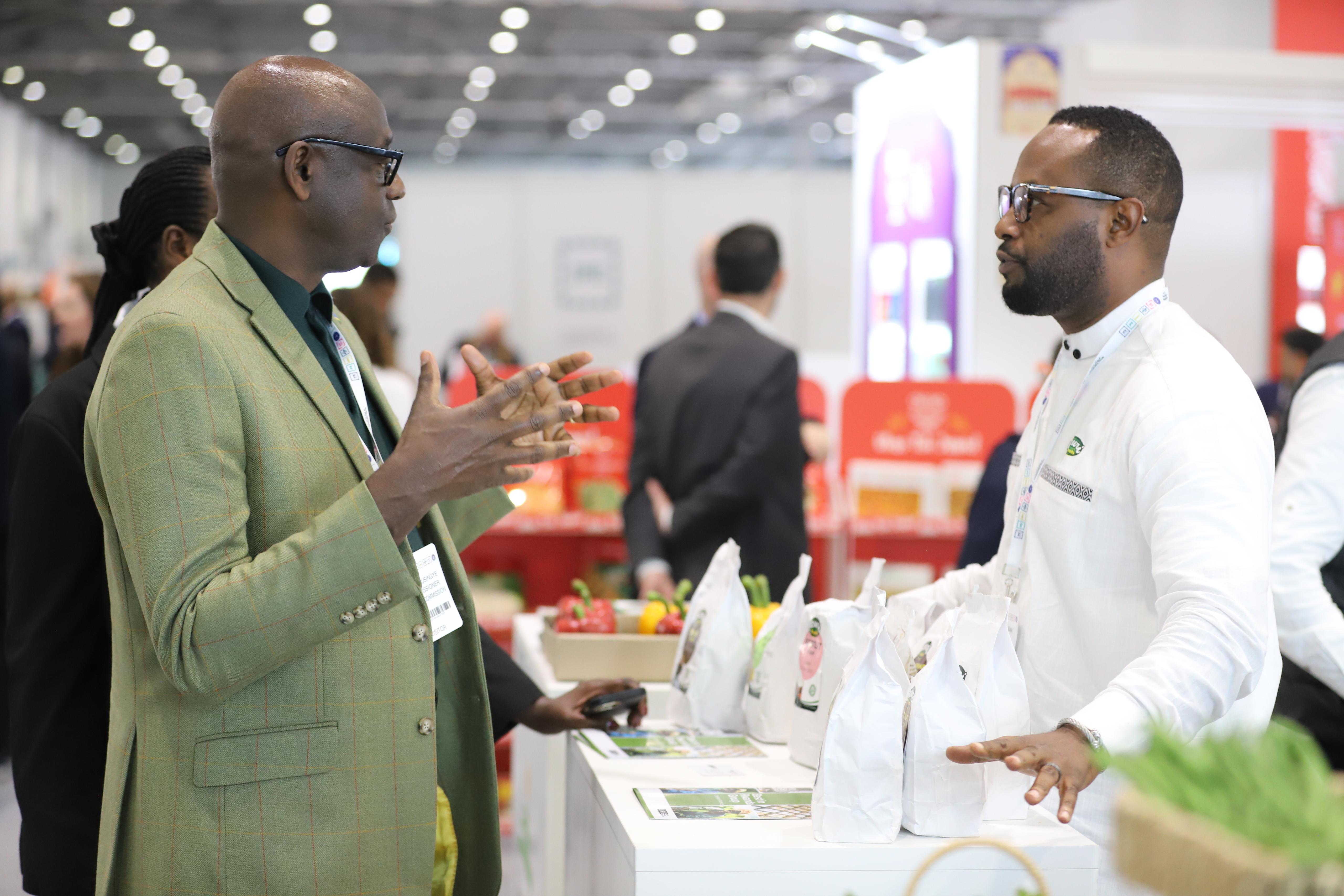
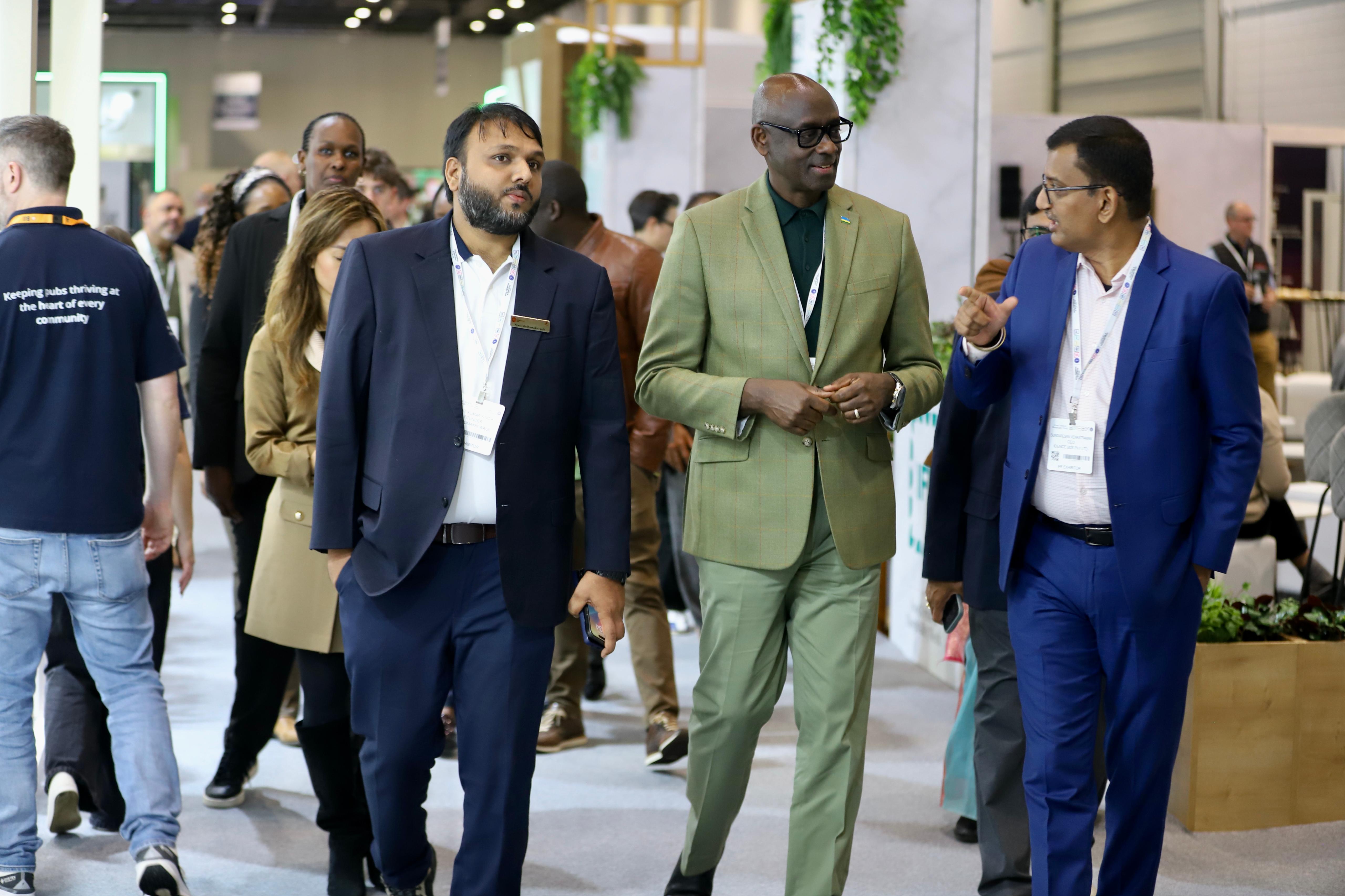
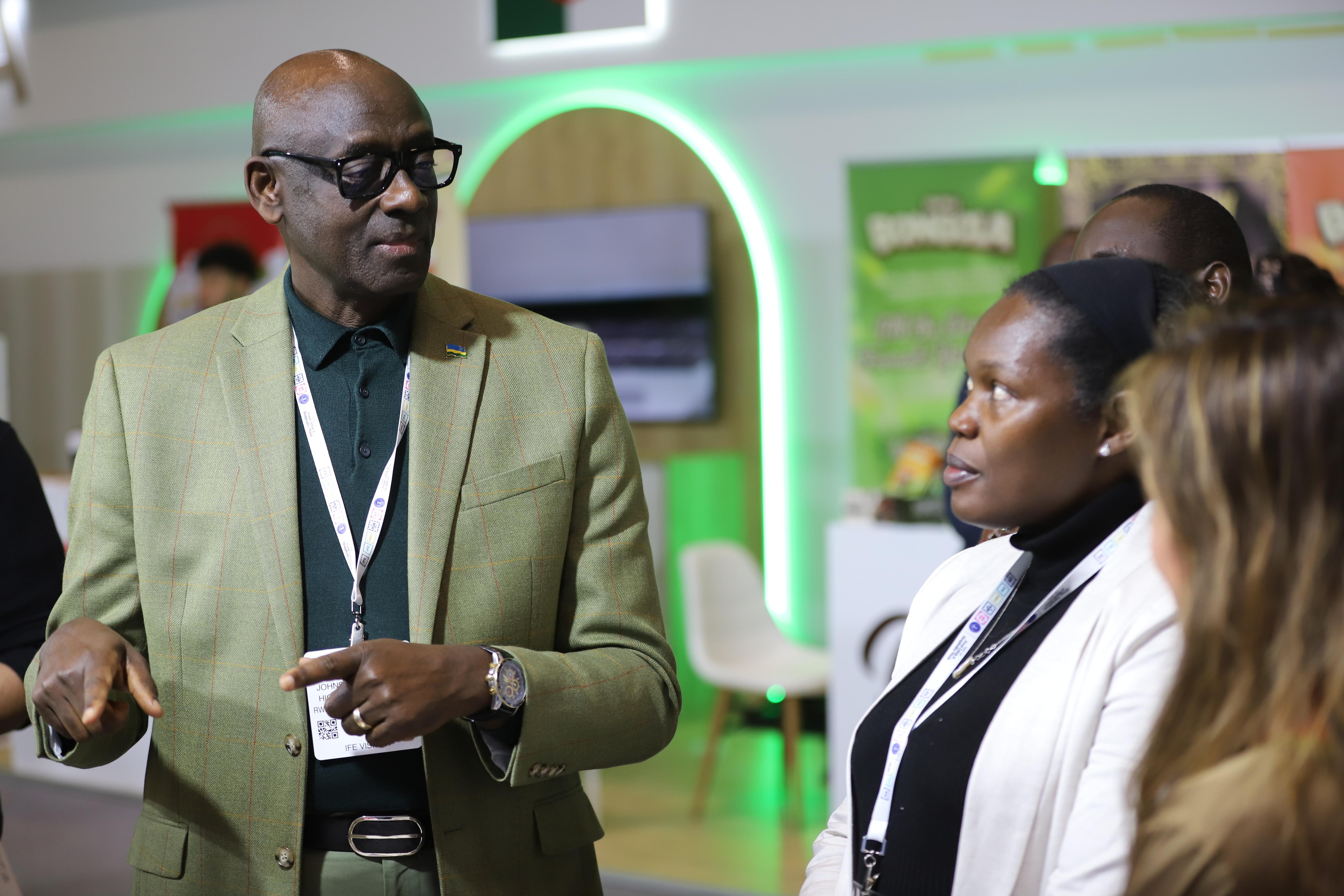
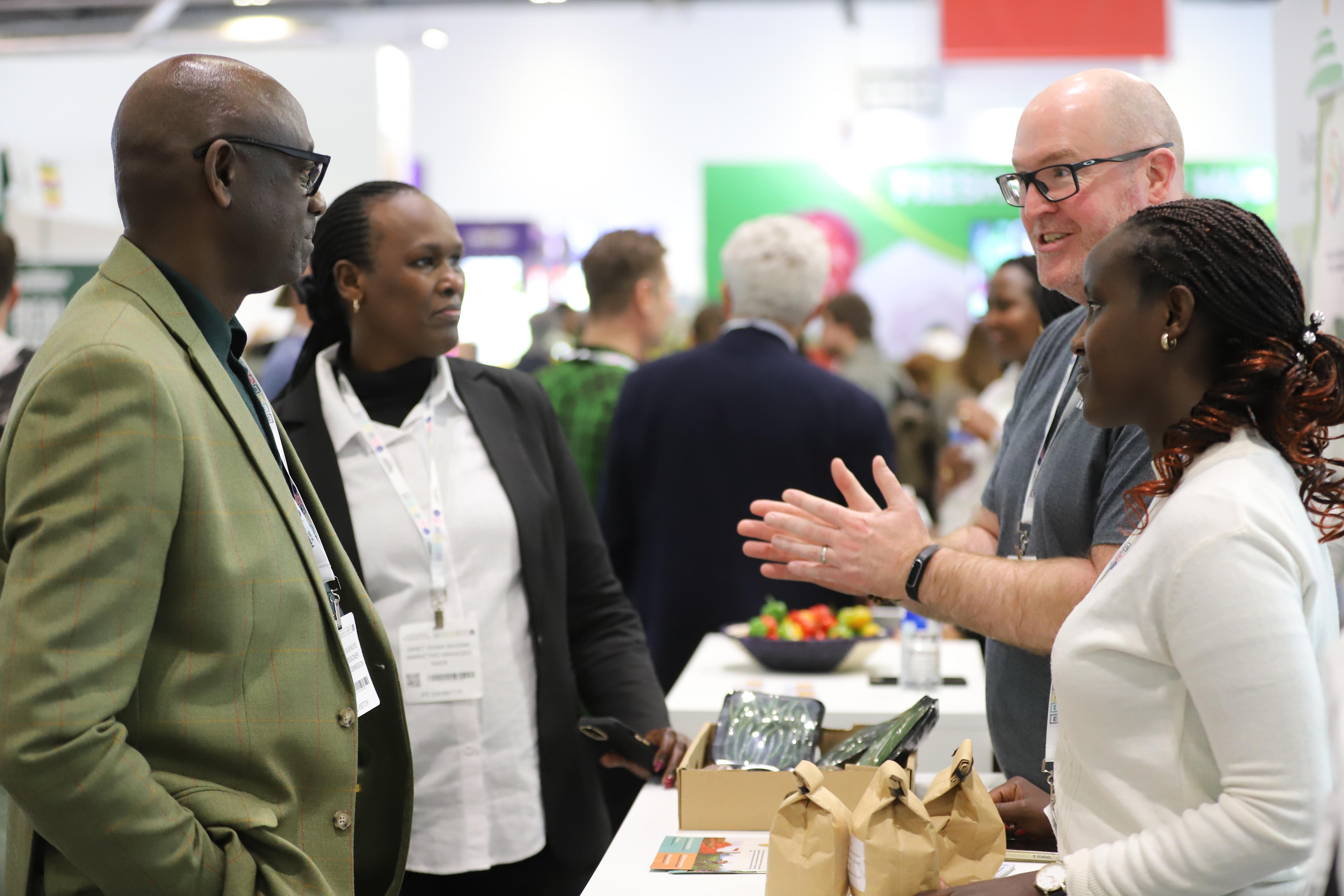
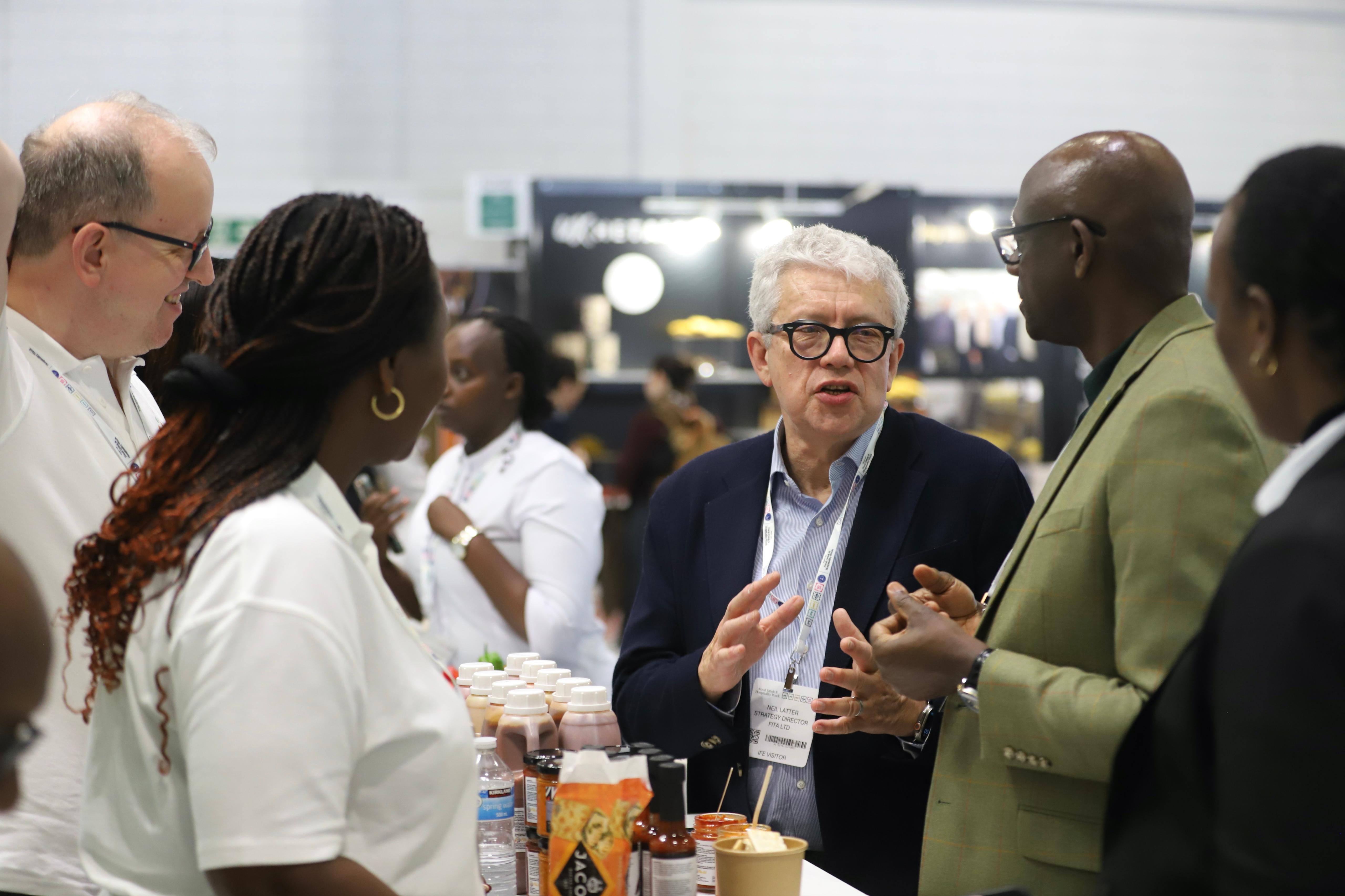
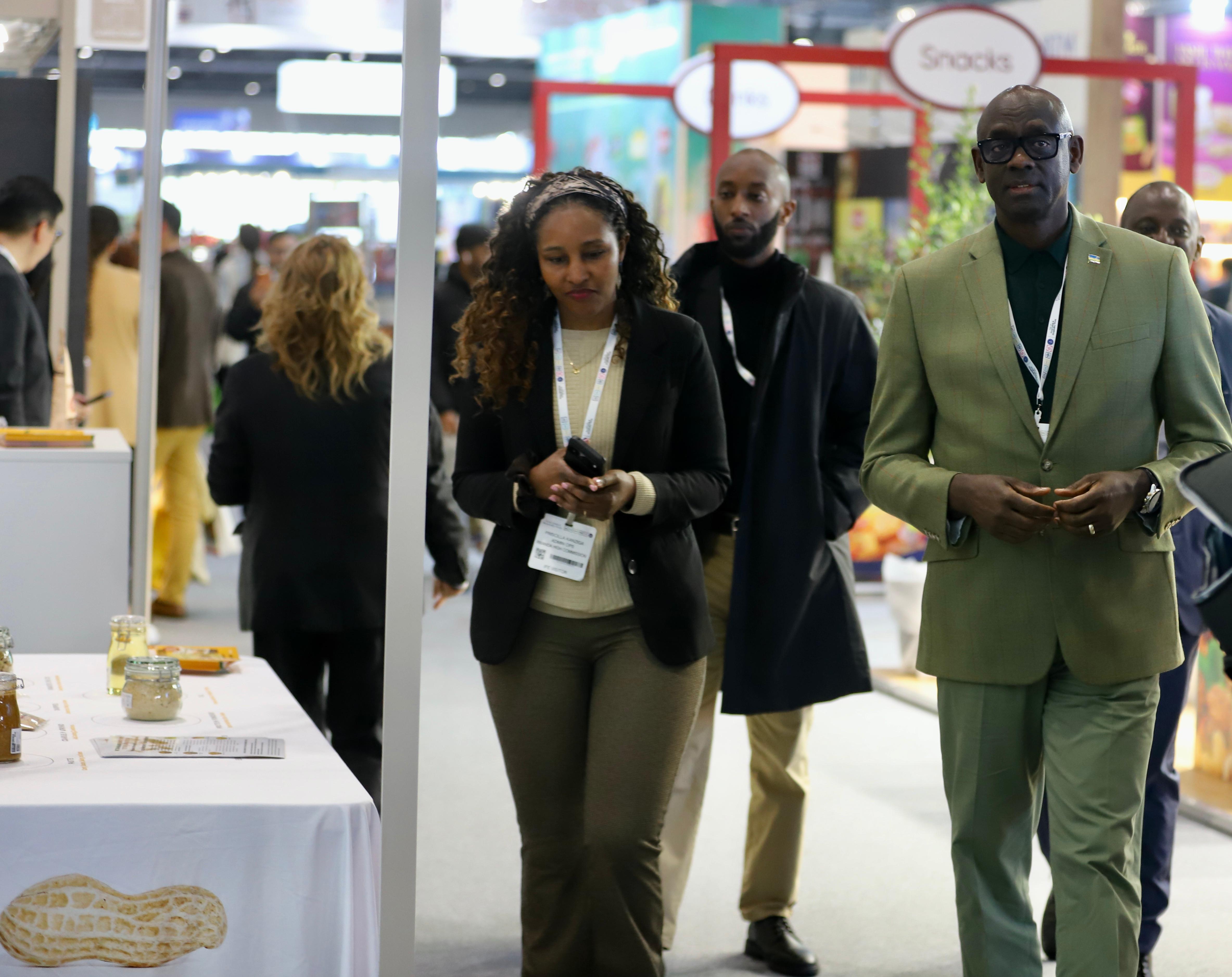
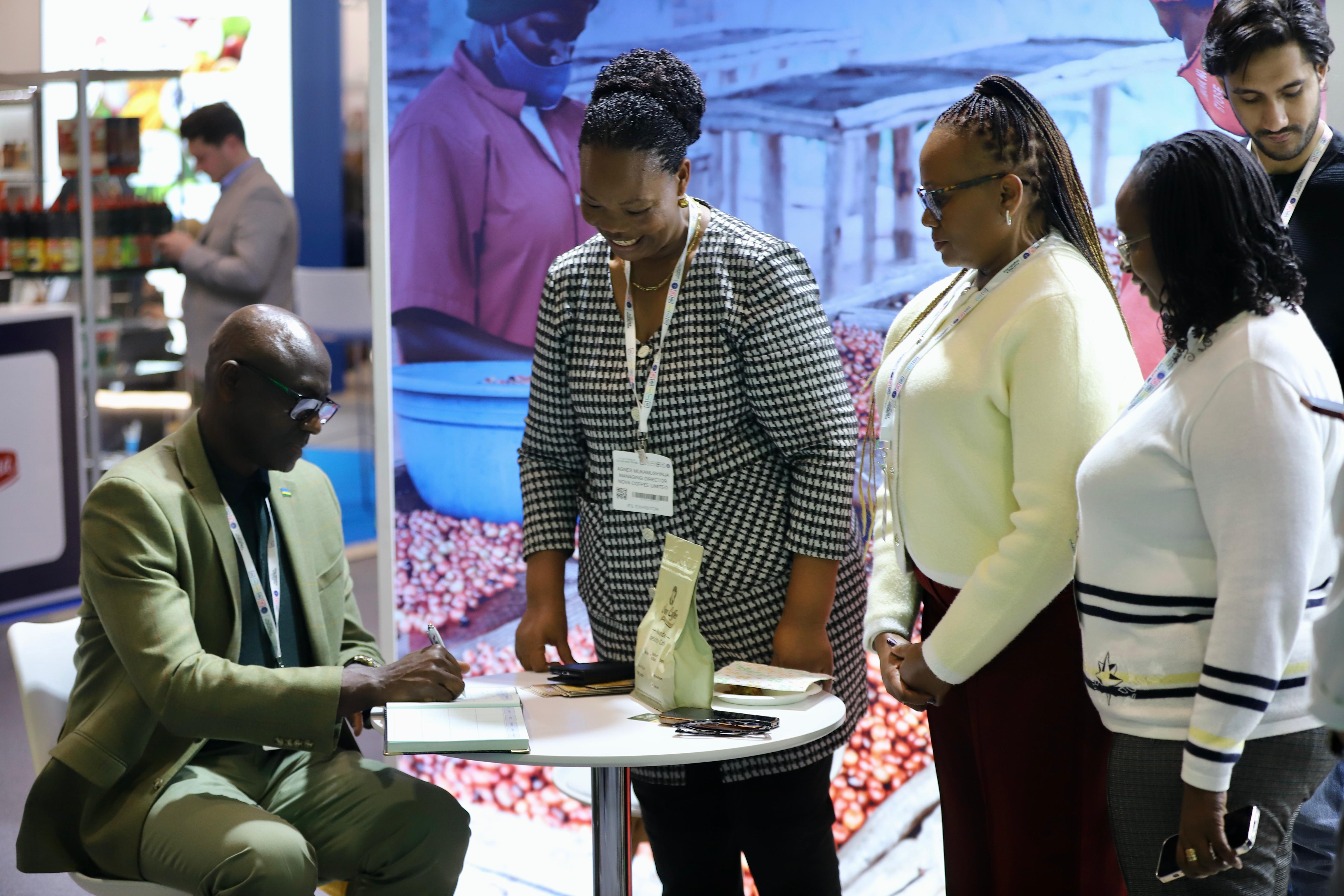
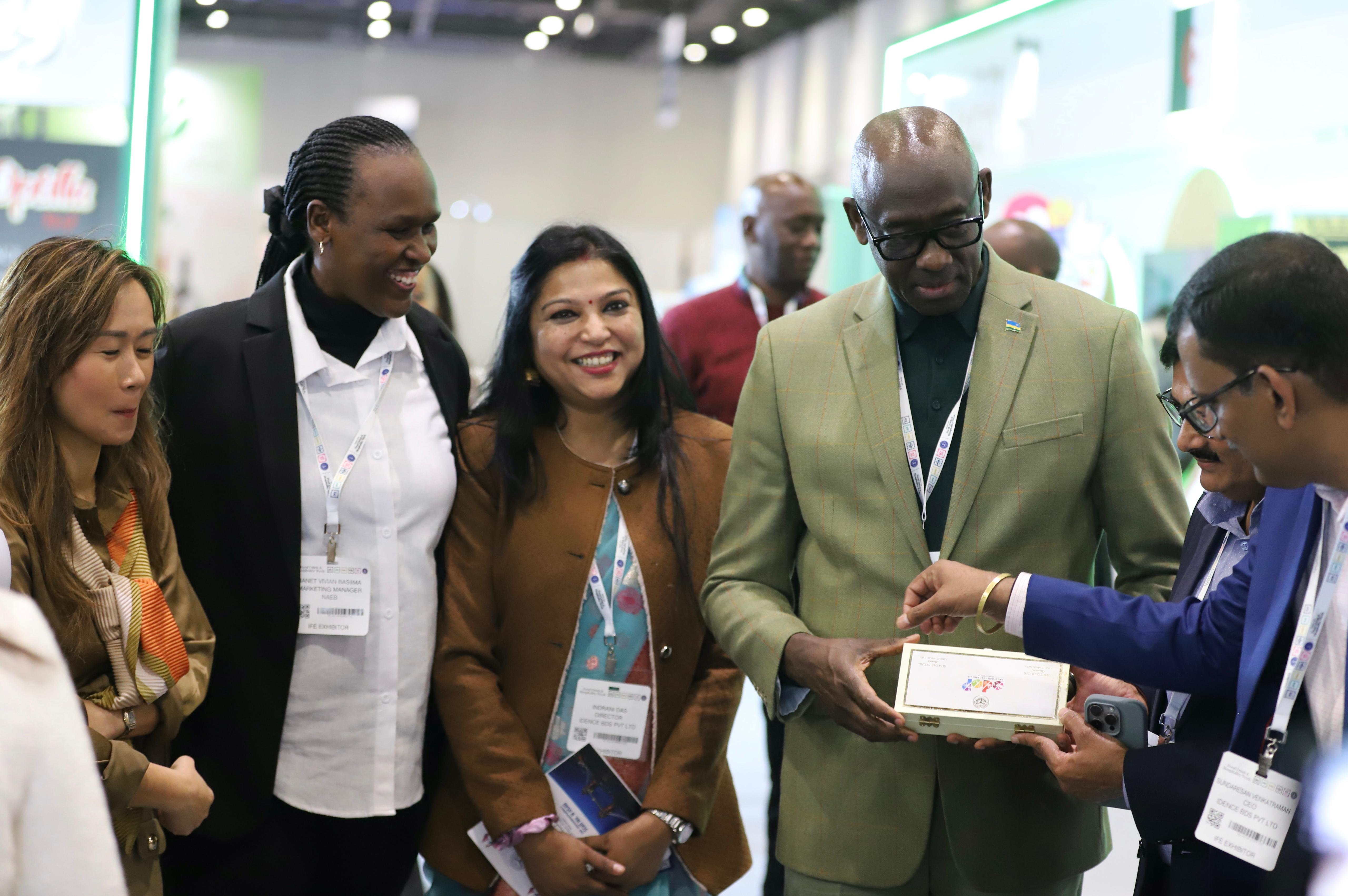
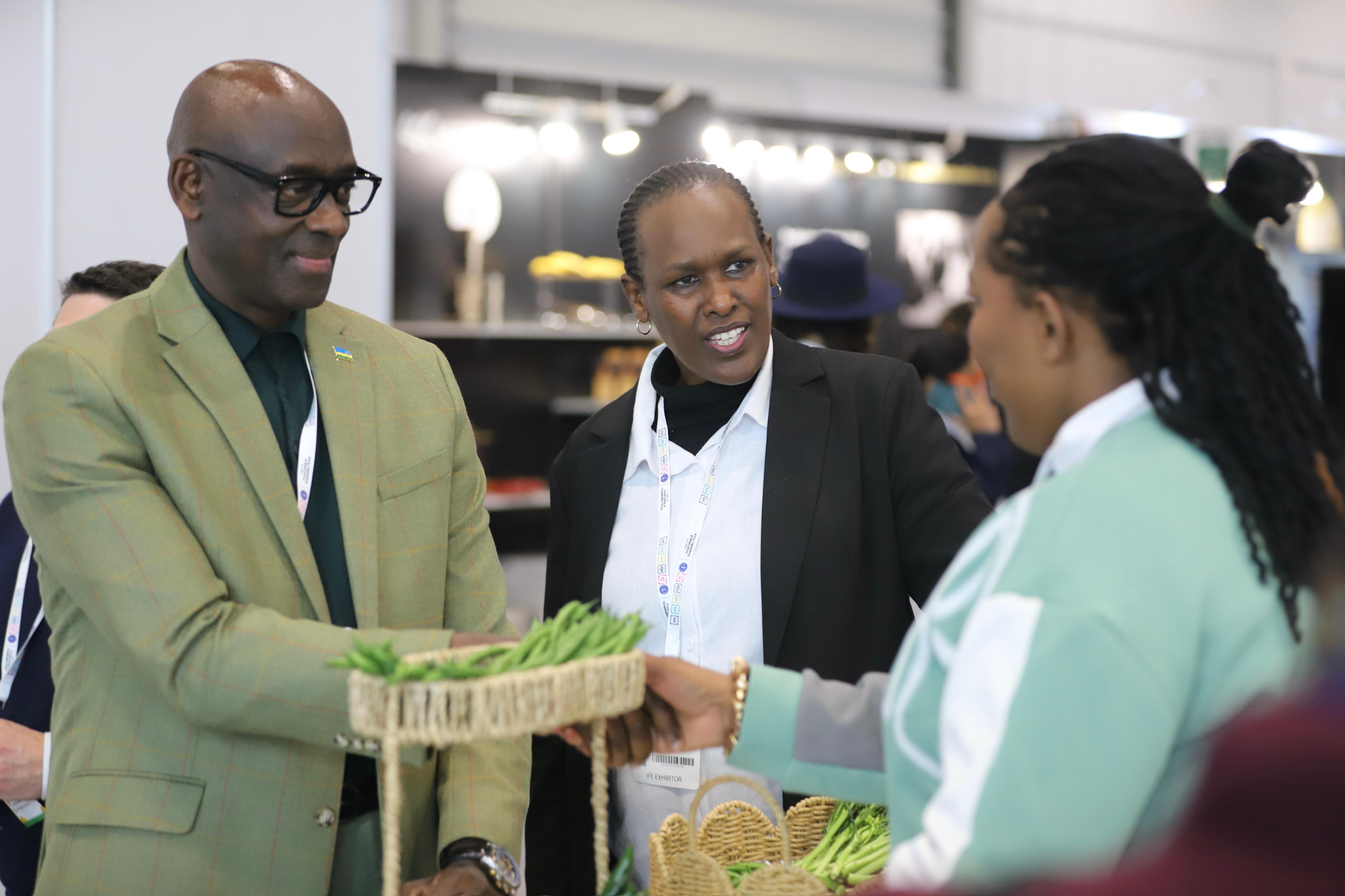
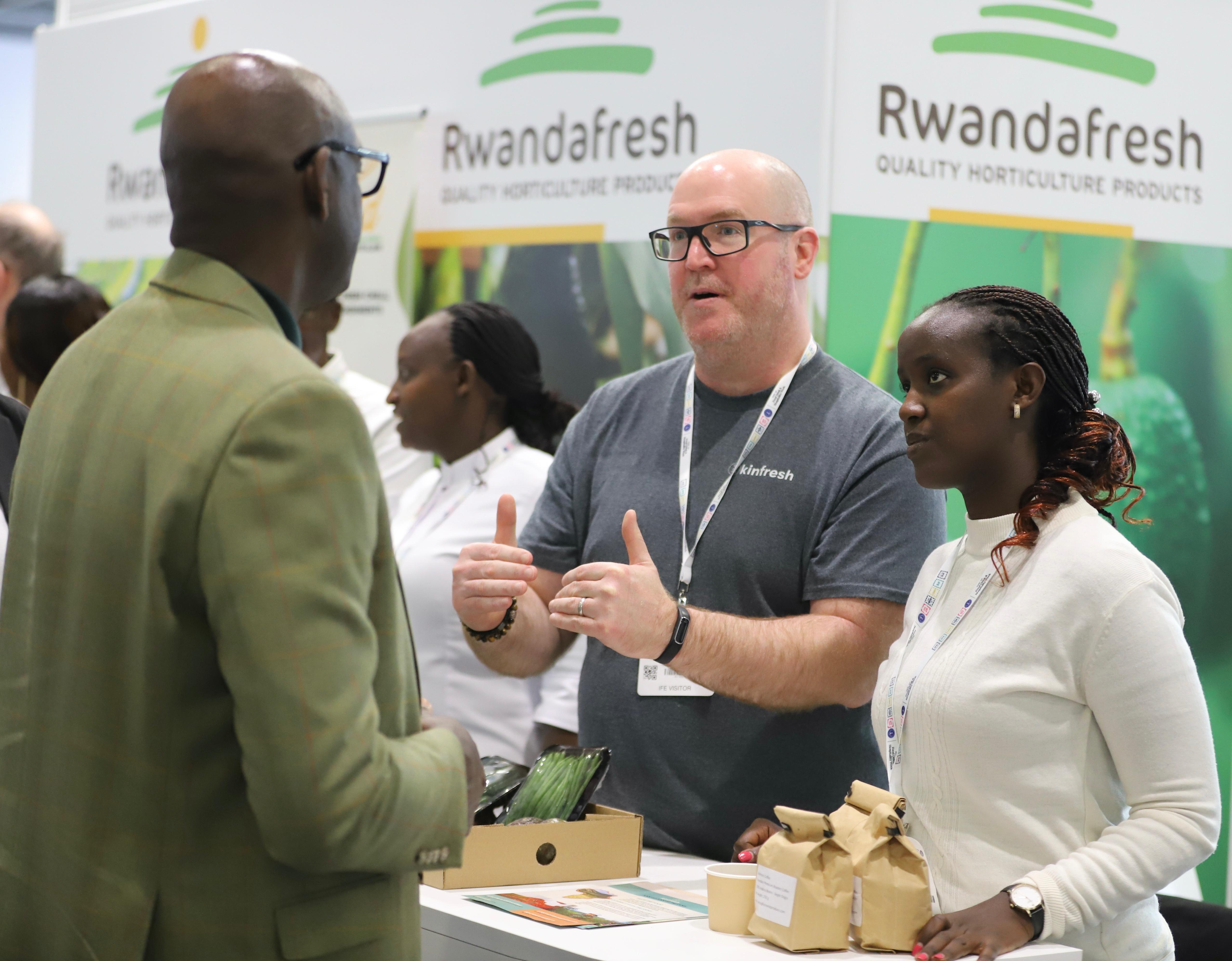
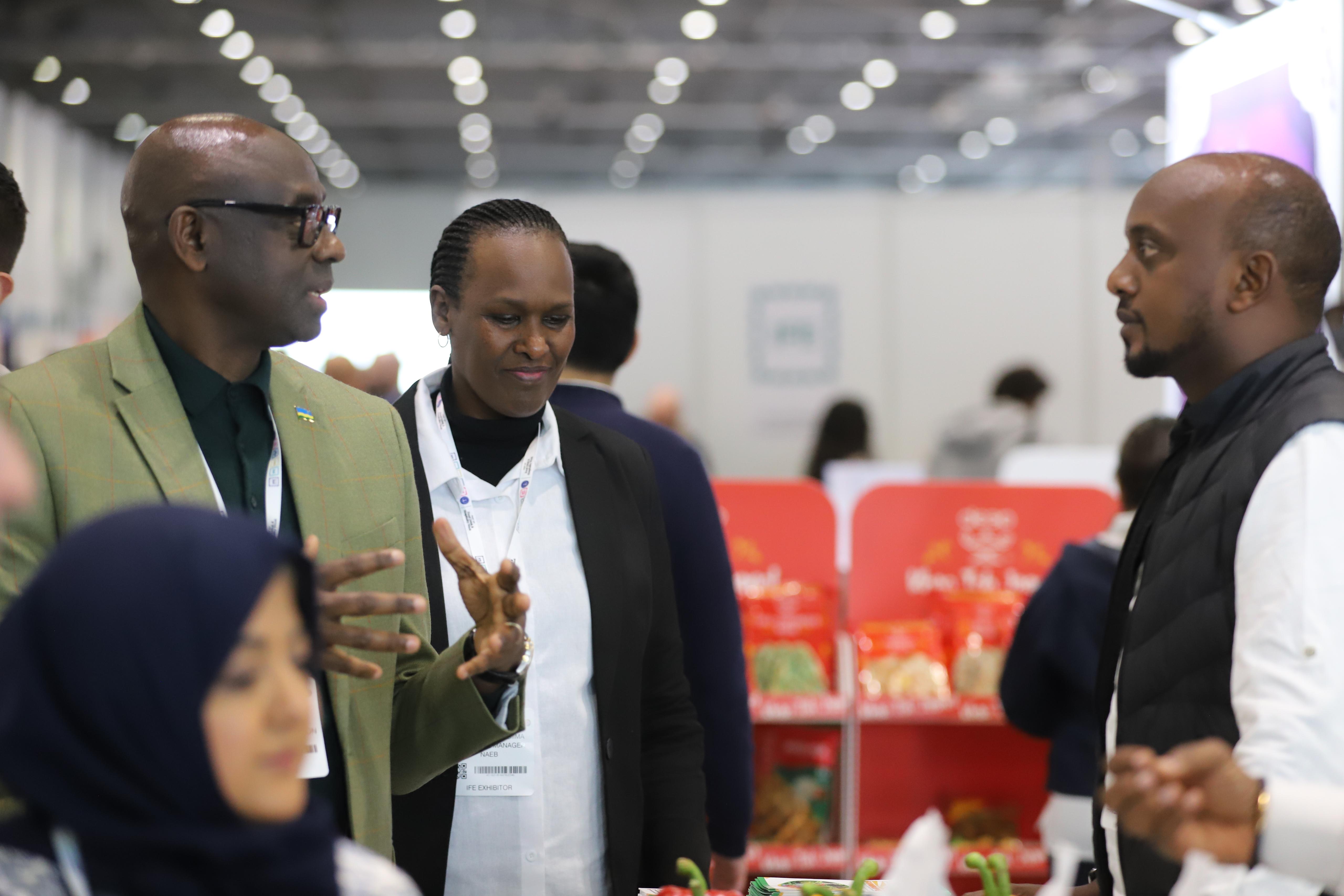
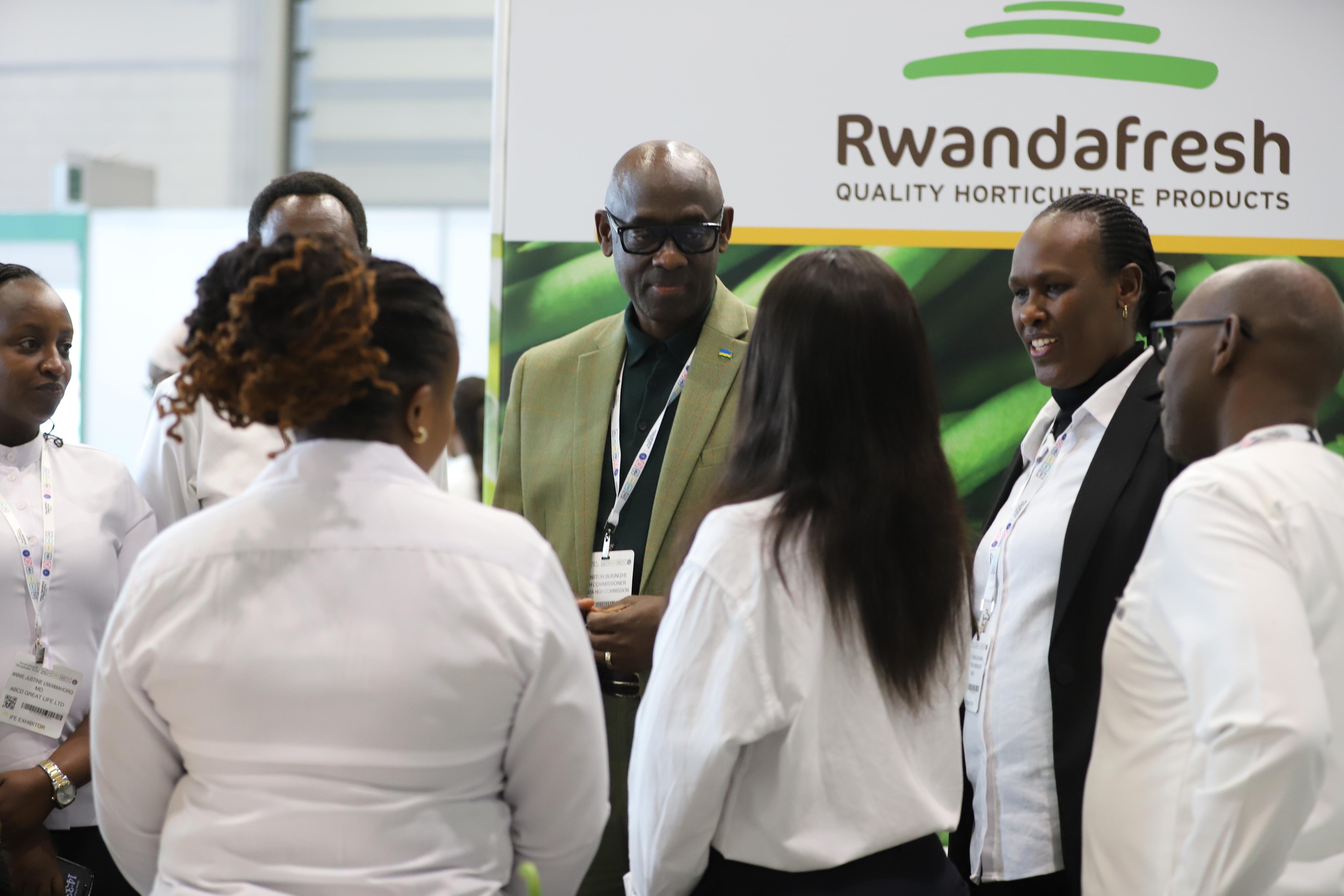
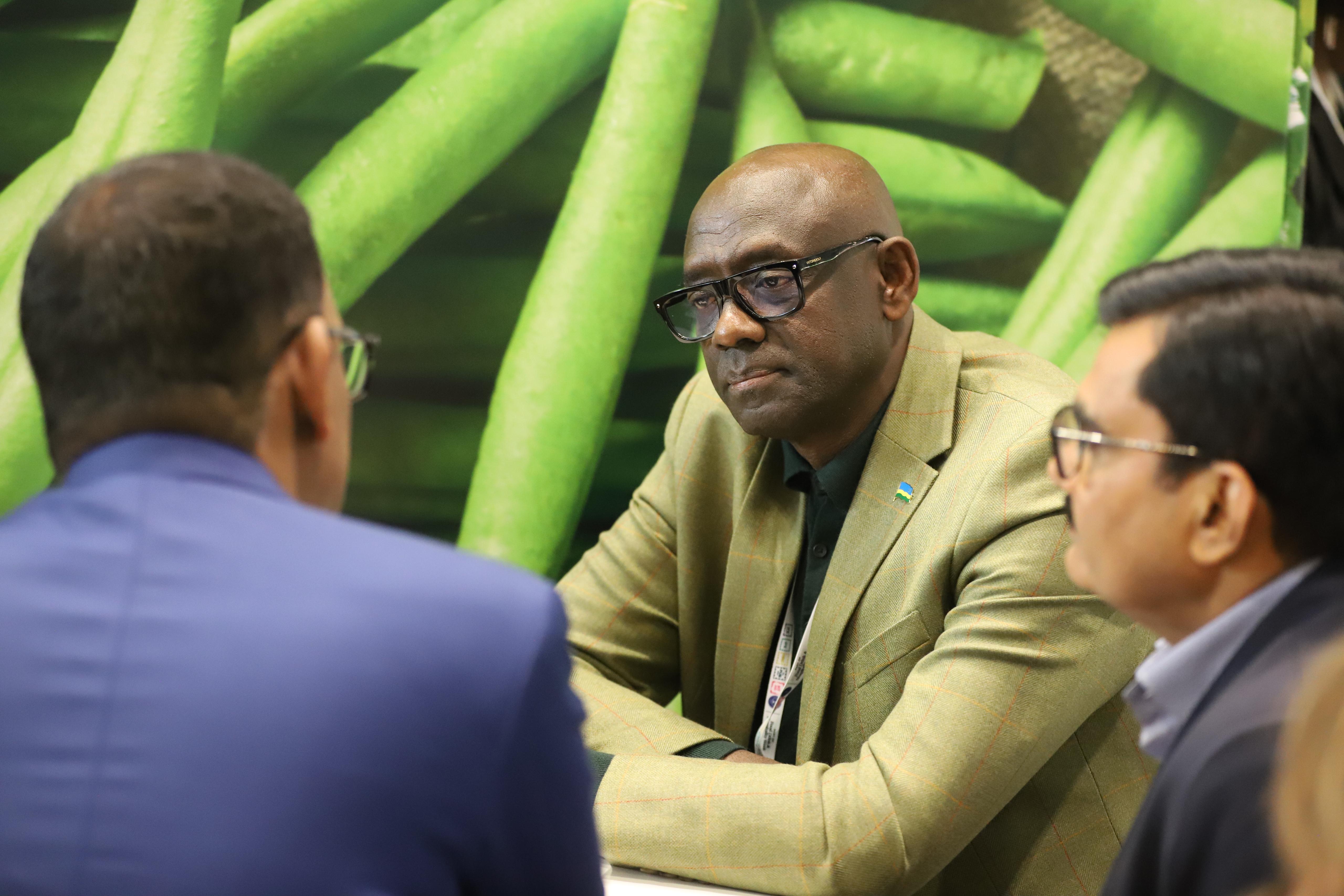
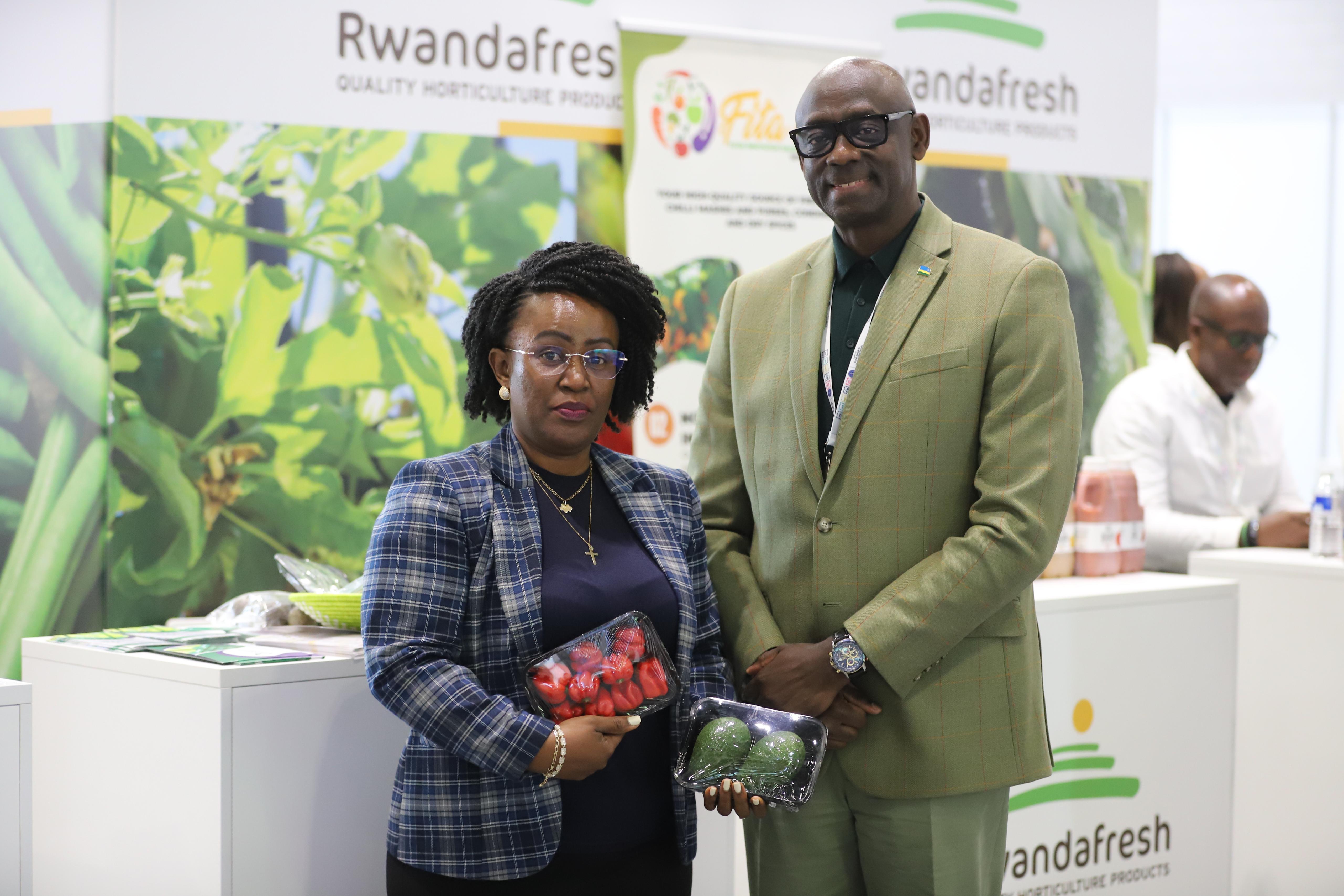
He made these remarks on March 31, 2026, during his visit to Rwandan exhibitors participating in a food and beverage trade fair taking place in the United Kingdom.
This year’s edition of the exhibition, known as the International Food and Drink Event (IFE), ran from March 30 to April 1, 2026 at ExCeL London.
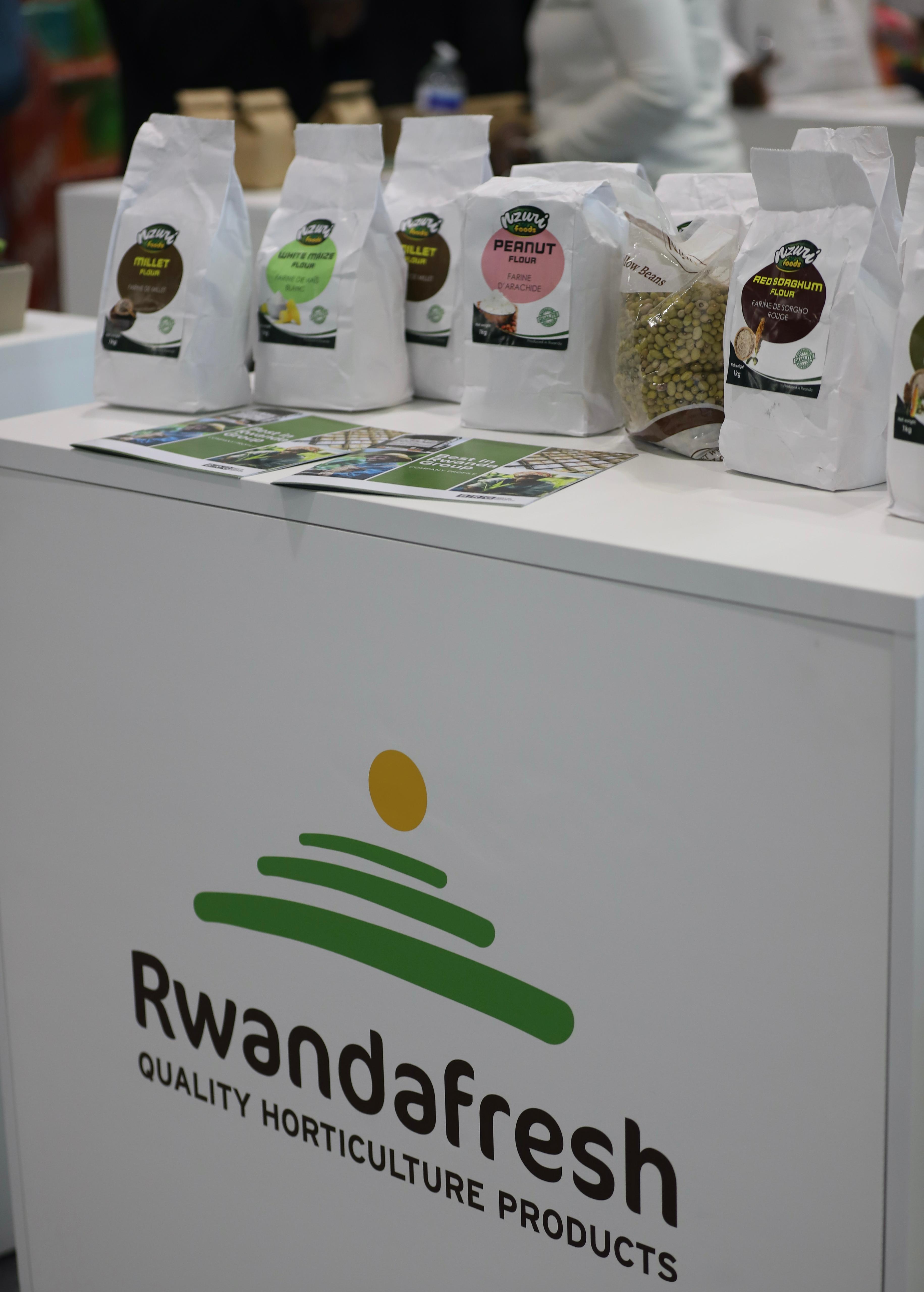
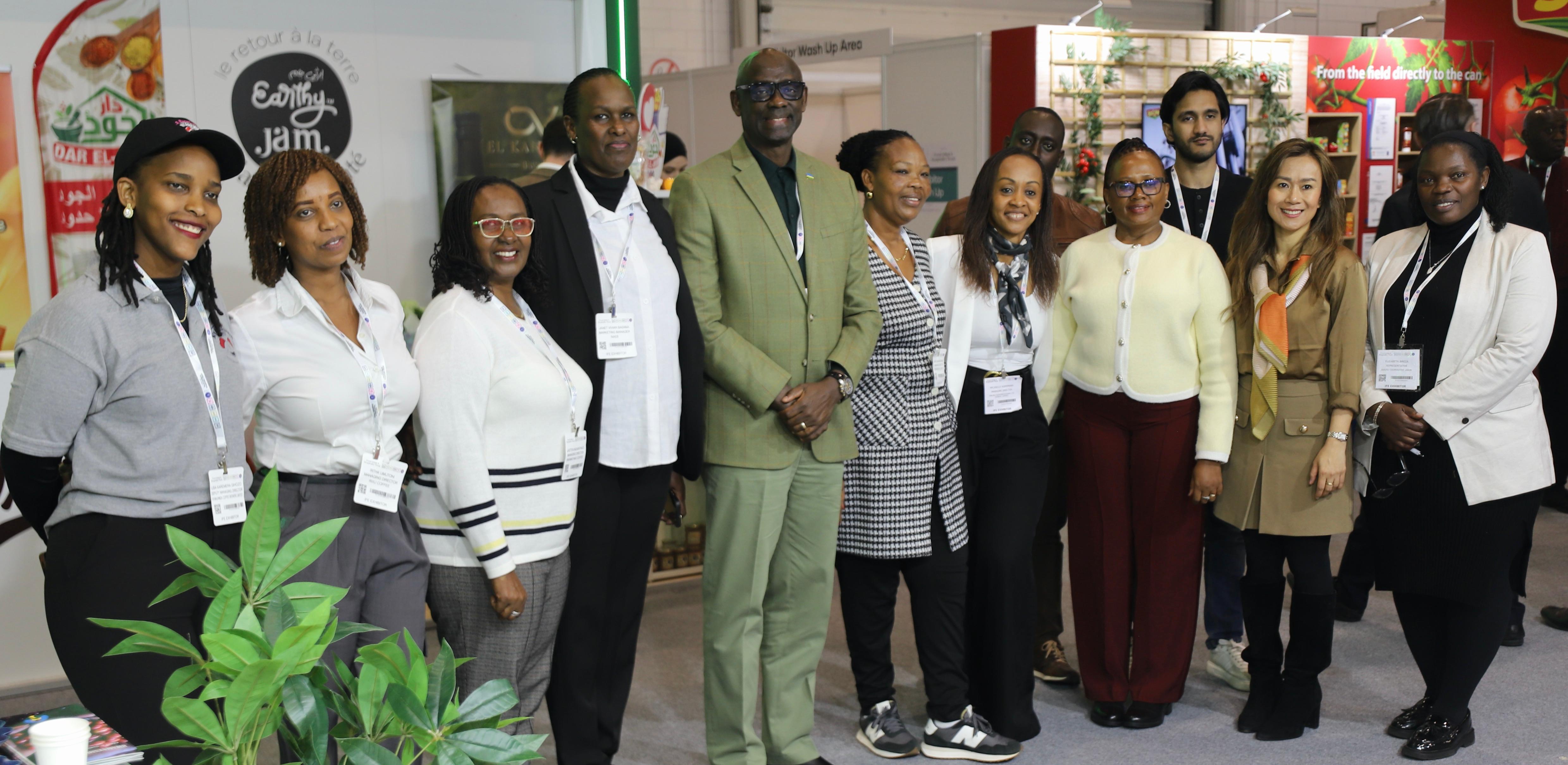
Rwanda is represented by around 20 participants from the agriculture and agro-processing sectors.
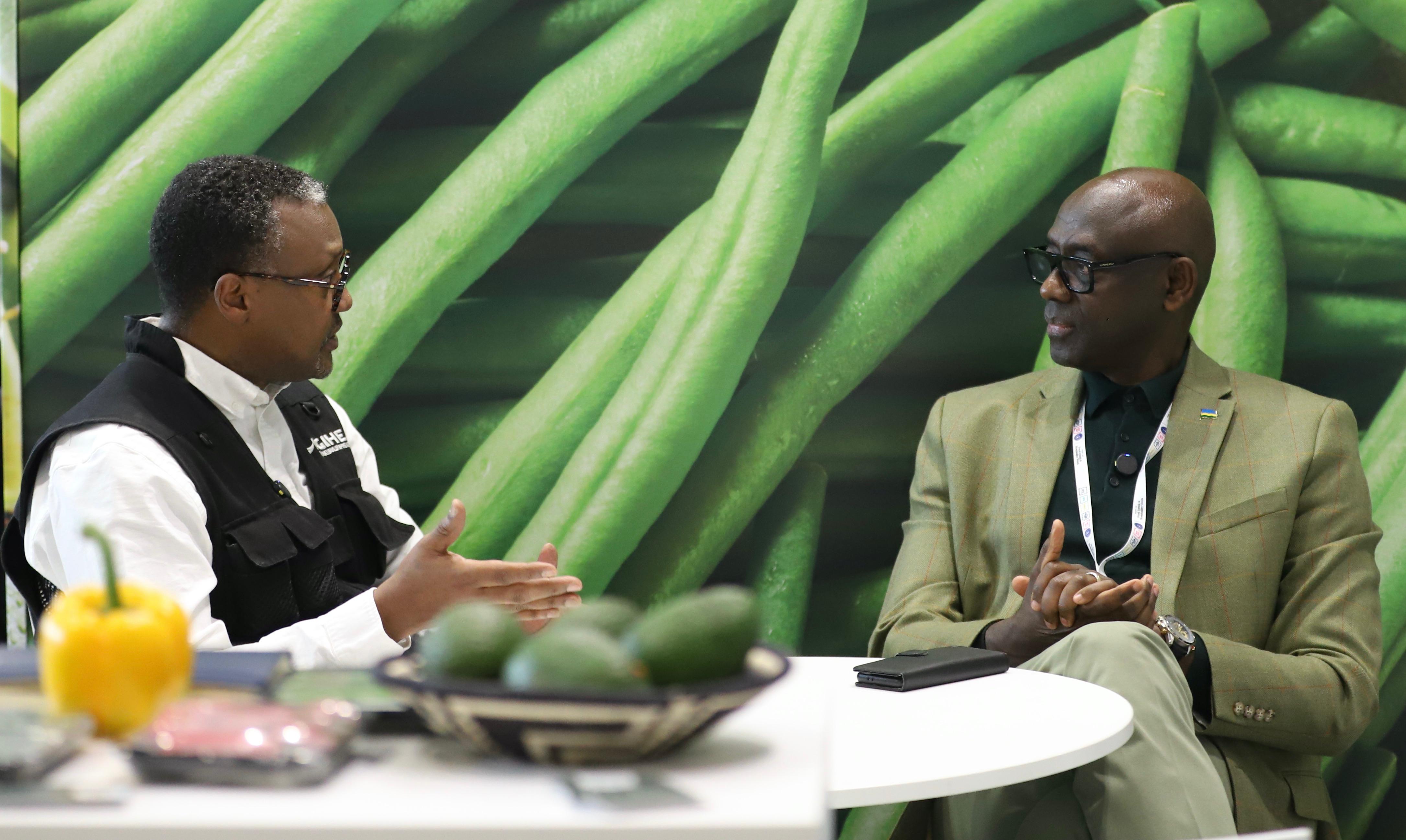
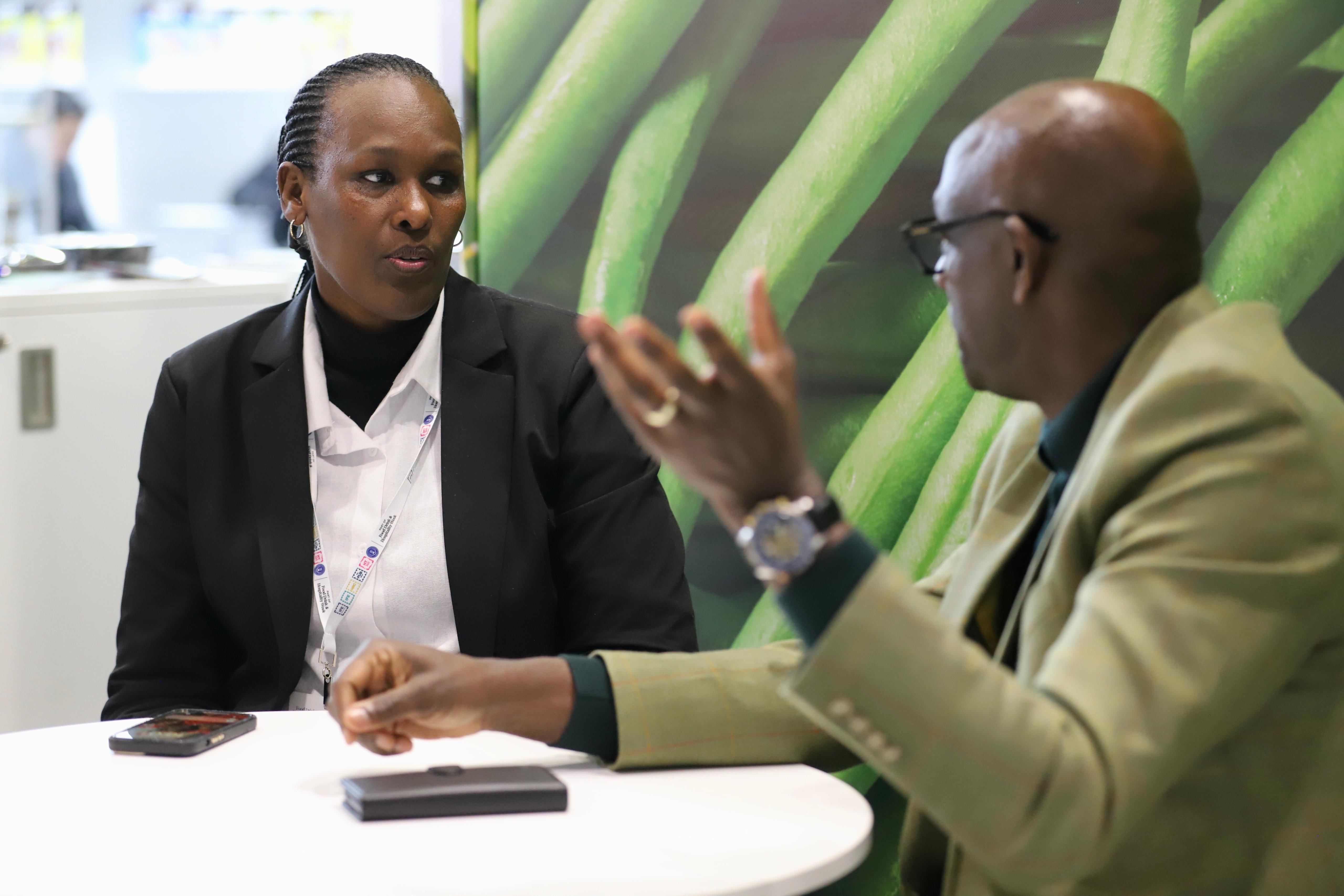
In an interview with IGIHE, Amb. Busingye noted that participation in such exhibitions has helped Rwandans build confidence and gain visibility.
“Since Rwandans started participating, there are clear achievements. The first is confidence, coming to showcase the food and beverage products made in Rwanda.
“This is very significant because historically we were not present in these markets. Today, especially young people, have stepped up and are actively engaged with strong expertise,” he said.
He added that the exhibition has also highlighted the strong demand for Rwandan products in the UK, which is difficult to meet.
“The second is the market. Everyone I visited told me the same thing: demand here exceeds supply. This is a country that relies heavily on imported food. Everywhere I went, whether in food, beverages, or coffee, what they showed me is that there is a market they cannot satisfy,” he explained.
Amb. Busingye also pointed out that the UK offers a favorable environment for international trade, making it easier for Rwandan products to access the market.
He emphasized the importance for Rwandan producers to improve packaging and preservation to maintain product quality and appeal.
“What Rwandans need to learn is how to add value to their agricultural products, preserve them properly, and package them well so they can withstand transport, whether by air or sea, and remain attractive on shelves. Packaging is as important as the product itself, sometimes even more important,” he stressed.
UK as an alternative
The Ambassador also addressed the challenges exporters are facing due to the ongoing conflict in the Middle East.
This situation has significantly affected Rwandans who export fruits and vegetables to the United Arab Emirates and other countries in the region.
According to him, the UK can serve as a viable alternative while the situation remains unresolved.
“You can see that trade routes to the Middle East are currently disrupted, but here there is a very quick solution. Some have even told me they are ready to buy immediately if products are available.
“Among those here, some were already exporting to the Middle East. If we coordinate our efforts, the UK market can provide a short-term solution, because demand for food and agricultural products here cannot be fully met,” he said.
Amb. Busingye also noted, as per information from NAEB, discussions are ongoing to encourage Rwandan exporters to explore this market while awaiting stability in the Middle East.
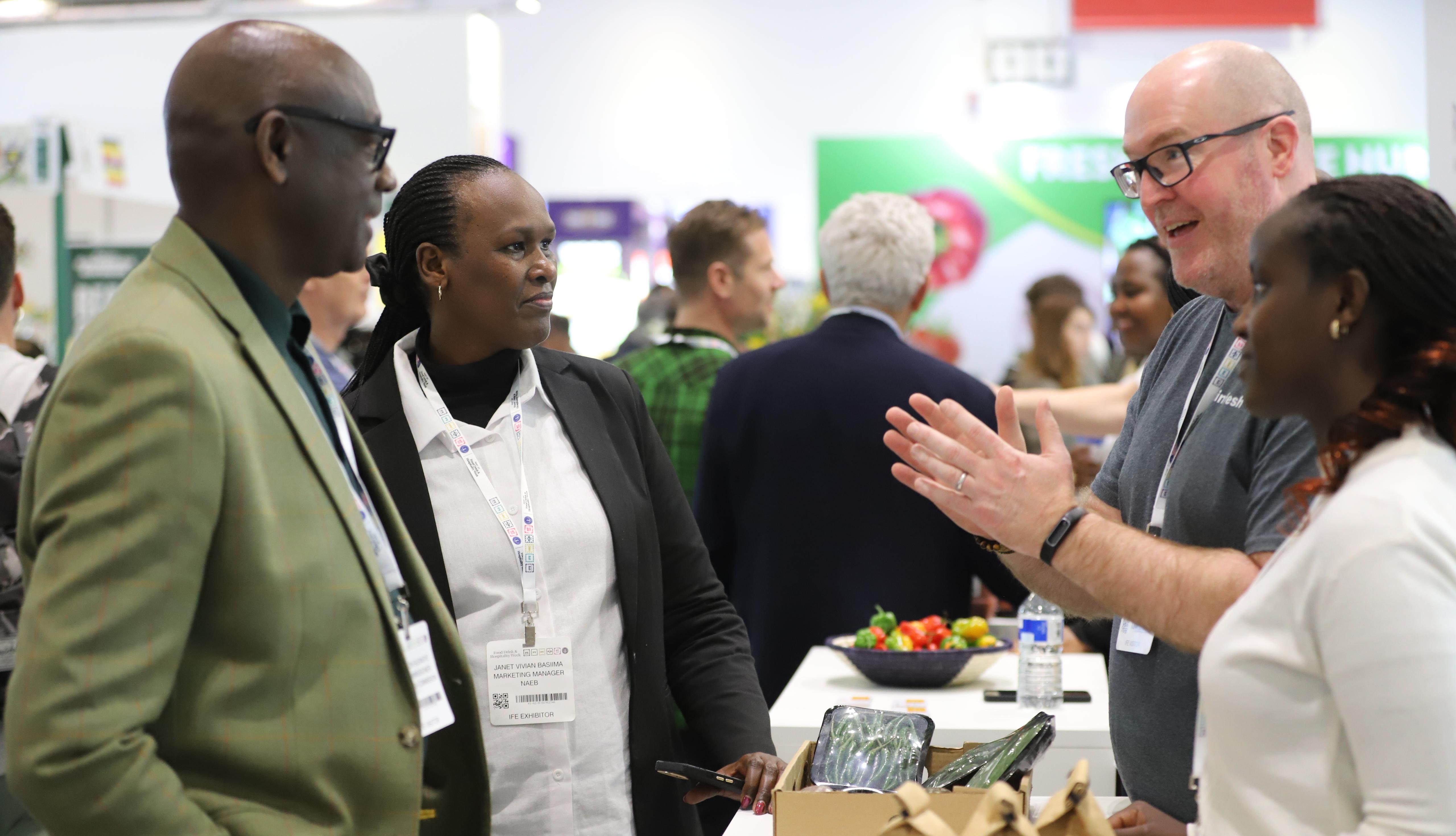
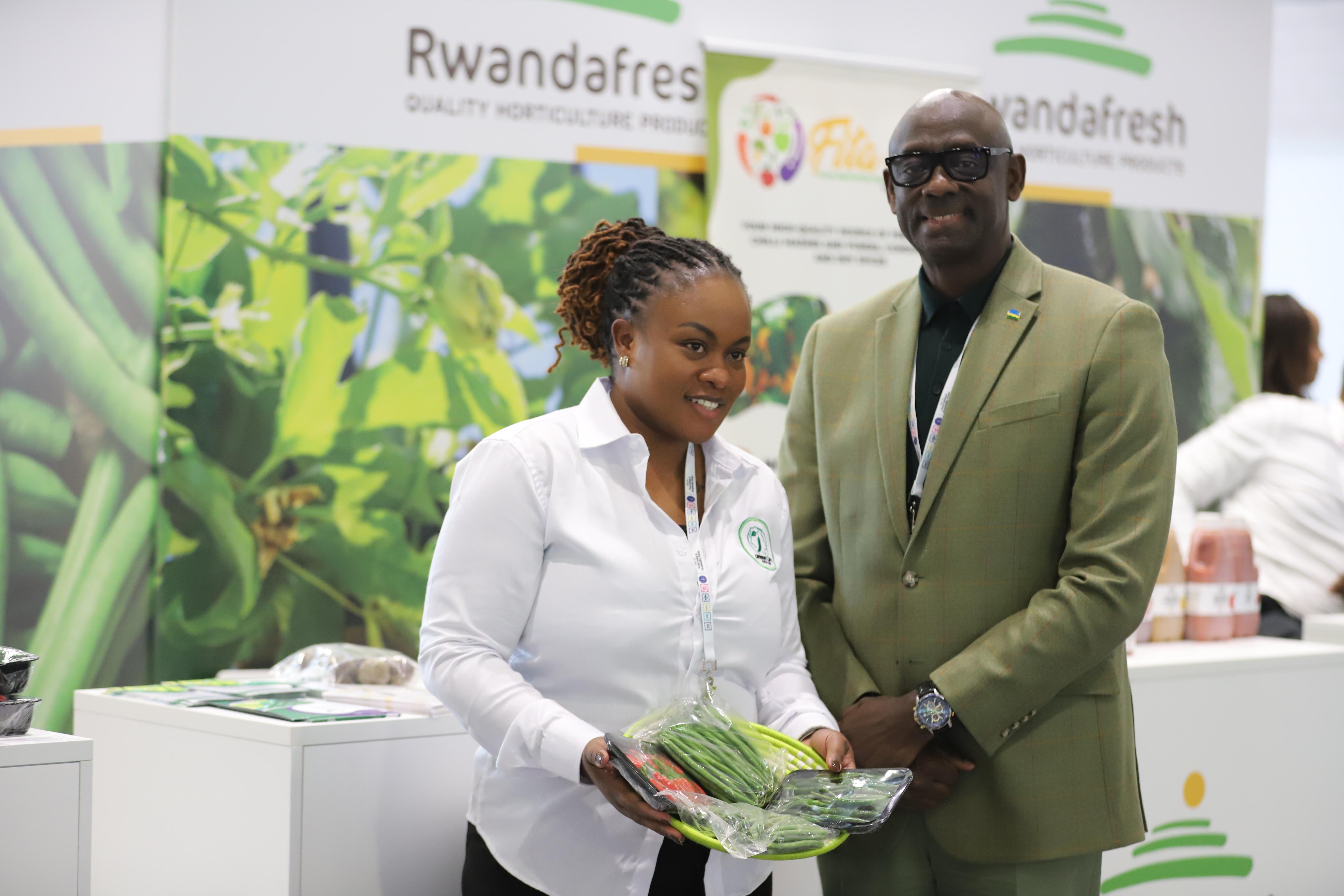
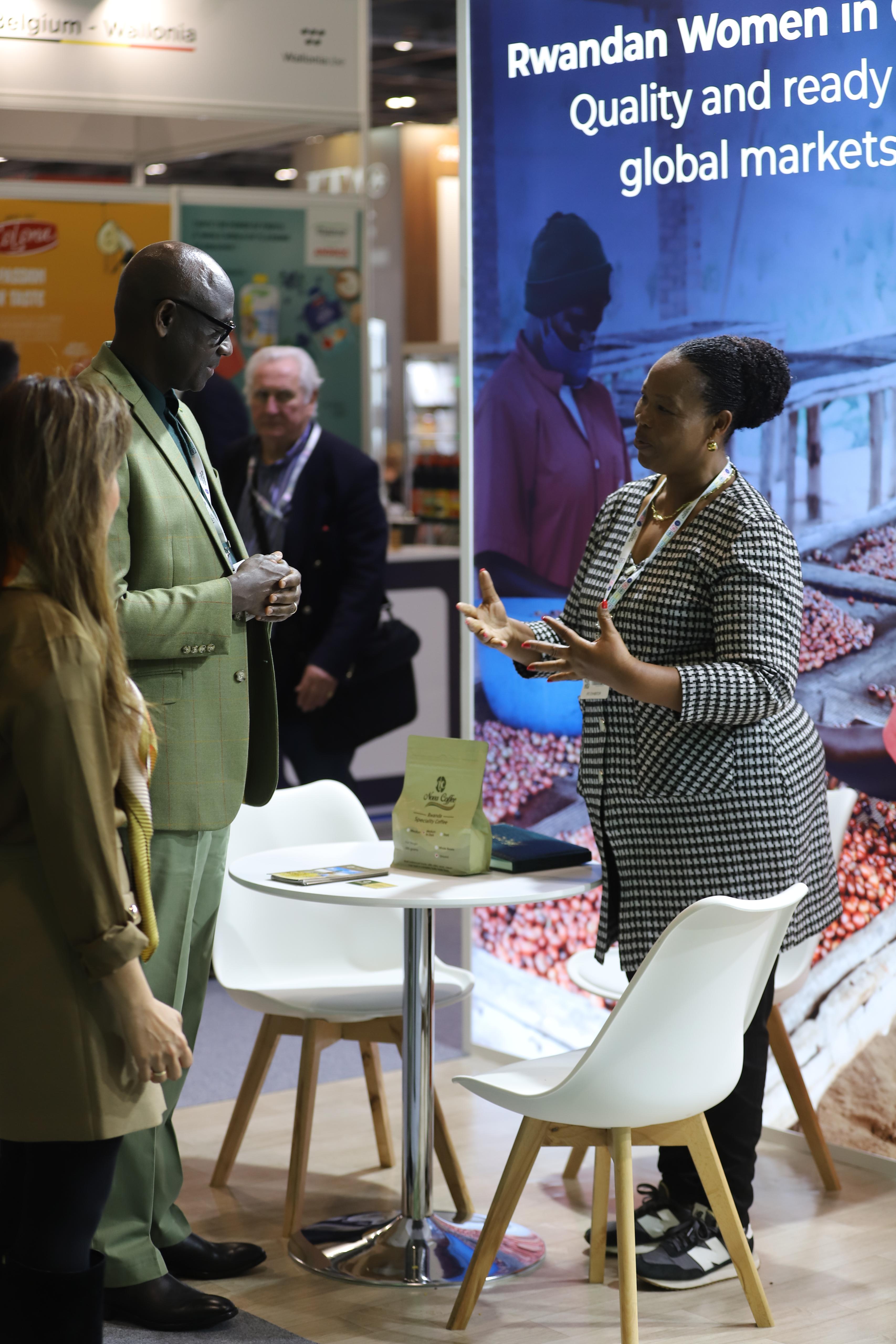
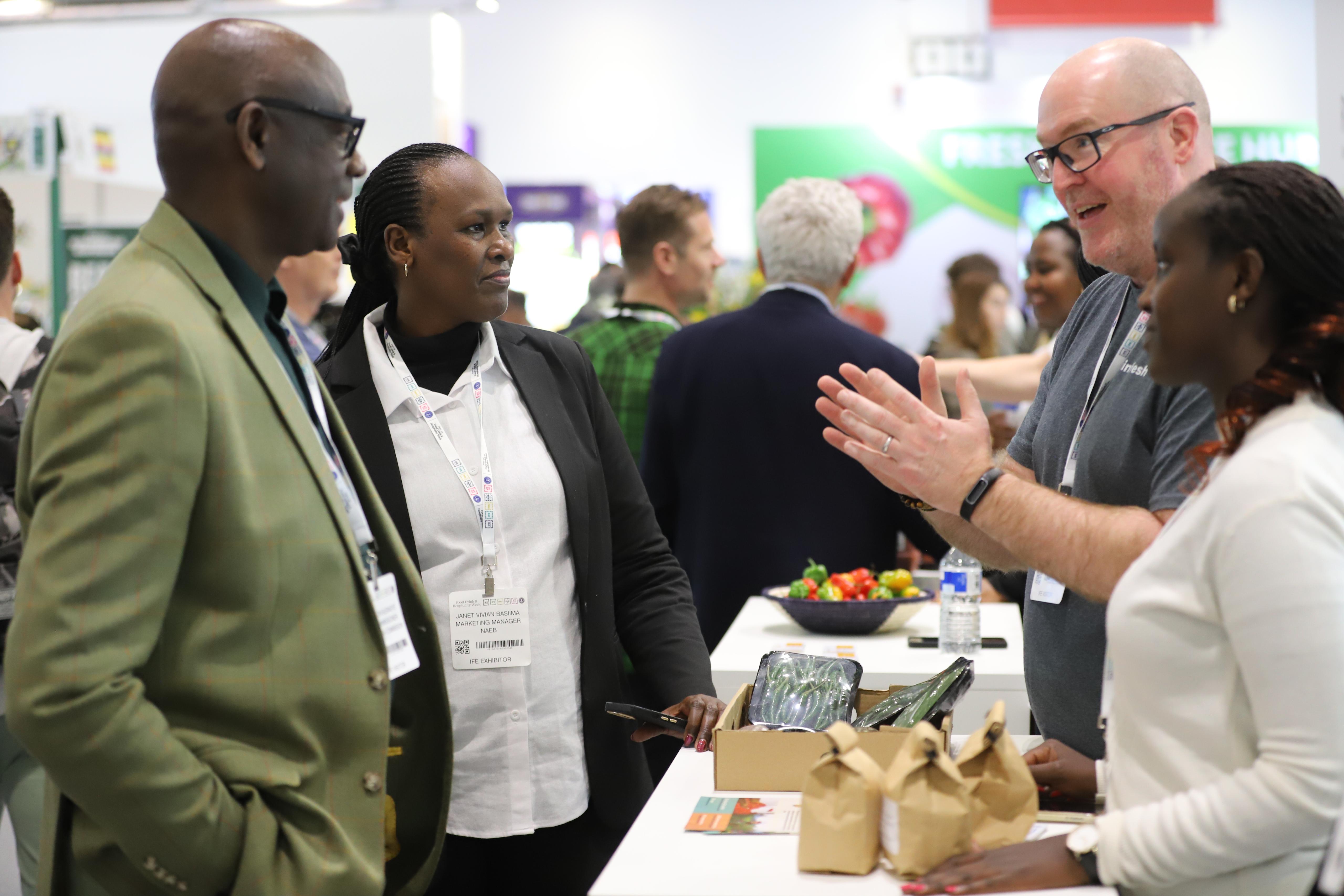
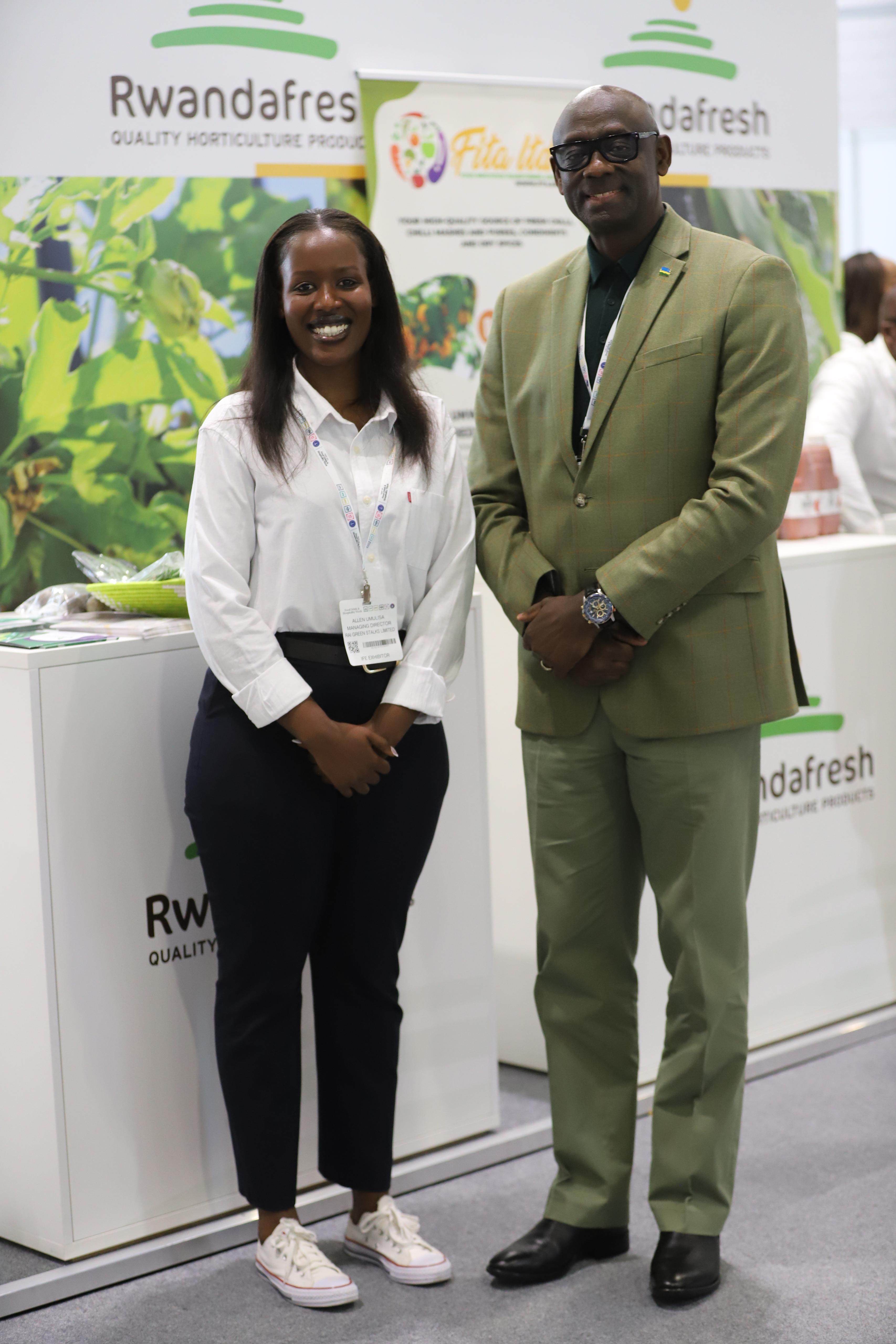
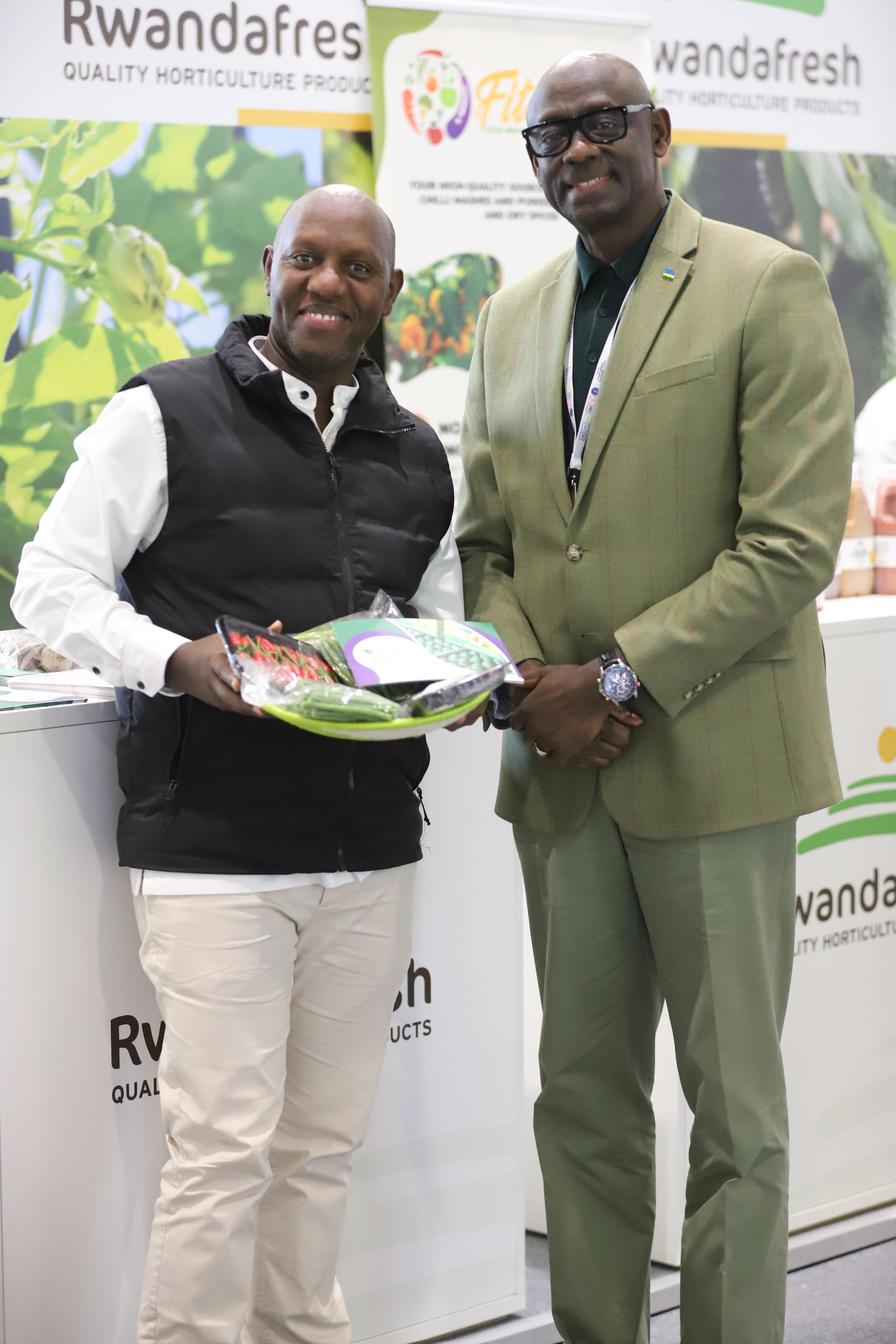
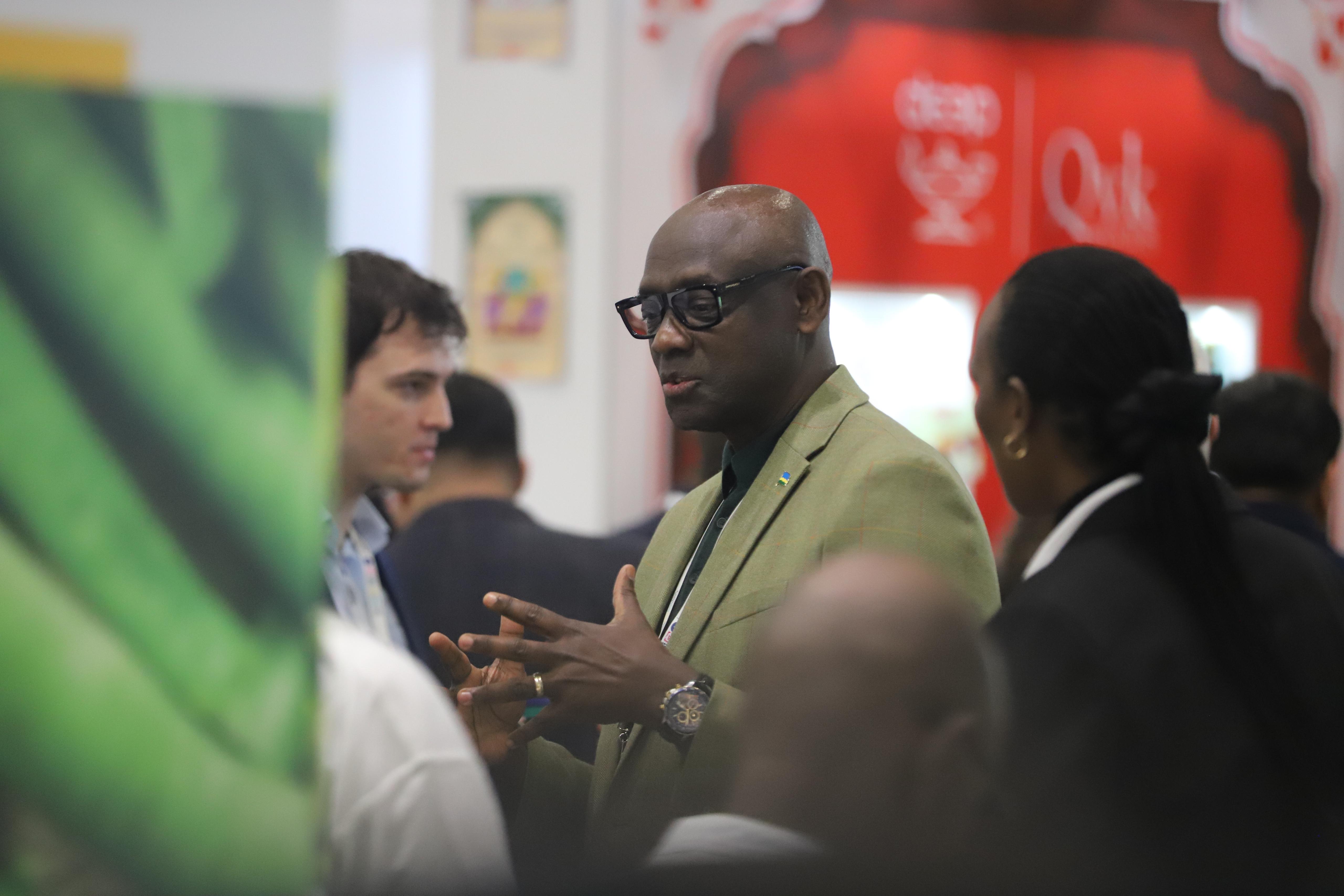
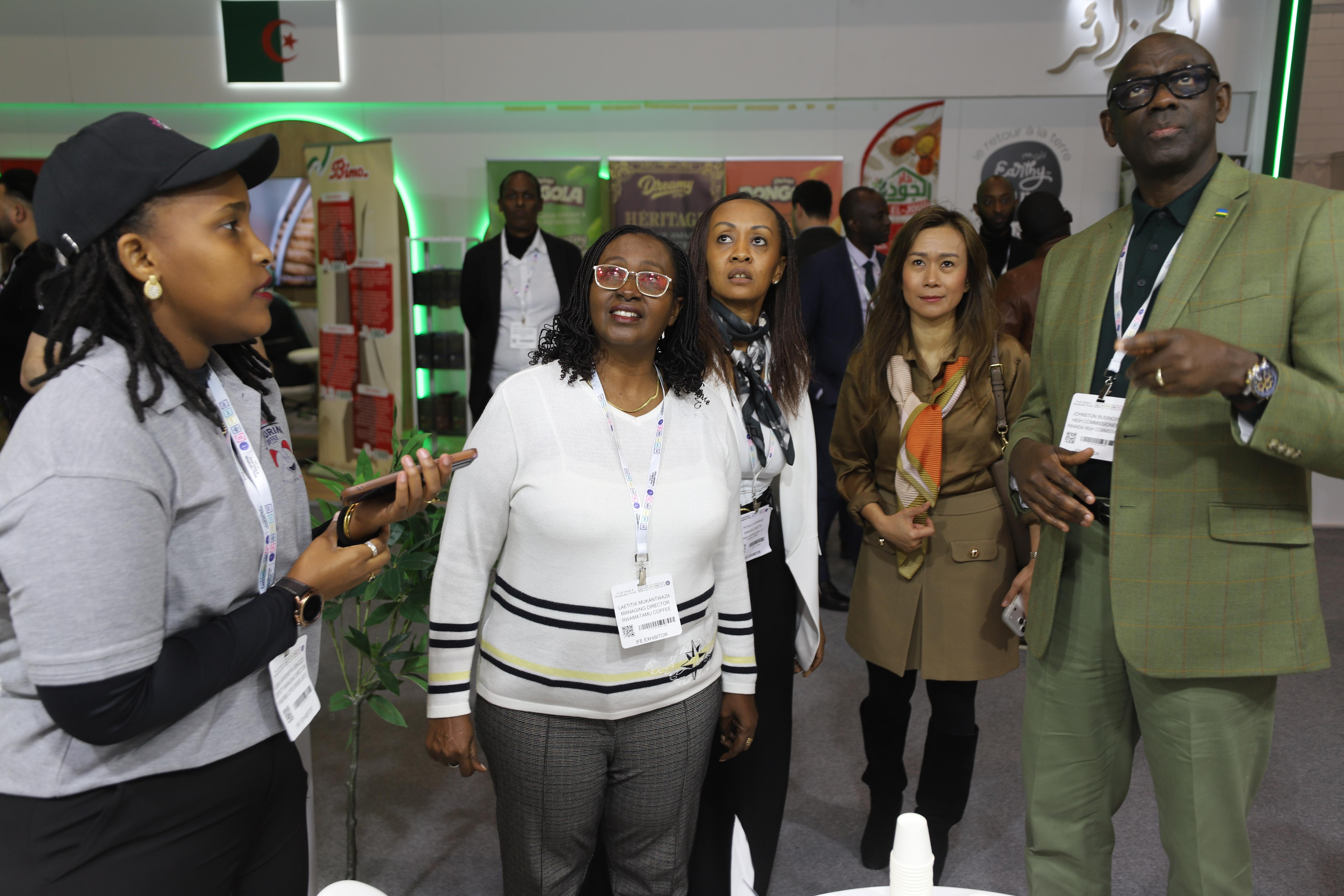
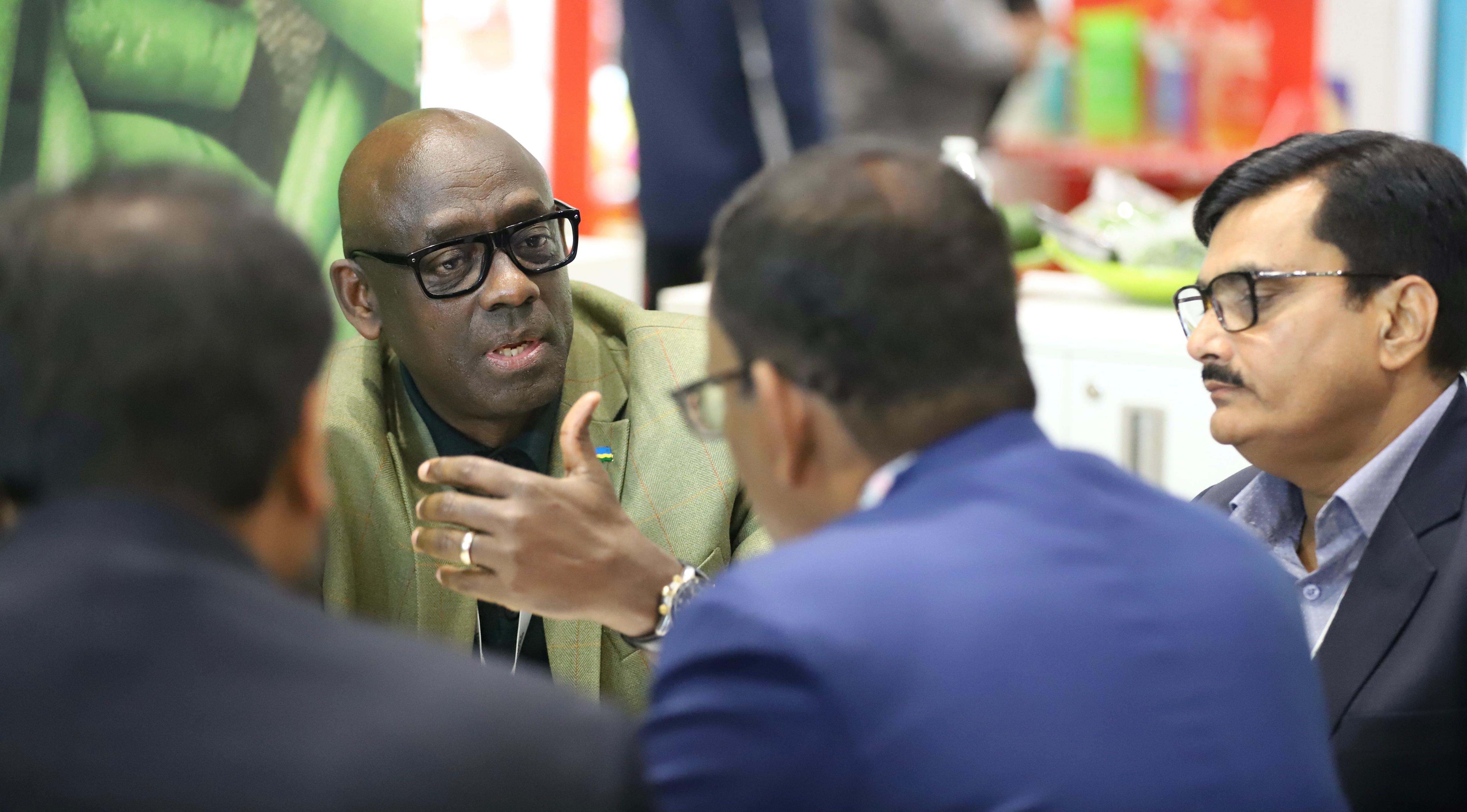
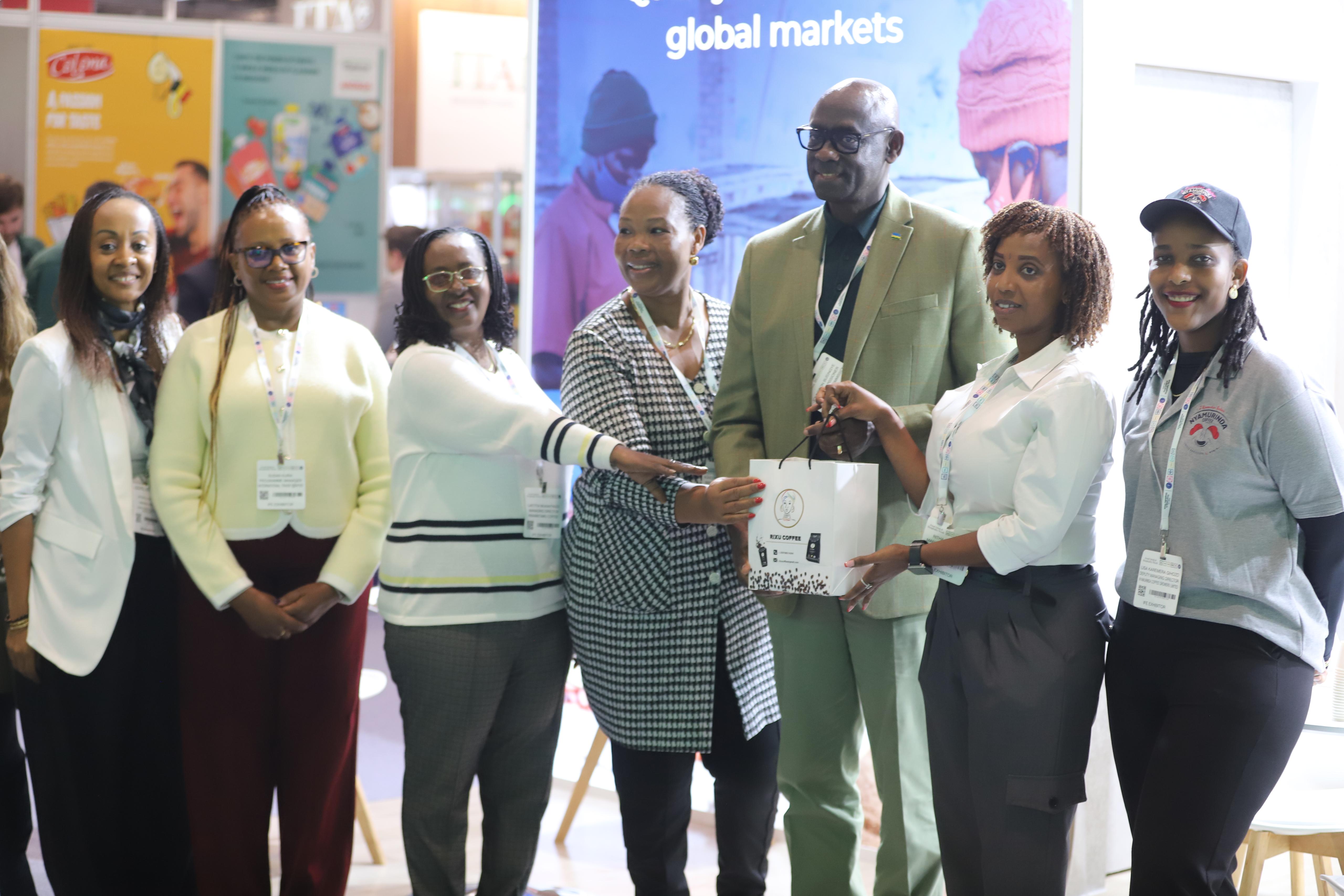
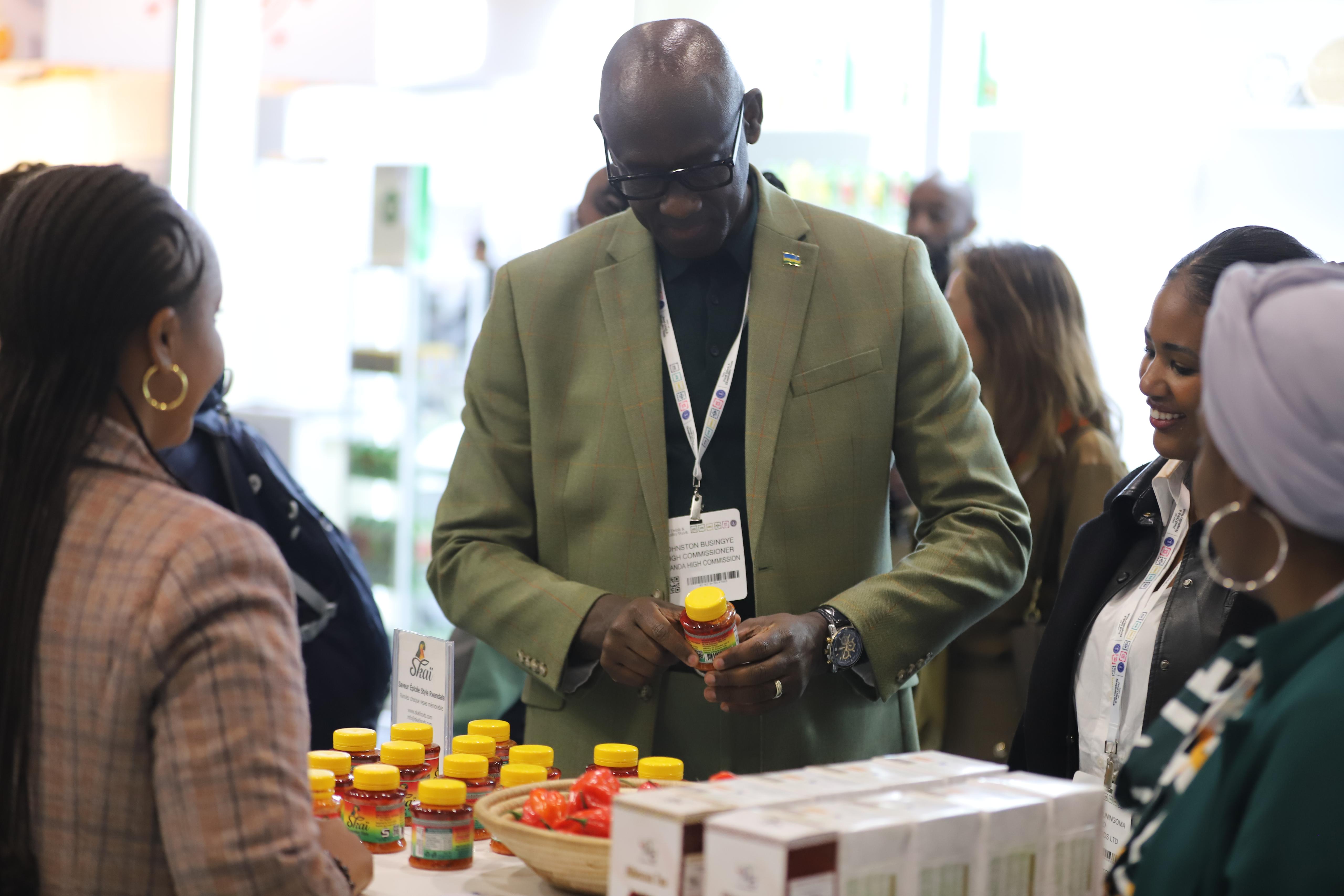
Amb. Busingye also visited the youth showcasing agricultural products at the exhibition. Ambassador Busingye interacted with women showcasing Rwandan coffee in the United Kingdom.Janet Basiima, Export Market Development and Innovation Division Manager at NAEB in a conversation with Ambassador Busingye. Amb. Busingye in an interview with IGIHE