The directive was issued in a letter addressed to directors of finance across all government institutions on April 14, 2026.
The measure is part of Rwanda’s broader plan to reduce emissions by 38% by 2030. Vehicles are estimated to account for about 12% of the country’s total emissions.
Among the strategies already in place is the promotion of electric mobility in public transport. In the City of Kigali, the number of electric buses has been steadily increasing, alongside the growing use of electric motorcycles.
According to the letter, all public institutions are required to ensure that at least 30% of newly procured vehicles are electric, starting immediately. This is intended to help lower emissions, reduce dependence on fossil fuels, and promote sustainable, clean transport.
The Ministry emphasized that all institutions must comply with the 30% requirement. In cases where the calculated share results in less than one vehicle or requires rounding, priority should still be given to purchasing electric vehicles. Any deviation from the directive must be justified and approved in advance by the Ministry.
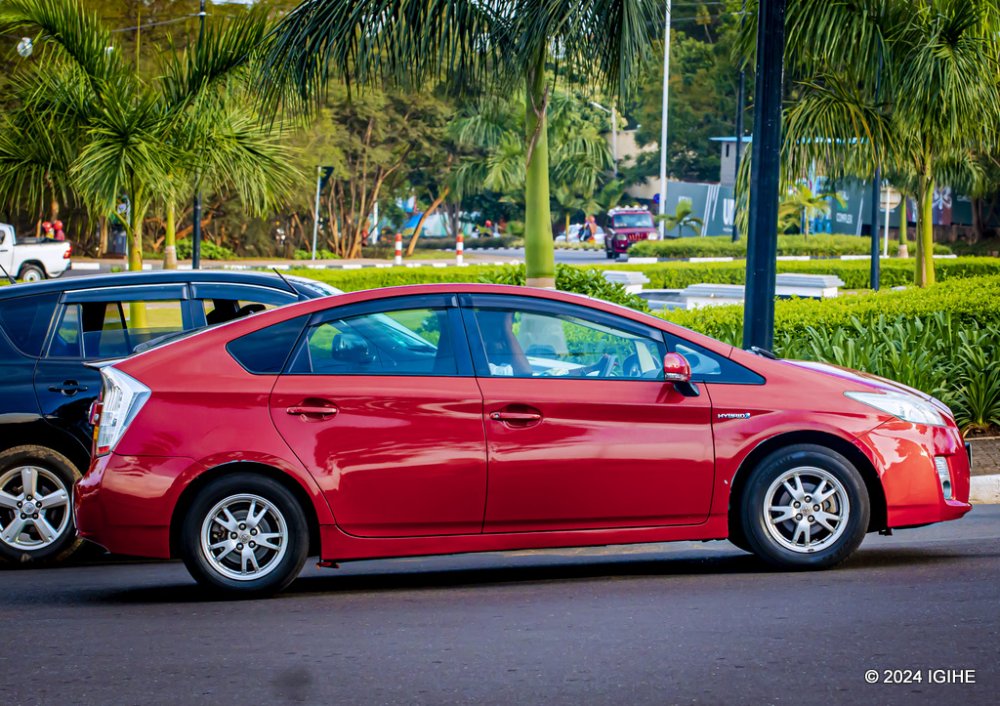
Data shows that 43% of vehicles imported into Rwanda are hybrid models.
In terms of buses, 2,084 units were imported in 2021, increasing to 2,287 in 2022, and 2,892 in 2023—reflecting an average annual growth rate of 17.8%.
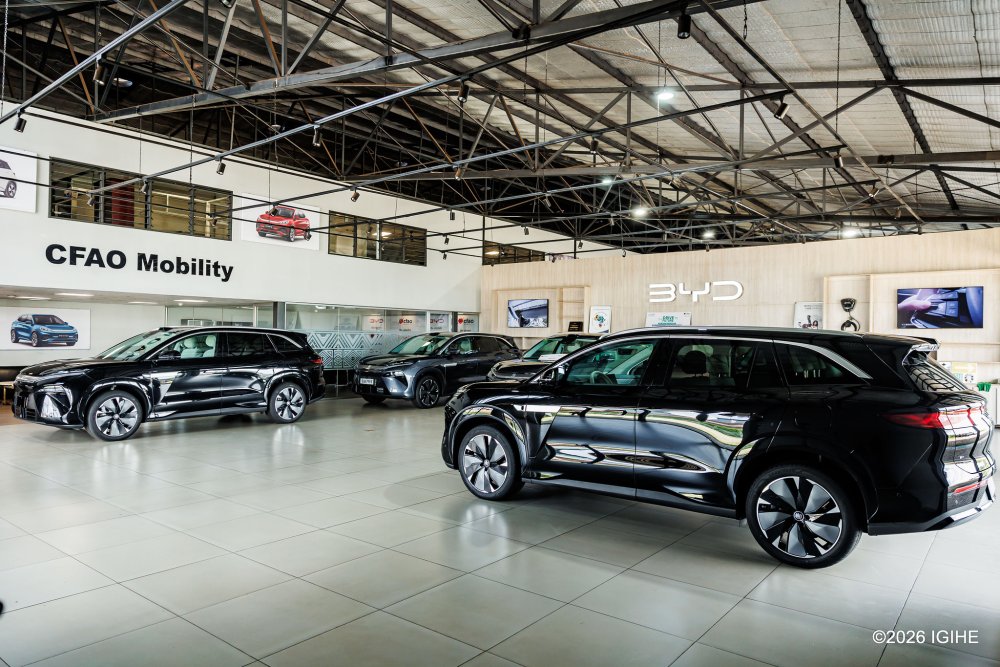
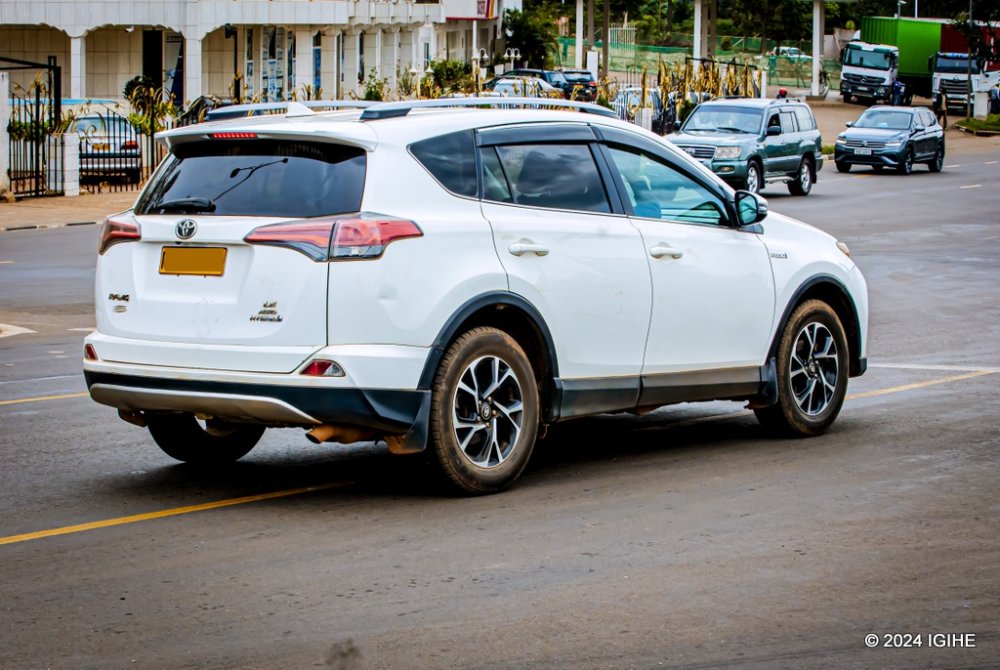
Electric vehicles currently available in Rwanda include models from South Korean manufacturers Kia and Hyundai, as well as Chinese brands such as BYD and Dongfeng. Other models include those from Nissan and Toyota, particularly the RAV4 hybrid.
By 2024, Rwanda had 512 fully electric vehicles, alongside 7,172 hybrid vehicles. These figures do not include electric buses.
The government recently acquired 300 buses for use in Kigali’s public transport system, some of which are electric.
Meanwhile, the agency responsible for public transport has announced that upcoming shuttle services from Kigali International Airport to various hotels will soon be operated exclusively by electric vehicles.
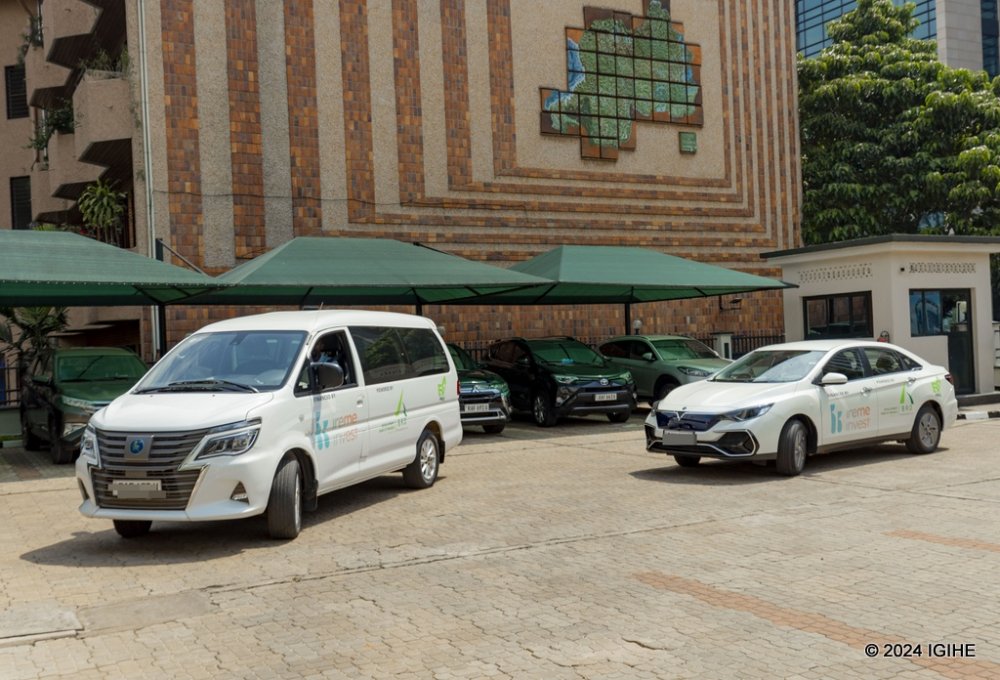
Electric vehicles continue to increase on the Rwandan marketMost vehicles in Rwanda are hybridMany institutions are embracing the use of electric vehicles
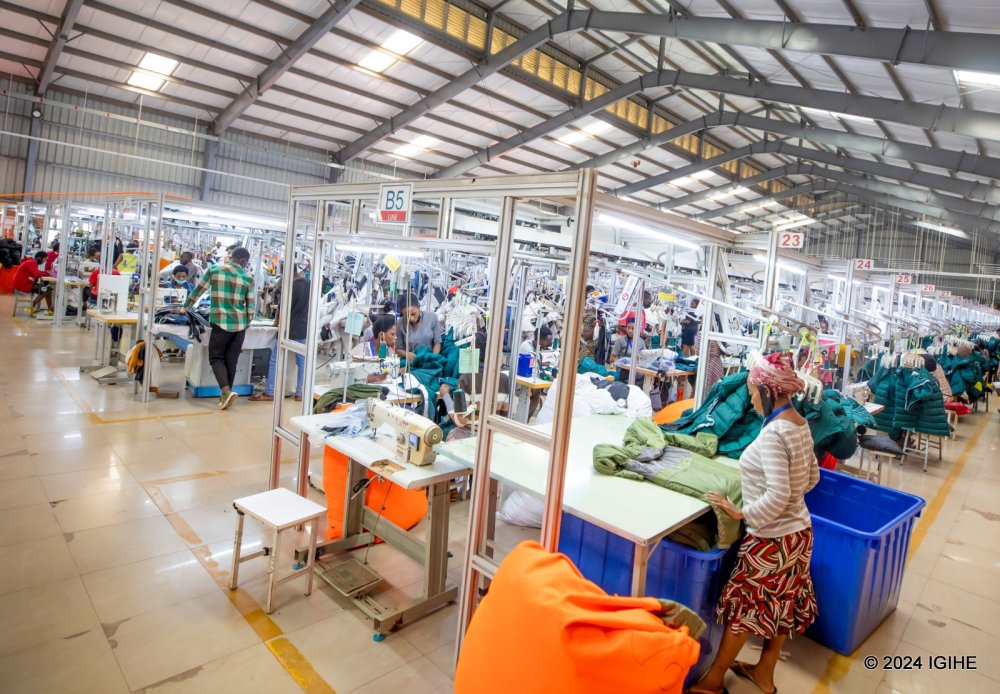
The country has consistently prioritised attracting investment as a means of improving livelihoods and expanding its industrial base. As a result, manufacturing sectors spanning metals, food processing, textiles, and other consumer goods continue to grow steadily, supported by ongoing construction of new industrial facilities.
Speaking on the initiative, Minister of Trade and Industry Prudence Sebahizi highlighted that Rwanda is exploring mechanisms to add value to textile inputs by processing African cotton into yarn, which will then be transformed into fabrics for local use. This approach is expected to significantly reduce dependence on imported textiles.
Sebahizi noted that nearly 40 percent of Africa’s cotton production is concentrated in just two countries, a factor that underscores the importance of leveraging regional resources.
He revealed that an investor is set to establish operations in the Bugesera Special Economic Zone, where cotton sourced from across Africa will be processed into yarn and subsequently into fabric, which will then be used in garment manufacturing within Rwanda.
“This will reduce reliance on imported fabrics, including those from countries such as China,” Sebahizi said.
Beyond textiles, Rwanda is also placing strong emphasis on value addition across its agricultural sector. Authorities are encouraging the transformation of raw agricultural products into a diverse range of processed foods before they reach the market.
This model, widely adopted in developed economies, enables a single crop such as rice or cassava to generate multiple food products, thereby increasing economic returns and market resilience.
The government is further investing in expanding domestic manufacturing capacity in other sectors. In the construction industry, efforts are underway to boost tile production using locally available minerals, with companies like Mountain Ceramic Company Ltd in Muhanga District contributing to increased local output.
Similarly, Rwanda’s metals sector is gaining momentum. A1 Iron and Steel, located in Musanze District, is producing steel from processed mineral resources, while a glass manufacturing plant in Kicukiro District has commenced operations using melted sand. Although the plant currently supplements production with imported materials, plans are in progress to fully localize the technology and raw material sourcing in the future.
In 2025, the Government of Rwanda reaffirmed its commitment to strengthening the domestic garment industry, setting an ambitious target of increasing access to locally produced clothing from just 5 percent of the population to full national coverage.
With more than 1,300 manufacturing industries currently operating across the country, Rwanda’s industrialisation drive continues to gain momentum, positioning the nation for greater economic self-reliance and sustainable growth.
Rwanda seeks to address the high cost of imported fabrics through local production.
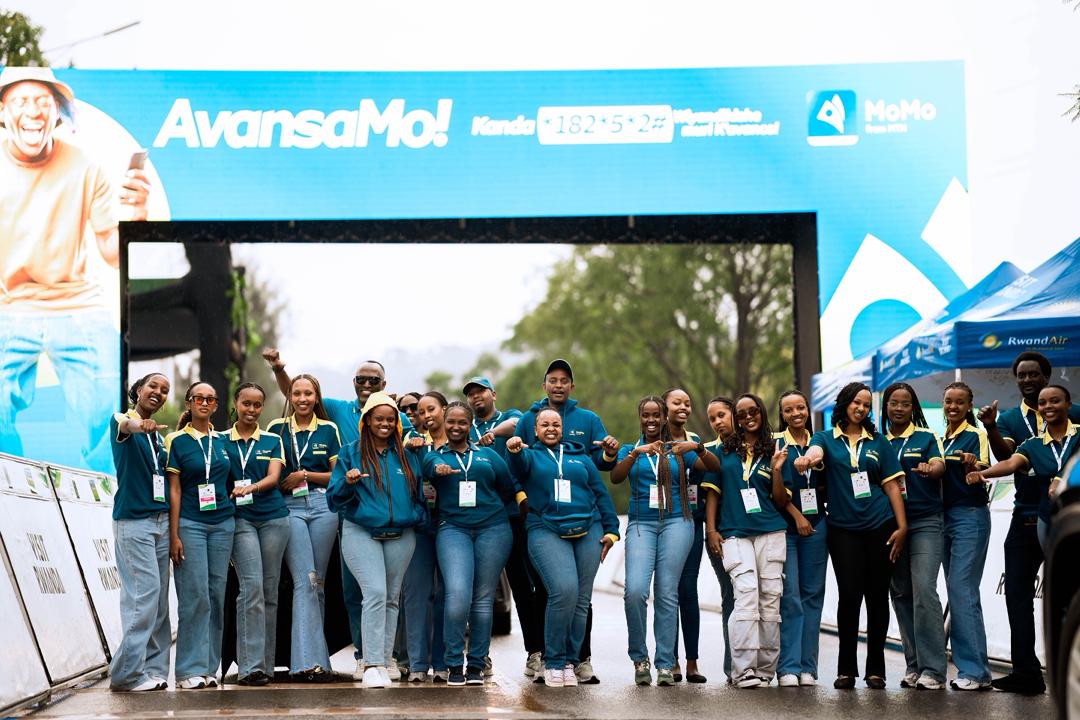
In financial results announced on Monday, April 20, 2026, the fintech subsidiary of MTN Rwanda reported revenue of RWF 43 billion for the quarter, supported by robust activity across its mobile money and merchant payment platforms.
During the period under review, MoMo Rwanda processed 803 million transactions, underscoring the continued shift toward digital payments as a preferred mode of financial exchange among individuals and businesses in Rwanda.
MoMoPay, the company’s merchant payments platform, now serves more than 4 million users. The company noted increasing diversification in usage, with customers progressively moving beyond peer-to-peer transfers into services such as credit, bank integrations, and remittances, reflecting deeper integration of mobile money into everyday financial activity.
The agent network expanded by 13 percent year-on-year to 74,000 agents, enhancing service accessibility nationwide and contributing to financial inclusion and income-generating opportunities within the distribution network.
MoMo Rwanda said the revenue growth provides additional capacity to accelerate investment in product innovation and ecosystem expansion aimed at improving access to financial services.
In the quarter, the company also strengthened its market presence through participation in key national platforms, including Tour du Rwanda and the Inclusive Fintech Forum (IFF), reinforcing its positioning within Rwanda’s growing digital economy landscape.
On the product side, MoMo Rwanda introduced MoFlex, a credit solution developed in partnership with Ecobank and Yabx. The solution is designed to expand access to flexible financing for individuals and businesses.
Commenting on the performance, Chantal U Kagame, Chief Executive Officer of MoMo Rwanda, attributed the growth to sustained customer trust and ecosystem expansion.
“The continued growth over the last three months is a result of the trust our customers have in MoMo,” she said. “Beyond transactions, we are enabling greater access to financial services, supporting businesses, and creating more opportunities for people to participate in the economy.”
She added that the company remains focused on expanding financial inclusion, building practical solutions, and strengthening an ecosystem that works for every Rwandan.
MoMo Rwanda, established in 2021 as MTN Rwanda’s fintech arm, serves more than 6 million subscribers, supported by over 65,000 agents and more than 590,000 MoMoPay merchants across the country. Its services include mobile payments, savings and loans, bill payments, transport solutions, and domestic and cross-border remittances.
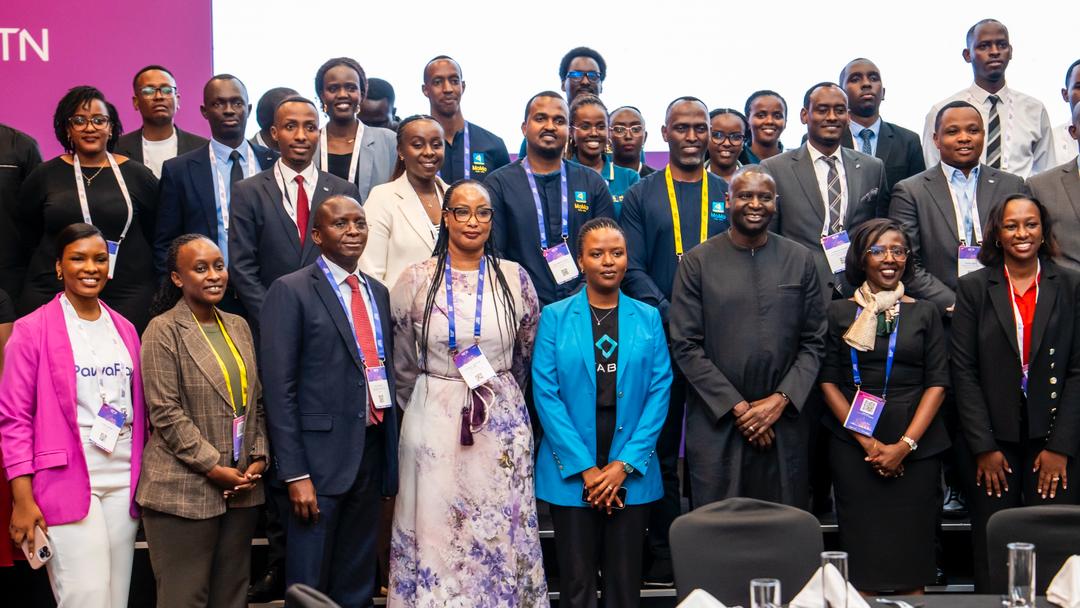
The fintech subsidiary of MTN Rwanda reported revenue of RWF 43 billion for the quarter, supported by robust activity across its mobile money and merchant payment platforms.In the quarter, the company also strengthened its market presence through participation in key national platforms, including Tour du Rwanda and the Inclusive Fintech Forum (IFF), reinforcing its positioning within Rwanda’s growing digital economy landscape.
In a statement issued on April 20, 2026, QCAA said it had released a Notice to Airmen (NOTAM) authorising the phased restart of international airline services.
The authority said the decision followed a comprehensive assessment of the prevailing situation, conducted in coordination with all relevant national entities, to ensure the highest levels of readiness and operational efficiency.
QCAA emphasised that all flights and related airport operations would be conducted in line with internationally recognised safety and security standards, with all necessary precautions in place to protect passengers, crew, and aviation personnel.
“The safety and security of all remain our top priority,” the authority said.
Several international carriers had suspended or adjusted their services to Qatar as regional instability intensified, including RwandAir, which was among the airlines affected by the disruptions.
The ongoing Middle East conflict began in late February 2026, when coordinated US and Israeli strikes on Iranian military targets significantly heightened tensions across the region. Iran responded with retaliatory actions that quickly transformed the situation into a broader multi-front regional conflict.
The escalation severely disrupted global travel routes, trade flows, and energy markets, with airlines forced to reroute, delay, or suspend operations due to security concerns and airspace restrictions across parts of the Gulf and wider Middle East.
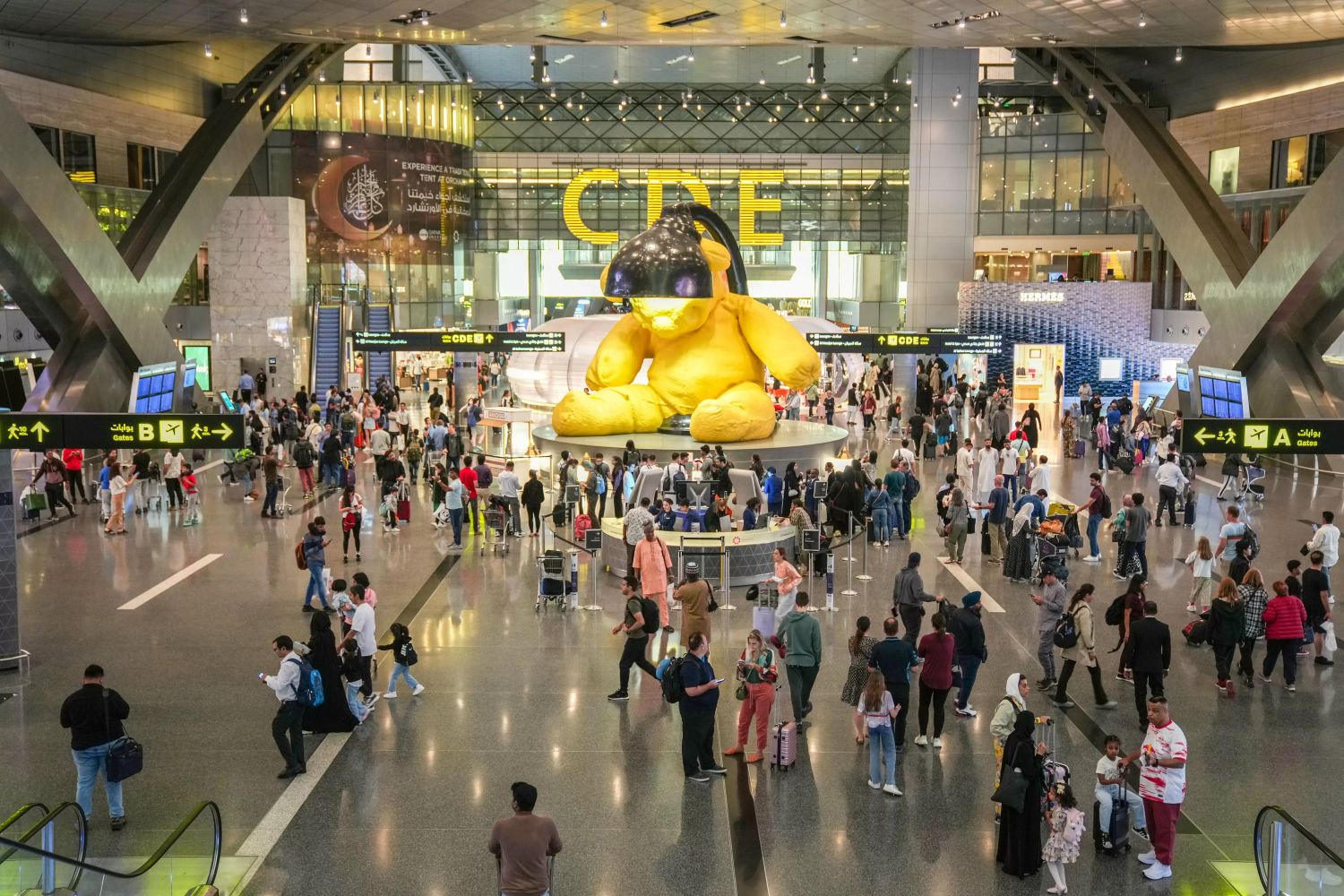
Qatar’s decision to gradually reopen operations for foreign carriers is expected to ease pressure on regional aviation and restore confidence among international airlines and travellers using Doha as a major transit hub.
The gradual resumption of operations for foreign airlines in Qatar through Hamad International Airport signals a cautious return to normalcy after months of disruption caused by the escalating Middle East conflict.
What is taking shape across western Rwanda, environmental leaders say, is more than land restoration, it is a synergy between climate action and human development.
“MuLaKiLa shows that restoring landscapes is not only about nature, it is equally about people,” says Dr. Sam Kanyamibwa, Founder and CEO of ARCOS, the organization implementing the project on the ground. “When farmers are empowered with knowledge and financial resources, conservation becomes a pathway to dignity, resilience, and long‑term development.”
That philosophy underpins the MuLaKiLa Project, a large‑scale landscape restoration and livelihood initiative operating around the Mukura–Gishwati Forest and the Lake Kivu catchment landscape.
According to Dr. Amani MABANO, Project Manager of MuLaKiLa, this carbon project was officially launched in 2023 to restore 22,266 hectares (ha) of degraded agricultural land and improve the livelihoods of 40,000 smallholder farmers’ households owning the land in Ngororero and Rutsiro districts.
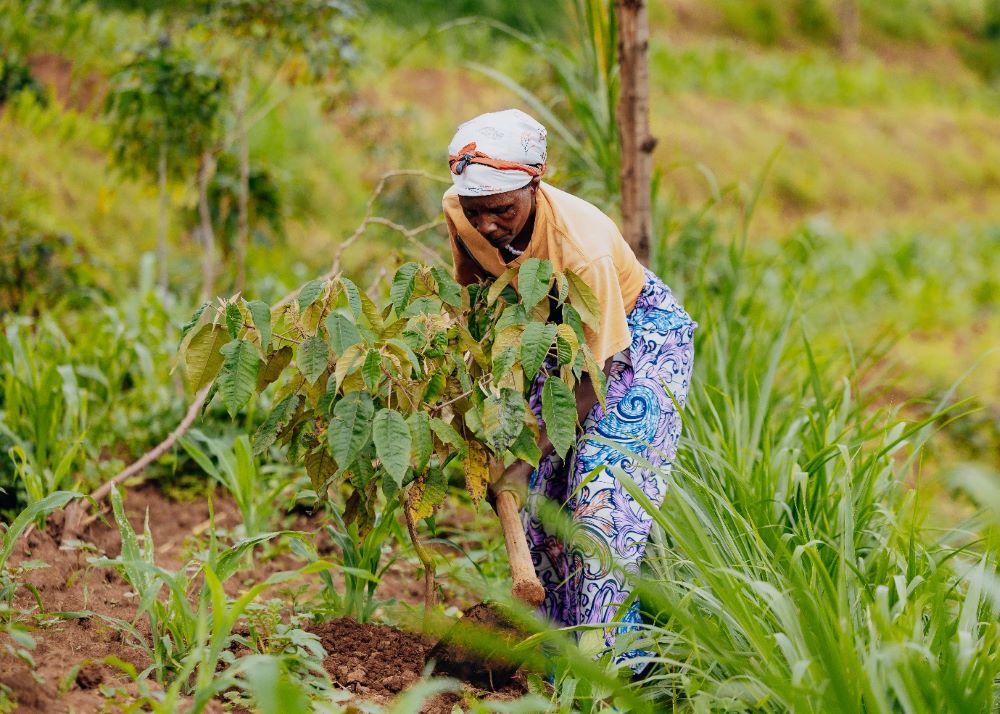
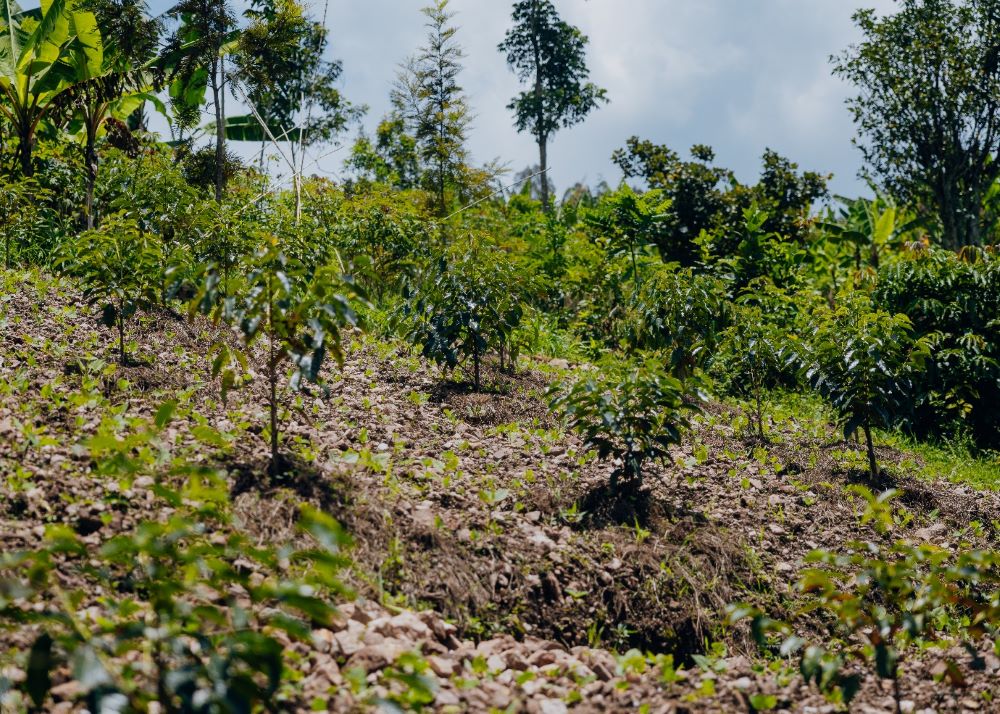
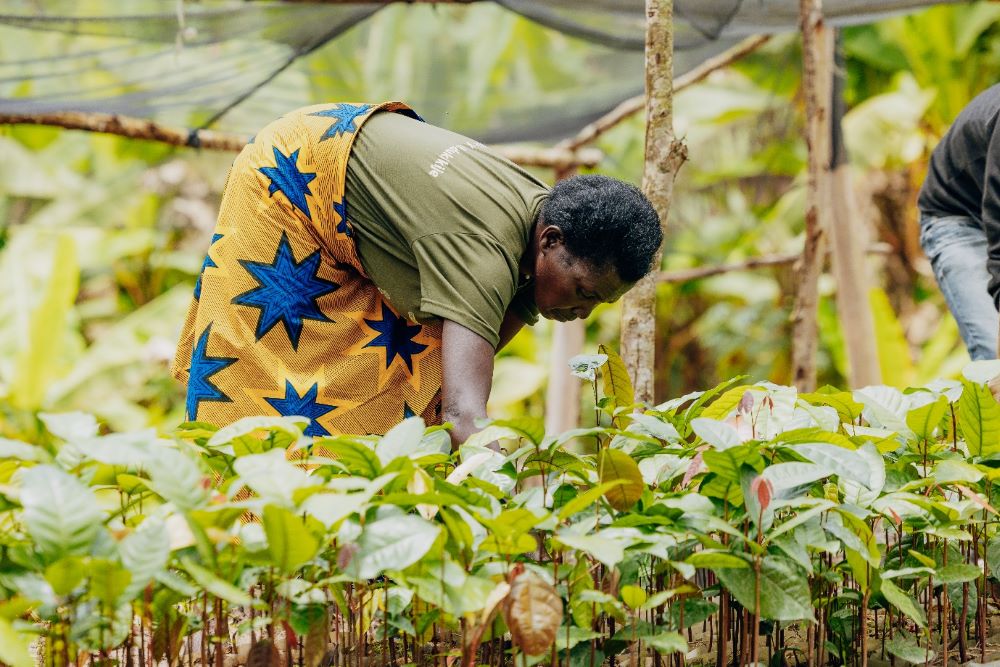
The land is being restored through two key initiatives: tree plantation and establishment of radical and progressive terraces. The project aims to plant 6 million carbon trees comprising native (50% of the trees), fruit (30% of the trees), exotic (20% of the trees) species.
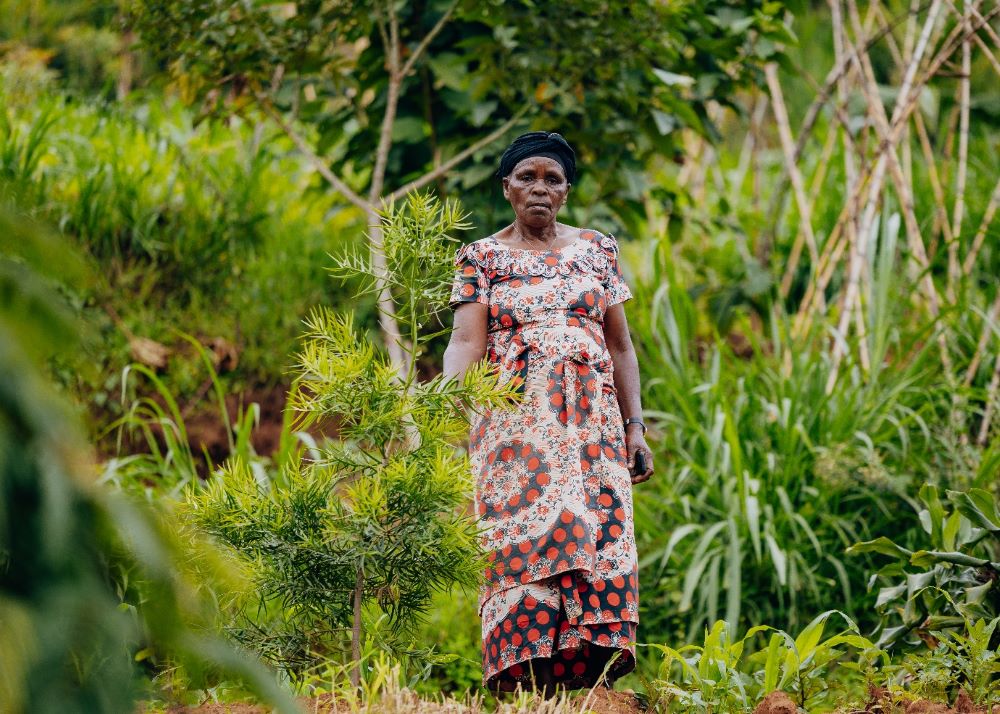
A project beneficiary standing next to Podocarpus falcatus. MuLaKiLa ensures that 50% of the tree species planted are indigenous.
The radical terraces to be established on 2,400 ha and progressive terraces will cover 7,739 ha. The establishment of these terraces comes with package of organic manure, lime, shrubs, elephant grass, and seeds for the agriculture season following the construction of the terraces. As of March 2026, 5.7 million trees have been planted and radical terraces established on 1,650 plus 5,208 ha of progressive terraces.
The livelihoods of local communities will be improved through several initiatives, including a well-designed set of training modules, increased crop yield, employment, tree maintenance incentive, value chain development for different agro-products, implementation of green projects funded through the Umusave Fund (an NBCF), and carbon benefit sharing.
“Thus, the project intends to build resilience to climate change for the vulnerable landscape and its residents,” says Amani.
For farmers like Ildephonse Bizimana, a smallholder in Rutsiro District, the results are already tangible.
“Before the project, rain used to wash away our soil and our harvests were poor,” he says. “Now, with terraces and trees on my land, the soil is stable and my crops are growing better. I can already see the difference in my yields.”
For Devota Uwajeneza, a farmer in Ngororero District, the impact has reshaped farming itself.
“Before, we cultivated but never harvested enough,” she says. “Now the terraces hold water, the soil is getting fertile again, and even during heavy rains, our fields remain intact.”
From the outset, communities have been central to the project’s design and execution. The initiative operates entirely on smallholder land and has engaged farmers and local leaders through village‑level consultations since its inception.
“These farmers are our key stakeholders,” Amani underlines. “They were involved from the beginning and are the drivers of implementation.”
Beyond land restoration, MuLaKiLa targets economic resilience through the Nature‑Based Community Fund (NBCF), a revolving financing mechanism established in 73 cells across the project area. In 2024, €840,000 was deposited into the fund. By early 2026, communities had launched around 450 green projects, with nearly 900 million Rwandan francs invested in climate‑friendly enterprises. For Kankindi Chantal, one of the beneficiaries, access to the fund was decisive.
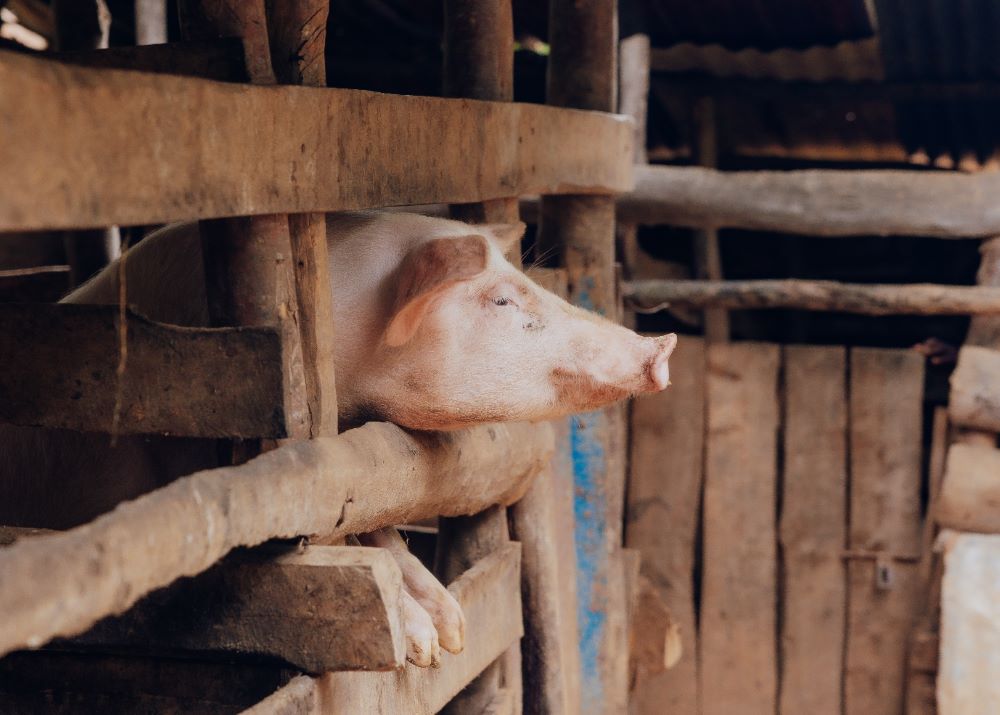
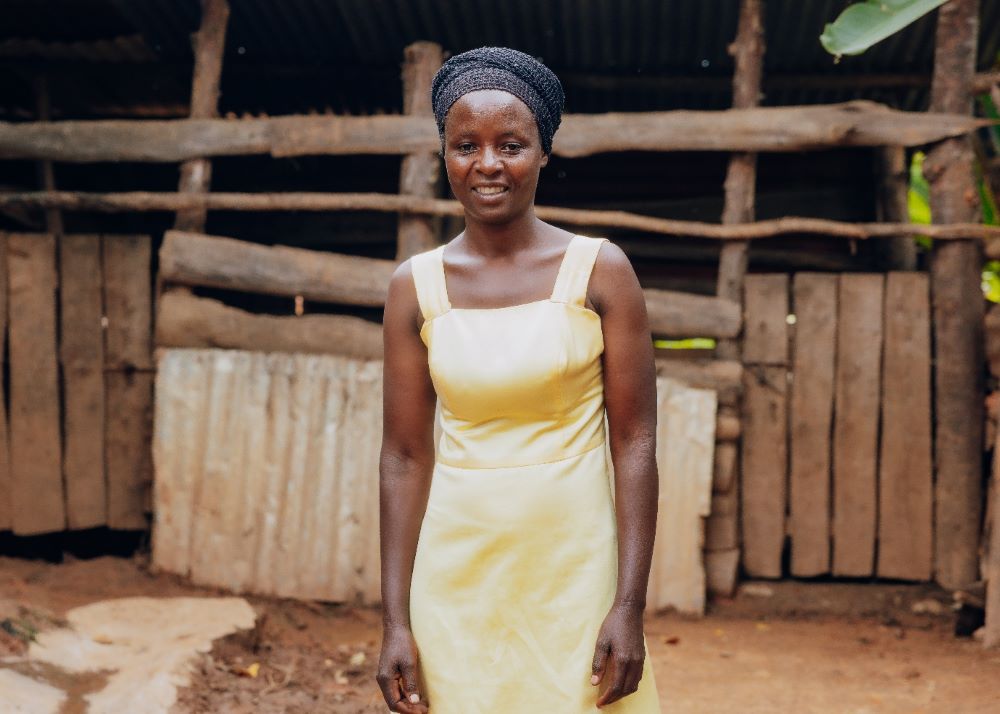
“Through the community fund, our association was able to invest in livestock farming,” she says. “We repaid the loan and earned enough to plan to upscale our project. We are no longer just farming to survive; we are farming as a business.”
Chantal Kankindi, a project beneficiary of the MuLaKiLa.
All loans have been fully repaid, with interest, an outcome project leaders describe as evidence of growing confidence and financial discipline among communities.
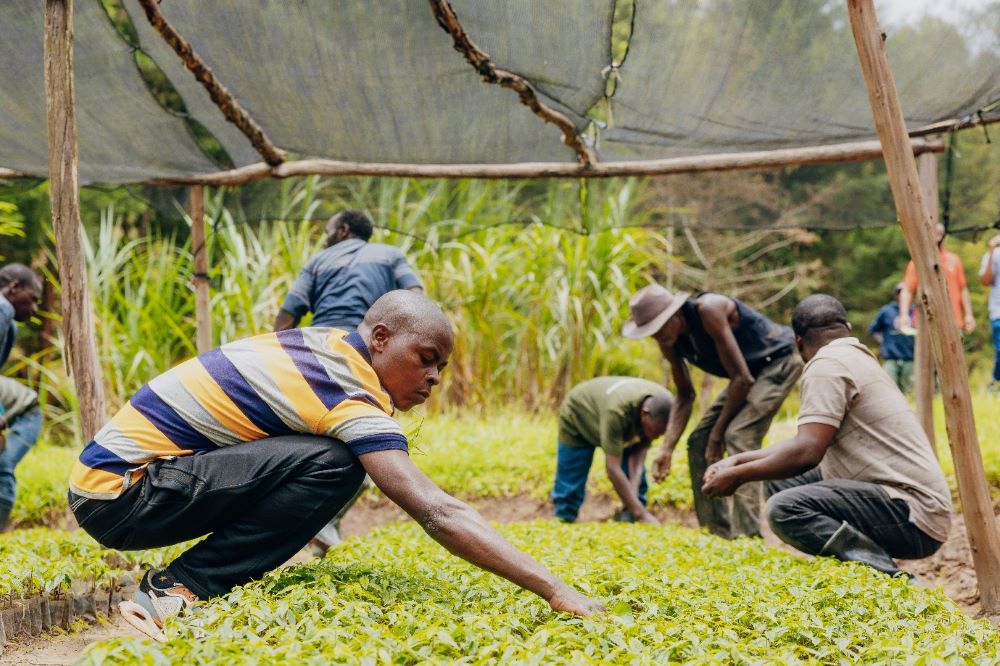
Training has reinforced this transformation. Farmers receive instruction in project management, nursery establishment, and sustainable agricultural practices, alongside basic farming tools and continuous technical support.
“The training also changed how we think,” added Chantal Kankindi. “We now plan, set objectives, and work together. Even when the project ends, these skills will remain with us.”
MuLaKiLa is also structured as a carbon project, allowing communities to benefit directly from climate action. Farmers receive annual incentives to maintain planted trees, while a share of revenue from carbon credits will be returned to communities.
“They are the stewards of the land,” Amani says. “So they should benefit from protecting it.”
The project is the result of collaboration among farmers, district authorities, national institutions, and partners such as Reforest’Action, the project developer. Mabano also credits AstraZeneca for providing the financial support that made the initiative possible.
Much work remains before MuLaKiLa reaches full maturity. But across western Rwanda’s hillsides, terraces are holding, trees are growing, and farmers who once watched their land degrade are now planning for the future.
“What makes us proud,” Amani says, “is when communities succeed. That is when our project succeeds.”
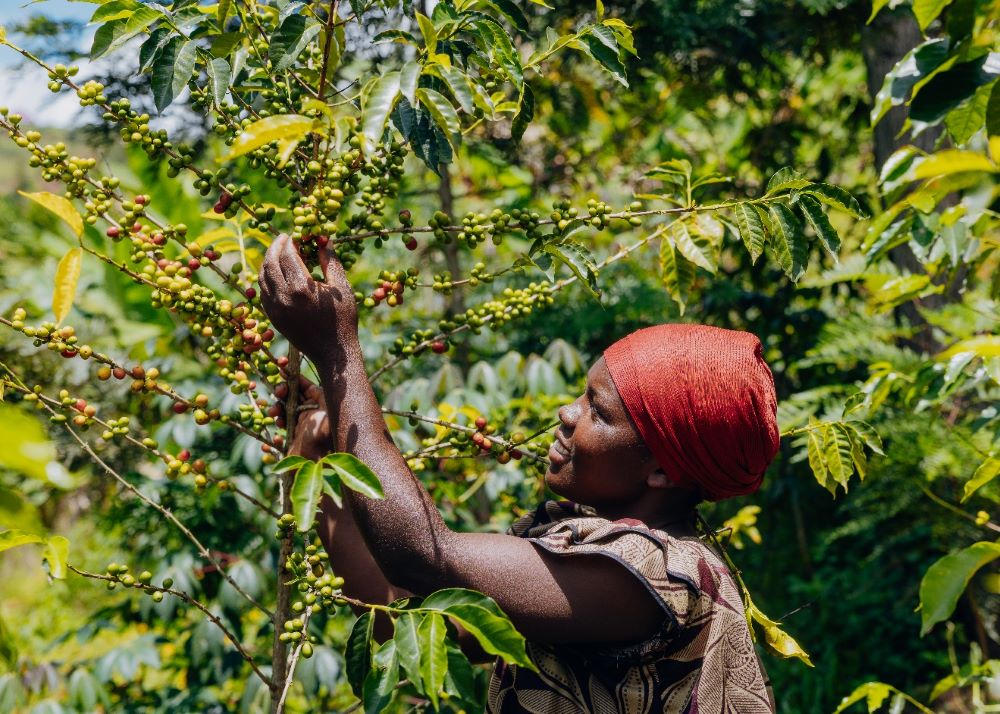
The project invested in key agricultural value chains, including coffee, bananas, beekeeping, and avocado.The project created 280,000 jobs, thanks to nursery management work and terraces establishment.
West Texas Intermediate crude oil futures for May delivery reached as high as 91.2 U.S. dollars per barrel at the start of trading for the new week, up 8.76 percent from the settlement on Friday. Meanwhile, Brent crude oil futures for June delivery had a high of 97.5 U.S. dollars per barrel, up from the previous session’s settlement of 90.38 dollars per barrel.
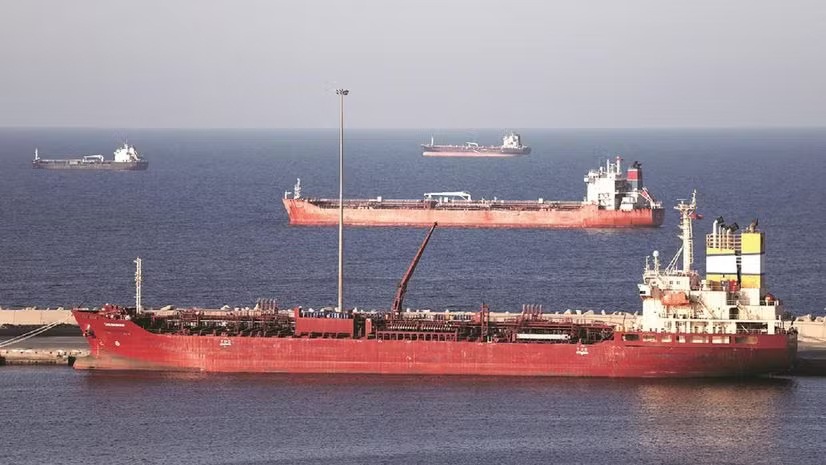
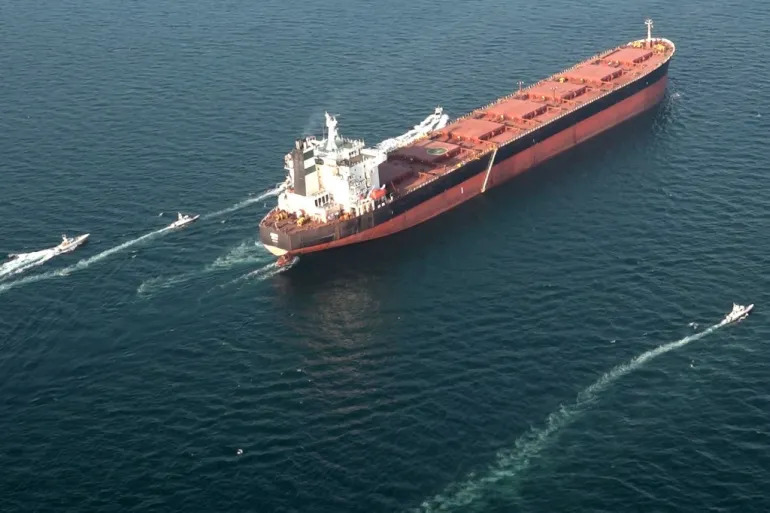
Thirty-five outbound vessels reversed course over the past 36 hours after Iran reimposed control over the Strait of Hormuz, a London-based maritime analytics firm said on Sunday.
On Saturday evening, the Navy of Iran’s Islamic Revolution Guards Corps announced that the Strait of Hormuz had been blocked. This announcement followed the Iranian government’s declaration on Friday that the strait would be open to all commercial vessels for the duration of the Lebanon-Israel ceasefire.
Moreover, Iran’s official news agency IRNA said on Sunday the country has rejected taking part in the second round of the peace talks with the United States.
The renewed tensions also sent U.S. stock index futures plummeting on Sunday evening, with precious metal futures dropping significantly.
The optimism over resumption of trade flows in the Strait of Hormuz led to an over 11 percent drop of West Texas Intermediate crude oil futures for May delivery, and sent the S&P 500 Index and Nasdaq Composite Index to new record highs on Friday.
The Strait of Hormuz, a vital shipping corridor accounting for around 20 percent of global oil flows, has effectively been closed to oil tanker transit since the outbreak of conflict in the Middle East at the end of February.
Thirty-five outbound vessels reversed course over the past 36 hours after Iran reimposed control over the Strait of Hormuz, a London-based maritime analytics firm said on Sunday.
Germany, through GIZ Rwanda and DSKI, supports Duterimbere IMF Plc in training women to strengthen their financial management skills while also providing them with low-interest loans.
Among the loan products offered is “Aguka Mugore,” which provides up to Rwf 5 million without requiring collateral such as land or property.
Another product, “Kungahara Mugore,” offers up to Rwf 30 million, with only 25% collateral required, while the remaining amount is guaranteed by Development Bank of Rwanda (BRD).
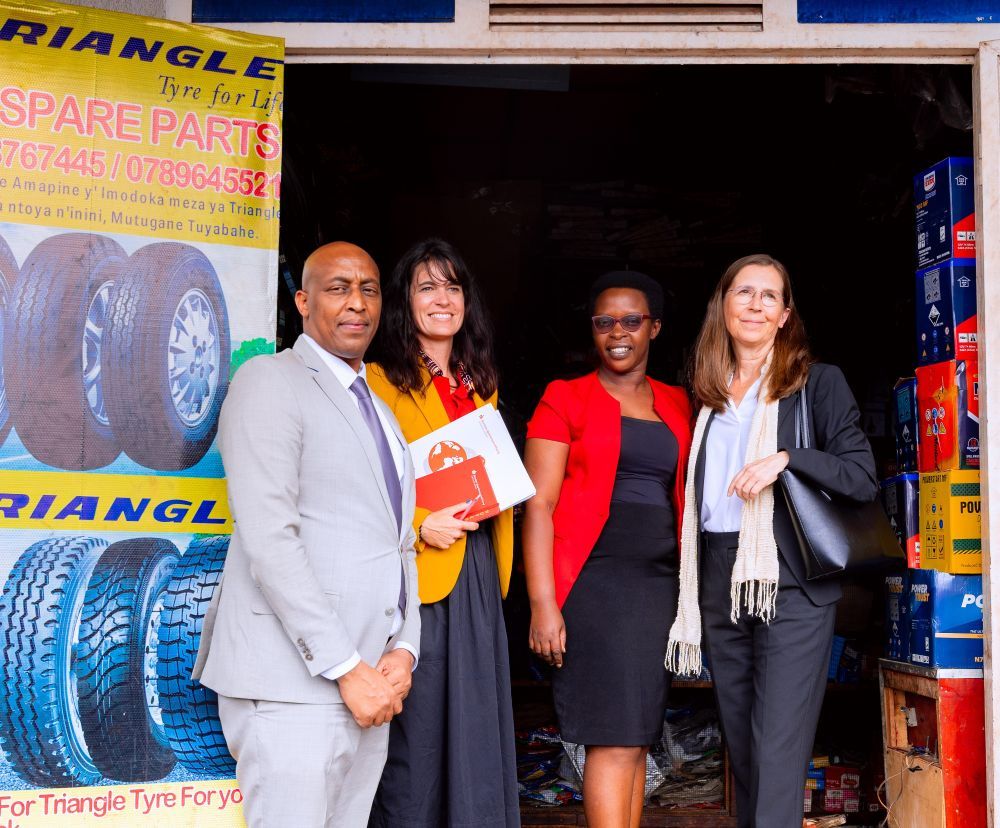
Beneficiaries say these initiatives have significantly transformed their businesses. Uwitonze Jeannette, a trader in auto parts, motorcycles, and milling machines, said she has worked with Duterimbere IMF Plc for 15 years, starting with a loan of Rwf 5 million and gradually expanding her business.
She later secured a Rwf 15 million loan, followed by Rwf 47 million in 2020, which she is close to completing. She now plans to apply for a Rwf 100 million loan at a low interest rate.
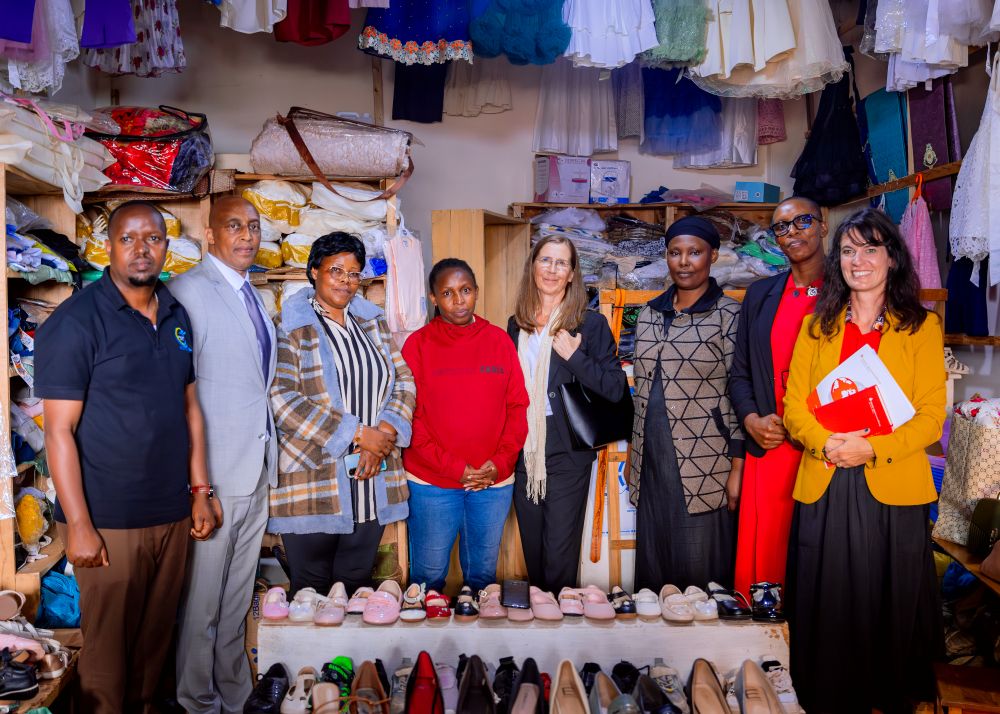
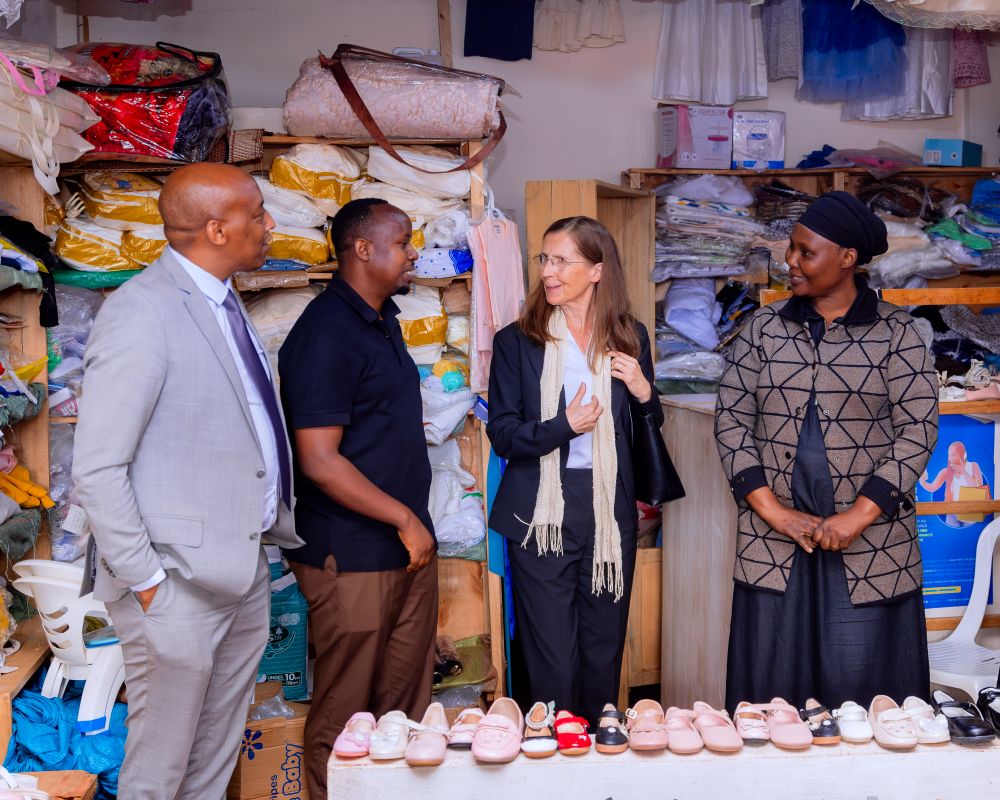
“All the progress I have made is thanks to Duterimbere IMF Plc,” she said. “We recently attended training by GIZ, where we were encouraged to improve our businesses and promised access to low-interest loans. That motivated us greatly.” Another beneficiary, Musabyimana Jeanne, who began working with the institution in 2015 selling clothes, has grown her business into a large shop dealing in a variety of garments and footwear.
She explained that her growth was supported by a series of loans—from Rwf 5 million to Rwf 7 million, then Rwf 9 million, and now Rwf 15 million.
Musabyimana noted that one of the biggest challenges facing women entrepreneurs in Rwanda is access to capital. She credited Duterimbere IMF Plc for bridging that gap, adding that the training and affordable loans have renewed hope among many women.
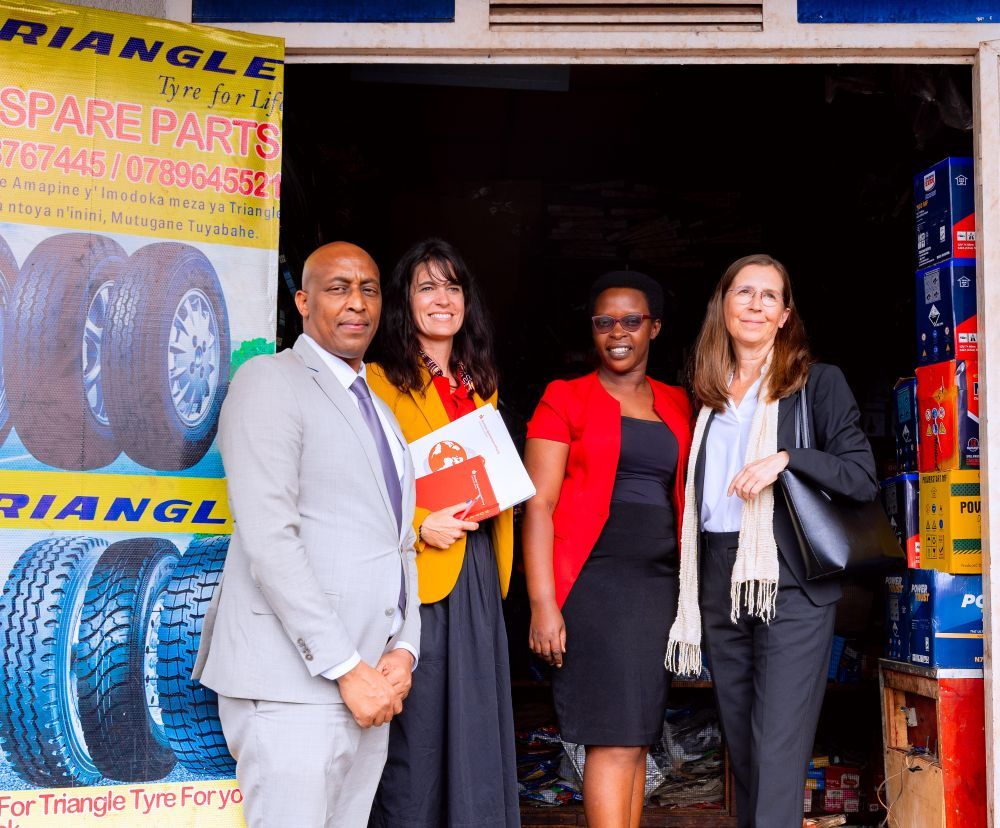
Ambassador Dettmann praised the institution’s commitment to supporting women, describing it as a strategic investment in families and the country’s future.
“I am very pleased to meet women running profitable businesses, and I am impressed by how Duterimbere IMF Plc works closely with its clients,” she said. “They made the right choice by focusing on women, because empowering women strengthens families, the country, and its future.”
The Managing Director of Duterimbere IMF Plc, Ngabonziza M. Alphonse, welcomed the ambassador’s visit and appreciation of their work.
“We are happy that she was satisfied with what we do, especially in helping women gain confidence to work and generate income, which aligns with Rwanda’s vision of putting citizens at the center of development,” he said.
He added that the positive partnership with German institutions through GIZ could open doors for further collaboration with other organizations to continue advancing women’s economic empowerment.
Established in 2004 and licensed by the National Bank of Rwanda in 2005, Duterimbere IMF Plc has grown into a key player in financial inclusion, particularly for women.
The institution offers a range of savings products, including the “Intego Account,” which provides competitive annual returns paid monthly, with customers allowed up to two withdrawals per month, alongside other tailored accounts.
Currently, Duterimbere IMF Plc operates 19 branches across the country—five in Kigali, four in the Southern Province, two in the Western Province, one in the Northern Province, and six in the Eastern Province—continuing to expand its reach and impact.
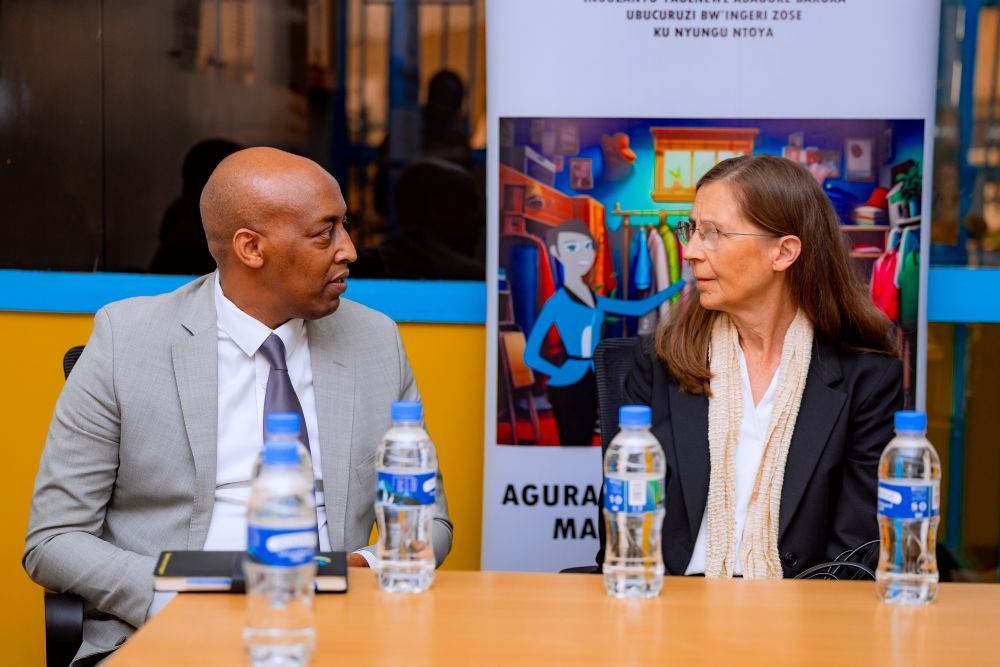
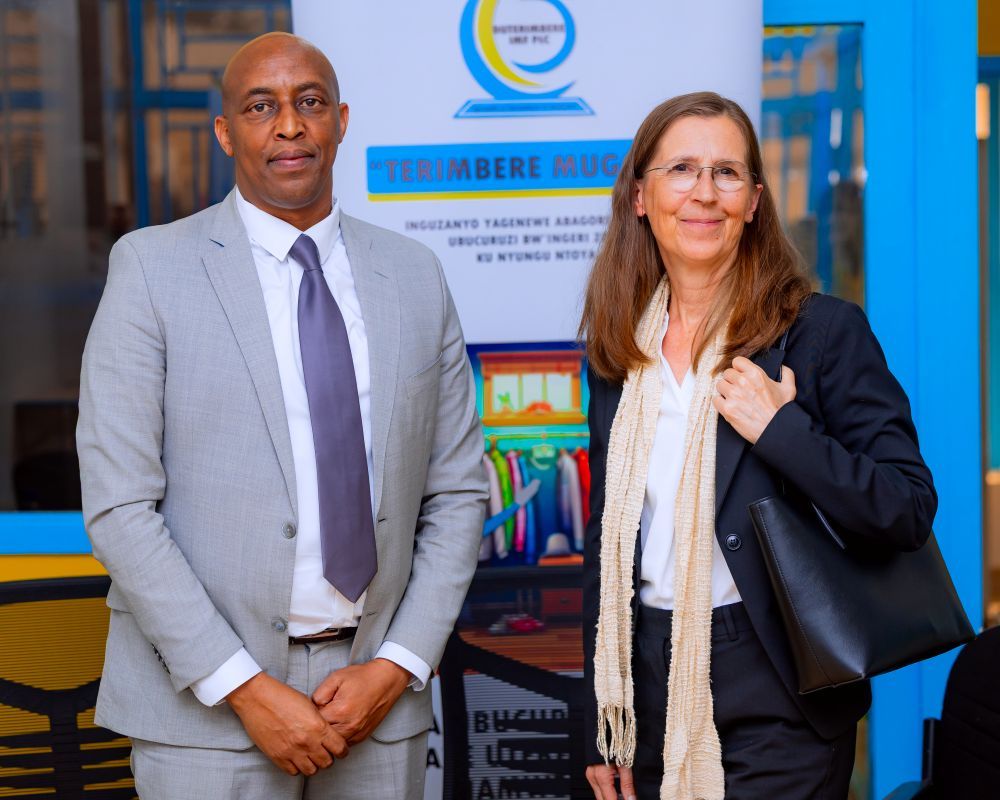
Uwitonze Jeannette (center, wearing a red jacket) praised the role of Duterimbere IMF Plc in her business growth.The Managing Director of Duterimbere IMF Plc Ngabonziza M. Alphonse speaks with Ambassador Heike Uta Dettmann.Duterimbere IMF Plc and the Government of Germany partner to train women.Ambassador Heike Uta Dettmann commended Duterimbere IMF Plc for helping women access financial services.. Ambassador Heike also visited some of the women-led projects supported by Duterimbere IMF Plc, including a clothing shop owned by Musabyimana Jeanne (right). Women working with Duterimbere IMF Plc praised it for transforming their businesses and driving their progress.
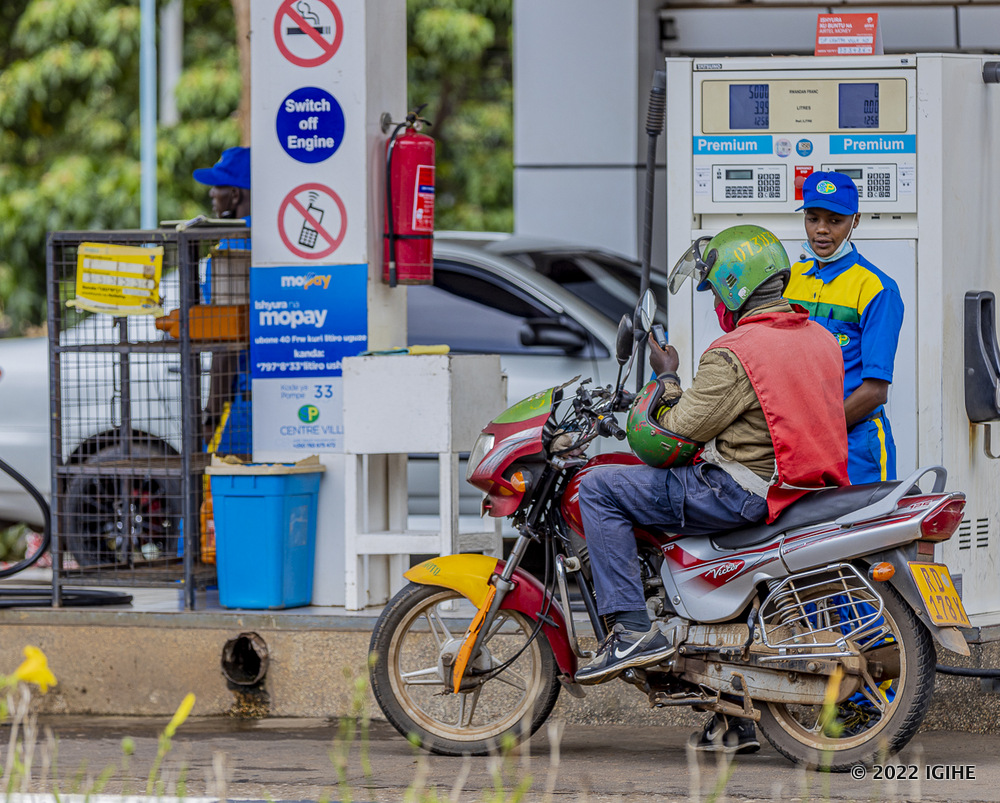
Another notable change is the unusually frequent revision of fuel prices. For the first time, prices were adjusted after only two weeks. Traditionally, fuel prices in Rwanda were revised every two months, but in early April, the cycle was shortened to one month, and later to just two weeks.
According to RURA’s pricing mechanism, fuel prices can technically be reviewed daily depending on market conditions and their impact on supply and costs.
Global supply disruptions as the main driver
Petrol imported into Rwanda passes through ports in Dar es Salaam (Tanzania) and Mombasa (Kenya). However, before reaching these ports, it is sourced from various global suppliers.
Currently, about 27% of fuel entering the region passes through the Strait of Hormuz. Other supplies come from India and Saudi Arabia, often transported through routes near Yemen, particularly the Bab el-Mandeb Strait.
Due to the Iran–US conflict, tensions in the Strait of Hormuz have disrupted shipping routes, with some vessels being blocked or delayed.
This has reduced the flow of fuel to Tanzania and Kenya, forcing suppliers to seek alternative and often more expensive routes. As a result, transportation costs have increased, which has directly pushed up fuel prices.
In Kenya and Tanzania, fuel prices are also adjusted monthly. Currently, petrol in Kenya costs about Rwf 2,342 per litre, while diesel is around Rwf 2,341.
Before Rwanda adjusted its prices, fuel in the country was relatively cheaper compared to neighbouring markets. This allowed some international truck drivers to refuel in Rwanda.
However, this situation created distortions in the market, prompting a price adjustment to align Rwanda with regional pricing trends, where profit margins had shifted unfavourably.
Storage owners have significantly increased prices
In Rwanda, fuel pricing is calculated based on importers who bring petroleum products through international supply chains, mainly via shipping routes in the region. These importers account for about 60% of Rwanda’s fuel supply.
The remaining 40% is supplied through traders who purchase fuel from Tanzania and Kenya, negotiate prices, transport it by trucks, and sell it in Rwanda. Due to rising global prices and regional shortages, these traders face higher procurement costs.
In simple terms, storage owners tend to delay selling in anticipation of higher future profits. Some storage operators in Tanzania have sharply increased their prices, which has affected the 40% of traders who rely on them. As a result, many truckers are now unable to sell fuel competitively in the Rwandan market.
If this segment of 40% were left unregulated, the 60% of formal importers would continue supplying fuel, but at a level insufficient to meet national demand, potentially leading to shortages.
This situation forced Rwanda to take early action to stabilise the market and ensure continued supply. Typically, a fuel truck takes at least five days to travel from Tanzania to Rwanda.
Government absorbs diesel cost increases
According to RURA’s latest pricing statement, the price of diesel has remained unchanged. This decision was made to continue supporting public transport, goods transportation, and the broader economy.
This is a critical intervention, as an increase in diesel prices would have significantly raised the cost of living across all sectors. Transport fares would have increased, and the prices of goods would have risen sharply.
In practical terms, maintaining diesel prices means the government is effectively absorbing part of the cost, likely through tax adjustments. Without this intervention, diesel prices could have exceeded Rwf 3,000 per litre.
Future outlook
If current trends continue, petrol prices in Rwanda could exceed Rwf 3,200 per litre by May, reflecting ongoing global market pressures.
On the international market, a barrel of crude oil is currently trading between $98.5 and $113 in some regions.
In March, crude oil prices fluctuated significantly: on March 4 it stood at $74.6 per barrel, rose to $97 on March 19, reached $98.7 on March 13, and climbed to about $108 in early April.
These global fluctuations continue to strongly influence fuel prices in Rwanda and the wider region.
Fuel prices in Rwanda have increased significantly due to the impact of the Iran–United States conflict.
In late March, the relatively unknown Chinese motorcycle maker ZXMOTO clinched back-to-back titles in the World Supersport category at the Portuguese round of the Superbike World Championship, breaking a decades-long monopoly held by established global brands.
Hailed by international media as a testament to China’s manufacturing strength and comprehensive local supply chain, the victory highlights a larger reality: as global economic turbulence intensifies, China’s manufacturing sector is proving its resilience and capacity for high-quality growth.
From big to strong
Having maintained its position as the world’s largest manufacturing hub for 16 consecutive years, China has fortified its key industrial and supply chains to become more resilient, providing strong support for weathering major risks.
The country’s 15th Five-Year Plan (2026-2030) has made moving faster to boost its strength in manufacturing a central task, calling for maintaining a reasonable share of manufacturing in the economy and building a modern industrial system led by advanced manufacturing.
According to the Ministry of Industry and Information Technology, during the 2026-2030 period, the country will shore up weak links, strengthen competitive edges and seize early-mover advantages, with the goal of moving from key breakthroughs to all-round advantages.
Xin Yongfei, an expert with the China Academy of Information and Communications Technology, noted that China’s manufacturing sector already has the scale and innovation foundation.
During the 15th Five-Year Plan period, he said, maintaining strategic focus and concentrating on crucial areas will allow China to leap from “following” to “running alongside” and even “leading,” laying a solid foundation for basically achieving new industrialization.
Local governments have also rolled out concrete plans: Hunan Province in central China will implement landmark projects for an advanced manufacturing highland, Shanghai in east China aims to build the “Made in Shanghai” brand, and southwest China’s Chongqing Municipality is pushing to become a strong manufacturing city.
Core-reshaping innovation
In Beijing’s Yizhuang District, also known as E-town, humanoid robots can be seen training for a half-marathon. Many of them can now run at speeds of up to six meters per second, rivaling the pace of professional athletes.
This leap mirrors a broader push toward higher-end, smarter and greener manufacturing. The 15th Five-Year Plan outlines a series of concrete steps: improving manufacturing quality, boosting the resilience of industrial and supply chains, and achieving breakthroughs in core technologies.
One telling example is the recent release of China’s domestically developed T1200-grade ultra-high-strength carbon fiber, now the strongest industrially produced carbon fiber in the world.
“Thanks to this technological breakthrough, our domestically produced large aircraft will be lighter, deep-space exploration can go farther, and new energy vehicles will have longer range. It provides a stronger ‘skeleton’ for future industries,” said Chen Qiufei, the R&D lead.
Meanwhile, companies are shifting from selling hardware to offering integrated solutions. DJI, known for its drones, now provides agricultural plant protection solutions, with related service revenue accounting for more than 30 percent of its total.
Similarly, Chinese battery maker Sunwoda has built a six-dimensional maglev production line and a digital twin system to improve its own manufacturing efficiency, and is now exporting smart manufacturing solutions to others.
The results are visible in the data. In the first two months of 2026, the value-added output of high-tech manufacturing enterprises grew 13.1 percent year on year, while that of equipment manufacturing rose 9.3 percent.
The “AI plus manufacturing” initiative has been implemented, with the adoption rate of AI technology among major manufacturing firms exceeding 30 percent. Meanwhile, more than 8,300 green factories have been established nationwide.
More open landscape
At the same time, China’s manufacturing sector is opening up further. In Zhanjiang, south China’s Guangdong Province, German chemicals giant BASF’s massive production complex, known as a Verbund site, has started production, marking the largest single investment project wholly owned by a German enterprise in China.
Thousands of miles away in Tatabanya, Hungary, Chinese heavy machinery manufacturer Zoomlion’s first European smart factory has opened, providing a stable and efficient product supply and better localized services for European customers.
All foreign investment restrictions in the manufacturing sector have been lifted in China. In the first two months of this year, China’s exports of high-tech and high-value-added mechanical and electrical products reached 2.89 trillion yuan (about 418.9 billion U.S. dollars), up 24.3 percent year on year.
As China navigates an increasingly volatile world, its manufacturing sector is actively integrating into global markets, offering vast cooperation opportunities for the world.
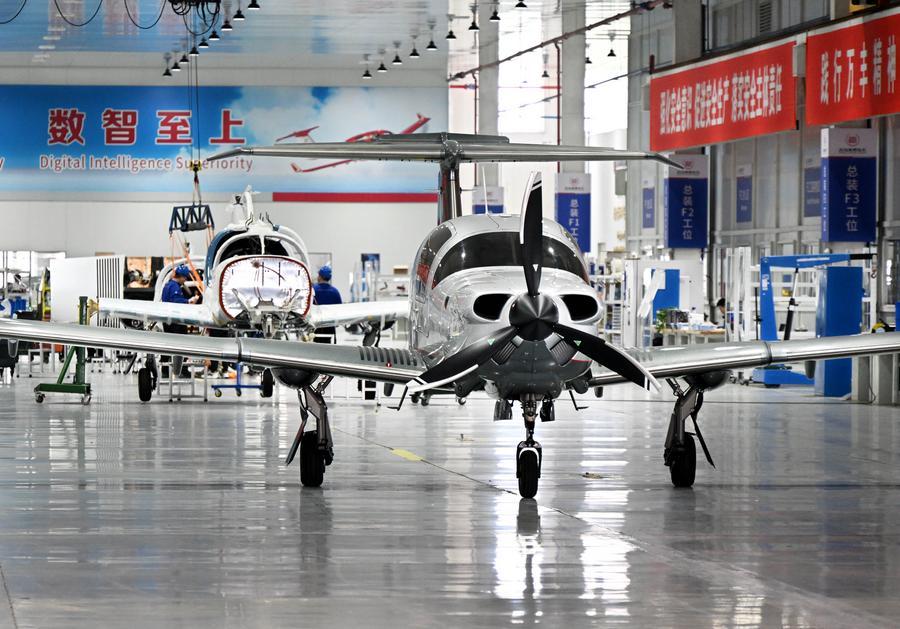
This photo taken on April 2, 2026 shows a view inside an aircraft manufacturing workshop of Wanfeng Auto Holding Group in Laixi City, east China’s Shandong Province.
Running from April 13 to 18 in Haikou, capital of China’s island province of Hainan, the annual expo is showcasing premium global products and facilitating cooperation between international brands and local partners.
Despite the diversity of their product categories ranging from health, food and cosmetics to art, exhibitors share a common goal: to expand their presence in China.
As this year’s guest country of honor, Canada has brought its largest-ever delegation, with around 40 companies participating. A highlight among its premium offerings is a wide range of natural, health-boosting products.
Among the companies is Canada Royal Milk (CRM), a powder formula producer based in Ontario. The company is leveraging the expo to capitalize on China’s huge market potential, driven by its large population and consumption upgrading.
Reago Li, the China region general distributor for the Canadian brand, told Xinhua that at this year’s expo, the company is highlighting Capriss, a goat milk powder brand under CRM that targets adult consumers, particularly those aged 45 and above.
According to Li, compared to cow milk, goat milk has smaller fat molecules, making it easier to digest and more friendly for people with lactose intolerance.
Since its debut in the Chinese market in 2023, Capriss has expanded its sales and built a growing presence in local supermarkets and shopping malls. It has also established a sales channel on a popular online pharmacy platform in the country, Li said.
Next to Li’s booth, DPA is displaying seal oil soft capsules, an Omega-3 health supplement. Song Bingbing, the brand’s chief nutritionist, said that five consecutive years of participation in the expo has helped the Canadian brand gain growing market recognition, with its products now sold in over 5,000 retail stores nationwide.
Explaining the Chinese market’s strategic importance, Song said there is a shift in the country from a treatment-centered approach to one centered on chronic disease management, and that the product aligns well with growing health management needs, such as weight management and cardiovascular and cerebrovascular health. “With a large population base, the Chinese market is a top priority.”
Li echoed this sentiment, categorizing China’s consumer market as top-tier in both scale and quality. “Indispensable” was his word for the market, expressing the Canadian brand’s confidence in competing for a share in it.
The information provided by the two exhibitors has offered a clear lens into how increasingly important the Chinese market is becoming for global companies. Further evidence of their eagerness to explore this market is inside the hall, where live-streamers are invited to promote premium products to online audiences, and hired staff are hospitably offering samples of delicacies to visitors and inquirers — from butter on biscuits from Ireland, wine from France, to ginseng tea from Canada.
The numbers tell the same story. International exhibits accounted for 65 percent of the total this year, up 20 percentage points from last year, according to expo data. Meanwhile, the number of professional buyers is expected to reach 65,000, a 10-percent rise from the previous edition, said Lu Min, director of the Hainan provincial bureau of international economic development.
While the convergence of global brands demonstrates their continued interest, the market’s diversity, speed and complexity are also prompting them to refine their marketing strategies, pricing and product design in response to rapidly evolving consumer preferences. In a recent commentary, the Macau Post Daily noted that rather than simply a question of scale or growth, the Chinese market is where global companies’ strategies get tested and refined.
Chen Lifen, a researcher at the Development Research Center of the State Council, said China’s consumer market is seeing increasingly pronounced trends toward smarter, greener and higher-quality consumption upgrades. Chen noted that the expo has built an efficient and convenient channel for high-quality global consumer goods to enter the domestic market, and injected new momentum into expanding and upgrading consumption while unlocking the potential of China’s mega-market.
Since its launch in 2021, the CICPE has become an important platform for multinationals to stay abreast of consumer trends in China, with over 3,800 enterprises and more than 12,000 brands from 92 countries and regions participating in the past five editions.
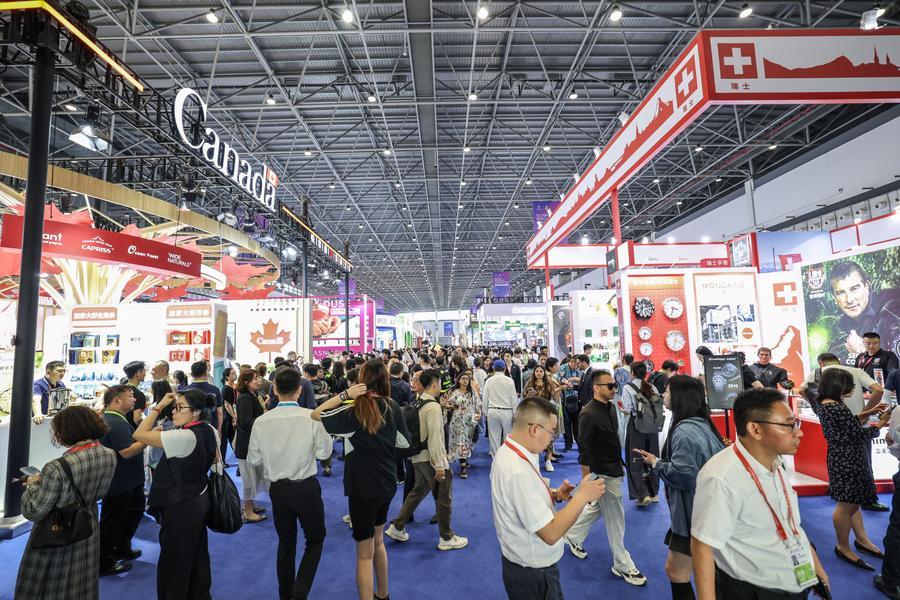
People visit the sixth China International Consumer Products Expo in Haikou, south China’s Hainan Province, April 13, 2026.