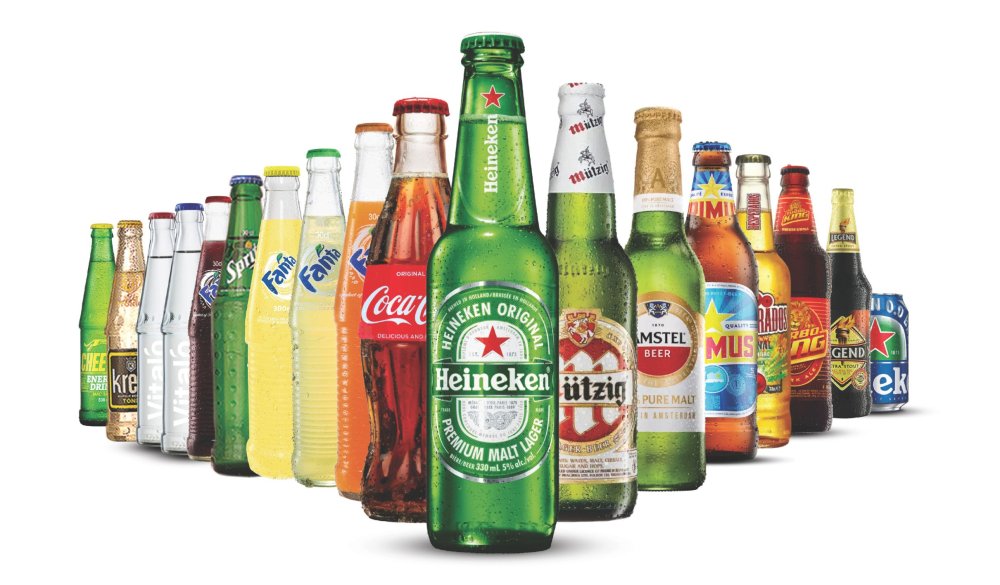
The company’s revenues grew by 22.1%, driven by increased sales of both alcoholic and non-alcoholic beverages, as well as pricing strategies designed to remain affordable for consumers.
BRALIRWA indicates that production increased in line with higher sales volumes, but this growth was constrained by a 23.6% rise in production costs compared to the previous year. This was largely attributed to rising global prices of raw materials and packaging inputs.
The company also reported a 39% rise in distribution and selling expenses, mainly due to increased investment in market operations and higher transportation costs associated with delivering products to customers.
Administrative expenses, however, declined slightly by 1.5%, largely due to a reclassification of inventory variance accounting into the cost of sales following operational changes implemented in 2025. Excluding this adjustment, administrative costs would have increased by 5.1%, primarily driven by higher staff-related expenses.
As a result, BRALIRWA recorded an operating profit of Rwf 70.9 billion in 2025, up from Rwf 59.4 billion in 2024. This growth contributed to a 23.1% increase in profit before tax, which in turn led to a 44.8% rise in income tax compared to the previous year.
The Managing Director of BRALIRWA Plc, Ethel Emma-Uche, described 2025 as a strong year for the company’s performance, crediting customer loyalty, a supportive business environment, and effective price management strategies.
Despite continued pressure from high input costs, she said, the company’s strong performance reflects the sustained efforts made in cost management and operational efficiency.
She also expressed gratitude to customers for their continued trust in the beverage manufacturer’s products.
In addition to its improved earnings, the company also reported an increase in dividends to shareholders, rising to Rwf 41.63 per share from Rwf 35.96 in 2024. Subject to approval at the Annual General Meeting scheduled for June 29, 2026, the dividend is expected to be paid on July 15, 2026.
BRALIRWA’s revenues grew by 22.1%, driven by increased sales of both alcoholic and non-alcoholic beverages
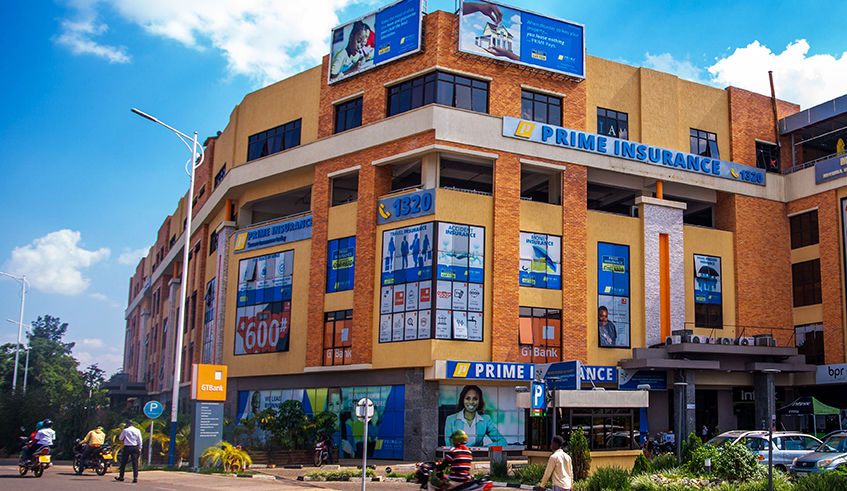
According to the company’s financial statement, insurance revenue for 2025 reached Rwf24.23 billion, up from Rwf22.33 billion in 2024, driven by increased underwriting activities. Profit before tax rose to Rwf 7.03 billion, while net profit after tax stood at Rwf4.92 billion, compared to Frw 4.42 billion in the previous year.
The company’s balance sheet also reflected a stronger financial position, with total assets rising to Rwf43.94 billion from Rwf38.19 billion, and total equity increasing to Rwf20.15 billion. Insurance liabilities accounted for Rwf 16.21 billion, while cash and cash equivalents amounted to Rwf 2.67 billion, underscoring improved liquidity.
The 2025 results demonstrate Prime Insurance’s sustained profitability, operational efficiency, and compliance with the IFRS 17 Insurance Contracts standard. The company also reported growth in its investment portfolio, supporting long-term stability.
Camille Karamaga, Chairman of the Board expressed satisfaction with the results, highlighting disciplined underwriting, prudent financial management, and a strengthened capital base.
“The company remains well-capitalized, financially sound, and strategically positioned to continue delivering sustainable growth and value to its shareholders and policyholders,” he stated.
Prime Insurance has also declared a dividend payout of Rwf1.5 billion, signaling a commitment to shareholder value creation.
Looking ahead, Prime Insurance has affirmed commitment to expand market share across Rwanda, enhance customer-centric insurance solutions, drive innovation and digital transformation, strengthen property and medical insurance offerings, and build strategic partnerships across sectors.
More details about the financial statement can be accessed here
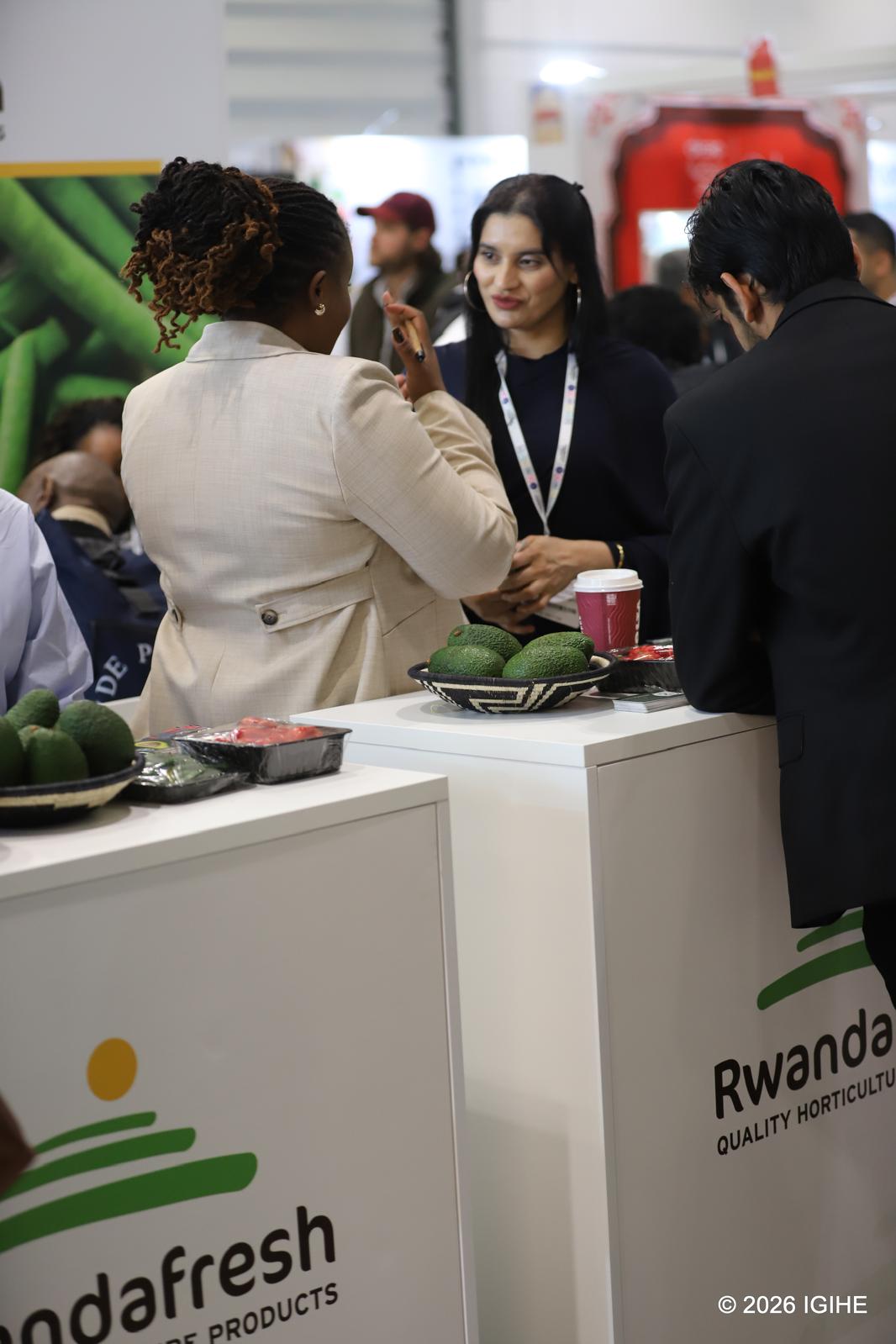
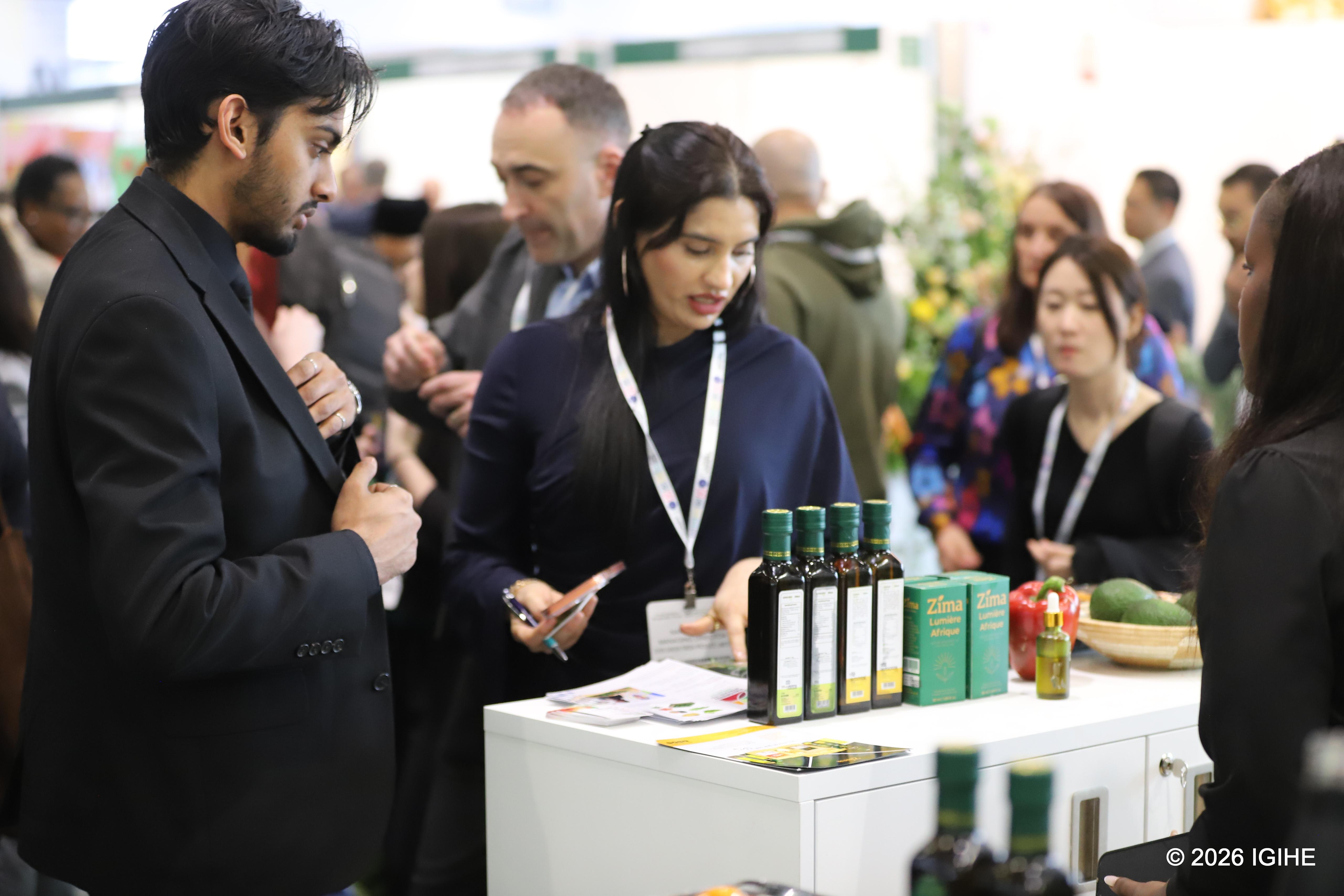
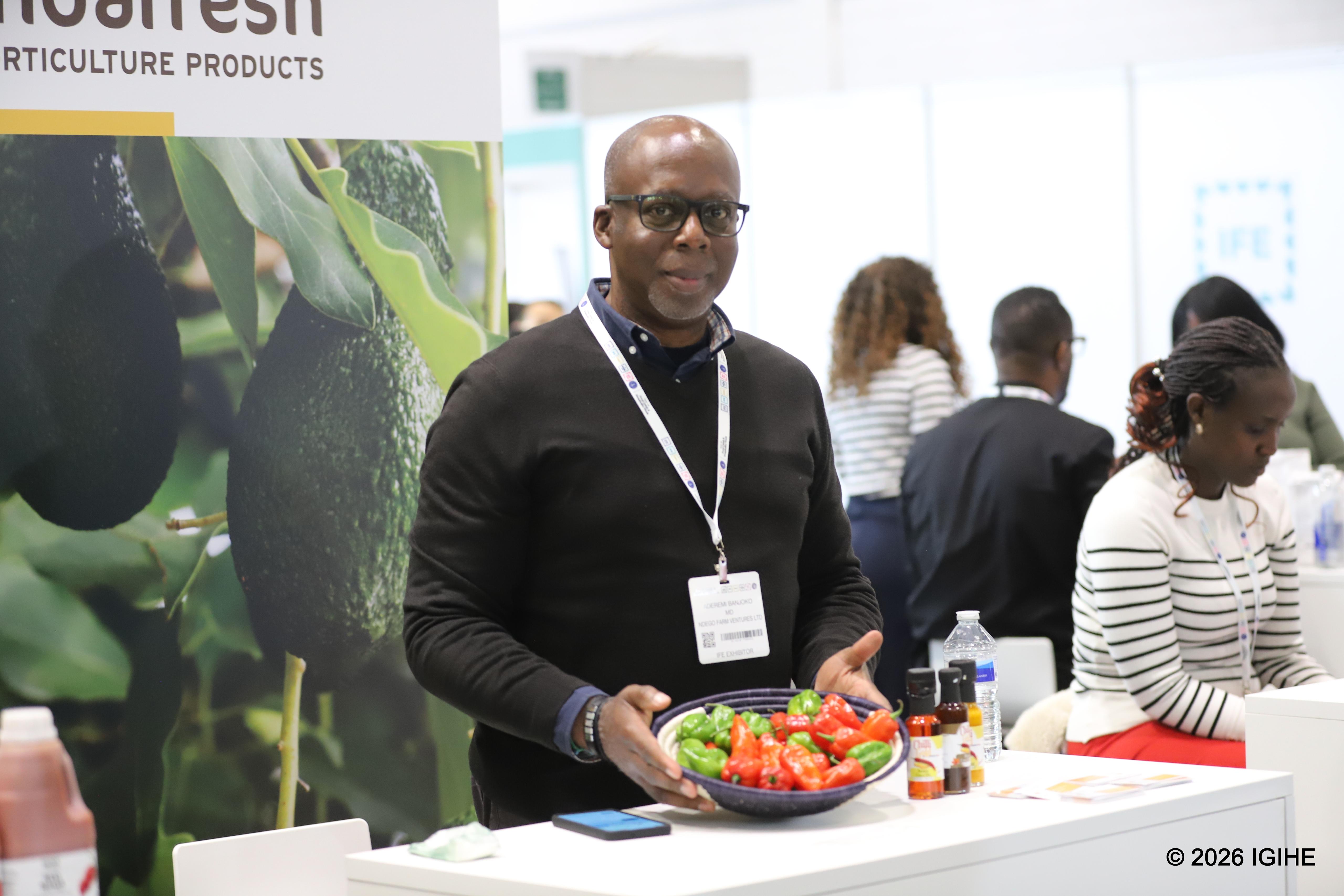
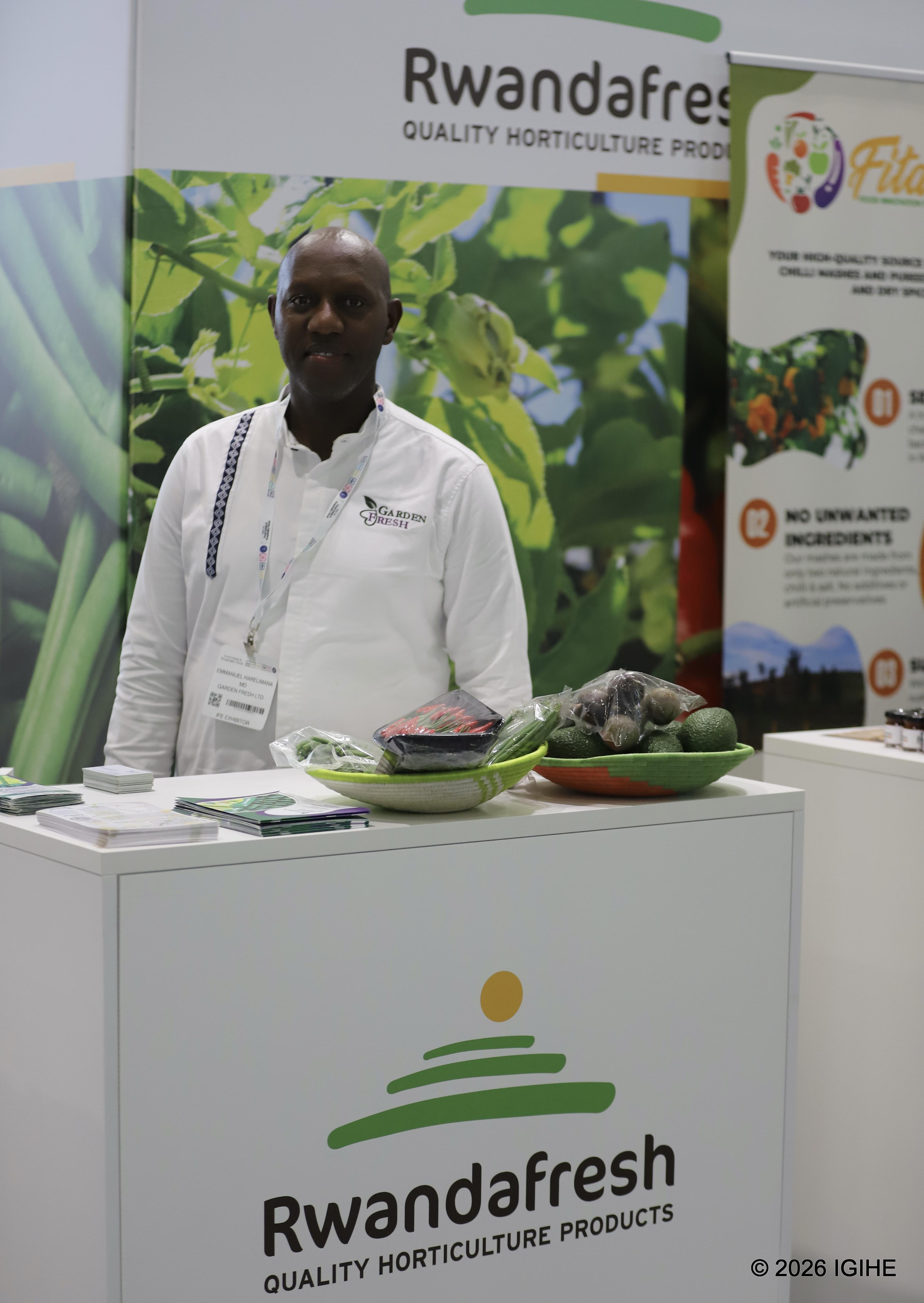
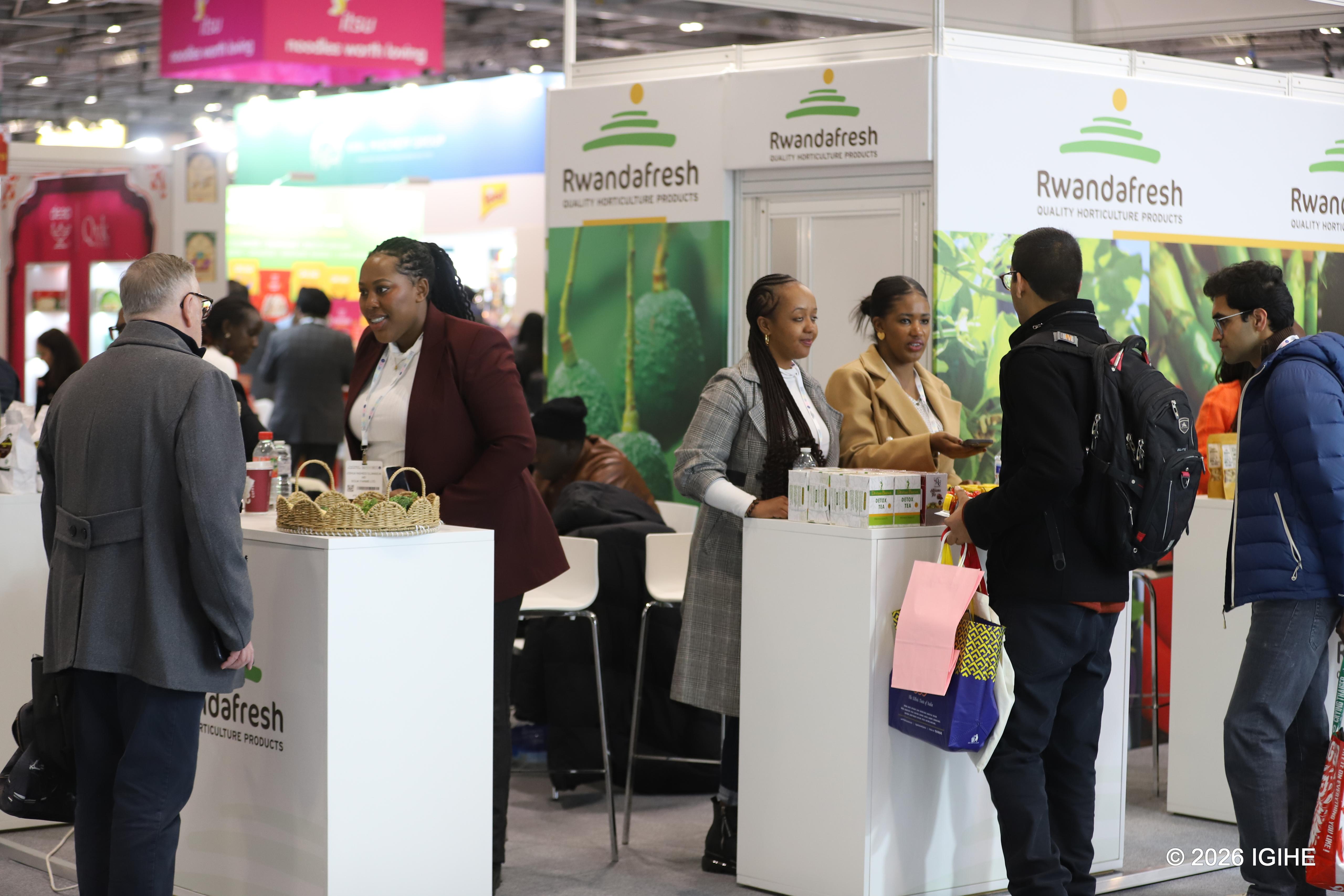
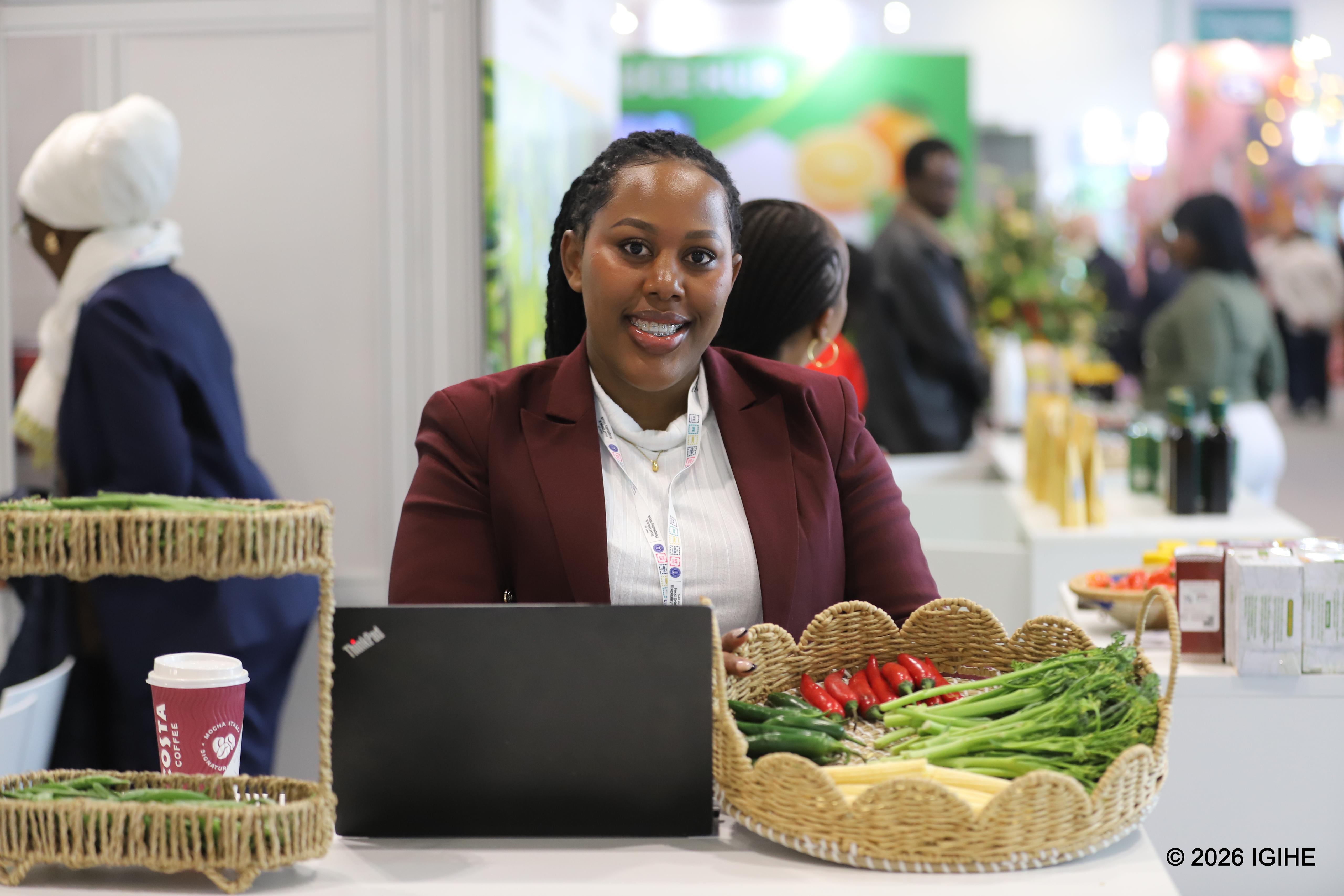
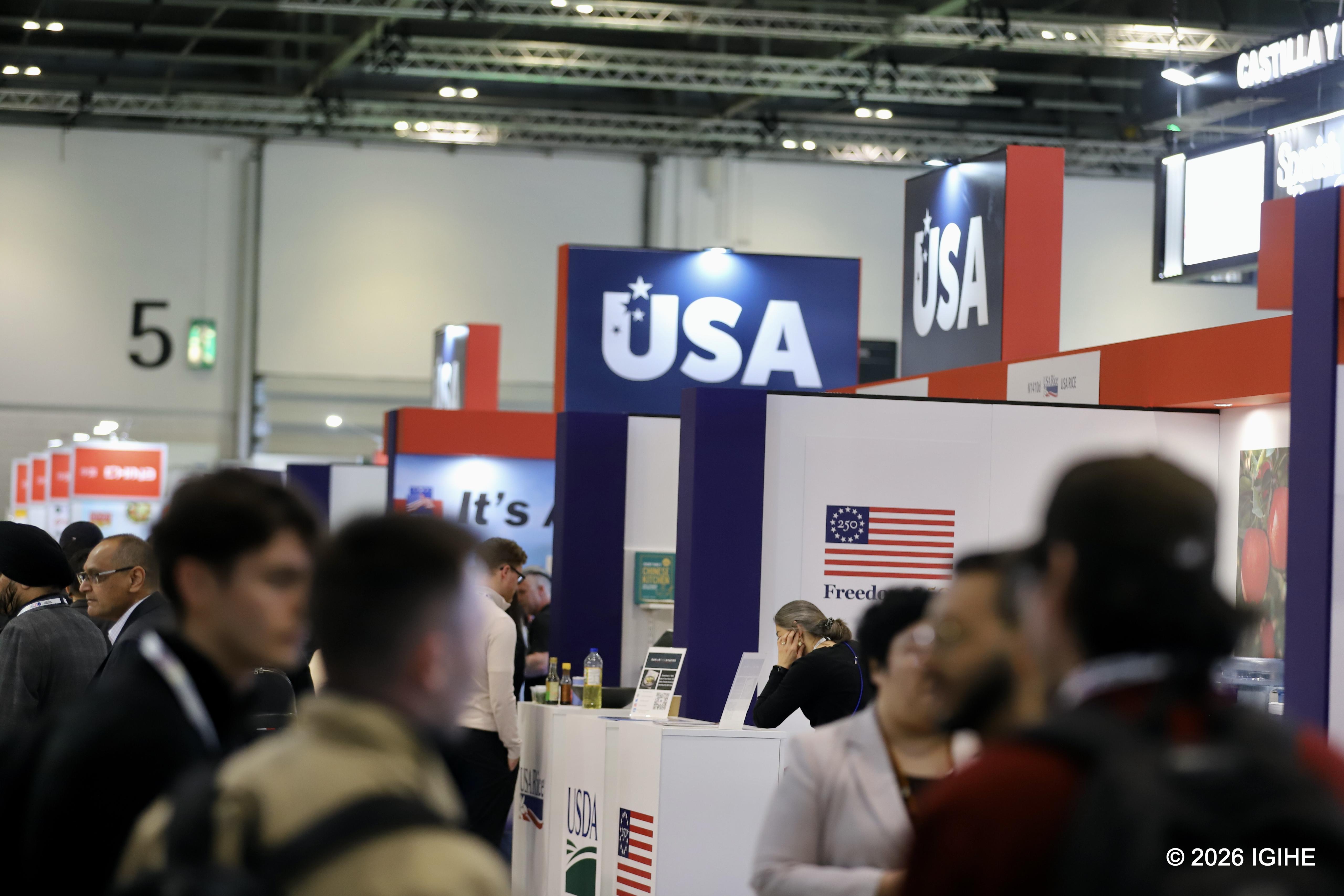
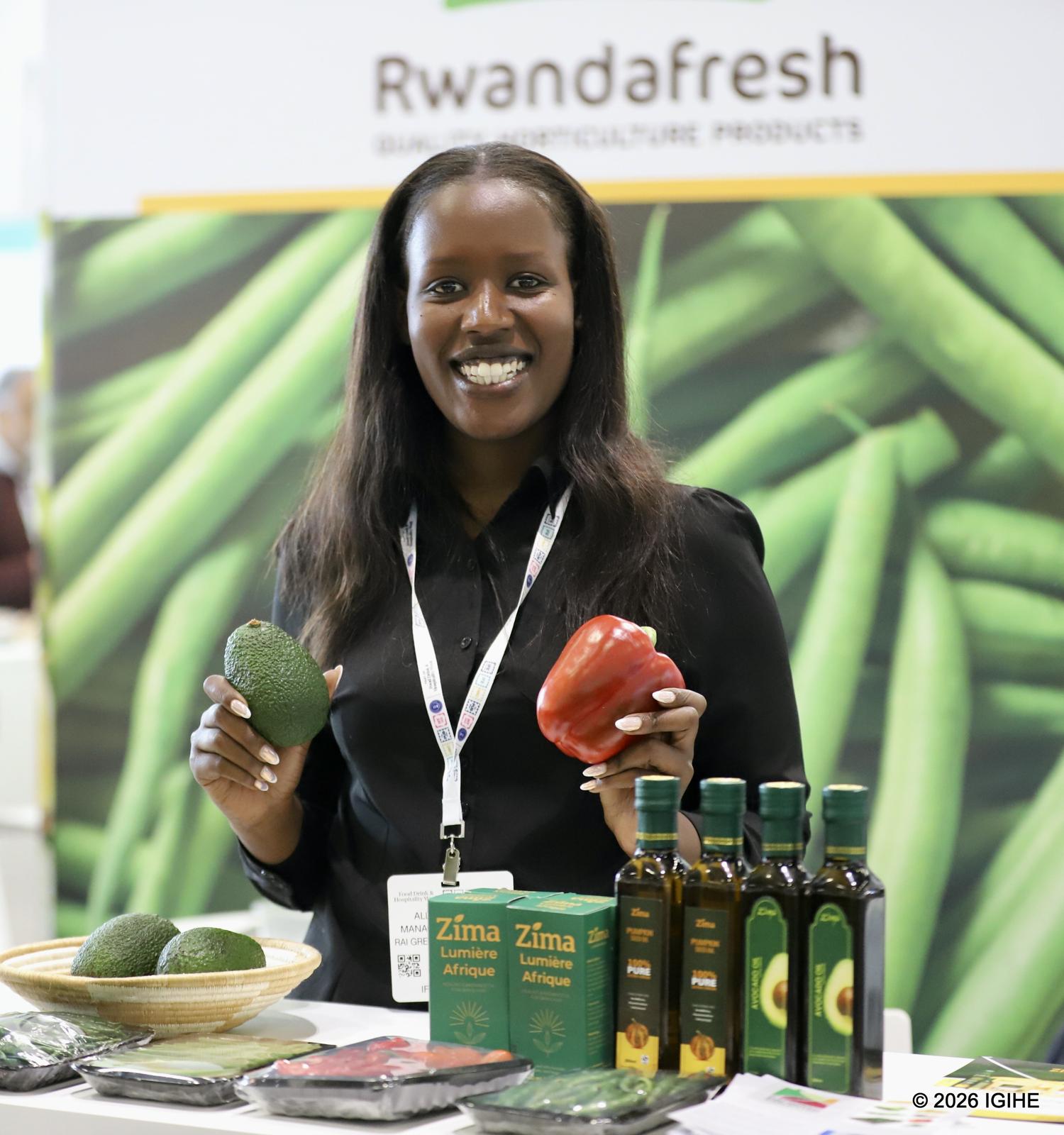
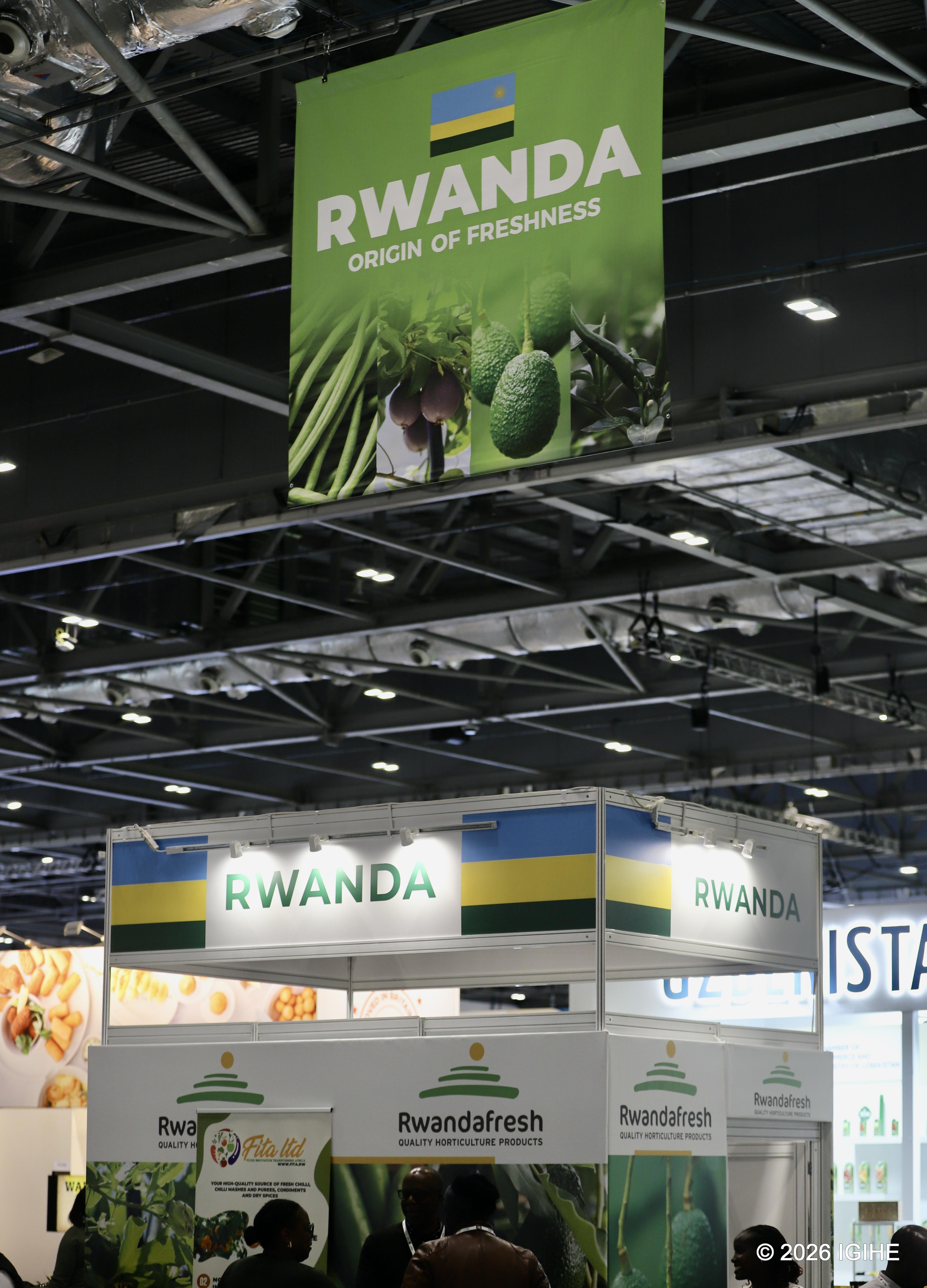
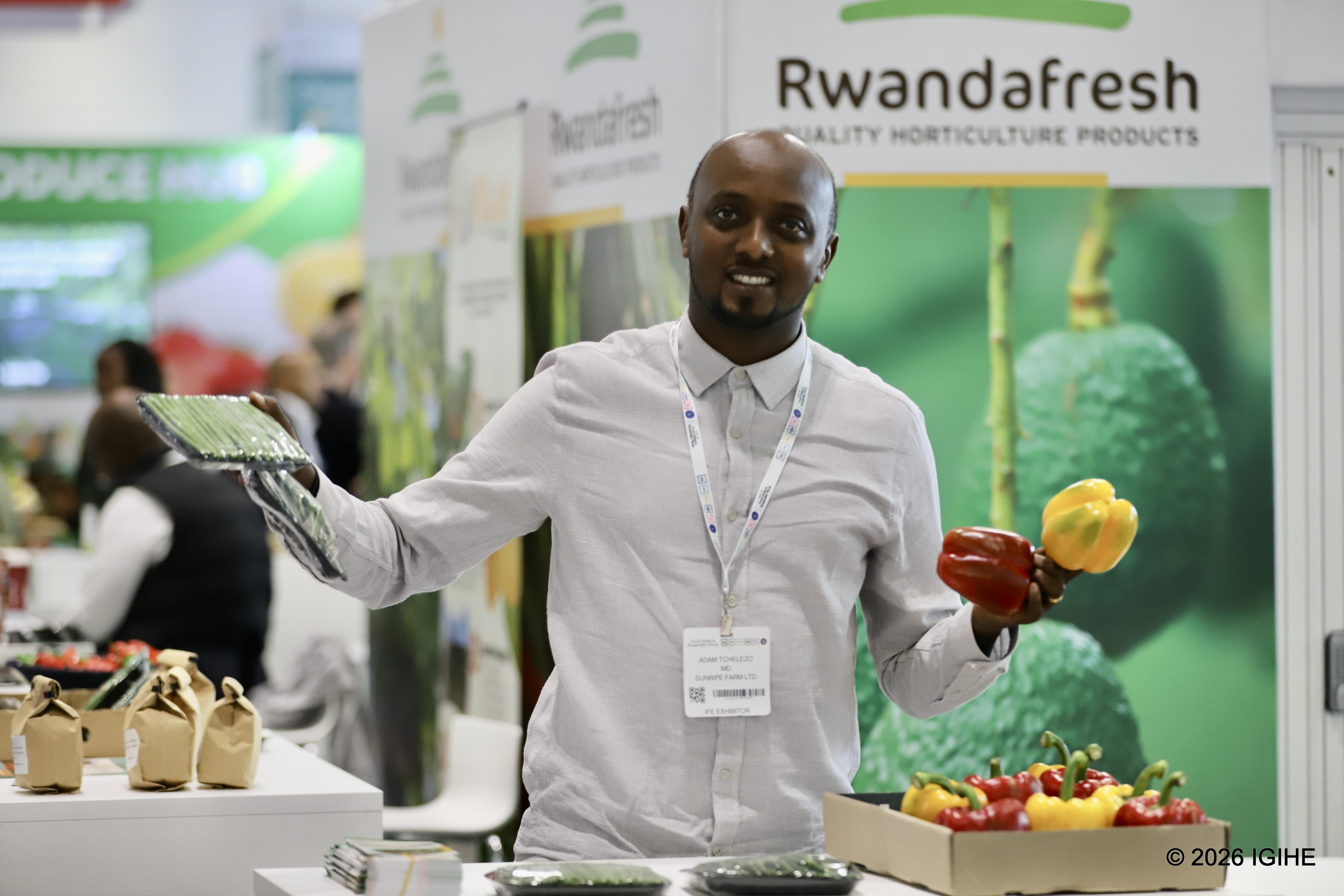
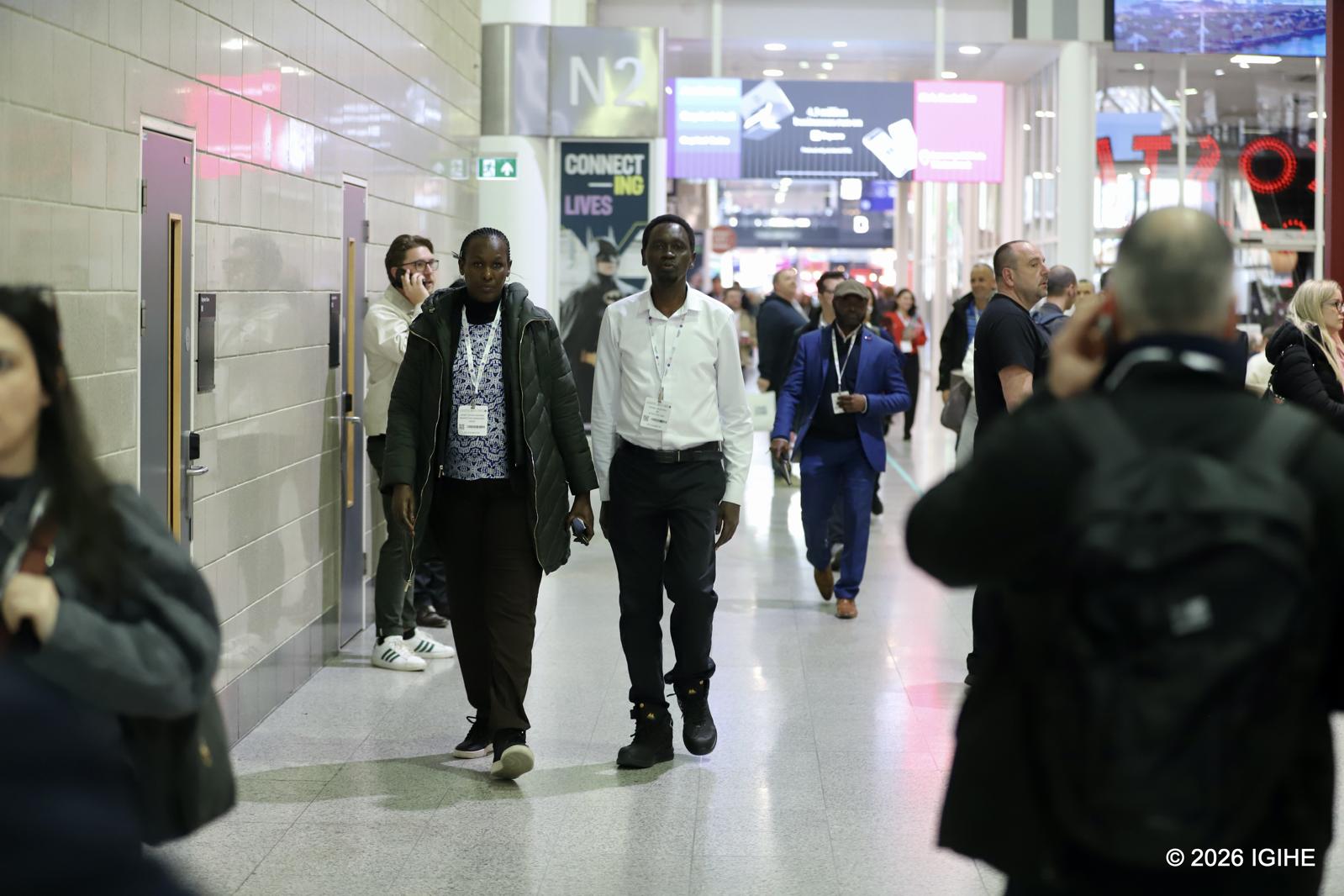
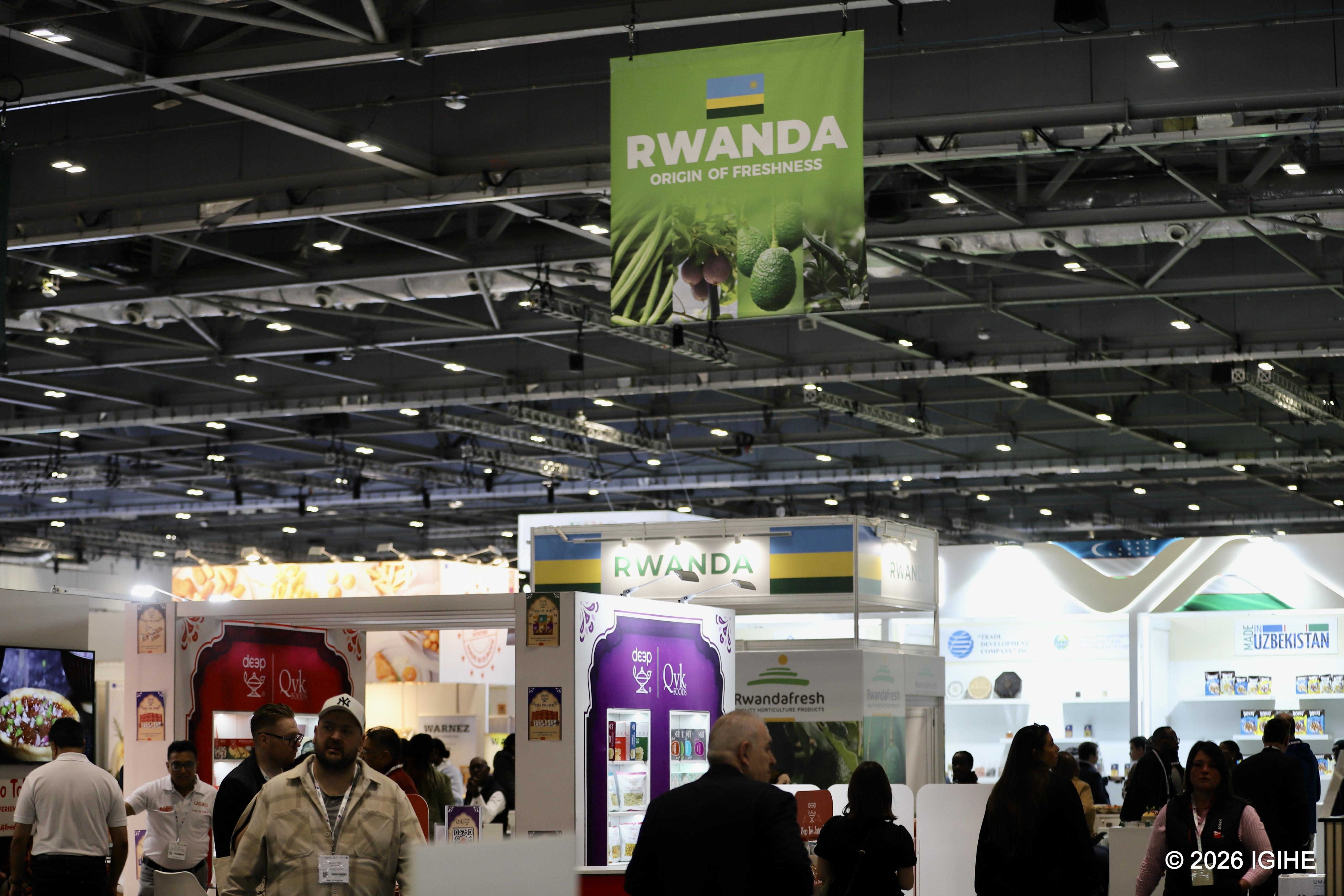
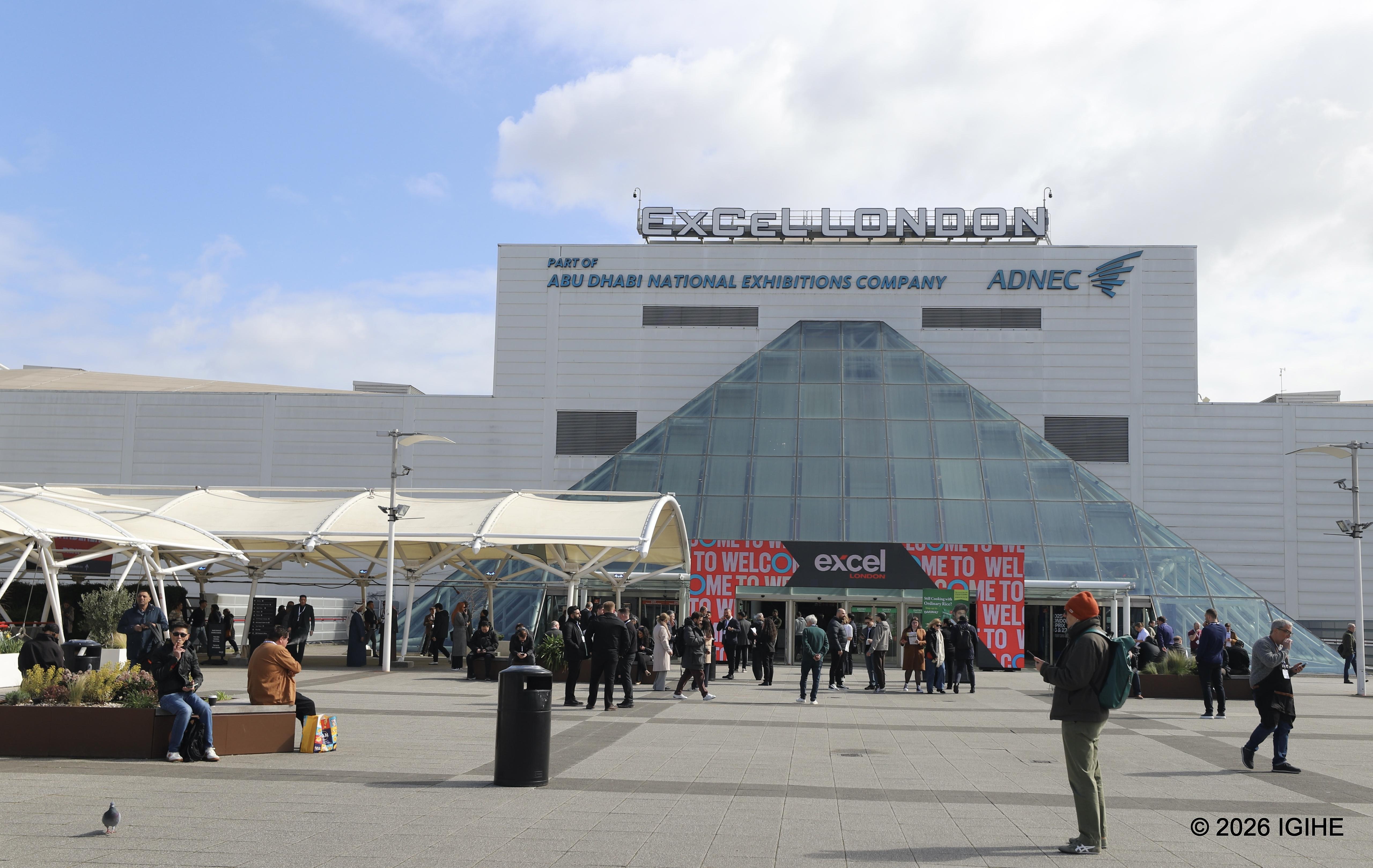
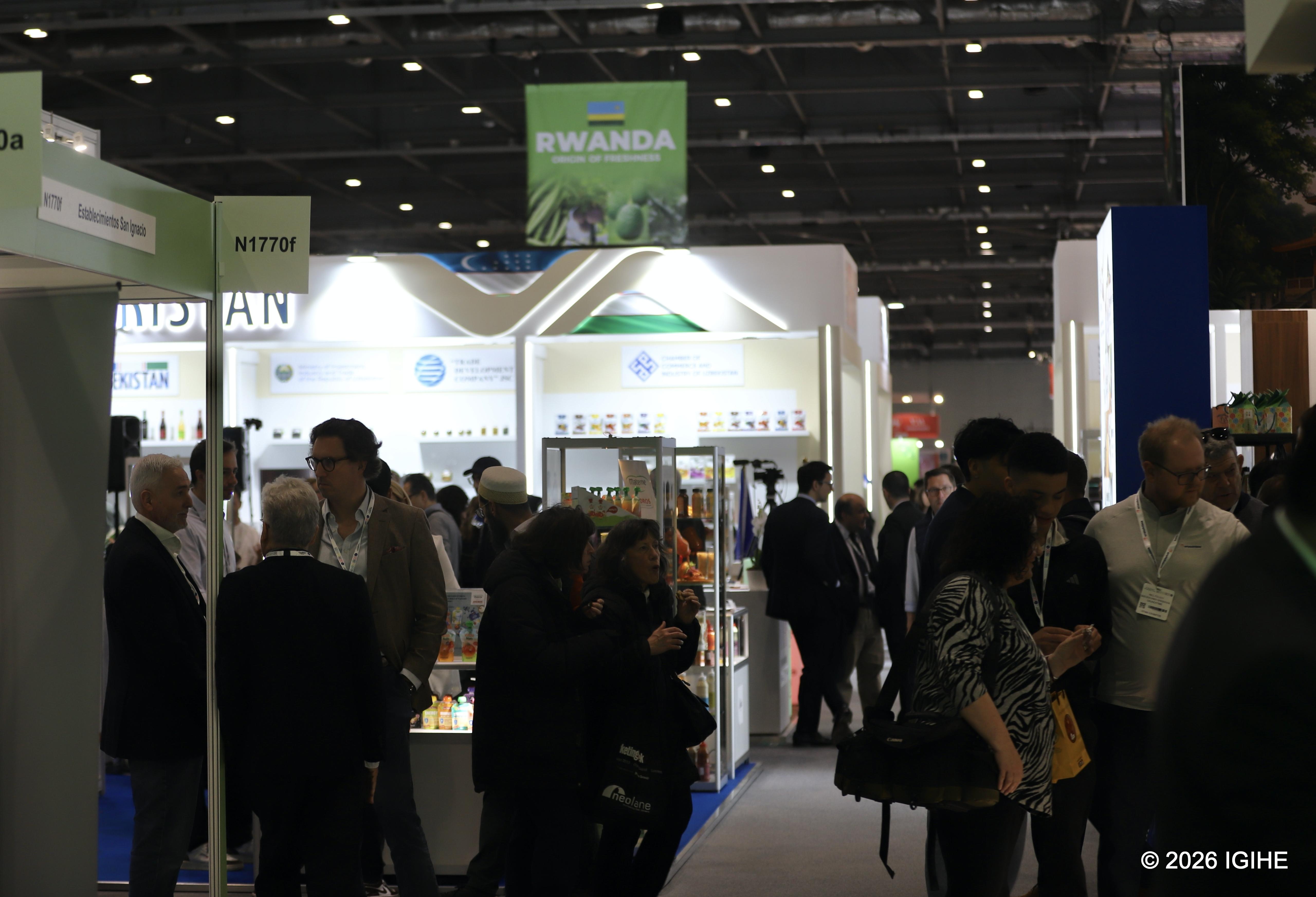
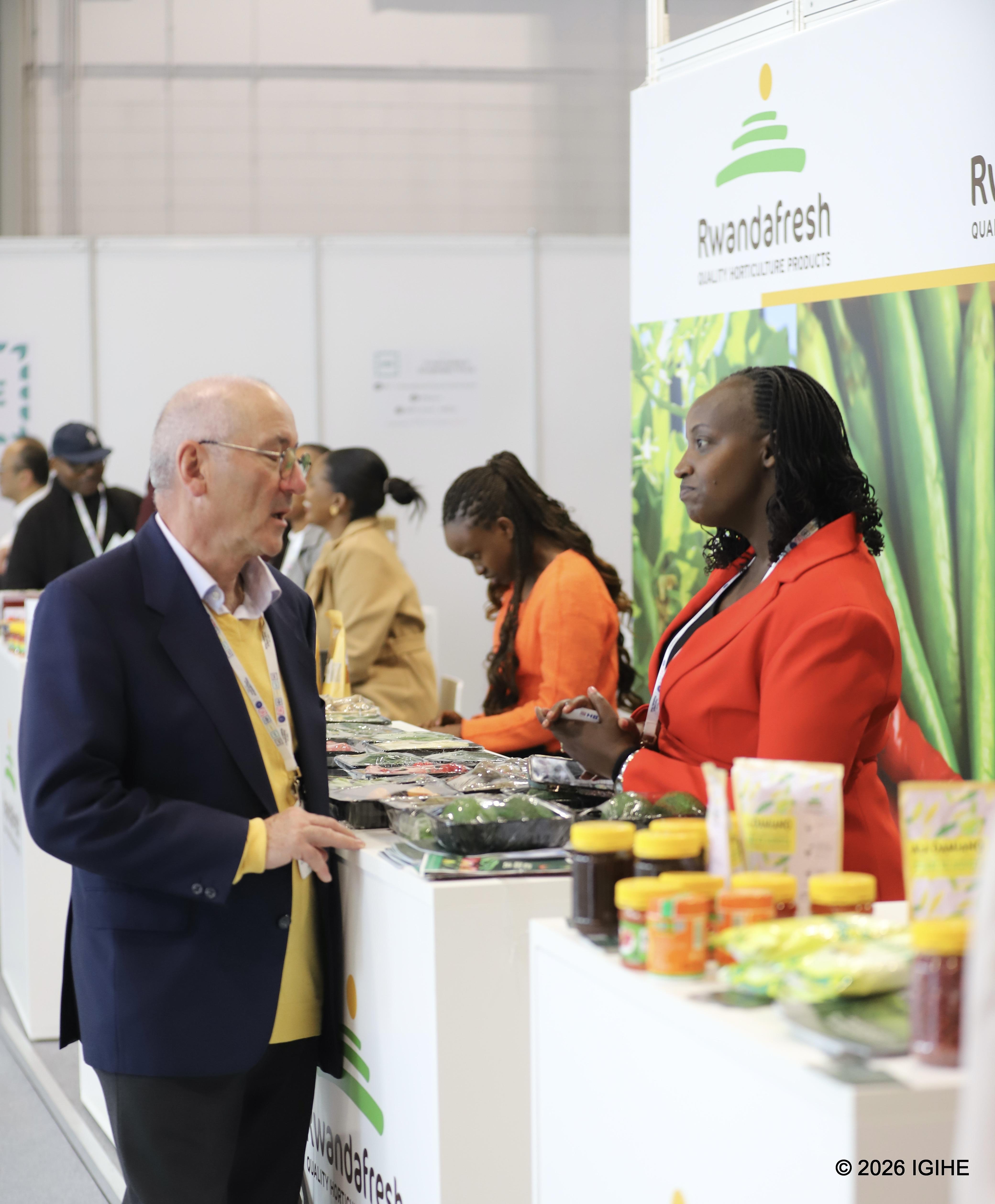
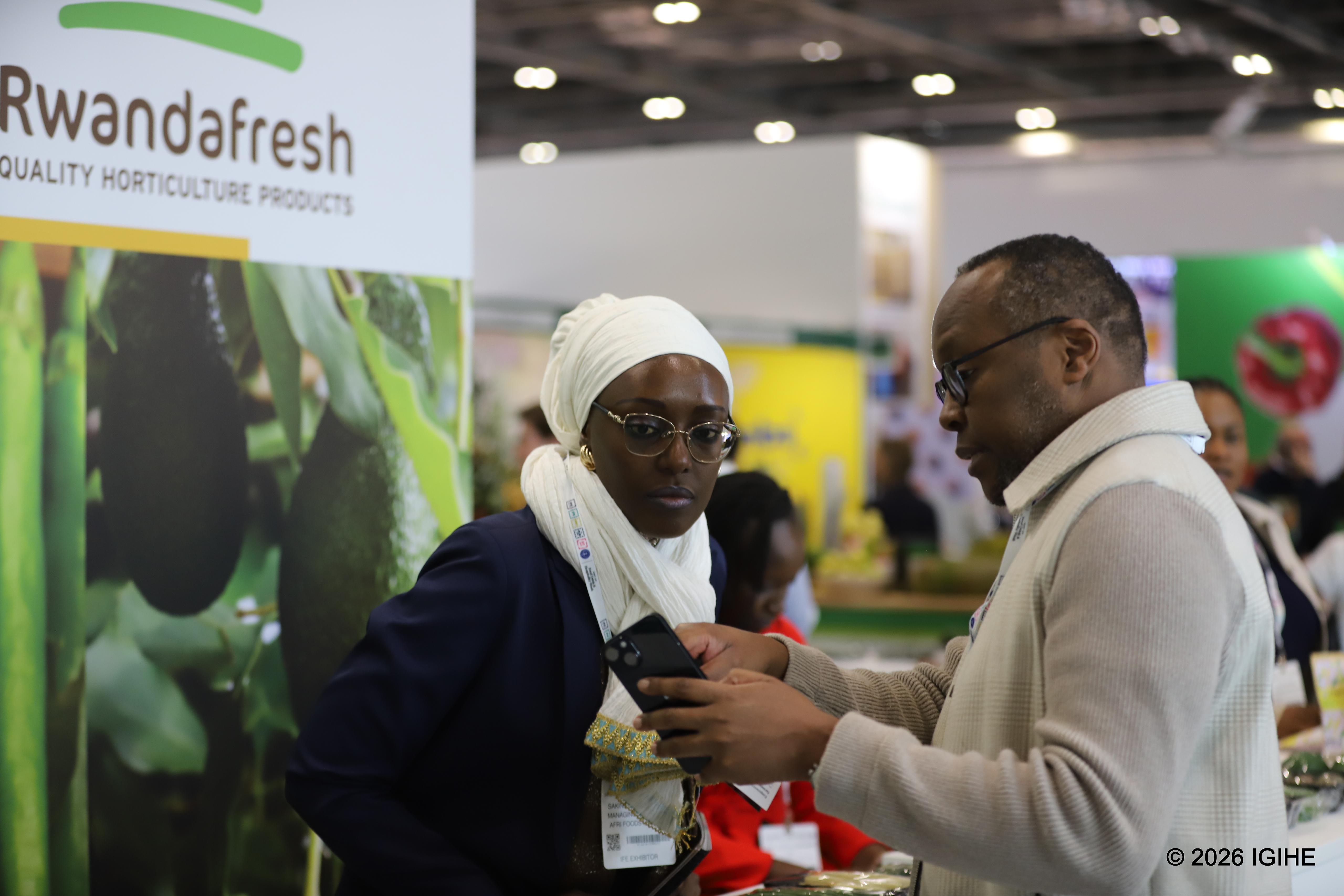
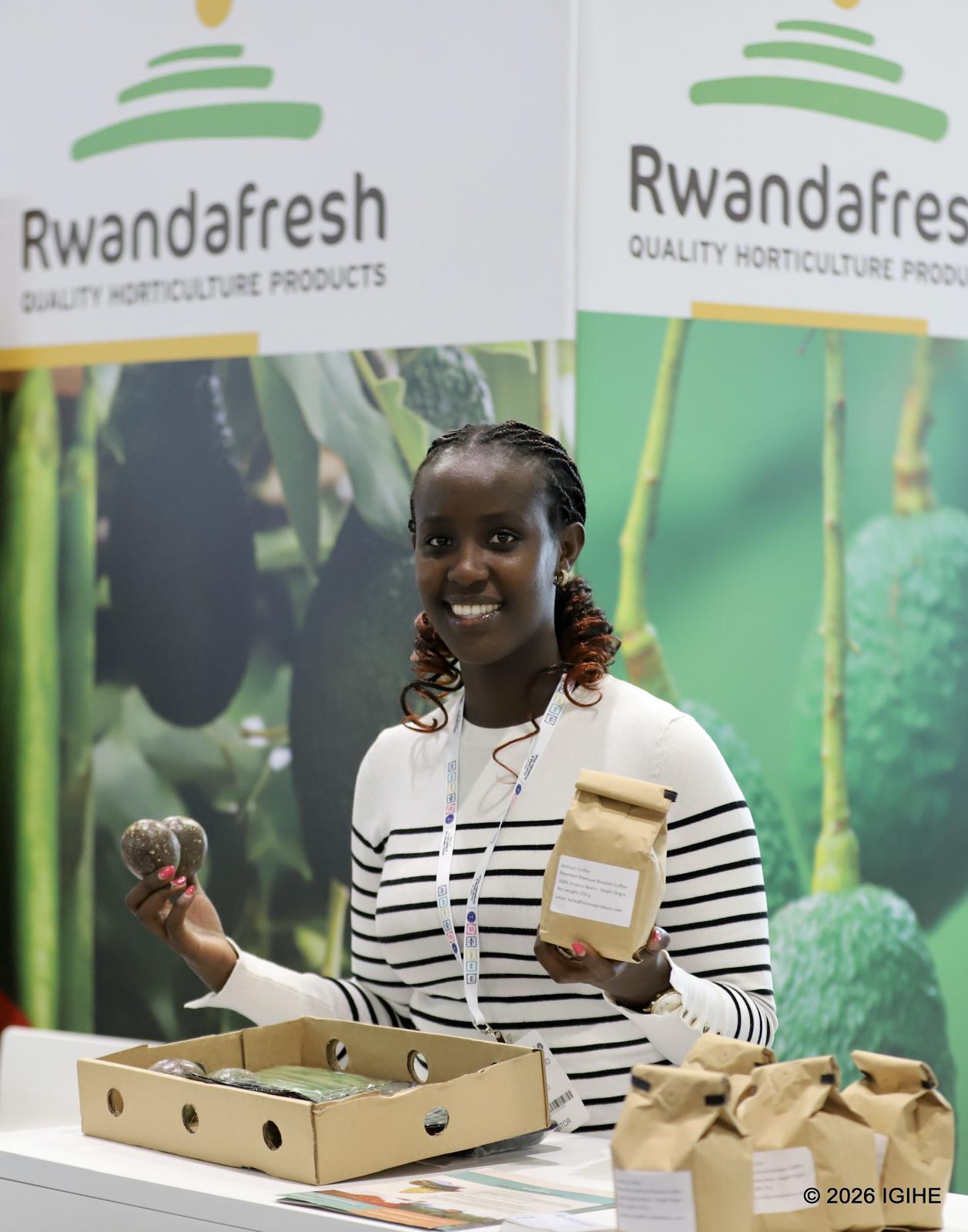
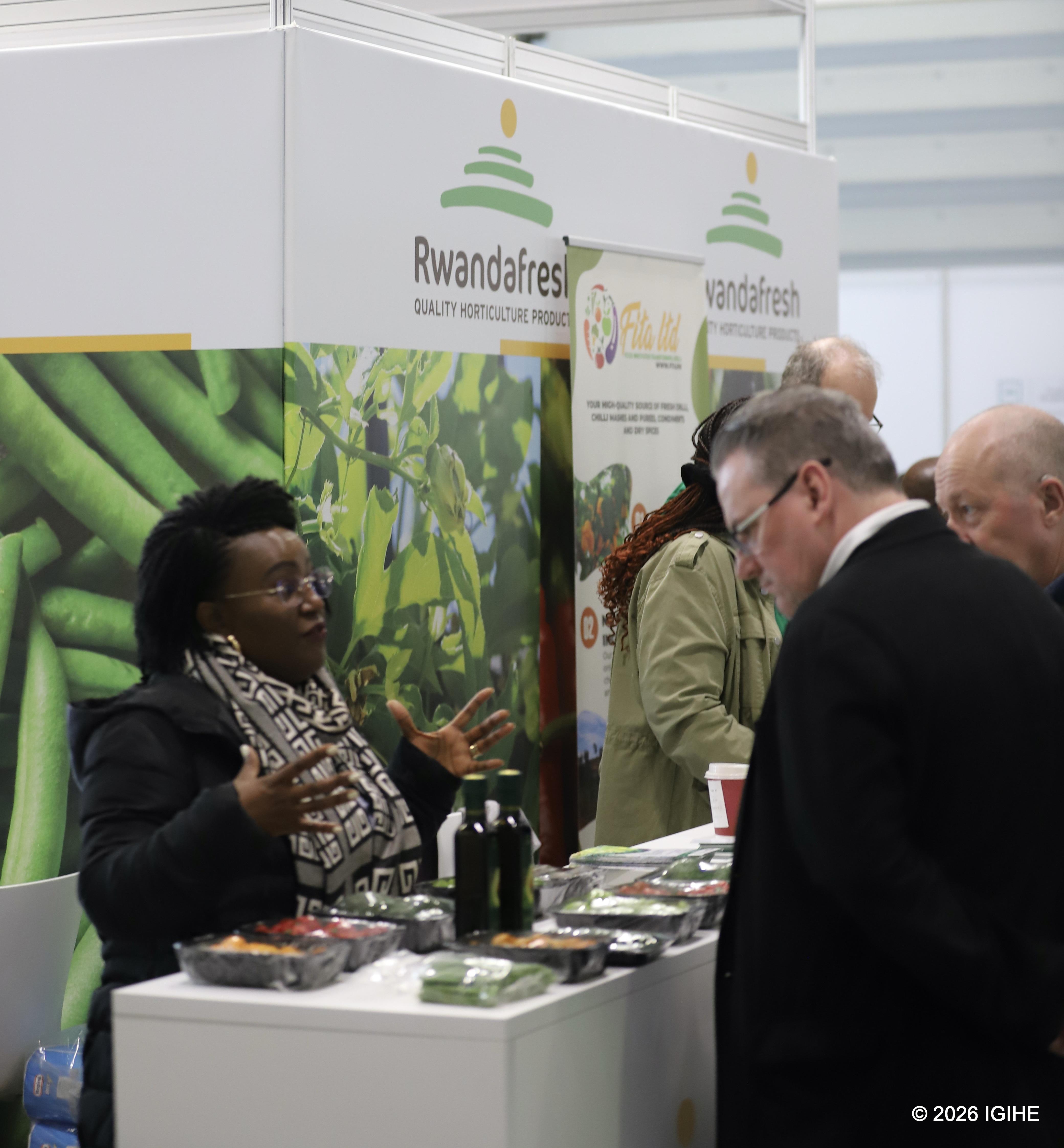
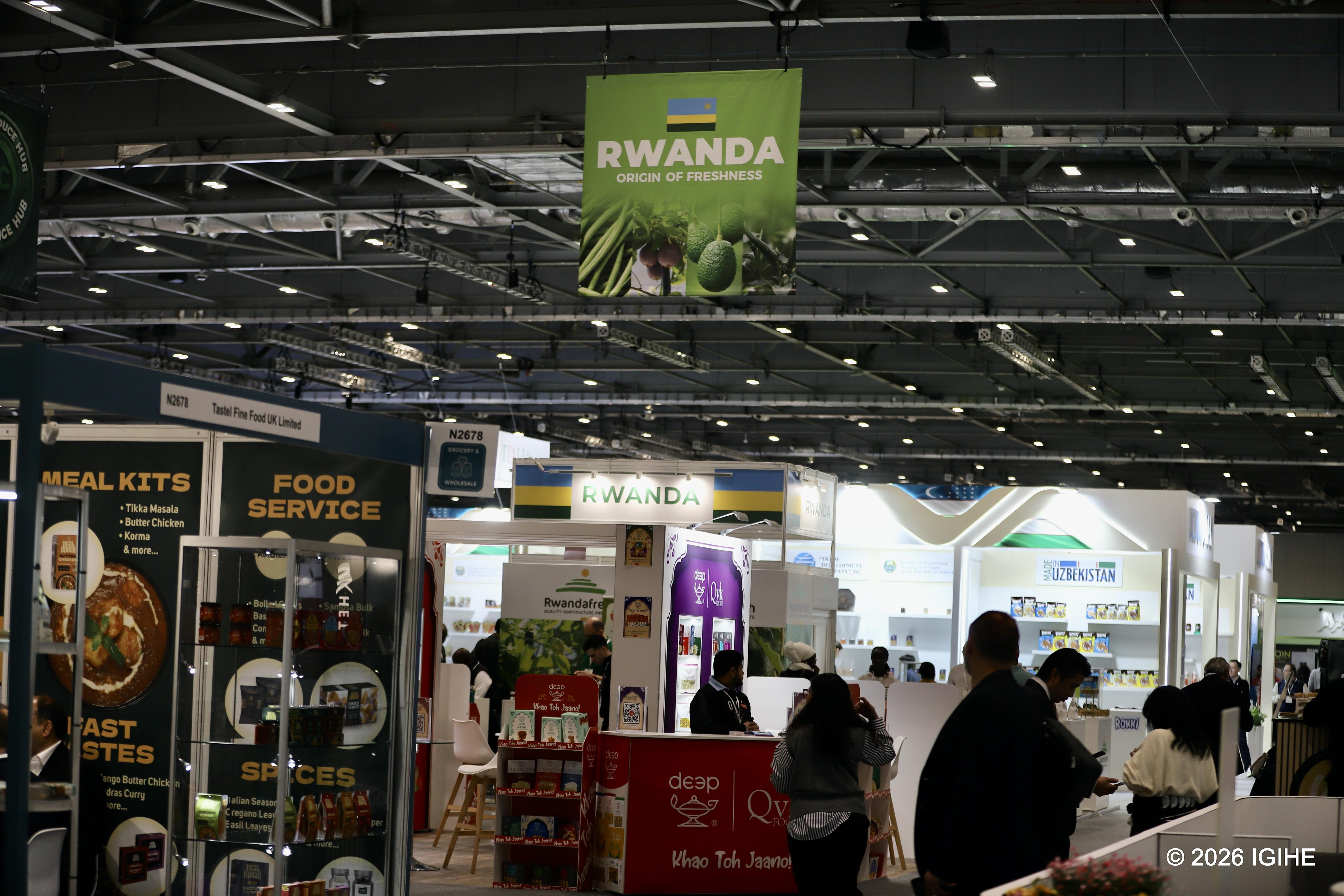
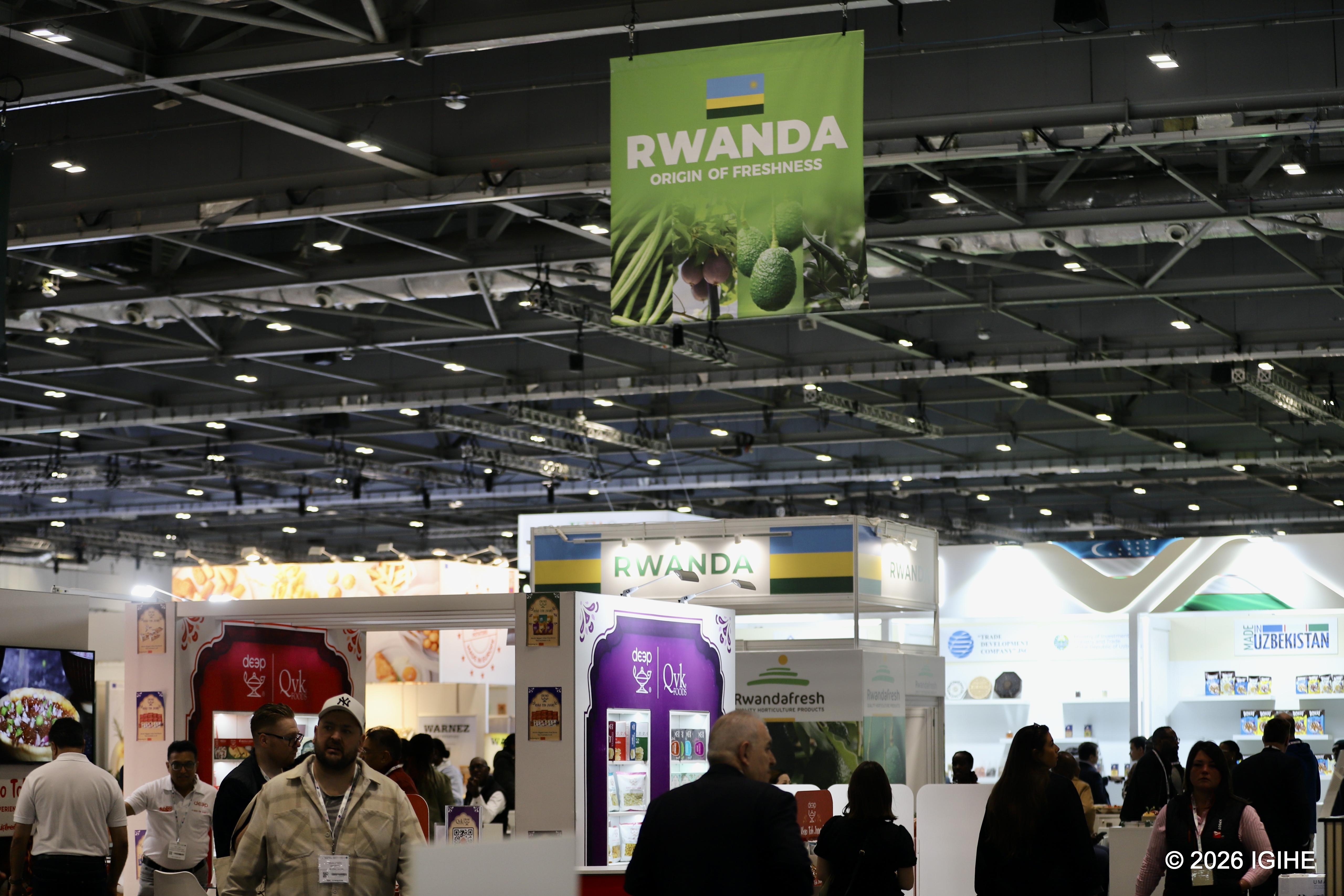
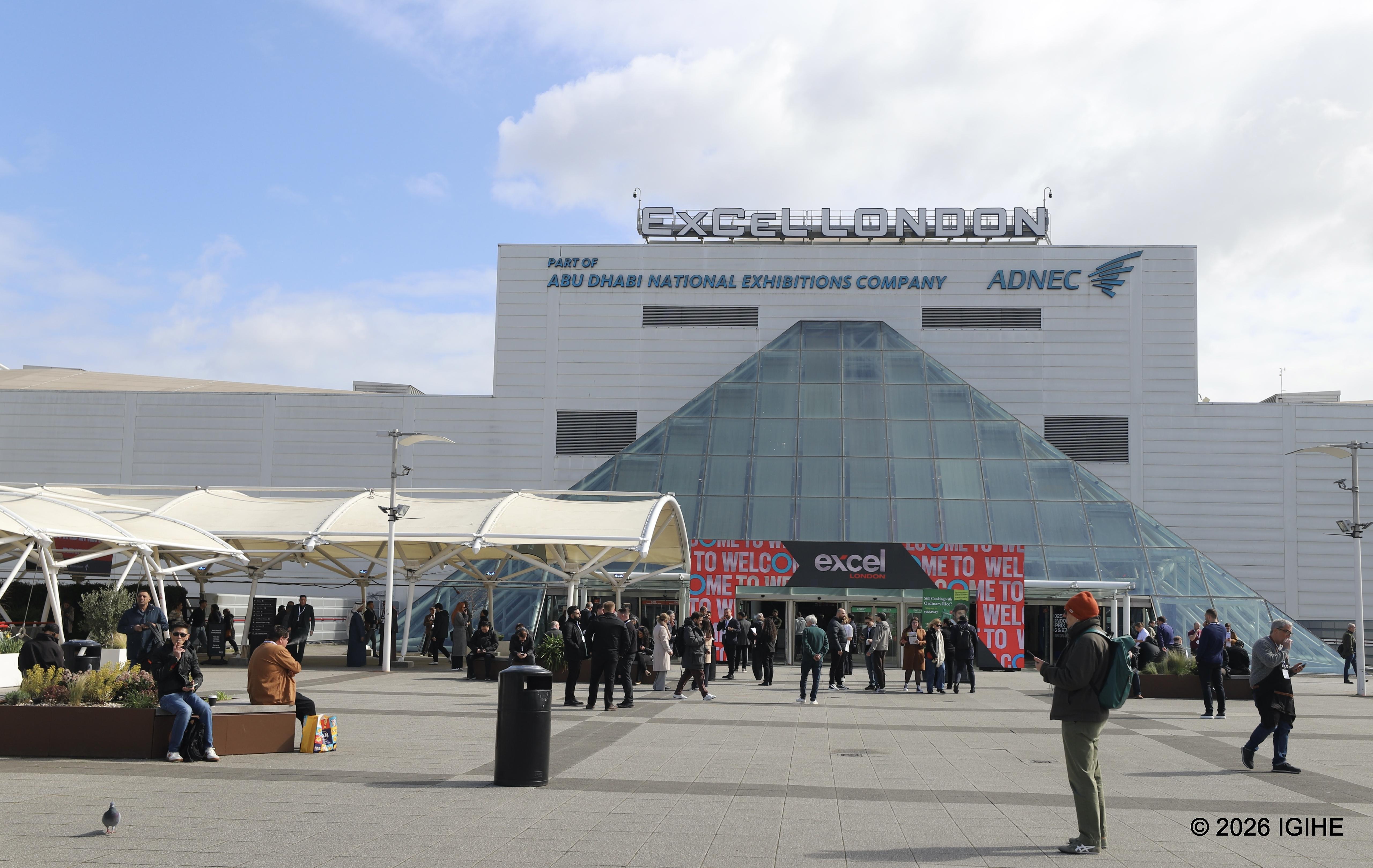
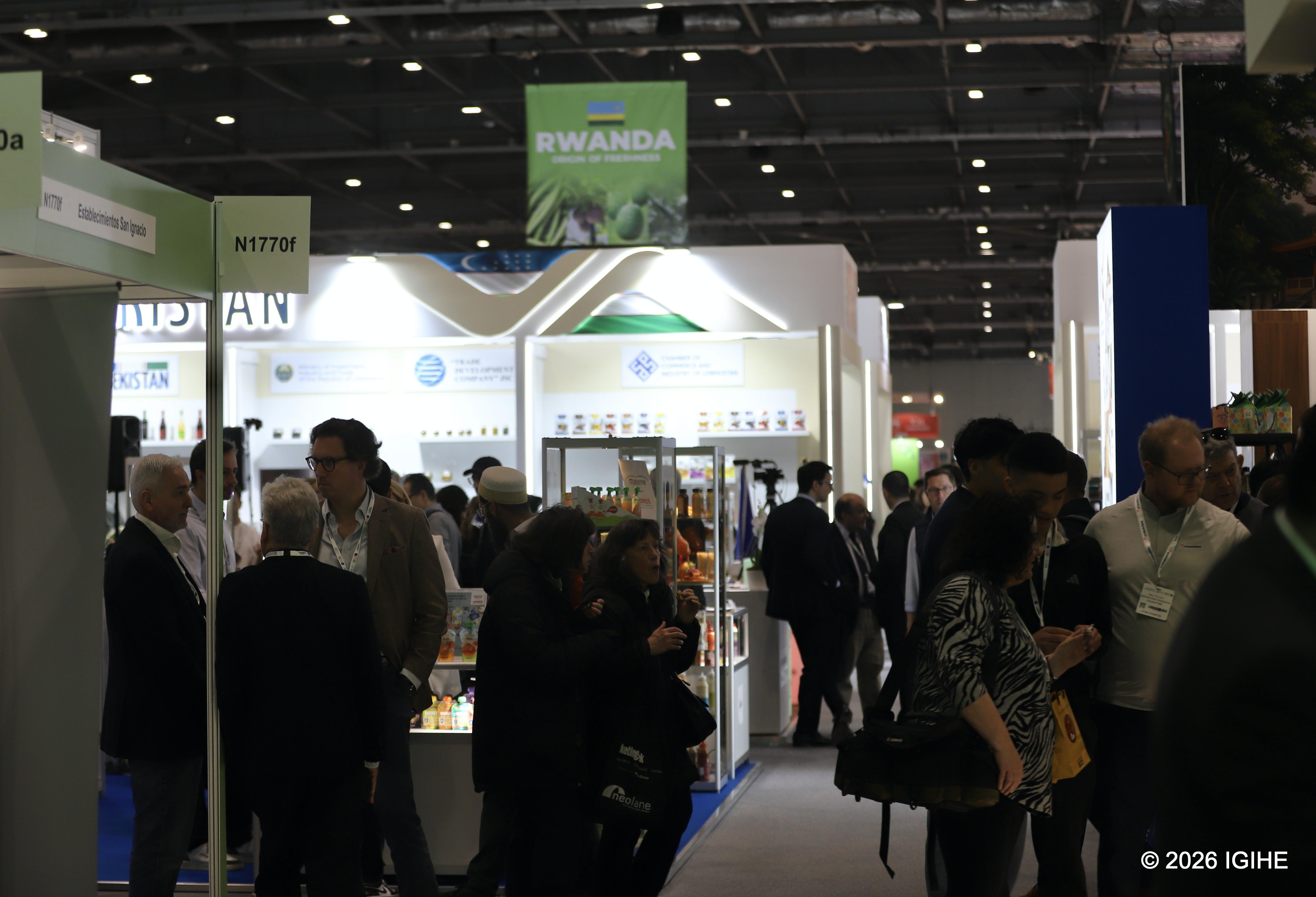
This exhibition taking place in London, United Kingdom, officially opened on March 30, 2026, and runs through April 1, 2026, at the ExCeL London exhibition centre.
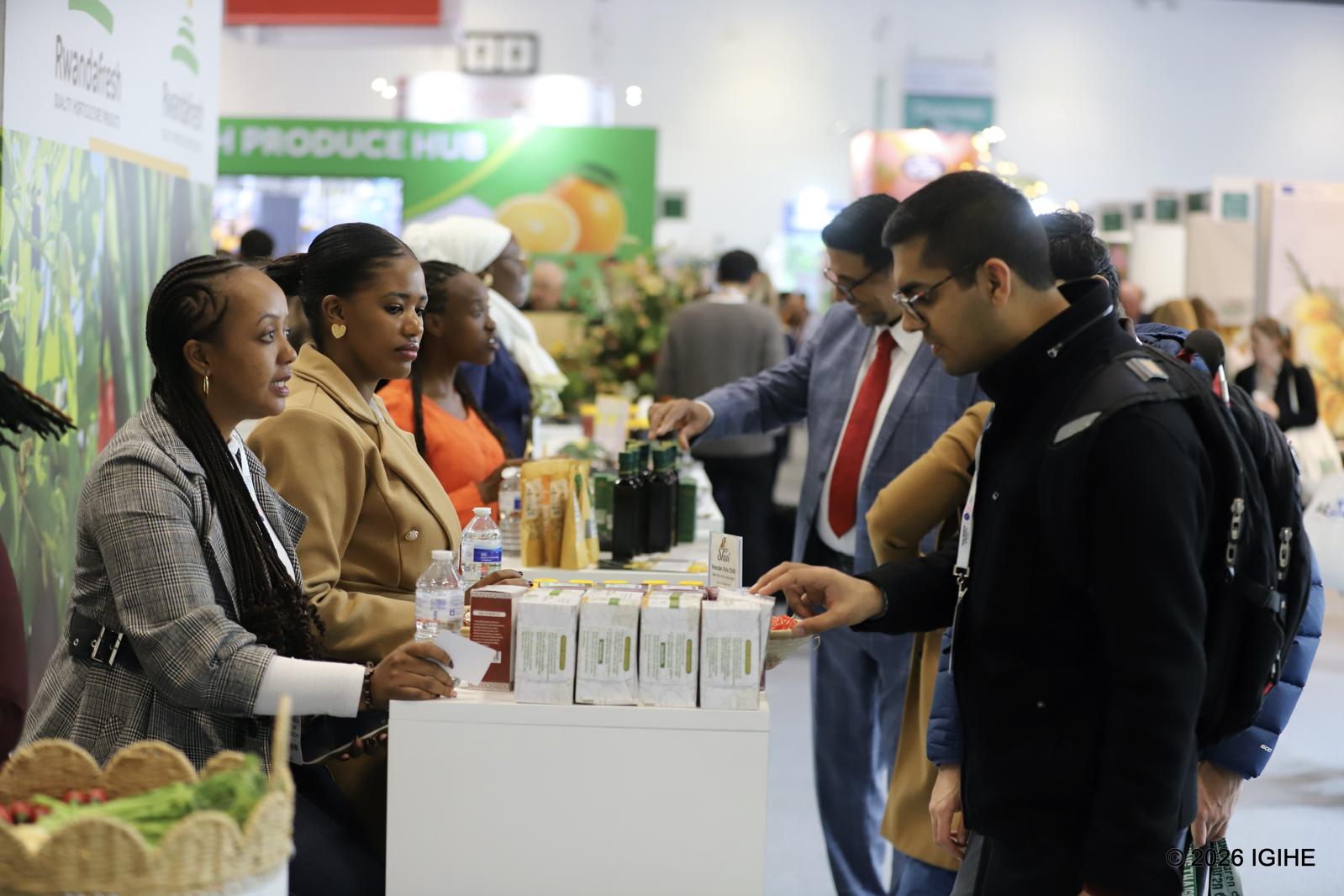
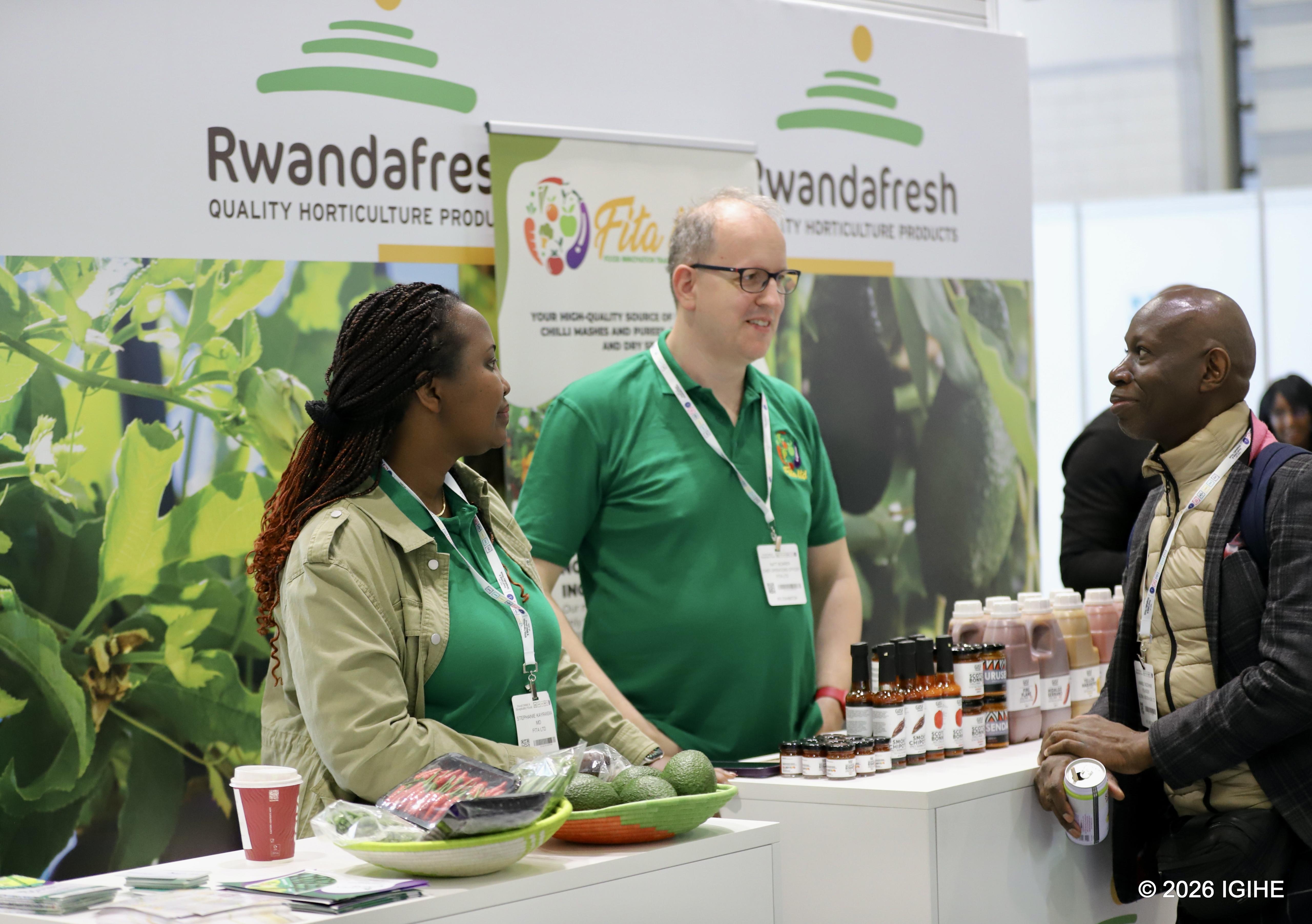
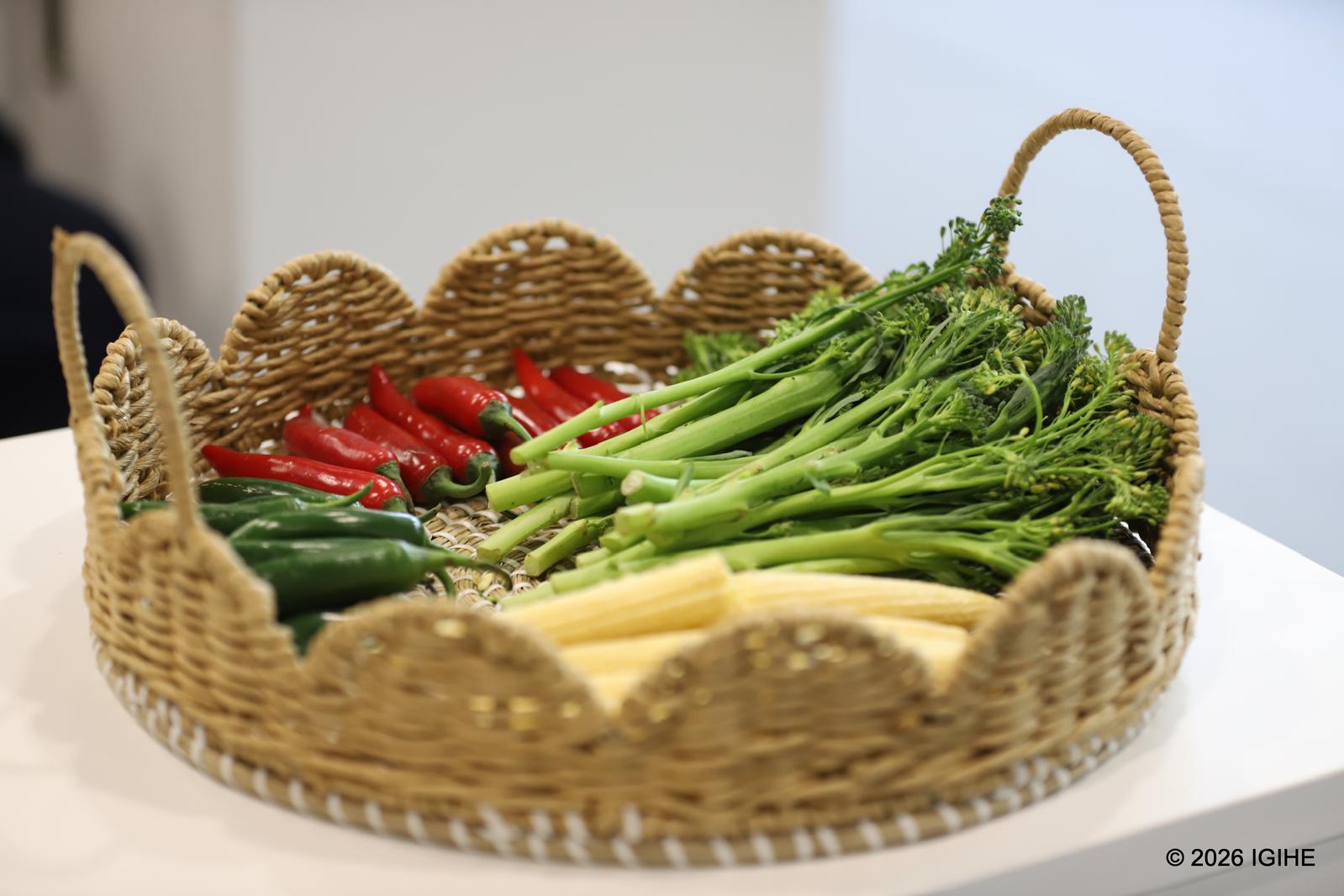
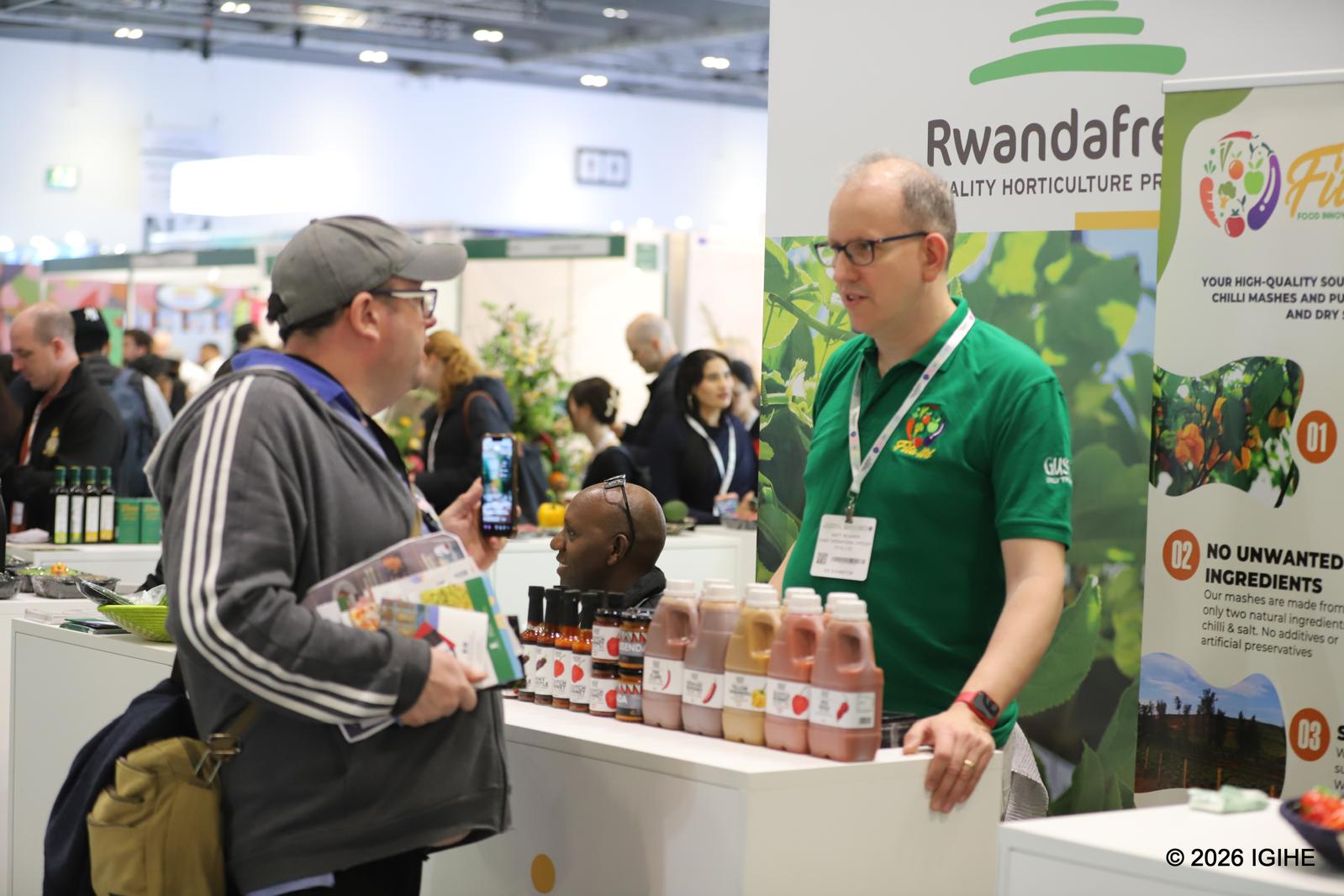
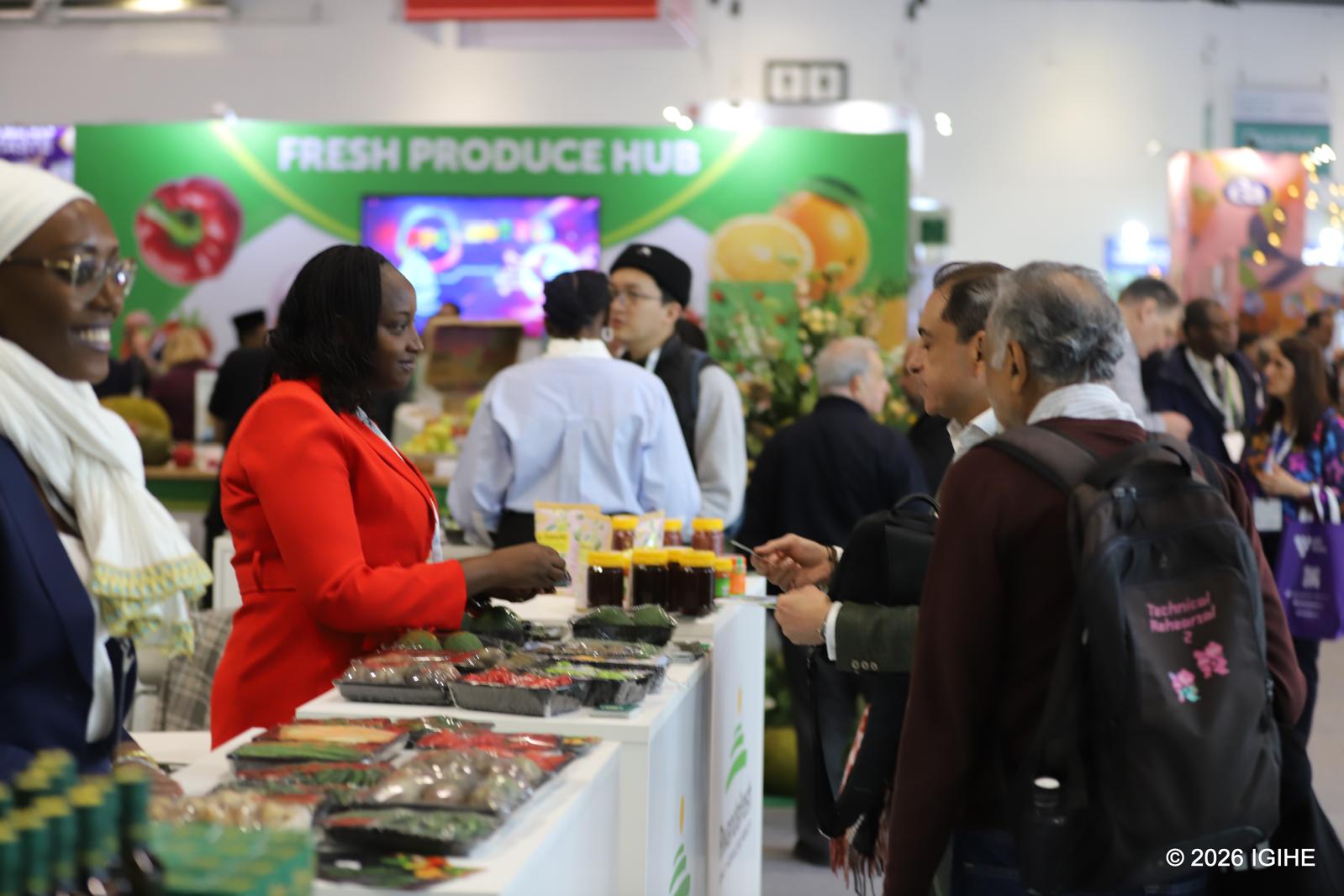
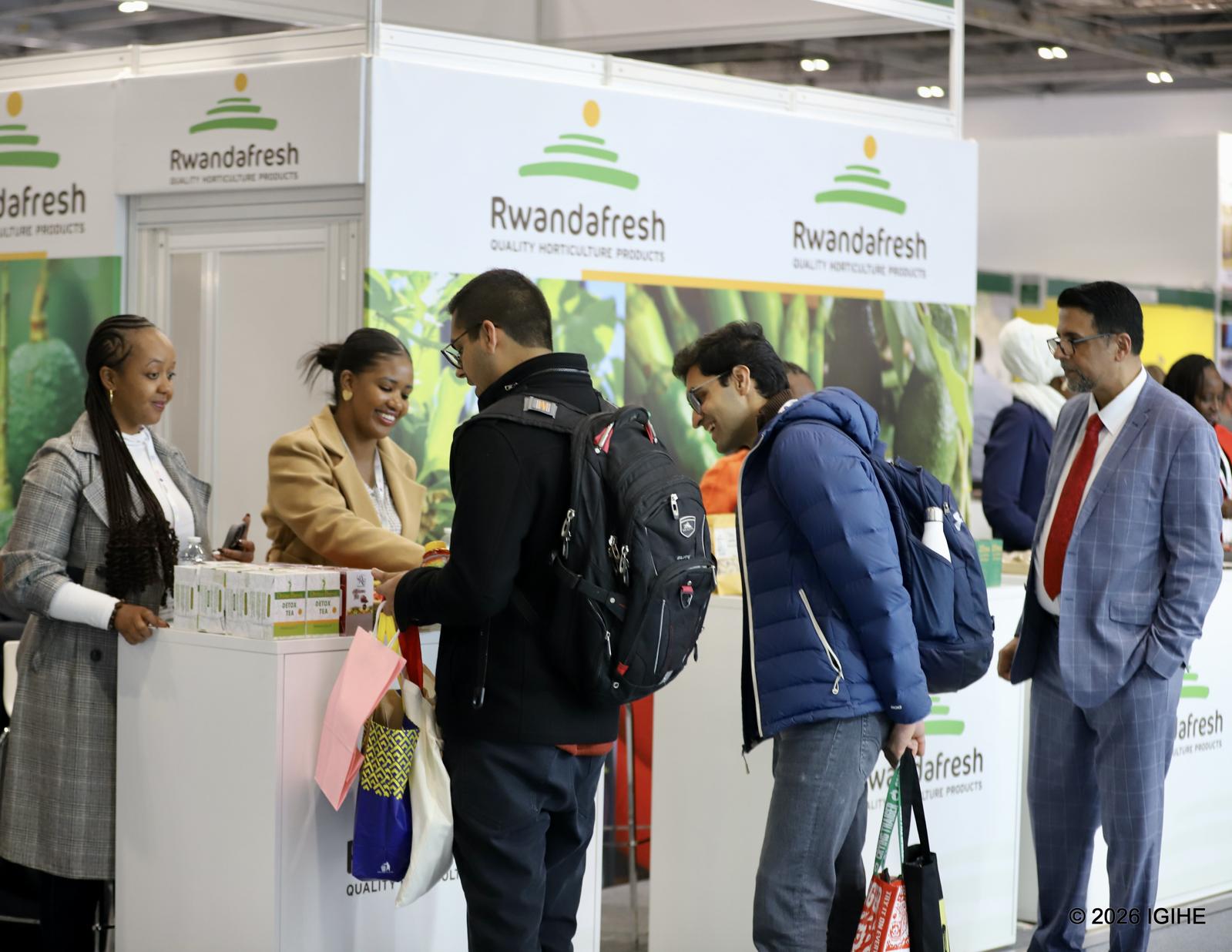
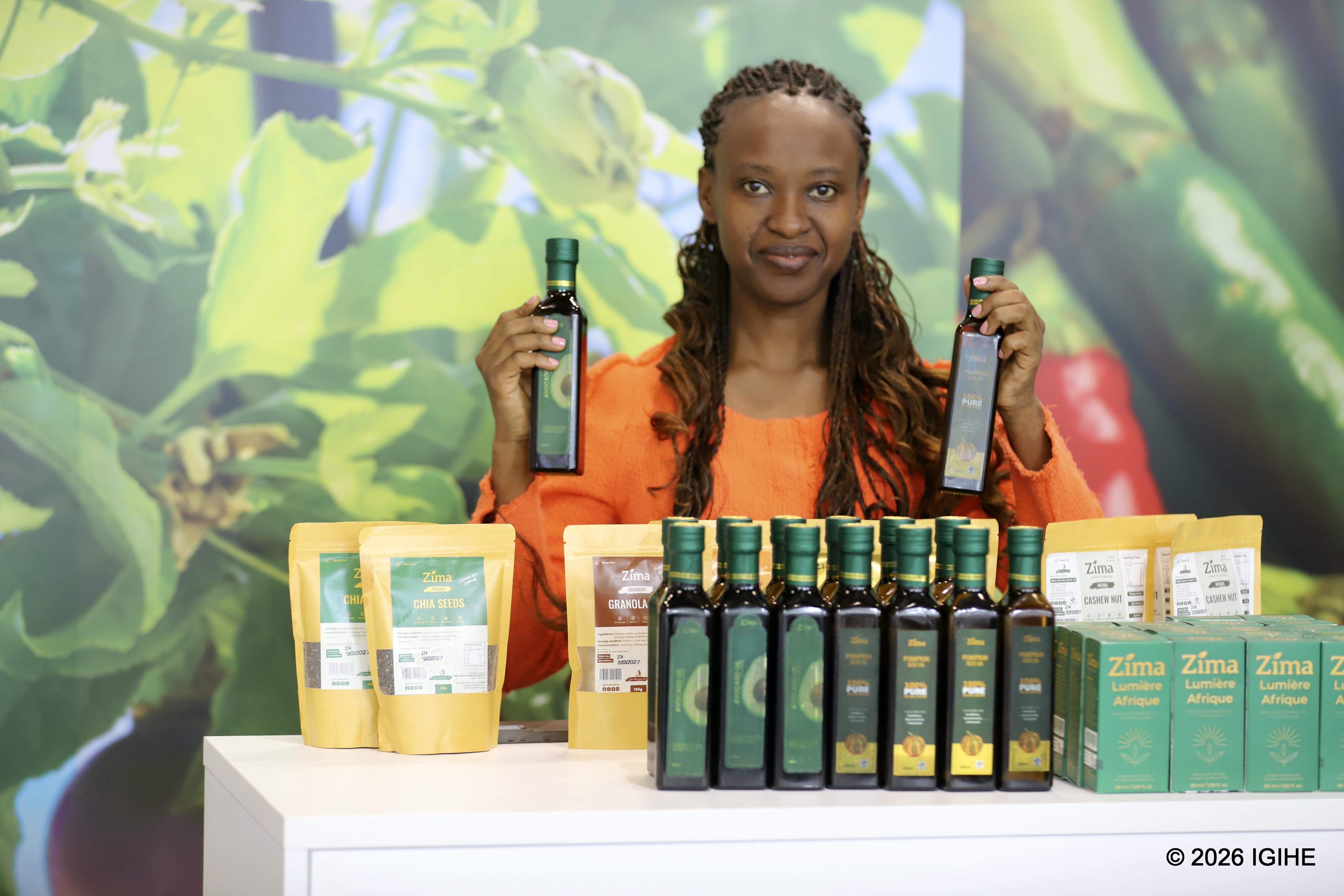
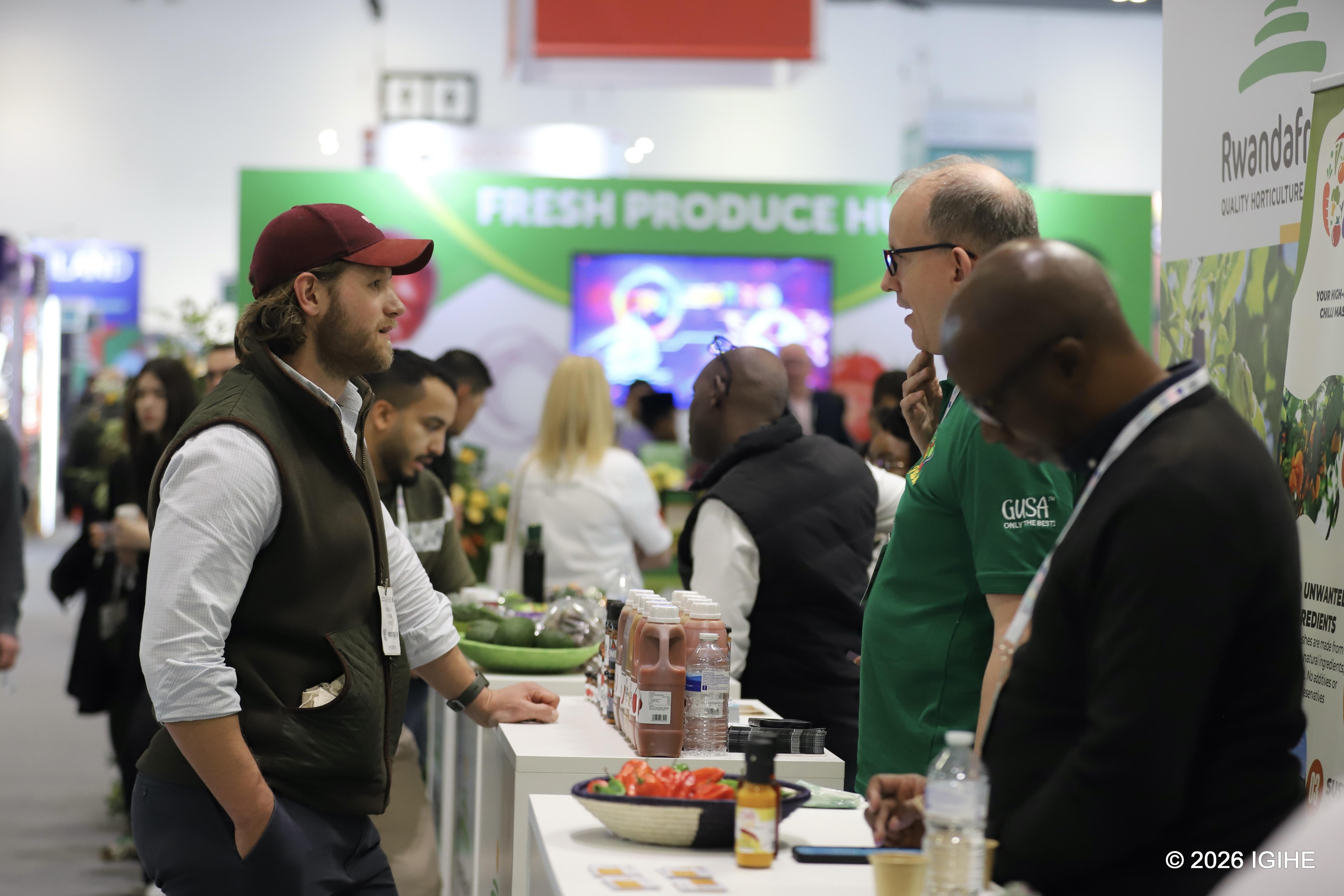
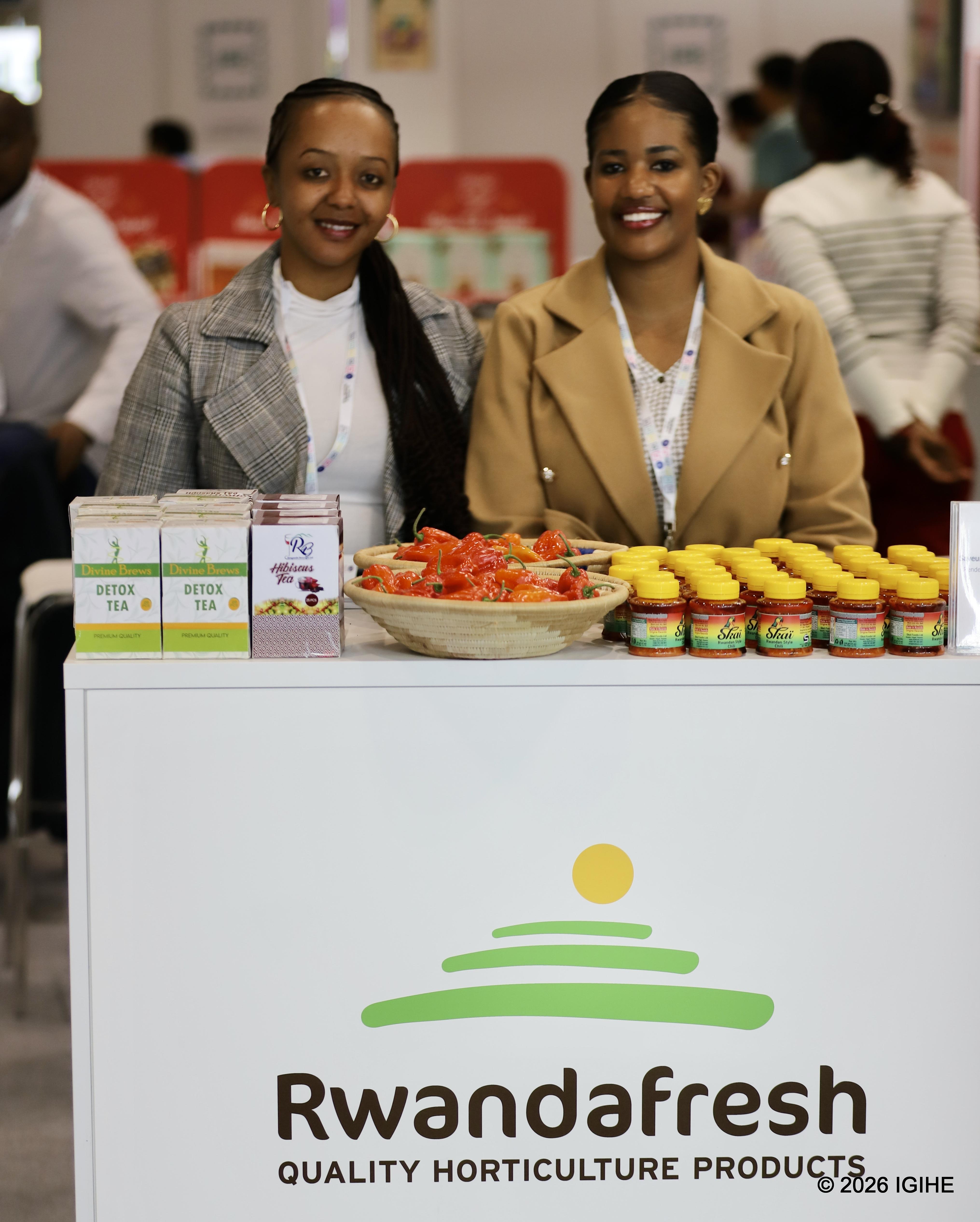
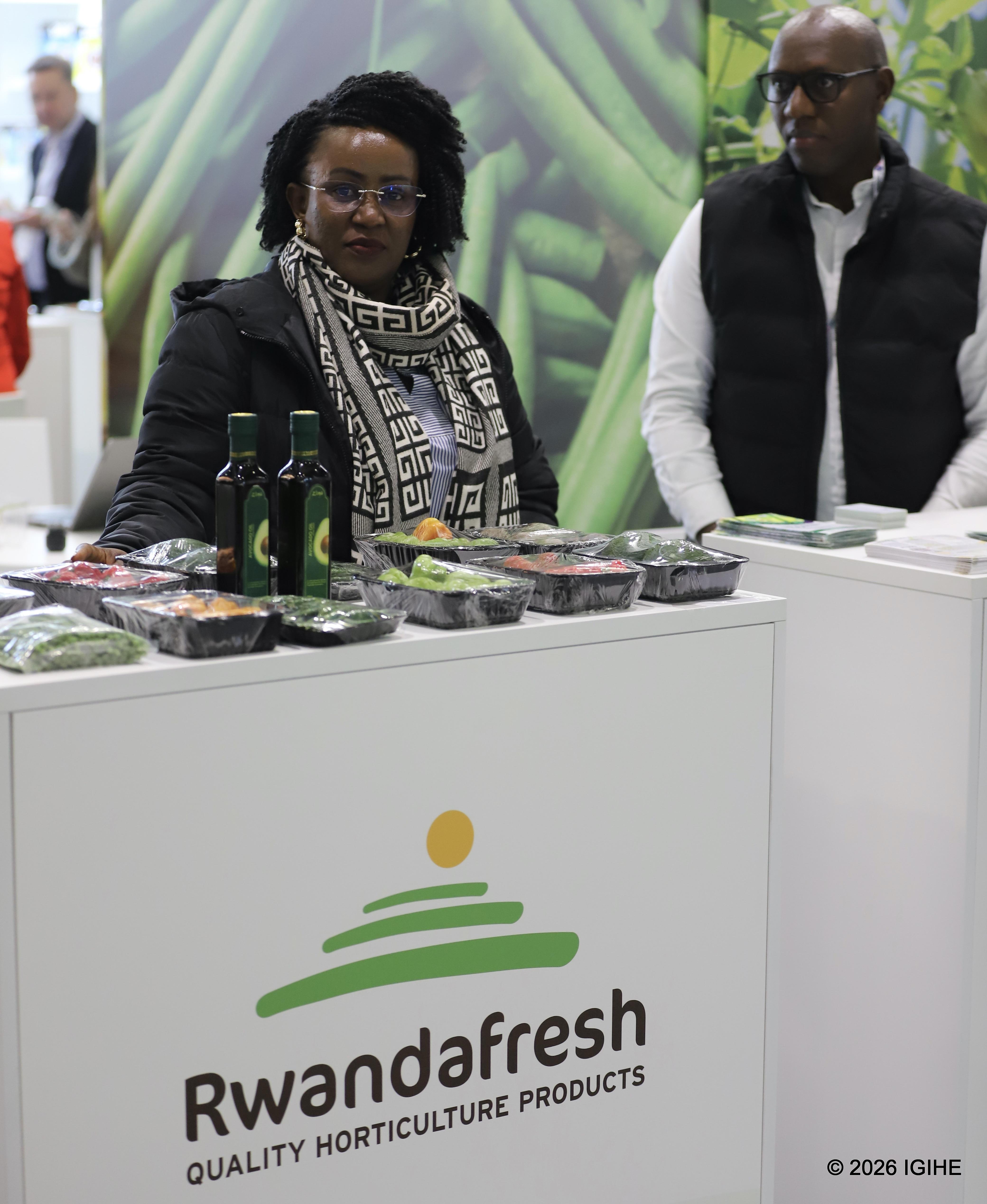
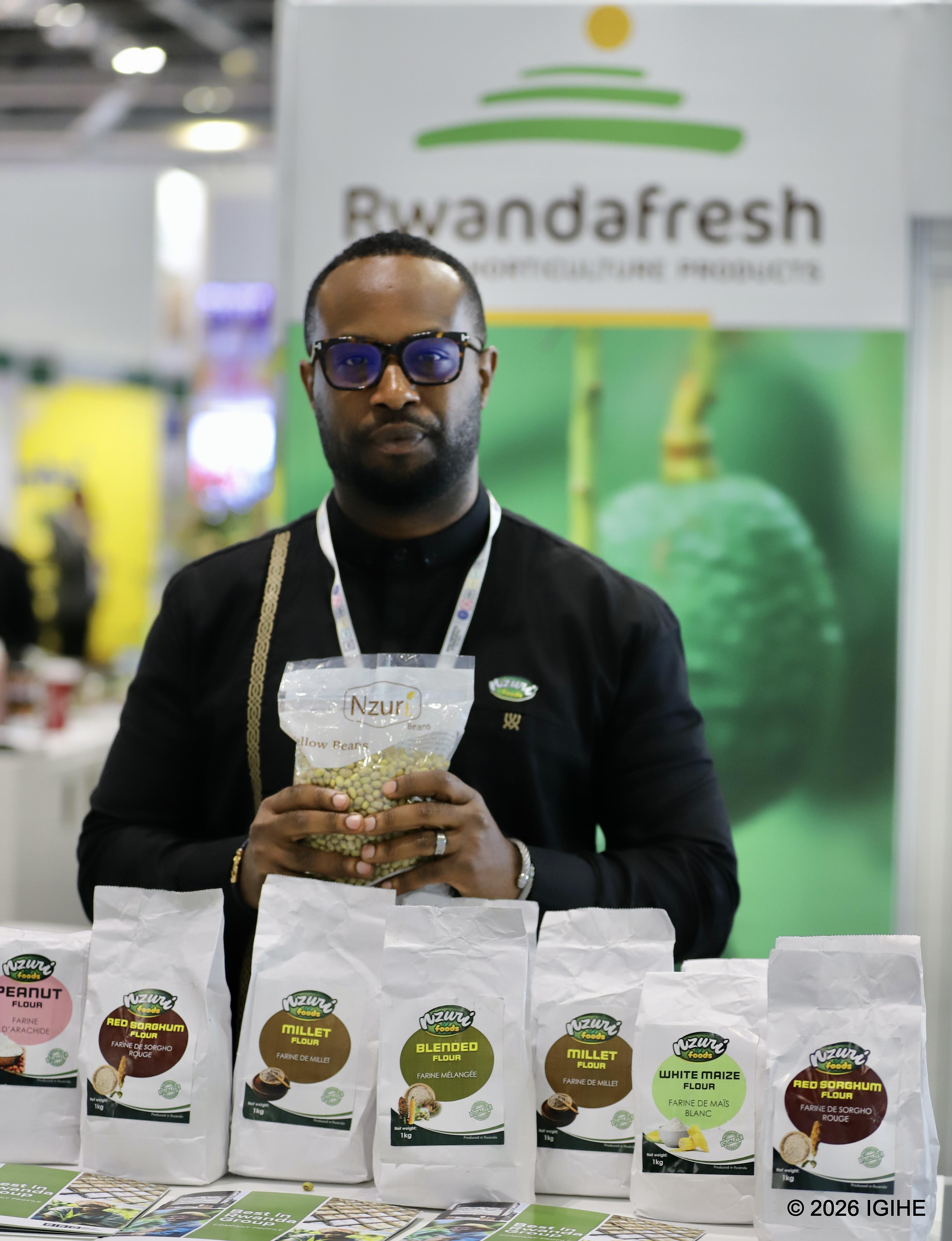
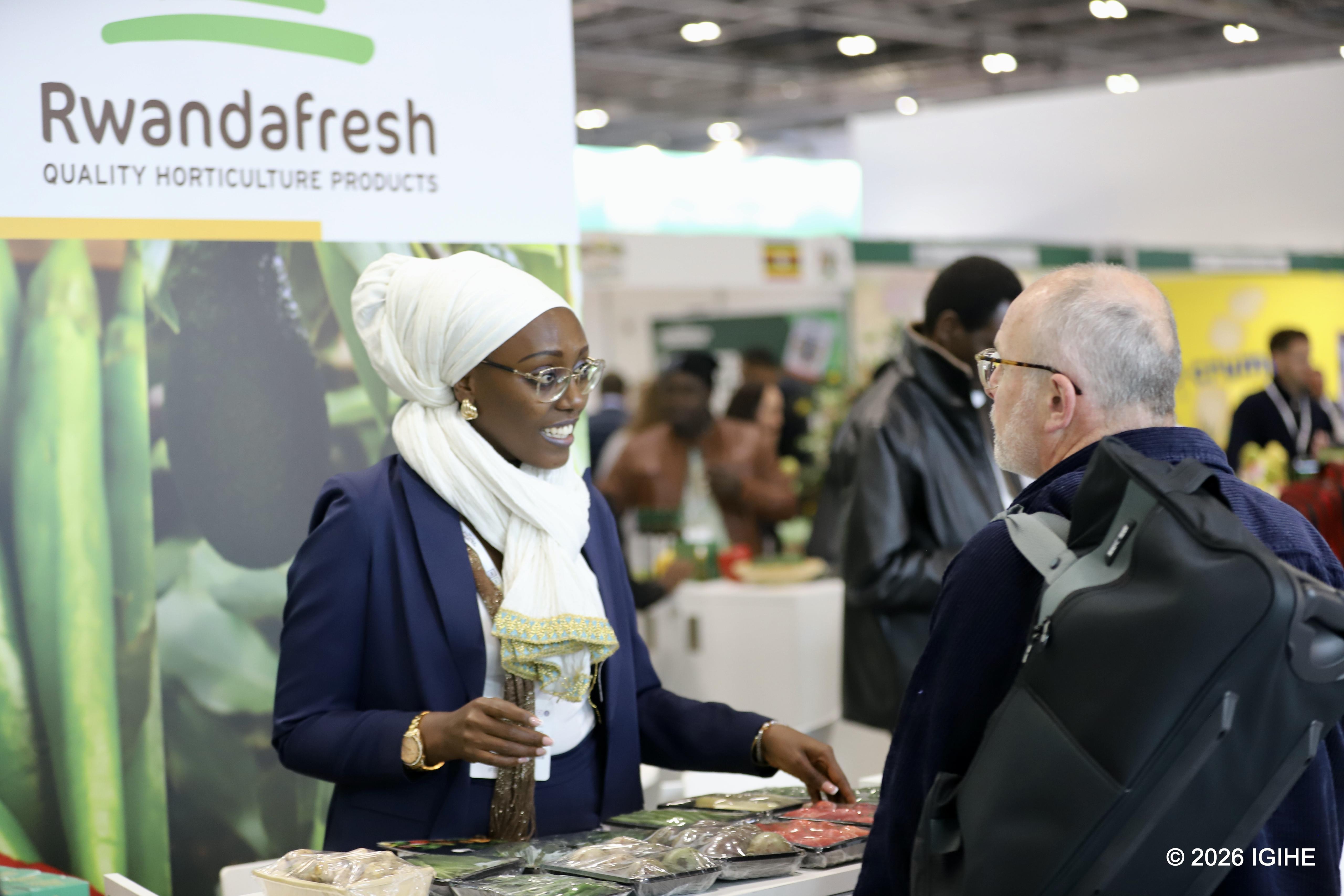
At the trade fair, a delegation from Rwandan companies is showcasing a range of locally produced goods and engaging directly with international partners.
Rwanda’s participation is coordinated by the Embassy of Rwanda in the United Kingdom, in collaboration with NAEB.
The event aims to support Rwanda’s ambition to boost agricultural exports, strengthen its presence on the international stage as a competitive food-processing nation, and attract new buyers for Rwandan products.
IFE brings together thousands of professionals each year from the food, beverage, and hospitality sectors across all continents. For Rwanda, this is not only an opportunity for visibility but also a strategic platform to increase exports, build new partnerships, and showcase the quality of its products to the global market.
This participation comes at a time when the Middle East, previously a key export market for Rwanda’s agricultural products, is facing instability due to ongoing conflict. Exploring new markets in Europe could help Rwanda mitigate the potential impact of these disruptions and sustain its export growth.
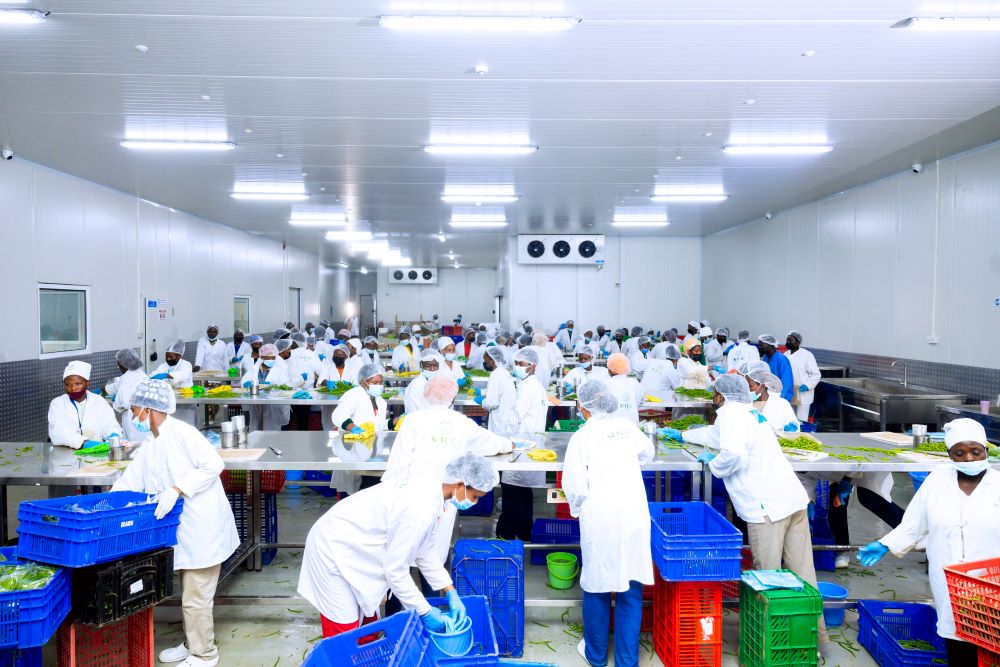
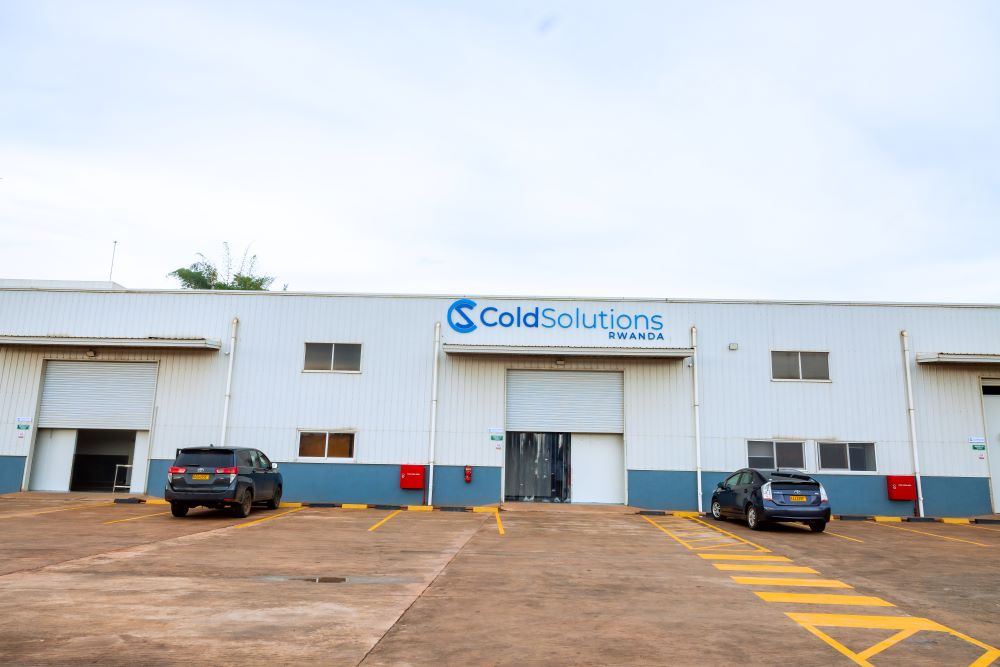
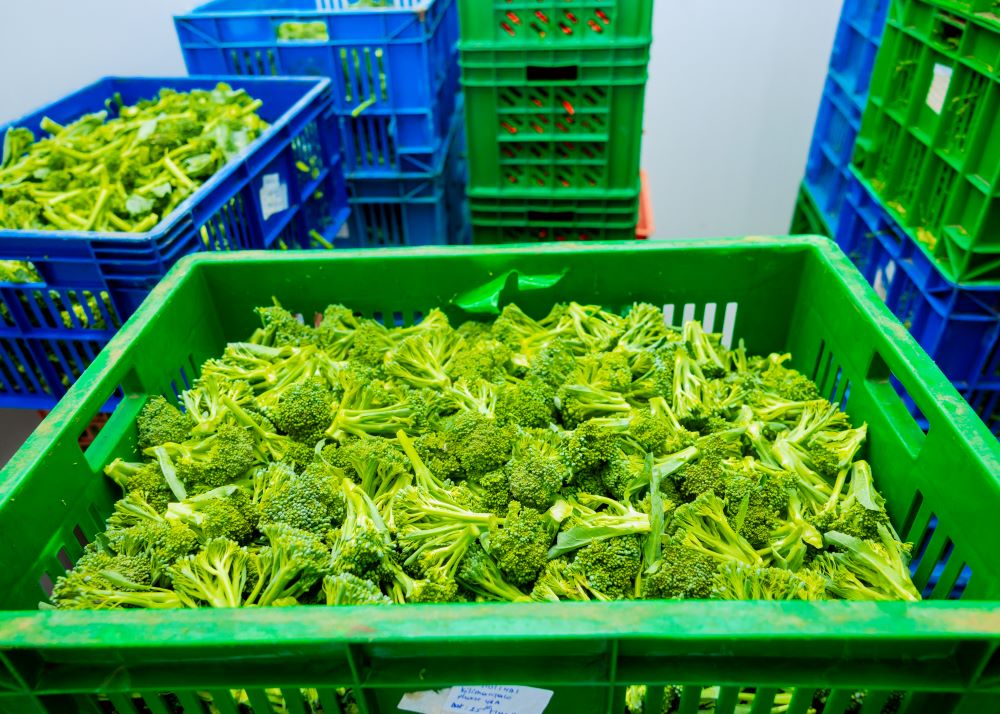
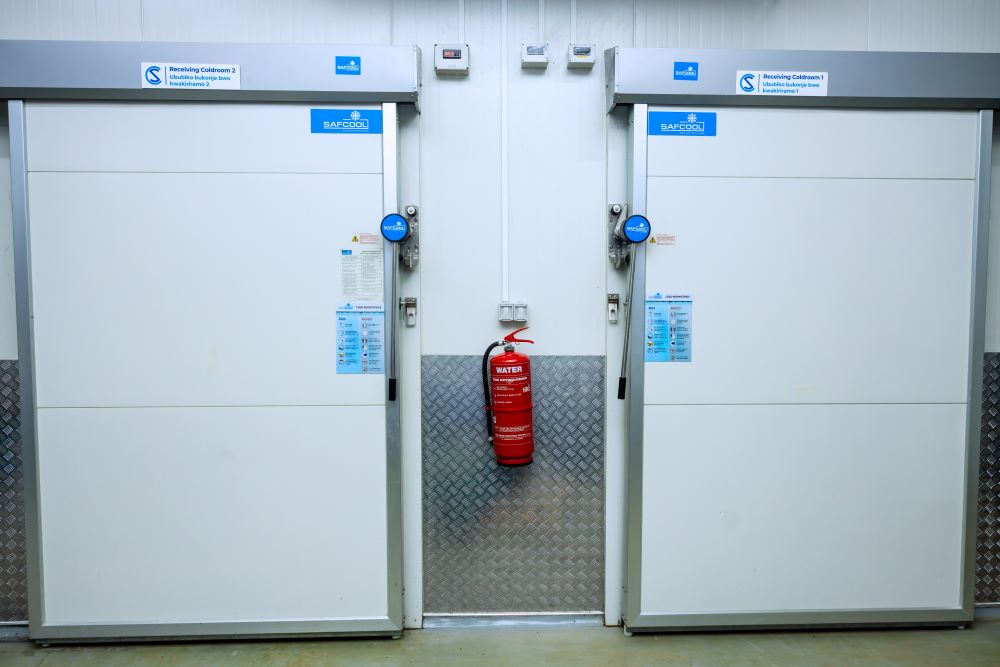
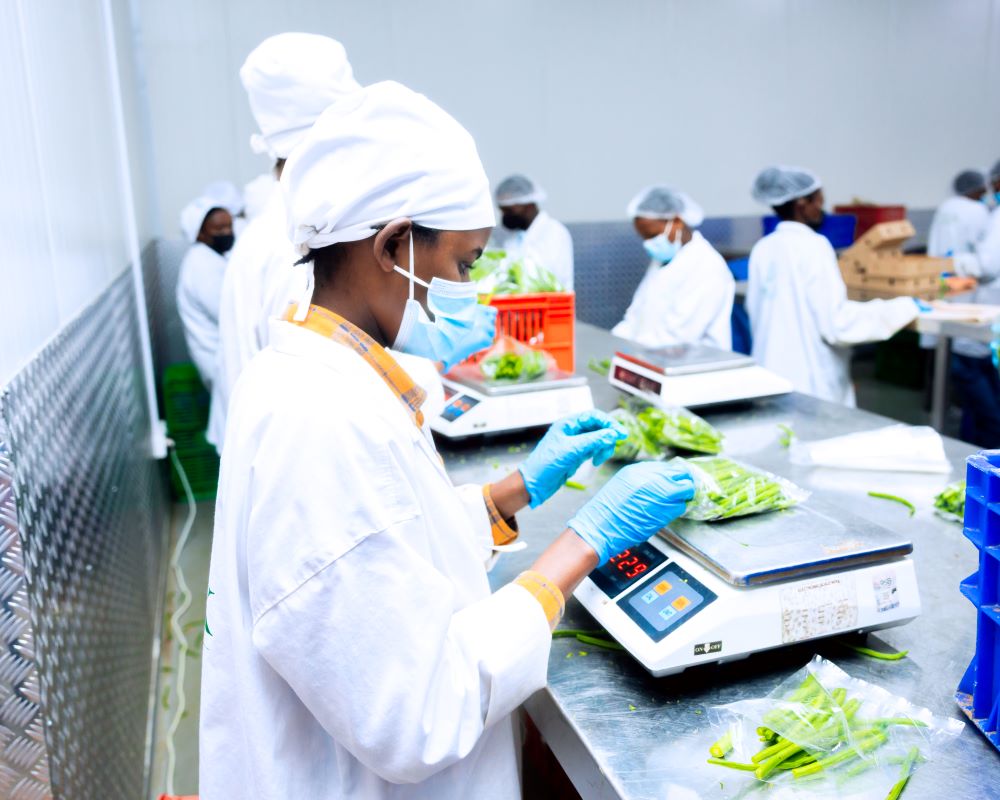
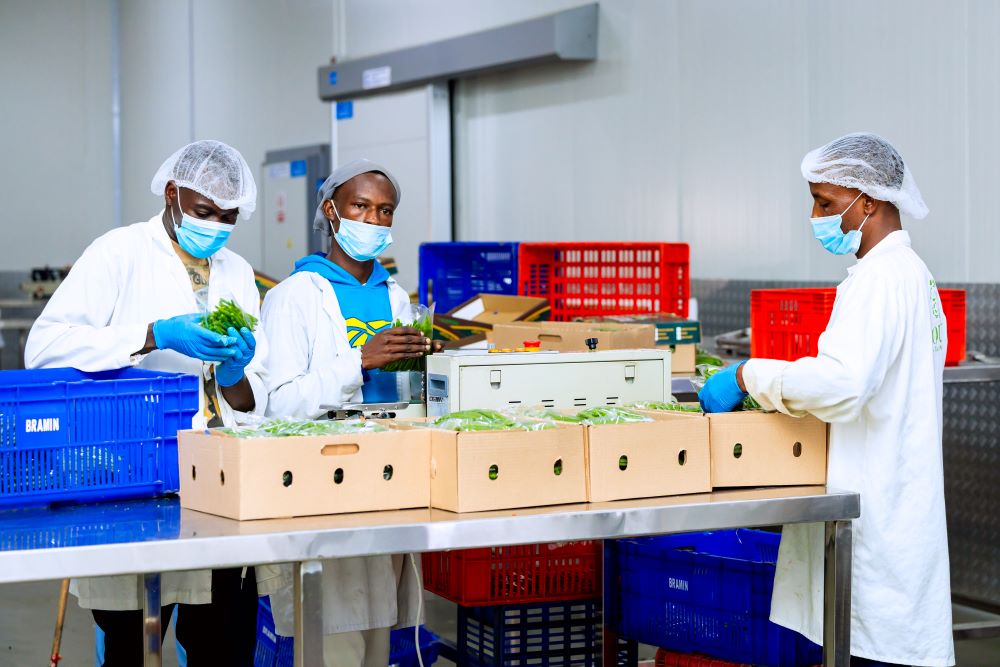
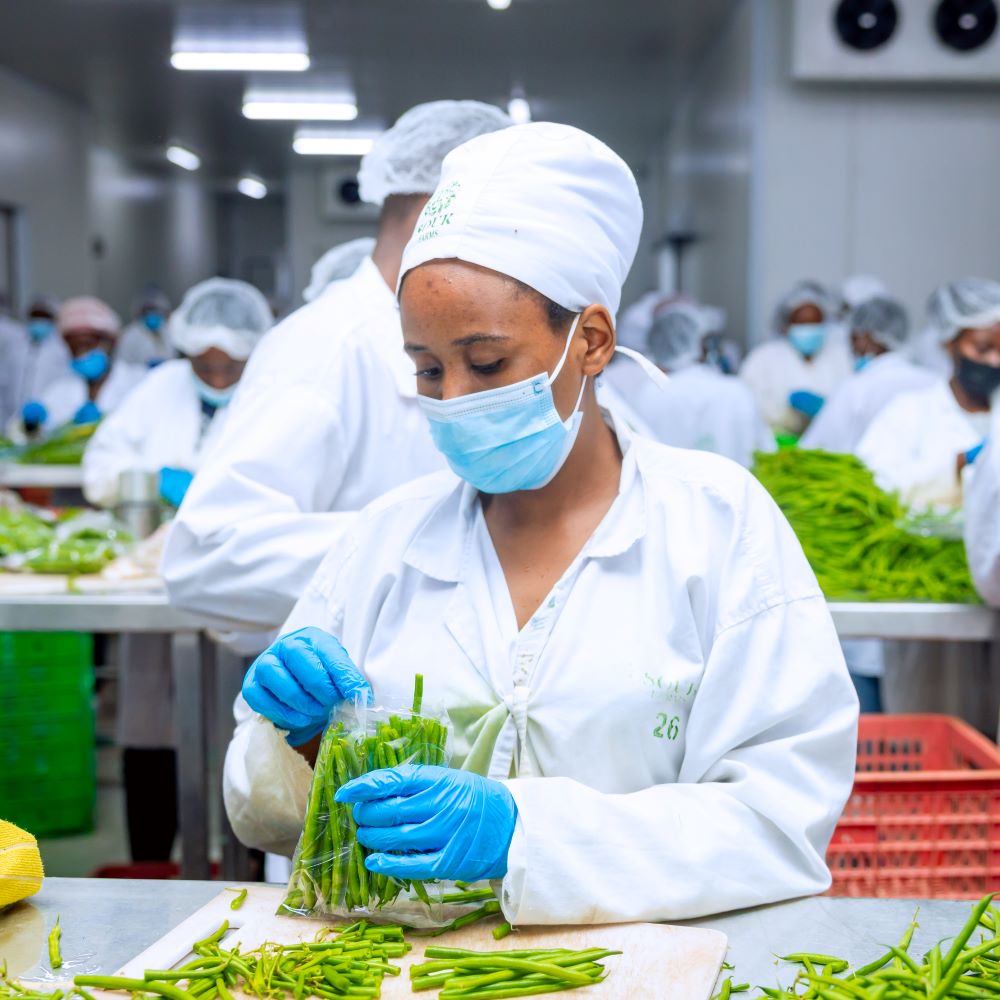
This facility, which is part of the company’s phased development plan, will provide essential support for the efficient handling, aggregation, and movement of temperature-sensitive products, specifically for the domestic and export markets.
The new packhouse is the first step in Cold Solutions’ strategy to expand its cold storage capacity and logistics services in Rwanda. It will strengthen the country’s cold chain infrastructure and offer reliable solutions for horticultural produce, food manufacturers, and pharmaceutical companies.
Cold Solutions Rwanda has been at the forefront of providing world-class temperature-controlled storage and logistics solutions across East Africa, playing a pivotal role in handling and storing perishable goods.
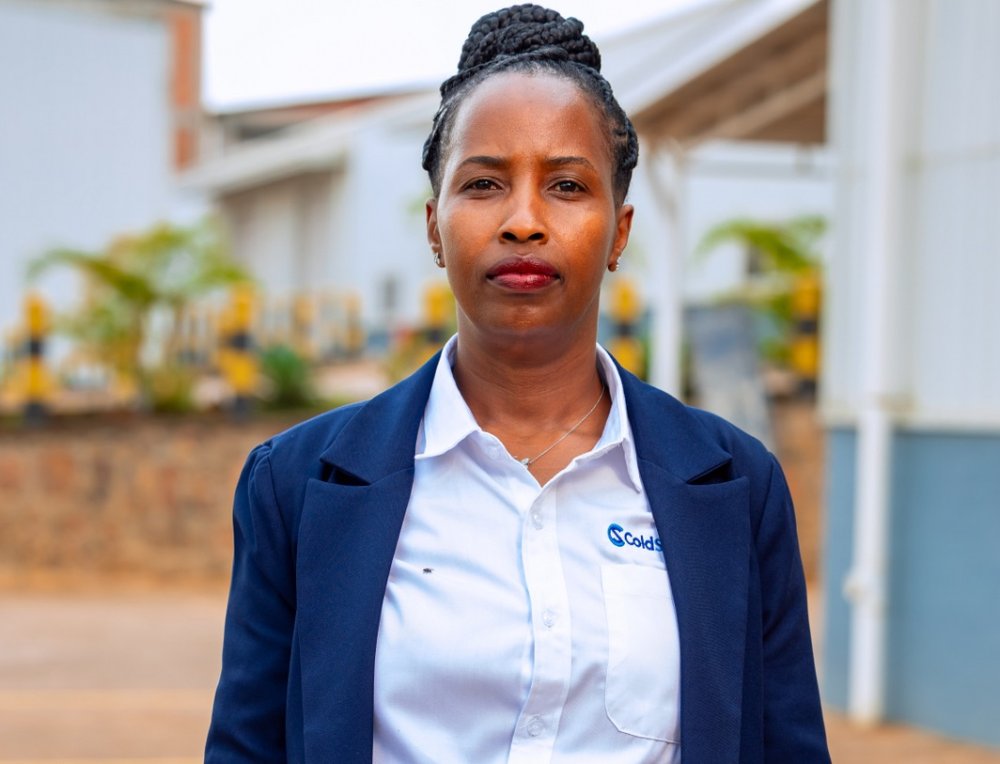
Speaking to IGIHE, Julie Igiraneza, Commercial Director at Cold Solutions Rwanda, shed light on the company’s commitment to supporting the local and regional supply chains.
“As part of our phased development, we have commissioned a modern, fully equipped packhouse facility to support the handling and export of horticultural produce. This will provide exporters with reliable, high-quality services while our flagship temperature-controlled complex in Rwanda remains under construction and will be launched in 2027,” she noted.
This packhouse not only addresses a key market gap in the cold storage sector but also introduces cold chain logistics services, such as intercity, long-haul, and cross-border transportation. These services are designed to ensure product quality and integrity throughout the entire value chain, from production to export.
“Our operations are powered by advanced technologies, including a robust warehouse management system, blast chilling, and blast freezing capabilities, with temperature control ranging from ambient to -40°C,” added Igiraneza.
Cold Solutions’ broader vision includes expanding its operations through the development of a 4,000-pallet position temperature-controlled warehouse.
This new facility, which will be launched in Q3 2027, will significantly increase the company’s storage capacity and integrated logistics offerings, enabling it to cater to Rwanda’s growing horticulture, food, and pharmaceutical sectors.
Azhar Rifai, Managing Director of Cold Solutions Rwanda, emphasized the importance of this expansion, stating, “This milestone marks a defining moment in bringing our packhouse vision to life. It reflects our ambition to set new benchmarks in quality, efficiency, and innovation within the industry. As we move toward completion of the full facility, we are building more than infrastructure; we are shaping the future of our operations and unlocking long-term value for our partners and stakeholders.”
Fredd Kambo, Managing Director of ARCH Emerging Markets Partners, also commented on the significance of the new packhouse, saying, “The opening of our 1,400 sq m packhouse in Kigali is an important milestone in our strategy to build a modern, integrated cold chain platform in Rwanda. Through Cold Solutions Rwanda Limited, we are establishing critical handling infrastructure while also launching dedicated cold chain logistics services to support the movement of temperature-sensitive goods.”
This development is part of a broader regional initiative aimed at enhancing cold storage infrastructure across East Africa.
Cold Solutions Rwanda Limited (CSRL) operates as the Rwandan platform of the ARCH Cold Solutions East Africa Fund, which is managed by ARCH Emerging Markets Partners, a private equity firm dedicated to building and growing market-leading businesses across Africa.
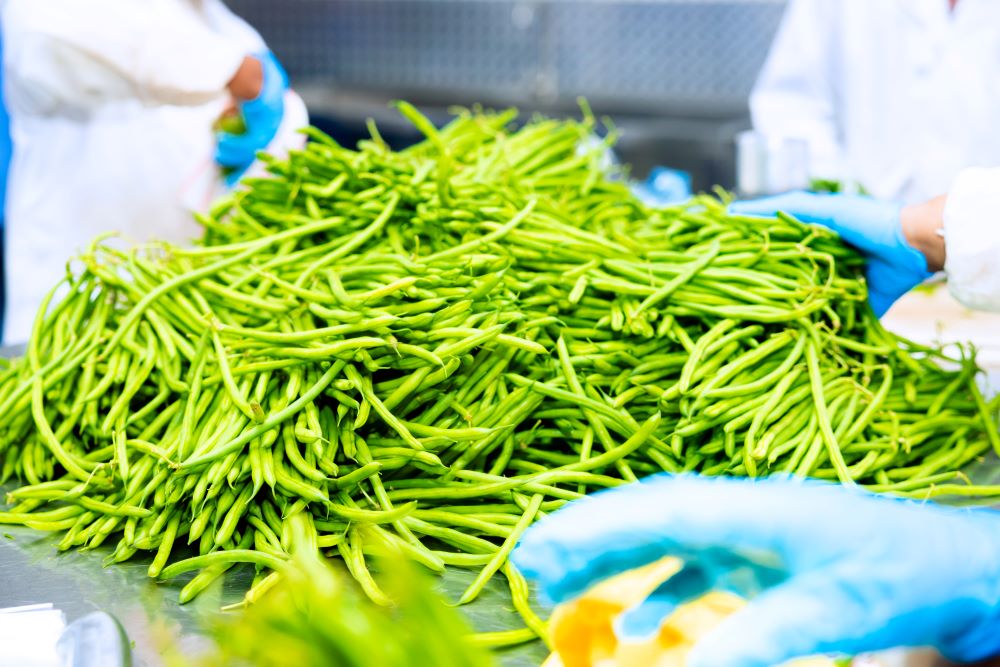
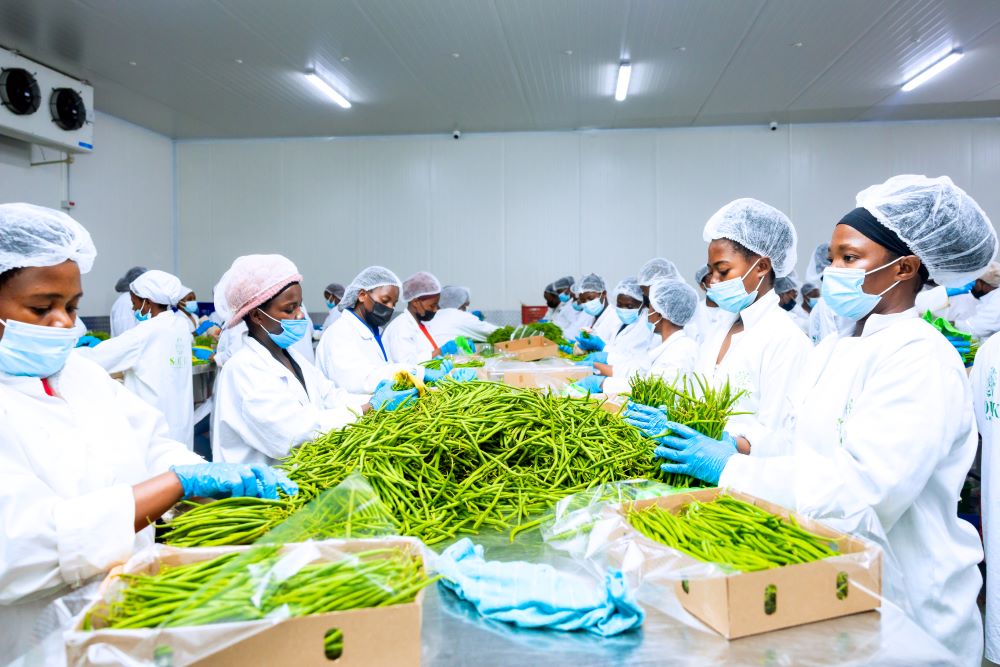
The packhouse caters to Rwanda’s growing horticulture, food manufacturing, and pharmaceutical sectors, supporting both local and export supply chains.The new facility provides advanced cold storage and logistics solutions for temperature-sensitive products such as French beans.Julie Igiraneza, Commercial Director at Cold Solutions Rwanda, highlighted that the packhouse supports the handling and export of horticultural produce for domestic and regional markets.Fredd Kambo, Managing Director of ARCH Emerging Markets Partners, noted that the Kigali packhouse is a critical step in building an integrated cold chain platform in Rwanda.Azhar Rifai, Managing Director of Cold Solutions Rwanda, described the expansion as a milestone in delivering efficient, high-quality cold chain services.
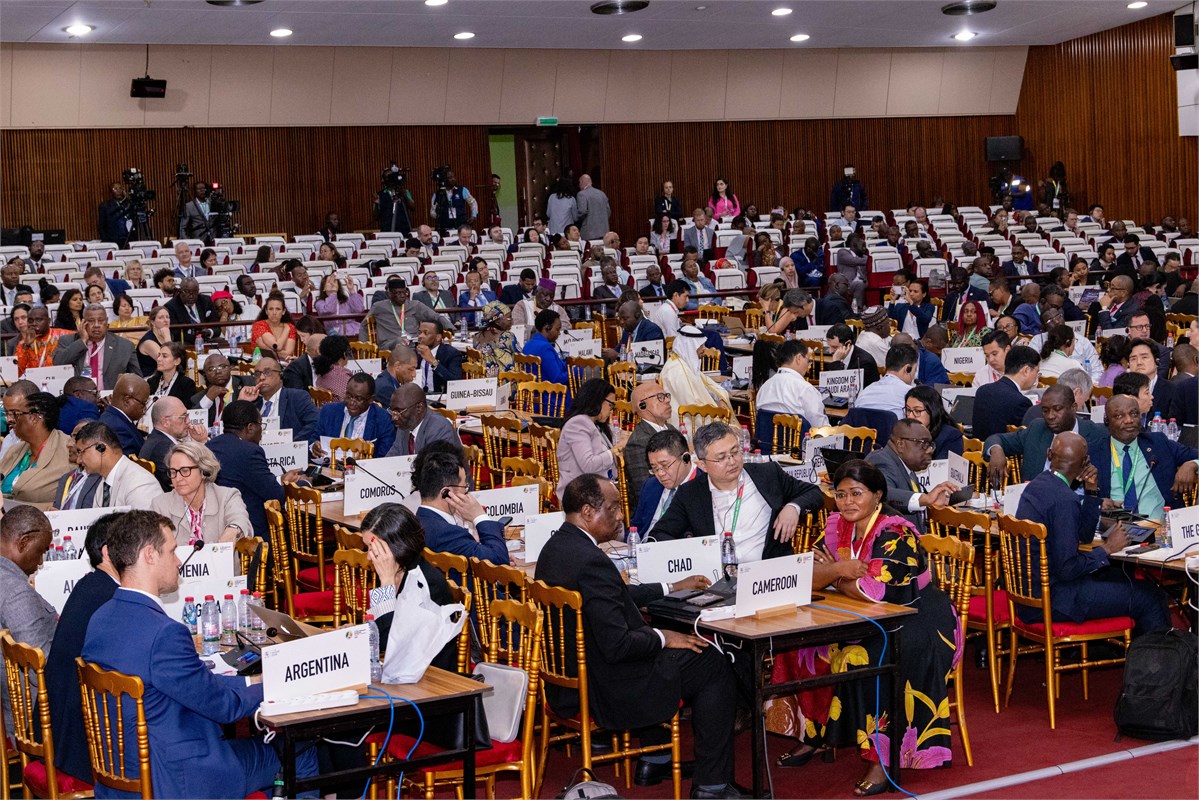
At the center of the deadlock was the e-commerce moratorium, a long-standing rule that prevents countries from imposing customs duties on electronic transmissions such as streaming services, software, and other digital products.
Diplomats worked through Sunday to bridge the gap between Washington and Brasília, but positions remained far apart. The United States initially pushed for a permanent extension of the moratorium, later showing flexibility by backing a compromise proposal for a four-year extension with a one-year sunset clause, which would run until 2031.
Brazil, which had earlier proposed a two-year extension, later signaled openness to four years but insisted on a mid-term review clause, a proposal that failed to gain support.
Developing countries broadly resisted a long-term extension, arguing that the moratorium deprives them of potential tax revenues that could be reinvested into their economies and limits their ability to shape domestic digital industries.
Rwanda takes a balanced approach to the e-commerce moratorium at the WTO. As part of the Organisation of African, Caribbean and Pacific States, it shares the view that more discussion is needed to fully understand how the moratorium affects developing countries, especially in terms of lost revenue and long-term economic benefits.
Rwanda supports keeping the issue open for negotiation rather than rushing into a permanent decision, and it agrees that development concerns should be at the center of any outcome.
At the same time, Rwanda tends to be more open to digital trade than some of its peers. The country sees the growth of the digital economy as a real opportunity — to attract investment, create jobs, and connect to global markets.
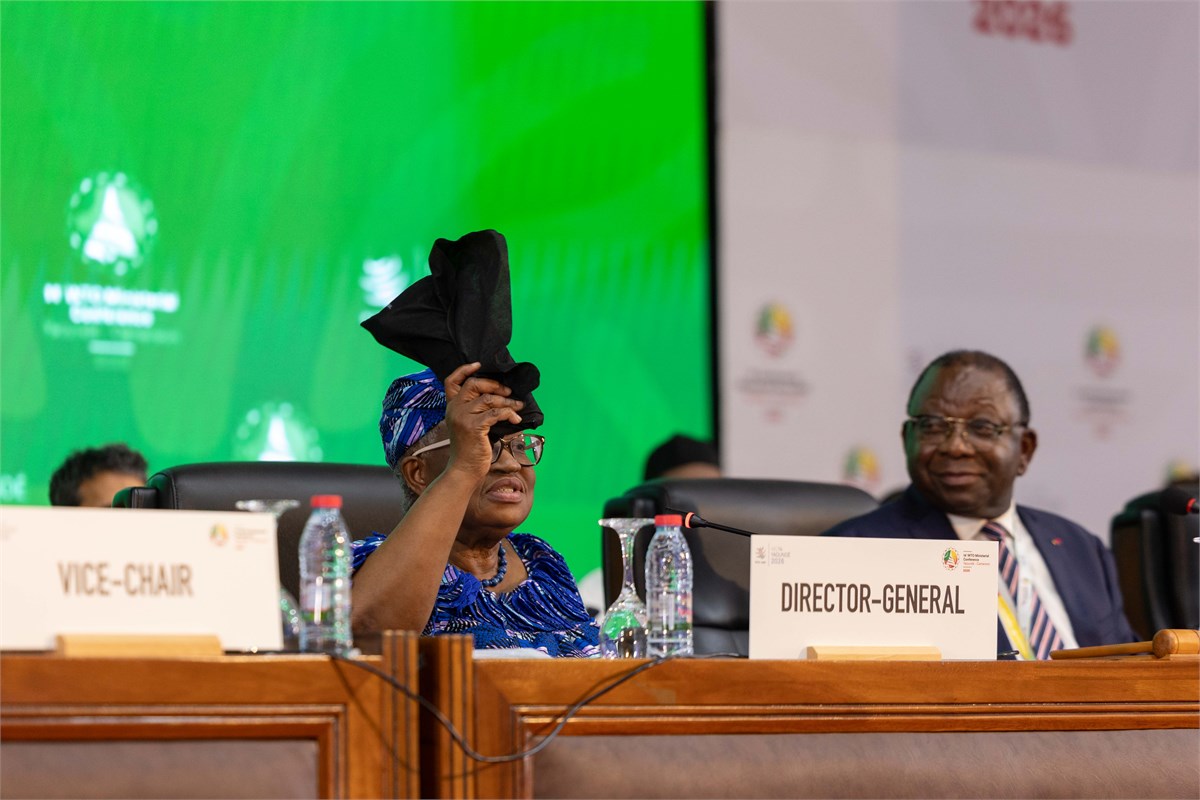
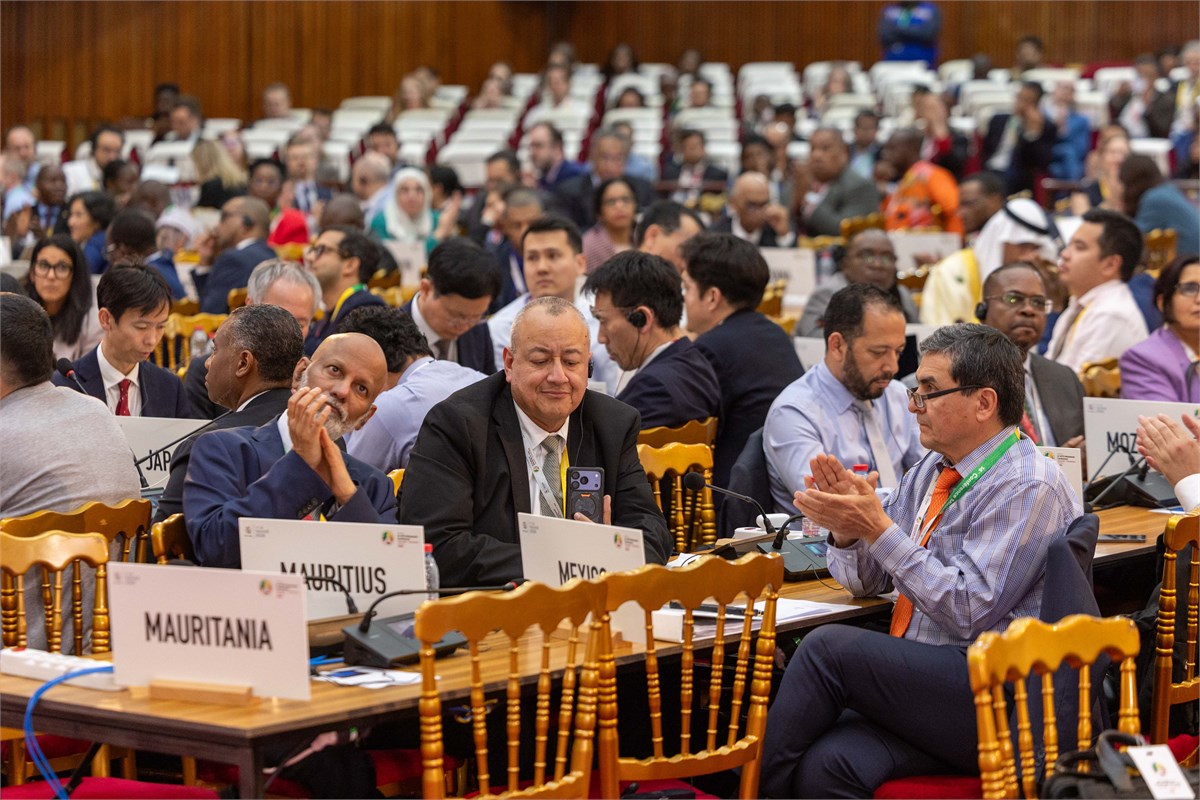
Despite intense negotiations, the Yaoundé summit ran out of time before a final deal could be reached.
Instead of focusing on taxing digital services, Rwanda is more focused on building its own capacity: improving infrastructure, supporting innovation, and helping local businesses compete. In simple terms, Rwanda is saying that digital trade should remain open, but the rules must also give developing countries a fair chance to grow and benefit from it.
With no agreement reached, the moratorium is now set to expire, effectively opening the door for countries to impose tariffs on digital services such as streaming platforms, software, and other electronic transmissions. Such a shift could significantly reshape global digital trade, increasing costs for businesses and consumers while introducing new uncertainty into cross-border data flows.
Negotiations are now expected to move back to the World Trade Organization headquarters in Geneva, where members will revisit the issue during a General Council meeting scheduled for May.
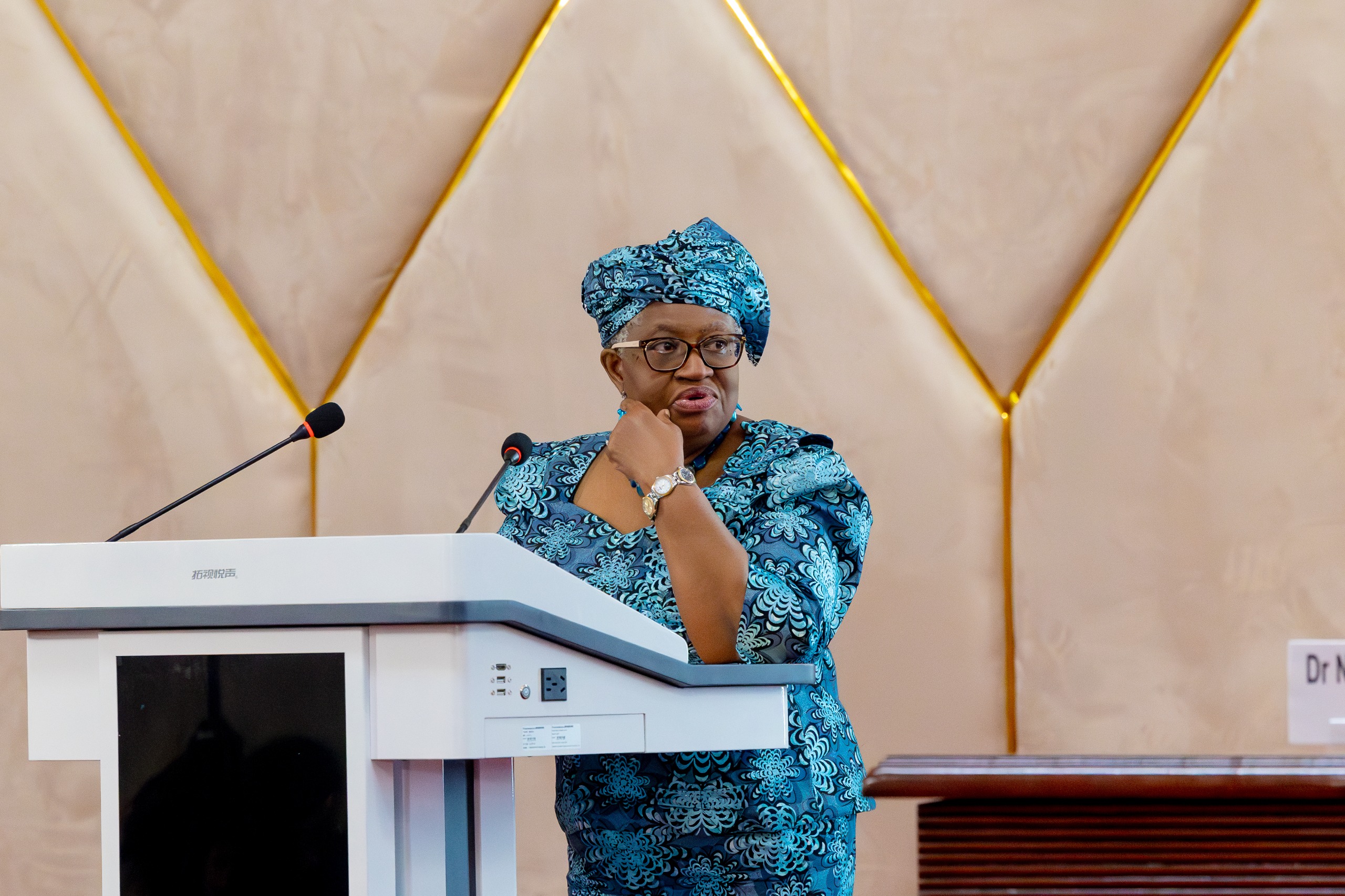
Director-General Ngozi Okonjo-Iweala praised progress in Yaoundé despite talks ending without a final agreement.
The failure to agree on the moratorium also derailed a broader reform package that had been taking shape during the four-day ministerial meeting in Yaoundé. A draft roadmap outlining timelines and key priorities for modernizing the WTO was reportedly close to agreement before talks ran out of time.
The reform plan aimed to improve decision-making in the WTO’s consensus-based system, increase transparency around industrial subsidies, and revisit rules governing special treatment for developing countries. The United States and the European Union have argued that current rules allow countries like China to benefit unfairly, while critics say reforms must also address development concerns.
Washington had also linked its support for the reform package to a satisfactory outcome on the moratorium, raising the stakes of the dispute and increasing pressure on negotiators.
Despite the failure to reach a deal, WTO Director-General Ngozi Okonjo-Iweala said negotiations in Yaoundé had made significant progress, even as time ultimately ran out.
“We were supposed to finish at 1pm today, and it is now almost midnight. It’s been a long, hard day and I am deeply grateful to all of you for the patience you have shown today, as we tried to bridge a handful of remaining differences on some of the key files before us,” she said.
She acknowledged that practical constraints, including ministers needing to leave, brought the negotiations to an end before consensus could be reached.
“However, we have run out of time. Some have already caught flights, and some have changed flights, and some will need to go soon,” she added.
Okonjo-Iweala stressed that members had come close to agreeing on a comprehensive package of outcomes that could shape the future of the organization.
“We are very close to a Yaoundé package of agreements that would be important for Members and the future of the organization. We’ve worked really hard here, and we are very close, but we’re not all the way there yet.”
She urged members not to abandon the progress made, noting that the work done in Yaoundé could still form the basis for an agreement in the next phase of negotiations.
“It would be regrettable to lose so much effort and work, with the finish line in our sights… we believe that it would be appropriate to preserve the important texts we have developed here, and use them as a basis to finalize agreements in Geneva.”
Looking ahead, she signaled that the process is far from over. “We have come a long way. All we need is time. And we can give ourselves that between now and the next General Council.”
The collapse leaves both the future of digital trade rules and the WTO reform agenda uncertain, with upcoming discussions in Geneva expected to determine whether members can salvage the progress made in Yaoundé or whether the deadlock signals a deeper crisis in the global trading system.
Negotiators at the Yaoundé summit struggled to resolve disagreements over the e-commerce moratorium.Okonjo-Iweala urged WTO members to preserve the Yaoundé texts as a foundation for future negotiations in Geneva.
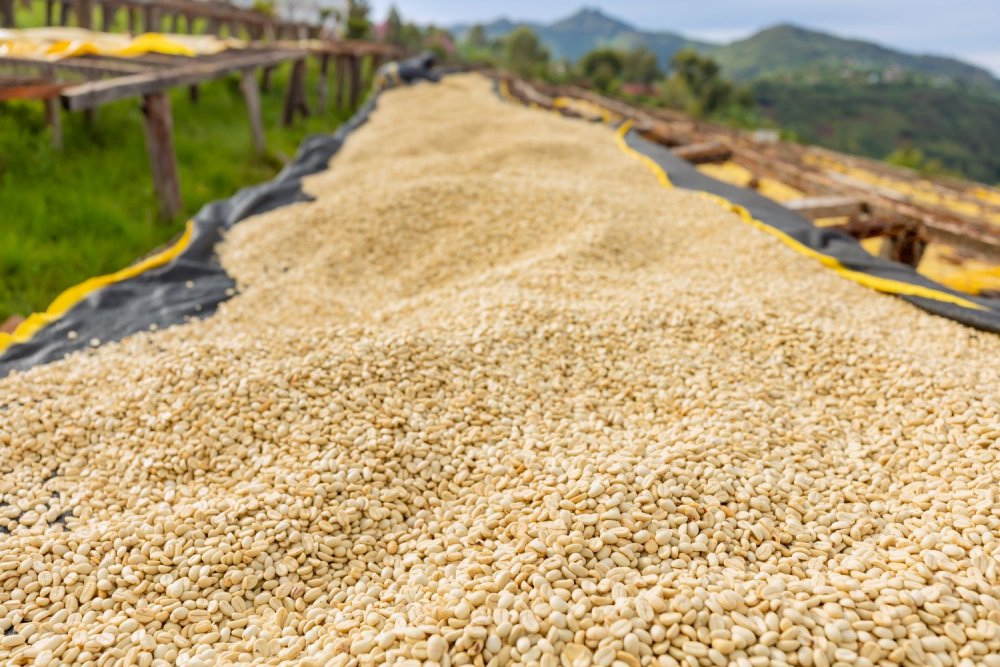
Back in 2000, the cooperative began with 300 coffee farmers practicing traditional farming methods, earning little from their produce, which they sold to middlemen.
Recognizing the need for change, they came together to form an association, which later gained legal status as a cooperative in 2004. This shift enabled them to adopt professional farming practices and expand their market reach, eventually exporting their coffee internationally.
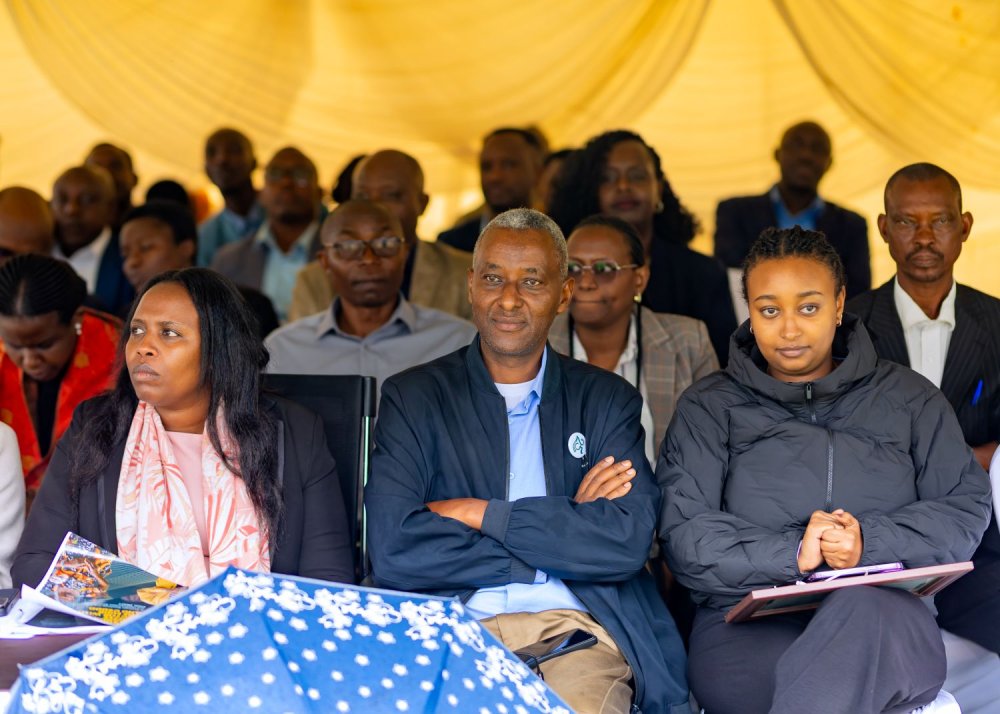
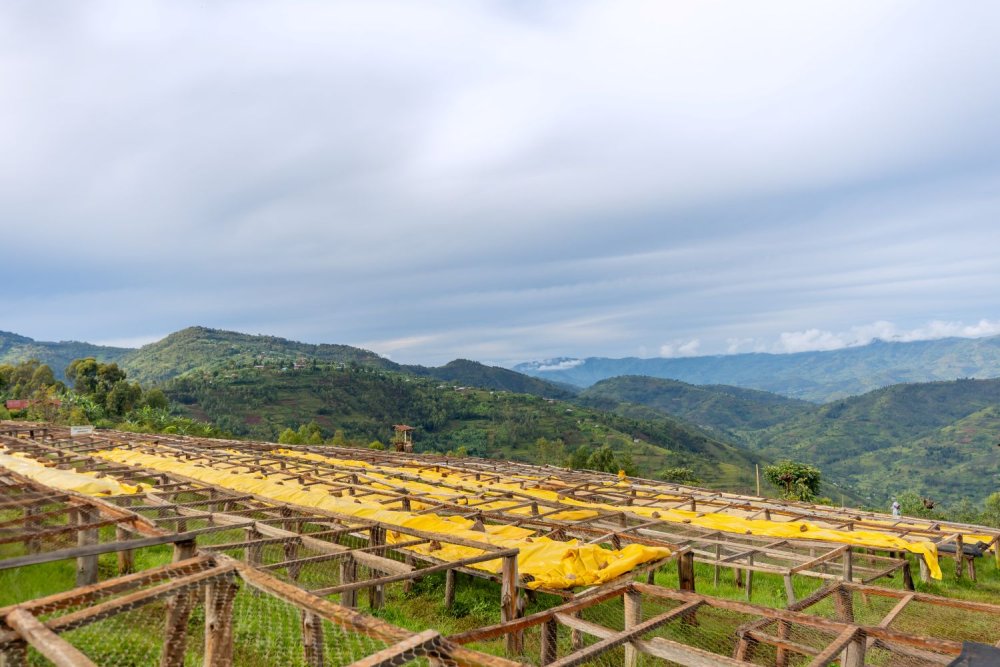
During the 25th anniversary celebration held on March 25, 2026, members revealed that the cooperative now owns four coffee washing stations. Today, it has 1,193 members, including 326 women and 17 youth, while also working with 4,600 coffee farmers. This marks a significant rise from the 300 members recorded in 2004.
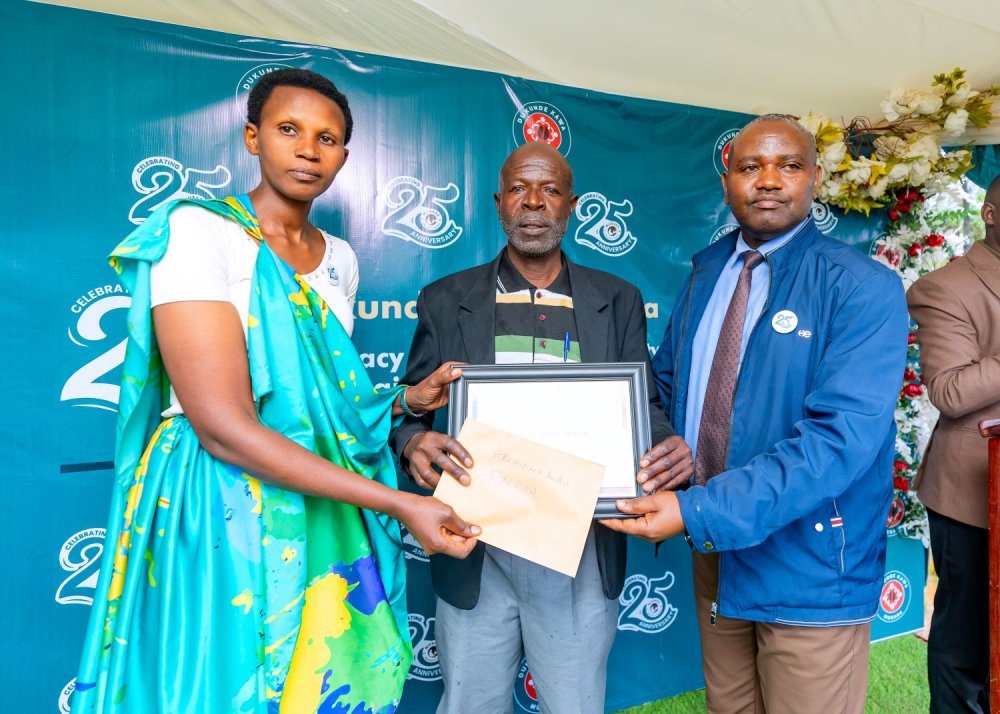
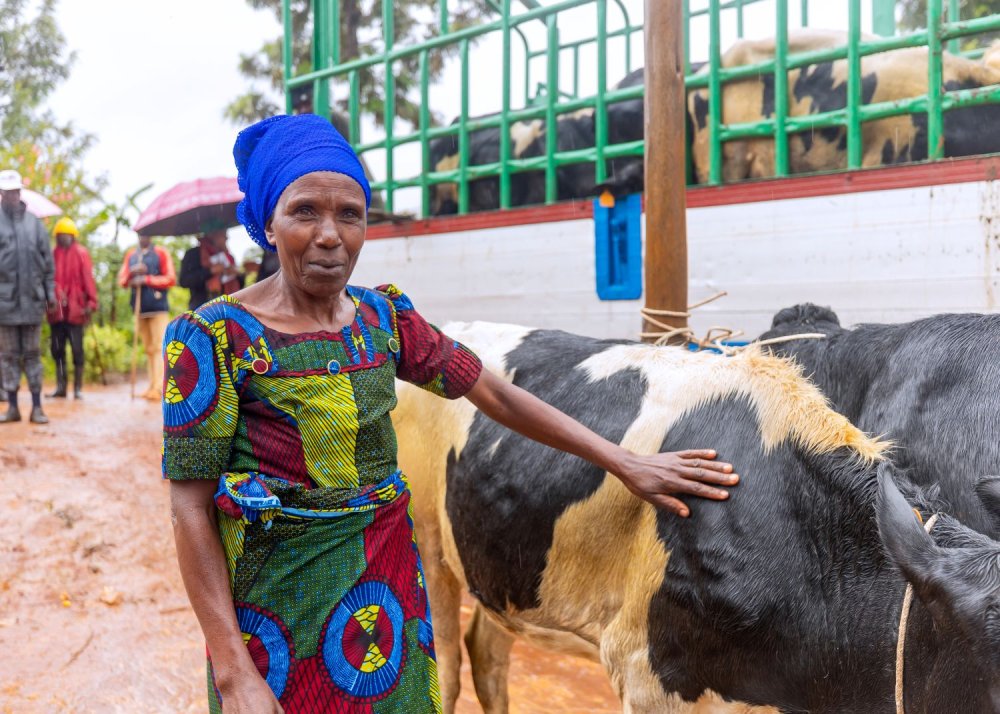
To commemorate the milestone, each cooperative member received a bonus of Rwf 10,000, along with fertilizers and roasted coffee. The cooperative also distributed 25 dairy cows to support milk production, as it operates a milk collection center.
Additionally, certificates were awarded to 21 students who completed their studies at the Musasa Coffee School.
Athanase Minani, one of the founding members and former leaders of the cooperative, shared that the journey has not been easy.
“Before we united, we were ordinary farmers selling to middlemen who paid us unfairly compared to the effort we put in.[…] Over time, the results became evident, and today we have made great progress,” he said.
Minani added that he now owns 3,000 coffee trees and sold five tons of coffee last year. Through coffee farming, all eight of his children have completed university education, with the youngest graduating recently from Butare. However, he noted a growing challenge in motivating young people to take up coffee farming.
The cooperative’s current president, Virginie Uwingeneye, emphasized that the 25-year journey reflects resilience and steady growth. She noted that the cooperative has distributed 25 cows this year, bringing the total to 350 cows provided since 2008 under its livestock-sharing program.
“We provide cows to boost milk production because we also operate a milk collection center with a capacity of 5,000 liters per day. Of the 25 cows distributed today, 20 were purchased while five were bred within the program,” she explained.
Over the years, the cooperative has built a strong economic base driven by coffee trade and job creation. From exporting a single container worth Rwf 40 million in 2004, it now exports up to 15 containers of parchment coffee—equivalent to nearly 288 tons—generating at least Rwf 3.5 billion annually.
The cooperative provides employment to over 500 people during the coffee season, including 55 permanent staff, and manages the entire coffee value chain from cultivation to cup.
Sandrine Urujeni, Chief Operations Officer at NAEB, who attended the event, praised the cooperative for its integrity and achievements.
“Celebrating 25 years of Dukunde Kawa Musasa Cooperative is a remarkable milestone that reflects dedication and resilience in advancing coffee farming in Rwanda. The cooperative has become a model of excellence, making significant strides in both production and value addition,” she said.
Over the years, the cooperative has also invested in infrastructure and social initiatives, including a dry mill, a coffee roasting plant, a cupping laboratory for quality control, a milk processing facility, and an early childhood development center.
It also supports farmers through interest-free loans, promotes gender equality through women-focused coffee initiatives, and runs vocational training programs for women and youth.
Musasa Coffee, produced by the cooperative, is known for its organic quality and exceptional taste.
On this anniversary, the cooperative expressed gratitude to its partners, including Root Capital, its first African client since 2005, as well as Starbucks FSC Rwanda, Rabobank, RWASHOSCO Ltd, Progresso, REDI, Thanksgiving, ACDI/VOCA, USADF, MCM, BDF, Women Win, Fairtrade, and SGR for their continued support.
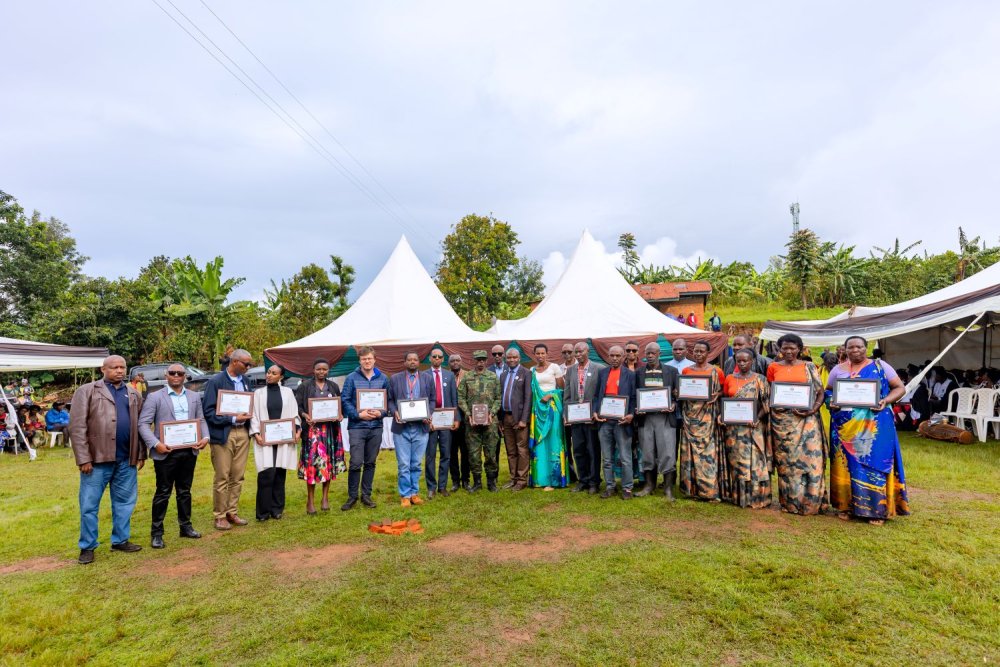
Dukunde Kawa Musasa Cooperative recorded a turnover of Rwf 3.7 billion from coffee sales.Members of Dukunde Kawa Musasa were recognized and honored during the 25th anniversary.The cooperative distributed 25 cows to its members as part of the anniversary celebrations. Dukunde Kawa Musasa has celebrated 25 years of achievements in coffee farming and trade.The cooperative thanked its partners for supporting 25 years of growth and success.
A Persian-Norwegian with a background in architecture and systemic design, Gharavi recently spent two weeks in Kigali, scouting Rwanda’s “hidden entrepreneurial gems” and exploring opportunities to connect them with European and Nordic investors.
“Rwanda is a bold and dynamic country,” Gharavi told IGIHE during an exclusive interview. “It has fundamental elements for finance structuring and project development in place, which makes it a very good base to expand into Africa.”
She added that the country’s commitment to entrepreneurship, strong institutions, and regional connectivity made it an ideal location for ENFA to establish a presence and test its model in practice.
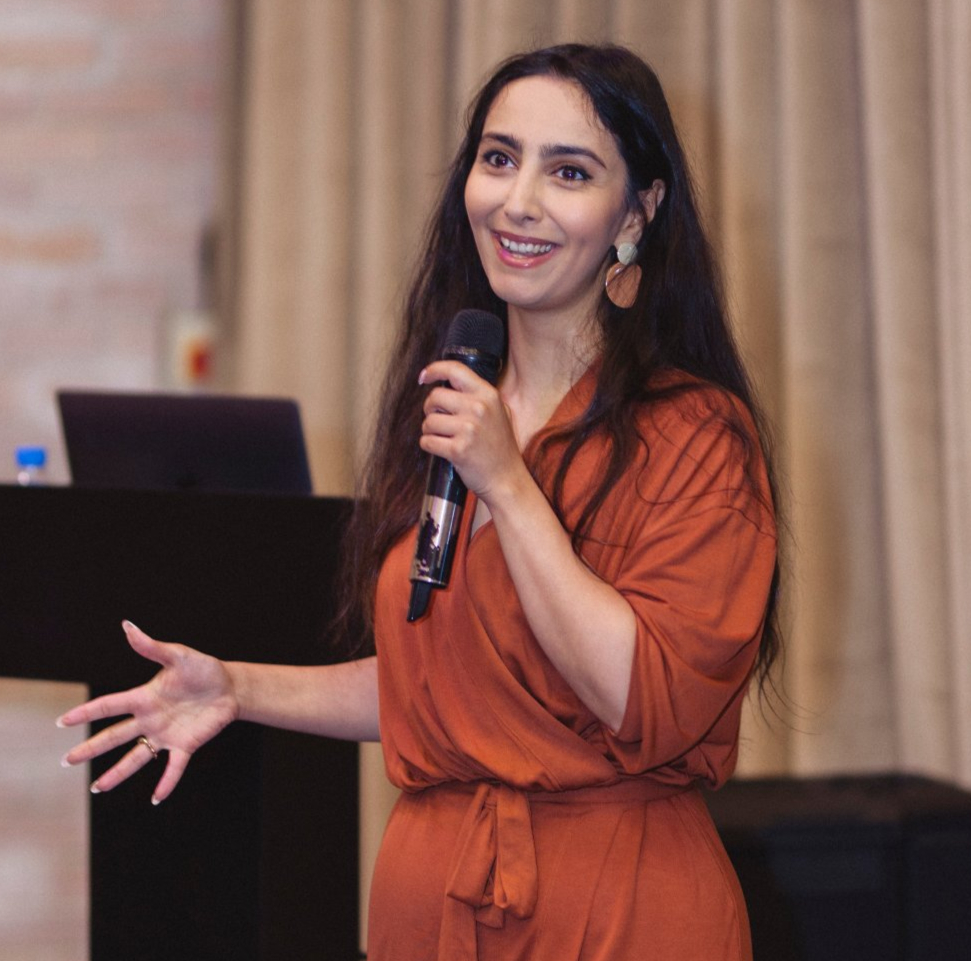
Euro Nordic Funding Alliance (ENFA) boss Niloufar Gharavi, during a recent meetup with startup founders and stakeholders in Kigali’s entrepreneur community at Norrsken.
Founded three years ago, ENFA has grown from a concept into a presence in 21 countries, operating as a facilitator of cross-border business development and blended financing. Gharavi explains that the organization’s core philosophy is not merely to introduce entrepreneurs to capital, but to become a development partner: providing training, advisory support, and strategic connections to ensure startups and SMEs thrive in the long term.
ENFA has been active in Rwanda for nearly a year through local partnerships, guided by Regina Mukamusinga, the CEO of ENFA Rwanda and a former investment analyst with 14 years of experience at the Development Bank of Rwanda. The organisation has now formalised its presence by establishing a legal entity in the country.
“The reception has been overwhelmingly positive,” Mukamusinga said. “Local entrepreneurs are eager to join our network, and we’re seeing real progress in turning these SMEs into internationally connected businesses.”
Gharavi highlights the impact of this approach using Rwanda’s honey industry as an example. Through ENFA, women-led honey businesses that had previously operated independently were connected, advised on value chain development, and introduced to international partners. This collaboration not only enhances production capacity but also opens doors to broader markets.
A systemic designer by profession, Gharavi, says she approaches business through a lens of complexity and interconnectivity.
For Grace Mbabazi, founder of M&M Sozo, producing and exporting honey, joining ENFA has shown her just how transformative the right support and connections can be for a growing business.
“Before ENFA, our business was mostly local. Now we have access to training, strategic advice, and European partners. It’s transforming how we operate and where we can sell our honey,” she said.
Beyond SMEs, ENFA is actively exploring larger projects across Rwanda in sectors such as affordable housing, health tech, and agriculture.
Initiatives include a state-of-the-art prefabricated housing factory, a network of 50-bed clinics to expand rural healthcare access, and digitised agricultural solutions to facilitate export and market expansion.
Gharavi also emphasised the potential for renewable energy projects, including Lake Victoria and Lake Kivu developments, as well as data centres that can tap into European and Nordic investment.
A systemic designer by profession, Gharavi approaches business through a lens of complexity and interconnectivity.
“Everything is a system,” she explains. “Your business, your product, your value chain; they’re all interconnected. We don’t just bring capital; we help entrepreneurs redesign and optimise their systems to generate sustainable growth.”
ENFA’s funding model spans five brackets, from €500,000 to over €15 million, combining public grants, philanthropic funds, and private investments. But Gharavi underscores the importance of local equity.
“Investors want to see Rwandans actively putting their own capital into their projects. That’s how trust is built and exploitation avoided,” she explains, adding that this approach supports local ownership and ensures international support complements, rather than replaces, Rwandan initiative.
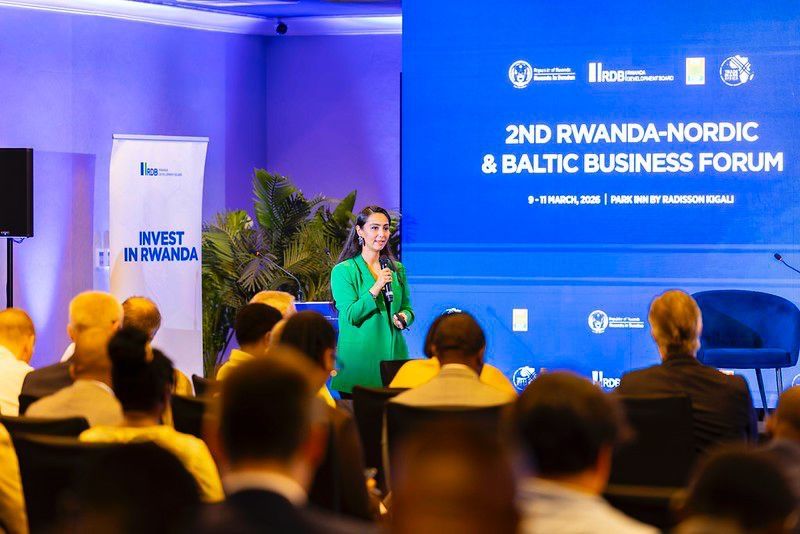
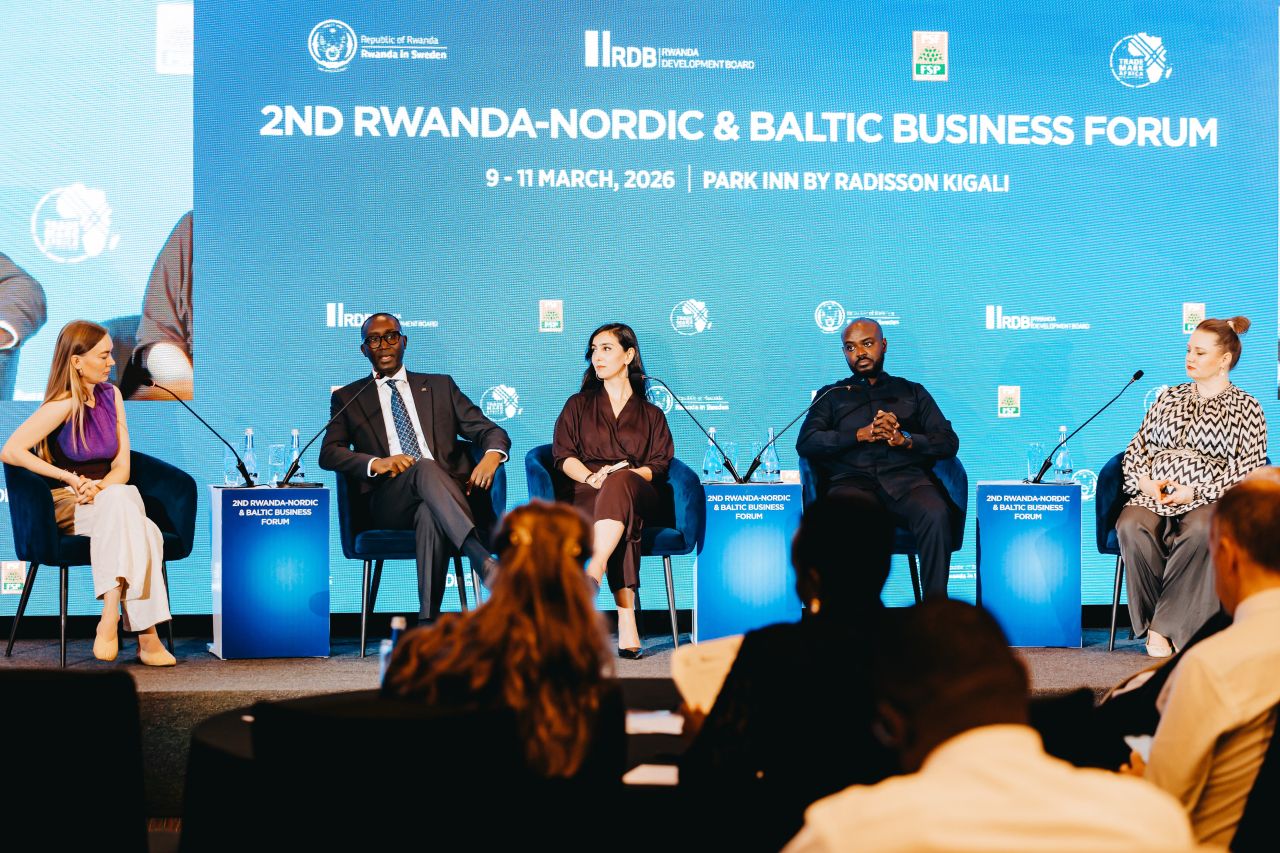
Niloufar Gharavi was a panellist at the 2nd Rwanda Nordic-Baltic Forum, held in Kigali from March 9–11, 2026
Earlier this month, Gharavi was a featured speaker and panellist at the 2nd Rwanda Nordic-Baltic Forum, held in Kigali from March 9–11, 2026. In the interview with IGIHE, she reiterated ENFA’s hands-on approach to connecting European and Nordic investors with African businesses.
“We actually become their partners. They join us, we give them the right advice and the right network, and support them as they grow,” the founder explained.
Last December, Gharavi launched her book, Save the World Before Breakfast, introducing the concept of design-driven entrepreneurship.
“Everything we do is designerly,” she stressed. “Designers see the world from scratch. We know that this chair, this building, this phone, even the lifestyles we live, they didn’t exist naturally. They were all created over time. Once you realise that everything can be redesigned, that’s when real sustainability and regeneration become possible.”
Niloufar Gharavi’s book Save the World Before Breakfast challenges conventional notions of startups, innovation, and leadership.
She emphasised that this philosophy shapes ENFA’s operations, from its internal code of conduct to member training programs. ENFA’s newly established holding in Luxembourg, she added, will champion regenerative, fair-share economies built on design thinking, equipping entrepreneurs to approach challenges with “fresh eyes on the world.”
For Gharavi, the journey from architect to global entrepreneur has been shaped by high-stakes decision-making and a design-driven mindset. Her experience as a professional rally driver also plays a role.
“Racing taught me to assess risks, make decisions quickly, and trust the team around me. Those same skills are vital when supporting entrepreneurs across continents,” she said.
Niloufar Gharavi is a former racing driver.
Reflecting on Rwanda’s entrepreneurial ecosystem, Gharavi is optimistic.
“We are becoming a fund ourselves, but primarily, we facilitate growth,” she said. “The local teams and authorities play a central role. Rwanda has the readiness, the infrastructure, and the entrepreneurial spirit to become a gateway to the continent.”
Gharavi envisions similar partnerships expanding across Africa, leveraging Rwanda as a model for design-driven, investor-backed entrepreneurial growth.
Curious to learn more? Watch her full conversation with IGIHE below.
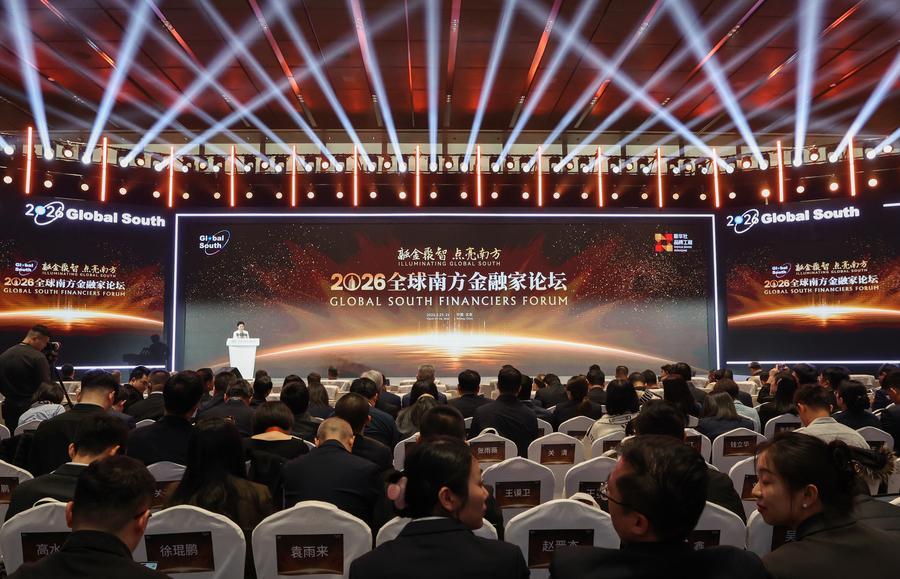
The 2026 Global South Financiers Forum was held in Beijing on March 25 and 26 under the theme “Illuminating Global South,” bringing together heads of financial institutions, experts and industry leaders from home and abroad to exchange views on the achievements and future prospects of green finance cooperation.
Consensus on green growth
Amid mounting climate challenges and a profound shift in the global energy landscape, green and sustainable development is no longer an option but an imperative for the shared future of humanity, participants said at the forum.
“Capital flowing into green sectors in the Global South is becoming evident,” said Wang Zhiheng, president of the Agricultural Bank of China. He added that abundant resources and vast development potential are making the Global South a key destination for green investment.
Shahin Mahmudzada, executive director of the Central Bank of Azerbaijan, said the urgency of climate change calls for proactive measures across sectors to build a more resilient future, adding that many countries have already recognized the importance of this issue.
“Developing countries are a key force in addressing climate change and advancing global sustainability,” said Lu Lei, deputy governor of the People’s Bank of China. He stressed that deeper South-South cooperation in green finance will inject stronger and more enduring momentum into global sustainable development.
Green capital movement
In recent years, Global South countries have stepped up efforts to develop green finance, channeling more financial resources into green industries.
Zhang Yi, president of China Construction Bank, said areas such as energy transition, ecological protection and climate adaptation are opening up vast space for greater financial involvement.
By the end of 2025, the balance of China’s green loans had reached 44.8 trillion yuan (about 6.49 trillion U.S. dollars), while cumulative green bond issuance stood at 5.2 trillion yuan, both among the world’s highest, according to data from China’s central bank.
Sanjar Mukanbetov, chairman of the Green Finance Fund of the Kyrgyz Republic, said China’s experience demonstrates how government policies, financial markets and technological innovation can work in synergy to advance green transformation.
Challenges remain
The global green transition is evolving from a passive response to climate change into a proactive strategy for enhancing energy security and economic efficiency, participants at the forum said. However, Global South countries still face multiple constraints in advancing this transition.
A key challenge is the lack of unified and mutually recognized standards. Zhao Zhongxiu, president of the University of International Business and Economics, said inconsistencies across countries in areas like green project certification and information disclosure have increased cross-border investment costs, thereby hindering the efficient flow of capital.
At the same time, financial institutions are intensifying innovation efforts to address bottlenecks in trade and financing channels and facilitate international cooperation in green finance.
Wang said the Agricultural Bank of China has established a business center in southwest China’s Yunnan Province, working with 22 banks in neighboring countries to develop a cross-border settlement model, providing efficient financial services to 188 green foreign trade enterprises.
Looking ahead, participants called for stronger innovation, mutual recognition of standards, and smoother capital flows to direct more financial resources into sustainable development in the Global South and unify growth efforts.
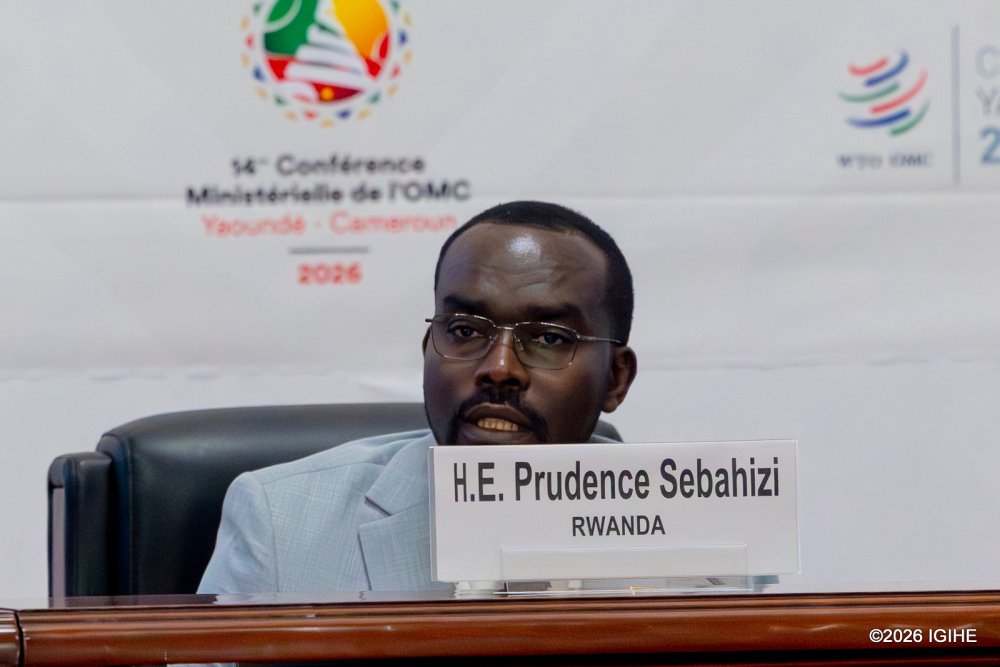
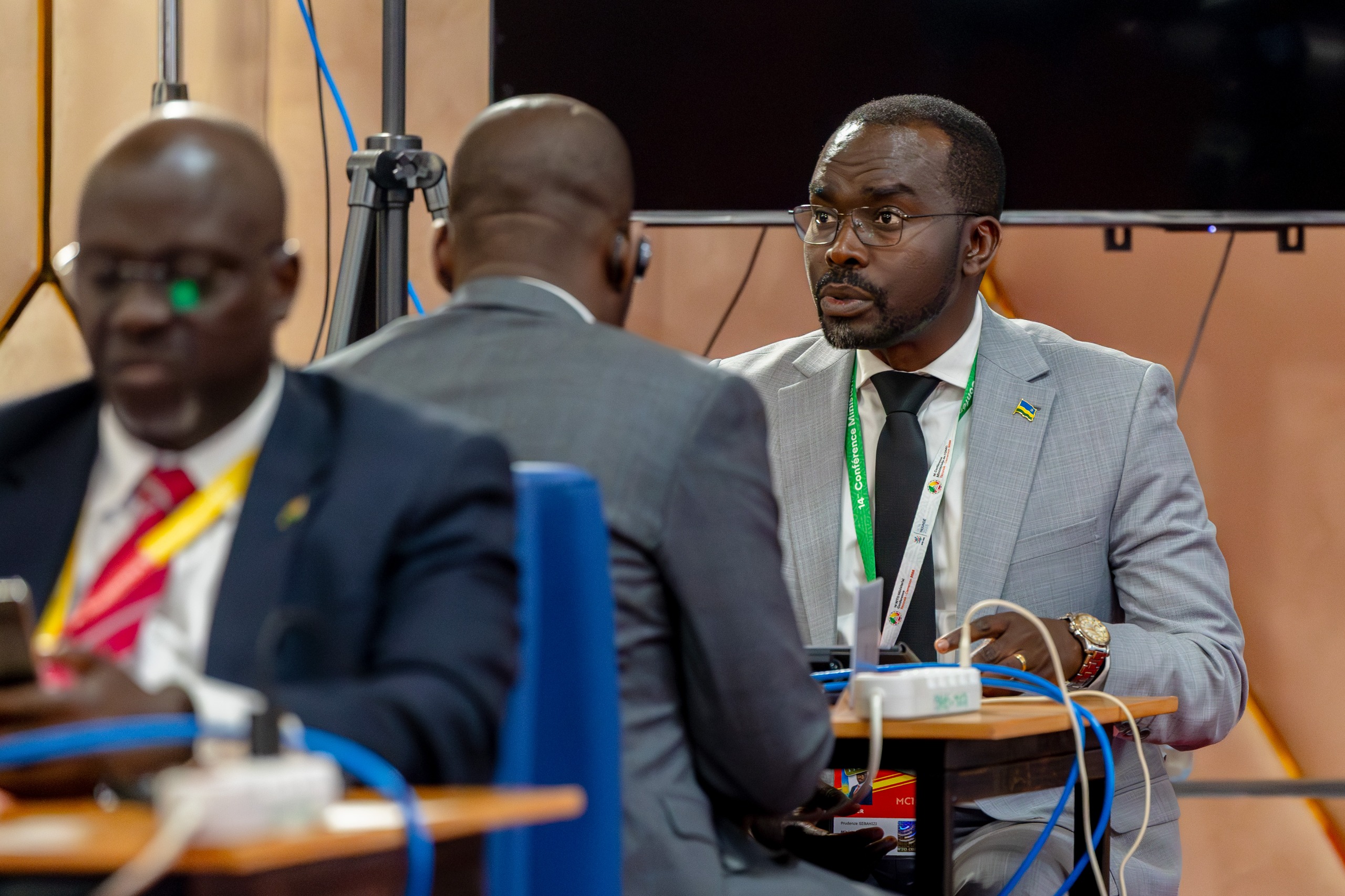
Speaking at the WTO Ministerial Conference, Rwanda’s Minister of Trade and Industry, Prudence Sebahizi, emphasized the challenges facing global trade and their impact on smaller economies.
“This Ministerial takes place at a critical moment for the multilateral trading system,” he said, citing geopolitical tensions, climate challenges, and supply chain disruptions affecting global markets.
He noted that these challenges have particularly significant implications for developing countries and Least Developed Countries.
Rwanda used the platform to advocate for reforms that prioritize development and ensure equitable participation in global trade.
“WTO reform must remain development-centred, ensuring that the interests and capacities of developing countries and Least Developed Countries are fully reflected,” Sebahizi said.
He added that reforms should strengthen the WTO’s key functions while maintaining inclusiveness and consensus-based decision-making.
A major concern raised by Rwanda was the weakening of the dispute settlement system, which the country described as essential for fairness and predictability.
“A fully functioning and accessible dispute settlement system remains a cornerstone of the multilateral trading system,” he said.
Rwanda also emphasized the importance of Special and Differential Treatment and Aid for Trade in helping developing countries overcome structural challenges, improve infrastructure, and participate more effectively in global trade.
The minister highlighted agriculture as a key priority, calling for progress in negotiations to address long-standing imbalances in global agricultural trade.
“Progress remains critical to addressing long-standing imbalances in global agricultural trade and ensuring food security,” he said.
Rwanda also expressed support for discussions on emerging areas such as digital trade and investment facilitation. “We support continued engagement on electronic commerce, while ensuring that discussions take into account the development needs and digital capacities of developing countries,” Sebahizi said.
He added that initiatives aimed at improving the investment climate could contribute to sustainable development, particularly for developing countries.
As the conference continues, Rwanda urged WTO members to deliver concrete outcomes that restore confidence in the system.
“Let us use this Ministerial Conference to reaffirm our shared commitment to a fair, inclusive, and development-oriented multilateral trading system,” Sebahizi said.
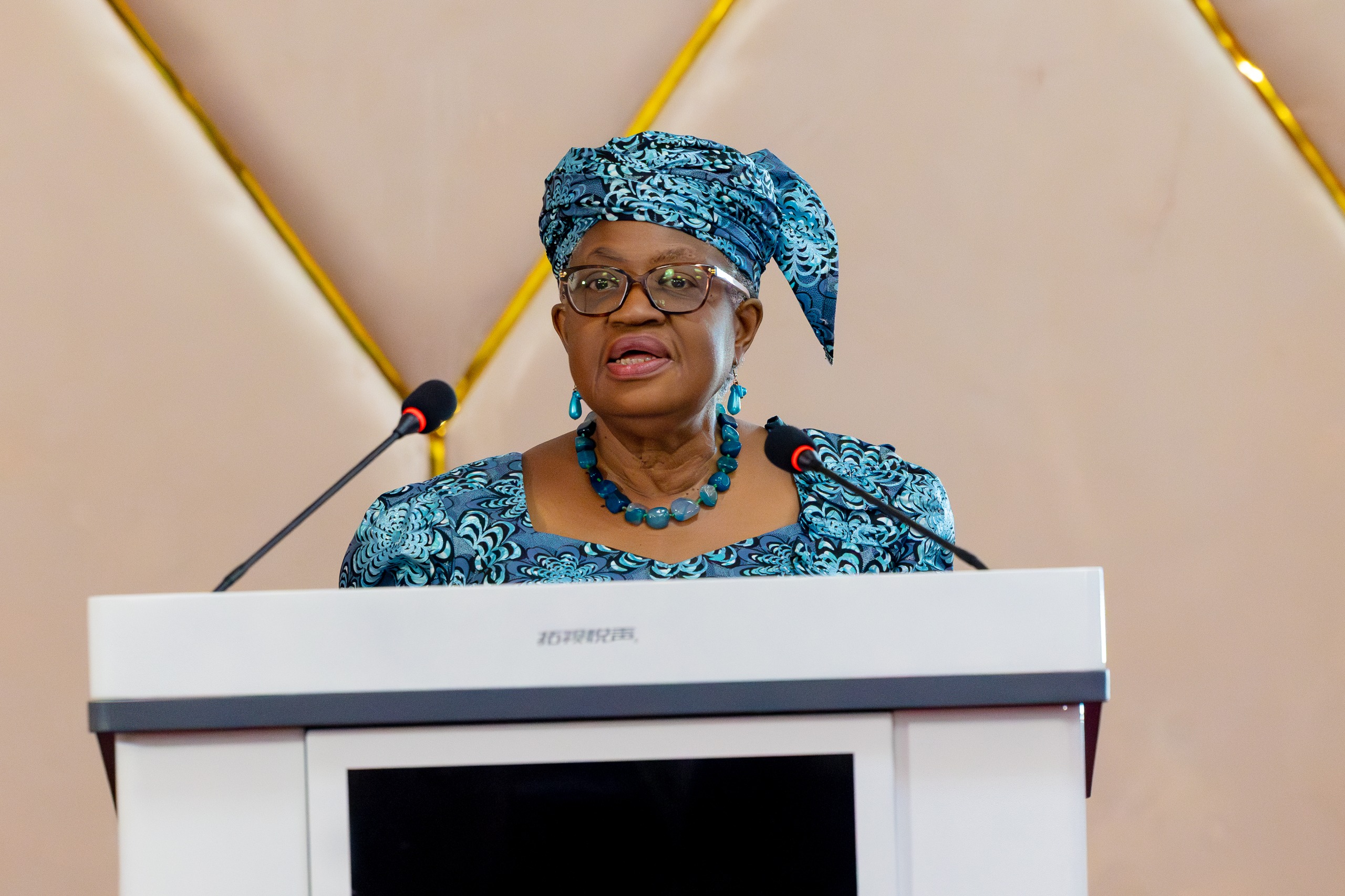
The Director-General of the World Trade Organization, Ngozi Okonjo-Iweala, warned that the global trading system is at a turning point.
“The world order and multilateral system we used to know has irrevocably changed. We will not get it back… we must look to the future,” she said, urging WTO members to take decisive steps to adapt the system to new economic realities and ensure it continues to deliver for all.
Rwanda’s Minister of Trade and Industry, Prudence Sebahizi has called for development-driven WTO reforms, stressing the need for a fair and inclusive global trading system.
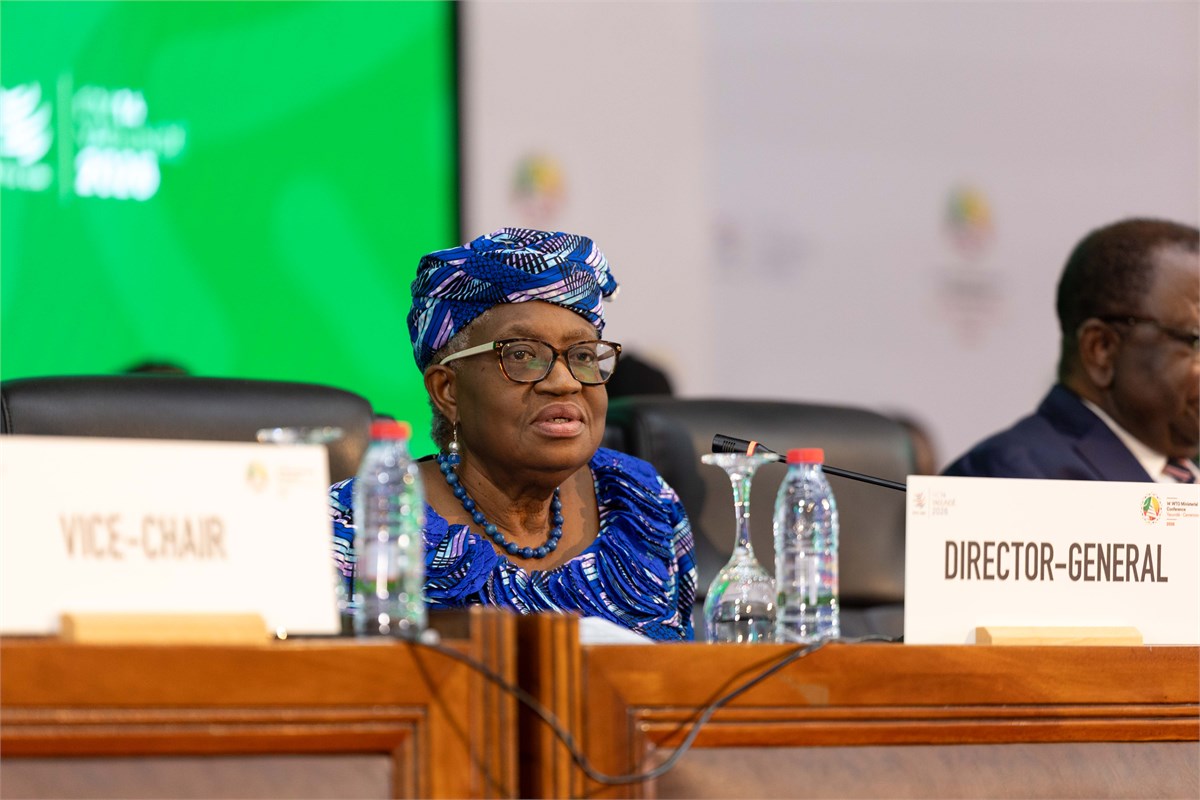
Opening the 14th WTO Ministerial Conference in Yaoundé, Ngozi Okonjo-Iweala delivered a stark message about the future of global trade.
“The world order and multilateral system we used to know has irrevocably changed. We will not get it back… we must look to the future,” she told ministers and delegates.
She said the current disruptions from geopolitical tensions to climate pressures are not temporary shocks, but part of a broader transformation shaping the global economy.
The WTO chief also outlined a cautious outlook for global trade, noting that growth is expected to slow significantly in the coming year.
“For 2026, our economists are forecasting slower growth… reflecting geopolitics, energy prices, and policy uncertainty,” she said.
According to WTO projections, goods trade growth is set to decline from 4.6% in 2025 to 1.9% in 2026, with risks of dropping further to 1.4% if high oil prices persist. Services trade is expected to grow by 4.8%, though this could fall to 4.1% if disruptions in transport and travel continue.
Despite these pressures, she stressed that the system remains resilient.
“Our latest analysis shows that around 72% of global goods trade still remains on WTO terms… providing global trade with a stable core,” she noted.
Okonjo-Iweala also highlighted growing structural challenges within the WTO, particularly a lack of transparency among members.
“Lack of transparency leads to a lack of trust, and that breeds suspicions of unfairness and anti-competitive behaviour,” she warned.
She noted that only 64 members had submitted subsidy notifications, undermining confidence in the system and contributing to delays in reform.
At the same time, she pointed to the growing role of technology in global trade, noting that digitally delivered services reached $5.26 trillion, accounting for about 15% of global trade, while AI-related products contributed significantly to recent growth.
She urged ministers to use the conference to push forward reforms and restore trust in the system.
“We cannot forever complain and then miss the opportunity to fix the problems,” she said, calling for stronger political will among member states.
During the meeting, Rwanda called for a more balanced and development-driven global trading system, warning that without meaningful reforms, smaller economies risk being left behind.
“WTO reform must remain development-centred, ensuring that the interests and capacities of developing countries and Least Developed Countries are fully reflected,” said Rwanda’s Minister of Trade and Industry, Prudence Sebahizi, urging members to translate ongoing reforms into tangible gains, particularly in agriculture, digital trade and access to a fair dispute resolution system.
WTO Director-General Ngozi Okonjo-Iweala delivering remarks at the 14th WTO Ministerial Conference in Yaoundé.