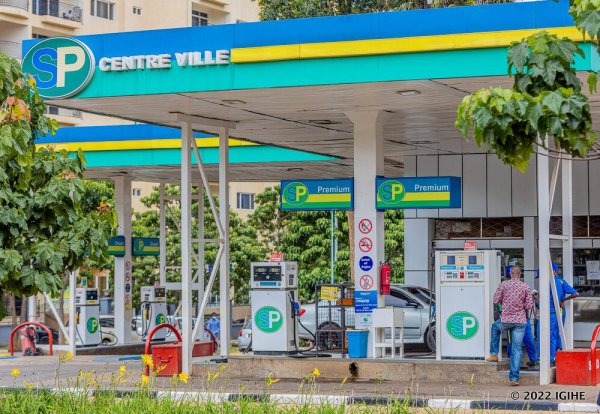
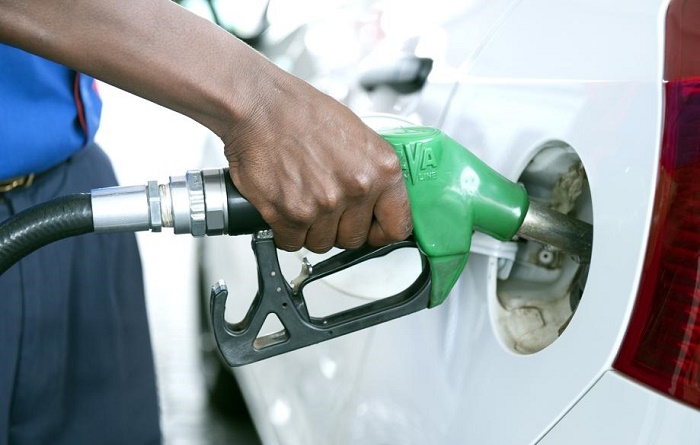
In a communiqué issued on Wednesday, the regulator said the new pump prices will take effect from 6:00 am on March 5, 2026. The maximum retail price of gasoline (petrol), inclusive of Value Added Tax (VAT), will remain at Rwf 1,989 per litre, while diesel will be capped at Rwf 1,948 per litre.
The adjustment raises diesel from the Rwf 1,900 per litre rate that had been in place since November 2025. Petrol prices remain steady at the same level set during the review.
RURA Director General, Evariste Rugigana, said the revised pump prices “reflect prevailing trends in the international market for refined petroleum products, and measures taken by the Government of Rwanda to mitigate the impact of evolving global developments.”
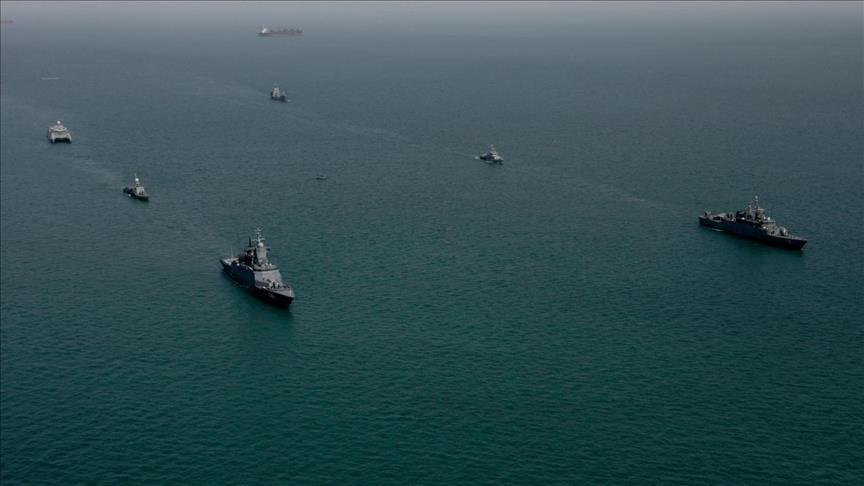
Global fuel prices have recently surged by more than 10 percent following the escalation of tensions between the United States and Iran, which disrupted traffic through the Strait of Hormuz, a critical shipping lane that handles about 20 percent of the world’s traded oil.
The Minister of Finance and Economic Planning, Yusuf Murangwa, recently highlighted the risk of rising fuel and commodity prices due to the global supply chain disruptions.
Speaking during an interview with the Rwanda Broadcasting Agency (RBA), he reassured the public that Rwanda’s fuel reserves remain stable and that the government is closely monitoring the situation.
He added that, if necessary, alternative markets will be explored to ensure continued economic stability.
The maximum retail price of gasoline (petrol), inclusive of Value Added Tax (VAT), will remain at Rwf 1,989 per litre, while diesel will be capped at Rwf 1,948 per litre.
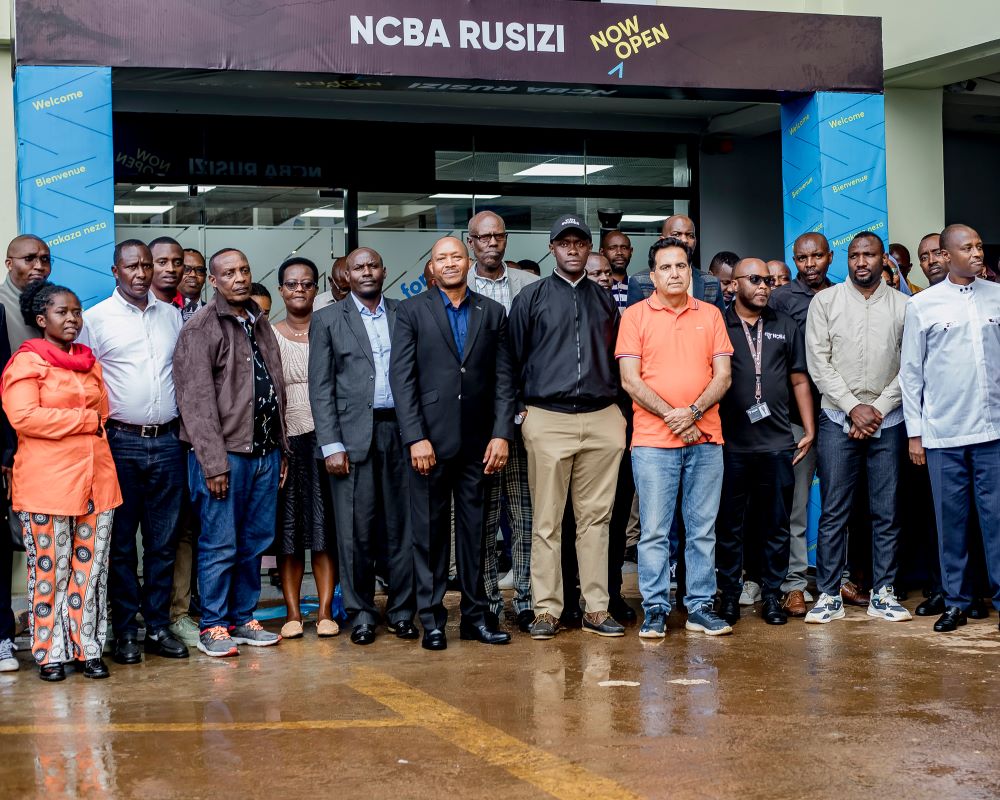
Located near Rusizi’s main commercial area, the new branch is strategically positioned to serve small and medium enterprises, cross-border traders, farmers, hospitality operators, and growing households.
Speaking at the opening ceremony, NCBA Bank Rwanda Managing Director Maurice Toroitich thanked the community for the warm reception and described the move as a long-term partnership rather than a transactional expansion.
“We come here as a capable partner in the transformation of Rusizi — ready to listen, ready to support, and ready to grow alongside the businesses and people who work hard every day to develop themselves, their families, this district, and the country at large,” he said.
Rusizi’s strategic location as a gateway to Bukavu in the eastern Democratic Republic of Congo positions it as a dynamic commercial hub. However, bank officials emphasized that their support will extend beyond trade flows to the sectors shaping the district’s broader economic transformation.
The bank has already made commitments and attracted commercial farmers investing in the district’s fertile agricultural land, hoteliers expanding the hospitality sector along Lake Kivu, and developers responding to growing demand for residential and commercial real estate.
NCBA indicated it will continue focusing on enabling agribusiness growth, property development, and SME expansion across key value chains.
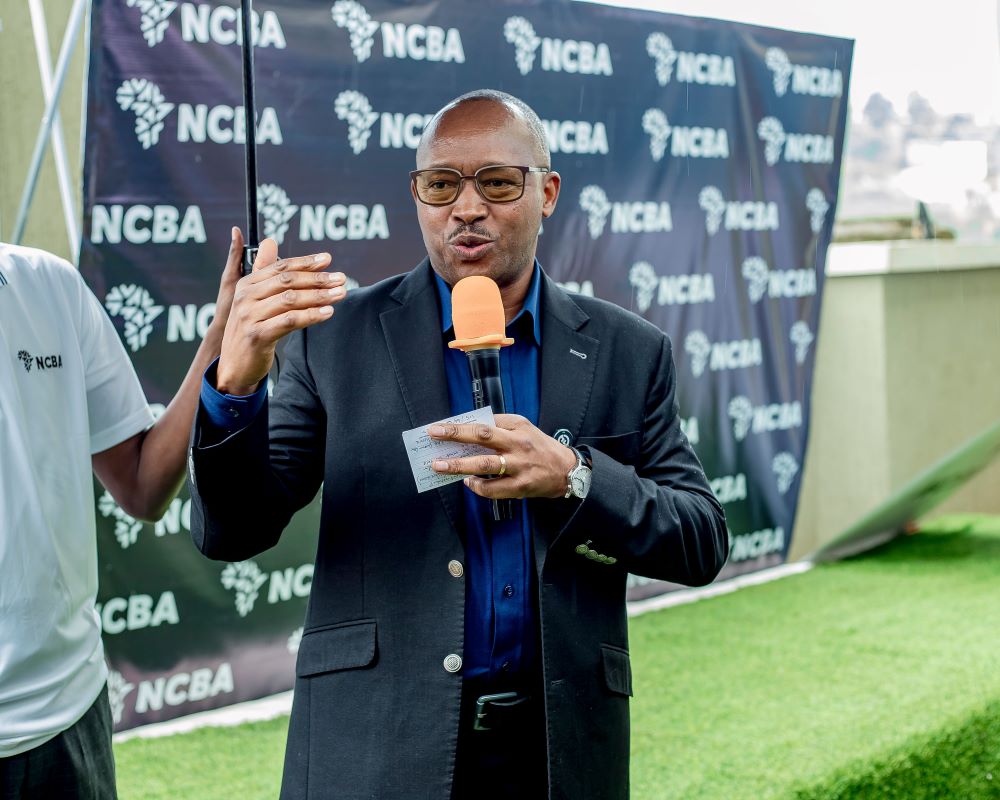
Head of Business at NCBA Bank Rwanda, Samuel Nkubito, said the branch was deliberately located close to the market to remain accessible to everyday entrepreneurs.
“Smal and medium enterprises are the backbone of Rwanda’s economy. From shop owners and boutique operators to agro-processors and service providers, these businesses create livelihoods for the majority. Our presence here is about giving them the financial tools to scale sustainably.”
The opening of the Rusizi branch also strengthens NCBA’s national and regional integration strategy.
As part of a banking group operating in five African countries; Kenya, Uganda, Tanzania, Rwanda, and Côte d’Ivoire, with over 115 branches and more than 60 million customers, NCBA connects clients to a wider East African financial network.
“When a client in Rusizi grows beyond one market, we are able to support that journey,” Toroitich added.
In addition to its physical expansion, NCBA highlighted its digital reach through MoKash, the mobile savings and lending platform operated in partnership with MTN Rwanda.
Through MoKash, the bank serves nearly six million customers nationwide, positioning it as Rwanda’s largest retail digital bank by customer numbers.
The Rusizi branch is expected to deepen that relationship by combining digital convenience with on-the-ground advisory and financing capabilities.
Local business leaders welcomed the bank’s arrival, noting that improved access to structured credit and responsive banking services will support enterprise growth across the district.
With existing branches in Kigali, Musanze, Nyagatare, Kayonza, and Rubavu, the addition of Rusizi signals NCBA’s continued expansion into high-potential and regionally connected markets.
Similar branch expansions have been executed by the bank in the various markets where it operates. The bank reaffirmed that its investment in Rusizi reflects confidence in the district’s future and a commitment to building lasting relationships with the community.
NCBA Bank Rwanda has expanded its footprint in Rwanda’s Western Province with the official opening of its Rusizi branch,. Speaking at the opening ceremony, NCBA Bank Rwanda Managing Director Maurice Toroitich described the move as a long-term partnership rather than a transactional expansion. Head of Business at NCBA Bank Rwanda, Samuel Nkubito speaking at the inauguration.
Zorgenfreija told the LETA news agency that events in the Middle East have once again highlighted one of the classic global economic risks — disruptions in energy resource supply chains.
She noted that the escalation of the conflict, including strikes on Iran and its oil infrastructure, a pause in shipping through the Strait of Hormuz, and the rise in ship insurance costs, has triggered a sharp price reaction in the markets.
Roughly one-fifth of the world’s oil and gas flows through the Strait of Hormuz. Iranian media reported that the Islamic Revolution Guards Corps had closed the strait to shipping, declaring the waterway unsafe due to U.S. and Israeli attacks. In light of the regional tension, vessel traffic via the strait has dropped considerably since Saturday, according to several sources monitoring ship-tracking data.
Zorgenfreija said the conflict means higher energy prices worldwide, including in Latvia, and in the most negative scenario, Brent oil prices could exceed 100 U.S. dollars per barrel, while gas prices could double.
The rise of energy prices depends on how long the conflict will last, how prolonged the shipping pause through the Strait of Hormuz will be, and to what extent oil and gas production will be disrupted or infrastructure damaged, she noted.
She added that for Europe and Latvia, such a situation means a direct and rapid rise in energy resource prices, exerting pressure on both household expenditures and business costs.
Moreover, secondary effects will come through the prices of other goods and services, resulting in higher inflation than previously forecast, she said.
Minister of Trade and Industry, Prudence Sebahizi, said the closure of the Strait of Hormuz, a key route for global oil trade, poses challenges for oil-importing countries worldwide, including Rwanda. However, he noted that Kigali has activated contingency plans to prevent immediate disruptions for consumers.
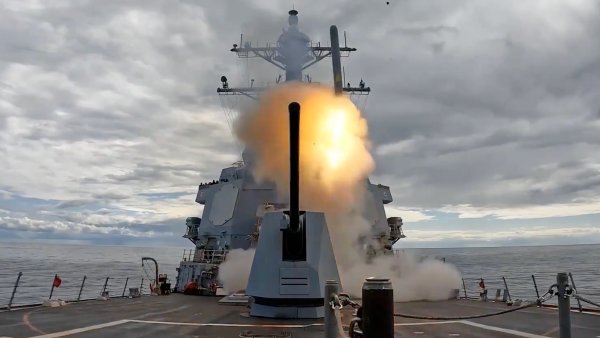
Heavy strikes by the United States and Israel began on February 28, 2026, with Iran retaliating against neighboring countries such as Qatar, Saudi Arabia, Kuwait, and Bahrain. The escalation has disrupted traffic through the Strait of Hormuz, which carries roughly 20 percent of globally traded oil.
Speaking to the Rwanda Broadcasting Agency, Sebahizi highlighted the immediate impact on petroleum products.
“Nearly one-fifth of the world’s traded oil passes through that corridor. Countries that rely on imported petroleum products will inevitably be affected,” he said, noting that much of the fuel supplied to East Africa transits through this route.
Rwanda, a landlocked country dependent on imports, is working with suppliers to ensure that shipments already in transit reach the country without delay, and to strengthen national reserves.
“We are coordinating with importers to ensure that fuel shipments already in transit, particularly those that have cleared the conflict-affected routes, arrive promptly. The objective is to build sufficient stock so that if tensions ease within the coming months, we will have maintained stability in the domestic market,” Sebahizi explained.
The Strait of Hormuz lies between Iran and Oman and facilitates the daily passage of between 16 and 21 million barrels of oil. Major exporters under the Organization of the Petroleum Exporting Countries, including Iran, Saudi Arabia, the United Arab Emirates, and Kuwait, rely heavily on this corridor to supply Asian markets.
Fuel prices in Rwanda have already risen in recent months, with petrol at Rwf 1,989 per litre and diesel at Rwf 1,900 per litre since November 2025. Sebahizi said the government is taking steps to ensure that adequate reserves are maintained to reduce exposure to supply disruptions.
He added that private investors have committed to building additional storage facilities, which will allow Rwanda to hold larger fuel reserves in the future.
“We must accelerate the development of storage infrastructure so that, in the future, the country can hold fuel for longer periods and reduce vulnerability to external shocks,” Sebahizi said.
The minister also noted that authorities are reviewing trade strategies, including diversifying sourcing options for goods imported from Asia, to manage potential disruptions or price increases in global markets.
Minister Sebahizi says closure of the Strait of Hormuz poses challenges, but Rwanda has plans to avoid immediate fuel disruptions.
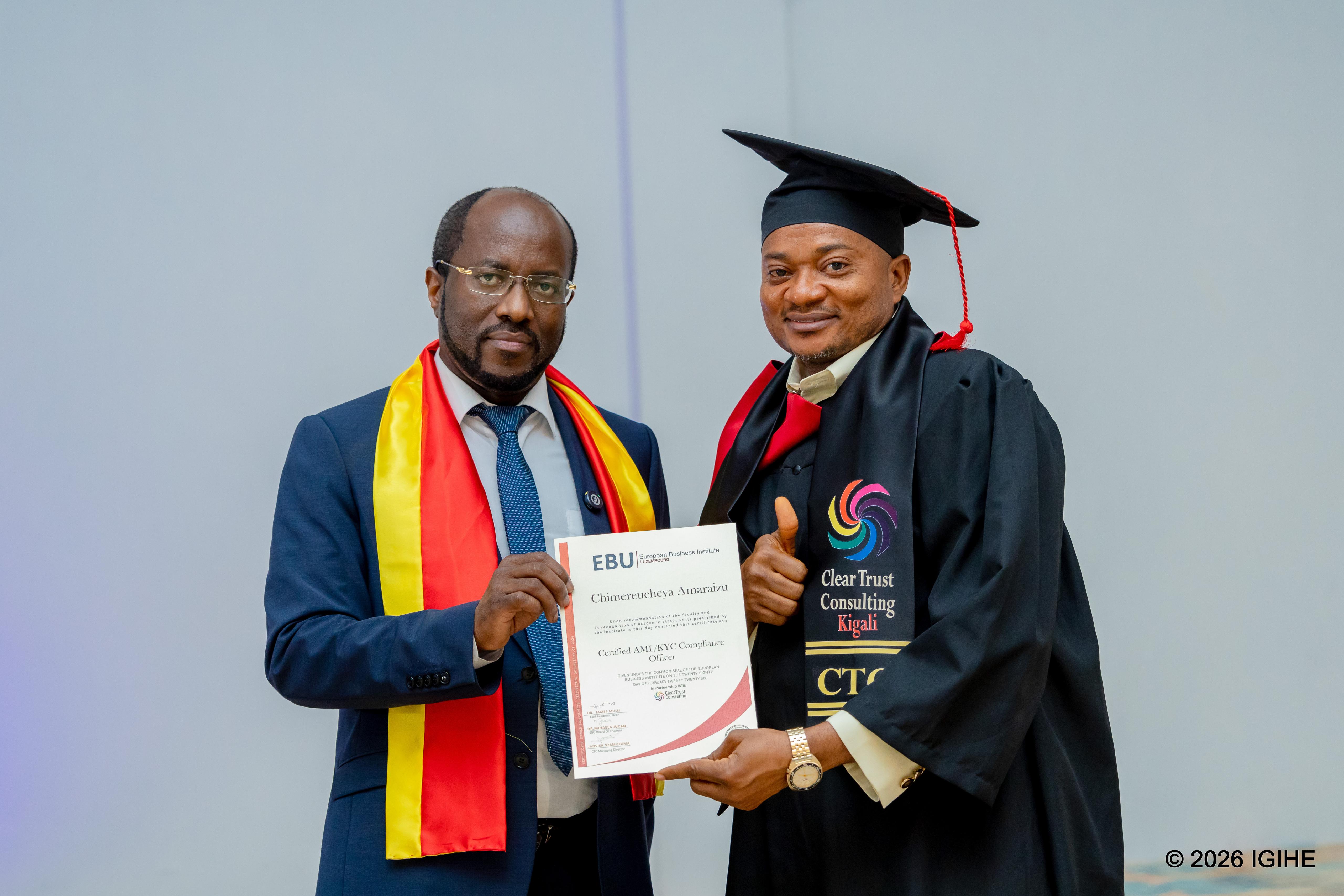
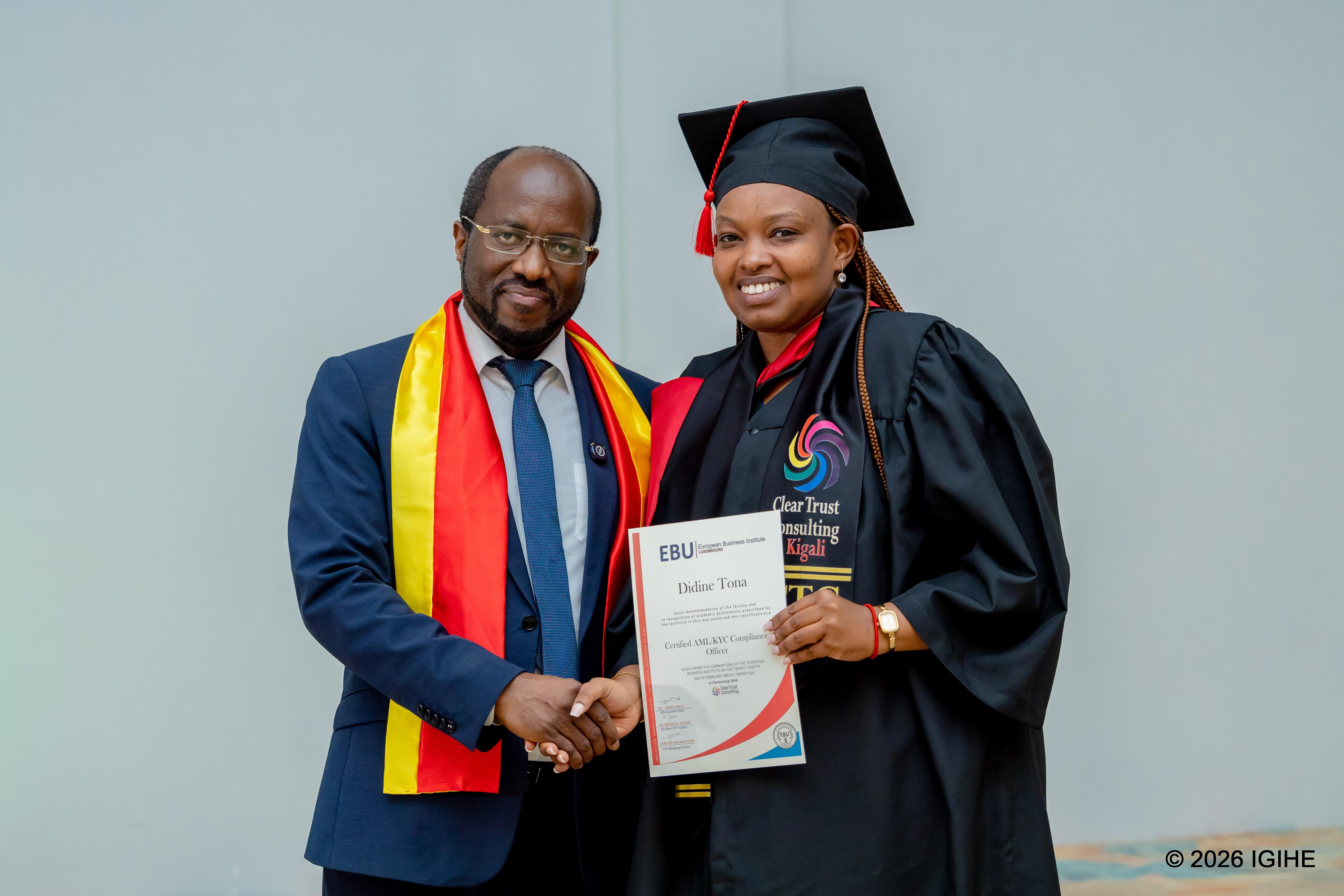
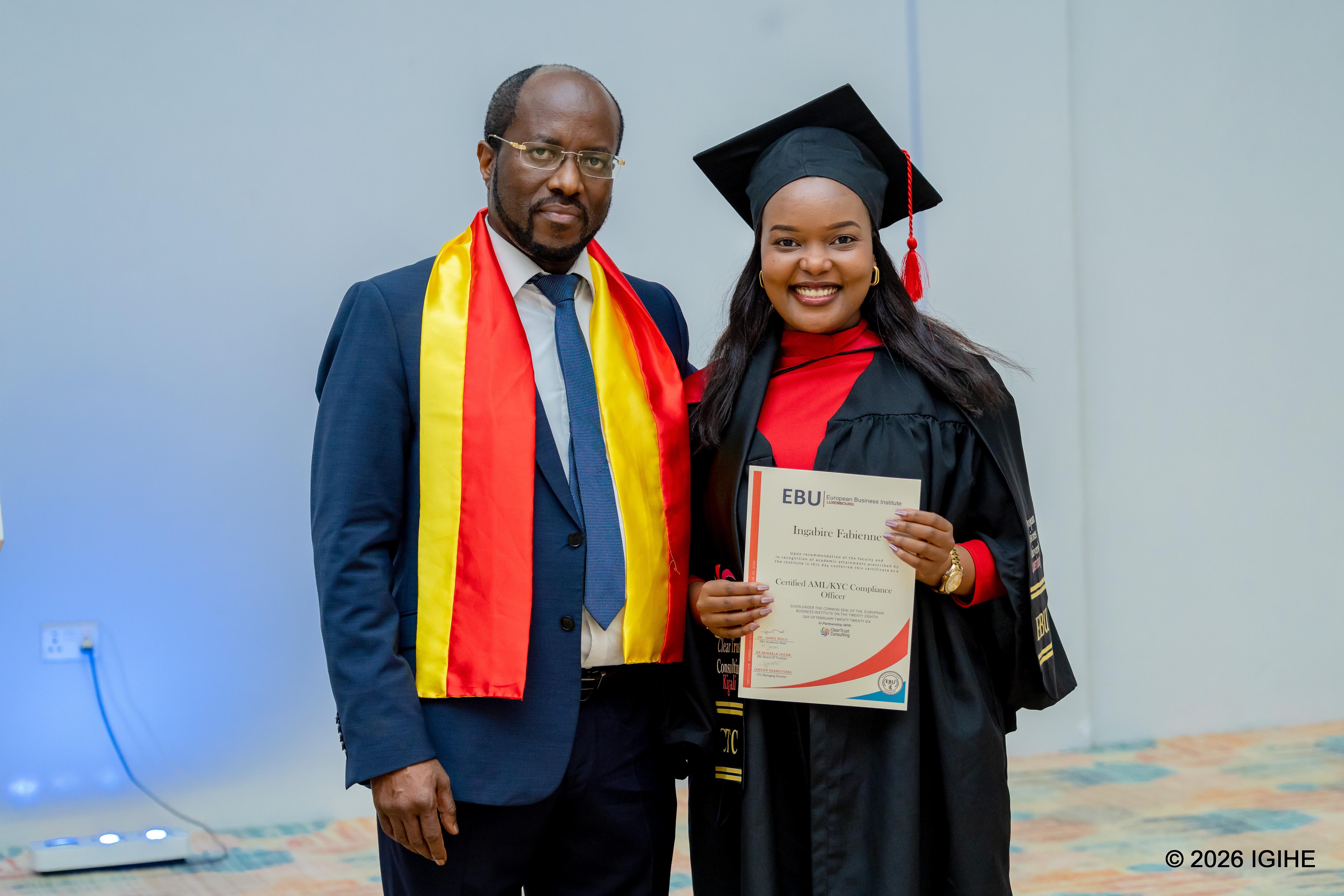
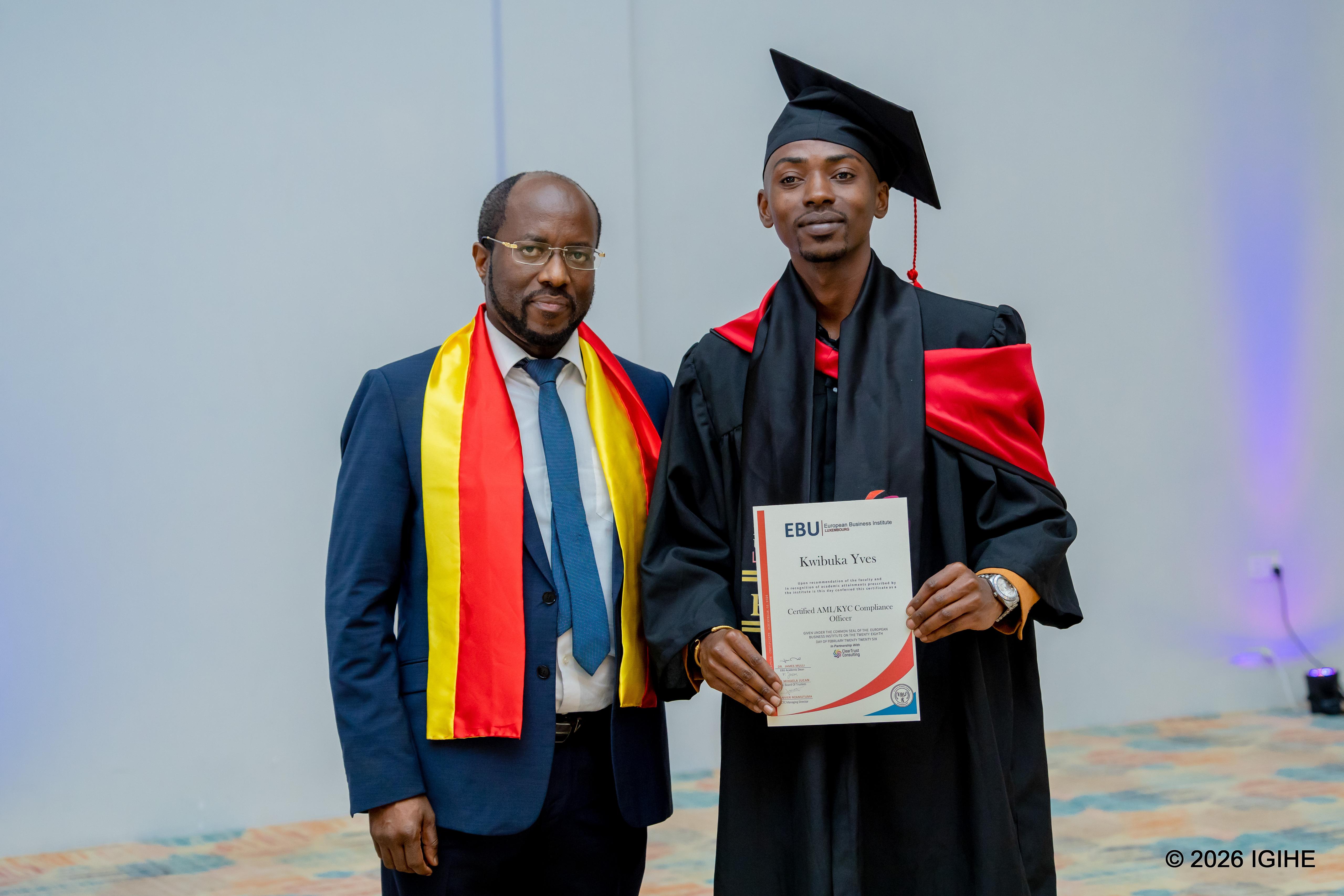
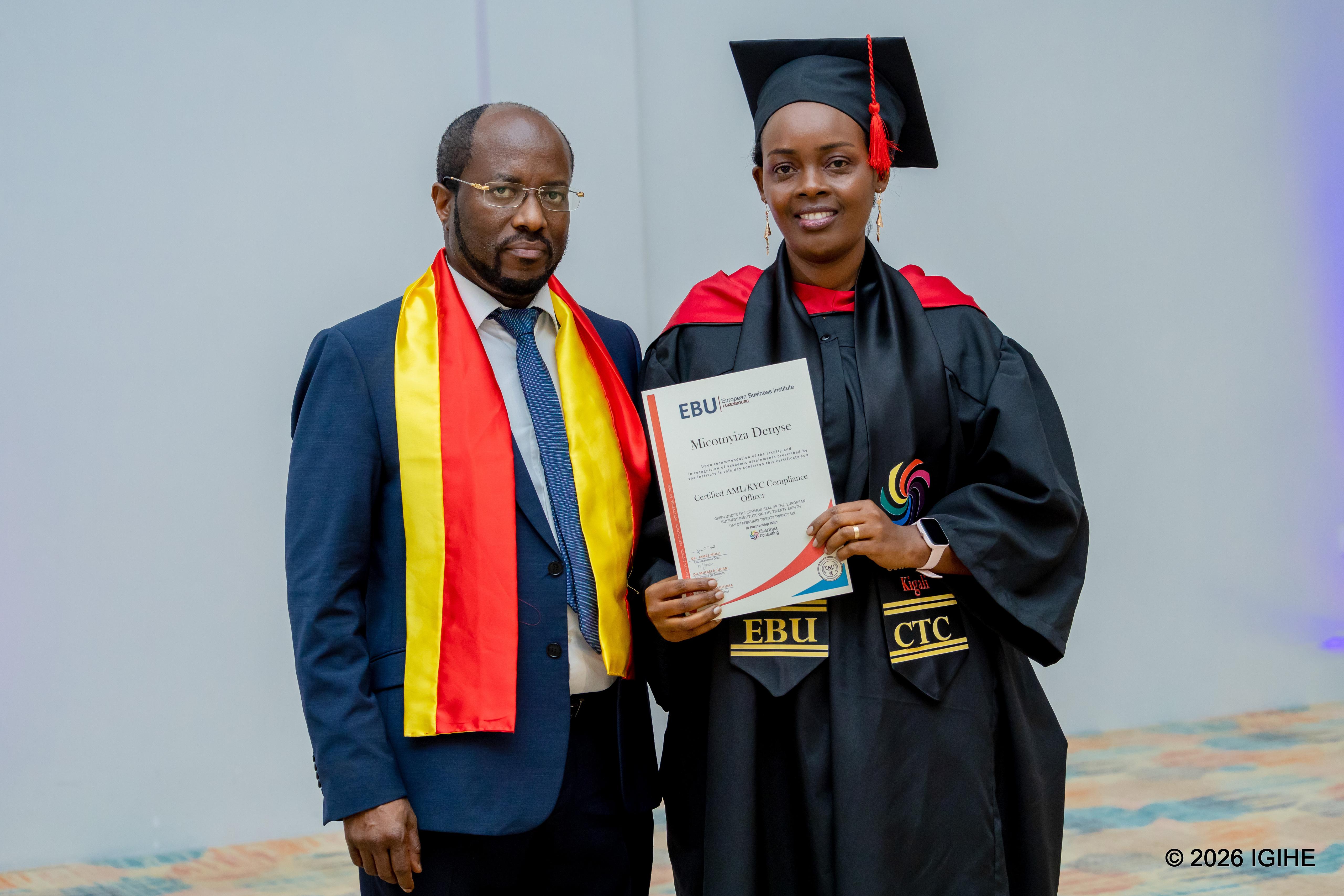
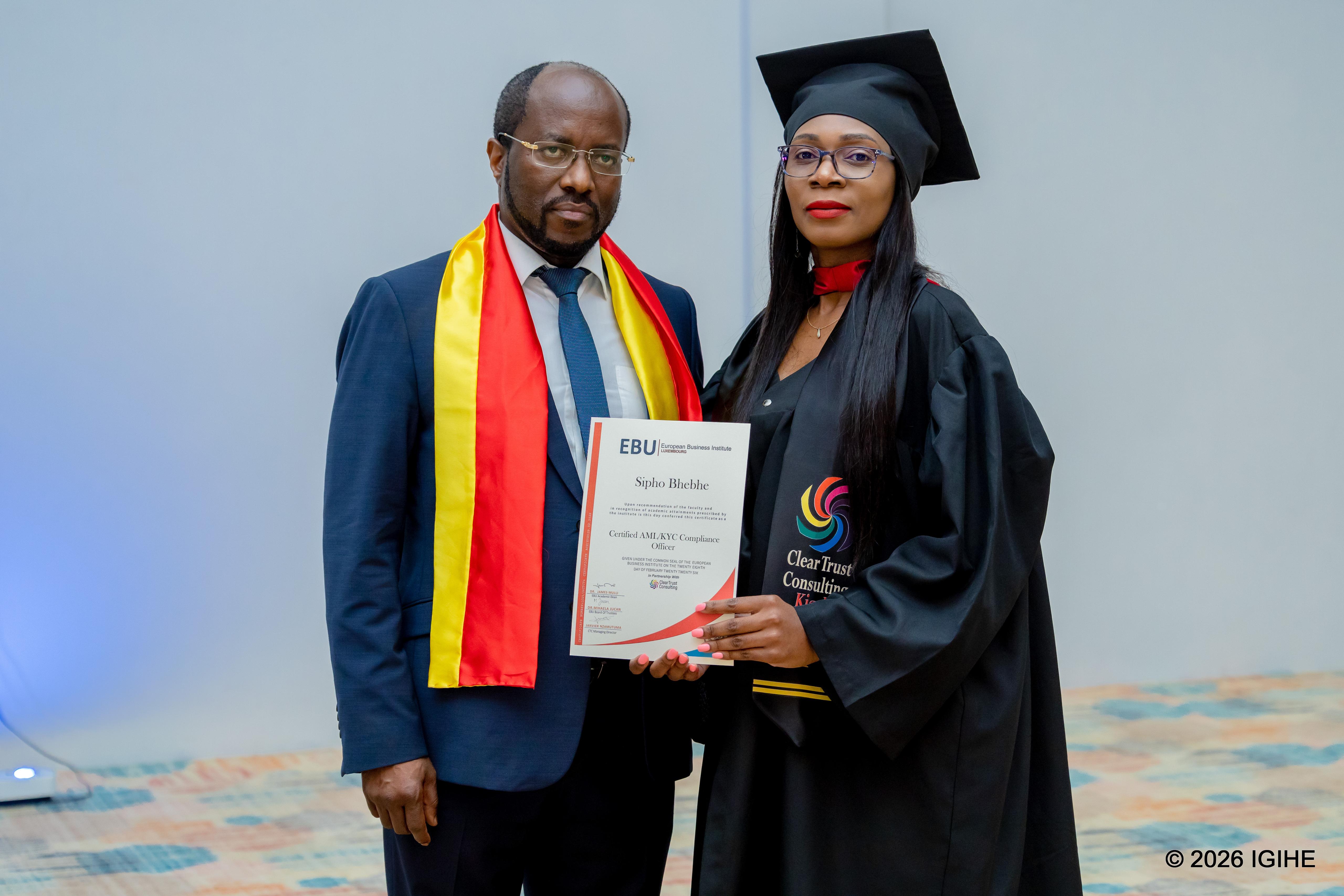
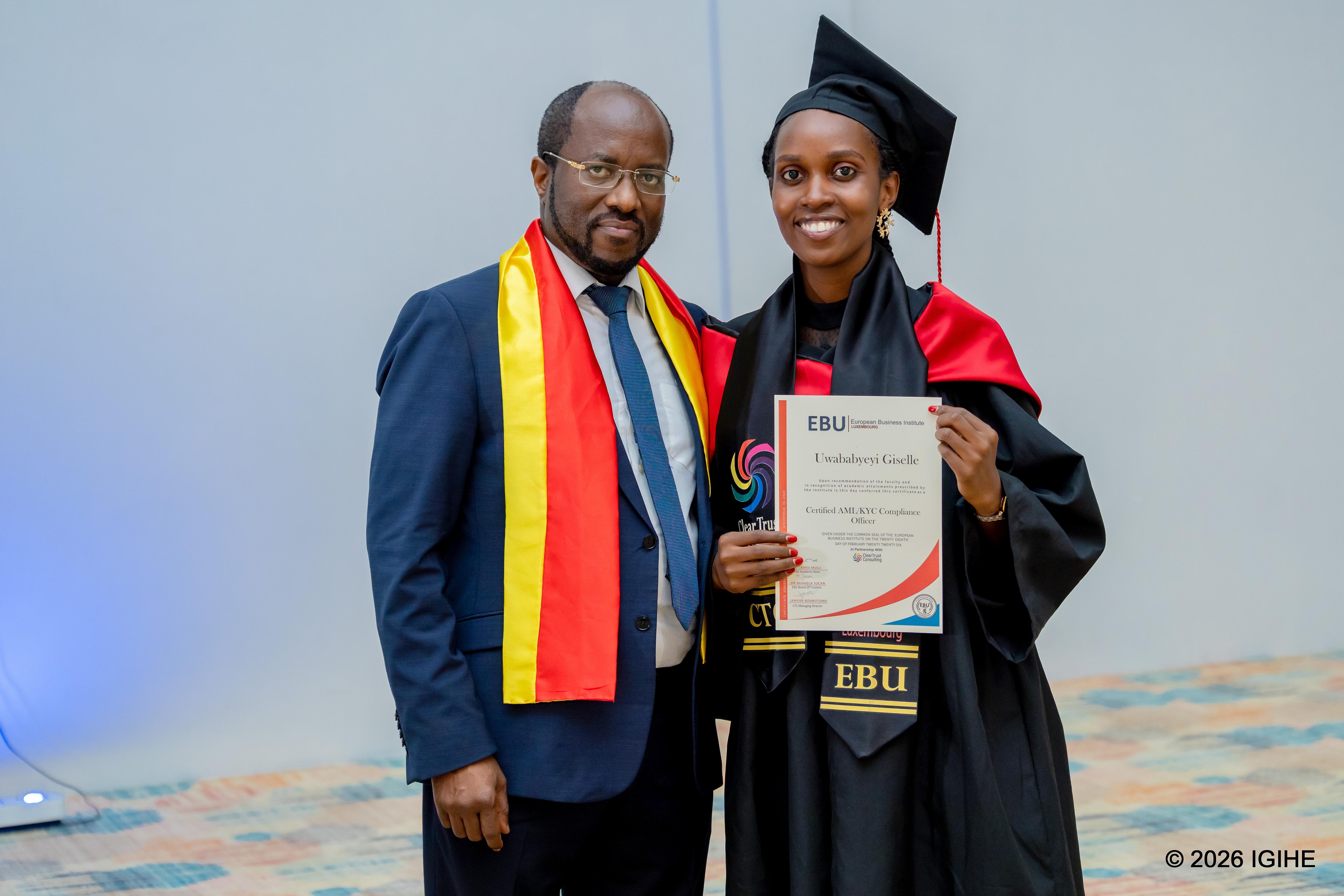
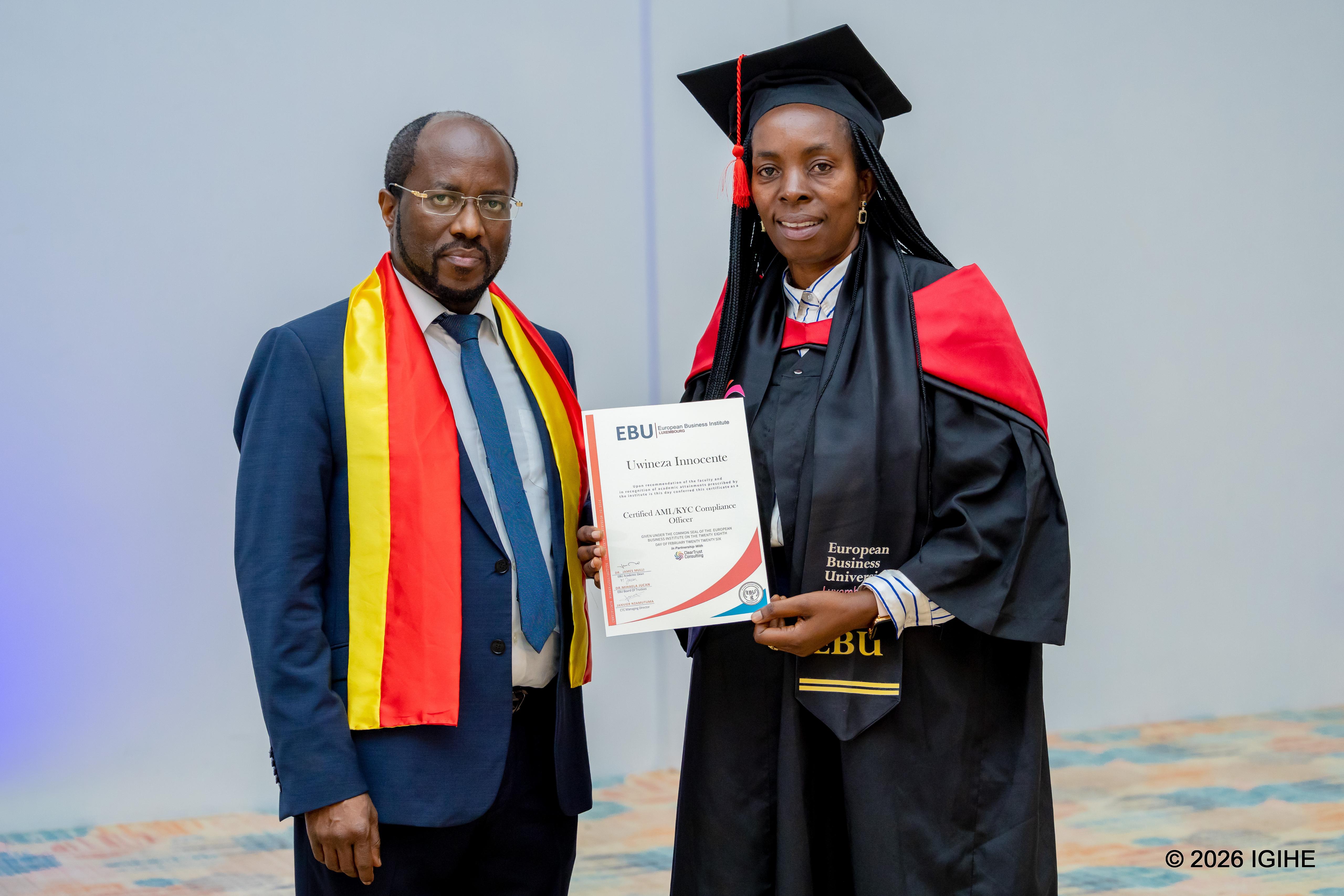
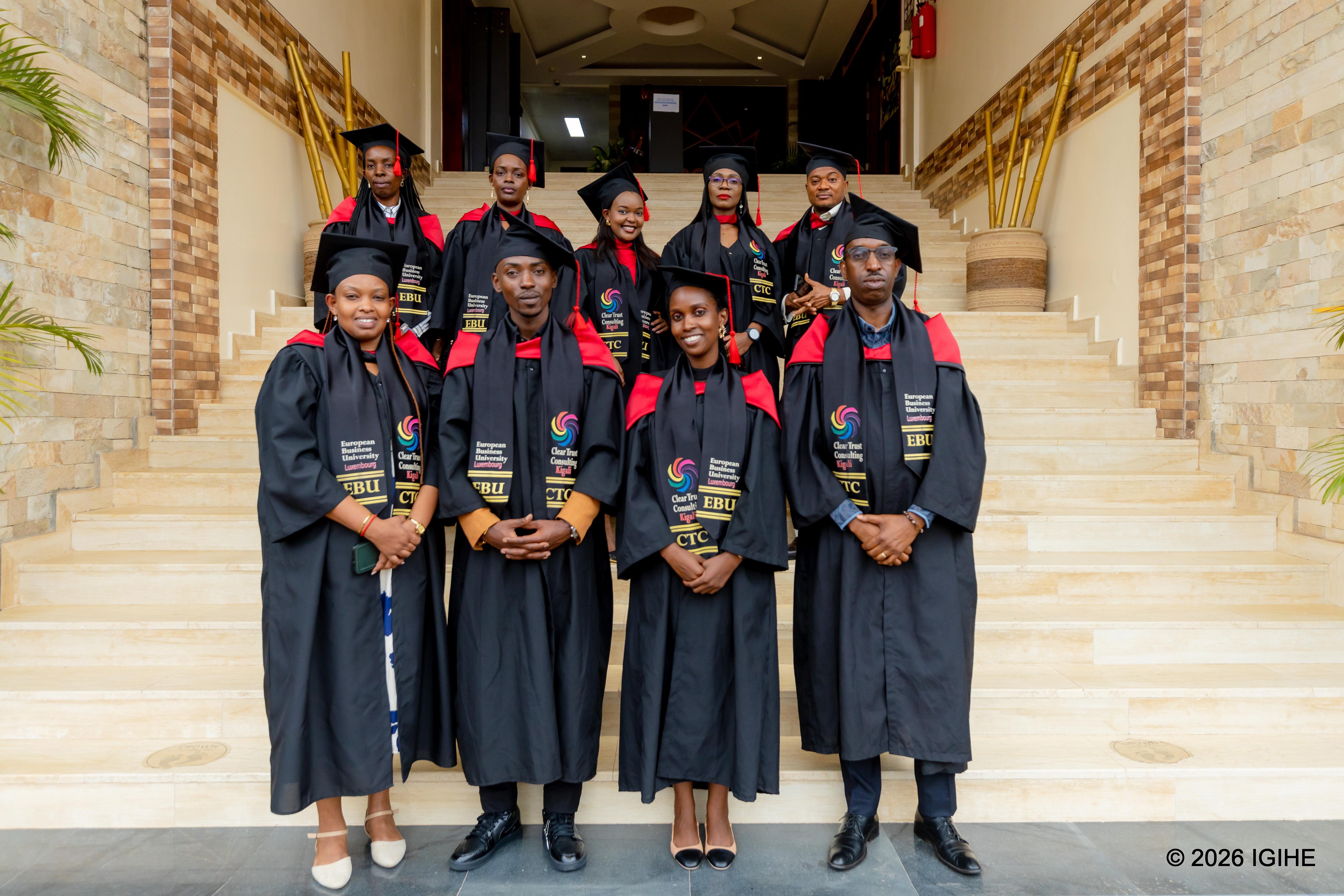
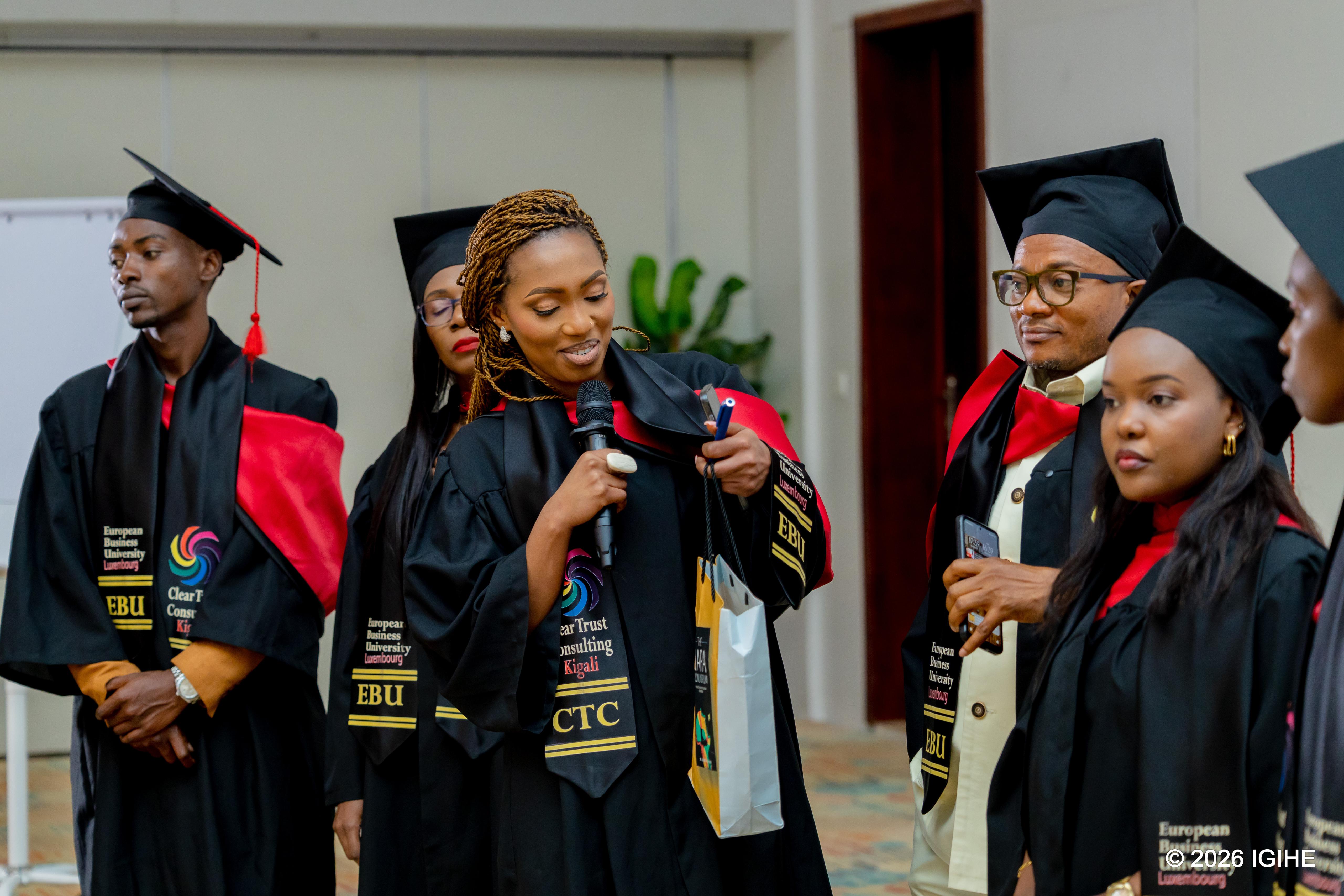
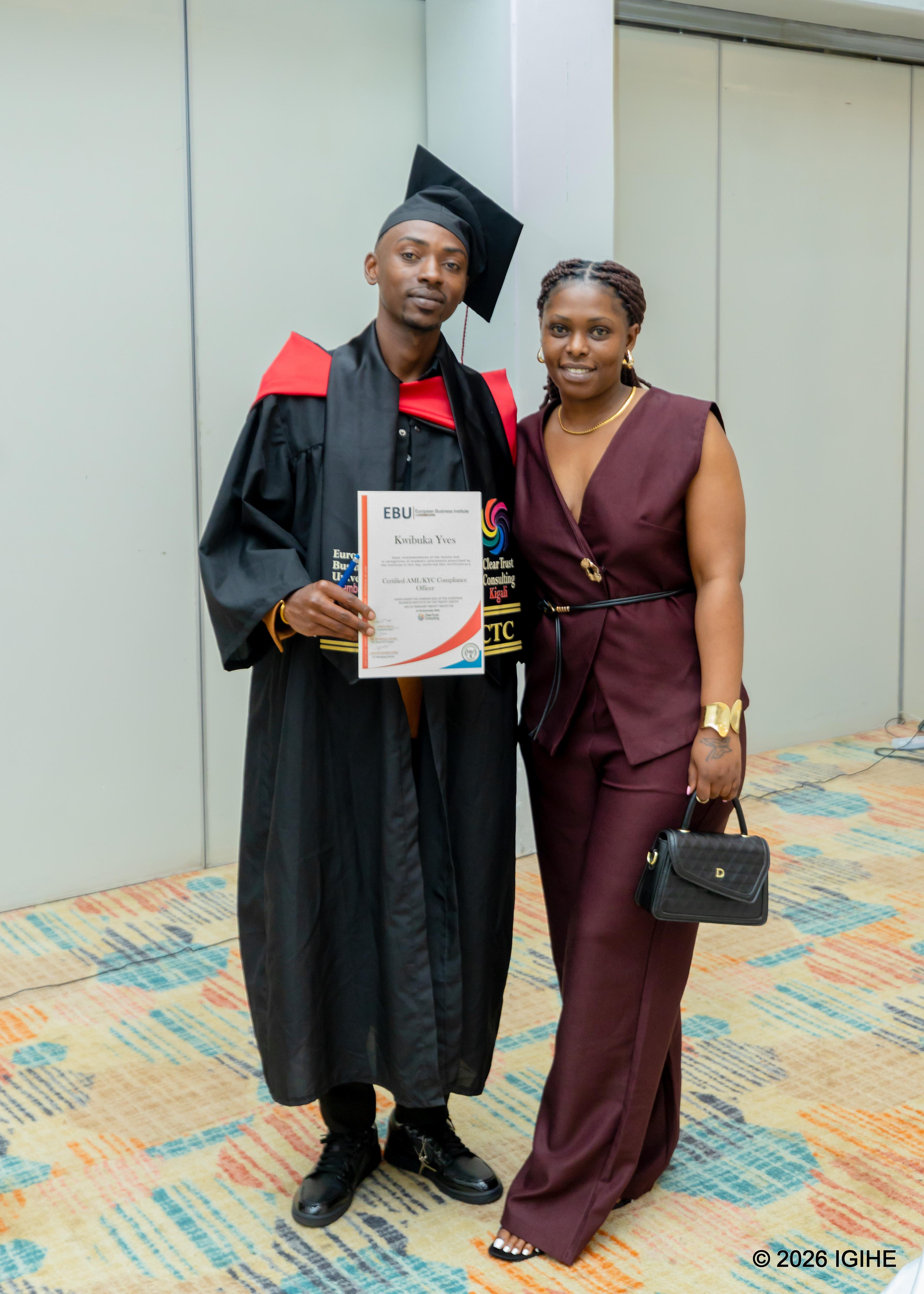
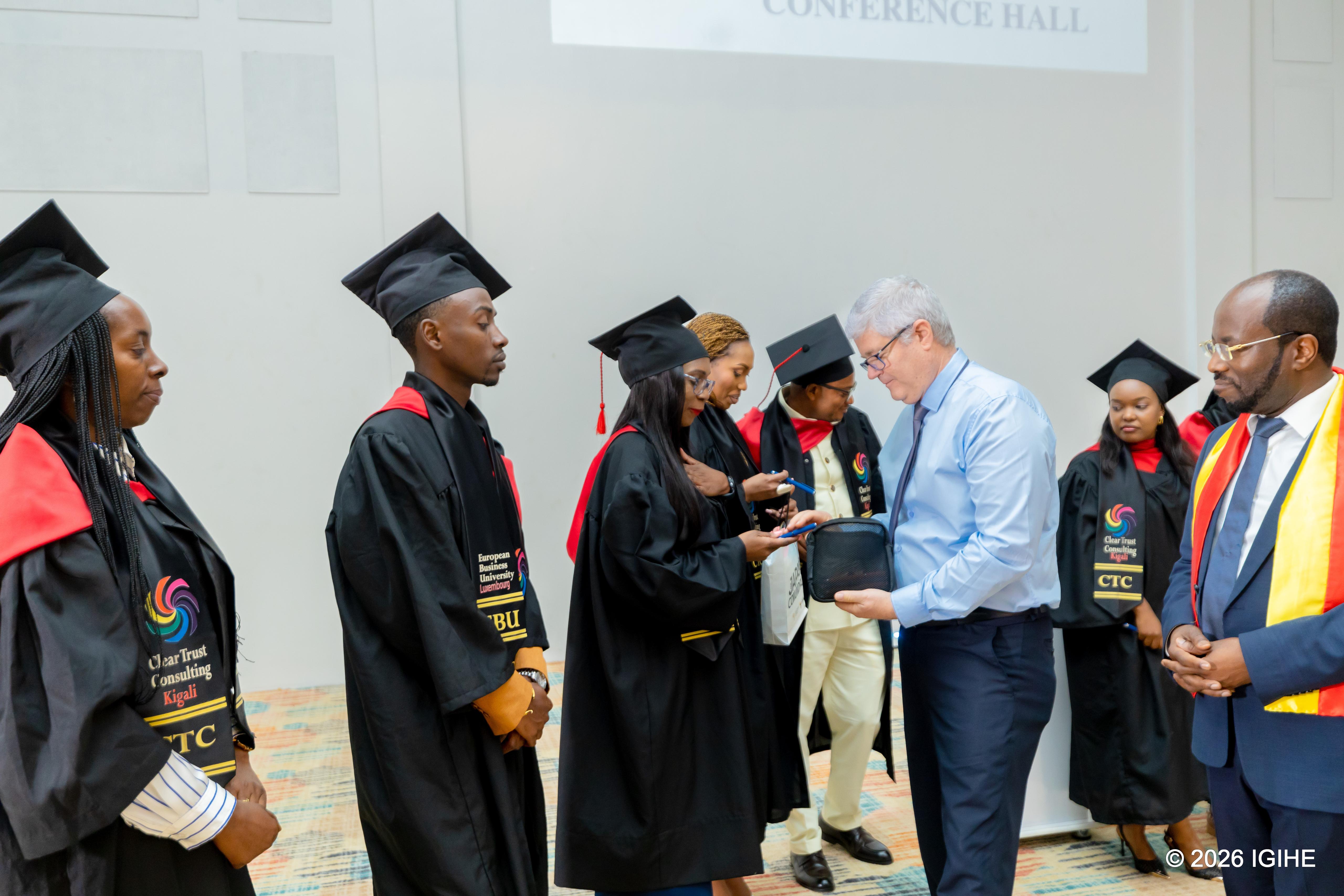
Founded five years ago in Belgium and headquartered in Luxembourg, CTC collaborates with the European Business University of Luxembourg to provide specialized training and internationally recognized certifications.
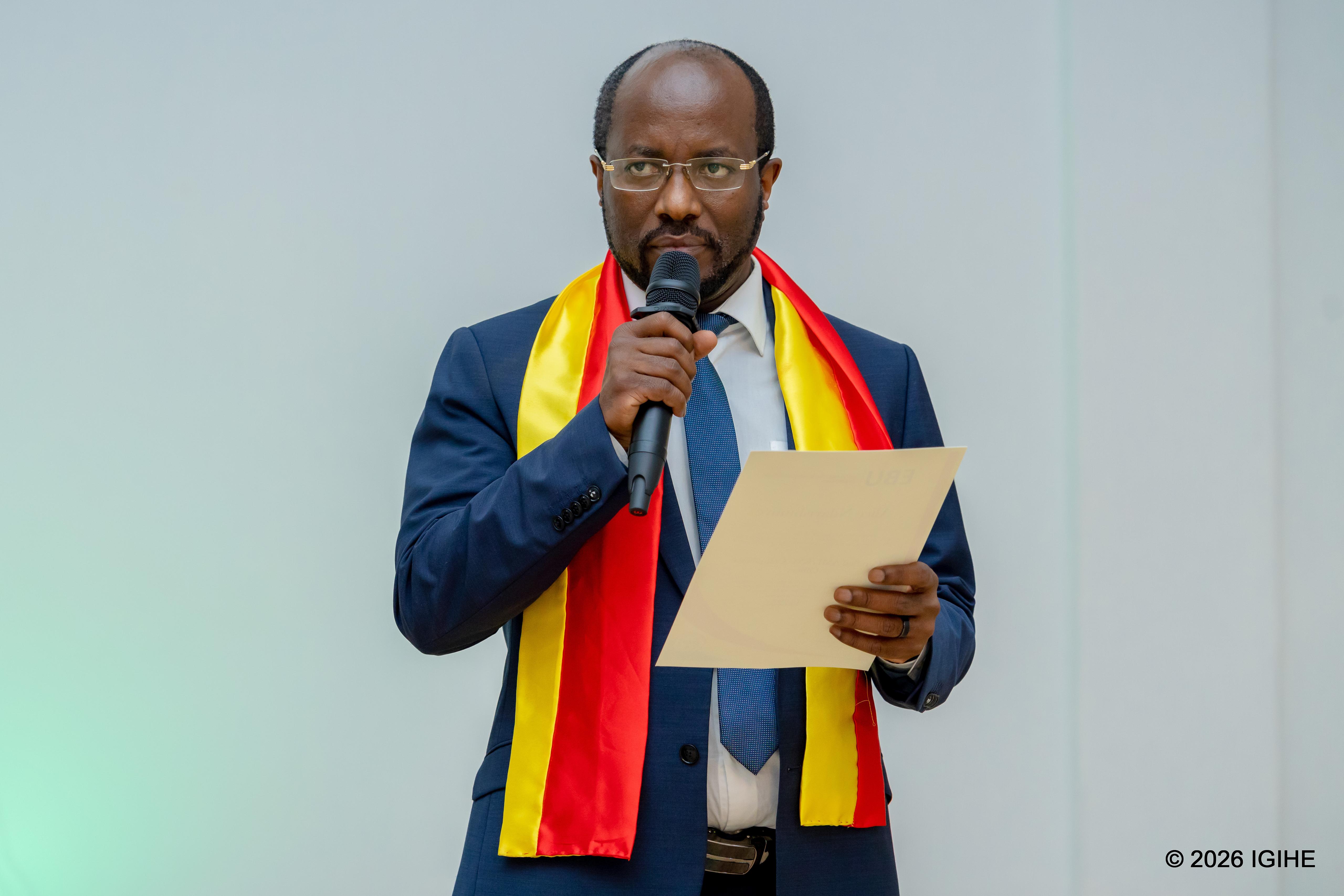
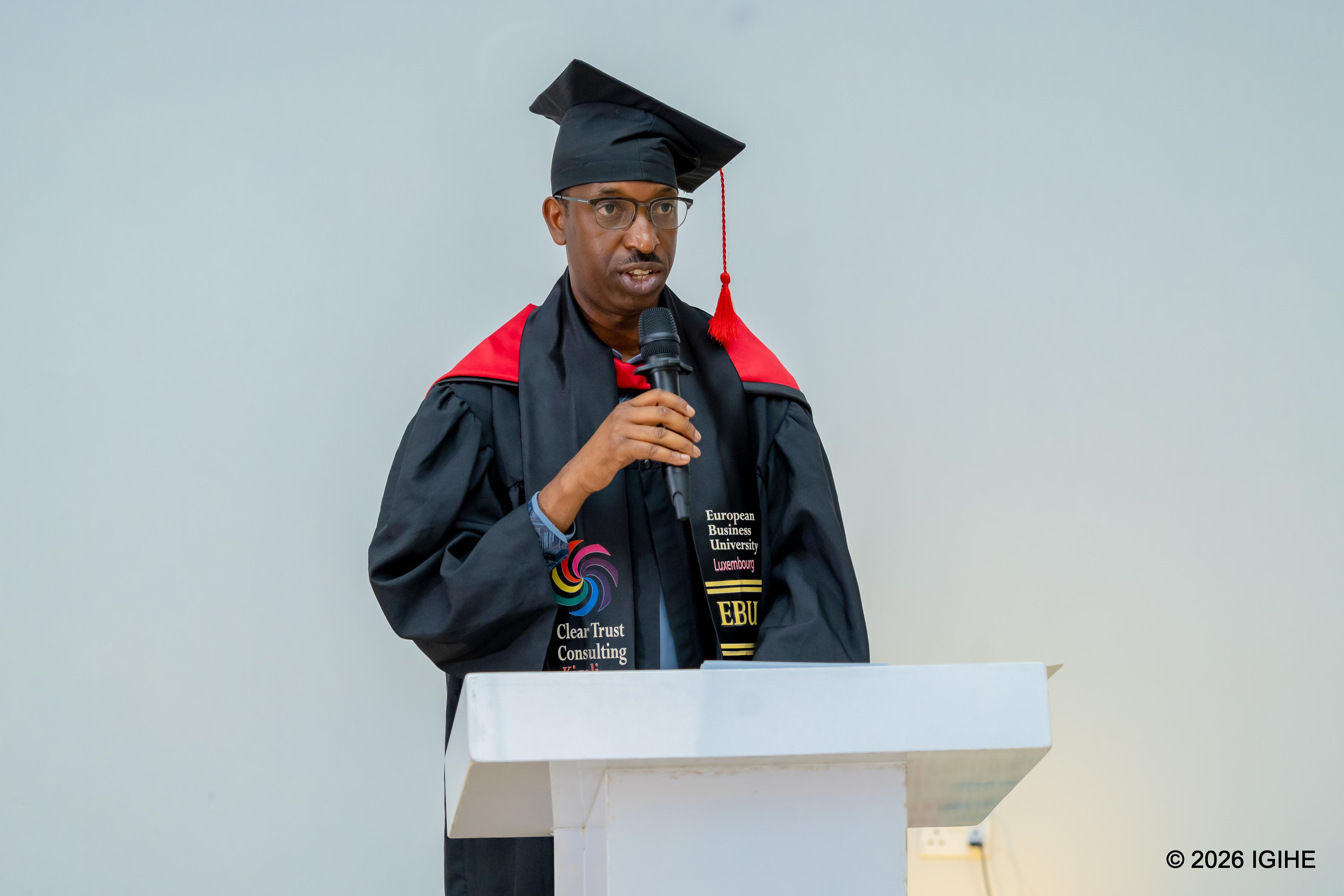
In an interview with IGIHE, founder and CEO Nzamutuma Janvier outlined the company’s journey, which began by training a single individual and grew to delivering over 90 certifications in 2024.
“As CTC expands, we see an increasing number of beneficiaries entering the workforce. The more enrollments we have, the more our learners find professional opportunities,” he explained.
Driven from the start by the ambition to expand into Rwanda, Nzamutuma registered the company with the Rwanda Development Board (RDB).
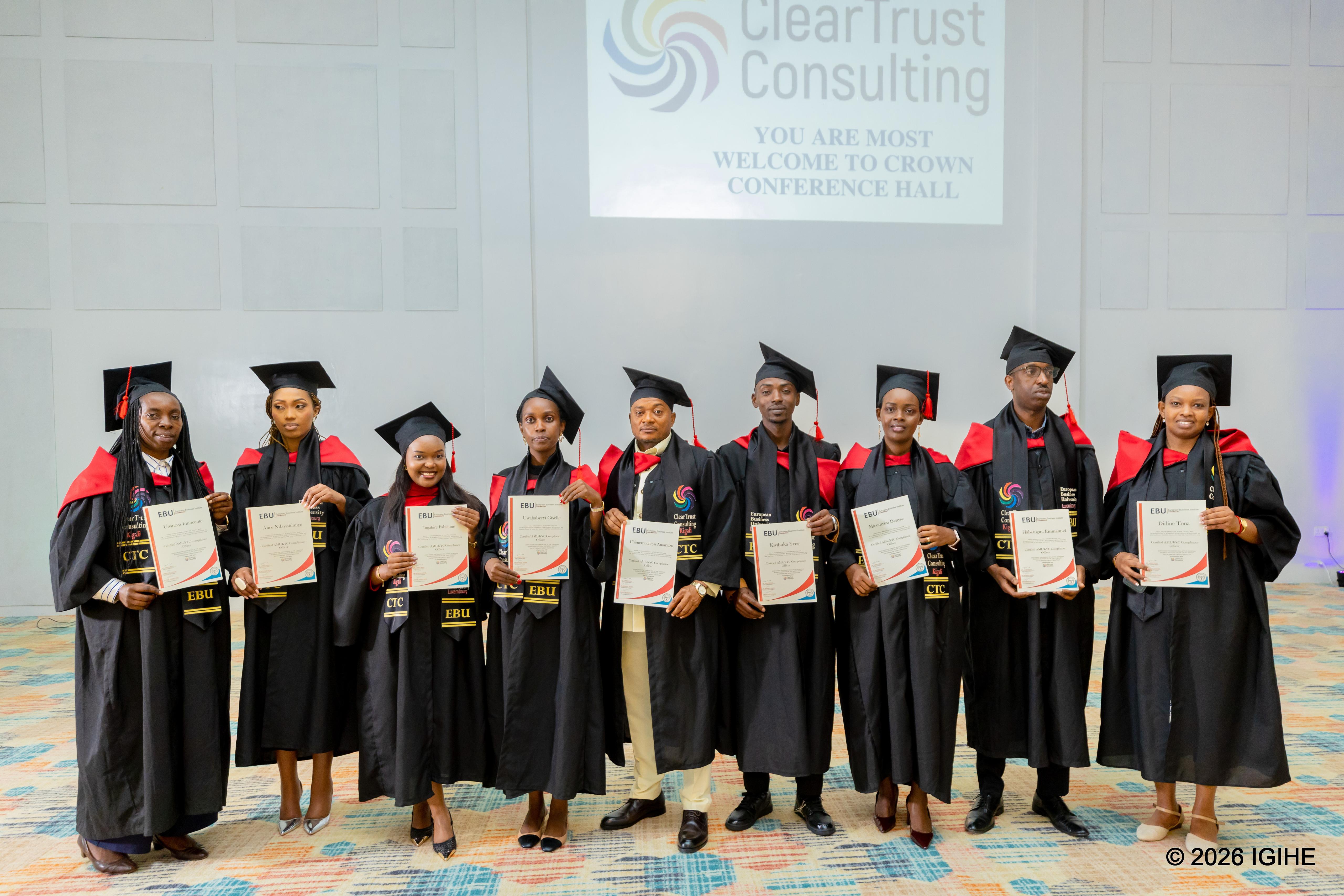
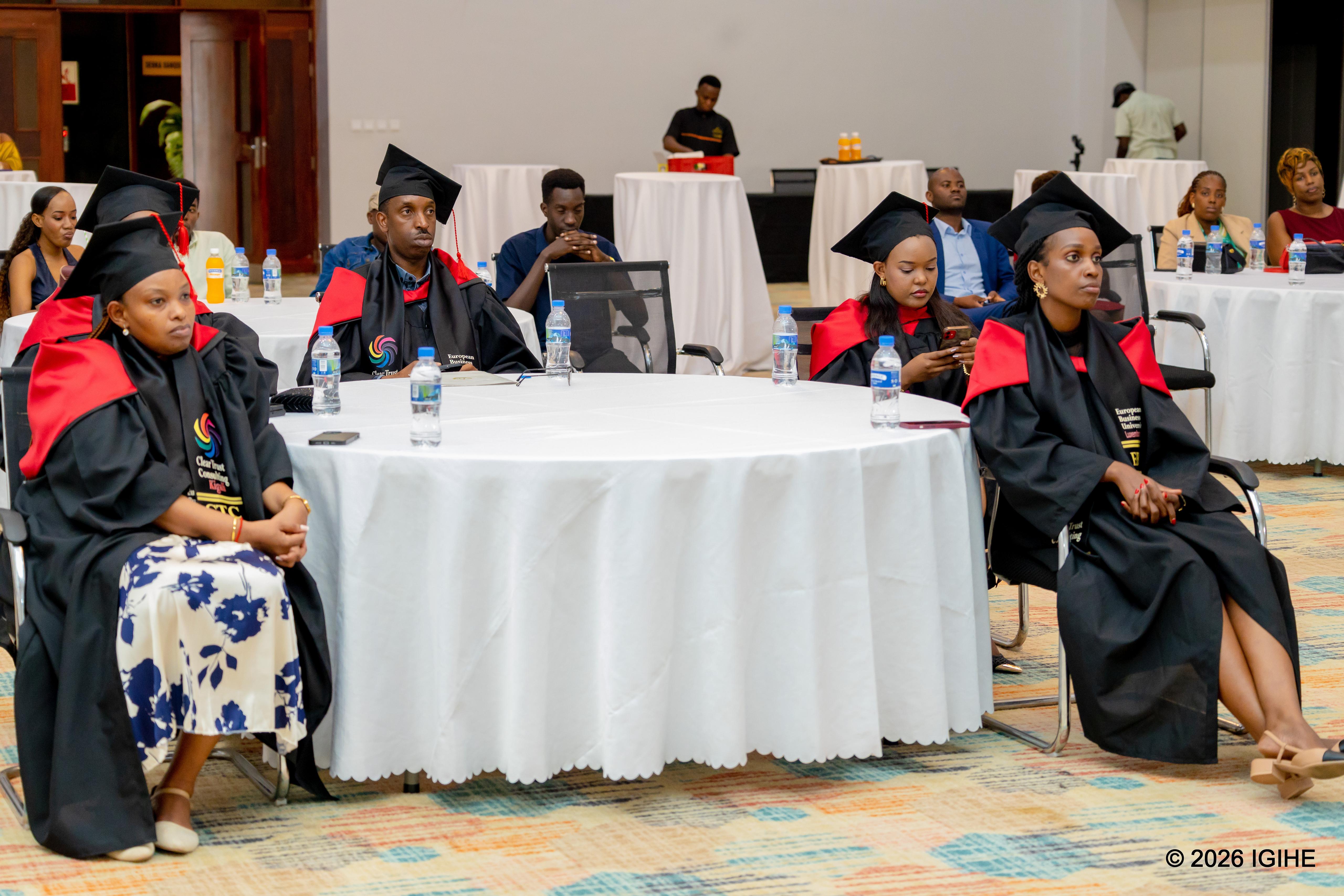
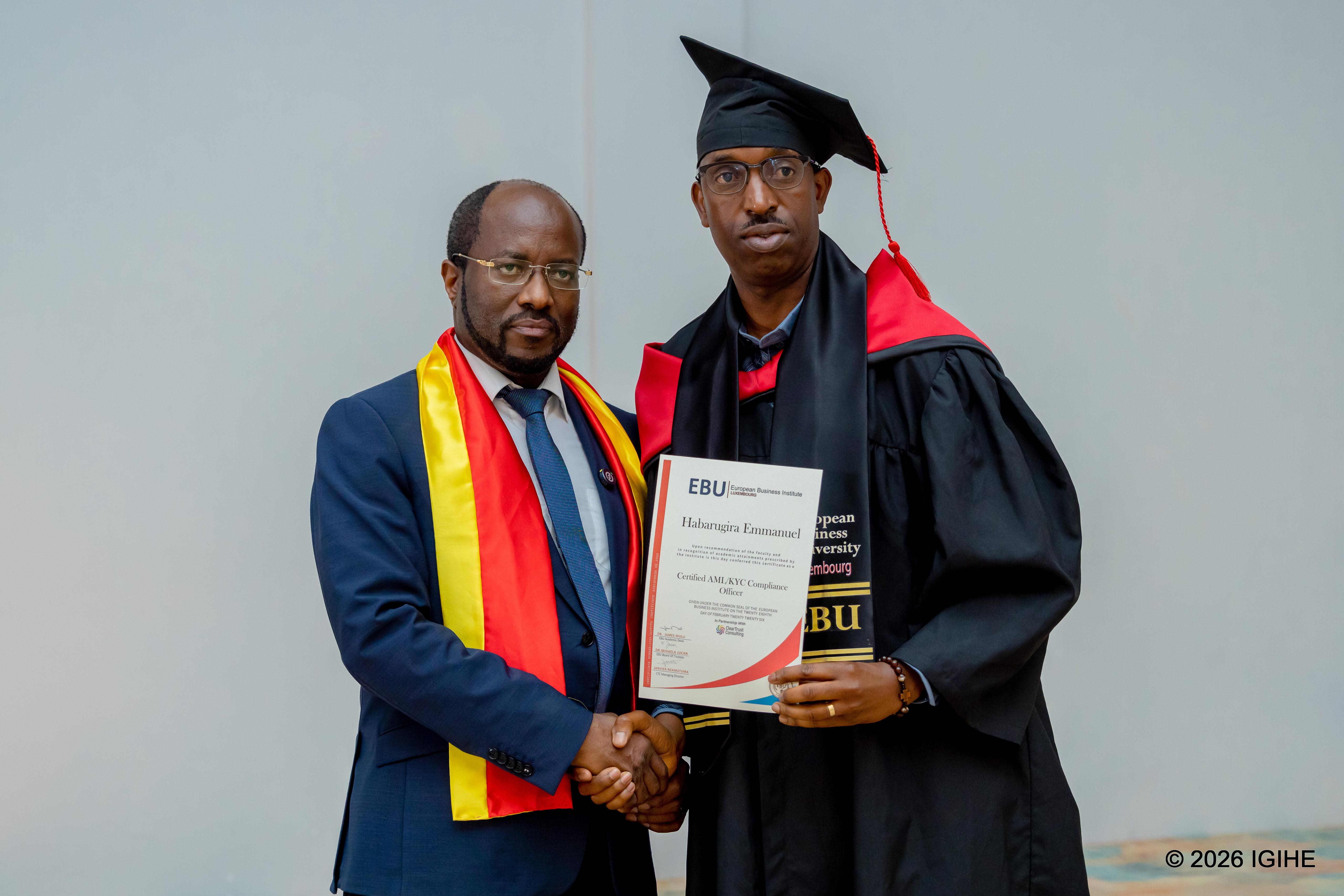
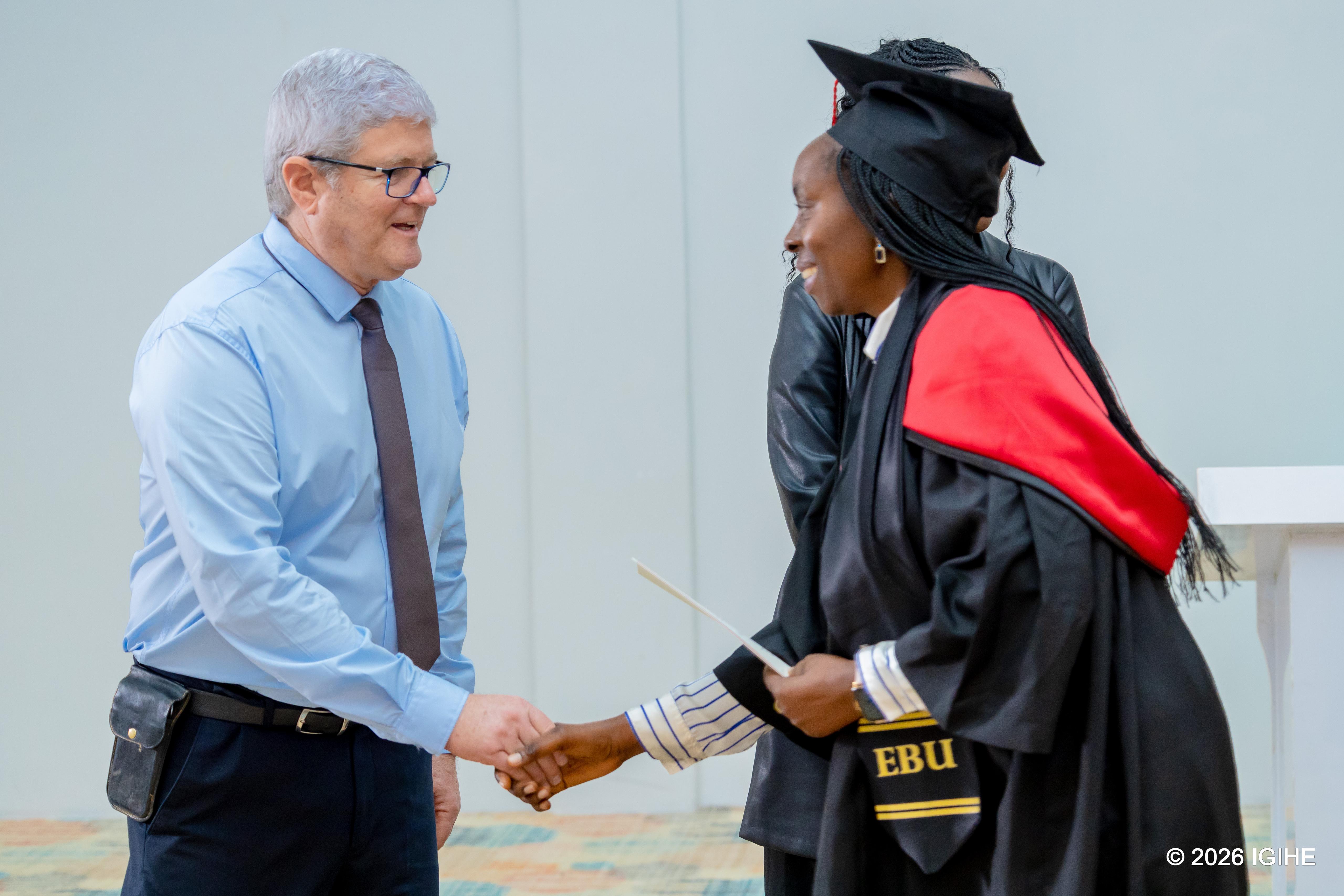
For him, February 28 marks a historic milestone: ten students graduated in Kigali, including seven Rwandans and two international students from South Africa and Nigeria.
“Everything starts modestly. We began with a single learner in Belgium and Luxembourg; today, we have nearly 200 beneficiaries. Starting with ten graduates in Rwanda is already a great achievement,” he said.
Nzamutuma believes Rwanda’s economic development offers a favorable environment for training highly skilled experts capable of meeting the growing demands of the financial sector.
He also thanked CTC’s partners, emphasizing that their collaboration ensures internationally recognized certifications and skills tailored to labor market needs.
Emmanuel Habarugira, an employee in the financial sector at the National Bank of Rwanda (BNR), is among the first graduates trained in Kigali. He discovered CTC through an article run by IGIHE, contacted the founder, and traveled to Europe for further information.
According to him, the training perfectly aligns with his professional field, particularly in combating illicit financial flows, ensuring fund traceability, and meeting regulatory compliance requirements.
“Although I studied economics at university, the training provided by CTC allowed me to deepen and broaden my knowledge, with a more practical approach adapted to professional realities,” he said.
He believes these courses are essential in a context where Rwanda’s financial sector is rapidly growing and requires experts with international qualifications.
An international reach
CTC’s fifth cohort included participants from countries such as Belgium, Luxembourg, Finland, Austria, the United Kingdom, Canada, Burundi, Senegal, Nigeria, the Democratic Republic of the Congo, Kenya, Germany, Spain, and Togo.
Finally, Nzamutuma highlighted that the growing interest in these programs is partly due to changes in European financial regulations since 2008, which have strengthened requirements for compliance and transparency.
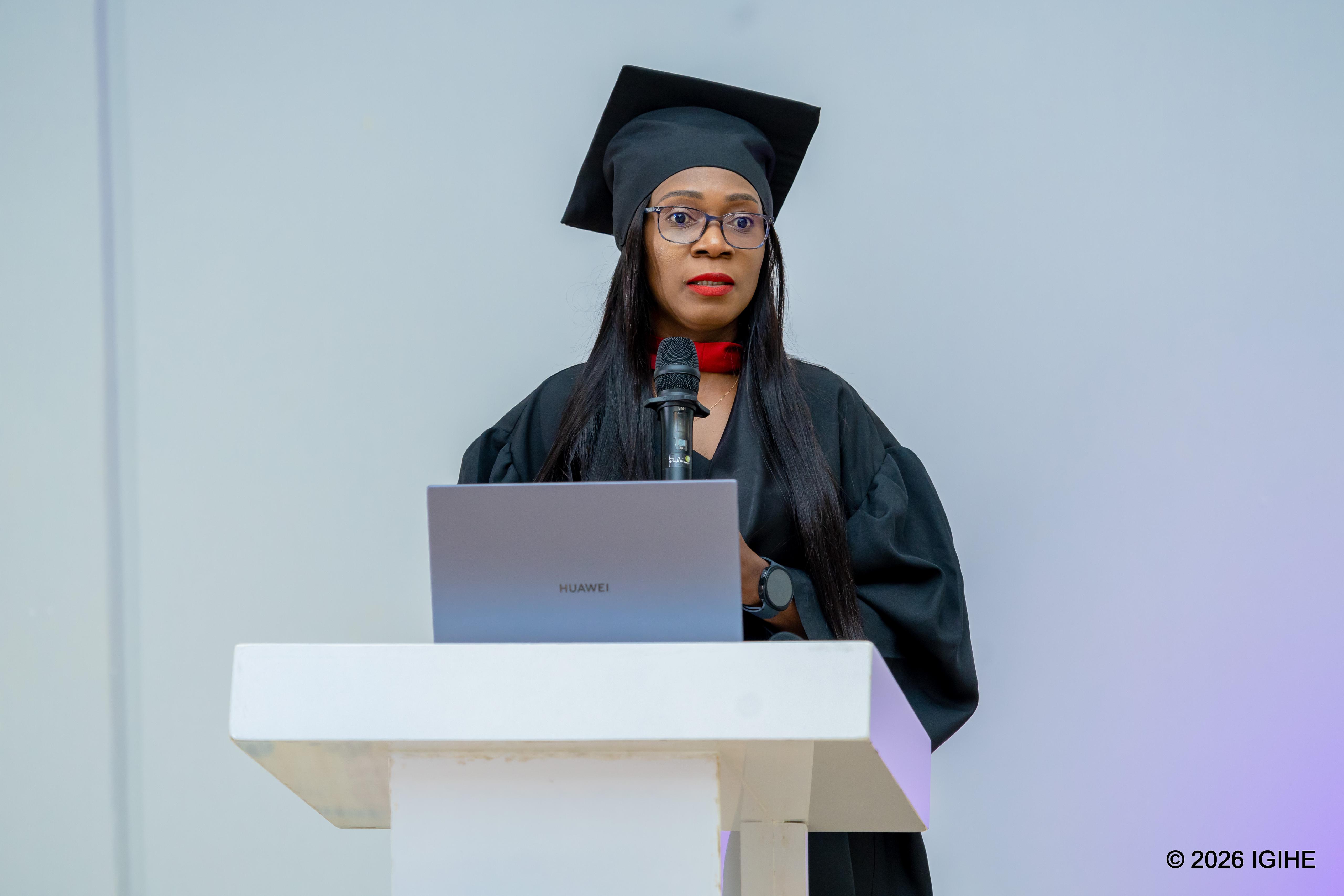
Nzamutuma Janvier , the founder and CEO of CTC speaking at the official launch. Habarugira Emmanuel, one of graduates sharing his experience.
The Producer Price Index (PPI) measures the average change over time in prices received by domestic producers for their goods and services, essentially the price at which products leave the factory gate.
The annual increase was largely driven by strong price growth in mining and utilities. Mining and quarrying prices rose 20.4 percent year-on-year, while electricity, gas and steam supply surged by 34.8 percent. Manufacturing prices recorded a more moderate annual increase of 2.5 percent.
On a monthly basis, the General PPI rose 1.1 percent compared to December 2025, mainly due to a 1.2 percent increase in manufacturing prices. Mining and utility prices remained unchanged over the month.
The data also reveals a divergence between domestic and export markets. Producer prices for locally sold goods increased by 2.8 percent year-on-year and 1.3 percent month-on-month. Electricity costs played a significant role in the annual rise, while manufacturing prices for local sales rose marginally by 0.2 percent.
Export prices, however, climbed sharply by 15.3 percent compared to January 2025. This growth was largely supported by higher mining prices, which account for more than half of the export index weight. Despite the strong annual growth, export prices declined by 1.3 percent month-on-month, reflecting a 3.1 percent drop in manufacturing export prices.
Overall, the January figures suggest that while producer prices remain elevated, particularly in export-oriented sectors, inflationary pressures at the production level are more moderate than the double-digit increases recorded in mid-2025. The continued rise in electricity prices remains a key structural factor influencing production costs across the economy.
Rwanda’s export prices rose sharply by 15.3 percent compared to January 2025, according to the latest Producer Price Index (PPI).
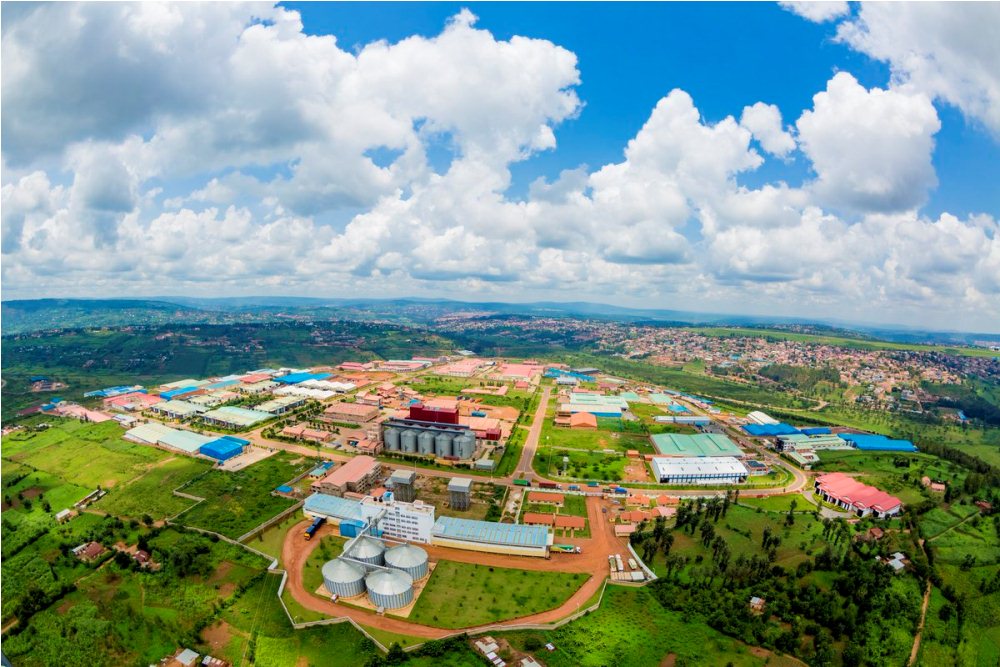
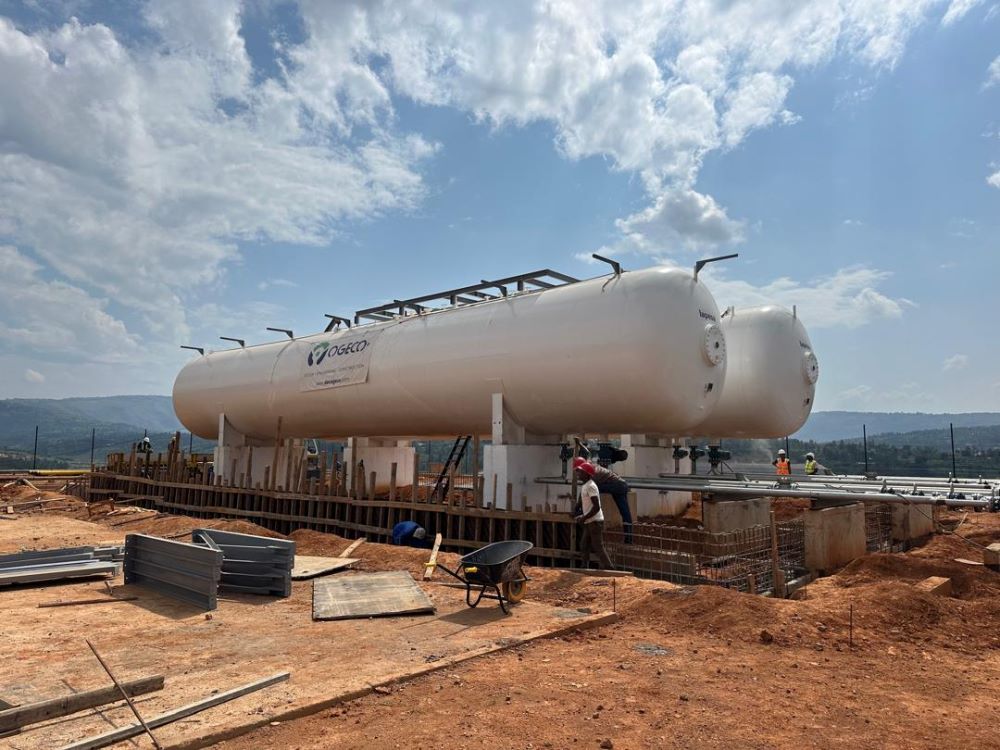
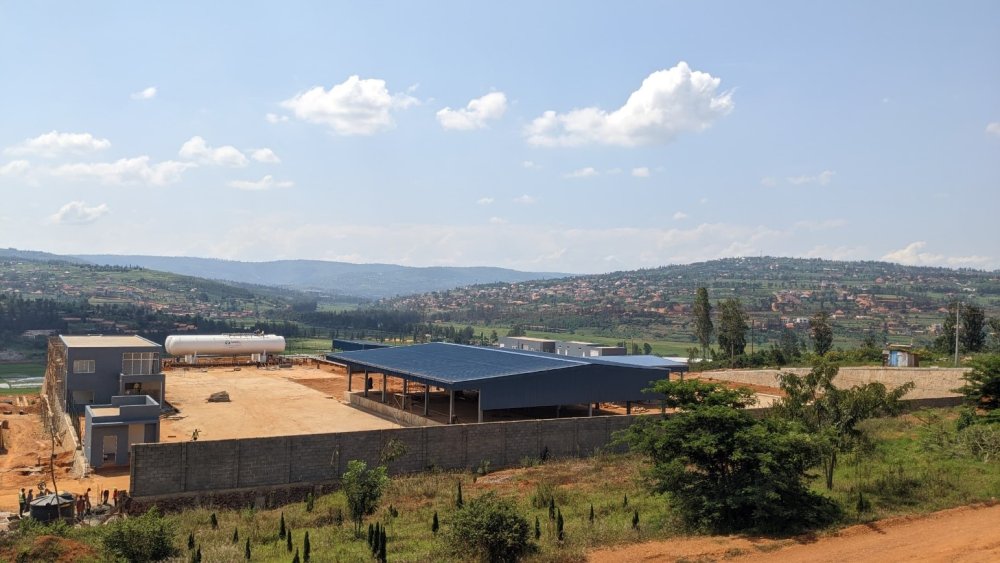
The facilities, with a combined capacity of 17,500 cubic meters, are being built on six hectares in Rusororo, Gasabo District at an estimated cost of Rwf65 billion. They are expected to start supplying gas by July 2026.
The project supports Rwanda’s national goal of reducing reliance on wood-based fuels, improving public health, and strengthening resilience to climate change.
Abdul Rahman, the project’s construction manager, told RBA that the new storage facilities will allow large quantities of gas to be preserved efficiently and provide benefits to consumers.
“The gas will be transported in trucks carrying 20 to 25 tons, stored in these large tanks, and then distributed to daily-use facilities and cylinders for customers,” Rahman explained.
He added that the tanks will also allow other gas distributors in Rwanda to source supplies locally, helping to lower prices.
“With a storage capacity of 17,500 cubic meters, the country will have two main advantages; a secure national supply during emergencies or global market disruptions, and the ability to reduce prices through bulk storage and distribution,” he said.
Rahman further noted, “Currently, we import 200–300 tons at a time. With the new tanks, we can bring in 1,000 to 4,000 tons, creating room for better negotiations with suppliers. This will reduce costs for industries and eventually for consumers.”
Local gas distributors have welcomed the project, highlighting its benefits for both businesses and customers.
Jean Damour Ntibutura said, “Previously, we faced high transport costs and limited supply, which raised prices. Once these tanks are operational, new investors may also build smaller local tanks, improving supply and stabilizing costs.”
Dr. Joseph Akumuntu, Chairperson of the Rwanda Petroleum Importers and Distributors Association (ASSIMPER), described the storage facilities as a solution to fluctuating gas prices.
“The tanks will provide transparency and stability, ensuring everyone knows supply levels and reducing price discrepancies,” he said.
Plans are also underway to make gas more affordable by allowing citizens to purchase smaller quantities according to their budgets.
The facilities, with a combined capacity of 17,500 cubic meters, are being built on six hectares in Rusororo, Gasabo District.
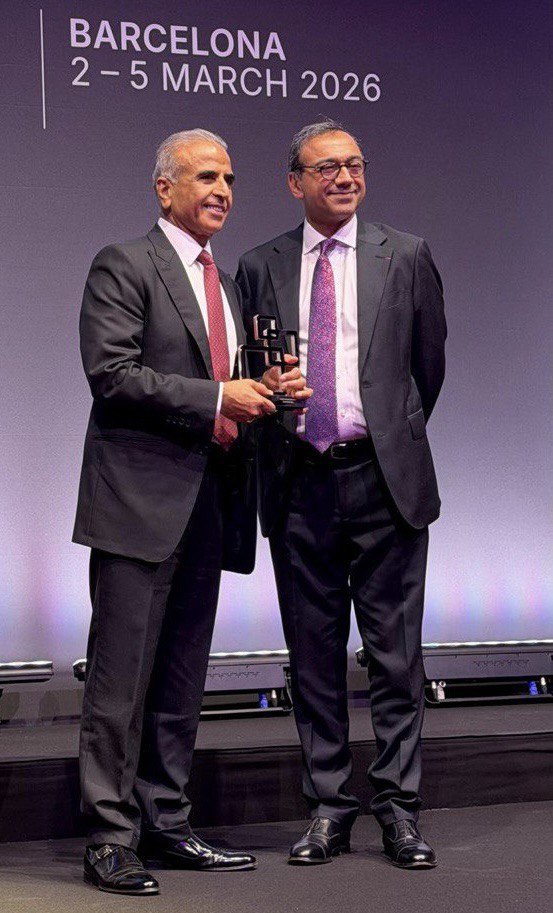
Bestowed on only a handful of industry leaders in the GSMA’s history, the honour recognises contributions that have left an enduring and defining mark on the global communications ecosystem.
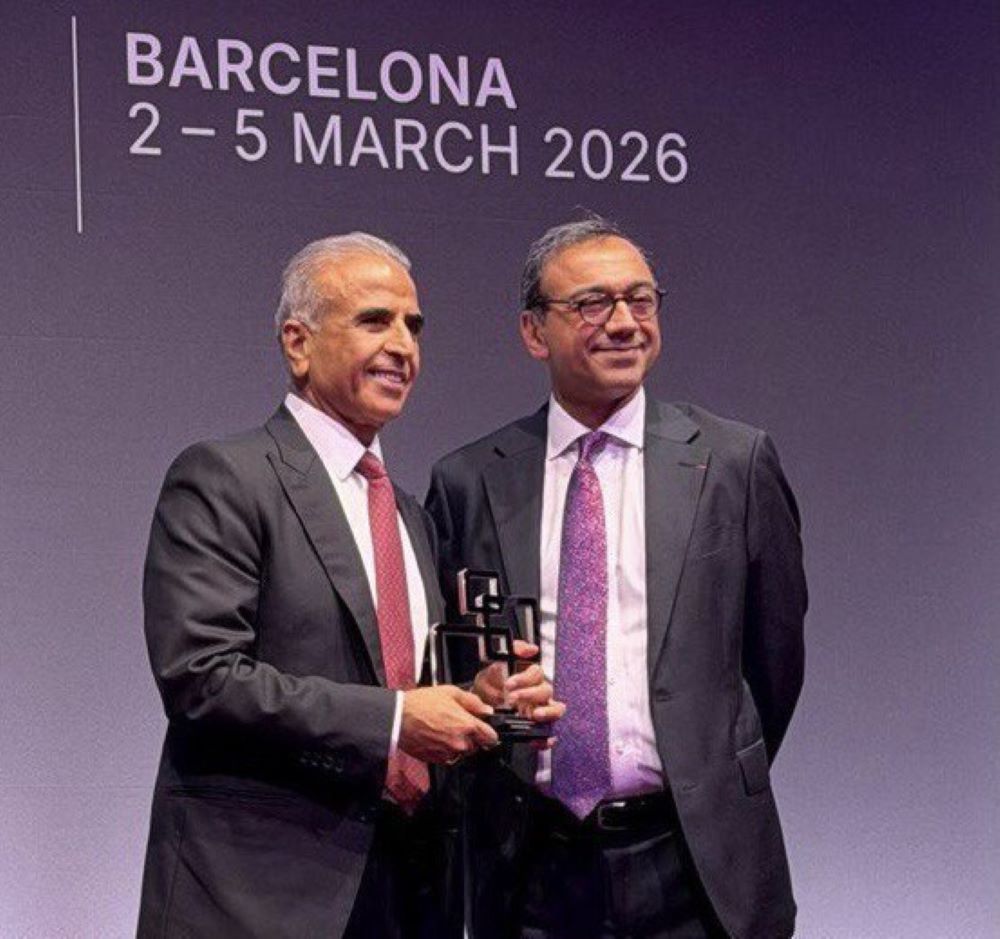
The award was presented at Mobile World Congress in Barcelona in the distinguished presence of His Majesty Felipe VI, the Prime Minister of Spain, Pedro Sanchez, the President of Catalonia, Salvador Illa, and global industry leaders.
A visionary in the telecom sector, Sunil Bharti Mittal has built Bharti Airtel into one of the world’s leading mobile operators, with operations across India and Africa, ranking among the top three globally and serving over half a billion customers.
He pioneered the expansion of mobile services across emerging markets and served as Chairman of the GSMA from 2017 to 2018, where he championed policies that encouraged investment and innovation while strengthening the industry’s commitment to connecting the unconnected and advancing digital inclusion.
He was previously honoured with the GSMA Chairman’s Award in 2008 and again in 2016 for his outstanding contribution to the growth and development of the global mobile industry and was felicitated at Mobile World Congress in February 2019 in recognition of his Chairmanship.
Sunil Bharti Mittal expressed delight at receiving the award and thanked the GSMA for the recognition.
“I accept it not only as a personal milestone, but as a tribute to India’s telecom journey, the collective spirit of Bharti, and the rise of Indian telecom companies on the global stage. Equally the award reflects the progress of an industry that has connected billions and belongs to the customers we serve, the teams who built our institutions, and the partners who believe in the transformative power of connectivity.
“Telecommunication is a force that expands opportunity, places essential services in the palm of every individual and unlocks human potential. Helping shape its evolution into a powerful accelerator of modern progress has been a privileged responsibility. As innovation accelerates, we will continue to work with our partners & stakeholders to ensure that growth advances equity and creates lasting opportunities for generations to come,” he noted.
The Lifetime Achievement Award is a rare honour, bestowed only on select individuals whose leadership and innovation have left an enduring mark on the industry.
Headquartered in India, Airtel is a global communications solutions provider with over 600 million customers in 15 countries across India and Africa. The company also has its presence in Bangladesh and Sri Lanka through its associate entities.
The company ranks amongst the top three mobile operators globally and its networks cover over two billion people. Airtel is India’s largest integrated communications solutions provider and the second largest mobile operator in Africa.
Airtel’s retail portfolio includes high-speed 4G/5G mobile, Wi-Fi (FTTH+ FWA) that promises speeds up to 1 Gbps with convergence across linear and on-demand entertainment, video streaming services, digital payments and financial services.
For enterprise customers, Airtel offers a gamut of solutions that includes secure connectivity, cloud and data centre services, cyber security, IoT, and cloud-based communication.
Airtel’s digital arm – Xtelify, empowers telcos globally to leverage the power of AI, data and technology to accelerate their digital transformation and drive growth.
Xtelify also offers Airtel Cloud in India enabling enterprises with a sovereign, telco-grade cloud platform that guarantees secure migration, effortless scaling, lower costs and no vendor lock-ins. Within its diversified portfolio, Airtel also offers passive infrastructure services through its subsidiary Indus Tower Ltd.
Sunil Bharti Mittal, Founder and Chairman of Bharti Enterprises, receives the GSMA Lifetime Achievement Award from Vivek Badrinath, Director General of the GSMA, at Mobile World Congress in Barcelona.
He succeeds Eric Karekezi Ngabonziza, who had served as acting CEO since January 7 following the departure of Botswana’s Thapelo Tseole.
Ngarambe assumes this role at an important stage in the continued development of Rwanda’s capital markets, as CMA advances its mandate to build sound, efficient and inclusive markets that support long-term investment and contribute to national economic growth.
Marc Holtzman, Chairman of CMA, welcomed Ngarambe on his appointment, expressing full confidence in his abilities.
“Romeo brings over 13 years of international experience as a strategic finance and investment leader, with a proven track record in commercial growth, capital markets operations and corporate advisory across multinational organisations.
“He has demonstrated strong expertise in shaping financial strategies, strengthening governance frameworks and developing performance measures aligned with institutional objectives while upholding the highest standards of regulatory compliance.”
The Minister of Finance and Economic Planning, Yusuf Murangwa, added: “Mr. Ngarambe has shown exceptional capability in leading cross-functional teams, producing data-driven insights to support executive decision-making, building strategic partnerships and improving operational efficiency in dynamic, client-focused environments.”
Prior to his appointment, Ngarambe held senior finance leadership roles at Corning Inc., where he oversaw budgeting, forecasting, reporting, investment analysis and governance initiatives across multiple operations.
He also served at Deloitte & Touche LLP as a Senior Business Risk Consultant, leading capital markets and advisory assignments, including due diligence, structured finance reviews and investor protection engagements.
Ngarambe holds a Master of Science in Accounting from Binghamton University and a Bachelor of Science in Business Administration from Toccoa Falls College. He is a certified Project Management Professional (PMP).
Hortense Mudenge, Rwanda Finance CEO and CMA Vice Chairperson welcomed the appointment as a significant milestone.
He expressed confidence that strengthened collaboration between the Kigali International Financial Centre, the Rwanda Stock Exchange and the Capital Markets Authority will accelerate efforts to attract international investment and deepen the competitiveness of Rwanda’s capital markets.
Ngarambe’s appointment reflects CMA’s continued commitment to strong institutional leadership as the Authority works to strengthen market confidence, reinforce regulatory effectiveness and advance Rwanda’s long-term capital market ambitions.
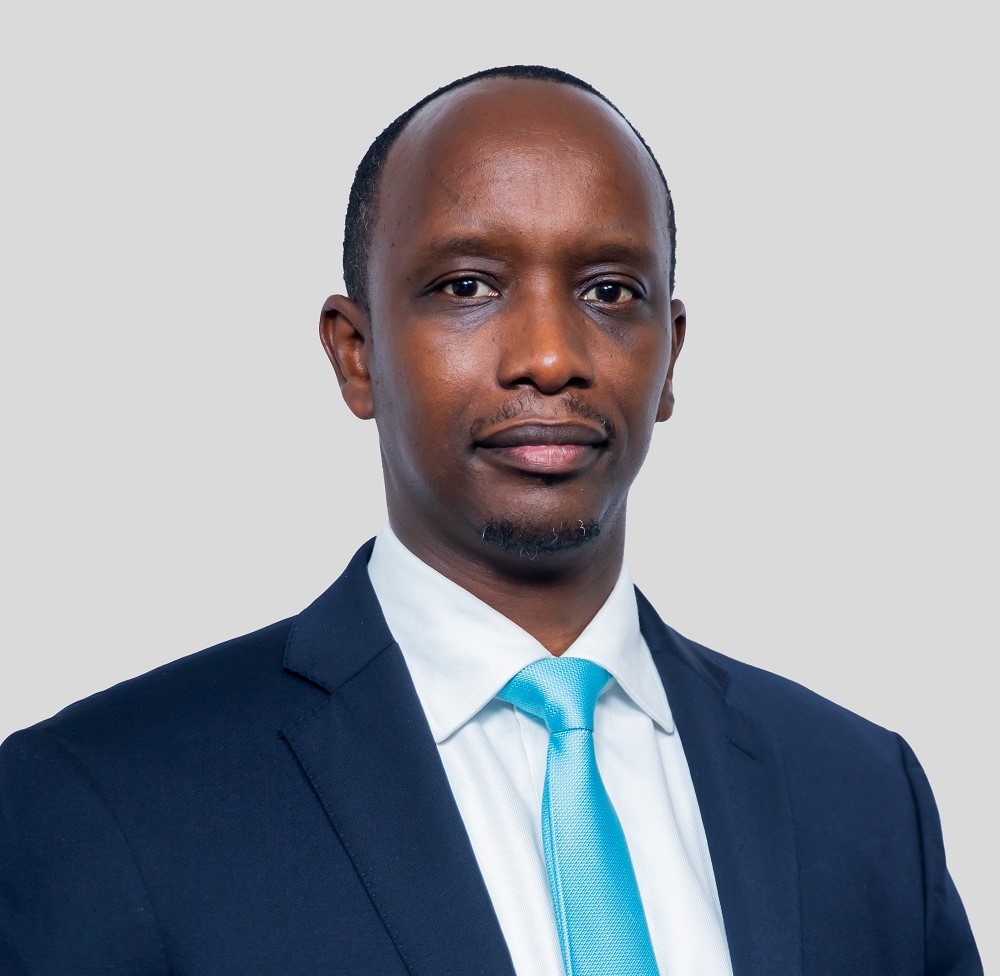
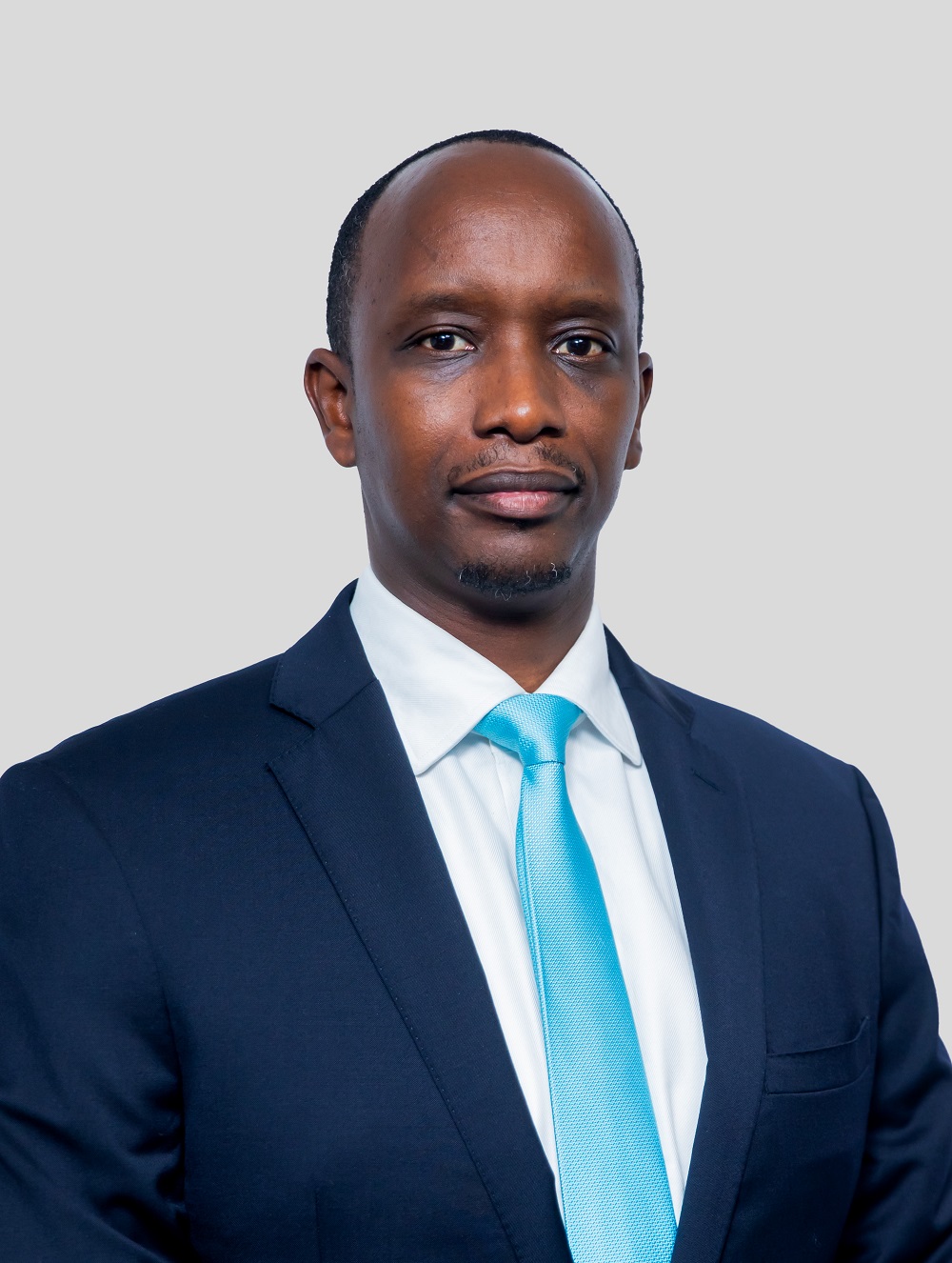
Romeo Ngarambe is the new CEO of Rwanda’s Capital Market Authority (CMA).
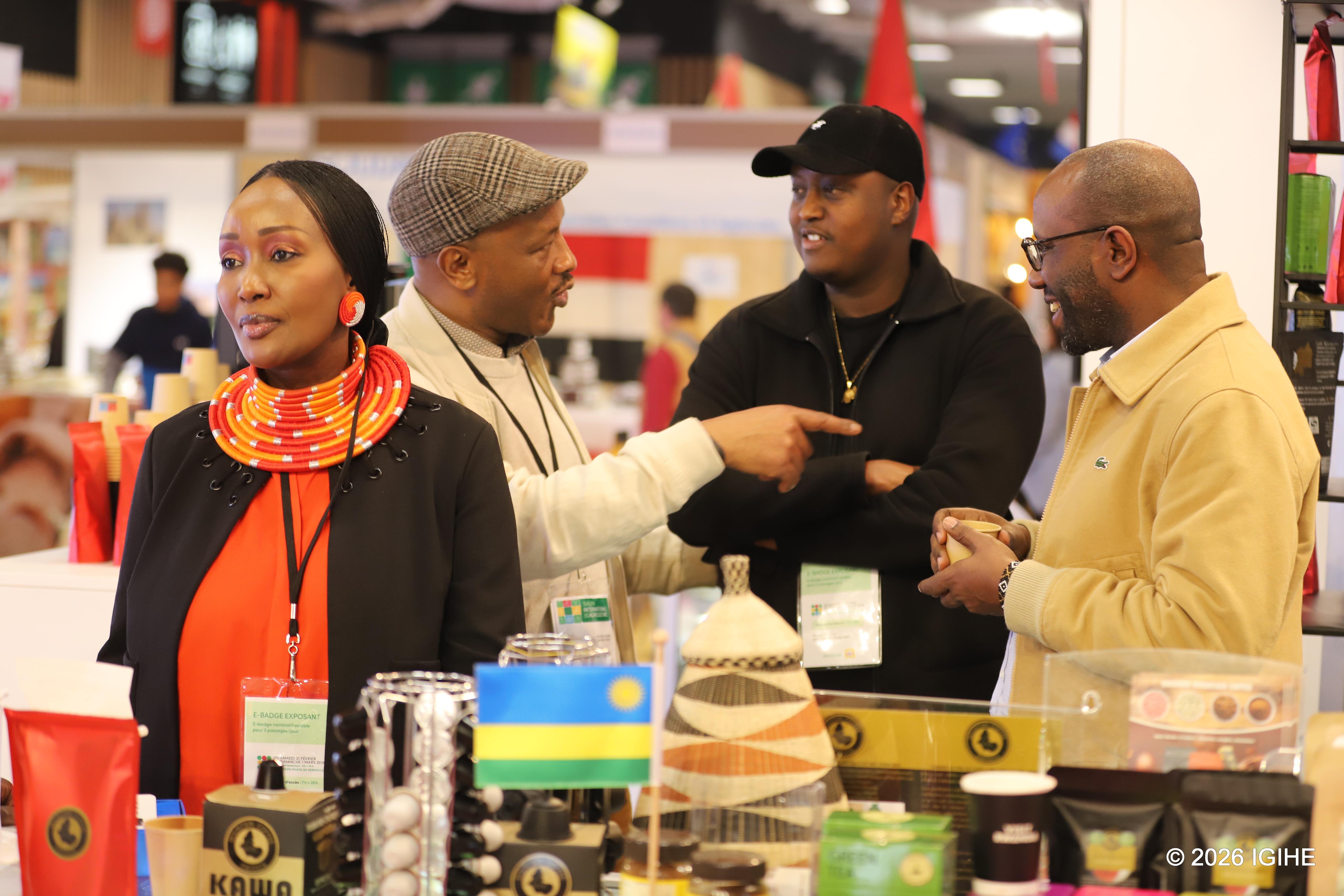
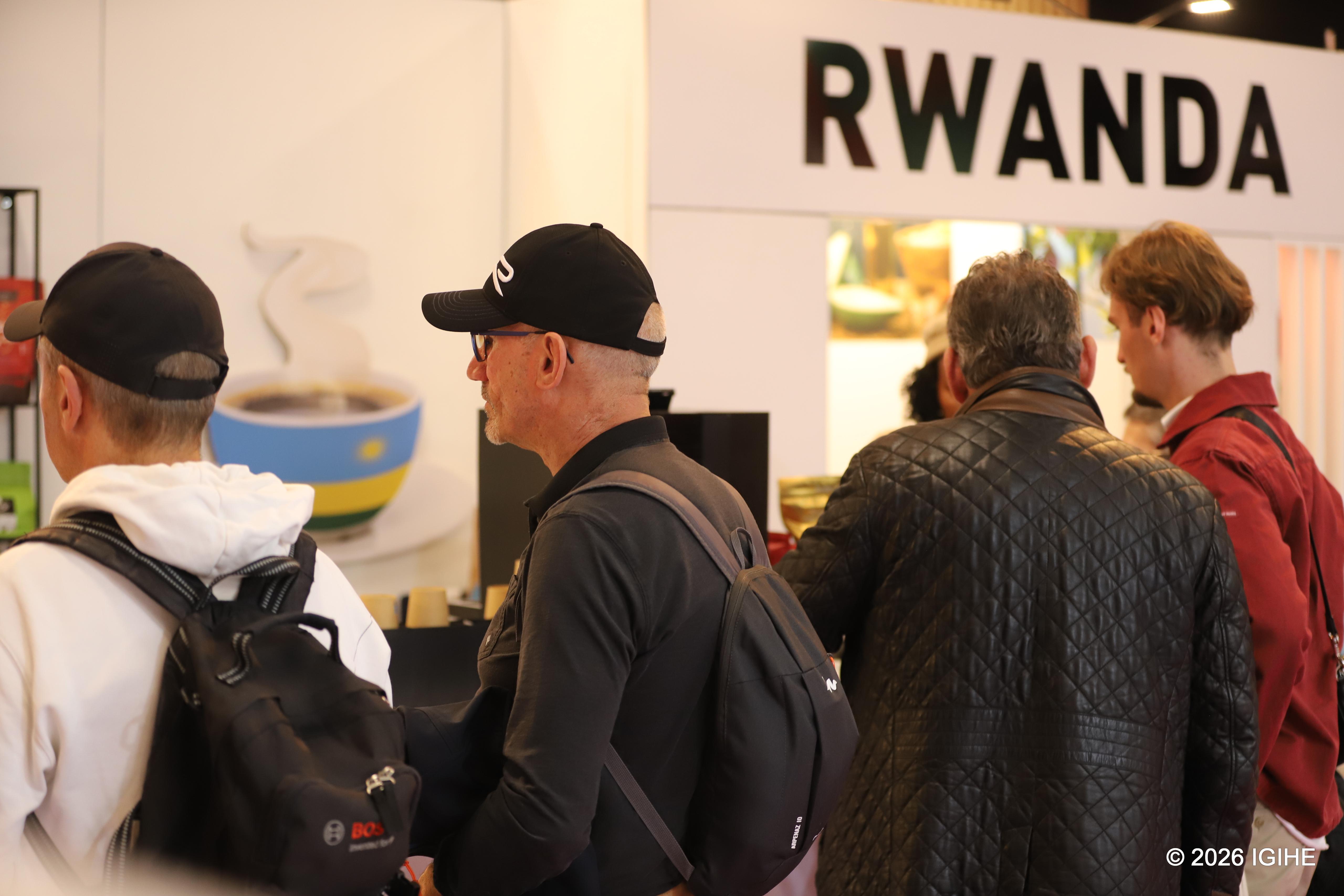
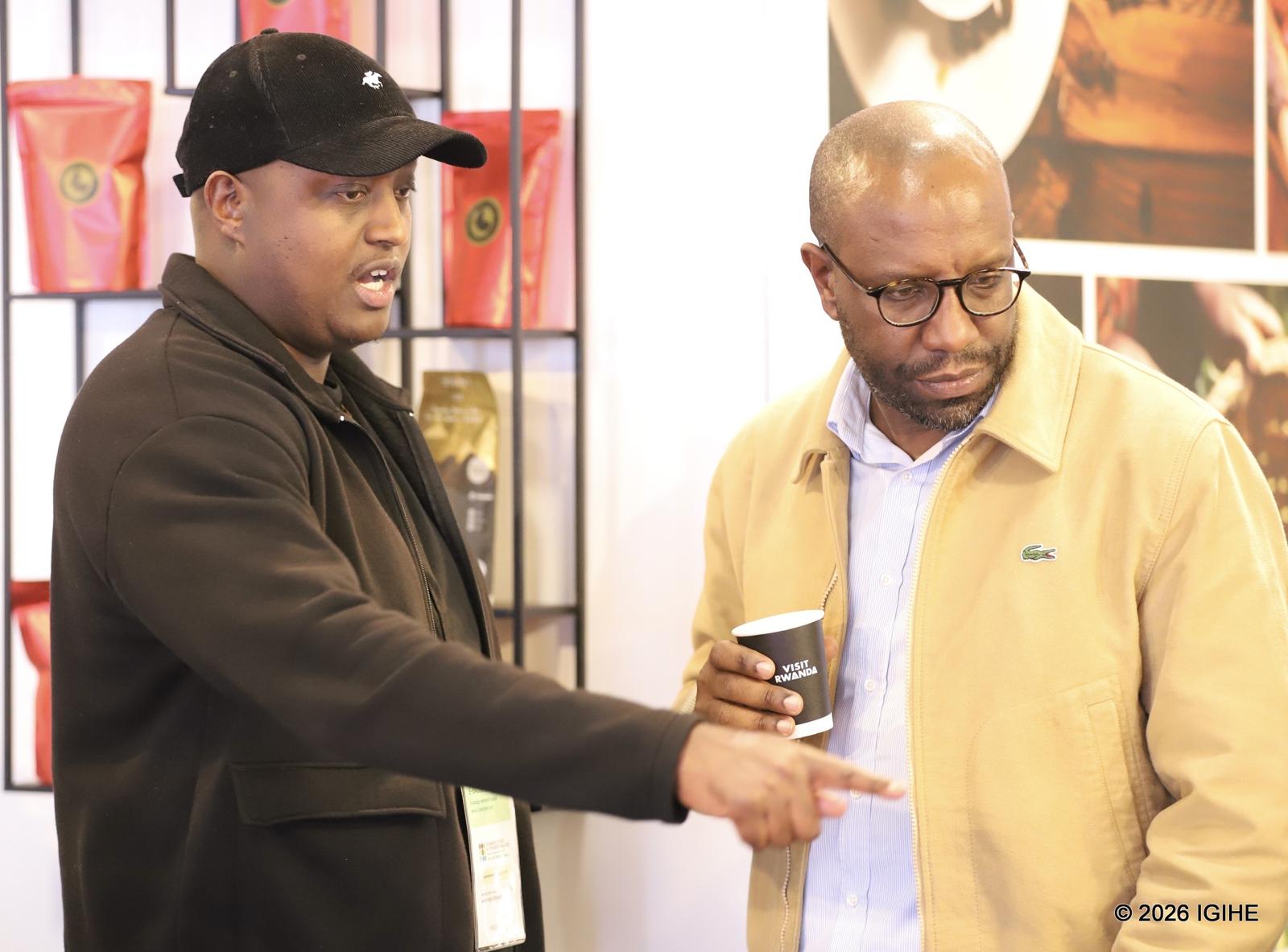
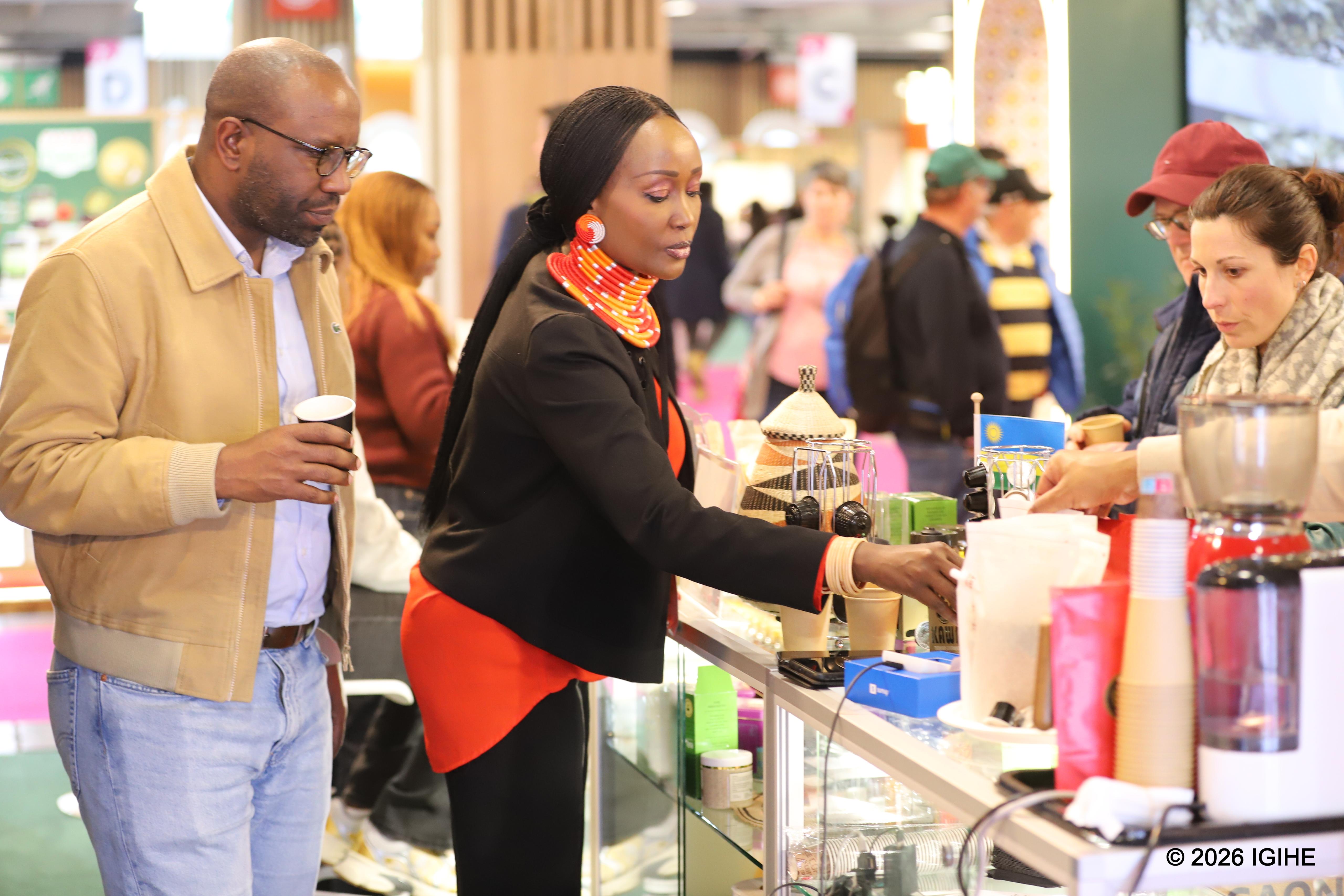
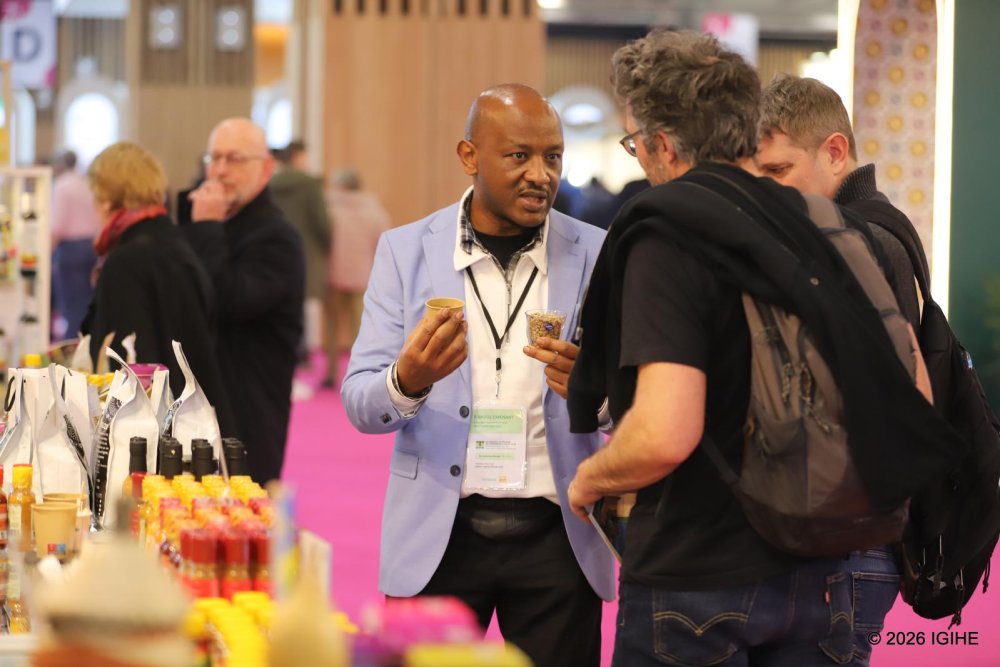
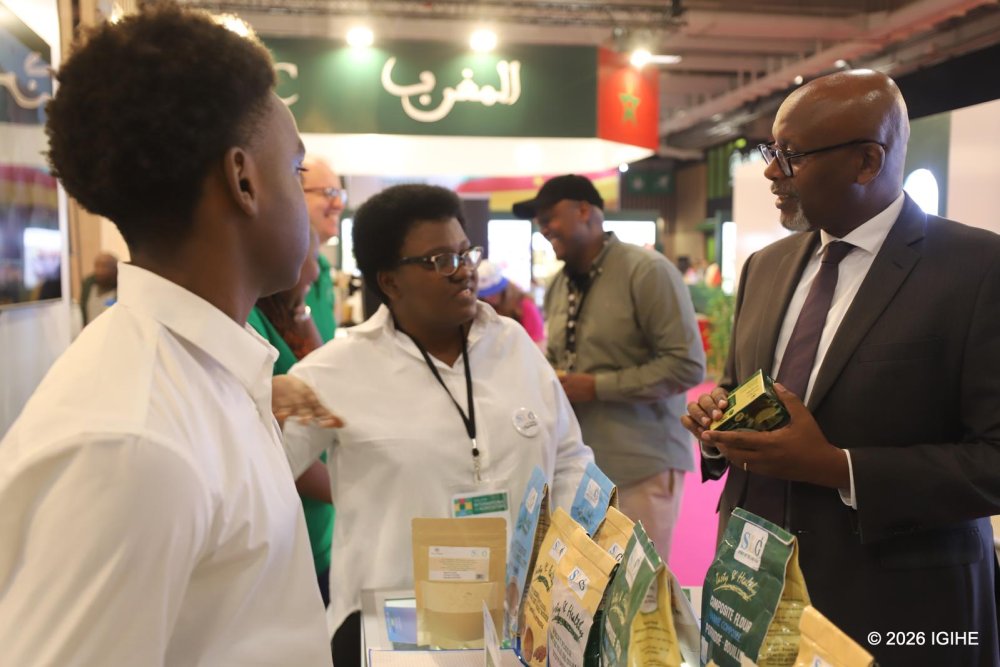
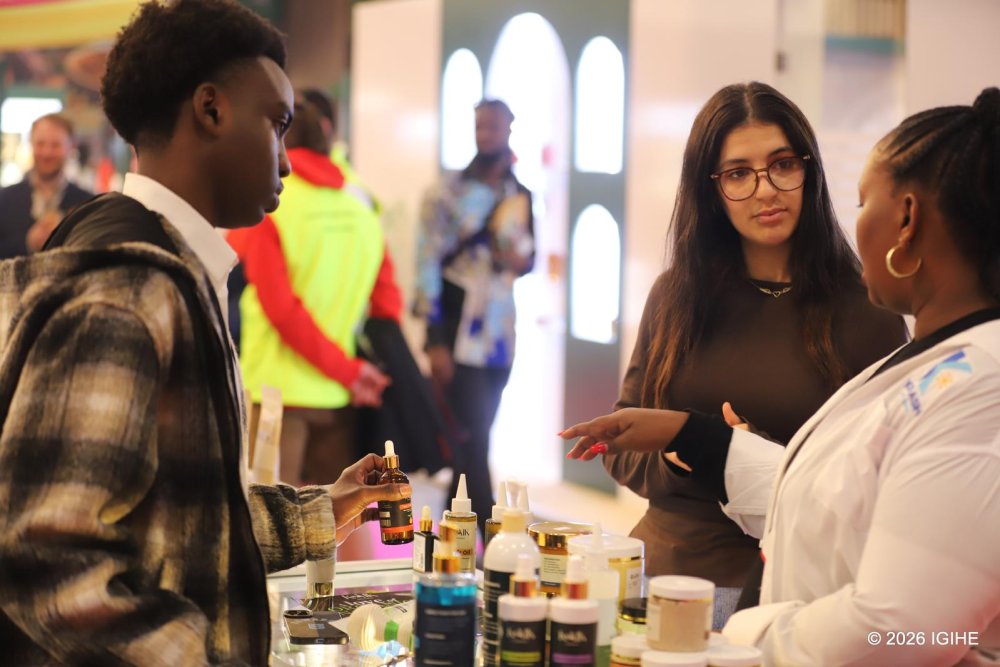
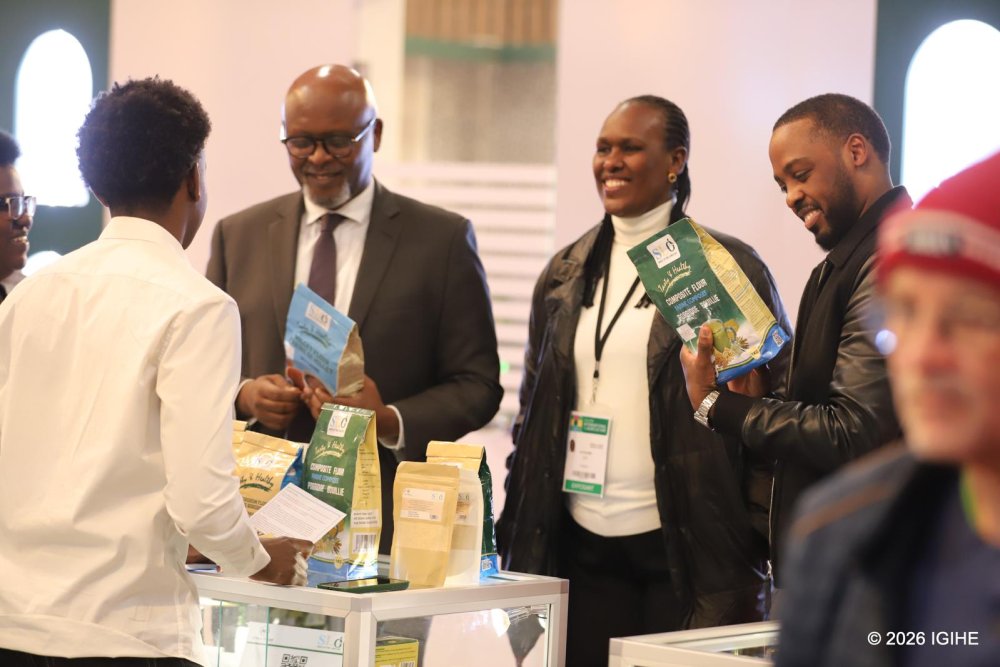
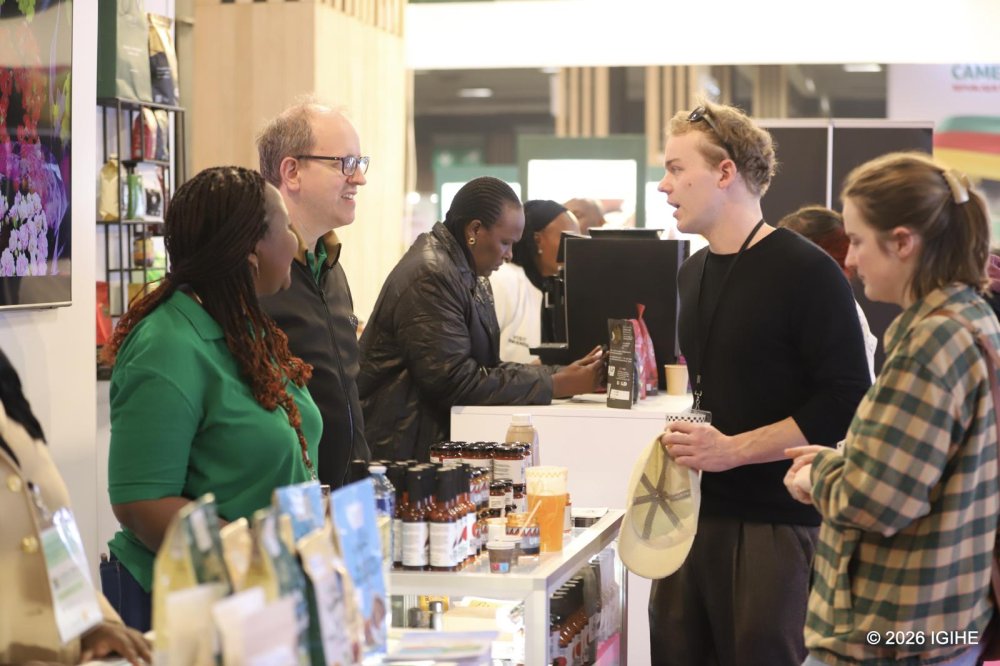
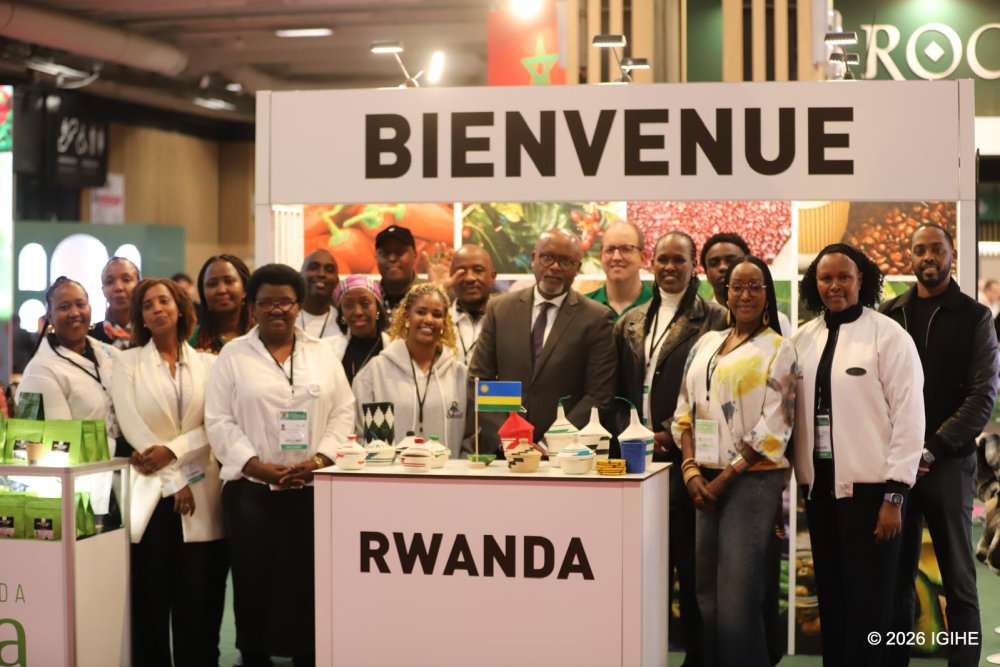
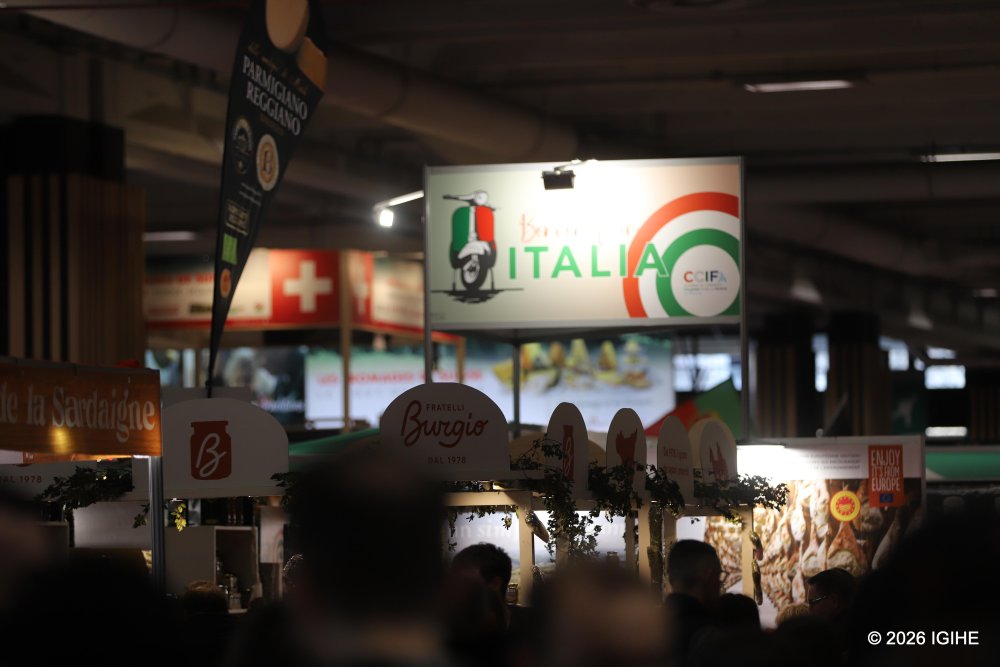
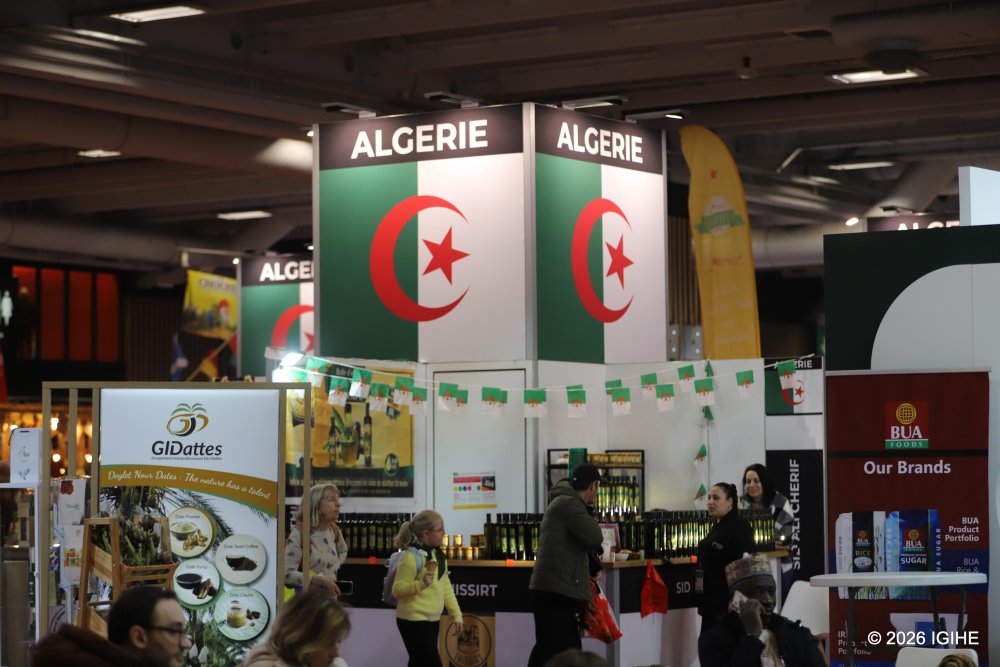
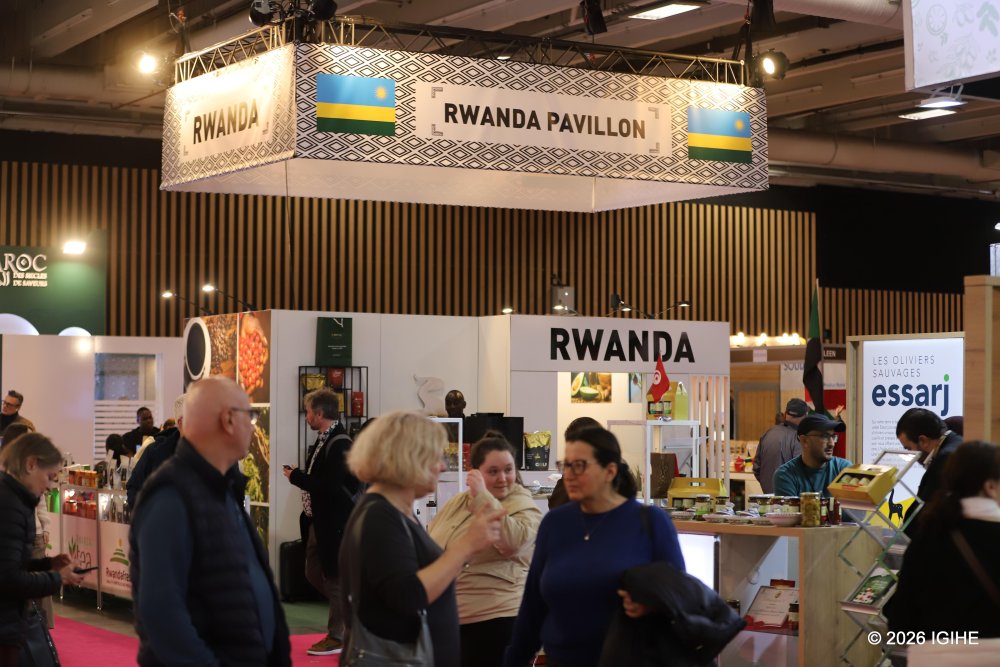
Rwanda has concluded its participation in the 2026 edition of the Paris International Agricultural Show (SIA), marking its fifth appearance at one of Europe’s largest agriculture and livestock exhibitions.
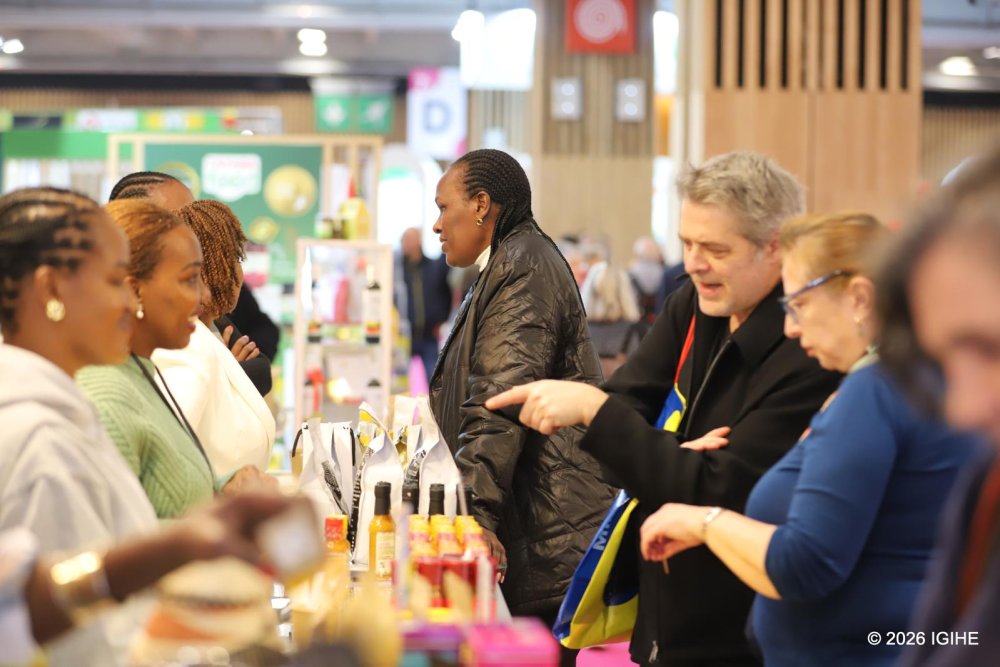
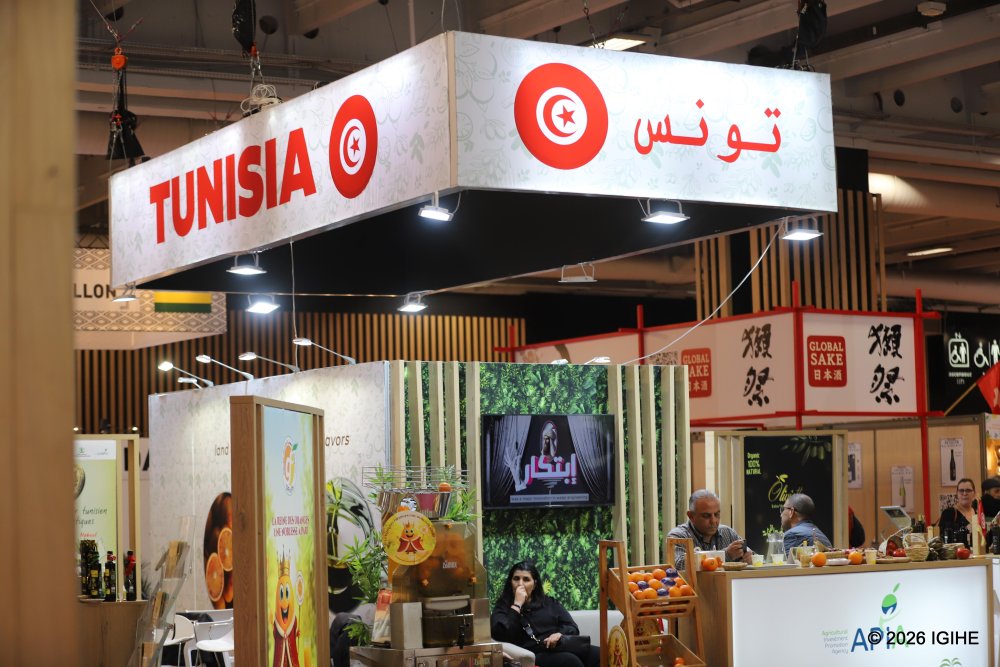
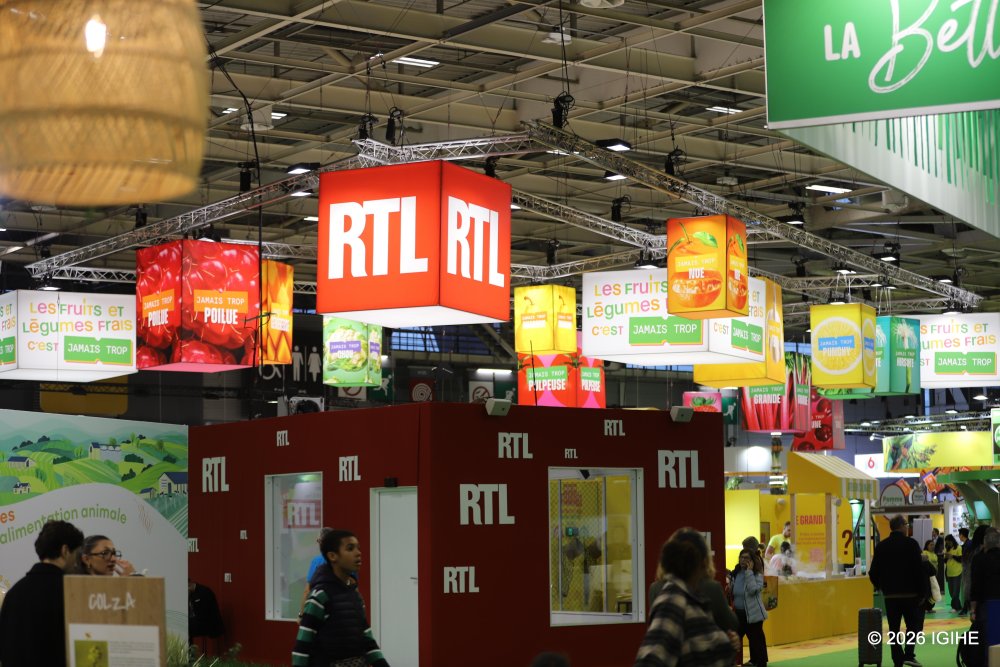
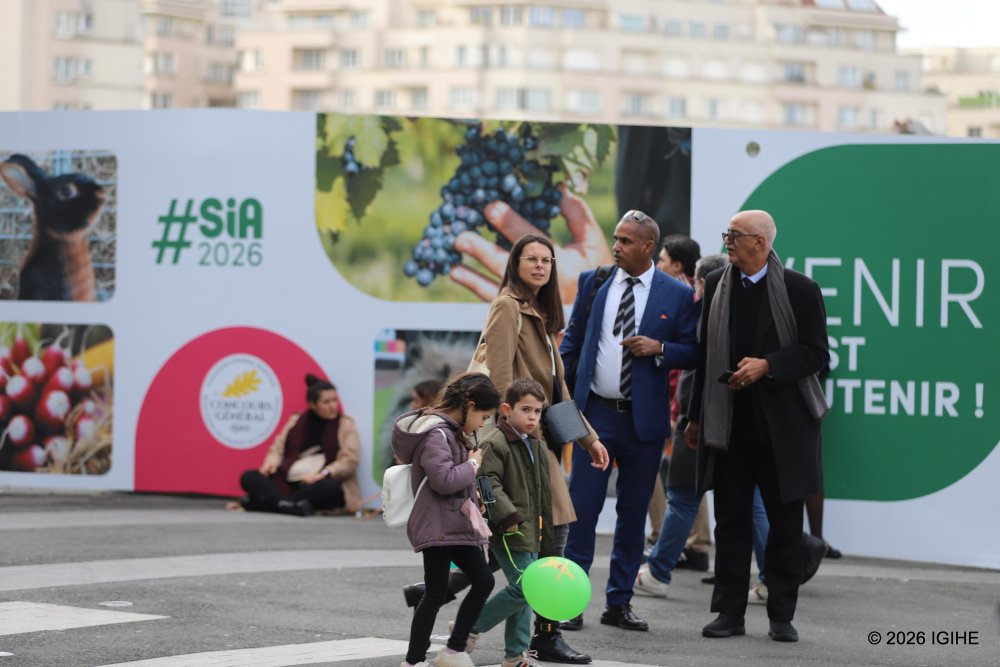
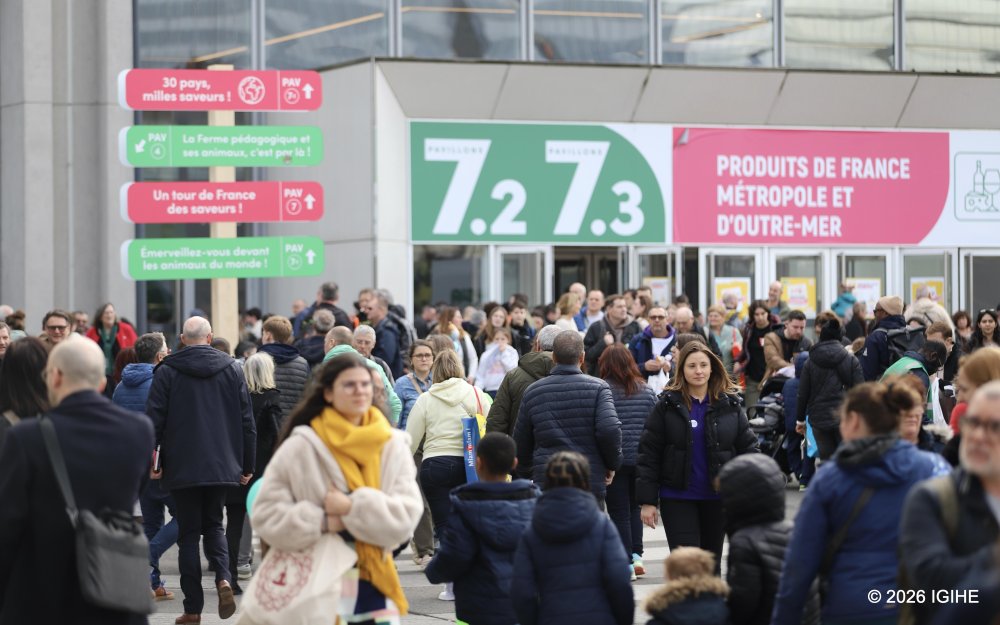
Held over nine days at Paris Expo–Porte de Versailles and officially opened by French President Emmanuel Macron on February 21, the global trade fair brought together more than 1,000 exhibitors and over 100 participating countries, attracting hundreds of thousands of visitors.
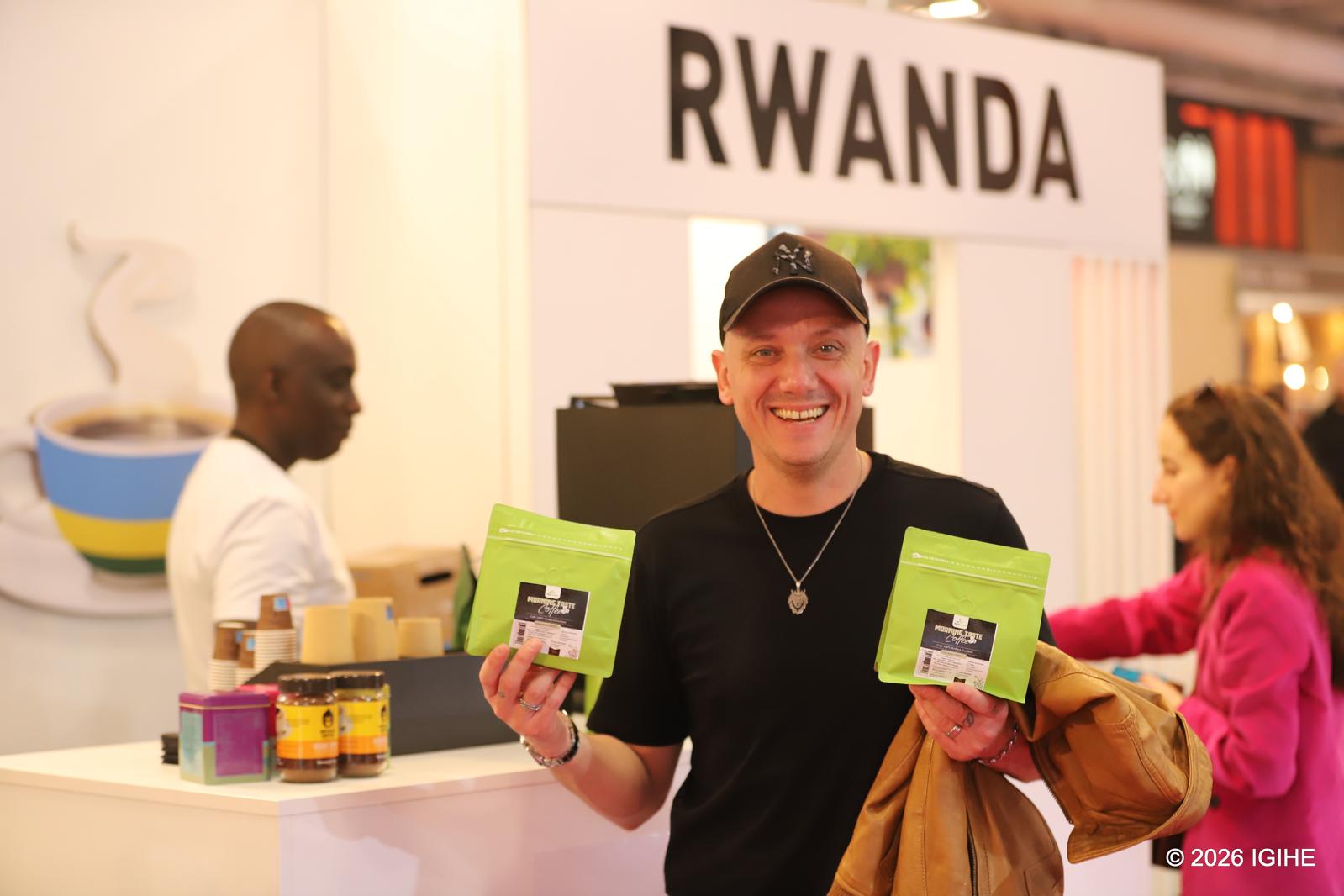
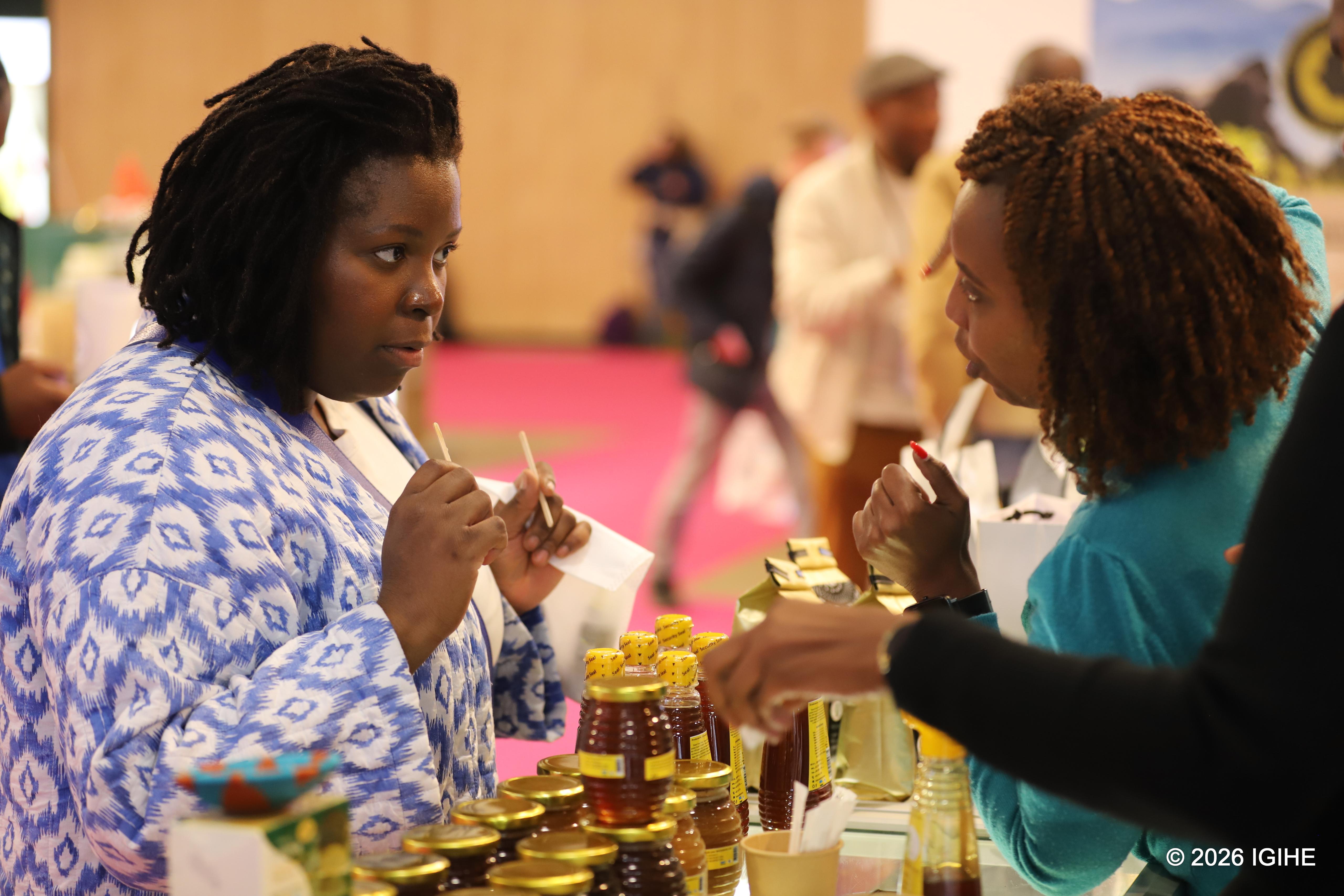
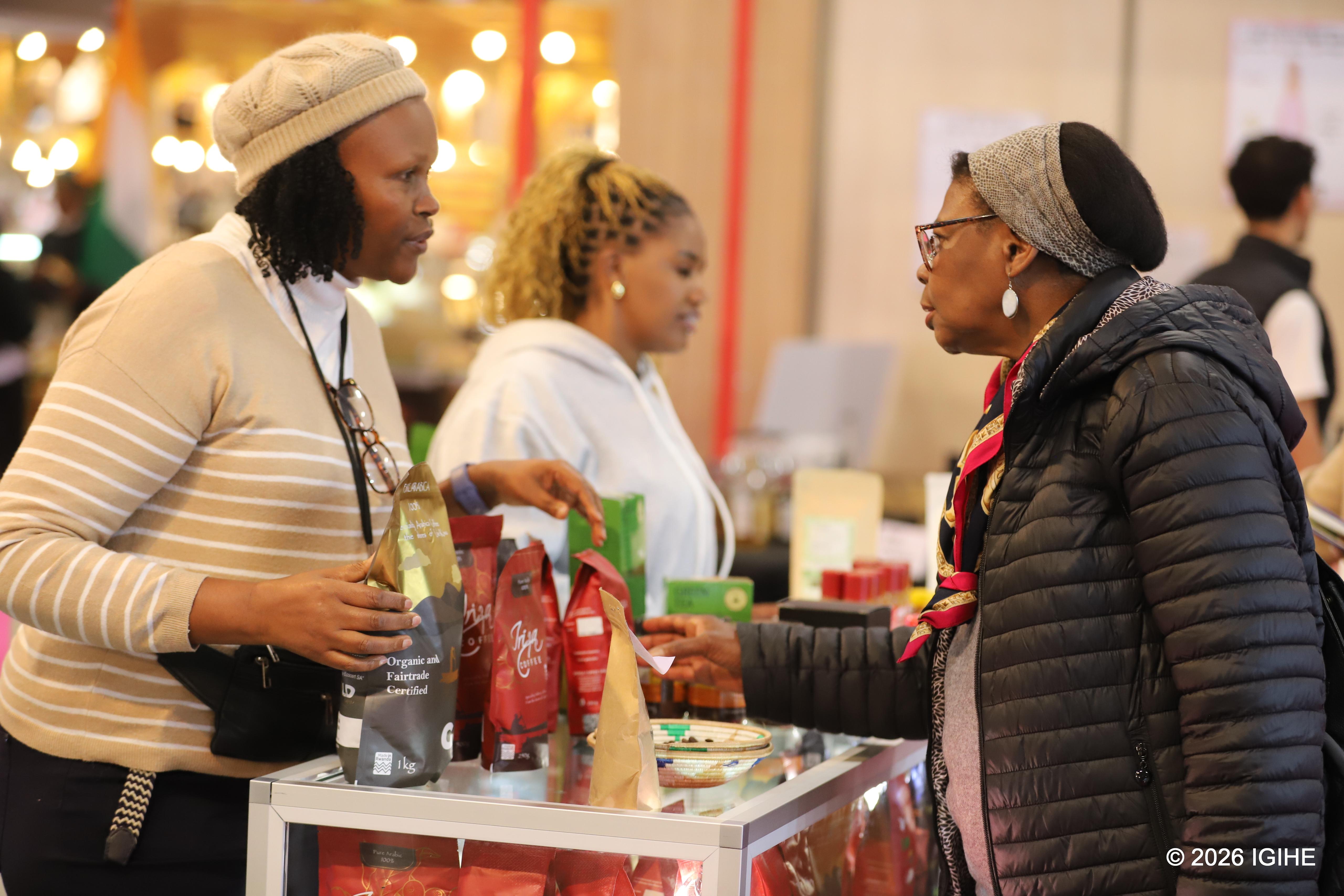
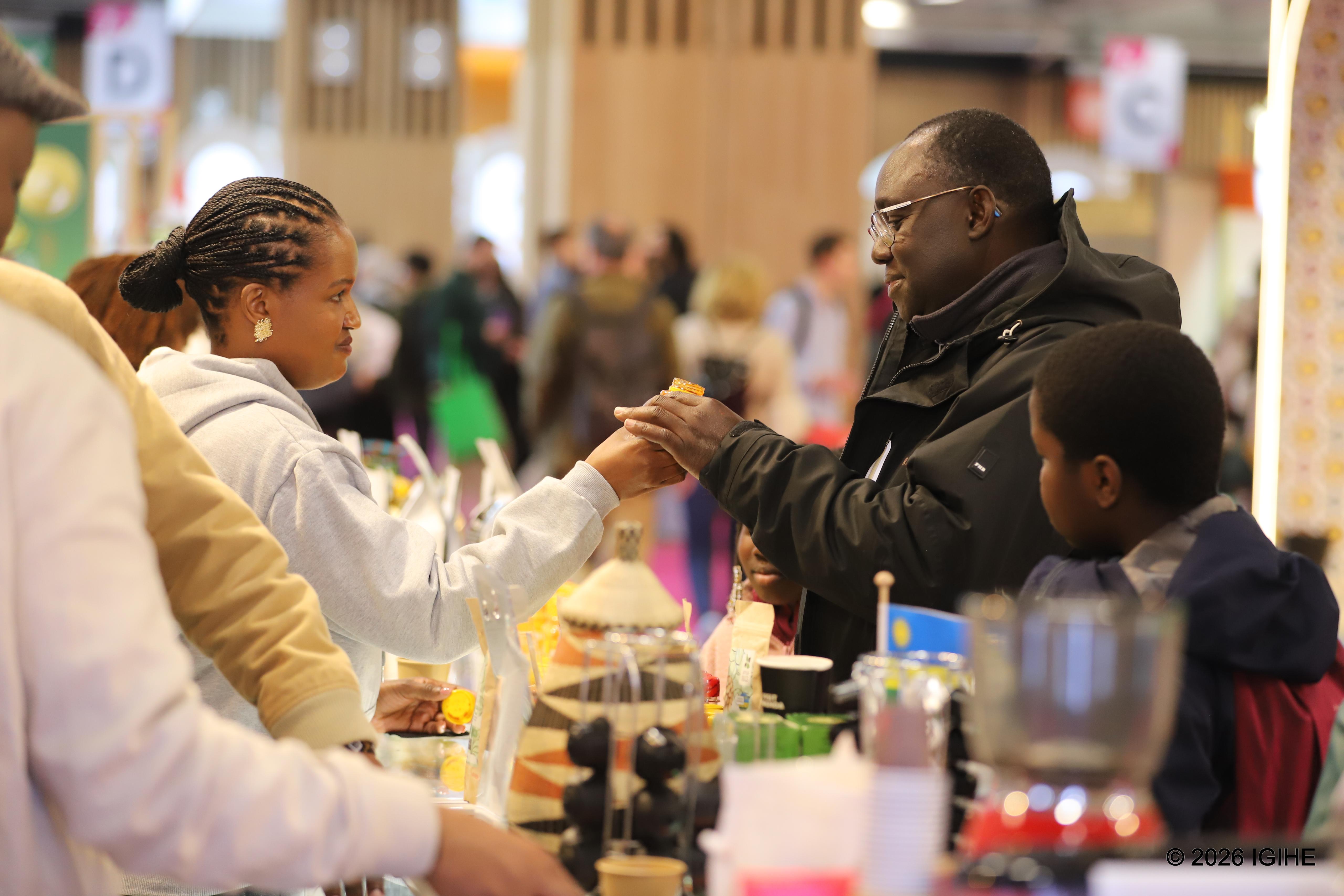
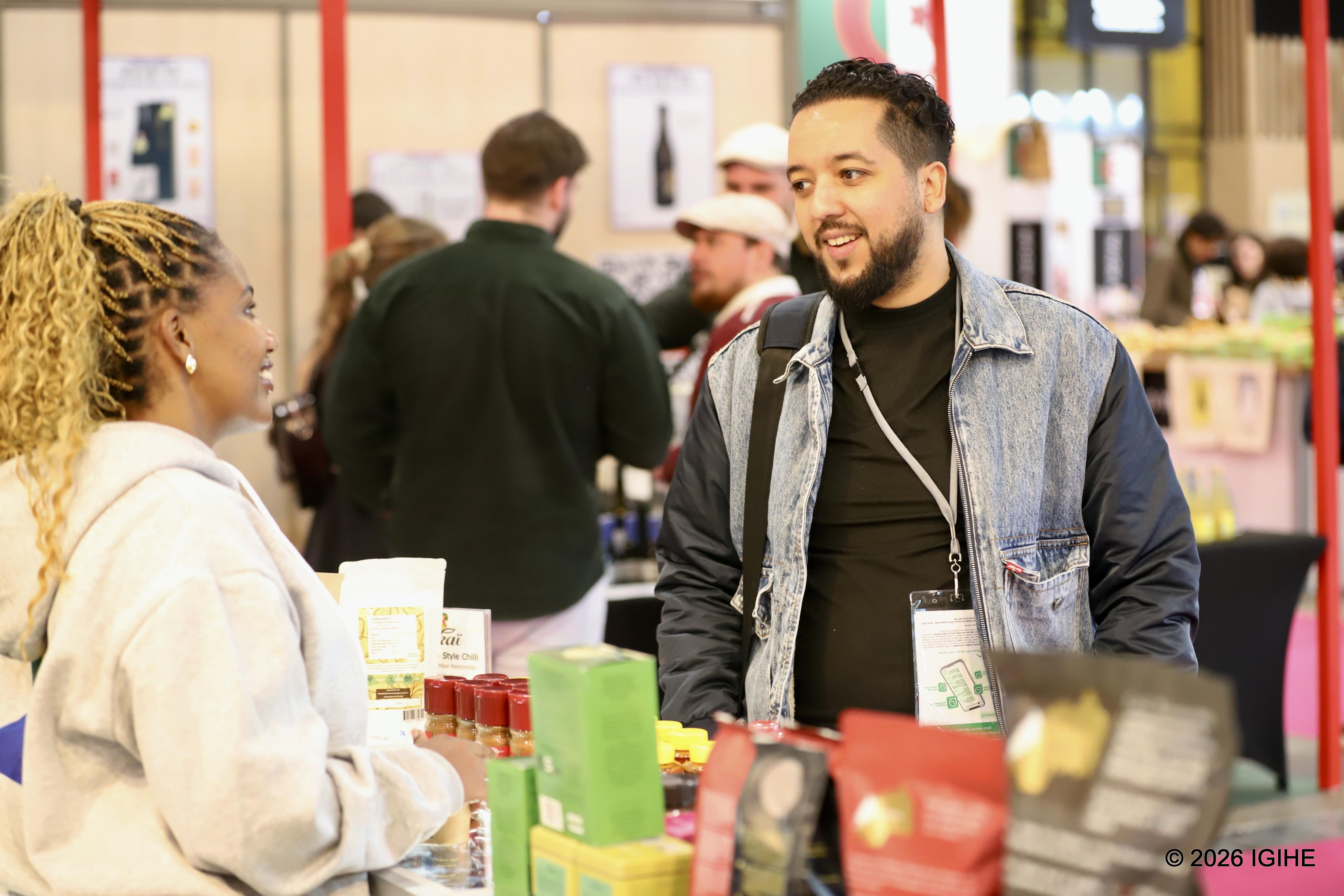
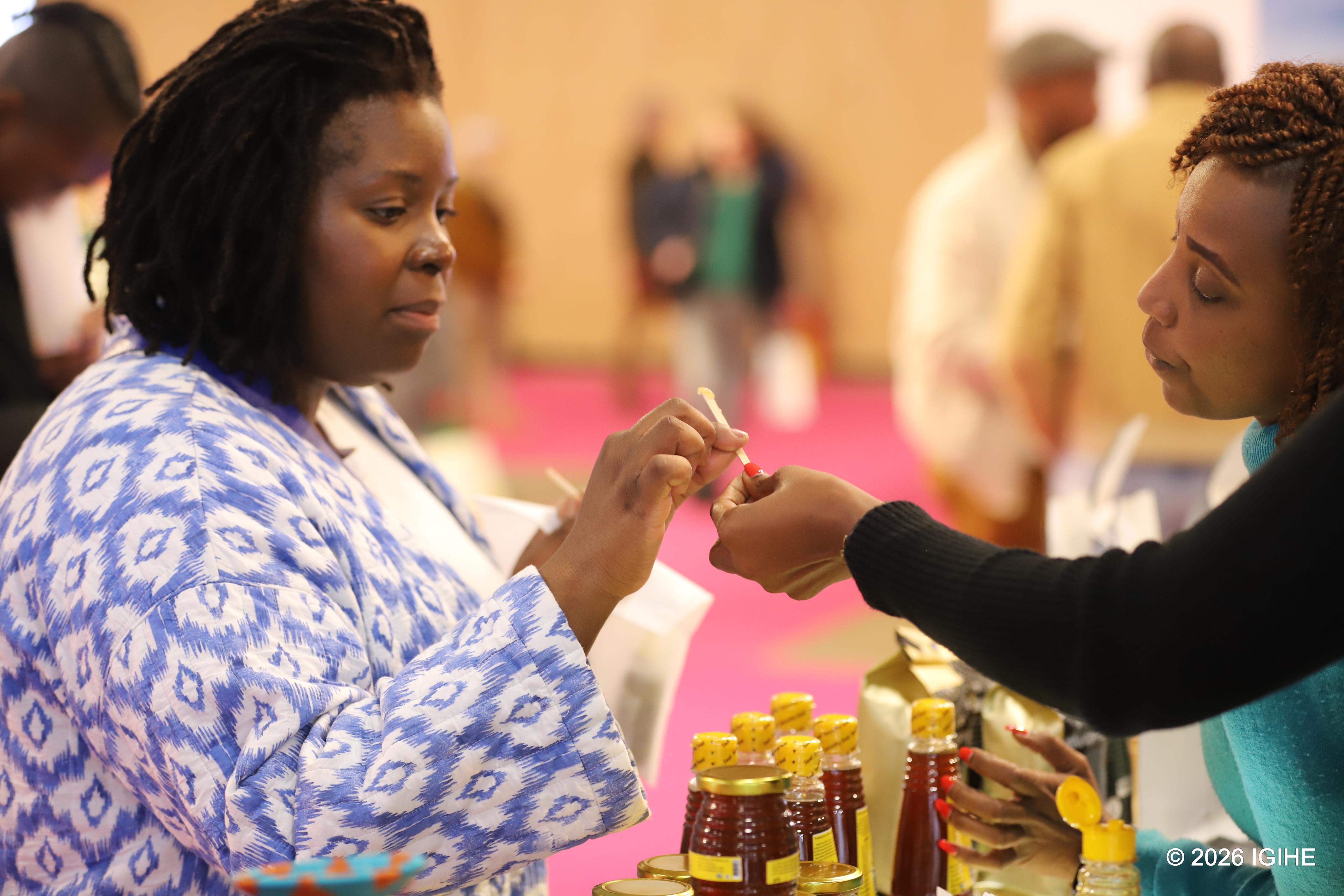
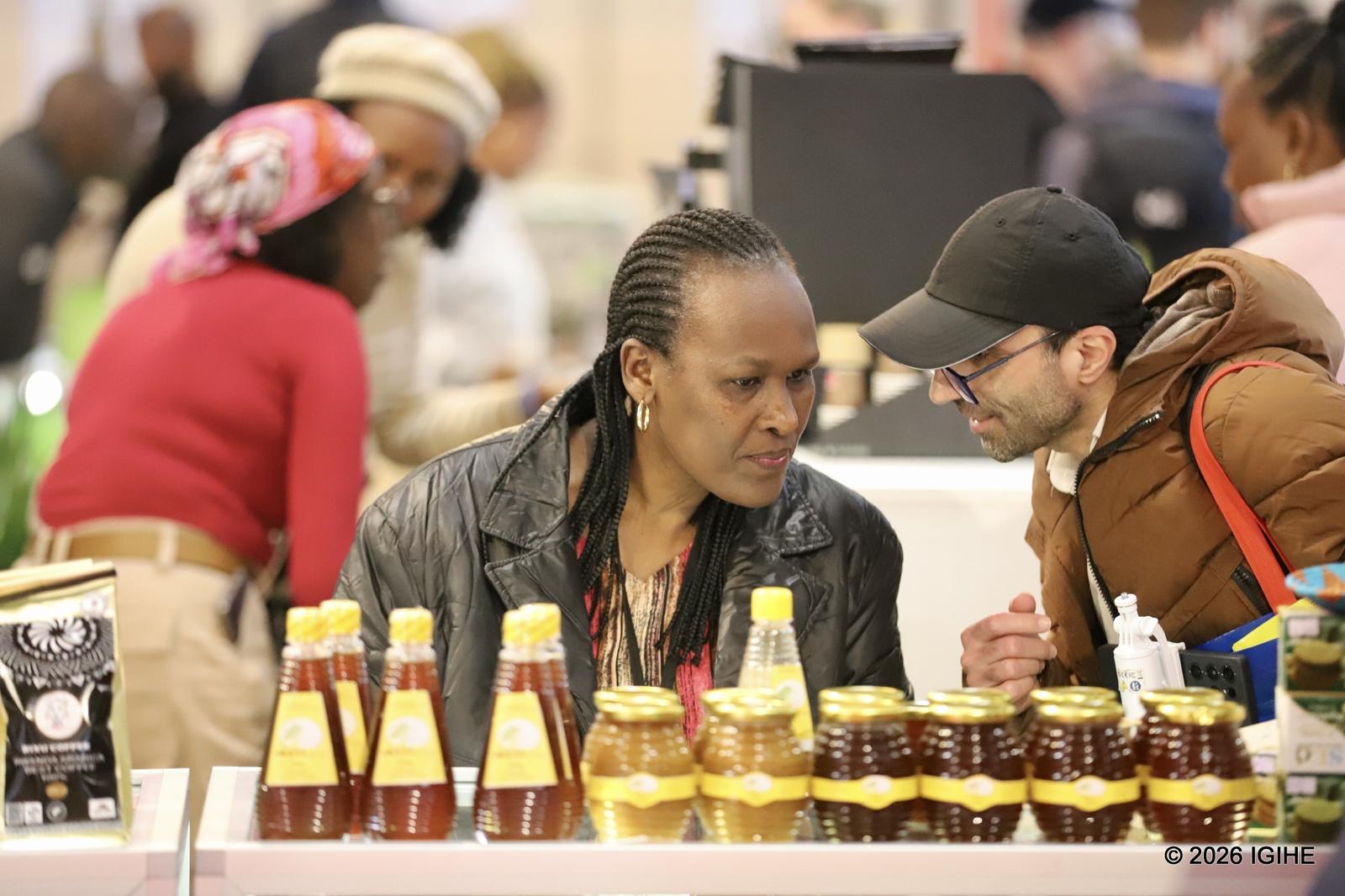
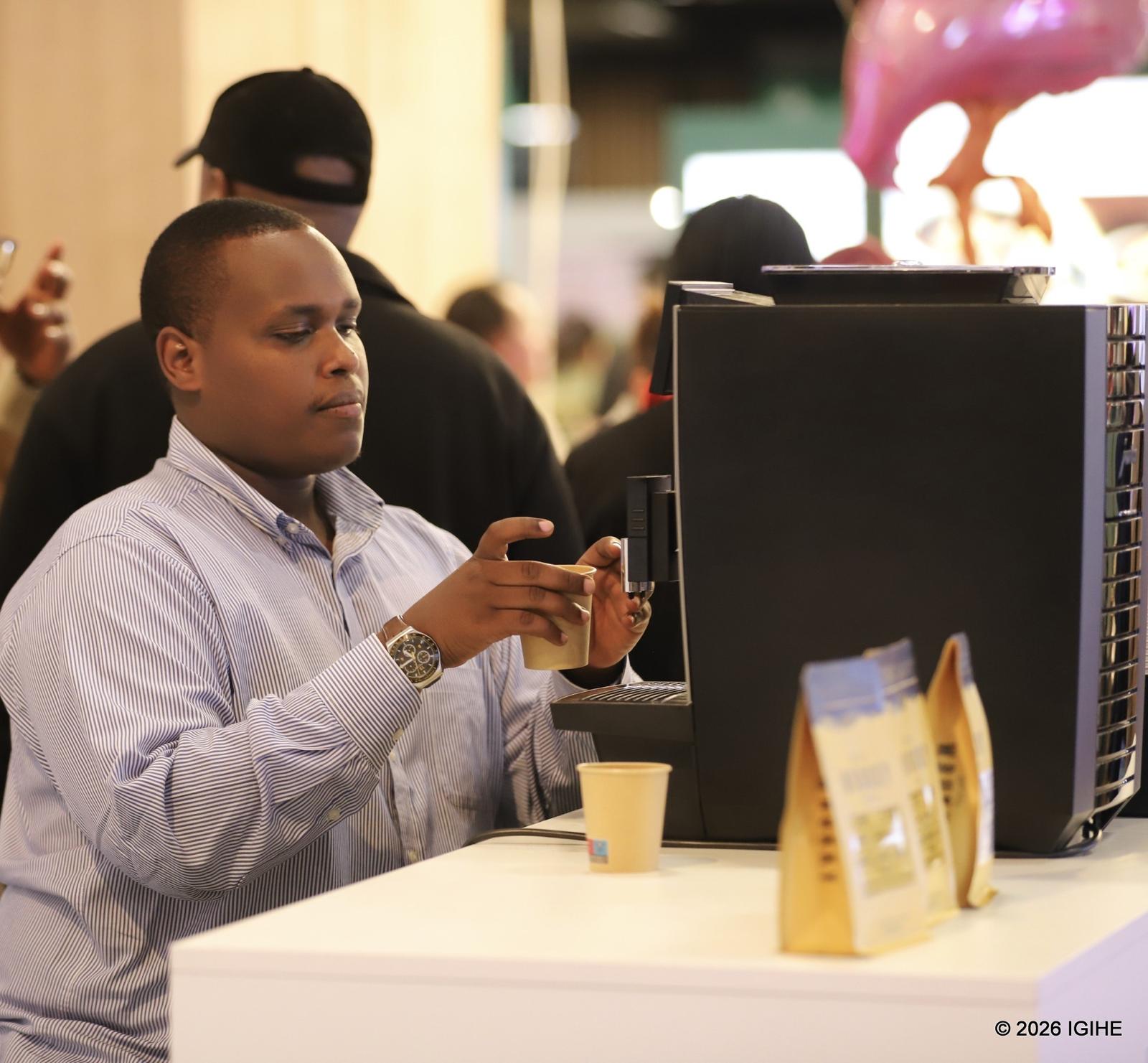
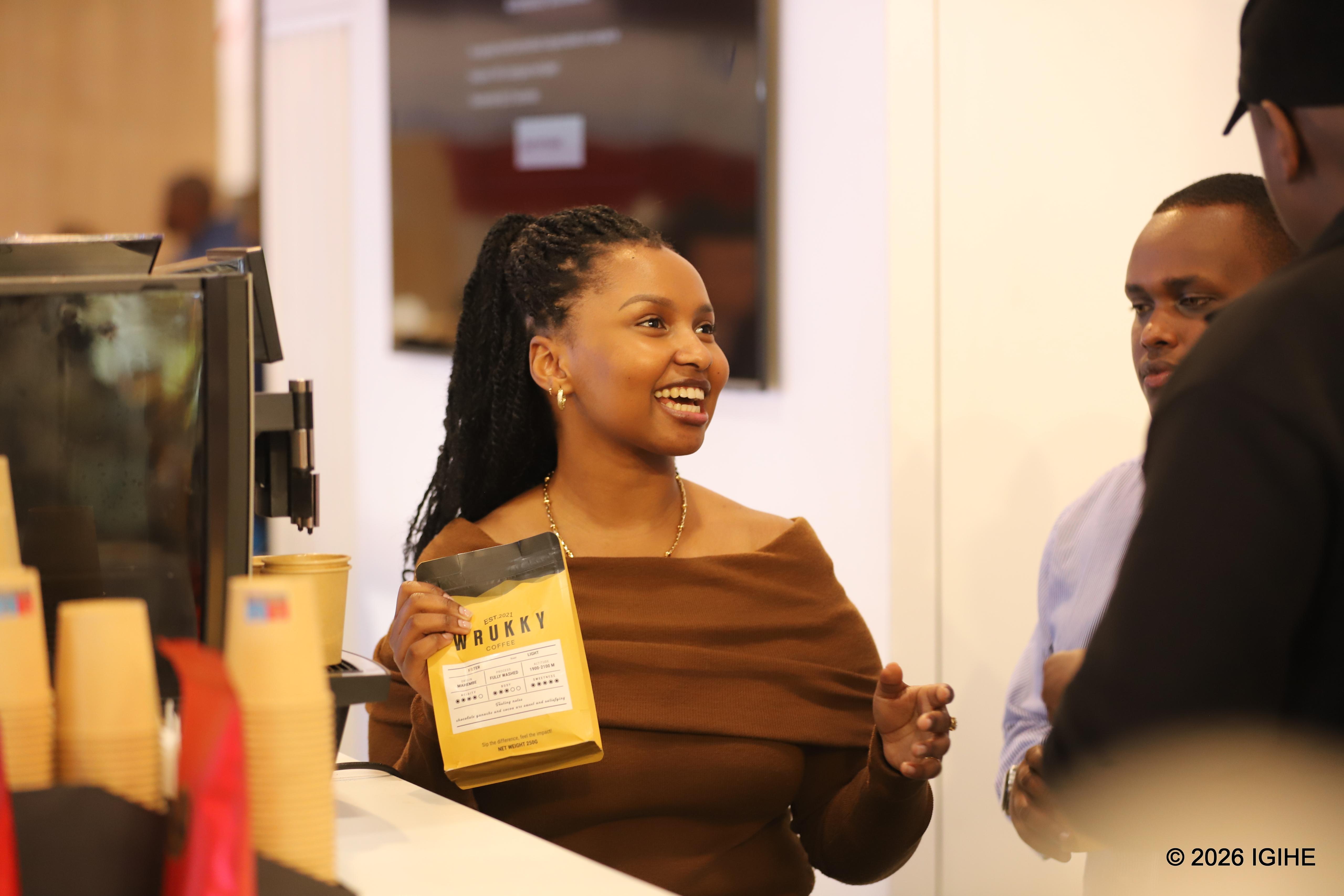
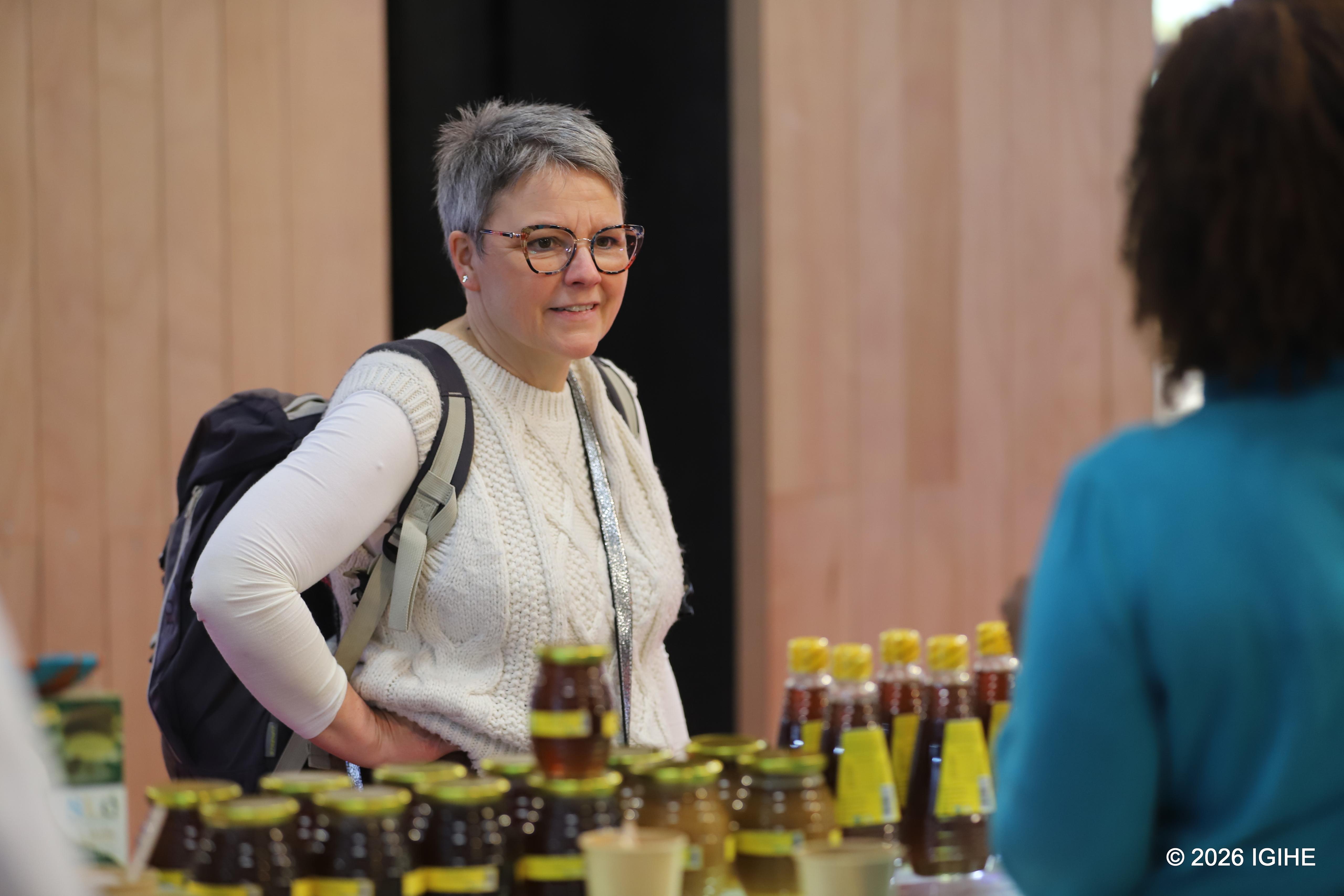
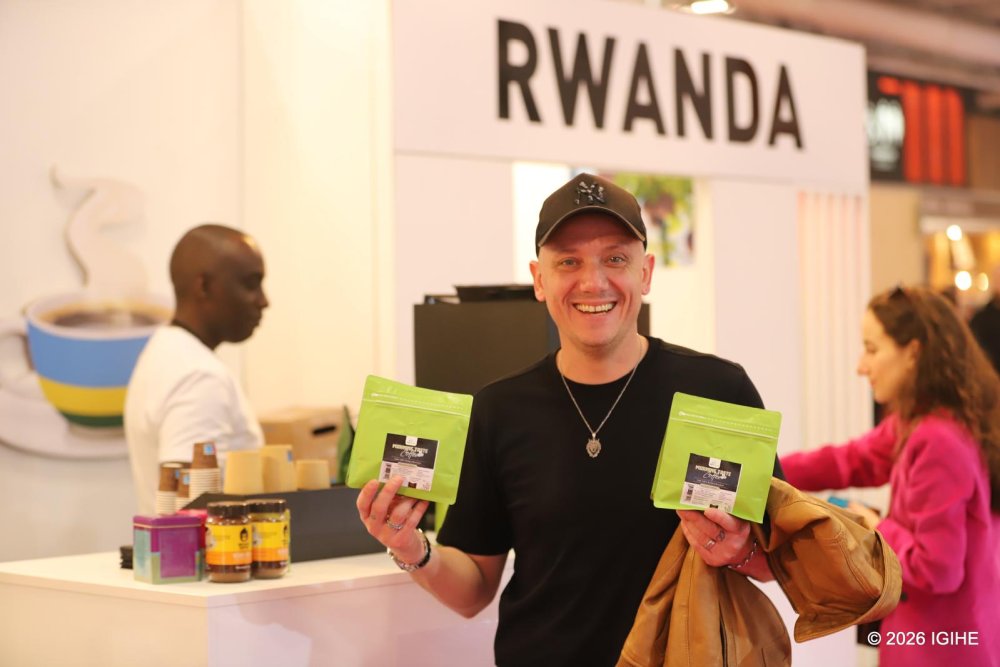
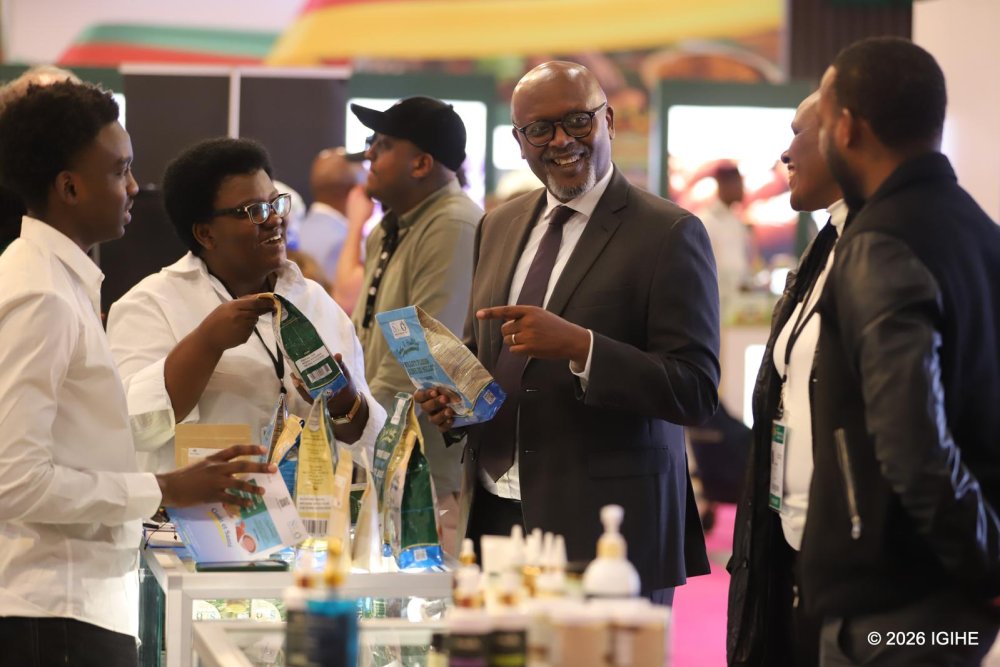
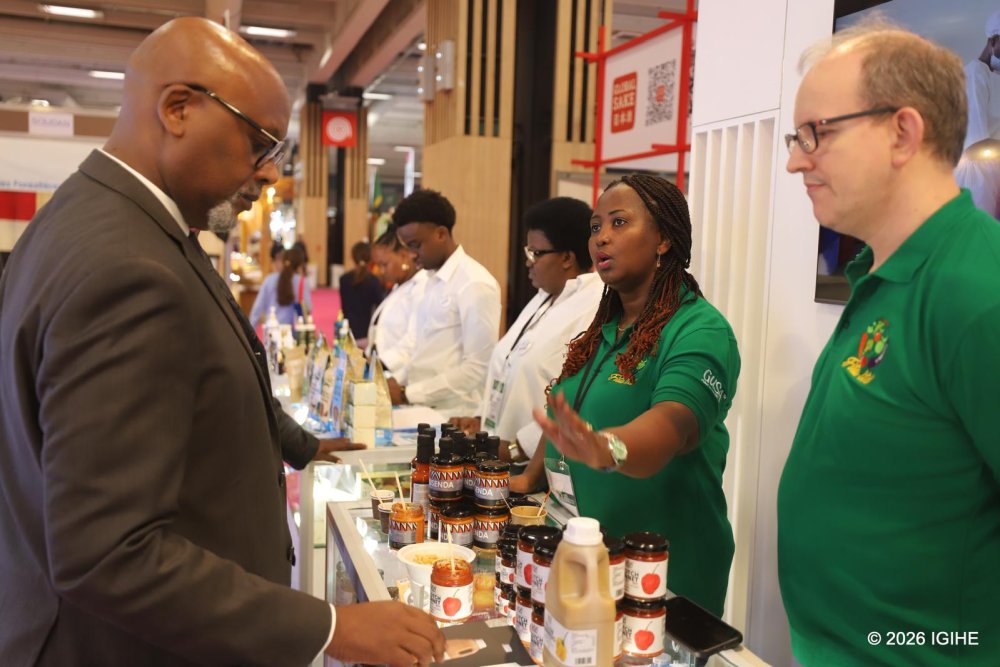
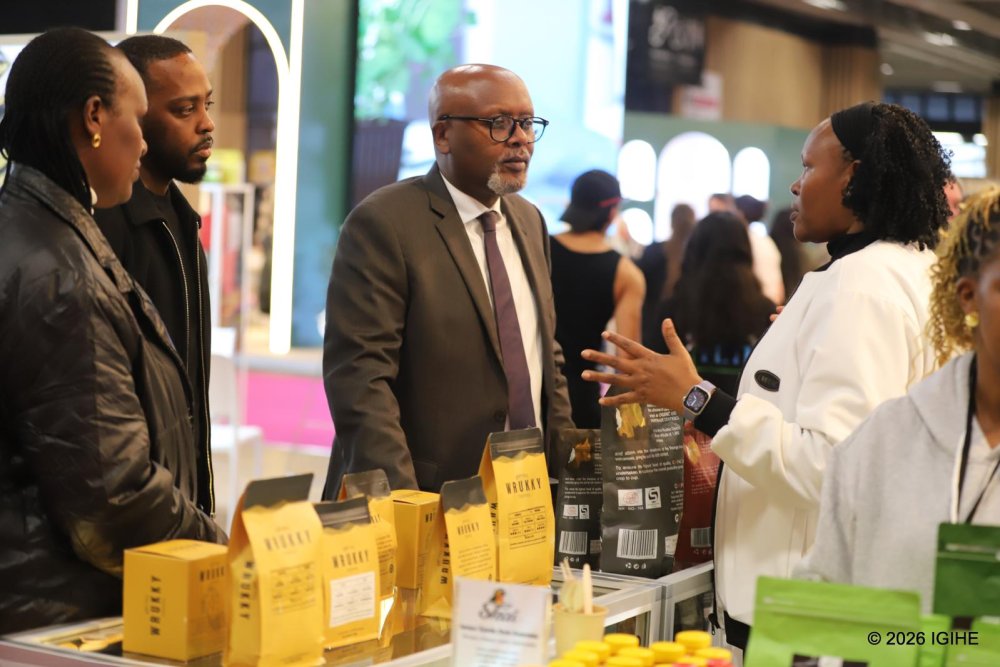
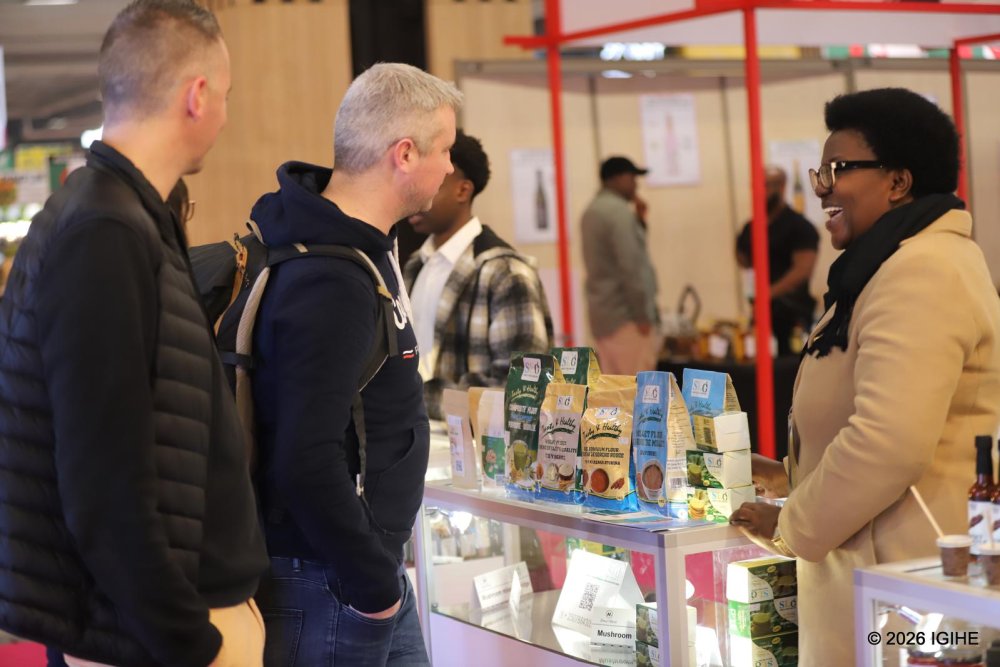
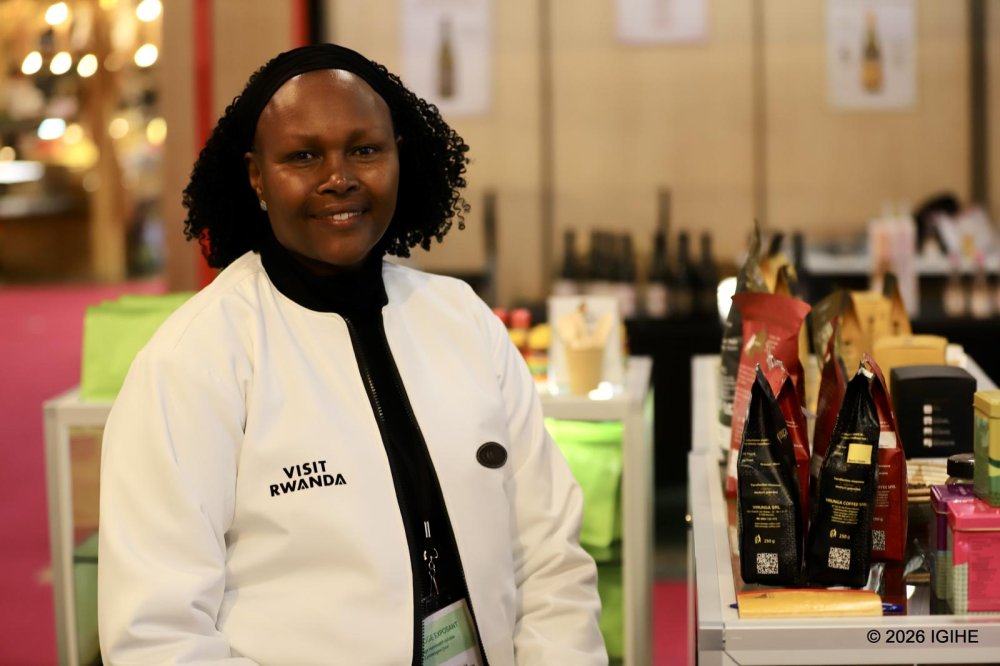
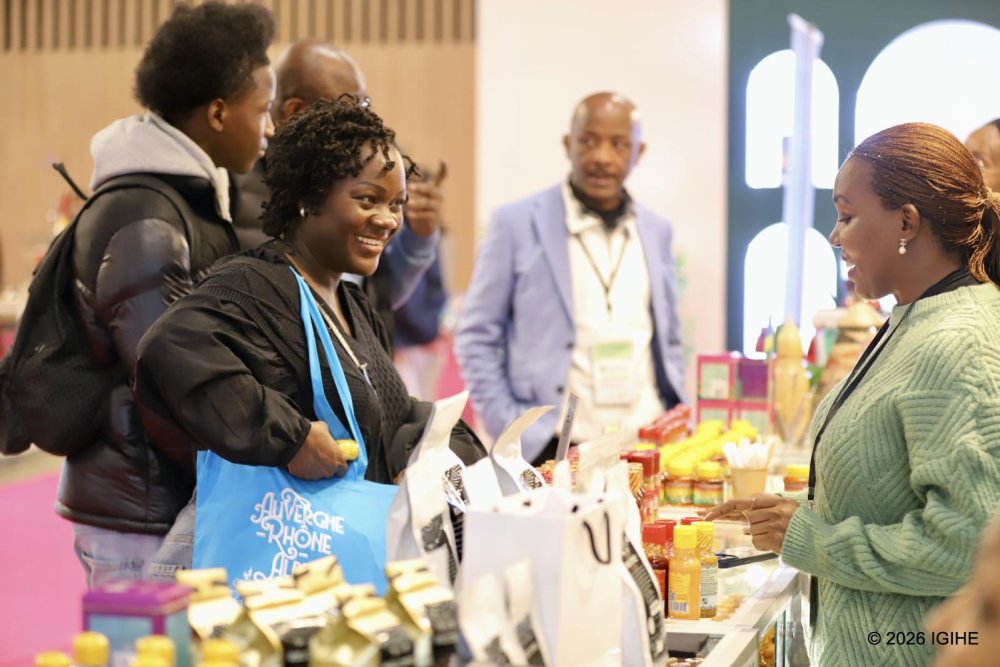
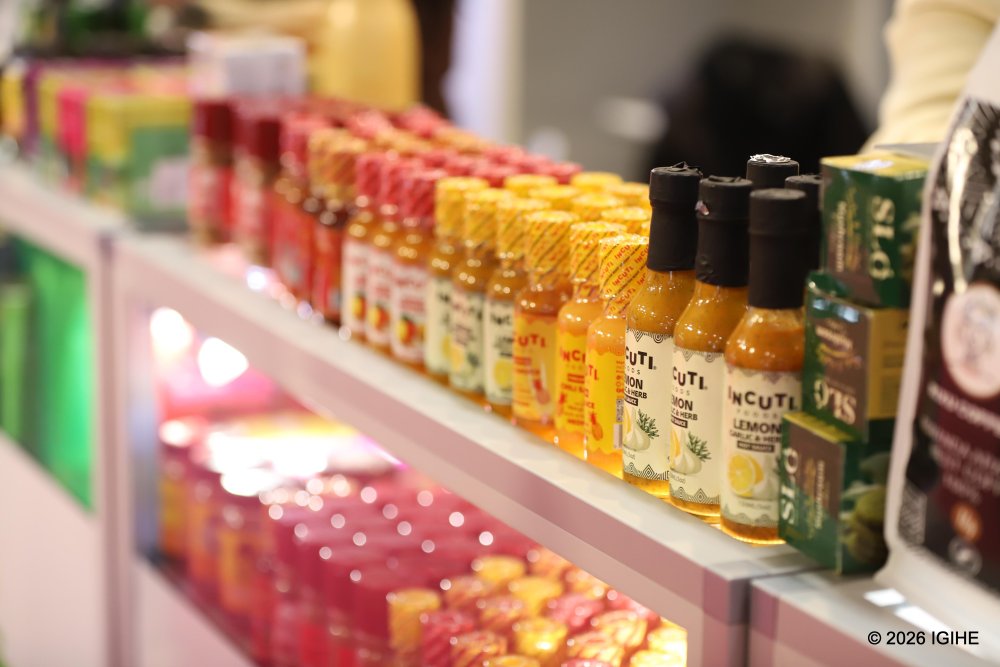
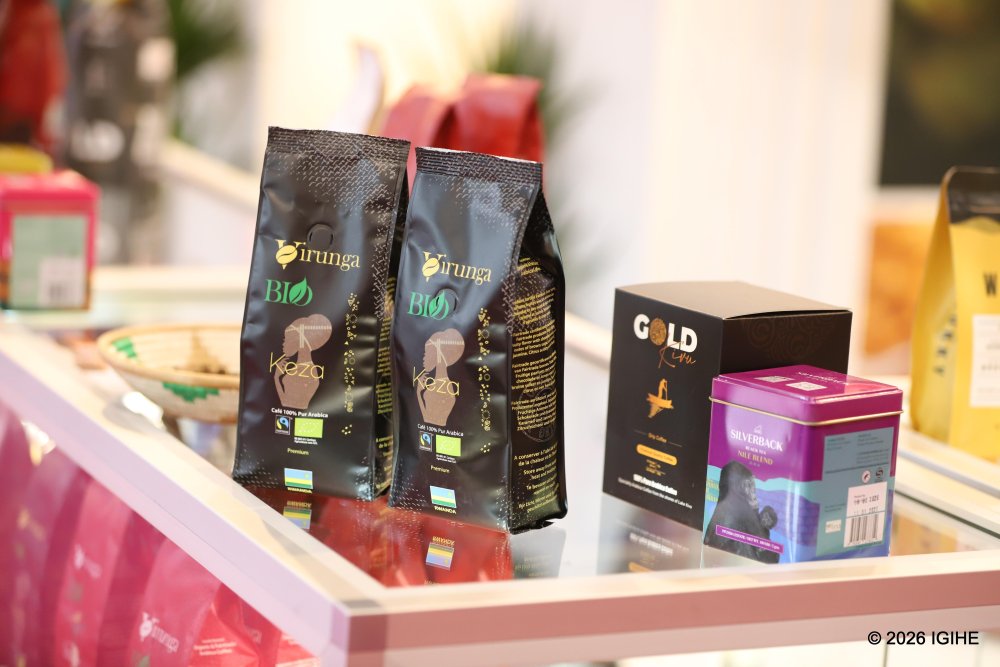
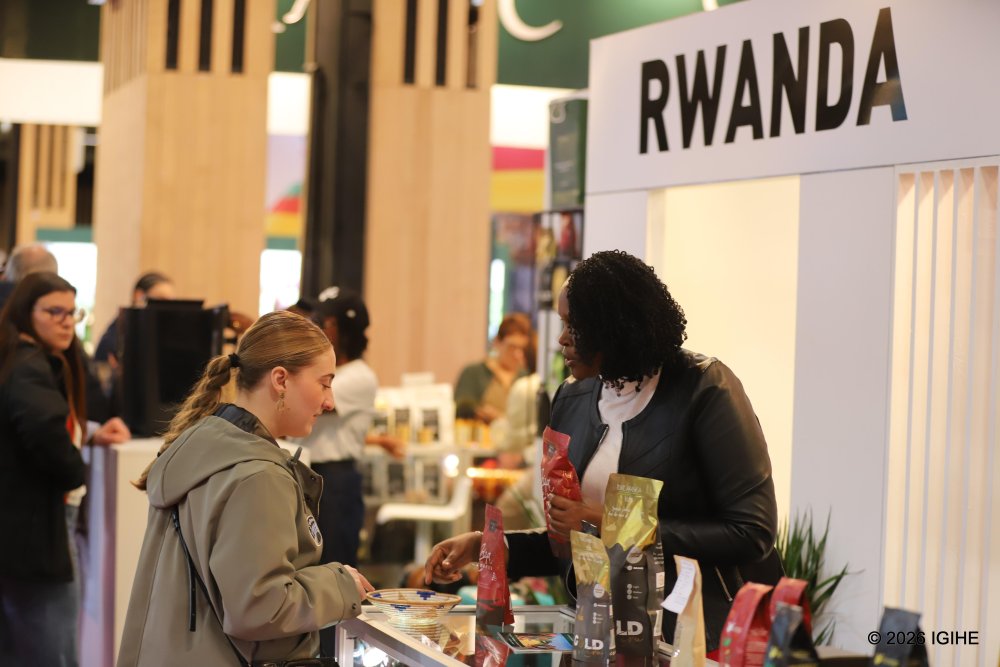
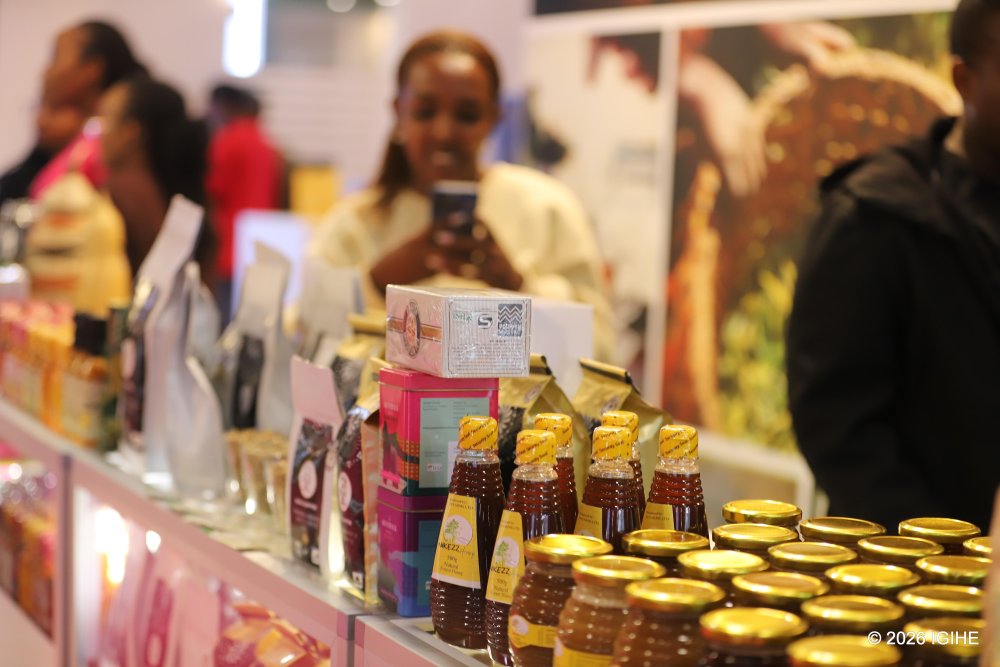
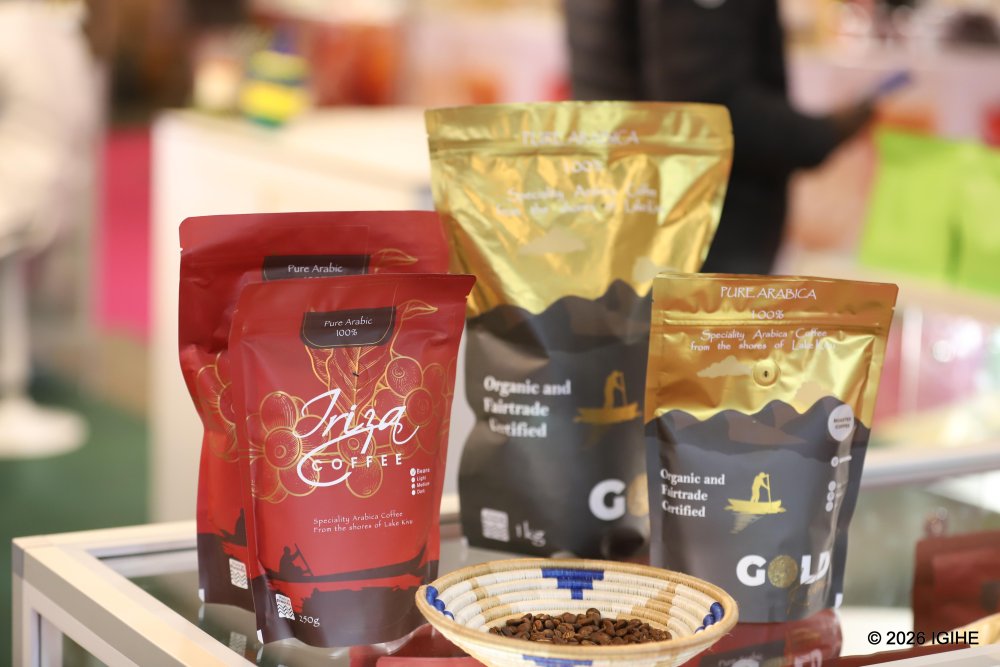
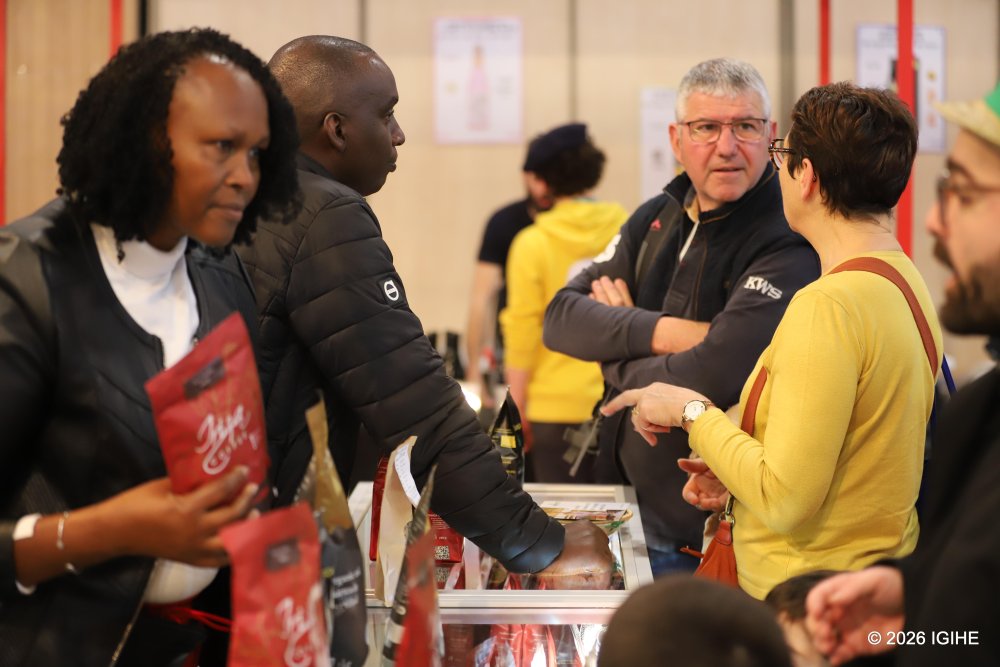
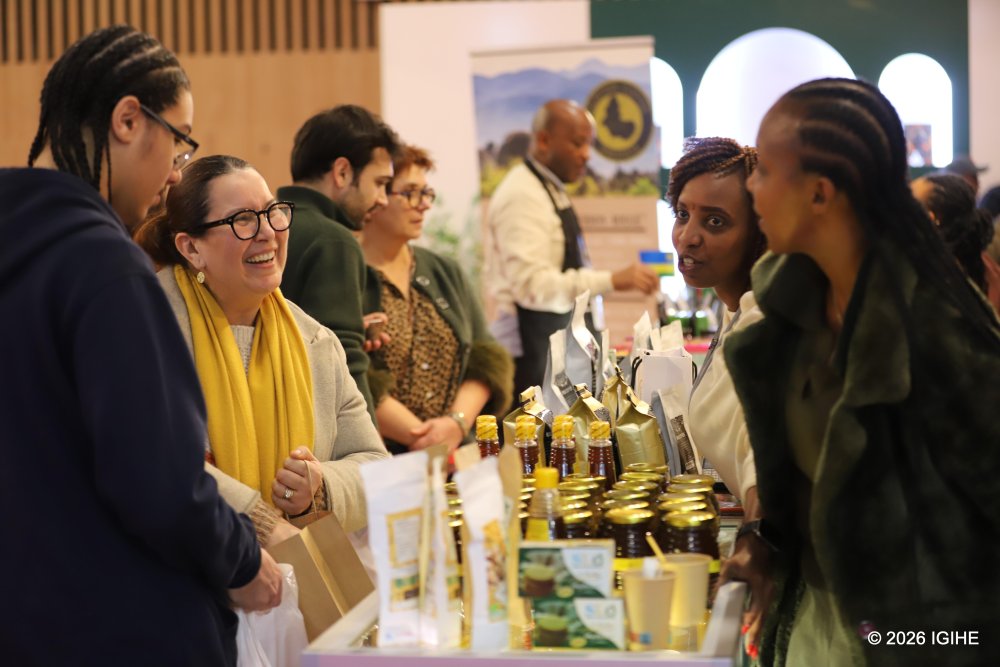
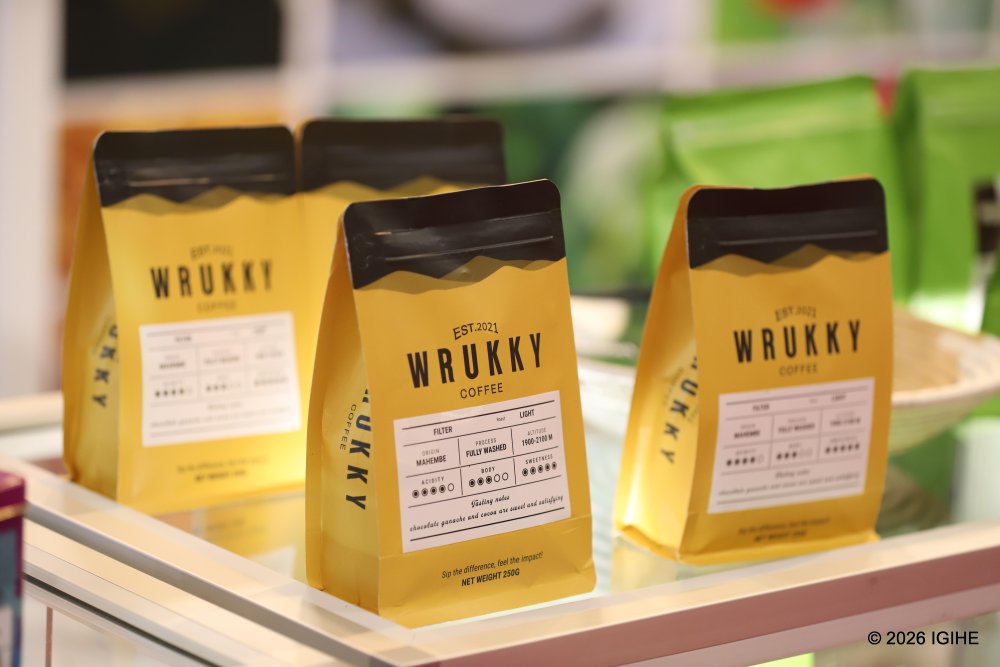
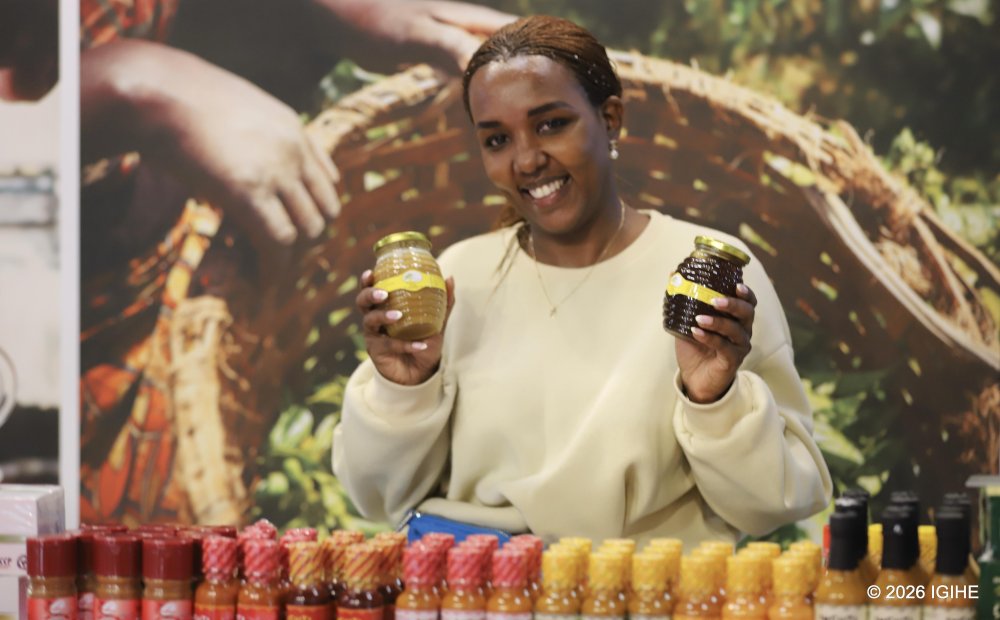
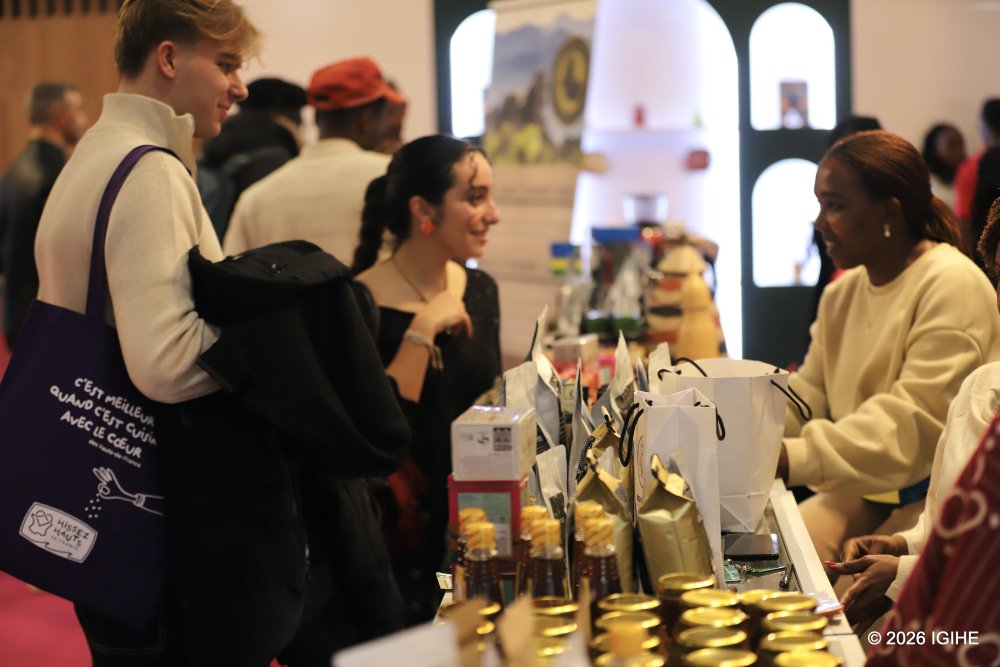
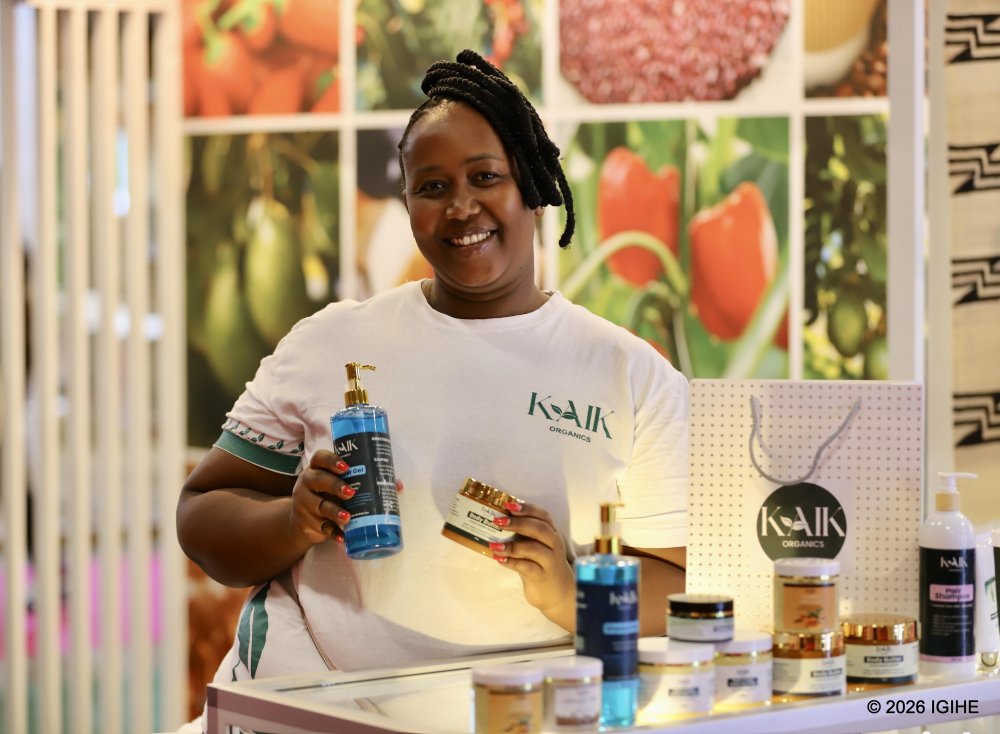
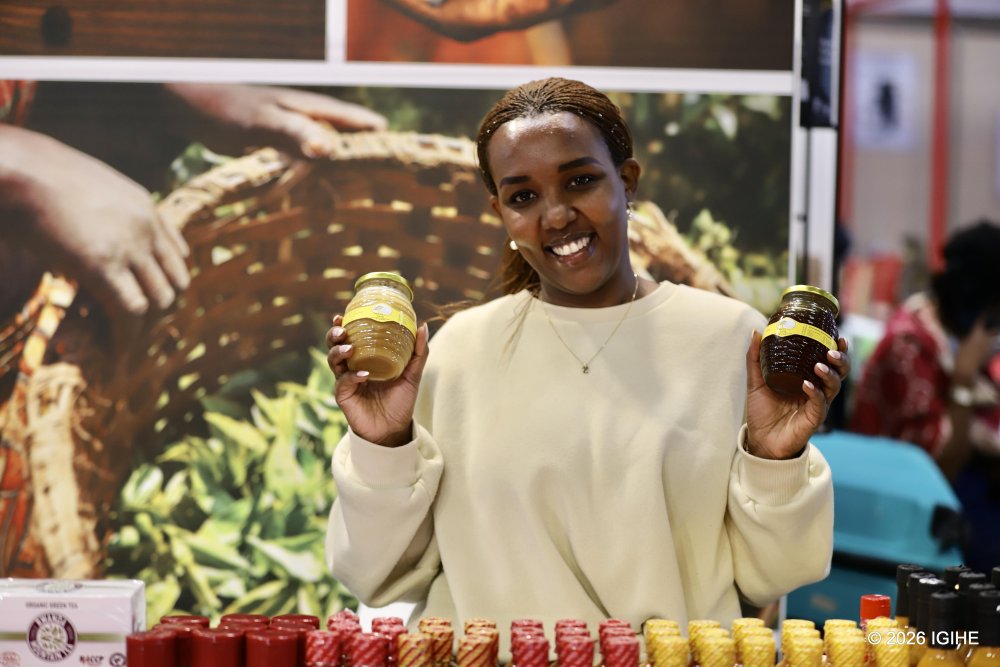
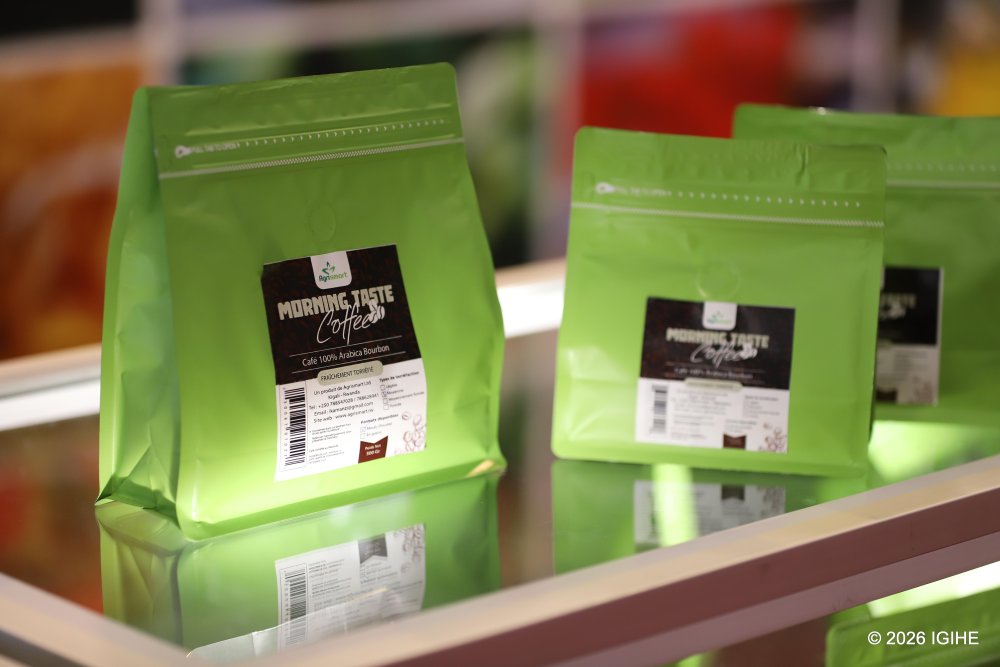
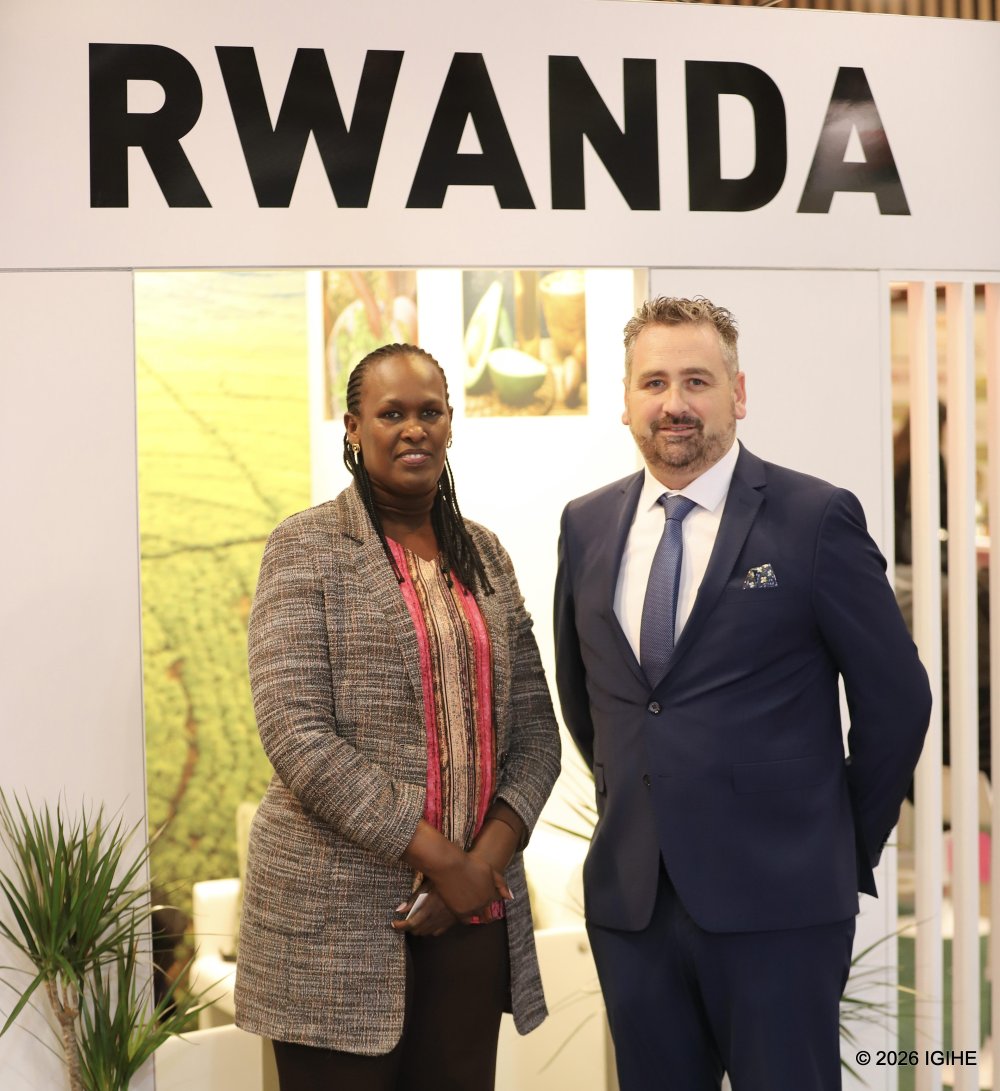
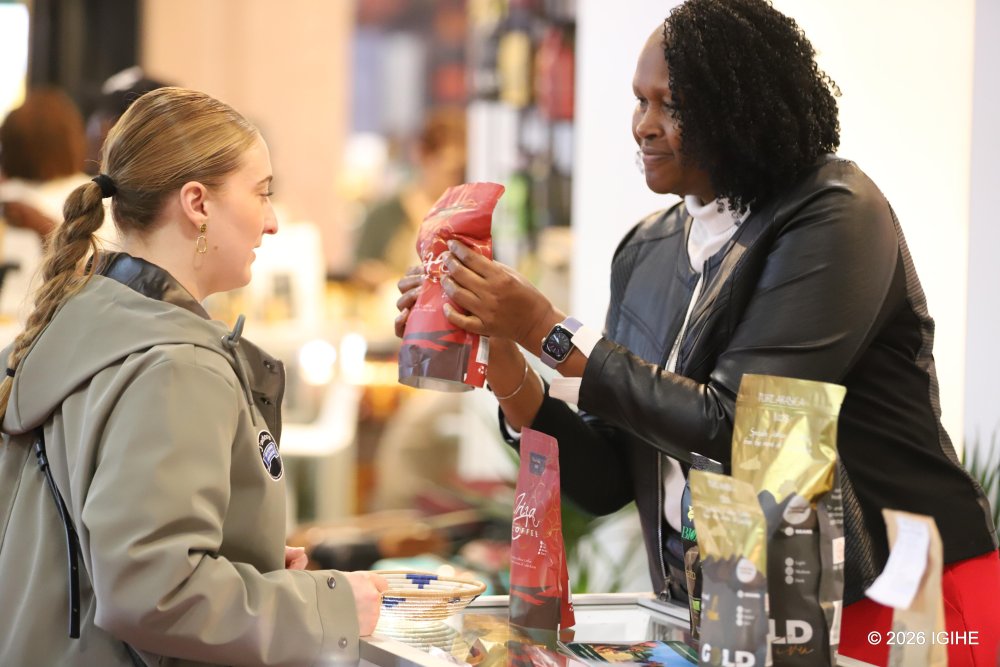
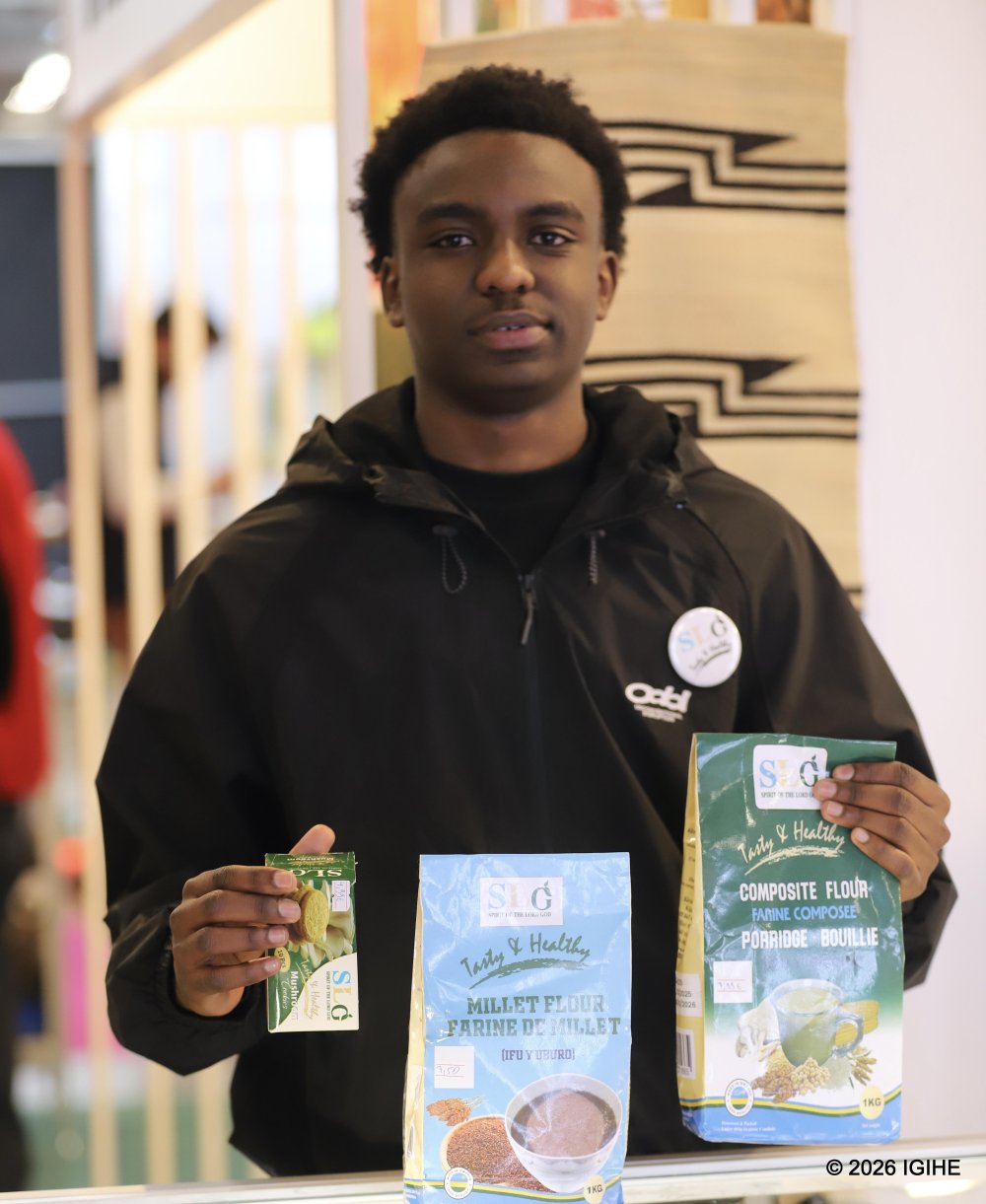
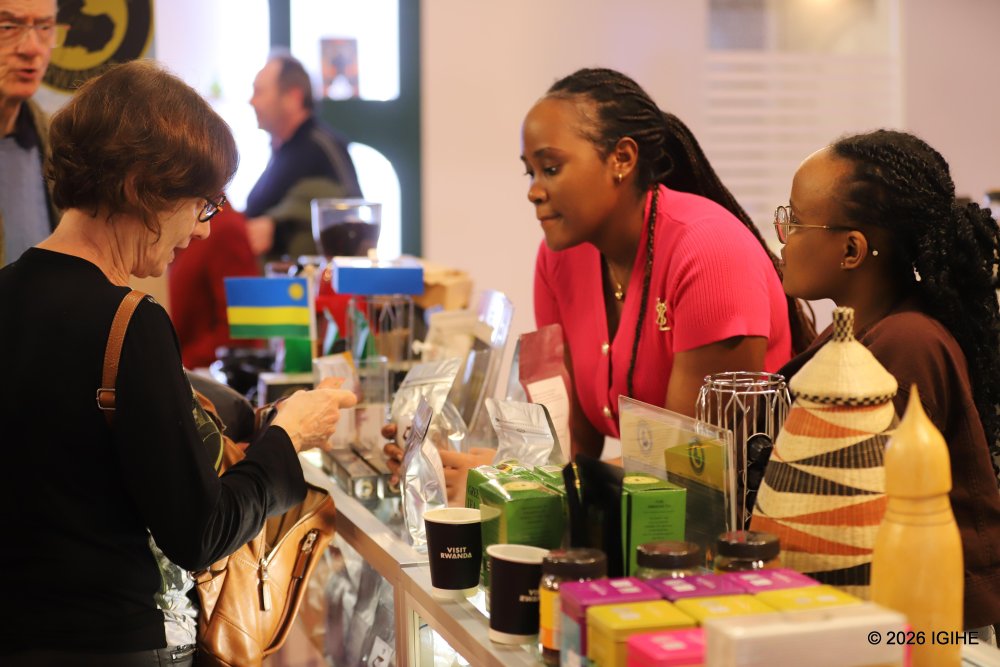
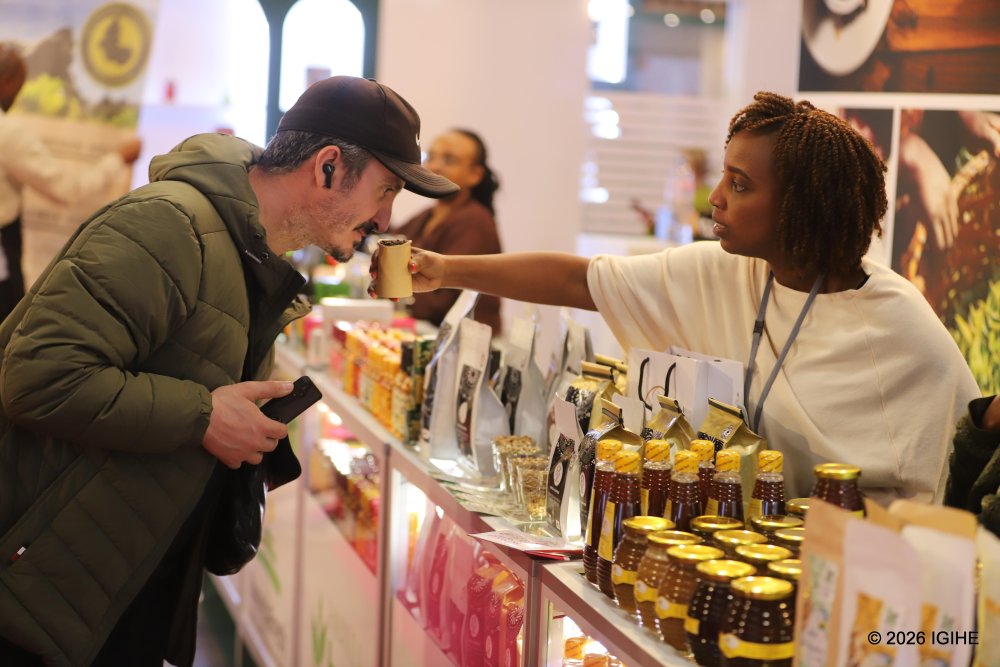
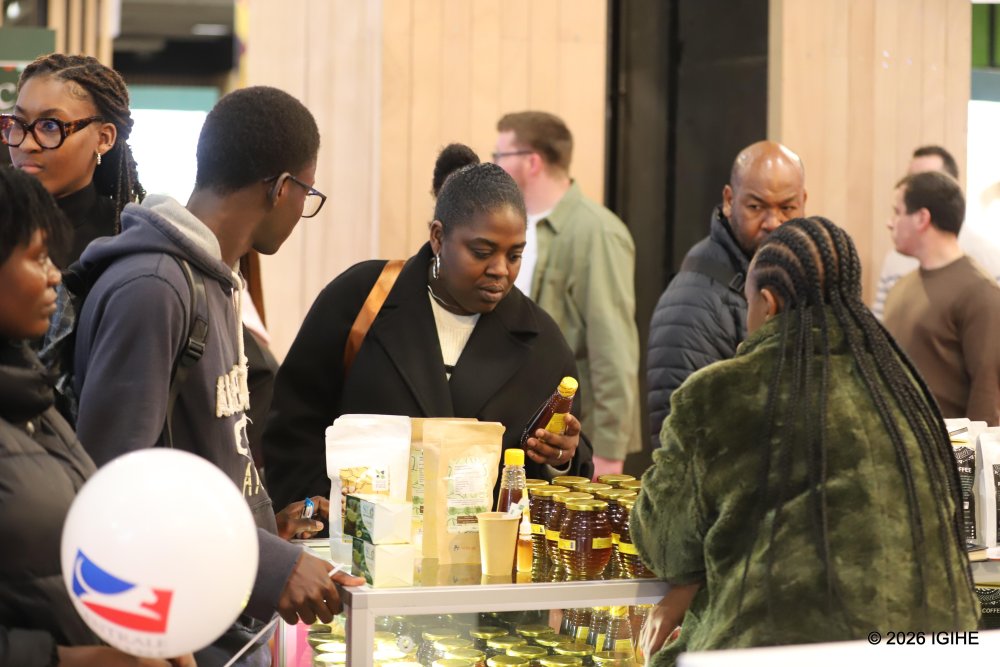
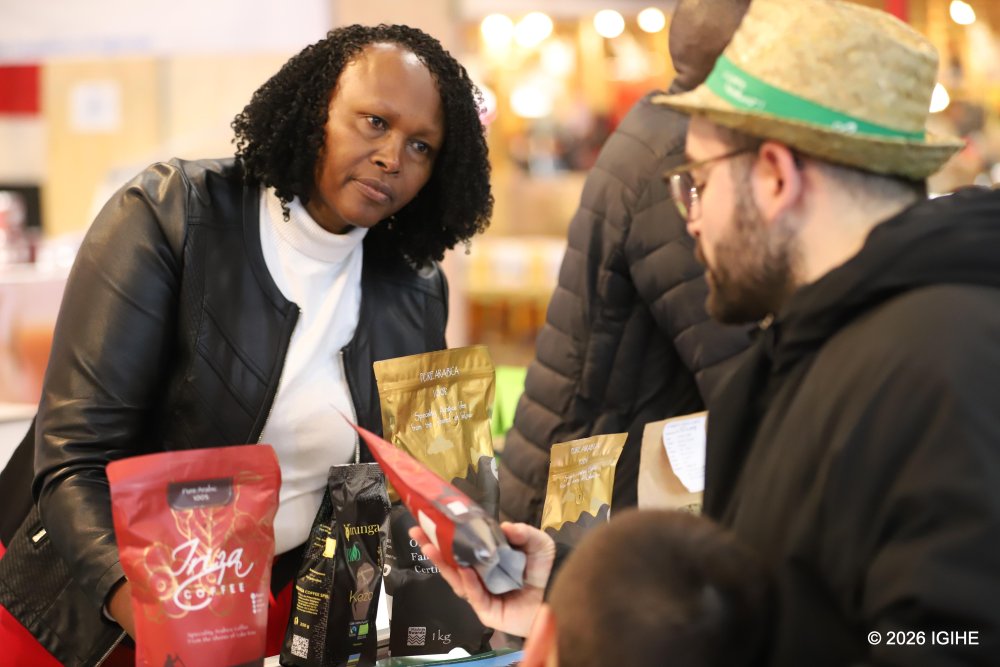
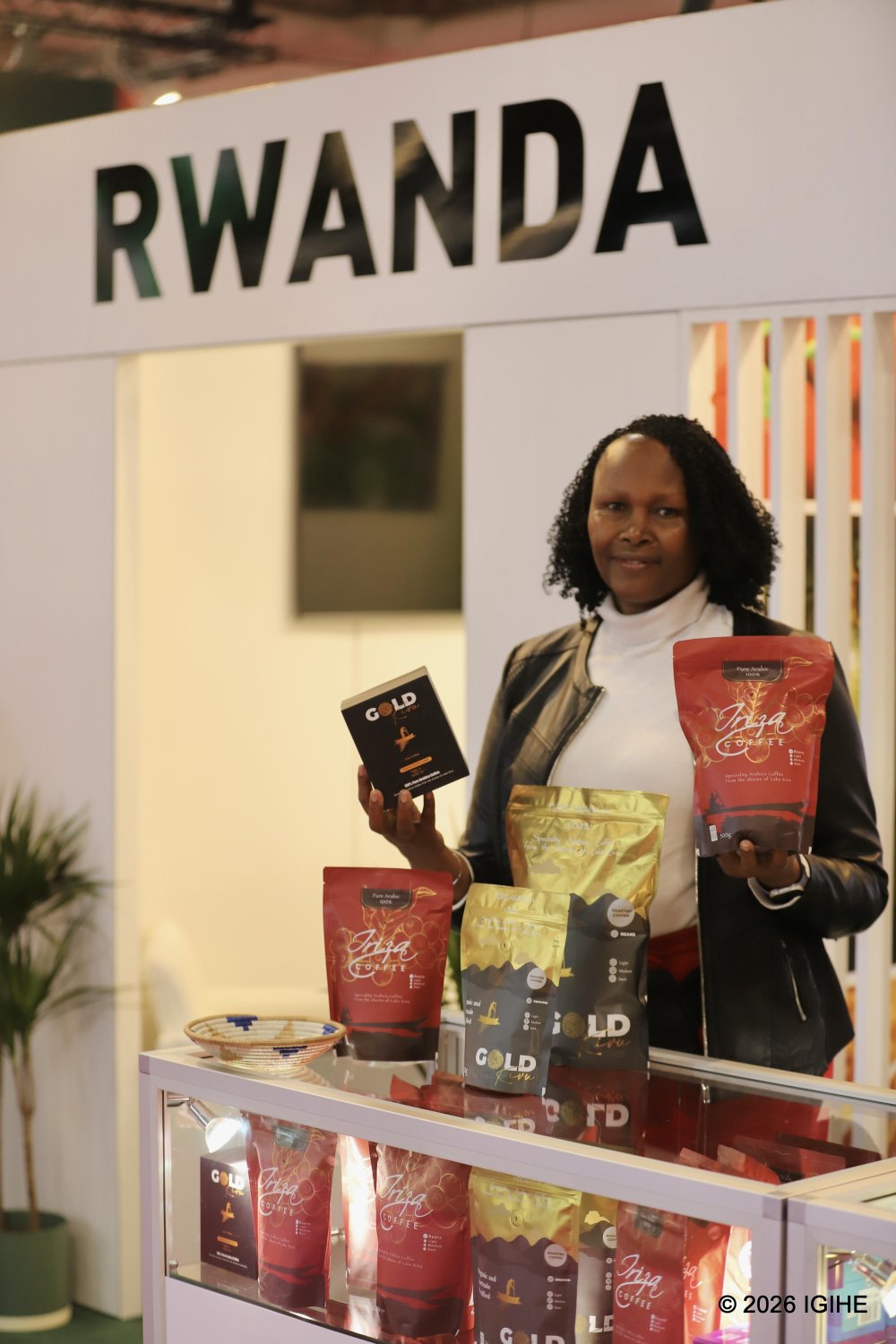
Rwanda was represented by the National Agricultural Export Development Board (NAEB), the Embassy of Rwanda in France, and 15 exporting companies showcasing products including coffee, tea, honey, chili, and other value-added agricultural goods.
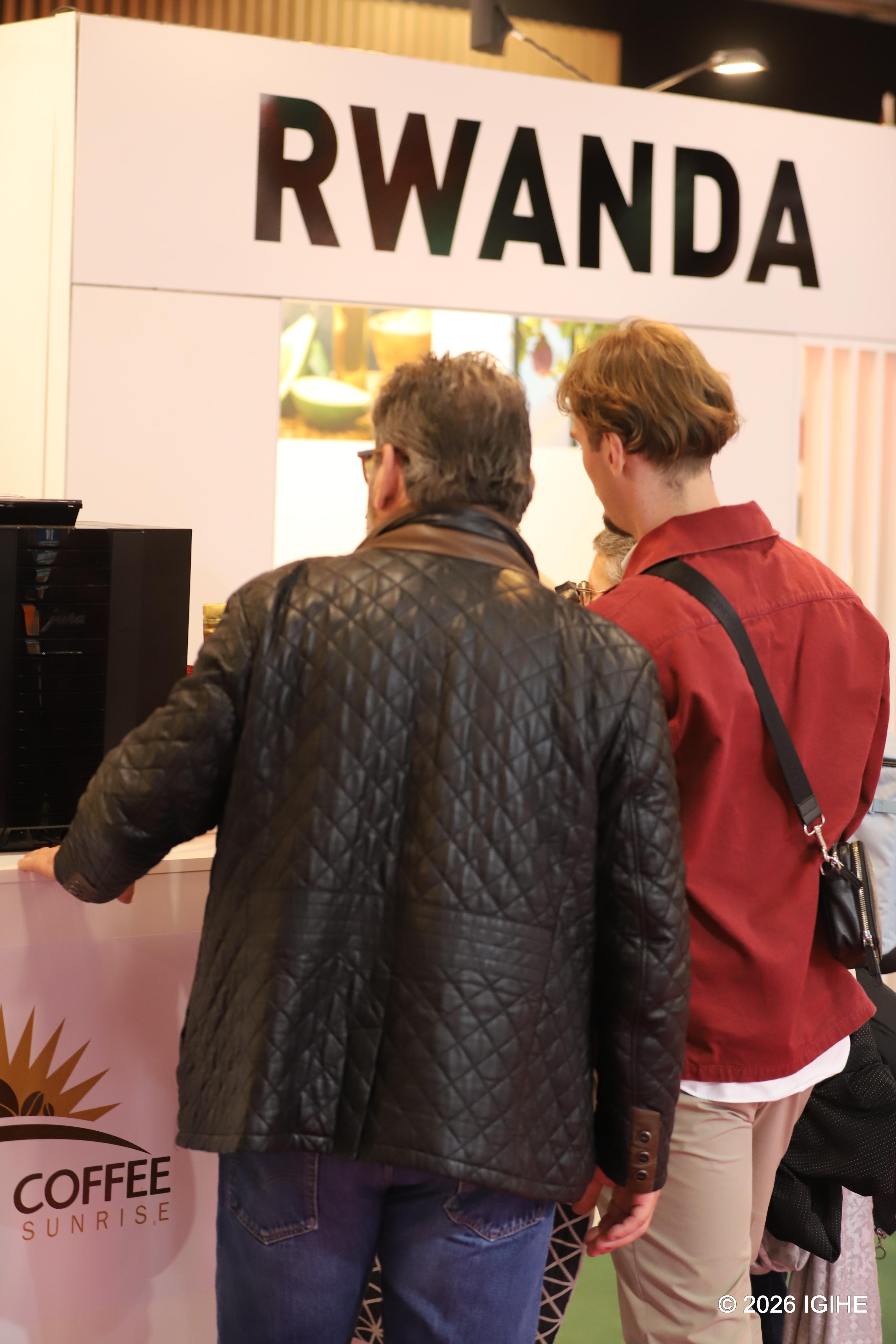
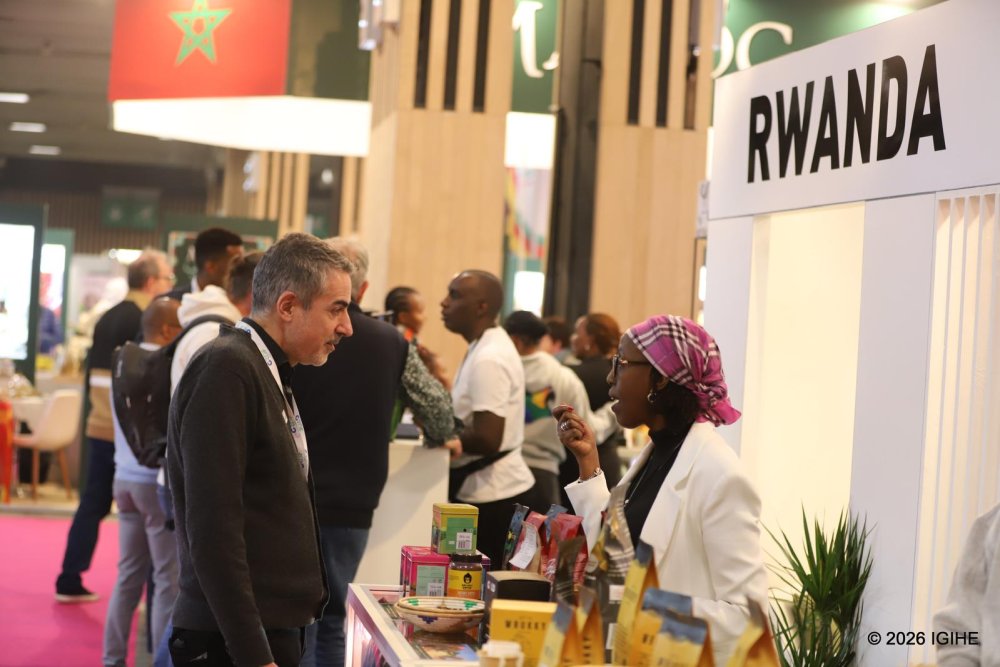
Located in Pavilion Seven, the Rwandan stand highlighted the country’s progress in developing export-ready products and strengthening agricultural value chains.
The exhibition provided a platform for farmers, entrepreneurs, traders, and investors to exchange expertise, build partnerships, and explore market opportunities. Beyond product displays, participants engaged in business meetings and networking sessions with global buyers and importers.
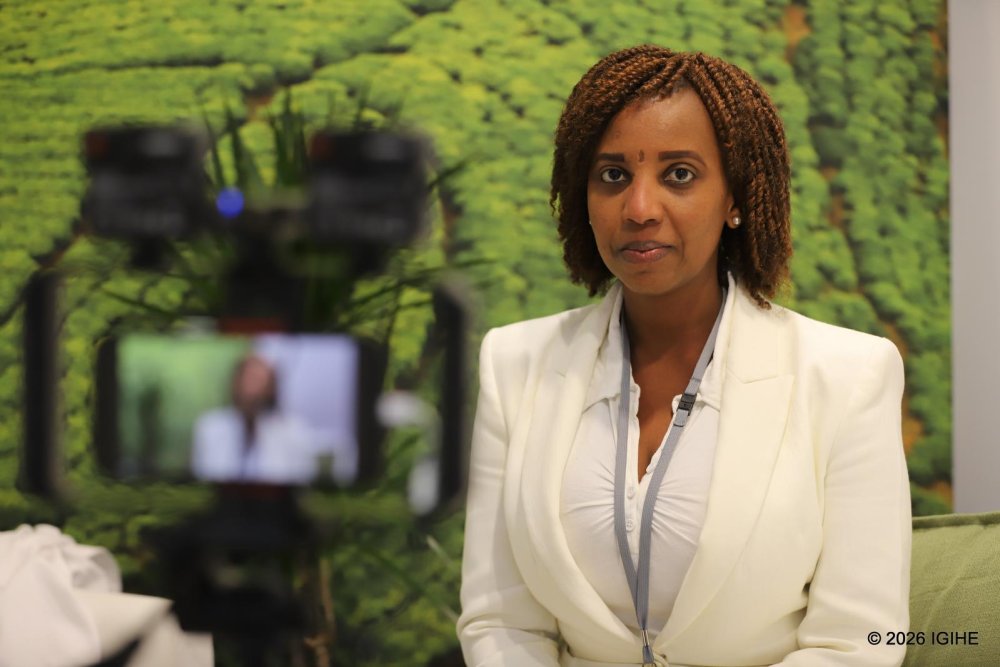
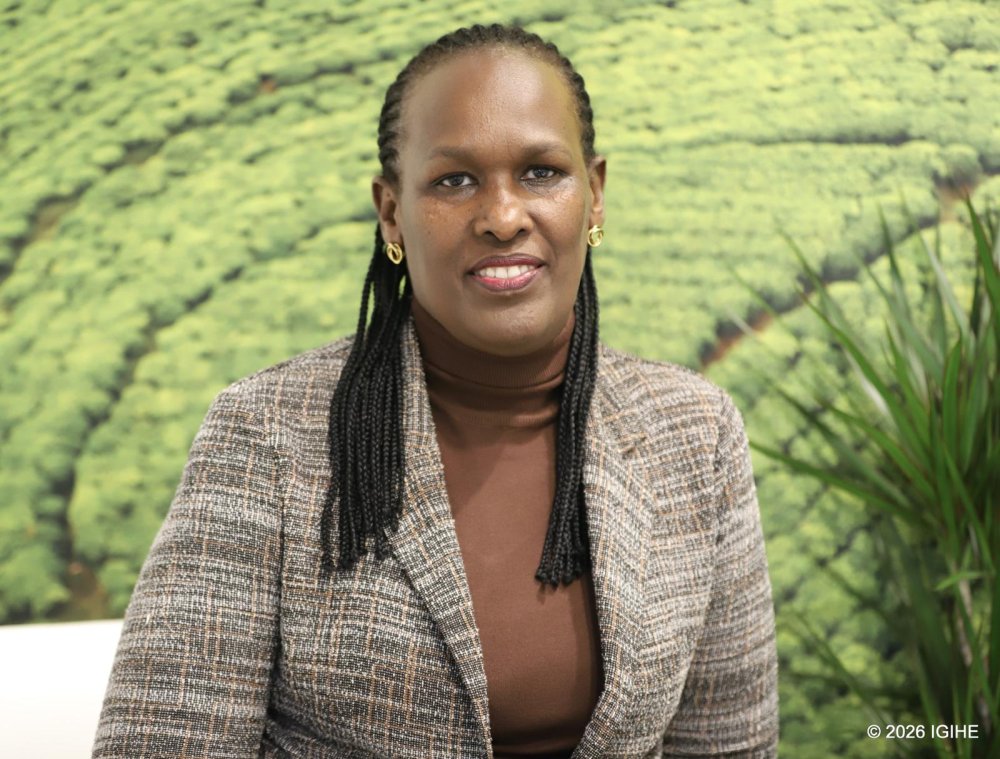
Janet Basiima, Export Market Development and Innovation Division Manager at NAEB, said Rwanda’s presence focused on expanding market access and strengthening the international visibility of its agricultural products.
“We came with around 15 exporters showcasing tea, coffee, honey, and other agricultural goods. Our participation is aimed at expanding markets for Rwanda’s agricultural and livestock products,” she said. Basiima added that while more than 100 countries are represented at the exhibition, France remains a strategic market, currently ranking fourth among destinations for Rwanda’s agricultural exports.
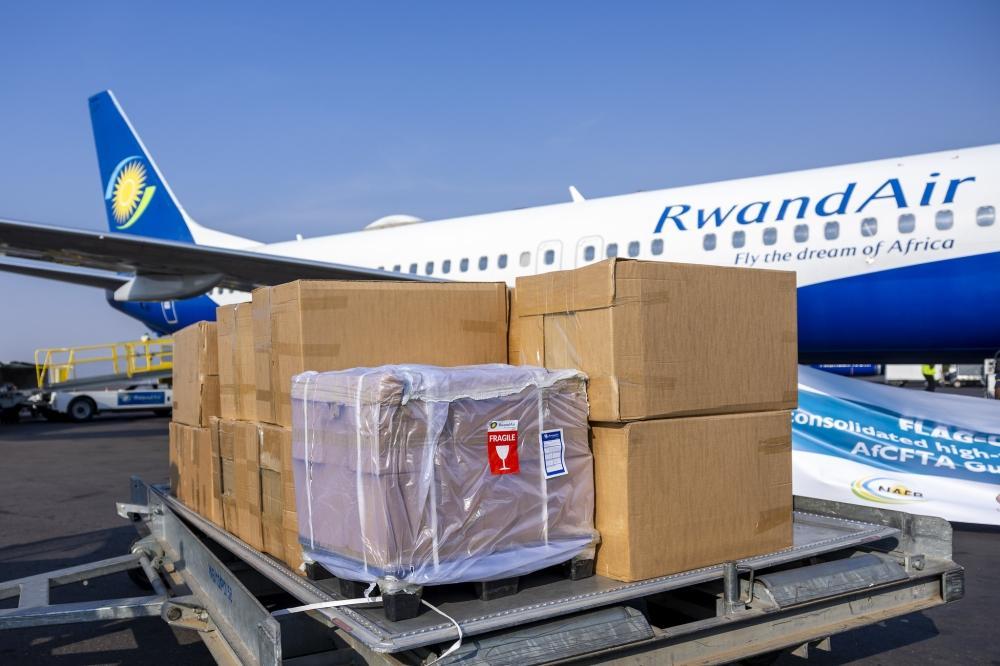
She also noted that improved logistics continue to support export growth. According to Basiima, direct flights operated by RwandAir between Kigali and Paris three times a week provide a practical advantage in transporting Rwandan products to European markets.
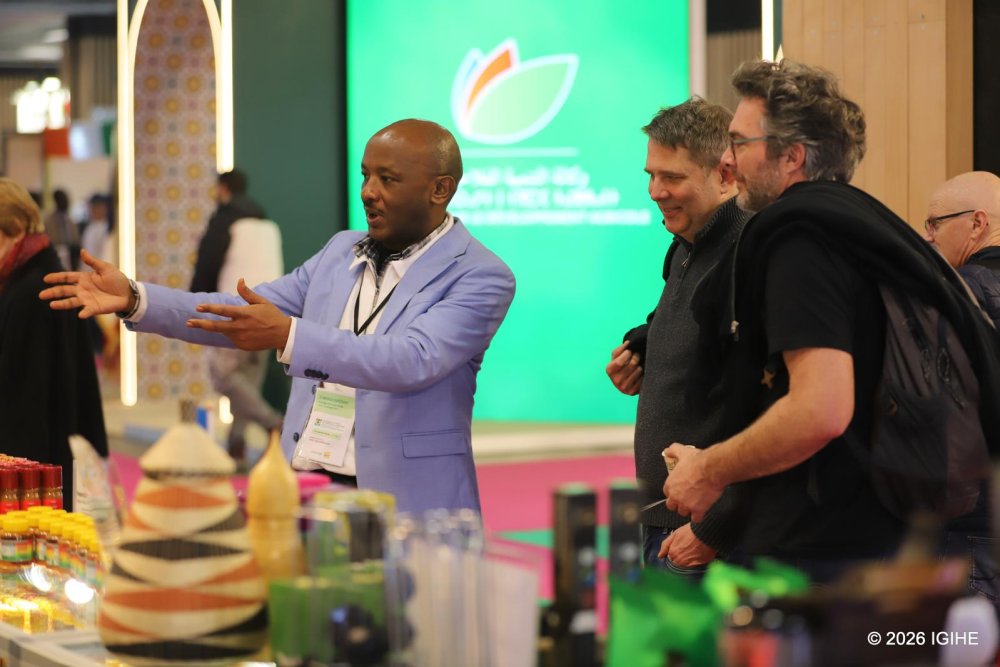
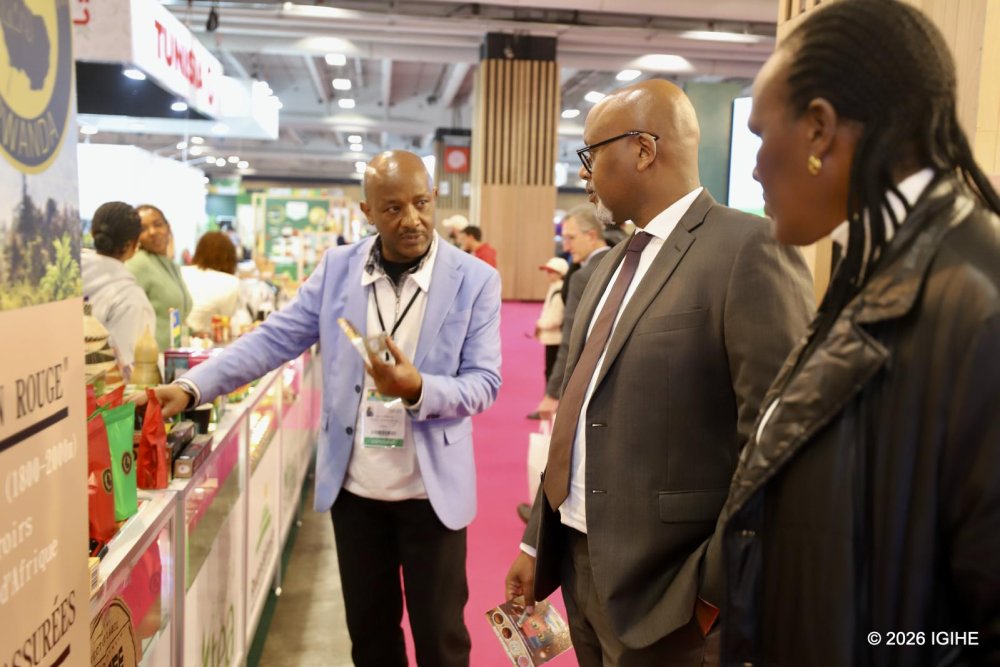
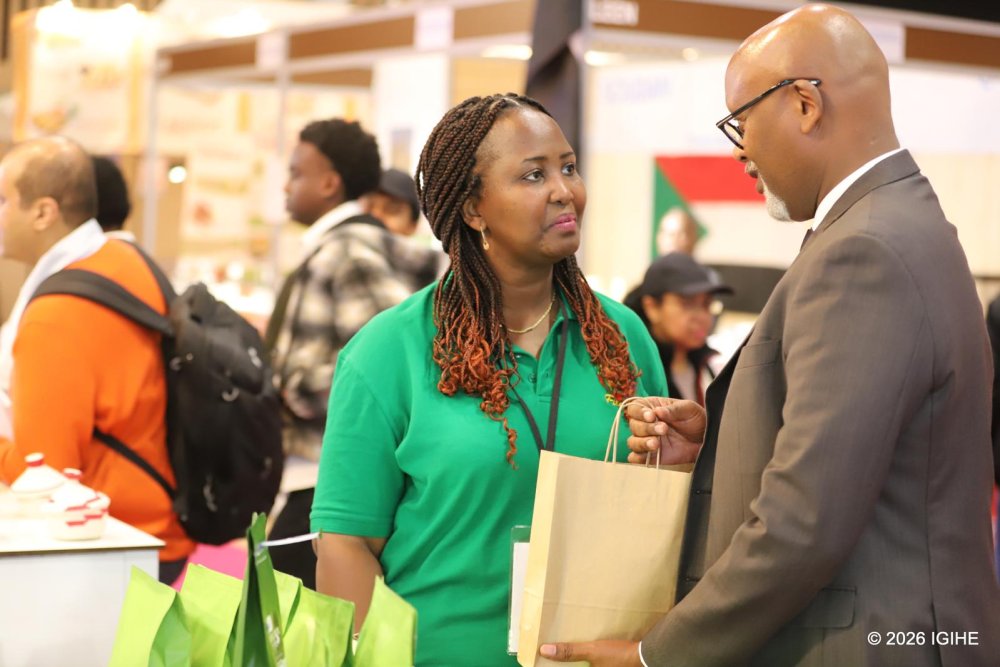
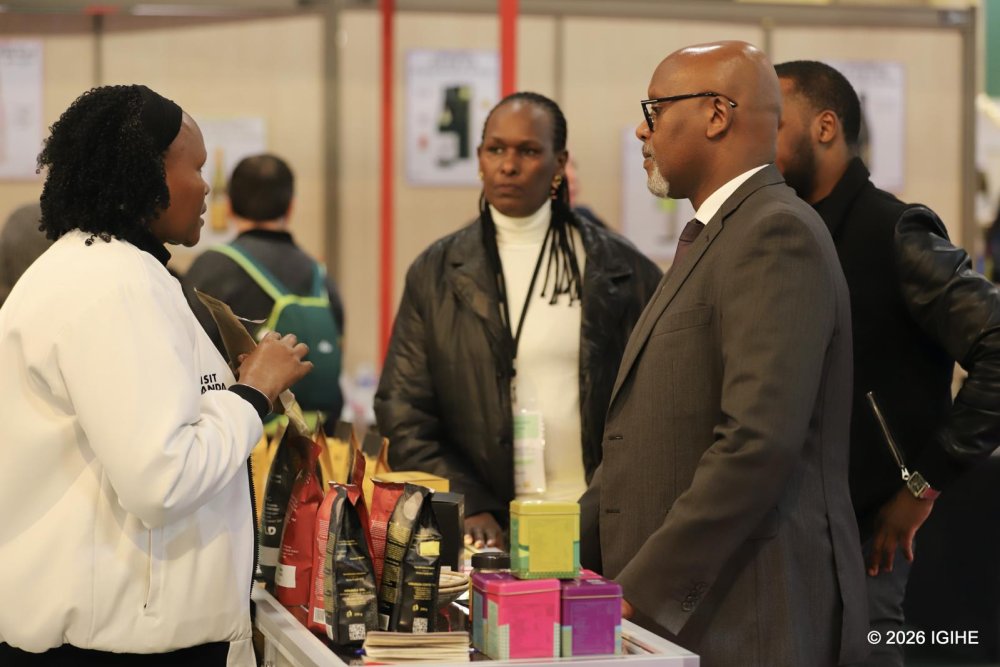
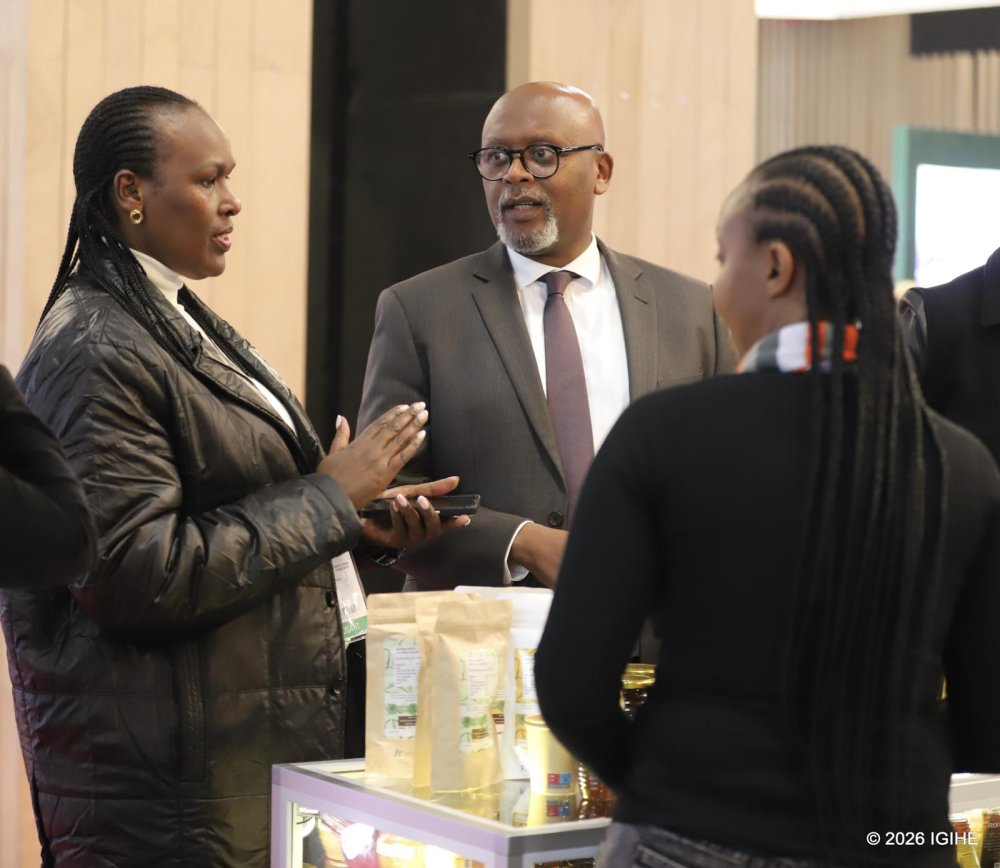
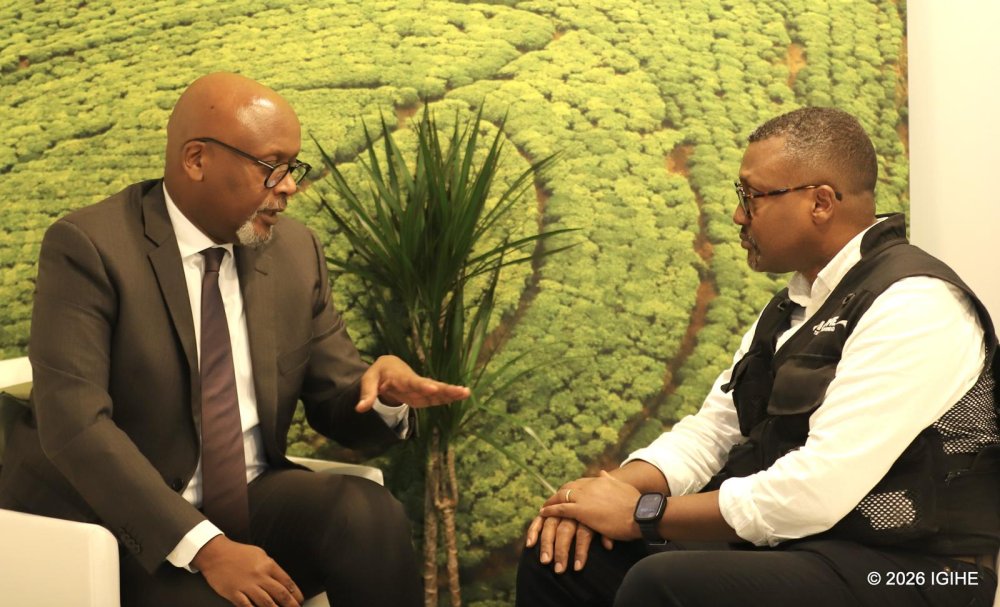
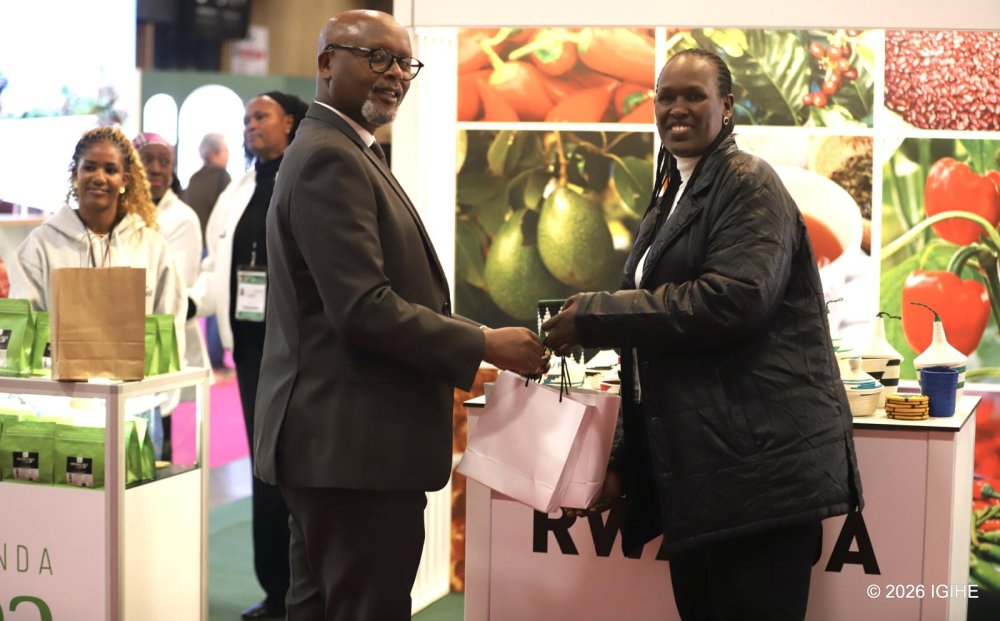
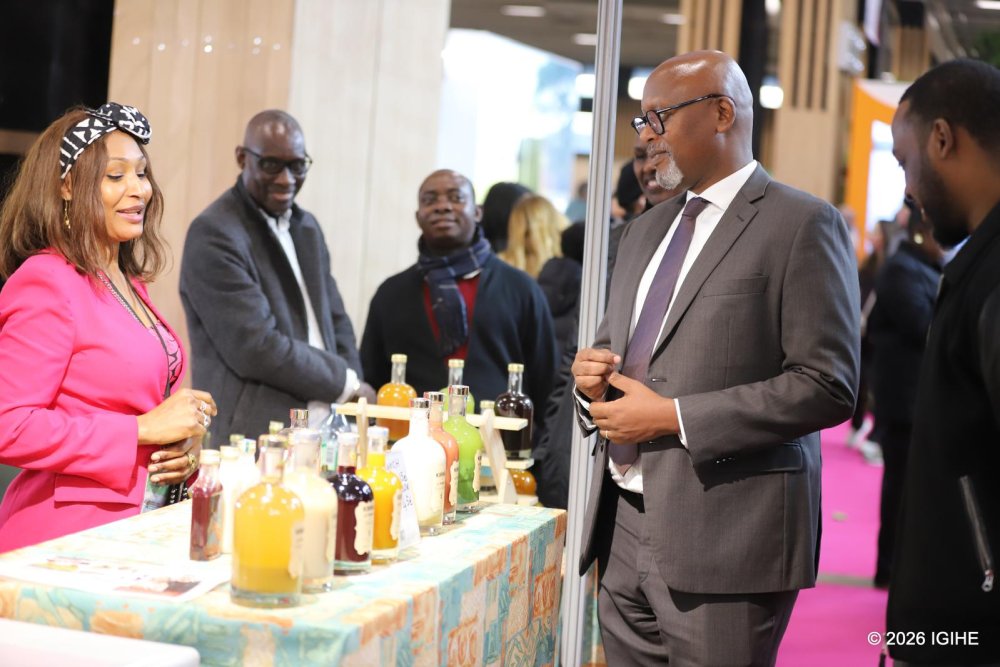
During a visit to the Rwandan pavilion, Rwanda’s Ambassador to France, François Nkulikiyimfura, emphasized the importance of strengthening trade relations with a country widely recognized for its agricultural expertise. He assured exhibitors of continued diplomatic support in accessing new markets and building sustainable partnerships.
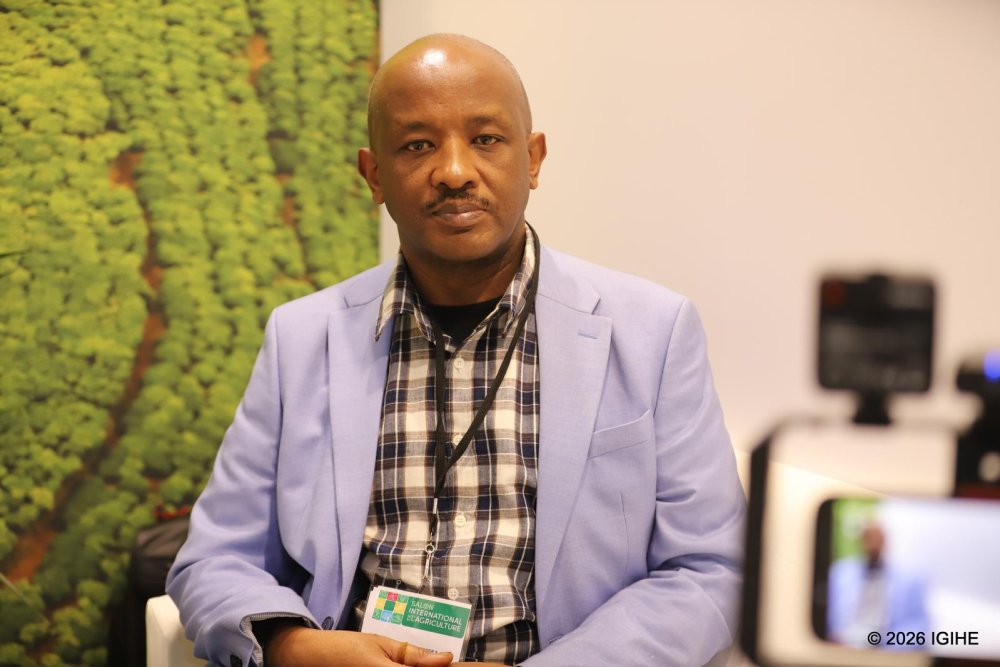
Exhibitors themselves reported encouraging outcomes from the trade fair. Ritha Umutoni, CEO of Rixu Rwanda Coffee, said participation extends beyond direct sales opportunities.
“Attending is not just about meeting buyers,” she said. “We also engage in planned activities, meeting executives from large importing and exporting companies worldwide. It’s a place to learn, visit other key markets in France, and expand our business ideas and practices.”
Umutoni also praised Rwanda’s leadership under President Paul Kagame, saying it enables Rwandans to engage confidently on international platforms.
Other exhibitors echoed similar sentiments. Stephanie Kayirangwa, Managing Director of Fita Ltd, commended NAEB for facilitating participation and the embassy for providing ongoing support.
Aloys Rubayiza, Managing Director of Rwanda Mountain Coffee, said he was impressed by the attention Rwandan products received during his first participation.
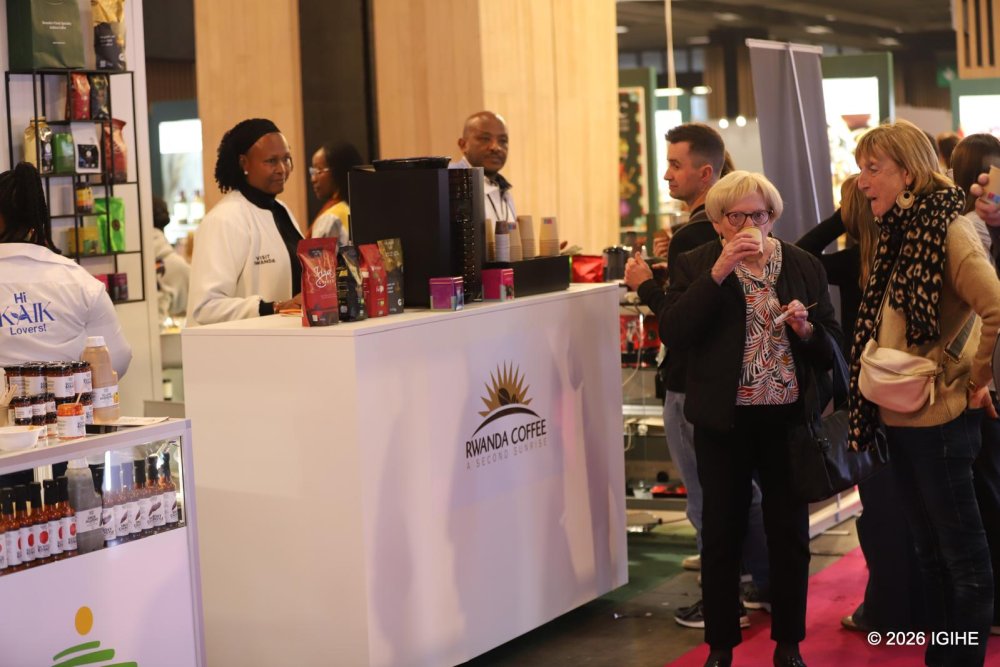
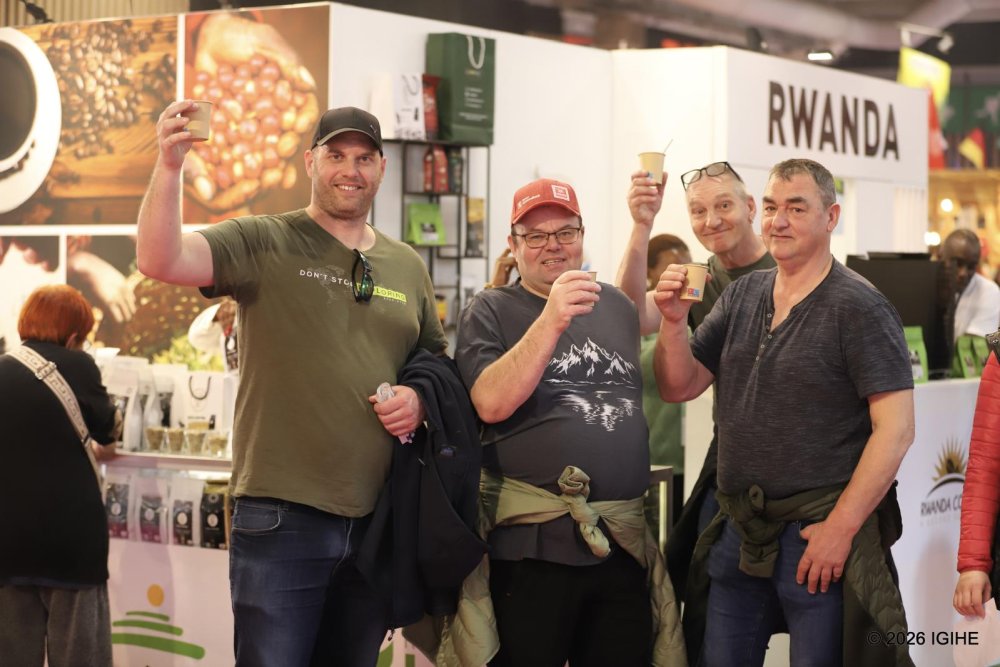
“This was Rwanda’s fifth participation, and we noticed buyers returning for Rwandan coffee and tea because they enjoyed it. It confirmed that our coffee is gaining recognition internationally,” he said.
Valentin Rwayitare, SIA Coordinator on behalf of the Rwandan Embassy in France, emphasized its role in creating opportunities to expand markets and described it as a platform to learn from best practices that can advance Rwanda’s agricultural export ambitions.
The Paris International Agricultural Show is known not only for trade and exhibitions but also for its scale and diversity. The event features agricultural technologies, value chains, and more than 4,000 animals, including cattle, sheep, pigs, and horses, reflecting the breadth of the global agriculture sector.
Rwanda’s participation aligns with broader national export ambitions. Agricultural and livestock exports remain a key driver of the country’s economy, generating more than $893.1 million in revenue by December 2025.
Under the Second National Strategy for Transformation (NST2), Rwanda aims to increase annual foreign exchange earnings from agricultural and livestock exports to $1.5 billion by 2029.
The country’s continued presence at major international trade fairs signals a sustained commitment to promoting its agricultural sector, strengthening global visibility, and positioning Rwandan products more competitively on the international market.
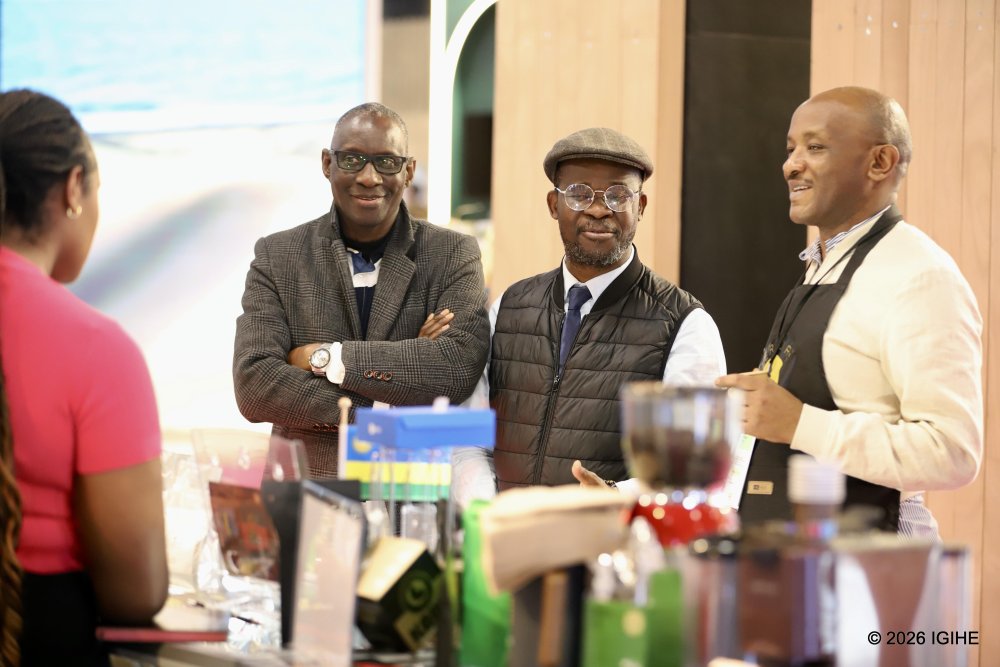
Visitors were impressed by Rwandan coffee. Rubayiza Aloys, the Managing Director of Rwanda Mountain Coffee, showcasing his products to visitors. Rwanda is participating in SIA trade fair in France for the fifth time.Rwanda’s Ambassador to France, François Nkulikiyimfura, promised support to those seeking expanded market opportunities in the country. Amb. Nkulikiyimfura speaks with Stephanie Kayirangwa, CEO of Fita Ltd, which produces chili and various flavors.Amb. Nkulikiyimfura talks with participants, including coffee exporter NzungizeRitha Umutoni, CEO of Rixu Rwanda Coffee, told IGIHE that the main reason for attending such fairs is to promote “Made in Rwanda” products.Ambassador François Nkulikiyimfura in conversation with IGIHE.Rubayiza Aloys, the Managing Director of Rwanda Mountain Coffee, welcomed the attention Rwandan exhibitors receive from foreign visitorsRwanda’s pavillion received significant attention. Rwandans were pleased with opportunities to expand markets in Europe.Swiss visitors admired Rwandan coffeeRwandans at SIA 2026 trade fair have been pleased with the available opportunities. Janet Basiima, Export Market Development and Innovation Division Manager at NAEB, said Rwanda continues to broaden market access while strengthening the global visibility of its agricultural products. The exhibition provides a valuable platform to promote innovation in agriculture and livestock development.The event takes place at Paris Expo–Porte de Versailles from late February to early March each year. Nzungize is among participants representing Rwandan companies exporting coffee.