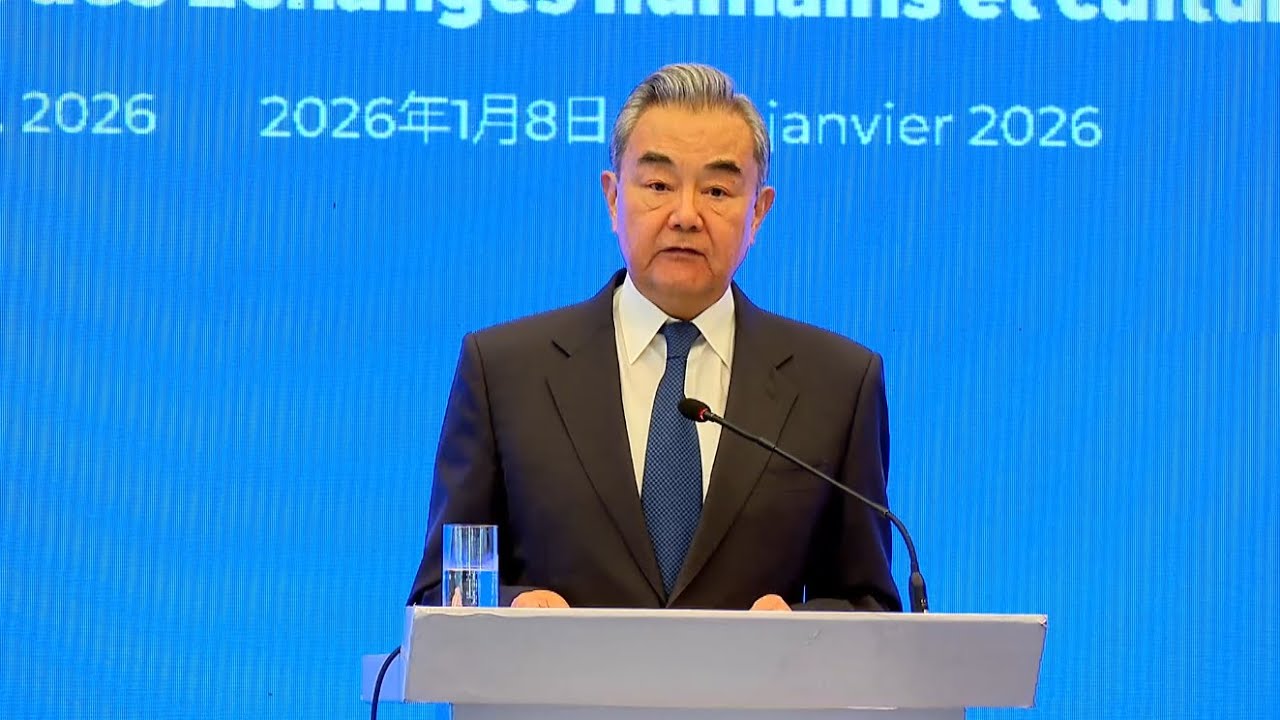
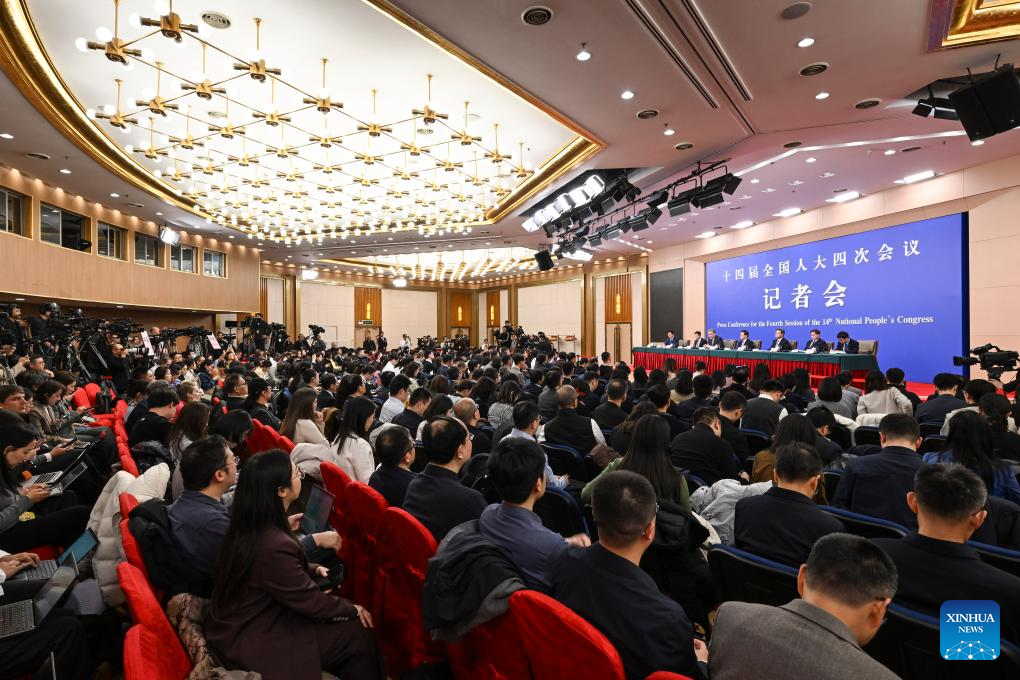
For many years, China’s foreign minister has honored a diplomatic tradition by kicking off the year with a visit to Africa. “This consistency reflects the spirit and commitment of China’s diplomacy,” Wang told a press conference on the sidelines of the fourth session of the 14th National People’s Congress.
“It’s no exaggeration to say that China-Africa friendship has been passed down from generation to generation — forged heart to heart, and built with sweat and blood,” Wang said.
Highlighting fresh steps in building a China-Africa community with a shared future, he said China will host multiple African leaders this year to strengthen mutual support as all-weather partners and to write a new chapter of a shared journey together.
Starting from May 1, China will fully implement zero-tariff access to 100 percent of chart of African imports, removing tariffs completely to boost trade, multiply benefits for the people, and help Africa access the enormous opportunities of the Chinese market, Wang said.
The China-Africa Year of People-to-People Exchanges has officially commenced, with nearly 600 activities planned throughout this year, he said, adding that China is ready to work with its African brothers to draw inspiration from their civilization heritage for a stronger bond between people and carry forward the friendship for many generations to come.
Chinese Foreign Minister Wang Yi has said that China-Africa friendship has withstood the test of changing international circumstances, demonstrating strong vitality.
At the ceremony, Secretary-General of Madagascar’s Ministry of Communication and Culture Miary Rasolofoarijaona expressed his deep gratitude for the organization of “this unprecedented festival,” held as part of activities celebrating the China-Africa Year of People-to-People Exchanges.
“The China Film Festival is a concrete illustration of the willingness to bring our hearts and minds closer together through the power of images and shared stories,” he said, adding that the festival will enable Malagasy audiences to discover the richness, modernity and depth of Chinese culture.
Chinese Ambassador to Madagascar Ji Ping said the continuous deepening of people-to-people and cultural exchanges between China and Africa carries paradigmatic significance that transcends the bilateral framework, especially in the current global context marked by divisions caused by geopolitical conflicts.
“Let us seize the opportunity of this film festival to make the cultures of our two countries shine on the global stage,” he said.
Zhang Xuxia, deputy director of the China Film Archive, said in a video address that the themes and styles of Chinese films have become increasingly diverse, while the unique charm of Malagasy films and other cultural works has been widely appreciated.
“We are convinced that Chinese and Malagasy filmmakers can inspire each other and generate new ideas, so that more works can be seen, understood and appreciated by audiences in both countries,” she said.
The 2026 China Film Festival, which runs until March 15 and features the screening of six Chinese films, is expected to strengthen mutual understanding between China and Madagascar, while promoting people-to-people and cultural exchanges between the two countries.
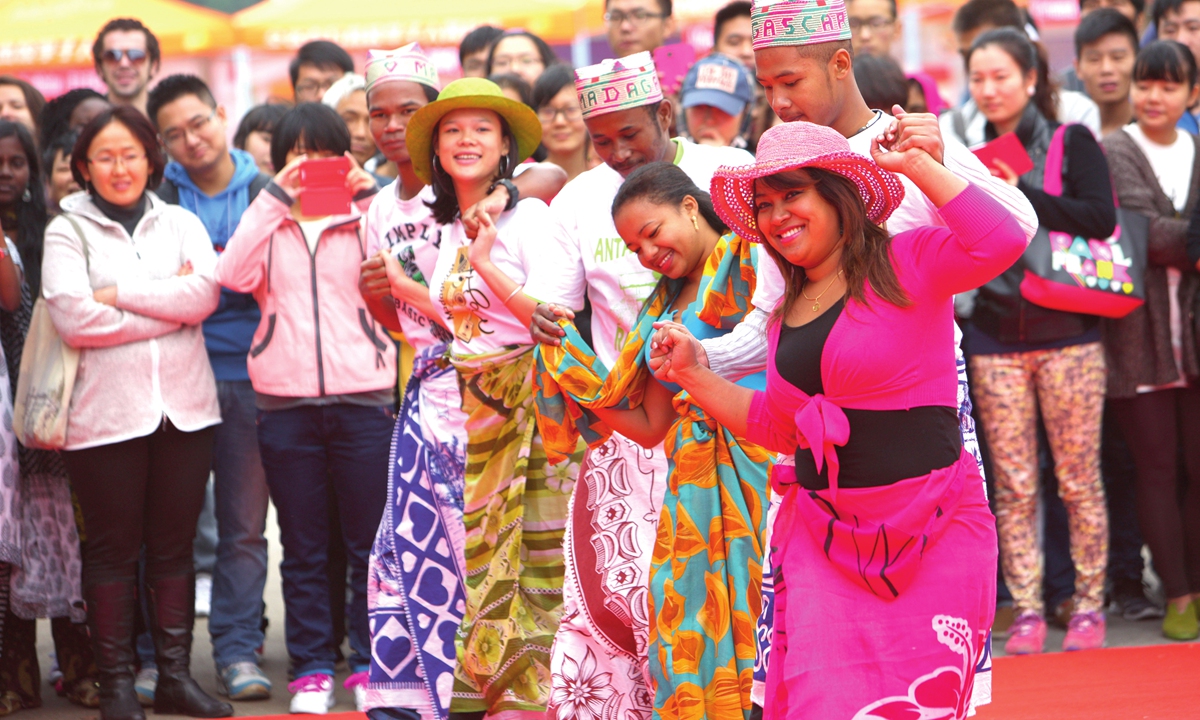
Students from Madagascar perform at a campus event in Ningbo, East China’s Zhejiang Province. File photo: VCG
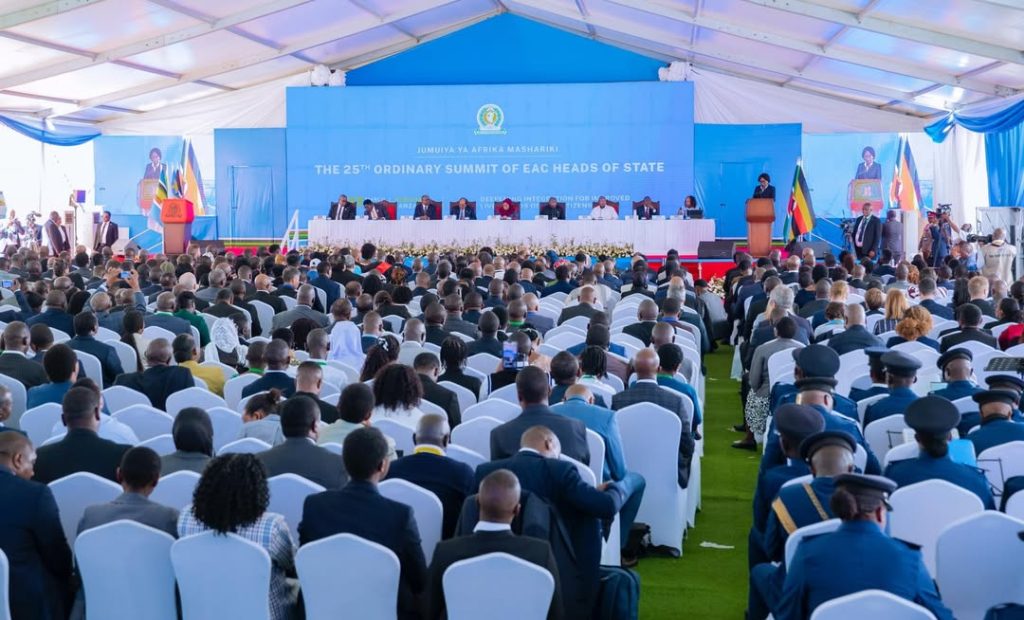
The call was made during the 25th Ordinary Summit of the EAC Heads of State, held in Arusha, Tanzania.
A communique issued late Saturday at the end of the summit said the leaders reviewed progress on the EAC-led Nairobi Peace Process aimed at restoring peace and stability in eastern DRC.
The summit welcomed the progress made so far and commended Kenyan President William Ruto for steering the implementation of regional decisions regarding the security situation in eastern DRC and coordinating the peace process, the communique said.
However, the leaders expressed concern over continued hostilities in the conflict-affected region and urged all parties involved to immediately cease fighting, according to the communique.
“The summit called on all parties to the conflict to cease hostilities and observe an immediate ceasefire while recommitting to the peaceful resolution of their differences.”
The communique said the heads of state also appealed to the African Union to provide adequate financial and logistical support to the AU-led mediation efforts to ensure the peace process proceeds effectively and reaches a sustainable conclusion.
In addition, the leaders acknowledged ongoing diplomatic efforts under the International Conference on the Great Lakes Region, led by Ugandan President Museveni, and agreed that regional initiatives should be harmonized to strengthen peacebuilding efforts in eastern DRC, it said.
According to the communique, beyond security issues, the summit reaffirmed the bloc’s commitment to accelerating regional integration in areas such as trade, infrastructure development and the movement of people and goods.
The summit, held at the Arusha International Conference Centre (AICC), brought together Heads of State and senior officials from EAC partner states to deliberate on key regional priorities
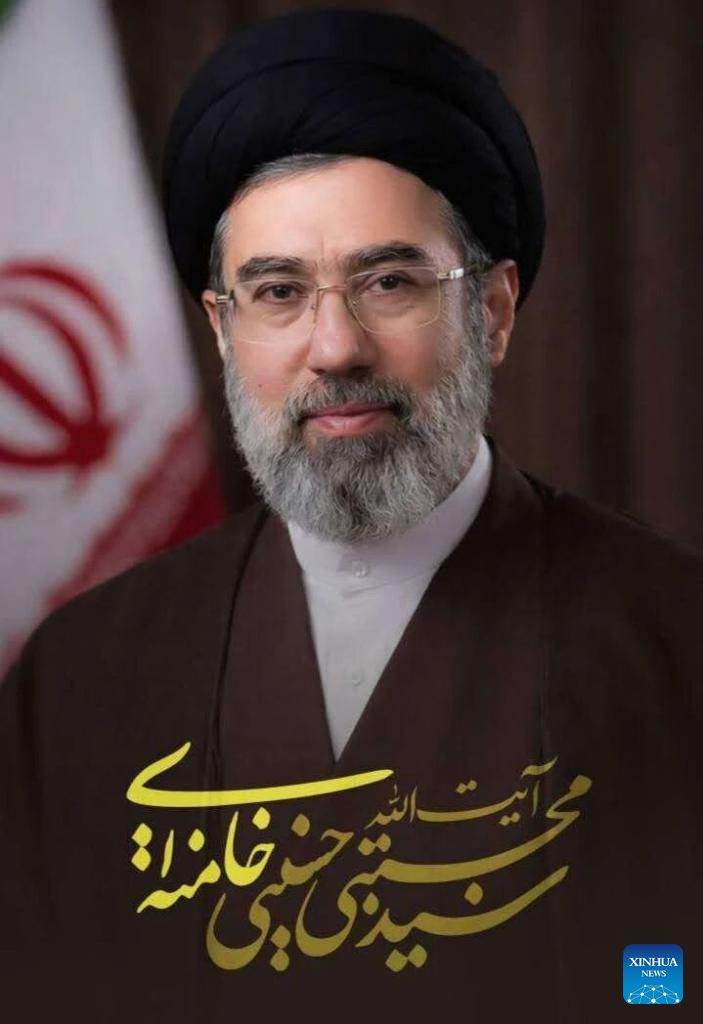
In a statement, the assembly confirmed Mojtaba Khamenei’s election as the country’s third supreme leader, citing “the decisive vote of the respected representatives” of the assembly.
“In today’s extraordinary session, Ayatollah Seyyed Mojtaba Hosseini Khamenei … is appointed and introduced as the third leader of the sacred system of the Islamic Republic of Iran,” the statement said.
Mojtaba Khamenei, born in 1969, is the son of Iran’s late Supreme Leader Ali Khamenei, who was killed in the joint U.S.-Israeli strikes.
The United States and Israel launched surprise airstrikes on Tehran and other Iranian cities on Feb. 28, killing Ali Khamenei, along with some of the leader’s family members, Iran’s senior military commanders and civilians. Iran responded through several waves of missile and drone attacks targeting Israel and U.S. assets across the Middle East.
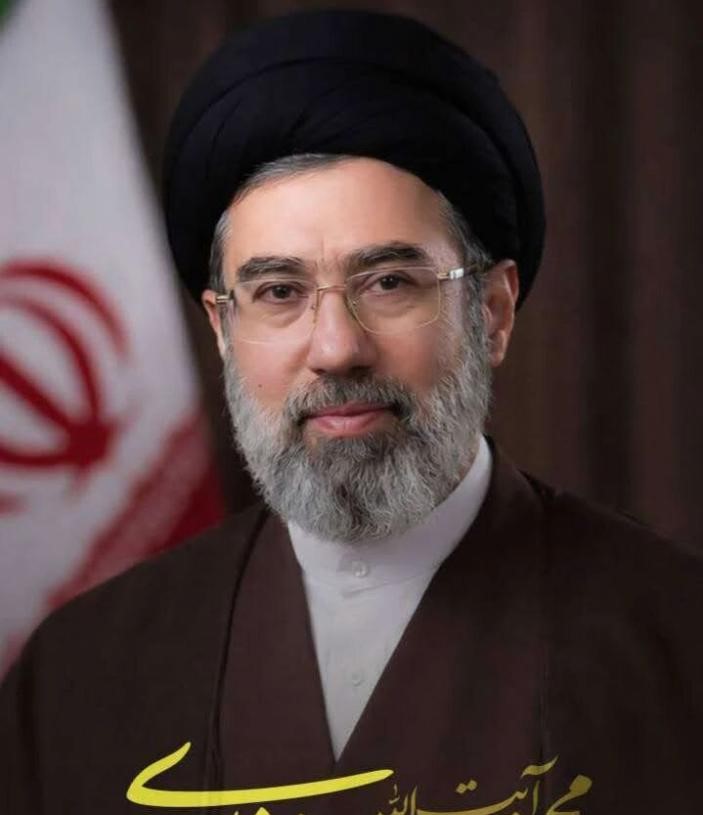
This undated file photo shows Mojtaba Khamenei, Iran’s new supreme leader. Mojtaba Khamenei, son of Ali Khamenei, was selected as Iran’s new supreme leader, Iran’s Assembly of Experts announced on Sunday.
China has set a target of 4.5 to 5 percent for gross domestic product growth this year, while pledging to strive for better results in practice, according to a government work report submitted Thursday to the country’s top legislature for deliberation.
Speaking at a press conference on the sidelines of the fourth session of the 14th National People’s Congress, Zheng Shanjie, head of the National Development and Reform Commission, noted that the country has the confidence to cope with risks and market volatility and achieve its development goals.
“More proactive and effective” macro policies will be implemented, he said, emphasizing a policy package that combines fiscal, monetary, investment, employment and consumption measures.
Stressing a strong fiscal support, Finance Minister Lan Fo’an told the press conference that China’s fiscal expenditure, new government bond issuance and central transfers to local authorities will all reach record highs this year.
Total investment in infrastructure, public services and other key areas, including power grids, computing power, education and health care, is expected to exceed 7 trillion yuan (about 1 trillion U.S. dollars) in 2026.
Expanding domestic demand remains a top priority this year, with particular focus on building a robust domestic market.
A total of 250 billion yuan in ultra-long special treasury bonds will be earmarked for consumer goods trade-in programs, with another 100 billion yuan for introducing a package of coordinated fiscal and financial policies to support private investment and consumer spending.
Meanwhile, Pan Gongsheng, governor of the People’s Bank of China, said the central bank will flexibly and effectively employ a range of policy instruments, including cuts to required reserve ratios and interest rates, to create a sound monetary environment for development.
Pan also said the country will respond firmly to external shocks amid a complex global environment, noting that authorities will closely monitor external shocks — from geopolitical tensions to financial market swings — and stand ready to contain any potential spillovers.
Balanced trade
China will promote balanced trade growth this year, stabilizing exports while sharing more opportunities in its domestic market, Minister of Commerce Wang Wentao told the press conference.
The country is already the world’s second-largest import market, and its growing middle-income group means demand still has considerable room to expand.
At a time when some countries treat markets as a bargaining chip, China is proactively opening its vast market and turning it into opportunities for cooperation, Wang said, pledging more imports of agricultural products, premium consumer goods, advanced equipment and key components.
China is currently the major trading partner for more than 160 countries and regions. Pan said China has no need or intention to seek competitive edges in foreign trade through the depreciation of its currency, adding that the yuan has strengthened against the U.S. dollar so far this year.
Senior officials at the press conference also highlighted measures to promote high-standard opening up this year.
China will expand access to its services market, including pilot programs in the telecom and biotechnology sectors, as well as in wholly foreign-owned hospitals, Wang said. Meanwhile, Wu Qing, chairman of the China Securities Regulatory Commission, said authorities will work to create a more transparent, stable and predictable market environment to better meet global investors’ demand for Chinese assets.
New engines of growth
Alongside demand-side support, China will step up efforts to shore up new industries and develop new quality productive forces this year.
Nearly 1.3 trillion yuan of fiscal funds will be allocated this year to support science and technology development, an increase of 7.1 percent from the previous year, Lan said.
Zheng said China will intensify its moves to modernize the industrial system, promoting deeper integration of technological and industrial innovation, and of advanced manufacturing and modern services, in an effort to accelerate upgrading old economic engines and fostering new drivers.
Artificial intelligence (AI) is expected to play a pivotal role as AI technology is rapidly spreading across various industries in China. The government will continue to advance its “AI Plus” initiative, Zheng said, forecasting that AI-related industries will be valued at more than 10 trillion yuan by the end of the 15th Five-Year Plan period (2026-2030).
China will also move to boost six emerging pillar industries this year, including integrated circuits, the low-altitude economy and intelligent robots. These sectors, approaching 6 trillion yuan in total value last year, are expected to surpass 10 trillion yuan in 2030, Zheng said.
High-tech manufacturing contributed 26 percent of China’s industrial growth last year, and more high-growth sectors are expected to emerge in the coming years, Zheng said, adding that several trillion-yuan-level markets are poised to take shape in the future to create new engines for high-quality development.
A press conference for the fourth session of the 14th National People’s Congress (NPC) on economy is held in Beijing, capital of China, March 6, 2026.
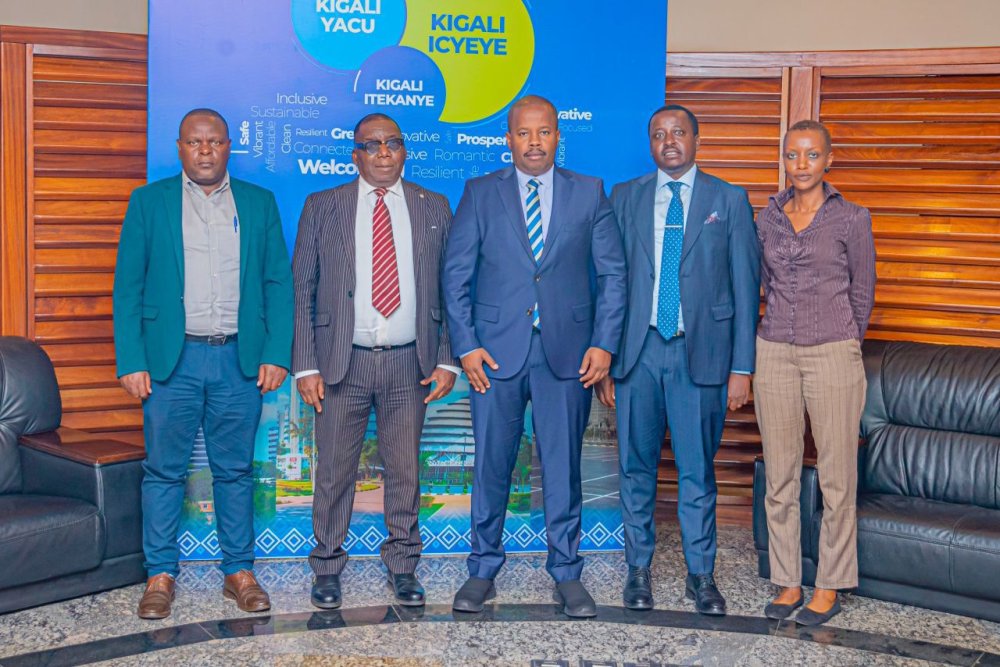
This timeline was announced following the cabinet meeting held on March 4, which greenlighted an agreement between the Government of Rwanda and Bauhaus International Rwanda Ltd, a subsidiary of Bauhaus International Incorporated, headquartered in New Jersey, United States, for the phased development of more than 3,000 housing units.
This initiative will make a major contribution to Rwanda’s urban development goals and expand access to modern, affordable housing.
Phase one development
The initial phase involves constructing 892 housing units in Gahanga Sector, Kicukiro District, Kigali. The estate will feature diverse modern residential options, including one- and two-bedroom apartments, three-bedroom apartments, and three-bedroom terraced duplex houses.
The project also incorporates a community center to offer social and recreational services for residents.
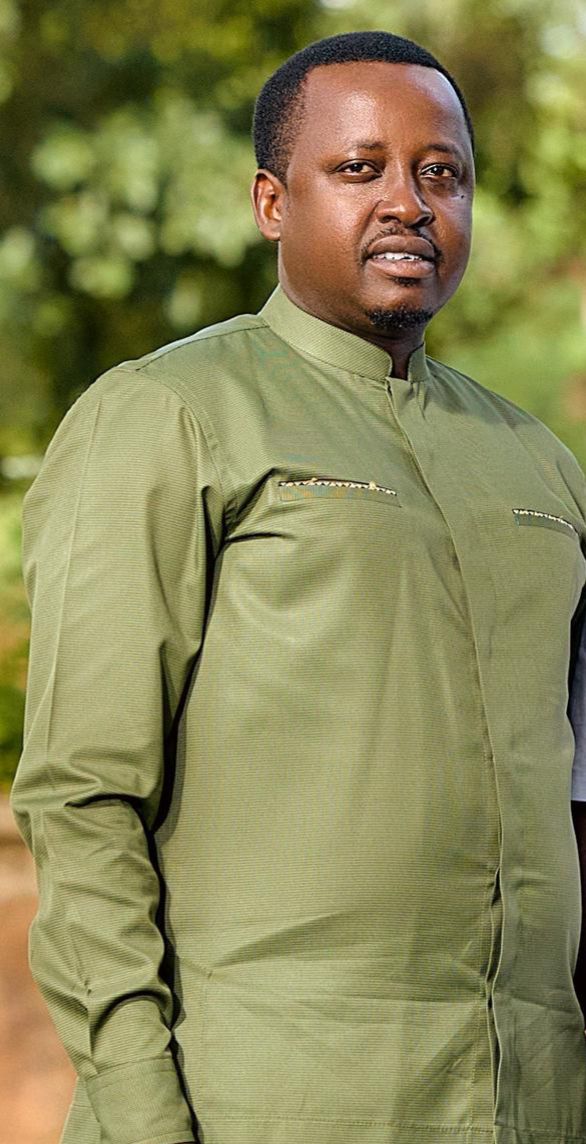
“This development represents an important contribution to Rwanda’s vision of modern, sustainable urban living. Our goal is to deliver high-quality housing while creating a vibrant community environment for residents,” said Mukiza.
The project will be implemented through a partnership framework involving key national institutions, with the City of Kigali and the Rwanda Development Board acting as project promoters, and Bauhaus International Rwanda Ltd serving as the developer.
This collaboration underscores Rwanda’s ongoing commitment to attracting international investment and forging partnerships that fast-track infrastructure and housing advancements.
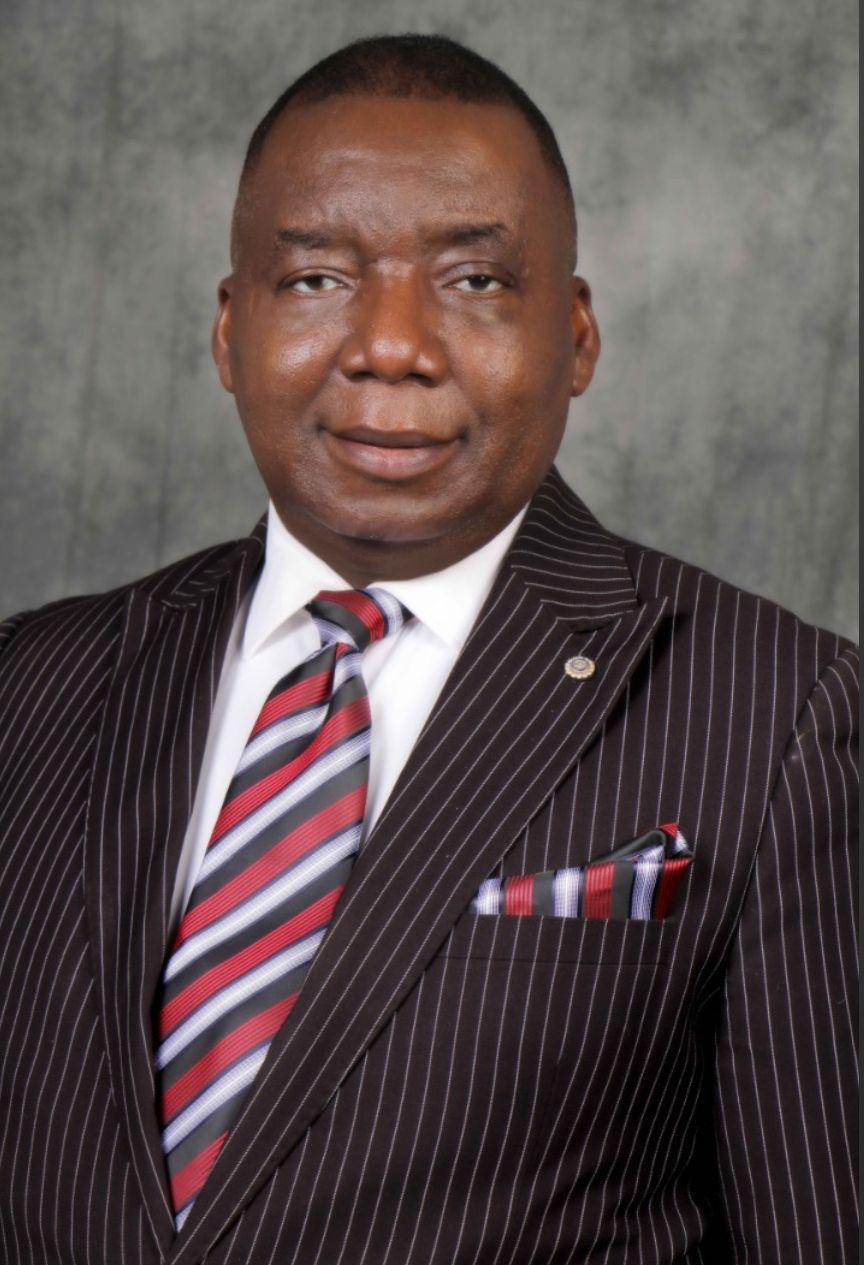
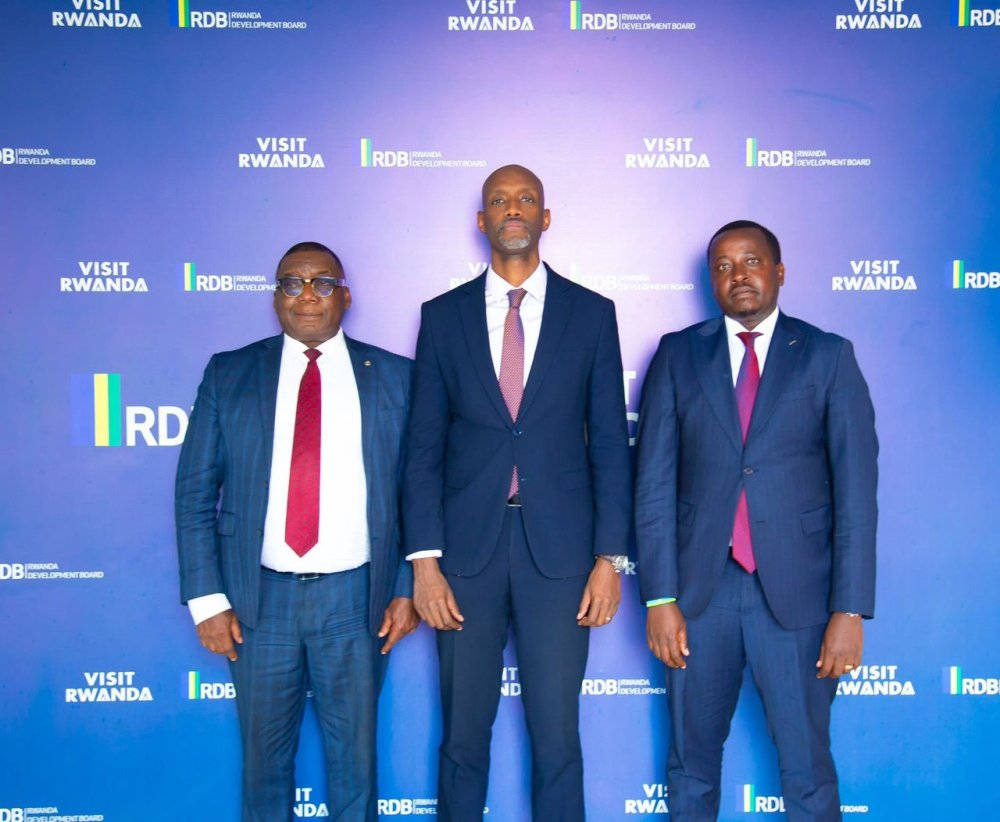
The project will be implemented through a partnership framework between the City of Kigali, the Rwanda Development Board, and Bauhaus International Rwanda Ltd serving.Dr Victor C ONUKWUGHA, the CEO of Bahaus International Ltd Richard Mukiza, Managing Director of Bauhaus International Rwanda Ltd said the project will be completed within 24 months.
“Only by going to the grassroots and staying close to the people can we understand their real needs, and every positive response from them makes all the effort worthwhile,” said Chen, who runs an agricultural company in Tianjin.
For her, fulfilling duties is not something that can be figured out sitting in a meeting room; what is needed is “walking into the hearts of the people”.
The 58-year-old has been serving as a national political adviser for two terms. A longtime advocate for people’s livelihoods, Chen has made the elderly and the children a major focus of her work over the past year.
During a visit to a nursing home last year, she found that the residents’ daily routines and meals were well taken care of.
Through conversations, she came to realize that what the elderly lacked most was not material support, but companionship. “What they want most is simply someone to sit with them and talk to them.”
The loneliness she witnessed prompted Chen to think about how to improve eldercare services. She began exploring a more integrated model that connects traditional services with social resources to offer companionship and explore AI applications in eldercare.
That same year, around Children’s Day, Chen took part in activities for children with special needs, including those with autism and physical disabilities. She was struck not only by the challenges those children face, but also by the pressures faced by their parents.
In a period of high-quality national development, special-needs children must not be left behind, and they need more attention and support from society, Chen said.
These experiences have reinforced her belief that fulfilling duties requires not just “physical presence”, but “genuine commitment”, truly keeping people’s urgent concerns and needs at heart, she said.
As a national political adviser from the Women’s Federation group and an agribusiness entrepreneur, women’s rights and development in rural areas, as well as rural vitalization, have long been her priorities.
Over the years, Chen has visited regions including the Xizang autonomous region and the Xinjiang Uygur autonomous region, and Gansu, Qinghai and Hubei provinces, establishing e-commerce platforms to help local women sell agricultural products, offering them technical training and support to engage in specialty industries such as ethnic handicraft production, and specialized planting and breeding.
With women now accounting for over 65 percent of the rural labor force, their contribution has become irreplaceable to rural vitalization, Chen said. “They are cultivators in the fields, creators of rural industries, and builders of harmonious and beautiful countryside.”
In the context of integrated agricultural, cultural, and tourism development, women are often the backbone running homestays, providing tourism services, and developing local industries. Their resilience, Chen said, makes them a key force in comprehensive rural vitalization.
To ensure sustainable development in rural areas, Chen also helped build service platforms and communication mechanisms between women entrepreneurs and agricultural science and technology experts and policymakers.
She also launched training programs, which helped create jobs for more than 200 women in villages surrounding Tianjin.
“As a CPPCC National Committee member and a woman entrepreneur, I want to convey the values of independence, resilience, and confidence,” Chen said. “When women grow stronger, they can fully demonstrate their capabilities across various sectors and contribute to national development.”
Speaking of this year’s two sessions, Chen said she will focus on using digital technology to empower rural women and improve eldercare services, as well as protecting the rights of women and children.
CPPCC National Committee members act as a bridge, bringing policies to the grassroots, and the voices from the grassroots back to the decision-making table, she said. “This is how we truly fulfill our duty to the country and our responsibility to the people.”
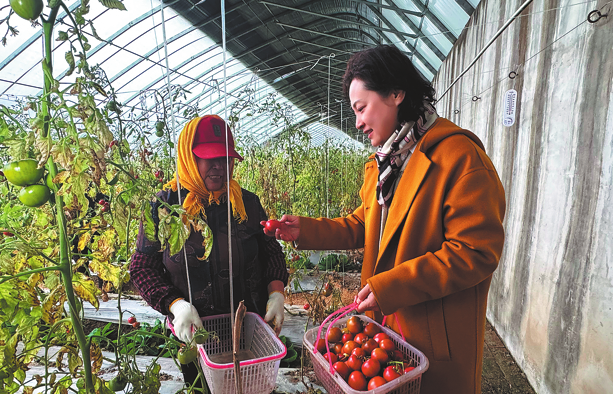
Chen Zhonghong (right) talks with a female farmer at a village in Tianjin.
Paul Ehorn recently announced the discovery of the ‘Lac La Belle’, a 217-foot luxury passenger steamer that sank during a storm in October 1872. The vessel had departed from Milwaukee heading to Grand Haven, Michigan, when it was damaged in a gale just two hours into its journey.
Eight of the 53 people on board died after a lifeboat capsized, while the remaining passengers survived.
The Great Lakes are known for their dangerous maritime history. Historians estimate that more than 6,000 shipwrecks have been documented in the region, most occurring between 1840 and 1900 when heavy traffic and severe weather often collided.
In Lake Michigan alone, about 1,500 ships are believed to have sunk. According to Brendon Baillod, president of the Wisconsin Underwater Archaeology Association, many vessels were pushed ashore by storms, while fewer, like the ‘Lac La Belle’, sank in deeper waters.
At the time of its operation, the ‘Lac La Belle’ was considered a high-quality and fast vessel, reportedly about 30 percent faster than other steamers.
It featured elegant passenger spaces including parlours and a main salon decorated with chandeliers. Alongside its passengers, the ship also transported cargo such as barley, flour, pork and whiskey along an important commercial route connected to Michigan’s railroad network.
Ehorn’s fascination with shipwrecks began at age 15 when he started scuba diving. Since 1965, he has helped locate 15 shipwrecks, including the automobile carrier Senator in 2005. His breakthrough in the search for the ‘Lac La Belle’ came in 2022 after fellow shipwreck hunter Ross Richardson uncovered a key clue. Using side-scan sonar, Ehorn detected the ship’s outline on the lakebed.
Two years later, divers documented the wreck, which remains in surprisingly good condition. Ehorn plans to share footage of the discovery at the 2026 Ghost Ships Festival in Manitowoc, Wisconsin in the United States, while continuing his lifelong search for other lost vessels.
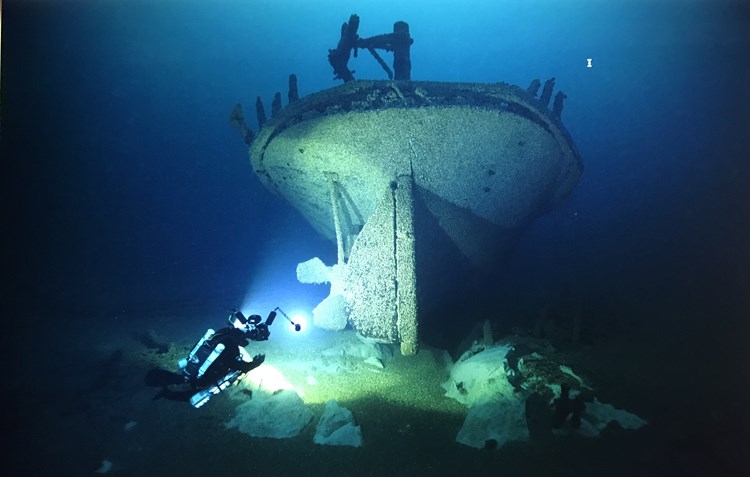
The stern of the Lac La Belle showing one of her propellers missing.This image of an original photo print provided by Brendon Baillod shows the Lac La Belle docked at Marquette, Mich., in 1866. (Brendon Baillod via AP)
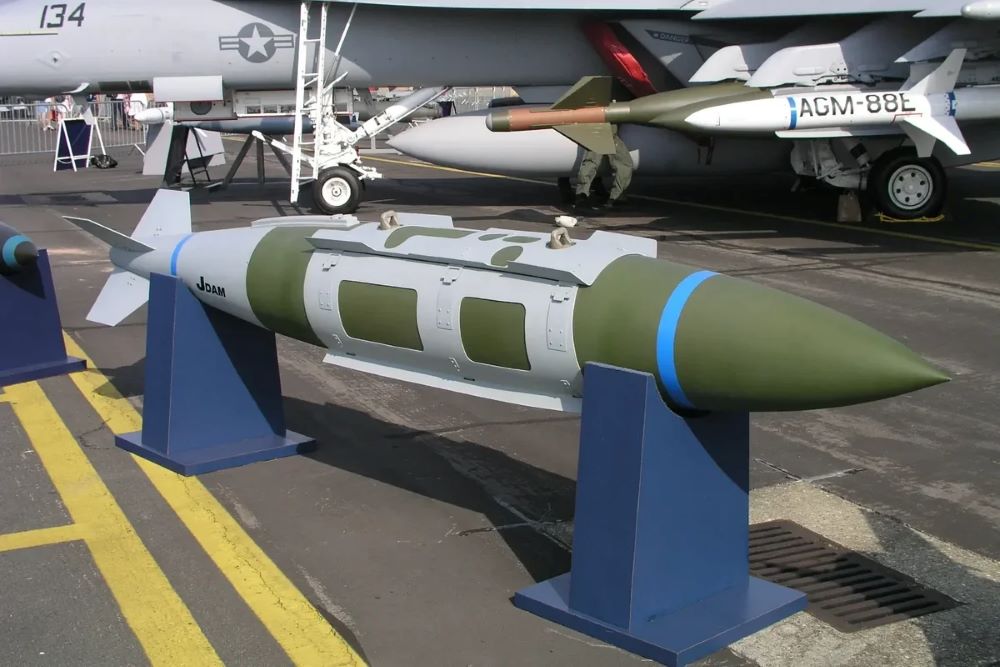
The deal is worth about 151.8 million U.S. dollars, the department said in a statement.
Israel has requested to purchase 12,000 BLU-110A/B general purpose, 1,000-pound bomb bodies, it said.
“The Secretary of State (Marco Rubio) has determined and provided detailed justification that an emergency exists that requires the immediate sale to the Government of Israel of the above defense articles and defense services is in the national security interests of the United States, thereby waiving the Congressional review requirements under Section 36(b) of the Arms Export Control Act,” it said.
“The proposed sale will improve Israel’s capability to meet current and future threats, strengthen its homeland defense, and serve as a deterrent to regional threats,” it added.
The package also includes U.S. government and contractor engineering, logistics, technical support services, and other related elements of logistics and program support, said the statement.
The United States and Israel launched massive attacks on Iran on Feb. 28, killing Iran’s Supreme Leader Ali Khamenei, multiple senior military commanders and hundreds of civilians. Iran has responded with multiple waves of missile and drone attacks targeting Israel and U.S. assets across the region.
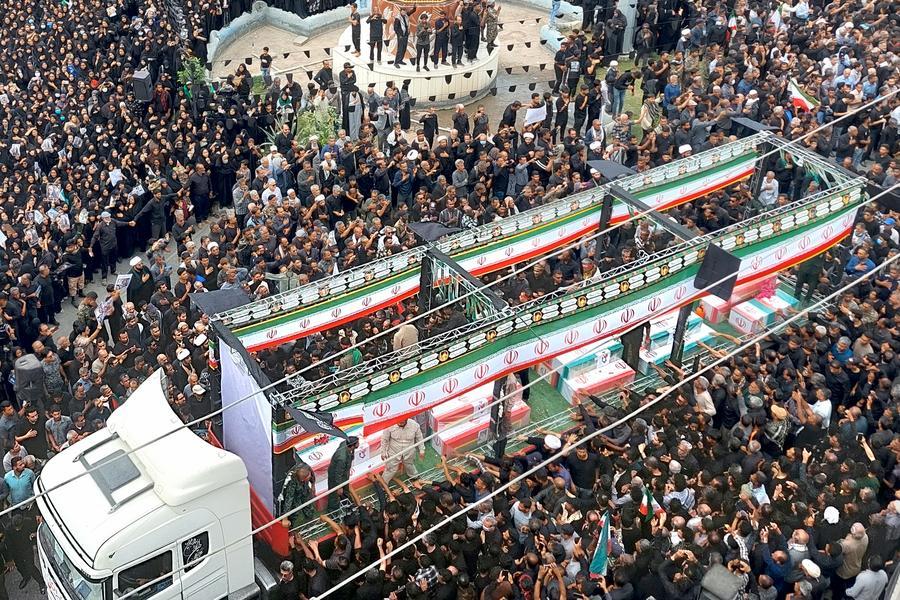
Over 180 children across the country have been killed and more than 20 schools have been damaged, Iravani told reporters at the UN headquarters in New York, quoting the Iranian Red Crescent Society.
The United States and Israel have deliberately targeted civilians and civilian infrastructure across Iran, demonstrating that they recognize “no red line in committing their crimes,” he said.
Iravani said that Iranian cities are being attacked indiscriminately, and densely populated residential areas and critical civilian infrastructure are deliberately targeted.
“These acts constitute clear war crimes and crimes against humanity,” he said.
To date, 13 healthcare facilities in the country have been attacked, and several civilian sports and recreational facilities in Tehran and other cities were deliberately targeted on Thursday, with more than 18 female athletes killed, and around 100 others injured, he said.
“Their intention is clear, to terrorize civilians, massacre innocent people, and cause maximum destruction and suffering,” the ambassador said.
Their claims that they have targeted only military objectives are baseless, he said.
Noting that Iran will continue to exercise its inherent right to self-defense under Article 51 of the UN Charter until the aggression stops, Iravani said Iran’s response is “lawful, necessary, and proportionate,” and it targets only the military objectives of the aggressors.
Iravani stressed that “Iran does not seek war,” but Iran “will never surrender its sovereignty” and “will take all necessary measures to defend our people, our territory, and our independence.”
On U.S. President Donald Trump’s remarks on the election of a new supreme leader in Iran, Iravani said those constitute “a clear violation of the principles of non-interference in the internal affairs of states enshrined in the Charter of the United Nations,” vowing that Iran “does not accept and will never allow any foreign power to interfere in its internal affairs.”
The Iranian ambassador called on all UN member states to condemn “this aggression, war crimes,” and stop the aggression that poses a serious threat to regional and international peace and security.
“The Security Council must act now, firmly, clearly, and without delay,” he urged.
Citizens gather for a mass funeral ceremony for students and staff members killed in a U.S.-Israeli attack on a school in Minab, Iran’s southern province of Hormozgan, March 3, 2026.