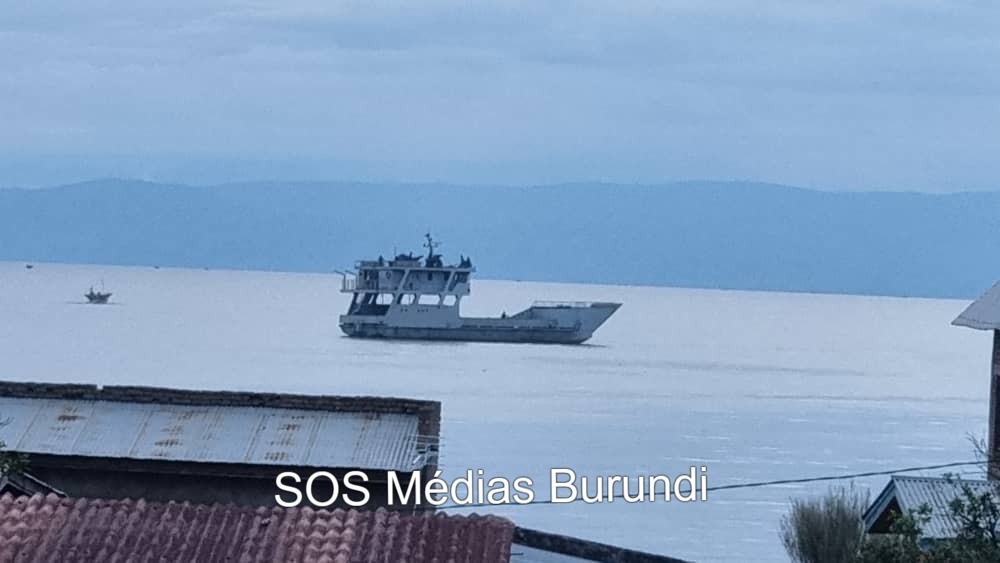
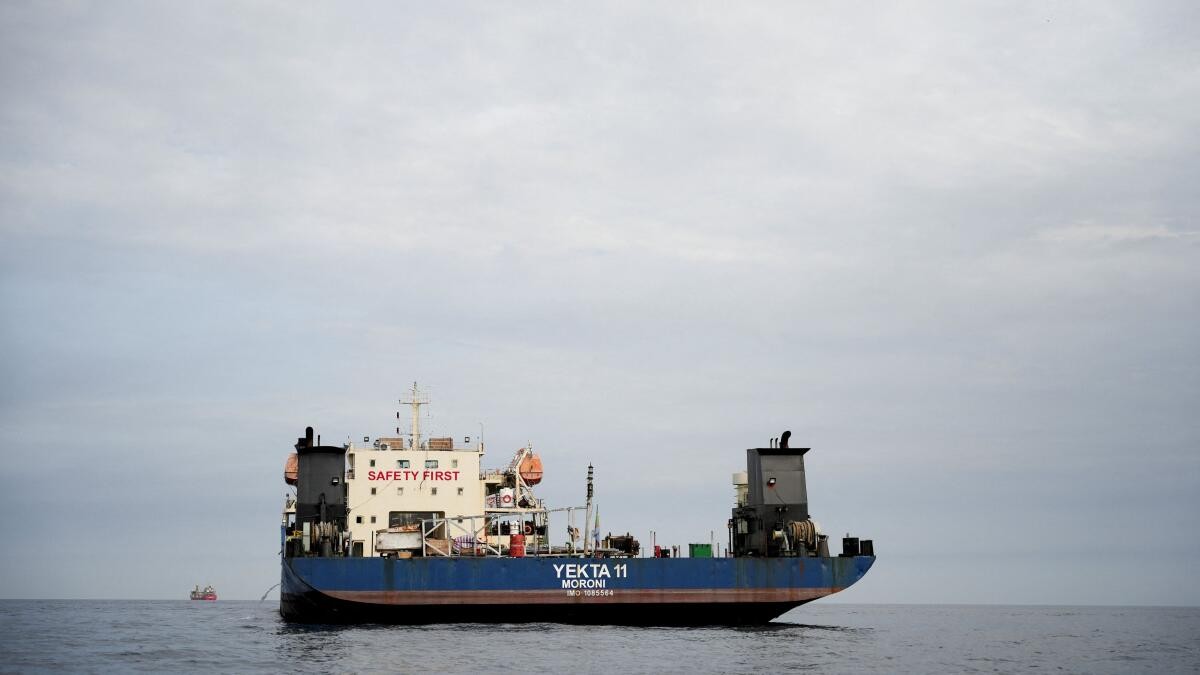
According to SOS Médias, on the evening of April 14, 2026, a large Burundian military vessel was seen at Rumonge port on Lake Tanganyika, carrying soldiers and military equipment.
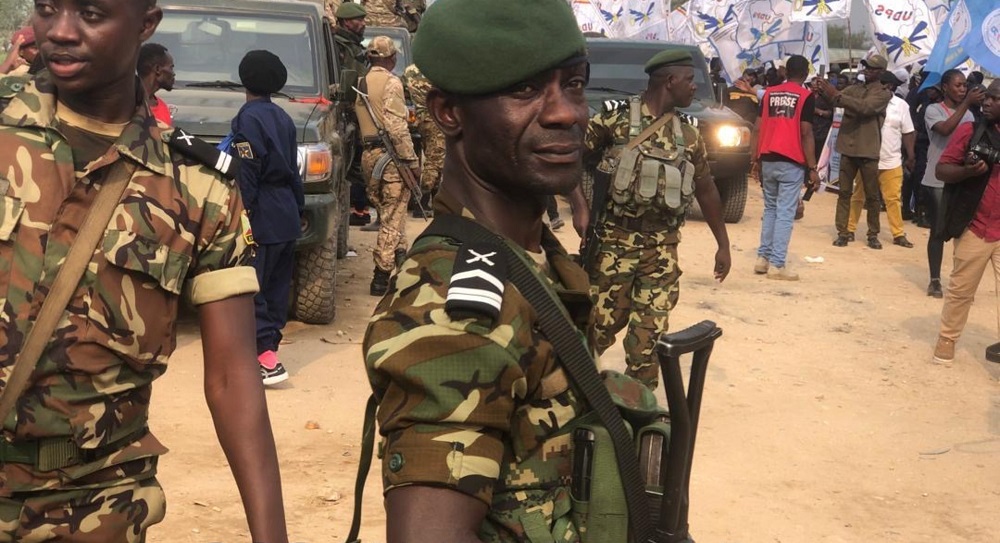
The vessel continued its journey to the town of Baraka in Fizi Territory, South Kivu. The deployed troops are expected to be sent to frontline areas including Gakenke, Mikenke, Kalingi, and Mulima.
Reports indicate that Burundian forces, together with DRC government troops and Wazalendo militia groups, are planning an offensive aimed at capturing Minembwe commune, a strategic area currently controlled by Twirwaneho, a group formed to protect the Banyamulenge community.
By early December 2025, Burundi reportedly had more than 20,000 troops in South Kivu. Some of these forces were withdrawn after the AFC/M23 coalition took control of several areas in Uvira Territory, including Uvira town.
Sources in South Kivu say that after months of regrouping, the Burundian government has recently resumed military deployments to the front lines in an effort to retake previously lost positions and capture new areas.
The AFC/M23 alliance has claimed that DRC forces, Burundian troops, Wazalendo fighters, FDLR elements, and mercenaries have continued launching attacks in several parts of South Kivu, including Gakenke, Kalingi, and Bidegu.
The group says these operations are aimed at disrupting ongoing peace talks taking place in Switzerland since April 13, accusing the DRC government of preferring military escalation over dialogue.
AFC/M23 maintains that it seeks a political solution to its conflict with the DRC government, but insists it will continue to defend itself and protect civilians if attacks persist.
According to SOS Médias, on the evening of April 14, 2026, a large Burundian military vessel was seen at Rumonge port on Lake Tanganyika, carrying soldiers and military equipment. Sources in South Kivu say that after months of regrouping, the Burundian government has recently resumed military deployments to the front lines in an effort to retake previously lost positions and capture new areas.
Pope Leo XIV began his African tour on April 13, starting in Algeria before concluding his visit there on April 14, 2026.
In Cameroon, the Pope is expected to focus on key themes including peace, coexistence, youth development, and holistic human development—covering economic, social, spiritual, and physical dimensions of life.
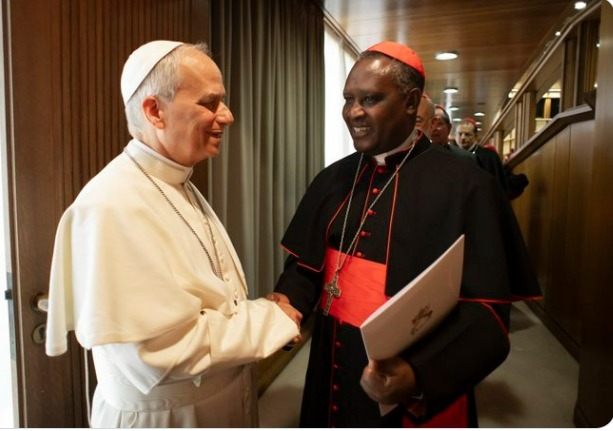
Antoine Kambanda was elevated to Cardinal on November 28, 2020, by Pope Francis.
Since then, the Vatican has appointed him as a member of the Dicastery for Evangelization and the Dicastery for Culture and Education in the Catholic Church.
Cardinals who accompany the Pope on his apostolic journeys are often those whose responsibilities align with the main themes of the visit.
During the wider African tour, Pope Leo XIV is also expected to focus on youth development, human progress, and the impact of corruption and colonial legacy in Angola.
In Equatorial Guinea, the Pope will emphasize education, culture, and the role of the Church in promoting peace.
A significant number of African Cardinals are part of the delegation accompanying Pope Leo XIV on this tour.
The Catholic Church has increasingly appointed African Cardinals to senior global roles, as part of efforts to strengthen the Church’s presence on a continent where more than 20% of its faithful live.
Cardinal Kambanda is among clergy accompanying Pope Leo XIV in Cameroon.
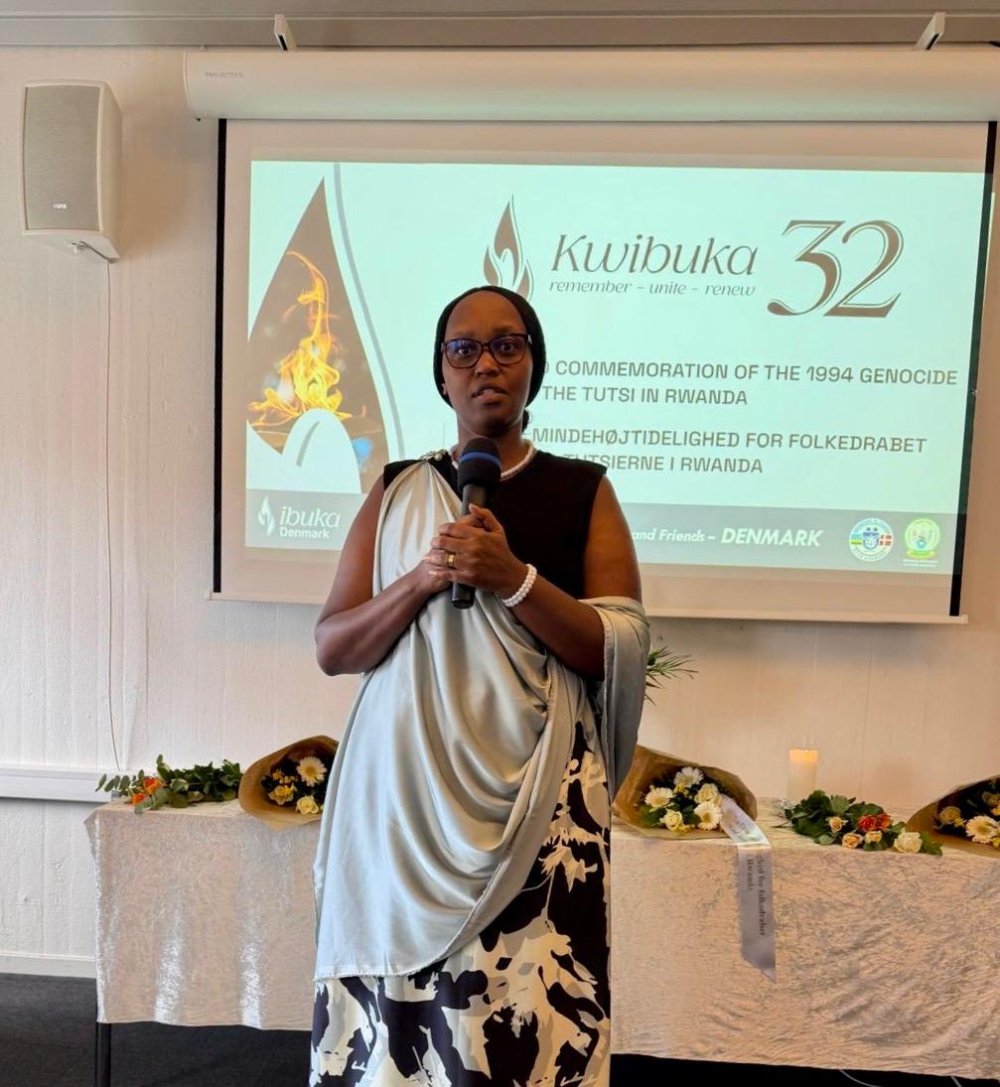
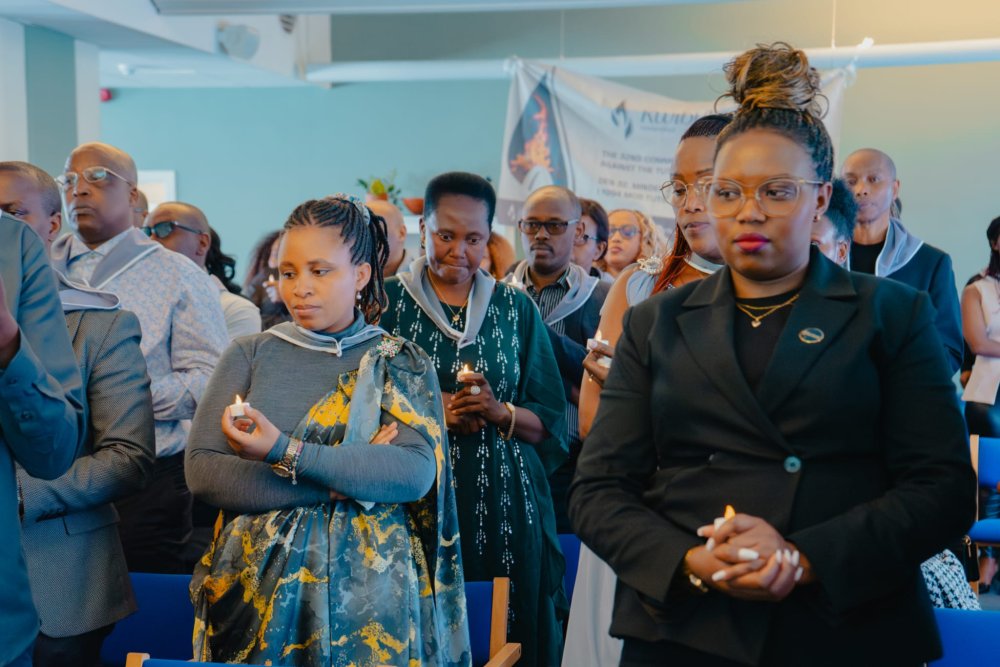
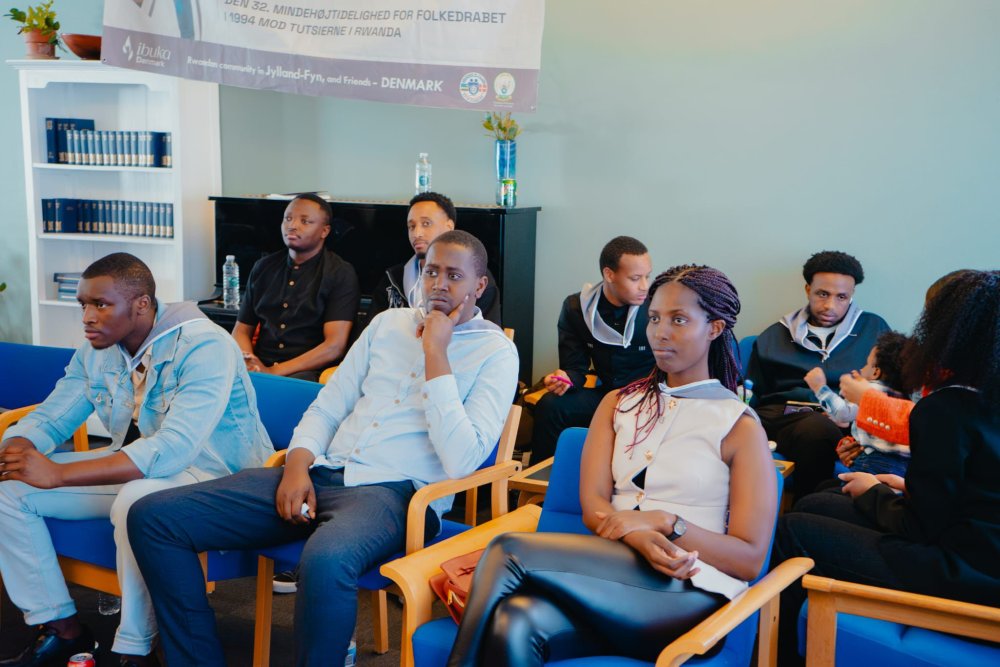
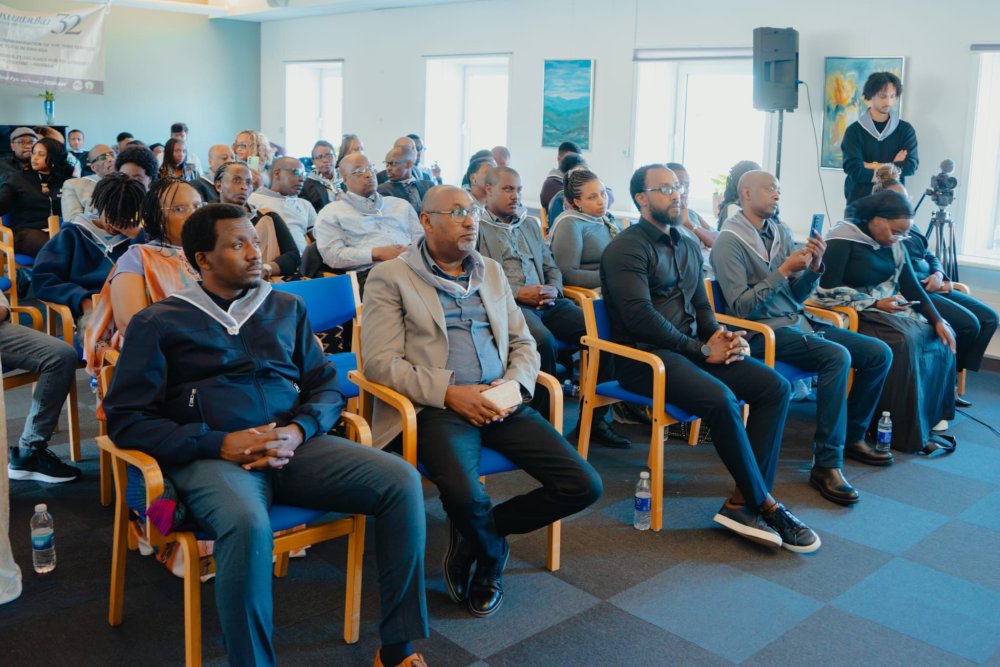
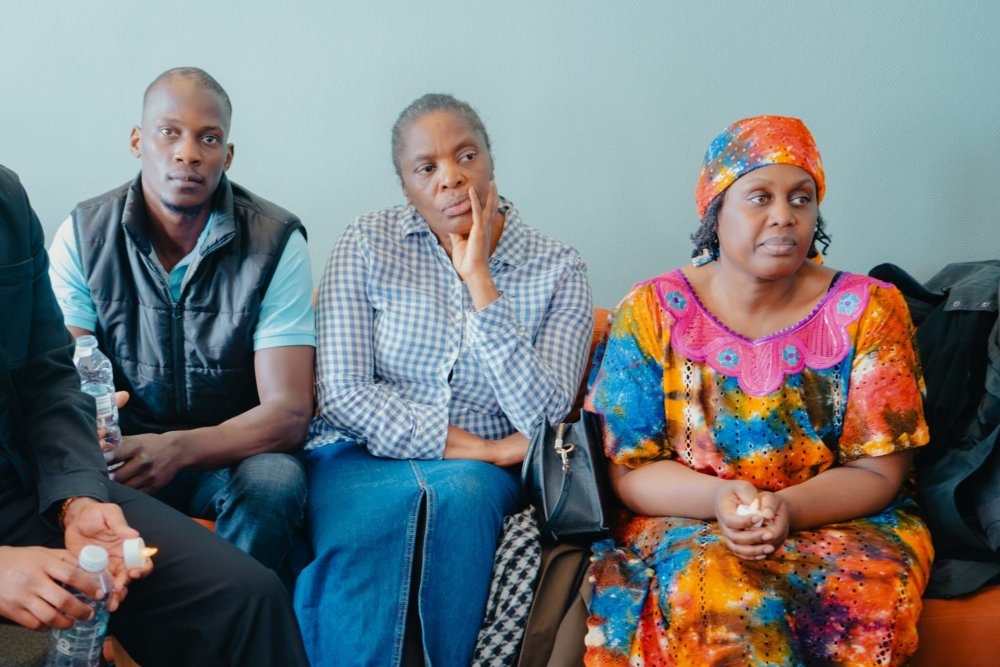
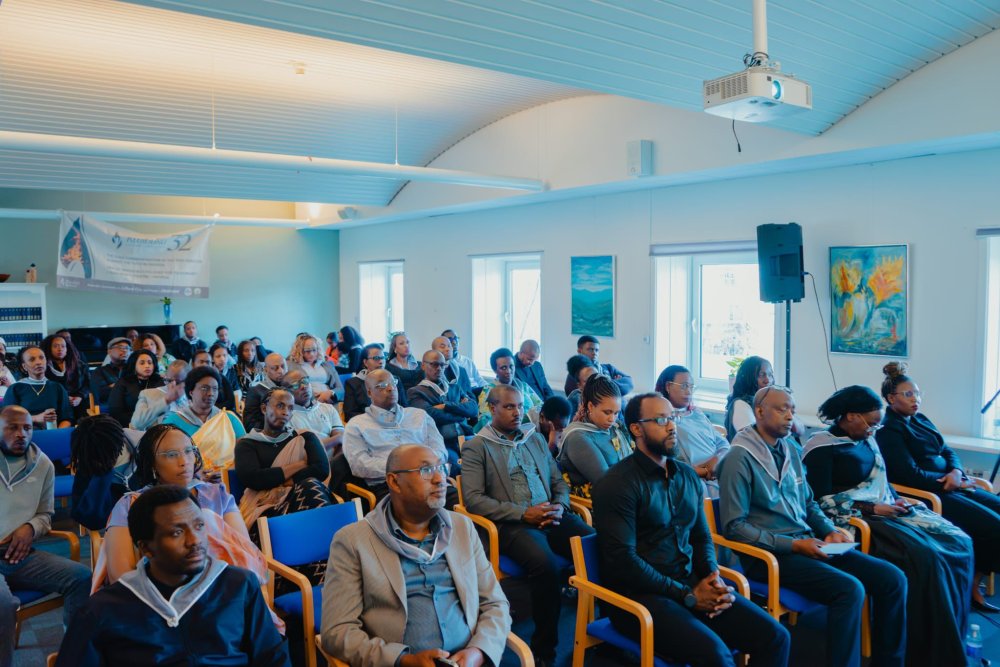
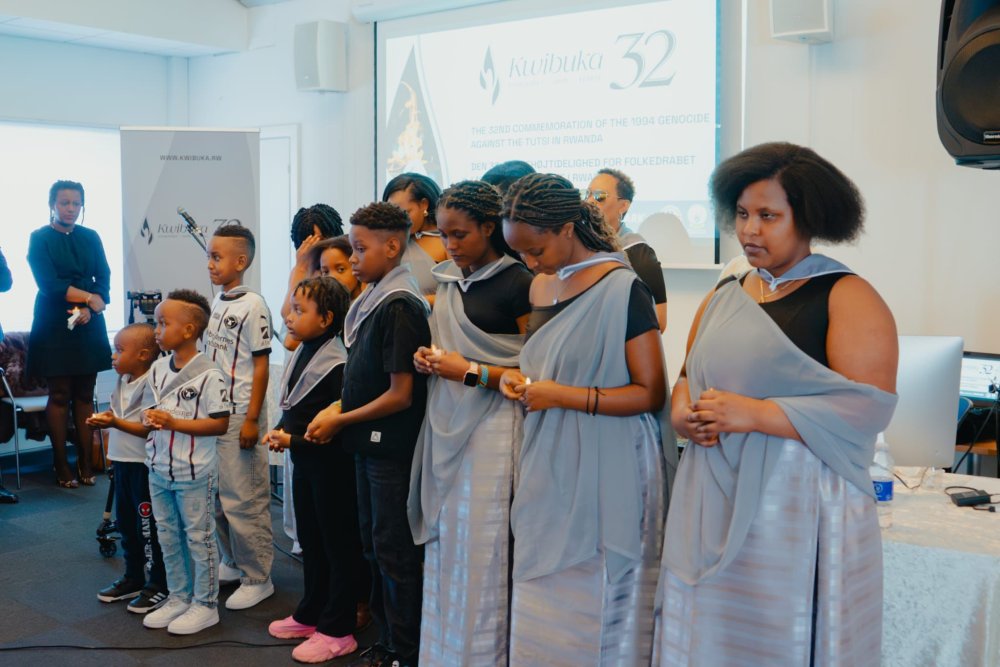
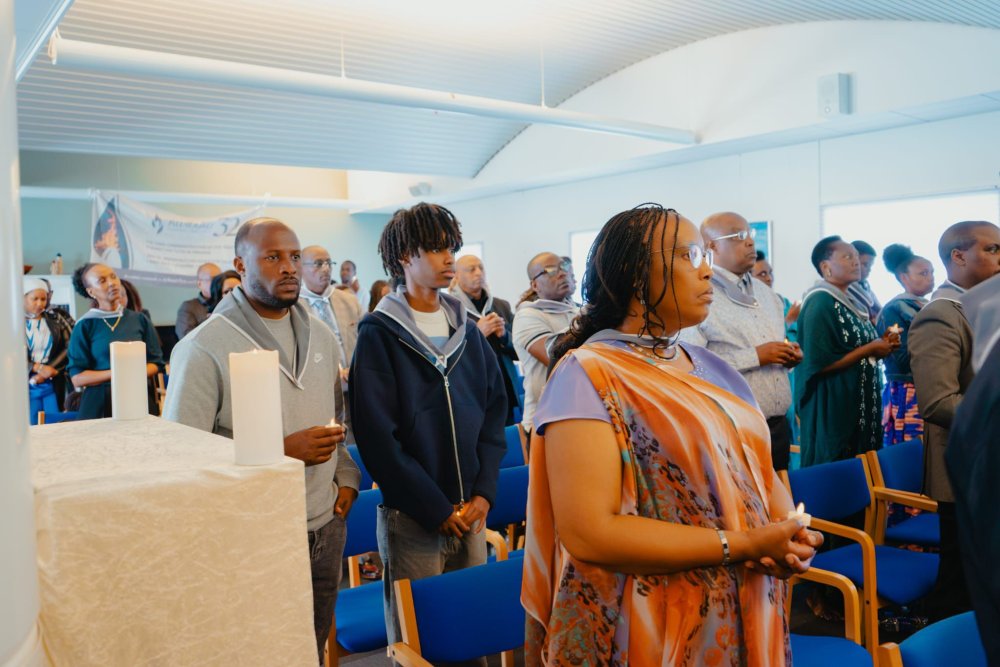
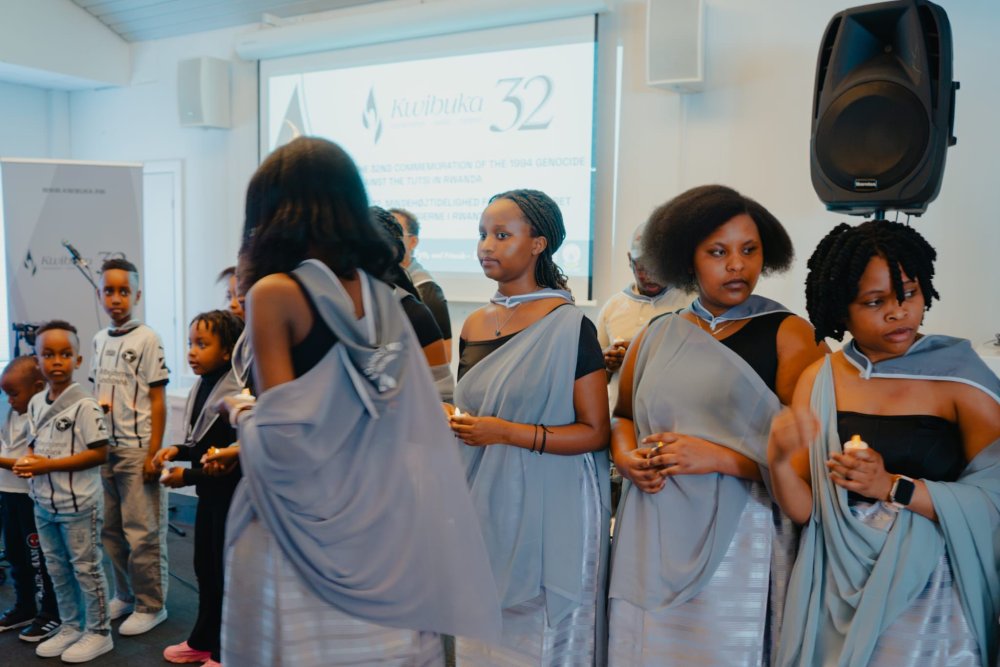
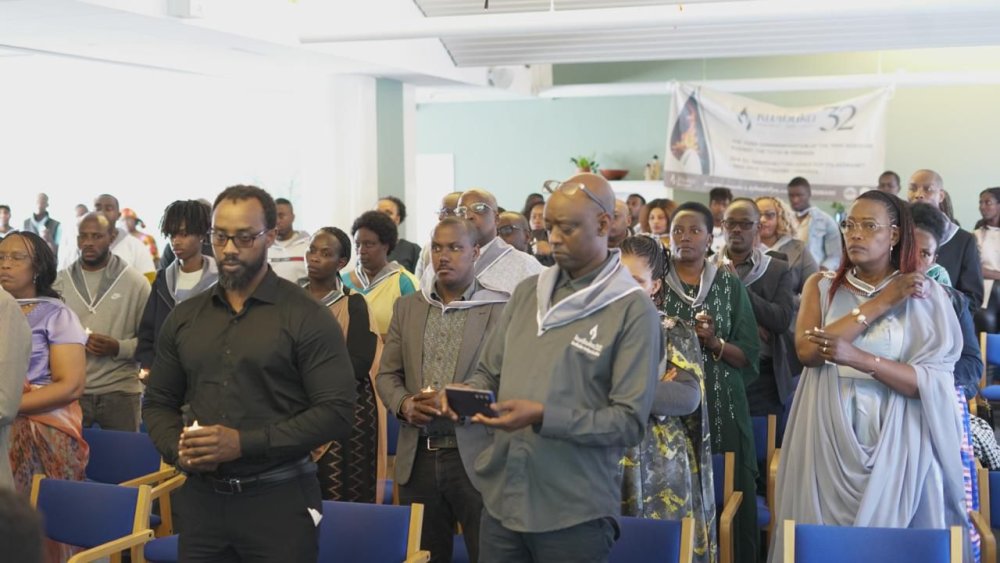
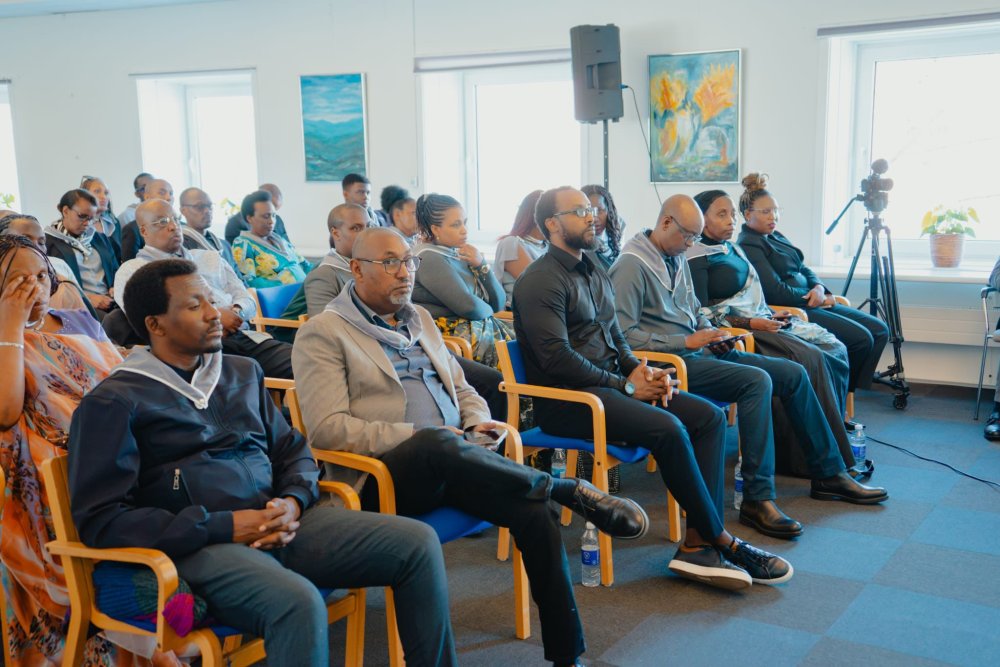
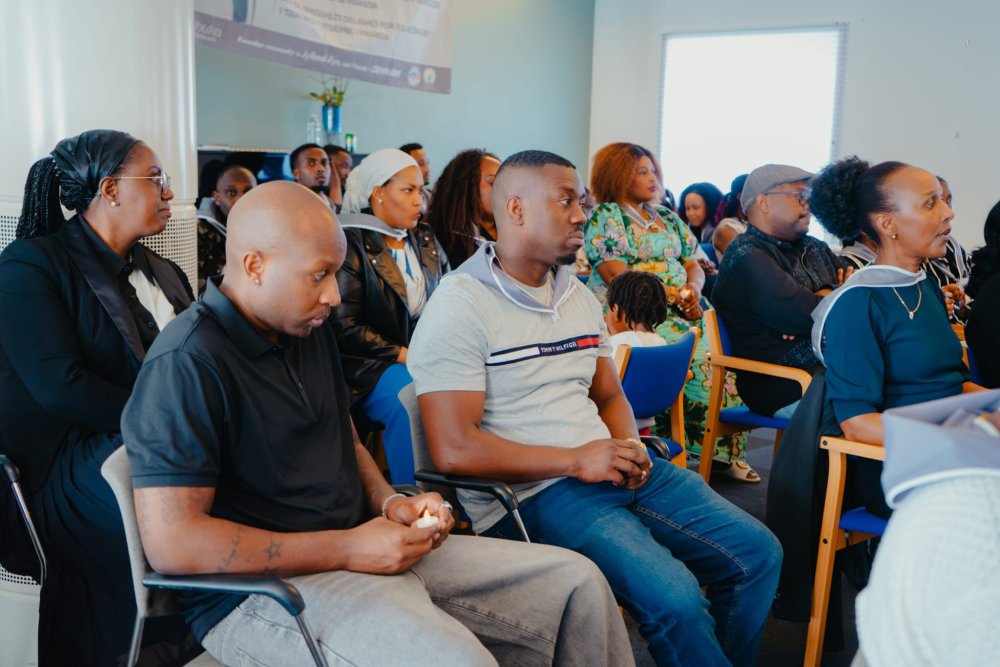
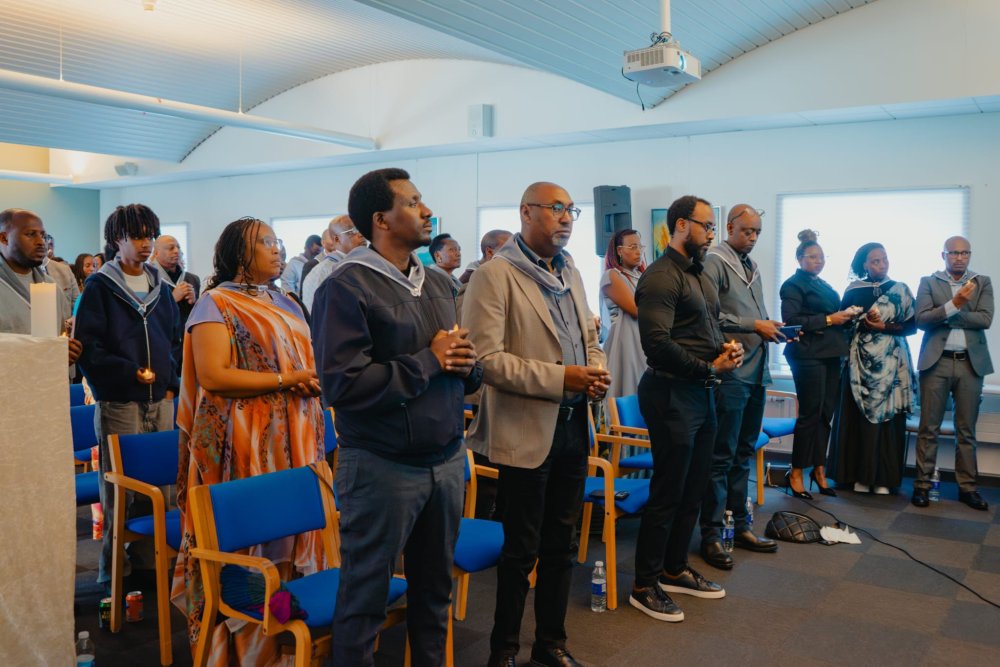
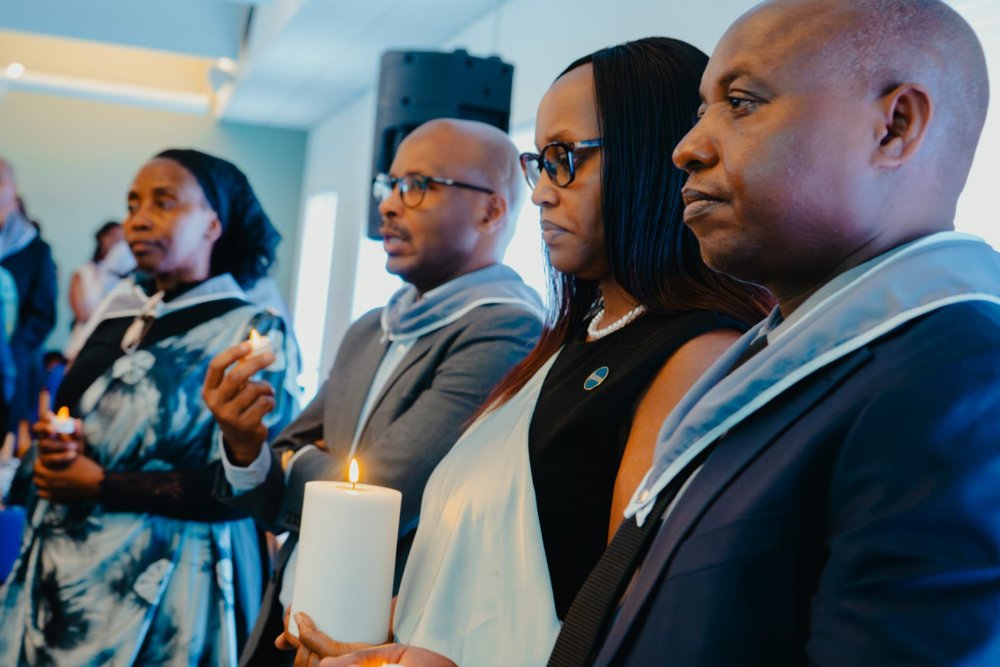
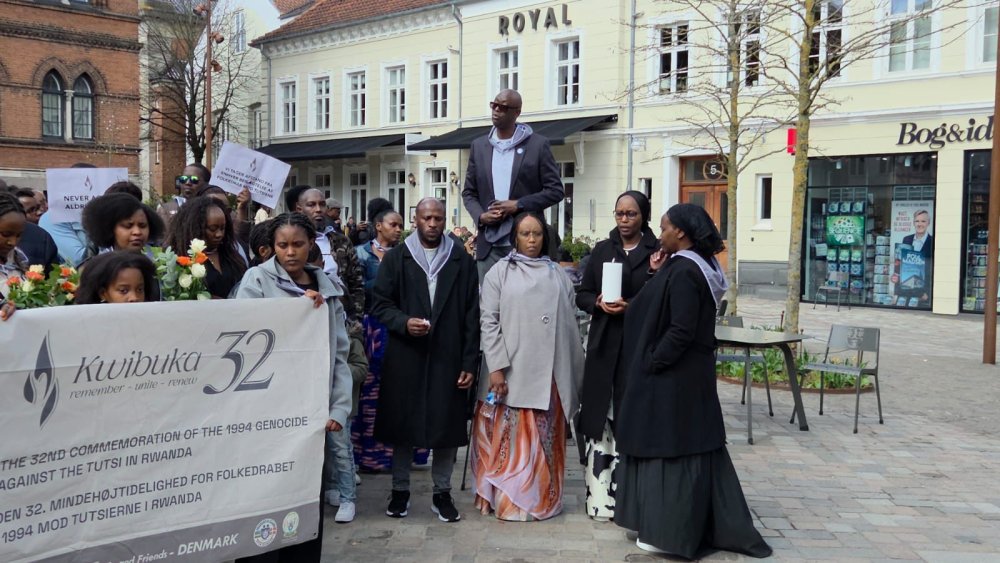
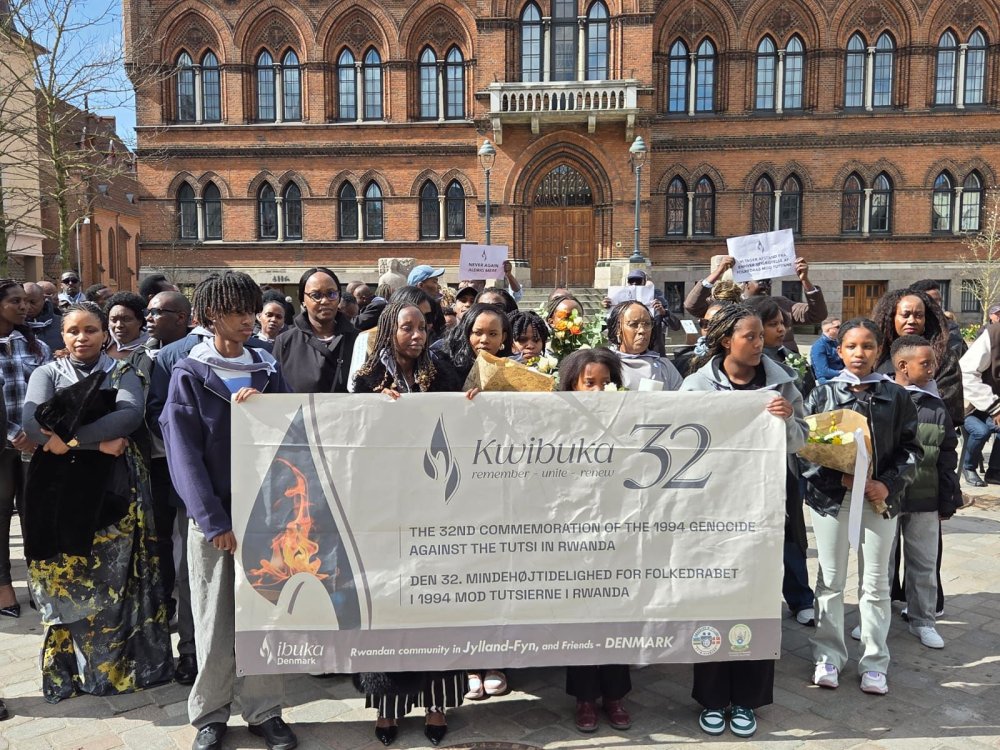
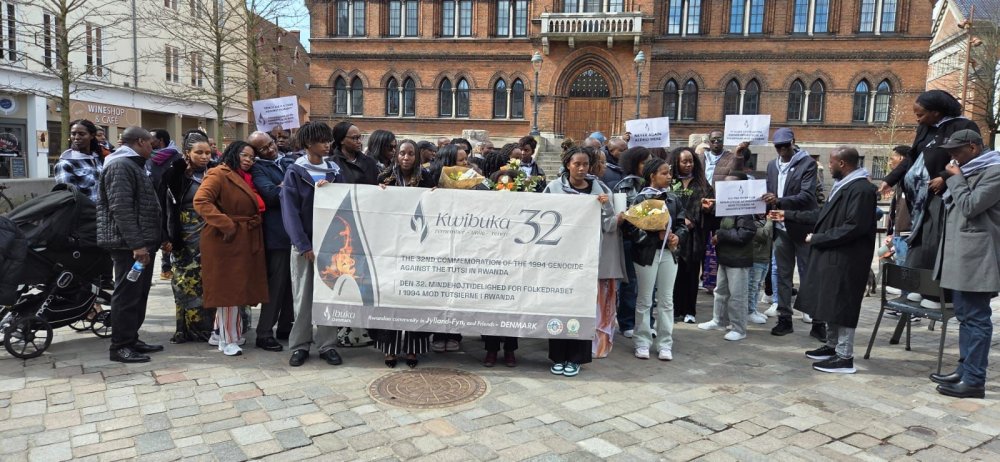
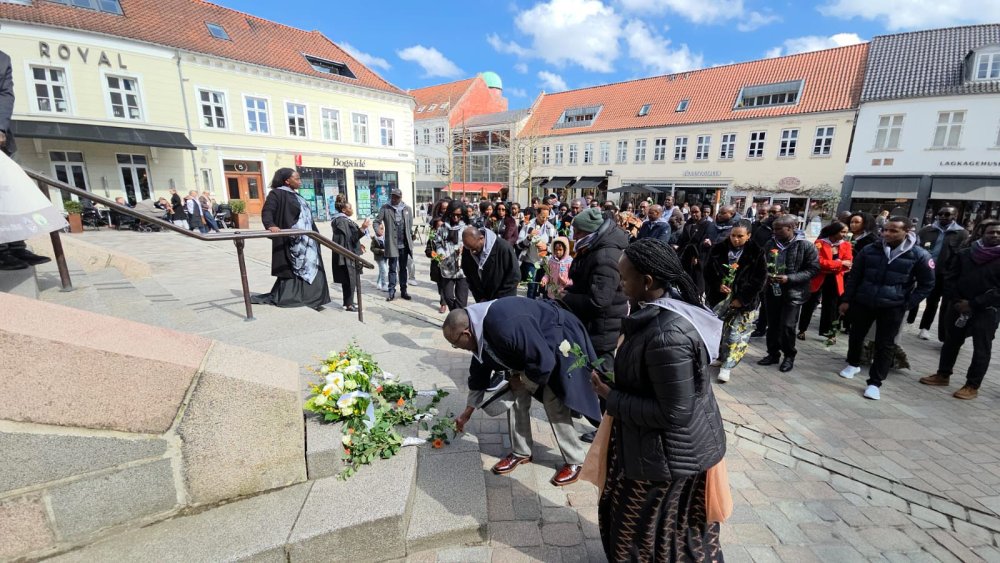
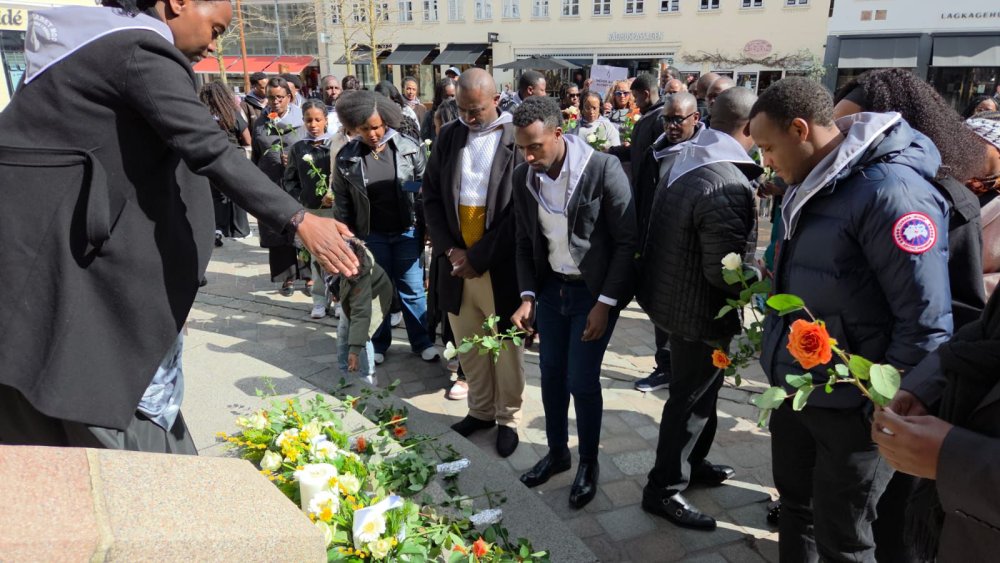
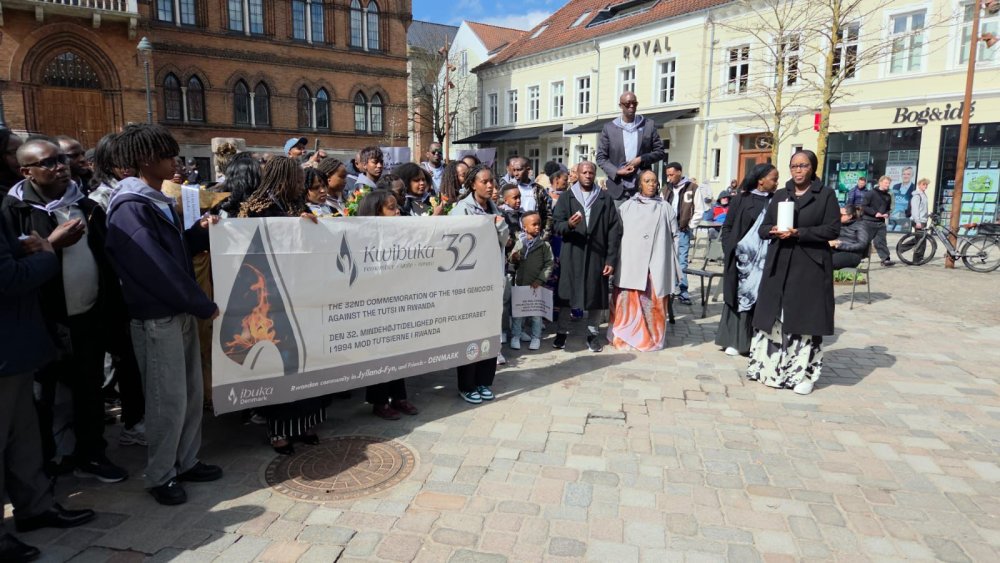
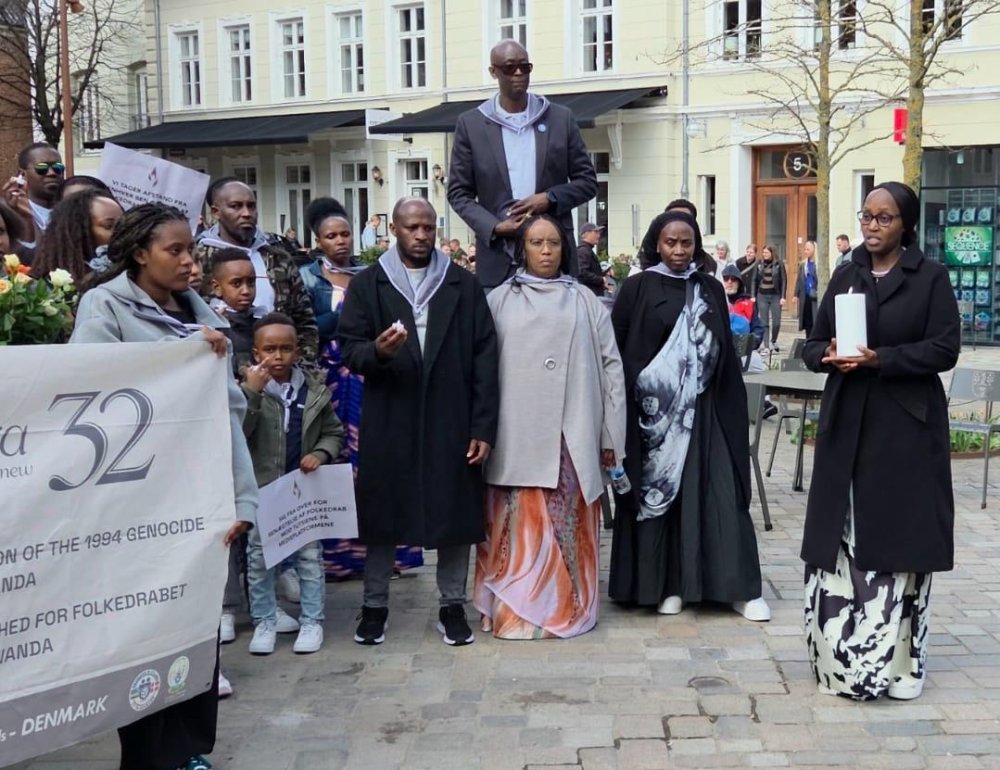
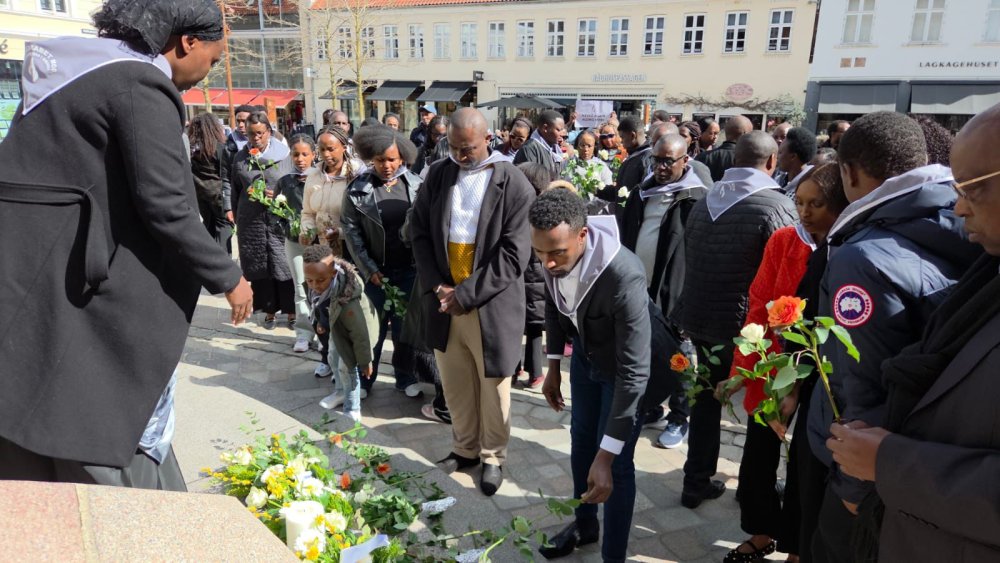
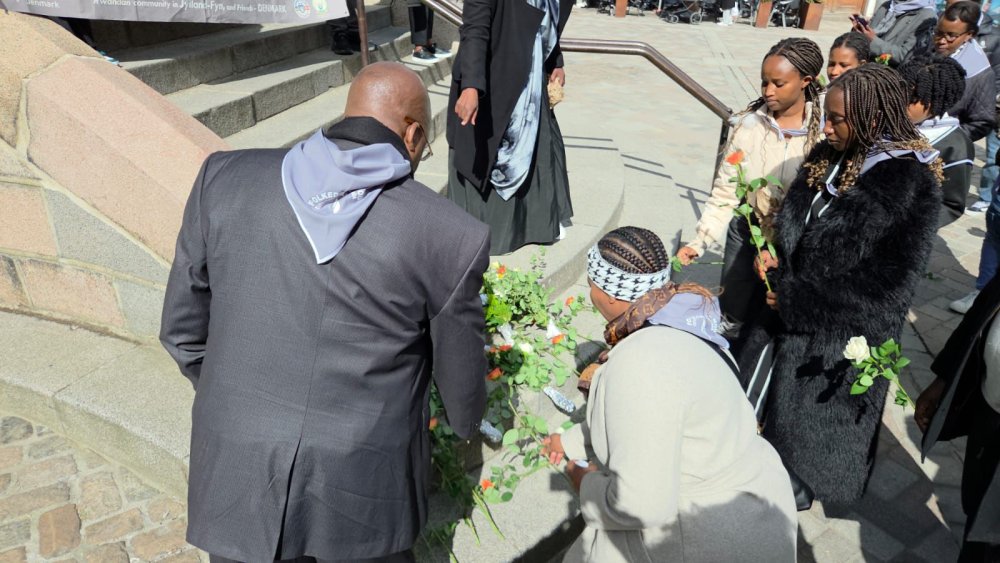
The commemoration event was jointly organized by Ibuka-Denmark and the Embassy of Rwanda in Sweden, which also covers several Nordic countries.
It was attended by Geraldine Umutesi, First Counsellor at the embassy, who represented Ambassador Diane Gashumba.
The event featured testimonies from survivors of the Genocide against the Tutsi, sharing how they endured and survived the atrocities.
Youth performances, including songs focused on comfort and remembrance, were presented alongside discussions on the historical context that led to the 1994 Genocide against the Tutsi.
The commemoration began with a remembrance walk, followed by opening remarks from Paul Nkubana, head of the Rwandan community in Denmark.
“This is an annual event in our community. Thank you for joining Rwandans and their friends here, because remembrance concerns us all,” he said.
Egide Semukanya, representing Ibuka in Denmark, delivered a talk focusing on the historical events that led to the Genocide against the Tutsi.
He paid tribute to the sacrifices of the Rwandan Patriotic Front (Inkotanyi), many of whose members lost their lives while stopping the genocide and saving survivors.
Semukanya also highlighted Rwanda’s progress today, emphasizing governance rooted in unity beyond ethnic divisions, and collective citizen participation in national development.
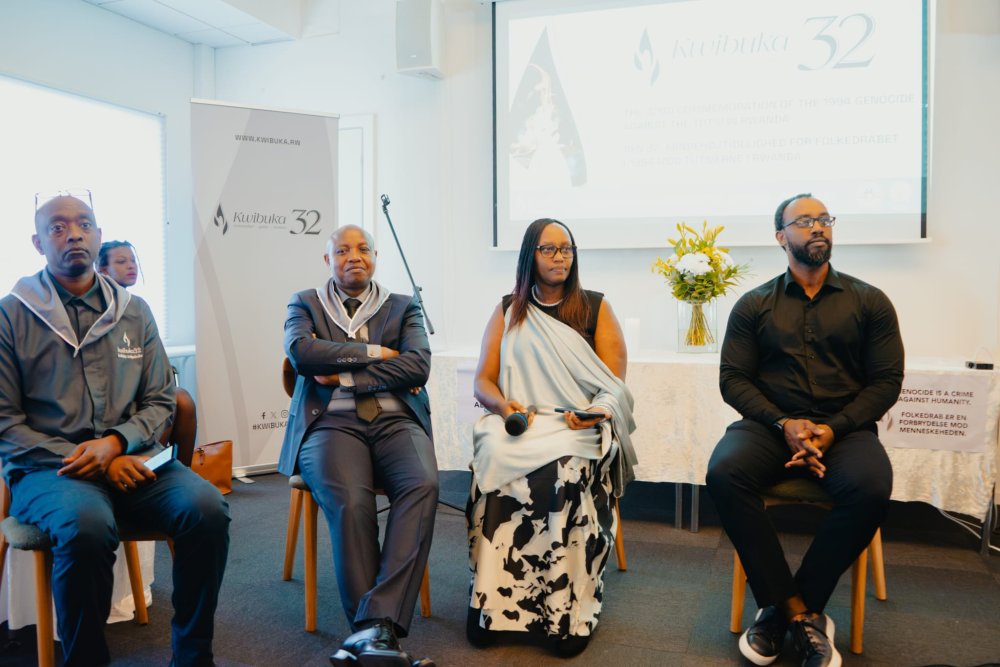
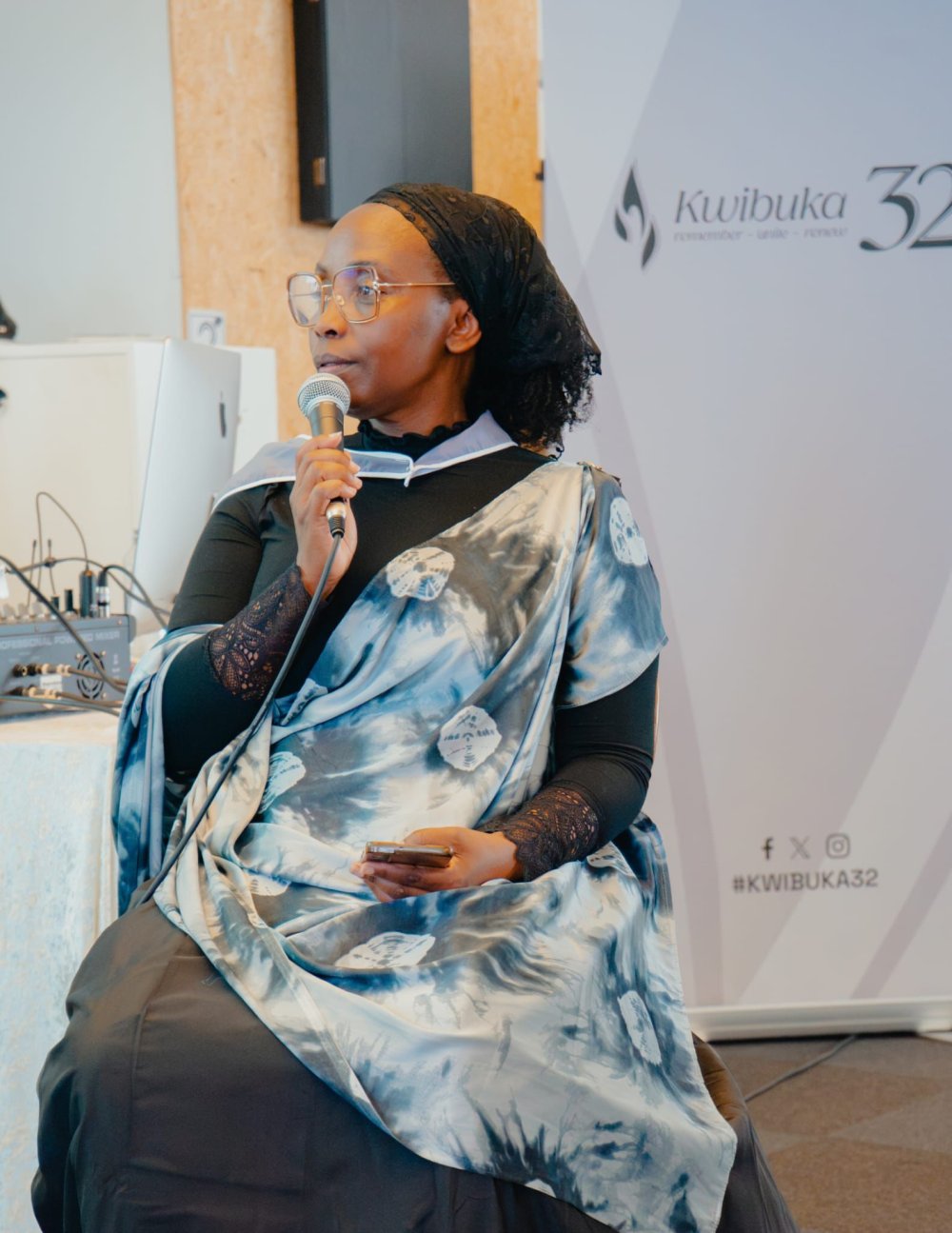
A panel discussion moderated by Jackline Hansen brought together speakers including Dr. Innocent Ngoga, Egide Semukanya, youth representative Jean Claude Gakimbiri, and Geraldine Umutesi.
In her remarks, Umutesi emphasized that today’s Rwanda, under the visionary leadership of President Paul Kagame, promotes unity through initiatives such as the Ndi Umunyarwanda program.
“Avoid divisionism, because it is what led us to where we are today, remembering victims of the Genocide against the Tutsi,” she said.
She urged participants to actively challenge genocide denial and trivialization, particularly when motivated by personal or political interests, calling for adherence to historical truth.
“The truth is clear and visible to everyone—except those who have an interest in hiding what they or their parents did,” she noted.
Umutesi also reminded attendees that during the 1994 Genocide against the Tutsi, Rwanda was largely abandoned as the international community stood by.
She warned that similar patterns appear to be unfolding today in Democratic Republic of the Congo, where violence targeting Kinyarwanda-speaking communities, especially Tutsis, continues.
“Those who once destroyed Rwanda are now collaborating with authorities in the DRC in acts of violence and killings, while the world watches. It is painful that the lessons from Rwanda’s history have not been learned,” she said.
Umutesi concluded by commending the Rwandan community leadership in Denmark, particularly those in Jutland and Funen, for organizing the commemoration, and reassured them of the embassy’s continued support.
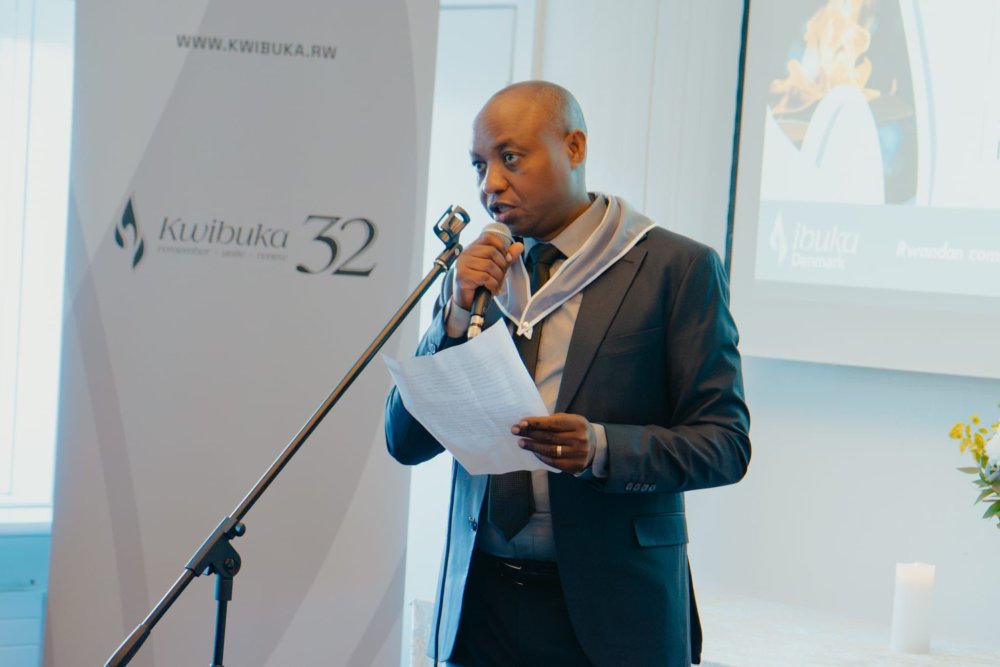
Egide Victor Semukanya, head of Ibuka Denmark, emphasized that remembrance concerns everyone. Geraldine Umutesi, First Counsellor at the Embassy of Rwanda, attended the commemoration event. Dr. Innocent Ngoga, Egide Semukanya (head of Ibuka Denmark), Jean Claude Gakimbiri, and Geraldine Umutesi, First Counsellor at the Embassy of Rwanda to the Nordic countries, delivered presentations during the event.The discussion session was moderated by Jackline Hansen and brought together Dr. Innocent Ngoga, Egide Semukanya (head of Ibuka Denmark), Jean Claude Gakimbiri, and Geraldine Umutesi.
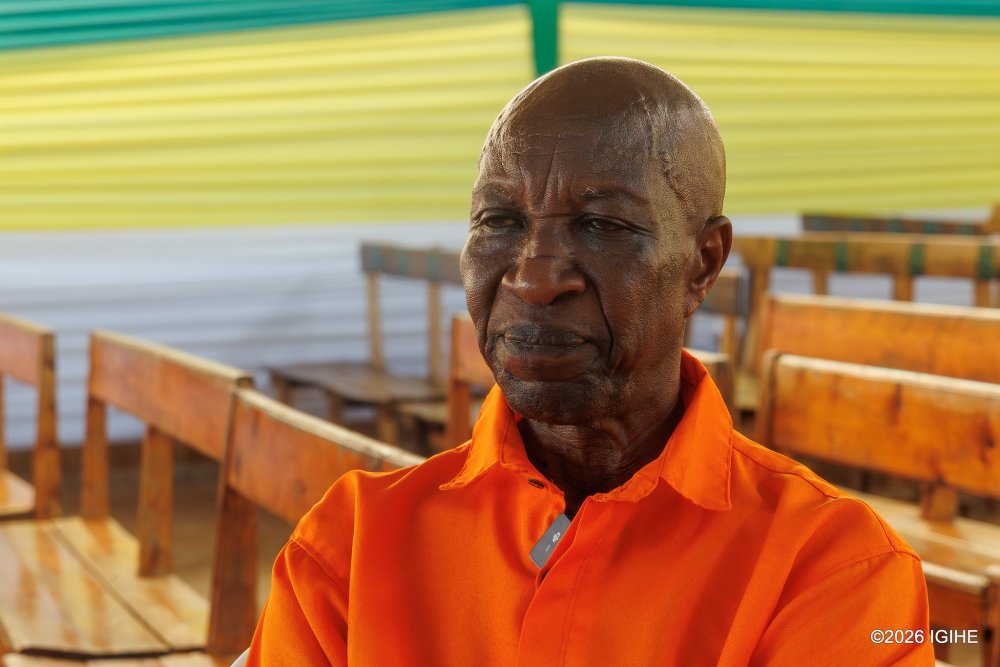
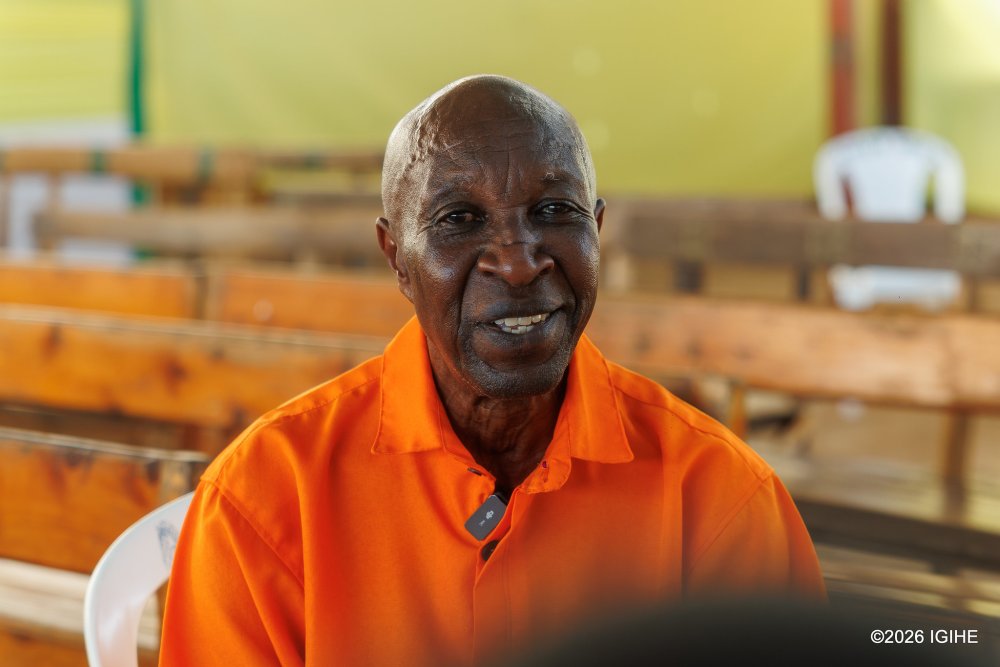
One of the stark testimonies of these atrocities comes from Célestin Sezibera, a former member of the Seventh-day Adventist Church who admits that he would attend worship services and then go out to kill Tutsis.
IGIHE visited the 67-year-old at Nyarugenge Correctional Facility, located in Mageragere Sector, where he is serving a life sentence.
Sezibera was convicted of crimes related to the Genocide against the Tutsi, including distributing weapons used in killings across different parts of Nyamirambo, charges he openly acknowledges. He has now spent nearly 32 years in prison.
Sezibera explained that during the Genocide, he served as Nyamirambo sector leader from January 20, 1990, to April 29, 1994. He recalls how, in the fourth week of April 1994, he contacted the Kigali City Prefecture, where then-Prefect Tharcisse Renzaho authorized him to collect ten firearms from the Ministry of Defense. He then distributed these weapons to local cell leaders.
“Those guns were meant to kill Tutsis,” he admitted.
Sezibera was arrested on September 27, 1994, after initially being detained at the Nyamirambo brigade earlier that month.
His testimony challenges narratives often put forward by Genocide denialists who claim that the violence was spontaneous or triggered solely by the downing of President Habyarimana’s plane. Sezibera insists instead that the Genocide was carefully planned by the government in power at the time.
“The Genocide was prepared and executed by a bad government,” he said. “People must accept that it was organized. You cannot deny that Tutsis were killed, nor that they were killed by the government we lived under.”
A religious leader who turned against his own followers
When discussing the role of religious figures during the Genocide, Sezibera speaks with painful clarity—he was part of that leadership. On Saturdays, he would preach the Word of God, only to later join in the killings of Tutsis, including members of his own congregation.
Sezibera was convicted of crimes related to the Genocide against the Tutsi, including distributing weapons used in killings across different parts of Nyamirambo.
Today, he serves as a pastor within the Seventh-day Adventist Church community inside Nyarugenge Prison, a role he had also held before 1994, beginning in 1985 as an assistant pastor.
“It is both painful and shocking that those who were killed were people we led in churches, and those who killed them were also under our leadership,” he reflected. “It pains me deeply that we lacked the courage to stop such evil.”
Asked how he reconciles preaching about God today after participating in such crimes, Sezibera admits he lives with constant shame. He says he has worked to bring together fellow inmates accused of genocide to reflect, seek forgiveness, and acknowledge their responsibility.
“We gathered, knelt down, and asked for forgiveness from survivors of the 1994 Genocide against the Tutsi,” he said.
Among the memories that haunt him most is his role in persecuting innocent Tutsis falsely accused of being accomplices of the RPF. He recalls events from September 1990, when Tutsis were detained at Nyamirambo stadium under harsh conditions—denied food and water, with some dying there.
“I personally arrested some of them and took them to the stadium,” he admitted.
He also regrets his involvement in setting up roadblocks across Kigali, including in Nyamirambo, where many Tutsis were killed.
“And then there are the guns I distributed. They had only one purpose, to kill Tutsis. That is why I feel deep remorse and ask forgiveness from those who lost their loved ones.”
Reflecting on justice and reconciliation
Sezibera also spoke about Rwanda’s decision to abolish the death penalty in 2007. Before its abolition, more than 700 individuals were on death row, many convicted of genocide-related crimes.
He expressed gratitude to the Government of Rwanda for replacing capital punishment with life imprisonment, describing it as part of broader efforts to rebuild society and promote unity.
“Everyone was anxious. I thank the Government of National Unity for abolishing the death penalty… it was a step toward rebuilding Rwandan society,” he said.
He also praised the country’s efforts to stop the Genocide and promote equal opportunities for all citizens, including the children of perpetrators. Sezibera describes his personal transformation as akin to the biblical shift from Saul to Paul.
“I can truly say I have changed. I became like Paul, and I will continue on that path while encouraging others to do the same.”
Now a father of four, grandfather of ten, and great-grandfather of one, Sezibera has written a book about his life so that future generations in his family can understand his past and grow up committed to rejecting evil in all its forms.
He says he continues to seek reconciliation and has requested to meet survivors from Nyamirambo, either by visiting them or welcoming their representatives to the prison.
“I want to ask for forgiveness face to face and feel a sense of relief,” he said.
As a member of the Unity and Resilience Commission within the prison, he also encourages fellow inmates to reveal information about the whereabouts of victims’ remains so they can be given a dignified burial.
Sezibera served as Nyamirambo sector leader from January 20, 1990, to April 29, 1994.
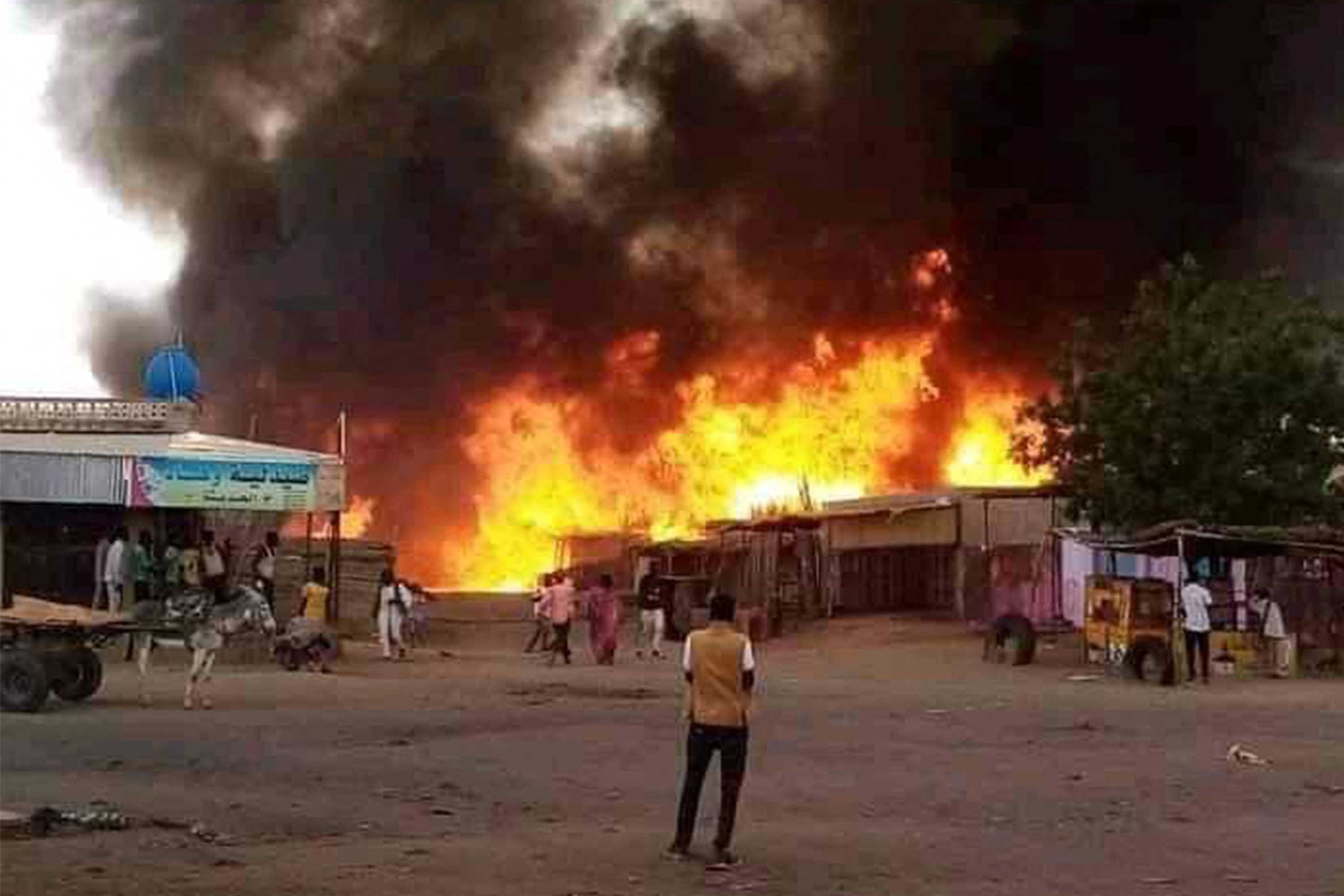
UN Under-Secretary-General for Humanitarian Affairs and Emergency Relief Coordinator Tom Fletcher said Sudan remains the world’s largest humanitarian crisis.
“Nearly 34 million people in Sudan — or almost two out of every three people — need humanitarian assistance, as hunger tightens its grip, children face acute malnutrition and women and girls are subjected to widespread and brutal violence,” Fletcher said.
The UN relief chief called for urgent action to stop the fighting, protect civilians, ensure safe and unimpeded humanitarian access, and mobilize the funding needed to sustain life-saving operations.
UN Women said the number of women and girls requiring support after experiencing gender-based violence nearly doubled in two years and quadrupled since the start of the war.
“Women and girls are being raped and killed in their homes, and as they flee, seek food, water and medical care,” said UN Women Regional Director for East and Southern Africa Anna Mutavati. “The use of sexual violence has been embedded in the blueprint of Sudan’s war.”
UN Women cited a new Gender Alert on the war, published Tuesday, as saying that more than 4.3 million women and girls have been displaced in Sudan, while 17.1 million require humanitarian assistance. For many, there is limited or no access to food, shelter or medical care.
Eva Hinds, UN Children’s Fund (UNICEF) chief of communication in Sudan, said that at least 245 children were reportedly killed or injured in just the first three months of this year.
“This is a sharp increase compared to the same period last year. Most of these children killed or injured were in Darfur and the Kordofan states, where violence has become a constant part of daily life,” Hinds told a press briefing in Geneva.
She said that “since the war began, the United Nations has verified more than 5,700 grave violations against children across Sudan. More than 4,300 children have been killed or maimed, with Darfur and Kordofan states again accounting for the highest numbers.”
Humanitarian access remains a major challenge, since large parts of the country are still cut off because of fighting, damaged infrastructure, and administrative obstacles. The constraints are especially severe in Darfur, Kordofan and parts of Blue Nile state, leaving many of the most vulnerable children beyond reach, said Hinds.
UNICEF Executive Director Catherine Russell said: “For three years, children across Sudan have been killed, injured, and displaced at staggering levels. Their homes, schools and hospitals continue to come under attack. There is no justification for violence against children. It reflects a collective failure by parties to the conflict to protect the most basic rights of children.”
The UN Office for the Coordination of Humanitarian Affairs (OCHA) said that drone strikes have reportedly killed nearly 700 civilians in the first three months of this year. On Monday, a drone strike in Ed Daein, East Darfur state, reportedly killed nine civilians and injured 27 others, including a child and health-affiliated workers.
OCHA reiterated that the violence must stop.
“Civilians and civilian infrastructure must be protected in line with international humanitarian law,” said the office. “Humanitarian access must be rapid, safe, unimpeded and sustained, and the response must be fully funded to save lives.”
Fletcher also said the grim and chastening anniversary marks another year when the world has failed to meet the test of Sudan.
The UN relief chief has called for urgent action to stop the fighting in Sudan, protect civilians, ensure safe and unimpeded humanitarian access, and mobilize the funding needed to sustain life-saving operations.
The report said that following the enforcement of the blockade, some vessels with intended calls at Iranian ports were observed adjusting their AIS destination signals while passing through the Strait of Hormuz.
According to the report, shortly after the blockade took effect, at least two Iran-flagged container ships previously indicating sailing to the southern Iranian port of Bandar Abbas changed their AIS messages to the more general designation of “PG Ports,” meaning “Persian Gulf ports.”
After successfully passing through the Strait, they continued their journey toward Bandar Abbas on Tuesday, said the report.
Citing analysts, the report said such actions could complicate the intelligence collection phase of the U.S. blockade and require additional resources to track and identify vessels involved in maritime traffic to Iranian ports.
The U.S. Central Command said Tuesday that more than 10,000 troops are executing the mission to blockade ships entering and departing Iranian ports, targeting vessels of all nationalities without discrimination.
At least two vessels transited through the Strait of Hormuz en route to Iranian ports after altering their Automatic Identification System (AIS) destination data.
“The global financial system is confronting the ongoing war in the Middle East, potential inflationary pressures, rising risks of further tightening in financial conditions, and several channels through which market turmoil could escalate into financial instability,” the report said.
The longer the conflict continues, the greater the risk that global financial conditions could tighten further and more abruptly, it suggested.
The report listed several channels that could test the financial system’s resilience and lead to financial stability risks.
First, greater bond market volatility could tighten funding markets, as rising debt-to-GDP levels have led to larger bond yield gyrations.
Second, emerging markets may face currency and capital outflow pressures as carry trades unwind and terms of trade worsen.
Third, an abrupt tightening of financial conditions can lead to forced selling by hedge funds, option sellers, leveraged exchange-traded funds and other nonbank financial intermediaries (NBFIs) that have expanded through leverage.
Fourth, signs of more borrower defaults in private credit could cascade into broader concerns about corporate credit, particularly for highly leveraged borrowers subject to the artificial intelligence (AI) disruption.
Also, booming investments in AI may slow significantly if the Middle East conflict were to persist.
The IMF urged policymakers to act decisively to bolster resilience amid the Middle East conflict, suggesting that monetary policy preserve price stability and be attuned to spillovers from actual inflation to inflation expectations, while remaining data dependent.
It also recommended a fiscal stance shift toward appropriately tight settings to place public debt on a stable path, with new spending focused on protecting vulnerable groups from the inflation shock.
Closing data gaps, improving cross-jurisdictional data sharing, and enhancing oversight are critical, as NBFIs grow more leveraged and more connected to banks, the report said.
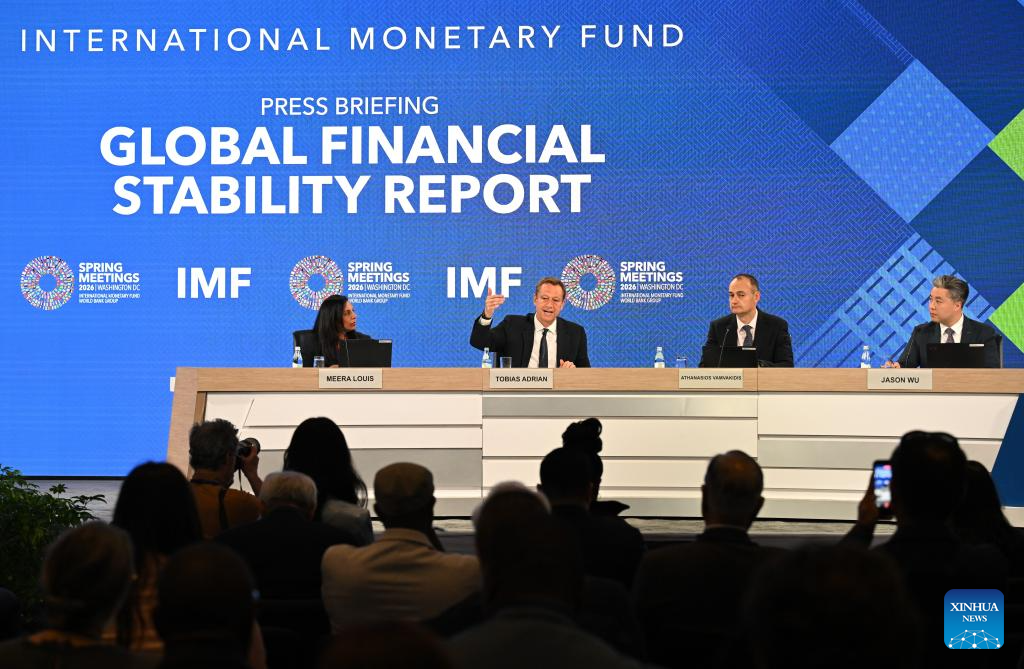
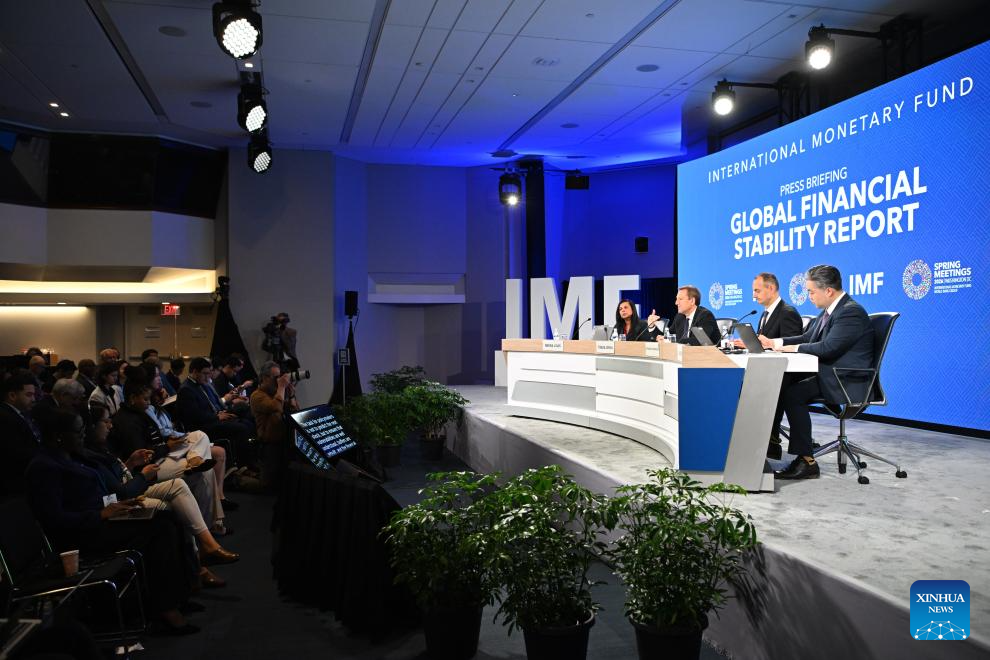
Tobias Adrian (3rd R), director of the International Monetary Fund’s (IMF’s) Monetary and Capital Markets Department, speaks at a press briefing on Global Financial Stability Report in Washington, D.C., the United States, on April 14, 2026. IMF on Tuesday released its Global Financial Stability Report, warning that risks to global financial stability are rising amid the current situation in the Middle East. (Xinhua/Li Rui)
The meeting followed a two-week ceasefire that paused nearly 40 days of intense hostilities and briefly opened a narrow window for diplomacy.
Held in Pakistan, a key regional mediator, the talks marked the highest-level face-to-face engagement between the United States and Iran since 1979, a relationship long defined by decades of sanctions, periodic confrontation, and deep mistrust.
Analysts said the failure to reach an agreement underscores entrenched structural divisions between the two sides, while noting that the very fact that the talks took place signals limited but meaningful diplomatic progress.
They added that domestic political pressures, economic risks linked to potential instability in the Middle East, and signs of growing war fatigue may continue to encourage both sides to keep diplomatic channels open despite the current deadlock.
No deal reached
Speaking at a press conference in Islamabad on Sunday, U.S. Vice President JD Vance said he was returning “without an agreement,” adding that Iran had not accepted U.S. terms despite what he described as “a good-faith engagement.”
Vance said the Iranian nuclear program remained at the center of the dispute, reiterating that Washington requires an “affirmative commitment” from Tehran not to pursue nuclear weapons or the capability to rapidly develop them. Iran, however, has consistently maintained that its uranium enrichment activities are a sovereign right and has rejected externally imposed restrictions.
Iranian officials, in turn, blamed the impasse on what they described as “excessive and unreasonable demands” from the United States, arguing that Washington’s conditions failed to respect Iran’s “legitimate rights,” including enrichment activities and meaningful sanctions relief.
Iranian Foreign Ministry spokesman Esmail Baghaei said that while the two sides had reached understandings on several issues, they remained far apart on two to three key points, preventing a final agreement.
Despite the lack of a breakthrough, Tehran signaled that dialogue could continue. Quoted by Iran’s Mehr News Agency, Baghaei said it would be unrealistic to expect a deal in a single round of talks, adding that Tehran remained “confident that contacts between us and Pakistan and our other friends in the region will continue.”
Pakistani security analyst Tughral Yamin noted that Pakistan had provided a platform for dialogue rather than a venue for a final settlement, suggesting the Islamabad talks may represent only an initial step in a longer diplomatic process.
For Pakistan, which facilitated the negotiations, officials indicated their role was far from over. Deputy Prime Minister and Foreign Minister Mohammad Ishaq Dar said Islamabad would continue to play a constructive role in supporting engagement between Iran and the United States in the days ahead.
Testing red lines
In the early hours of Saturday, a 71-member Iranian delegation led by Parliament Speaker Mohammad Bagher Ghalibaf and Foreign Minister Abbas Araghchi arrived in Islamabad. Later that day, a much larger U.S. delegation headed by Vance also reached the Pakistani capital, with the American side numbering around 300 people.
Before formal negotiations began, Pakistani Prime Minister Shehbaz Sharif held a meeting with the Iranian side, during which Tehran laid out several preconditions for engaging with Washington, including the unfreezing of all Iranian overseas assets and accounts and an immediate halt to all attacks, particularly those targeting Lebanon. Iranian officials have repeatedly stressed that stopping strikes on Lebanon is an integral component of any broader ceasefire arrangement.
However, the fragile ceasefire between the United States and Iran has been further complicated by continued Israeli strikes against Hezbollah, the Iran-backed group in Lebanon.
On Saturday evening, Israeli Prime Minister Benjamin Netanyahu said in a statement that the elimination of Hezbollah was a precondition for any ceasefire agreement between Israel and Lebanon.
Tensions also flared during more than 20 hours of negotiations over developments in the Strait of Hormuz.
The United States announced on Saturday that two U.S. Navy destroyers had passed through the strategic waterway, a claim Iran denied, saying its forces had forced the vessels to withdraw.
Entrenching deadlock
Analysts believed that the unsuccessful talks highlight the persistence of deep strategic divisions between the two sides, stressing that the gap is not merely tactical but structural.
The positions of both countries are highly divergent, with maximalist demands that remain far apart and are further complicated by deep-rooted mistrust, former Pakistani diplomat Masood Khalid said.
This divergence is reflected across multiple core issues. According to another former Pakistani diplomat, Naghmana Hashmi, the impasse centers on several key areas: the control of the Strait of Hormuz, the nuclear issue where both sides maintain hardline positions, military arrangements including Iran’s demand for a U.S. withdrawal from the region, compensation claims for damages suffered by Iran, sanctions relief — particularly frozen assets — and the situation in Lebanon.
Addressing these complexities remains a formidable challenge, as Mohamed Benaya, an expert on Iranian and Gulf affairs at Al-Azhar University in Egypt, said that “bridging these gaps will be difficult without phased, reciprocal concessions.”
Glimmers of hope
Despite these significant hurdles, analysts believe that the mere occurrence of these talks signifies progress.
Hashmi observed that both parties’ willingness to remain at the negotiating table indicates a “positive mindset” focused on finding a solution, adding that the priority now is to maintain diplomatic momentum.
Khalid echoed this sentiment, suggesting that in the current high-tension climate, the fact that dialogue happened at all is an achievement in itself.
Looking ahead, analysts said that a combination of domestic and global pressures may push the dialogue to continue despite the deadlock.
Aizaz Ahmad Chaudhry, former Pakistani ambassador to the United States, noted that for U.S. President Donald Trump, the risks of a prolonged military confrontation and its potential fallout on upcoming midterm elections create a strong incentive for diplomacy.
Furthermore, experts said long-term economic risks, specifically the threat of instability in the Middle East disrupting global energy markets and trade flows, have strengthened international calls for de-escalation.
Battlefield dynamics may also be shaping diplomatic calculations. Said Nazir, a Pakistani defense analyst, pointed to growing “war fatigue” on both sides after weeks of confrontation and demonstrations of military capability, saying this could push Washington and Tehran to avoid a costly, open-ended conflict by keeping diplomatic channels open.
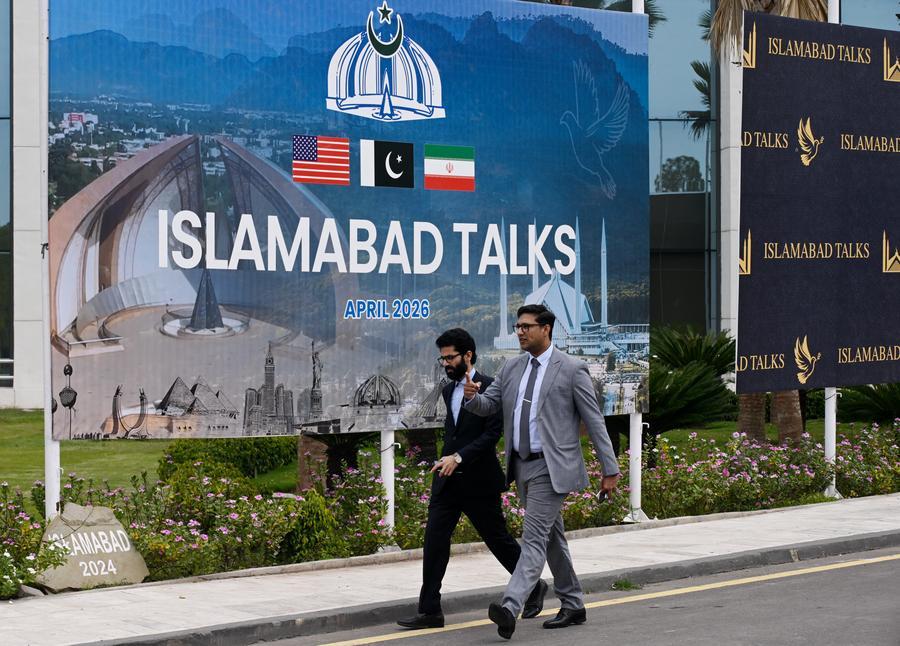
People walk past the press center for the talks between the United States and Iran in Islamabad, Pakistan, April 11, 2026.
According to a presidential order issued on April 10, 2026, the other individuals pardoned are Dilan Berat Mete, Emmanuel Kanamugire, and Mujawamariya. Mete had been convicted as an accomplice in the misuse of public property and was sentenced to one year in prison along with a fine of Rwf 1 million.
Kanamugire and Mujawamariya were convicted of issuing bounced cheques and fined Rwf 154.8 million and Rwf 84 million respectively.
Lt Col (Rtd) Nkusi had also been found guilty as an accomplice in the misuse of public property and was sentenced to one year and six months in prison, in addition to a fine of Rwf 1 million. Brig Gen (Rtd) Muziraguharara had been convicted on similar charges of complicity in the misuse of public property, as well as failure to report a serious offense, and was sentenced to one year in prison.
Throughout his military career, Brig Gen (Rtd) Muziraguharara served in several key roles within the RDF. Between 1998 and 2000, he was in charge of research. From 2005 to 2006, he served as Chief Instructor at the Gako Military Academy, among other roles.
He later served in a United Nations peacekeeping mission in Darfur, Sudan, where he was responsible for planning. From 2010 to 2012, he worked as Director of Planning in the RDF before representing the force at the International Conference on the Great Lakes Region (ICGLR).
From 2013 to 2018, he served as Director General in charge of administration and finance at the National Intelligence and Security Service (NISS). On July 29, 2025, Brig Gen (Rtd) Muziraguharara was among more than 1,000 soldiers who were officially retired from military service.
Brig Gen (Rtd) Muziraguharara is among five individuals that have been granted presidential clemency.
The two acclaimed performers are among the headline acts billed for the “Comedy Store,” a widely followed weekly entertainment showcase curated by Ugandan comedian and show host Alex Muhangi.
Their joint appearance revives a notable artistic pairing that previously delivered the hit single “Why,” a track that enjoyed strong regional reception and solidified their cross-border appeal.
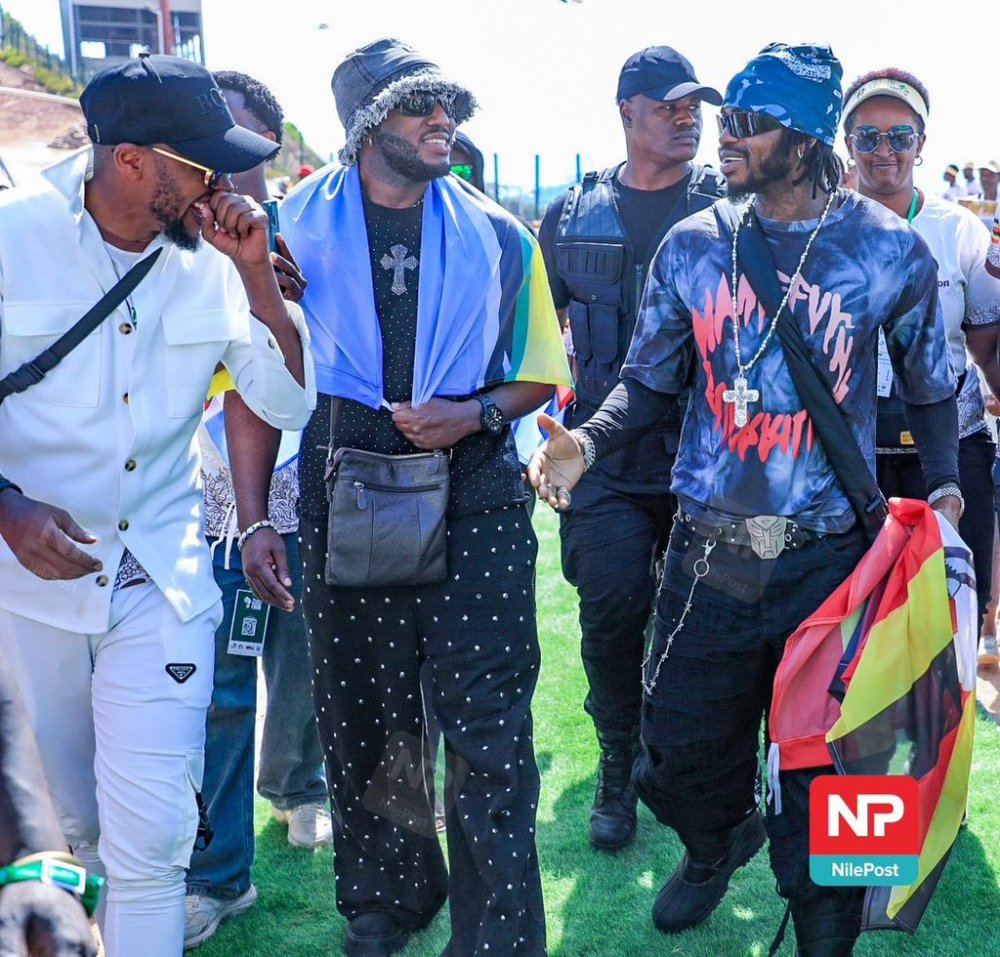
This will not be the first time the duo shares a stage in Uganda. In 2025, both artists featured at a live music event in Ntungamo, staged on the night of May 24–25.
The performance formed part of the “Coffee Marathon Concert,” an entertainment event that followed a marathon race and was tied to a broader campaign aimed at promoting economic empowerment among women coffee farmers.
Although their joint performances remain occasional, The Ben and Diamond Platnumz have previously appeared together on major international platforms, including the 2023 Trace Awards.
The Ben’s Kampala appearance comes as he gears up for a major domestic undertaking, a nationwide Rwandan tour alongside fellow star Bruce Melodie, expected to span all four provinces.
The Ben and Diamond Platnumz delivered an energetic performance in Ntungamo last year.The two stars are among the headline acts for “Comedy Store,” a popular weekly show curated by Ugandan comedian Alex Muhangi.Both artistes also shared stage last year in Ntungamo.