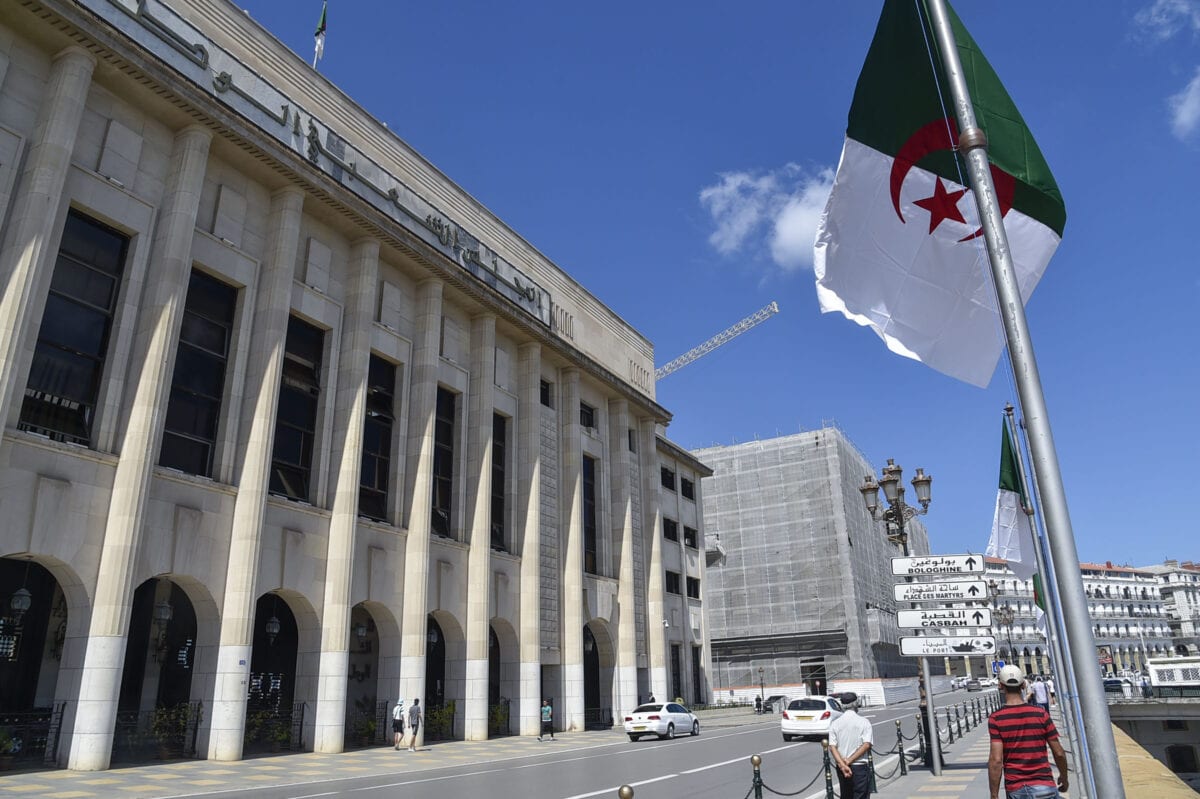
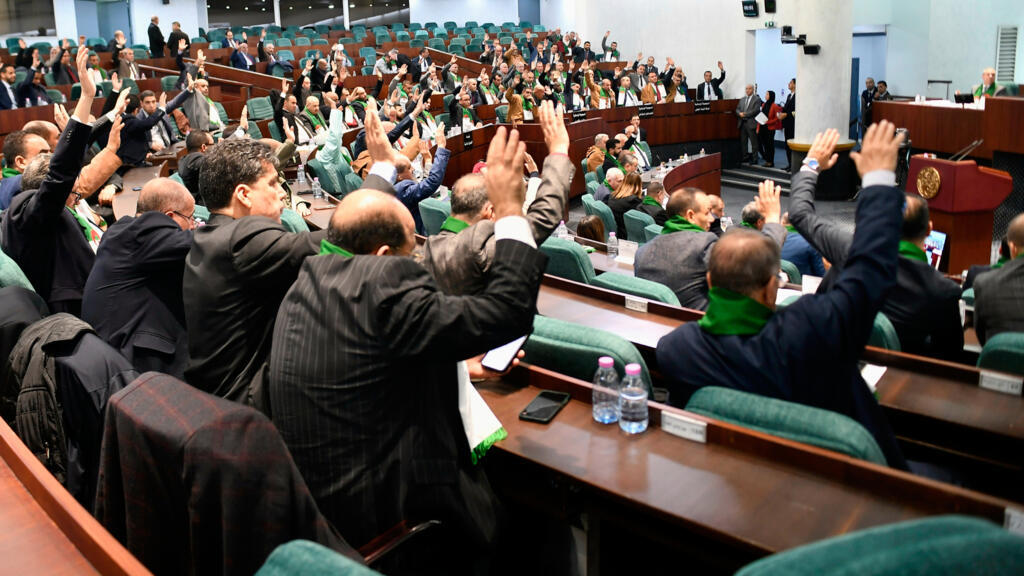
The law, which declares France’s colonization of Algeria from 1830 to 1962 a crime, was described by officials as “a step to preserve national memory and honor the sacrifices made during the colonial period.”
In December 2025, the lower house unanimously adopted the draft law calling for an official apology from France and affirming Algeria’s right to reparations.
However, Algerian President Abdelmadjid Tebboune later clarified that Algeria seeks France’s recognition of its crimes rather than financial compensation.
To this end, a joint parliamentary committee was established to resolve differences between the two houses and produce a unified text.
The final version adopted by both houses reportedly removed broad reparations clauses and apologies from France, while retaining provisions related to victims of French nuclear tests in the Sahara.
The diplomatic rift between Algeria and France has deepened recently, fueled by disputes over immigration, historical grievances, and France’s backing of Morocco regarding Western Sahara.
Tebboune has maintained that direct talks with French President Emmanuel Macron are the only path to resolving these bilateral issues.
In 2021, Macron acknowledged that the colonization of Algeria was a “crime against humanity,” but stopped short of offering a formal state apology.
Algeria’s Council of the Nation (upper house of parliament) on Sunday adopted a draft law criminalizing French colonization.
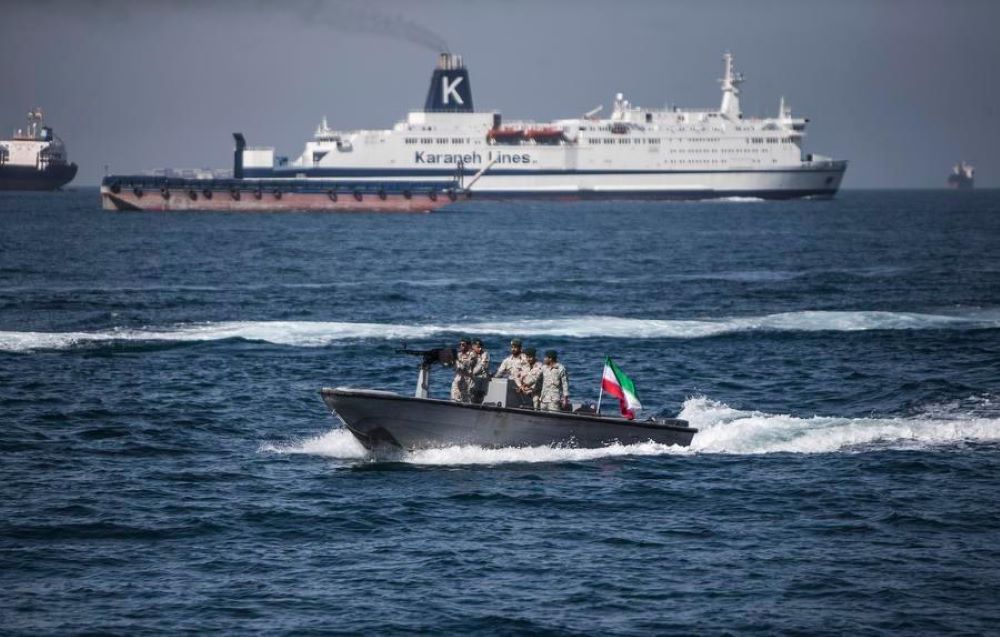
The blockade, in accordance with U.S. President Donald Trump’s proclamation, will be enforced “impartially” against vessels of all nations entering or departing Iranian ports and coastal areas, including all Iranian ports on the Arabian Gulf and Gulf of Oman, according to the statement, which was posted on social media platform X.
U.S. Central Command forces “will not impede freedom of navigation for vessels transiting the Strait of Hormuz to and from non-Iranian ports,” it added.
The statement came a few hours after Trump announced on Truth Social that the U.S. Navy would begin blocking ships trying to enter or leave the Strait of Hormuz.
In an interview with Fox News, Trump said that the United States and allied countries would deploy minesweepers to the strait to clear sea mines and secure shipping lanes.
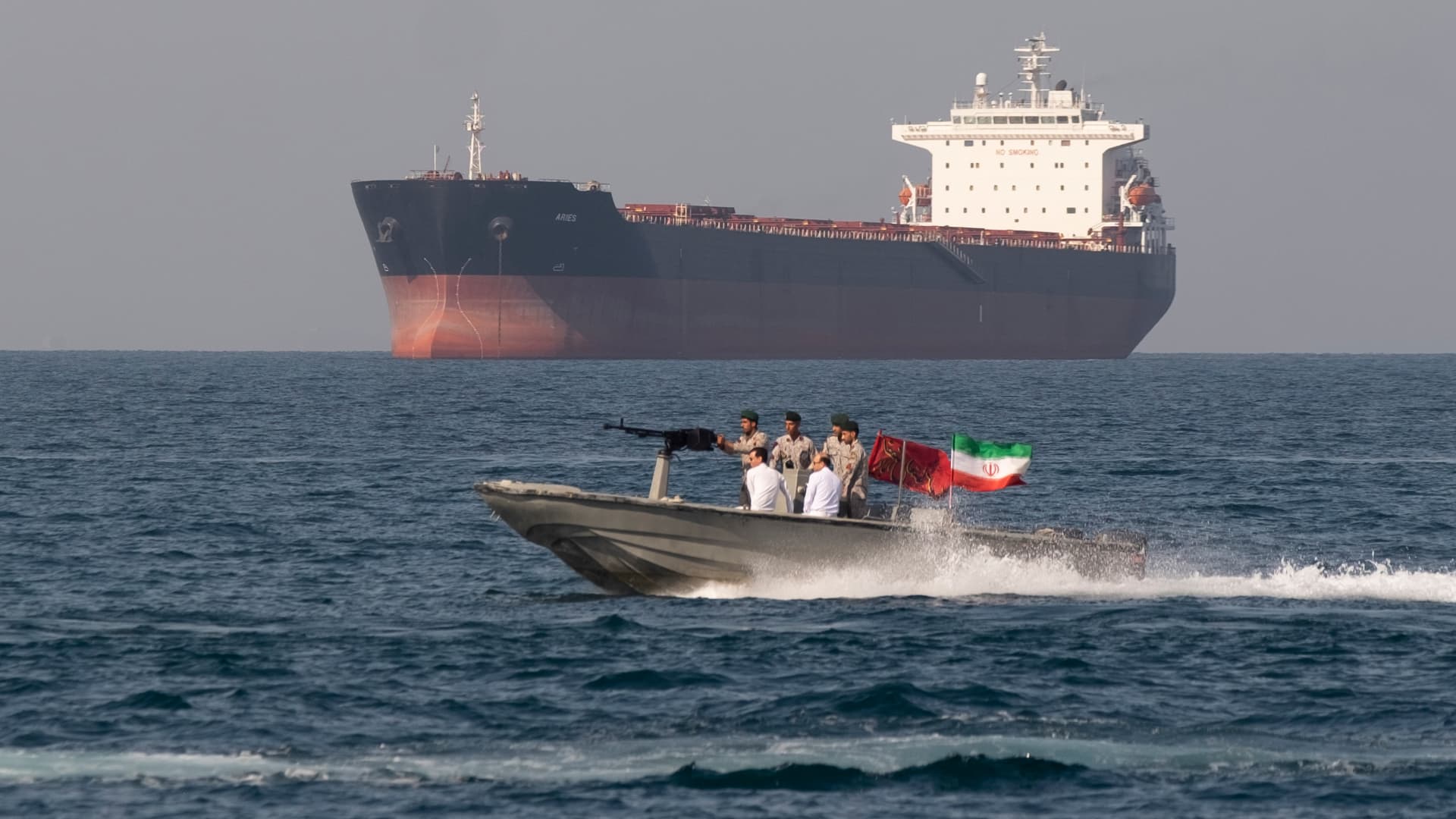
After Trump’s statement on Strait of Hormuz naval blockade, Iran’s Islamic Revolutionary Guard Corps Navy Command warned Sunday that any “wrong move” in the Strait of Hormuz would trap its enemies in “deadly whirlpools.”
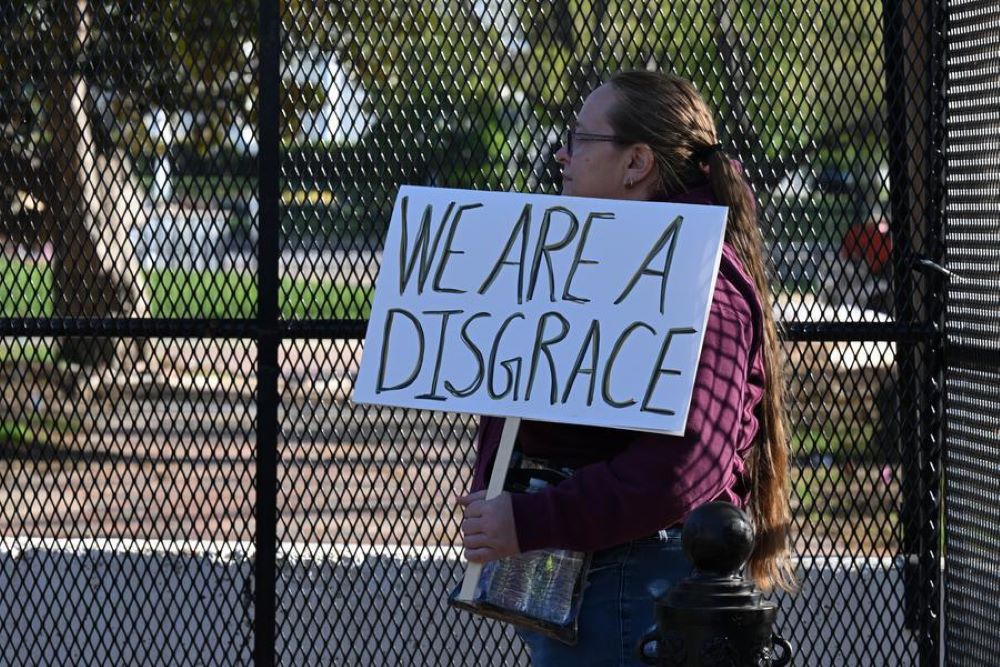
A demonstrator holds a placard in front of the White House in Washington, D.C., the United States, on April 7, 2026.Iranian soldiers patrol the Strait of Hormuz in southern Iran, April 30, 2019
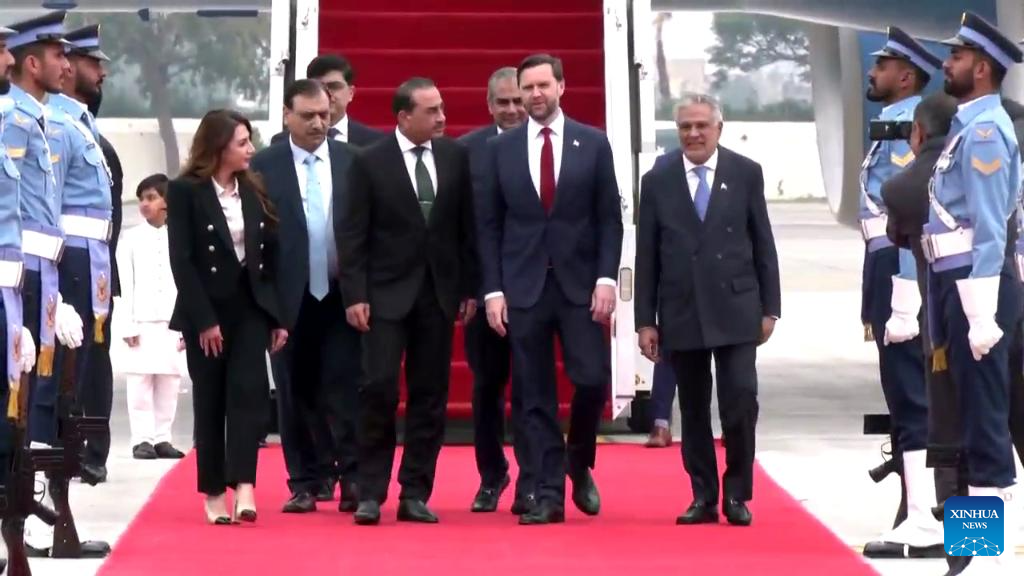
In a statement, the deputy prime minister reiterated Pakistan’s willingness to continue facilitating the parties in achieving a lasting and durable solution, underscoring the importance of dialogue and cooperation in resolving disputes.
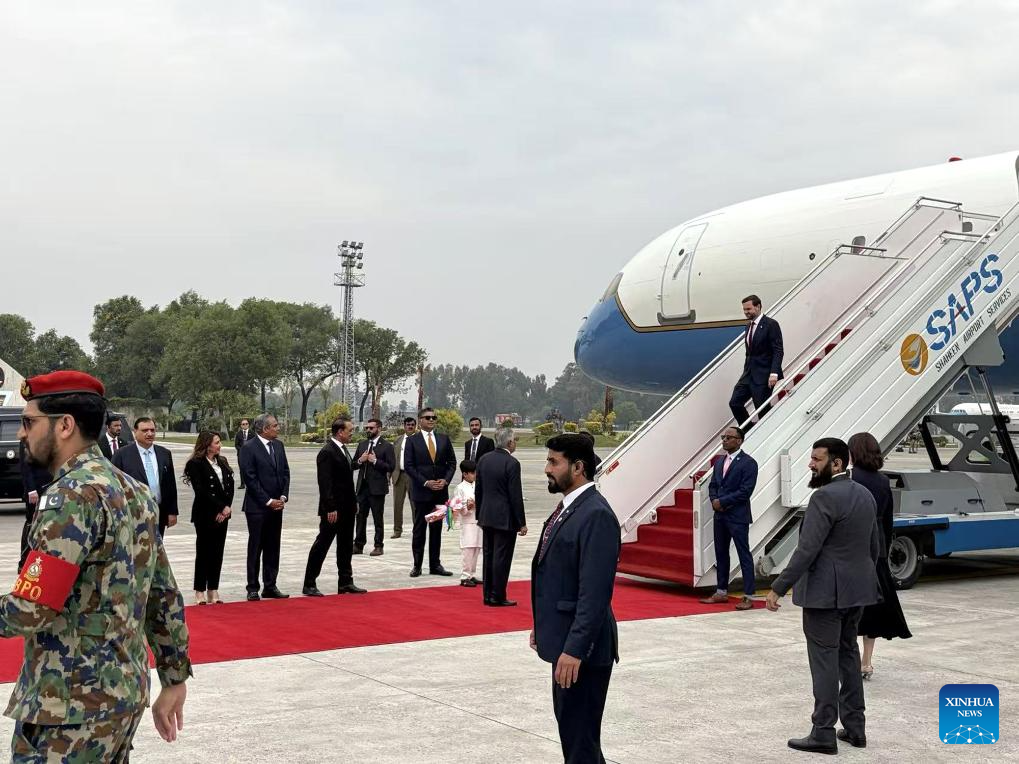
The statement came after the U.S. delegation arrived in Pakistan on Saturday. The Iranian team reached Pakistan earlier. The two sides are expected to have a negotiation to end recent hostilities in the Middle East.
This screenshot from a video clip shows U.S. Vice President JD Vance arriving at the Nur Khan airbase in Rawalpindi, Pakistan, on April 11, 2026. U.S. delegates led by Vice President JD Vance arrived in Pakistan on Saturday morning for talks with Iran, according to sources.
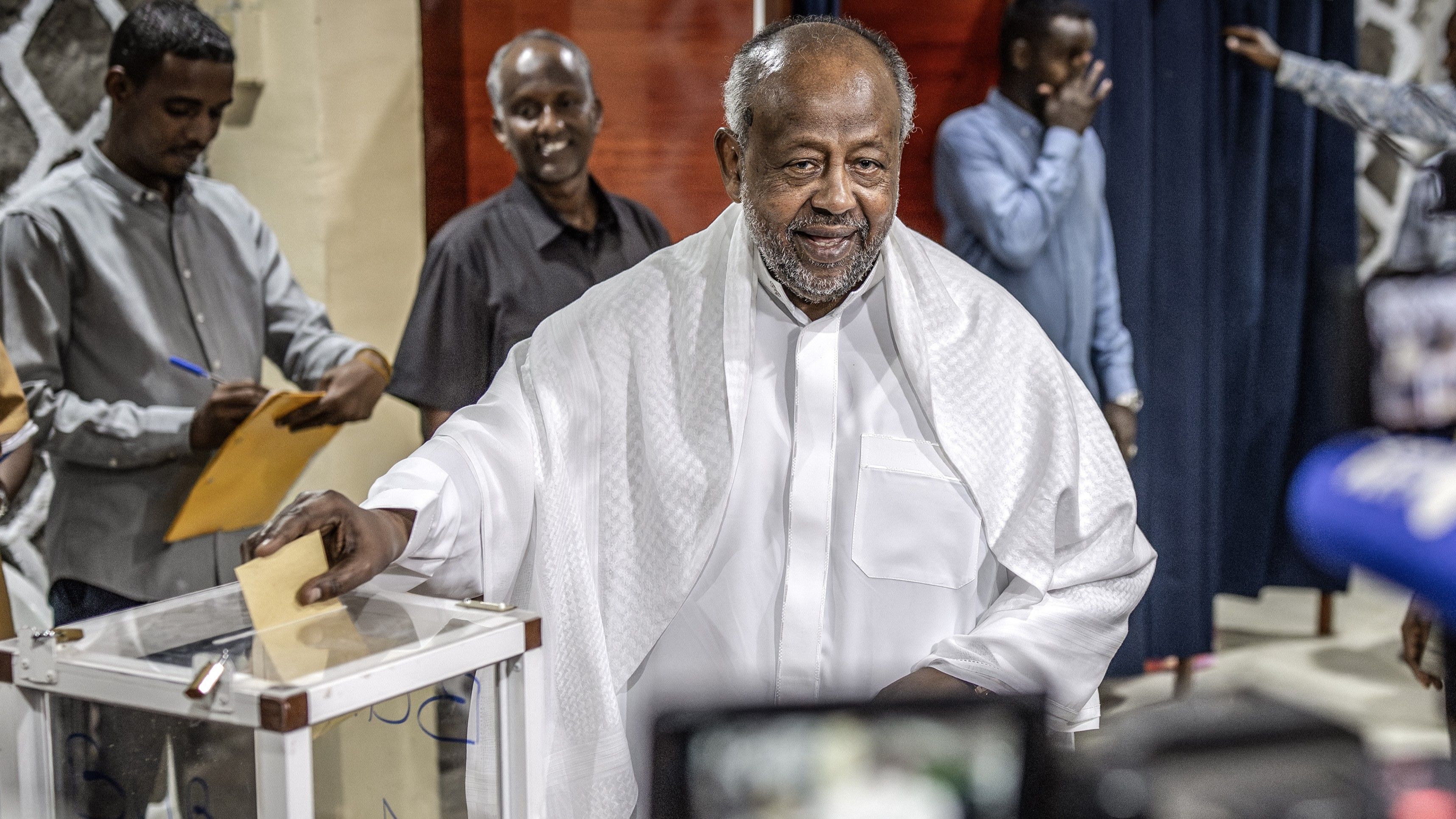
The Ministry of Interior announced on Saturday morning that Guelleh defeated his opponent, Mohamed Farah Samatar, presidential candidate for the Unified Democratic Center, who won 2.19 percent of the vote in Friday’s presidential election.
Guelleh, 78, declared victory in a social media post a few hours ahead of the official results, after early results gave him a huge lead.
Djibouti, a small country at the mouth of the Horn of Africa, is a major hub for international commerce and a key partner in the fight against sea piracy and transnational terrorism.
The Red Sea nation, with a population of about 1 million, is also the main foreign trade outlet for neighboring landlocked Ethiopia.
Djibouti’s incumbent President Ismail Omar Guelleh was re-elected for a sixth term with 97.81 percent of the vote
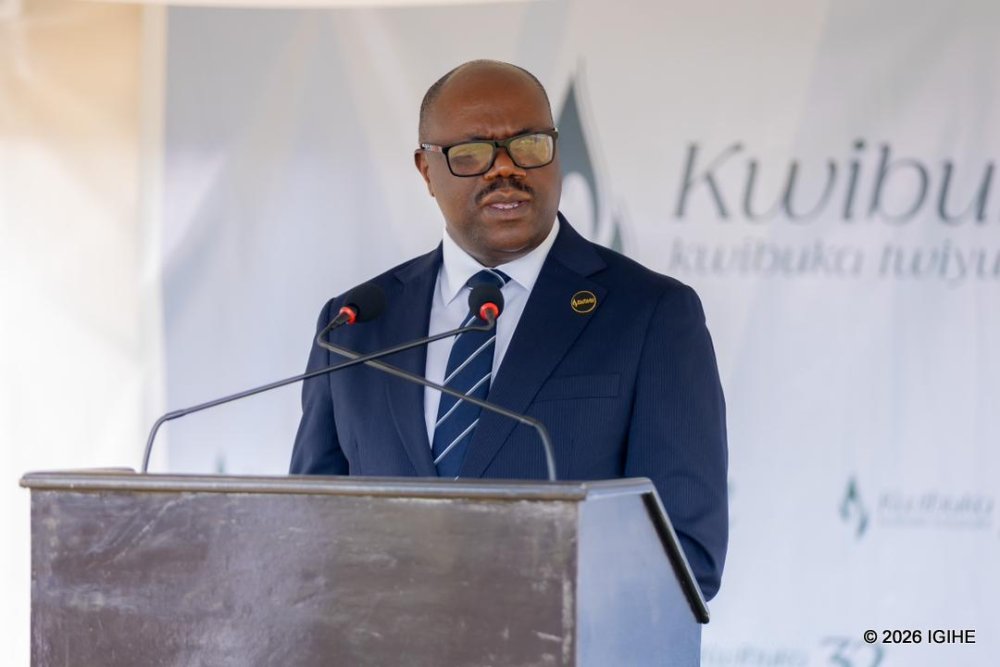
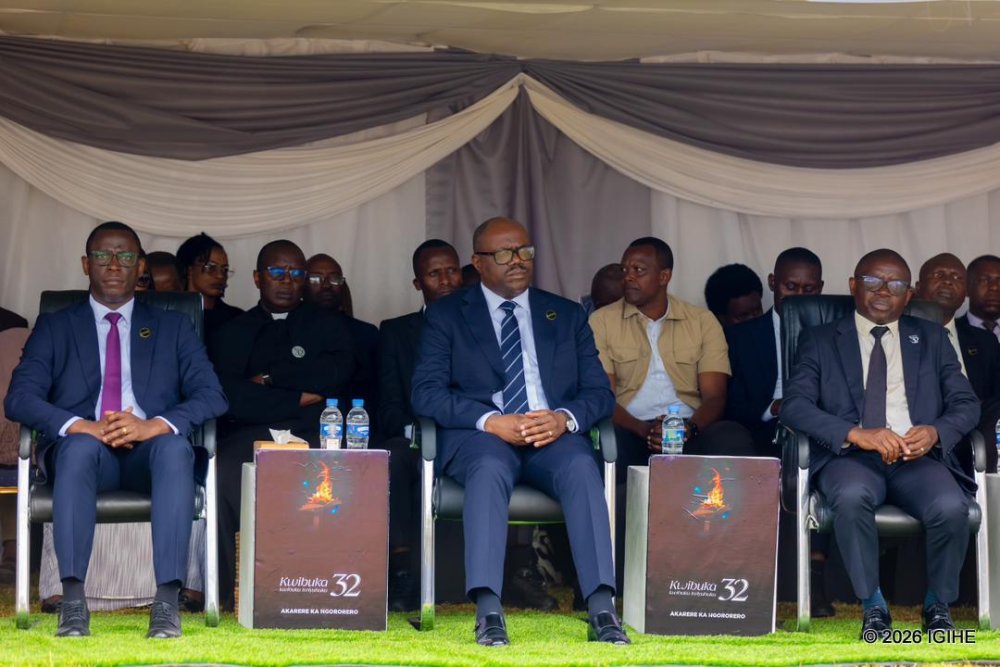
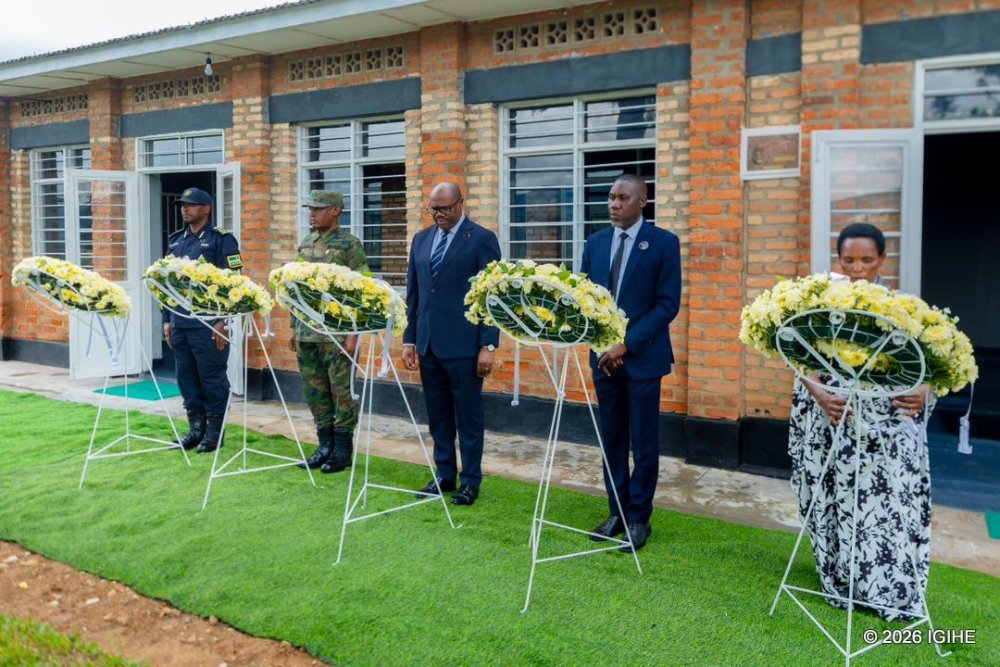
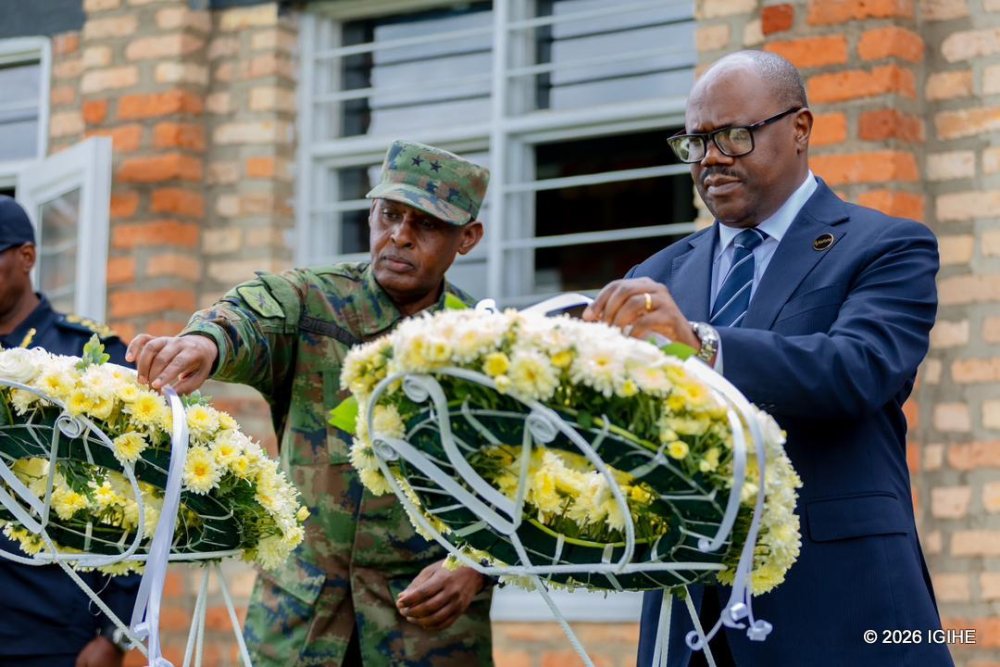
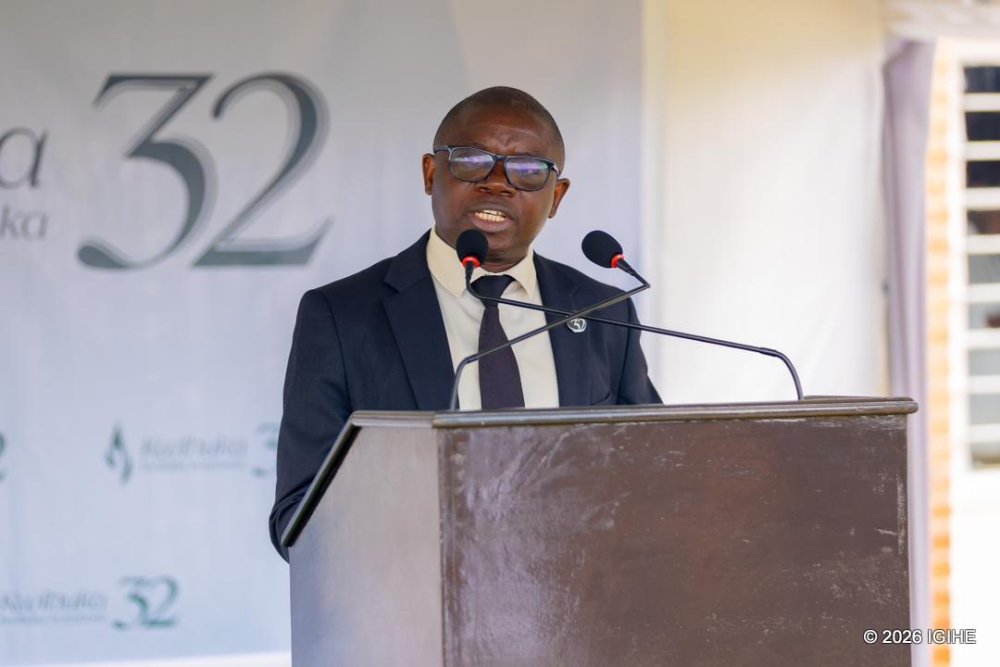
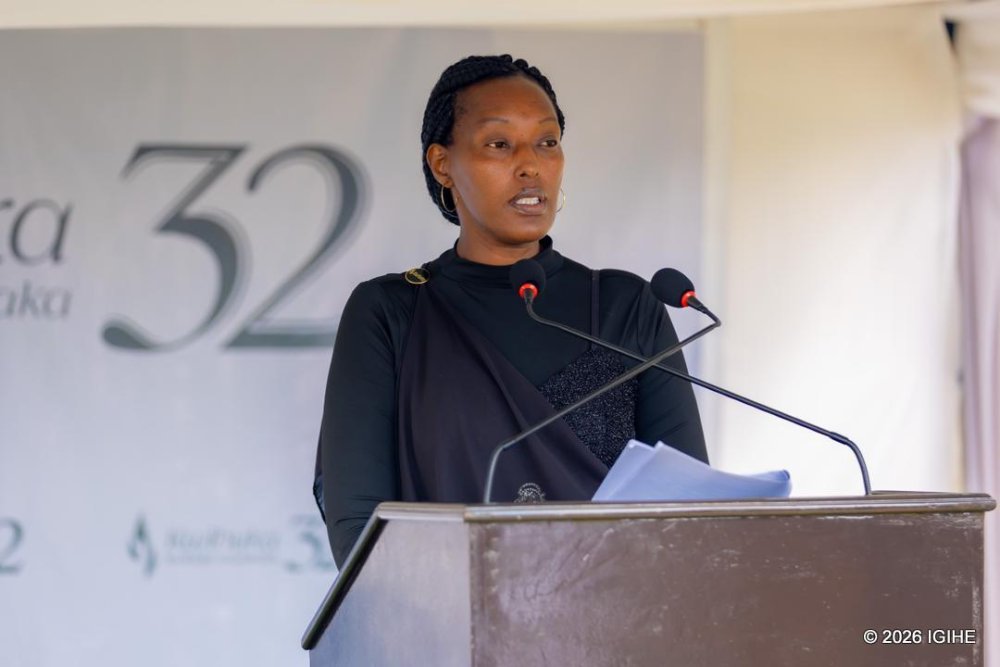
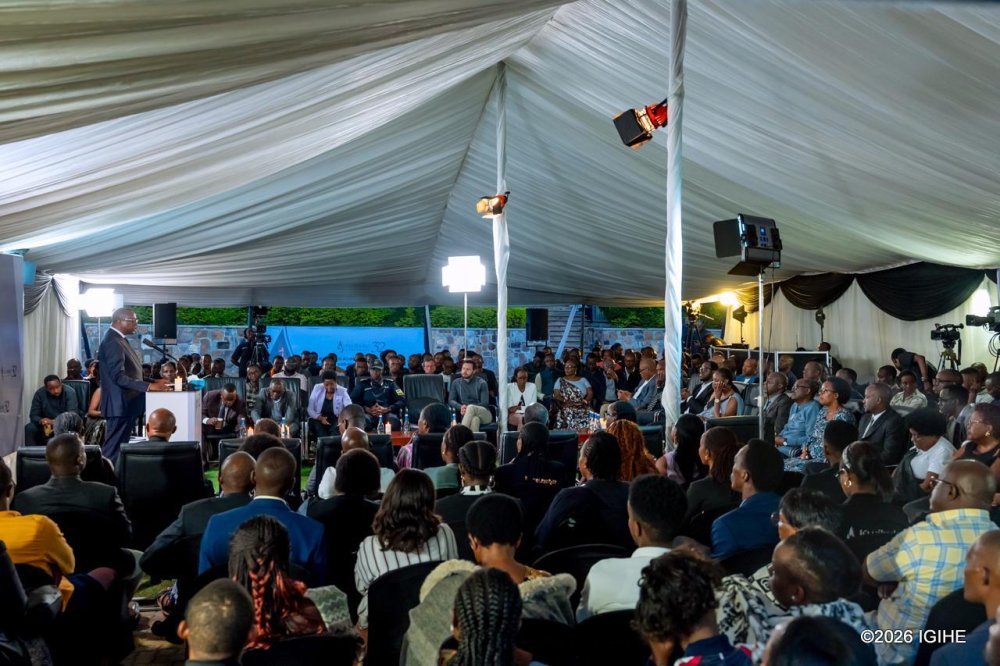
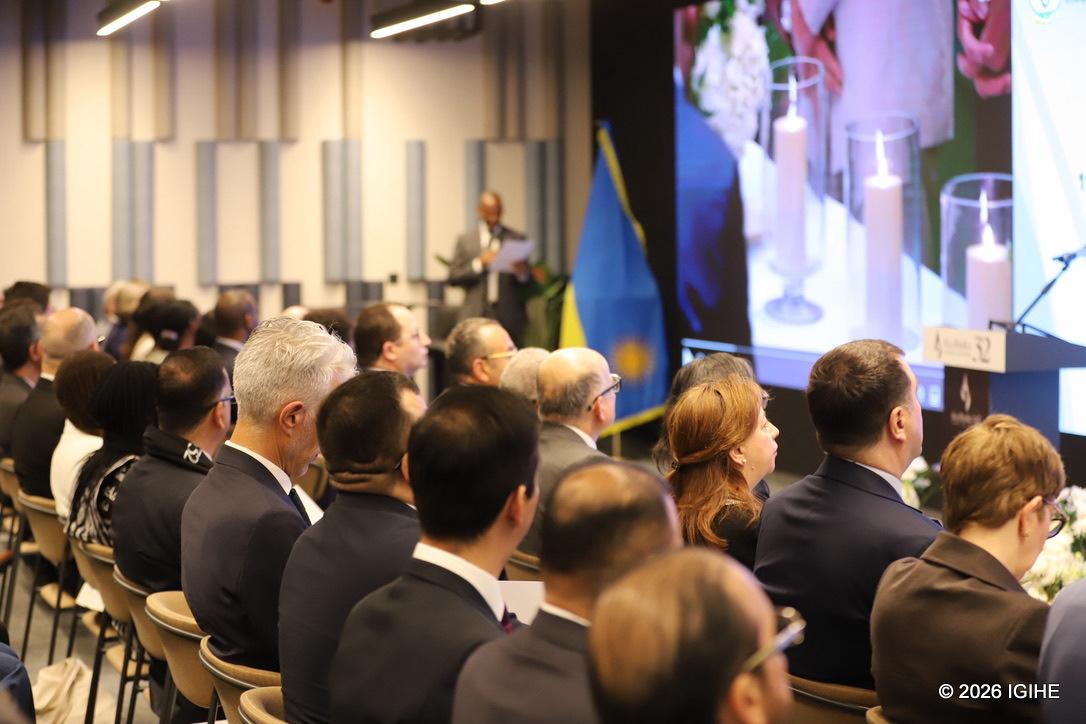
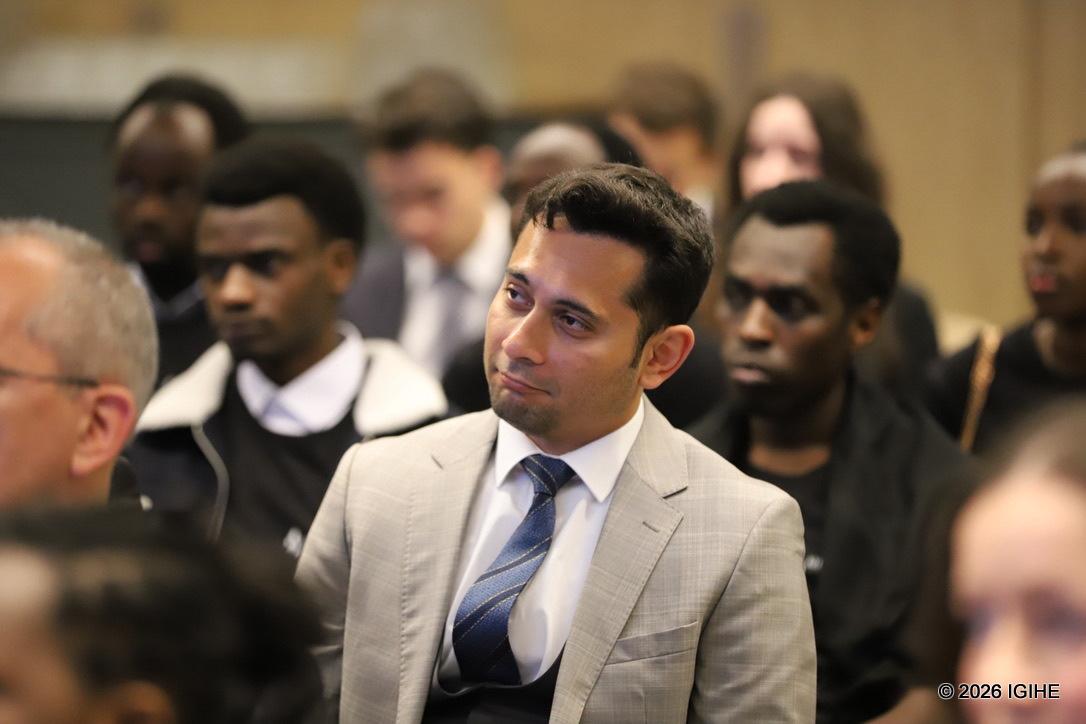
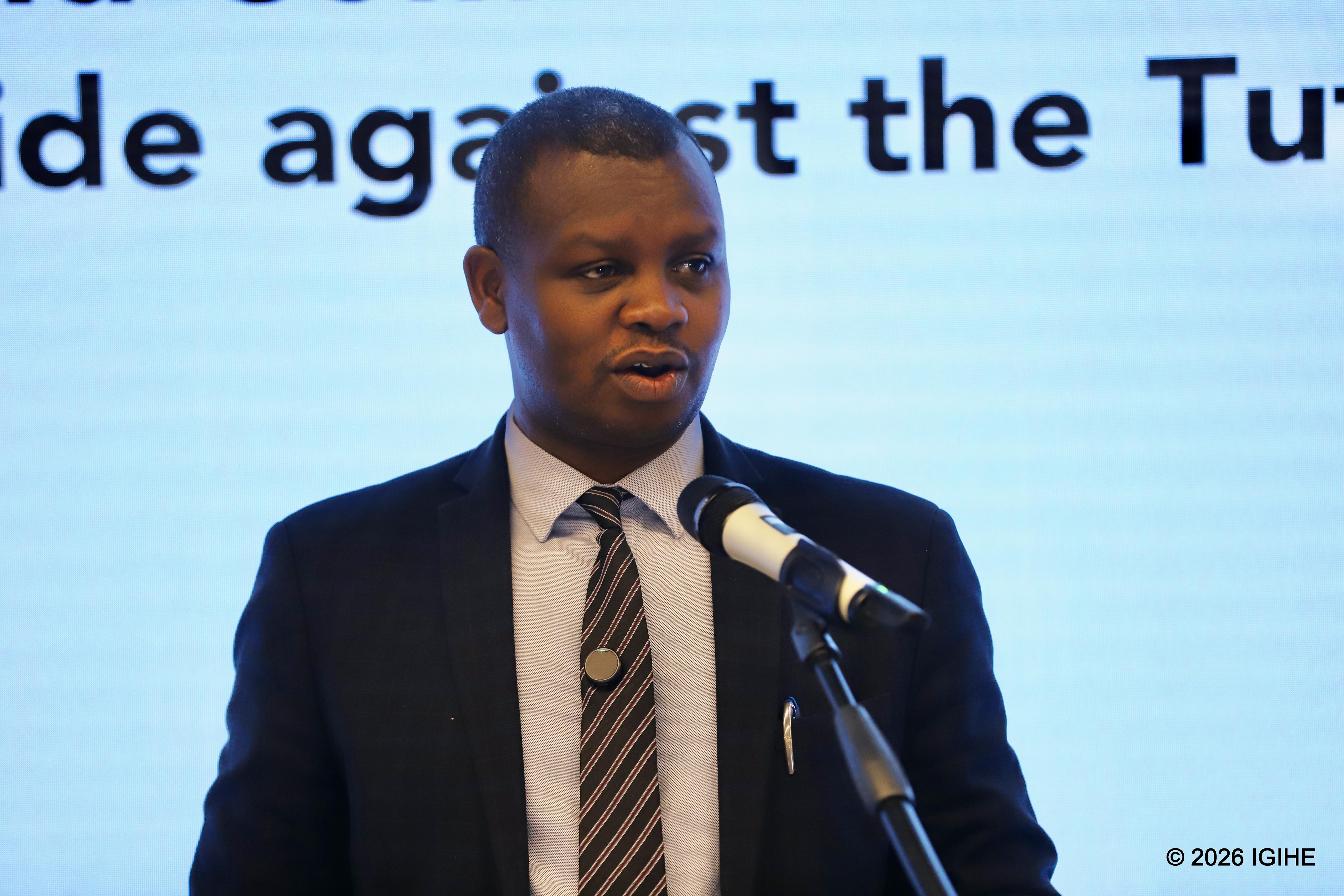
He made the remarks during the 32nd commemoration of the Genocide against the Tutsi held at the Ngororero Genocide Memorial in Ngororero Sector on April 10, 2026.
The memorial site holds the remains of more than 14,500 victims, most of whom were killed on April 10, 1994, after they had sought refuge in the former MRND party headquarters located at the site where the memorial now stands.
The Prime Minister noted that although Rwanda continues to make progress in rebuilding itself after the genocide, complacency must be avoided, as there are still individuals intent on dragging the country back into its tragic past.
“We must not be complacent because there are those who do not wish our country well. As you know and continue to hear, those who participated in the 1994 Genocide against the Tutsi continue to deny it and spread genocide ideology in the region where Rwanda is located, especially in the Democratic Republic of Congo,” he said.
He added that such actions often take place while the international community looks on, as was the case in Rwanda in 1994 and before.
“The choices we made as Rwandans, as the President of the Republic has emphasized, are that the Genocide against the Tutsi will never happen again in Rwanda,” he said.
He stressed that this commitment goes hand in hand with closing all possible paths that could allow genocide ideology to take root again, as well as strengthening self-reliance through hard work.
The Prime Minister also called on young people to take the lead in understanding the country’s history so they can effectively confront those who still promote genocide ideology, especially through online platforms. He also urged parents to be truthful with their children about what happened.
He commended the bravery of the Nyange students, who refused to be divided when they were attacked by infiltrators, saying their courage remains a powerful symbol of national unity.
Ngororero District Mayor Christophe Nkusi said that killings in the area began as early as 1990, and that more than 57,000 Tutsi were killed in the district and are laid to rest in seven memorial sites across different sectors. Mayor Nkusi expressed concern that some victims’ remains have still not been recovered, urging residents to continue sharing information about their locations.
“I once again strongly urge the residents of Ngororero District not to hide information about whereabouts of remains that have not yet been recovered and buried with dignity. This helps bring comfort to families who lost their loved ones and strengthens the unity and resilience we have committed to as Rwandans,” he said.
He added that even after the genocide was stopped, Ngororero was later affected by attacks from “infiltrators” led by former political and military leaders originally from the district. He said these were eventually defeated by the unity government, and the area is now peaceful and developing.
Annoncée Manirarora, a commissioner in IBUKA, the genocide survivors’ organization, said that Ngororero’s genocide history is unique because killings began as early as 1990.
Ngororero District today comprises the former Kabaya and Ngororero sub-prefectures.
The former Ngororero sub-prefecture included the communes of Kibilira, Ramba, Satinsyi, and Gaseke, where killings began well before 1994.
In Kibilira Commune, more than 400 Tutsi were killed between October 10 and 13, 1990. Additional killings were recorded in February 1992.
In Satinsyi Commune, killings had been going on before 1994, while in Ramba Commune, atrocities were intensified by speeches and mobilization efforts, including those of Dr. Léon Mugesera, who is accused of inciting violence during a public meeting in Birembo.
Similar patterns of violence were also reported in Gaseke Commune before 1994.
Premier Nsengiyumva joined residents of Ngororero during the commemoration event. The event was also marked by laying of wreaths at mass graves at the memorial. Prime Minister Dr. Justin Nsengiyumva has said that Rwanda’s choices following the Genocide against the Tutsi have provided strong assurance that such atrocities will never happen again. Ngororero District Mayor Christophe Nkusi said that killings in the area began as early as 1990. Annoncée Manirarora, a commissioner in IBUKA, the genocide survivors’ organization, said that Ngororero’s genocide history is unique because killings began as early as 1990.
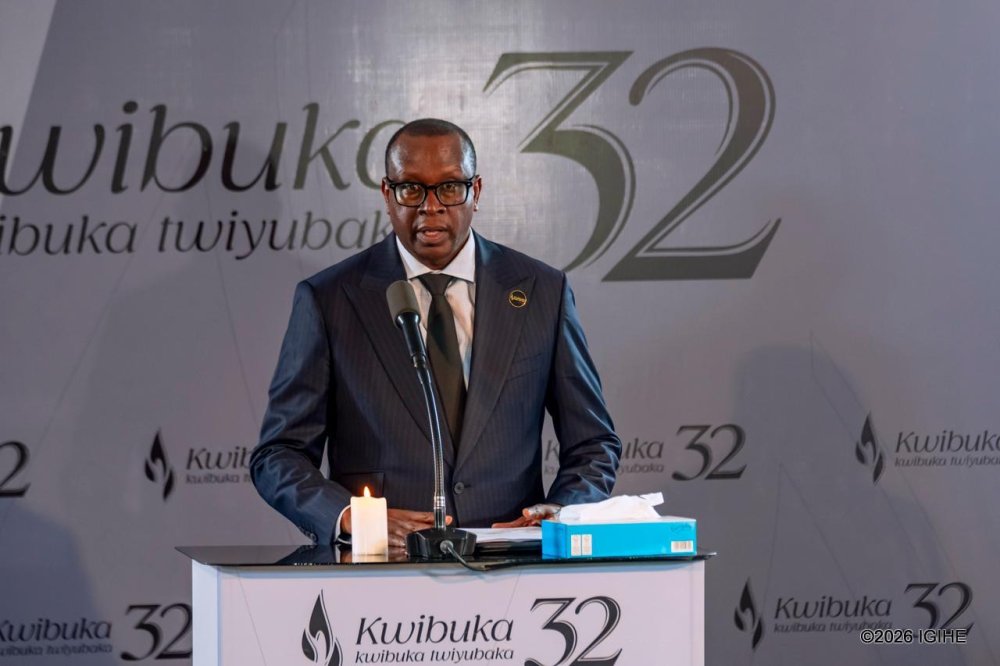
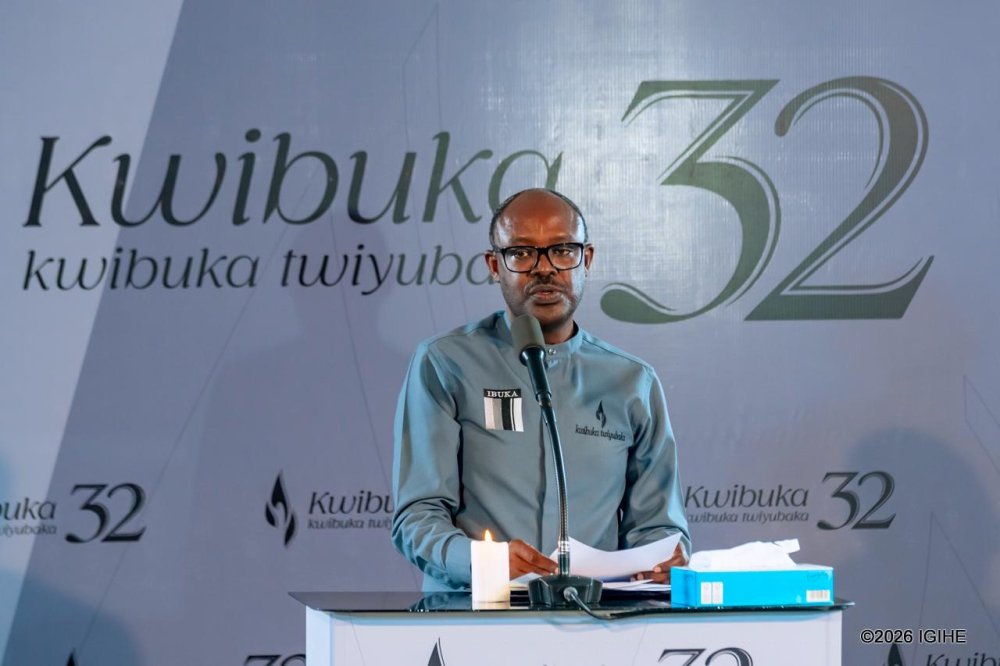
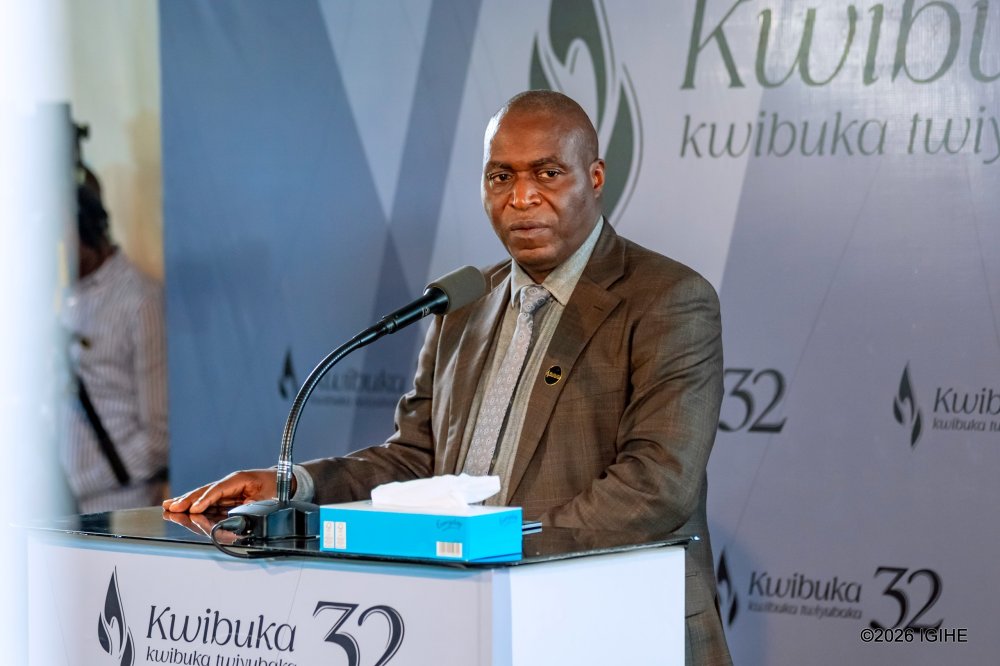
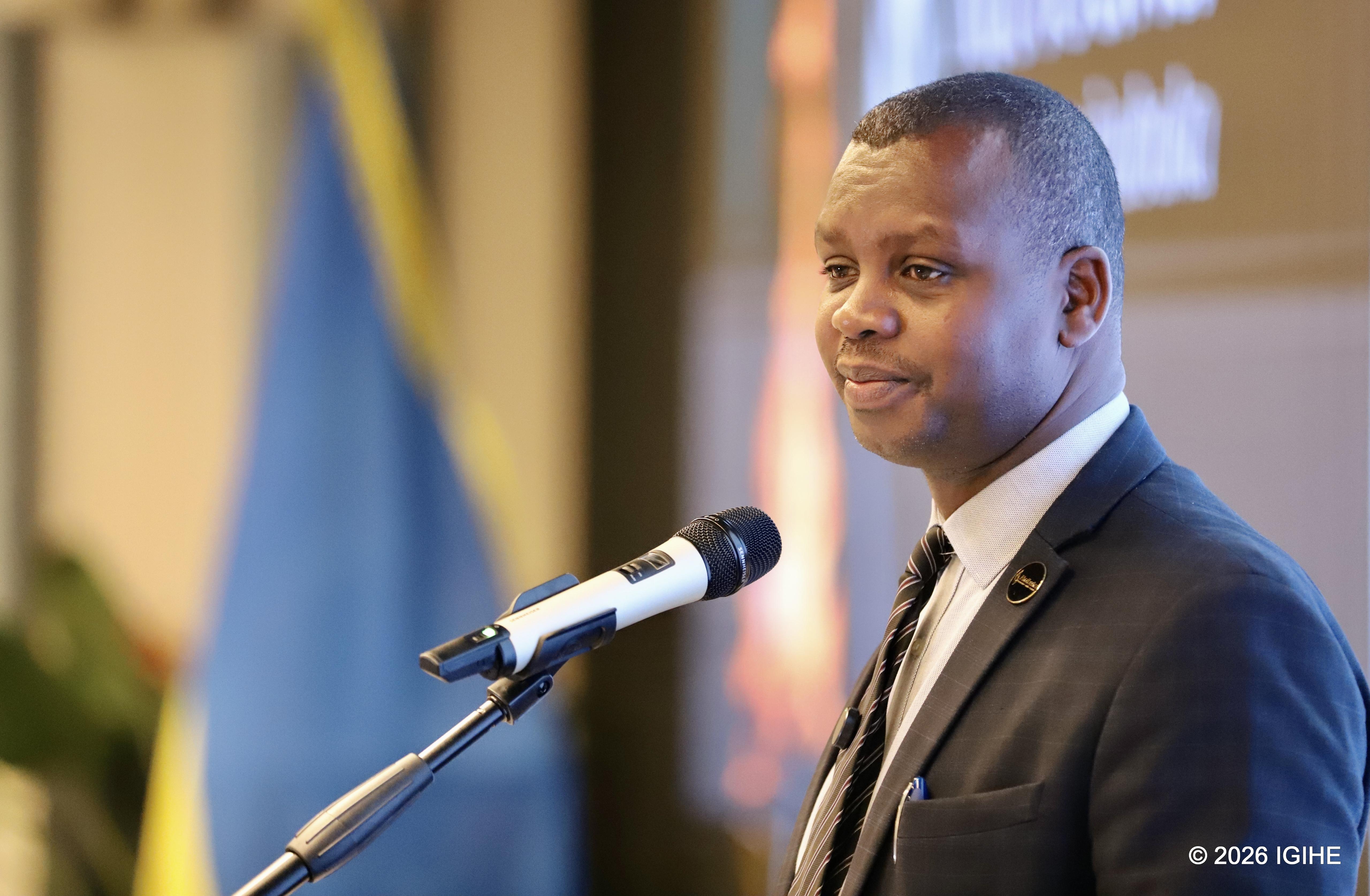
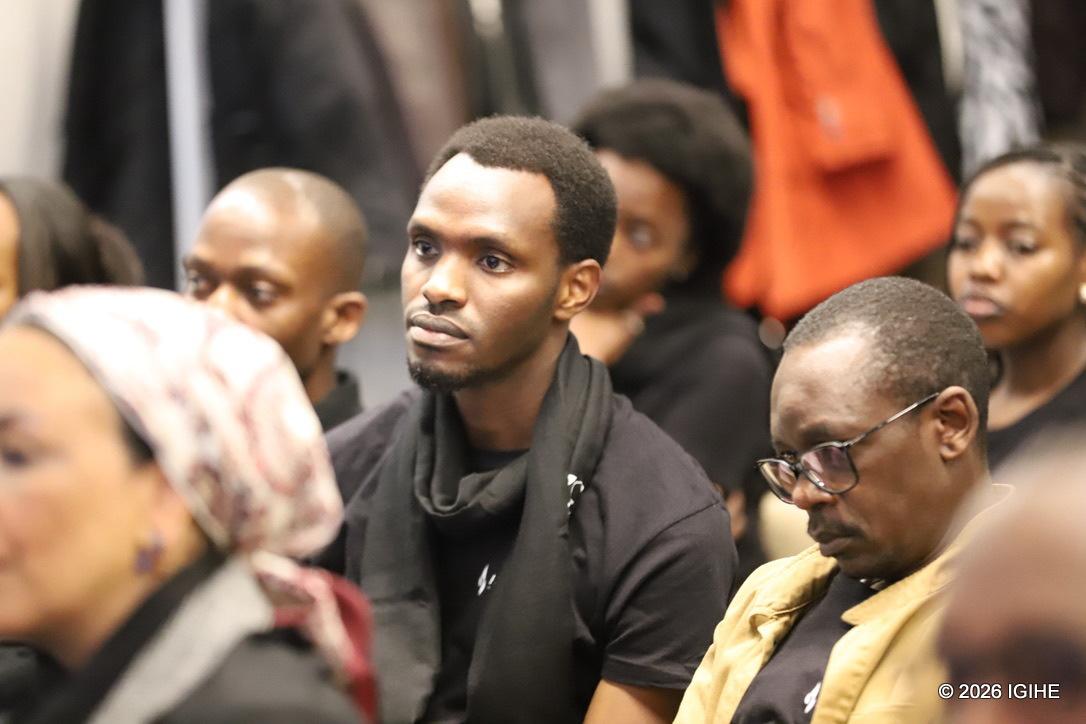
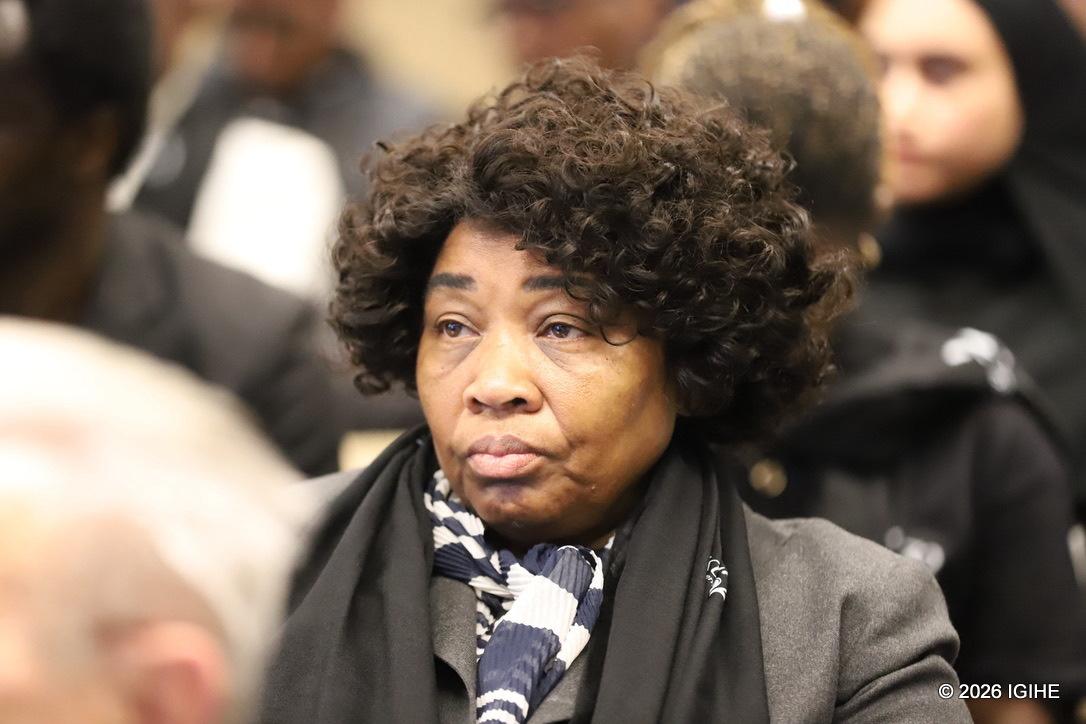
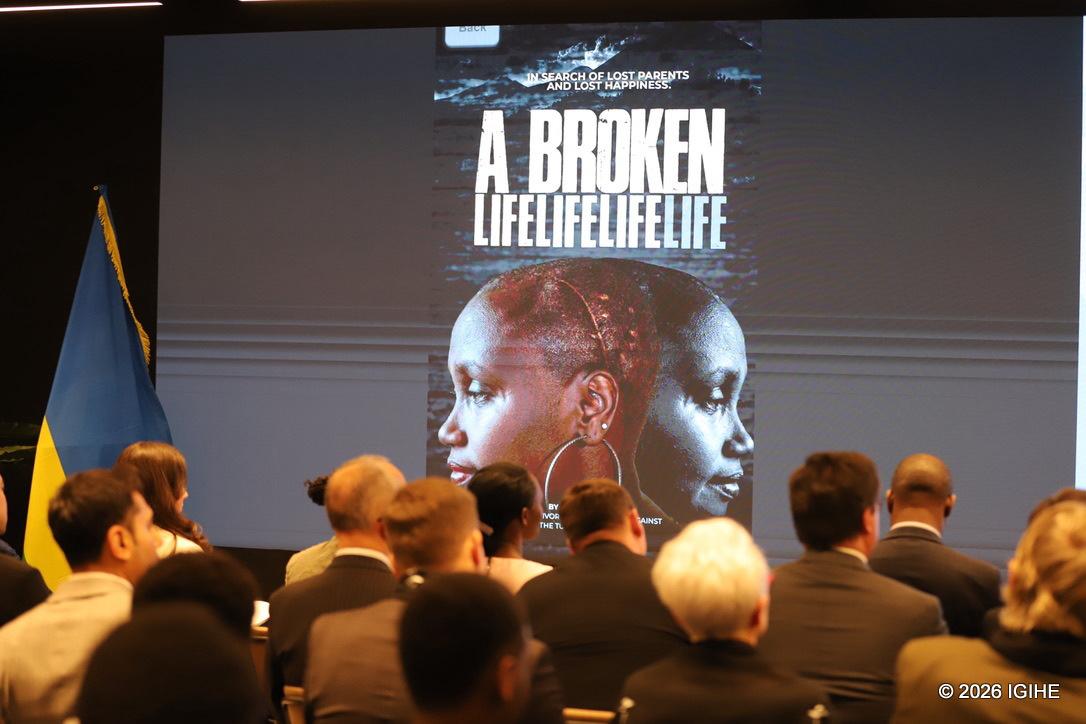
He made the remarks on the evening of April 10, 2026, during a commemoration marking the 32nd anniversary of the Genocide against the Tutsi.
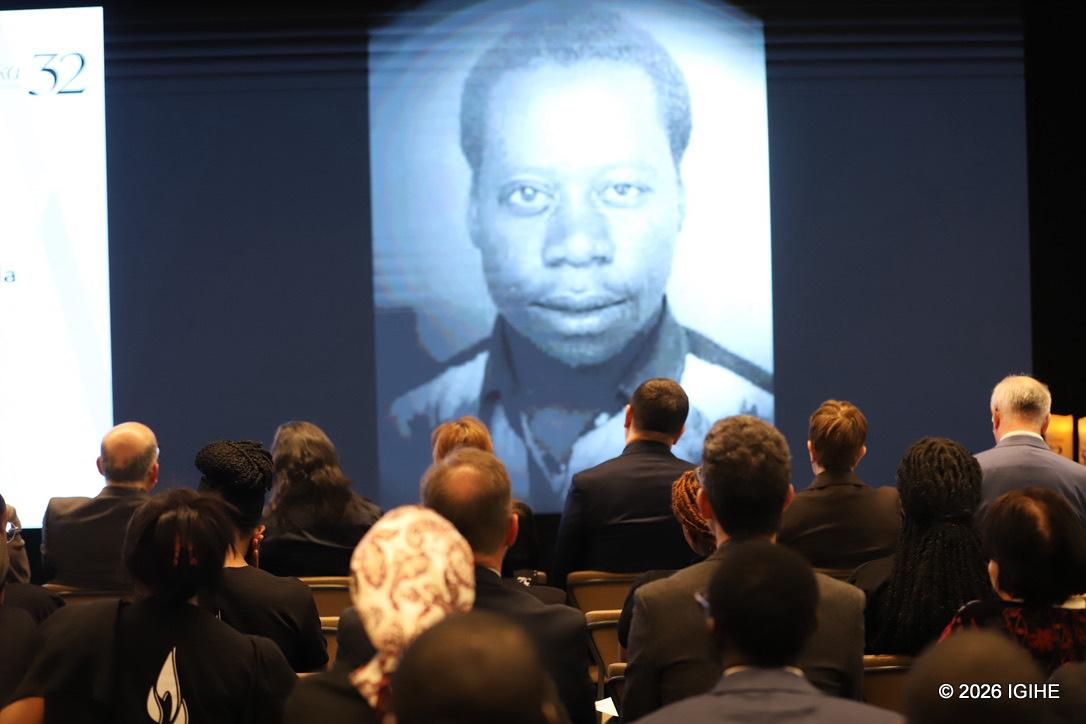
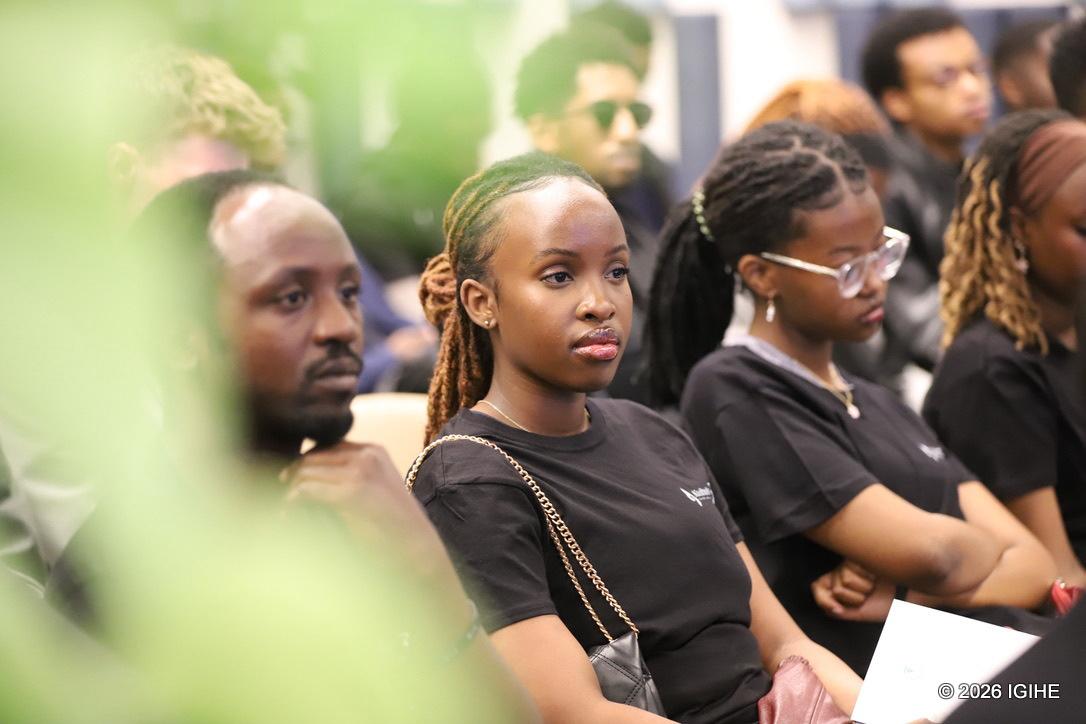
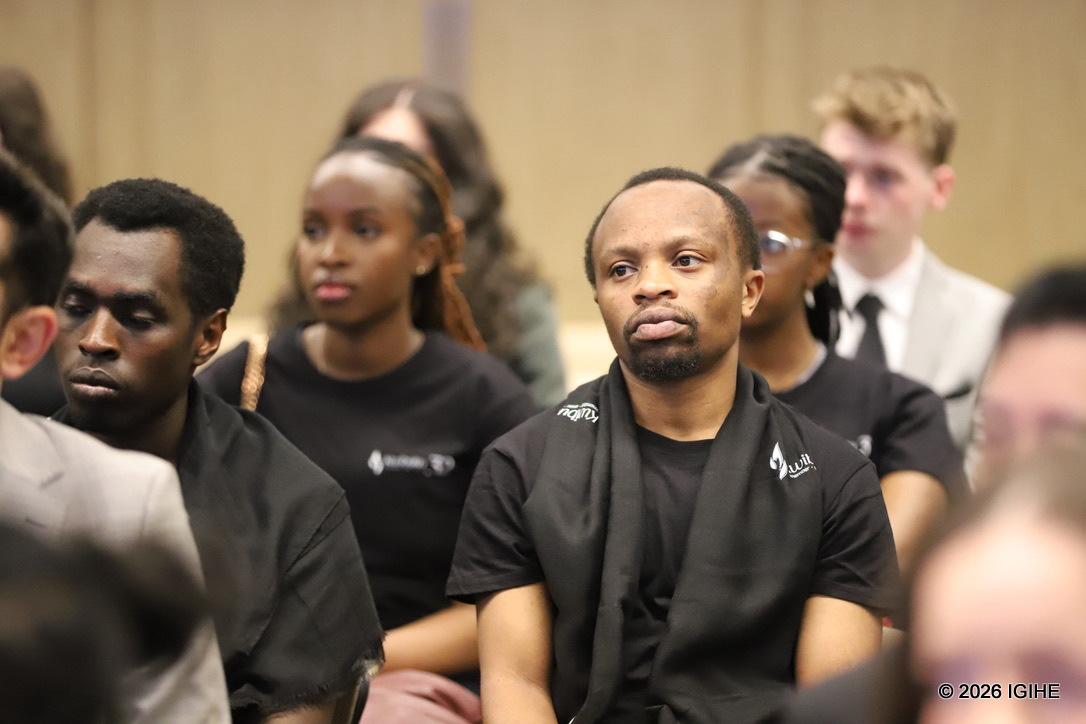
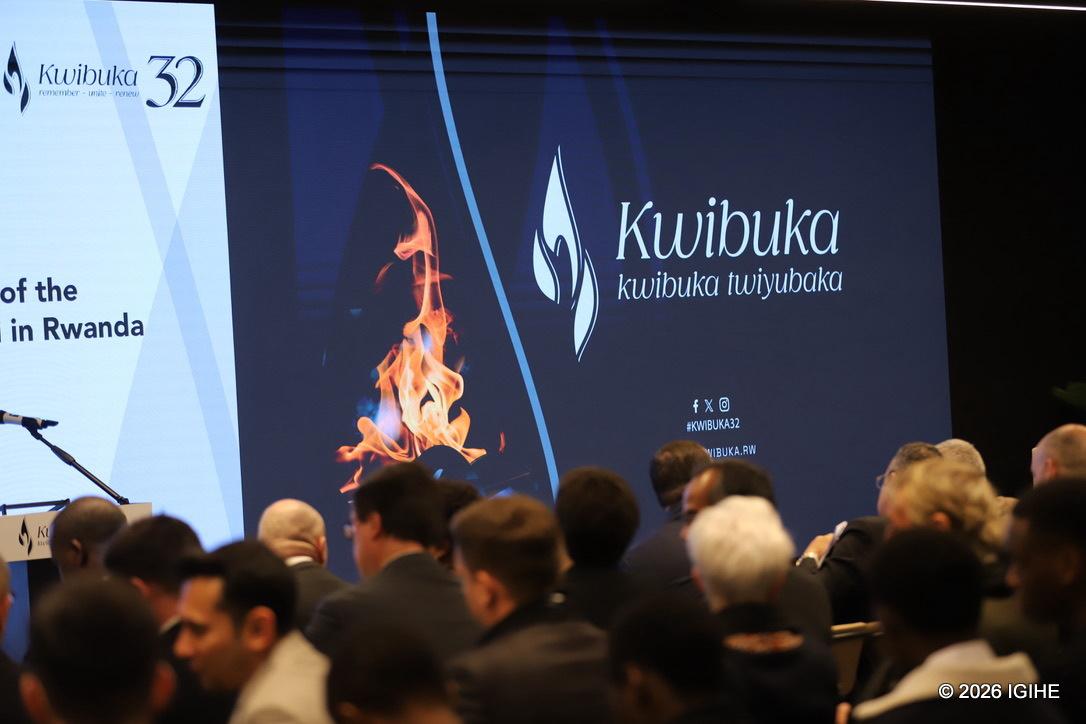
The event, organized by the Rwanda Media Commission, brought together journalists and media leaders to honor media professionals who were killed during the genocide simply because of their identity.
The Director General of the Rwanda Broadcasting Agency, Cléophas Barore, emphasized that the journalists who were killed were not targeted for professional misconduct.
“They did not broadcast or write anything that incited violence, nor did they violate any journalistic ethics. They were well-known and respected, yet that did not protect them. Instead, it made them targets, because to genocidaires, a Tutsi life had no value,” he said.
Barore also noted that some journalists were later prosecuted in international courts for their role in the genocide.
Diane Uwadede Isimbi, daughter of Vincent Shabakaka, the founder of the former Kiberinka publication, said her father used journalism to counter the hate and misinformation being spread, particularly propaganda directed at the Rwandan Patriotic Front.
The Chairperson of the Rwanda Journalists Association, Dan Ngabonziza, called on journalists to reject hate and actively fight genocide ideology.
“Our country’s painful history has shown us that the pen and the spoken word can either destroy or build. Today is a moment to renew our commitment and ensure we never become channels for messages that fuel division,” he said.
Ngabonziza urged journalists to deny a platform to individuals who promote or deny genocide, stressing the importance of safeguarding national unity.
“We must honor our colleagues who were killed by standing firm against genocide ideology, refusing space to denial and distortion, and protecting the unity and progress Rwandans have achieved,” he added.
He further emphasized that journalism should serve as a force for unity, reconciliation, and resilience, while actively rejecting divisive narratives.
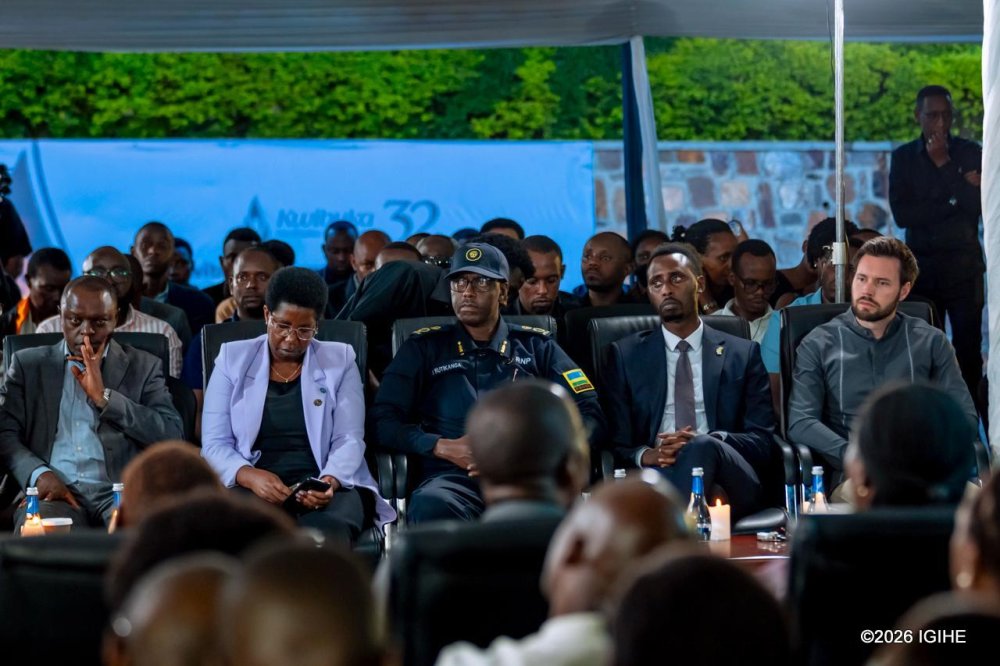
The commemoration event brought together various officials.
The President of IBUKA, Philbert Gakwenzire, also highlighted how media outlets contributed to spreading anti-Tutsi hatred.
However, he commended the post-genocide transformation of Rwanda’s media into a sector that supports nation-building.
Dr. Bizimana explained that genocidal propaganda in the media was rooted in extremist political movements. He outlined how, prior to the genocide, various media outlets systematically spread hatred and encouraged Hutus to kill Tutsis.
He cited cases of media figures prosecuted internationally, including Ferdinand Nahimana, Jean-Bosco Barayagwiza, and Hassan Ngeze, who were tried together for their role in inciting genocide.
The minister described different categories of media at the time: state-owned outlets, so-called independent outlets aligned with the government, and others that did not openly promote hatred.
He pointed out that the infamous Radio Télévision Libre des Mille Collines recruited skilled journalists and former officials to effectively disseminate its extremist agenda.
He further explained that RTLM’s operations were closely linked to the presidency, underscoring its political importance. Government officials were integrated into its leadership structures, while intelligence officials were tasked with supplying information and identifying loyal, hardline journalists.
Among those involved were Donath Hakizimana, then Secretary General of the national intelligence service, who helped source information and personnel for RTLM, and Gaspard Musabyimana, now based in Belgium, who managed programming and collaborated with intelligence networks.
Musabyimana is also linked to Radio Inkingi, which continues to spread genocide ideology.
The President of IBUKA, Philbert Gakwenzire, also highlighted how media outlets contributed to spreading anti-Tutsi hatred.
Dr. Bizimana also identified Ferdinand Nahimana as one of the key architects of genocide ideology, including the concept of “civilian self-defense,” which encouraged collective violence against Tutsis.
He noted that media houses such as ORINFOR, Imvaho, Kangura, and Kinyamateka played varying roles in spreading divisive narratives at different times. He specifically highlighted how Kinyamateka contributed to shaping anti-Tutsi sentiment through its publications.
According to Bizimana, RTLM strategically recruited charismatic journalists known for engaging content, including music, sports, and general news, to attract a wide audience while subtly embedding hate messages. These included figures such as Georges Ruggiu and Valérie Bemeriki, among others.
Dr. Bizimana stated that journalists played a role in the Genocide against the Tutsi through the words they used on radio, television, and in other media outlets.
“They did not pick up machetes to kill, they did not throw grenades into crowds, they did not use guns, nor did they engage the enemy in combat. They killed through words and through their publications,” he said.
He added, “Killing can also be carried out through writing and speech, and that is often where genocide begins.”
Dr. Bizimana emphasized that no one in a country that has experienced genocide should afford themselves the luxury of forgetting its history or acting as if they are unaware of the country’s past.
“In a country that has gone through genocide, with a painful history of ethnic politics, discrimination, and the Genocide against the Tutsi, no journalist, politician, or any individual should behave as though they are in a country without such a background. It is clear that there are journalists and self-proclaimed politicians who act carelessly, ignoring the unique history of ethnic division and genocide in this country,” he said.
He urged journalists to learn from those who upheld professionalism and integrity, to avoid aligning themselves with hate, division, and genocide ideology, and instead commit to playing a constructive role in building society.
List of some journalists killed during the Genocide against the Tutsi and their respective media houses
ORINFOR
1. RUBWIRIZA Tharcisse 2 .MWUMVANEZA Médard 3. GASANA Cyprien 4 .KARAKE Claver 5. KARAMBIZI Gratien 6. KARINDA Viateur 7. RUDAHANGARWA J. Baptiste 8. SEBANANI André 9. KALISA Calixte 10. NSABIMANA Emmanuel 11. BUCYANA Jean Bosco 12. MBUNDA Félix 13. MUNYARIGOGA Jean Claude 14. NSHIMIYIRYO Eudes 15. Byabagamba Stratton (killed in 1992, he worked for teh Catholic Church hosting a show at Radio Rwanda)
LE PARTISAN
15. HABINEZA Aphrodice (SIBO)
LE TRIBUN DU PEUPLE
16. MUKAMA Eugène 17. HATEGEKIMANA Wilson 18. GAKWAYA Eugène 19. RUGAJU Jean Claude
LE FLAMBEAU
20. BAZIMAZIKI Obed 21. KARINGANIRE Charles 22 .MUNANA Gilbert
The Director General of the Rwanda Broadcasting Agency, Cléophas Barore, emphasized that the journalists who were killed were not targeted for professional misconduct.
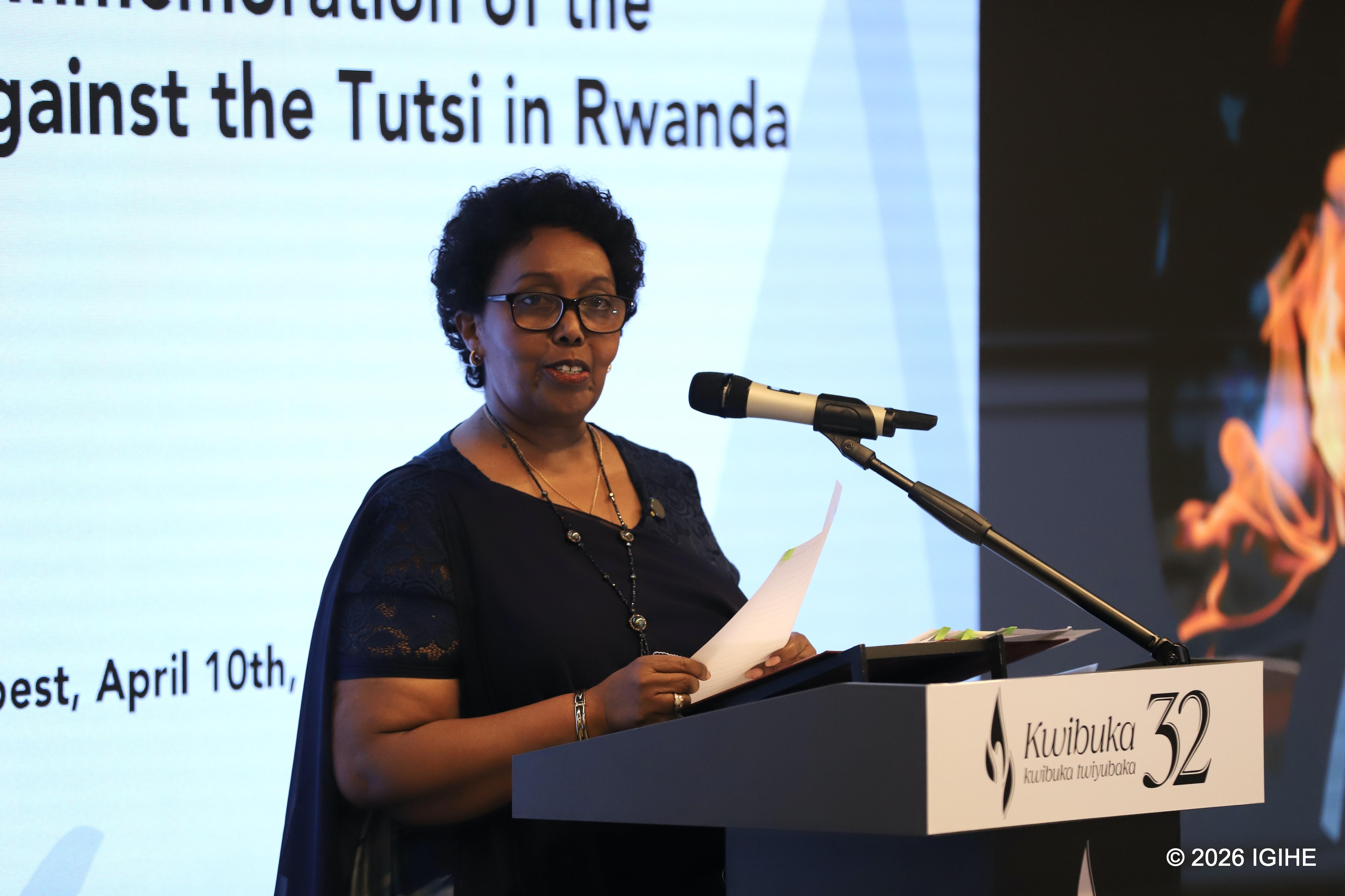
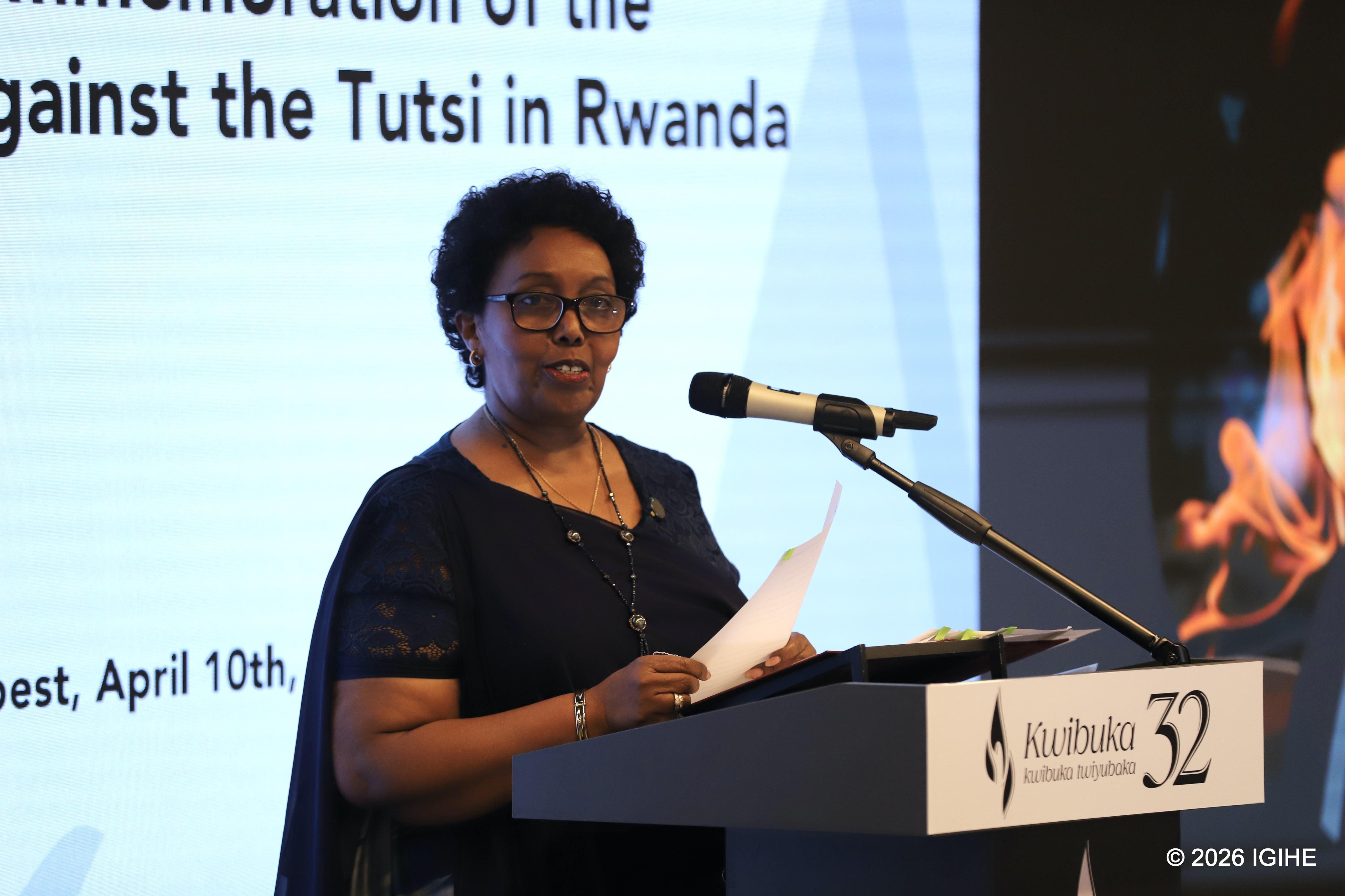
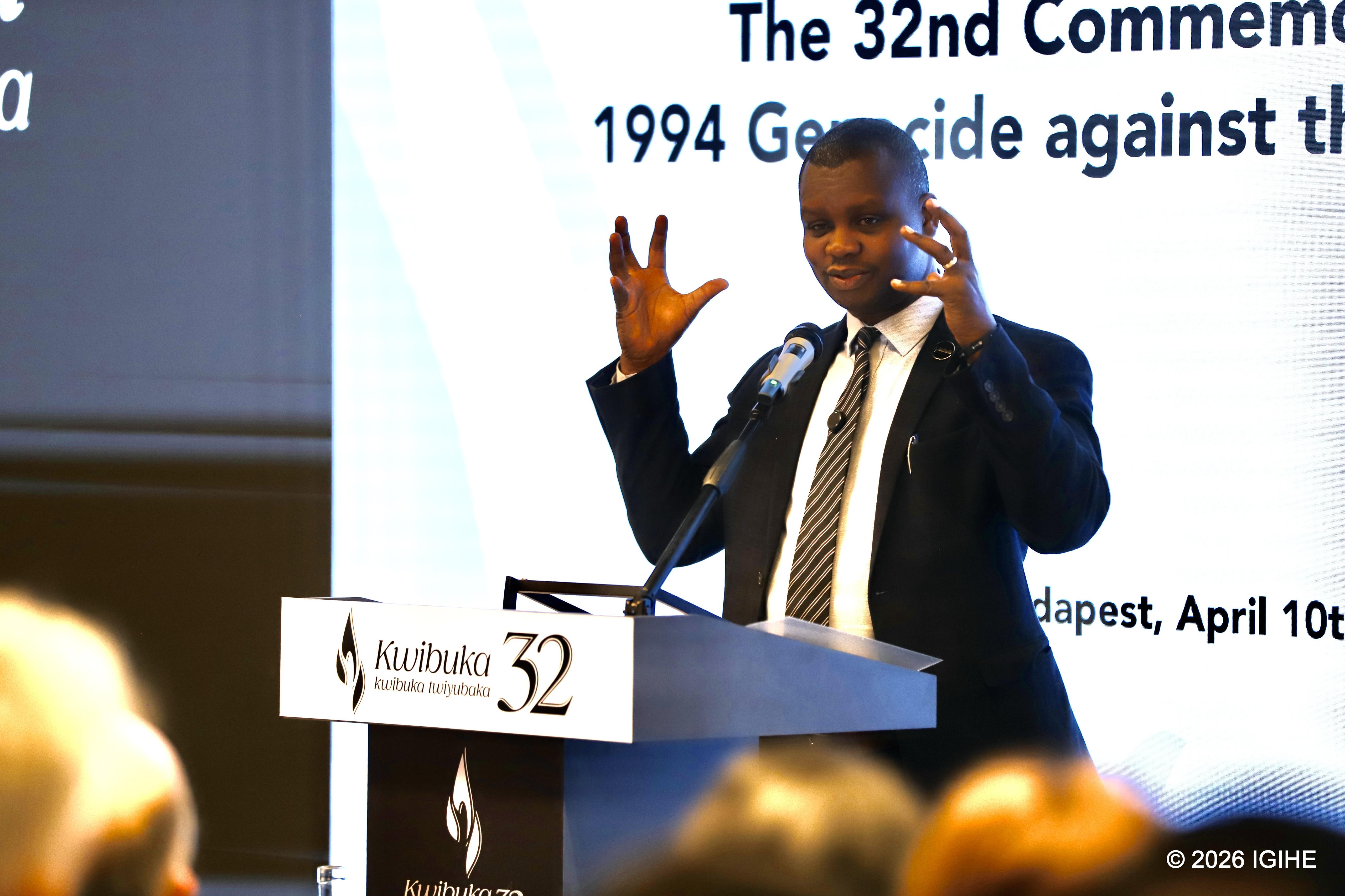
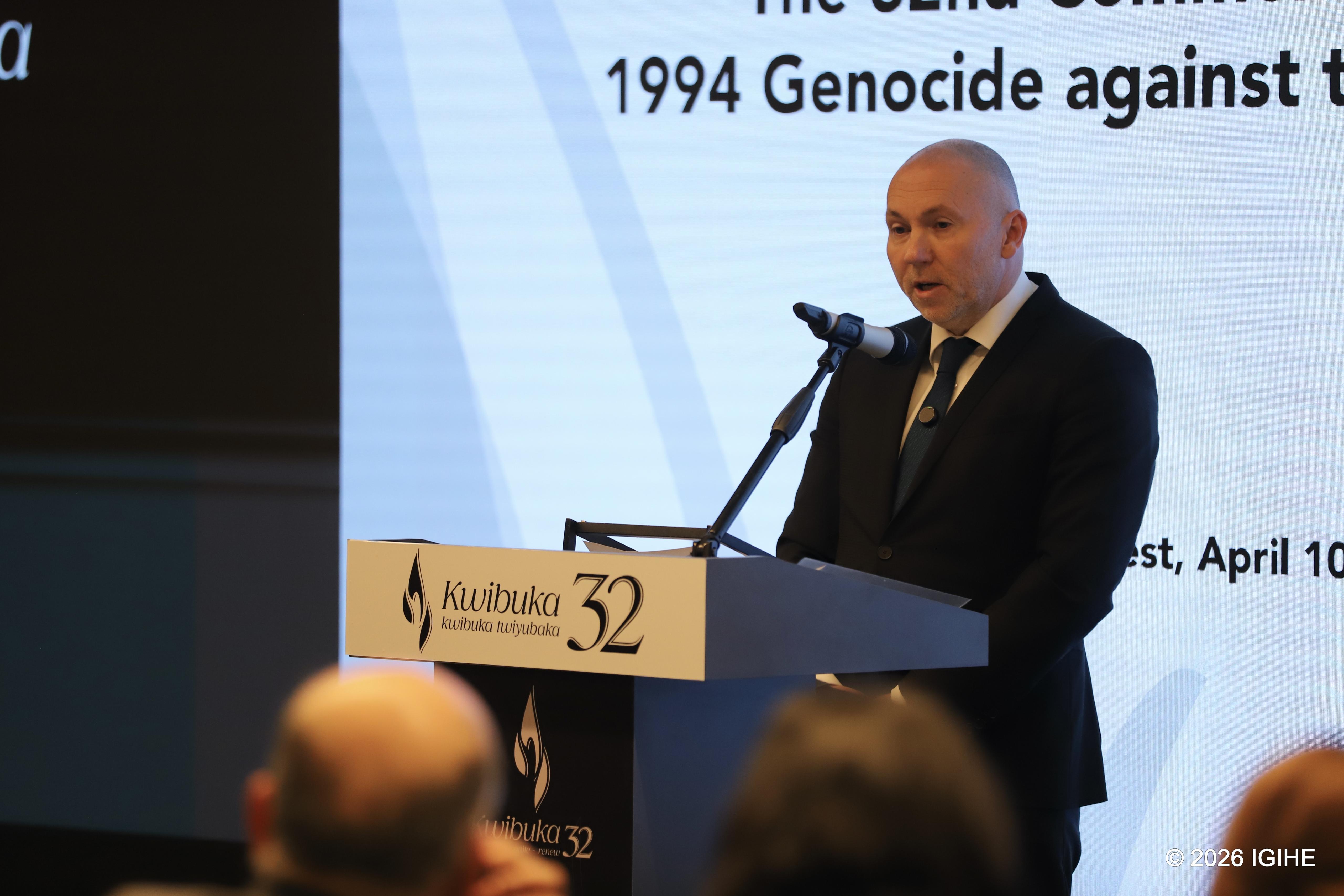
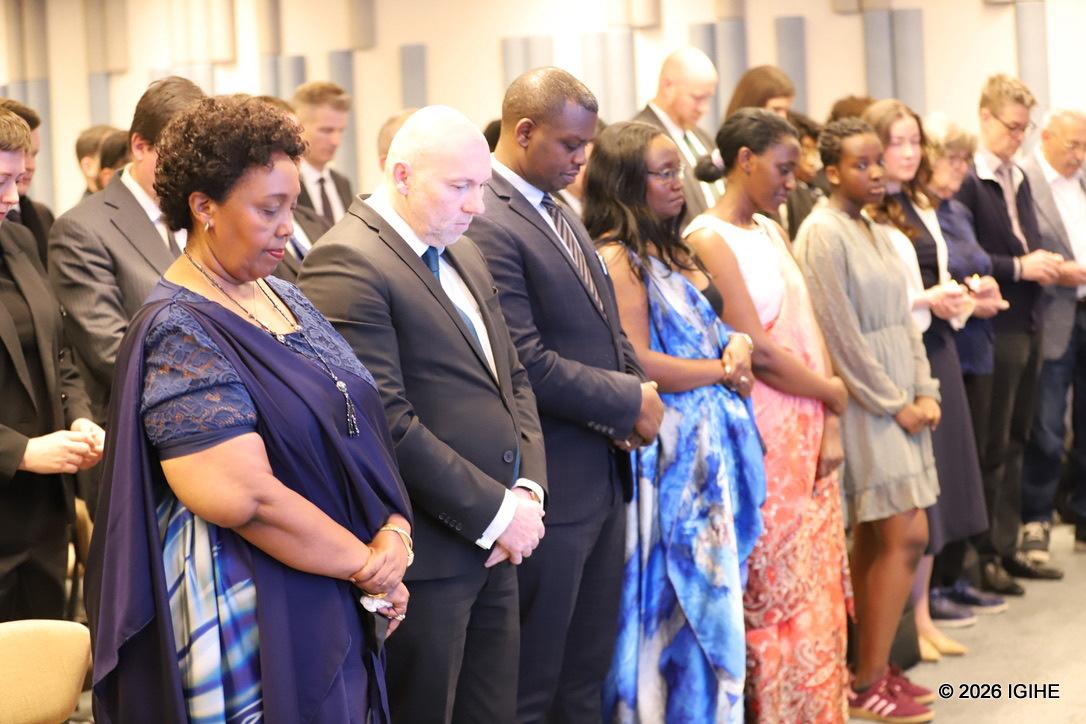
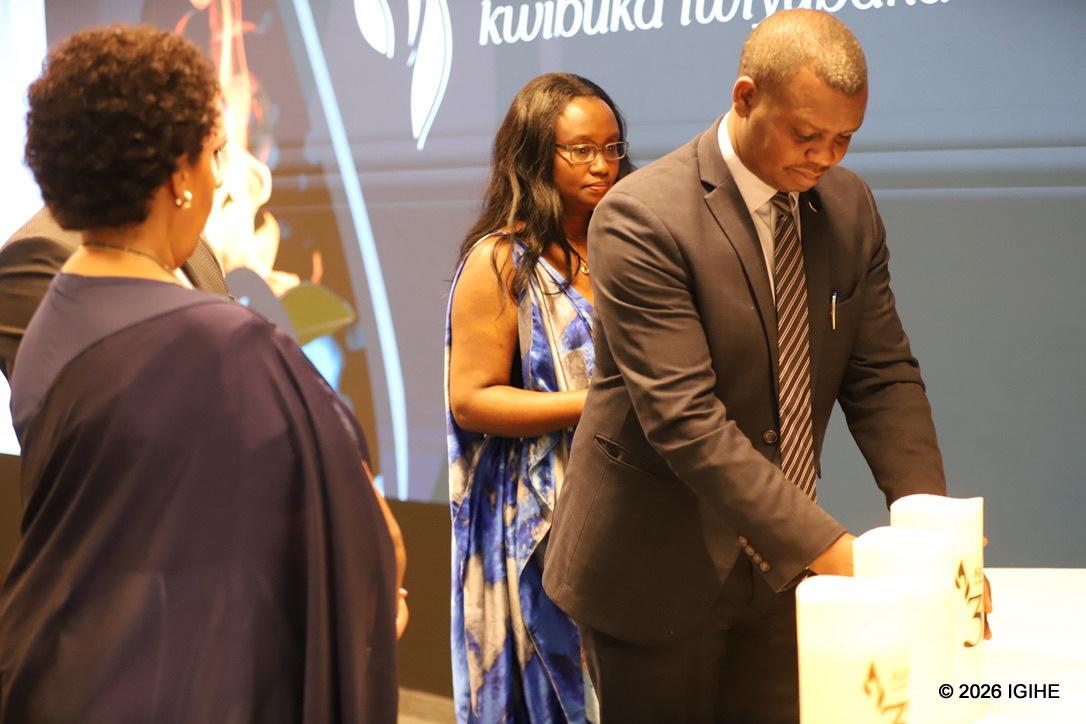
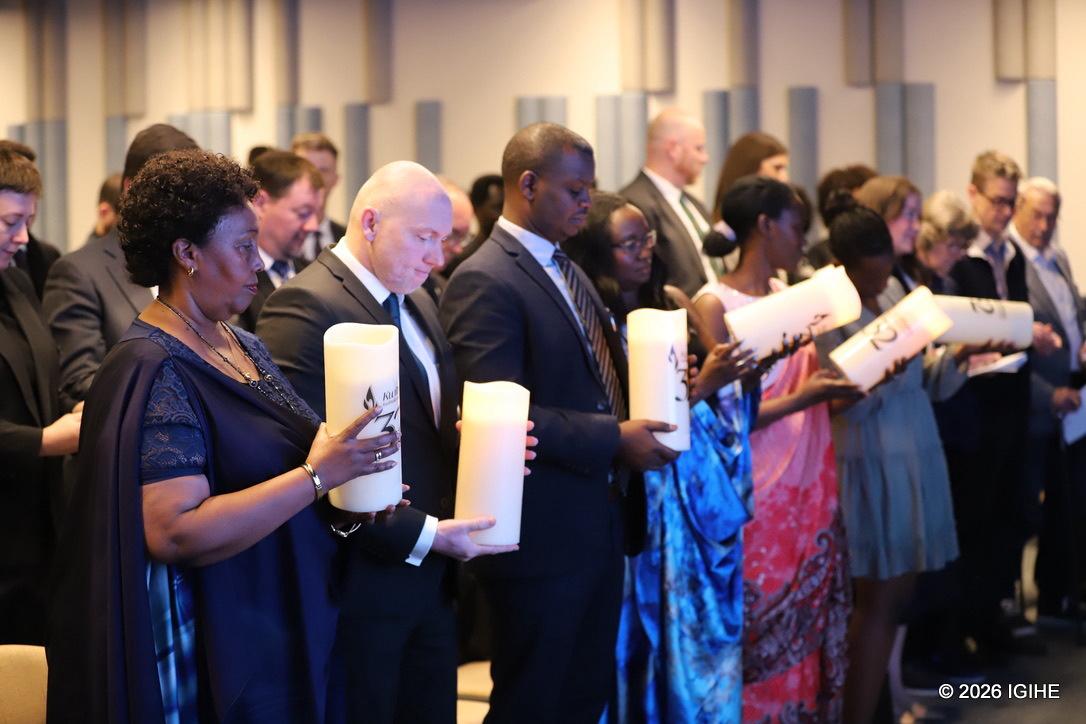
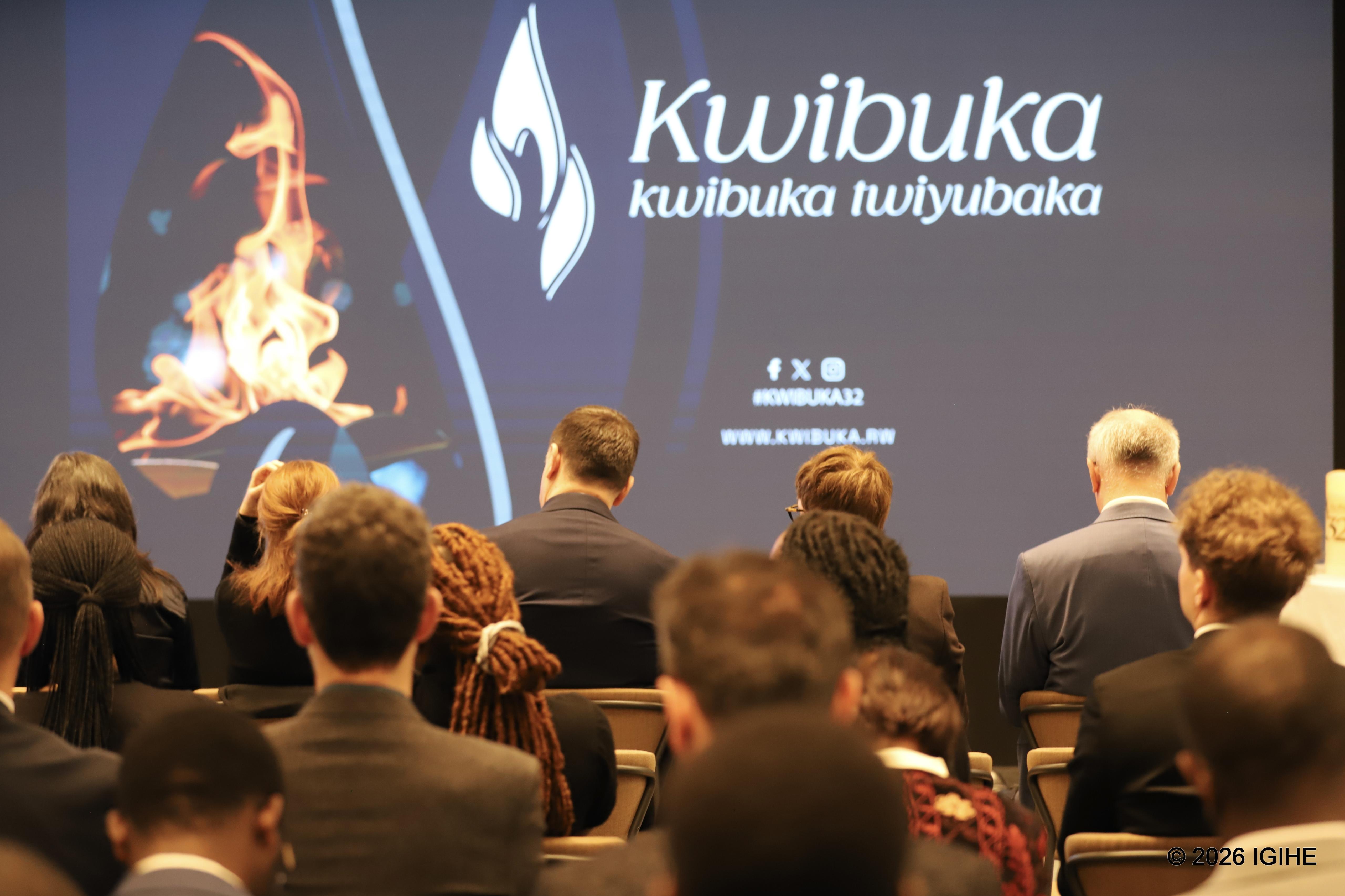
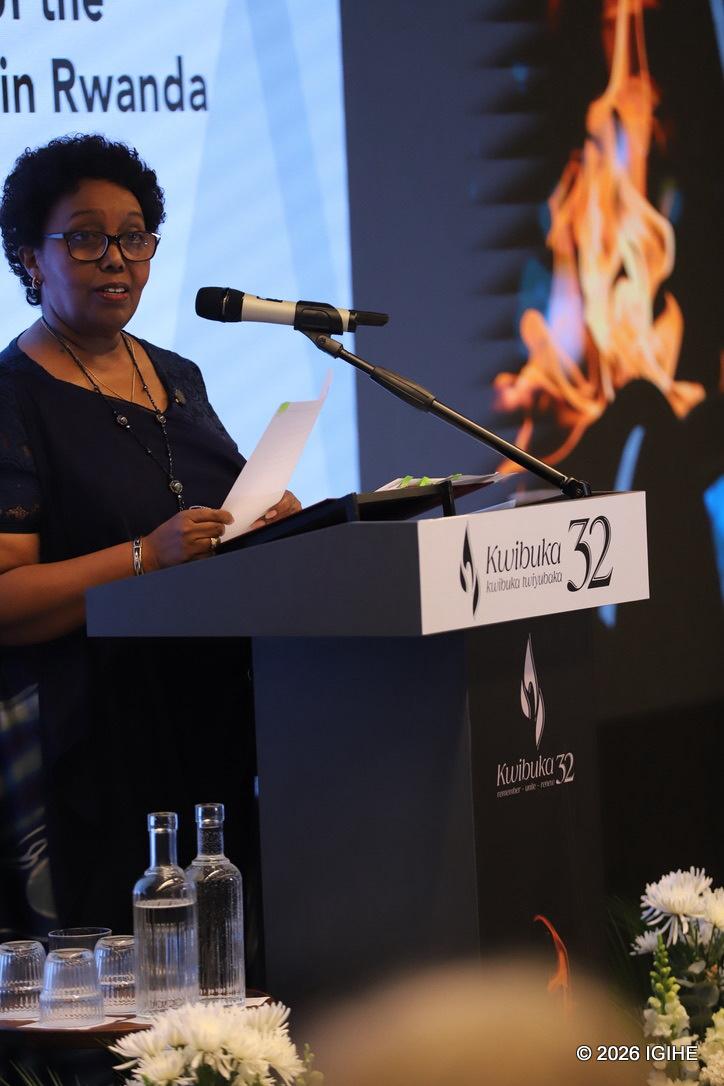
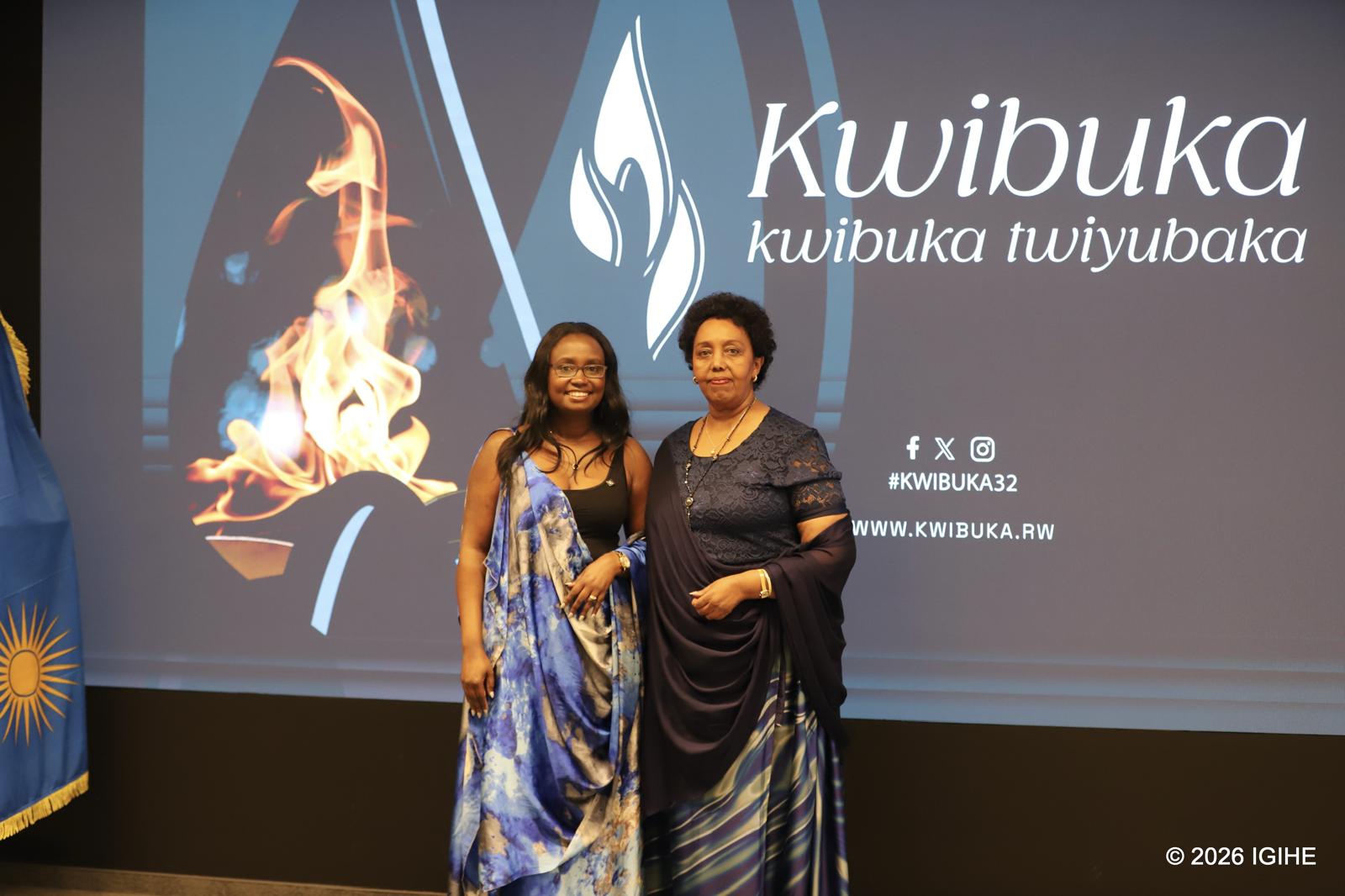
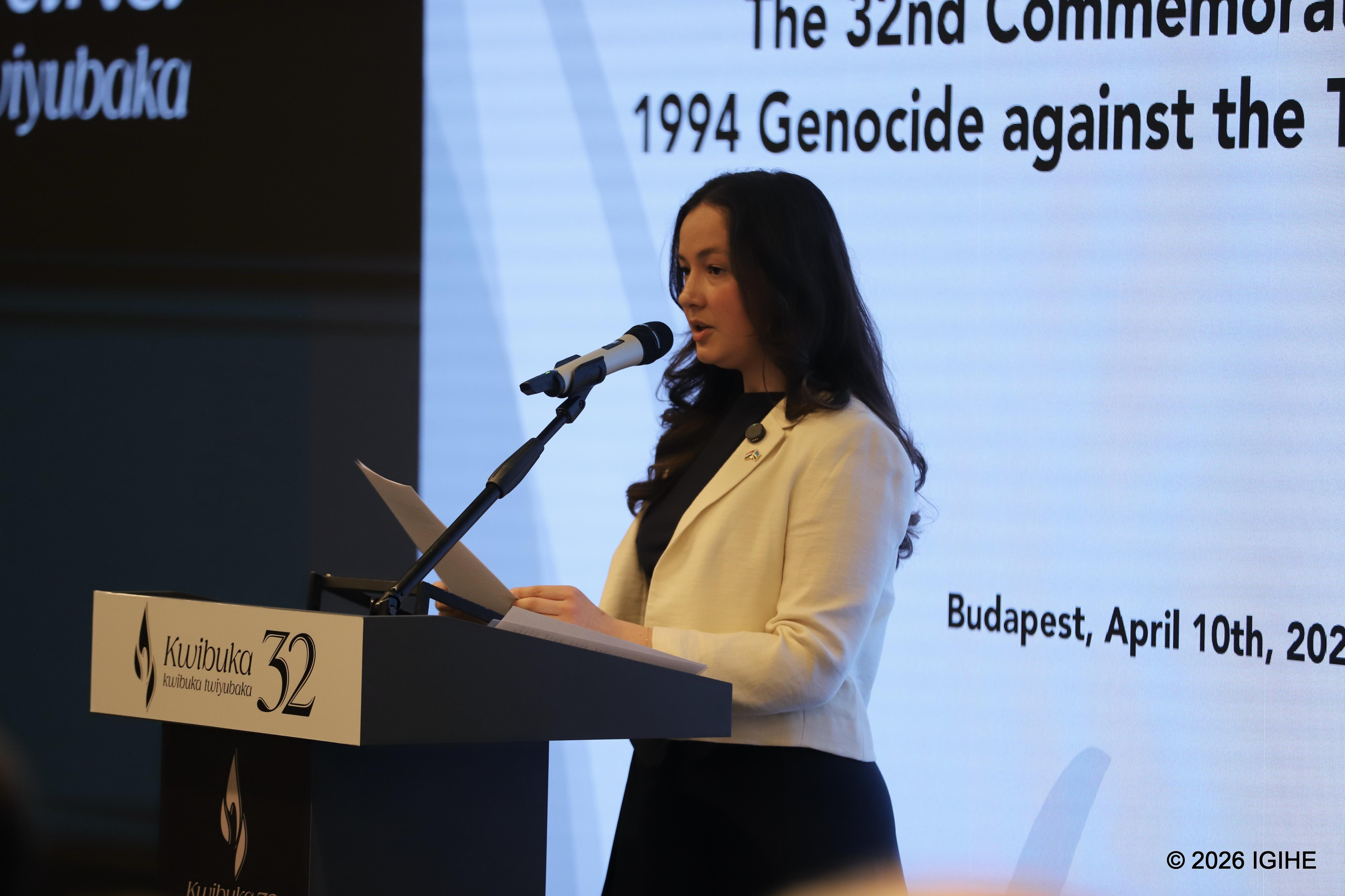
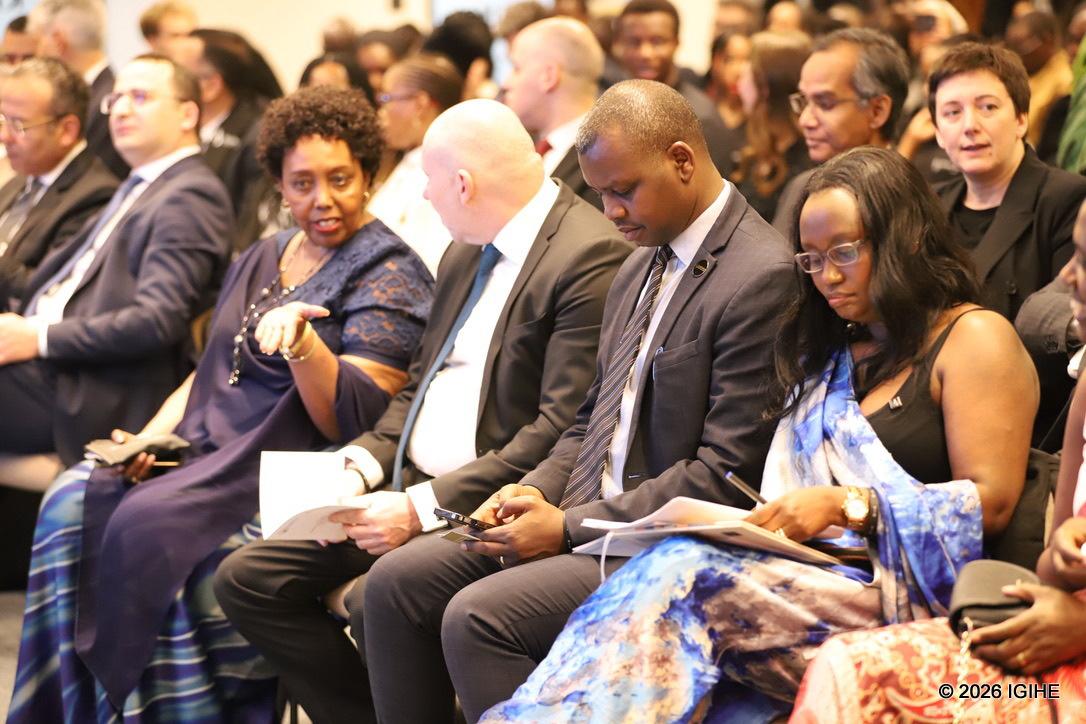
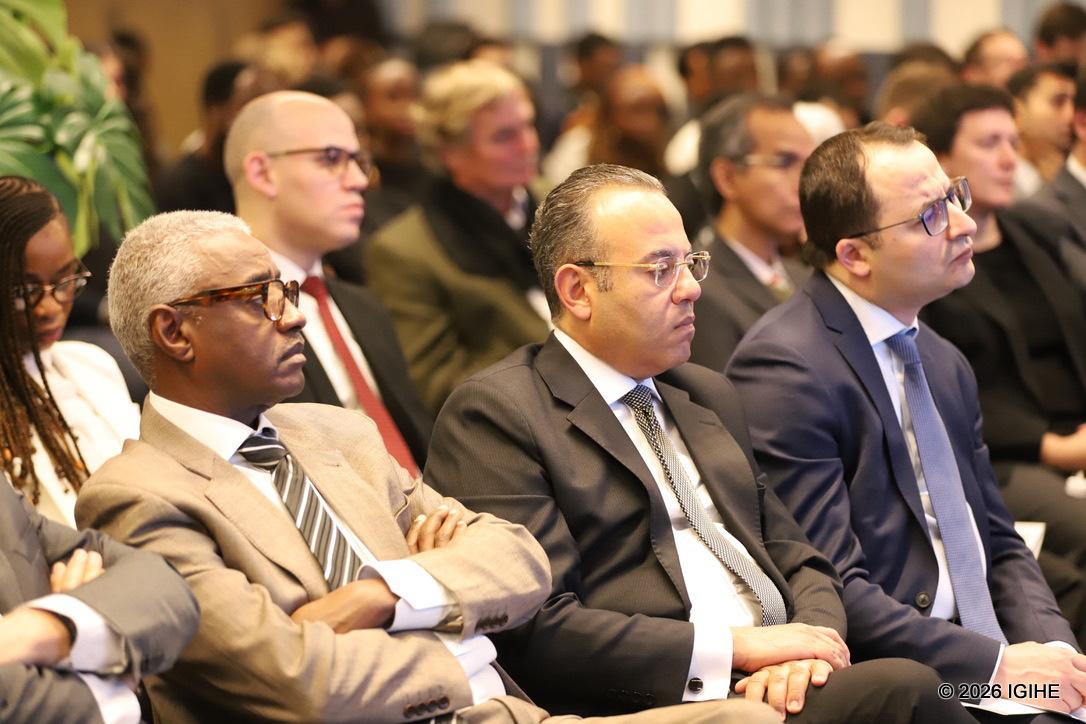
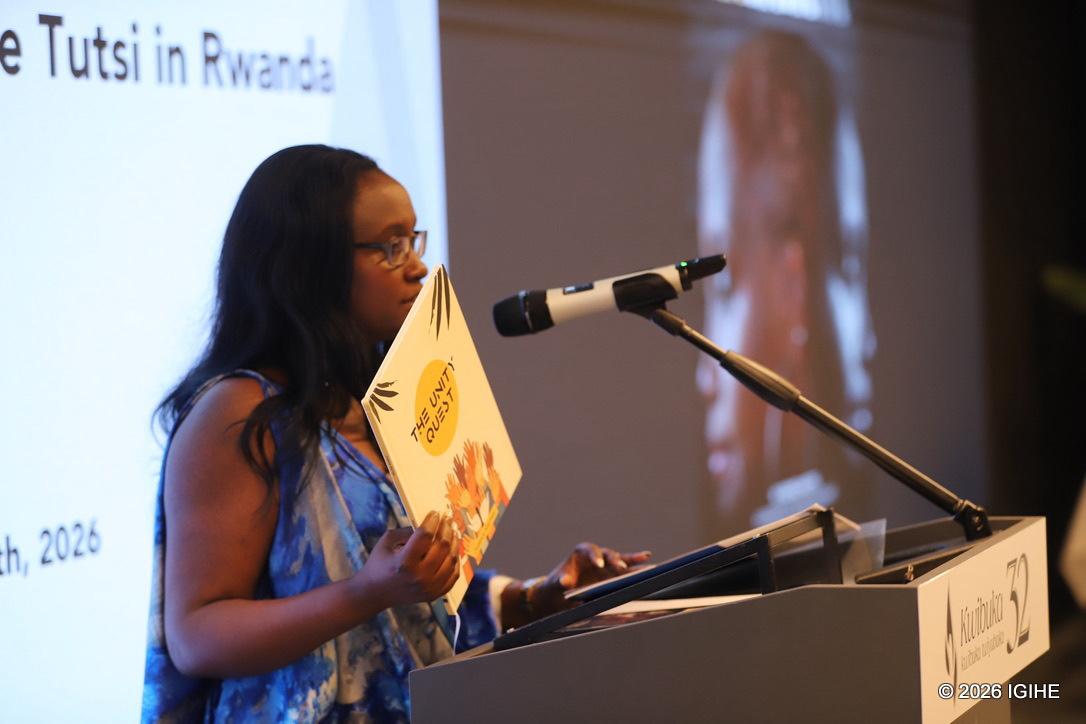
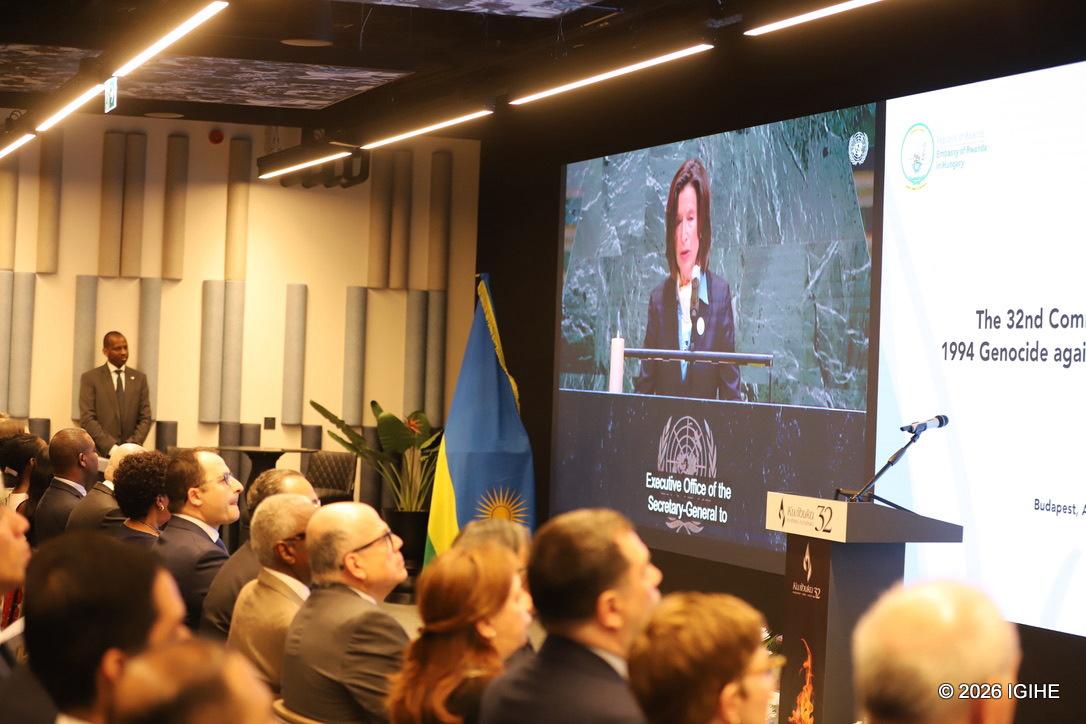
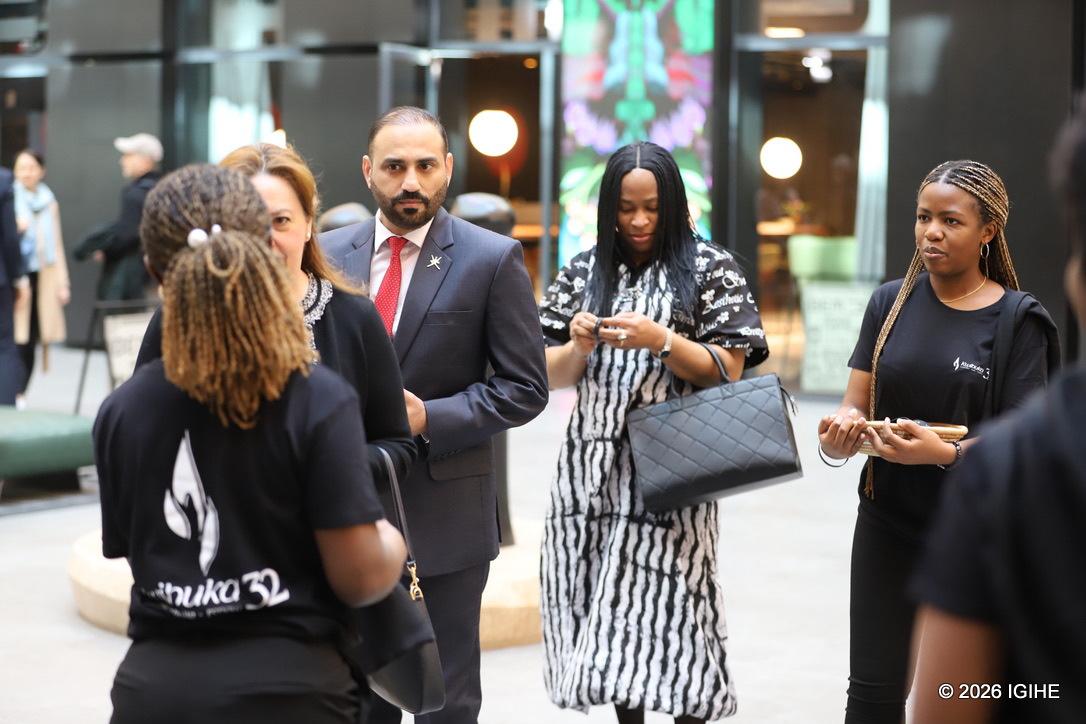
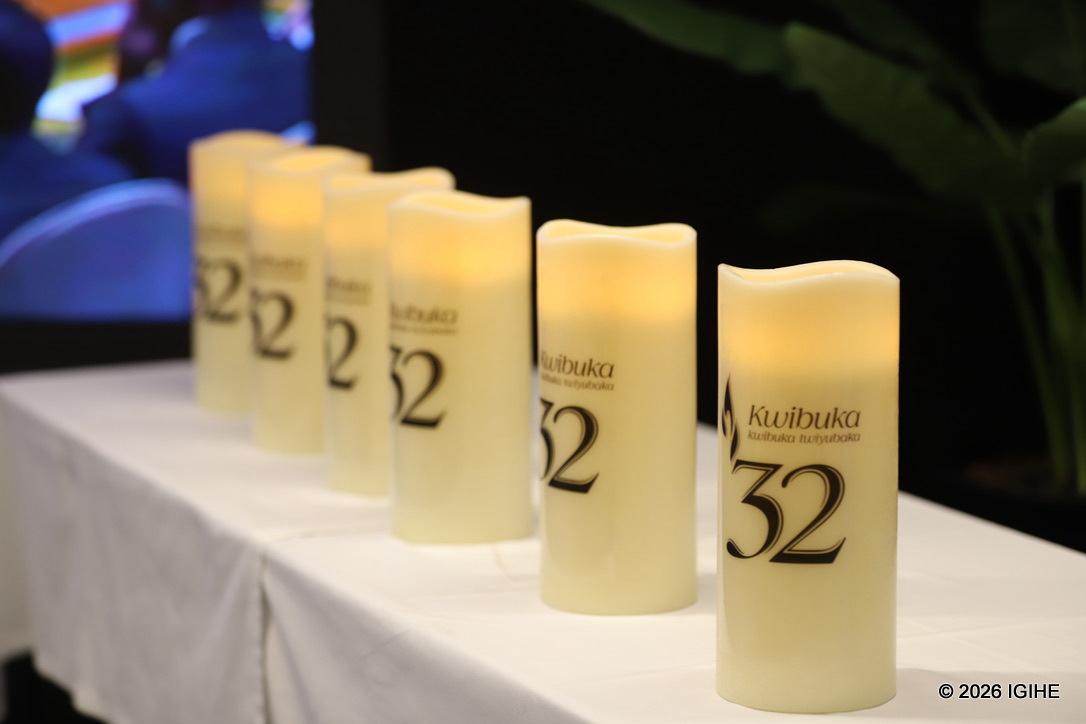
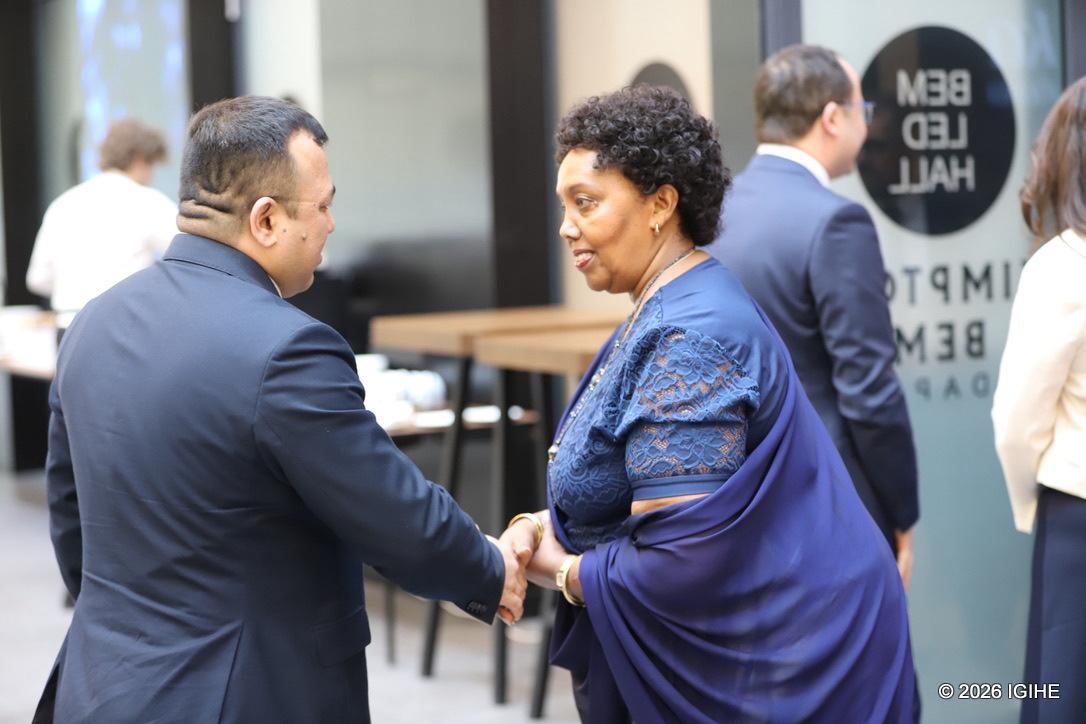
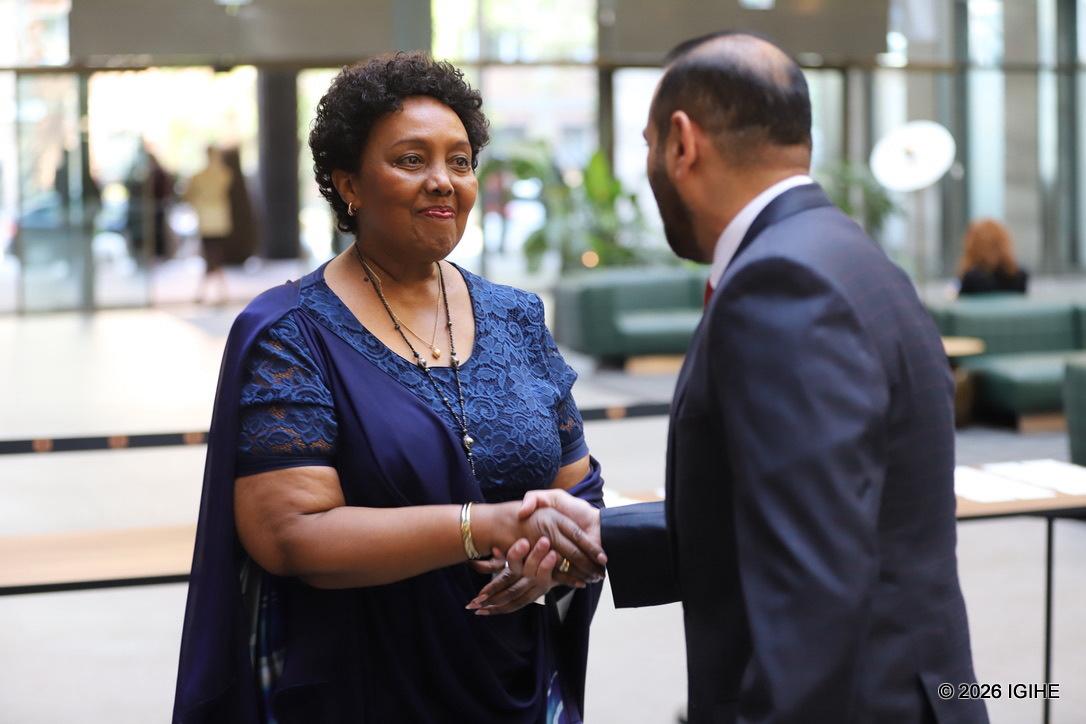
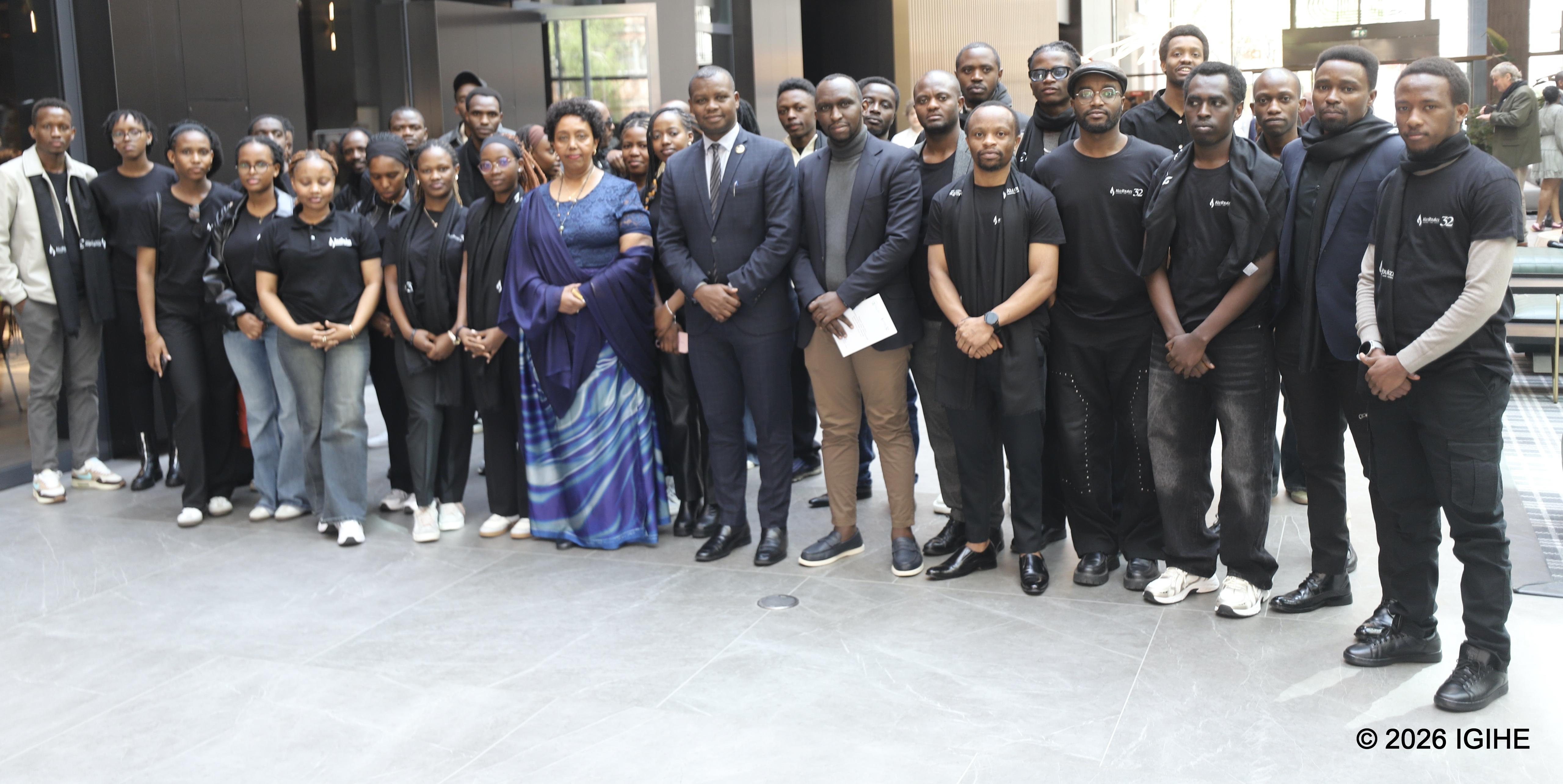
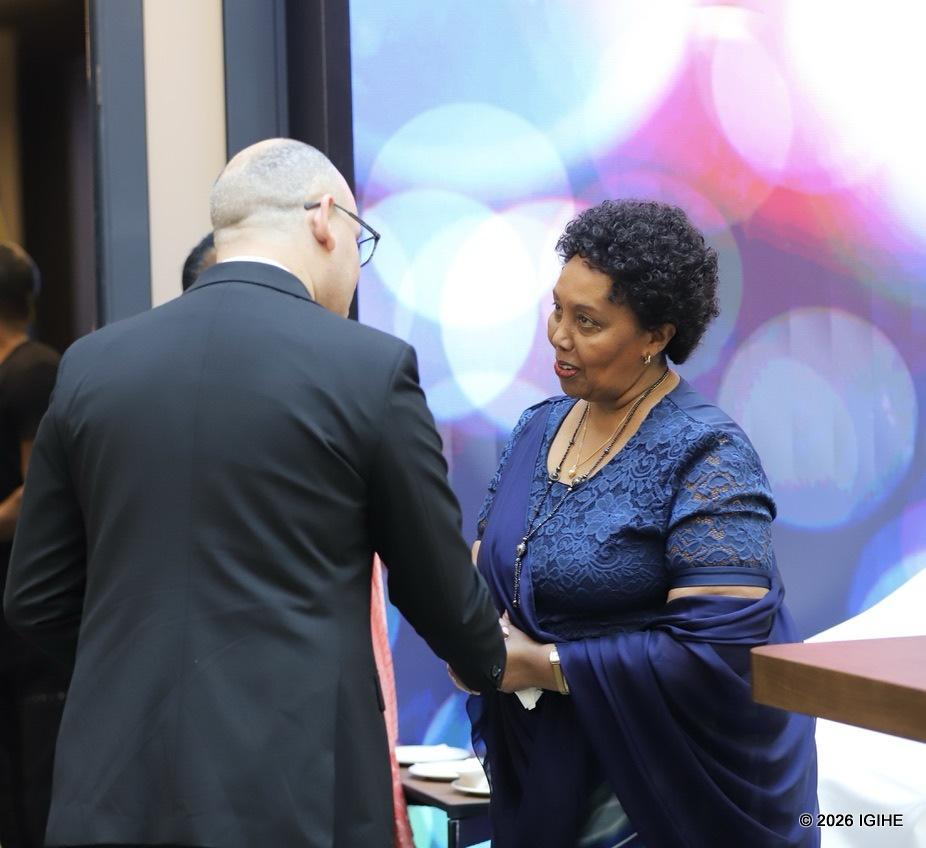
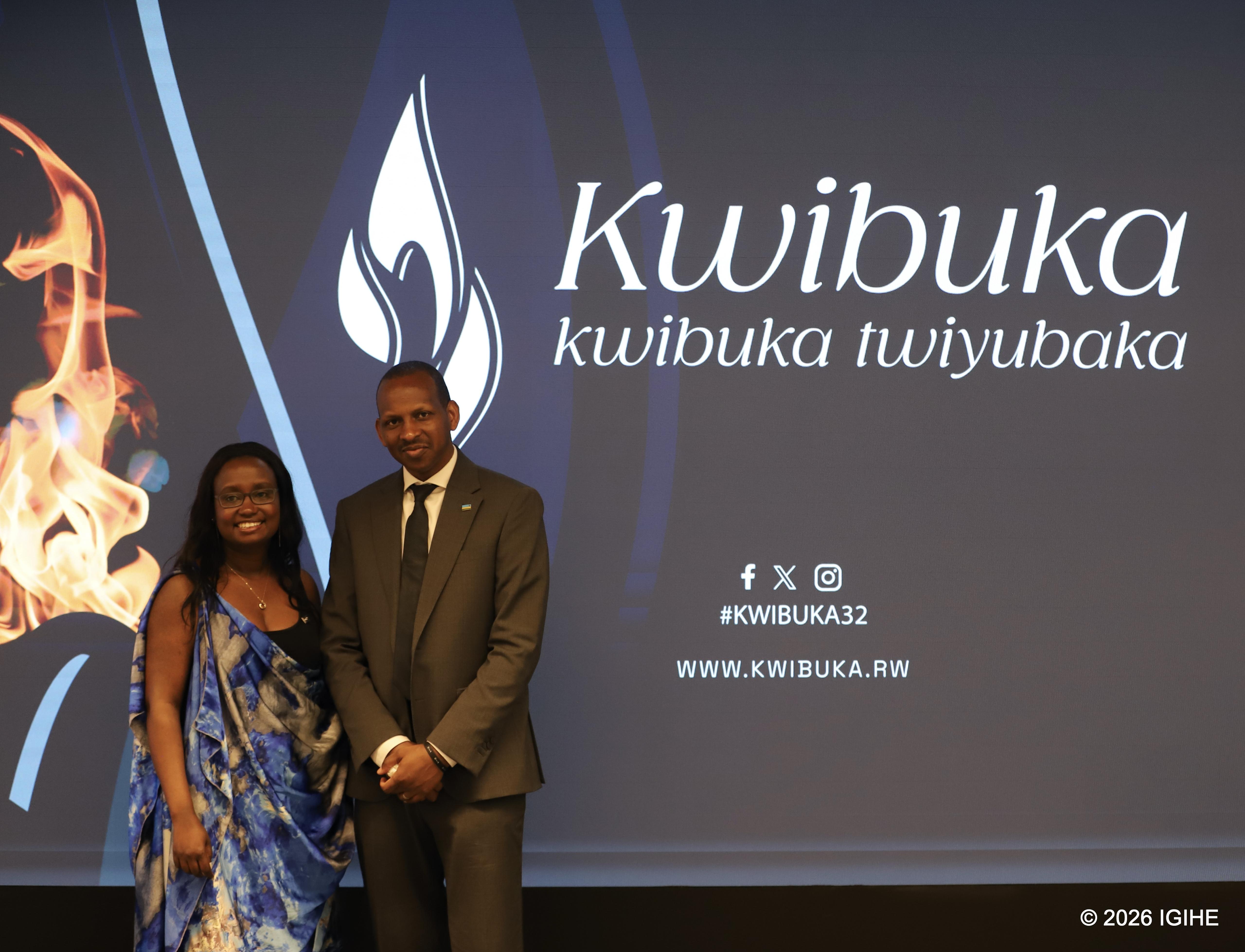
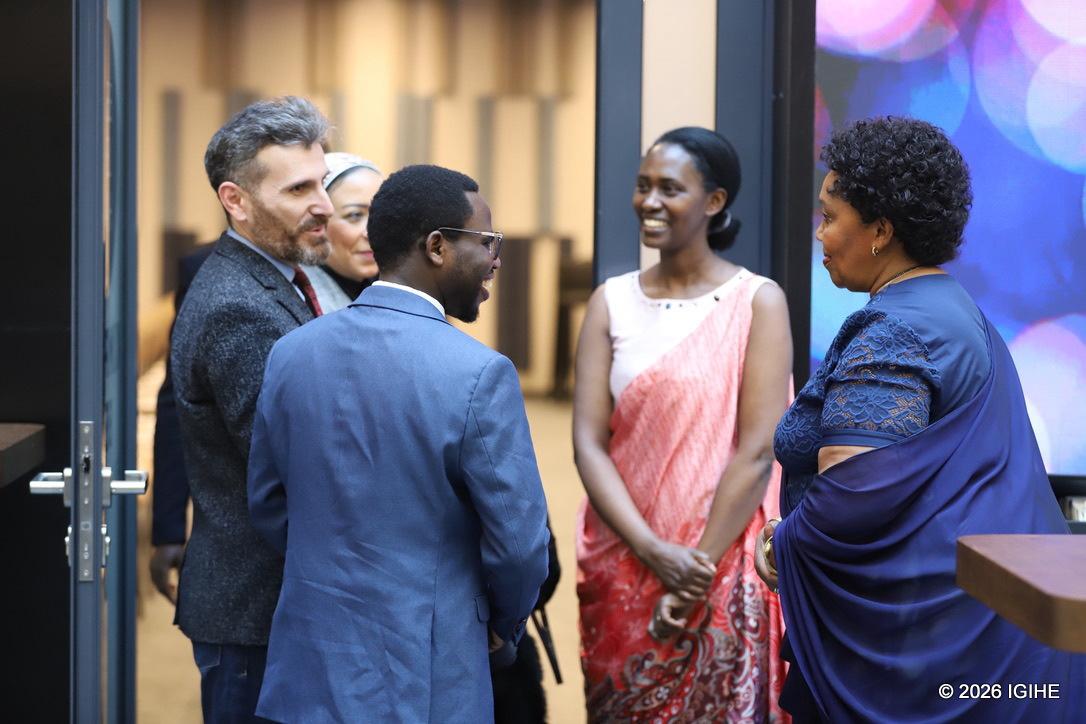
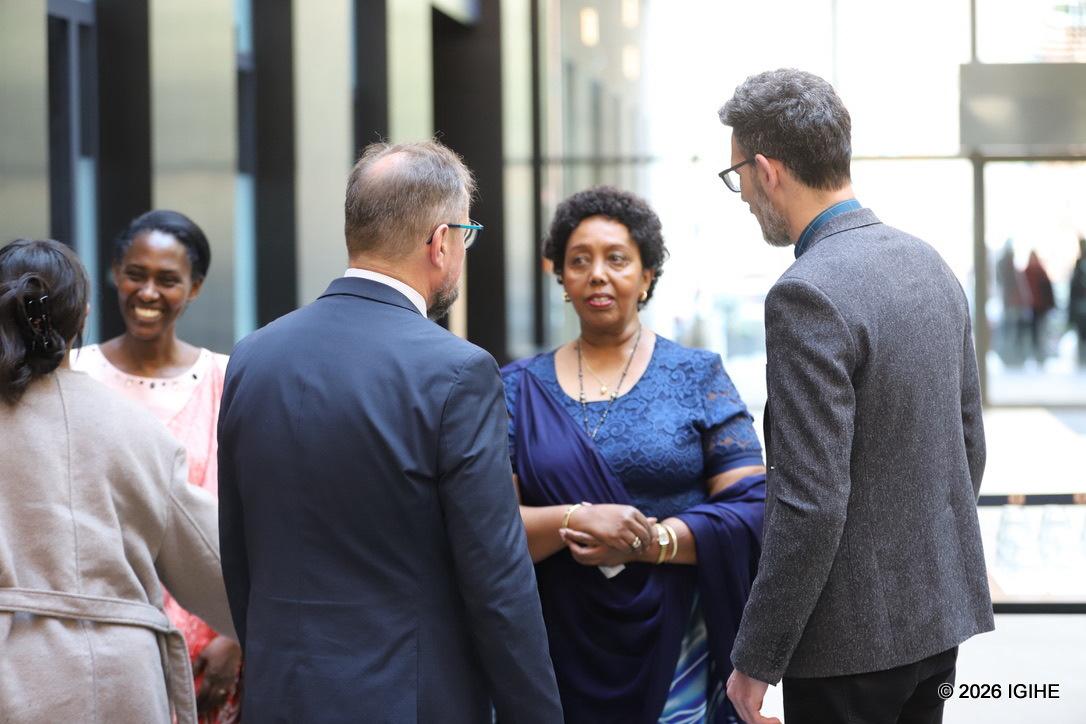
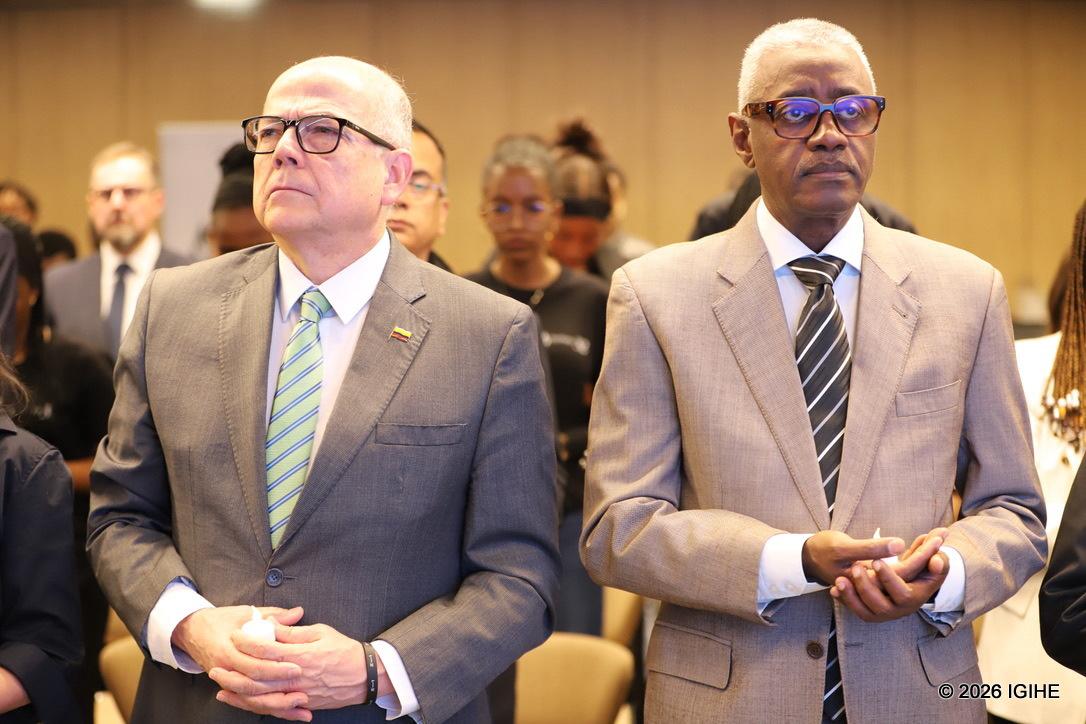
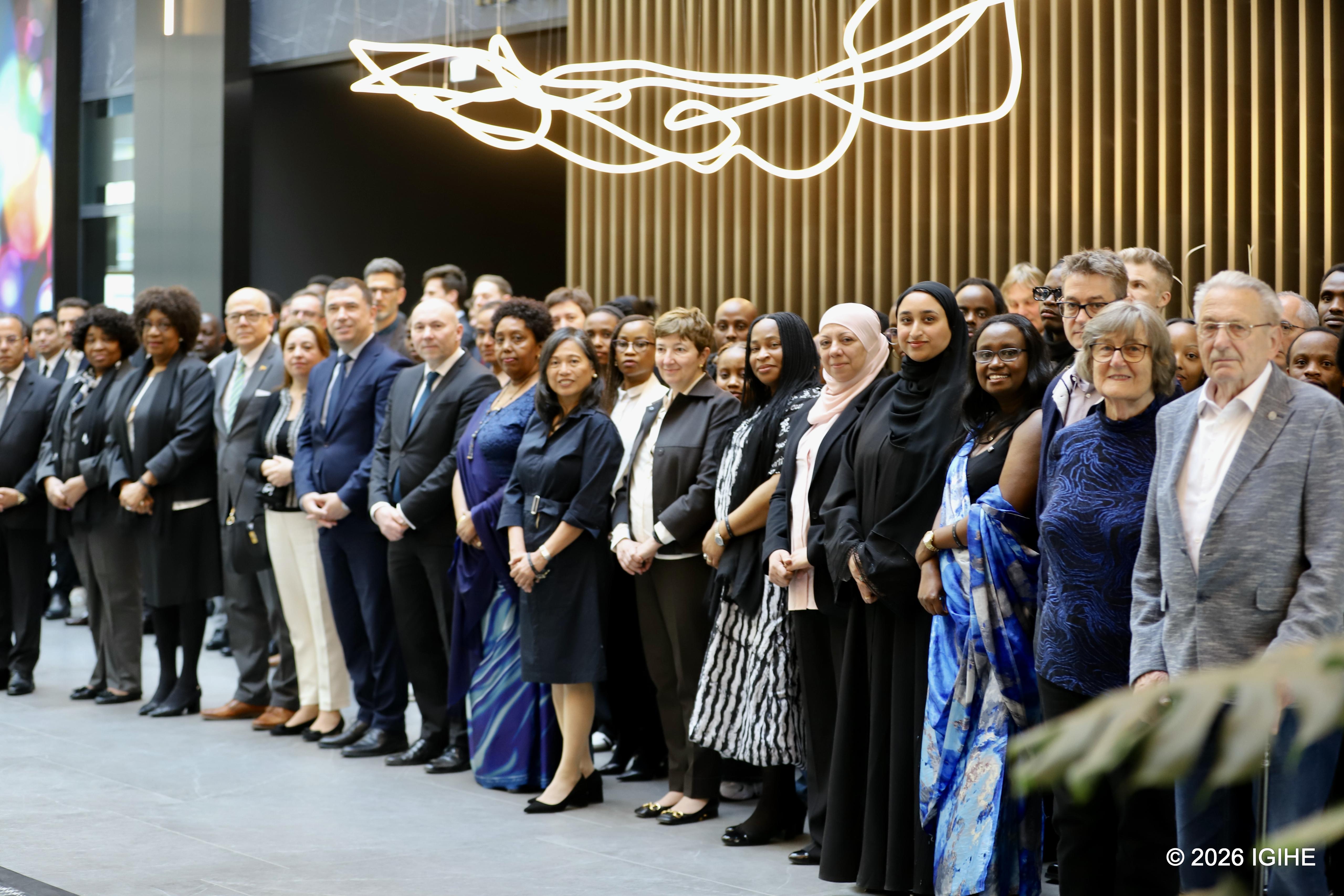
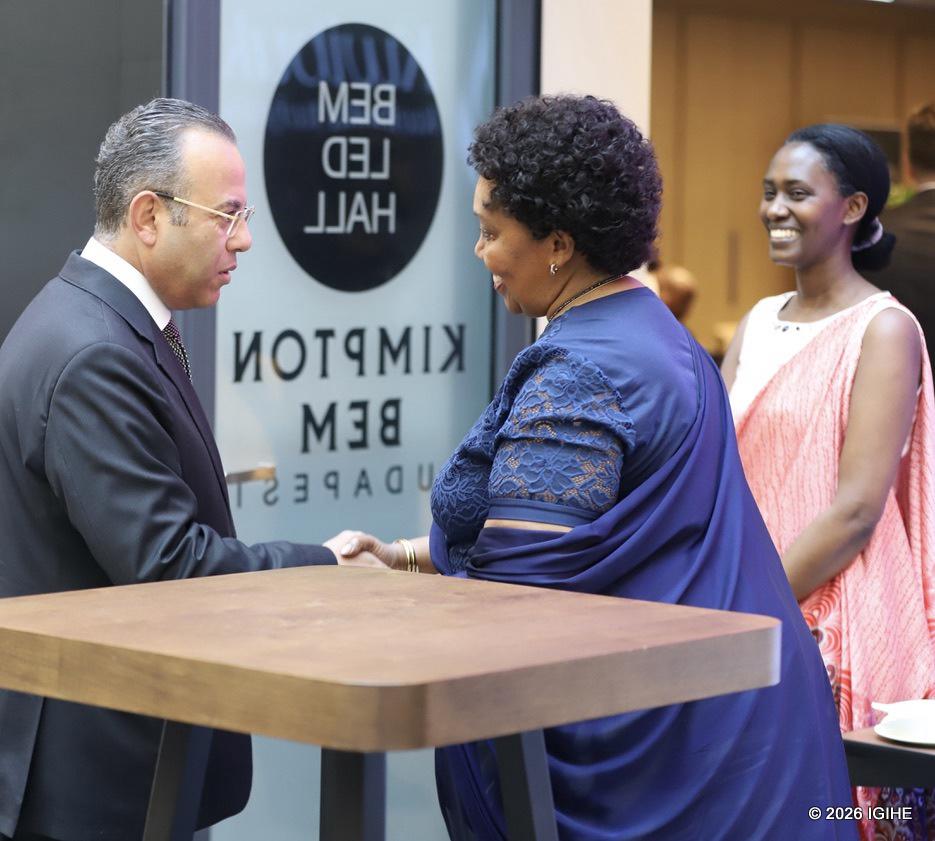
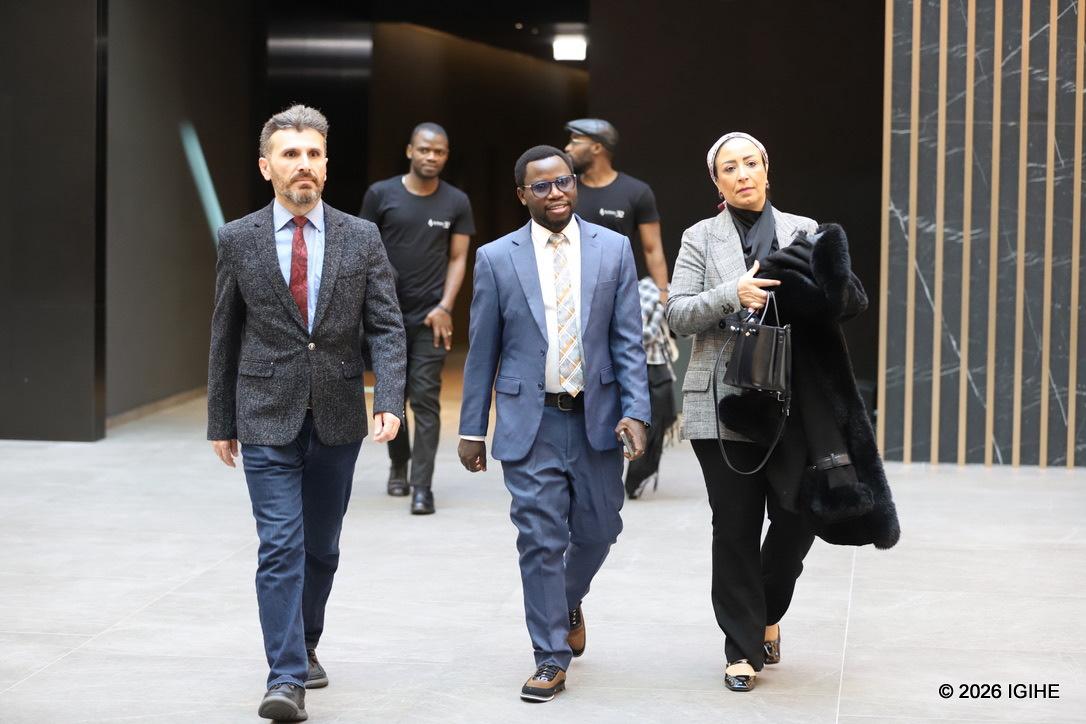
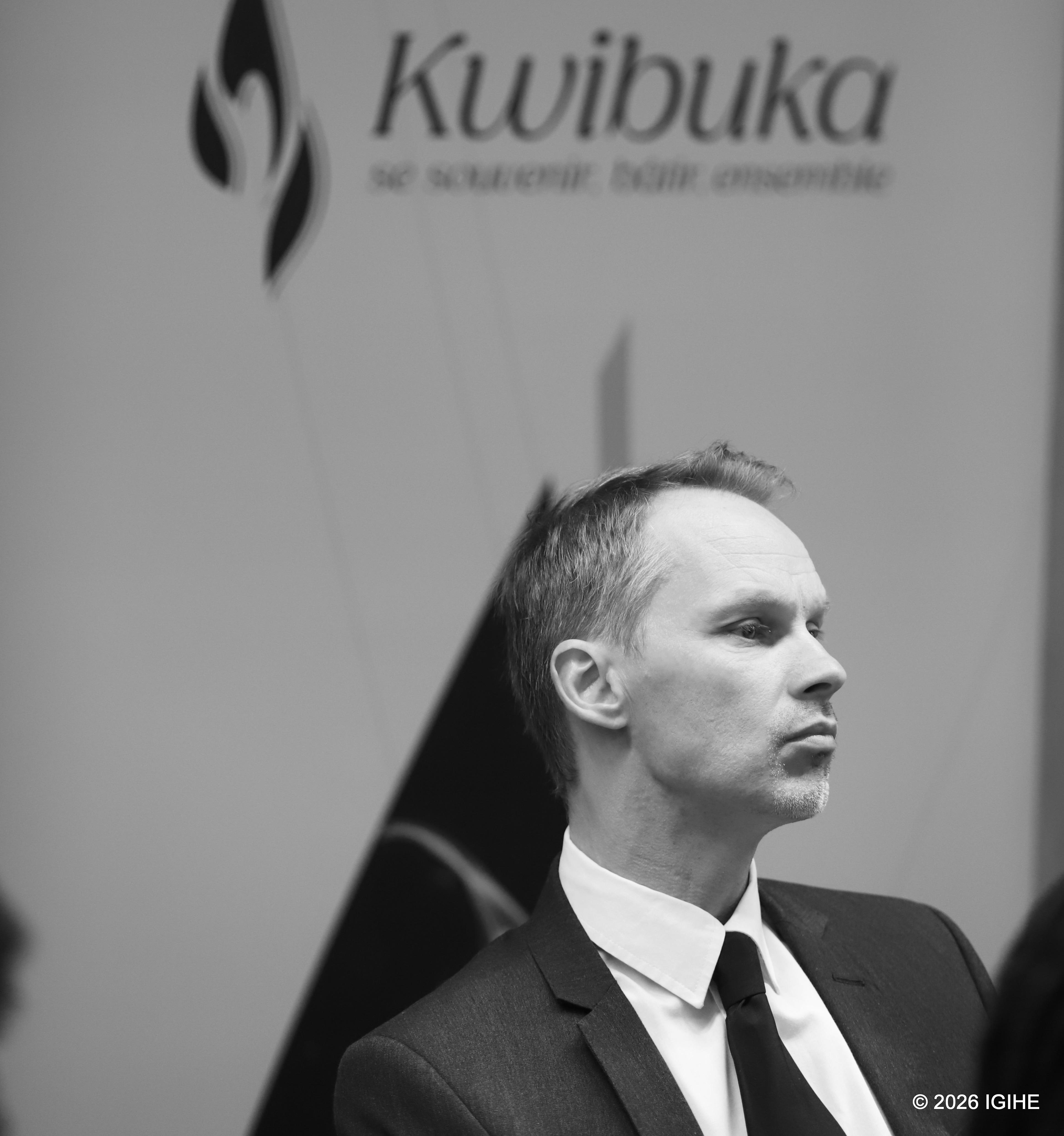
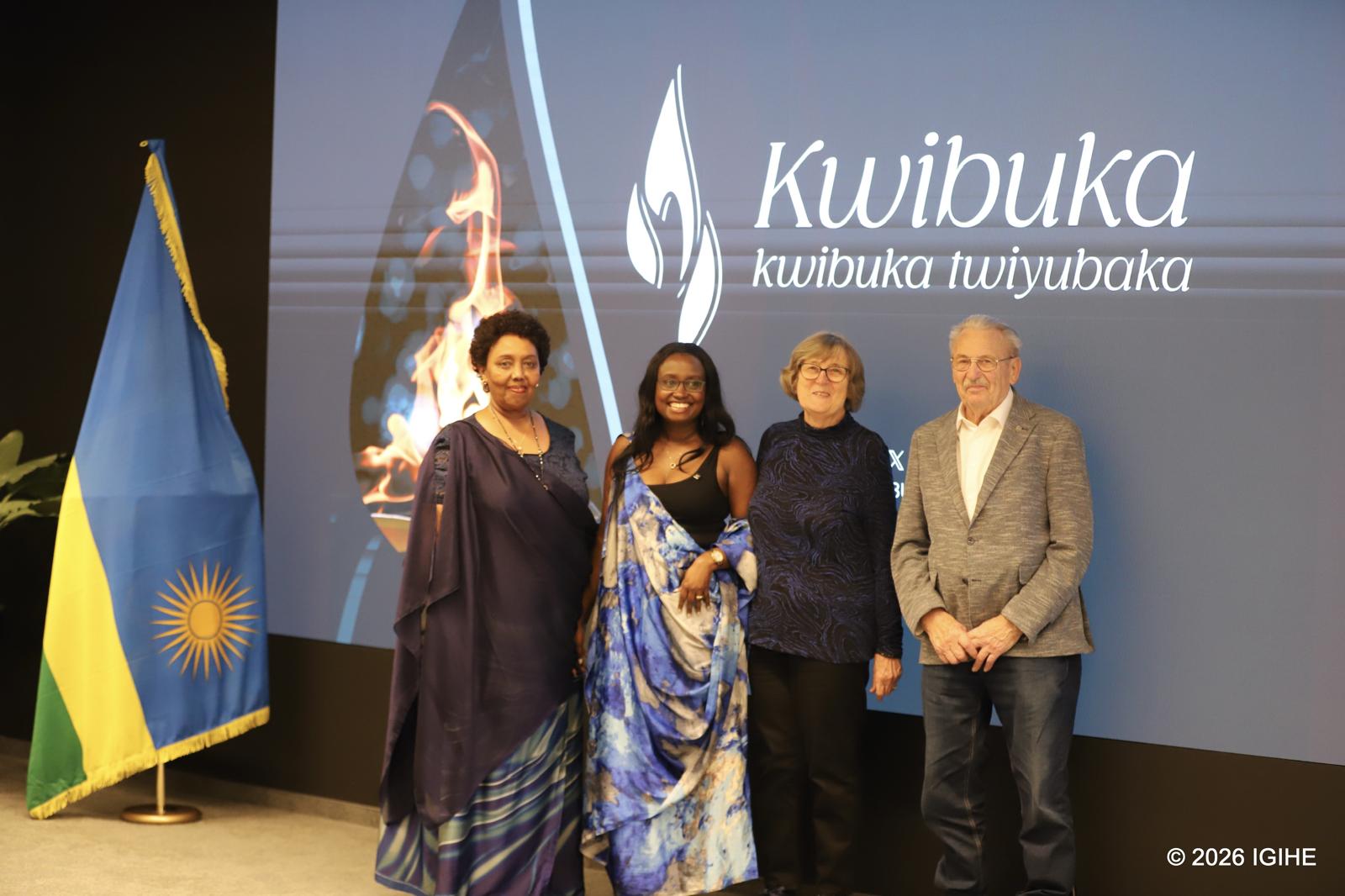
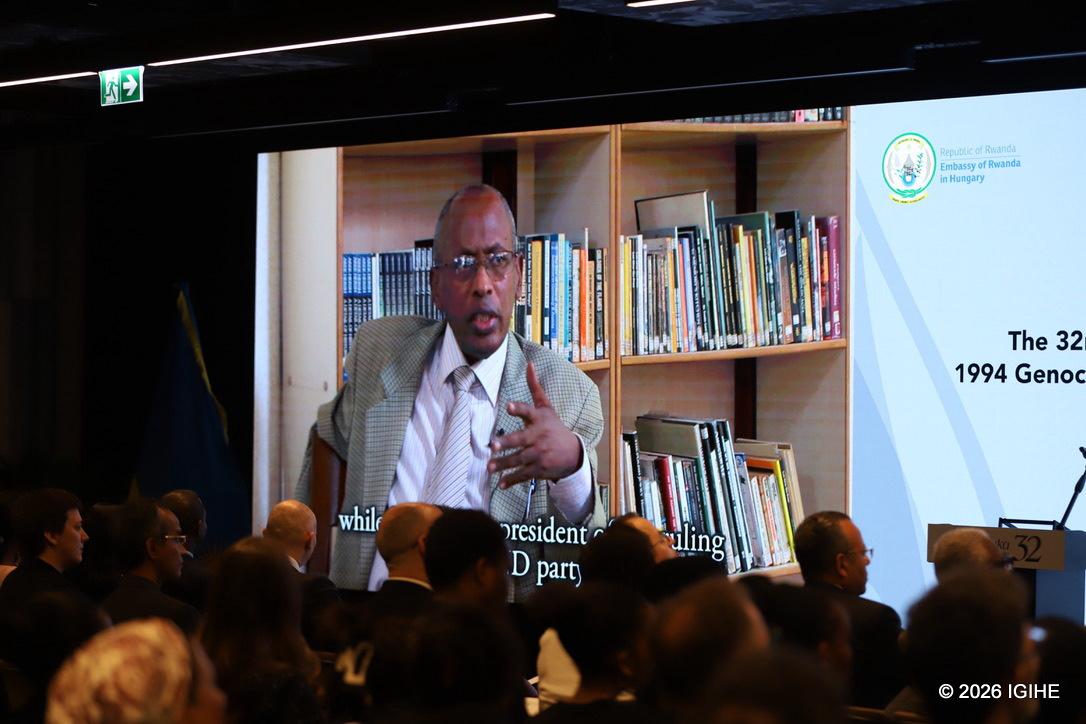
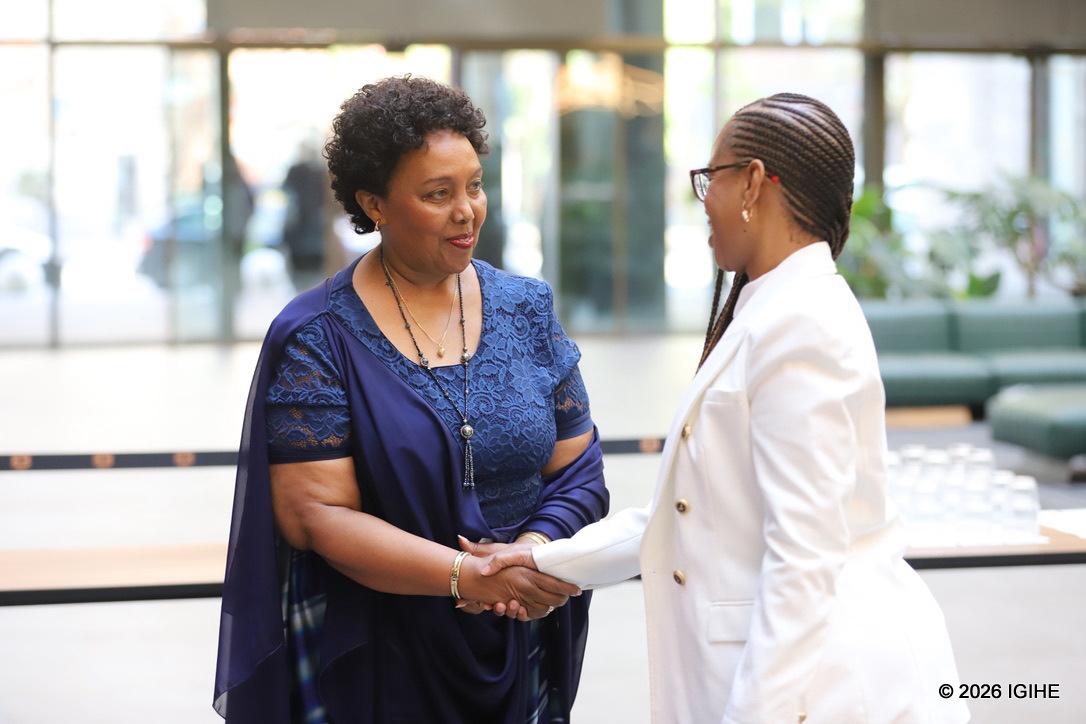
She made the call on April 10, 2026, during a solemn ceremony marking the 32nd commemoration of the 1994 Genocide against the Tutsi, held in Budapest.
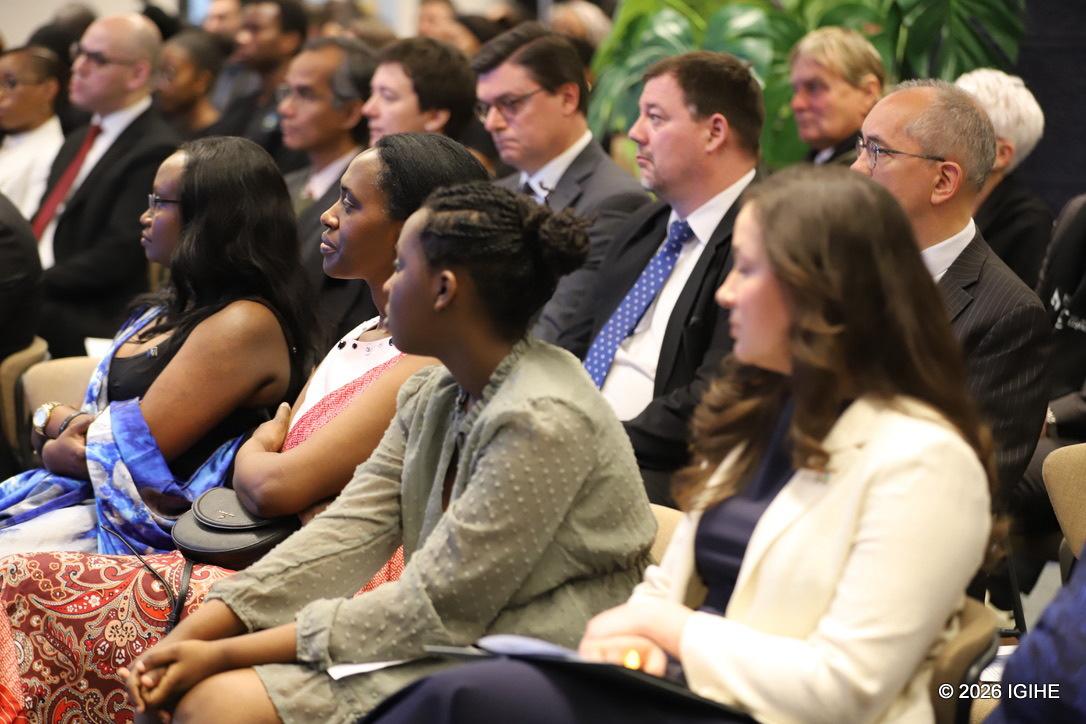
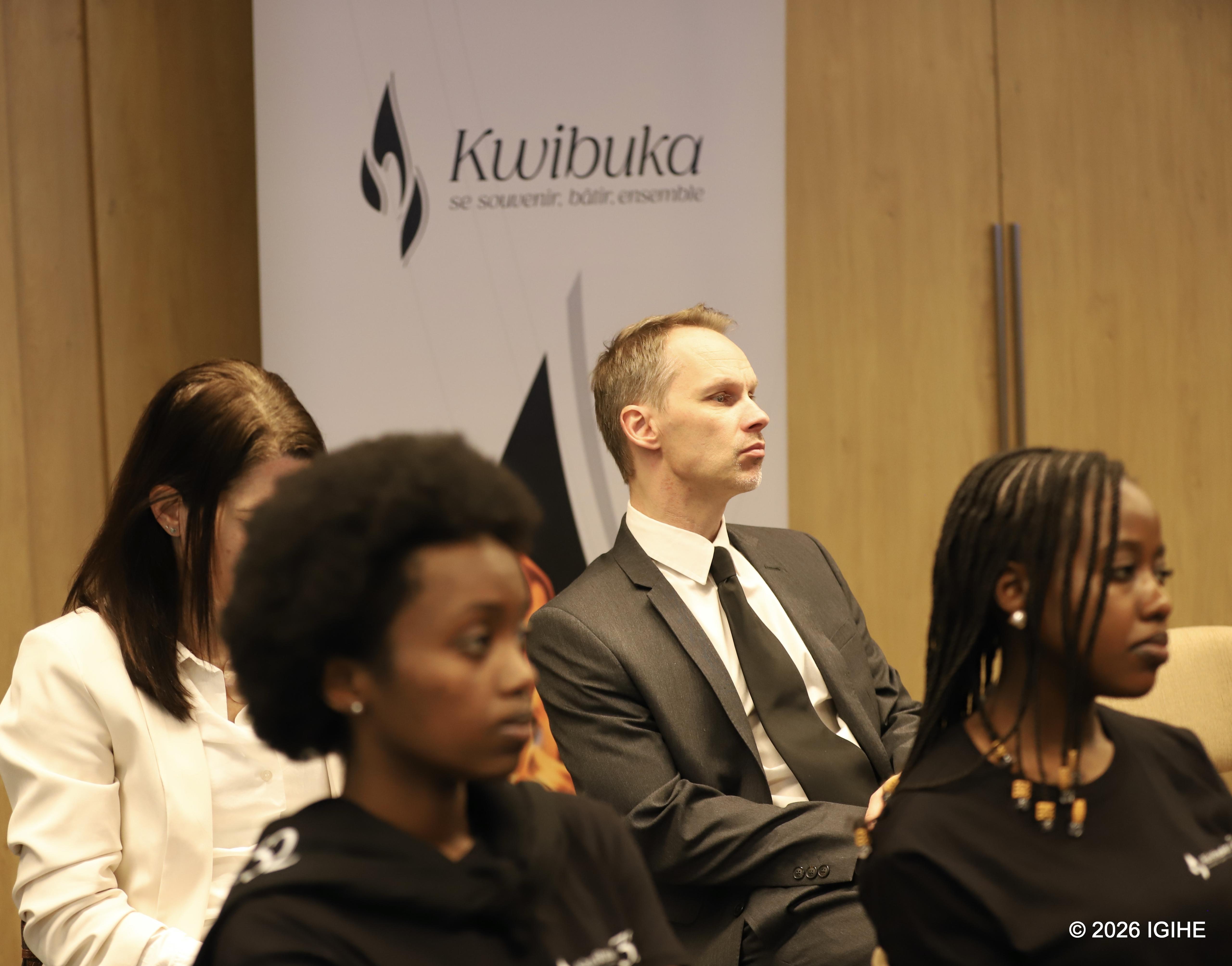
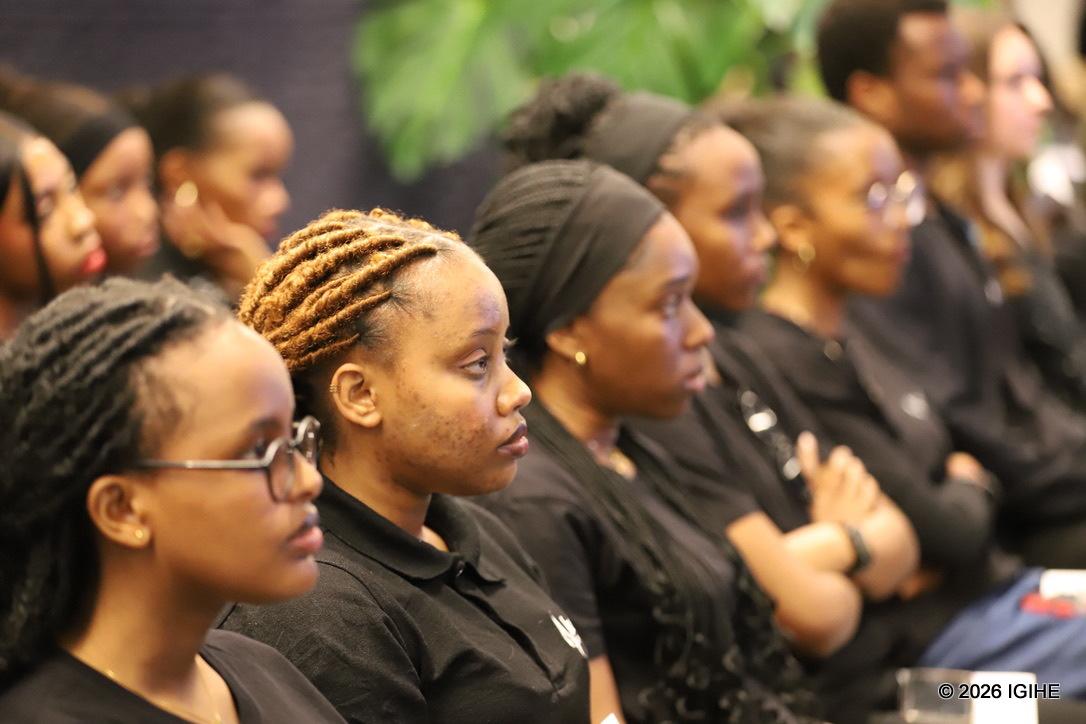
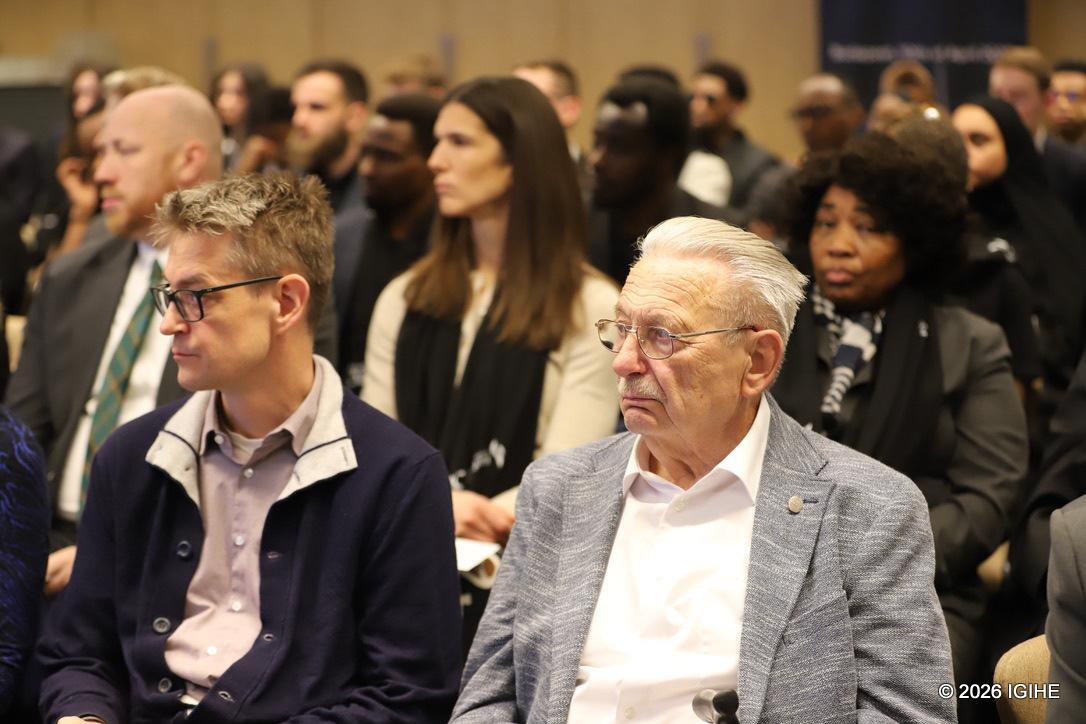
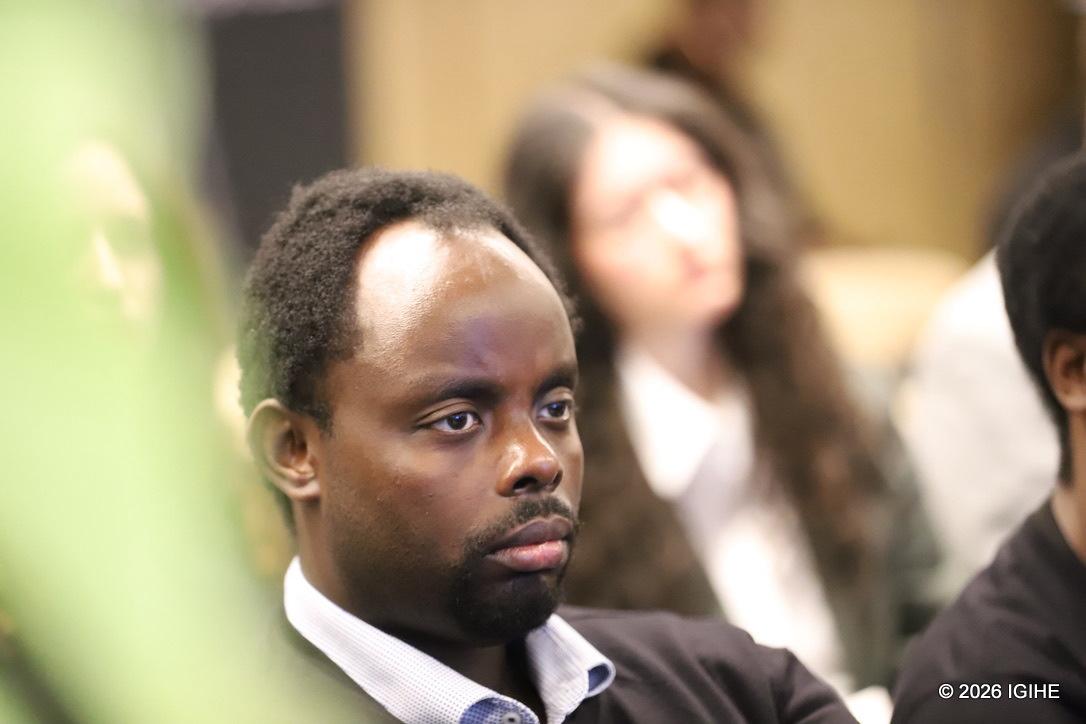
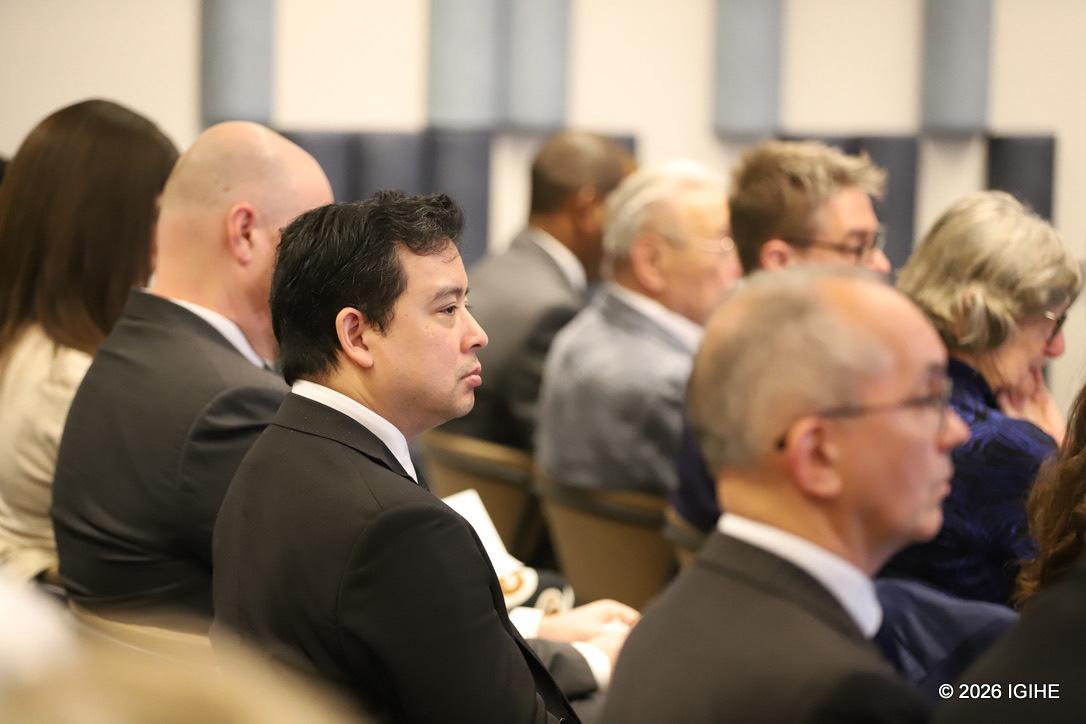
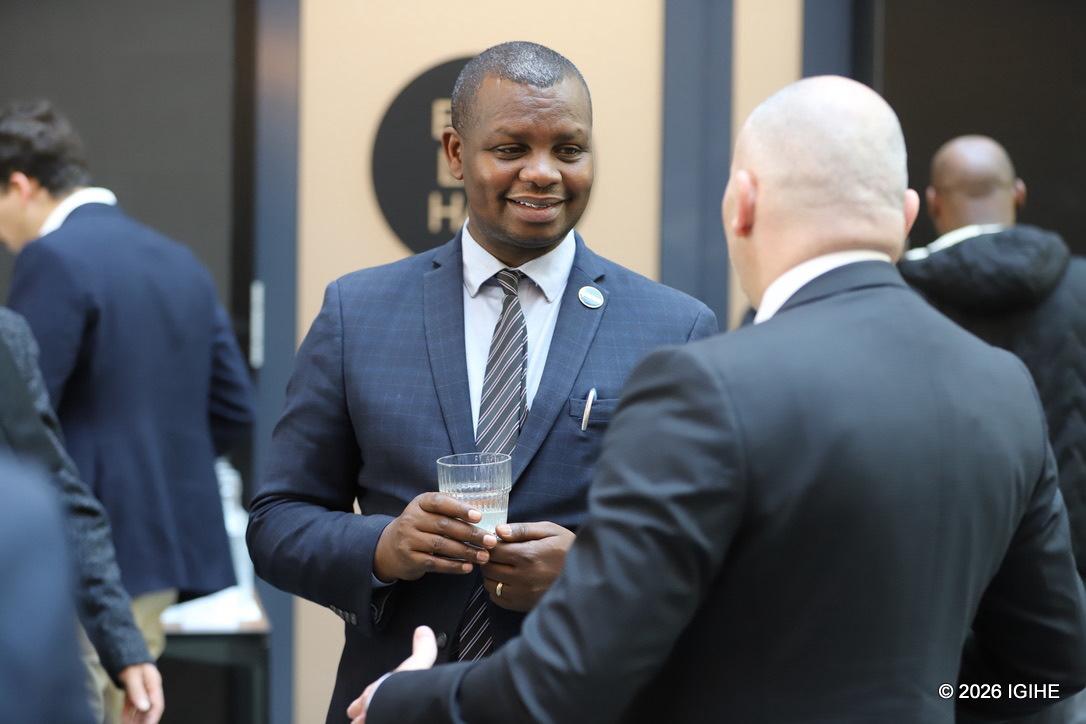
The event, organized by the Embassy of Rwanda in Hungary, brought together diplomats, Hungarian officials, members of the Rwandan community, survivors, and friends of Rwanda in a moment of remembrance and reflection.
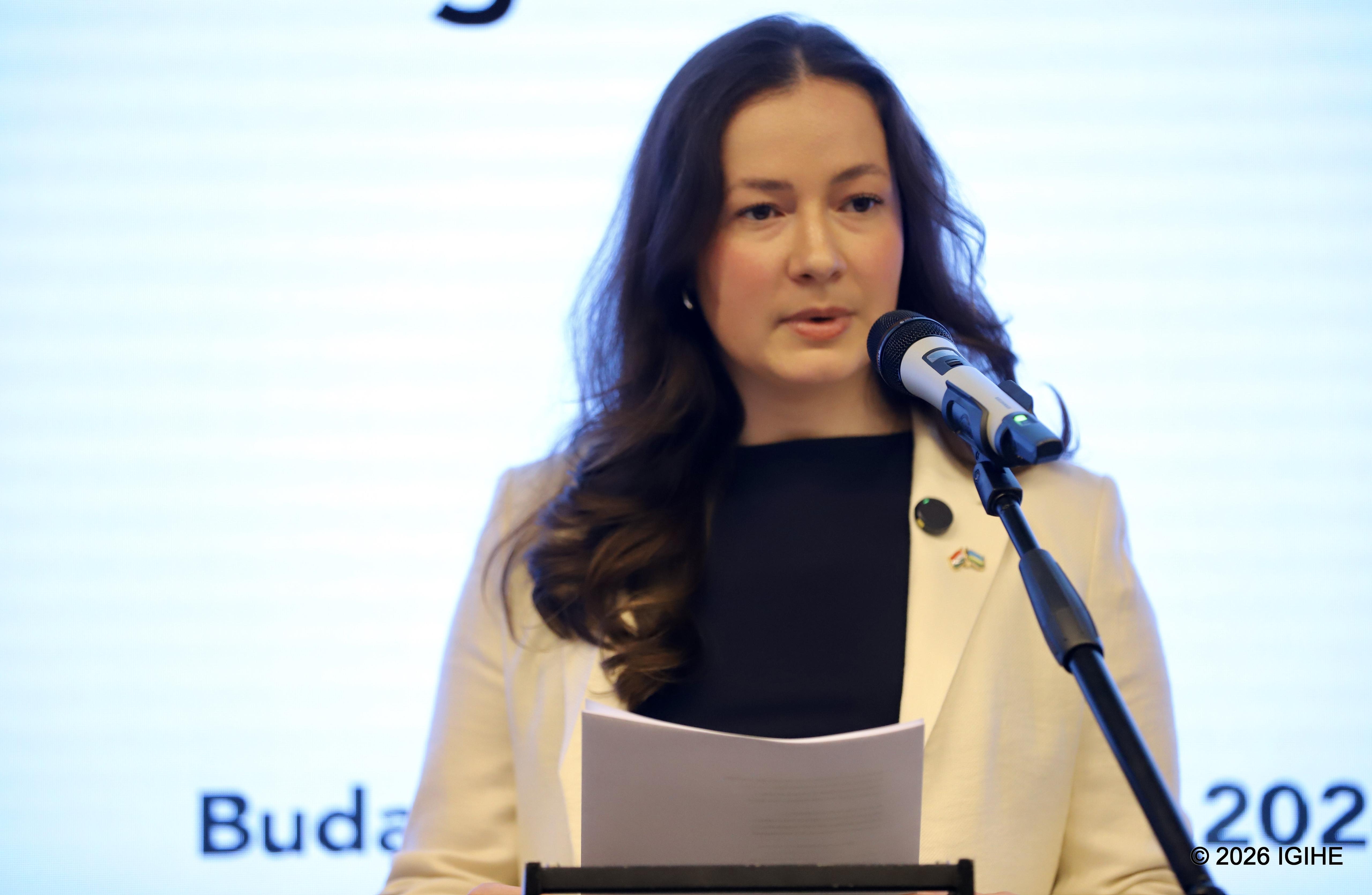
In her address, Amb. Nyagahura stressed that genocide denial and distortion require urgent and coordinated global responses, including stronger education systems, justice mechanisms, and legal frameworks to safeguard historical truth.
“Genocide is never spontaneous. It is prepared, taught, and enabled by silence,” she said, warning that denial represents a continuation of that silence and a threat to remembrance itself.
She further emphasized that remembrance must go beyond symbolism and be treated as a shared global responsibility to confront hatred, protect human dignity, and prevent future atrocities. The ceremony paid tribute to more than one million victims of the genocide, while also honoring survivors and those who risked their lives to save others.
April 7, recognized by the United Nations as the International Day of Reflection on the 1994 Genocide against the Tutsi in Rwanda, marks the beginning of the annual commemoration period.
The term Kwibuka, meaning “to remember,” also reflects renewal, learning, and a commitment to preventing future atrocities.
Amb. Nyagahura recalled that the genocide was not a spontaneous event, but the result of decades of division, discrimination, and dehumanization rooted in colonial history and reinforced in the post-independence period.
She cited earlier waves of violence in 1959, 1963, and 1973, and the mass exile of Tutsi as warning signs that were not acted upon by the international community.
She highlighted Rwanda’s recovery journey under the leadership of President Paul Kagame, noting that the country chose a path of unity and reconciliation grounded in justice, social cohesion, and a shared national identity expressed through Ndi Umunyarwanda.
Today, she said, Rwanda stands as a symbol of resilience, with a new generation growing up in a country defined by unity and hope.
However, she warned that genocide ideology remains a persistent threat, particularly in eastern Democratic Republic of the Congo, where armed groups such as the FDLR continue to operate. She called on the international community, including Hungary, to support efforts aimed at dismantling such groups and strengthening regional peace and security.
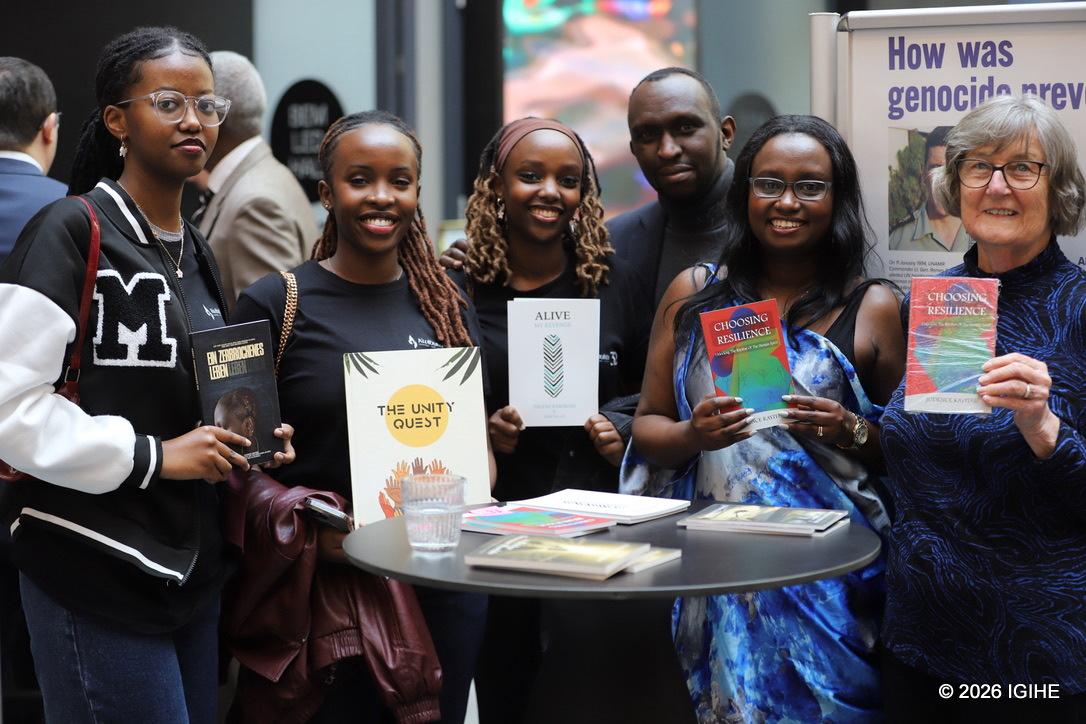
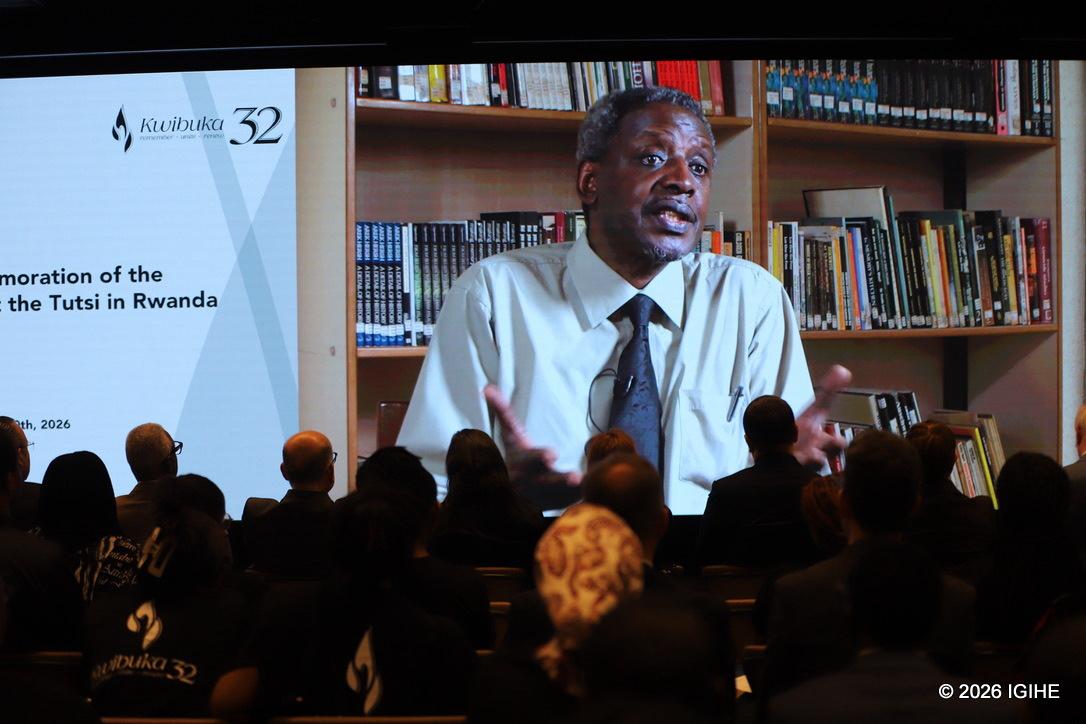
The ceremony also featured remarks from Hungarian officials, including Attila Koppány, as well as testimonies from genocide survivors Freddy Mutanguha and Judence Kayitesi, who shared personal accounts underscoring the human dimension of the tragedy and the importance of preserving memory.
Amb. Nyagahura also urged renewed international commitment to truth, justice, and human dignity, stressing that the promise of “Never Again” must be actively upheld.
“Rwanda remains steadfast in its commitment to peace, unity, and reconciliation. We invite all nations and people of goodwill to join us in this mission,” she said.
During the event, Freddy Mutanguha, Chief Executive Officer of the Aegis Trust and a genocide survivor, delivered a powerful and deeply personal message calling for sustained vigilance against genocide ideology and denial.
Sharing his personal story, Mutanguha revealed that while he survived alongside his sister, his parents and four sisters were brutally murdered.
Despite the failure of the international community at the time, he paid tribute to the bravery of RPA soldiers who stopped the genocide, rescuing civilians and dismantling the genocidal regime.
In the aftermath, through strong leadership and homegrown solutions, the country embarked on a path of recovery and reconciliation.
Measures such as the abolition of ethnic identity cards, the establishment of community-based Gacaca courts, and the creation of memorials like the Kigali Genocide Memorial have played a crucial role in justice, healing, and education.
Today, Rwanda stands as a testament to resilience and transformation. With a National Unity Barometer exceeding 95%, the country has made remarkable progress in rebuilding trust and social cohesion.
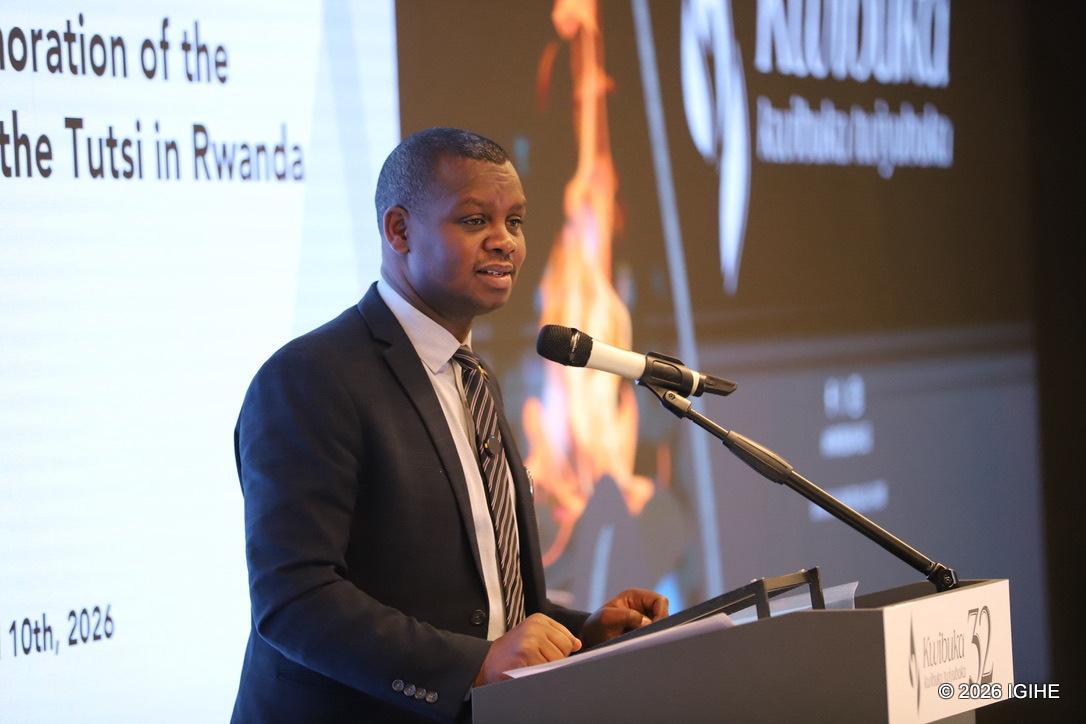
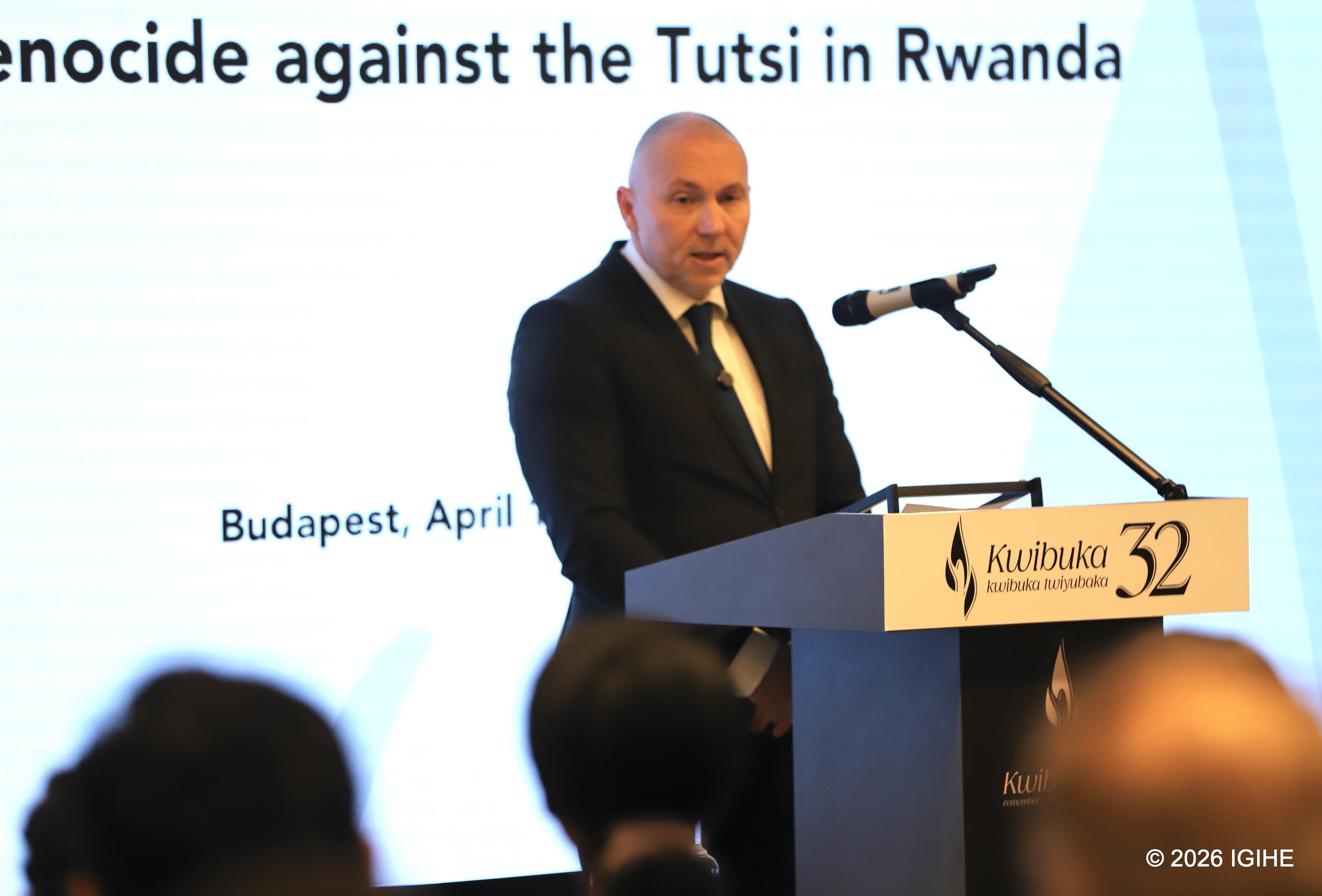
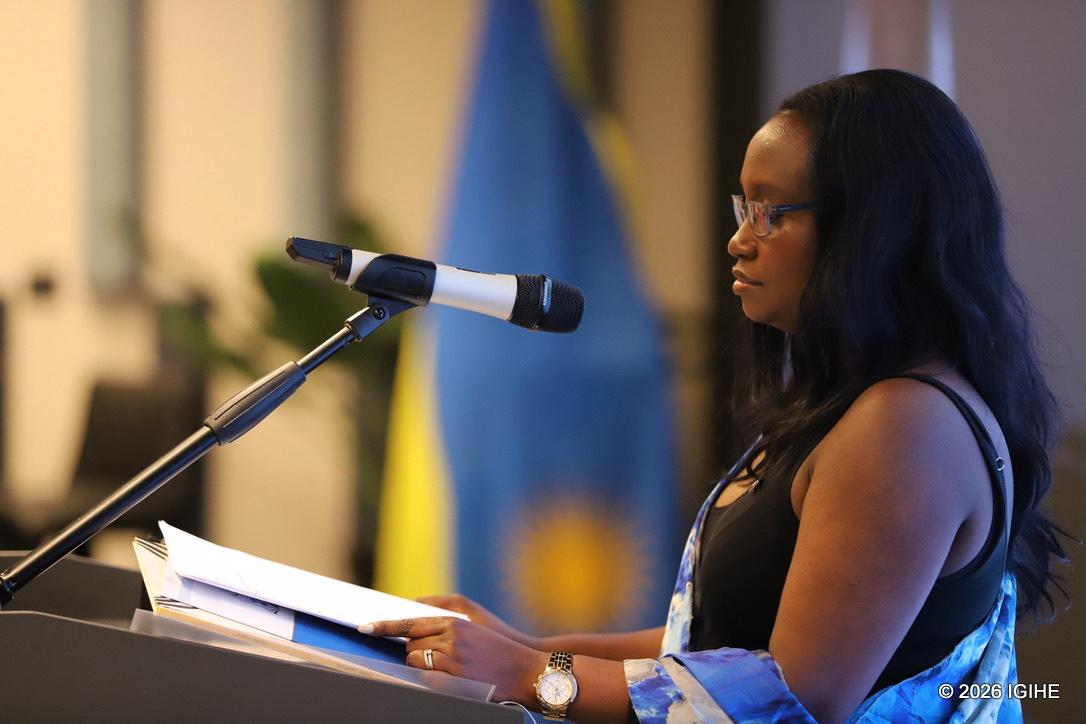
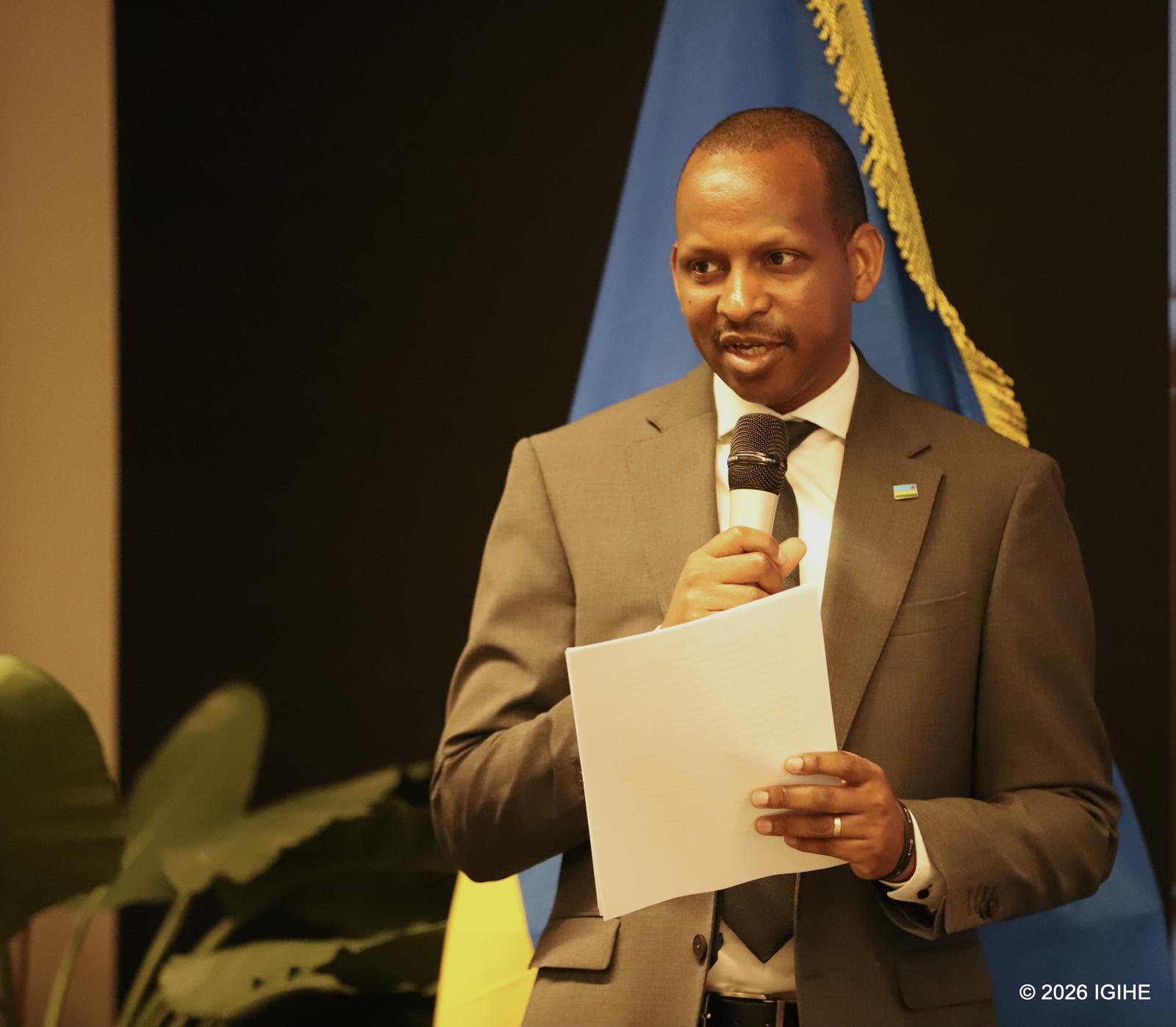
Rwanda’s Ambassador to Hungary, Margueritte Francoise Nyagahura delivering her remarks. Freddy Mutanguha, Chief Executive Officer of the Aegis Trust and a genocide survivor sharing his testimony. Ambassador Attila Koppány, Guest of Honor and Head of the Africa Department at Hungary’s Ministry of Foreign Affairs and TradeJudence Kayitesi shared her testimony. Benedicto Nshimiyimana, Minister-Counsellor facilitated discussions. The CEO of Aegis Trust, Freddy Mutanguha during an interview with IGIHE
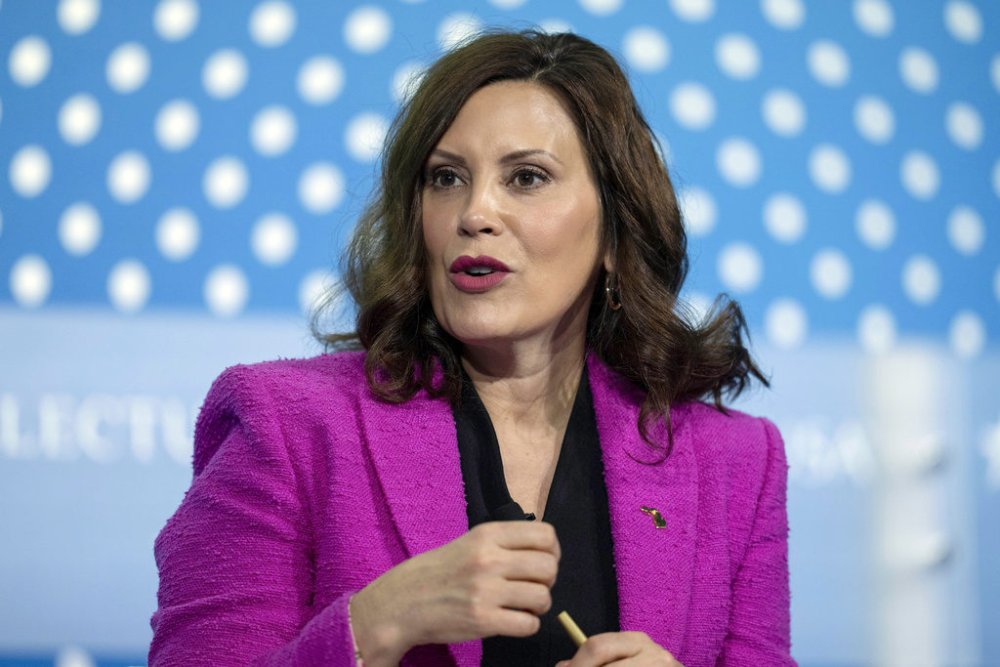
The proclamation honors the memory of over one million people who were deliberately and systematically killed during the 1994 Genocide against the Tutsi, in which Tutsi were specifically targeted.
This recognition follows a broader shift in international acknowledgment, including by the United States, which has recently adopted the accurate terminology “Genocide Against the Tutsi,” moving away from the previously used “Rwandan Genocide.” Other jurisdictions, such as Kentwood City, have also priclaimed April 7 as the remembrance day for teh genocide.
In the proclamation, Whitmer noted that the genocide remains a historical fact recognized by major international bodies, including the United Nations, the International Criminal Tribunal for Rwanda, and the African Union, as well as survivor communities around the world.
The statement also recalled that on December 23, 2003, the United Nations designated April 7 as an international day of remembrance, now known as the International Day of Reflection on the 1994 Genocide Against the Tutsi in Rwanda. The day underscores a shared global responsibility to honor victims, support survivors, and prevent future atrocities.
Whitmer highlighted the importance of remembrance in countering genocide denial, distortion, and revisionism, warning that such narratives continue to harm survivors and undermine historical truth.
The proclamation further acknowledged the contributions of the Rwandan community living in Michigan, including survivors, descendants, scholars, and civic leaders, noting their role in strengthening the state’s cultural and economic life through resilience and commitment to education.
It also aligned the observance with the global Kwibuka remembrance period, meaning ‘to remember’, during which communities around the world honor victims of the genocide while reaffirming commitments to truth, resilience, and prevention.
Concluding the proclamation, the State of Michigan reaffirmed its dedication to human rights, the rule of law, and truthful education, while standing firmly against antisemitism, racism, xenophobia, and all forms of ethnic hatred.
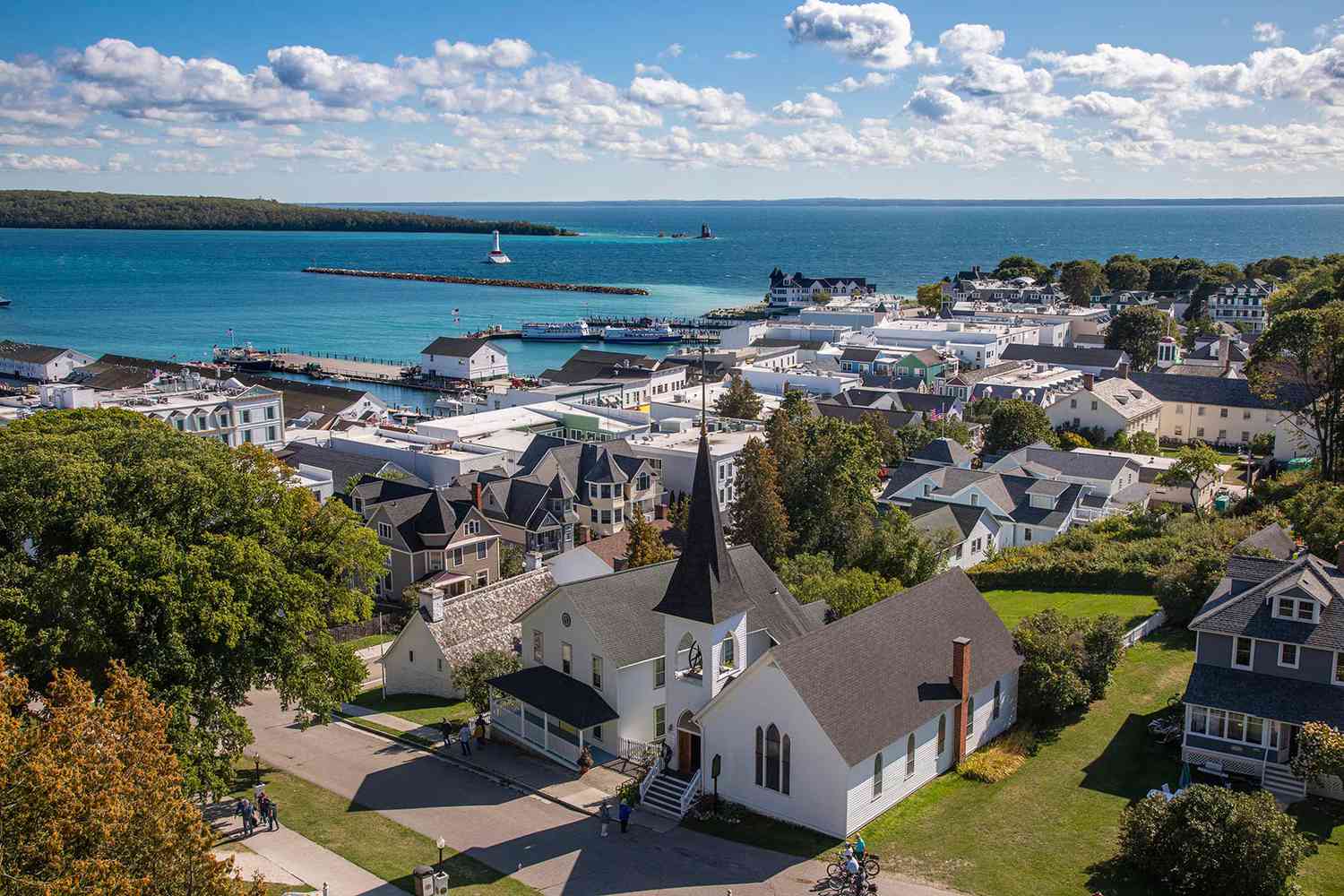
IBUKA USA, an umbrella organization of survivors of the Genocide Against the Tutsi living in the United States, together with the Rwandan community in Michigan, welcomed the decision taken by Governor Gretchen Whitmer.
The President of IBUKA USA, Marcel Mutsindashyaka, described the proclamation as a strong affirmation of truth.
“This decision is a support for truth. When the Genocide Against the Tutsi is called by its proper name, it restores dignity to those who were targeted and reinforces the truth that survivors have upheld for many years,” he said.
Meanwhile, Caleb J. Uwagaba, President of the Rwandan community in Michigan, said the Governor’s decision carries significant meaning both within Michigan and across the United States.
Michigan Governor Whitmer highlighted the importance of remembrance in countering genocide denial, distortion, and revisionism.
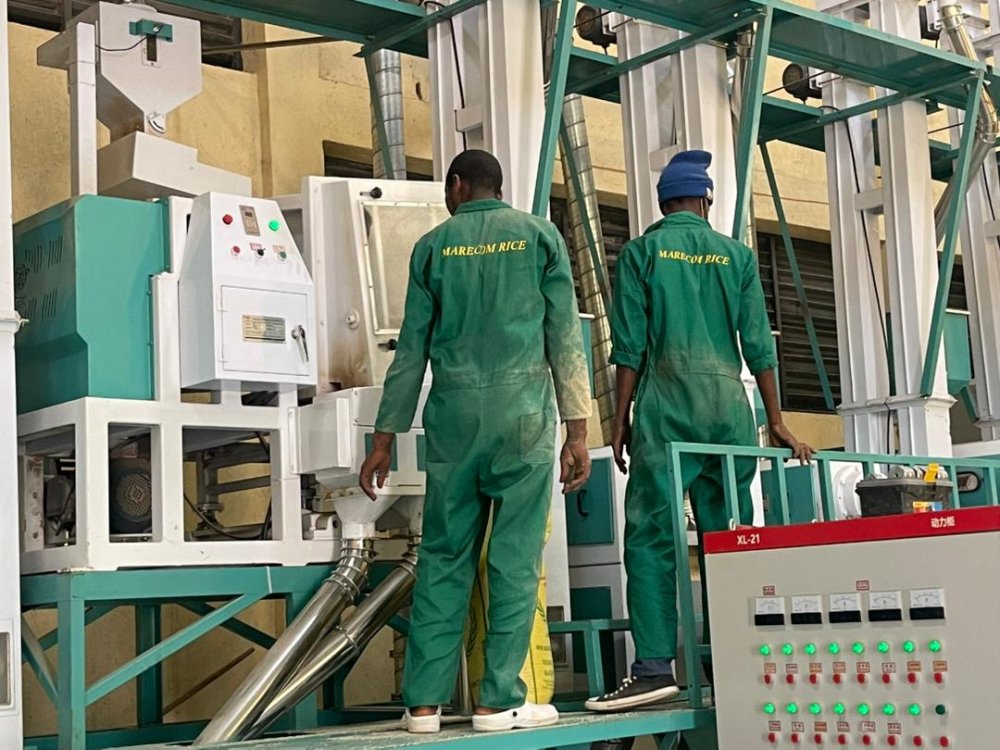
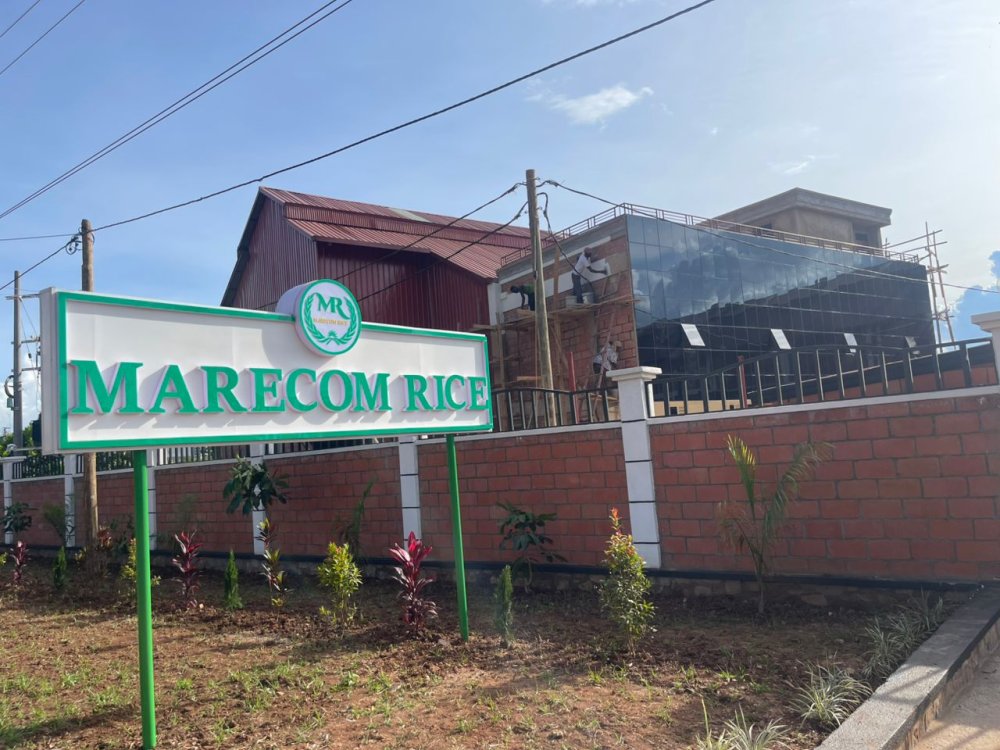
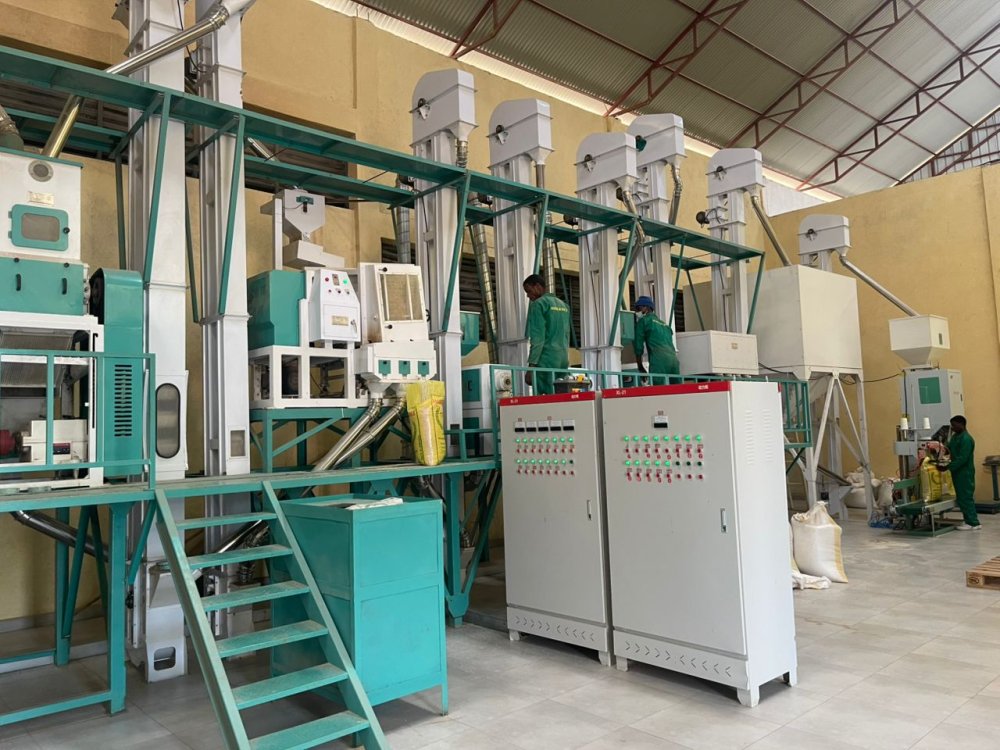
The plant, named Marecom Rice, has been established by two Rwandan investors along the Rwamagana–Kayonza tarmac road in Muhazi Sector.
Built on an 8,000-square-meter site, the factory is expected to process up to 60 tonnes of rice per day once fully operational.
Beyond processing capacity, the facility is projected to create at least 30 permanent jobs while working closely with rice farmers from Rwamagana, Ngoma, Gatsibo, and Kirehe districts.
Rwagahungu Eugène, the Managing Director of Marecom Rice and one of its investors, told IGIHE that construction began on September 17, 2025, with total investment costs estimated at Rwf 2 billion. The first phase, valued at Rwf 1.2 billion, is scheduled for completion in June this year.
“We have already completed the installation and testing of machinery. During this season, we have started purchasing farmers’ produce for trial runs to ensure the factory operates efficiently,” he said. “With a daily processing capacity of 60 tonnes, we are confident that there will be no surplus left unprocessed, both for farmers in Rwamagana and across the Eastern Province.”
Rwagahungu emphasized that the factory aims to address long-standing challenges where harvested rice would deteriorate due to delays in processing. He added that the company is committed to purchasing rice from farmers at fair prices, thereby encouraging increased production.
“Farmers used to travel long distances to sell their harvest. We are bringing the solution closer to them. If they increase production, we are ready to buy. We are also creating employment opportunities for them and their children. Additionally, we will help process part of their harvest for personal consumption so they can enjoy high-quality rice,” he noted.
Farmers have welcomed the development with optimism. Ngabonziza Augustin, who cultivates rice in Cyimpima marshland in Rwamagana District, expressed satisfaction, saying the factory’s proximity will ease access to reliable markets and improve their livelihoods.
“We are very happy because this factory is close to us. We will have consistent buyers and easier access to our produce. Previously, our rice was bought by traders who transported it to Huye. Now, having a nearby factory will encourage us to increase production. We only ask that they operate fairly and pay us well,” he said.
Another farmer, Gahiza Appolinaire, who works in Cyaruhogo marshland, described the factory as a major opportunity. He highlighted that by-products from rice processing, such as rice bran (locally known as sondori), will now be readily available nearby, supporting livestock farming and further improving incomes.
The Vice Mayor of Rwamagana District in charge of Economic Development, Kagabo Rwamunono Richard, also welcomed the project, describing it as a timely solution to challenges faced by local farmers.
“This factory provides an additional solution for rice production and processing. Our farmers previously had to sell their rice in the Southern Province after the existing local factory showed limitations. Often, harvested rice would stay too long on drying grounds and sometimes spoil. Now, they have a nearby facility that can quickly take and process their produce,” he said.
The factory is expected to start with a storage capacity of 2,500 tonnes, eventually expanding to accommodate up to 5,000 tonnes. Currently, Rwamagana District cultivates rice on more than 460 hectares, and the new plant is anticipated to significantly strengthen the value chain in the region.
The plant, named Marecom Rice, has been established by two Rwandan investors.Beyond processing capacity, the facility is projected to create at least 30 permanent jobs while working closely with rice farmers.The factory is expected to process up to 60 tonnes of rice per day once fully operational.
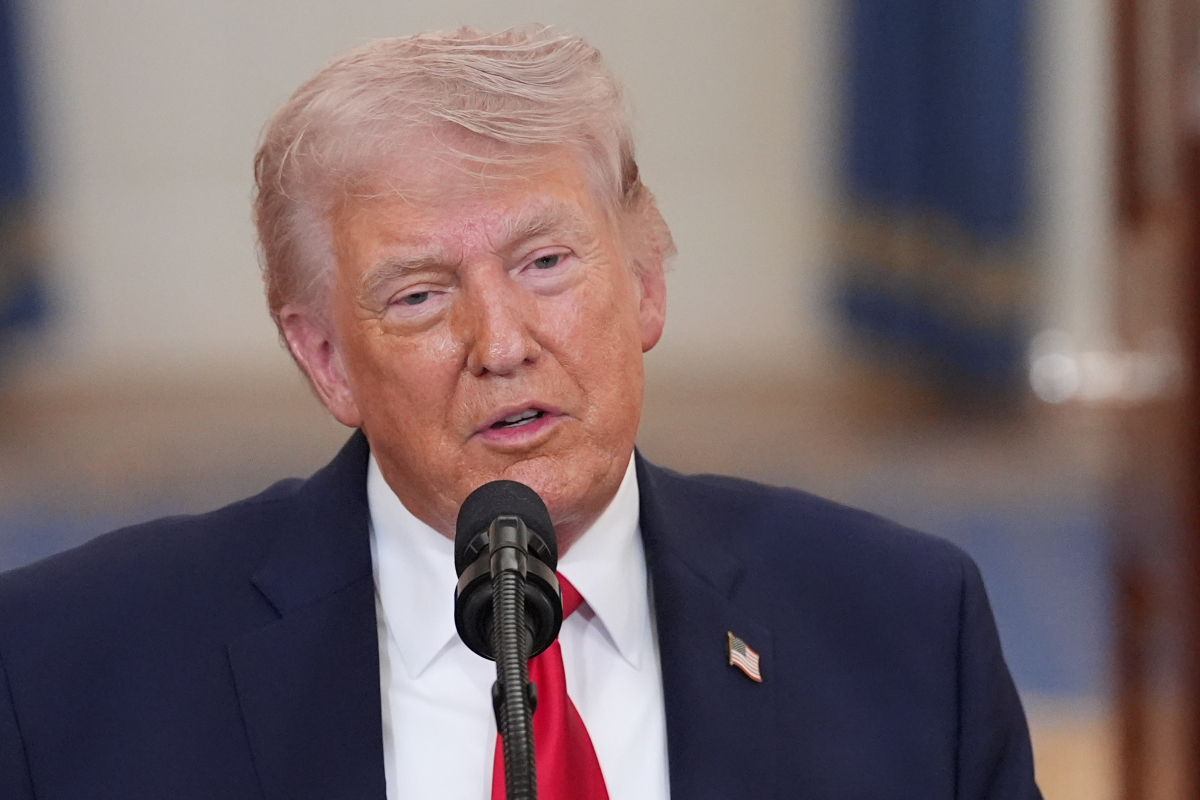
“There are reports that Iran is charging fees to tankers going through the Hormuz Strait — They better not be and, if they are, they better stop now!” Trump wrote on his social media platform Truth Social.
A day earlier, Trump told ABC News he is weighing to set up a “joint venture” with Iran to charge tolls from vessels passing through the crucial waterway through which about 20 percent of global oil is transported, calling it “a beautiful thing.”
He also said on social media on Wednesday that “big money” could be made by the U.S. “helping with the traffic buildup in the Strait of Hormuz.”
Iran demands oil tankers pay a transit toll of 1 U.S. dollar per barrel for passing through the strait, according to a report from The Wall Street Journal on Thursday.
Marine traffic in the strait remained at a trickle. For the first time since the ceasefire was reached on Tuesday, two non-Iranian oil tankers were tracked crossing the strait, The New York Times reported on Thursday, citing ship-tracking firm Kpler.
U.S. President Donald Trump on Thursday threatened Iran to stop charging fees to tankers passing through the Strait of Hormuz if the country is doing so.