Rwanda’s foreign exchange reserves are expected to rebound to $2.2 billion in 2026, marking a recovery after a projected decline in 2025, according to the latest economic outlook.
The rebound follows a projected decline in reserves from $2.4 billion in 2024, equivalent to 5.3 months of import cover, to about $1.8 billion in 2025, or 3.7 months of imports.
By 2026, reserves are expected to recover to cover approximately 4.3 months of imports, returning above the widely accepted adequacy threshold of four months. In the years beyond, reserves are projected to stabilise around $2.6 billion, supported by sustained inflows of foreign direct investment and concessional financing.
External pressures and recovery path
The short-term deterioration in Rwanda’s external position is tied to a projected rise in the current account deficit to 13.3 percent of GDP in 2026, up from 12.9 percent in 2025. This reflects strong import demand as the country invests in long-term growth projects.
“This increase is driven by a surge in imports of capital goods, linked to key projects like a new airport, and intermediate goods. While strong export performance and supportive policy measures are projected to improve the current account balance in the near term, gradually,” reads the Annual Economic Report for the Fiscal Year 2024/2025 published by the Ministry of Finance and Economic Planning.
However, the outlook remains optimistic. Strong export performance, particularly in commodities such as coffee and minerals, alongside supportive policy measures, is expected to gradually ease external imbalances.
Recent data shows an improvement in Rwanda’s external position, with the overall balance of payments surplus rising from about $217 million in the Financial Year 2023/24 to $274 million, supported by stronger inflows from exports, investment, and financing.
Gold emerges as a strategic reserve asset
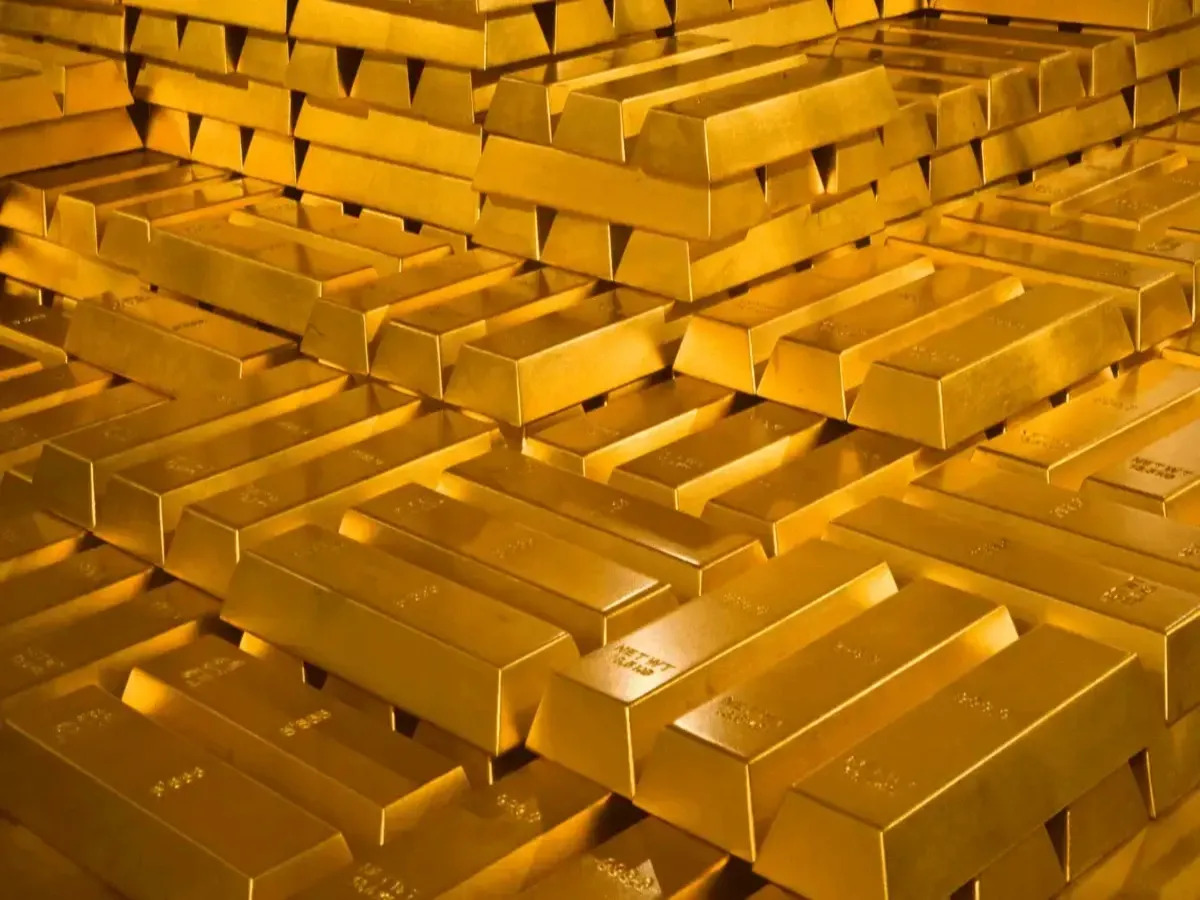
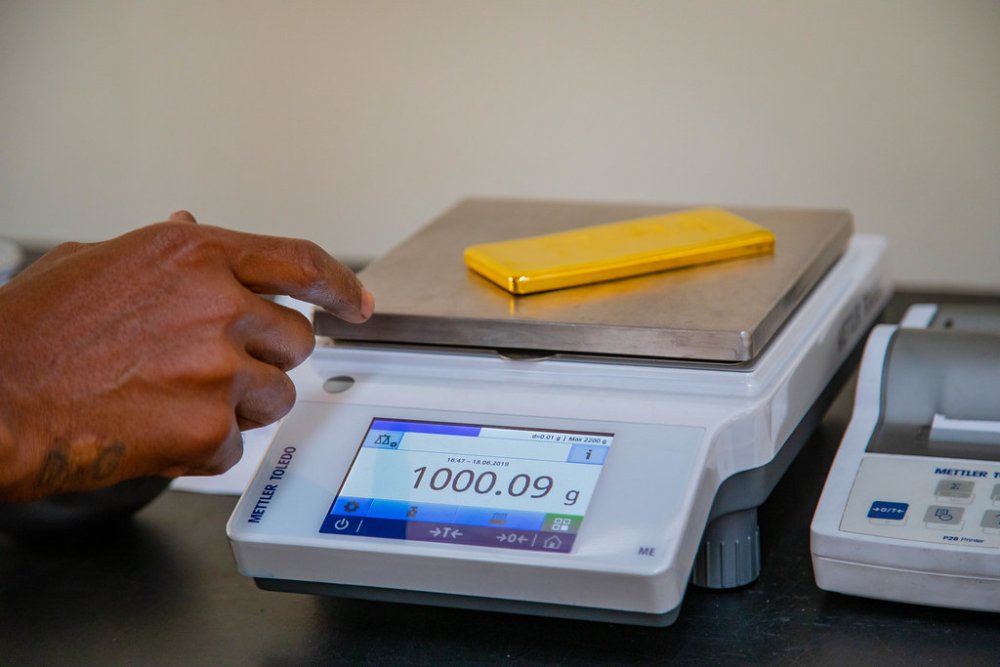
A notable development shaping the forward outlook is Rwanda’s move to diversify its reserves. The National Bank of Rwanda has begun purchasing gold as part of its reserve assets, marking a shift toward strengthening resilience against global financial volatility.
Gold is widely regarded as a stable store of value that does not easily depreciate, especially during periods of currency fluctuations or global uncertainty. By incorporating gold into its reserves, Rwanda is positioning itself to reduce reliance on traditional foreign currency holdings such as the US dollar while enhancing long-term stability.
The central bank is expected to disclose the volume of gold accumulated, a move that could provide further insight into the country’s evolving reserve management strategy.
What it means for the economy
Foreign reserves play a critical role in stabilising the economy. When reserves are sufficient, they enable the country to pay for essential imports, support the national currency, and cushion against external shocks.
If reserves fall too low, the Rwandan franc could come under pressure, making imports more expensive and increasing the cost of living. Conversely, the projected recovery in reserves is expected to help stabilise the exchange rate, contain imported inflation, and support purchasing power.
The central bank also retains the ability to intervene in currency markets using reserves, injecting foreign currency when needed to limit excessive depreciation.
Leave a Reply