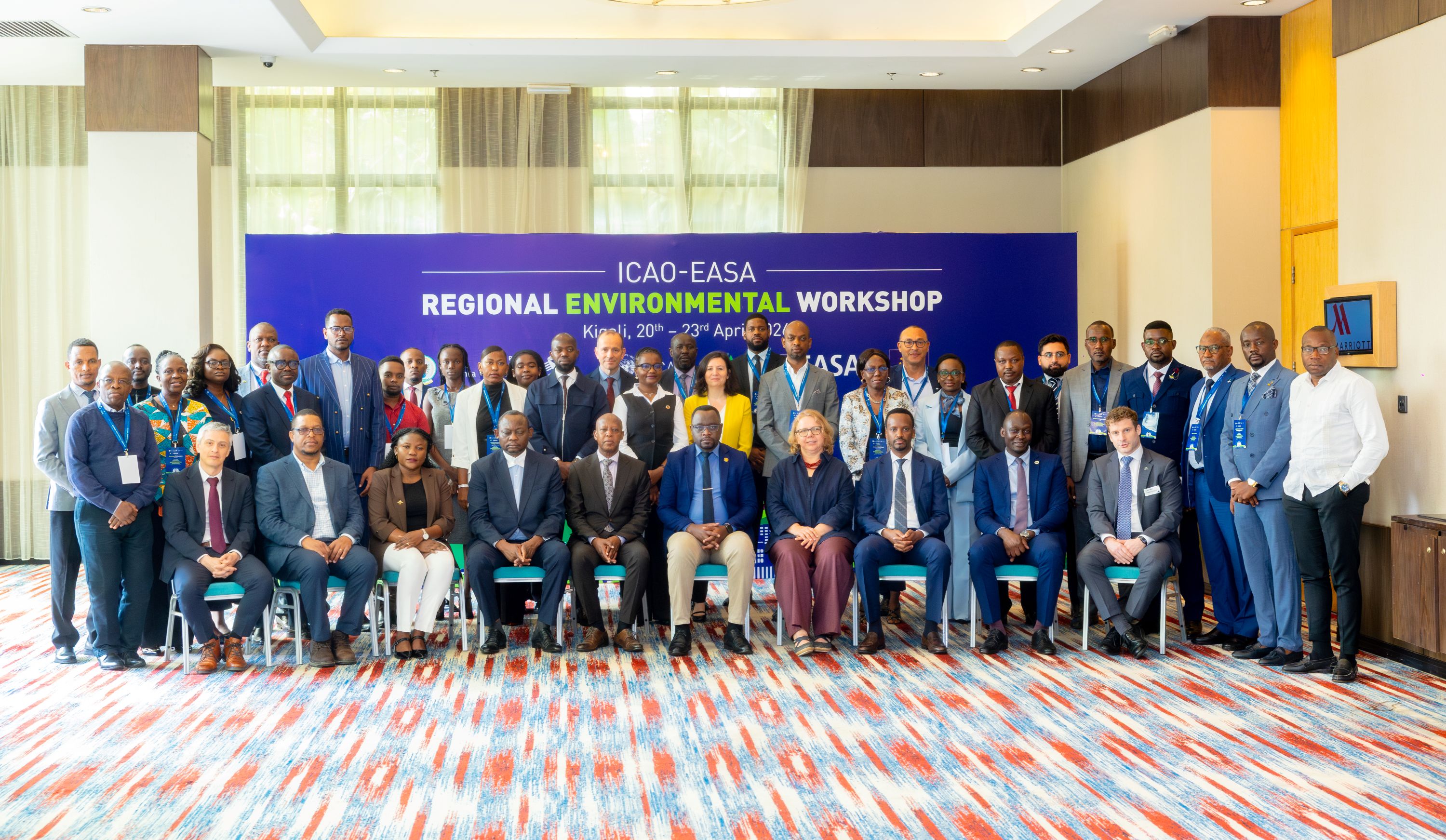
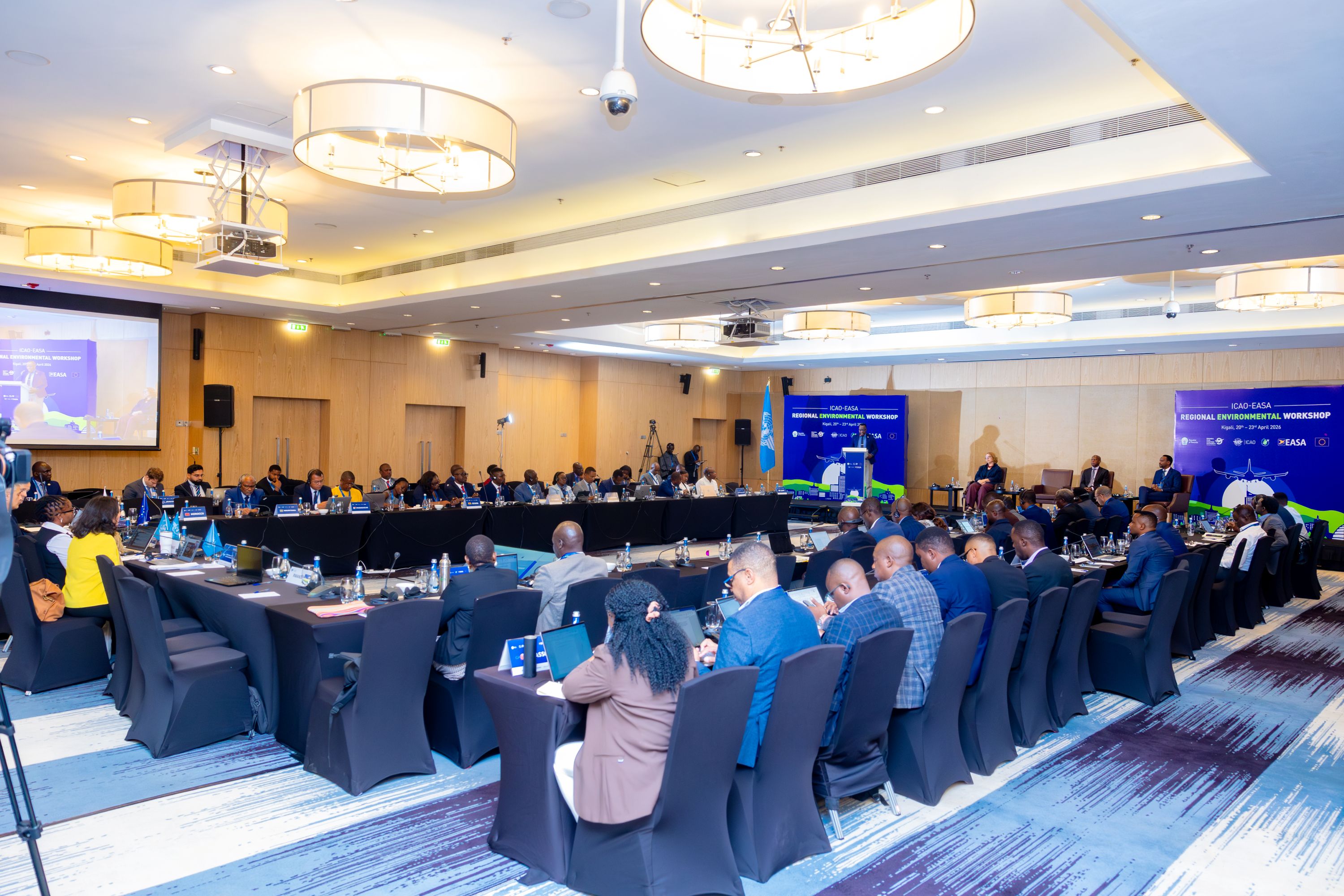
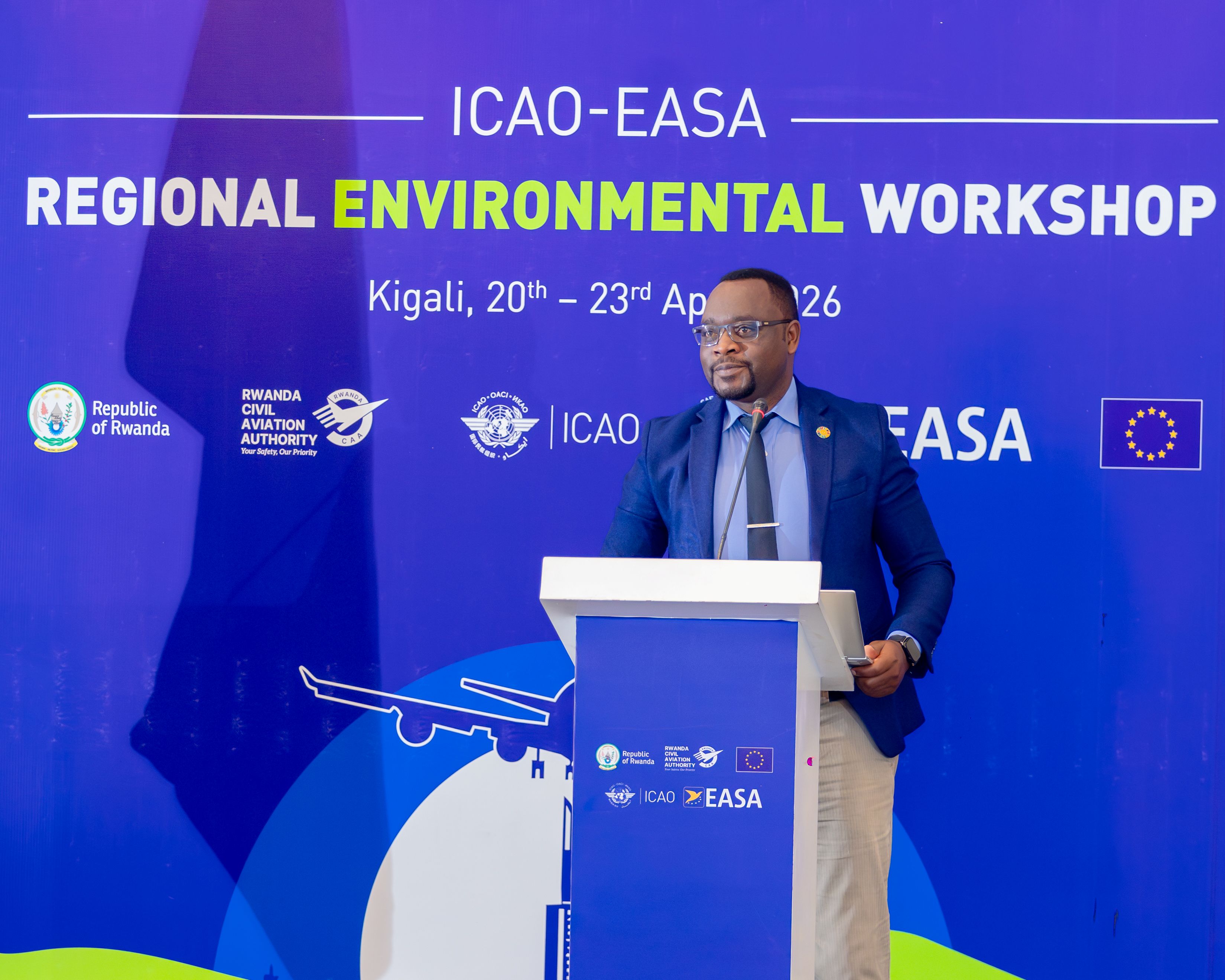
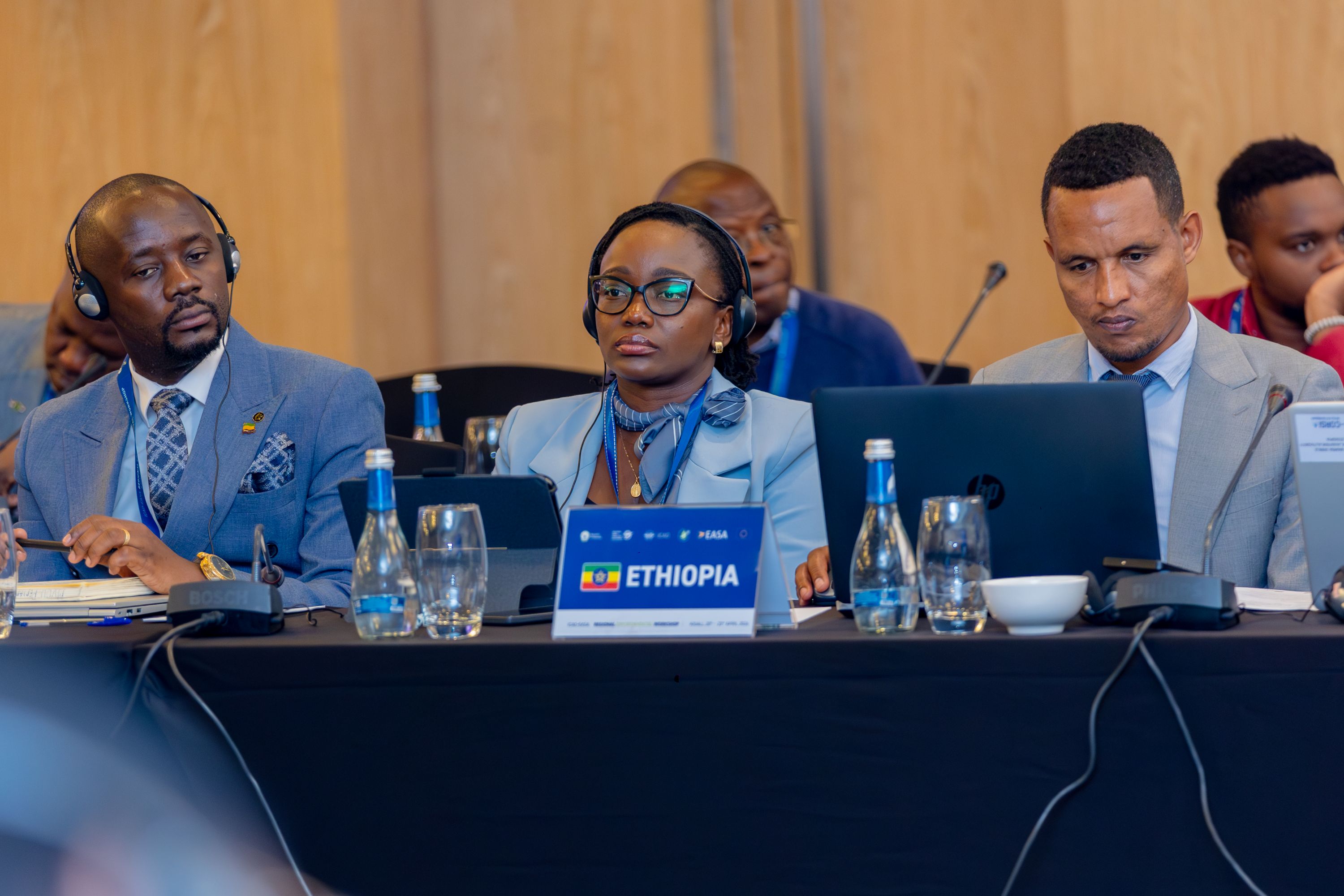
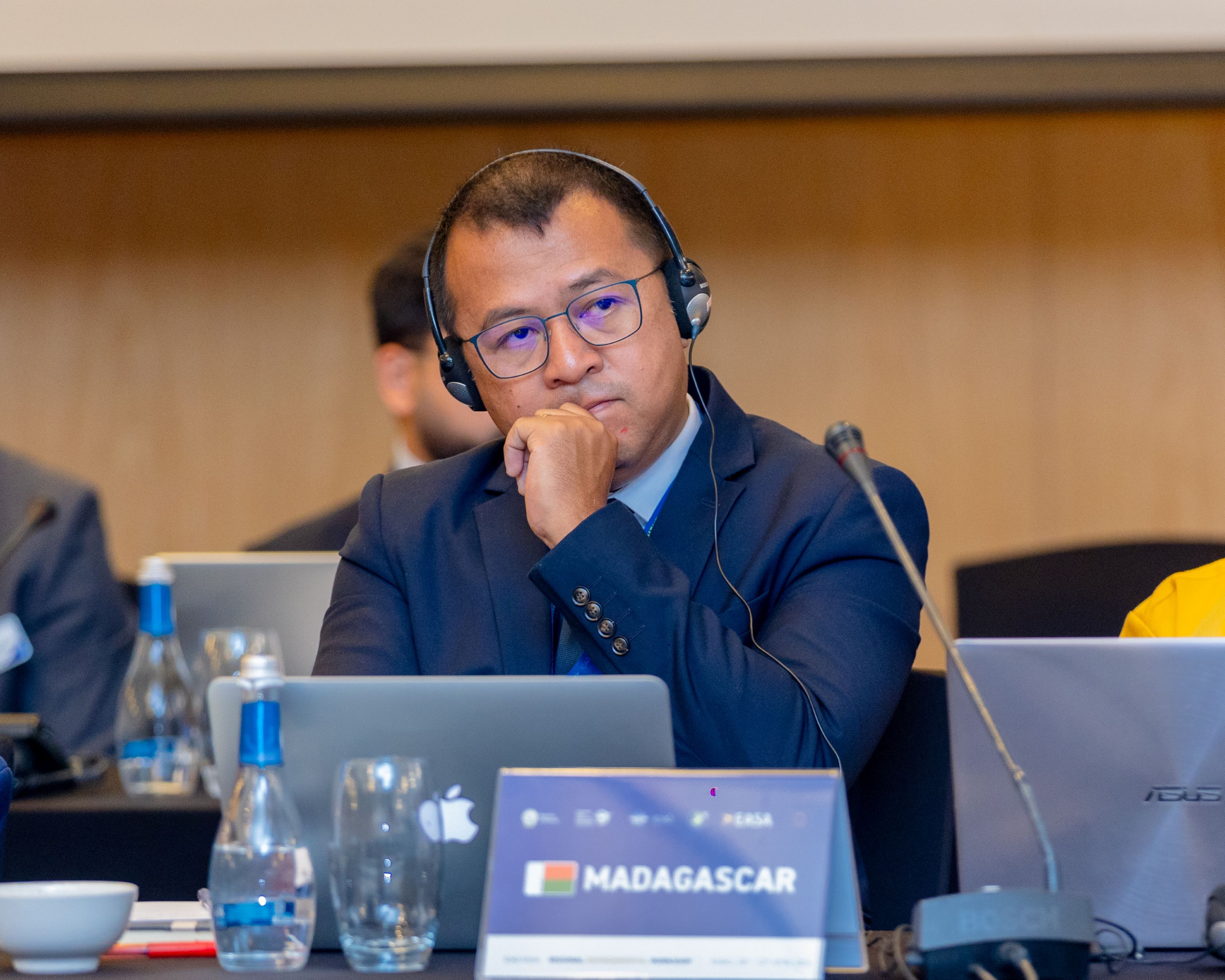
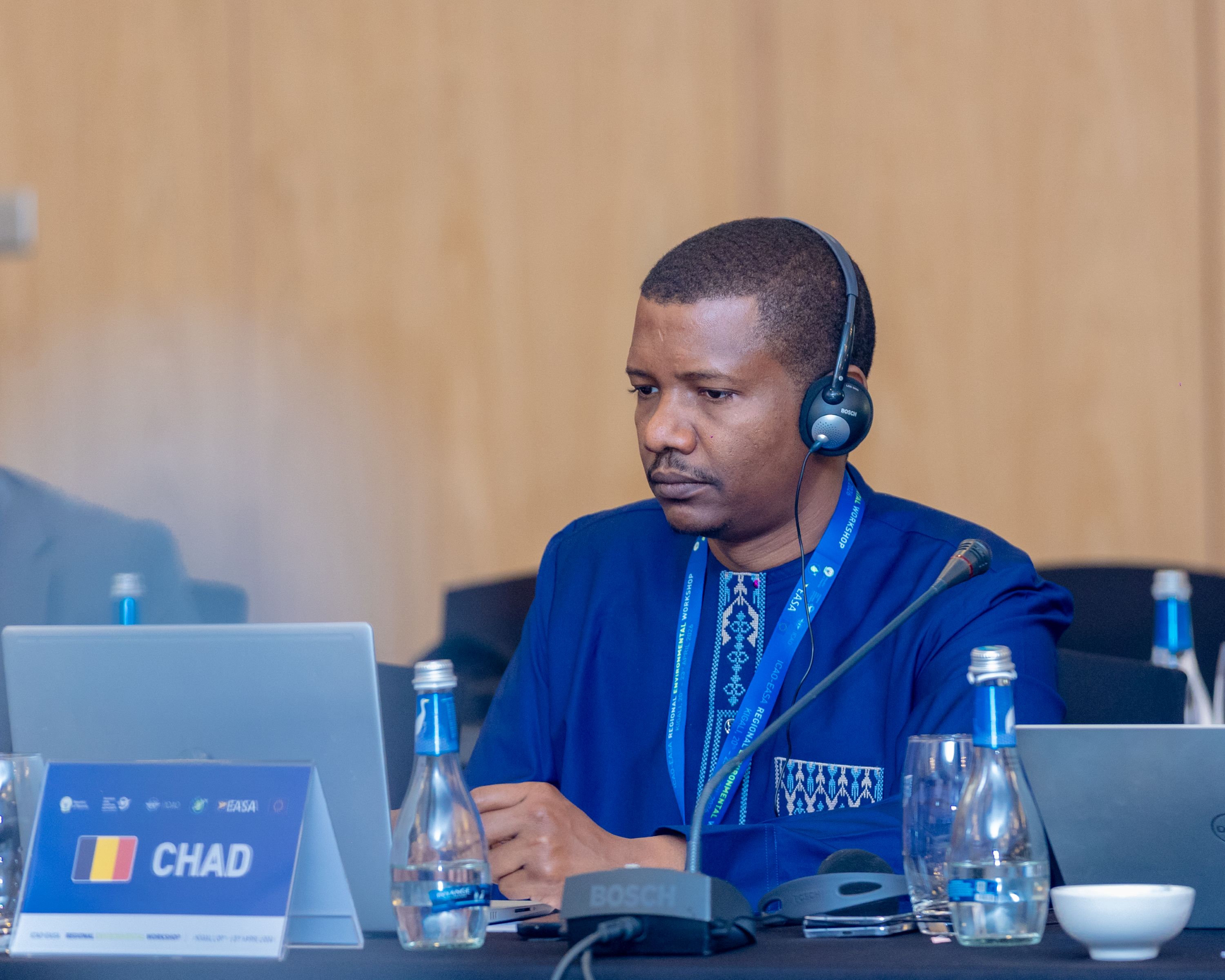
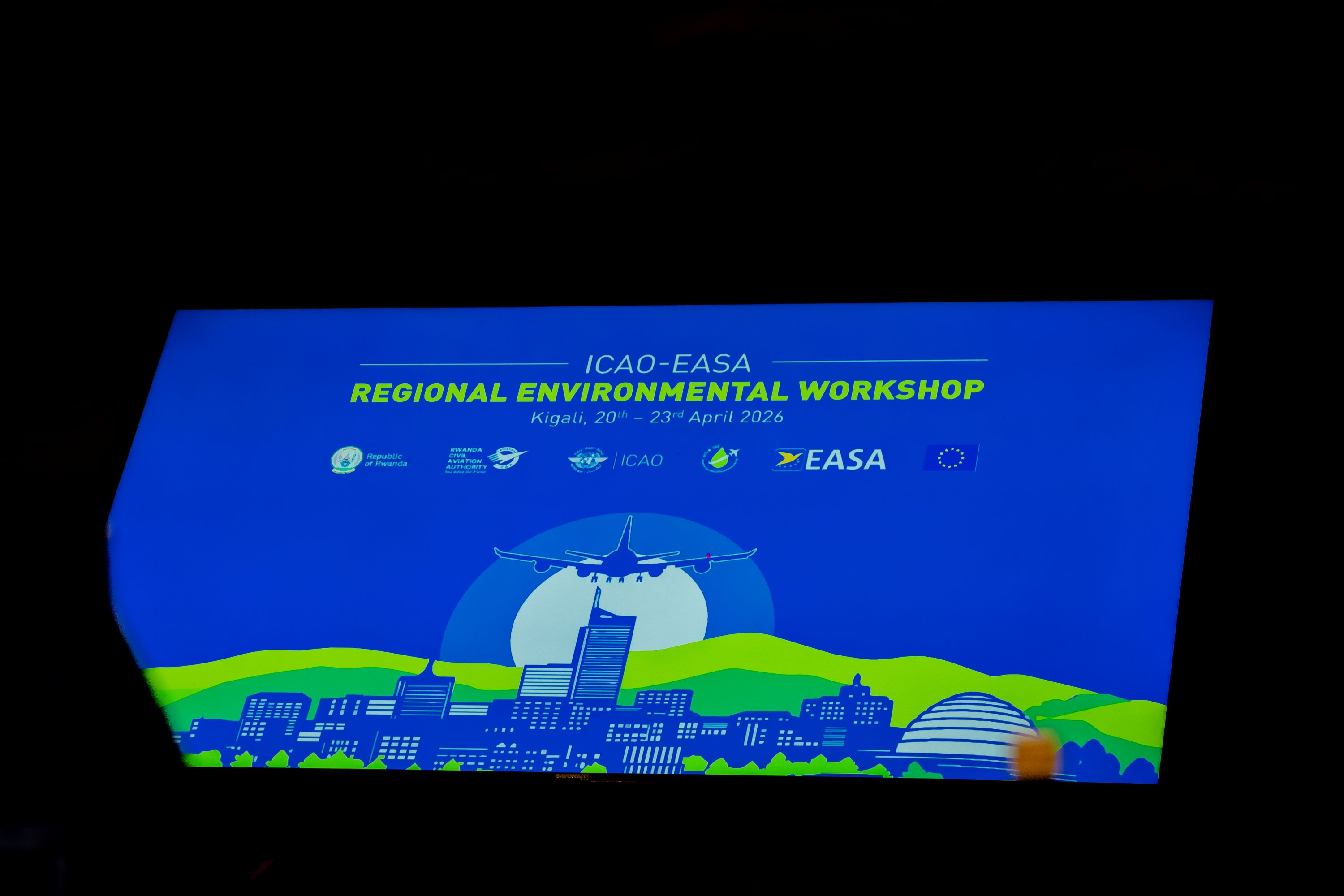
The Joint ICAO–EASA Regional Environmental Workshop, hosted by the Government of Rwanda in collaboration with the International Civil Aviation Organisation (ICAO) and the European Union Aviation Safety Agency (EASA), brings together stakeholders from Eastern, Western and Central Africa under the ICAO–EU ACT-SAF Assistance Project.
The meeting follows key environmental resolutions adopted at the 42nd ICAO Assembly in Montréal, Canada, in October 2025 and is expected to translate global aviation climate commitments into regional implementation pathways.
Opening the workshop, officials underscored the urgency of decoupling aviation growth from rising greenhouse gas emissions, while maintaining the sector’s critical role in connectivity and economic development across Africa.
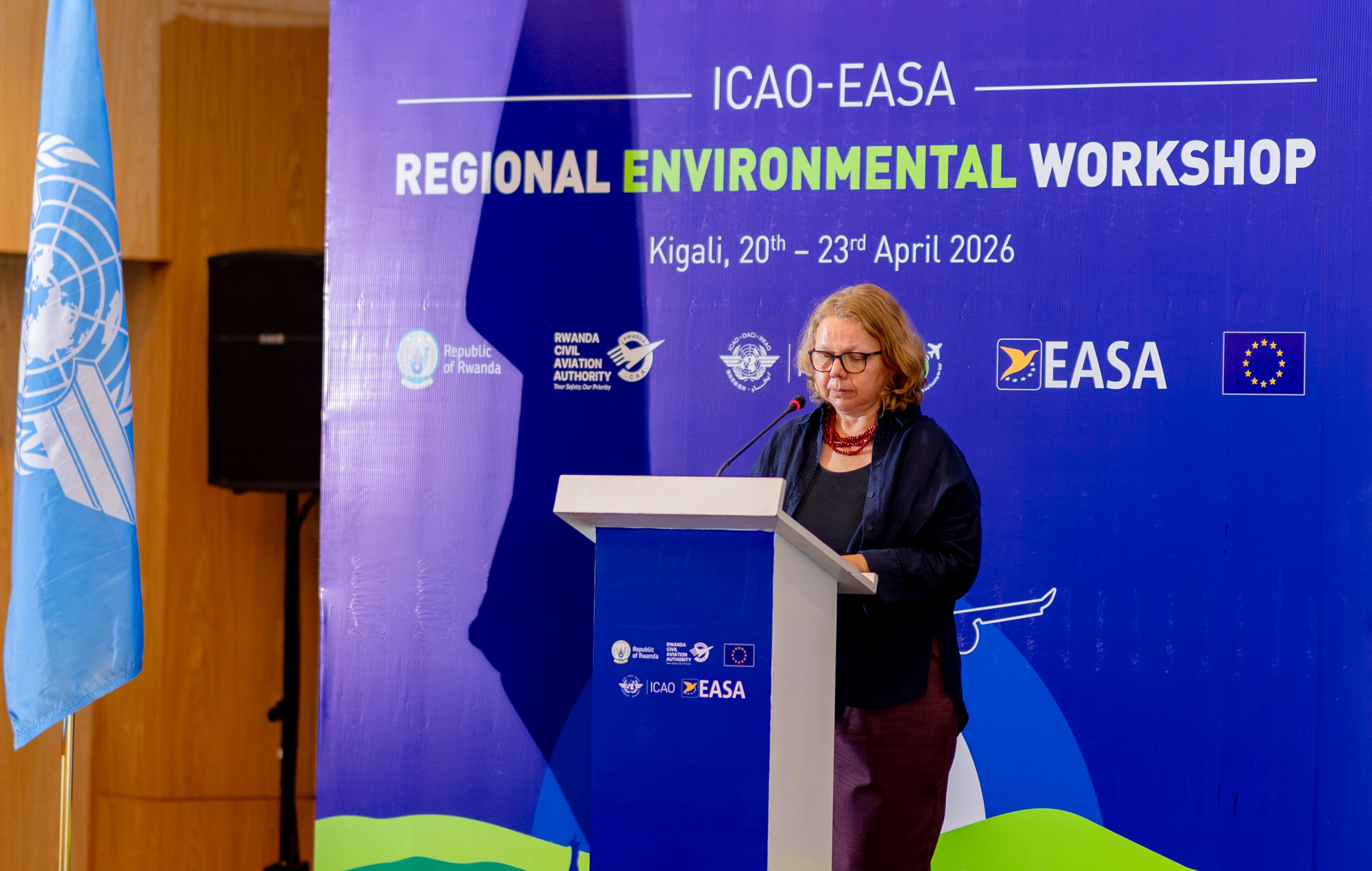
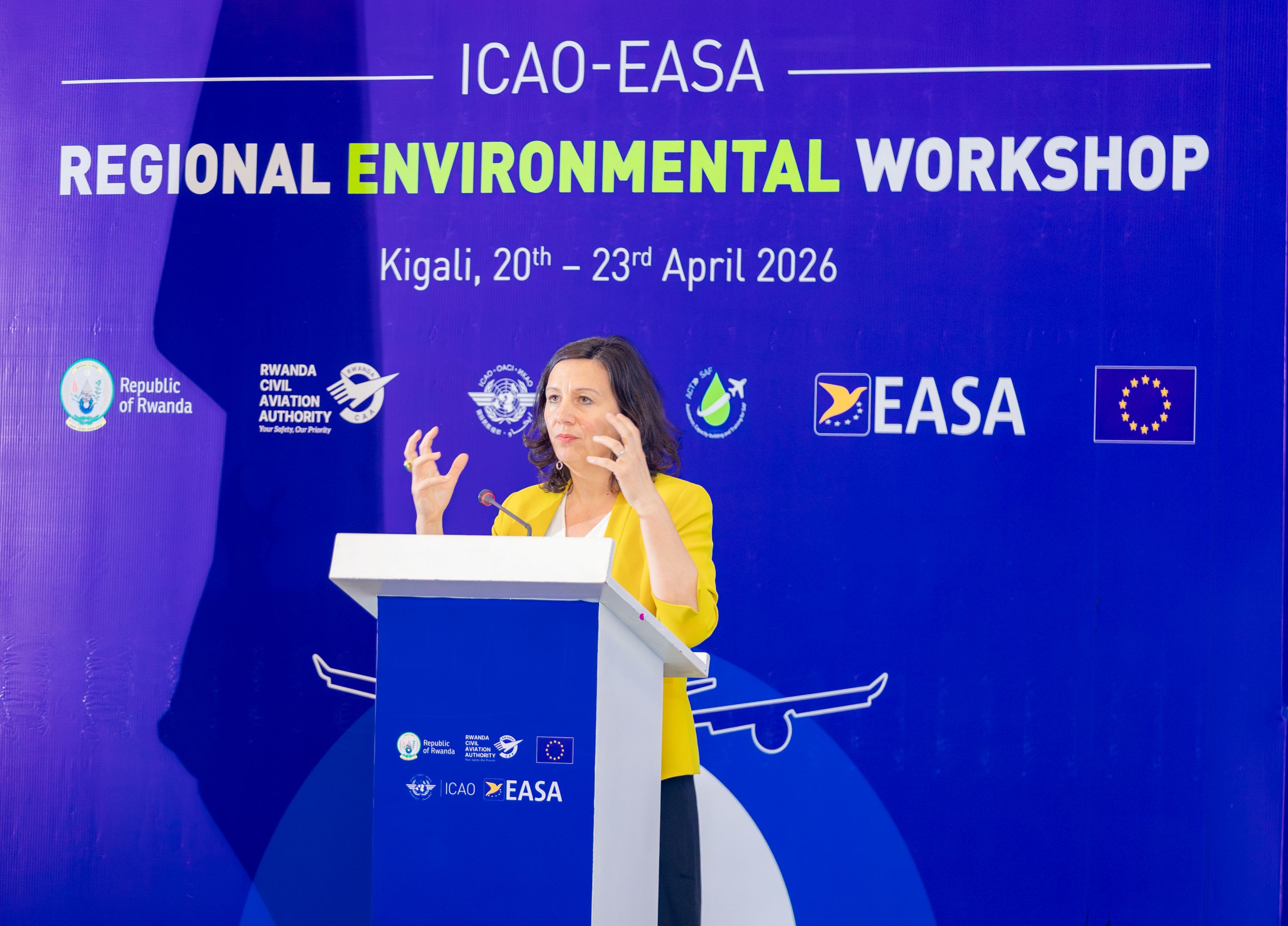
Speaking on behalf of the European Union Delegation to Rwanda, the Head of Section for Green and Digital Transition, Helena Guarin, said sustainable aviation fuels present a key opportunity for African countries to reduce emissions while strengthening energy independence.
“Decoupling air traffic growth from greenhouse gas emissions is one of the key challenges. Sustainable aviation fuels could offer possibilities for African countries to achieve this while also enhancing energy independence,” she said, noting that scaling SAF will require strong technical capacity, long-term planning and significant investment.
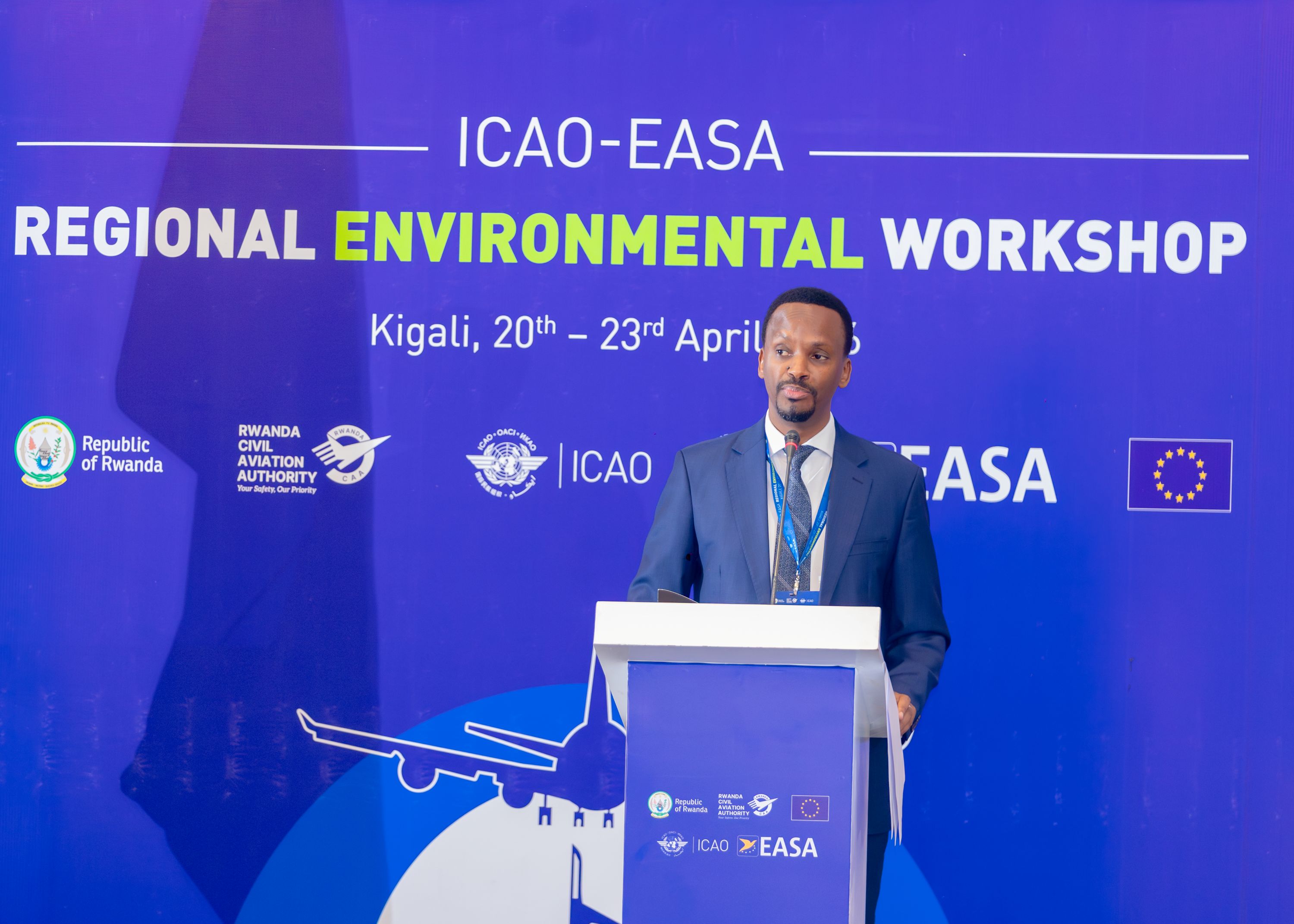
ICAO Deputy Regional Director for the Eastern and Southern Africa Office, Richard Gatete, highlighted the importance of collaboration in achieving aviation decarbonisation, noting progress already made across the continent.
He said about 81 percent of Eastern and Western/Central African states have taken steps toward CORSIA readiness, while 75 percent have joined the ACT-SAF programme, which supports the development of sustainable aviation fuel projects.
“Aviation stands at a defining moment. As global air traffic continues to grow, our shared responsibility to ensure that growth is sustainable, inclusive and environmentally responsible has never been greater,” Gatete said.
He added that while momentum is building around SAF feasibility and implementation projects, access to finance remains a major challenge requiring coordinated action between governments, industry and development partners.
Rwanda’s Ministry of Environment said the aviation sector must be integrated into broader national climate strategies, noting that energy-related emissions remain a major contributor to greenhouse gases and are expected to rise significantly in the coming decades.
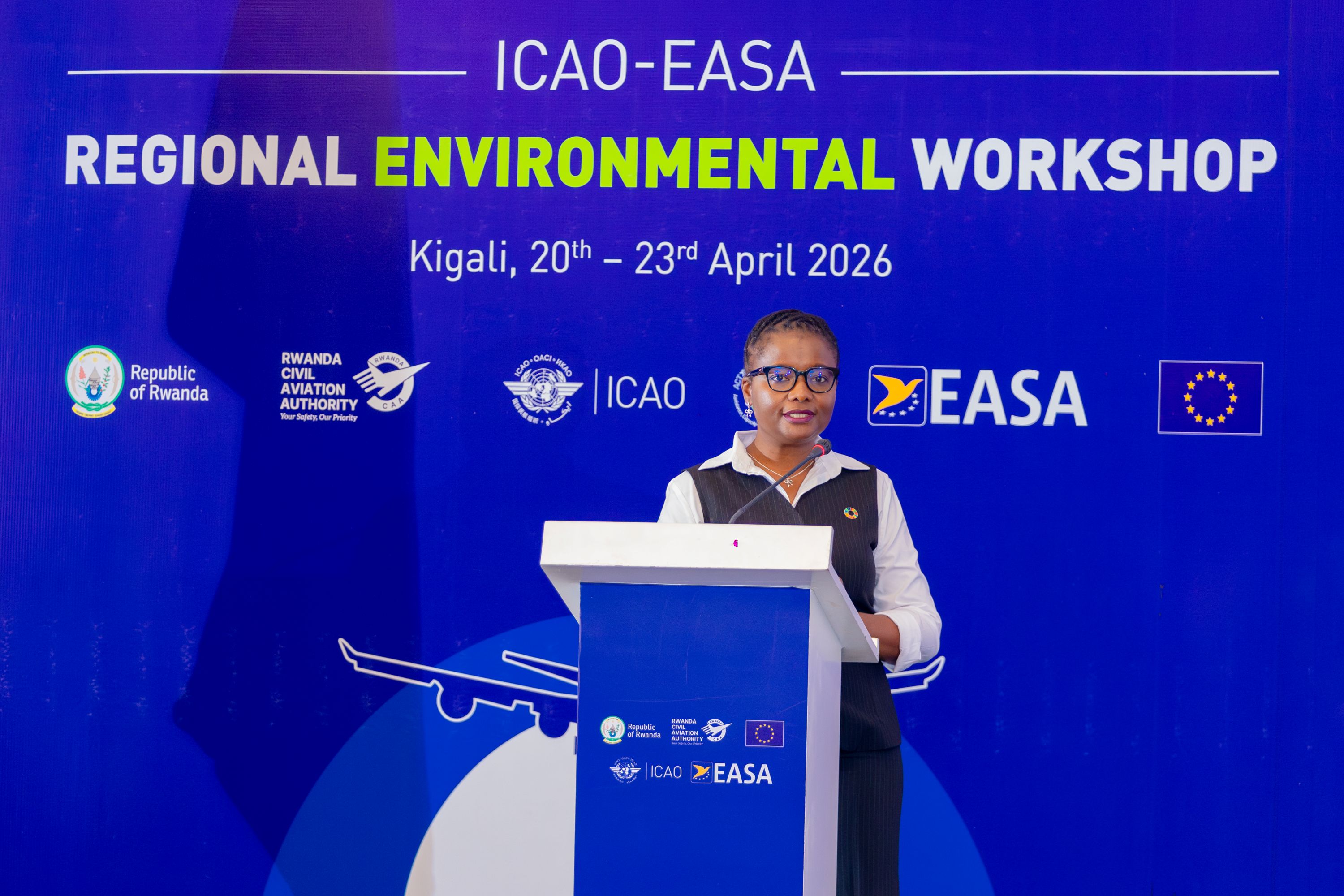
Representing the Minister of Environment, Acting Director General for Environment and Climate Change, Thadée Twagirimana, said Rwanda is committed to supporting initiatives such as CORSIA and SAF development under the ACT-SAF programme.
“The aviation sector plays a vital role in regional development and connectivity. However, it also presents notable challenges in balancing growth with sustainability,” he said, calling for stronger cooperation between governments and industry stakeholders.
Over the four-day workshop, participants will focus on the implementation of CORSIA, the expansion of SAF production and supply chains, emissions reduction strategies, and financing mechanisms to support large-scale deployment of green aviation technologies.
Key sessions include discussions on States’ Action Plans for emissions reduction, SAF certification and deployment, feedstock sustainability, airport infrastructure roles, and investment frameworks for aviation decarbonisation.
The workshop also provides a platform for African states to share experiences and best practices, as well as to explore regional solutions for scaling sustainable aviation fuels and improving operational efficiency through initiatives such as free route airspace.
ICAO said the outcomes of the Kigali meeting are expected to contribute directly to advancing the Long-Term Aspirational Goal (LTAG) of achieving net-zero carbon emissions from international aviation by 2050.
The workshop continues through April 23, 2026, bringing together governments, international organisations and private sector actors in what officials describe as a critical step toward building a more sustainable aviation future for Africa.
Leave a Reply