The satellite, which weighed approximately 600 kilograms, reentered Earth’s atmosphere on March 11, 2026, and burned up during reentry, with some debris potentially surviving and reaching the surface.
According to reports, the spacecraft’s descent occurred over the Pacific Ocean, just west of the Galapagos Islands. The exact time and location of impact were difficult to predict, as uncontrolled reentries are challenging to track with precision until they happen.
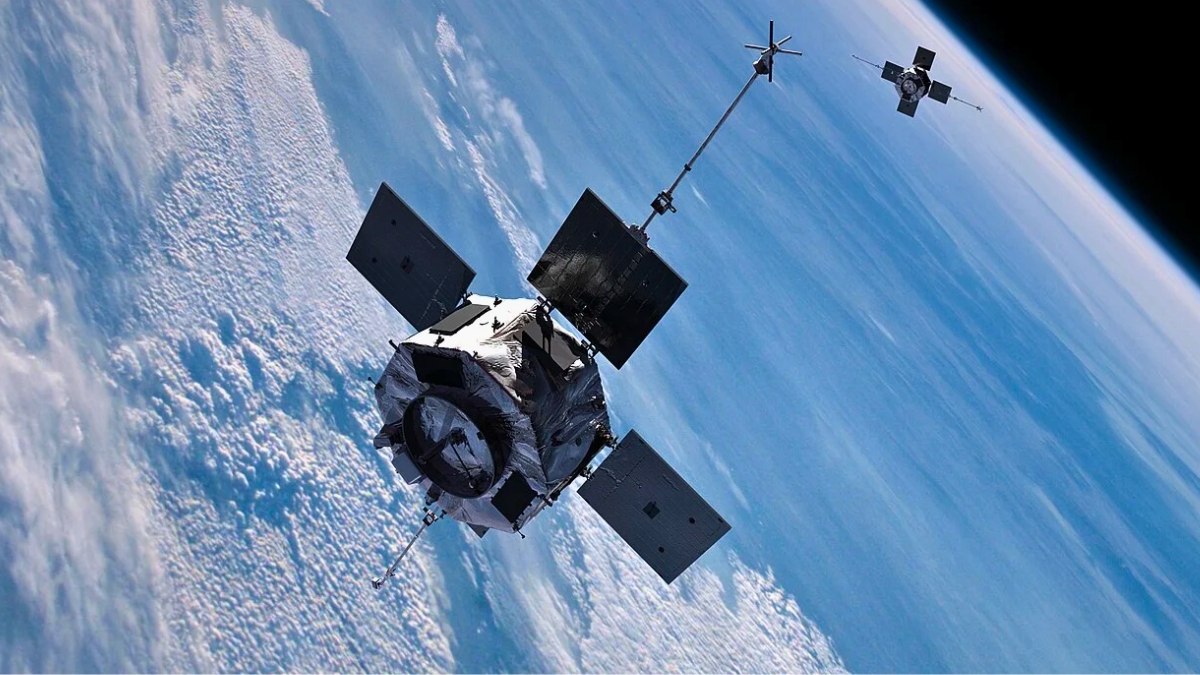
The Van Allen Probe A was part of a pair of satellites that studied the Earth’s radiation belts, which protect the planet from harmful solar and cosmic radiation. NASA had deactivated the spacecraft in 2019 after completing its mission.
Despite the satellite being inactive, solar activity in recent years caused increased atmospheric drag, pulling the spacecraft out of orbit and accelerating its reentry years earlier than originally predicted.
While NASA had expected the satellite to remain in orbit for nearly another decade, the increased drag from the Earth’s upper atmosphere forced an earlier descent.
Despite the early reentry, NASA determined the risk of the satellite causing harm to people on the ground was incredibly low, about 1 in 4,200. Most of the satellite burned up during reentry, and the majority of Earth’s surface is covered by water, further minimizing the risk of debris causing any damage.
Uncontrolled reentries like this are uncommon but are closely monitored by space agencies, including NASA and the U.S. Space Force, to ensure public safety.
NASA continues to assess the risks of space debris and its impact on both human life and technological infrastructure.
Leave a Reply