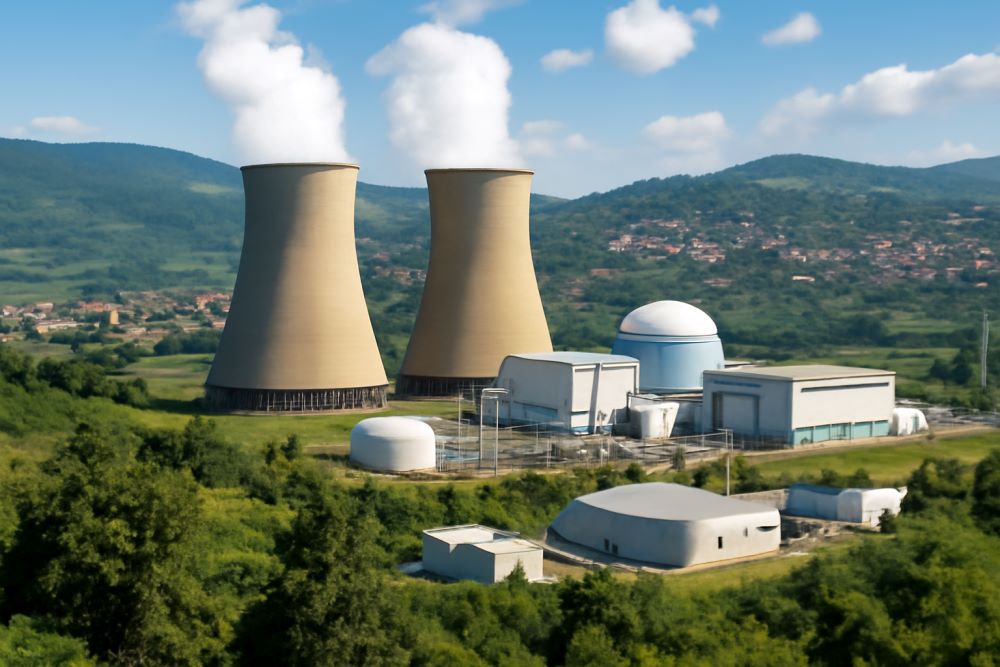
The review, conducted by a team of experts from the IAEA, started on March 2, 2026, and will run until March 9, 2026. Throughout the week, the experts will examine whether Rwanda meets the key requirements needed to embark on a nuclear power programme.
Among the critical areas under review are the country’s national policy framework on nuclear energy, financing mechanisms for constructing nuclear facilities, and the overall regulatory and institutional setup.
The team will also assess Rwanda’s capacity to prevent and manage potential risks associated with nuclear power plants, including safety, security, and environmental protection measures.
Dr. Fidele Ndahayo, Chief Executive Officer of the Rwanda Atomic Energy Board (RAEB), said the country has for years been investing in nuclear energy development.
He noted that Rwanda has established academic programmes in nuclear science, imported nuclear-based medical equipment, and implemented other initiatives aimed at building national capacity.
He explained that undergoing such a review is a crucial step in determining whether Rwanda is on the right track toward building a nuclear power plant.
“We want them to assess us based on the 19 infrastructure issues they use to determine a country’s level of preparedness,” he said. “They will evaluate where we stand as a country. We are confident that the process will go well and that, if the basic requirements are met, we will be able to move to the second phase.”
Dr. Ndahayo added that a positive assessment can strengthen Rwanda’s credibility internationally and improve its chances of securing financing for nuclear projects.
“This review will help build international confidence by showing that Rwanda is following the proper procedures. That will support us in mobilizing funding to construct these plants,” he said.
Aline des Cloizeaux, Director of the IAEA’s Division of Nuclear Power who is leading the expert team, clarified that the role of the mission is to promote the safe and peaceful use of nuclear technologies in line with its global mandate.
This week, she said, their work mainly focuses on providing advice on areas that need improvement and identifying where further efforts are required so the country can continue implementing its nuclear power programme.
Rwanda has set a target to have a nuclear power plant operational by 2030. To achieve this goal, the country has been working with various international partners.
In 2023, Rwanda signed an agreement with Dual Fluid Energy Inc to pilot a nuclear reactor project in the country. The initiative is part of broader cooperation with institutions from Russia and the United States focused on developing Small Modular Reactors (SMRs).
SMRs are smaller-scale nuclear power plants capable of generating up to 100 megawatts of electricity or less. They can be installed on relatively small sites, typically covering between 15 and 50 hectares, and can operate with a workforce of around 230 employees. Their compact design allows them to be deployed even in remote areas.
According to research by the World Nuclear Association, nuclear energy significantly reduces carbon emissions.
Studies indicate that nuclear power can cut approximately 29 tonnes of carbon dioxide emissions per gigawatt-hour (GWh) of electricity generated, making it one of the low-carbon energy options available.
Leave a Reply