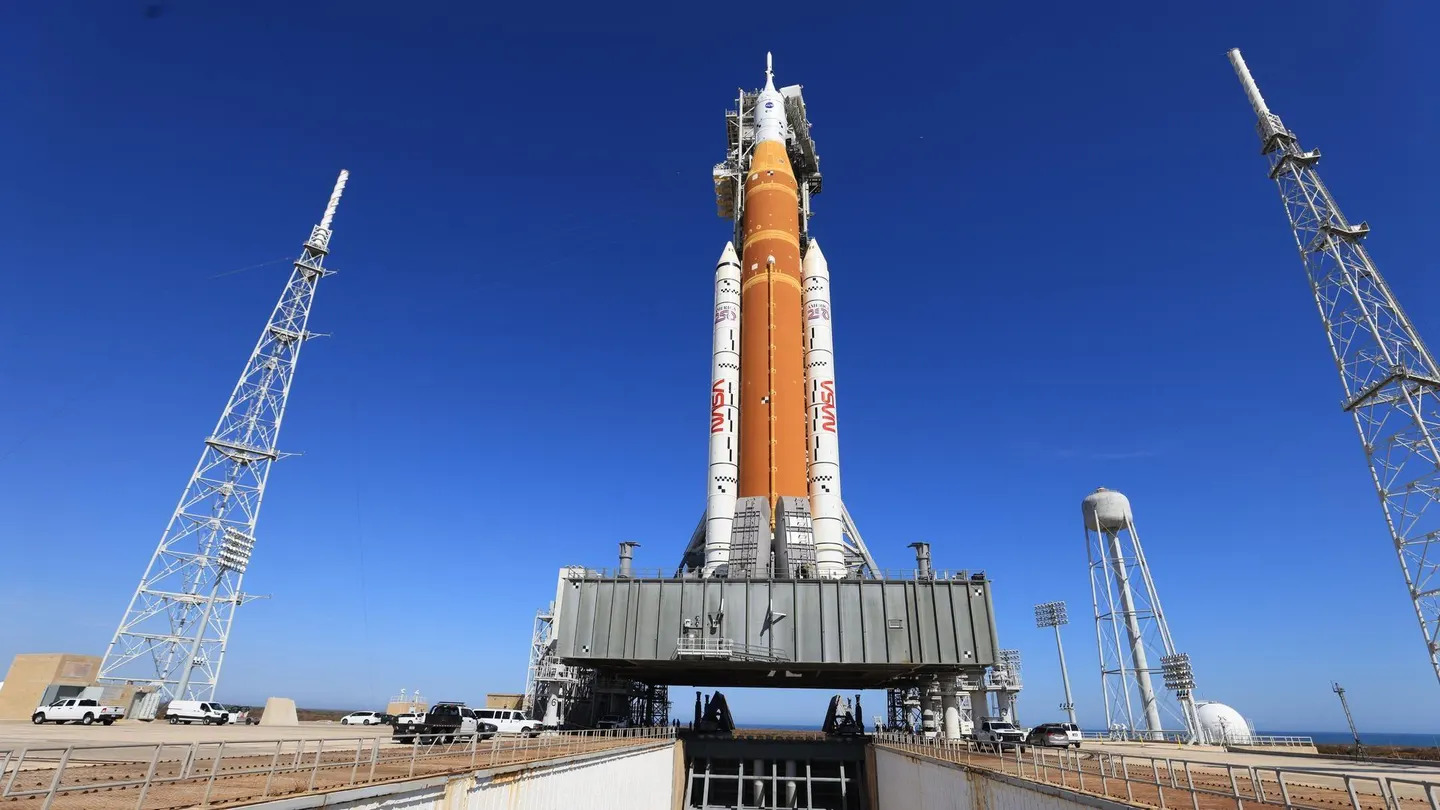
NASA Administrator Jared Isaacman said the problem may involve a faulty filter, valve, or connection plate.
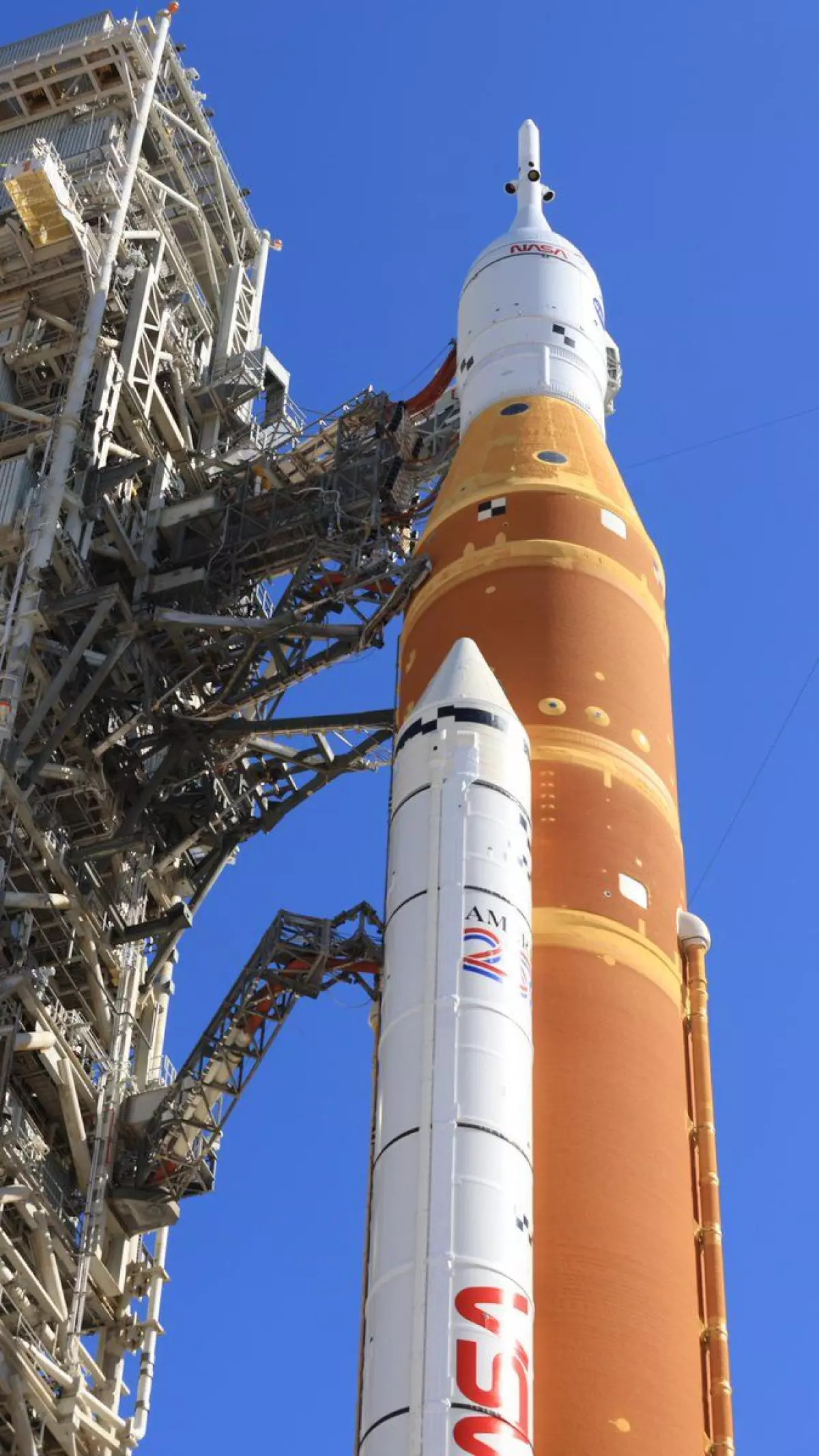
“The only way to inspect and repair the affected area is to roll the 98-meter (322-foot) Space Launch System rocket back to its hangar at Kennedy Space Center,” he said, adding that the March window is no longer feasible.
Artemis II will carry four astronauts, three Americans, Reid Wiseman, Victor Glover, and Christina Koch, and Canadian Jeremy Hansen, on a journey around the Moon and back. The crew will orbit the Moon’s far side, a region never visible from Earth, testing spacecraft systems critical for future lunar exploration.
The mission is a key precursor to Artemis III, NASA’s planned Moon landing, currently scheduled for 2028. Artemis II would also mark humanity’s farthest journey into space since the Apollo program ended in 1972.
The Artemis program has faced multiple delays, including previous hydrogen fuel leaks and postponed rehearsals. A recent wet dress rehearsal, conducted under real fueling conditions, had cleared the mission for a potential March launch before the helium system issue emerged.
The setback comes amid growing international competition in lunar exploration, with China planning a crewed Moon landing by 2030 and uncrewed missions starting in 2026. Despite the delay, NASA says Artemis II remains critical for testing systems and operations needed for sustainable lunar missions and eventual crewed Mars exploration.
Leave a Reply