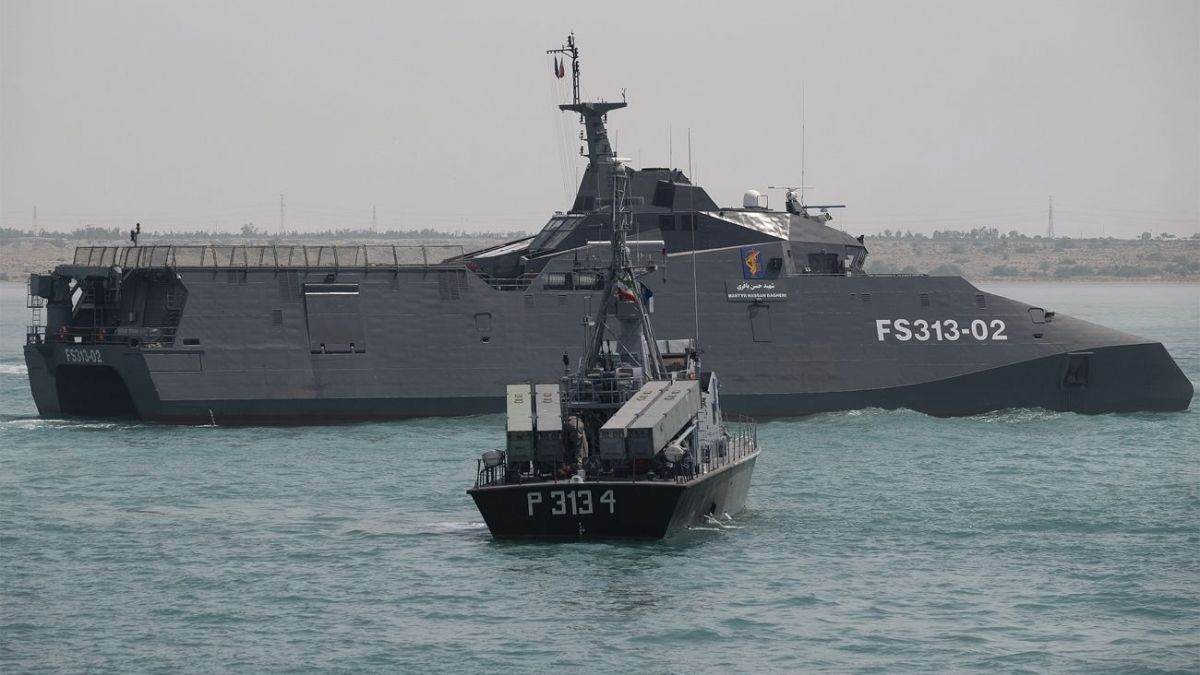
In recent meetings, including a Monday discussion with top security officials in the White House, Trump opted to continue squeezing Iran’s economy and oil exports by preventing shipping to and from its ports, said the report.
The president assessed that the blockade, “a high-risk bid” to compel Tehran’s nuclear capitulation, carries less risk than other options — resume bombing or walk away from the conflict, the officials were quoted as saying.
They told the newspaper that Trump isn’t currently willing to drop his demand that Iran, at a minimum, vows to suspend its nuclear enrichment for 20 years and accepts restrictions after that point.
Trump reportedly told aides that Iran’s three-step offer to reopen the Strait of Hormuz and leave nuclear talks for later negotiations proved Tehran wasn’t negotiating in good faith.
White House spokeswoman Anna Kelly said the United States has met its military objectives in the war with Iran and that “thanks to the successful blockade of Iranian ports, the United States has maximum leverage over the regime” during negotiations to prevent Tehran from acquiring a nuclear weapon.
Yet extending the blockade also prolongs a conflict that has driven up gas prices, hurt Trump’s poll numbers and further darkened Republicans’ prospects in the midterm elections, said the report. It has also caused the lowest number of transits through the Strait of Hormuz since the U.S. and Israel launched massive attacks on Iran on Feb. 28.
The lack of a clear, decisive pathway has led some U.S. officials to conclude that the eight-week conflict will likely end with neither a nuclear deal nor a resumption of the war, a sentiment first reported by U.S. online media outlet Axios.
Leave a Reply