This concern was raised on March 10, 2026, during a report presented by the Committee on Economic Development and Finance, reviewing the government’s efforts to provide clean water to the public.
The report highlighted that 39.4% of water processed by treatment plants is lost.
The committee also revealed plans for the construction of 25 new water treatment plants, along with an expansion of the water supply network, which is expected to increase from 35,001 kilometers in 2024 to 39,639 kilometers by 2029.
Additionally, the volume of treated water is projected to rise from 329,652 cubic meters per day in 2024 to 688,696 cubic meters daily by 2029.
However, despite these efforts, Nsengiyumva Fulgence, the Chairperson of Committee on Economic Development and Finance, pointed out that the wastage rate of treated water remains alarmingly high, standing at 39.5%. This inefficiency, he stressed, represents a significant loss for the country.
He further stated, “We believe more focus should be placed on accelerating efforts to reduce water loss and finding ways to lower the expected wastage rate of 25% by 2029 to below 15%.”
Senator Nkubana Alphonse emphasized the need for technology to address the issue of water wastage.
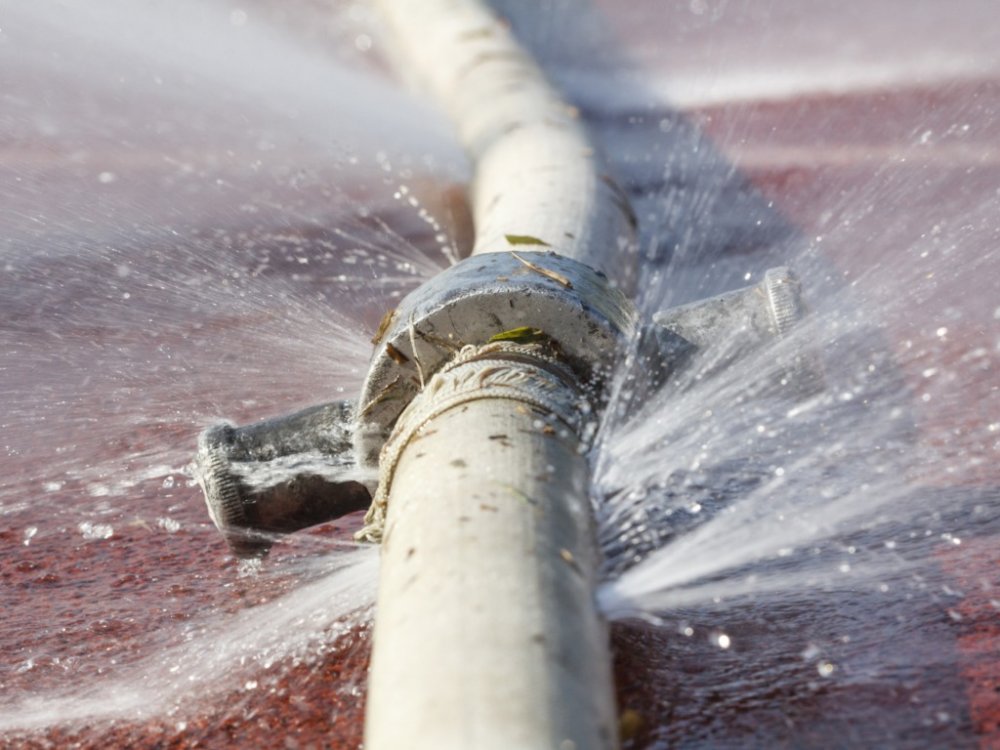
He said, “Our recommendation is to implement technology that can quickly detect leaks. If a pipe bursts, WASAC should be notified immediately, enabling prompt intervention to minimize water loss. Many countries already use technology for fire detection, and we believe such systems would greatly assist in preserving more water.”
He also explained that, aside from the wasted water, the potential damage to infrastructure due to leaks could have serious long-term consequences.
Senator Uwera Pélagie expressed concern about the substantial loss this represents for both the country and its citizens, who are unable to access needed water in a timely manner.
“This is a huge loss to the country and a significant hardship for the people who need water, as they cannot access it as needed, despite the large investments made in the infrastructure. The amount of wasted water should have been reduced,” she stated.
She also highlighted the issue of water pricing at public taps, where RURA’s pricing regulations are often not being followed.
Senator Bideri John Bonds pointed out that supplying clean water to rural areas is relatively simple and that Rwanda is moving in the right direction. He called for significant reductions in water wastage.
Following extensive discussions, the plenary session of the Senate called on the Rwandan government to accelerate the construction of new water treatment plants, the expansion and renovation of water networks, the replacement of outdated equipment, and the implementation of measures to reduce the wastage of clean, treated water.
The Senate also urged the establishment of a reliable system to monitor the quality of all water provided to the public, including water supplied by private vendors in rural areas.
Leave a Reply