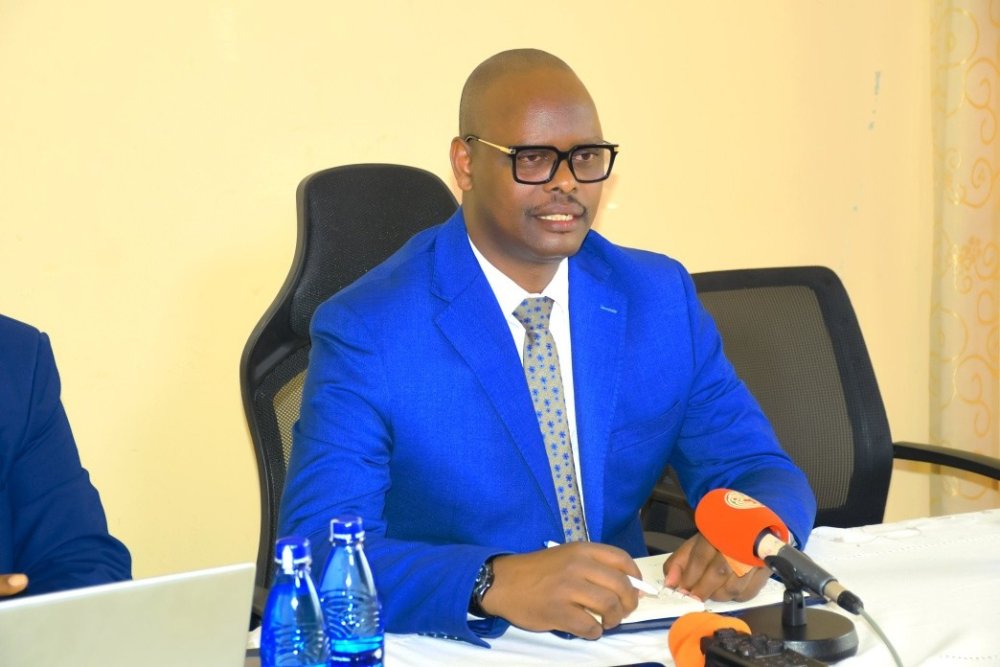
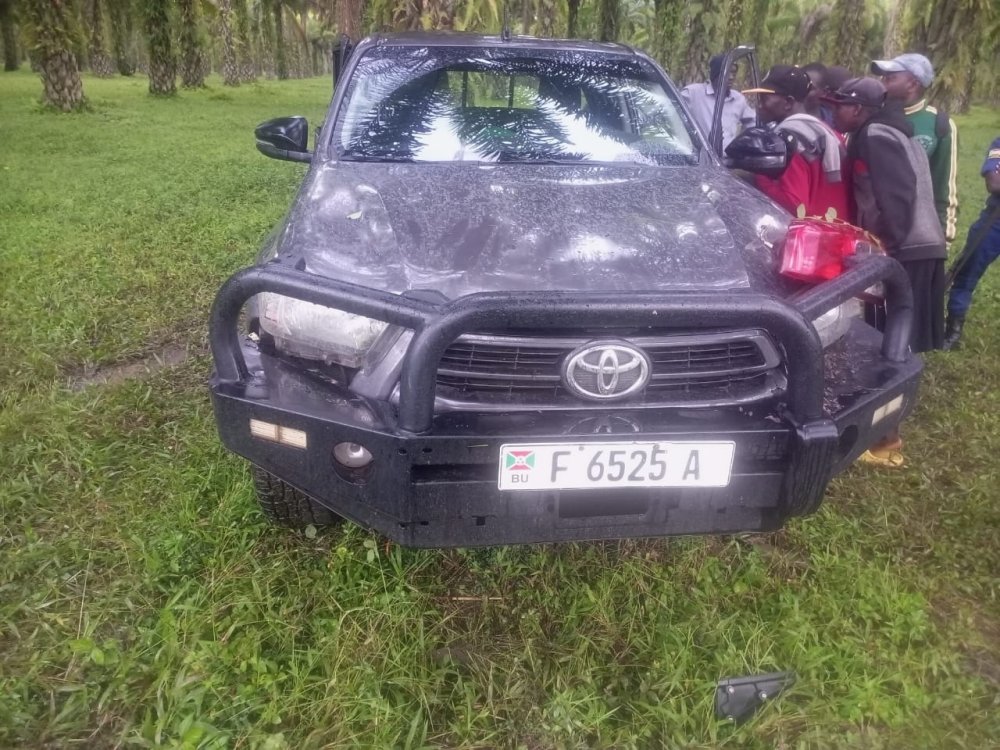
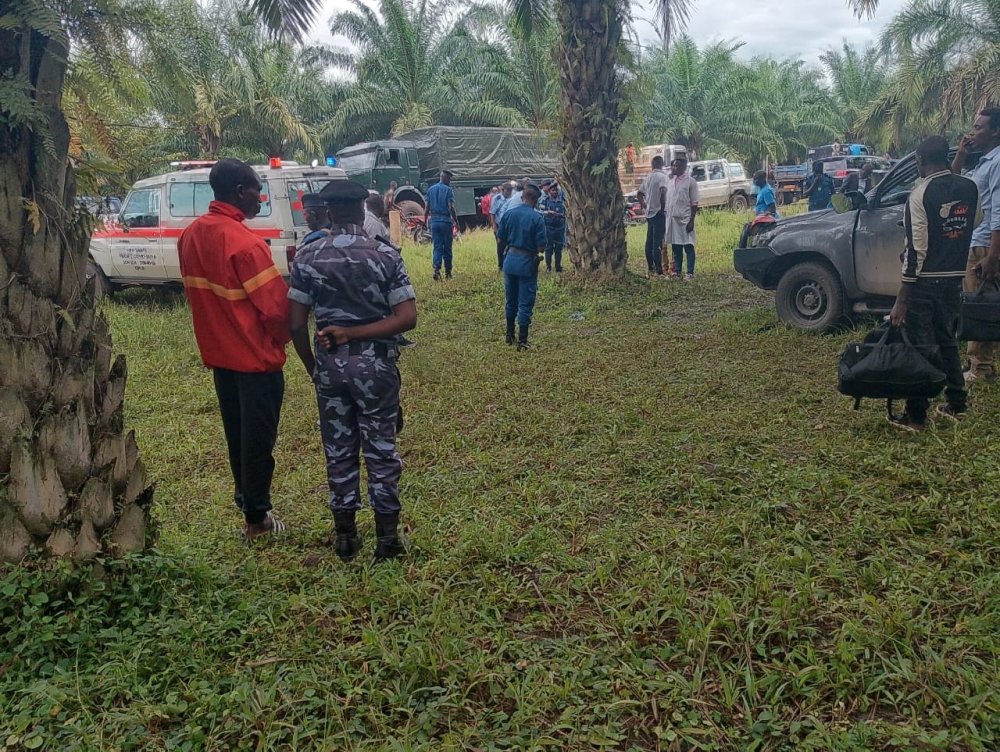
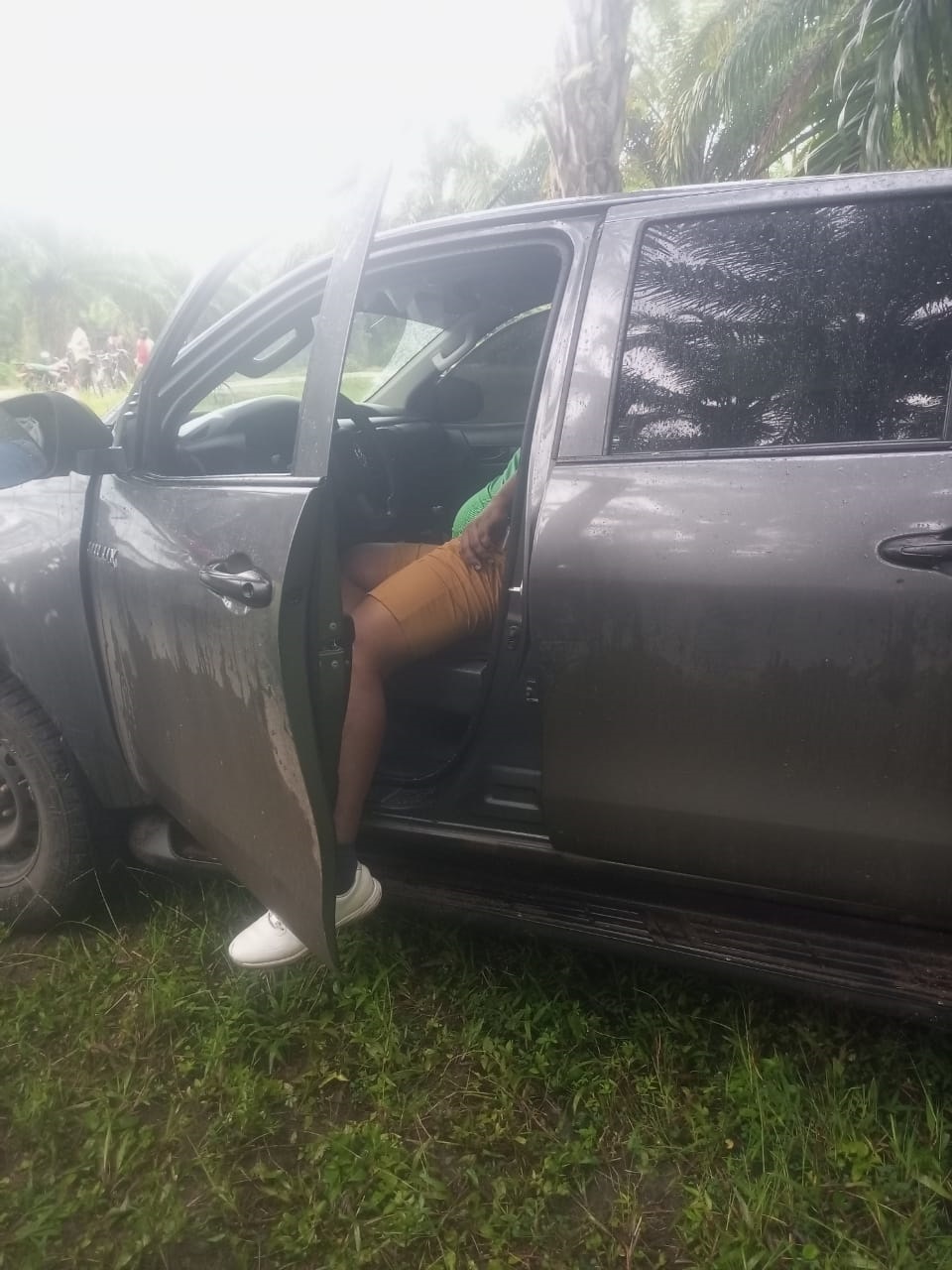
Reports indicate that residents of Kivoga, a neighborhood in Bujumbura, noticed a car parked off the road in a palm grove at around 8:00 a.m. on Thursday. When they moved closer to check, they found him dead inside the vehicle.
People who recognized him confirmed he was Minister Bugaga and promptly alerted security authorities, who have since opened an investigation into the circumstances surrounding his death.
The spokesperson for the Burundian government, Jérôme Niyonzima, confirmed Bugaga’s death but told the media that more details would be released later.
Security personnel, including soldiers and police officers, arrived at the scene where Bugaga was found before taking it to hospital.
Preliminary investigation reports indicate that before his death, Bugaga was not accompanied by his security detail, raising concerns about the circumstances surrounding his death.
Bugaga was widely known for his earlier career as a journalist with the national broadcaster, RTNB. He also held various positions, including roles in the Senate and the National Independent Electoral Commission (CENI).
He was appointed Minister of Communication and Media in early August 2025.
Gabby Bugaga had been serving as Burundi’s Minister of Communication and Media since August 2025.His vehicle was found parked in a palm plantation near the roadside, raising suspicion among nearby residents.Security forces have since arrived in the Kivoga area to begin investigations into the circumstances surrounding his death.Bugaga was found dead in his vehicle.
The sad news was confirmed by his family noting that the mourning is taking place in Kabuga.
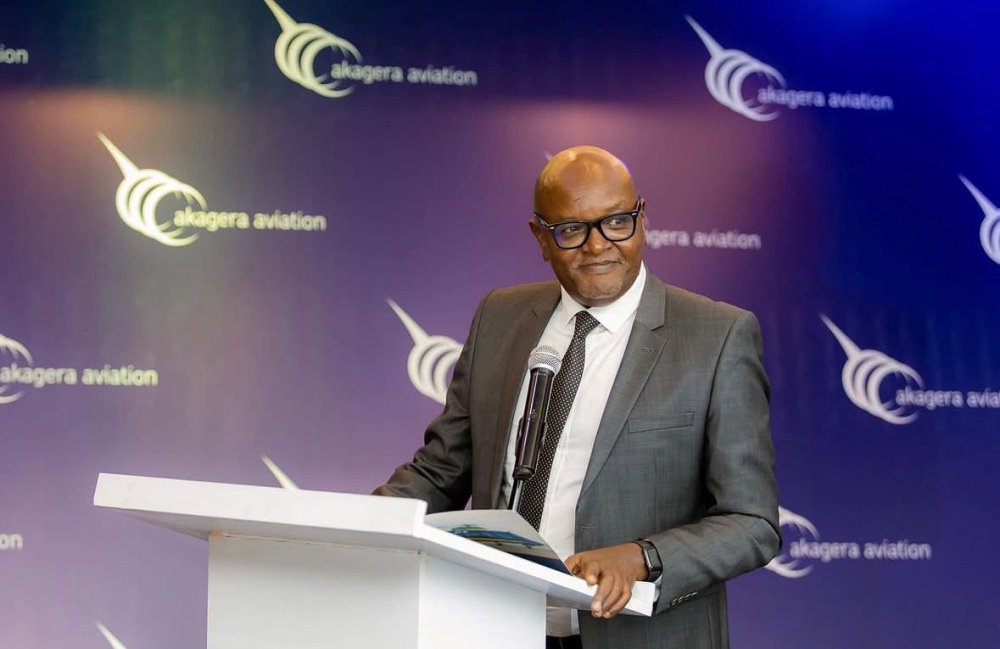
Nkulikiyimfura had served for many years as the head of Akagera Aviation. Prior to that, he worked at RwandAir, where he held the position of Head of Operations.
In a statement, Akagera Aviation described him as a visionary and leader who contributed significantly to the company and to the development of Rwanda’s aviation sector since 2010.
“We are deeply saddened by the passing of our Managing Director, Mr. Patrick Nkulikiyimfura, on 12th April 2026. A visionary leader, his impact on Akagera Aviation and Rwanda’s aviation industry was profound. Our thoughts are with his family. May he rest in peace,” the statement read.
Patrick Nkulikiyimfura, who had long served as the Managing Director of Akagera Aviation died on Sunday, April 12, at the age of 57.
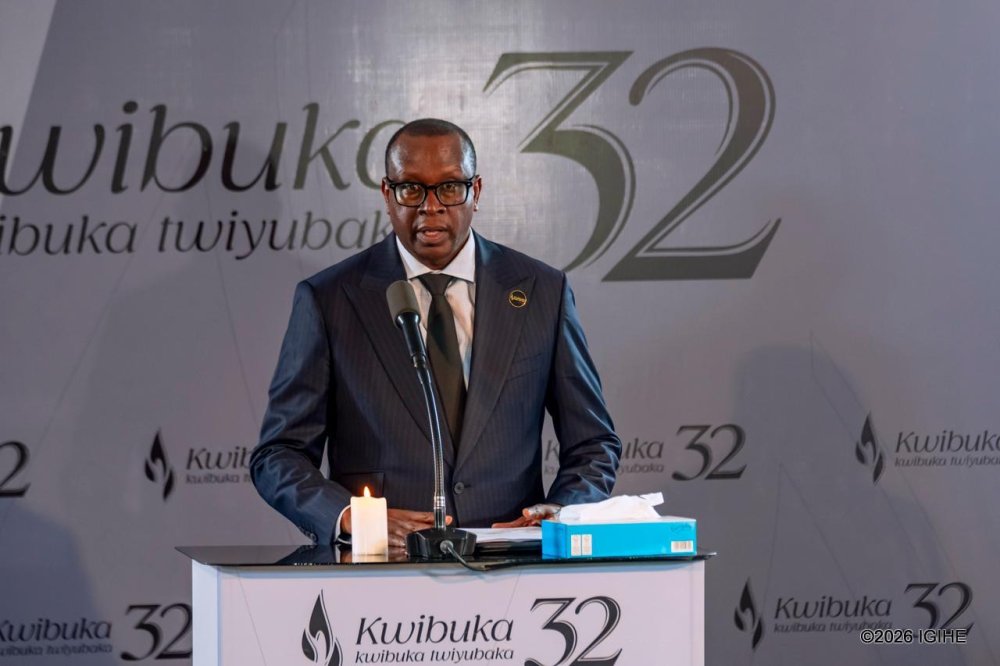
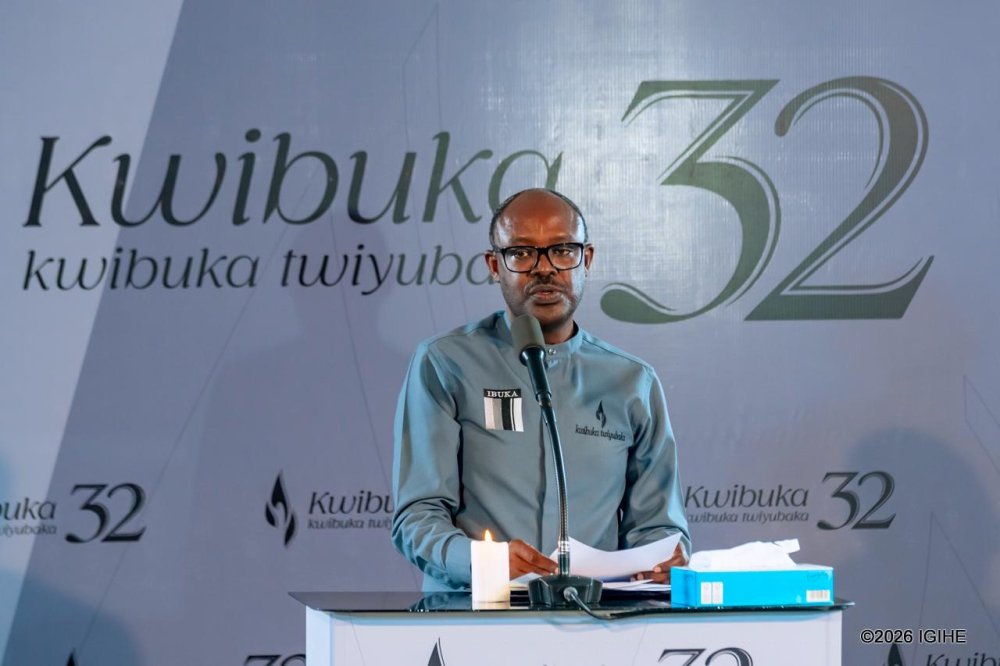
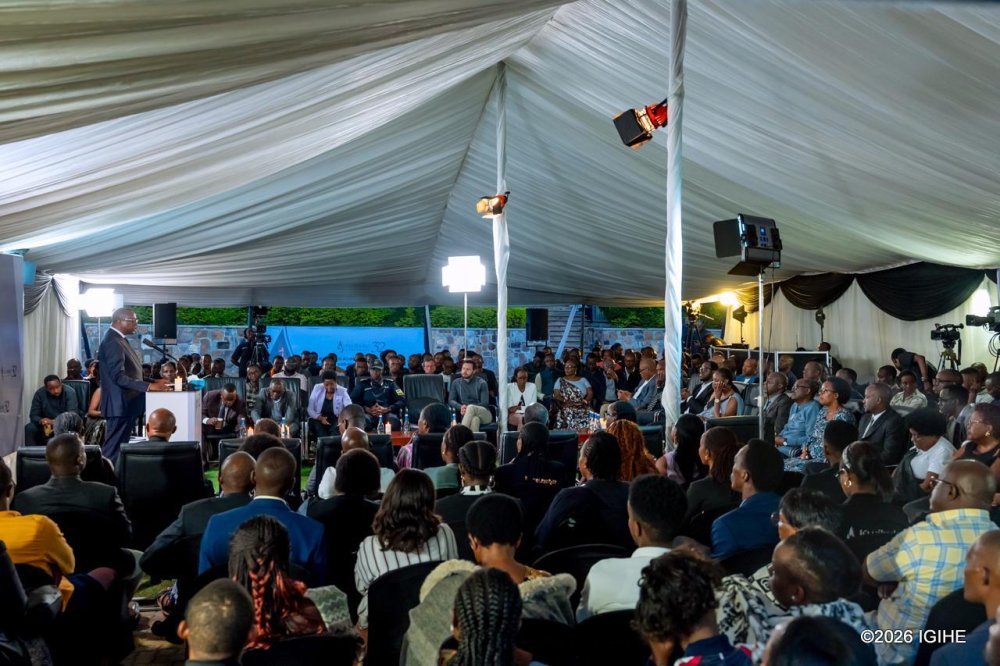
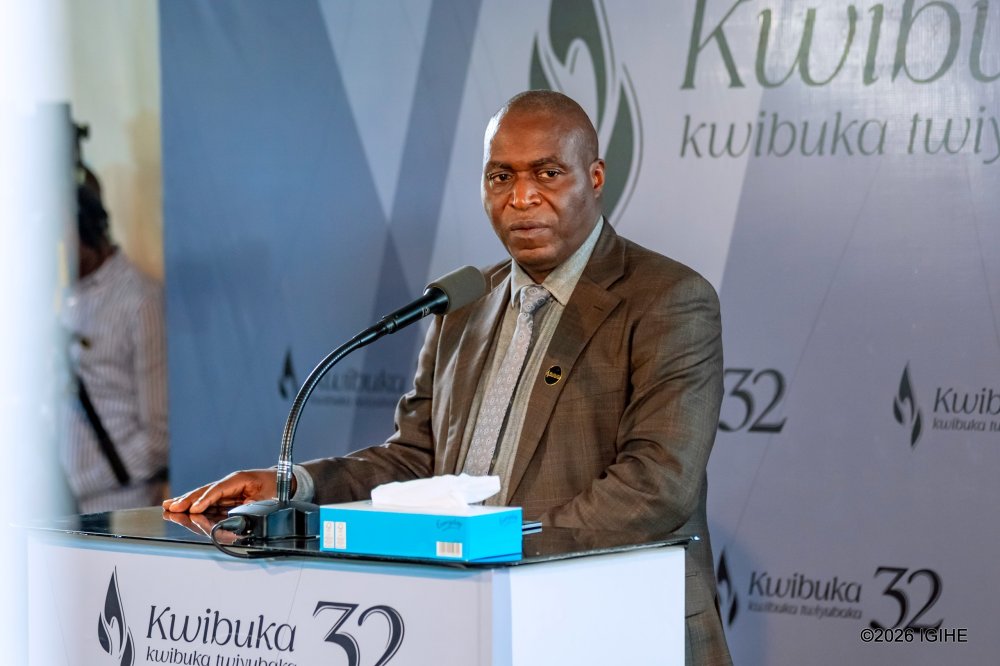
He made the remarks on the evening of April 10, 2026, during a commemoration marking the 32nd anniversary of the Genocide against the Tutsi.
The event, organized by the Rwanda Media Commission, brought together journalists and media leaders to honor media professionals who were killed during the genocide simply because of their identity.
The Director General of the Rwanda Broadcasting Agency, Cléophas Barore, emphasized that the journalists who were killed were not targeted for professional misconduct.
“They did not broadcast or write anything that incited violence, nor did they violate any journalistic ethics. They were well-known and respected, yet that did not protect them. Instead, it made them targets, because to genocidaires, a Tutsi life had no value,” he said.
Barore also noted that some journalists were later prosecuted in international courts for their role in the genocide.
Diane Uwadede Isimbi, daughter of Vincent Shabakaka, the founder of the former Kiberinka publication, said her father used journalism to counter the hate and misinformation being spread, particularly propaganda directed at the Rwandan Patriotic Front.
The Chairperson of the Rwanda Journalists Association, Dan Ngabonziza, called on journalists to reject hate and actively fight genocide ideology.
“Our country’s painful history has shown us that the pen and the spoken word can either destroy or build. Today is a moment to renew our commitment and ensure we never become channels for messages that fuel division,” he said.
Ngabonziza urged journalists to deny a platform to individuals who promote or deny genocide, stressing the importance of safeguarding national unity.
“We must honor our colleagues who were killed by standing firm against genocide ideology, refusing space to denial and distortion, and protecting the unity and progress Rwandans have achieved,” he added.
He further emphasized that journalism should serve as a force for unity, reconciliation, and resilience, while actively rejecting divisive narratives.
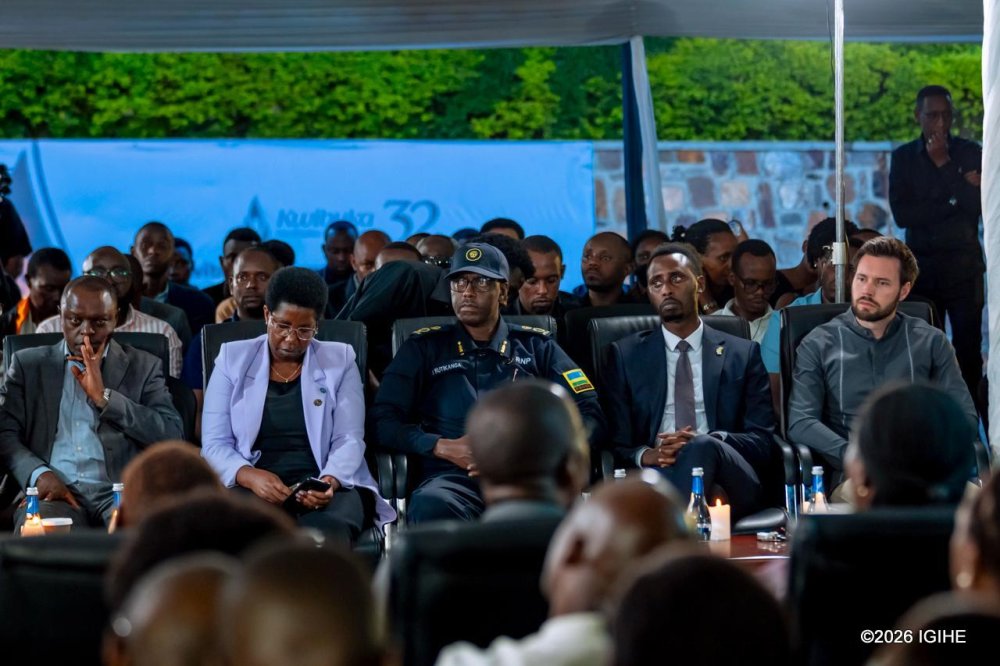
The commemoration event brought together various officials.
The President of IBUKA, Philbert Gakwenzire, also highlighted how media outlets contributed to spreading anti-Tutsi hatred.
However, he commended the post-genocide transformation of Rwanda’s media into a sector that supports nation-building.
Dr. Bizimana explained that genocidal propaganda in the media was rooted in extremist political movements. He outlined how, prior to the genocide, various media outlets systematically spread hatred and encouraged Hutus to kill Tutsis.
He cited cases of media figures prosecuted internationally, including Ferdinand Nahimana, Jean-Bosco Barayagwiza, and Hassan Ngeze, who were tried together for their role in inciting genocide.
The minister described different categories of media at the time: state-owned outlets, so-called independent outlets aligned with the government, and others that did not openly promote hatred.
He pointed out that the infamous Radio Télévision Libre des Mille Collines recruited skilled journalists and former officials to effectively disseminate its extremist agenda.
He further explained that RTLM’s operations were closely linked to the presidency, underscoring its political importance. Government officials were integrated into its leadership structures, while intelligence officials were tasked with supplying information and identifying loyal, hardline journalists.
Among those involved were Donath Hakizimana, then Secretary General of the national intelligence service, who helped source information and personnel for RTLM, and Gaspard Musabyimana, now based in Belgium, who managed programming and collaborated with intelligence networks.
Musabyimana is also linked to Radio Inkingi, which continues to spread genocide ideology.
The President of IBUKA, Philbert Gakwenzire, also highlighted how media outlets contributed to spreading anti-Tutsi hatred.
Dr. Bizimana also identified Ferdinand Nahimana as one of the key architects of genocide ideology, including the concept of “civilian self-defense,” which encouraged collective violence against Tutsis.
He noted that media houses such as ORINFOR, Imvaho, Kangura, and Kinyamateka played varying roles in spreading divisive narratives at different times. He specifically highlighted how Kinyamateka contributed to shaping anti-Tutsi sentiment through its publications.
According to Bizimana, RTLM strategically recruited charismatic journalists known for engaging content, including music, sports, and general news, to attract a wide audience while subtly embedding hate messages. These included figures such as Georges Ruggiu and Valérie Bemeriki, among others.
Dr. Bizimana stated that journalists played a role in the Genocide against the Tutsi through the words they used on radio, television, and in other media outlets.
“They did not pick up machetes to kill, they did not throw grenades into crowds, they did not use guns, nor did they engage the enemy in combat. They killed through words and through their publications,” he said.
He added, “Killing can also be carried out through writing and speech, and that is often where genocide begins.”
Dr. Bizimana emphasized that no one in a country that has experienced genocide should afford themselves the luxury of forgetting its history or acting as if they are unaware of the country’s past.
“In a country that has gone through genocide, with a painful history of ethnic politics, discrimination, and the Genocide against the Tutsi, no journalist, politician, or any individual should behave as though they are in a country without such a background. It is clear that there are journalists and self-proclaimed politicians who act carelessly, ignoring the unique history of ethnic division and genocide in this country,” he said.
He urged journalists to learn from those who upheld professionalism and integrity, to avoid aligning themselves with hate, division, and genocide ideology, and instead commit to playing a constructive role in building society.
List of some journalists killed during the Genocide against the Tutsi and their respective media houses
ORINFOR
1. RUBWIRIZA Tharcisse 2 .MWUMVANEZA Médard 3. GASANA Cyprien 4 .KARAKE Claver 5. KARAMBIZI Gratien 6. KARINDA Viateur 7. RUDAHANGARWA J. Baptiste 8. SEBANANI André 9. KALISA Calixte 10. NSABIMANA Emmanuel 11. BUCYANA Jean Bosco 12. MBUNDA Félix 13. MUNYARIGOGA Jean Claude 14. NSHIMIYIRYO Eudes 15. Byabagamba Stratton (killed in 1992, he worked for teh Catholic Church hosting a show at Radio Rwanda)
LE PARTISAN
15. HABINEZA Aphrodice (SIBO)
LE TRIBUN DU PEUPLE
16. MUKAMA Eugène 17. HATEGEKIMANA Wilson 18. GAKWAYA Eugène 19. RUGAJU Jean Claude
LE FLAMBEAU
20. BAZIMAZIKI Obed 21. KARINGANIRE Charles 22 .MUNANA Gilbert
The Director General of the Rwanda Broadcasting Agency, Cléophas Barore, emphasized that the journalists who were killed were not targeted for professional misconduct.
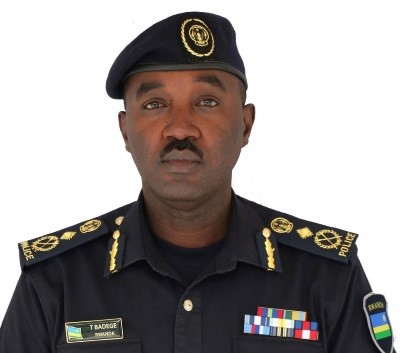
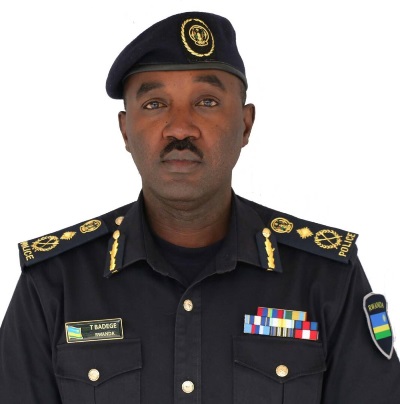
He is among the officials appointed during the Cabinet meeting of April 2, 2026, held at Village Urugwiro and chaired by President Paul Kagame.
CP Badege previously served as spokesperson of the Rwanda National Police at different times. In 2013, he left the role to become the Commissioner for Criminal Investigation Department (CID) within the police force.
In 2016, he was reappointed as police spokesperson, a position he held before taking up duties with Interpol, where he has been serving in recent years.
CP Theos Badege has been appointed as Deputy Commissioner General of RCS
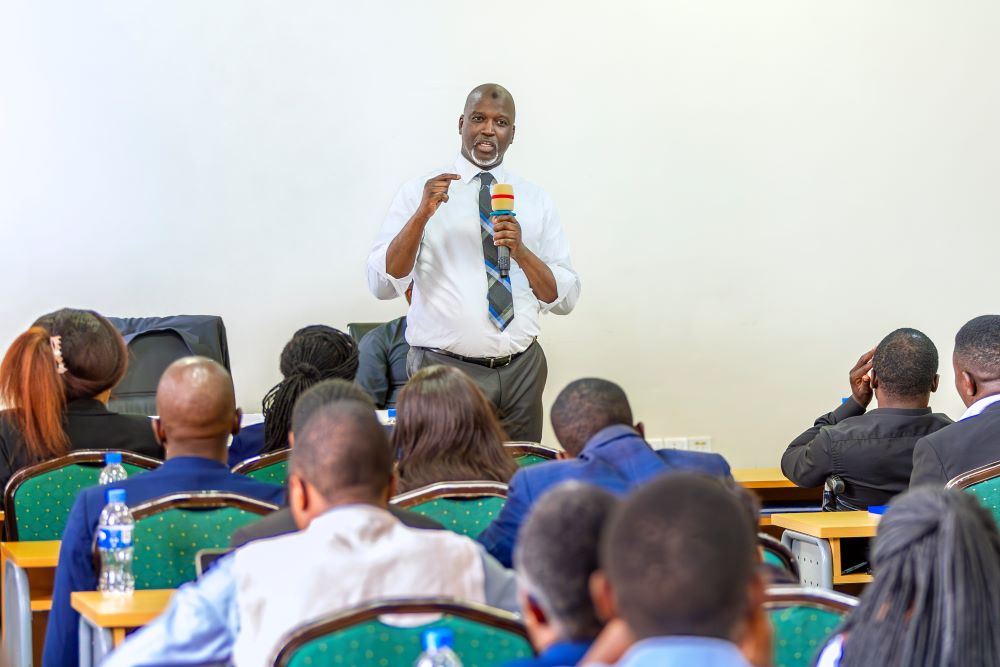
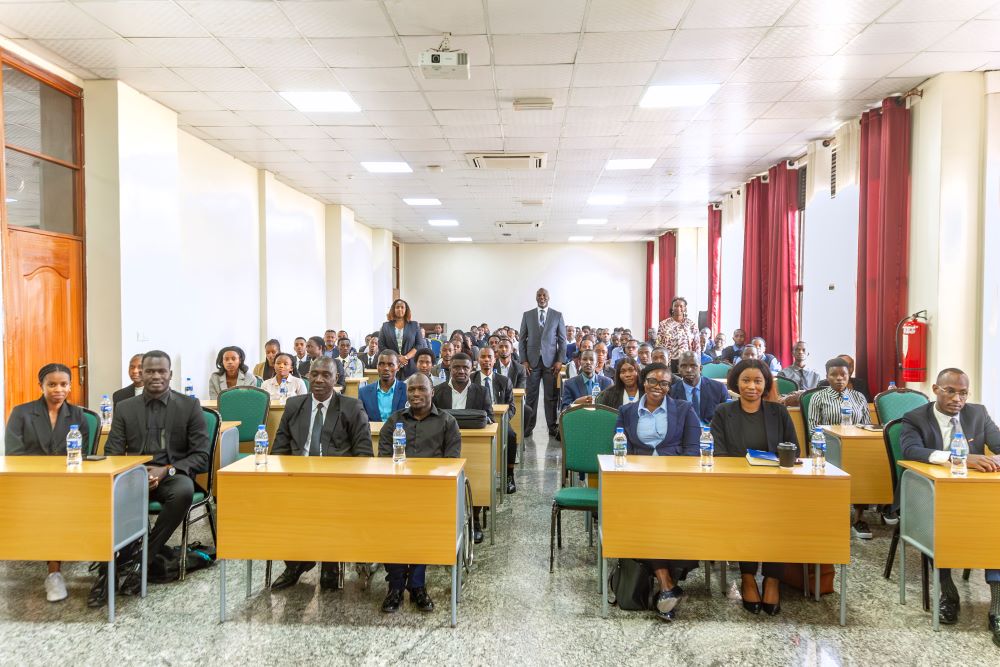
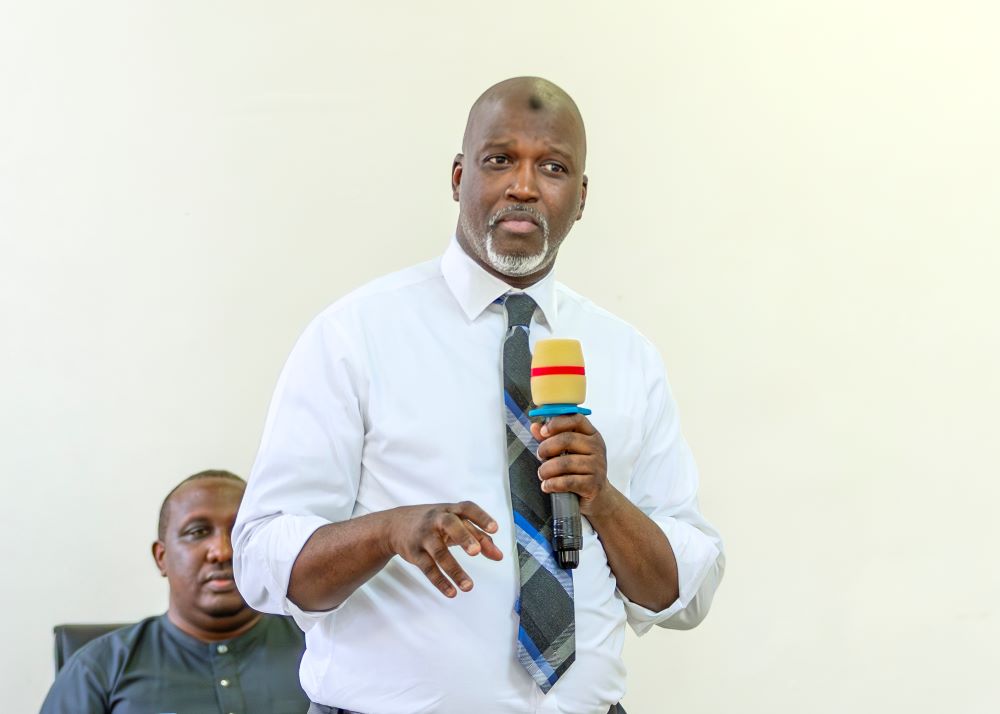
This lecture on “International Criminal Justice and the Genocide against the Tutsi: The Role of the ICTR and the Residual Mechanisms in Upholding Genocidaires Accountable,” was delivered on March 31, 2026 by Mr. Abubacarr M. Tambadou, the Registrar of the International Residual Mechanism for Criminal Tribunals.
The session provided a sweeping look at the pursuit of justice, the evolution of international criminal justice, and the complex human realities of post-genocide accountability.
Established by the United Nations Security Council, the International Criminal Tribunal for Rwanda (ICTR) faced a monumental and logistically impossible task: prosecuting the thousands of perpetrators involved in the genocide. Instead, the tribunal took a pragmatic and deeply symbolic approach.
“By prosecuting those who bore the greatest responsibility particularly top-level leaders in the political, military, religious, and business spheres the ICTR sent a clear message,” the lecture highlighted. “It demonstrated that absolutely no one is above the law, while simultaneously establishing global standards for fair trials and due process.”
Through its international authority, the ICTR successfully compelled nations across the world, especially from Africa and Europe to transfer fugitive suspects many of whom had fled Rwanda back into its custody to face trial.
Beyond individual prosecutions, the ICTR fundamentally reshaped international human rights law. The lecture placed special emphasis on the landmark case of Prosecutor v. Jean-Paul Akayesu.
For the first time in history, this case formally recognized rape and sexual violence as acts of genocide under international law, provided they were committed with the specific intent to destroy a targeted group.
“This ruling expanded the interpretation of the Genocide Convention,” the expert noted during the session. “It set a lasting, irrefutable precedent for all future international tribunals.”
Furthermore, the ICTR cemented the doctrine of command responsibility, ensuring that leaders could no longer turn a blind eye to atrocities, holding them legally accountable when they failed to prevent or punish crimes committed by their subordinates.
One of the most gripping moments of the lecture came from the personal testimony of a former ICTR prosecutor, illustrating the deep emotional toll of the tribunal’s work. Mr. Abubacarr recounted the visceral trauma of reading witness statements, which frequently resulted in recurring nightmares.
“Initially, I struggled so deeply with the horrific nature of the crimes that I refused to even shake the hands of the detained perpetrators,” the former prosecutor shared.
However, a pivotal shift occurred when they realized that cooperation from these lower-level detainees was the only way to build airtight cases against the senior architects of the genocide.
“By setting aside my personal judgment and choosing to treat the detainees with basic dignity, I gained their trust and cooperation,” the prosecutor explained. “It highlighted a difficult but necessary truth: while their crimes were horrific, the perpetrators were still human beings. Acknowledging that complexity transformed my understanding of justice and is essential for long-term reconciliation.”
Emmanuel Manzi, a DLP student in attendance, reflected on how deeply the tribunal’s history connects to the upcoming Kwibuka (commemoration) period.
“This lecture went far beyond legal insights,” Manzi observed. “It served as a powerful reminder of our shared responsibility in preserving memory and promoting unity among all Rwandans.”
As the nation prepares to remember the victims of the Genocide against the Tutsi, the session provided attendees with vital guidance for the days ahead. The core message emphasized the importance of standing in unwavering solidarity with the survivors of the Genocide against the Tutsi while firmly rejecting all forms of discrimination, division, and genocide ideology.
To put these principles into practice, attendees were encouraged to actively participate in national efforts and community events throughout the commemoration week, ultimately fostering an enduring culture of unity, compassion, and healing among all Rwandans.
The lecture ultimately served as a poignant reminder that the legacy of the ICTR is not just an academic or legal exercise. It is a living testament to the necessity of accountability, and a roadmap for a world striving to ensure that “Never Again” is a reality.
The lecture was delivered on March 31, 2026, at the Institute of Legal Practice and DevelopmentMr. Abubacarr M. Tambadou, the Registrar of the International Residual Mechanism for Criminal Tribunals delivered the lecture themed, “International Criminal Justice and the Genocide against the Tutsi: The Role of the ICTR and the Residual Mechanisms in Upholding Genocidaires Accountable.”
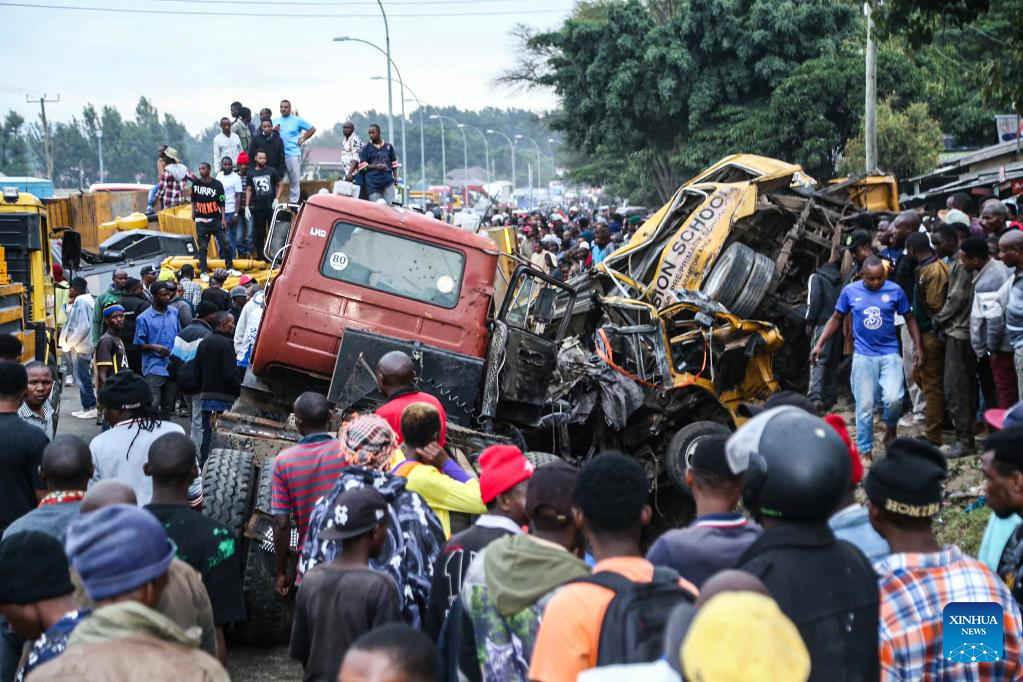
The accident occurred in Mkiwa Village in Ikungi District when a bus traveling from Dodoma to Mwanza hit a pothole in the middle of the road, causing a front tire to burst and the driver to lose control.
Singida Regional Police Commander Amon Kakwale confirmed the incident, saying officers at the scene were instructed to secure passengers’ belongings and establish the identities of the deceased and injured.
Ikungi District Commissioner Thomas Apson said the injured and the bodies of the deceased were taken to Manyoni District Hospital and Singida Regional Referral Hospital for treatment and further procedures.
According to Bwire James, Manyoni district hospital medical officer, the facility received all 55 injured victims — 34 men and 21 women — along with six bodies of those who died at the scene.
This photo taken on Feb. 24, 2024 shows a road accident site in the Ngaramtoni suburb of Arusha, northern Tanzania.
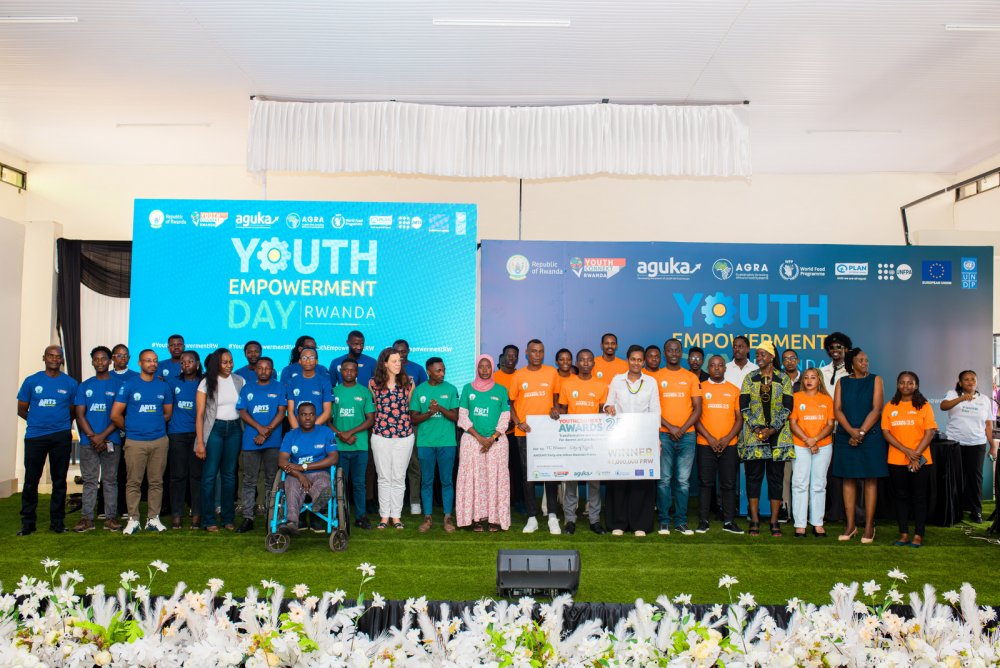
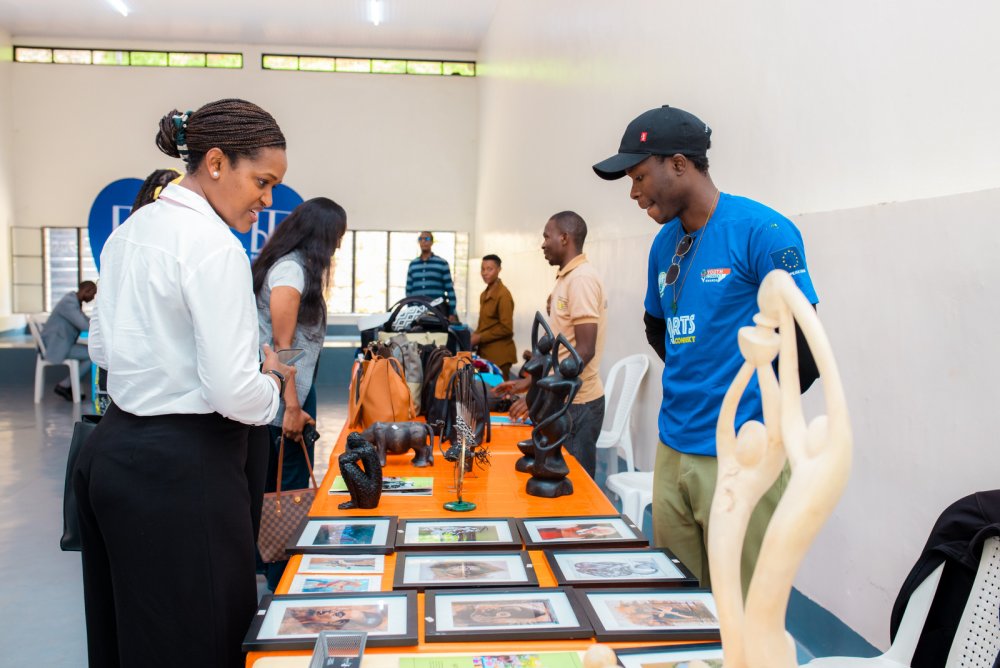
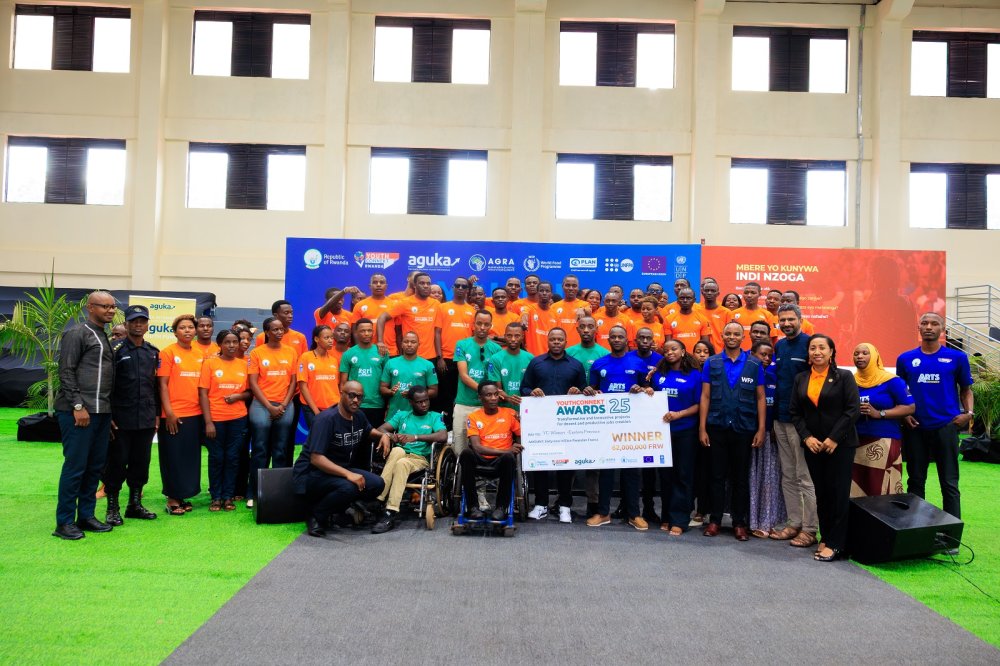
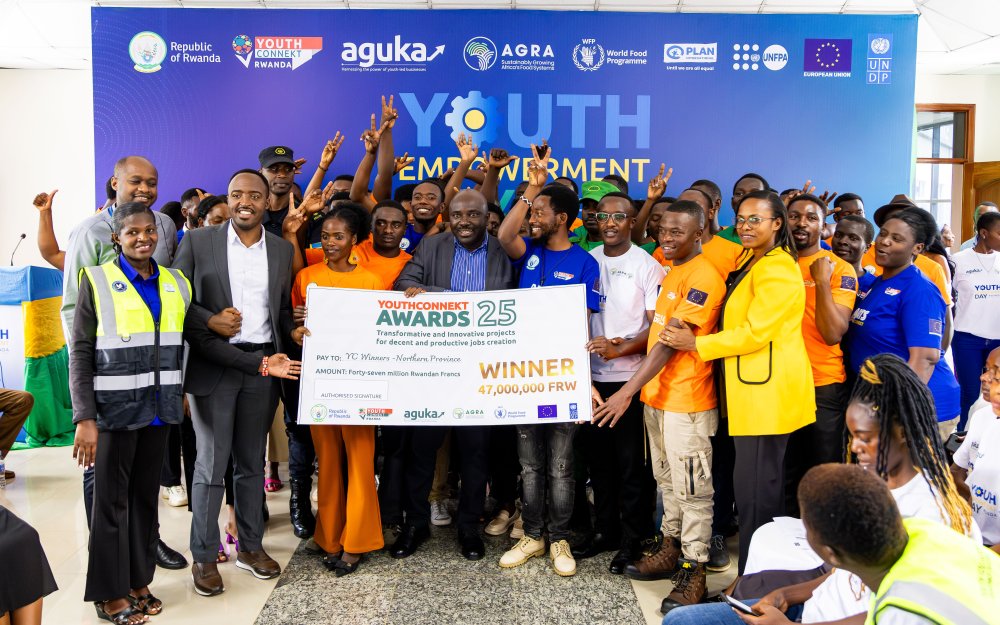
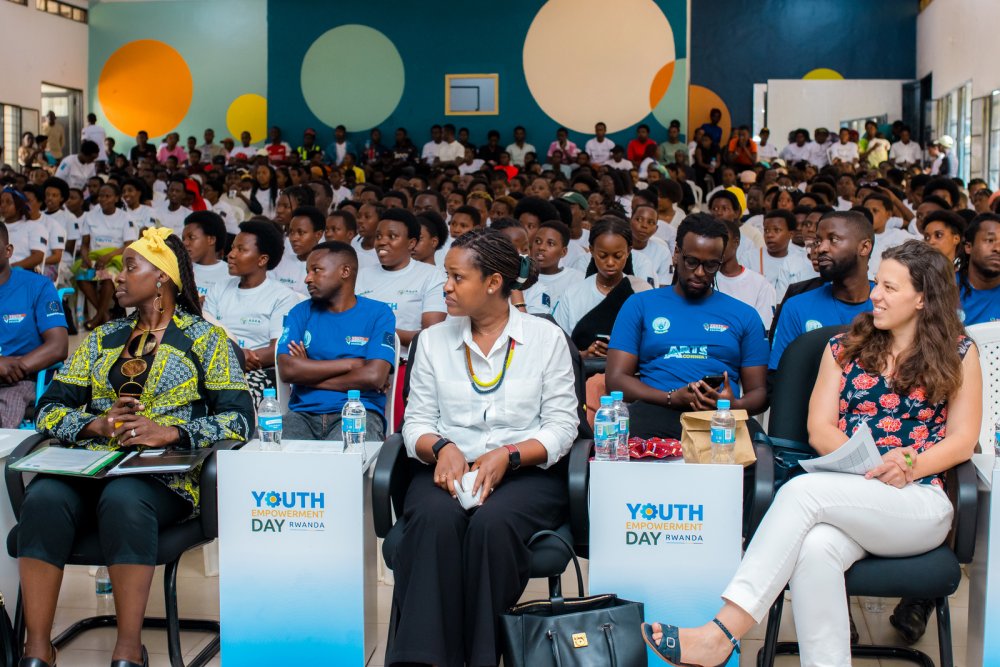
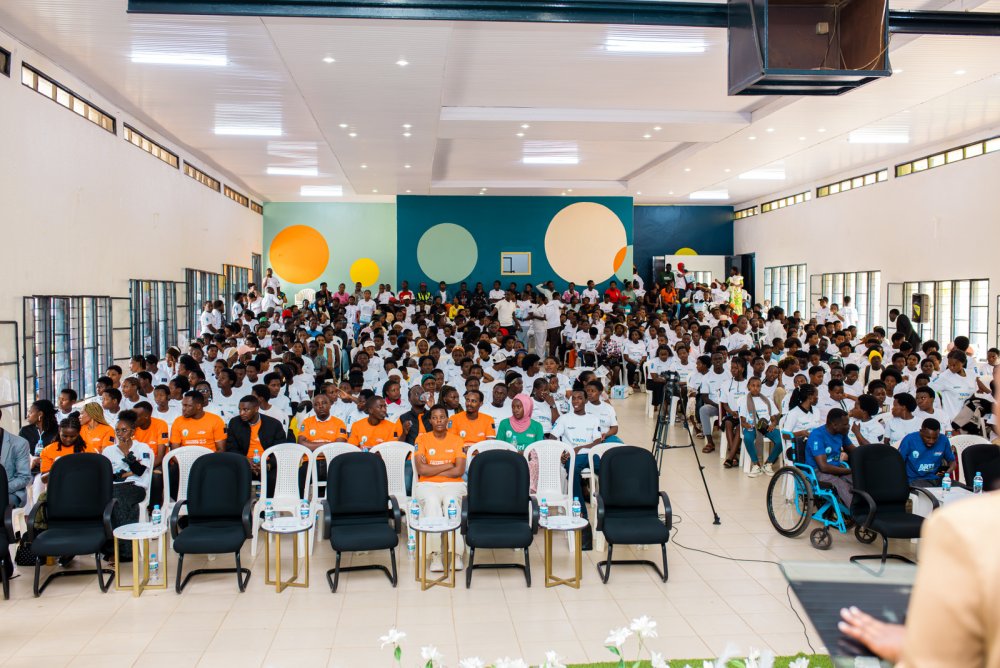
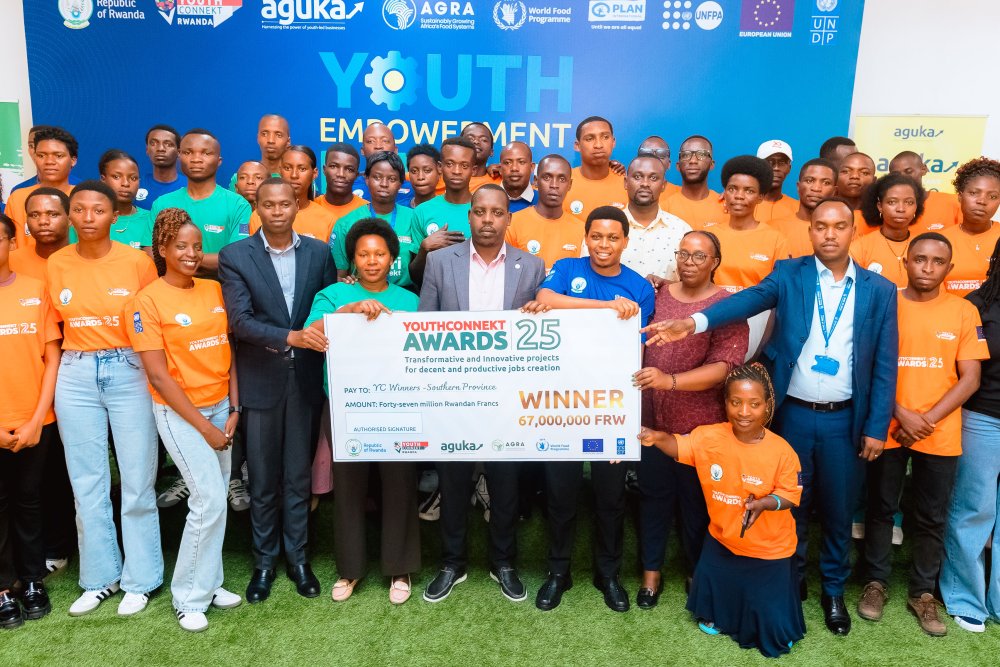
The awards were presented during celebrations marking Youth Development Day, held at Maison des Jeunes Kimisagara in Nyarugenge District on March 27, 2025.
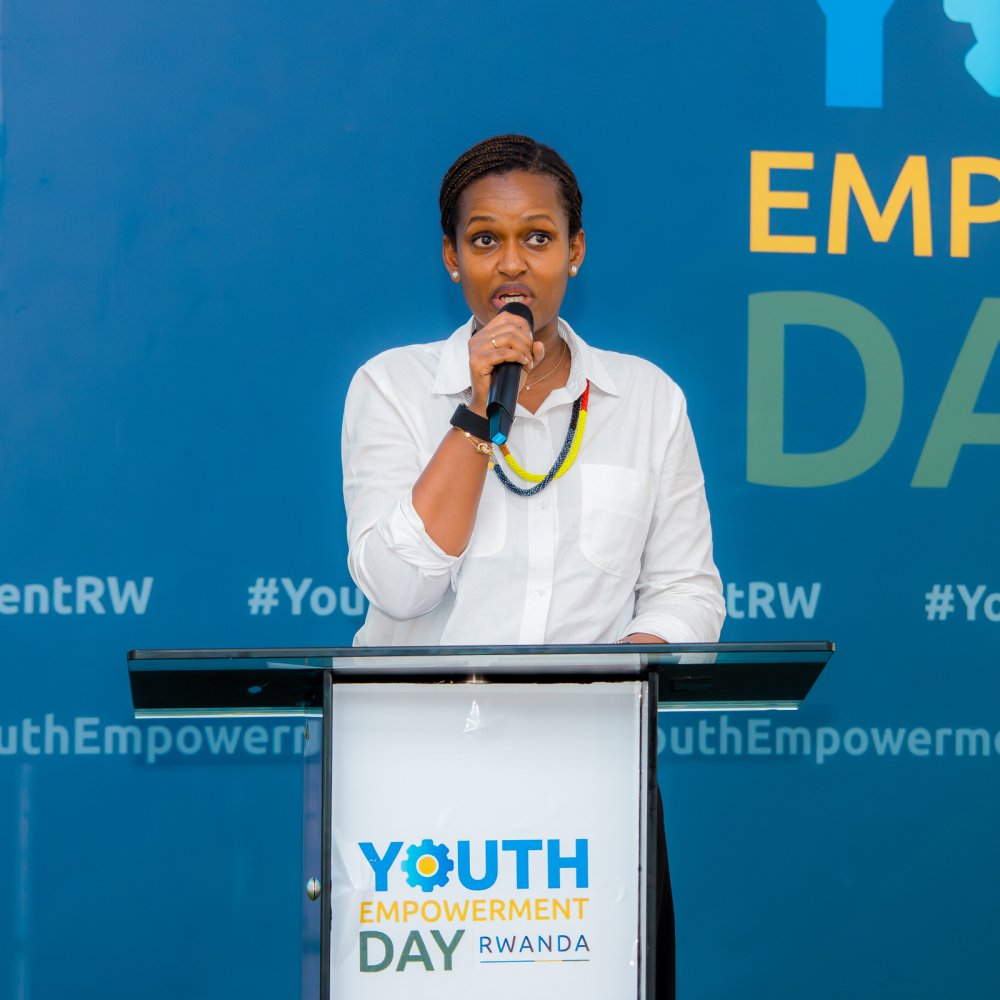
The State Minister in the Ministry of Youth and Arts, Sandrine Umutoni, urged the beneficiaries not to focus only on the financial rewards but to remain committed to their journey of personal growth and national development.
“Today is not only about reflecting on what has been achieved, but also about looking ahead and reminding each one of you that you have a significant role in building the Rwanda we aspire to. […] We thank those who received support today. You have shown that you do not wait for opportunities, you seek them. Keep moving forward and make the most of these opportunities,” she said.
Assoumpta Uwase, founder of Urugero Fashion, a clothing company, is among those who received Rwf 1 million. She noted that the funds will help her expand her business by acquiring additional sewing machines.
“This will help me purchase equipment. There are tools one may not have but knows would improve production. For us, machines are the most important because they help us work faster,” she noted.
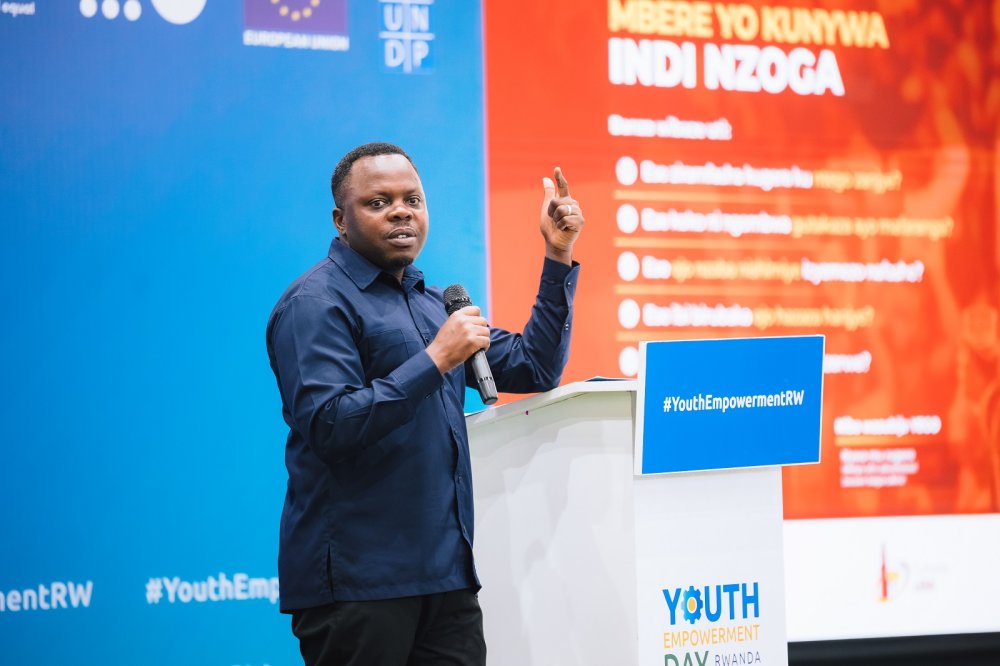
A similar event took place in the Eastern Province, where the Minister of Youth and Arts, Jean Nepo Abdallah Utumatwishima, encouraged young people to be bold and take advantage of available opportunities.
The Governor of the Eastern Province, Pudence Rubingisa, urged youth to explore opportunities in large-scale agricultural projects, particularly in irrigation and livestock, invest in them, and share knowledge with others.
Youth in Northern Province urged to make the most of opportunities
The Governor of the Northern Province, Maurice Mugabowagahunde, called on youth awarded in the Youth Connekt and Arts Connekt Awards 2025 not to waste the opportunities they have received, but to use them to advance themselves and contribute to national development.
He encouraged young people to work hard, avoid bad habits, and build on the unity of Rwandans.
The Permanent Secretary in the Ministry of Public Service and Labour, Clément Kabiligi, said the awarded youth are a strong example that self-development is possible when one takes advantage of available opportunities.
He urged them to maintain discipline and guide others who may stray from the right path.
Southern Province youth advised to act wisely
The Vice Mayor of Nyamagabe District, Thaddée Habimana, encouraged youth to remain patient and avoid making rushed decisions.
He particularly urged them to participate in government programmes such as the monthly Umuganda community service and activities marking the 32nd commemoration of the 1994 Genocide against the Tutsi.
The Governor of the Western Province, Jean Bosco Ntibitura, commended the country’s leadership and partners for their continued support in empowering youth to drive both personal and national development.
He noted that recognizing youth achievements is intended to inspire others to take initiative and improve their livelihoods.
The Youth Connekt competitions are organized in partnership with the United Nations Development Programme (UNDP) and the European Union (EU).
The awarding of top projects in Youth Connekt 2025 also coincided with the official launch of the Aguka Fund, which provides loans to youth-led projects at an interest rate of 9%, with a required collateral of 10% of the total amount needed.
The UNDP Resident Representative in Rwanda, Dr. Fatmata Lovetta Sesay, congratulated all winners for their promising projects, noting that their success marks the beginning of a greater journey, to become competitive in the job market, strengthen the private sector in Rwanda, and contribute to Africa’s economic transformation.
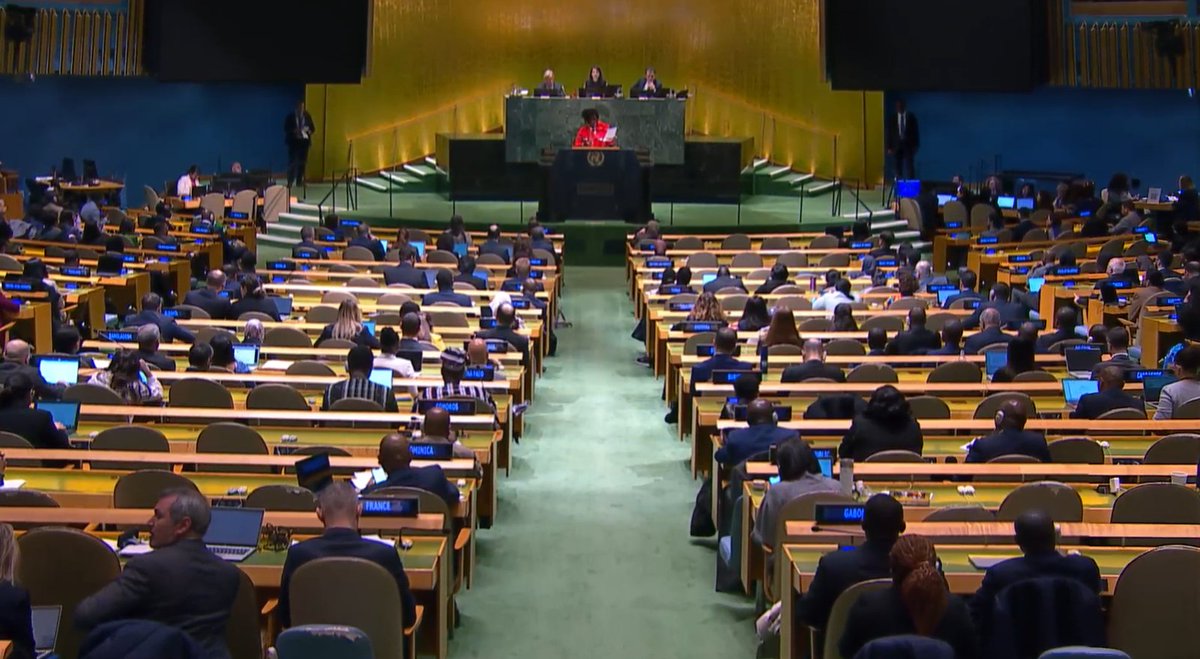
The draft resolution was adopted by a vote of 123 in favor, 52 abstaining and three against. Argentina, Israel and the United States voted against it.
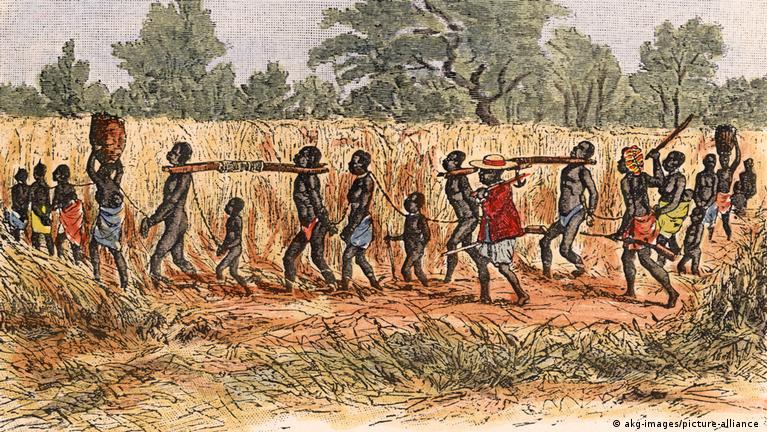
Presented by Ghana on behalf of the African Group, the resolution declares “the trafficking of enslaved Africans and racialized chattel enslavement of Africans as the gravest crime against humanity,” and affirms “the importance of addressing historical wrongs affecting Africans and people of African descent in a manner that promotes justice, human rights, dignity and healing, and emphasizes that claims for reparations represent a concrete step towards remedying historical wrongs against Africans and people of African descent.”
“Today the international community has taken a significant, considerate and historic step forward by adopting this landmark resolution,” Samuel Okudzeto Ablakwa, Ghana’s foreign minister, told reporters after the vote.
With the adoption of the resolution, he said: “We have not simply passed a text, we have affirmed a truth. We have chosen remembrance over silence, dignity over erasure and shared humanity over division. We have advanced the course of justice and we have done that so emphatically.”
In his remarks at the UNGA commemorative meeting to commemorate the International Day of Remembrance of the Victims of Slavery and the Transatlantic Slave Trade, UN Secretary-General Antonio Guterres said: “We will never forget the victims of slavery. And we must never forget the malevolent system that sustained it for so long.”
He welcomed steps taken by some countries to apologize for their role in slavery and to engage in honest dialogue about its lasting consequences, and called for “far bolder action by many more countries,” including respecting African countries’ ownership of their natural resources and ensuring their equal participation and influence in the global financial architecture and the Security Council.
Annalena Baerbock, the UNGA president, said that “the slave trade and slavery stand among the gravest violations of human rights in human history — an affront to the very principles enshrined in the Charter of the United Nations and the Universal Declaration of Human Rights.”
While slavery has been abolished, its consequences endure and continue to shape lives today, she said, stressing that addressing these injustices is a moral imperative, rooted in a collective responsibility to confront past wrongs and to shape a more just future.
The draft resolution was adopted by a vote of 123 in favor, 52 abstaining and three against.
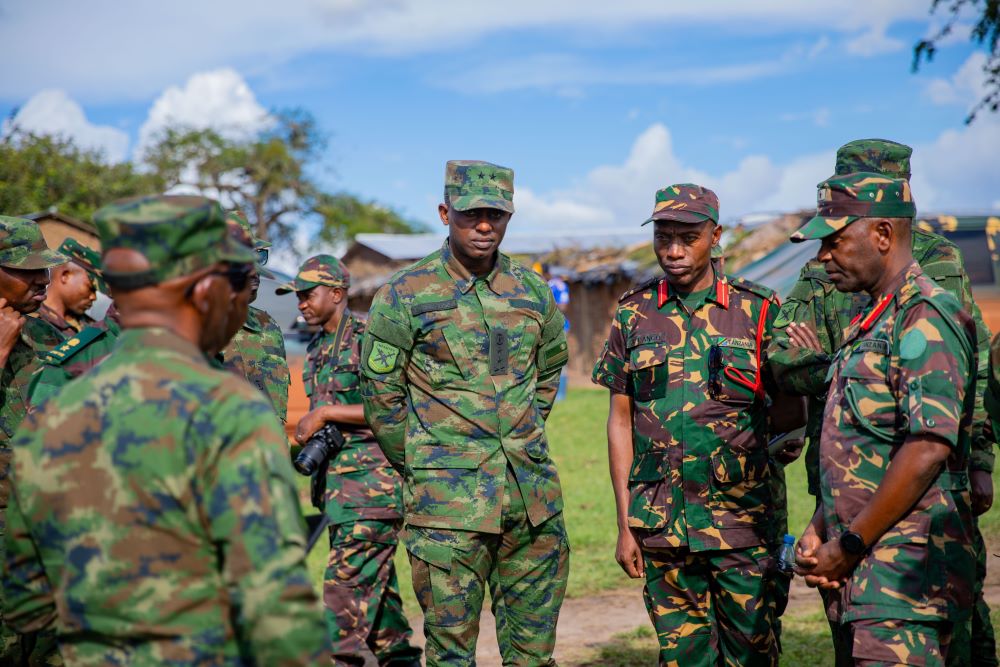
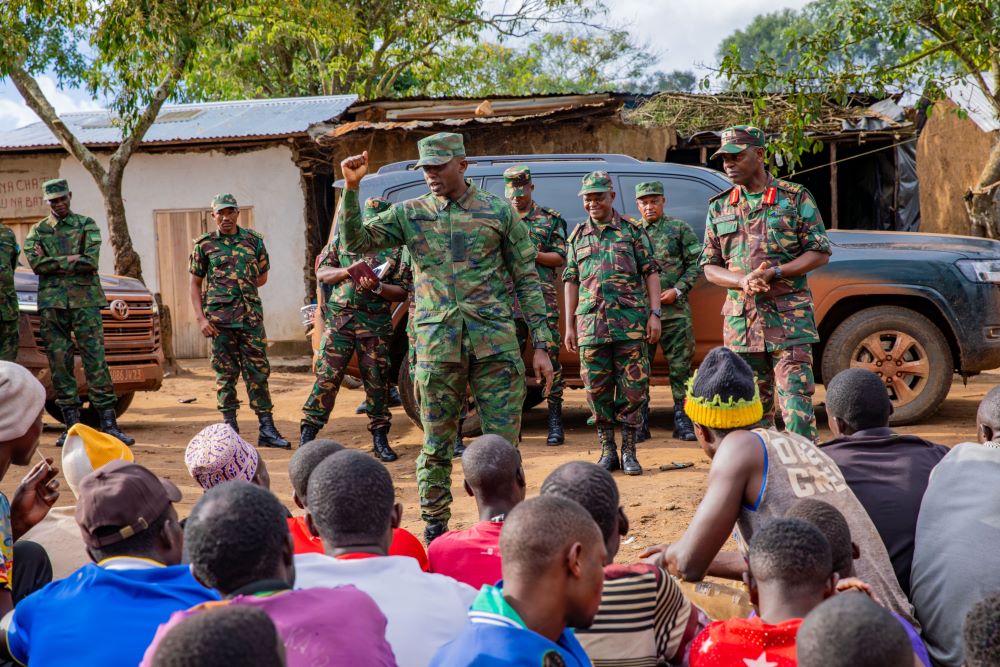
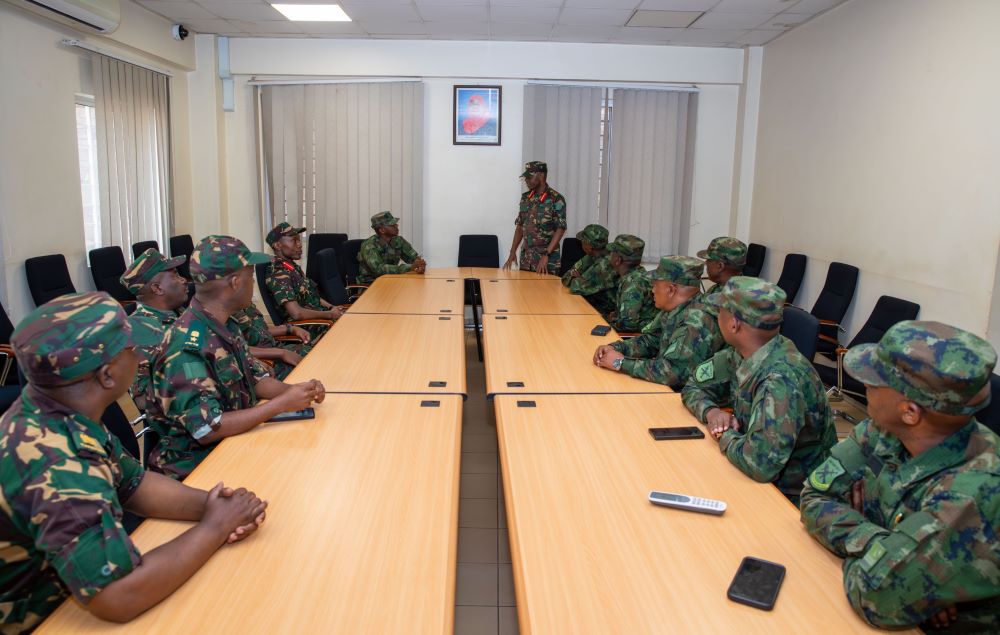
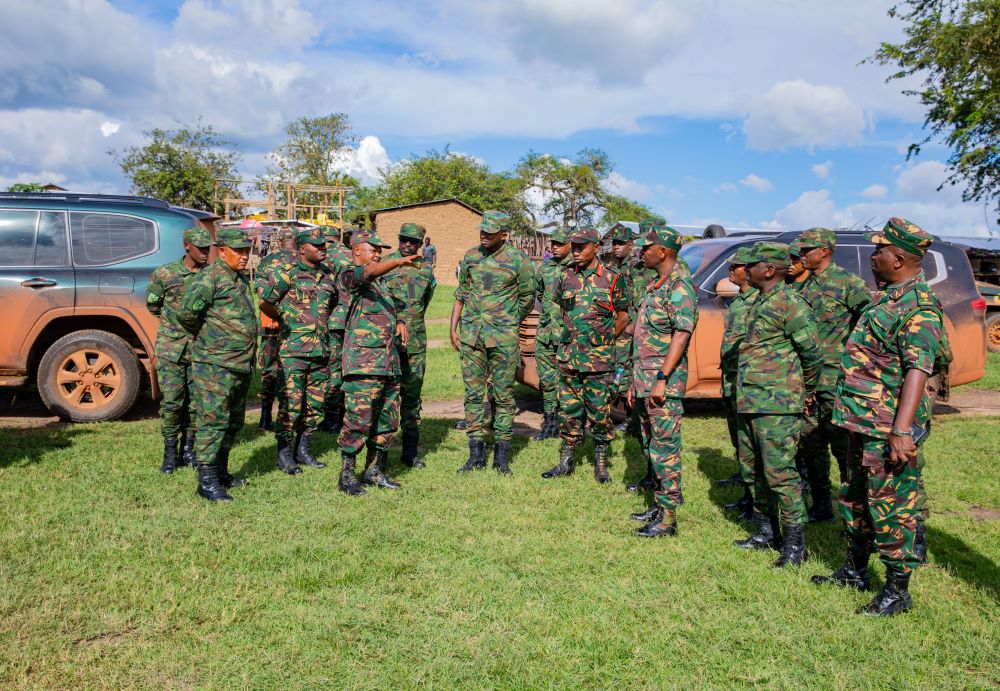
The three-day meeting, taking place from 24 to 26 March 2026, brings together the RDF 5th Infantry Division and the TPDF 202 Infantry Brigade, whose areas of responsibility lie along the shared border between Rwanda and Tanzania.
The RDF delegation is led by Major General Ruki Karusisi, Commander of the 5th Infantry Division, while the TPDF delegation is headed by Brigadier General Gabriel Elias Kwiligwa, Commander of the 202 Infantry Brigade.
On the first day, commanders conducted joint field visits to key border areas to assess prevailing security challenges and engage with local communities. The visits focused on raising awareness about the dangers of illegal border crossings and unlawful fishing activities in shared water bodies.
The delegations visited border communities including Nyarubare and Katwe villages in Kyerwa District, as well as Nyakakoni Village in Kayisho Sector on the Tanzanian side, opposite Rwanda’s Rwimiyaga Sector.
These areas are characterized by porous borders, with lakes, rivers, and swamps, particularly the Akagera River frequently used for unauthorized crossings.
Commanders identified these locations as hotspots for smuggling and other illicit cross-border activities, emphasizing the urgent need to strengthen preventive measures and enhance joint efforts to curb illegal movements and improve overall border security.
Commanders interact with local communities to raise awareness on illegal border crossings and related risks.Delegations from RDF and TPDF conducted field visits to assess security conditions along the shared border.Military leaders from Rwanda and Tanzania engage in joint discussions during the Proximity Commanders’ meeting.RDF and TPDF officials inspected key border areas identified as hotspots for cross-border activities.
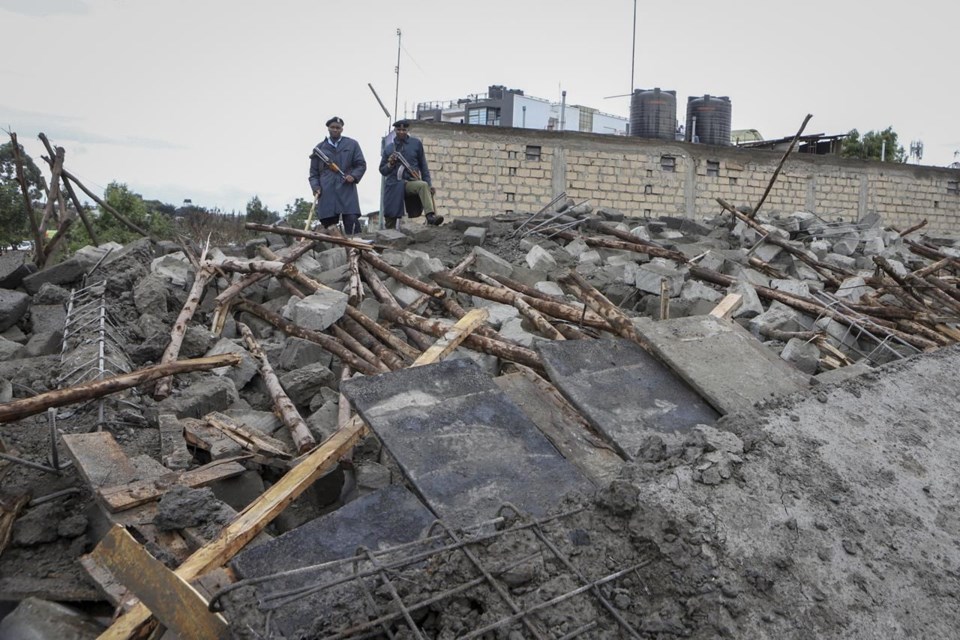
Nairobi County Police Commander Issa Mohamud said the latest incident occurred on Wednesday night in the Westlands area of Nairobi, where the upper section of a 22-storey building partially caved in, leaving one worker dead.
“Investigations are ongoing to establish the cause of the collapse. We have accounted for all workers at the scene,” Mohamud said.
He noted that local authorities were also trying to determine why construction was ongoing at night.
Out of four workers involved, two managed to escape unhurt, one was rescued with injuries, and another succumbed to injuries sustained in the collapse, he added.
Emergency teams, including personnel from the Kenya Red Cross, worked overnight to secure the site and carry out rescue operations, managing to reach those believed to be trapped under the debris.
The incident came hours after a separate tragedy in Kericho County, where another building under construction collapsed, leaving one person dead and several others injured.
Kericho County Commissioner Jeremiah Gicheru confirmed that four workers were rescued and rushed to Kericho County Referral Hospital for treatment.
Photo used for illustration shows Kenyan police attending the scene of a building collapse in Ruaka, on the outskirts of the capital Nairobi, Kenya Thursday, Nov. 17, 2022. (AP Photo)