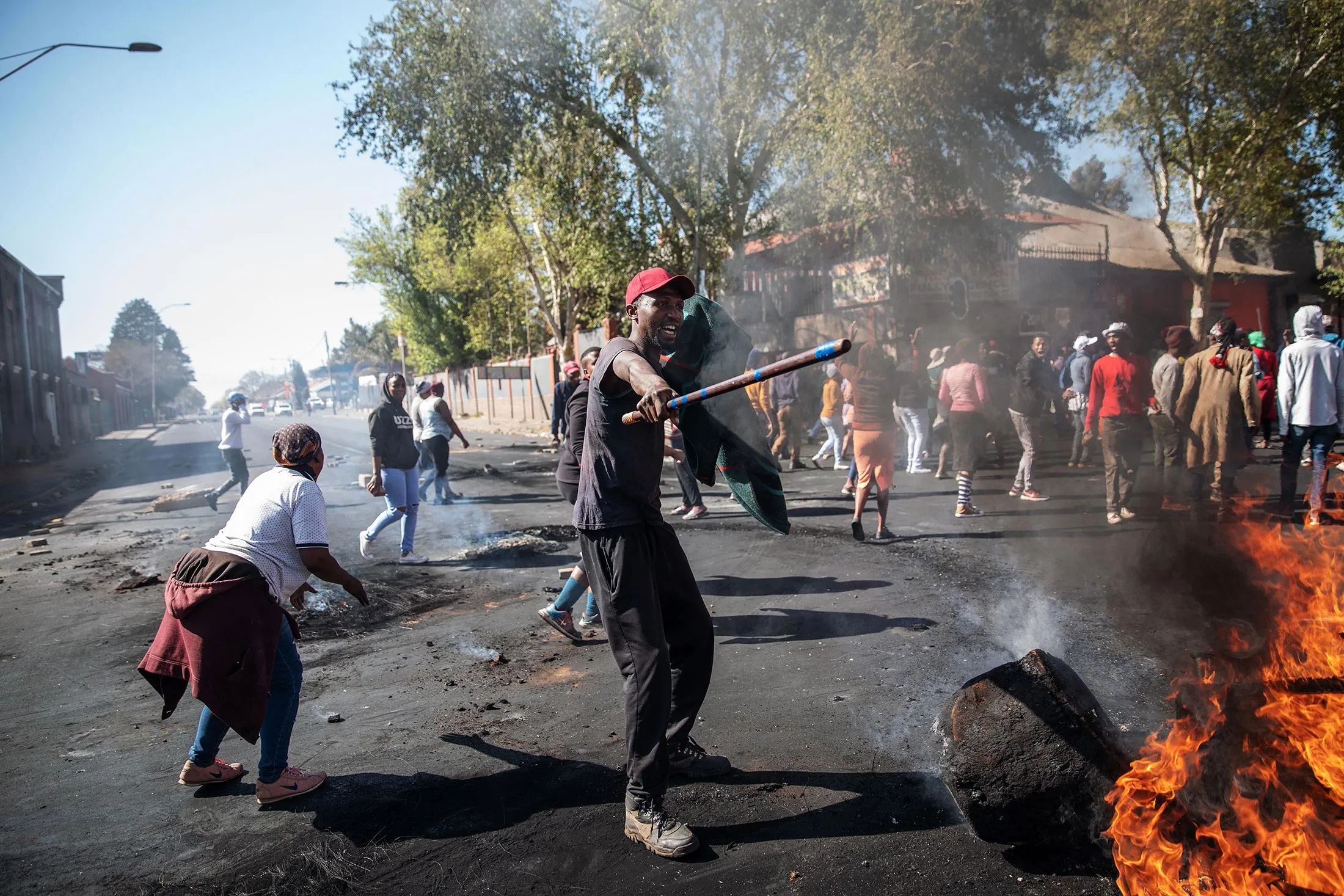
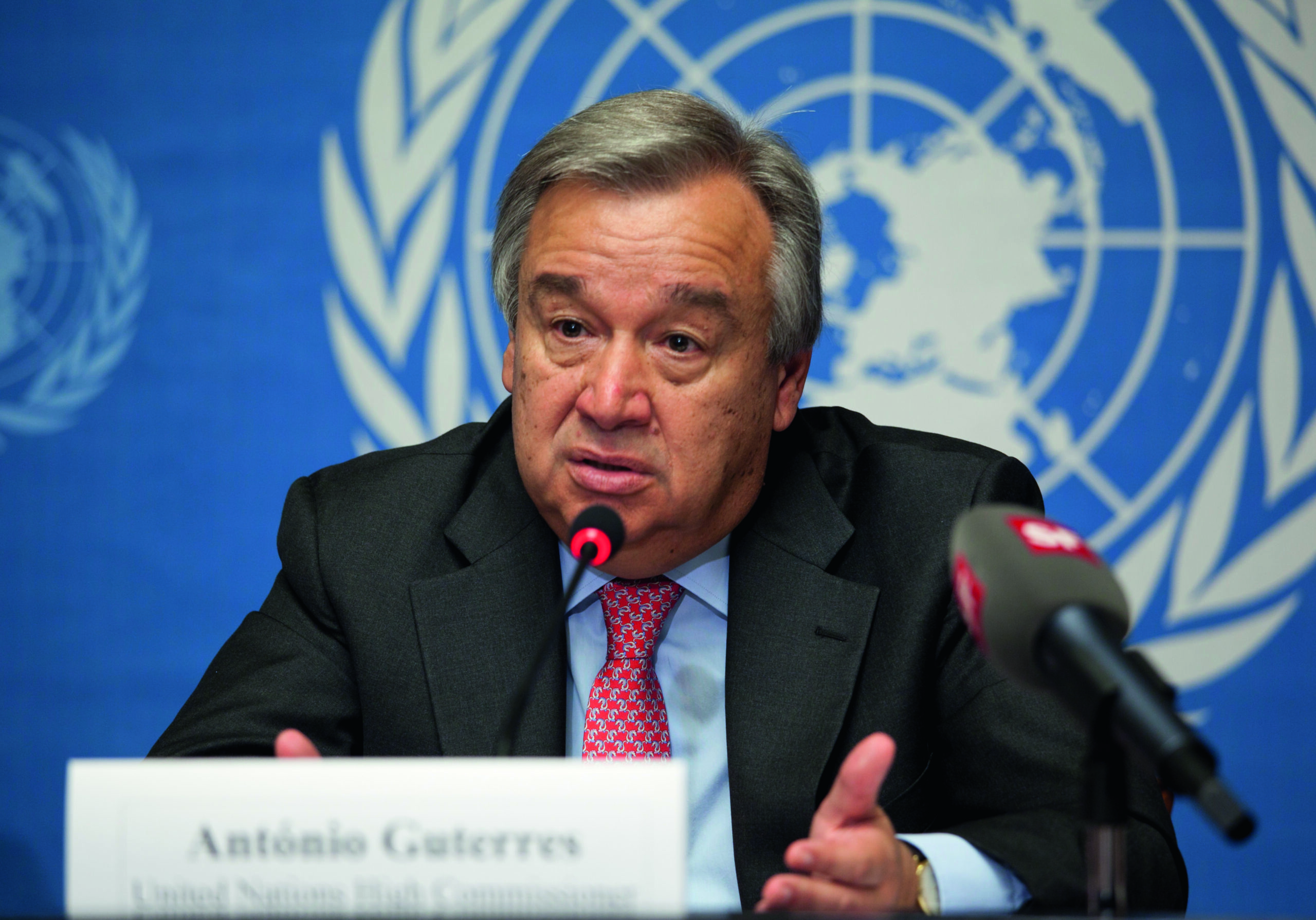
The Secretary-General of the United Nations, António Guterres, has expressed deep concern over a rise in xenophobic violence in South Africa, warning that attacks against migrants threaten the country’s democratic values and social cohesion.
In a statement delivered by spokesperson Stéphane Dujarric to mark Freedom Day on Monday, April 27, the UN chief extended congratulations to South Africans while also condemning reports of harassment, intimidation and violence targeting foreign nationals.
The attacks, reported in provinces including KwaZulu-Natal and Eastern Cape, were described as criminal acts driven by individuals exploiting socio-economic tensions. The Secretary-General stressed that “violence, vigilantism and all forms of incitement to hatred have no place” in a democratic society governed by the rule of law.
While acknowledging the significance of Freedom Day, which commemorates the end of apartheid, the UN chief underscored that South Africa’s liberation struggle was built on solidarity across Africa and the wider international community. He noted that the country’s development has long depended on the contributions of both citizens and migrants.
The statement comes amid growing concern within the UN over what experts describe as a troubling escalation of xenophobia. Reports indicate that anti-migrant rhetoric has increasingly featured in political discourse, with some actors blaming foreign nationals for unemployment and poor public services.
UN officials have also warned that xenophobia in South Africa is becoming more entrenched. Beyond sporadic mob violence, there are signs of institutionalised discrimination, including inflammatory remarks by some public officials and the emergence of vigilante-style groups targeting migrant communities and businesses.
A key concern highlighted by the UN is the lack of accountability for such violence. Few perpetrators of past attacks have been successfully prosecuted, contributing to what observers describe as a culture of impunity. High-profile cases, including the killing of migrant workers in recent years, continue to underscore gaps in justice and enforcement.
The Secretary-General welcomed statements by South African authorities affirming that no individual or group has the right to enforce the law independently, and that those responsible for crimes will be investigated. He emphasised that such investigations must be “prompt, thorough, independent and impartial.”
Recognising the broader socio-economic challenges facing the country, the UN chief stressed that responses must remain lawful and non-discriminatory, while upholding human rights and dignity for all. He also welcomed government efforts to address systemic issues, including anti-corruption measures in immigration systems and the implementation of a national action plan against racism and xenophobia.
“The United Nations stands ready to continue engaging in efforts to de-escalate tensions, counter incitement, protect those at risk, and strengthen social cohesion,” the statement read in part, adding: “The Secretary-General underscores that sustained community engagement, respect for human rights, responsible leadership, and accountability are essential to prevent further violence and to preserve peace and stability.”
Leave a Reply