Security reports circulating within the country and internationally painted a grim picture: the situation was rapidly deteriorating in multiple regions, yet any meaningful intervention still seemed far off.
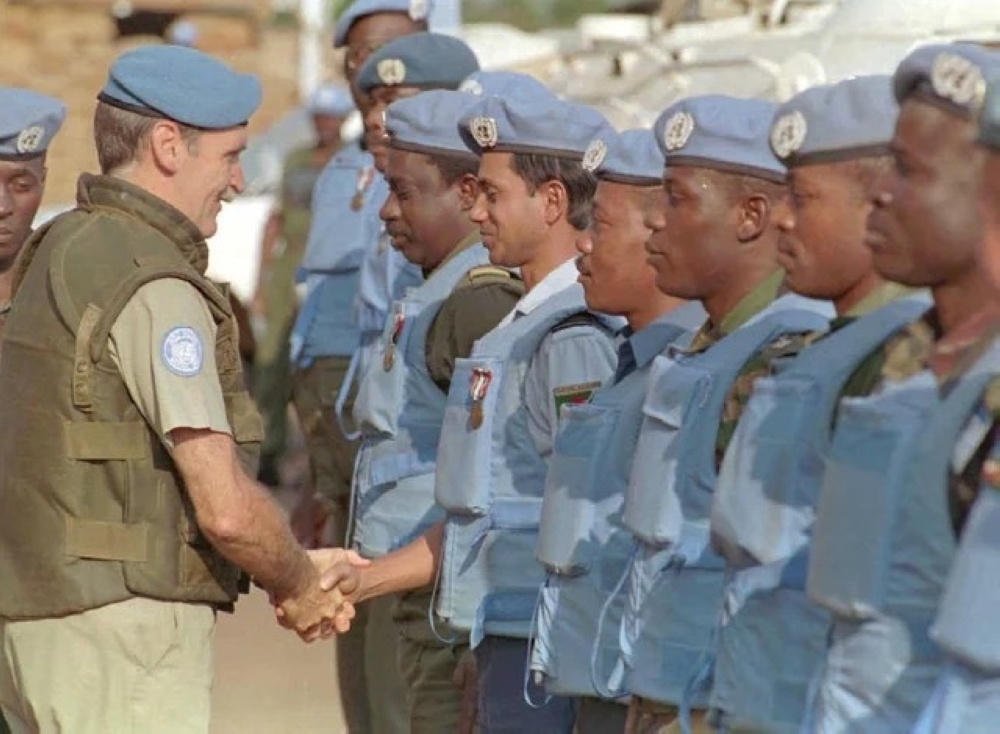
That morning, Jacques-Roger Booh-Booh, the Special Representative of the UN Secretary-General and head of the United Nations peacekeeping mission in Rwanda (UNAMIR), issued an urgent appeal calling for the evacuation of most UN personnel.
In a letter addressed to Kofi Annan, he warned that large numbers of Tutsis were being killed, particularly in southern regions such as Gitarama, Butare, and Gikongoro.
He also reported intense fighting between government forces—formerly aligned with President Juvénal Habyarimana—and the Rwandan Patriotic Army (RPA), the military wing of the RPF, which was attempting to stop the killings.
He described a night marked by heavy gunfire, including the use of powerful weapons. Reinforcements had reportedly been seen moving from Ruhengeri toward Kigali, and communication with the outside world had become extremely difficult.
Efforts had been made to coordinate with airport authorities and the RPA to keep Kigali International Airport neutral, although this remained uncertain. By that time, a group of UN troops had already been evacuated to Nairobi.
Booh-Booh also indicated that government troops were unwilling to relinquish control of the airport. Instead, they proposed jointly managing it with UNAMIR, a move he suggested was aimed at maintaining strategic advantage.
There were concerns that control of the airport could be used to pressure the RPA into accepting a ceasefire without first addressing the ongoing mass killings.
He warned that the airport could become a major flashpoint, as both sides sought to control it and its surroundings. This, he noted, posed serious risks to UN operations, including the evacuation process, supply lines, and the safety of peacekeepers.
Booh-Booh further expressed doubts about the government forces’ willingness to pursue peace. He cited an earlier incident on April 19, when mortar shells were fired into Amahoro Stadium, a site under UN protection where many Tutsi civilians had sought refuge. The attack left several people dead and dozens injured, and additional shelling in surrounding areas caused further civilian casualties.
Given the worsening security situation, he warned that UN personnel themselves were at risk and recommended a rapid withdrawal. He suggested that a reduced force—around 250 personnel, both military and civilian—could remain to monitor humanitarian efforts and any potential ceasefire.
Despite advocating for a large-scale troop withdrawal, he stressed that civilians sheltering in locations such as Hotel des Mille Collines, Red Cross facilities, St. Michel, and other areas were in grave danger, as killings had already intensified across Kigali.
The UN Security Council had originally established UNAMIR on October 5, 1993, under the leadership of Lieutenant General Roméo Dallaire, to oversee the implementation of the Arusha Peace Accords between the government of Habyarimana and the RPF.
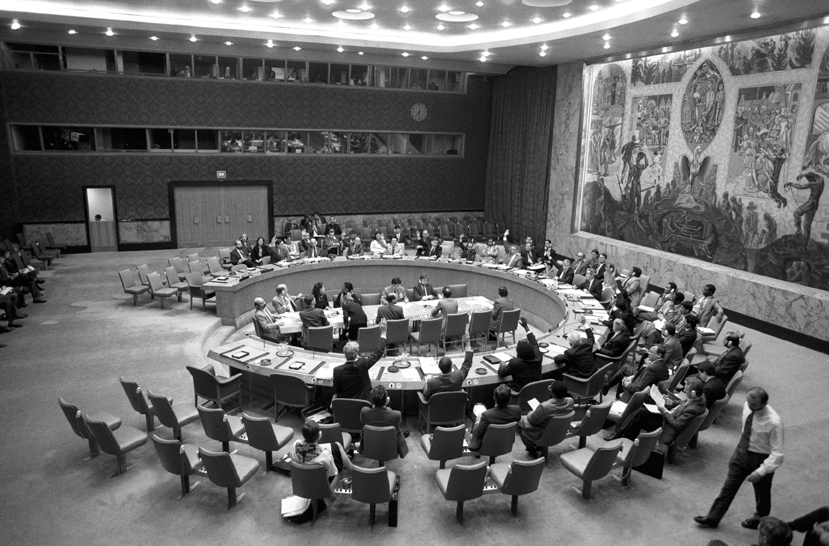
However, following Booh-Booh’s warning, the Security Council decided on April 21, 1994, to drastically reduce the UNAMIR force—from about 2,500 troops to just 270. The decision was largely influenced by pressure from member states, particularly after the killing of 10 Belgian peacekeepers.
Those Belgian soldiers had been assigned to protect Prime Minister Agathe Uwilingiyimana. They, along with the Prime Minister, were killed by government troops from the Kanombe military camp on the morning of April 7, 1994.
The withdrawal marked a critical moment in the genocide, significantly weakening international presence at a time when mass killings were escalating, and leaving countless civilians without protection.
Leave a Reply